
Understanding walk-in tub water requirements
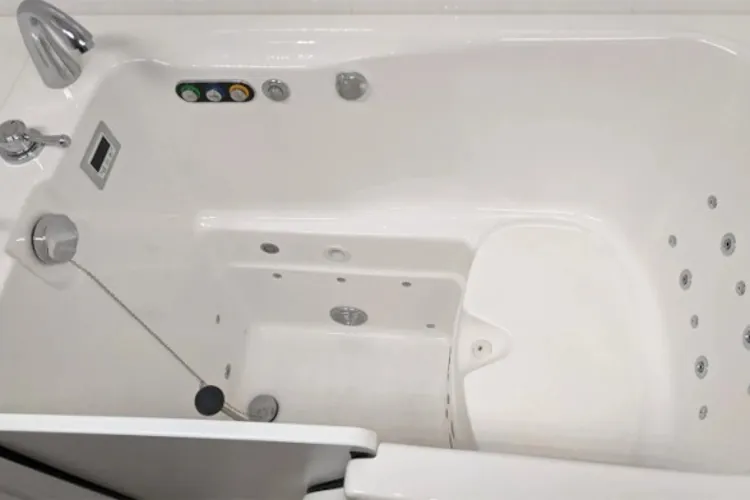
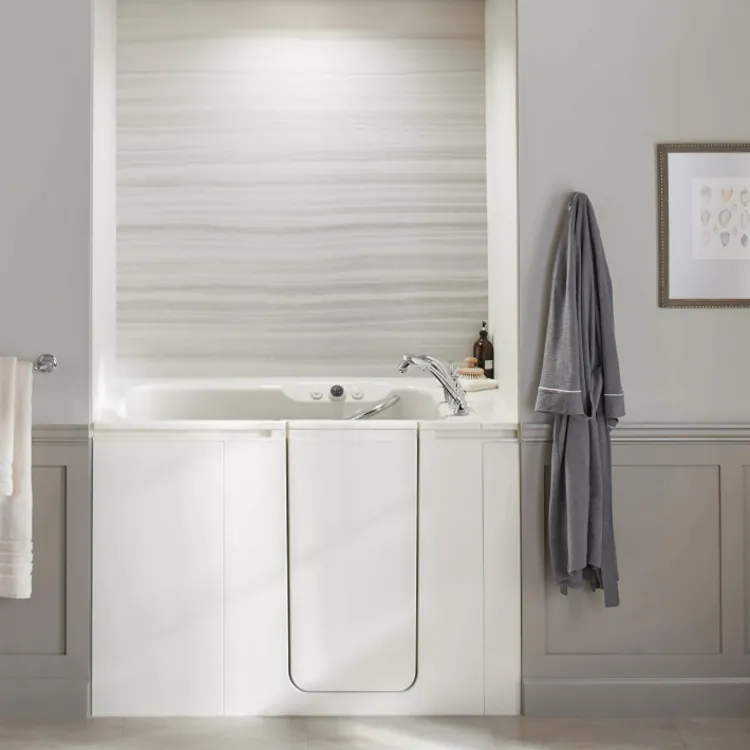
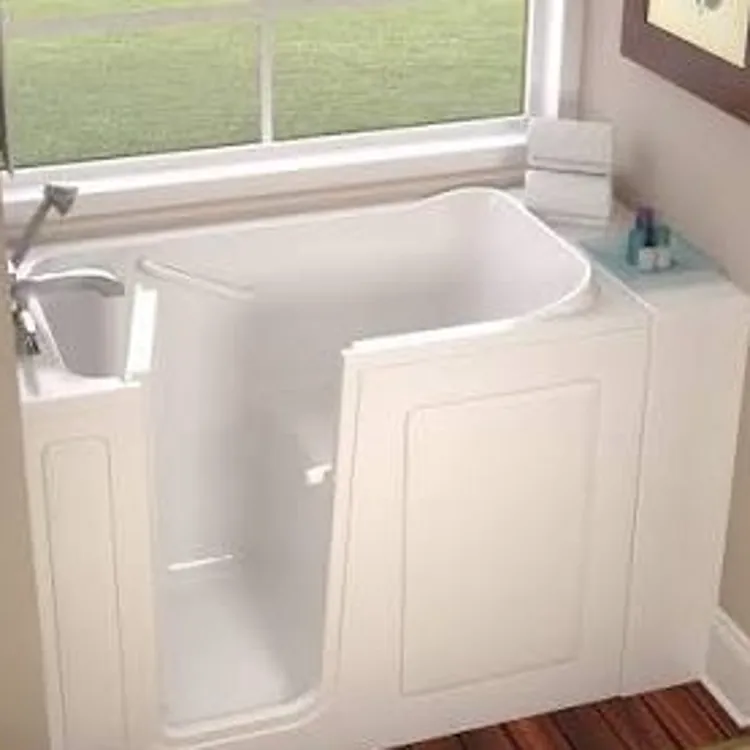
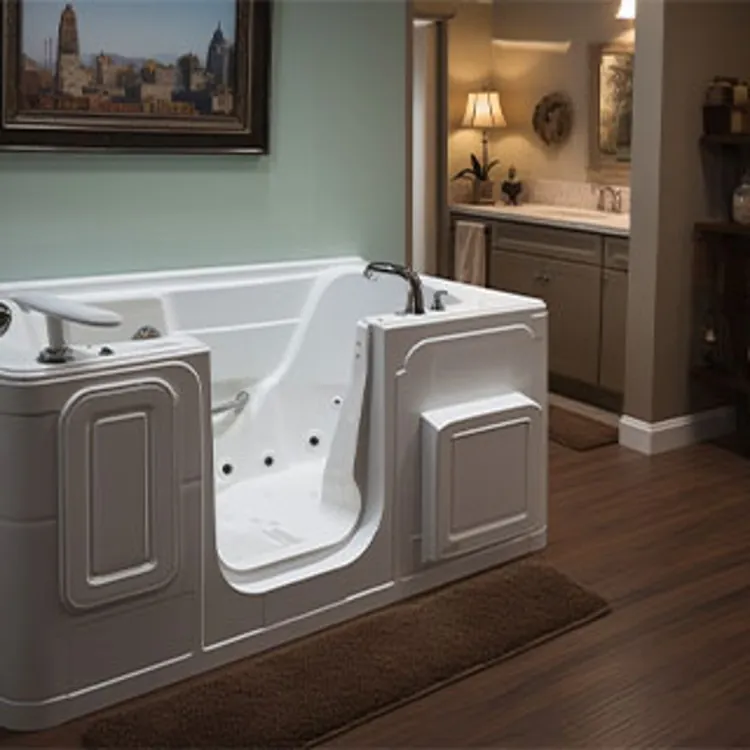
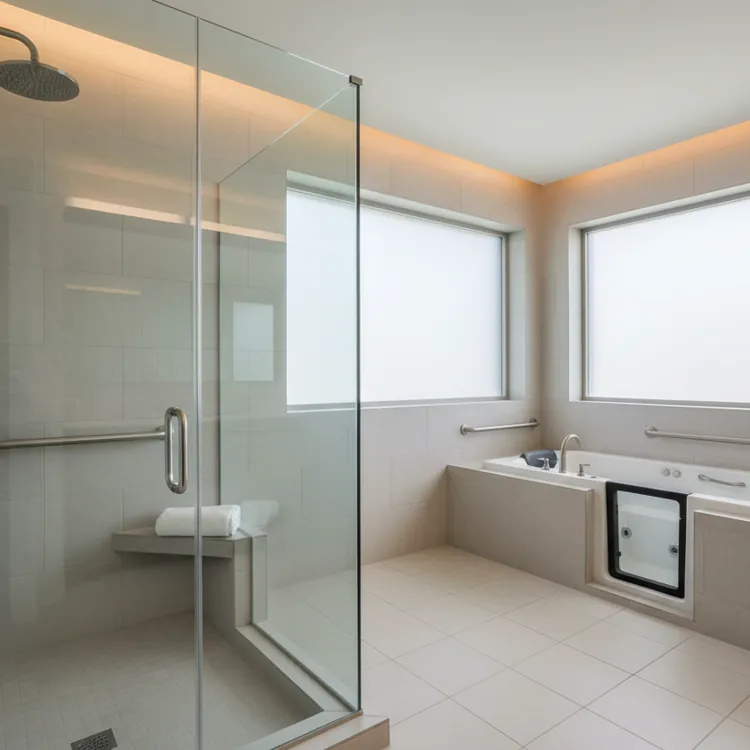
Walk-in tubs usually take up about the same amount of space as a standard tub, unless you buy one that’s a larger size, such as a bariatric walk-in tub or two-seater model. While you can sometimes use your existing plumbing to support a walk-in tub, other times you need to reroute your plumbing, some experts say.
For example, if you have a shower already there and you’re trying to convert it to a walk-in tub, the sizing of the plumbing and the location of hot and cold water lines can be different, explained Jamin Katzer, senior construction manager at Earth Saving Solutions, a general contracting company.
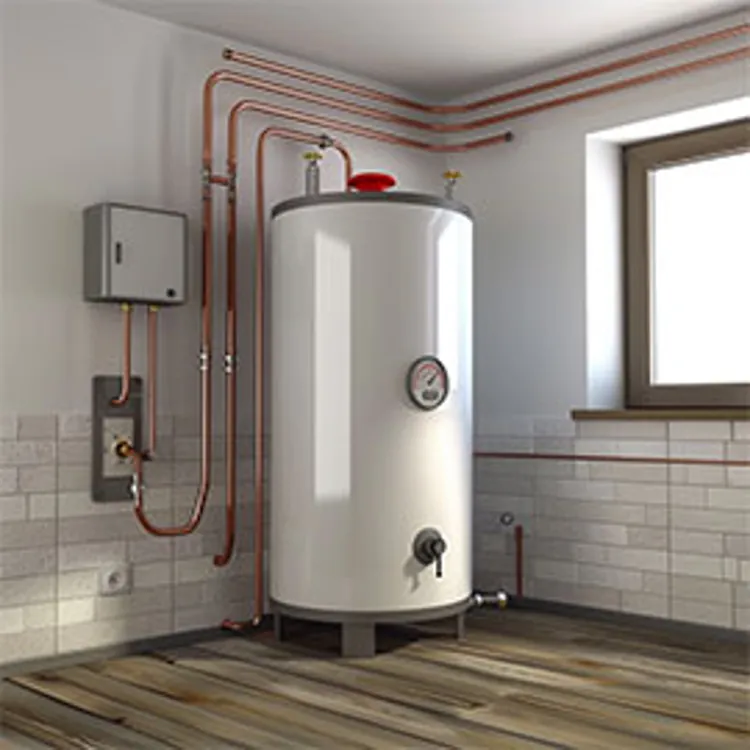
Standard tubs are typically a foot deep, while walk-in tubs are about 3.5 feet deep. This means walk-in tubs require a lot more water to fill. If your water heater has a 40-gallon tank and you have a 50-gallon tub, your hot water might run out before you’re done filling the tub. If that’s the case, you might need to purchase a larger water heater.
How much water will my walk-in tub use?
Walk-in tubs are usually the same size as standard tubs, just taller, so they use more water. For comparison, standard tub depths are typically around one foot, while walk-in tubs are closer to three or four feet in depth.
If you purchase a basic walk-in tub, you can expect to use about 50 gallons of water per use. Smaller walk-in tubs designed for compact spaces might use 40 gallons, but tubs made for two people can use 120 gallons.
Do I need to upgrade my water heater?
You don’t want to buy a walk-in tub and have it installed only to realize halfway through filling it up that you don’t have enough hot water to take a comfortably warm bath.
Knowing how big your tub is before you begin installation can help you figure out if your current water heater can accommodate the extra gallons. You don’t necessarily need to upgrade your water heater. Instead, look for a walk-in tub that matches your heater’s capacity. If you schedule a walk-in tub appointment with an installation company, you can discuss your options and choose the best model based on your water heater’s capacity.
Evaluating your existing water heater adequacy
Before making any changes to your water heater, you should check whether it has the capacity to handle filling a walk-in tub while still accounting for the other hot water needs in your home. For example, consider other members in your household that will need hot water for showers, dishwashing or laundry, and how much hot water your household needs during times of peak demand.
Water heaters use a metric called the first hour rating (FHR), which measures the amount of hot water in gallons the heater provides during its first hour of use. Looking at the FHR can often be an accurate way of ensuring a water heater can meet a household’s needs during peak demand. Manufacturers are required to list the FHR on a yellow label, which you should be able to find on your existing water heater.
While a heater’s tank capacity can be a good reflection of how much water it holds, it won’t always be an accurate reflection of whether the tank can actually meet your home’s needs. You can also use the FHR as a measurement when considering a walk-in tub’s total gallon capacity to determine whether your existing heater can adequately provide enough hot water.
Comparing types of water heaters for walk-in tubs
According to the U.S. Department of Energy, there are several types of water heaters available, including:
- Storage tank heaters: These heaters hold a stored amount of hot water that is ready to use. With this type of heater, you’ll use more energy in your home if you run out of hot water before your walk-in tub fills.
- Tankless heaters: These provide hot water only as necessary and don’t have a storage tank. If you have the correct size for your walk-in tub, you shouldn’t run out of hot water with a tankless heater.
- Heat pump water heaters: Similar to tankless heaters, this type of heater can be more energy-efficient, saving you money by pumping heat from one place to another instead of producing the heat directly.
- Solar water heaters: These use energy from the sun to provide hot water, saving you money in energy costs.
Factors to consider when choosing a water heater size
Beyond the size of your walk-in tub, household water usage routines and safety settings can impact your hot water needs. When selecting the right water heater size for your walk-in tub, be sure to consider the following factors:
- Walk-in tub capacity: Different models have different capacities, ranging from 40 to 120 gallons. Be sure to check your tub’s manual for the exact water volume it requires and ensure your heater can deliver enough hot water for a full fill.
- Household water usage: If others in your home will be using hot water at the same time — for showers, laundry or dishwashing — you’ll need a water heater that can handle multiple demands without running out of hot water.
- Water heater recovery rate: This is the amount of hot water a heater can produce per hour. A higher recovery rate helps ensure consistent hot water availability during longer or repeated baths.
- Energy efficiency: Look for energy-efficient models that suit your needs, such as tankless or heat pump heaters, which can save on utility costs while still providing enough capacity.
- Bathroom location and plumbing layout: Longer distances from the heater to the tub and complex plumbing layouts can impact how quickly and efficiently hot water reaches your tub.
FAQ
How long does it take to fill a walk-in tub?
On average, it takes about 6 to 15 minutes to fill a walk-in tub, depending on your home’s water pressure and plumbing setup. Some models feature fast-fill faucets to reduce wait time.
Can I use a tankless water heater with a walk-in tub?
Yes, tankless water heaters can be used with walk-in tubs as long as they are appropriately sized to handle the tub’s water capacity. They can be a great option for homes looking to save space and energy.
What is the most energy-efficient water heater for a walk-in tub?
Heat pumps and solar water heaters are considered the most energy-efficient options. They reduce energy usage by either transferring existing heat or harnessing solar power, making them environmentally friendly and cost-effective over time.
Is my existing water heater enough for a walk-in tub?
Possibly. You can find information about your current heater’s capacity on its label. Consider the total tank capacity as well as its first hour rating when estimating whether it will be able to fill a walk-in tub while also meeting the other hot water needs in your home.
Bottom line
Look at your home’s water heater before purchasing a walk-in tub to make sure it can accommodate enough hot water for the increased size. You may need to upgrade your water heater if it’s too small or doesn’t have an adequate FHR. Consult with a licensed plumber or walk-in tub technician about your hot water needs before purchasing a new heater.
» COMPARE: Best walk-in tubs
Article sources
ConsumerAffairs writers primarily rely on government data, industry experts and original research from other reputable publications to inform their work. Specific sources for this article include:
- U.S. Department of Energy, “Selecting a New Water Heater.” Accessed March 25, 2026.