


How does a walk-in tub work?
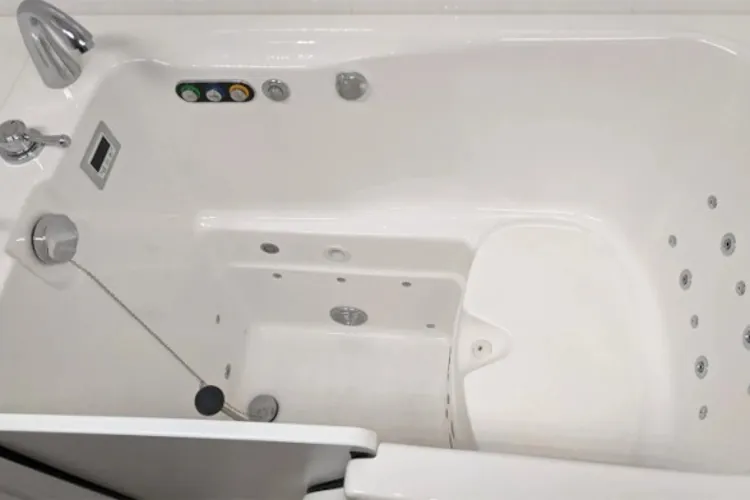
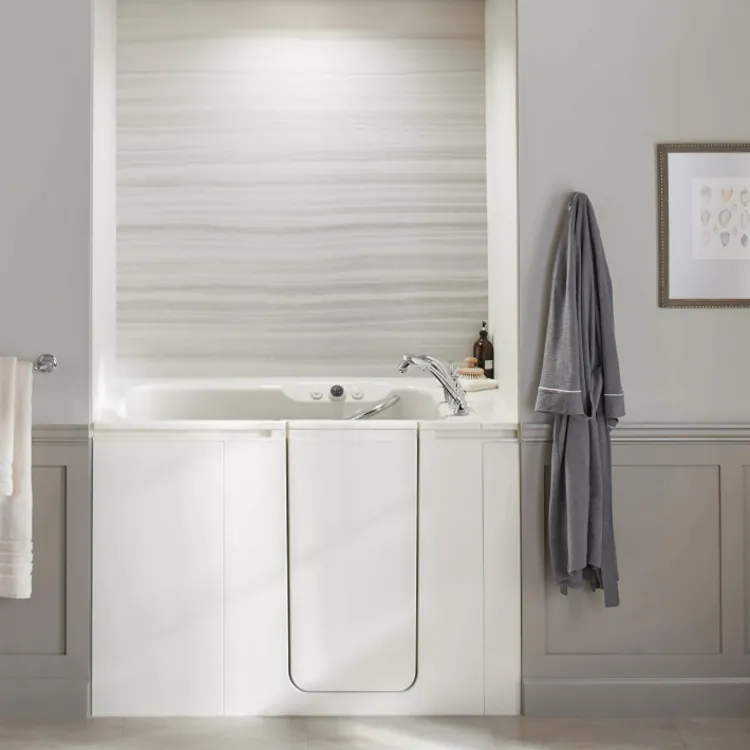
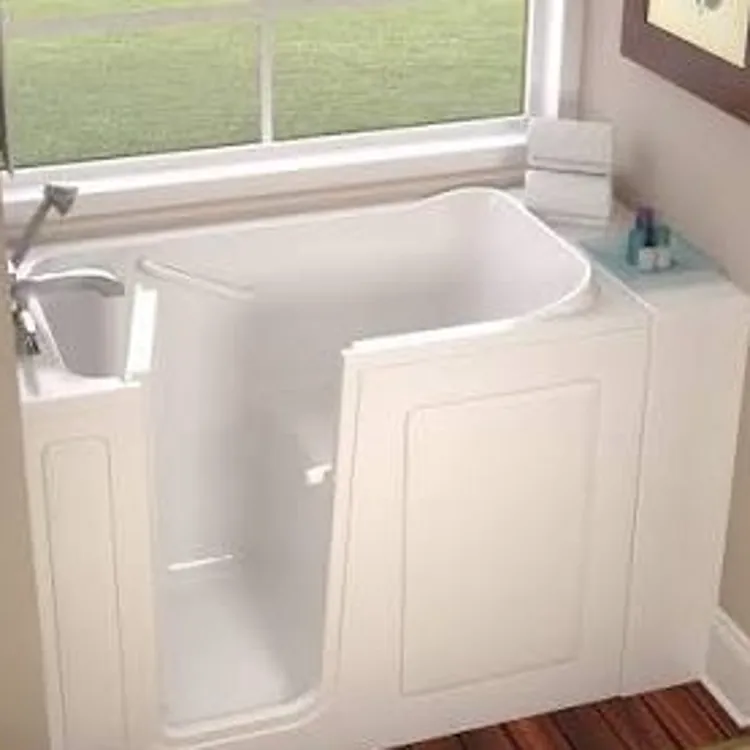
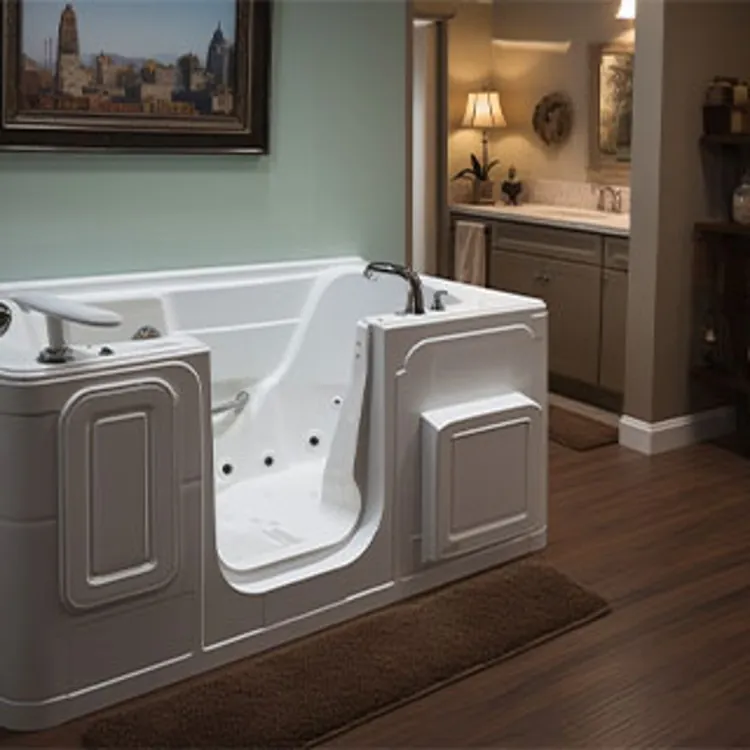
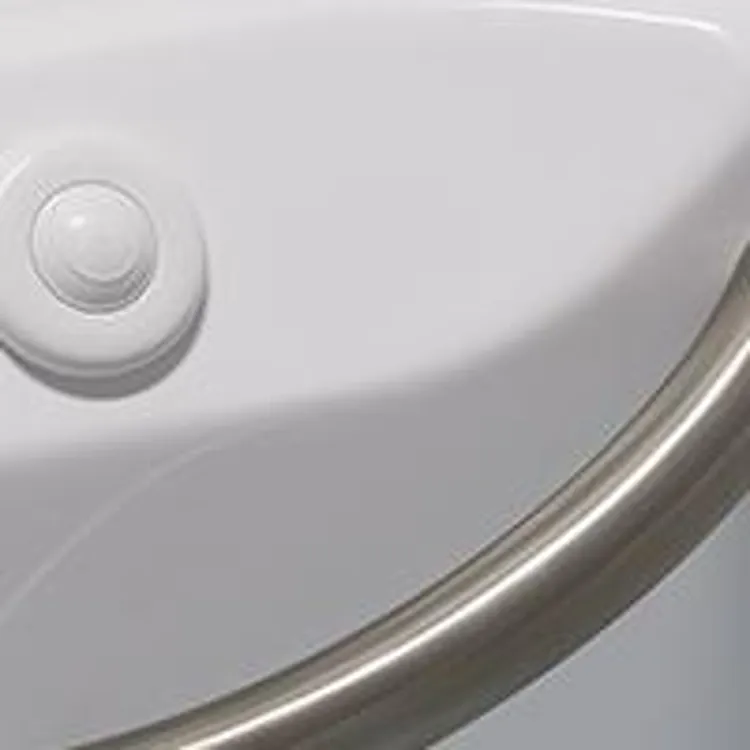
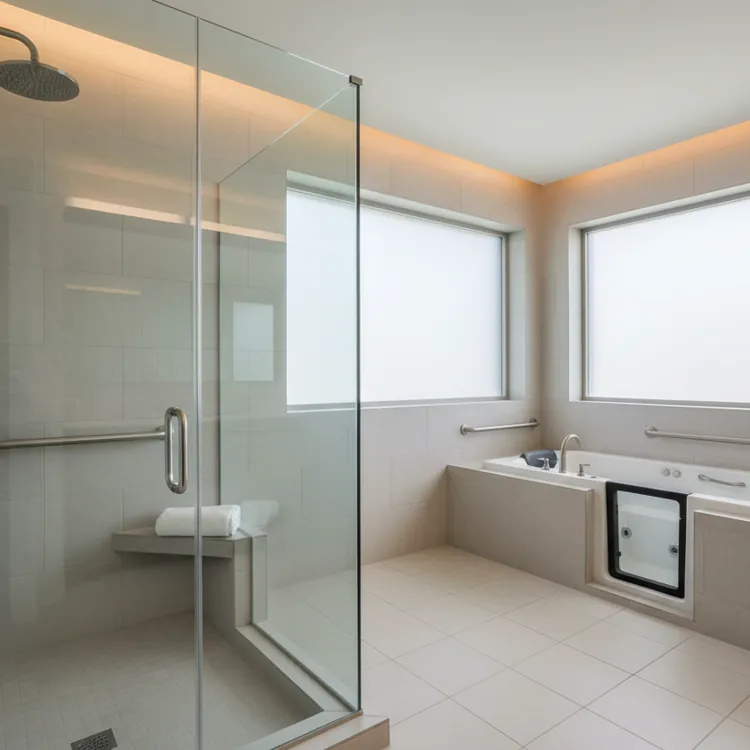
A walk-in tub works like a regular bathtub but comes with extra safety features. A low step-in threshold, a watertight door and a built-in seat allow for easier entry. Grab bars and nonslip floors also help prevent falls. Here’s how to use a walk-in tub:
1. Enter the tub
- Step over a low threshold (between 2 to 8 inches high).
- Close the watertight door.
- Sit in a built-in seat with a textured surface to prevent slipping.
2. Fill the tub
- Wait up to 10 minutes for the tub to fill. Some models have high-flow faucets to reduce this time.
- Turn on heated seats and backrests (if available) for added comfort while you wait for the tub to fill.
- Use a hand-held showerhead (if available) to rinse while waiting.
3. Bathe and relax
- Bathe while sitting in the built-in seat.
- Use the tub’s jets and therapy features (if available) for a spa-like feel.
4. Drain and exit the tub
- Fully drain the tub before opening the door. Walk-in tubs can take up to 15 minutes to drain. Fast-draining models can reduce this time to four minutes or less.
- Open the door and use grab bars for support to exit the tub, safely stepping over the low threshold.
Walk-in tubs vs. standard tubs
- Stepping into a walk-in tub is much easier than stepping over a standard bathtub wall.
- You bathe while seated upright rather than lying down.
- You have to sit inside a walk-in tub while it fills and drains.
- Walk-in tubs use more water and may require a larger water heater than a standard tub.
What are the benefits of a walk-in tub?
Walk-in tubs offer several benefits, including enhanced safety and therapeutic features. For older adults or those with mobility issues, walk-in tubs reduce fall risk, improve accessibility and provide pain relief.
Safety and accessibility
- Low step-in height for easier access
- Nonslip surfaces and grab bars reduce fall risk
- Built-in seating in an upright position makes it easier to bathe
- Ergonomic controls for easier use
- Anti-scald valves to prevent dangerously hot water
- More accessible for caregivers
Comfort and physical therapy
- Hydrotherapy jets to relieve soreness, joint pain and arthritis
- Air jets to improve circulation
- Heated seats and backrests to stay warm while the tub fills and drains
- Warm water immersion, light therapy and aromatherapy to promote relaxation and improve sleep
- Hand-held showerhead for easier rinsing
Greater independence
- Allows older adults and those with mobility challenges to bathe without help
- Lets people age in place for longer
Who should consider a walk-in tub?
Anyone with mobility limitations who wants a safer way to bathe should consider a walk-in tub. They are especially helpful for:
- Older adults who want to age in place and maintain their independence
- People with mobility issues who may struggle to step over a high tub wall or would benefit from the support of grab bars
- People with arthritis, joint pain or circulation issues who need soothing hydrotherapy jets and deep soaking to relieve stiffness
- Caregivers and family members looking for a safer bathing option for loved ones
- People recovering from surgery or injury who need a safer way to bathe
Reasons to get a walk-in tub
The main reason people invest in a walk-in tub is to prevent falls when entering or exiting a standard bathtub. With low step thresholds, nonslip floors, built-in seats and grab bars, walk-in tubs offer a safer alternative to traditional bathtubs.
- Enhanced safety: Walk-in tubs are designed to reduce fall risks, making bathing safer for older adults and those with mobility challenges.
- Luxury and relaxation: “Some assisted living facilities have them, and it’s like their pride and joy…They’ll call it the ‘spa room,’” said Marcy Baskin, vice president at Senior Care Authority. Many models feature hydrotherapy jets, heated seating and a sleek design that adds a spa-like feel.
- Aging in place: If you plan to stay in your home long-term, a walk-in tub may be a worthwhile upgrade. In some cases, it can even increase home value, especially if sold to buyers who want to age in place.
Types of walk-in tubs
Walk-in tubs come in several varieties, including traditional soaker tubs, hydrotherapy models and two-seaters. While all walk-in tubs are safer and more accessible than regular bathtubs, choosing the right type depends on your long-term needs and budget.
Soaker tub
The standard walk-in tub is designed for deep soaking. It’s similar to a standard bathtub, but includes a door, a low step-in threshold, a built-in seat and grab bars for stability. Some models come with hand-held or adjustable showerheads. These models don’t come with jets or advanced features. They are the least expensive type of walk-in bathtub.
Combination tub and shower
These models combine the accessibility of a walk-in tub with the convenience of a shower. They still have the safety features of a standard soaker tub, but also have an overhead showerhead. They’re a good choice for bathrooms where space is limited or for homeowners who still want a shower option for guests.
Hydrotherapy and aerotherapy tubs
Hydrotherapy refers to powerful water jets that deliver a deep massage to relieve sore muscles and joints. Aerotherapy refers to air jets that release gentle bubbles for relaxation and improved circulation. Some tubs combine both water and air jets. They’re great if you’re looking for a spa-like experience from home.
Two-seaters
These are designed for two people to use at the same time, with two built-in seats (sometimes bench style) and more space. They take more water to fill, so make sure your water heater is large enough. Two-seater tubs are best for couples who want to bathe together. However, they’re more expensive and require more bathroom space.
Bariatric tubs
Bariatric tubs are specifically for larger individuals. They are designed with wider doors and seats, as well as reinforced frames.
Wheelchair-accessible tubs
These tubs are designed with outward-swinging doors to make it easier for you or a loved one to transfer from a wheelchair to the built-in seat. Many wheelchair-accessible tubs also come with therapeutic features.
Walk-in tub vs. walk-in shower
When considering accessible bathroom solutions, both walk-in tubs and walk-in showers offer safety benefits, but they serve different needs and preferences.
Select a walk-in tub if you want therapeutic benefits and don't mind the wait time. Choose a walk-in shower if you have limited space or are on a tighter budget.
- Speed of use: Walk-in showers allow quick entry and exit, while walk-in tubs require waiting for the tub to fill and drain before exiting, which can take about 10 to 15 minutes.
- Therapeutic benefits: Walk-in tubs offer hydrotherapy jets, aerotherapy and heated seating to relieve arthritis pain and soothe muscles. Walk-in showers typically lack these features, though some include steam or massage showerheads.
- Space requirements: Walk-in showers fit better in smaller bathrooms, while walk-in tubs require more floor space, especially therapeutic or two-seater models.
- Cost differences: Walk-in showers typically cost significantly less than walk-in tubs, sometimes even half the cost.
» COMPARE: Walk-in showers vs. walk-in tubs
How much do walk-in bathtubs cost?
Standard walk-in tubs cost $2,000 to $5,000. Luxury models can cost more than $20,000. As a rough guide, here’s what you’ll pay for a walk-in tub, before installation:
You may need to upgrade your water heater if it’s smaller than 40 gallons.
- Entry-level soaker tub: $2,000 to $5,000
- Mid-range model: $5,000 to $10,000
- Luxury models: $10,000 to $20,000-plus
Installation costs are also between $1,000 and $10,000, depending on how much remodeling is required to hook up the new tub.
Most insurance plans, including Medicare, don't cover walk-in tubs since they're considered home modifications rather than durable medical equipment. However, many walk-in tub manufacturers offer financing options with monthly payment plans to make the investment more affordable.
You may also want to check with your local Area Agency on Aging or state Medicaid program about potential assistance programs for home accessibility modifications.
Potential drawbacks and common myths
While walk-in tubs offer significant safety and accessibility benefits, it's important to understand common concerns and separate facts from misconceptions. Here's an honest look at potential drawbacks.
Longer fill and drain times
One of the most cited drawbacks of walk-in tubs is the wait time. You must enter the tub, close the door and wait for it to fill before bathing — then wait for it to drain completely before exiting. Here’s the reality:
- Standard models take six to eight minutes to fill and four to six minutes to drain.
- Modern fast-fill faucets and quick-drain systems can cut these times nearly in half.
- Heated seating and in-line water heaters keep you comfortable during the fill process.
Leaks and sealed doors
A common myth is that walk-in tub doors are prone to leaking. This concern is largely unfounded with quality models. The facts are:
- Quality walk-in tubs use advanced watertight seal technology (similar to marine applications).
- The door seal compresses when closed, creating a waterproof barrier.
- Leaks typically only occur if the seal becomes damaged or isn't properly maintained.
- Regular gasket inspection and proper cleaning keep seals effective for years.
- Most manufacturers offer warranties covering seal integrity.
Higher upfront cost
A walk-in tub is a major investment — they typically cost $2,000 to $20,000-plus before installation. For many, it's an investment in long-term safety, and the therapeutic benefits justify the expense. That said, it may not be the right solution for every household.
“You have to look at all the bells and whistles that you’re paying extra for and make sure that you need them,” said Baskin. If cost or complexity is a major concern, consider less expensive walk-in tub alternatives that are easier to install.
Maintenance and cleaning tips
Walk-in tubs are designed for easy maintenance and don't require significantly more care than standard bathtubs. Following a simple routine will keep your tub in excellent condition for years to come.
Regular cleaning routine
Maintaining your walk-in tub is straightforward with these basic steps:
- After each use: Rinse surfaces with clean water to remove soap residue and body oils
- Weekly cleaning: Use a nonabrasive cleaner designed for acrylic or fiberglass surfaces (depending on your tub material)
- Avoid harsh chemicals: Skip bleach, ammonia or abrasive scrubbers that can damage the finish
- Clean jets monthly: If you have hydrotherapy jets, run a jet-cleaning solution through the system according to manufacturer instructions
- Wipe down fixtures: Clean faucets, grab bars and door handles with mild soap and water
The smooth, nonporous surfaces of modern walk-in tubs actually make cleaning easier than traditional bathtubs with fewer hard-to-reach corners and crevices.
Door seal care
The door seal is critical for preventing leaks and requires minimal but important attention:
- Inspect monthly: Check the rubber gasket around the door for cracks, tears or signs of wear
- Clean regularly: Wipe the seal with mild soap and water to remove soap scum and mineral deposits
- Keep it dry: After each use, wipe down the seal to prevent mildew growth
- Apply protectant: Use a silicone-based protectant every few months to keep the rubber supple and prevent cracking
- Replace when needed: Most seals last five to 10 years with proper care, but replace immediately if you notice damage
If you notice any leaking, contact your manufacturer; most warranties cover seal issues.
Walk-in tub installation
Walk-in bathtubs are installed by professionals who remove your old tub, connect plumbing and ensure everything works. The process can take between one and three days, depending on how much plumbing or electrical work is required. Here are more details on the walk-in tub installation process:
1. Preparation
Installers start by removing the existing tub and preparing the bathroom for the new tub. At this point, they check and confirm that your plumbing and flooring can support the new unit.
2. Installation
The new tub is moved in and connected to your home’s water and drain lines. If the walk-in tub has jets, it also needs to be connected to the electrical system.
3. Finishing and inspection
Installers secure any gaps with trim, tile or caulk for a finished look. They’ll also test the door for leaks and run water through to confirm the jets and drain work properly.
4. Demonstration
The installers show you how to use the tub and its features. They’ll answer any questions you may have and show you how to operate the tub safely.
FAQ
How big is a walk-in tub?
Walk-in tubs are usually 28 to 32 inches wide and up to 60 inches long. Most walk-in tubs are between 36 and 47 inches tall. Water in walk-in bathtubs can get up to about 3.5 feet deep in taller tubs — standard bathtubs are typically just more than a foot deep.
How much water does it take to fill a walk-in tub?
A standard-size walk-in tub uses around 50 gallons of water. Compact tubs may hold as few as 40 gallons, bariatric models hold an average of 100 gallons and double-seated tubs use about 120 gallons. You may need to get a larger water heater depending on your current water heater’s size.
Can you use bubble bath in a walk-in tub?
You can use bubble bath in a walk-in tub, but we don’t suggest it if your tub is jetted. Bubbles can be challenging to predict, and some formulas might overflow the tub. Similarly, you can occasionally put Epsom salts or bath oils in a walk-in bath as long as you thoroughly rinse the tub afterward.
Do you have to sit in a walk-in tub while it drains?
Yes, you need to remain in the tub until the water level is low enough to safely open the door. Many walk-in tubs include heated seats or hand-held showerheads to help you stay warm during draining.
What are some alternatives to walk-in tubs?
Popular walk-in tub alternatives include shower chairs and grab bars. You might also consider a hot tub or waterproof medical alert system.
Do Medicare or Medicaid cover walk-in tubs?
No, Medicare does not cover walk-in tubs because they aren’t classified as durable medical equipment. Medicaid also generally does not cover them, though some state waiver programs may help if the tub is deemed medically necessary for safety. Coverage depends on your state, so check with your Medicaid office.
Article sources
ConsumerAffairs writers primarily rely on government data, industry experts and original research from other reputable publications to inform their work. Specific sources for this article include:
- Medicare.gov, “Durable medical equipment (DME) coverage.” Accessed Oct. 3, 2025.