

Types of laminate floors by material
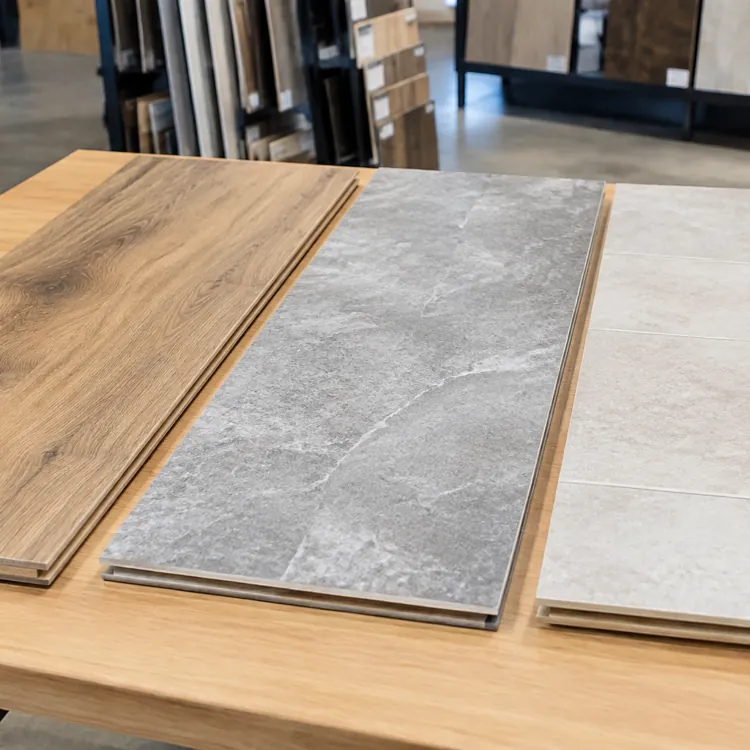
The three main types of laminate flooring are categorized primarily by their appearance. You can choose wood-look laminate planks, stone-look laminate planks or tiles or tile-look laminate planks or tiles. A photo layer under the wear layer gives each option a distinct appearance.
Wood-look laminate planks
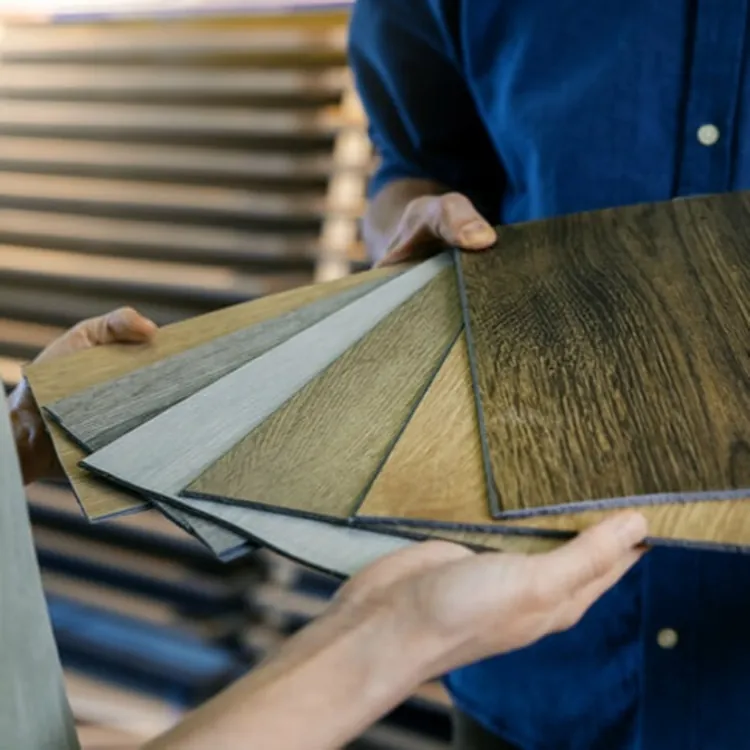
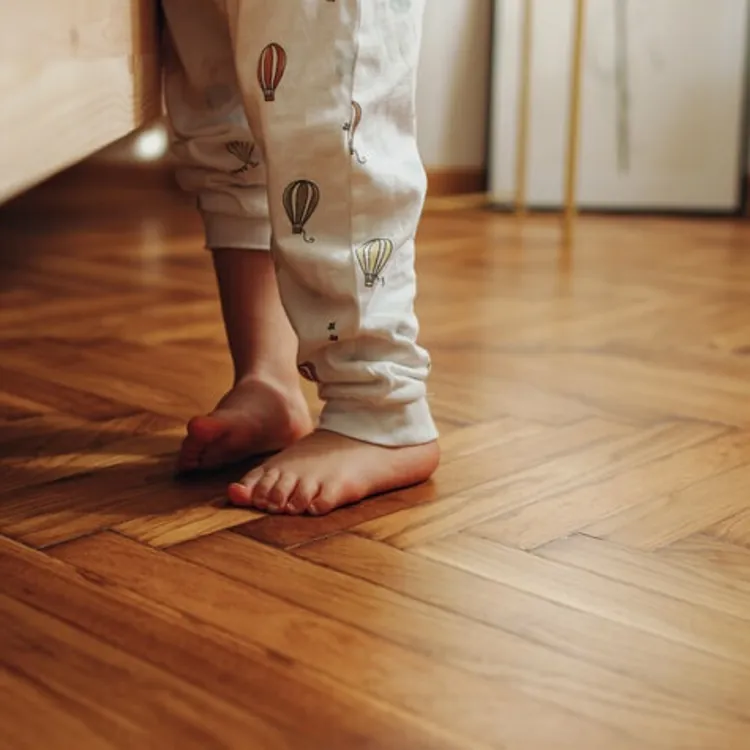
Wood-look laminate planks mimic the look and feel of solid wood floors, for a warmer, more traditional appearance. Like all laminate flooring options, these planks have a core made of high-density fiberboard (HDF), which consists of wood particles that the manufacturer presses together.
The cost to install this flooring ranges from $3 to $12 per square foot, including materials and labor. At the higher end of the price range, you’ll find nicer-looking products with superior wear and water resistance.
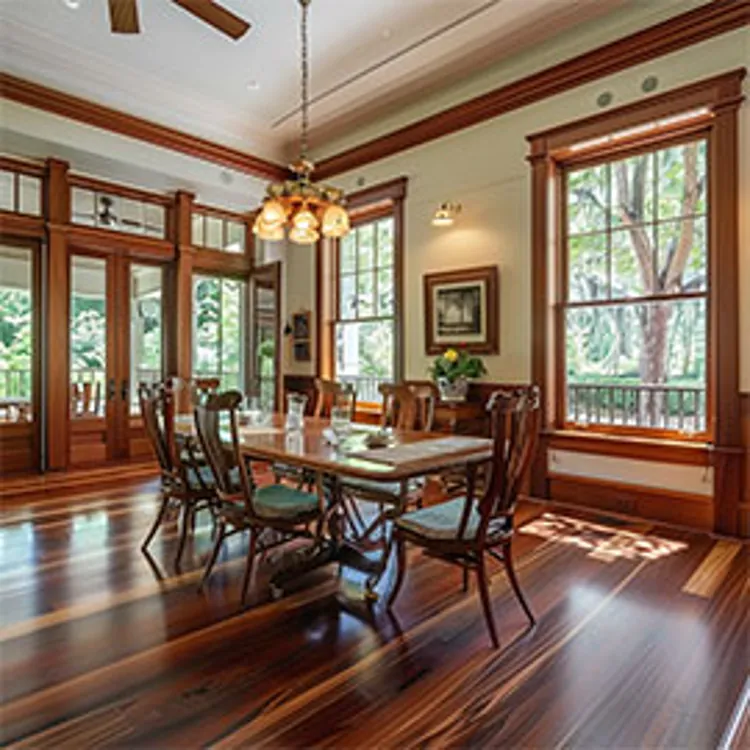
“A good quality laminate floor very closely resembles a hardwood floor, and it can be difficult to tell the difference,” said Sonya Sbar, owner of Floor Coverings International of Silver Spring, Maryland. “I have found that a premium laminate floor has a more realistic wood look than a wood-look luxury vinyl plank.”
Stone-look laminate planks and tiles
Stone-look laminate planks and tiles have an image layer just like wood-look products, but with the appearance of natural stone rather than wood grain. The look can be close to the real thing; however, it’s usually obvious that it’s not actual stone because the texture won’t match perfectly, and laminate doesn’t feel as hard or as cold underfoot.
“You can recreate the stone-like look, mimicking marble, slate or travertine for a luxurious finish,” said Steve Silvers, CEO of Express Flooring, a flooring retailer based in Nevada. “These tiles often include subtle veining, textured surfaces and matte or glossy finishes to capture the essence of real stone, and are perfect for bathrooms, kitchens or entryways.”
You can recreate the stone-like look, mimicking marble, slate or travertine for a luxurious finish.”
Since stone-look flooring is more popular in rooms that are more likely to see leaks, spills and moisture, it’s a good idea to shop for a laminate product with a high water resistance. This will cost more, usually at the higher end of the $3 to $12 range, but it’s worth it for the added longevity.
Tile-look laminate planks and tiles
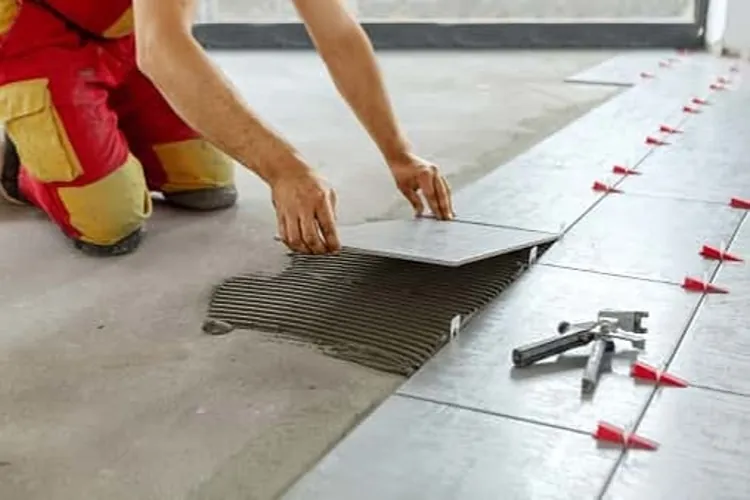
Tile-look laminate planks and tiles resemble ceramic or porcelain tiles, so they’re most popular in bathrooms, kitchens and laundry rooms. Though most homeowners prefer vinyl flooring over laminate in these areas because it’s truly waterproof, a high-end laminate tile with a click-lock system for added water resistance can suffice, and it keeps your costs lower.
Tile-look laminate usually won’t look and feel exactly like tile. Laminate is warmer and softer underfoot, and unless you use a glue-down installation method, there will be some movement as you walk, which you’d never get with tile. The seams can also resemble grout lines, but it’s usually obvious that it’s not the real thing.
Tile-look laminate flooring also averages from $3 to $12 per square foot, but you may pay a bit more for labor if you choose a smaller tile, as the installation can take longer.
Water-resistant laminate flooring
Whether you’re going with a laminate floor that looks like wood, stone or tile, you’ll have some options for the level of water resistance you choose. Typically, the more expensive laminate floors will have better wear and water resistance, but you should check the manufacturer’s specifications to gauge how well your product will stand up to leaks, spills and humidity.
“Laminate flooring offers moderate water resistance, but it's important to remember it's not waterproof,” said Silvers. “The core of laminate flooring is typically made from high-density fiberboard (HDF), which is susceptible to water damage if exposed for extended periods.”
To maximize protection from water, choose a product that uses a click-lock installation method with sealed seams and a protective core, and opt for a professional installation. However, most homeowners opt for other types of flooring, like vinyl, for better protection.
Laminate floor textures and finishes
There are three main textures you can choose from when purchasing laminate flooring. A floor with an “embossed in register” (EIR) texture is the most realistic, while a smooth laminate floor is the most affordable. You also have a few finishes to choose from, including matte, satin and high gloss.
Smooth
Smooth laminate flooring is the most affordable and will usually cost closer to the lower end of the pricing spectrum, around $3 per square foot. The surface is smooth, so while the print layer looks like wood, it will be very obvious from the depth and feel of the surface that it’s not.
Embossed in register
EIR laminate flooring is the most expensive, as the manufacturing process is more involved. This option is more likely to cost closer to $12 per square foot.
The manufacturer will “emboss the surface of the floor to match the wood grain in the photo (layer),” said Sbar. “If there is a knot in the (photo layer), you will feel a knot at that spot on the plank. This gives the laminate floor the feel of wood and makes it less slippery.”
Distressed
Some laminate floors are available with a distressed texture, which has more depth and variety than smooth laminate flooring, but the texture doesn’t match the grain pattern in the design layer. There are many texture options, including hand-scraped laminate flooring that gives a more natural appearance, especially on wood-look laminate flooring.
Distressed laminate flooring “features intentional markings, scrapes, knots and subtle imperfections for a vintage, rustic effect,” said Silvers.
Laminate flooring finishes
“Laminate comes in a range of finishes, including matte, satin and high gloss, depending on the look a customer wants,” said Sbar.
A matte finish will reflect the least amount of light, creating a warmer, more rustic appearance. This finish will also hide scratches and imperfections better. A high gloss finish is the most reflective, creating a more modern look and bright space, but it highlights scratches. A satin finish falls in the middle, reflecting more light than matte but less than high gloss.
“Many of my customers prefer a matte finish which they feel looks more realistic and does a great job hiding dust and small scratches,” said Sbar.
Laminate thickness and AC ratings
The durability and underfoot feel of your laminate floor will depend primarily on two factors: the plank thickness and the AC rating. Make sure you pay close attention to both when shopping around.
Laminate flooring plank thickness
Most laminate flooring is between 6 and 12 millimeters thick, with thicker planks pushing material costs higher. The thicker your planks are, the less movement you’ll feel underfoot as you walk on them, and the less reactive they’ll be to slight variations in your subfloor. Thicker planks also produce less noise when you walk on them.
A thinner plank might be a better option for less trafficked areas in your home, like laundry rooms or utility rooms. If you’re installing laminate in living rooms, bedrooms, kitchens, hallways or bathrooms, a thicker plank is usually best.
Laminate flooring AC rating
More important than plank thickness is the AC rating. AC stands for abrasion class, and the higher the rating, the better your floor will stand up to scratches, scuffs and other physical wear.
AC ratings range from AC1, the lowest level of protection, to AC5, which is more common in commercial spaces. For residential floors in main living areas, an AC3 rating is ideal, as it balances cost and durability. It’s also best to go with an AC3 rating for rooms where children or pets walk and play.
For rooms that see less activity, like bedrooms, choosing a floor with an AC2 rating may suffice, though note it will have a shorter lifespan overall.
Laminate installation types and underlayment
The installation method and underlayment you choose for your laminate floor can affect how the flooring feels when you walk on it, the amount of noise it makes underfoot and how well protected the material is from moisture.
The best flooring companies will weigh in on what installation method and underlayment is ideal, but knowing your options can help you have a more meaningful conversation with your flooring pro.
Floating vs. glue-down installation
Laminate floors have a click-lock system that lets each plank or tile click into the adjoining pieces of flooring. This makes for an easy installation, as you simply click your floor together over your subfloor to create a “floating floor.” A floating laminate floor will shift underfoot and create some noise as you walk on it, but it’s much easier to repair.
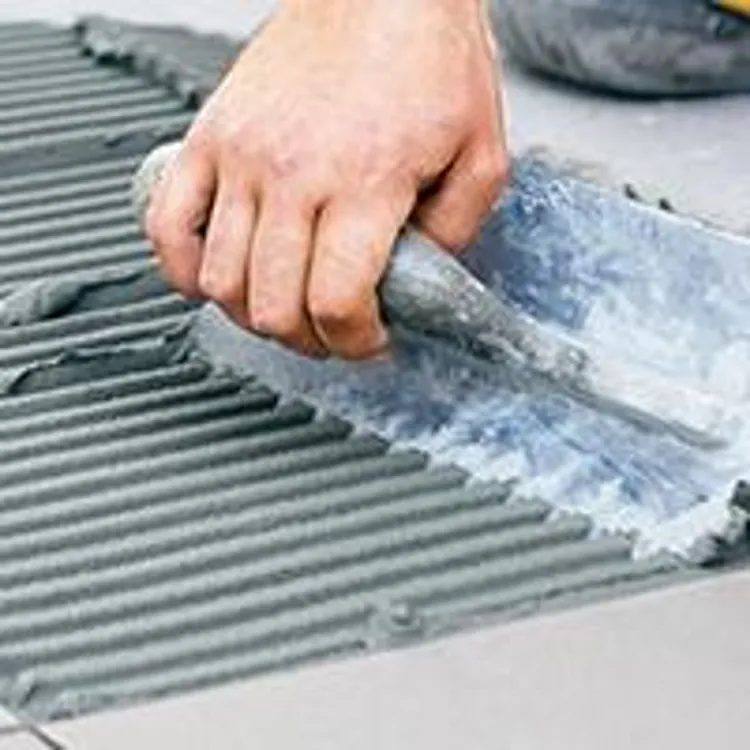
With a glue-down installation, a professional adheres your laminate flooring directly to your subfloor. This method of flooring installation is labor-intensive and costs more, but the payoff is a much more solid-feeling floor that doesn’t move when you walk on it. It’s especially good for stone- and tile-look laminate, as the end result feels more like the rigid materials mimicked.
Underlayment options
Some laminate flooring comes with a pre-attached underlayment, which simplifies the installation, but drives up material costs. A pre-attached underlayment is a must for a glue-down installation.
Laminate flooring that doesn’t have an underlayment will require you or your pro to put down some material to separate your laminate from the subfloor. You have a few options.
- Foam underlayment: Foam underlayment provides some cushioning and noise dampening, but it doesn’t protect your floor from moisture. Foam is a good option for bedrooms and some living rooms, where comfort is more important than moisture protection.
- Foam underlayment with moisture barrier: This underlayment option is more expensive, but in addition to providing comfort and noise dampening, it also protects from moisture from below. This is the best option in kitchens and bathrooms, and especially over concrete slabs, where moisture can wick up through the concrete floor.
- Cork underlayment: Cork is a natural material that’s more sustainable than foam, and it offers a similar level of cushioning and noise dampening. It’s more expensive, though, and it doesn’t offer any protection from moisture.
- Rubber underlayment: Rubber underlayment provides better cushioning and sound dampening than foam and cork, and it has some natural ability to block moisture. However, it adds the most to your laminate flooring installation costs, and it’s still best to couple it with a vapor barrier in areas where moisture is a concern.
FAQ
What type of laminate flooring is best?
Wood-look laminate flooring is the most popular, especially in living spaces and bedrooms, as it mimics the look of hardwood, one of the most desirable flooring materials. Stone-look and tile-look laminate floors are most popular in bathrooms and kitchens. However, there’s no single best option, so base your choice on your personal preference.
What's better, vinyl plank or laminate?
Overall, vinyl plank flooring is a better option than laminate because it’s truly waterproof, is more durable and looks better. Vinyl flooring has a longer lifespan, 25 years, compared to laminate’s 15 years. Just keep in mind that vinyl flooring is more expensive, averaging between $4 to $14 per square foot compared to the $3 to $12 per square foot you’ll pay for laminate.
Is laminate flooring waterproof?
Laminate flooring is never truly waterproof, as the core is made of HDF, which will expand and swell if it gets wet. However, if you invest in a high-quality laminate floor with a click-lock installation system, sealed seams and a good moisture barrier underneath, laminate flooring can stand up well to leaks, spills and elevated humidity levels.
Why does laminate flooring need an expansion gap?
Laminate flooring needs an expansion gap because it has an HDF core made from compressed wood fibers that absorb moisture and can expand and contract with changes in humidity. Without an expansion gap, your floors would have no room to expand, and they could potentially buckle in the middle of your room.
Article sources
ConsumerAffairs writers primarily rely on government data, industry experts and original research from other reputable publications to inform their work. Specific sources for this article include:
- International Association of Certified Home Inspectors, "InterNACHI's Standard Estimated Life Expectancy Chart for Homes." Accessed Oct. 16, 2026.
- Pacific Northwest National Laboratory, "Water-Resistant Flooring." Accessed Oct. 16, 2026.