

Carpet lifespan averages
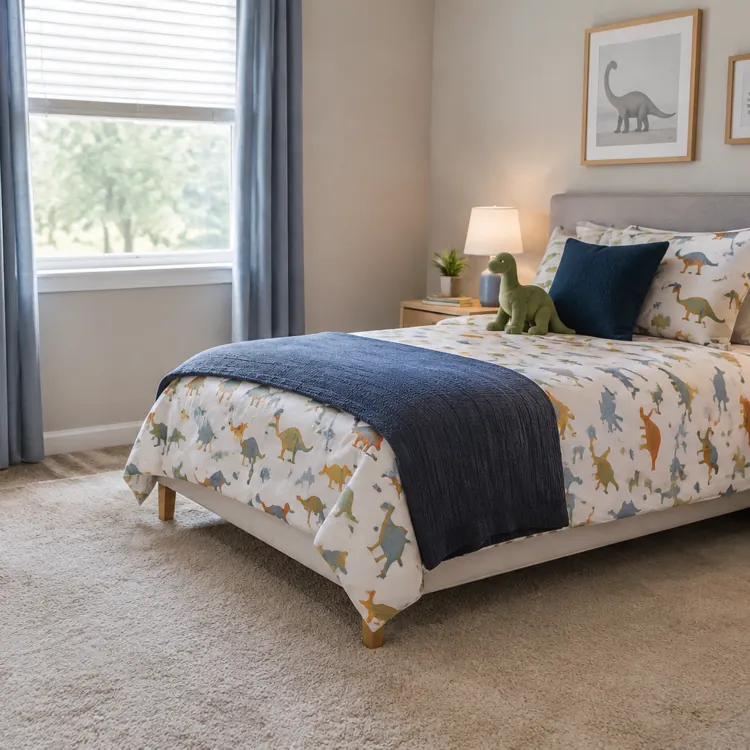
One of the biggest factors that dictates how long your carpeting will last is where you install it. In a low-traffic area like a bedroom, a high-quality carpet can last for 15 years or more in some cases. Less foot traffic means less wear and tear and a lower risk of soiling, which can easily add years to your carpet’s lifespan.
On the other end of the spectrum, carpeting in a living room or hallway is going to see significantly more foot traffic, pet traffic and soiling, which can bring that lifespan well below eight years.
Carpeting in a high-traffic short-term rental (STR) or commercial space may only last a few years before needing replacement, even if you invest in high-quality materials. Similarly, carpeting in homes that see heavy pet activity may only last a few years, as pet accidents can quickly ruin carpets, and pet nails can create pulls that demand earlier replacement.
Carpet lifespan by room type
Here’s a quick look at some estimates for how long your carpeting can last based on where you install it in your home. These numbers are just estimated baselines and can vary widely, as there are many other factors to consider.
| Room or space | Expected lifespan (years) | Considerations |
|---|---|---|
| Bathroom | Not recommended | Very high risk of moisture |
| Bedroom | 10 to 15 | Low foot traffic, minimal risk of soiling |
| Basement | 8 to 10 | Moderate foot traffic, risk of moisture |
| Commercial/STR | Often less than 5 | Very heavy foot traffic |
| Hallway | 8 or fewer | Heavy foot traffic |
| Kitchen | Not recommended | Heavy foot traffic, high risk of leaks/spills |
| Living room | 8 or fewer | Heavy foot traffic, risk of soiling |
| Stairs | 8 | Moderate to heavy foot traffic |
Carpet material and durability
As is the case with any flooring option, the materials you invest in will play a key role in how long your carpet will last. There are a few material factors to consider when choosing a carpet for your space.
It’s important to note that spending more on carpeting will often have an inverse impact on durability. The most durable options, including nylon fibers, a low pile height and Berber piles, tend to put your flooring costs on the lower end of the spectrum.
Fiber type
You have five primary options for carpet fiber type: nylon, olefin, polyester, triexta and wool. Nylon is the most durable fiber type and will more often push beyond the upper end of the normal lifespan range. It’s the best fit for longevity in high-traffic areas.
Olefin is a bit less resistant to physical wear, but it will stand up longer in areas prone to moisture, like basements.
Polyester is also less durable than nylon, but it’s more comfortable and resists stains better, so it may outlast nylon carpeting where spills are a risk. Triexta is a subclass of polyester with improved stain resistance, but it’s more expensive.
Wool is the most popular natural carpet fiber. It resists wear and staining well, but it doesn’t stand up to moisture, so it will have a reduced average lifespan in areas where leaks and spills are possible.
» LEARN MORE: Best flooring for bedrooms
Pile height
Carpets with taller piles are more comfortable, but the fibers will shift and tug at the base of the flooring with each step. That added stress will reduce the lifespan of the material. In entryways, hallways and busy rooms, low-pile carpet will outlast high-pile carpet because it’s more crush-resistant and is easier to vacuum.
| Pile height | Durability | Ease of maintenance |
|---|---|---|
| High | Low | Low |
| Medium | Moderate | Moderate |
| Low | High | High |
Pile type
The type of pile affects durability as well, with the comfort of the pile type usually being a trade-off for longevity.
A Berber pile or loop pile is the most durable and will resist staining and soiling better than a carpet with exposed fiber ends. Berber carpeting can last 10 to 15 years or more in a low-traffic bedroom and may deliver 10 years of value even in moderately trafficked areas. A frieze pile is the next most durable and will usually provide about the same performance.
Plush, textured plush and Saxony carpets are the most comfortable to walk on but are the least durable, primarily because they have exposed fiber ends that can show soiling and are more prone to staining.
| Pile style | Durability | Ease of maintenance |
|---|---|---|
| Berber | Very high | Low |
| Plush | Moderate | Moderate |
| Textured plush | Moderate | Moderate |
| Saxony | Moderate | Moderate |
| Frieze | High | High |
Pile density
The pile density of your carpeting tells you how densely the fibers pack against one another on the surface. A higher pile density will be more comfortable to walk on and can also improve your carpet’s longevity, as the fibers tug less on the backing when you walk on the surface.
Choosing materials for longevity
You can use the table below to help choose the right options for your carpet to maximize lifespan and durability. Consider ease of maintenance along with lifespan for the best long-term value. The best carpet brands will have options across all categories for you to choose.
| Fiber type | Durability | Ease of maintenance |
|---|---|---|
| Nylon | Very high | Moderate |
| Polyester | High | High |
| Olefin | Moderate | High |
| Triexta | High | High |
| Wool | Moderate | Moderate |
Factors that affect a carpet’s lifespan
There are a few key things to think about when estimating how long carpeting will last in your space. These all play a role in your long-term carpeting costs, so consider these before deciding on this flooring material:
- Type of home and occupancy: Carpeting that only you and your family use most of the time will last about eight to 10 years. If you frequently have guests over, that adds more wear and tear, which might take a few years off the expected lifespan. Carpeting in a rental home that sees excessive wear and tear may only last for about five years.
- Foot traffic: Foot traffic is a major driver of carpet longevity. Carpets in rooms that see minimal foot traffic, like bedrooms, offices and guest rooms, should last for 10 to 15 years. Carpets in main living areas that see more wear are likely to last closer to eight years or fewer.
- Pet traffic: Pets can very quickly reduce the expected lifespan of carpeting. Not only can accidents ruin the appearance of your flooring and demand premature replacement, but pet nails can pull at fibers and destroy them, particularly with Berber piles, which are otherwise the most durable.
- Children: Children also tend to put more wear and tear on flooring, especially during play, and they’re more likely to cause spills that can permanently stain your carpeting. Many homeowners opt for carpet tiles in spaces that see activity from children, as they’re cheap and DIY-friendly and make spot replacements simple.
- Proximity to exterior doors: Carpeting in areas near exterior doors is more likely to see soiling, which can decrease its lifespan. Occupants and pets can track dirt and other debris inside that can soil your carpet and demand a replacement based on appearance sooner than you’d normally expect.
- Exposure to moisture: Carpet is the least resilient flooring material when it comes to water and moisture, so choosing carpet in and around kitchens, bathrooms and basements will often mean a reduced lifespan due to leaks and high humidity.
- Carpet padding: The thickness of your carpet padding can influence your flooring’s lifespan, particularly when it comes to wear and tear from foot traffic. Padding reduces the force on your carpet backing as you walk, so a thicker padding can extend the life of your floor while also making it more comfortable.
- Cleaning and maintenance: Regular vacuuming and deep cleaning can help your carpet look nicer for longer, which may lead to a longer lifespan overall.
Signs you need to replace carpet
Knowing when you need to replace your carpet versus when it needs a deep cleaning can actually help you get more years of life out of your flooring because you can sometimes avoid premature replacement. Here’s a quick guide on when you should consider replacing your carpet:
- Wrinkling or lumps: Professional carpet installers pull carpet taut over your subfloor, so if you notice wrinkling or lumps in your carpet, it’s usually a sign that the padding is failing or your carpeting has stretched over time. In both cases, replacement is a good idea.
- Severe staining: Permanent stains that you can’t get out with a deep clean usually mean you’ll need a replacement to restore the look of your flooring. You can schedule a professional steam cleaning, but if that doesn’t work, a replacement is best.
- Worn footpaths: Most carpets show some footprints as the fibers crush underneath traffic, but if you can clearly see common walking paths where the fibers are permanently matted, it’s time to consider replacement.
- Mold or water damage: You should really replace your carpet any time it gets soaked through, as mold is almost inevitable after a leak.
- Persistent odors: Carpeting can hold onto pet or smoking odors more than all other flooring materials. If you start to notice smells that won’t go away, even after deodorizing, it’s a good time to replace your flooring.
- Increased allergy symptoms: Carpets trap allergens like dust and pet dander, and they can contribute to indoor allergies. If you start to notice more severe allergy symptoms, like unusually itchy eyes or a scratchy throat, your carpet might be harboring mold, which means a replacement is wise.
- Tears or exposed backing: A pro can repair small pulls most of the time, but if you find tears or areas where the fibers are nearly bare and are exposing the backing, your carpet is likely at the end of its lifespan.
Remember that you can consider other types of flooring when replacing your carpet. Compare carpet to hardwood, engineered wood, vinyl and laminate, which are all common flooring options where carpeting is popular.
» COMPARE: The best flooring companies
FAQ
Is a 30-year-old carpet unhealthy?
A 30-year-old carpet isn’t necessarily unhealthy, as it depends on how well you’ve maintained your flooring and what you’ve exposed your carpet to over that time. If you vacuum regularly and deep-clean a few times a year, you likely have nothing to worry about. If your carpet is exposed to pet dander or urine, pollen, debris, water or moisture, it’s a good idea to replace a carpet before it reaches 30 years old.
Is carpeting in a house outdated?
Carpets aren't necessarily outdated, although carpeting is far less popular than it was a few decades ago. Most homeowners prefer hardwood or wood-look vinyl in main living areas, but carpeting is still popular — even in new construction — in bedrooms, offices and other low-traffic rooms. It’s still prized for its comfort and warmth despite being less prevalent overall.
How long does carpet last in high-traffic areas?
Carpet lasts an average of eight to 10 years, but in high-traffic areas, you might see an even shorter lifespan. In a short-term rental or commercial space, you might get fewer than five years out of your carpeting. The lifespan depends on the material as well, as tightly looped nylon Berber carpet can withstand foot traffic much longer than loose, tall piles.
How often should carpet be cleaned?
You should vacuum carpeting at least once a week and even more often in high-traffic areas or areas near exterior doors. You should deep clean your carpet about once a year, or once every six to 12 months in high-traffic areas, using a carpet cleaner or by hiring a professional to carry out a deep cleaning. Consider more frequent cleanings if you have pets or if you or someone in your home has allergies, asthma or other respiratory issues.
Article sources
ConsumerAffairs writers primarily rely on government data, industry experts and original research from other reputable publications to inform their work. Specific sources for this guide include:
- D and G Flooring, "Types of Carpets: A Complete Guide to Fibers, Piles, and Room Selection." Accessed Oct. 26, 2026.
- International Association of Certified Home Inspectors, "InterNACHI's Standard Estimated Life Expectancy Chart for Homes." Accessed Oct. 26, 2026.