

Key insights
Carpet and laminate are the cheapest upfront flooring materials, with installation costs ranging from $3 to $12 per square foot.
Jump to insightChoose a flooring material that suits your budget but can also stand up to the demands of the space, like carpet in bedrooms and vinyl in kitchens and bathrooms.
Jump to insightSome flooring materials come with higher or lower real-world installation costs due to subfloor preparation demands, underlayment requirements and the ability to DIY.
Jump to insightCheapest flooring options by material
The cheapest flooring materials are carpet and laminate flooring, both of which average between $3 and $12 per square foot, including materials and labor. Following closely behind are vinyl flooring and engineered wood, which average between $4 and $14 per square foot and $6 and $15 per square foot, respectively.
Upfront flooring costs
Here’s a quick look at how much you can expect to pay for the most popular flooring options, including materials and labor. Keep in mind that these numbers just represent upfront costs and don’t take longevity or long-term performance into consideration.
| Type of flooring | Cost (per sq. ft.) |
|---|---|
| Carpet | $3 to $12 |
| Engineered wood | $6 to $15 |
| Hardwood | $8 to $20 |
| Laminate | $3 to $12 |
| Stone | $10 to $40 |
| Tile | $7 to $25 |
| Vinyl | $4 to $14 |
Long-term flooring costs
While upfront flooring installation costs can help you find the materials that fit into your budget, you should also think about how many years of life you’ll get from your floor. If you have a little extra room in your budget, try to optimize for cost per year of ownership for long-term savings.
| Type of flooring | Average lifespan (years) | Average cost per year of ownership* |
|---|---|---|
| Carpet | 8 to 10 | $0.30 to $1.50 |
| Engineered wood | 50 or more | $0.12 to $0.30 |
| Hardwood | 100 or more | $0.08 to $0.20 |
| Laminate | 15 to 25 | $0.12 to $0.80 |
| Stone | 100 or more | $0.10 to $0.40 |
| Tile | 75 to 100 | $0.07 to $0.33 |
| Vinyl | 25 | $0.16 to $0.56 |
Hardwood, stone and tile, three of the most expensive types of flooring to install, end up being the cheapest to own over time. This is why it’s crucial that you consider both upfront costs and expected costs per year over the lifespan of your flooring material.
Cheapest flooring for each room
You should also keep in mind that the lifespan of different flooring materials will vary based on where you install it, which will affect the overall value you see from your floors.
For example, installing engineered wood flooring costs $6 to $15 per square foot and should end up costing between $0.12 and $0.30 per year to own, excluding the cost of sanding and refinishing. Installing it in a kitchen or bathroom, though, puts it at greater risk of damage from leaks, which could mean premature replacements that end up costing you far more.
You’ll want to consider all of the following when calculating which flooring material will lead to the lowest long-term costs in your space and the best value over time:
- How much foot traffic your floor will see
- How much activity from pets and children your floor will see
- How comfortable the floor is underfoot
- The risk of leaks or moisture interacting with your floor
Kitchen flooring
Kitchens are often some of the busiest spaces in the home, so they see a lot of foot traffic. The presence of appliances and plumbing fixtures also means a high risk of exposure to water and moisture, and there’s a risk of spills, which means you need floors that are easy to clean.
Here’s a quick comparison of how the best kitchen floor materials compare based on price.
| Cost (per sq. ft.) | Best for | |
|---|---|---|
| Stone | $10 to $40 | Luxury kitchens |
| Tile | $7 to $25 | Balancing affordability and long-term value |
| Vinyl | $4 to $14 | Affordability and DIY installation |
Bathroom flooring
Bathroom floors require similar considerations to kitchens, as they’ll need to stand up to regular foot traffic, water from possible leaks and moisture from bathing. Here’s a look at the cost of flooring materials that work well in bathrooms.
| Cost (per sq. ft.) | Best for | |
|---|---|---|
| Stone | $10 to $40 | Luxury bathrooms |
| Tile | $7 to $25 | Long-term affordability |
| Vinyl | $4 to $14 | Affordability and DIY installation |
Living room flooring
Living rooms see heavy foot traffic but have minimal risk of water damage from leaks, so most homeowners prioritize durability and resistance to physical wear. You may also want to consider comfort and appearance, as most families spend a lot of time in this space. Here’s a look at pricing comparisons for the best living room floor materials.
| Cost (per sq. ft.) | Best for | |
|---|---|---|
| Carpet | $3 to $12 | Comfort and upfront affordability |
| Engineered wood | $6 to $15 | Appearance on a budget |
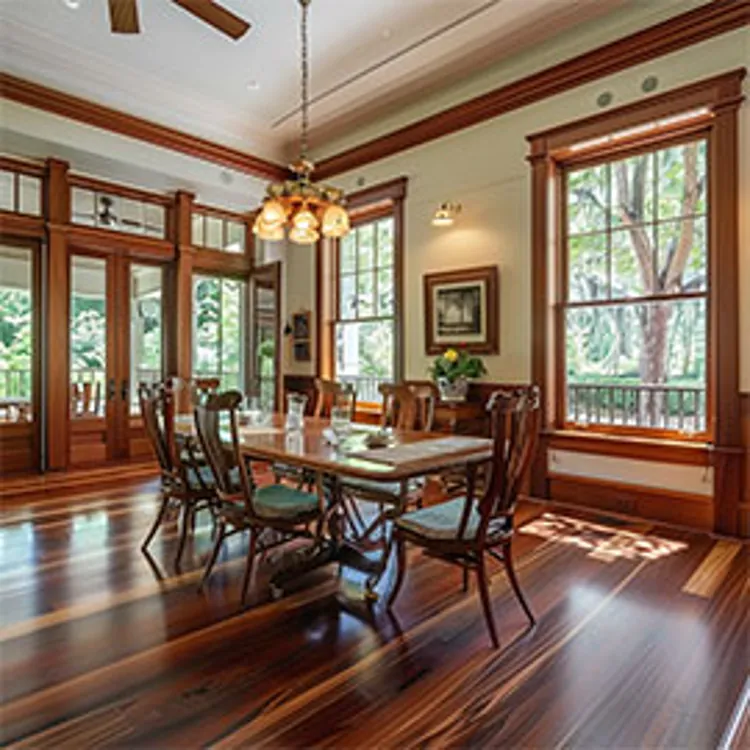
| Hardwood | $8 to $20 | Long-term value and affordability |
| Laminate | $3 to $12 | Ease of maintenance and upfront affordability |
| Vinyl | $4 to $14 | DIY installation and uniform appearance |
Bedroom flooring
Bedroom floors have virtually no risk of leaks or moisture, and you don’t need to worry too much about physical durability since bedrooms see minimal foot traffic. Carpet is a great option for bedrooms because it’s cheap, comfortable and can help dampen noise for better sleep. However, hardwood is ideal for long-term affordability.
| Cost (per sq. ft.) | Best for | |
|---|---|---|
| Carpet | $3 to $12 | Comfort, affordability and sound dampening |
| Engineered wood | $6 to $15 | Appearance on a budget |
| Hardwood | $8 to $20 | Long-term value and affordability |
| Vinyl | $4 to $14 | DIY installation |
Basement flooring
Basements don’t typically see standing water (unless there is a risk of flooding), but they’re very prone to moisture, so you’ll want a floor that won’t react to changing humidity levels. You also need to choose a flooring material that installs well over a concrete subfloor.
| Cost (per sq. ft.) | Best for | |
|---|---|---|
| Laminate | $3 to $12 | DIY installation and upfront affordability |
| Vinyl | $4 to $14 | DIY installation and long-term value |
Cheapest installed flooring costs explained
The cheapest flooring materials overall are almost always going to be carpet and laminate, but there are a lot of factors to consider to minimize your costs over time. Here are a few key things to think about to make sure you get the material best suited for your space:
- Upfront material costs: If you just want a new floor at the lowest possible price, go with carpet or laminate, depending on the room. These have the lowest combined material and labor costs to install. Most floors come in different varieties and styles, so optimize these for affordability, too.
- Subfloor considerations: Some floors don’t do well over certain subfloors. For example, you’ll feel any imperfections in a concrete floor through carpet and thin laminate flooring, and you might feel minor floor movement underfoot if you put a floating laminate, vinyl or engineered wood floor over an uneven subfloor.
- Underlayment requirements: Flooring materials like vinyl, engineered wood and laminate often come with pre-attached underlayment. If yours doesn’t, you’ll have to budget extra for underlayment materials and installation.
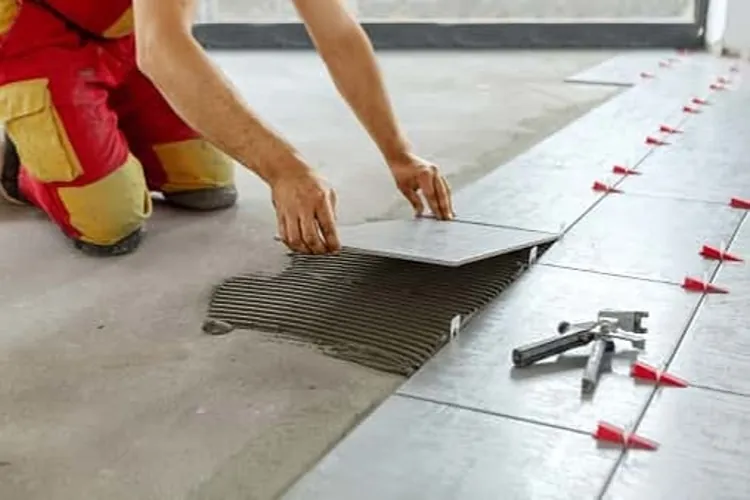
- Floor leveling and subfloor repairs: You might need to budget between $2 and $10 per square foot for floor leveling or subfloor repairs. You’re more likely to see this added expense with tile and stone, which demand a perfectly flat surface underneath, or with a floating floor of engineered wood, vinyl or laminate.
- Water resistance: Always choose materials with water resistance in kitchens, bathrooms and basements, as going with a cheaper material that will just get destroyed by a leak or moisture will result in a higher long-term cost for your flooring.
- Resistance to physical wear: In primary living areas, prioritize physical wear resistance. Carpet is cheaper in living rooms than hardwood, but it has a tenth of the lifespan, so you’ll end up paying more for replacements in the long run.
- DIY vs. professional installation: Floors like vinyl and laminate are relatively easy to install, so if you would consider DIYing, you could stand to save more on those options as opposed to choosing a floor that demands professional labor costs.
- Long-term maintenance costs: Think about how easy your floors will be to maintain, too. Something like carpet will be cheaper to install than vinyl, but you’ll spend more time and money keeping it clean. Make sure you also consider ownership costs, too, like the costs to sand and refinish hardwood that eat into the long-term affordability.
- Installation method: For some flooring materials, including engineered wood, laminate and vinyl, you can choose between a floating floor and an adhered floor, which is glued to your subfloor. Floating floors will typically be more affordable upfront.
Cheapest flooring without sacrificing durability
The cheapest flooring you can install that will still stand up well to foot traffic, pet nails and activity from children is engineered wood. It costs just $6 to $15 per square foot to install, but it can last for 50 or more years, averaging out to just $0.12 to $0.30 per square foot over the total ownership timeframe.
A mil is a unit of measurement used in flooring and equals one-thousandth of an inch.
The cheapest flooring you can install that will stand up well to foot traffic, pet nails, activity from children and water and moisture is vinyl. It costs $4 to $14 per square foot, but that averages out to $0.16 to $0.56 per square foot over the total ownership timeframe.
Here are some things to consider for different flooring options to make sure your materials are high-quality and will continue delivering value for years to come:
- Wear layer thickness: Vinyl and laminate flooring both have wear layers that allow them to resist physical wear. Aim for a wear layer that’s between 12 and 20 mils for maximum value, with higher numbers being better for longevity.
- Veneer thickness: Engineered wood has a veneer layer that you can usually sand and refinish a few times before you need a total replacement. Aim for a thicker veneer layer that’s between four and six millimeters for a longer-lasting floor.
- Water resistance ratings: For any floor that you’re putting down in a kitchen, bathroom or basement, check the water resistance rating. Flooring that’s advertised as waterproof rather than water resistant is going to stand up better to water and moisture and will likely serve you longer.
- Warranty length: Warranty length doesn’t always tell you exactly how long your flooring will last, but you can use it to get a general idea of longevity. Flooring options with a longer warranty period are likely to last longer.
» COMPARE: The best flooring companies
FAQ
What is the “rule of three” for flooring?
The “rule of three” for flooring is a general rule of thumb that suggests you shouldn’t have more than three types of flooring throughout your home. Following this suggestion helps make your home feel more cohesive in its design. A common way to accomplish this is to go with one main flooring material in all dry living areas and bedrooms, and then two different styles of tile or stone in the kitchen and bathroom.
What flooring choices do homeowners most regret?
There’s no single flooring material that homeowners unilaterally regret, but many will regret going with a floor that’s not waterproof or water-resistant in kitchens, bathrooms and basements. Floors like carpeting, engineered wood, solid wood and laminate will quickly sustain damage with exposure to water, requiring premature replacement and higher lifetime costs.
How much does it cost to install 1,000 square feet of flooring?
You could pay anywhere between $3,000 and $40,000 for 1,000 square feet of flooring, depending on the material, but on average, you can expect to pay around $12,000. The type of floor you’re installing will affect the costs the most, but subfloor repairs and leveling, old flooring removal and trim removal and reinstallation can all play a role.
What is the cheapest wood-look flooring option?
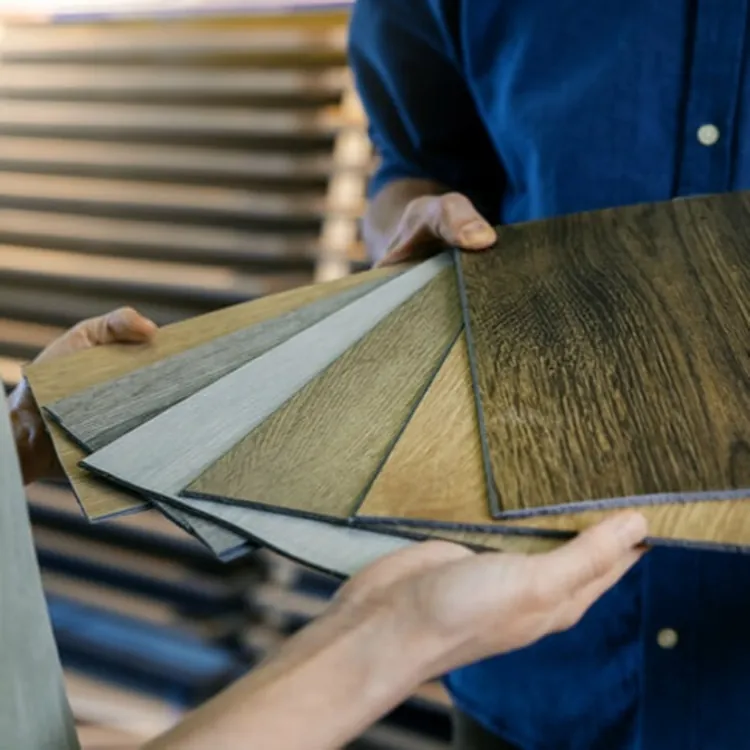
The cheapest wood-look flooring is laminate, which uses a print layer to resemble wood, plus texture, in some cases, to mimic the feel of wood. Vinyl flooring usually looks more like wood, and engineered wood is an exact match, as it uses a veneer layer on top that’s made of real wood.
Article sources
ConsumerAffairs writers primarily rely on government data, industry experts and original research from other reputable publications to inform their work. Specific sources for this guide include:
- International Association of Certified Home Inspectors, "InterNACHI's Standard Estimated Life Expectancy Chart for Homes." Accessed Oct. 25, 2026.