

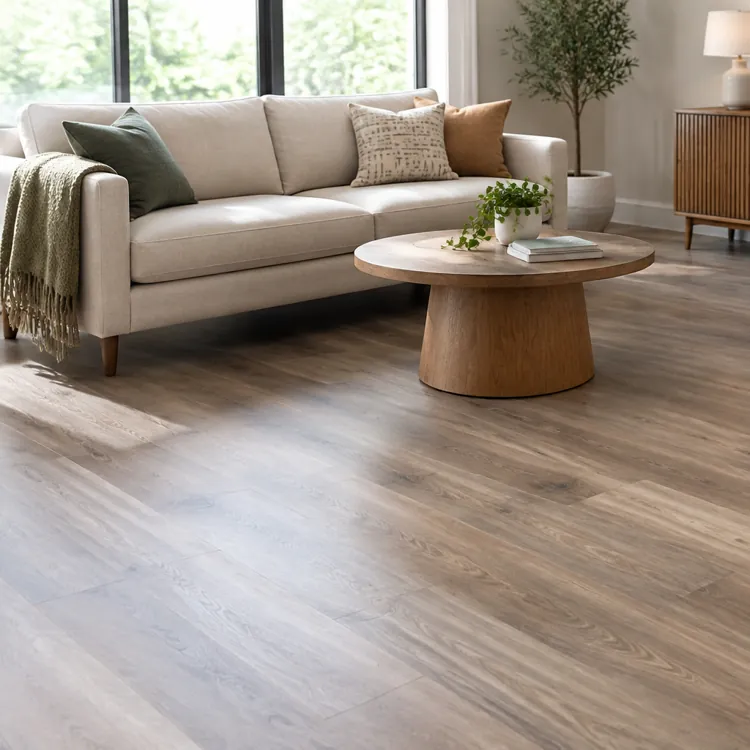
Types of vinyl flooring overview
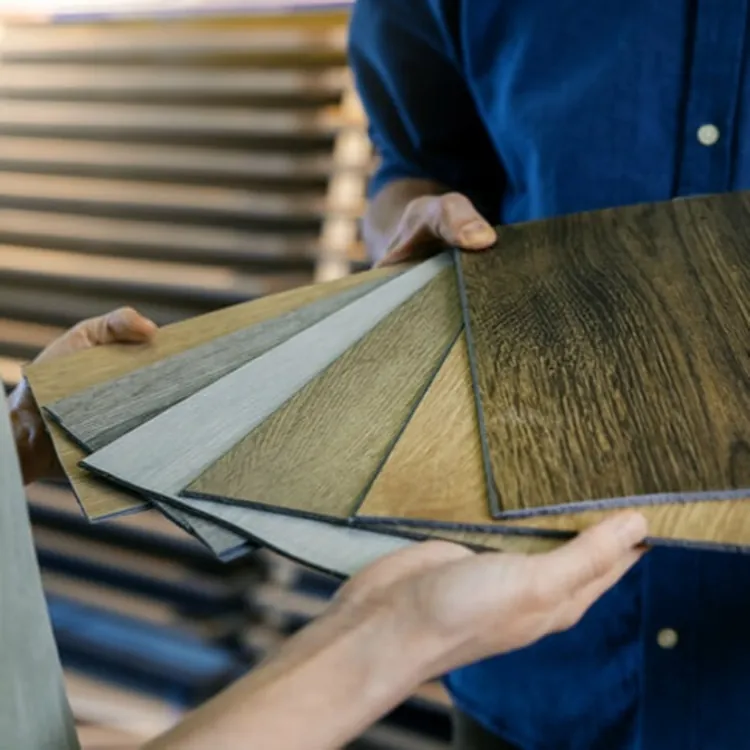
There are four primary types of vinyl flooring you can buy: luxury vinyl plank (LVP), luxury vinyl tile (LVT), sheet vinyl and vinyl composite tile (VCT). The type of floor you choose affects the look, feel, quality and durability.
- Luxury vinyl plank: LVP comes in long planks that resemble hardwood flooring. Planks are available in flexible glue-down versions or rigid-core constructions, such as stone polymer composite (SPC) and wood-polymer composite (WPC).
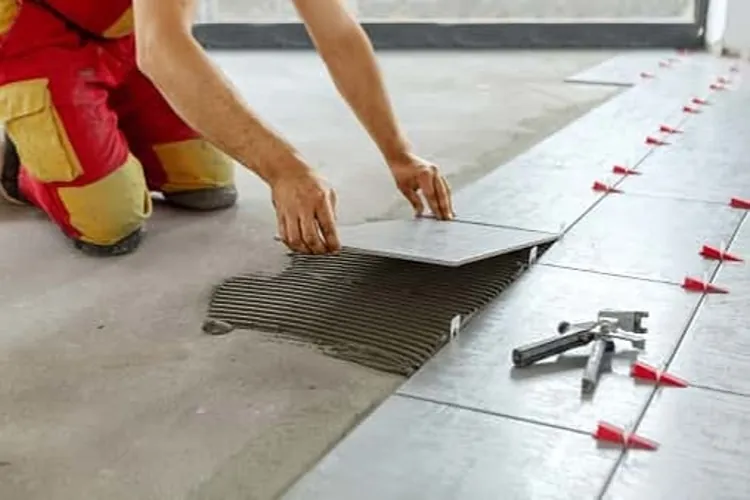
- Luxury vinyl tile: LVT comes in rectangular or square tiles designed to replicate stone or ceramic tile. Like LVP, LVT is manufactured in both rigid-core (SPC/WPC) and traditional glue-down options.
- Sheet vinyl: Sheet vinyl comes in large sheets that spread out across your room with few or no gaps. It’s the least durable but usually the most affordable and easiest to install.
- Vinyl composite tile: CT is a durable, commercial-grade tile made from limestone filler and thermoplastic resin that requires a spreadable adhesive. For residential DIY projects, self-adhesive peel-and-stick vinyl tiles offer a similar low-cost alternative
» COMPARE: Vinyl vs. laminate flooring
Types of vinyl floors compared
In most cases, LVP and LVT floors are best for modern homes, but you can use the table below to compare your options side-by-side.
| LVP | LVT | Sheet vinyl | VCT | |
|---|---|---|---|---|
| Cost (per sq. ft.) | $4 to $14 | $4 to $14 | Closer to $4 | $4 or under |
| Water resistance | Very high | Very high | High | Low |
| Wear resistance | Very high | Very high | Low | Moderate |
| Best for | Living rooms, dining rooms, bedrooms and some kitchens | Bathrooms and some kitchens | Laundry rooms and utility rooms | Laundry rooms, utility rooms and remodels on a tight budget |
| Installation options | Floating or glue-down | Floating or glue-down | Glue-down | Peel-and-stick |
Luxury vinyl plank vs. tile
Most homeowners who are looking to install vinyl floors will be deciding between LVP and LVT flooring, so having a comparison between these two will be most helpful. Both can cost anywhere from $4 to $14 per square foot, and they last an average of 25 years with excellent water resistance.
LVP vs. LVT: appearance and feel
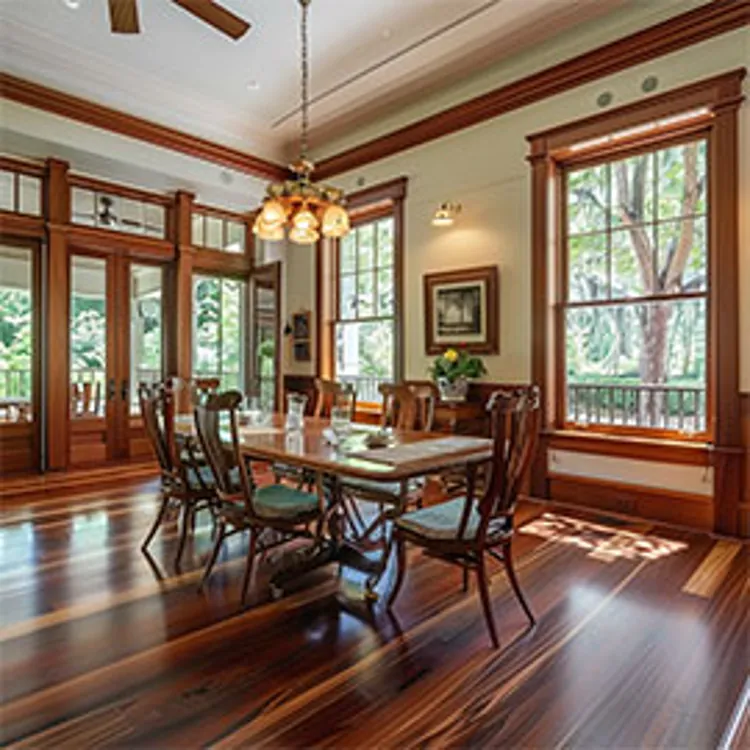
LVP flooring looks like wood planks and can closely resemble solid wood flooring on a tighter budget. LVT flooring usually comes in smaller pieces and has a print layer that makes it look like natural stone or tile. LVP usually creates a more traditional feel in your room, while LVT is a bit more modern.
Both LVP and LVT are available with different core constructions that influence how they feel underfoot. Products with a wood-polymer composite (WPC) core feature a foaming agent that makes the planks thicker, softer and more forgiving to walk on, closely replicating the feel of wood floors.
LVP vs. LVT: repair and replacement
Neither LVP nor LVT is easy to repair. In most cases, you’ll just replace the damaged planks rather than try to repair the damage. Because these types of vinyl flooring use a click-lock system, it’s easy for a pro to remove a single plank or tile and drop in a new one.
Since damaged vinyl must be replaced instead of repaired, always buy extra flooring.
Since repairs aren’t common, it’s a good idea to buy an extra box or two when installing LVP or LVT so you have extra flooring on hand in case the manufacturer discontinues the color or product line.
Best rooms for LVP and LVT
LVP is the best option for living rooms, bedrooms and hallways, which is where you’d more commonly see hardwood or engineered wood floors. LVT flooring usually looks like natural stone or tile, so it’s a great flooring option for bathrooms, kitchens and laundry rooms, where waterproof stone and tile floors are more common.
Most LVP and LVT flooring has a click-lock system that makes installation simple and straightforward. The pieces simply click together, and some products have seams that create an almost-waterproof seal.
With both LVP and LVT, the floor itself won’t sustain damage when exposed to water or moisture, but water can and will eventually seep through the seams, even with the best vinyl flooring brands.
» COMPARE: Wood vs. vinyl vs. laminate flooring
Sheet vinyl vs. VCT flooring
Sheet vinyl is cheaper than LVP and LVT, so you’re more likely to see prices closer to $4 per square foot, including materials and labor.
Sheet vinyl vs. VCT: appearance and feel
Sheet vinyl is soft and flexible, but when your professional adheres it to your subfloor, it can feel rigid. It’s crucial that you have a perfectly flat subfloor, as you’ll feel every imperfection underfoot, much like you would with a thin carpet.
VCT flooring can have some texture, but since it’s meant to be a budget-friendly material, the texture is usually minimal. The tiles stick directly to your subfloor, so there’s no underfoot movement, but you may feel imperfections through the thin flooring.
Sheet vinyl and vinyl composite tiles usually have a print layer that can somewhat resemble other flooring materials, but without seams or texture, they usually don’t look or feel convincing.
Sheet vinyl vs. VCT: repair and replacement
Much like with LVP and LVT flooring, repairing sheet vinyl and VCT isn’t really an option. In most cases, you’ll just remove the damaged floor or individual tile and replace it rather than repair it. With a VCT floor, you can easily DIY the tile removal and replacement.
Best rooms for sheet vinyl and VCT flooring
Since sheet vinyl and VCT don’t have the nicest look or feel, they’re more common in less-trafficked rooms, like laundry rooms or utility rooms. They’re not truly waterproof, though, so you’ll have to be diligent about cleaning up spills and correcting leaks as soon as you notice them.
These vinyl floor options also aren’t nearly as resilient to physical wear as LVP and LVT, so they’re uncommon in kitchens and bathrooms unless you’re on a tight budget. You’ll pay closer to $4 or less per square foot for materials and labor, but you won’t get as much value or life as you would from LVP or LVT flooring.
Types of vinyl flooring installation
There are three ways you or your professional can install your vinyl flooring, depending on the type of vinyl floor you choose.
Floating floor installation
With a floating vinyl floor, your pro will lay down an underlayment if your flooring material doesn’t have a pre-attached one, and then lay your vinyl floor over the underlayment. This option is only really viable with LVP or LVT, where the click-lock system can keep your flooring from moving around when you walk on it.
Floating floor and peel-and-stick installations are the easiest to DIY, which can cut down on overall costs.
A floating floor is easy to install, so it’s DIY friendly, but it’s also a good option in areas where you’re concerned about future leaks. Floating vinyl floors are especially popular in basements because they give you easy access to the subfloor and let you pull up portions of your floor if you ever need to dry out the space after a foundation leak.
Glue-down installation
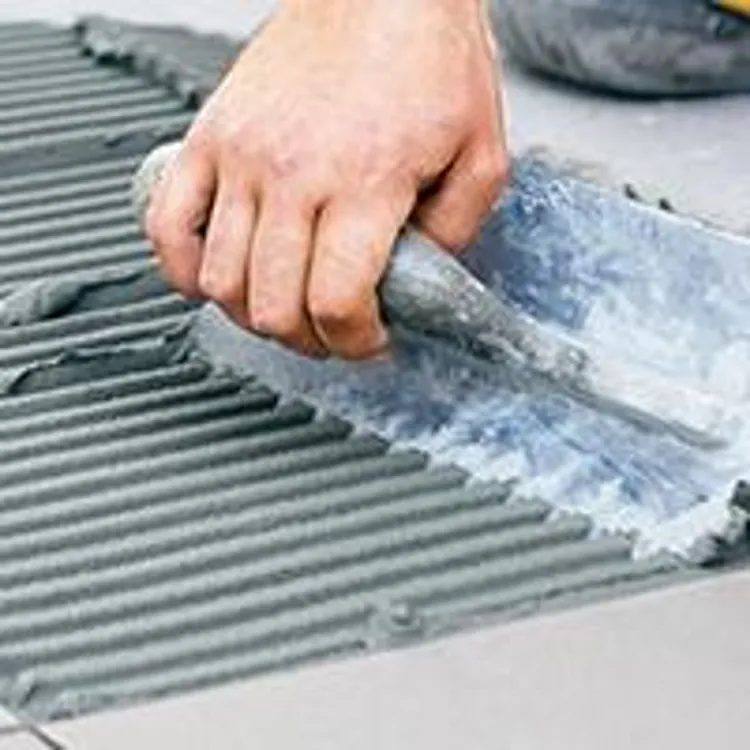
A glue-down installation involves using adhesive to attach your floor to the subfloor. This eliminates virtually all movement, so the floor will feel much more solid underfoot, and it will create less noise as you walk on it.
Glue-down floor installations cost more because they take much longer than floating floors. They’re also much more challenging than floating floor installations, so it usually demands that you hire a professional. Adhered floors also make it much harder to access your subfloor, making it a better option in dry living areas where leaks are unlikely.
Glue-down installations are popular with LVP and LVT flooring, and it’s the only option you have for sheet vinyl. Note that you cannot have a separate underlayment under LVP or LVT if you go with a glue-down installation, so this is only a good option if your flooring comes with a pre-attached underlayment.
Peel-and-stick installation
A peel-and-stick installation is only an option with vinyl composite tiles, which come with an adhesive on the underside. With this method, you peel the protective backing off the tile and press the tile to your subfloor.
It’s very DIY friendly, as it doesn’t require any specialized tools or skills other than measuring and getting your floors to sit perfectly parallel in your space. As such, most homeowners don’t have a vinyl flooring installation cost to consider with this type of floor.
You can’t have an underlayment with this method since it will get in the way of adhering your tiles to your subfloor.
» COMPARE: Best flooring companies
FAQ
What is the best grade of vinyl flooring?
Vinyl flooring durability is graded by its wear layer thickness in mils (thousandths of an inch), not AC ratings, which apply only to laminate. For busy households with children or pets, look for a commercial-grade wear layer of 20 mils or higher. A 12-mil wear layer works well for moderate residential traffic, while 6- to 8-mil wear layers are best reserved for light-traffic spaces like guest bedrooms and closets.
What is the most popular vinyl flooring?
LVP and LVT are the most popular vinyl flooring options. LVP usually resembles hardwood flooring, so it’s the most common in living rooms, dining rooms, bedrooms and some kitchens. LVT usually resembles tile or natural stone, so it’s more common in bathrooms and some kitchens.
Is sheet vinyl better than vinyl plank for bathrooms?
Sheet vinyl is cheaper than vinyl plank flooring, but LVP is usually a better option for long-term value. Bathrooms see heavy use and need frequent cleaning, and vinyl plank floors will last longer and stand up to more vigorous cleaning. LVP often has a textured surface, which can provide better grip when the floor gets wet.
Are all types of vinyl flooring waterproof?
No, vinyl floors are not truly waterproof, although the flooring material itself won’t swell or warp with exposure to water or moisture. Vinyl composite tile has unsealed seams and isn’t waterproof, and LVP and LVT have sealed seams that can still leak with prolonged exposure to leaks or spills. Sheet vinyl can technically be waterproof, but water can still leak around the sides and cause damage.
Article sources
ConsumerAffairs writers primarily rely on government data, industry experts and original research from other reputable publications to inform their work. Specific sources for this guide include:
- International Association of Certified Home Inspectors, "InterNACHI's Standard Estimated Life Expectancy Chart for Homes." Accessed Oct. 19, 2026.