

Key insights
Carpeting is a budget-friendly flooring option that has low durability but high comfort, while hardwood flooring is more expensive but lasts far longer and provides better value.
Jump to insightCarpeting costs an average of $3 to $12 per square foot and lasts for eight to 10 years; hardwood costs $6 to $20 per square foot and lasts 50 to 100 years or more.
Jump to insightCarpet requires more daily cleaning and more frequent deep cleaning, but hardwood’s long-term maintenance tends to interrupt your daily routine more.
Jump to insightCarpet vs. hardwood: key differences
Carpet is the most affordable and the most comfortable flooring material, but it also has the shortest lifespan of any flooring material. It consists of one of a few different types of carpet fibers tufted or woven into a backing, which usually sits on foam carpet padding for added cushion.
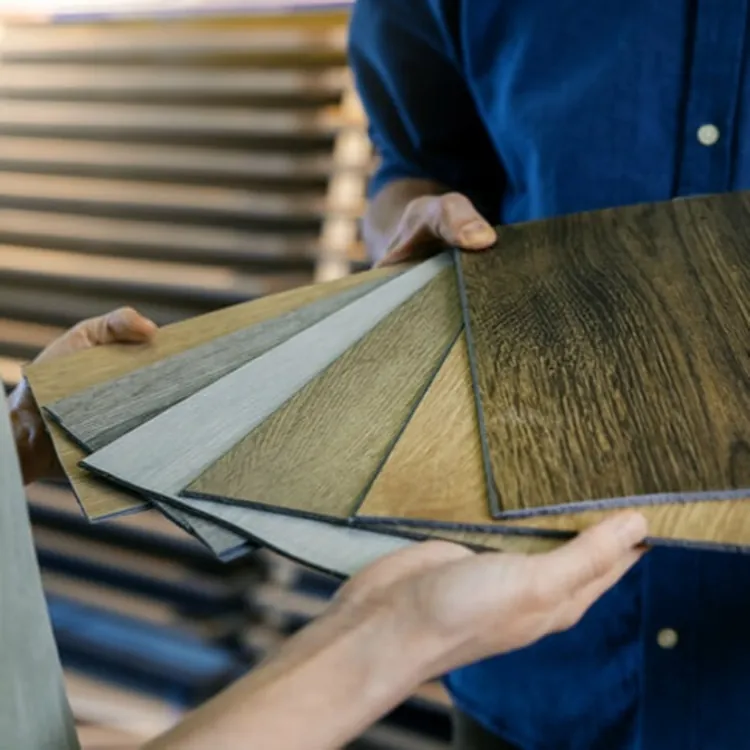
Hardwood either consists of solid hardwood planks, called solid hardwood flooring, or a hardwood veneer over a plywood core, called engineered hardwood flooring. You can either nail the planks down to the subfloor or adhere them. In the case of engineered wood flooring, you can also opt for a floating floor, where the wood planks just sit on top of an underlayment.
Hardwood floors are far more durable and hard-wearing than carpet, and they’re easier to clean. However, they’re also more expensive, they aren’t nearly as comfortable to walk on and they aren’t as good at dampening sound, so they can make bedrooms feel a bit less private.
» MORE: Best flooring companies
Carpet vs. hardwood floors
Here’s a quick look at how carpet and hardwood compare across some of the most important metrics to help you choose your flooring.
| Carpeting | Hardwood floors | |
|---|---|---|
| Upfront cost (per sq. ft.) | $3 to $12 | $6 to $20 |
| Lifespan (years) | 8 to 10 | 100 or more |
| Comfort | Very high | Low |
| Noise dampening | High | Low |
| Ease of maintenance | Low | Moderate |
| Water/moisture resistance | Very low | Low |
| Physical wear resistance | Very low | Very high |
| Best for | Low-traffic bedrooms | Dry living areas |
Carpet vs. hardwood costs and value
On average, carpet installation costs between $3 and $12 per square foot, including materials and labor, making it one of the most affordable flooring materials available. Engineered wood floors cost an average of between $6 and $15 per square foot, and solid wood floors cost between $8 and $20 per square foot, including materials and labor.
While carpet is more affordable upfront, it has a shorter lifespan than either type of hardwood floor, so it ends up costing more over time. Based on the initial cost and lifespan, without considering maintenance costs, carpeting will cost you 30 cents to $1.50 per square foot each year to own, engineered wood will cost 12 cents to 30 cents and solid wood will cost between 8 cents and 20 cents.
Carpet costs less to purchase, but costs more to maintain over time than hardwood.
There are some maintenance tasks you’ll need to think about for both types of floors, but all maintenance and cleaning fees considered, wood floors still end up providing more value over time. Here are some long-term costs and considerations to help you decide between the two:
- Carpeting demands more frequent maintenance: Carpeting is far more likely to stain and show soiling than hardwood floors, so you’ll have more routine maintenance tasks to keep the material looking good.
- You can’t refinish carpeting: If your carpeting suffers from rips, pulls or stains, you’ll have to replace it. If your hardwood floors get scratched or dented, you can sand and refinish, which is cheaper than replacing.
- Wood floors require sanding and refinishing: On the other hand, you’ll have to budget to sand and refinish solid wood and engineered wood floors every 10 to 15 years. This is still less expensive than a full flooring replacement, but it’s an expense you’ll have to budget for multiple times over the life of your floors.
- Wood floors provide better resale value: Homebuyers usually see greater value in hardwood floors and will often be willing to pay more for a home with them. Most will also understand that hardwood floors last far longer than carpeting, so they could pay more for that peace of mind.
» READ MORE: Cost to install engineered hardwood
Carpet vs. hardwood cleaning and health
Buying and installing a floor and actually living with it are two very different things, so it’s important to understand what kind of maintenance tasks your floor will need from you on a regular basis, as well as the impact your floor can have on your health.
Carpet maintenance
Carpets will hold onto dirt, dust, sand, hair and other debris, so you should plan on vacuuming two to four times a week, depending on how much traffic your floor sees and how close it is to exterior doors. You also need to be very diligent about cleaning up spills and larger messes immediately, as carpet is very prone to staining.
To keep carpet clean, you'll need to vacuum it and remove spills more consistently.
You should also plan on an annual or biannual deep cleaning, which involves a steam cleaner or a dedicated carpet cleaner. You can hire a pro or invest in the machine and DIY the work if you have the time.
Overall, carpet requires more frequent day-to-day cleaning and more frequent long-term cleaning and maintenance, but the tasks won’t interrupt your daily routine very much.
Hardwood maintenance
The cleaning process for hardwood is simple, as you’ll just need to vacuum a few times a week. Falling behind can leave sand and debris on your floor that can then lead to scratches, so you should make sure to keep up with routine tasks.
Every few years, or when you notice your floor no longer has its shine, you should schedule a professional to come in to screen and recoat your floors. This will reestablish the protective coating and extend your floor’s lifespan. Every 10 to 15 years, on average, you’ll want a more thorough sanding and refinishing, which removes surface scratches and dents.
TB Hardwood is simpler to clean, but the refinishing process can be disruptive to normal life.
Hardwood floors are easier to clean on a daily basis, and they require professional maintenance less often. However, when you do need professional maintenance, like sanding and refinishing, the work can take an entire day or longer, plus time for the new protective coat to dry and the odors to dissipate, so it’s a more invasive process.
Health considerations
You might want to make some special considerations if you have pets or if someone in your home has allergies. Neither is the ideal flooring for pets, although hardwood is a good option for homeowners with allergy concerns.
For pets, carpeting can stain and retain odors after accidents, and the material will wear down much more quickly with exposure to pet nails. Hardwood floors make cleanup easier, although long-term exposure can lead to permanent water damage. Hardwood floors will stand up better to pet nails but don’t offer nearly as much traction, so they might not be ideal for older pets.
Carpet isn't the best if you have allergies, but hardwood may be slippery for older pets.
Carpets also hold onto dust, pollen and pet dander, so they can present problems for homeowners with allergies. Even if you’re diligent about vacuuming daily, carpeting is more likely to hold onto allergens and release them into the air. Carpet can also harbor mold if it gets wet or sees heavy humidity, potentially leading to worsening allergy symptoms.
Best rooms for carpet vs. hardwood
Most homeowners choose their flooring material based on the room they’re renovating, so this is a good route to go if you’re still not sure which flooring material is best for your space. Here’s a quick breakdown of which option works best in different areas in your home and why.
| Room/space | Carpet vs. hardwood | Reasoning |
|---|---|---|
| Basement | Consider vinyl or laminate | Risk of moisture |
| Bathroom | Consider tile, stone or vinyl | Risk of moisture and leaks |
| Bedroom | Carpet | Comfort, warmth and sound absorption |
| Kitchen | Consider tile, stone or vinyl | Risk of moisture and leaks |
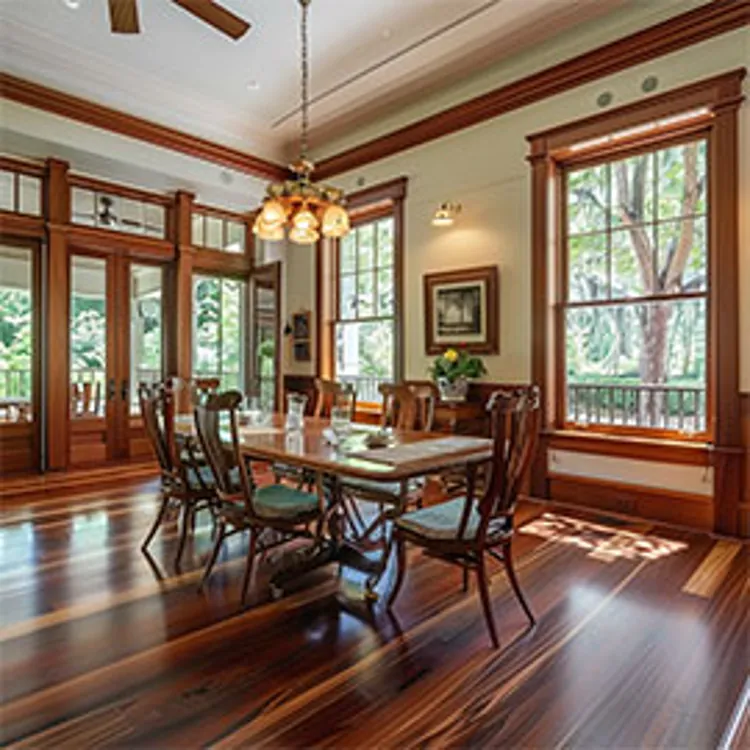
| Living room | Hardwood | Better durability and resale |
| Dining room | Hardwood | Better durability and resale |
| Hallways | Hardwood | Better durability and resale |
| Nurseries | Carpet | Comfort, warmth and sound absorption |
| Stairs | Carpet | Better traction for safety |
FAQ
Do buyers prefer carpet or hardwood in bedrooms?
Most modern buyers prefer hardwood in bedrooms and all dry living areas over carpet, as it provides a nicer, higher-end appearance and is more durable. However, carpeting is still a great flooring option for bedrooms since it will stand up well to the minimal foot traffic it will see there, and it provides more comfort and privacy thanks to its cushioning and sound absorption.
Do houses sell better with carpet or hardwood floors?
Houses with hardwood floors in main living areas tend to sell better. Buyers usually see more value in hardwood flooring since it stands up better to more foot traffic, it lasts significantly longer and it tends to look nicer.
What are the downsides of having carpet flooring?
The primary downside to carpet is its limited lifespan and durability. Carpeting only lasts eight to 10 years, on average, and you might get even less life from your carpet if it’s in a space that sees heavy foot traffic or exposure to water or moisture. Carpeting also adds less to your home value overall.
Why is hardwood more expensive than carpet?
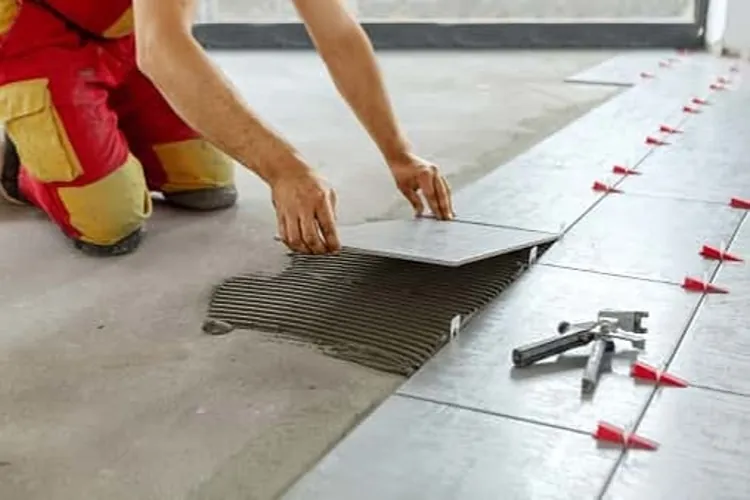
Hardwood materials are all-natural, so the sourcing and milling drive material costs higher. Installation costs are also higher for wood floors than for carpeting because your pro will have to place individual planks and nail or glue them down one at a time.
Alternatively, a pro could lay down an entire room of carpeting in one piece and use specialized tools to pull it taut and tack it down.
Article sources
ConsumerAffairs writers primarily rely on government data, industry experts and original research from other reputable publications to inform their work. Specific sources for this guide include:
- International Association of Certified Home Inspectors, "InterNACHI's Standard Estimated Life Expectancy Chart for Homes." Accessed Oct. 29, 2026.