
President Trump has ordered federal agencies to pursue lower mortgage and refinancing costs and encourage more factory-built housing.
A proposed mortgage-insurance cancellation pilot would cover loans made after the program launches, limiting its immediate benefit to existing homeowners.
The measures could reduce some ownership expenses, but implementation will take time, and savings will depend on eligibility.
President Trump has signed an executive order aimed at making homeownership more affordable by reducing financing expenses and encouraging innovation in home construction.
The action targets mortgage insurance, refinancing costs, and manufactured housing. The White House describes it as another step in the administration’s broader effort to reduce regulatory barriers and expand access to homeownership.
For consumers, the potential benefits include lower monthly expenses and less expensive refinancing. However, the order leaves significant decisions to federal agencies, meaning the announcement does not automatically produce savings for every borrower.
What it does
One initiative directs the Federal Housing Finance Agency to establish a pilot through Fannie Mae and Freddie Mac that would periodically review borrowers’ equity using automated home valuations. Qualifying borrowers could have mortgage insurance canceled proactively, with fewer documentation requests and appraisal expenses.
There is an important restriction: The pilot would apply only to mortgages made after its establishment. Cancellation would also depend on payment history, applicable requirements, and financial safeguards.
Mortgage insurance protects lenders against borrower defaults. Realtor.com notes that homeowners generally no longer need it once they have sufficient equity, making cancellation a potentially meaningful reduction in monthly housing expenses.
The administration also wants to reduce refinancing expenses by expanding a title-insurance waiver pilot into an ongoing program. Eligible transactions could use automated title reviews or other approved assessments instead of a lender’s title insurance policy.
The order calls for considering fewer appraisal and documentation requirements for certain refinances and requires resulting savings to reach borrowers. Separately, it directs the Agriculture and Veterans Affairs departments to reduce rates on single-family loans they make directly, subject to legal and funding limits. That directive does not cover every privately issued USDA- or VA-backed mortgage.
Increasing housing supply
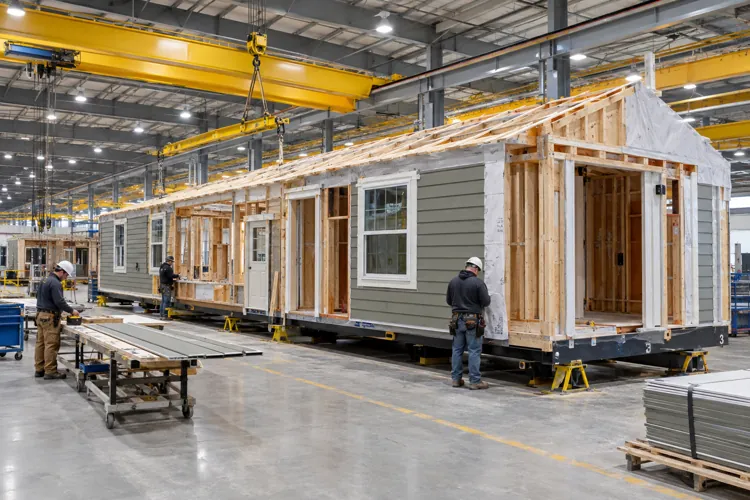
On housing supply, the order creates a Task Force on Manufactured Housing Innovation, led jointly by HUD and FHFA. Its assignment is to identify ways modern manufacturing methods could improve quality and lower the cost of factory-built homes eligible for federal programs.
Recommendations are due within 180 days. The group will examine overlapping federal approvals and inspections, obstacles to advanced manufacturing, and incentives for standardized state and local permitting.
Industry reaction has been broadly supportive, although title insurers raised concerns. According to Realtor.com, the Mortgage Bankers Association welcomed efforts to streamline refinancing and expand manufactured-housing options. The American Land Title Association cautioned that reducing costs must preserve protections against fraud and property-title problems.
The practical takeaway is that these measures could help eligible households with particular expenses. Their broader effect on affordability will depend on agency implementation and whether construction reforms deliver more homes.