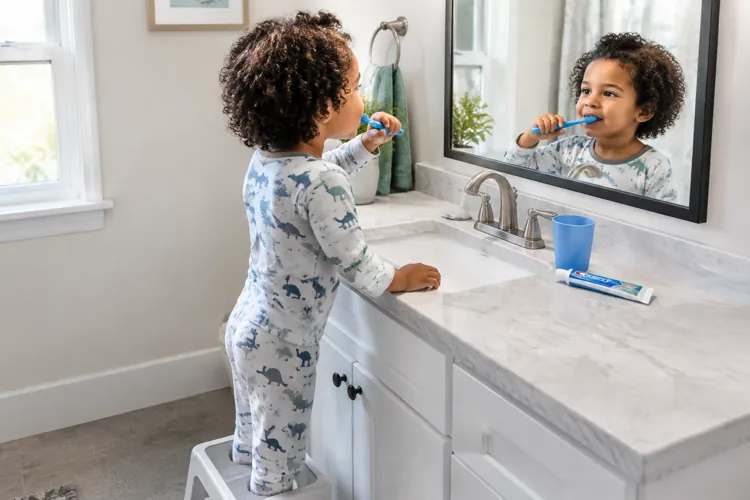

More than 4 million tubes of toothpaste distributed nationwide have been recalled, including several varieties marketed to children.
The recall affects selected Brush Buddies, evo and ARU products because of manufacturing standards violations.
Consumers should check product names, lot numbers and expiration dates against the FDA’s recall listing before using the toothpaste.
A nationwide toothpaste recall is prompting consumers to check their bathroom cabinets, particularly for children’s products featuring Barbie, Hot Wheels, Crayola and My Little Pony.
The recall covers approximately 4.3 million tubes across 17 toothpaste products. India-based Pritam International Private Limited initiated the voluntary recall Sept. 10, and the Food and Drug Administration classified it as a Class II recall Oct. 19. The products were distributed nationwide by Ashtel Studios Inc., based in Ontario, California.
The reason listed is “CGMP deviations,” referring to failures to meet Current Good Manufacturing Practice requirements. The FDA has not identified the specific manufacturing problems behind the recall in its public listing, according to NBC Chicago’s reporting.
Those federal requirements govern manufacturing methods, facilities and quality controls. They are intended to ensure that drug products meet quality standards and contain the ingredients and strength stated on their labels. A manufacturing violation does not, by itself, identify a particular contaminant or establish that every affected tube will cause harm.
A Class II classification means exposure could cause temporary or medically reversible health problems, or that the likelihood of serious health consequences is considered remote.
What to do
The recall applies to specified lots of these products. Product names alone are not enough to determine whether a tube is included.
Consumers can compare their packaging with the product descriptions, lot codes and expiration dates in the FDA’s enforcement report.
Anyone who identifies recalled toothpaste should stop using it and contact the retailer or distributor about return options. Consumers should ask about available refunds or replacements rather than assume reimbursement is automatic; the reporting reviewed did not identify a uniform refund program.