2024 Parenting Guidance and Tips

Article Image

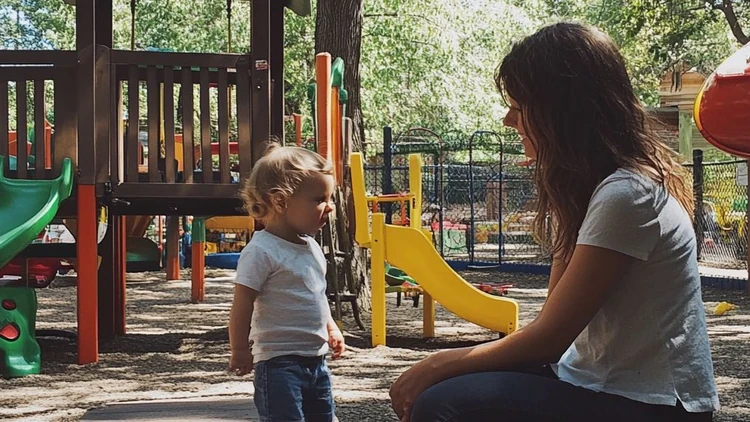
Baby deaths shot up in months following end of Roe V Wade, study finds

In the 18 months after the US supreme court overturned Roe v Wade, leading more than a dozen states to implement near-total abortion bans, hundreds more babies died than expected, new research has found.

The research, which was conducted by researchers from the Ohio State University and published Monday in Jama Pediatrics, compared data on infant mortality from the months before Roe’s downfall with data from afterward. Overall infant mortality, the researchers found, rose by 7%.

On average, researchers found that there were roughly 247 more infant deaths per month than expected. Among infants with congenital anomalies – whose mortality rose by 10% – there were about 210 more deaths per month than expected.

Latest study to show similar results

This study is the latest to examine how Roe’s demise has affected babies’ health. In June, another study estimated that, after Texas outlawed abortions past roughly six weeks of pregnancy, the number of infants who died in their first year of life rose by 13%.

The researchers behind that study also found that deaths among infants with congenital anomalies spiked.

These conditions can frequently be detected in utero and, in states where abortion is still legal, lead people to terminate their pregnancies, especially since they may be incompatible with life. However, that may no longer be an option for people living under abortion bans.

“Any infant death is tragic, but then layering on top of that, this pregnant person’s situation where they know that they’re carrying a fetus that is incompatible with life, whereas before, they maybe would have had the option to terminate,” Alison Gemmill, the lead author of the June study and an assistant professor at the Johns Hopkins Bloomberg School of Public Health, told the Guardian after her study was released.

The study released on Monday did not break down infant mortality rates by state.

Article Image

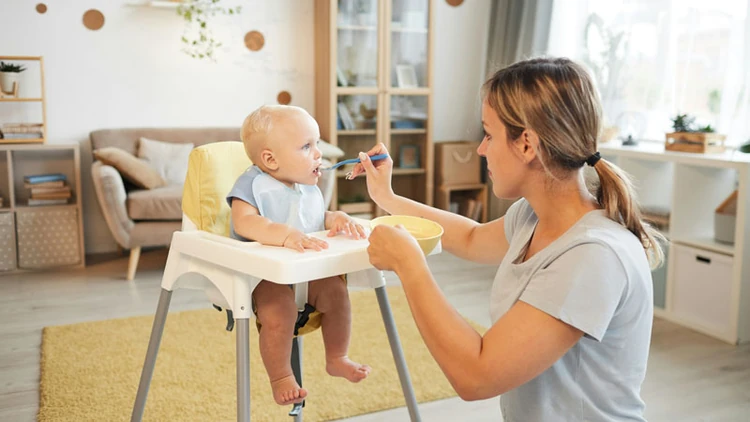
Child care costs this much and takes this long to get in 2024

American parents are waiting frustratingly long for childcare and paying harmful prices.

It is common for parents to be waitlisted for six months to get childcare and pay nearly $17,000 a year in 2024, according to a survey of 2,217 mothers in July by BabyCenter.

Some 40% of parents seeking childcare have been put on a waitlist averaging six months, but 13% of those families waited a year or longer, the survey said.

Families with full-time childcare for one child paid an average of $320 a week, or $16,686 a year in 2024.

The high prices have 84% of parents saying that childcare has affected their financial goals, and 54% of those say they couldn't save enough money and 25% say they couldn't pay off debt.

The findings comes as government for assistance for childcare has dwindled after pandemic funding evaporated, putting tens of thousands of childcare programs at risk of closing and leaving millions without care.

Approximately 70,000 childcare programs are in danger of closing and leaving 3 million children without care, according to nonprofit Century Foundation.

The presidential campaigns of Kamala Harris and Donald Trump are both promising to provide new childcare support in the form of tax credits.

How to save money on childcare

Parenting website What To Expect has recommendations for saving money on childcare:

  • Friends and family: Ask people close to you for help with watching your children.
  • Babysitting co-op: Join or create a babysitting co-op, which is a group of parents coming together to rotate caregiving responsibilities.
  • Split babysitter: Find another family to share babysitting services with.
  • Ask HR for childcare benefits: Some companies offer reimbursements, on-site babysitting and flexible spending accounts that lets you save pre-tax dollars for from your paycheck for childcare.
  • Tax breaks: Look into state and federal government tax writeoffs for childcare.
  • Reach out to local college: Higher education may be able to connect you with students charging affordable prices for babysitting.
  • Work from home: Ask your employer if they can let you work from home more because of childcare.
Article Image

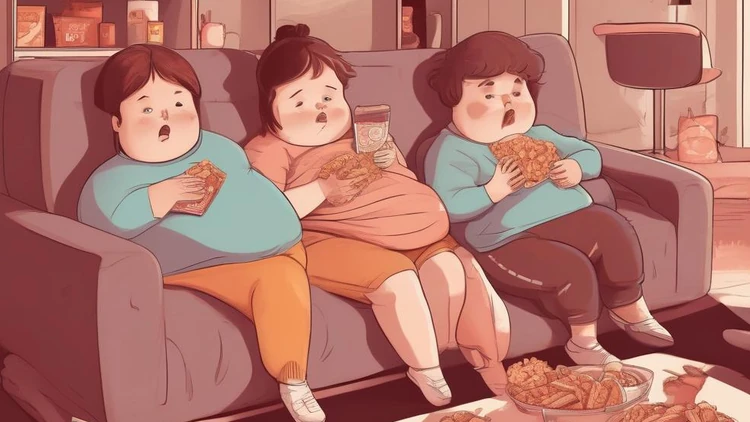
U.S. leads the world in childhood obesity but others are close behind

We all want our children to grow up to be big, strong and healthy. Well, strong and healthy anyway. Many them are already too big ... and getting bigger, researchers say.

The United States leads the world in producing obese and overweight children but other countries are close behind. In fact, since 1990, the rise in childhood overweight and obesity has surged across every continent, almost doubling in prevalence.

Globally, Asia has nearly half of all overweight children under the age of 5, and Africa has one-quarter of such children. In Latin America, about 20% of children under 20 are overweight. Many developing countries face the dual challenge of both overweight/obesity and malnutrition in their children.

The consequences are already evident: childhood hypertension and type 2 diabetes, among others. Researchers from Florida Atlantic University’s Schmidt College of Medicine and colleagues sound the alarm and discuss both challenges and potential solutions in a commentary published in The Maternal and Child Health Journal.

“Pediatric overweight and obesity have reached epidemic levels in the U.S. and are becoming a pandemic globally," said Charles H. Hennekens, M.D., first author of the study and a professor of medicine at FAU. 

"These conditions lead to high blood pressure, type 2 diabetes and lipid disorders, which contribute to metabolic syndrome. In adults, these issues significantly increase the risks of heart attacks, stroke, liver disease, obstructive sleep apnea, arthritis and certain cancers – many of which are now occurring at younger ages,” Hennekens said. 

Leading causes

In the commentary, the authors report on the leading causes of this epidemic including high body mass index (BMI), which increases the risks of many serious health issues. In the U.S., a preschooler is considered overweight if their BMI exceeds the 85th percentile.

Research shows that these children are at a significantly higher risk of being overweight during adolescence compared to those with a BMI at the 50th percentile. This underscores the misconception that children simply “outgrow” overweight issues.

Boosting children's daily physical activity is crucial for increasing metabolic rates, lowering BMI, and reducing future risks of coronary heart disease, researchers say.

“With declining physical education in schools and excessive time spent on electronic devices, many children fail to meet recommended activity guidelines. This sedentary behavior contributes to overweight and obesity through poor diet, reduced sleep, and decreased physical activity,” said Panagiota “Yiota” Kitsantas, Ph.D., co-author of the study and FAU professor. “Encouraging organized, enjoyable activities rather than competitive ones can help children achieve necessary physical activity levels.”

Physical activity not enough

The authors also caution that while increasing levels of daily physical activity is necessary, it isn’t sufficient to make a major impact on the rates of childhood overweight and obesity. The rise of high sugar containing foods, along with consumption of ultra-processed foods also are major contributors.

“Nearly 70% of the average U.S.-based child’s diet is made up of ultra-processed foods,” said Hennekens. “Moreover, consumption of ultra-processed foods among children under 24 months is rising worldwide, triggering not only the potential of developing obesity but also decreased immunological protection.”

The authors say that more research is needed to pinpoint which components of ultra-processed foods contribute to weight gain in children. However, they warn that a diet high in ultra-processed foods is linked to rising rates of overweight and obesity, with schools being a major source of these foods.

“Evidence suggests that enhancing school lunch nutritional standards could help reduce obesity, particularly among low-income children,” said Kitsantas. “We recommend adopting school food policies that remove ultra-processed foods from menus and promote healthier alternatives, alongside educational programs on healthy eating, despite the challenges posed by external influences on children.”

Among the challenges highlighted in the commentary is the use of social media and advertising, which significantly affect children’s food choices and behaviors that include sharing unhealthy food posts and recognizing many unhealthy food brands upon exposure. 

Article Image

Surgeon General warns about the state of parents' mental health

While there has been no shortage of announcements and research done on children’s mental health struggles, Surgeon General Dr. Vivek Murthy is now calling attention to parents’ mental health. 

In a recently released advisory, Murthy is emphasizing the importance of mental health support for parents and caregivers across the country. 

“Parents have a profound impact on the health of our children and the health of society,” Murthy said. “Yet parents and caregivers today face tremendous pressures, from familiar stressors such as worrying about their kids’ health and safety and financial concerns, to new challenges like navigating technology and social media, a youth mental health crisis, an epidemic of loneliness that has hit young people the hardest. 

“As a father of two kids, I feel these pressures too. With this advisory, I am calling for a fundamental shift in how we value and prioritize the mental health and well-being of parents. I am also outlining policies, programs, and individual actions we can all take to support caregivers.” 

Parental stress is increasing

As part of the advisory, Murthy addressed the findings from a recent study by the American Psychological Association that explored adults’ stress levels across the country. 

The biggest takeaway from the study: parents and caregivers are more stressed than adults without children – both overall and in specific areas. 

Some of the findings include: 

  • 66% of parents were consumed by money worries; 39% of childless adults reported the same 

  • 57% of parents were embarrassed talking about finances with others; 39% of childless adults reported the same

  • 62% of parents feel that no one understands how stressed they are; 42% of childless adults reported the same

  • 60% of parents say that stress makes it hard for them to focus; 37% of childless adults reported the same

  • 50% of parents say they can’t bring themselves to do anything when they’re stressed; 28% of childless adults reported the same 

What’s the solution?

To address this growing issue, Murthy has several recommendations to strengthen the available support networks for parents across the country. 

Some of these solutions include: 

  • Increased financial support for families, including tax credits

  • Paid time off for both parents during the birth of a child or when a child is sick 

  • Safe, affordable child care

  • Access to mental health care 

  • Safe and affordable programs for before and after school 

  • Predictable work schedules for parents 

  • Safe playgrounds, libraries, and communities for children to play and learn – and for parents to build community 

“Given the responsibility it entails, raising children is never going to be without worry,” Murthy wrote in a New York Times editorial. “But reorienting our priorities in order to give parents and caregivers the support they need would do a lot to ensure the balance skews toward joy.”

Hear more from the surgeon general here: 

Article Image

Inflation may be cooling in the school cafeteria

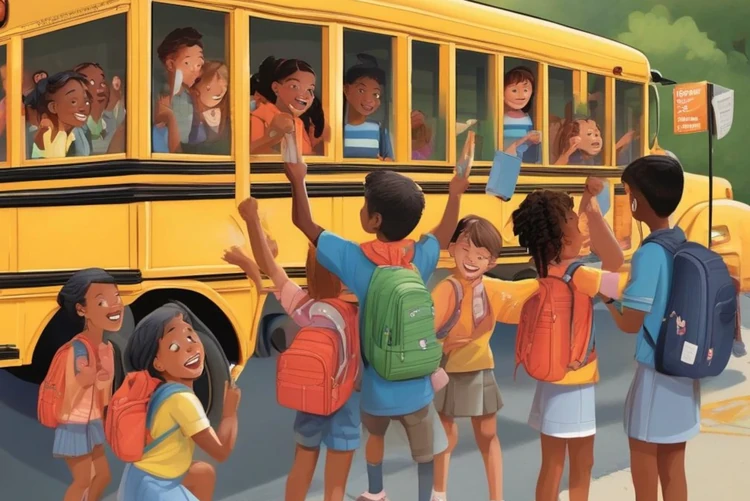
Budgeting for back to school costs involves more than shopping for a backpack and notebooks. Don’t forget the cost of school lunches, which rose sharply over the last two years of inflation.

Fortunately, many of these food costs have declined since last year. Datasembly, which monitors thousands of grocery prices in real-time, reports the overall cost of 12 popular items rose just 61 cents since last year, or 1.16%.

But five of the food items have gone down in price. The biggest decline is in the price of mozzarella string cheese, which is down 4.2% from 2023.

Most items rose or fell by only a few cents. However, applesauce cups and mixed fruit snacks posted the largest price increases. The price of a six-pack of 4 oz. applesauce cuts rose 7.2% and the price of a mixed fruit snack 10-pack is up 7.3%.

Article Image

Get childcare for your kid or send them to college - it costs the same

If you are the parent of young children you know how expensive childcare is. But here’s a shocker: you could be spending enough to send your child to college.

A new report from Care.com shows nearly half of families participating in a survey spend $18,000 a year on child care, but 20% of parents spend more than $36,000 a year – more than the average cost of a year of college.

According to the U.S. Department of Education, the average cost of attending a public four-year state university – including room and board – is $24,030 during the current school year.

More than one-third of respondents to a survey said they have been forced to tap into their savings, on average exhausting a staggering 42% of their savings in 2023, leaving them with little financial flexibility.

'Forced into a financial hole'

“Within the first five years of their child’s life, parents are being forced into a financial hole that is nearly impossible to climb out of,” said Brad Wilson, CEO of Care.com. “A healthy economy depends upon the ability for people to save and spend, but given the crushing weight of childcare costs, those pillars are crumbling. The childcare crisis should be a major red flag for everyone, not just parents. It is a systemic failure that will impact our nation’s economic growth, and that affects us all.”

Derek Thompson, a writer for The Atlantic, recently tweeted that the costs are much higher in New York City, concluding that something’s not right in Gotham City. He cites U.S. Labor Department data showing that the average family with children would need an income of $300,000 to meet the federal guideline of spending no more than 7% of income on childcare. 

Could this become a political issue? It might. The Care.com report found that 88% of respondents said a political candidate’s position on childcare access and affordability would influence their vote.