2021 COVID-19

Article Image

FDA makes two more at-home COVID-19 test kits available to consumers

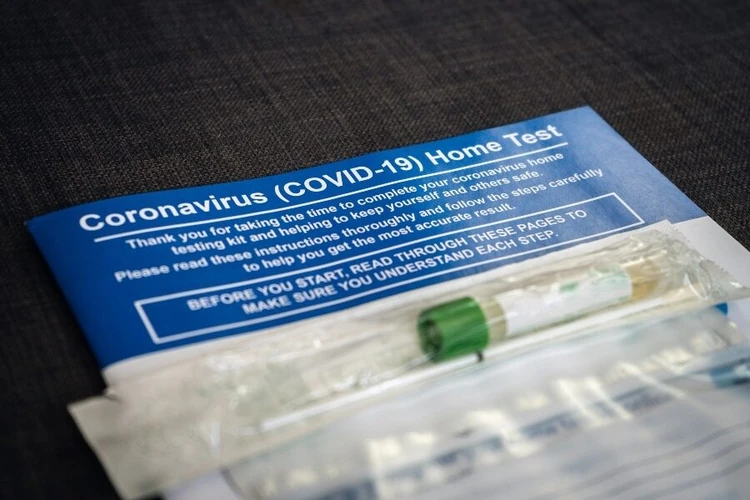
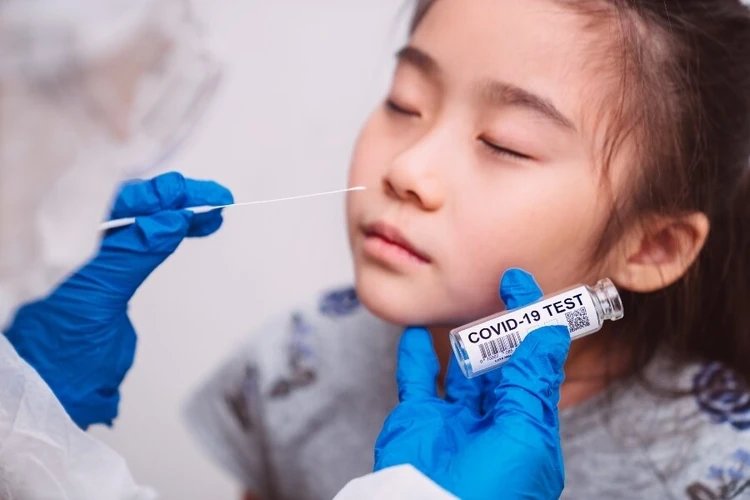
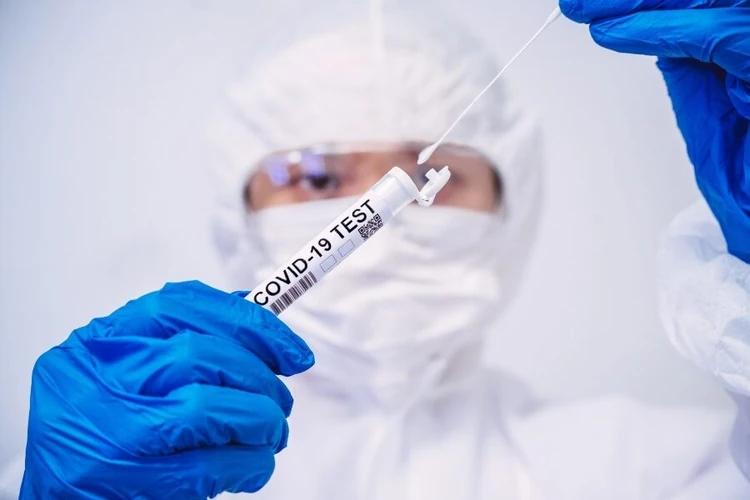
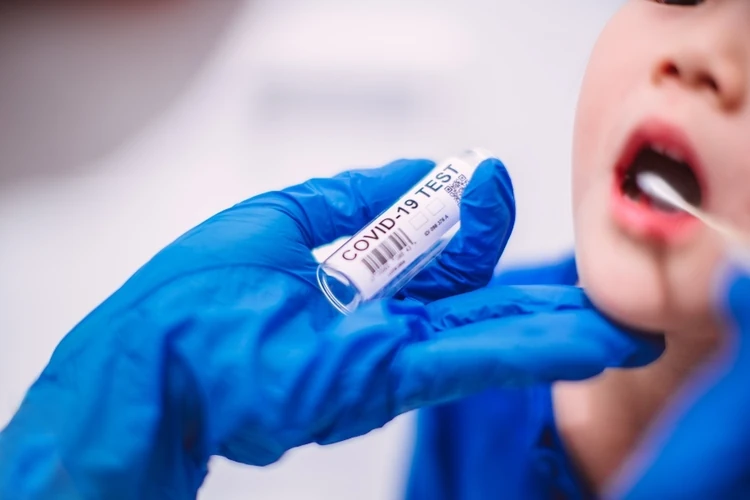
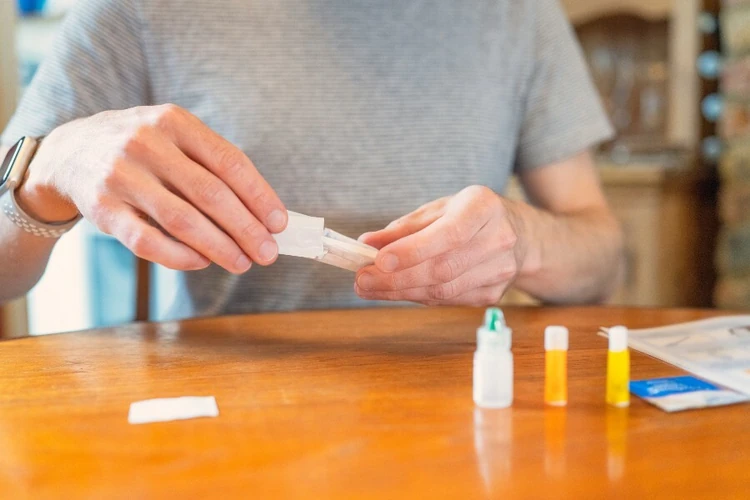
There are two new COVID-19 tests available for at-home use – and just in time too. Making good on President Biden’s commitment to make a half-billion at-home tests available to Americans, the U.S. Food and Drug Administration (FDA) has given emergency use authorization to two more test kits – one manufactured by Siemens and another produced by SD Biosensor. 

With additional options on the market, the potential to get tests into more Americans’ hands goes up significantly at a time when they’re hard to find. Many consumers rushed out to buy tests ahead of holiday gatherings, and one version has been recalled over an accuracy defect. 

The total number of non-prescription, over-the-counter (OTC) at-home COVID-19 tests that are available to the public now numbers 15 (12 antigen tests and 3 molecular tests). 

"Increasing Americans' access to easy-to-use, reliable COVID tests is a top priority for the Biden Administration, and we are using all resources at our disposal to make more tests available and ramp up supply," Xavier Becerra, the Health and Human Services Secretary, said in a statement. "Adding two new authorized tests will give Americans more options for testing at home, which helps keep people safe and provides peace of mind.”

Expect more tests to be made available quicker

An FDA spokesperson told ConsumerAffairs that people can expect the rollout of more at-home tests to continue because of the $70 million investment the U.S. made in the Independent Test Assessment Program (ITAP). The true power of ITAP is that it gives companies expanded access to rapid tests by quickly gathering critical data that companies need to request EUA.

"By rapidly conducting the precise studies recommended by the FDA, this program is shaving weeks to months off the typical EUA timeline," said Dr. Bruce J. Tromberg, a director at the National Institutes of Health (NIH).

Article Image

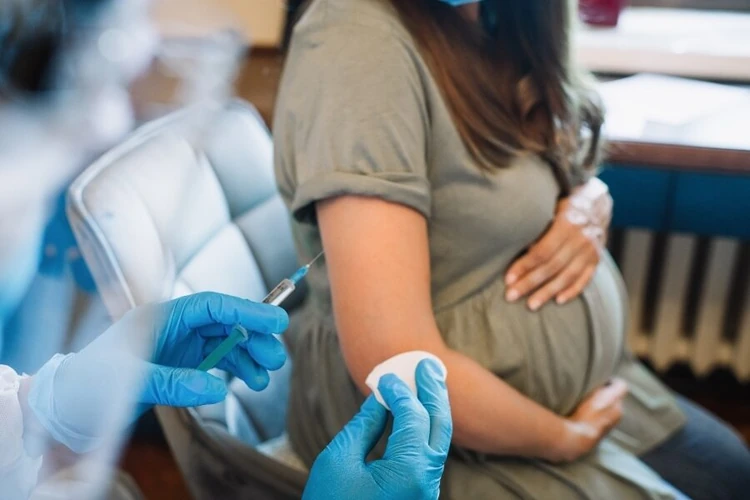
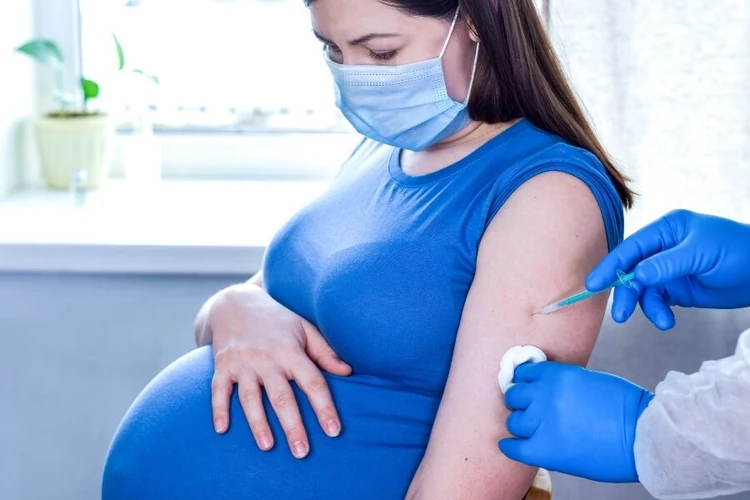
COVID-19 during pregnancy isn't likely to impact infants' health, study finds

A new study conducted by researchers at the Children’s Hospital of Chicago explored how infants’ health is affected when their mothers contract COVID-19 during pregnancy. 

According to the findings, infants’ growth and development reached normal, healthy levels by the time they reached six months old even if their mothers were infected with COVID-19 when they were in utero.

“Our results should be reassuring to pregnant women with COVID-19 who are worried about how the virus might affect the baby,” said researcher Dr. Malika Shah. “At six-month follow-up, we observed normal growth patterns and developmental milestones, with the rate of development referrals not higher than what we normally see. This is very good news during the pandemic that has been especially hard on populations facing health inequities and the disproportionate impact of COVID-19.” 

Infants’ health may not be compromised by COVID-19

For the study, the researchers analyzed data from over 30 infants born between April 2020, and July 2020. Fifty-five percent of the mothers tested positive within 10 days of giving birth, and none of the infants tested positive at the time of birth. The researchers tracked the infants’ health outcomes during their first six months after birth.

Ultimately, the researchers found that infants born to mothers who had COVID-19 were just as healthy as infants who had no connection to the virus. Findings showed that the Infants were growing normally, the large majority were up to date on their vaccines, and that their parents were consistent with taking infants to follow-up appointments. 

Moving forward, the researchers hope more studies look into how infants’ health is affected when mothers contract COVID-19 during pregnancy. 

“As the pandemic persists and variants emerge, looking at longer-term outcomes is critical,” Shah said. 

Article Image

Coronavirus update: Average daily COVID-19 cases sets record

Coronavirus (COVID-19) ‌tally‌ ‌as‌ ‌‌compiled‌‌ ‌by‌ ‌Johns‌ ‌Hopkins‌ ‌University.‌ ‌(Previous‌ ‌numbers‌ ‌in‌ ‌parentheses.)‌

Total‌ ‌U.S.‌ ‌confirmed‌ ‌cases:‌ 53,217,506 (52,912,744)‌

Total‌ ‌U.S.‌ ‌deaths:‌ 821,346 (819,253)

Total‌ ‌global‌ ‌cases:‌ 283,243,283 (281,591,352)

Total‌ ‌global‌ ‌deaths:‌ 5,418,524 (5,410,921)‌

U.S. cases in record territory

Amid a sharp increase in COVID-19 cases driven by the Omicron variant, the U.S. seven-day average of cases has hit a record – 265,427. The previous seven-day record was 252,000 daily cases, which was hit in January before vaccines were widely available.

Nearly all sections of the country are seeing a major escalation of the pandemic because of the highly contagious new variant. Most health experts say the new year could see an even sharper rise in cases.

"January is going to be a really, really hard month,” Dr. Ashish Jha, Dean of the Brown University School of Public Health, told CNN. “And people should just brace themselves for a month where lots of people are going to get infected."

Omicron very different from other variants, top scientist says

A top British medical scientist says the Omicron variant is very different from other forms of COVID-19, and that’s not necessarily a bad thing. In an interview with the BBC, John Bell, a regius professor of medicine at the University of Oxford, said serious hospitalizations are falling as the new variant spreads.

“The disease does appear to be less severe, and many people spend a relatively short time in hospital,” Bell said. “They don’t need high-flow oxygen, average length of stay is apparently three days, this is not the same disease as we were seeing a year ago.” 

While British hospitals are still full, Bell said the number of people in ICUs who are vaccinated remains “very, very low.”

Flight attendants blast new CDC quarantine guidance

The nation’s airline flight attendants are not happy with the Centers for Disease Control and Prevention (CDC) after it shortened the quarantine period for exposure to COVID-19. Sara Nelson, president of the Association of Professional Flight Attendants-CWA, said the decision to shorten the period from 10 days to five was motivated by business, not science.

"We said we wanted to hear from medical professionals on the best guidance for quarantine, not from corporate America advocating for a shortened period due to staffing shortages," Nelson said. "The CDC gave a medical explanation about why the agency has decided to reduce the quarantine requirements from 10 to five days, but the fact that it aligns with the number of days pushed by corporate America is less than reassuring."

Airlines canceled hundreds of flights during Christmas week because they were unable to assemble full flight crews.

Around the nation

  • Washington D.C.: The nation’s capital is now the nation’s number one COVID-19 hotspot. Data compiled by John’s Hopkins shows that the city experienced an average of 1,192 new cases per day over the past seven days and 169 cases per 100,000 people as of Monday.

  • Connecticut: The positivity rate remains in double digits, rising from 10% to 15% in just one day this week, according to state health officials. In New Haven, the city's health director said the city is in a community-spread situation. Health officials assume one in four people will test positive for COVID-19.

  • Montana: State health records show that COVID-19 was the leading cause of death among Native Americans in Montana last year. In contrast, it was only the third-leading cause of death for all other state residents. A new report found that 1,022 Native Americans in Montana died last year, compared to an average of 676 deaths each year during the five previous years.

  • Louisiana: With new cases of COVID-19 on the rise, the Louisiana Department of Health has opened two new temporary testing sites that will operate through Friday, Dec. 31. Both are in Baton Rouge.

  • Minnesota: The state marked a milestone this week. The 4,155 new cases of the virus reported Monday pushed the statewide total past one million since the start of the pandemic. One of the most recent cases includes Gov. Tim Walz.

Article Image

Coronavirus update: CDC cuts COVID-19 isolation time in half

Coronavirus (COVID-19) ‌tally‌ ‌as‌ ‌‌compiled‌‌ ‌by‌ ‌Johns‌ ‌Hopkins‌ ‌University.‌ ‌(Previous‌ ‌numbers‌ ‌in‌ ‌parentheses.)‌

Total‌ ‌U.S.‌ ‌confirmed‌ ‌cases:‌ 52,912,744 (52,460,229)‌

Total‌ ‌U.S.‌ ‌deaths:‌ 819,253 (817,031)

Total‌ ‌global‌ ‌cases:‌ 281,591,352 (280,738,431)

Total‌ ‌global‌ ‌deaths:‌ 5,410,921 (5,404,167)‌

CDC shortens COVID-19 isolation time

The Centers for Disease Control and Prevention (CDC) has revised its COVID-19 guidance to reduce the time people who test positive should isolate. Instead of 10 days of quarantine, the agency now says patients only need to isolate for five days.

“Given what we currently know about COVID-19 and the Omicron variant, CDC is shortening the recommended time for isolation from 10 days for people with COVID-19 to 5 days, if asymptomatic, followed by 5 days of wearing a mask when around others,” the CDC said in its revised guidance. 

Why the change in the midst of a surge of new cases? The CDC said the change is motivated by science demonstrating that the majority of SARS-CoV-2 transmission occurs early in the course of illness, generally in the first two days prior to the onset of symptoms.

White House pivots on pandemic strategy

The Biden administration has announced a strategic shift in how it plans to handle the pandemic going forward. The president says the virus should be addressed at the state level, with plenty of federal support.

“There is no federal solution,” Biden declared Monday. “This gets solved at a state level.”

In a speech to the nation’s governors, Biden made clear that his previous pledge of free test kits still stands. The president told the governors that they should speak up if their state needs help coping with the virus.

FDA clears a new treatment

The U.S. Food and Drug Administration (FDA) has issued an emergency use authorization (EUA) for Merck's molnupiravir for the treatment of mild-to-moderate COVID-19. The pill is limited to use in adult patients.

Molnupiravir will be available by prescription only and should be taken as soon as possible after a diagnosis of COVID-19 and within five days of symptom onset, the FDA said.

“Molnupiravir is limited to situations where other FDA-authorized treatments for COVID-19 are inaccessible or are not clinically appropriate and will be a useful treatment option for some patients with COVID-19 at high risk of hospitalization or death," said Patrizia Cavazzoni, M.D., director of the FDA's Center for Drug Evaluation and Research. 

Around the nation

  • New Jersey: Hoboken is the latest city in New Jersey to reinstate an indoor mask mandate. Starting Wednesday, the city's Office of Emergency Management will require a mask to be worn in all public indoor spaces for anyone aged two and older, with the exception of when they're actively eating or drinking. 

  • Illinois: The state’s top medical officer is expressing concern about a sharp rise in COVID-19 cases, especially among children. "We're still looking at our numbers,” said Illinois Department of Public Health Director Dr. Ngozi Ezike. “I have anecdotally talked to many pediatricians who are heads of departments or hospitals who are seeing that there is an increase, so we are going to continue to follow those numbers."

  • Michigan: There were long lines at COVID-19 testing sites in the Detroit area Monday as people sought tests following the Christmas holiday. Home rapid test kits quickly sold out, prompting people to turn to urgent care and emergency rooms to get tested.

  • California: An investigative report by Kaiser Health News shows that a significant number of hospital patients who are admitted for minor surgery contract COVID-19 while in the hospital. The report says hospitals “have rarely been held accountable due to multiple gaps in government oversight.” 

  • North Carolina: In North Carolina, COVID-19 patients are getting younger. An investigation by media outlet WRAL found that 10- to 14-year-olds have seen the highest rates of infection since August. That rate reached 871 cases per 100,000 people during mid-August – the highest case rate for any age group since the pandemic began.

Article Image

Increased drinking during the pandemic will lead to more health problems, study finds

Experts say consumers have turned to alcohol more frequently since the start of the COVID-19 pandemic as a way to relieve stress. Unfortunately, researchers from Massachusetts General Hospital believe that this uptick in drinking will lead to more cases of liver disease and will result in more deaths.

The team came to that conclusion after analyzing how consumers’ drinking habits impacted their short- and long-term health outcomes during the pandemic. 

“The COVID-19 pandemic has had many unintended consequences with unknown long-term impact,” said Dr. Turgay Ayer. “Our modeling study provides a framework for quantifying the long-term impact of increased alcohol consumption associated with COVID-19 and initiating conversations for potential interventions.” 

Pandemic drinking habits can have long-term effects

Overall, the researchers learned that the rate of binge drinking increased by more than 20% over the course of the COVID-19 pandemic. They said these drinking habits are likely to significantly impact consumers’ health and longevity in the short term and long term. 

If these drinking patterns remain consistent, liver failure is expected to spike by 2,800 additional cases by 2023. By 2040, the team anticipates an extra 1,000 cases of liver cancer and an additional 18,700 cases of liver failure. Alcohol-related deaths were also predicted to increase by 8,000 within the next two decades. 

The researchers hope these findings influence policy changes related to binge drinking so that these health outcomes can be avoided. 

“While we have projected the expected impact of societal drinking changes associated with the COVID-19 pandemic without any interventions, we hope that our research can help jumpstart needed conversations at every level of society about how we can respond to the many behavioral changes, coping mechanisms, and choices that have short- and long-term implications for the health of individuals, families, and communities in America,” said researcher Jovan Julien. 

Article Image

Coronavirus update: Omicron variant drives record case surge

Coronavirus (COVID-19) ‌tally‌ ‌as‌ ‌‌compiled‌‌ ‌by‌ ‌Johns‌ ‌Hopkins‌ ‌University.‌ ‌(Previous‌ ‌numbers‌ ‌in‌ ‌parentheses.)‌

Total‌ ‌U.S.‌ ‌confirmed‌ ‌cases:‌ 52,460,229 (51,927,557)‌

Total‌ ‌U.S.‌ ‌deaths:‌ 817,031 (815,128)

Total‌ ‌global‌ ‌cases:‌ 280,738,431 (279,826,580)

Total‌ ‌global‌ ‌deaths:‌ 5,404,167 (5,395,183)‌

Omicron drives record surge in COVID-19 cases

It seems like COVID-19 cases are surging everywhere, and in some places, those increases are setting records. With many New Yorkers taking COVID-19 tests just before their holiday events, the state set a one-day record of nearly 50,000 new cases.

During the holidays, Florida set a record for the number of reported cases of the virus in a single day, with 31,758. That’s higher than the previous record of 27,669, set at the end of the summer.

Health officials say the explosion of new cases appears to be the result of the Omicron variant, which is believed to be more easily transmitted. Although supporting data is lacking, the Omicron variant appears to cause less severe symptoms in most people it infects.

What to know about Omicron symptoms

The Centers for Disease Control and Prevention (CDC) says symptoms of the Omicron variant of COVID-19 are different in some ways from the Delta variant. The most common Delta variant symptom is a loss of taste and smell.

The CDC says the onset of illness caused by the Omicron variant feels more like a common cold. Early symptoms include a scratchy throat, runny nose, and a cough. Fatigue and body aches are also symptoms that Omicron shares with other variants.

“The Omicron variant likely will spread more easily than the original SARS-CoV-2 virus and how easily Omicron spreads compared to Delta remains unknown,” the CDC said on its website. “CDC expects that anyone with Omicron infection can spread the virus to others, even if they are vaccinated or don’t have symptoms.”

Problematic smartphone use linked to pandemic mental health issues

Some health researchers have reported an increase in mental health issues during the pandemic, and researchers in Germany suggest that overuse of smartphones could be part of the problem.

Writing in the journal PLOS ONE, researchers at Ruhr-Universität Bochum linked increased smartphone use during the pandemic with a low sense of control, fear of missing out, and repetitive negative thinking. The sample was largely made up of young women.

On the basis of their findings and prior studies, the researchers propose that physical activity and mindfulness practices could help reduce problematic smartphone use.  

Around the nation

  • New York: New York City Mayor Bill de Blasio’s vaccination mandate for private businesses in the city takes effect today. Employees will have to show proof of at least one shot of an approved vaccine.  “We are going to find our way through this and then put the COVID era behind us," de Blasio said.

  • Florida: On Christmas Eve, Universal Orlando Resort began requiring masks to be worn in indoor portions of the park. Masks will also be required  “at all attractions from the moment guests enter the queue to when they exit the experience.”

  • Texas: Texas A&M has withdrawn its football team from Friday’s TaxSlayer Gator Bowl. School officials said COVID-19 issues prevented the team from appearing. “It is unfortunate, but we just don’t have enough scholarship players available to field a team,” Aggie head football coach Jimbo Fisher said in a statement.

  • Oregon: COVID-19 doesn’t spare anyone, not even Santa Claus. Keith McDonley, an Oregon City resident who has been dressing up as Santa for more than a decade, was at his seasonal post this year after recovering from the virus, which kept him in the hospital for 62 days.

  • Indiana: Indiana University Health, the state's largest hospital system, has asked for and received help from the Indiana National Guard. At IU Health Methodist Hospital, a 23-person U.S. Navy team will be deployed to relieve health care workers, many of whom have been working around the clock.

Article Image

Coronavirus update: Encouraging news about Omicron variant

Coronavirus (COVID-19) ‌tally‌ ‌as‌ ‌‌compiled‌‌ ‌by‌ ‌Johns‌ ‌Hopkins‌ ‌University.‌ ‌(Previous‌ ‌numbers‌ ‌in‌ ‌parentheses.)‌

Total‌ ‌U.S.‌ ‌confirmed‌ ‌cases:‌ 51,376,316 (51,127,557)‌

Total‌ ‌U.S.‌ ‌deaths:‌ 810,707 (808,128)

Total‌ ‌global‌ ‌cases:‌ 276,640,160 (275,666,580)

Total‌ ‌global‌ ‌deaths:‌ 5,373,685 (5,365,183)‌

Some encouraging news about Omicron

The Omicron variant of COVID-19 is quickly spreading around the U.S., but there is emerging evidence that its symptoms are less severe. A study by the National Institute for Communicable Diseases found that in South Africa, where the variant was first discovered, people infected with it are 80% less likely to be hospitalized.

The researchers compared the results of Delta variant infections in South Africa between April and November and found that Omicron infections were associated with a 70% lower risk of severe disease. 

Health officials say the Omicron variant is apparently fueling a sharp rise in U.S. cases. In what may have been a television first, Dan Nathan, a regular panelist on the live broadcast of CNBC’s Fast Money, announced Tuesday night that he had tested positive for the Omicron variant. Nathan, as well as the other panelists, appeared remotely.

U.S. Army developing universal vaccine

Scientists at the Walter Reed Army Institute of Research are reportedly on the cusp of developing a new vaccine that would be effective against all variants of COVID-19. The publication Defense One reports that the announcement of a successful universal vaccine could come “within weeks.”

According to the report, the vaccine is the result of extended research at the military installation. Scientists began work in early 2020, long before the full extent of the pandemic was known. 

“It's very exciting to get to this point for our entire team and I think for the entire Army as well,” said Dr. Kayvon Modjarrad, director of Walter Reed’s infectious diseases branch.

Rare praise for Donald Trump

Since the 2020 election, President Biden hasn’t had much good to say about his predecessor, Donald Trump. But that softened a bit during Tuesday’s address to the nation on COVID-19 when Biden noted that Trump revealed publicly that he had gotten a booster – a remark that drew boos from a few supporters.

"It may be one of the few things he and I agree on," Biden said. "People with booster shots are highly protected. Join them. Join us."

Biden also praised the previous administration’s efforts to develop vaccines under “Operation Warp Speed,” noting that it made the vaccine rollout happen sooner than most people expected.

Around the nation

  • Ohio: The sudden rise in serious coronavirus cases is putting a strain on hospitals in some parts of the country. Six Ohio hospital systems placed an ad in the Cleveland Plain-Dealer with the headline “Help.” The bottom of the ad said, "We need your help. We now have more COVID-19 patients in our hospitals than ever before. And the overwhelming majority are unvaccinated."

  • California: Gov. Gavin Newsom has announced that state officials will require health care workers in the state to get a booster shot of the coronavirus vaccine. Newsom said it is important that people working in health care stay healthy due to current staff shortages.

  • Pennsylvania: Tuesday night’s National Hockey League game between the Philadelphia Flyers and Washington Capitals at the Wells Fargo Center was postponed just hours before faceoff. The league announced the postponement was due to COVID-19 issues affecting the Capitals.

  • Georgia: Atlanta Mayor Keisha Lance Bottoms has told city residents to mask up, reinstating a mask requirement inside stores and other businesses. The Mayor said she acted in the face of rising COVID-19 infections and the rapid spread of the Omicron variant.

  • Idaho: An Idaho Falls woman entered a plea of not guilty in court this week to charges of misdemeanor abuse of a teacher and misdemeanor providing a false identity to law enforcement. Her arrest stemmed from a reported incident in which the woman burst into her son’s classroom and confronted the teacher over school COVID-19 policies.

Article Image

Omicron variant keeps diners from restaurants, causing industry concerns

As the number of positive cases brought on by the Omicron variant trends upward, the number of diners eating out at restaurants in the U.S. is plunging. According to newly released data from OpenTable, the number of seated diners on Dec. 20 was 33% lower than the number of diners seated on the same day in 2019.

Cities and states in the Northeast U.S. got hit the worst. New York City’s overall restaurant traffic is running 60% behind the 2019 numbers. Washington D.C. restaurant traffic is nearly half (53%) of what it was two years ago. 

Those two cities may head OpenTable’s list, but they’re not alone. Baltimore, Portland, Seattle, New Orleans, Maryland, San Francisco, Minneapolis, Cleveland, Cambridge (MA), Milwaukee, St. Louis, Chicago, and the states of Massachusetts, New Hampshire, Pennsylvania, New York, Delaware, Illinois, New Mexico, and Maine all reported unseated diner rates of 50% or more recently. Nevada was the only state to show higher numbers of seated diners when compared to 2019 levels.

Restaurants turn to Congress

The restaurant industry had been recovering, but it's finding itself going in reverse now because of closures related to staff infections and rising cases linked to the Omicron variant. Data from the Independent Restaurant Coalition (IRC) suggests that 86% of independent restaurants could close without relief. 

“Last month, many lost their ability to take on new debt due to low credit scores,” the group said in an Instagram post. “If dine-in traffic continues, omicron may replicate the impact the delta variant had on restaurants.”

In a letter to congressional leaders, the coalition said things were bad overall. However, conditions are particularly bleak for over 177,000 restaurants and bars that never had their applications for relief under the American Rescue Plan processed. To help reverse the course, the coalition asked for additional aid to get the industry through the crunch. To date, the IRC said 295 representatives in the House and 51 Senators have signed on to support refilling the Restaurant Revitalization Fund (RRF) grant.

“Time is up for our nation's 500,000 local, independent restaurants and bars, as well as the 16 million people we employ and the millions of farmers, fishermen, beverage distributors, and others up and down the supply chain,” read the letter. “Restaurants serve our communities, employ families, and feed our economy. We need your help so we can continue serving you for years to come.”

Article Image

Coronavirus update: U.S. may distribute free COVID-19 tests

Coronavirus (COVID-19) ‌tally‌ ‌as‌ ‌‌compiled‌‌ ‌by‌ ‌Johns‌ ‌Hopkins‌ ‌University.‌ ‌(Previous‌ ‌numbers‌ ‌in‌ ‌parentheses.)‌

Total‌ ‌U.S.‌ ‌confirmed‌ ‌cases:‌ 51,127,557 (50,896,569)‌

Total‌ ‌U.S.‌ ‌deaths:‌ 808,128 (806,635)

Total‌ ‌global‌ ‌cases:‌ 275,666,580 (275,036,978)

Total‌ ‌global‌ ‌deaths:‌ 5,365,183 (5,357,666)‌

The government will reportedly hand out free COVID-19 tests

The Biden administration is reportedly planning to give away free at-home COVID-19 tests to anyone that asks for one. NBC News quotes a senior administration official who says the tests will be delivered by mail.

According to the report, the administration plans to ship as many as 500 million test kits. It’s reportedly setting up a website where people can submit requests.

The federal government is also said to be in the process of setting up new testing centers around the country in response to the spread of the Omicron variant. Currently, 20,000 such centers are in operation.

Pandemic slows population growth to record low

The U.S. Census Bureau reports that the U.S. population grew at the slowest rate on record this year, primarily due to the COVID-19 pandemic. The report attributes the slow growth to decreased net international migration, decreased fertility, and increased mortality due in part to the COVID-19 pandemic.

“Population growth has been slowing for years because of lower birth rates and decreasing net international migration, all while mortality rates are rising due to the aging of the nation’s population,” said Kristie Wilder, a demographer in the Population Division at the Census Bureau. “Now, with the impact of the COVID-19 pandemic, this combination has resulted in a historically slow pace of growth.”

Since the beginning of the pandemic, the U.S. population only grew by 444,464, or 0.13%. 

Trump tired of supporters booing him for being vaccinated

During Donald Trump’s last year as president, his administration launched “Operation Warp Speed” to assist the development of vaccines to fight the coronavirus epidemic. When the vaccines became available, he got vaccinated and urged others to do so.

But since then, many of Trump's strongest supporters have refused to be vaccinated and criticize anyone who gets the jab, including the former chief executive. At a Dallas appearance Monday, Trump was booed by some in the audience when he said he had gotten the booster.

“Oh, don’t, don’t, don’t!” said the obviously irritated former president. He later added, “We saved tens of millions worldwide by creating the vaccine.”

Around the nation

  • New York: New York City has stepped up its COVID-19 testing programs amid a record surge in new cases, fed mostly by the spreading Omicron variant. Mayor Bill de Blasio said he’s trying to avoid shutdowns in the city by increasing the number of testing centers.

  • Michigan: The Autism Alliance of Michigan has gone on the record by urging parents to make sure their autistic children receive a COVID-19 vaccination. The group said it’s acting because research has shown that people with severe autism can face a higher risk from the virus.

  • Arkansas: State health officials report that the death toll from COVID-19 continues to go up while the number of cases and hospitalizations goes down. On Monday, the state reported the highest daily increase in the number of deaths due to COVID-19 since early November. 

  • Texas: Officials say the Austin area has seen a sharp spike in COVID-19 cases, with the number nearly doubling in the last week. So far, many of the cases don’t appear to be severe. There has been little increase in the number of cases requiring hospital treatment.

  • Virginia: COVID-19 cases are surging in the state, but Incoming Gov. Glen Youngkin has ruled out reimposing a statewide mask mandate. He also said there will not be a return to virtual learning next year. “I believe children need to be in the classroom five days a week,” Youngkin said. “And I also believe we can in fact balance the needs of our children with the health and safety of our children. And I don’t believe that mandating masks in school is the right way.”

Article Image

Biden to announce ‘Winter Plan’ to fight off COVID-19

If anyone needs proof that President Biden is serious about getting Americans vaccinated against and tested for COVID-19, then all they need to do is tune into a speech he’ll be giving on Tuesday. 

According to a White House press statement, the president is expected to address the COVID-19 pandemic and his new “Winter Plan,” which will include a vow to mail out nearly 500 million free at-home tests, establish new federal testing sites, and create mobile “pop-up” vaccination sites. 

“Today, the President is announcing his Administration will purchase a half-billion at-home, rapid tests this winter to be distributed for free to Americans who want them, with the initial delivery starting in January 2022,” the White House said in a statement. “The Administration will stand up a website where Americans can go to get at-home tests delivered to their home—for free.”

What’s included in the expanded effort

In Biden’s plan to mitigate the spread of COVID-19, Americans can expect the following measures:

Robust Access to Free Testing: Biden administration officials say they have already created 20,000 free testing sites across the U.S. and made four times as many at-home tests available to Americans than were available this summer. But with the Delta and Omicron variants continuing to spread, they feel more must be done.

To that end, expanded efforts will include two important elements:

  • New testing sites designed to help states and major cities that need additional testing capacity. New York City will be the first target, and more sites will be established after that.

  • Giving Americans access to 500 million at-home COVID-19 test kits, with distribution set to begin in January 2022.

The White House stated that it will use the Defense Production Act (DPA) and other authorities to make sure the U.S. is producing as many COVID-19 tests as quickly as possible. However, officials did not address how many tests Americans can order at one time or how long it will take those tests to be delivered.

Expanding Capacity to Get Americans Vaccinated: In addition to the 90,000 vaccination sites that can currently be found across the country, Biden is expected to announce new steps that Americans can take to get themselves and their loved ones vaccinated this winter. Here’s what people can expect:

  • New “pop-up” vaccination sites that can easily traverse the country and get to areas where there are fewer vaccination clinics. As an example, the White House said it’s putting four new mobile units into action across New Mexico this week to bolster vaccination availability for Native American tribes.

  • Additional flexibility for pharmacies to add additional vaccinators, appointments, and capacity to their networks. The White House said hundreds of new vaccination sites that are designed just for kids will also be opened in January.

Article Image

Coronavirus update: Moderna reports positive results against Omicron variant

Coronavirus (COVID-19) ‌tally‌ ‌as‌ ‌‌compiled‌‌ ‌by‌ ‌Johns‌ ‌Hopkins‌ ‌University.‌ ‌(Previous‌ ‌numbers‌ ‌in‌ ‌parentheses.)‌

Total‌ ‌U.S.‌ ‌confirmed‌ ‌cases:‌ 50,896,569 (50,777,087)‌

Total‌ ‌U.S.‌ ‌deaths:‌ 806,635 (806,302)

Total‌ ‌global‌ ‌cases:‌ 275,036,978 (274,343,184)

Total‌ ‌global‌ ‌deaths:‌ 5,357,666 (5,352,372)‌

Moderna says booster is effective at blocking Omicron variant

Moderna has announced preliminary data about the effectiveness of its booster against the Omicron variant. The company says the shot gives recipients a high level of protection against the new COVID-19 threat.

The currently authorized booster shot increased neutralizing antibody levels against the Omicron variant by approximately 37-fold compared to pre-boost levels. A 100 µg dose of the vaccine booster increased neutralizing antibody levels approximately 83-fold compared to pre-boost levels.

“To respond to this highly transmissible variant, Moderna will continue to rapidly advance an Omicron-specific booster candidate into clinical testing in case it becomes necessary in the future,” said Stéphane Bancel, Moderna’s CEO.

Huge number of cases have no symptoms, study finds

The world is in the grips of a surge in COVID-19 cases. Could an increase in testing have something to do with it?

Researchers in China have completed a study that suggests 40% of people who test positive for the virus have no symptoms. That’s many more than previously believed. Health experts say people who don’t know they have COVID-19 may unknowingly be spreading it to more vulnerable populations.

“This finding of a high percentage of asymptomatic infections among air or cruise travelers suggests that screening and quarantine on airport arrival is important for reducing community transmissions, especially in countries without local transmission,” the authors write.

Three Democratic lawmakers test positive

Three members of Congress – all Democrats – took to Twitter over the weekend to report that they have tested positive for COVID-19. Sen. Elizabeth Warren (D-Mass.), Sen. Cory Booker (D-N.J.), and Rep. Jason Crow (D-Colo.) all said they are experiencing mild symptoms. All had been vaccinated.

"I regularly test for COVID & while I tested negative earlier this week, today I tested positive with a breakthrough case,” Warren wrote in a tweet. “Thankfully, I am only experiencing mild symptoms & am grateful for the protection provided against serious illness that comes from being vaccinated & boosted."

In his announcement, Crow said he "just returned from an official congressional delegation visit to Ukraine and tested positive for a breakthrough COVID infection."

Around the nation

  • Indiana: Indiana ranks last in the nation on WalletHub’s list of the safest states to avoid COVID-19. The state achieved the dubious distinction by having a low rate of vaccinations and a high rate of deaths, hospitalizations, and positive test results.

  • Colorado: More than a quarter of the state’s residents who died of COVID-19 lost their battle after vaccines were widely available and pandemic restrictions were lifted. Colorado’s death toll from the virus rose past 10,000 last week – more than 2,900 of those have come since the start of July

  • Nebraska: COVID-19 hospitalizations hit a 2021 high last year, and Dr. Angela Hewlett, the chair of Nebraska Medicine's health security, says the surge is displacing patients with other conditions. “We are in the process of converting an entire hospital tower over to COVID, and I think it’s important for people to remember that these beds were not unoccupied,” she told reporters.

  • New Jersey: The state is partnering with Vault Medical Services to provide free in-home COVID-19 tests to state residents. “This new program increases the availability and accessibility of testing, particularly for those who may not be able to get to a testing site,” said Health Commissioner Judy Persichilli.

  • Connecticut: The COVID-19 positivity rate is sharply higher in Connecticut, hitting 6.78% at the start of the weekend. Today, two new saliva-testing facilities are scheduled to open in Long Wharf and on New Haven Green.

Article Image

Coronavirus update: U.S. death toll passes 800,000

Coronavirus (COVID-19) ‌tally‌ ‌as‌ ‌‌compiled‌‌ ‌by‌ ‌Johns‌ ‌Hopkins‌ ‌University.‌ ‌(Previous‌ ‌numbers‌ ‌in‌ ‌parentheses.)‌

Total‌ ‌U.S.‌ ‌confirmed‌ ‌cases:‌ 50,268,561 (50,164,035)‌

Total‌ ‌U.S.‌ ‌deaths:‌ 801,078 (799,090)

Total‌ ‌global‌ ‌cases:‌ 271,827,830 (271,173,538)

Total‌ ‌global‌ ‌deaths:‌ 5,326,198 (5,317,639)‌

U.S. death toll exceeds 800,000

The U.S. passed another COVID-19 milestone in the last 24 hours. The U.S. death toll since the start of the pandemic in early 2020 reached and exceeded 800,000, according to the COVID-19 Tracking Project at Johns Hopkins University.

The U.S., by far, has recorded more cases and deaths than any other country. The number of cases and deaths has taken some medical experts by surprise.

Michael Osterholm, director of the Center for Infectious Disease Research and Policy at the University of Minnesota, told NPR that the role of various variants of the virus has prolonged the pandemic. “I think the variant issue right now continues to be the 210-mile-an-hour curve ball that we don't really yet understand completely," he said.

Google reportedly gets aggressive on employee vaccinations

Google is putting some teeth into its vaccination policy. According to an internal memo, employees who don’t get vaccinated will lose some pay and will probably lose their jobs eventually. 

CNBC reports that it has viewed the memo that warns Google employees that they will be placed on “paid administrative leave” for 30 days if they haven’t complied with the vaccination rules by the Jan. 18 deadline. If they remain unvaccinated, the company says employees will go on “unpaid personal leave” for up to six months, followed by termination. 

“Anyone entering a Google building must be fully vaccinated or have an approved accommodation that allows them to work or come onsite,” the memo stated. It also stated that “frequent testing is not a valid alternative to vaccination.”

NFL grapples with COVID-19 outbreak

The National Football League is suddenly dealing with a COVID-19 outbreak. Individual players on various teams have tested positive this season and entered COVID-19 protocols. This week, the league was presented with multiple cases on multiple teams.

“After a record 37 positive COVID tests Monday, results still are being finalized but more than 25  additional positives are expected today, per source,” NFL insider Adam Schefter tweeted Tuesday. 

ESPN’s Keven Seifert reports that at least 62 NFL players tested positive in the last two days. He says 110 NFL players tested positive for the virus between September 5 and November 27.

Around the nation

  • Louisiana: Gov. John Bel Edwards celebrated the one-year anniversary of COVID-19 vaccine availability in his state by renewing his call for everyone to take advantage of it. “One year ago, I was proud and hopeful as I witnessed Nurse Deborah Ford receive the first COVID-19 vaccine dose in the state of Louisiana. Since that day, I am proud to see that more than 2.29 million Louisianans have gone sleeves up and are now fully vaccinated against COVID-19.”

  • Maryland: Hospitalizations are surging, but official data on COVID-19 has not been updated in nearly two weeks. The Maryland Health Department says it is still recovering from a "network security incident." A number of state agencies are working with federal and state law enforcement offices "to address the incident and to gather additional information," a spokesperson said.

  • Oregon: While surrounding states are dealing with a rising number of severe cases, Oregon reports that its infection rate dropped sharply in the last week. Statewide, the number of new cases is down more than 20%. Cases in Lane County fell by more than 46%.

  • Tennessee: Several former Tennessee Titans players joined doctors and nurses at Nissan Stadium in Nashville on Tuesday for a public vaccination event. Nine-year-old Witt Scott got more than a shot – one of the former players let him try on his two Super Bowl rings.

  • Maine: Members of the Maine National Guard have been deployed to 10 health care facilities around the state to assist with a surge in COVID-19 cases. The move comes as hospitals are reaching capacity limits. Gov. Janet Mills estimates that the Guard’s mobile clinics will provide 80 additional beds.

Article Image

FDA approves Pfizer COVID-19 booster for 16- and 17-year-olds

Late last month, the FDA authorized the use of a single booster dose of the Pfizer-BioNTech COVID-19 vaccine for administration to all individuals 18 years of age and older.

“Vaccination and getting a booster when eligible, along with other preventive measures like masking and avoiding large crowds and poorly ventilated spaces, remain our most effective methods for fighting COVID-19,” said Acting FDA Commissioner Janet Woodcock. 

“As people gather indoors with family and friends for the holidays, we can’t let up on all the preventive public health measures that we have been taking during the pandemic. With both the delta and omicron variants continuing to spread, vaccination remains the best protection against COVID-19.” 

The FDA noted that it didn’t hold a separate study for 16- and 17-year-olds. However, it did base its approval on an earlier study that analyzed the immune responses from some 200 participants aged 18 to 55. 

Risks and rewards

In its new labeling of the vaccine, Pfizer added myocarditis (inflammation of the heart muscle) and pericarditis (inflammation of the lining outside the heart) to the list of potential risks. The company said those effects have “occurred in some people who have received the vaccine, more commonly in males under 40 years of age than among females and older males.”

However, Pfizer is playing it safe and conducting post-authorization/post-marketing studies to assess the risks of those conditions. The FDA and the Centers for Disease Control and Prevention (CDC) have also put systems in place to monitor the vaccine's safety. The agencies stated that they are ready to detect and investigate any potential safety concerns quickly.

Dr. Peter Marks, director of the FDA’s Center for Biologics Evaluation and Research, said the Pfizer vaccine has proved that its rewards clearly outweigh any potential risks.

“Since we first authorized the vaccine, new evidence indicates that vaccine effectiveness against COVID-19 is waning after the second dose of the vaccine for all adults and for those in the 16- and 17-year-old age group. A single booster dose of the vaccine for those vaccinated at least six months prior will help provide continued protection against COVID-19 in this and older age groups,” Marks said.

Article Image

Coronavirus update: New York governor sounds the alarm

Coronavirus (COVID-19) ‌tally‌ ‌as‌ ‌‌compiled‌‌ ‌by‌ ‌Johns‌ ‌Hopkins‌ ‌University.‌ ‌(Previous‌ ‌numbers‌ ‌in‌ ‌parentheses.)‌

Total‌ ‌U.S.‌ ‌confirmed‌ ‌cases:‌ 49,669,827 (49,554,373)‌

Total‌ ‌U.S.‌ ‌deaths:‌ 794,685 (793,475)

Total‌ ‌global‌ ‌cases:‌ 268,750,160 (268,127,375)

Total‌ ‌global‌ ‌deaths:‌ 5,291,645 (5,284,165)‌

New York governor sounds the alarm

New York Gov. Kathy Hochul is sounding the alarm as cases of the coronavirus rose across the Empire State this week. Hochul said the Omicron variant is responsible for the spread and that it’s coming from community transmission, not from travelers. 

Hochul said her primary concern is that more serious cases could create a strain on the state’s hospitals. She announced that 32 hospitals have been forced to suspend non-essential elective procedures effective immediately. She said the increase in hospitalizations appears to be driven by the Delta variant, not the Omicron variant.

The governor said the sudden surge in new cases amounts to “an alarm going off,” and she has expanded the medical resources available to hospitals. Medical personnel of the New York National Guard have been activated to help out.

Hospitalizations surge in Michigan

Hospitals in Michigan are dealing with a sharp rise in seriously ill COVID-19 patients, and one hospital, in particular, is seeing rising deaths. Sparrow Hospital in Lansing is reporting a pandemic-high in both hospitalizations and deaths.

"Since January, we've had about 289 deaths and 75% are unvaccinated people," Jim Dover, the CEO of Sparrow Health System, told CNN. 

Dover said vaccinated people who died were all at least six months from their shots. He also said there were no deaths among people who had received a booster shot.

Fauci: Omicron-specific vaccine ‘probably not necessary’

Dr. Anthony Fauci, President Biden’s top medical adviser, has sounded an optimistic note amid a sudden surge in new COVID-19 cases. In an interview with STAT, Fauci said currently available vaccines will probably be sufficient to protect people from the Omicron variant if they are vaccinated and have a booster.

Fauci said he based his view on how the vaccines have performed against other variants. He called for further studies as vaccine manufacturers test their vaccines on the Omicron variant.

“The companies are going to be making variant-specific boosters,” Fauci said. But “what I think is something that we need to keep our eye on [is] it could be that things turn out better than we expected.”

Around the nation

  • Connecticut: Several cities have reinstated public mask requirements amid a sharp uptick in COVID-19 cases. "Unfortunately, like the rest of the state, just in the last couple of weeks, we've seen a substantial increase in cases to where we're back in high community transmission," said Laurence Burnsed, health director for the town of East Hartford.

  • Illinois: State health officials report that all counties in the state are now classified as areas of “high transmission.” Federal health agencies consider a county to be in that category if 100 or more residents per 100,000 people have contracted the virus in a given week.

  • Wyoming: A top aide to Gov. Mark Gordon held a virtual town hall meeting this week to discuss how the state will use its share of federal COVID-19 relief funds. The proposal will be sent to the state legislature in February. Wyoming has received $534 million and will get the same amount in early 2022.

  • Idaho: State Board of Education President Kurt Liebich expressed relief that a federal judge has blocked a federal vaccination mandate, saying it removes a lot of pressure. “Since the mandate was issued, our institutions have been struggling to develop plans to comply, and the preliminary injunction gives us breathing room to chart a proper path forward without forcing employees to choose between getting vaccinated or potentially losing their job,” Liebich said in a statement.

  • Texas: An Apple store in Southlake has closed until Monday because of an outbreak of COVID-19 among employees. Twenty-two employees at the store have tested positive for the virus since Black Friday.

Article Image

Coronavirus update: FDA approves AstraZeneca antibody cocktail

Coronavirus (COVID-19) ‌tally‌ ‌as‌ ‌‌compiled‌‌ ‌by‌ ‌Johns‌ ‌Hopkins‌ ‌University.‌ ‌(Previous‌ ‌numbers‌ ‌in‌ ‌parentheses.)‌

Total‌ ‌U.S.‌ ‌confirmed‌ ‌cases:‌ 49,554,373 (49,410,379)‌

Total‌ ‌U.S.‌ ‌deaths:‌ 793,475 (791,705)

Total‌ ‌global‌ ‌cases:‌ 268,127,375 (267,344,049)

Total‌ ‌global‌ ‌deaths:‌ 5,284,165 ( 5,275,993)‌

FDA clears AstraZeneca antibody drug

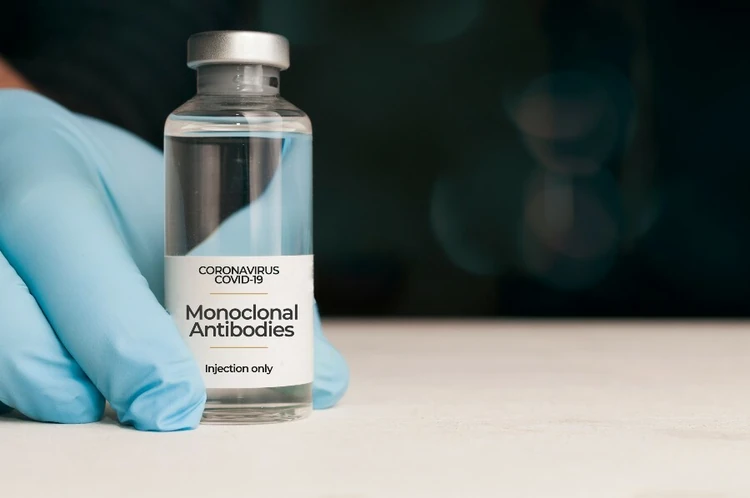
The U.S. Food and Drug Administration (FDA) has issued emergency use authorization (EUA) to AstraZeneca’s antibody cocktail as a substitute for vaccinations in people with moderate to severely compromised immune systems. 

The drug, which is not a vaccine but can have preventive qualities, is only authorized for people who are not currently infected with COVID-19 and who have not recently been exposed to an individual infected with the virus. 

“Today’s action authorizes the use of the combination of two monoclonal antibodies to reduce the risk of developing COVID-19 in these individuals,” said Patrizia Cavazzoni, M.D., director of the FDA’s Center for Drug Evaluation and Research. 

Weekly jobless claims plunge to a 52-year low

The pandemic threw millions of Americans out of work last year, but those days appear to be over. Layoffs have all but disappeared.

The Labor Department reports that initial claims for unemployment benefits last week totaled only 184,000 – not only a pandemic low but the lowest number since 1969. Economists say the claims number, which dropped from 227,000 reported the previous week, suggests that the labor market is still dealing with a shortage of workers.

The total number of people still drawing unemployment benefits for the week ending November 20 was 1,947,598, a decrease of 350,527 from the previous week. 

Is it a cold or COVID-19?

It’s cold and flu season, so how can you tell if the onset of symptoms is a seasonal affliction or the coronavirus? Some clinics are adapting their range of testing services for the age of COVID-19.

"We will do more than just test, treat, and vaccinate you for COVID,” said Rahul Khare, CEO and founder of Chicago’s Innovative Care. “We will find out if you have an ear infection, strep throat or another common illness, and then treat you for those, so you can get on the mend sooner."

Clinics that provide an evaluation, expanded testing, and treatment options can save patients time and avoid the need for multiple clinic visits.

Around the nation

  • California: The increase in COVID-19 probably means the state’s economy will take longer to fully recover, according to a study by UCLA economists. The longer that COVID-19 hangs around and remains a threat, the less likely consumers will return to normal spending patterns, the study found.

  • Indiana: The state health department reports that hospitalizations have climbed more than 20% in the last week amid a surge in new COVID-19 cases. “Our hospital is pretty much full,” said Dr. Thomas Huth, vice president for medical affairs at Reid Health. “We’re sitting at or beyond capacity.”

  • Tennessee: Former Republican senator and Nashville doctor Bill Frist is speaking out, saying health officials and political leaders could have done a better job in presenting information about the virus. Frist said consistent communication by trusted leaders should be a priority, especially since only half the state is vaccinated.

  • Oregon: State health officials stepped up efforts to increase vaccinations this week, opening several “high volume” vaccination clinics across the state. The clinics offer vaccines made by Moderna, Pfizer-BioNTech, and Johnson & Johnson, as well as booster doses for people who have already been vaccinated. 

  • Minnesota: Minnesota’s death toll from COVID-19 is surging, with state health officials reporting 75 deaths on Wednesday. Cases, hospitalizations, and deaths have all increased in recent weeks, even though 70.6% of Minnesota residents over the age of five have been vaccinated.

Article Image

Vaccination and natural infection give best protection against new COVID-19 strains, study finds

A new study conducted by researchers from UCLA explored the best ways for consumers to be protected against the new strains of COVID-19. According to their findings, a combination of previous COVID-19 infection and a COVID-19 vaccine was associated with the greatest protection from the virus. 

“The main message from our research is that someone who has had COVID and then gets vaccinated develops not only a boost in antibody amount, but also improved antibody quality – enhancing the ability of antibodies to act against variants,” said researcher Dr. Otto Yang. “This suggests that having repeated exposures to the spike protein allows the immune system to continue improving the antibodies if someone had COVID then been vaccinated.” 

Assessing antibody strength 

The researchers compared the antibody levels from 25 participants involved in the study: 15 people who were recently vaccinated – with no history of COVID-19 infection – and 10 people who hadn’t been vaccinated but had previously tested positive for COVID-19. The unvaccinated participants were vaccinated after a few months, and then the researchers compared their antibody levels again. 

Ultimately, receiving the COVID-19 vaccine helped all the participants produce antibodies that protect against the SARS-CoV-2 virus. However, that protection was amplified for those who had previously been infected with the virus. The antibodies these participants produced were stronger against every strain of COVID-19 the researchers tested.

It’s important to note that this study was performed prior to the emergence of different virus variants and consumers’ eligibility for booster shots. Because of this, the researchers believe more work is necessary to understand how protection against the virus will fare for consumers who haven’t been infected with COVID-19 but have received boosters. 

“Overall, our findings raise the possibility that resistance of SARS-CoV-2 variants to antibodies can be overcome by driving further maturation through continued antigenic exposure by vaccination, even if the vaccine does not deliver variant sequences,” the researchers wrote. 

Article Image

Coronavirus update: Pfizer says third shot neutralizes Omicron variant

Coronavirus (COVID-19) ‌tally‌ ‌as‌ ‌‌compiled‌‌ ‌by‌ ‌Johns‌ ‌Hopkins‌ ‌University.‌ ‌(Previous‌ ‌numbers‌ ‌in‌ ‌parentheses.)‌

Total‌ ‌U.S.‌ ‌confirmed‌ ‌cases:‌ 49,410,379 (49,314,743)‌

Total‌ ‌U.S.‌ ‌deaths:‌ 791,705 (790,118)

Total‌ ‌global‌ ‌cases:‌ 267,344,049 (266,815,426)

Total‌ ‌global‌ ‌deaths:‌ 5,275,993 (5,267,917)‌

Pfizer: Third shot neutralizes Omicron

Pfizer and BioNTech report that people who get a booster of their vaccine are likely protected against the Omicron variant. The companies say two doses of the vaccine provide less protection.

Researchers found that a third dose of the mRNA vaccine increased antibodies 25-fold when compared to only two doses. Company officials say it’s just another reason to get a booster.

“Although two doses of the vaccine may still offer protection against severe disease caused by the Omicron strain, it’s clear from these preliminary data that protection is improved with a third dose of our vaccine,” said Albert Bourla, Pfizer’s CEO. “Ensuring as many people as possible are fully vaccinated with the first two dose series and a booster remains the best course of action to prevent the spread of COVID-19.”

Six states fueling the surge in COVID-19 hospitalizations

Cases of COVID-19 are on the rise across the U.S. but NBC News reports that six states account for more than half of the serious cases that require hospitalization. An analysis of federal government data shows Michigan, Ohio, Indiana, Pennsylvania, New York, and Illinois lead the nation in hospitalizations.

Twenty-four other states have reported increases in serious cases since early November. Hospitalizations rose from 45,000 a day to 58,000.

Dr. Rochelle Walensky, the director of the Centers for Disease Control and Prevention (CDC) says even though the Omicron variant continues to be a cause of concern, nearly all of the serious COVID-19 cases reported in recent weeks have been caused by the Delta variant.

Infection plus vaccination yields better antibodies against variants

Here’s good news for people who have been vaccinated and had a “breakthrough” infection: Your antibodies may be particularly strong.

Researchers writing in the journal of the American Society for Microbiology say the combination of infection and vaccination appears to provide a stronger defense against future infections than either one alone. 

“It shows that antibody quality can improve over time, and not just quantity,” said immunologist and physician Otto Yang, M.D., of the David Geffen School of Medicine at UCLA.

Around the nation

  • Michigan: A top official of the Michigan State Medical Society is begging for outside help to treat the surging number of COVID-19 cases in the state. Dr. Paul Bozyk, section head for pulmonary and critical care medicine at Beaumont Hospital in Royal Oak, says hospitalizations have pushed health care facilities to the brink.

  • Arizona: State Sen. Kelly Townsend has introduced a bill that requires pharmacists to fill prescriptions for ivermectin if a doctor writes one for a COVID-19 patient. Townsend says the measure is in response to many pharmacists refusing to fill prescriptions for the drug, which government health agencies have not approved for treatment of the coronavirus.

  • New Jersey: Gov. Phil Murphy has given no indication that he plans to follow neighboring New York City’s lead in issuing vaccination mandates to private businesses. But Murphy, who let his emergency powers declaration expire, is urging state residents to get vaccinated and wear masks in public.

  • Vermont: Gov. Phil Scott has announced an emergency regulation requiring health insurers to cover the costs of COVID-19 antigen at-home tests, commonly referred to as “rapid” tests. “Vermont has led the nation in testing, but we must continue to adapt and improve our strategies as we move forward,” Scott said.

  • Alaska: Travelers passing through Ted Stevens Anchorage International Airport can pick up a free COVID-19 test, courtesy of the federal government. It’s part of a Biden administration pilot program to expand access to the over-the-counter, at-home tests.

Article Image

Coronavirus update: Is the definition of ‘fully vaccinated’ changing?

Coronavirus (COVID-19) ‌tally‌ ‌as‌ ‌‌compiled‌‌ ‌by‌ ‌Johns‌ ‌Hopkins‌ ‌University.‌ ‌(Previous‌ ‌numbers‌ ‌in‌ ‌parentheses.)‌

Total‌ ‌U.S.‌ ‌confirmed‌ ‌cases:‌ 49,314,743 (49,101,715)‌

Total‌ ‌U.S.‌ ‌deaths:‌ 790,118 (788,436)

Total‌ ‌global‌ ‌cases:‌ 266,815,426 (266,145,318)

Total‌ ‌global‌ ‌deaths:‌ 5,267,917 (5,259,488)‌

Is the definition of ‘fully vaccinated’ changing?

Since the vaccine rollout early this year, the definition of “fully vaccinated” has been consistent: two shots of the Pfizer or Moderna vaccine or one shot of the Johnson & Johnson vaccine. But with the government greatly expanding eligibility for booster shots, will “full vaccinated” come to mean having a booster?

“The definition of ‘fully vaccinated’ has not changed,” said Dr. Rochelle Walensky, director of the Centers for Disease Control and Prevention (CDC) “We are absolutely encouraging those who are eligible for a boost six months after those mRNA doses to get your boost. But we are not changing the definition of ‘fully vaccinated’ right now.” 

That said, the current definition is not set in stone, especially since the new Omicron variant is making its way across the country. “As that science evolves, we will look at whether we need to update our definition of ‘fully vaccinated,’” Walensky said.

Drug company says its drug works against Omicron

There is still more that is unknown about the Omicron variant than is known, but drug giant GlaxoSmithKline reports that an antibody drug called sotrovimab, produced in conjunction with Vir Biotechnology Inc., showed effectiveness against it in laboratory studies.

“We are confident that sotrovimab will continue to provide significant benefit for the early treatment of patients hoping to avoid the most severe consequences of Covid-19,” said George Scangos, CEO of Vir Biotechnology. 

He said tests showed that sotrovimab was slightly weakened by the Omicron variant but that the difference wasn’t significant.

Pandemic has changed consumer shopping trends

It’s well documented how consumers have shifted more of their purchases to online channels during the pandemic, but a new report from 1WorldSync shows just how pervasive the shift has been. The report finds that the line between online and in-store shopping has blurred.

For example, 87% of consumers adopted e-commerce for items they primarily or exclusively purchased in-store prior to the pandemic. Clothing, groceries, and health and personal care items make up the leading categories. 

The data is not encouraging for stores without a robust online channel. About 38% of the consumers in the survey said the change is likely to be permanent. Just over half said they will continue occasional online purchases of items they once purchased exclusively in a brick-and-mortar store.

Around the nation

  • Wisconsin: The Green Bay Packers have placed backup quarterback Jordan Love on the reserve/COVID-19 list after he tested positive for the virus. Love, who is fully vaccinated, will be required to isolate but is eligible to rejoin the team if he remains symptom-free.

  • Washington: When the pandemic stuck, Washington implemented some of the most strict mitigation measures of any state. A new report by the Georgia Center for Opportunity (GCO) found that the crackdown had a negative impact in terms of job losses and recovery from those losses without the benefit of reducing hospitalizations.

  • Florida: After dealing with a surge in COVID-19 cases during the late summer, cases and hospitalizations have fallen across the state, with one exception. Federal health officials report that Orange County -- the Orlando area -- is the only county in the state where cases are on the rise.

  • Kentucky: Cases of the coronavirus are surging across the state once again. Health officials report cases in Henderson County are up 142%. Statewide, cases have risen 108% in the last week. That compares to a 67% jump in cases nationwide.

  • Illinois: Vaccinations continue to be a contentious, partisan issue. Democratic State Rep. Jonathon Carroll has introduced legislation that would require unvaccinated residents to pay for their own COVID-19 treatment. “If you get life insurance and you’re a smoker, you pay a higher premium than those who don’t,” he reasoned.

Article Image

Coronavirus update: Omicron has links to the common cold

Coronavirus (COVID-19) ‌tally‌ ‌as‌ ‌‌compiled‌‌ ‌by‌ ‌Johns‌ ‌Hopkins‌ ‌University.‌ ‌(Previous‌ ‌numbers‌ ‌in‌ ‌parentheses.)‌

Total‌ ‌U.S.‌ ‌confirmed‌ ‌cases:‌ 49,101,715 (49,052,458)‌

Total‌ ‌U.S.‌ ‌deaths:‌ 788,436 (787,821)

Total‌ ‌global‌ ‌cases:‌ 266,145,318 (265,560,801)

Total‌ ‌global‌ ‌deaths:‌ 5,259,488 (5,251,790)‌

Omicron has similarities to the common cold, researchers say

While there is still a lot of unknowns surrounding the Omicron variant, researchers at a Massachusetts biotech firm say the variant appears to have a genetic code that is found in the common cold. The cold is also a coronavirus.

The scientists say that could explain why most cases involving the new variant have been associated with mild symptoms. They also say its similarity to the common cold might also make it spread faster.

The study, which has not yet been peer-reviewed, suggests that the similarity between the two coronaviruses could make the Omicron variant “more accustomed to human hosts” and more able to avoid immune system responses. The variant has now been identified in about a third of U.S. states.

FDA clears antibody drugs for wider use in children

The U.S. Food and Drug Administration (FDA) has revised the emergency use authorization (EUA) of bamlanivimab and etesevimab for the treatment of mild to moderate COVID-19 in all younger pediatric patients who have a positive COVID-19 test and are at high risk for progression to severe COVID-19, including hospitalization or death. 

Previously, the drugs were cleared for use by pediatric patients 12 years of age and older who weigh at least 40 kilograms. The revision also authorizes the drugs for post-exposure use for the prevention of COVID-19 in all pediatric patients, including newborns. 

"Now all patients at high risk of severe COVID-19, including children and newborn babies, have an option for treatment and post-exposure prevention,” said Dr. Patrizia Cavazzoni, director of the FDA's Center for Drug Evaluation and Research.

New York City declares vaccine mandate for private companies

New York City is imposing a vaccination mandate on private companies, a step no other city has taken. Mayor Bill de Blasio told MSNBC that the mandate will take effect on Dec. 27.

“We in New York City have decided to use a preemptive strike, to really do something bold to stop the further growth of COVID and the dangers it’s causing to all of us,” de Blasio said. “So as of today, we’re going to announce a first-in-the-nation measure. Our health commissioner will announce a vaccine mandate for private sector employers across the board.”

In addition to expected court challenges, the mandate may be influenced by a change in administrations. Mayor-elect Eric Adams issued a statement saying he will “evaluate” his predecessor’s move once he takes office.

Around the nation

  • Virginia: A Richmond school teacher credits an adverse reaction to the Moderna vaccine with saving her life. A medical exam determined she had early breast cancer. Now on the road to recovery, she told a Richmond TV station that she’s looking forward to getting a booster.

  • Michigan: The U.S. government is sending doctors, nurses, and others to Michigan to support certain hospitals that are dealing with rising COVID-19 cases. Over the weekend, the state’s caseload and hospitalization numbers reached their highest levels of the pandemic.

  • Colorado: Health officials have set up a mobile clinic outside Denver’s Ball Arena and say they will offer vaccinations at every event during December. “We were at the event and it was an easy option to just get my booster and just put this all behind me,” Jenny Adelman told KCNC-TV.

  • California: A Bay area school had a COVID-19 outbreak after officials said parents of one child sent him to school for seven days, even though they had been told he had tested positive for the virus. The head of the Larkspur-Corte Madera School District in Marin County said “corrective action” will be taken.

  • South Carolina: Federal prosecutors have charged a Columbia nursing director with making and distributing phony vaccination cards. Authorities charged 53-year-old Tammy McDonald, the Director of Nursing Services at a skilled nursing and rehabilitation center, with two counts of producing fraudulent COVID-19 vaccination cards and one count of lying to federal investigators about her role in making the records.

Article Image

Coronavirus update: FDA is ramping up to handle the Omicron variant

Coronavirus (COVID-19) ‌tally‌ ‌as‌ ‌‌compiled‌‌ ‌by‌ ‌Johns‌ ‌Hopkins‌ ‌University.‌ ‌(Previous‌ ‌numbers‌ ‌in‌ ‌parentheses.)‌

Total‌ ‌U.S.‌ ‌confirmed‌ ‌cases:‌ 48,835,887 (48,706,636)‌

Total‌ ‌U.S.‌ ‌deaths:‌ 785,932 (782,201)

Total‌ ‌global‌ ‌cases:‌ 264,462,232 (263,750,379)

Total‌ ‌global‌ ‌deaths:‌ 5,238,850 (5,228,635)‌

FDA reportedly turns its attention to Omicron variant

With the Omicron variant now confirmed in about a half-dozen states, the U.S. Food and Drug Administration (FDA) is reportedly making plans for dealing with it. The Wall Street Journal reports that the agency is ramping up for a rapid review of any drugs or vaccines developed to counter it.

Little is known about the new variant, which was identified in South Africa only last week. Scientists aren’t sure how transmissible or severe it is when compared to the Delta variant. Early evidence suggests it causes less severe symptoms.

The Journal quotes sources who say the FDA wants to be sure that any therapies designed to deal with the variant are safe and effective before giving them a green light. At the same time, the agency wants to be able to act quickly if the data merits approval.

Pharmacies report a surge in demand for vaccine

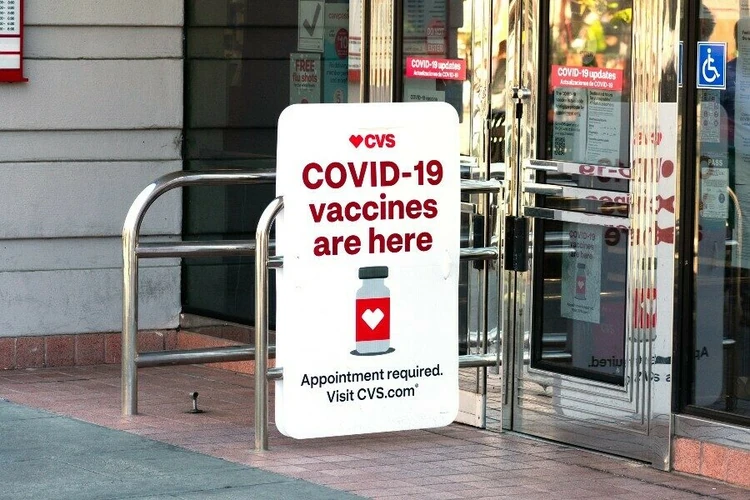
Despite well-publicized “vaccine hesitancy” on the part of millions of Americans, sentiment toward vaccinations may be shifting. Both CVS and Walgreens have reported a recent increase in demand for vaccinations.

The Centers for Disease Control and Prevention (CDC) reports that U.S. providers administered about 1.5 million doses a day for the seven-day period ending Nov. 17. That’s a 12% increase in just one week.

Some vaccination holdouts may have had a change of heart. At the same time, health officials point out that there has been a recent increase in the number of people who are not only eligible for the vaccination but also a booster shot.

White House announces free at-home COVID-19 tests

The Biden administration has announced that the U.S. government will make at-home, rapid COVID-19 tests available to millions of Americans at no cost. Currently, the cost to consumers for these tests can range up to $40.

“It’s a step toward making these tests more available to individuals, but there could still be barriers,” Lindsey Dawson, an associate director at the Kaiser Family Foundation, told CNBC.

So, how do you get a free test? First, you have to buy it. The White House says people with private health insurance, including Affordable Care Act policies, can be reimbursed for the purchase. Medicare recipients aren’t eligible.

Around the nation

  • New York: Gov. Kathy Hochul says health officials have reported at least five cases of the Omicron variant in the New York City metro area. One case was diagnosed in Suffolk County on Long Island, and the other four were registered in New York City.

  • Massachusetts: Schools across the state are battling a surge in coronavirus cases. Education officials report that there were 9,909 coronavirus cases among students and staff in schools over the last two weeks. The percentage of students who tested positive was 0.93%, while 1.0% of staff tested positive.

  • Missouri: Gov. Mike Parson has denied claims that his office tried to suppress a study showing that wearing a mask in public spaces is an effective means to reduce COVID-19 cases. Parson said the information in question was posted on the state’s COVID-19 dashboard months ago and is readily accessible.

  • New Mexico: Health officials are trying to understand why coronavirus cases are increasing. They note that 73% of people 18 and older are fully vaccinated and 83.2% have had at least one dose. But the state has recently reported 1,337 new cases, 13 more deaths, and an ongoing rise in hospitalizations.

  • Louisiana: Parents in Louisiana have been slow to vaccinate their children. Even though kids between the ages of five and 11 are eligible, state health department records show that only 3% of that age group have been vaccinated. The state also ranks near the bottom for vaccinations of teens and adults.

Article Image

Biden rolls out plan to protect Americans against the Omicron variant

Determined to keep the Omicron variant of COVID-19 in check, President Biden has announced new actions to combat the coronavirus as the U.S. 

With the lessons the country has learned over the past year and the strides made in vaccines, Biden said he is confident about his plans. However, he says Americans need to remain vigilant.

“The United States has come far in its fight against the virus and is more prepared than ever to deal with the challenges of COVID-19. We have the public health tools we need to continue to fight this virus without shutting down our schools and businesses,” Biden said in a statement. 

“As we head into winter, today, the President will announce actions to provide additional protection to Americans and fight the Omicron and Delta variants, while keeping our economy growing.”

What Biden’s plan calls for

Biden’s plan contains nine essentials that his team says will keep the Omicron variant at bay. They include:

  • Boosters for all adults. The White House said the Biden administration will build on the Centers for Disease Control and Prevention’s (CDC) updated guidance recommending that every adult get a booster. As a sneak preview of what Americans can expect, the White House said the new steps will “ensure that the nearly 100 million eligible Americans who have not yet gotten their booster shot, get one as soon as possible.”

  • Vaccinations to protect our kids and keep our schools open. With 99% of schools across the country fully open and holding in-person classes, Biden wants to get that part of his agenda over the finish line as soon as possible. To keep those schools open and get more kids aged 5 and older vaccinated, hundreds of family vaccination clinics will be launched to get the whole family vaccinated or boosted in a single “trusted and convenient” location. 

  • Expanding free at-home testing for Americans. Biden wants to ensure that Americans have greater access to at-home testing. For those who aren’t covered by private health insurance, arrangements are being made to distribute free at-home tests at 20,000 sites around the country. 

  • Stronger public health protocols for safe international travel. Travelers who enjoyed the recent lifting of international travel requirements should feel lucky because two things are about to be reversed. Beginning early next week, the U.S. will tighten pre-departure testing protocols by requiring inbound international travelers to test within one day of departure, regardless of nationality or vaccination status. Secondly, everyone will have to mask up during international or other public travel – as well as in transportation hubs such as airports or indoor bus terminals. Those rules are scheduled to last through at least March 18. The Transportation Security Administration (TSA) is also adding a bit of a punch to those who don’t follow that rule. The agency plans to double fines for noncompliance from a minimum of $500. Repeat offenders could face fines of up to $3,000.

  • Protections in workplaces to keep our economy open. The President is not laying down any new mandates, but he is calling on businesses to continue to move forward expeditiously on requiring workers to get vaccinated or tested weekly. 

  • Rapid response teams to help battle rising cases. If pandemic conditions start to turn ugly because of the Omicron variant, the White House said it’s prepared to deploy additional COVID-19 Surge Response Teams to address critical needs on the ground. Those plans include allowances for more personnel, therapeutics, and technical expertise. 

  • Supplying treatment pills to help prevent hospitalizations and death. The President is ensuring that if and when any new COVID-19 treatment pills have been found to meet the FDA’s scientific standards, they will be made equitably accessible to all Americans, regardless of their income or where they live.

  • Continued commitment to global vaccination efforts. To help other countries out, the U.S. will be donating 1.2 billion COVID-19 vaccine doses. The Biden administration is also pledging to deliver 200 million more doses in the next 100 days: 

  • Steps to ensure we are prepared for all scenarios. Lastly, because the full effects of what the Omicron variant can do are still emerging, Biden said he will use every available source necessary to keep it from spinning out of control. To that end, he said his administration is working closely with executives at Pfizer, Moderna, and Johnson & Johnson to develop contingency plans for other vaccinations or boosters.

Article Image

Coronavirus update: Merck pill one step closer to approval

Coronavirus (COVID-19) ‌tally‌ ‌as‌ ‌‌compiled‌‌ ‌by‌ ‌Johns‌ ‌Hopkins‌ ‌University.‌ ‌(Previous‌ ‌numbers‌ ‌in‌ ‌parentheses.)‌

Total‌ ‌U.S.‌ ‌confirmed‌ ‌cases:‌ 48,577,181 (48,454,229)‌

Total‌ ‌U.S.‌ ‌deaths:‌ 780,443 (778,870)

Total‌ ‌global‌ ‌cases:‌ 263,070,422 (262,416,000)

Total‌ ‌global‌ ‌deaths:‌ 5,220,373 (5,211,983)‌

FDA committee votes to approve Merck pill

In a close vote, a U.S. Food and Drug Administration (FDA) advisory committee has recommended that the agency approve the use of Merck’s new COVID-19 treatment pill. 

The agency will now decide whether to grant emergency use authorization for the drug molnupiravir, which would be the first oral antiviral treatment for COVID-19 that could be taken at home. 

The earliest clinical study of the drug found that it cuts the risk of hospitalization and death by 50% if taken early on after infection. However, a follow-up analysis of the data found the efficacy was only 30%.

U.S. imposes restrictions on people entering the country

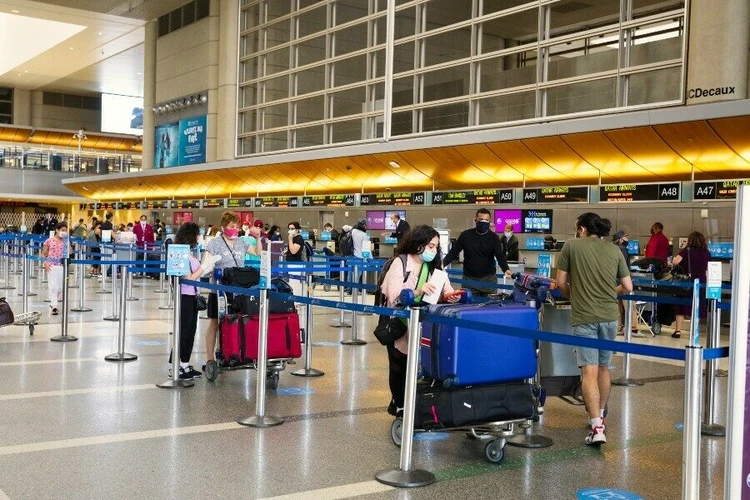
The U.S. government has taken steps to try to slow the spread of the Omicron variant to the U.S. Customs officials will soon require that all foreign travelers arriving at U.S. airports produce a negative COVID-19 test performed a day before departure.

It’s only a slight change from current protocols. Under existing rules, international travelers can show a negative test administered up to three days before departure.

Several European countries have imposed travel restrictions on flights from Africa, where the variant was first discovered. Over the weekend, Dr. Anthony Fauci, President Biden’s chief health adviser, said it’s very possible that the Omicron variant is already present in the U.S.

Researchers focus on COVID-19 misinformation ‘triggers’

As controversy and conspiracy theories about COVID-19 flood social media, health policymakers are looking for ways to combat misinformation that they say is needlessly costing lives. New research suggests that changing the way scientific information is gathered and released could go a long way.

With heightened public interest in any COVID-19 news, researchers at the University of Sydney say too many studies get released without proper vetting, sometimes leading to confusion and doubt. They point to the production of fraudulent or biased science research, ‘publish or perish’ research culture, inadequate training in research misconduct, problems in the academic publishing system, and lack of public access to high-quality research.

“To prevent or reduce misinformation, key changes are needed, from within the research community, academic and media publishing systems, and government funding processes,” the authors write.

Around the nation

  • Connecticut: The number of new infections is climbing across the state despite efforts to slow the spread of the virus. In the last week, infections are up 6%. "The 6% is really the highest we've been in close to a year," said Gov. Ned Lamont. "This, in a state that is the most vaccinated in the country."

  • Ohio: A Cincinnati TV station claims that the state is spending thousands of dollars to keep the number of COVID-19 nursing home deaths secret. “These are the people’s records. They are not ODH’s (Ohio Department of Health) records. They belong to every citizen in the state of Ohio,” said Darren Ford, an attorney for WCPO-TV. 

  • Nevada: The University of Nevada’s head basketball coach, Steve Alford, has tested positive for COVID-19, according to the university’s athletic department. Officials say Alford will be absent from the Wolf Pack’s next three games.

  • North Carolina: State health officials are cautiously optimistic about their fight against the coronavirus, noting that new cases fell nearly 30% to start the week. But they note that the Thanksgiving holiday may have significantly reduced the number of people who got tested and the number of tests that got processed.

  • Montana: The state health department is blaming the Thanksgiving holiday for an uptick in new cases of the virus. The Montana Department of Public Health and Human Services (DPHHS) reported 601 new cases of COVID-19 on Tuesday, a reversal of a recent downward trend.

Article Image

Omicron variant pushes CDC to recommend COVID-19 booster shots for all adults

The Centers for Disease Control and Prevention (CDC) is recommending that all adults get a booster shot to protect themselves against the spread of the COVID-19 Omicron variant.

The announcement came within hours of President Biden directing both the CDC and the U.S. Food and Drug Administration (FDA) to use the fastest methods possible — but without cutting any corners — to get such vaccines approved and on the market if needed. 

The CDC’s latest recommendation is a bit stronger than it was before the Omicron variant became a factor. Previously, the CDC’s advice surrounding boosters was focused on adults 50 and older or living in a long-term care facility. Now the agency says everyone 18 and older should get a booster.

Omicron’s wanderlust

South Africa was the first country to alert global health officials about the Omicron variant, but Dutch officials have now stepped forward to say they found an Omicron case that predated South Africa’s discovery. 

On Tuesday, France and Japan reported their first case involving the variant. The Netherlands and France sounding the alarm is important because it signals that the Omicron variant is already winding its way through parts of Europe.

As for the U.S., the CDC said it is continuously monitoring variants using the country’s variant surveillance system, which has reliably detected new variants when they emerge. “We expect Omicron to be identified quickly, if it emerges in the U.S.,” the agency said in a statement.

New variant could affect the travel industry

With the Omicron variant growing as fast as it is, travel industry analysts are already questioning just how much it will impact travel. Some fear that conditions could go back to where they were a year ago when travelers were forced to scuttle their hopes of getting back to traveling. 

Lebawit Lily Girma -- an analyst for travel analysis site Skift -- said individual nations are going to have to be more proactive about travel this time around. 

“As the Covid pandemic continues to threaten the travel industry’s recovery, the message is clear for travel leaders in the world’s largest source markets. The same ardor they’ve placed on pushing for lifting restrictions and resuming global travel these last two years, must go to pressuring the U.S. government and the European Union to urgently act on global access to Covid vaccines now. Until then, as Omicron has just reminded us, tourism remains more vulnerable than ever,” Girma said.

Biden agreed with that sentiment quickly when he placed a ban on travel from South Africa, but he said that is not the cure-all move.

“Travel restrictions can slow the speed of Omicron, it cannot prevent it,” he said.

Article Image

One in five consumers have avoided health care visits during the COVID-19 pandemic

Several previous studies have highlighted how consumers have foregone seeking medical care over the course of the COVID-19 pandemic, and now a new study conducted by researchers from Erasmus University Medical Center explored just how prevalent this trend was. Among the team’s study population, more than 20% of participants avoided seeking health care during the pandemic. 

“One in five avoided health care during COVID-19 lockdown, often with alarming symptoms like chest pain or limb weakness,” said researcher Silvan Licher. “Vulnerable citizens were mainly affected, emphasizing the urgent need for targeted public education.” 

Pandemic nerves halted health care visits

For the study, the researchers surveyed over 8,700 participants enrolled in the Rotterdam Study in April 2020. Participants answered questions about coronavirus-related symptoms, how they utilized the health care system, the medications they took, and their overall mental and physical health. 

More than 20% of the participants reported avoiding health care during stay-at-home orders in the early months of the COVID-19 pandemic. While it’s unclear how severe all the symptoms that were being ignored were, more than 35% of participants reported some symptoms that typically require immediate medical attention, like heart palpitations and arm or leg numbness.  

It’s also important to note that some groups were more likely to skip seeing doctors during these critical times. Consumers who are worried about contracting COVID-19 have been less likely to seek out medical care during the pandemic. The same was true for those struggling with anxiety and depression, older consumers, and those who were unemployed.

Avoiding health care could cause future problems

The researchers worry about how this trend has already affected consumers’ health and what it will mean for future health outcomes.

“Findings of our study suggest that health care avoidance during COVID-19 may be prevalent amongst those who are in greater need of it in the population, such as older individuals, those with low perceived health, and those who report symptoms of poor mental health,” the study authors wrote. 

“These findings call for population-wide campaigns urging individuals who are most prone to avoid health care to reach out to their primary care physician or medical specialist to report both alarming and seemingly insignificant symptoms.” 

Article Image

Coronavirus update: U.S. cases increase at a double-digit rate

Coronavirus (COVID-19) ‌tally‌ ‌as‌ ‌‌compiled‌‌ ‌by‌ ‌Johns‌ ‌Hopkins‌ ‌University.‌ ‌(Previous‌ ‌numbers‌ ‌in‌ ‌parentheses.)‌

Total‌ ‌U.S.‌ ‌confirmed‌ ‌cases:‌ 47,902,038 (47,773,956)‌

Total‌ ‌U.S.‌ ‌deaths:‌ 772,588 (771,513)

Total‌ ‌global‌ ‌cases:‌ 258,453,277 (257,896,250)

Total‌ ‌global‌ ‌deaths:‌ 5,162,675 (5,155,288)‌

U.S. cases increase sharply

With the holidays looming, bringing with it increased travel and family gatherings, the number of new cases of the coronavirus in the U.S. has moved sharply higher. Dr. Rochelle Walensky, Director of the Centers for Disease Control and Prevention (CDC), says the seven-day average of reported infections has increased by 18%.

“Heading into the winter months, when respiratory viruses are more likely to spread, and with plans for increased holiday season travel and gatherings, boosting people’s overall protection against covid-19 disease and death was important to do now,” Walensky told reporters.

Both the CDC and the U.S. Food and Drug Administration (FDA) have approved booster shots, using both the Pfizer and Moderna vaccines, for all adults who are 18-years-old or older. Walensky and Dr. Anthony Fauci, the director of the National Institute for Allergy and Infectious Disease (NIAID), said the latest trend is a strong reason for people to get vaccinated and for the vaccinated population to get a booster.

Some coronavirus exposure may build immunity, researchers say

Not all coronaviruses are the same. Some that are similar to the common cold are mostly an annoyance. Others, like COVID-19, can be lethal for some who become infected.

Researchers at the University of Zurich led a scientific team that has concluded that exposure to a harmless coronavirus, some of which might not even create symptoms, may be helpful in building immunity to SARS-CoV-2, the virus that causes COVID-19.

“People who have had strong immune responses to other human coronaviruses also have some protection against SARS-CoV-2 infection,” said Alexandra Trkola, head of the Institute of Medical Virology at the University of Zurich.

How to plan a coronavirus-free holiday celebration

Thanksgiving kicks off the holiday season in the second year of the pandemic. With more people fully vaccinated, there could be larger gatherings around the table this year. Experts at the American College of Allergy, Asthma, and Immunology (ACAAI), have issued some tips for keeping COVID-19 at bay.

Among their suggestions is continuing to maintain a safe social distance with people outside your immediate household. It may seem a little awkward, but participants in holiday gatherings may want to avoid hugs and kisses with people who are not vaccinated. Besides COVID-19, the medical professionals say allergies and the flu can be causes for concern.

“In addition to concerns about COVID-19, those with allergies and asthma sometimes have an added layer of anxiety because they need to always be thinking about allergy and asthma triggers that can cause serious symptoms,” said allergist Dr. Mark Corbett, president of ACAAI. “With a bit of preparation ahead of your events, you can make sure everyone is safe from allergy and asthma flares, in addition to possible COVID-19 exposure.”

Around the nation

  • New York: The number of COVID-19 cases across the state is rising at the fastest rate since April, but the outbreak isn’t centered in the urban areas of the state. Health officials say Western New York and the Finger Lakes hit a seven-day average of positive cases of 9.7% and 8.6%, respectively, the highest since early this year.

  • California: The California Department of Public Health (CDPH) has issued a report detailing inspections that found “significant deficiencies” at the state’s COVID-19 testing lab. The deficiencies were first exposed by a whistleblower, but the report wasn’t released for eight months.

  • Minnesota: Minnesota is one of the northern states that is experiencing a surge in coronavirus cases. Gov. Tim Walz has called up medically trained National Guard units to assist long-term care facilities as hospitals struggle with the increasing load of new cases.

  • Michigan: Students in more than 30 Michigan school districts are getting an extra-long Thanksgiving holiday break. The schools have closed classrooms early in hopes that a longer break will reduce COVID-19 outbreaks and relieve staff shortages.

  • Texas: The Southwest Area Regional Transit District, or SWART, has received national recognition from the Federal Transit Administration for the way it handled the early weeks of the pandemic. “The pandemic did, you know, force us to be a little bit more creative than normal,” said Sarah Hidalgo Cook, SWART’s general manager.

Article Image

Coronavirus update: This year’s COVID-19 death toll higher than 2020

Coronavirus (COVID-19) ‌tally‌ ‌as‌ ‌‌compiled‌‌ ‌by‌ ‌Johns‌ ‌Hopkins‌ ‌University.‌ ‌(Previous‌ ‌numbers‌ ‌in‌ ‌parentheses.)‌

Total‌ ‌U.S.‌ ‌confirmed‌ ‌cases:‌ 47,773,956 (47,623,460)‌

Total‌ ‌U.S.‌ ‌deaths:‌ 771,513 (770,880)

Total‌ ‌global‌ ‌cases:‌ 257,896,250 (256,835,906)

Total‌ ‌global‌ ‌deaths:‌ 5,155,288 (5,139,223)‌

2021 death toll higher than 2020

With another month to go in the year, the death toll from COVID-19 in 2021 has exceeded deaths in 2020, before there was an available vaccine. Over the weekend, the COVID-19 Tracking Project at Johns Hopkins University put the number of U.S. deaths since the pandemic began at 770,800.

Health officials point to the rapid spread of the Delta variant and low vaccination rates in some states and communities as factors that increased the death toll. Most recently, serious cases and deaths have increased in northern states -- even in states with high vaccination rates. Epidemiologists say the medical community failed to persuade enough Americans to get vaccinated. 

“Heading into this year, we knew what we needed to do, but it was a failure of getting it done,” Dr. Abraar Karan, an infectious-diseases specialist at Stanford University, told the Wall Street Journal.

Disney pauses vaccine mandate

An Orlando TV station reports that Disney World has told employees that it is putting its vaccination mandate on hold. Previously, the theme park and resort had set a deadline for employees to be vaccinated against COVID-19.

The station reports that Nick Caturano, who runs the website GoofyVaccine.com, confirmed that employees received an internal memo notifying them that the mandate is being suspended for the time being.

"We all want to go back to a sense of normalcy,” Caturano told the station. “We all hoped the vaccine would do the trick. And it seemed like it was starting to work but people are getting the COVID. To separate them it doesn't make sense."

Pfizer reports complete protection for kids

Pfizer and BioNTech, makers of one of the three vaccines being used in the U.S., have announced that their vaccine was 100% effective in preventing infections in 12- to 15-year-olds. They say no child got sick during a period of seven days to four months after getting the second shot.

The new report is part of a more extensive analysis of a Phase 3 trial conducted among 2,228 participants. The companies plan to use the data to bolster their application to extend their license to vaccinate children in that age group.

“These are the first and only disclosed longer-term data demonstrating the safety and efficacy of a COVID-19 vaccine in individuals 12 to 15 years of age,” Ugur Sahin, CEO and co-founder of BioNTech, said in a statement. “The growing body of data we have compiled from clinical trials and real-world surveillance to date strengthen the base of evidence supporting the strong efficacy and favorable safety profile of our Covid-19 vaccine across adolescent and adult populations.”

Around the nation

  • Arizona: Brian Argo of Scottsdale has been reunited with his family after spending weeks in a coma and 41 days on a ventilator. At one point, doctors gave Argo only a 5% chance of surviving COVID-19.

  • Oregon: Howard Breidenbach of Myrtle Creek said he never took the coronavirus seriously until he was infected with the virus. After 100 days in the hospital and the loss of his business, Breidenbach admits that he was wrong and has urged other skeptics to get the shot.

  • New Jersey: State health officials are dealing with another rise in COVID-19 cases despite a high vaccination rate, and they now worry about what the Thanksgiving holiday may bring. On Sunday, the state health department reported another 1,482 COVID-19 cases and four confirmed deaths as the statewide rate of transmission continued to increase.

  • Louisiana: The state health department has proposed a vaccination mandate that would require children to get the shot as a requirement for attending school. The rule would affect all elementary and secondary schools, kindergartens, colleges, universities, proprietary schools, vocation schools, and licensed daycare centers. 

  • Alaska: For a while, Alaska led the nation in COVID-19 cases per 100,000 people. Now it leads in a more positive category. State health officials say about 51% of vaccinated Alaskans age 65 and older have received a dose of the COVID-19 booster, which puts the state ahead of the national average.

Article Image

FDA approves Pfizer and Moderna booster vaccines for all adults over age 18

As anticipated, the Food and Drug Administration (FDA) has authorized both the Moderna and Pfizer-BioNTech COVID-19 vaccine boosters for people aged 18 and older. The Centers for Disease Control and Prevention’s (CDC) Advisory Committee on Immunization Practices is slated to meet later Friday to discuss further clinical recommendations.

Prior to Friday’s authorizations, a single booster dose of the Moderna and Pfizer vaccines was authorized for those 65 years of age and older and other high-risk individuals.

With this addition, the immunization rate of the U.S. population could grow quickly. As of Thursday, a total of 195,713,107 Americans are reported to be fully vaccinated -- 58.9% of the country's population.

“Throughout the course of the COVID-19 pandemic, the FDA has worked to make timely public health decisions as the pandemic evolves. COVID-19 vaccines have proven to be the best and highly effective defense against COVID-19,” said Acting FDA Commissioner Janet Woodcock, M.D. She added that getting the booster will provide added protection against the virus, including the more serious consequences that can occur, like hospitalization and death.

Eliminating confusion surrounding boosters

Since the rollout of the booster vaccines, there have been a variety of questions about the various requirements that need to be met for a person to be eligible. Peter Marks, M.D., Ph.D., director of the FDA’s Center for Biologics Evaluation and Research, says everyone is on the same page now. 

“Streamlining the eligibility criteria and making booster doses available to all individuals 18 years of age and older will also help to eliminate confusion about who may receive a booster dose and ensure booster doses are available to all who may need one,” he said.

The FDA said its decision to open up the availability of the two vaccine boosters was built on its analysis of immune response data, which the agency used to approve the previously authorized populations for boosters.

Risks and possible reactions to the boosters

When it comes to the FDA’s evaluation of benefits and risks, it said since Moderna and Pfizer-BioNTech initially submitted their safety and effectiveness data on a single booster dose. Additional real-world data became available primarily about the risk of myocarditis (inflammation of the heart muscle) and pericarditis (inflammation of the outer lining of the heart) following vaccination with these vaccines. In the end, the FDA gave the boosters the all-clear.

“The FDA has determined that the benefits of a single booster dose of either the Moderna or Pfizer-BioNTech COVID-19 vaccines outweigh the risks of myocarditis and pericarditis in individuals age 18 years of age and older when used following completion of primary vaccination to provide continued protection against COVID-19 and the associated serious consequences that can occur including hospitalization and death,” the agency said.

As far as the types of reactions people receiving the booster may experience, the FDA said the most common side effects include the following:

  • Pain, redness, and swelling at the site on the body where the injection was given

  • Fatigue

  • Headache

  • Muscle or joint pain

  • Chills

The agency said one important reaction people should be aware of is swollen lymph nodes in the underarm. Those were observed more frequently following the booster dose than after the primary two-dose series. 

Article Image

OSHA suspends Biden’s vaccine mandate for large employers

In a dramatic turn of events, the Occupational Safety and Health Administration (OSHA) has decided to suspend enforcement of President Biden’s vaccine mandate for large employers.

Although the agency originally developed the rule, it was left with little option after a federal appeals court upheld a stay on the mandate and told OSHA to "take no steps to implement or enforce" the Emergency Temporary Standard (ETS) "until further court order." The new policy was scheduled to go into effect on Jan. 4, 2022. 

The ever-changing situation with the mandate will no doubt create confusion for both employers and an estimated 84 million employees it would impact. But the status of the ETS could change in a heartbeat if the White House or the Department of Justice (DOJ) gets involved. According to The Hill’s coverage of the reversal, more than two dozen state attorneys general and other groups are also challenging the mandate in court.

OSHA remains confident 

OSHA stated that it “remains confident in its authority to protect workers in emergencies.” However, it has suspended all activities related to the implementation and enforcement of the ETS effective immediately. When it initially announced the policy, OSHA estimated that the rule would save thousands of lives and prevent more than 250,000 hospitalizations stemming from workplace exposure to COVID-19. 

Despite the setback, the White House isn’t giving up on the proposed rule. Officials say they will continue trying to persuade businesses to implement vaccination requirements. In a press conference aboard Air Force One, White House Deputy Press Secretary Chris Meagher said the DOJ is rigorously defending the vaccine mandate in court.

“We’re confident in the congressionally provided authority to protect workers who are considered to be in grave danger,” Meagher commented. “Our message remains the same: that nothing is stopping businesses from taking action to protect their employees. And so, we encourage businesses to step up and continue to take that action.”

Article Image

FDA reportedly likely to authorize Pfizer boosters within the next few days

Reports are circulating that the U.S. Food and Drug Administration (FDA) will likely authorize booster doses of the Pfizer/BioNTech COVID-19 vaccine for all adults ahead of a scheduled Centers for Disease Control and Prevention (CDC) advisory panel meeting on Friday. 

Quoting people familiar with the FDA’s plans, the New York Times reports that the move could come Thursday. If it does, the impact would be wide-ranging, expanding the number of eligible Americans by tens of millions.

If the CDC gives its approval, then people wanting the Pfizer booster could possibly get theirs as early as this weekend.

Pfizer may be the first in line to make this request, but it won’t be the last. It’s anticipated that Moderna will also submit a request for the FDA to expand eligibility for its booster. The approval to mix and match vaccines had already been given clearance by both the CDC and the FDA for all three sanctioned boosters that are offered by Pfizer, Moderna, and Johnson & Johnson. 

States are getting behind the booster shot campaign

On a federal level, the U.S. government is limiting who can receive a COVID-19 booster shot. However, there are a number of states that are taking matters into their own hands and trying to prevent a spike in cases before the holidays by offering boosters to anyone aged 18 or older. 

It was California that made the first move, firing off a letter to local health officials and vaccine providers to direct them to let patients decide whether or not a booster is appropriate.

“Do not turn a patient away who is requesting a booster” if the person is 18 or older and has waited the required period after their first vaccine series, the letter said.

Officials in New York City, Colorado, New Mexico, Arkansas, Kansas, Maine, Rhode Island, Louisiana, and West Virginia quickly followed with their own booster endorsements, and more cities and states are likely to follow. Reading between the lines of a news conference given by New Jersey Gov. Phil Murphy, the Garden State is probably next. 

“If you’re in doubt and you meet the waiting period, just get a booster. Choose the side of greater protection,” Murphy said. “With the holidays coming up, we need as many people boosted as possible. It’s that simple.”

Article Image

Certain antidepressants may make COVID-19 cases less severe, study finds

A new study conducted by researchers from the University of California San Francisco explored one factor that may impact the severity of consumers’ COVID-19 cases. Their work showed that COVID-19 patients taking antidepressants that are classified as selective serotonin reuptake inhibitors (SSRIs) may be less likely to be hospitalized from the virus. 

“We can’t tell if the drugs are causing these effects, but the statistical analysis is showing significant association,” said researcher Marina Sirota, Ph.D. “There’s power in the numbers.” 

Antidepressants may benefit long-term health

For the study, the researchers analyzed electronic health records from more than 83,000 adults who were diagnosed with COVID-19 and enrolled in the Cerner Real World COVID-19 database; of that group, over 3,400 patients were taking SSRIs. The team then compared the health outcomes of patients taking antidepressants versus those not taking medication. 

The researchers learned that participants who were taking SSRI antidepressants had better COVID-19 health outcomes than participants not taking these drugs; the mortality risk was nearly 10% lower for those taking any type of SSRI. 

Fluoxetine -- which is sold under the brand name Prozac -- was found to have the best coronavirus-related outcomes. Participants who took it had a nearly 30% lower risk of death from COVID-19. Similarly, taking fluvoxamine was linked with a more than 25% lower risk of coronavirus-related death. 

While more work needs to be done to determine if it would be beneficial to prescribe antidepressants as a COVID-19 treatment, the researchers explained that these findings represent an important first step.

“The results are encouraging,” said Dr. Tomiko Oskotsky. “It’s important to find as many options as possible for treating any condition. A particular drug or treatment may not work well or be tolerated by everyone. Data from electronic medical records allow us to look quickly into existing drugs that could be repurposed for treating COVID-19 or other conditions.” 

Article Image

Coronavirus update: U.S. cases rise again after falling

Coronavirus (COVID-19) ‌tally‌ ‌as‌ ‌‌compiled‌‌ ‌by‌ ‌Johns‌ ‌Hopkins‌ ‌University.‌ ‌(Previous‌ ‌numbers‌ ‌in‌ ‌parentheses.)‌

Total‌ ‌U.S.‌ ‌confirmed‌ ‌cases:‌ 47,233,212 (47,084,497)‌

Total‌ ‌U.S.‌ ‌deaths:‌ 764,608 (763,168)

Total‌ ‌global‌ ‌cases:‌ 254,092,019 (253,543,995)

Total‌ ‌global‌ ‌deaths:‌ 5,111,573 (5,103,757)‌

U.S. cases are rising again

The U.S. has lower infection rates than a lot of other developed nations, but some areas of the country are seeing sharp increases. It’s enough to worry some health experts, including President Biden’s chief medical adviser, Dr. Anthony Fauci.

“The only thing that’s a little bit disconcerting is that we’re beginning to plateau,” Fauci said during an interview hosted by the Bipartisan Policy Center. “In other words, the deceleration of cases is now plateaued, and in some areas of the country, we’re starting to see a bit of an uptick.”  

Infections had been falling for weeks after hitting a Delta variant peak of 172,500 new cases per day in mid-September. Cases have recently spiked in the Mountain West and in states along the Canadian border.

Some states considering new holiday guidelines

The U.S. will celebrate its second pandemic Thanksgiving next week, but unlike last year, most of the people around the table will have been vaccinated. While many parts of the country have seen a decline in cases, states where the virus has spiked are considering new holiday guidelines.

With cases rising in many northern states, the Minnesota Department of Health is urging families to "think carefully" about their Thanksgiving plans. However, the agency is not asking people to cancel their plans.

However, it is asking unvaccinated people to take extra precautions that are in line with advice from the Centers for Disease Control and Prevention (CDC). It says unvaccinated people and those in areas of high transmission rates should wear masks while around other people.

Study: Antidepressants may help against COVID-19

Can taking Prozac protect you from the coronavirus? A large analysis of health records from 87 health care centers in the U.S. concluded that people taking a class of antidepressants called selective serotonin reuptake inhibitors (SSRIs), particularly fluoxetine, were significantly less likely to die of COVID-19 than a control group. Fluoxetine is sold under the brand name Prozac and is a widely used antidepressant.

Scientists say the results suggest that SSRIs may have beneficial effects against the worst symptoms of COVID-19. They say further studies are needed to prove it.

“We can't tell if the drugs are causing these effects, but the statistical analysis is showing significant association,” said Marina Sirota, Ph.D., associate professor of pediatrics and a member of the Bakar Computational Health Sciences Institute (BCHSI) at UC San Francisco. “There's power in the numbers.” 

Around the nation

  • Connecticut: A COVID-19 outbreak has claimed the lives of eight residents of a nursing home since September. In a statement, Geer Village Senior Community in North Canaan reported that 89 residents and staff, many of them fully vaccinated, have tested positive for the virus.

  • California: Attorney General Rob Bonta has secured a court order requiring Amazon to pay a $500,000 fine for "concealing COVID-19 case numbers" from workers. It’s the first judgment under the state’s new “right to know” law.

  • Tennessee: Gov. Bill Lee has signed comprehensive legislation that limits what businesses and governments can do to curb the spread of COVID-19. But the State Comptroller’s Office said it would grant an exemption to any business that claimed a loss of federal funding if it obeyed the law against vaccination mandates.

  • Alabama: Attorney General Steve Marshall has filed a lawsuit to block a federal mandate that would require health care workers to be vaccinated. “One can only imagine the damage that will be done by this mandate to already short-staffed rural and community hospitals, clinics, and nursing homes that receive federal funds for Medicare and Medicaid Services,” Marshall said.

  • Wisconsin: The Wisconsin Department of Health Services has produced a side-by-side comparison of cases, hospitalizations, and deaths in October. It shows that unvaccinated residents of the state died at 15 times the rate of vaccinated people and were five times as likely to be infected.

Article Image

Nursing homes continue to be high-risk areas for COVID-19, study finds

A new study conducted by researchers from Michigan Medicine explored the COVID-19 risks that are present in nursing homes. They explained that while most cases of the virus are transmitted from airborne particles, the virus can also be detected on contaminated surfaces in these places. 

“These data show that coronavirus is ubiquitous and persistent in the rooms of nursing home residents with COVID-19, and highlight the ongoing importance of rigorous cleaning and the protection of staff and visitors,” said researcher Dr. Lona Mody. 

Health risks in nursing homes

For the study, the researchers tested high-touch surfaces in four Michigan nursing homes from October 2020, through January 2021. In total, there were more than 2,000 samples taken from more than 100 rooms of patients who had tested positive for COVID-19. 

Ultimately, the researchers learned that nearly 30% of the samples taken detected traces of COVID-19. The most commonly touched surfaces -- such as nurse call buttons, doorknobs, remote controls, and windowsills -- contained the highest traces of the virus. The virus was also more likely to be detectable when the patients were more mobile and active. 

The researchers explained that surfaces and areas outside of the patients’ rooms contained either no traces or very low traces of COVID-19. 

Cleaning and sanitizing must be reinforced

It’s also interesting to note that the researchers were unable to determine if the levels of the virus detected in patients’ rooms were enough to create an infection. However, the findings still point to the importance of ramping up cleaning and sanitizing efforts in nursing home residents’ rooms to ensure that the virus is undetectable to visitors and staff. 

“While the CDC notes that the risk of transmission via environmental contamination of SARS-CoV-2 is generally low, there are several factors which may increase this risk that are especially relevant in a nursing home setting,” the team wrote. “Nursing homes may have very high prevalence rates during outbreaks; mask wearing and hand hygiene may be inconsistent among nursing home patients with active infection; and the acuity of infections among nursing home patients may lead to increased viral shedding over what may be seen in the broader community. 

“For this reason, effective infection prevention and cleaning in nursing homes remains a priority during the times of SARS-CoV-2 circulation, particularly since wearing masks for prolonged periods of time may not be feasible for this population.” 

Article Image

Coronavirus update: Court slams the door on vaccine mandates

Coronavirus (COVID-19) ‌tally‌ ‌as‌ ‌‌compiled‌‌ ‌by‌ ‌Johns‌ ‌Hopkins‌ ‌University.‌ ‌(Previous‌ ‌numbers‌ ‌in‌ ‌parentheses.)‌

Total‌ ‌U.S.‌ ‌confirmed‌ ‌cases:‌ 47,084,497 (47,008,962)‌

Total‌ ‌U.S.‌ ‌deaths:‌ 763,168 (762,876)

Total‌ ‌global‌ ‌cases:‌ 253,543,995 (253,207,962)

Total‌ ‌global‌ ‌deaths:‌ 5,103,757 (5,098,863)‌

Court permanently blocks vaccine mandate

After issuing a temporary stay a week ago, a federal appeals court has ruled that the Biden administration may not require private businesses to have fully vaccinated staffs. The three-judge panel of the Fifth Circuit Court of Appeals called it an overreach.

“Rather than a delicately handled scalpel, the Mandate is a one-size fits-all sledgehammer that makes hardly any attempt to account for differences in workplaces (and workers) that have more than a little bearing on workers’ varying degrees of susceptibility to the supposedly ‘grave danger’ the Mandate purports to address,” the judges wrote.

The Biden administration had required vaccinations for all U.S. businesses with more than 100 employees. In their opinion, the judges wrote that the vaccine mandate places an undue financial burden on private businesses and could be a violation of the commerce clause to the U.S. Constitution.

Scientists probe what’s behind the new outbreaks

After surging during the late summer, COVID-19 cases have declined in the South. The numbers mirror a gradual drop in the national numbers. But some states have recently experienced sharp increases -- mostly states in the Mountain West and along the northern border.

Scientists studying the numbers report that even in highly vaccinated states like Vermont, the spike in cases is being driven by unvaccinated people. When unvaccinated people are removed from the case tally, they say the increase isn’t very much at all.

Neal Goldstein, an assistant research professor of epidemiology and biostatistics at Drexel University, tells WHYY Radio in Philadelphia that it is unrealistic to expect the vaccine to prevent all cases, though data shows that significantly fewer infections occur among the vaccinated. 

Unvaccinated not welcome at many Thanksgiving dinners, survey finds

Next week’s Thanksgiving holiday may mark more of a return to normal, except for one thing. A survey by OnePoll has found that three out of five hosts are not inviting unvaccinated relatives this year.

Two in three people who responded to the poll said they don’t think they can go home for the holidays without getting vaccinated. Nearly six in 10 vaccinated respondents have reportedly cut off family members who refuse to get the vaccine. Sixty-three percent said they don’t feel comfortable inviting unvaccinated relatives to their gatherings.

The poll exposes a sharp divide in American culture. Seventy-two percent of vaccinated people say they don’t think they could persuade unvaccinated relatives that the vaccine is important. Half of the unvaccinated respondents have stopped talking to family members who don’t understand why they won’t get the shot.

Around the nation

  • Oklahoma: The newly appointed commander of the Oklahoma National Guard is reportedly breaking with Pentagon policy, saying the Guard will not enforce the Defense Department’s COVID-19 vaccine mandate on its troops. Army Brig. Gen. Thomas Mancino’s appointment was announced last week, but he has yet to be confirmed by the state senate.

  • Minnesota: Several hospitals across the state say they are filling up quickly with patients who are infected with COVID-19, and state health officials say hospitalizations are at an all-time high. CentraCare, a major health care provider in the state, is pleading with the public to get vaccinated, to practice social distancing, and to mask up to protect against the Delta variant.

  • Virginia: State health department officials report that nearly three out of every four adults are vaccinated against the coronavirus, helping the state join the ranks of those with the highest rate of vaccinations. About 5.5 million Virginians are immunized, while about 2.4 million residents of the state are unvaccinated.

  • New York: New York City officials are reportedly investigating reports that some Sanitation Department workers used fake vaccination cards to comply with the city’s vaccination mandate. A source tells WCBS-TV that department officials are probing reports that as many as 50 employees used counterfeit cards to keep working.

  • Florida: The state legislature goes into special session today to consider bills aimed at preventing businesses and local governments from imposing vaccine or mask mandates. “No cop, no firefighter, no nurse, nobody should be losing their job because of these jabs,” said Gov. Ron DeSantis, who called the special session.

Article Image

Coronavirus update: The U.S. has a new COVID-19 hotspot

Coronavirus (COVID-19) ‌tally‌ ‌as‌ ‌‌compiled‌‌ ‌by‌ ‌Johns‌ ‌Hopkins‌ ‌University.‌ ‌(Previous‌ ‌numbers‌ ‌in‌ ‌parentheses.)‌

Total‌ ‌U.S.‌ ‌confirmed‌ ‌cases:‌ 46,868,744 (46,798,462)‌

Total‌ ‌U.S.‌ ‌deaths:‌ 759,791 (759,154)

Total‌ ‌global‌ ‌cases:‌ 252,181,189 (251,672,962)

Total‌ ‌global‌ ‌deaths:‌ 5,084,129 (5,076,863)‌

Mountain West new U.S. hotspot

States in cold weather sections of the country, especially along the Canadian border and in the Mountain West, have seen a sharp increase in COVID-19 cases over the last six weeks. Health officials say most of the new cases are being caused by the Delta variant.

Colorado reinstated crisis guidelines for hospitals around the state this week to handle the influx of COVID-19 patients. Officials are now administering booster shots to anyone aged 18 or older.

A spokeswoman for the Colorado Department of Public Health and Environment estimates that one in 48 Colorado residents has been infected. At this rate, she says it’s likely the entire population will be exposed to the virus where they live and work.

AstraZeneca to start selling vaccine at a profit

When it initially rolled out its COVID-19 vaccine, drugmaker AstraZeneca pledged to make initial sales at cost. Now, the pharmaceutical giant says it will increase the price of the vaccine in 2022 to produce a profit.

Americans won’t be affected by the decision since the vaccine, produced in cooperation with Oxford University, is not used in the United States. It was the first vaccine to receive government approval and has been used widely in countries other than the U.S.

AstraZeneca’s CEO, Pascal Soriot, told reporters during a conference call that the company waited until cases of the virus began a worldwide decline before raising the price. He said the company will continue to sell the vaccine at cost to developing nations.

Some vaccinated people are trying to ‘undo’ their shots

A video circulating on social media tells people who reluctantly got vaccinated to avoid being fired that they can “detox the vaxx.” The video instructs people to soak in a bath of baking soda, borax, and Epsom salts. It claims that doing so will withdraw the vaccine from the body.

Health experts say it’s one of the more outrageous examples of vaccine misinformation that is circulating on the internet. Besides not doing what the video says it will do, dermatologists warn that a borax bath will irritate the skin.

“Once you’re injected, the lifesaving vaccination process has already begun,” Angela Rasmussen, a virologist and adjunct professor at the University of Saskatchewan, told NBC News. “You can’t unring a bell. It’s just not physically possible.” 

Around the nation

  • New Jersey: How much immunity does a case of COVID-19 provide against future infections? State Sen. Joe Pennacchio, a Republican from Morris, believes it provides enough that it makes vaccinations less necessary. He’s introduced legislation to exempt former COVID-19 patients from vaccination mandates.

  • Vermont: Despite having one of the highest vaccination rates in the nation, Vermont is still struggling to contain the spread of the virus. The number of positive test results is rising, with the Vermont Department of Health reporting 496 cases on Thursday. That number easily breaks the state’s previous one-day case record. 

  • Minnesota: Gov. Tim Walz is taking steps to try to blunt a sharp increase in coronavirus cases by increasing testing. Walz has announced the opening of three new COVID-19 rapid testing sites in the state. Some of the sites will receive assistance from the Minnesota National Guard.

  • Georgia: The City of Atlanta lifted its indoor mask mandate this week as cases declined sharply. Even though the spread of the virus is now categorized as “moderate” throughout the state, health experts are still concerned. “As soon as it looks like we’ve come down, you know, from these high case numbers, this is the worst possible time to sort of let up on mitigation strategies,” Georgia State University epidemiologist Dr. Cherie Drenzek told WSB-TV.

  • Tennessee: The state legislature has passed a sweeping COVID-19 bill that blocks local government agencies and school boards from imposing virus mitigation policies. It also provides unemployment benefits to workers who quit a job rather than be vaccinated. Gov. Bill Lee is expected to sign it into law.

Article Image

Experts find link between sleeping disorders and severe cases of COVID-19

Recent studies have found that factors like exposure to air pollution or consumers’ diets may impact the severity of COVID-19 infection. Now, researchers from the Cleveland Clinic have found that more severe forms of the virus may cause sleeping disorders. 

According to their findings, sleep disorders may increase the risk of developing more serious cases of COVID-19. 

“As the COVID-19 pandemic continues and the disease remains highly variable from patient to patient, it is critical to improve our ability to predict who will have more severe illness so that we can appropriately allocate resources,” said researcher Dr. Reena Mehra. “This study improved our understanding of the association between sleep disorders and the risk for adverse COVID-19 outcomes. It suggests biomarkers of inflammation may mediate this relationship.” 

Health risks associated with sleep disorders

For the study, the researchers analyzed data from 5,400 patients at the Cleveland Clinic who had been tested for COVID-19 and also completed sleep studies. The team tracked the patients’ health outcomes over time and paid close attention to the severity of their COVID-19 infections and any sleep disturbances. 

Ultimately, the researchers learned that participants with sleep disorders weren’t more prone to COVID-19 infection. However, even after accounting for risk factors like obesity and smoking, sleep disorders were linked with more severe infections once the patients tested positive for the virus. 

For participants with any kind of sleep apnea or sleep hypoxia, which is when blood oxygen drops significantly during sleep, there was a higher risk of severe COVID-19 infection. These patients were 31% more likely to be hospitalized and had a 31% higher risk of mortality after testing positive for COVID. 

Moving forward, the researchers hope these findings can help lead to potential treatments for patients struggling with sleeping disorders and a COVID-19 infection. 

“Our findings have significant implications as decreased hospitalizations and mortality could reduce the strain on health care systems,” said researcher Dr. Cinthya Pena Orbea. “If indeed sleep-related hypoxia translates to worse COVID-19 outcomes, risk stratification strategies should be implemented to prioritize early allocation of COVID-19 therapy to this subgroup of patients.” 

Article Image

Coronavirus update: Millions of home test kits recalled over accuracy defect

Coronavirus (COVID-19) ‌tally‌ ‌as‌ ‌‌compiled‌‌ ‌by‌ ‌Johns‌ ‌Hopkins‌ ‌University.‌ ‌(Previous‌ ‌numbers‌ ‌in‌ ‌parentheses.)‌

Total‌ ‌U.S.‌ ‌confirmed‌ ‌cases:‌ 46,798,462 (46,707,838)‌

Total‌ ‌U.S.‌ ‌deaths:‌ 759,154 (757,745)

Total‌ ‌global‌ ‌cases:‌ 251,672,962 (251,107,751)

Total‌ ‌global‌ ‌deaths:‌ 5,076,863 (5,068,862)‌

FDA recalls test kits over false positives

The U.S. Food and Drug Administration is recalling nearly 2 million Ellume at-home COVID-19 test kits. The agency said the kits may have a tendency to return “false-positive” results.

The recall is listed as “Class I,” meaning it is the most serious type. The FDA was first informed about the potential defect last month and since then has identified additional lots that may be affected.

The kits are sold over-the-counter and can be administered at home, making them a faster way to test people instead of relying on tests that are administered in a health care setting.

NFL player hospitalized with COVID-19

Minnesota Vikings Head Coach Mike Zimmer reports that a player on the team is receiving treatment at a hospital for COVID-19. Zimmer declined to name the player but said he had received a vaccination.

Zimmer said the player was taken to the emergency room on Tuesday when he complained of shortness of breath. Describing the situation as “scary,” Zimmer said the player is now in stable condition.

The Vikings are currently dealing with a COVID-19 outbreak. Three players were placed on the Reserve/COVID-19 list today. Two other players were placed on the list on Monday.

Expert: Allergies no reason to avoid the vaccine

In explaining his decision not to get vaccinated, Green Bay Packers Quarterback Aaron Rodgers said he was allergic to the vaccines. But a University of Florida health expert says that’s no reason to avoid the vaccine.

“People with a history of an allergic reaction to a medication, a food, an environmental allergen such as pollen, trees, weeds, dust mites, even those with a history of an allergic reaction to latex or venoms like a bee sting, are very unlikely to have an allergic reaction to one of the COVID-19 vaccines,” said Lyda Cuervo Pardo, M.D., a University of Florida Health allergist and immunologist.

Pardo said the COVID-19 vaccines do not contain eggs, gelatins, preservatives, or latex, some of the things people often worry about when it comes to allergies. “If there’s ever a concern about your candidacy to receive a COVID-19 vaccine, the best advice is to see a board-certified allergist and immunologist so they can determine if it’s safe for you,” she said.

Around the nation

  • Massachusetts: In a late-night session, the state senate has approved spending $3.8 billion on another round of aid to people who were hit hard by the pandemic. The money is the unspent portion of the state’s share of funds provided through the American Rescue Plan.

  • New York: New York is wrestling with another surge in COVID-19 cases.  P.S. 166 in Queens is the second New York City school to switch back to all-remote learning because of a large number of cases. Kids will connect with teachers by video for at least 10 school days.

  • Kentucky: State lottery officials say a Floyd County nurse who worked on the front lines during the pandemic retired this week after 36 years on the job. To celebrate, she purchased a $10 scratch-off lottery ticket and won $200,000.

  • Florida: The Broward County Sheriff’s Office held a memorial service this week for nine employees who died from the coronavirus since April 2020. Sheriff Gregory Tony said about 1,800 of the department’s employees contracted the virus.

  • New Mexico: Acting Department of Health Secretary Dr. David Scrase is urging vaccinated residents to get a booster amid a sharp rise in breakthrough cases. “What we’re learning is people start becoming more likely to get a vaccine breakthrough infection at about five and a half months,” Scrase said. “Immunity does wane, we’re seeing it in our data, and what this means for us is we all need to start getting in line to get a booster.”

Article Image

Coronavirus update: Pfizer seeks to expand boosters for adults 18 and older

Coronavirus (COVID-19) ‌tally‌ ‌as‌ ‌‌compiled‌‌ ‌by‌ ‌Johns‌ ‌Hopkins‌ ‌University.‌ ‌(Previous‌ ‌numbers‌ ‌in‌ ‌parentheses.)‌

Total‌ ‌U.S.‌ ‌confirmed‌ ‌cases:‌ 46,707,838 (46,624,332)‌

Total‌ ‌U.S.‌ ‌deaths:‌ 757,745 (755,915)

Total‌ ‌global‌ ‌cases:‌ 251,107,751 (250,580,621)

Total‌ ‌global‌ ‌deaths:‌ 5,068,862 ( 5,060,487)‌

FDA asked to expand Pfizer booster shots

Pfizer and BioNTech have asked the U.S. Food and Drug Administration (FDA) to expand the use of the companies’ vaccine booster shots to adults aged 18 and older. The boosters are currently approved for people aged 65 and older and other at-risk groups.

The application for an emergency use authorization (EUA) could open booster shots to millions more Americans before the end of the year, providing what scientists say would be an extra layer of protection during the holiday season.

Even before the request, the Wall Street Journal reports that the Biden administration has been actively considering a request to expand boosters of the Moderna and Johnson & Johnson vaccines to adults aged 18 and older.

Surgeon general stresses importance of vaccinations for kids

Actor Matthew McConaughey, who is considering an entry into the Texas governor’s race, has spoken out against vaccination mandates for children and said he needs “more information” before deciding to vaccinate his children. McConaughey himself is vaccinated.

Asked to respond, U.S. Surgeon General Dr. Viveck Murthy said the vaccine is as important for kids as it is for most adults. The Delta variant, he says, has not been kind to young patients.

"Many kids have died. Sadly, hundreds of children -- thousands -- have been hospitalized, and as a dad of a child who has been hospitalized several years ago for another illness, I would never wish upon any parent they have a child that ends up in the hospital," Murthy told CNN.

NFL fines Aaron Rodgers, Green Bay Packers over COVID-19 protocols

The National Football League is fining the Green Bay Packers $300,000 for allegedly violating the league’s rules concerning COVID-19. It’s also fining quarterback Aaron Rodgers and wide receiver Allen Lazard $14,560 each.

The NFL accused the franchise of allowing Rodgers and other players to openly violate COVID-19 protocols. An investigation reportedly found that Rodgers and Lazard attended a Halloween party despite not being vaccinated. Rodgers tested positive last week.

“We respect the League's findings and we recognize the importance of adherence to the COVID protocols to keep our team and organization safe and healthy,” Packers President Mark Murphey said in a statement. “We will continue to educate the team regarding the importance of the protocols and remain committed to operating within the protocols.”

Around the nation

  • Texas: A report from the state health department shows that unvaccinated Texans account for most of this year’s COVID-19 cases and deaths. Health department officials say the numbers show that the COVID-19 vaccine dramatically prevents death and is the “best tool to prevent transmission” of the deadly virus.

  • California: Hospitalizations are rising in several areas of the state, reversing what had been a positive trend. Gov. Gavin Newsom warns that his state could see a dramatic surge in cases of the virus during the winter months.

  • Pennsylvania: Gov. Tom Wolf says school districts around the state will be allowed to modify the requirement that students and staff wear masks while at school beginning in January. Wolf said it’s “time to prepare for a transition back to a more normal setting.”

  • Louisiana: Data from federal health agencies shows that Louisiana has gone from having one of the highest hospitalization rates in the nation to the lowest. The hospitalization rate has fallen by 54% in the last month, and now the state has just five people hospitalized per 100,000, compared to the U.S. average of 14 people hospitalized per 100,000. 

  • Nevada: Nevada, which has struggled to contain the spread of the coronavirus, is reporting another spike in cases. State health officials report that the state’s positivity test rate jumped to 7% last week. That’s the biggest increase since early August.

Article Image

Coronavirus update: Regeneron drug very effective at preventing COVID-19

Coronavirus (COVID-19) ‌tally‌ ‌as‌ ‌‌compiled‌‌ ‌by‌ ‌Johns‌ ‌Hopkins‌ ‌University.‌ ‌(Previous‌ ‌numbers‌ ‌in‌ ‌parentheses.)‌

Total‌ ‌U.S.‌ ‌confirmed‌ ‌cases:‌ 46,624,332 (46,490,680)‌

Total‌ ‌U.S.‌ ‌deaths:‌ 755,915 (754,474)

Total‌ ‌global‌ ‌cases:‌ 250,580,621 (250,056,541)

Total‌ ‌global‌ ‌deaths:‌ 5,060,487 (5,052,620)‌

Regeneron drug reportedly 81% effective at preventing COVID-19

The news about potential treatments of COVID-19 continues to get better. Regeneron now reports that Phase 3 clinical trials of its experimental drug REGEN-COV reduced the risk of contracting COVID-19 by 81.6% during the pre-specified follow-up period of two to eight months.

Though not a vaccine, the drug reportedly acts like one. It could benefit many people who are immunocompromised and unable to take any of the vaccines.

"Today's new data demonstrate how a single dose of REGEN-COV can help protect people from COVID-19 for many months after administration," said Myron S. Cohen, M.D., who leads the monoclonal antibody efforts for the NIH-sponsored COVID Prevention Network. "These results demonstrate that REGEN-COV has the potential to provide long-lasting immunity from SARS-CoV-2 infection, a result particularly important to those who do not respond to COVID-19 vaccines including people who are immunocompromised."

Biden administration asks court to unblock vaccine mandate

Lawyers for the Biden administration have filed court documents seeking to undo an injunction that is temporarily blocking its vaccine mandate for private companies with 100 or more employees. The mandate was halted Friday by an appeals court that said the order may have overstepped the administration’s authority.

The administration’s filing claimed that the executive branch has clear authority to order people to get vaccinated as part of its mission to protect public health. It notes that millions of Americans are returning to the workplace as the pandemic begins to wind down.

"With the reopening of workplaces and the emergence of the highly transmissible Delta variant, the threat to workers is ongoing and overwhelming," the administration said in its filing.

Why the elderly are at greater risk from COVID-19

From the very beginning of the pandemic, health professionals knew that elderly people, as well as people with underlying health conditions, would be the most vulnerable to COVID-19. What they didn’t know was why.

In the case of the elderly, researchers at Brown University say they now have a better understanding. In a study, they describe the cellular and molecular events that explain why these groups have a higher risk of becoming infected, experiencing severe side effects, and dying.

“This paper details a major discovery in COVID-19,” said corresponding author Dr. Jack A. Elias, an immunologist and dean of medicine and biological sciences at Brown. “It shows that levels of a protein called chitinase 3-like-1 increase with age as well as co-morbid diseases and infection. What’s more, chitinase 3-like-1 augments SARS CoV-2 infection.”

Around the nation

  • Nebraska: The state will resume updating its COVID-19 dashboard on a daily basis. Gov. Pete Ricketts said the move is in response to an increase in hospitalizations in recent weeks. “Our hospitalizations have been up around 400 or so, which is kinda the threshold to hit the 10% level we’ve talked about throughout the course of the pandemic, and that’s the threshold where we start doing the daily data,” he said.

  • North Carolina: State officials say they are off to a fast start in vaccinating young children. Records show that more than 8,000 children between the ages of five and 11 have received their first shot of the Pfizer vaccine in the first days it was approved for use in that age group.

  • Virginia: First Lady Jill Biden helped promote vaccinations for children during a trip to an elementary school in Fairfax County. "The president and I know how difficult this pandemic has been for your kids and your families,” she said at Franklin Sherman Elementary School. “And I'm here today because we care about you and your beautiful children." 

  • Arizona: During the pandemic, when airlines slashed the number of their flights, hundreds of spare planes were parked at the Pinal Air Park in Marana. Now, officials say many of those jets are taking off again as airlines restore more flights to their schedules.

  • Connecticut: Hartford Mayor Luke Bronin has announced that the city is lifting its indoor mask mandate because COVID-19 cases are falling. “I believe that it’s responsible action today to remove that mandate," Bronin said, pointing out that businesses can still require masks at their discretion. 

Article Image

Too much sitting can worsen anxiety and depression symptoms, study finds

Experts have highlighted the ways that physical activity can benefit consumers’ mental health, and they’ve also shown how skipping out on exercise can be detrimental. Now, researchers from Iowa State University explored how consumers’ habits during COVID-19 -- including increasing screen time and getting less physical activity -- can impact their mental health. 

Their work showed that following a more sedentary lifestyle may worsen symptoms related to anxiety and depression. 

“In March 2020, we knew COVID was going to affect our behavior and what we could do in lots of weird, funky ways that we couldn’t predict,” said researcher Jacob Meyer. “We know when people’s physical activity and screen time changes, that’s related to their mental health in general, but we haven’t really seen large population data like this in response to an abrupt change before.” 

The mental health risks linked with too much sitting

For the study, the researchers had participants complete surveys in the early weeks of the pandemic to assess how much time they spent in front of screens, how much time they spent sitting, what their typical exercise routine looked like, and their overall mental health. 

The participants then had the opportunity to continue on with the study between April 2020, and June 2020, by completing weekly surveys for eight consecutive weeks. The researchers used this dataset as an opportunity to track the participants’ behaviors and mental health from before the pandemic and compare it to how they were affected during the pandemic. 

The study showed that many of the participants who reported regularly exercising had either cut back or eliminated this part of their routines in the early days of the pandemic. Among these participants, symptoms related to depression and anxiety were on the rise. 

“Sitting is a sneaky behavior,” Meyer said. “It’s something we do all the time without thinking about it.” 

Staying active can bolster your mental health

The researchers found mixed results when looking at the participants’ physical and mental health outcomes eight weeks into the pandemic. Anxiety and depression symptoms remained high among those who maintained a sedentary lifestyle. However, keeping a more active routine was linked with more stable mental health outcomes. 

“In the second study, we found that, on average, people saw their mental health improve over the eight-week period,” Meyer said. “People adjusted to life in the pandemic. But for people whose sitting times stayed high, their depressive symptoms, on average, didn’t recover in the same way as everyone else’s.” 

While many consumers’ daily routines are much different now than they were before the COVID-19 pandemic, the researchers hope these findings encourage at-home workers to find unique ways to incorporate movement into their daily routines. Something as small as a short walk around the neighborhood can help improve mental health. 

“I think being aware of some of the subtle changes we’ve made during the pandemic and how they might be beneficial or detrimental is really important as we look to the other side of pandemic life,” said Meyer. “If you’re no longer walking down the hall for in-person meetings, you can still incorporate that break from sitting by taking a short walk before and after your Zoom call.”

Article Image

Coronavirus update: Court suspends vaccination mandate

Coronavirus (COVID-19) ‌tally‌ ‌as‌ ‌‌compiled‌‌ ‌by‌ ‌Johns‌ ‌Hopkins‌ ‌University.‌ ‌(Previous‌ ‌numbers‌ ‌in‌ ‌parentheses.)‌

Total‌ ‌U.S.‌ ‌confirmed‌ ‌cases:‌ 46,490,680 (46,466,504)‌

Total‌ ‌U.S.‌ ‌deaths:‌ 754,474 (754,311)

Total‌ ‌global‌ ‌cases:‌ 250,056,541 (249,696,436)

Total‌ ‌global‌ ‌deaths:‌ 5,052,620 (5,047,698)‌

Appeals court suspends vaccination mandate

A three-judge panel of the U.S. Fifth Circuit Court of Appeals has issued a stay against the Biden administration’s vaccination mandate for private companies with 100 or more employees. The justices concluded that there was “cause to believe there are grave statutory and constitutional issues with the mandate.”

The issuance of a stay prevents the mandates from being enforced. However, it left room for the order to be reinstated after the court assesses it in more depth.

The Labor Department, which issued the order through the Occupational Safety and Health Act, issued a statement after the court’s action expressing confidence that the mandate will ultimately be upheld.

U.S. lifts international travel restrictions

The U.S. government formally removed travel restrictions from a number of countries, including Canada and Mexico. The change removes travel barriers that have been in place during most of the COVID-19 pandemic.

Effective today, fully vaccinated foreign travelers may pass through U.S. airports and border crossings. Surface travel between the U.S. and Mexico and the U.S. and Canada will require proof of vaccination but no test.

The move could be a major boost for airlines since increased travel from Europe and other destinations is likely. However, it could be a mixed blessing because most airlines are struggling with staffing issues.

Biden administration kicks off campaign to vaccinate children

Now that government health agencies have cleared the Pfizer vaccine for children aged five to 11, the Biden administration has launched a nationwide effort to vaccinate children against the coronavirus.

Secretary of Education Miguel Cardona and Health and Human Services (HHS) Secretary Xavier Becerra sent letters to school superintendents and elementary school principals across the U.S. today that encourage them to share information with families about COVID-19 vaccines for children. 

"Today, we reach out to you with encouragement for you to actively support the vaccination process for children in your state, territories, county, tribes, communities, and schools," the letter said. "This is a very exciting development and a significant opportunity to protect some of our youngest learners and our communities."

Around the nation

  • New York: New York City public schools are conducting a week-long campaign to urge parents to vaccinate their children. Mayor Bill de Blasio said about 200 school sites are open daily for the vaccination drive that will continue until Nov. 15.

  • Texas: While cases of the virus are declining in many areas of the state, Texas reportedly leads the nation in the number of COVID-19 cases at jails and prisons. According to the COVID Prison Project, there are more than 800 active cases among Texas inmates and nearly 500 among Texas Department of Criminal Justice employees.

  • Iowa: A study has found that up to 80% of white-tailed deer in Iowa may be infected with COVID-19. There is no evidence that the virus can be transmitted from deer to humans, but the Penn State researchers who authored the report are advising deer hunters in Iowa to take precautions.

  • Maine: Sen. Susan Collins (R-Maine) has expressed concern about the surge of COVID-19 cases and recently pressed health experts for answers. “Maine ranks in the top five states in the [percentage] of people…who have been vaccinated,” Collins said at a Senate hearing, questioning why so many of her constituents are getting sick.

  • California: Health experts are expressing concern about the rapid rise in cases in the state, where recent data suggested that the virus was in retreat. "We are seeing an increase,” said Dr. George Rutherford, UCSF professor of epidemiology. “Cases are about 20% of where they were two weeks ago. Hospitalizations are up about 6%.”

Article Image

Coronavirus update: Another treatment drug shows promise

Coronavirus (COVID-19) ‌tally‌ ‌as‌ ‌‌compiled‌‌ ‌by‌ ‌Johns‌ ‌Hopkins‌ ‌University.‌ ‌(Previous‌ ‌numbers‌ ‌in‌ ‌parentheses.)‌

Total‌ ‌U.S.‌ ‌confirmed‌ ‌cases:‌ 46,346,347 (46,261,126)‌

Total‌ ‌U.S.‌ ‌deaths:‌ 751,776 (750,578)

Total‌ ‌global‌ ‌cases:‌ 248,830,725 (248,311,594)

Total‌ ‌global‌ ‌deaths:‌ 5,033,849 (5,025,920)‌

Pfizer says its antiviral drug shows promising results

There may be another drug on the way that could treat patients infected with COVID-19. Pfizer reports that its investigational novel COVID-19 oral antiviral candidate, PAXLOVID, significantly reduced hospitalizations and deaths in clinical trials.

The analysis showed an 89% reduction in risk of COVID-19-related hospitalization or death from any cause when compared to a placebo in patients treated within three days of symptom onset. Only 0.8% of patients who received the drug required hospitalization.

“Today’s news is a real game-changer in the global efforts to halt the devastation of this pandemic,” said Pfizer CEO Albert Bourla. “These data suggest that our oral antiviral candidate, if approved or authorized by regulatory authorities, has the potential to save patients’ lives.”

More people returned to work last month

Economists are generally encouraged that the pace of hiring picked up in October. The Labor Department reports that the economy added 531,000 jobs last month, dropping the unemployment rate to 4.6%.

Employment in leisure and hospitality, a sector that has struggled to find workers, increased by 164,000 in October and has risen by 2.4 million so far in 2021. Bars and restaurants scored the biggest month-over-month gain, but jobs in the sector as a whole are down 8.2% since the start of the pandemic.

Professional and business services added 100,000 jobs last month, including a gain of 41,000

in temporary help services. Employment continued to rise in management and technical consulting services, but employment for the sector as a whole is 215,000 below where it was in February 2020.

New study shows vaccines lose effectiveness over time

There may be a good reason to get a COVID-19 vaccination booster as soon as you are eligible. A new study shows that the U.S. vaccines lose much of their efficacy over time.

A study published in the journal Science showed that all three vaccines lose potency when confronted with the Delta variant. The study was based on the records of nearly 800,000 U.S. veterans.

It found that the two-shot Modena vaccine held up the best, falling to 58% efficacy. The Pfizer vaccine fell to as low as 45% effectiveness, and the Johnson & Johnson vaccine protection suffered the biggest decline, to just 13% after six months.

Around the nation

  • Kentucky: The number of people vaccinated against COVID-19 is lower than originally believed. Gov. Andy Beshear says the actual number is considerably lower since the Centers for Disease Control and Prevention (CDC) counted thousands of Kentuckians twice. Despite fewer people being vaccinated, the state’s COVID-19 numbers have improved in recent weeks.

  • Florida: State officials have served notice that they will go to court to try to block the Biden administration’s vaccination mandate from going into effect. Attorney General Ashley Moody called the vaccine requirement unlawful and unconstitutional and said she will be filing suit against the federal government as soon as possible.

  • Texas: Authorities are trying to learn how two children in Garland were given adult doses of the Pfizer vaccine instead of the smaller children’s dose approved for kids aged five to 11. They’re also trying to determine why the shots were given two days before approval by the CDC.

  • Maryland: State health officials say they are not encountering any vaccine hesitancy among parents, many of whom are eager to get their children vaccinated. While the state is gearing up to give shots to young children, pediatricians report that their phones are ringing off the hook with parents eager to book appointments for their children.

  • Hawaii: State health and tourism officials have reached an accord to loosen travel restrictions and begin welcoming visitors back to the islands. Updates to the state’s entry requirements for international visitors will go into effect next week. At the same time, the state has announced the easing of restrictions for some indoor and outdoor activities.

Article Image

Toilets and hand dryers in public restrooms spread germs, study finds

Regularly washing and sanitizing your hands has become an even more common practice since the start of the COVID-19 pandemic. While this has been found to be an effective way to reduce the risk of spreading germs, a new study conducted by researchers from the University of South Australia suggests that even more needs to be done. 

Based on an analysis of public restrooms across 13 countries, the researchers learned that leaving the toilet lid open and using jet hand dryers can increase the risk of bacterial and viral transmission. 

“Some people have been worried about using public washrooms during the pandemic, but if you minimize your time in the bathroom, wash and dry your hands properly, and don’t use your mobile phone, eat or drink, then the risks should be low, especially if the bathroom is well maintained,” said researcher Erica Donner. “While there is limited evidence of COVID-19 transmission via public washrooms, they are rife with bacteria especially those that are used frequently and not cleaned properly.” 

Staying healthy in public restrooms

For the study, the researchers analyzed nearly 40 earlier studies that came from over a dozen different countries. The main focus of each of these analyses was to better understand the disease risks associated with using public restrooms. 

Ultimately, the researchers determined that the risk of airborne infections, like COVID-19, isn't likely to increase when consumers use public bathrooms. However, there are other disease risks present when using the bathroom in places like restaurants, movie theaters, or office buildings. 

The biggest risks come from poor hygiene habits in these bathrooms. Air hand dryers and leaving the toilet lid open after flushing were some of the prime ways for bacteria to spread in public restrooms. For example, leaving the toilet lid open after flushing may spread bacteria more than one meter around the room for more than 30 minutes. Jet hand dryers proved to be even more of a risk, as bacteria spread as far as three meters when consumers used these devices. 

“Although there is a potential risk of aerosols spreading from toilet flushing and hand drying, we found no evidence of airborne transmission of intestinal or respiratory pathogens in public bathrooms in the literature we reviewed,” Donner said. “However, there is no doubt that thorough hand washing and effective hand drying is critical in stopping the spread of diseases.”

Keeping up with proper hygiene

The researchers hope consumers don’t avoid going into public restrooms. While poor cleaning and hygiene habits certainly increase the risk of infection, there are ways for consumers to stay safe and healthy. 

“As borders open up and cases increase, people can protect themselves against COVID-19 infection by continuing to practice good hygiene,” said Donner. “This includes hand washing and sanitizing, and disinfecting door handles, toilet lids, and other frequently touched surfaces. These habits will not only lower the risk of COVID-19 infection but also limit the risk of bacterial infections.”

Article Image

Coronavirus update: U.K. approves Merck treatment pill

Coronavirus (COVID-19) ‌tally‌ ‌as‌ ‌‌compiled‌‌ ‌by‌ ‌Johns‌ ‌Hopkins‌ ‌University.‌ ‌(Previous‌ ‌numbers‌ ‌in‌ ‌parentheses.)‌

Total‌ ‌U.S.‌ ‌confirmed‌ ‌cases:‌ 46,261,126 (46,182,380)‌

Total‌ ‌U.S.‌ ‌deaths:‌ 750,578 (748,943)

Total‌ ‌global‌ ‌cases:‌ 248,311,594 (247,799,743)

Total‌ ‌global‌ ‌deaths:‌ 5,025,920 (5,017,977)‌

Merck COVID-19 pill cleared for use in the U.K.

Health authorities in the U.K. have cleared the way for doctors to prescribe Merck’s COVID-19 pill to treat symptoms of the coronavirus. Doctors have hailed the release of the drug because it can be taken at home, and tests have shown it can reduce the risk of hospitalization and death among high-risk patients.

“This will be a gamechanger for the most vulnerable and the immunosuppressed, who will soon be able to receive the groundbreaking treatment,” U.K. Health Secretary Sajid Javid said in a statement.

The pill, molnupiravir, could be available to Americans within weeks. The U.S. Food and Drug Administration (FDA) is reviewing the drug, and an advisory panel is scheduled to meet later this month to decide whether to recommend its approval as a COVID-19 treatment.

Doctors worried about pregnant women who refuse vaccine

Since August, the Centers for Disease Control and Prevention (CDC) has recommended that pregnant women get vaccinated. The agency points to research showing that the vaccine is safe and effective during pregnancy and that unvaccinated pregnant women tend to fare badly when they get infected.

But the CDC reports that only 35% of pregnant women have been vaccinated against the virus. That compares to 68% of the eligible population.

CDC doctors have begun to publicly urge pregnant women to get the shot, saying pregnant women with COVID-19 symptoms are more than twice as likely to be admitted to a hospital intensive care unit. They also have a greater than 70% risk of death.

Aaron Rodgers sidelined after testing positive

Green Bay Packers quarterback Aaron Rodgers will miss this weekend’s game against the Kansas City Chiefs after testing positive for COVID-19. The Packers placed their starting quarterback on the Reserve/COVID-19 list late Wednesday.

Meanwhile, the Rodgers announcement has reportedly triggered an NFL investigation of the Packers’ virus protocol. Rodgers is unvaccinated and should have been subject to strict rules for unvaccinated players.

"The primary responsibility for enforcement of the Covid protocols within club facilities rests with each club," the NFL said in a statement Wednesday, obtained by NFL Network. "Failure to properly enforce the protocols has resulted in discipline being assessed against individual clubs in the past. The league is aware of the current situation in Green Bay and will be reviewing the matter with the Packers."

Around the nation

  • California: It’s high school football playoff time, but Crenshaw High School in Los Angeles will be sidelined, not because of their record but because of the team’s vaccination status. Only 13 of Crenshaw’s players are vaccinated. The rules require 18 vaccinated players in order to participate in the playoffs.

  • Indiana: Gov. Eric Holcomb has signed two executive orders that will extend Indiana's COVID-19 public health emergency until at least Dec. 1. "I'm extending the public health emergency for another 30 days to maintain critical assistance to our neediest Hoosiers as we come out of this pandemic — all directly tied to its continuation," Holcomb said.

  • Tennessee: The state legislature has passed a sweeping bill that would place major limitations on mask mandates and vaccine requirements. It would also put age restrictions on who could get vaccinated without parental consent. The bill now goes to Gov. Bill Lee’s desk.

  • Colorado: COVID-19 cases continue to surge statewide, and hospitals say they will probably have to ration health care. Hospital officials say they are having to postpone elective surgery on some patients because of a shortage of available beds.

  • Minnesota: Lt. Gov. Peggy Flanagan announced that she has tested positive for a breakthrough case of COVID-19. “I wanted to share with Minnesotans that I tested positive for COVID-19 after caring for our 8-year-old daughter who tested positive last week,” Flanagan wrote in a tweet. “While I'm under the weather, our family is doing well, and we're thankful for the support of friends and family.”

Article Image

White House implements Jan. 4 deadline for vaccine mandates

The White House is not about to give up on its crusade against COVID-19. On Thursday, President Biden announced new vaccine policies in an effort to move the vaccination rate as high as possible. To do that, the latest Biden rules zero in on federal contractors, health care workers, and larger employers, requiring that they all be vaccinated by January 4, 2022.

As you remember, President Biden rolled out his first wave of vaccination requirements for federal employees and contractors back in July. At that time, he called on employers to do the same. 

“Thousands of organizations across the country have answered the President’s call, and vaccination requirements have already helped reduce the number of unvaccinated Americans by approximately 40 percent since July,” the White House stated. “More vaccinations are needed to save lives, protect the economy, and accelerate the path out of the pandemic.”

The new vaccination rules

Here are the highlights of the vaccination mandate:

Employers with 100 or more employees. White House officials believe that increasing vaccination rates at larger employers is key to increasing the nation’s overall vaccination rate. By federal estimates, there are nearly 84 million vaccination opportunities within larger businesses.

The Biden administration says businesses with 100+ workers must guarantee that every single worker will be fully vaccinated -- either two doses of Pfizer or Moderna, or one dose of Johnson & Johnson -- by January 4, 2022. Workers who are not vaccinated will need to provide a verified negative test to their employer on at least a weekly basis, and employers will need to remove any worker from the workplace if they test positive for COVID-19 or are diagnosed with an infection by a health care provider.

The new rule also requires these employers to provide paid time off so employees can get vaccinated, and they must ensure that all unvaccinated workers wear a face mask in the workplace. Employers may also be required to pay for testing depending on other laws or collective bargaining agreements.

A full list of requirements for businesses with 100+ employees is available here.

Health care workers. The vaccination mandate for health care workers will apply to more than 17 million workers at approximately 76,000 health care facilities, including hospitals, ambulatory surgery centers, dialysis facilities, home health agencies, and long-term care facilities.

Much like the rule for businesses, workers at health care facilities who participate in Medicare or Medicaid have to be fully vaccinated by January 4th. This applies to all workers regardless of whether their positions are clinical or non-clinical and whether they’re an employee, student, trainee, or volunteer. 

It also includes individuals who provide treatment or other services for the facility under contract or other arrangements.

Federal employees. Federal employees and contractors will need to have their final vaccination dose just like the other workers affected by this change by January 4.

Federal officials say they will not apply additional rules to federal workers who are following mandate rules from agencies like OSHA and the CMS, which will be in charge of enforcing rules for larger employers and health care workers, respectively. However, they say the federal worker mandates “preempt any inconsistent state or local laws, including laws that ban or limit an employer’s authority to require vaccination, masks, or testing.”

Article Image

Coronavirus update: Kids five to 11 cleared for Pfizer vaccine

Coronavirus (COVID-19) ‌tally‌ ‌as‌ ‌‌compiled‌‌ ‌by‌ ‌Johns‌ ‌Hopkins‌ ‌University.‌ ‌(Previous‌ ‌numbers‌ ‌in‌ ‌parentheses.)‌

Total‌ ‌U.S.‌ ‌confirmed‌ ‌cases:‌ 46,182,380 (46,099,376)‌

Total‌ ‌U.S.‌ ‌deaths:‌ 748,943 (747,296)

Total‌ ‌global‌ ‌cases:‌ 247,799,743 (247,286,553)

Total‌ ‌global‌ ‌deaths:‌ 5,017,977 (5,009,199)‌

CDC clears Pfizer vaccine for kids five to 11

Just hours after a committee advising the Centers for Disease Control and Prevention (CDC) recommended the Pfizer vaccine for children aged five to 11, CDC Director Dr. Rochelle Walensky gave agency approval. Shots for young children are being administered today.

The U.S. Food and Drug Administration (FDA) approved the vaccine for children last week, but it was left to the CDC to determine at what age children should receive it. Children 12 to 17 have been eligible for several months.

Walensky gave her approval within hours of receiving the advisory committee’s unanimous recommendation, making 28 million American children eligible to receive the vaccine. Millions of doses have already been shipped to states, doctors’ offices, and pharmacies.

Antidepressant may be effective COVID-19 treatment

A clinical trial using fluvoxamine, an antidepressant, found that the existing drug significantly reduces the chances of hospitalization and death in high-risk patients with COVID-19. The researchers determined that if the drug is taken right after diagnosis, it may prevent the immune overreaction, or “cytokine storm,” that’s often responsible for severe disease and death.

As many Americans refuse to be vaccinated against the coronavirus, therapeutic treatments take on added importance. The researchers say fluvoxamine is cheap, widely available, and has been shown to be safe, making it a potential weapon against the virus.

“Identifying inexpensive, widely available, and effective therapies against COVID-19 is therefore of great importance, and repurposing existing medications that are widely available and have well-understood safety profiles is of particular interest,” said Edward Mills, Ph.D., a health researcher at McMaster University in Ontario, Canada.

Poll shows differences in seniors’ attitudes about vaccinations

A new poll shows that a majority of people aged 50 and older have gotten COVID-19 vaccinations and flu shots, or plan to. But the survey from the National Poll on Healthy Aging found differences in opinion among older consumers.

The poll found that one in three older adults feel it is more important to get vaccinated against the flu this year than in years before the COVID-19 pandemic. But among that age group, Democrats were more likely to have been vaccinated than Republicans, and Black people were slightly more likely to be vaccinated than white people.

Health experts are concerned about the combined threat of flu and COVID-19 this winter and have stepped up efforts to encourage seniors to get both vaccinations. Flu season is just getting started, and COVID-19 activity in most of the country is still above the CDC’s high level, though the daily number of new cases is dropping in many states.

Around the nation

  • Missouri: Health officials in Missouri are celebrating a pandemic milestone. For the first time in several months, there are fewer than 200 COVID-19 patients being treated in intensive care units (ICU) across the state, putting ICU capacity at 23%. It hasn’t been that low since June 19.

  • Nevada: Cases of the virus have leveled off across the state, but the effects are still being felt, especially in Nevada’s public schools. NPR reports that the pandemic has made it difficult to fill jobs in Las Vegas schools, with some principals filling in as substitute teachers.

  • Montana: State health officials have released a report showing that the state’s Native American population appears to be more vulnerable to COVID-19. The report shows that Native American populations are not only more susceptible to COVID-19 than white Montanans, but the mortality rate among this group is also four times higher.

  • South Carolina: Gov. Henry McMaster has joined a federal lawsuit filed by several other states that aims to stop a COVID-19 vaccination requirement that will apply to state and local government workers, including public school teachers and staff. The suit claims that President Biden overstepped his authority when he issued a vaccination mandate.

  • Pennsylvania: As vaccination mandates draw opposition and resignations, Gov. Tom Wolf is taking a different approach. He’s offering five paid days off to state workers who get vaccinated before the end of the year. The state treasurer objected to the plan, citing its potential cost.

Article Image

Kids are just as vulnerable to COVID-19 as adults but are less likely to get sick, study finds

A new study conducted by researchers from the University of Utah Health explored the likelihood of both children and adults contracting COVID-19. According to their findings, the risk of being infected with the virus is about the same among all age groups; however, kids are less likely to get sick than adults. 

“Often, it seemed like children weren’t sick because they didn’t have any symptoms,” said researcher Christina Porucznik, Ph.D. “But some were actually infected, and they could still spread COVID-19.” 

Understanding infection risk

For the study, the researchers analyzed data from 310 households enrolled in the Coronavirus Household Evaluation and Respiratory Testing (C-HEaRT) study between September 2020, and April 2021. Over 1,200 participants were involved in this report, and they all answered questions about their COVID-19 symptoms and were tested for infection on a weekly basis. 

Ultimately, the researchers learned that children and adults were equally as likely to become infected with COVID-19. This was true regardless of how old the children were; all age groups -- between birth and 17 years old -- had similar infection rates over the course of the study. 

However, in terms of those who were experiencing symptoms, adults were more likely than kids to feel sick when they tested positive for COVID-19. Nearly 90% of adults were symptomatic, compared with around half of the children involved in the study. 

Moving forward, the researchers hope more work can be done to better understand kids’ immune response to COVID-19. In the meantime, the team hopes consumers do their part to protect their children from infection. 

“We know that until kids can be vaccinated, it’s still important for them to wear masks when they’re in groups and to keep them apart,” Dr. Porucznik said. “And most of all, when they are sick, keep them home.” 

Article Image

Telehealth visits get mixed reviews from consumers

Telehealth visits have become much more common since the start of the COVID-19 pandemic, but are consumers sold on this new way of receiving health care? A new study conducted by researchers from the University of Cambridge explored how consumers feel about this new way of seeing their doctors. 

According to their findings, telehealth visits have mixed reviews from consumers. For some patients, having this kind of access to their doctors comes with convenience. However, others are questioning the accuracy of the health advice given during these sessions.

“The pandemic has had a major impact on the ability of health care professionals to see their patients face-to-face, and this has led to a significant increase in the number of telemedicine consultations,” said researcher Melanie Sloan. “While these are undeniably safer in terms of COVID risk, there had been little research previously on the impact of patient care, particularly for more complex conditions.” 

Pros and cons of telemedicine

For the study, the researchers analyzed data from 1,340 rheumatology patients who completed online surveys from April 2021, to July 2021 about telemedicine visits. The team also interviewed another 31 patients and 29 health care providers about their experiences with telehealth. 

Ultimately, the reviews for telemedicine visits were both positive and negative. While nearly 70% of patients said that virtual doctors’ visits impact the connection they have with their physicians, more than 60% of patients and doctors thought this was a more convenient way to schedule and attend appointments. 

Some of the other worries surrounding telemedicine included limitations to the kinds of care that doctors can provide, as well as the fear that it would be difficult to get immediate assistance with an urgent medical issue. Patients also believed that virtual visits may limit access to care for consumers from certain backgrounds. 

“We’ve had some local practices only allowing contact through econsult, so that means if you can’t use it, you’re elderly, English [is] not your first language, you’ve got learning difficulties...it’s not fair,” one general practitioner said. “They’re doing that whole barrier to protect their time.” 

Doctors worry about telehealth becoming more widespread

Many patients noted the positive aspects of seeing their doctors this way. Not only did they feel this was a safer and healthier option, but for consumers balancing work and home life, virtual visits cut down on wait times and traveling. 

However, only 3% of clinicians involved in the study believed that telemedicine was better than in-person visits. Many professionals said they were worried that the trend has become too widely used in an effort to save money and time. 

“Our research exposes the inherent risks and benefits of telemedicine for patients with complex conditions, which may have important implications for patients who have other serious or unpredictable long-term conditions,” said Sloan. “...We hope there will be a thorough assessment of the clinical and psychological risks and steps taken to mitigate those risks, as well as action to address the possibility of worsening existing health inequalities for those less likely to be able to benefit from remote consultations.” 

Article Image

Coronavirus update: CDC experts consider Pfizer vaccine for young children

Coronavirus (COVID-19) ‌tally‌ ‌as‌ ‌‌compiled‌‌ ‌by‌ ‌Johns‌ ‌Hopkins‌ ‌University.‌ ‌(Previous‌ ‌numbers‌ ‌in‌ ‌parentheses.)‌

Total‌ ‌U.S.‌ ‌confirmed‌ ‌cases:‌ 46,099,376 (46,006,251)‌

Total‌ ‌U.S.‌ ‌deaths:‌ 747,296 (746,289)

Total‌ ‌global‌ ‌cases:‌ 247,286,553 (246,929,884)

Total‌ ‌global‌ ‌deaths:‌ 5,009,199 (5,003,404)‌

CDC panel considering Pfizer vaccine for kids

After getting a green light from one advisory committee, a panel of experts advising the Centers for Disease Control and Prevention (CDC) is preparing to take up the issue of using the Pfizer vaccine to inoculate children between the ages of five and 11.

A committee advising the U.S. Food and Drug Administration (FDA) has already endorsed the vaccine for that use. Backing from the CDC panel of experts would likely clear the way for millions of young children to get the shot.

Many states have already obtained supplies of child-sized vaccine doses in anticipation of approval. Children would get a much smaller dose of the vaccine than adults have received.

COVID-19 may be fueling the ‘Great Resignation’

Americans are continuing to quit their jobs, and economists attribute most of the resignations to people seeking a change in lifestyle after months of the pandemic. However, some people point to vaccination mandates as the main culprit. Under the mandates, employees who refuse to get the shot will lose their jobs.

Reuters did a deep dive and found that nearly half of the employees at two aircraft companies -- Textron Inc and Spirit AeroSystems -- are not vaccinated, despite a mandate. That’s about 5,000 people who could be headed to the unemployment line.

Cornell Adams, head of a local Machinists union district in Texas, said the vaccine itself is not the objection. He says workers are more upset about being ordered to get vaccinated. "We're going to lose a lot of employees over this," Adams said.

Scientists identify new virus-fighting antibody

Duke and North Carolina may be big rivals on the basketball court, but their scientists are working together on new treatments for COVID-19. Researchers from the two universities report that their collaboration has produced an antibody that limits the severity of infections from the virus.

The antibody was identified by scientists working at the Duke Human Vaccine Institute (DHVI). It was then tested in animal models at UNC-Chapel Hill. Researchers published their findings on Nov. 2 in the journal Science Translational Medicine.

“This antibody has the potential to be a therapeutic for the current epidemic,” said co-senior author Barton Haynes, M.D., director of DHVI. “It could also be available for future outbreaks, if or when other coronaviruses jump from their natural animal hosts to humans.”

Around the nation

  • Florida: State health officials are optimistic that the state has turned the corner in its battle with COVID-19. The number of daily cases has dropped for nearly two weeks. The 12,880 cases reported from Oct. 22-29 is 92% lower than the daily caseload in August.

  • New York: As many as 9,000 New York City employees are now on unpaid leave following yesterday’s deadline to be vaccinated against the coronavirus. Mayor Bill de Blasio said about half that number of employees have submitted exemption requests that have not yet been processed.

  • Nebraska: Gov. Pete Ricketts has ordered state agencies not to comply with the U.S. government vaccination mandate. Ricketts said Monday that Nebraska’s attorney general would seek an injunction as soon as the requirements were announced.

  • Alaska: State Medical Examiner Dr. Anne Zink is calling on public officials to stop spreading misinformation about the virus and the vaccines. She said these officials should work toward building trust. “I think as scientists, as health care professionals, and as public health professionals, we need to do a better job about communicating the science in a way that people can understand, that they can feel comfortable asking questions,” she said.

  • Maine: Hospitals across the state are working with fewer employees this week because a state mandate for hospital workers to be vaccinated took effect. Health officials say hundreds of employees quit or were fired at the end of last week but that the vast majority have been vaccinated.

Article Image

Strategic COVID-19 testing policies may help prevent lockdowns and social distancing

A new study conducted by researchers from Penn State explored how different COVID-19 testing strategies could impact policies for non-pharmaceutical interventions (NPIs), like lockdowns and social distancing. Their findings showed that combining different testing strategies may have a positive impact on the severity, frequency, and duration of lockdowns and other public health measures. 

“The global spread of SARS-CoV-2 and the strategies used to manage it have come at significant societal costs; for example, shutdowns of non-essential businesses and stay-at-home orders are powerful tools to control the pandemic spread of the virus, but are unsustainable over time,” said researcher Katriona Shea. 

“Understanding the efficacy of combined public health interventions is a key first step in identifying cost-effective ways to manage the pandemic, especially in areas where there is low vaccine uptake and as we continue to see new, and potentially more dangerous, variants of the virus emerge.” 

Being more strategic with testing

For the study, the researchers used a mathematical model to understand how the combination of different testing strategies and public health interventions impacted the spread of COVID-19 infections. The team was primarily concerned with test administration, delays, and sensitivity. 

“Our work specifically addresses the impact of combining multiple public health interventions,” said researcher Emily Howerton. “Though these interventions have been well studied in isolation, understanding the combined effectiveness of these interventions is important for planning and pandemic response.” 

The researchers learned that these different testing strategies and NPIs have a direct impact on the spread of COVID-19. The study showed that reducing testing delays, meaning the time it takes to receive test results, and increasing the number of available tests would help limit the intensity of social distancing and lockdown orders. 

When test results were rapid and testing went up by 5%, NPI intensity was nearly 13% lower. However, when test results took as many as five days to get back to consumers, NPI intensity was only 1.5% lower. 

“When few tests are available or delays are long, relatively strong NPIs must be continued to keep public health burdens to manageable levels,” Howerton said. “Conversely, the lowest NPI levels are possible only when many tests are administered, and test delays are short. Reducing reliance on NPIs is highly dependent on the ability of a testing program to identify and isolate unreported, asymptomatic infections.”

Combining testing efforts

Ultimately, the researchers say combining these efforts will lead to lower infection rates and less intense public health interventions. 

“Changes in NPIs, such as the intensity of stay-at-home orders, should be coordinated with increases in testing to ensure epidemic control,” Shea said. “Otherwise, even small lifting of these NPIs can lead to dramatic increases in infections, hospitalizations, and death.

“Importantly, higher degrees of immunity in the population -- enabled by vaccination, for example -- reduce the need for testing and NPIs; therefore, we encourage everyone to get vaccinated as soon as possible,” she said. 

Article Image

Coronavirus update: Global death toll surpasses 5 million

Coronavirus (COVID-19) ‌tally‌ ‌as‌ ‌‌compiled‌‌ ‌by‌ ‌Johns‌ ‌Hopkins‌ ‌University.‌ ‌(Previous‌ ‌numbers‌ ‌in‌ ‌parentheses.)‌

Total‌ ‌U.S.‌ ‌confirmed‌ ‌cases:‌ 46,006,251 (45,963,579)‌

Total‌ ‌U.S.‌ ‌deaths:‌ 746,289 (745,080)

Total‌ ‌global‌ ‌cases:‌ 246,929,884 (246,633,898)

Total‌ ‌global‌ ‌deaths:‌ 5,003,404 (4,998, 731)‌

Global death toll tops 5 million

The number of people who have died from COVID-19 complications rose above the 5 million mark over the weekend, according to the unofficial count maintained by Johns Hopkins University.

The United States continues to lead the world in the number of deaths, with more than 746,000. Brazil is second with 608,000 deaths and India is third with 459,000 fatalities.

According to Johns Hopkins’ COVID-19 Tracking Project, there have been 247 million cases of the virus since the pandemic began in early 2020. The 28-day average of cases is 11.7 million, and the 28-day average of COVID-19 deaths is 197,000.

Moderna vaccine use for teens put on hold

Moderna has disclosed that the U.S. Food and Drug Administration (FDA) needs more time to determine whether its COVID-19 vaccine is safe and effective for use on teens. The FDA is investigating whether there is an unacceptable risk of myocarditis in the 12 to 17 age group.

In a statement, the pharmaceutical company, which makes one of the three approved vaccines used in the U.S., said the FDA review would likely not be completed before January 2022.  Myocarditis is a condition that affects the heart. 

“The company is fully committed to working closely with the FDA to support their review and is grateful to the FDA for their diligence,” Moderna said in a statement.

New York City workers face a deadline today

For thousands of New York City employees, today is D-Day -- the deadline for meeting the city’s COVID-19 vaccination mandate. Thousands of unvaccinated employees are expected to be placed on unpaid leave.

According to WABC-TV, vaccination rates on Sunday night stood at 84% for the city’s police department, 82% for the Department of Sanitation, and 80% for the New York Fire Department. The fire department has already closed some stations because of staff shortages.

At an early morning news conference today, officials of the union representing firefighters complained about a lack of time afforded to members to get vaccinated. Union leaders also denied a claim by city officials that firefighters have engaged in a sick-out.

Around the nation

  • Texas: State universities have billions of dollars at stake as a vaccination mandate deadline approaches. Administrators face a Dec. 8 deadline to impose a Biden administration vaccination mandate or lose federal contracts. The state of Texas, meanwhile, has ordered colleges not to impose a vaccine mandate.

  • New York: Thousands of people crowded into Greenwich Village on Sunday night for New York City’s Halloween parade. The New York Post reports that many of the costumes had a COVID-19 theme. The annual event was canceled last year because of the pandemic.

  • Iowa: Gov. Kim Reynolds has joined a lawsuit challenging the Biden administration vaccination mandate, saying she opposes government orders to be vaccinated. “I’ve been vaccinated,” she said. “We continue to encourage (vaccinations). It’s our best defense in addressing Covid-19 and the Delta variant, but I believe that is a personal choice.”

  • Louisiana: An appeals court has blocked Ochsner Health, the state’s largest hospital system, from enforcing its vaccination mandate for employees. “This ruling is inconsistent with established Louisiana law as well as with decisions of courts across the country upholding COVID-19 vaccine mandates,” Ochsner Health President and CEO Warner Thomas said in a statement.

  • Maryland: A 25-year-old Maryland man faces up to 25 years in prison after pleading guilty to charges related to a fake COVID-19 vaccine scheme. Federal authorities say Odunayo “Baba” Oluwalade conspired with others to market a fake vaccine before the actual vaccines were approved.

Article Image

Employee vaccination mandate could be in force by the weekend

By the end of this week, the Federal Register is expected to publish the Department of Labor’s rule mandating that private businesses with 100 or more employees either have to vaccinate those workers or test them weekly.

This is the final step in a requirement that President Joe Biden issued in September -- a plan that impacted some 80 million workers. The Office of Management and Budget completed its review of the rule on Monday.

"Covered employers must develop, implement, and enforce a mandatory COVID-19 vaccination policy, unless they adopt a policy requiring employees to choose either to get vaccinated or to undergo regular COVID-19 testing and wear a face covering at work,” a spokesperson for the Labor Department said. “The ETS also requires employers to provide paid time to workers to get vaccinated and paid sick leave to recover from any side effects."

Mandates are a double-edged sword

Government officials who have weighed in on the plan say the standard is a “minimum” and that companies have permission to take the requirements even further -- for example, by mandating vaccinations as opposed to requiring workers who remain unvaccinated to produce a negative test result on at least a weekly basis.

However, if an employer decides to do nothing, there could be trouble. The government could step in and "take enforcement actions,” including fines of up to $14,000 per violation.

Dr. Robert G. Lahita, Director of the Institute for Autoimmune and Rheumatic Disease at Saint Joseph Health and author of the upcoming book Immunity Strong, told ConsumerAffairs that the emergency mandate is a double-edged sword.  

“A lot of people feel this emergency mandate is appropriate. Personally, I am all for mandating vaccines for healthcare workers, school staff, fire, police, EMS, etc. Anybody on the front lines should be mandated to get vaccinated immediately,” Lahita said. 

“However, I do understand that mandating for employers is walking on thin ice. I’m concerned how this will impact the economy if a significant number of people refuse to get vaccinated and are laid off.”

Article Image

Coronavirus update: Many workers ready to quit rather than get vaccinated

Coronavirus (COVID-19) ‌tally‌ ‌as‌ ‌‌compiled‌‌ ‌by‌ ‌Johns‌ ‌Hopkins‌ ‌University.‌ ‌(Previous‌ ‌numbers‌ ‌in‌ ‌parentheses.)‌

Total‌ ‌U.S.‌ ‌confirmed‌ ‌cases:‌ 45,836,469 (45,718,022)‌

Total‌ ‌U.S.‌ ‌deaths:‌ 743,565 (741,597)

Total‌ ‌global‌ ‌cases:‌ 245,746,227 (245,241,884)

Total‌ ‌global‌ ‌deaths:‌ 4,985,122 (4,976,499)‌

Many are willing to quit jobs rather than be vaccinated, survey finds

Vaccine mandates were devised to force people to get vaccinated against COVID-19. A new study suggests it is encouraging people to quit their jobs instead.

The October Survey by the Kaiser Family Foundation found that 40% of unvaccinated Americans are willing to quit their jobs rather than be vaccinated. Nearly 25% of people in the survey said their employers are requiring them to be vaccinated.

This reluctance also extends to parents of children aged five to 11, who are not yet eligible to be vaccinated. Fifty-three percent of parents are worried that their child may be required to get vaccinated for COVID-19 even if they don’t want them to.

Study finds ‘brain fog’ may persist for months

One symptom of COVID-19 is difficulty in thinking clearly, and a new study finds that this “brain fog” created by the virus often lingers for months after a patient recovers. The study, published in JAMA Network OpenTrusted Source, adds to existing evidence of cognitive issues related to the coronavirus.

“One of the main strengths of our study was that we had reliable and valid in-person cognitive measures,” said study author Dr. Jacqueline Becker.

In the study involving 740 patients, 24% had problems with learning new information. Memory recall, which refers to retrieving previously learned information, was affected in 23% of the participants.

Kiss roadies slam tour group over crew member's death

Roadies for the rock group Kiss are speaking out after guitar technician Francis Stueber died of COVID-19 while the band was on tour. Three crew members told Rolling Stone that not enough was done to protect them. They blamed the tour production company for Stueber’s death.

“Every day during the shows, we weren’t tested,” one of the anonymous crewmembers said. “And there are so many unknowns. Did we super spread this, did we spread this thing from city to city? It’s horrible that Fran passed, and it’s horrible if this is our protocol just for us to tour.”

Steuber died in a Detroit hotel room where he was quarantined by Wayne County health officials after being diagnosed with the virus.

Around the nation

  • Washington: State officials say approval to vaccinate young children can’t come too soon. The Washington Department of Health reports that there have been 189 COVID-19 outbreaks related to schools in the state from Aug. 1 to Sept. 30, with 1,284 cases associated with these outbreaks.

  • Kentucky: Kentucky is another state where cases were surging in September, but they have dropped sharply in the last two weeks. Knox and Laurel counties are in the top 30 for the lowest COVID-19 case rates in the state. “We are almost decreasing in cases at the speed that we increased,” said Gov. Andy Beshear.

  • New Jersey: New Jersey keeps inching up in the nation’s vaccination standings, The state entered the top 10 this week when its statewide vaccination rate hit 74%. The state’s standing was aided by Paterson, which now has a 90% vaccination rate.

  • Massachusetts: Analysts at MassBenchmarks, studying GDP data, report that economic growth in the state slowed considerably in the third quarter. They also report that their outlook for the next six months is less optimistic than it was previously because of the Delta variant’s dampening effect on consumer spending.

  • Utah: The Federal Trade Commission (FTC) is suing Xlear, a Utah-based company, over charges that it made unsupported claims about a COVID-19 treatment product. The complaint accuses the company of “violating the COVID-19 Consumer Protection Act, alleging that it falsely pitched its saline nasal sprays as an effective way to prevent and treat COVID-19.”

Article Image

Coronavirus update: Researchers report positive results using an older drug

Coronavirus (COVID-19) ‌tally‌ ‌as‌ ‌‌compiled‌‌ ‌by‌ ‌Johns‌ ‌Hopkins‌ ‌University.‌ ‌(Previous‌ ‌numbers‌ ‌in‌ ‌parentheses.)‌

Total‌ ‌U.S.‌ ‌confirmed‌ ‌cases:‌ 45,718,022 (45,638,297)‌

Total‌ ‌U.S.‌ ‌deaths:‌ 741,597 (739,254)

Total‌ ‌global‌ ‌cases:‌ 245,241,884 (244,800,062)

Total‌ ‌global‌ ‌deaths:‌ 4,976,499 (4,967,907)‌

Researchers tout an old drug as a new treatment

There may be a cheap way to treat mild cases of COVID-19 before they get worse. Researchers in Brazil conducted a clinical trial using a generic antidepressant drug to treat the virus and are reporting positive results.

They say the drug, known as fluvoxamine, appeared to reduce the risk of severe COVID-19 symptoms in close to a third of people in a high-risk category. The drug was administered to about half the subjects in a trial of about 1,500 patients.

"Fluvoxamine may reduce the production of inflammatory molecules called cytokines, that can be triggered by SARS-CoV-2 infection," said Dr. Angela Reiersen, an associate professor of psychiatry at Washington University in St. Louis who worked on the study, 

White House signals flexibility on mandates

In the face of growing resistance and resignations in response to its vaccination mandate for federal employees and contractors, the White House is showing a little flexibility. Coronavirus response coordinator Jeff Zients has signaled that the Biden administration could provide some give-and-take as it enforces the president’s executive order.

The mandate was issued in response to the fourth wave of the virus, which was driven by the spread of the Delta variant. But the administration’s attempt to force people to be vaccinated appears to only have hardened the resistance.

The new approach involves more carrot than stick. Agencies and contractors are being encouraged to counsel unvaccinated team members on the benefits of the vaccine, even after the mandate deadline. Federal employees face a vaccination deadline of Nov. 22; contractors have a Dec. 8 deadline.

COVID-19 slowed the economy in the last quarter

The spread of the Delta variant and worsening supply chain bottlenecks took a toll on the nation’s economy in the last quarter. The Commerce Department reports that the nation’s Gross Domestic Product (GDP), a measure of economic growth, rose only 2% in the July through September period.

That marked a significant slowdown from strong gains earlier this year when people began to get vaccinated and businesses began to resume full operations. GDP rose at an unusually fast annual rate of 6.3% in the first quarter and 6.7% in the second quarter.

Providing a drag on growth in the third quarter, businesses struggled to find employees, and supply chain bottlenecks kept products from reaching consumers. This week, toymaker Hasbro reported that $100 million in orders went unfilled in the third quarter.

Around the nation

  • New York: A judge has denied a motion from New York City’s largest police union to block the city’s vaccination mandate. The Police Benevolent Association had argued that the policy does not make clear potential exceptions for medical or religious reasons. The group also claims that the mandate does not give unvaccinated officers sufficient time to apply for such exemptions.

  • North Carolina: Gov. Roy Cooper is urging his constituents to remain vigilant against the coronavirus, but he reports that the state’s numbers are moving in the right direction. "We’re relieved to see fewer people requiring hospital care and ICU beds for COVID-19. Our percentage of tests positive continues to decline and the number of people vaccinated increases every day, even though we want it to go faster," Cooper said at a news conference.

  • California: Health officials have already drawn up plans to vaccinate young children. The state has established 4,000 venues to administer 1.2 million shots to children between the ages of five and 11 in the first week after the vaccine is approved for kids.

  • Colorado: While the rate of coronavirus cases nationwide is going down, federal health statistics show that Colorado leads the U.S. in per capita case increases over the past two weeks. The state also has the fewest available hospital beds.

  • Vermont: Gov. Phil Scott is under increasing pressure from medical professionals and some state legislators to reinstate a statewide mask mandate as COVID-19 numbers continue to increase. Scott says vaccinations are working and that mandating masks wouldn’t help reduce the spread of the virus.

Article Image

Coronavirus update: FDA experts approve shots for young children

Coronavirus (COVID-19) ‌tally‌ ‌as‌ ‌‌compiled‌‌ ‌by‌ ‌Johns‌ ‌Hopkins‌ ‌University.‌ ‌(Previous‌ ‌numbers‌ ‌in‌ ‌parentheses.)‌

Total‌ ‌U.S.‌ ‌confirmed‌ ‌cases:‌ 45,638,297 (45,558,326)‌

Total‌ ‌U.S.‌ ‌deaths:‌ 739,254 (737,615)

Total‌ ‌global‌ ‌cases:‌ 244,800,062 (244,264,890)

Total‌ ‌global‌ ‌deaths:‌ 4,967,907 (4,959,865)‌

FDA panel greenlights vaccine for kids

A panel of health experts advising the U.S. Food and Drug Administration (FDA) has approved Pfizer’s vaccine for children as young as five. The group made its recommendation late Tuesday after reviewing clinical trial data.

The decision is now up to the FDA and the Centers for Disease Control and Prevention (CDC). Both agencies typically go along with the recommendations of their advisory committees.

Members of the FDA advisory committee said the clinical trial data shows that the Pfizer vaccine provides a strong defense against COVID-19 and "effectively neutralized the Delta variant" in young children.

Merck will make its pill available to poor countries

Poor nations around the world have struggled to vaccinate their populations. Merck, which recently announced details of a pill that has shown effectiveness in treating COVID-19 cases, says it will make quantities of the treatment pills available to nations that are being overwhelmed by COVID-19 cases.

The company announced the signing of a voluntary licensing agreement to facilitate affordable global access for molnupiravir, an investigational oral COVID-19 antiviral medicine for the treatment of mild-to-moderate COVID-19 in adults who are at risk for progressing to severe COVID-19 and/or hospitalization.

“Merck’s mission to save and improve lives is a truly global commitment,” said Frank Clyburn, executive vice president and president of Human Health at Merck. “This agreement...is another important element in our multi-faceted strategy to accelerate broad, affordable access to molnupiravir, if approved or authorized, for patients no matter where they live.

CDC: Some people may need a fourth shot

While Americans are just beginning to roll up their sleeves for a booster shot, health officials at the CDC are contemplating the need for some people to get a fourth shot. Updated CDC guidance issued this week said some people with certain health conditions that make them moderately or severely immunocompromised may get a fourth mRNA COVID-19 shot.

The CDC has already authorized a third dose for certain immunocompromised people who are 18 and older. The agency said a third dose instead of a booster is necessary to bolster these consumers’ immune systems.

The CDC reports that a number of small studies have shown that fully vaccinated immunocompromised people made up nearly 44% of the breakthrough cases that required hospitalization.

Around the nation

  • Florida: Gov. Ron DeSantis is denying published reports that Florida is trying to recruit unvaccinated police officers from states that have vaccination mandates and are in danger of losing their jobs. However, he acknowledges that the state is seeking officers from northern states to fill vacancies in the state police.

  • Louisiana: Gov. John Bel Edwards has announced that the state is ending its COVID-19 mask mandate. It’s the first state to roll back a mask mandate that was enacted during the summer’s Delta variant outbreak. Edwards said he believes the virus surge in his state is over.

  • Minnesota: Gov. Tim Walz did a little bragging about his state on Tuesday, noting that Minnesota currently ranks third in the nation for adults who have completed their initial COVID-19 vaccination series, in addition to a booster shot. Walz made his remarks during a photo op, where he received his booster shot.

  • Oregon: Officials say 203 state employees have been placed on paid administrative leave for failing to be fully vaccinated by the mandate deadline. The employees are spread across a number of state agencies, including the Department of Agriculture and State Police.

  • New Mexico: Health officials report that cases are still rising across the state, even as the numbers fall in other states around the country. The New Mexico Department of Health confirmed 2,335 new cases around the state over the weekend, as well as 15 deaths.

Article Image

Coronavirus update: FDA considering kids’ vaccine

Coronavirus (COVID-19) ‌tally‌ ‌as‌ ‌‌compiled‌‌ ‌by‌ ‌Johns‌ ‌Hopkins‌ ‌University.‌ ‌(Previous‌ ‌numbers‌ ‌in‌ ‌parentheses.)‌

Total‌ ‌U.S.‌ ‌confirmed‌ ‌cases:‌ 45,558,326 (45,445,118)‌

Total‌ ‌U.S.‌ ‌deaths:‌ 737,615 (735,943)

Total‌ ‌global‌ ‌cases:‌ 244,264,890 (243,805,577)

Total‌ ‌global‌ ‌deaths:‌ 4,959,865 (4,951,264)‌

FDA panel meets to consider vaccinations for kids

Scientists advising the U.S. Food and Drug Administration (FDA) will meet today to discuss vaccinating young children against the coronavirus. Specifically, the medical experts will review data on whether the Pfizer vaccine is safe and effective when given to children between the ages of five and 11.

The FDA has already signaled its acceptance of the vaccine’s use in children. Last week, it said results from a late-stage clinical trial appeared to check all the boxes for use in that age group.

The panel of experts, officially known as the Vaccines and Related Biological Products Advisory Committee, will review scientific data about the vaccine’s safety and effectiveness in children, then decide whether to recommend the health agency authorize its use.

CDC says travel to Ukraine is risky

The Centers for Disease Control and Prevention (CDC) has placed Ukraine on its list of nations where a visit carries a “very high” risk of COVID-19. The country has been moved up to “Level 3” when it comes to the spread of the virus.

Previously this month, the CDC cautioned Americans about traveling to Singapore. It’s a very different situation from August, when the agency warned about travel to 16 countries where the risk from the virus was high.

To reach the “very high” risk category, a country must report more than 500 cases of COVID-19 per 100,000 residents in the past 28 days.

Pandemic has affected decision-making, survey finds

Among the many repercussions of the COVID-19 pandemic, a new study suggests that it has made it harder for many people to make basic decisions. The survey from the American Psychological Association says the effects are most pronounced among young adults.

The survey found that nearly one-third of Americans agreed that sometimes they are so stressed about the coronavirus pandemic that they struggle to make even basic decisions, such as what to wear or what to eat. Forty-eight percent of millennials were likely to struggle with basic decisions, much higher than the rest of the population.

“The pandemic has imposed a regimen of constant risk assessment upon many,” said Arthur Evans Jr., CEO of the organization. “Each day brings an onslaught of choices with an ever-changing context as routines are upended and once trivial daily tasks are recast in the light of pandemic life.”

Around the nation

  • New Jersey: Gov. Phil Murphy’s Republican opponent in the race for governor is elevating the pandemic and the state’s response to it as a prime campaign issue. A recent poll shows that 25% of New Jersey residents think Murphy has done a “bad” job of handling the pandemic

  • California: The Los Angeles Times reports that Gov. Gavin Newsom’s directive that state workers be fully vaccinated against COVID-19 or undergo weekly testing is not being followed by a number of agencies. It reports that a number of agencies have low vaccination rates. Nearly 6,700 forest service employees are either not vaccinated or have declined to provide their status. Cal Fire said it is testing just 75 employees.

  • Alabama: Gov. Kay Ivey has signed an executive order to fight what she calls “the overreaching covid-19 vaccine mandates from the federal government.” Alabamians – and Americans alike – should and must have the choice to roll up their sleeves to get this shot and certainly not be forced by the government, she said. 

  • Connecticut: Connecticut’s metrics are improving except for one area; hospitalizations have remained around 200 for the last few weeks.“Generally the peak of people hospitalized will lag the peak of the prevalence of the community, once we see it go down a bit in the community, it takes a few weeks for the hospitalization rate to go down,” said Dr. Rick Martinello, medical director of infection prevention at Yale New Haven Health.

  • Utah: New cases of the virus rose by 8.8% in Utah in the week ending Sunday, as the state added 9,748 cases. That’s significantly higher than the 8,957 new cases of the virus that were reported the previous week, USA Today reports. Utah is among the states where the coronavirus is spreading the fastest.

Article Image

Different vaccine strategies may help slow the spread of COVID-19, study finds

Many studies have looked at the health benefits linked with receiving both doses of the COVID-19 vaccine. However, a new study conducted by researchers from the American Institute of Physics explored how different vaccine strategies can help slow the spread of infection. 

They explained that the primary method used in the U.S. for COVID-19 is known as a prime boost campaign, which prioritizes getting people to receive both doses of the vaccine. Their work looked at the prime first method, which prioritizes quickly vaccinating more people with one dose of a vaccine before going back to give everyone a second shot. 

Vaccine quantities have been the biggest factor when considering the prime first method, but the researchers say it may also be more effective at limiting infection rates when looking at vaccine effectiveness. 

“We have this giant degree of uncertainty about the parameters of COVID-19,” said researcher Jan Nagler. “We acknowledge that we don’t know these precise values, so we sample over the entire parameter space. We give a nice idea of when prime first campaigns are better with respect to saving lives than prime boost vaccination.” 

Analyzing different vaccination methods

To put the two vaccine methods to the test, the researchers created a simulation of the spread of COVID-19. They looked at how the virus is transmitted among those who are fully vaccinated, partially vaccinated, and unvaccinated. 

Ultimately, the team learned that each vaccination method -- prime first and prime boost -- can play a role in certain communities. When thinking about policies designed to keep consumers safe and healthy, the researchers recommend that public health leaders look at the vaccine waning rate, or the decrease in vaccine effectiveness, if vaccine supply isn’t a factor. 

In most instances, prime boost vaccination works to better slow the spread of a virus because fully protecting people with two doses of a vaccine can help protect them more effectively. However, the prime first method can also be an effective route depending on the effectiveness of the vaccine. 

The researchers explained that if vaccine effectiveness is declining at the same rate following one dose and both doses, then the prime first method may be more effective at slowing the spread of infection. This is because twice as many people would have some layer of protection against the virus. 

“Our results suggest that better estimates of immunity waning rates are important to decide if prime first protocols are more effective than prime boost vaccination,” said researcher Lucas Böttcher. 

Article Image

Coronavirus update: Expert sees vaccinations for young kids in November

Coronavirus (COVID-19) ‌tally‌ ‌as‌ ‌‌compiled‌‌ ‌by‌ ‌Johns‌ ‌Hopkins‌ ‌University.‌ ‌(Previous‌ ‌numbers‌ ‌in‌ ‌parentheses.)‌

Total‌ ‌U.S.‌ ‌confirmed‌ ‌cases:‌ 45,445,118 (45,317,284)‌

Total‌ ‌U.S.‌ ‌deaths:‌ 735,943 (733,426)

Total‌ ‌global‌ ‌cases:‌ 243,805,577 (243,124,120)

Total‌ ‌global‌ ‌deaths:‌ 4,951,264 (4,939,467)‌

Vaccines for young children could come next month

The U.S. Food and Drug Administration is currently reviewing data on COVID-19 vaccines administered to young children. Dr. Anthony Fauci, head of the National Institute for Allergy and Infectious Disease (NIAID), predicts that approval for five- to 11-year-olds could come as soon as next month.

“If all goes well, and we get the regulatory approval, and the recommendation from the CDC, it’s entirely possible, if not very likely, that vaccines will be available for children from five to 11 within the first week or two of November,” Fauci said on ABC’s “This Week.”

Fauci said we shouldn’t “get ahead of” the FDA, but from the data he’s seen, the smaller dose of the Pfizer vaccine appears to be safe and effective for young children. FDA researchers shared a study Friday showing that the vaccine had proven to be highly effective at protecting kids from COVID-19.

Officials concerned about fake vaccines

Health experts say medical practitioners are now more knowledgeable about COVID-19, but mitigation efforts are now being threatened by counterfeit vaccines and medicines. Officials say these knock-off products can undermine efforts to control the pandemic. 

According to a report published in STAT, these products can’t prevent or treat the virus. So, in essence, they are contributing to its spread. They say these products also erode confidence in valid vaccines and therapeutics.

These products are less common in the U.S., but the World Health Organization (WHO) has voiced concern that they are becoming more pervasive in poorer countries where legitimate products are in short supply.

Texas universities caught in the middle

Several universities in the state are reportedly on the fence about the Biden administration's directive that institutions receiving federal contracts impose vaccination mandates. The state has issued an order banning mandates, and universities have until Dec. 8 to decide.

Several colleges told the Texas Tribune that they are still analyzing Biden’s executive order, which applies to new federal contracts of $250,000 or greater that were awarded as of Nov. 14 or existing contracts that have been renewed as of Oct. 15.

“This is unprecedented,” said Michael LeRoy, a labor law expert at the University of Illinois College of Law. “There have been conflicts between the state and federal government, but not at this magnitude with this kind of money on the line.”

Around the nation

  • Michigan: State officials have announced that Michigan will not require employers in the state to follow COVID-19 vaccination and testing requirements that are stricter than policies being implemented by the Biden administration. Gov. Gretchen Whitmer revealed her plans in response to questions from the business community.

  • New York: There are only a few days to go before New York City’s vaccination mandate goes into effect. Several hundred municipal workers, including firefighters, staged a protest on Staten Island. Union officials at the protest said any disruption in city services will be the city government’s fault.

  • Nevada: We’re well into the second year of the pandemic, and some businesses are continuing to struggle. Small businesses in 16 of Nevada’s 17 counties have been awarded federal COVID-19 grants of up to $25,000 in forgivable loans. The debt is wiped clean after participants complete a nine-month online business training and mentoring program.

  • Tennessee: State legislators are headed back to Nashville this week for a special session that lawmakers say will largely focus on vaccine mandates. Two bills have been submitted so far. One would make employers liable for COVID-19 vaccine side effects. 

  • Florida: Health officials say the state appears to have turned the corner in its battle with the surge of Delta variant cases. While Florida is still recording an average of just under 2,700 new cases a day, data from Johns Hopkins University shows that the figure represents less than one-tenth of the state's summer high.

Article Image

Mixing and matching COVID-19 vaccines may reduce risk of infection, study finds

A new study conducted by researchers from Umea University explored how the different types of COVID-19 vaccines may impact consumers’ health outcomes. Their findings showed that consumers who received one dose each of the AstraZeneca and mRNA vaccines had a lower risk of COVID-19 infection. 

“Having received any of the approved vaccines is better compared to no vaccine, and two doses are better than one,” said researcher Peter Nordström. “However, our study shows a greater risk reduction for people who received an mRNA vaccine after having received the first dose of a vector-based, as compared to people having received the vector-based vaccine for both doses.” 

How do the different vaccines impact consumers’ health?

For the study, the researchers analyzed data from nearly 700,000 people enrolled in the Public Health Agency of Sweden, the National Board of Health and Welfare, and Statistics Sweden. 

The team explained that it was recommended that AstraZeneca’s vaccine wasn’t used on consumers under the age of 65; for those who had received the first dose of that shot, experts recommended they get one of the mRNA vaccines for their second dose. The researchers followed the participants over the course of nearly three months to see how well the two vaccines worked to protect consumers from COVID-19. 

Ultimately, the researchers learned that participants who received one dose of the AstraZeneca vaccine and a second dose of either the Moderna or Pfizer mRNA vaccines had a lower risk of infection than those who were either unvaccinated or received two doses of the AstraZeneca shot. 

Getting one round of AstraZeneca and one round of the Moderna vaccine was linked with a nearly 80% lower risk of developing COVID-19, while one round of the Pfizer vaccine was linked with a nearly 70% lower risk of infection. On the other hand, receiving two doses of the AstraZeneca vaccine was associated with a 50% lower risk of contracting COVID-19. 

The researchers explained that these findings held up even after accounting for several of the known risk factors of COVID-19, including participants’ age. 

“The results of the study may have implications for vaccination strategies in different countries,” said researcher Marcel Ballin. “The World Health Organization has stated that despite the promising results from previous studies regarding immune response from mix-and-match vaccination, there is a need for larger studies to investigate their safety and effectiveness against clinical outcomes. Here we now have one such study.” 

Article Image

Coronavirus update: CDC approves booster shots of COVID-19 vaccines

Coronavirus (COVID-19) ‌tally‌ ‌as‌ ‌‌compiled‌‌ ‌by‌ ‌Johns‌ ‌Hopkins‌ ‌University.‌ ‌(Previous‌ ‌numbers‌ ‌in‌ ‌parentheses.)‌

Total‌ ‌U.S.‌ ‌confirmed‌ ‌cases:‌ 45,312,103 (45,234,901)‌

Total‌ ‌U.S.‌ ‌deaths:‌ 733,435 (731,541)

Total‌ ‌global‌ ‌cases:‌ 242,698,743 (242,288,846)

Total‌ ‌global‌ ‌deaths:‌ 4,933,356 (4,925,854)‌

CDC signs off on booster shots

The Centers for Disease Control and Prevention (CDC) has endorsed booster shots using vaccines produced by Moderna and Johnson & Johnson. The CDC agreed with the U.S. Food and Drug Administration’s (FDA) recommendation to move forward.

The CDC also backed the FDA’s approval of “mixing and matching” vaccines, allowing someone inoculated with one type of vaccine to receive a booster of another type. CDC Director Dr. Rochelle Walensky issued her decision based on a unanimous recommendation of a CDC advisory committee.

“These recommendations are another example of our fundamental commitment to protect as many people as possible from COVID-19,” Walensky said.

FDA to consider Pfizer vaccine for younger children

An FDA advisory committee meets next week to decide if the Pfizer/BioNTech vaccine should be given to children between the ages of five and 11. Today, the agency released data collected by the drugmakers that shows the vaccine is 90% effective in young children.

The clinical trials studied a dose of 10 micrograms of the vaccine given to children aged five to 11. The smaller dose, about a third of what adults receive, is aimed at reducing side effects while still generating robust antibodies.

The companies reported that the vaccine appeared to be more than 90% effective against symptomatic COVID-19 while producing minimal side effects in the primary clinical trial. The antibody response to the vaccine was comparable to the one seen in people 16 to 25 years old.

Experts worried about the pandemic’s mental health impact

The world can be a scary enough place for young people without a global pandemic. Health researchers, alarmed at rising mental health issues among teens and young adults, believe COVID-19 may be partly to blame.

The CDC recently reported that visits to emergency rooms for suicides and suicide attempts among girls aged 12 through 17 increased more than 50% in early 2021 compared to 2019.

In a statement, the American Academy of Pediatrics (AAP) declared a national emergency in child and adolescent mental health. The group said the pandemic “has struck at the safety and stability of families.” 

Around the nation

  • Washington: Some state legislators say they are being blocked from entering certain parts of the state capital building after lawmakers passed a law requiring everyone to provide proof of vaccination. As many as 26 legislators have not yet complied, and officials say their key cards have been deactivated.

  • Massachusetts: State health officials report that the number of “breakthrough” cases, in which fully vaccinated people test positive for the virus, is declining. In the last week, health officials counted 3,431 new breakthrough cases, down significantly from the previous week's 4,034 cases.

  • Arizona: Health officials say they are already planning to vaccinate the state’s children between the ages of five and 11 in preparation for expected approval from the FDA and CDC. Jessica Rigler, an assistant director with the Arizona Department of Health Services, says the state will initially have a third of the doses needed to vaccinate Arizona’s 600,000 eligible children.

  • Kentucky: Foundation for a Healthy Kentucky and the Kentucky Medical Association have launched a campaign called “Take it from me,” in which former vaccine skeptics who survived the illness urge people to get vaccinated. Marshall County resident Ethan Koeler, who was hospitalized for two weeks, said he would have gotten the shot if he had known how horrible the virus is.

  • North Carolina: The town of Garner will celebrate Christmas this year with a Christmas parade on Dec. 18. The parade was canceled the previous two years -- last year because of COVID-19 and in 2019 because of “threats of violence.”

Article Image

Coronavirus update: British scientists warn of new ‘Delta Plus’ COVID-19 variant

Coronavirus (COVID-19) ‌tally‌ ‌as‌ ‌‌compiled‌‌ ‌by‌ ‌Johns‌ ‌Hopkins‌ ‌University.‌ ‌(Previous‌ ‌numbers‌ ‌in‌ ‌parentheses.)‌

Total‌ ‌U.S.‌ ‌confirmed‌ ‌cases:‌ 45,234,901 (45,157,284)‌

Total‌ ‌U.S.‌ ‌deaths:‌ 731,541 (728,826)

Total‌ ‌global‌ ‌cases:‌ 242,288,846 (241,824,120)

Total‌ ‌global‌ ‌deaths:‌ 4,925,854 (4,917,467)‌

Scientists concerned about a variant of a variant

Health experts blame the Delta variant, a mutation of the original coronavirus, for the latest wave of COVID-19 cases. Scientists are now voicing concerns about a mutation of that mutation that they worry could spread even more easily.

The new variant, formally known as AY.4.2, is also being called “Delta Plus.” It has been identified by scientists in the U.K.

British health officials are watching the new variant closely but say that it is too early to tell whether it poses a greater risk to public health than the original Delta variant. So far, Delta Plus accounts for about 6% of infections in the U.K.

FDA clears Moderna and Johnson & Johnson boosters

As expected, the U.S. Food and Drug Administration has approved the use of both the Moderna and Johnson & Johnson vaccines for COVID-19 booster shots. It previously gave the green light to Pfizer booster shots.

The agency said the Moderna booster should be administered at least six months after the second shot of the initial dose. The Johnson & Johnson booster should be given at least two months after the first shot.

The FDA also gave its approval for so-called “mix-and-match” boosters, saying someone vaccinated with one type of vaccine can receive a booster shot of another type. 

Indiana recruits disgruntled Chicago cops

Chicago requires its police officers to be vaccinated against COVID-19 or submit to regular testing. The state police force in neighboring Indiana has no such requirement and is making a bold move to recruit Chicago police officers who are unhappy with the policy.

“Hey Chicago Police Officers, we’re hiring!  No vaccine mandate,” Sgt. Glenn Fifield, an Indiana State police spokesman, posted on Twitter. “Apply today at http://statetrooper.com Lower taxes, great schools, welcoming communities.”

Chicago police officers who don’t comply with the COVID-19 rules can face disciplinary action. At least 21 Chicago police officers have reportedly been suspended or punished in other ways.

Around the nation

  • Louisiana: Gov. John Bel Edwards says the coronavirus is in full retreat across the state, with fewer than 400 people with the virus being hospitalized this week. “Our positivity rates for tests currently in Louisiana is a little less than 3%, it had gotten over 16% at the peak. We had over 3,000 people in the hospital at one time,” Edwards said.

  • New Jersey: Virtua Health, which operates five hospitals in South New Jersey, has reported that another 100 employees have quit rather than comply with the network’s vaccine mandate. RWJBarnabas Health announced this week that it had fired 118 unvaccinated employees.

  • Maine: State health officials say unvaccinated patients and visitors are driving outbreaks of COVID-19 at hospitals within the state. A health department report shows there have been 13 outbreaks at Maine’s hospitals since March 1, resulting in 45 patients and 142 staff members testing positive.

  • Wyoming: Sublette County is experiencing its worst COVID-19 outbreak of the pandemic. The rural county has one of the lowest vaccination rates in the state and has no hospital to treat people who get sick. "We literally don't know where to send those patients that just need hospital treatment because the hospitals are full of COVID patients," said Jason Ray, a physician’s assistant at a local health clinic.

  • Oregon: A federal judge has denied a motion filed by seven state employees who sought an exception to the state’s vaccination mandate. The employees said they didn’t need a vaccination because they had already had COVID-19 and recovered. The judge ruled that there is no constitutional right to refuse to be vaccinated.

Article Image

FDA approves boosters for Moderna and Johnson & Johnson COVID-19 vaccines

The U.S. Food and Drug Administration (FDA) has decided to expand the use of booster doses for all approved COVID-19 vaccines, declaring emergency use authorizations (EUA) for Moderna and Johnson and Johnson single booster doses in “eligible populations.” The agency had previously approved boosters for the Pfizer-BioNTech vaccine boosters.

In addition to the booster approval, the FDA says people can also choose to mix and match the vaccine boosters. For example, if someone originally got the two-round Moderna vaccination, they can still opt to get the Johnson & Johnson booster.

Dr. Peter Marks, the director of the FDA’s Center for Biologics Evaluation and Research, said the decision to amend the EUAs and add in the mix and match option was thoroughly vetted and will be tracked vigorously. 

“We will work to accrue additional data as quickly as possible to further assess the benefits and risks of the use of booster doses in additional populations and plan to update the healthcare community and public with our determination in the coming weeks,” Marks said in a statement.

How the authorization works

Here is how the new authorizations will be handled for each of the three COVID-19 vaccine makers:

Moderna: A single booster dose of the Moderna COVID-19 Vaccine may be administered at least 6 months after completion of the primary series to individuals:

  • 65 years of age and older

  • 18 to 64 years of age at high risk of severe COVID-19

  • 18 to 64 years of age with frequent institutional or occupational exposure to SARS-CoV-2

The FDA has more information about the Moderna vaccine here.

Johnson & Johnson: The timeline for the Johnson & Johnson booster shot is a little shorter than Moderna’s booster. Effective immediately, the company said a single booster dose of its COVID-19 vaccine may be administered at least two months after completion of the single-dose primary regimen to individuals 18 years of age and older.

The FDA has set up a web page of FAQs about the Johnson & Johnson vaccine here.

Pfizer-BioNTech: A single booster dose of the Pfizer-BioNTech COVID-19 vaccine may be administered at least 6 months after completion of the primary series to individuals 18 through 64 years of age with what the FDA calls “frequent institutional or occupational exposure to SARS-CoV-2.” In other words, that means people whose jobs may put them in contact with lots of people. 

For more information about the Pfizer vaccine, the FDA is directing people here.

Article Image

Coronavirus update: White House makes plans for vaccinating young children

Coronavirus (COVID-19) ‌tally‌ ‌as‌ ‌‌compiled‌‌ ‌by‌ ‌Johns‌ ‌Hopkins‌ ‌University.‌ ‌(Previous‌ ‌numbers‌ ‌in‌ ‌parentheses.)‌

Total‌ ‌U.S.‌ ‌confirmed‌ ‌cases:‌ 45,157,284 (45,059,288)‌

Total‌ ‌U.S.‌ ‌deaths:‌ 728,826 (726,439)

Total‌ ‌global‌ ‌cases:‌ 241,824,120 (241,305,371)

Total‌ ‌global‌ ‌deaths:‌ 4,917,467 (4,909,653)‌

White House makes plans for vaccinating young children

The U.S. Food and Drug Administration (FDA) has not yet cleared the COVID-19 vaccines for children between the ages of five and 11, but the White House wants to be ready when and if the green light flashes. Administration officials say they plan to use schools, as well as pharmacies and doctor’s offices, as vaccination venues.

The FDA is already reviewing data submitted by Pfizer and BioNTech to determine if their vaccine is safe and effective for use by young children. The government has also procured enough small doses to begin inoculating children.

“Kids have different needs than adults and our operational planning is geared to meet those specific needs, including by offering vaccinations in settings that parents and kids are familiar with and trust,” said White House COVID-19 coordinator Jeff Zients.

FDA may consider making booster shots available for younger adults

The FDA is in the process of approving booster shots of all three COVID-19 vaccines for older Americans, but sources say the agency may be ready to lower the age for eligibility. 

CNN quotes a source within the FDA as saying the agency is considering making the booster shot available to people as young as 40. Health officials are concerned about the growing number of younger Americans who require hospital treatment for the virus.

If the FDA decides younger people should receive the booster shot, the proposal would then go to a committee of experts advising the Centers for Disease Control and Prevention (CDC), with the agency’s director making the final decision.

Sex of baby can determine how pregnant women respond to infection

When pregnant women get COVID-19, they react in different ways. Now, two new studies suggest that the sex of the baby the woman is carrying can play a role in how she fares against the virus.

The studies appearing in Science Translational Medicine found that pregnant women generally produce a lot of antibodies when they are infected with the virus. But the sex of the child appears to determine just how many antibodies.

The researchers conclude that women who are pregnant with a female child have a more robust antibody response than those carrying a male child. The researchers think their findings could shed light on why men generally have more severe cases of the virus than women.

Around the nation

  • California: City employees in Los Angeles may get additional time to show that they have been vaccinated. City officials have offered a plan to postpone the city’s vaccination mandate deadline until next month, as long as unvaccinated employees get tested twice a week.

  • Virginia: Public health officials in Richmond say they are working now to secure vaccine supplies for young children, even though vaccinations haven’t been approved for five- to 11-year-olds. The officials say they are concerned that the smaller doses intended for children may go quickly and be hard to obtain.

  • Missouri: Missouri, once an epicenter of COVID-19 cases, continues to see dramatic declines in positive test results. The state’s seven-day rolling average for COVID-19 cases has dropped below 800 for the first time in over three months, health officials report.

  • New York: The NBA’s Brooklyn Nets have started the season without star Kyrie Irving, who has refused to be vaccinated. The NBA doesn’t have a vaccination mandate for players, but New York does, meaning Irving can’t play when the Nets are at home. The team has also benched the star for away games.

  • Michigan: A cat from Ingham County is the first pet in Michigan to have a confirmed case of COVID-19, apparently catching the virus from its owner. “Given the other reported cases of SARS-CoV-2 being found in pets throughout the world, this detection is not unexpected,” said State Veterinarian Dr. Nora Wineland. 

Article Image

Southwest Airlines scraps plan to put unvaccinated staff on unpaid leave

That Southwest Airlines initiative to put unvaccinated workers on unpaid leave come December? Consider that plan scrapped -- for now.

CNBC reports that the airline has shelved its plan to put unvaccinated employees on unpaid leave if they have applied for -- but not yet received -- a medical or religious exemption. The policy was originally intended to begin in December.

In a memo to Southwest workers, executives Steve Goldberg and Julie Weber confirmed that employees will be able to continue working if their request for an exemption hasn’t been approved by Dec. 8. As part of the revised stance, these workers will still need to follow mask and distancing guidelines until their request has been reviewed. The company is still giving employees until Nov. 24 to complete their vaccinations or apply for an exemption. 

“This is a change from what was previously communicated. Initially, we communicated that these Employees would be put on unpaid leave and that is no longer the case,” Goldberg and Weber told employees.

Will other airlines follow suit?

Southwest’s move is an about-face from last week when President Biden issued an executive order that requires businesses with more than 100 employees to impose vaccination mandates for everyone who doesn’t have a medical or religious reason. That order became a problem for Southwest and American because they are both headquartered in Texas. Texas Gov. Greg Abbott previously issued an order forbidding businesses from requiring proof of vaccination.

American Airlines CEO Doug Parker reportedly met with labor union leaders last Thursday to review vaccine exemptions. CNBC reports that the airline’s management has “indicated that, unlike the approach taken by United, they were exploring accommodations that would allow employees to continue to work. … They failed to offer any specifics as to what such accommodations might look like at that time.”

As of now, United Airlines’ vaccination mandate has not been modified. However, that could change. On Friday, a Federal District Court judge issued a temporary restraining order against United on behalf of a group of its employees. TheStreet reports that the restraining order prevents the airline from not approving any requests based on religious or medical accommodations due to timeliness. 

Article Image

Coronavirus update: FDA reportedly will allow ‘mix-and-match’ boosters

Coronavirus (COVID-19) ‌tally‌ ‌as‌ ‌‌compiled‌‌ ‌by‌ ‌Johns‌ ‌Hopkins‌ ‌University.‌ ‌(Previous‌ ‌numbers‌ ‌in‌ ‌parentheses.)‌

Total‌ ‌U.S.‌ ‌confirmed‌ ‌cases:‌ 45,059,288 (44,937,514)‌

Total‌ ‌U.S.‌ ‌deaths:‌ 726,439 (722,744)

Total‌ ‌global‌ ‌cases:‌ 241,305,371 (240,805,141)

Total‌ ‌global‌ ‌deaths:‌ 4,909,653 (4,901,012)‌

FDA may allow ‘mix-and-match’ booster shots

The U.S. Food and Drug Administration (FDA) will reportedly approve a policy allowing someone vaccinated with one brand of vaccine to receive a booster of another. The Wall Street Journal cites sources who say the approval could come this week.

Some studies have suggested that mixing the vaccines is not only safe but highly effective, producing more antibodies than if the same vaccine is used for a booster. Currently, the Pfizer vaccine is the only one approved for boosters.

Late last week, an FDA advisory committee recommended both the Moderna and Johnson & Johnson vaccines be used for booster shots. The FDA is expected to formally adopt the recommendations this week.

Southwest Airlines shifts position on vaccine mandate

In an abrupt about-face, Southwest Airlines will not put unvaccinated staff on unpaid leave if they have applied for, but not yet received, a medical or religious exemption. The federal deadline for implementing the vaccine mandate begins next month.

As a U.S. government contractor, Southwest is subject to the vaccination mandate issued by the Biden administration, which is stricter than requirements for most private businesses. Federal contractors can’t give unvaccinated staff the option of regular COVID-19 testing.

It’s not known how many Southwest employees have refused to be vaccinated. The union representing Southwest pilots has tried, unsuccessfully, to block the vaccination mandate or to find alternatives such as frequent tests.

Seniors in no rush to get a booster

People aged 65 and older were quick to get vaccinated against COVID-19 as soon as they were eligible. Data collected by the Centers for Disease Control and Prevention (CDC) shows that they haven’t been nearly as eager to get a booster shot.

The CDC reports that only about 15% of seniors have received a booster, even though people 65 and older make up about half of the people who have received a booster so far.

The low numbers among seniors may be explained by the fact that only the Pfizer vaccine has been cleared by the FDA for booster shots. The FDA has recommended booster shots for people who are the most vulnerable to COVID-19, including those 65 and older, those at high risk of severe disease, and those engaged in high-risk occupations.

Washington State fires unvaccinated football coach

Washington State University has fired head football coach Nick Rolovich because he refused to be vaccinated against COVID-19. The firing coincided with the state’s vaccination mandate deadline for state employees.

“This is a disheartening day for our football program,” said Washington State University Athletic Director Pat Chun. “Our priority has been and will continue to be the health and well-being of the young men on our team.”

Rolovich earned an annual salary of more than $3 million, making him the highest-paid state employee in Washington. Four unvaccinated assistant coaches were also fired.

Around the nation

  • New York: New York City Mayor Bill de Blasio has revealed plans to offer New Yorkers booster shots of the Moderna and Johnson & Johnson COVID-19 vaccines, in preparation for approval from the FDA. An FDA advisory committee recommended approval of both vaccines last week, but the government’s health agencies have not yet granted formal approval.

  • Nevada: Gov. Steve Sisolak says the state has approved a $30 million contract for a monoclonal antibody treatment for COVID-19 that increases a patient’s antibody response. The drug is intended for COVID-19 patients who have a high risk of getting seriously ill.

  • Texas: A bill that would bar any entity in Texas from imposing a vaccination mandate appears to lack the votes to pass the Texas State Senate. Gov. Greg Abbott supports the bill, but opponents call it “anti-business,” suggesting it would trigger a number of discrimination lawsuits.

  • Alaska: Hospitals in Alaska continue to be filled with COVID-19 patients, as the state has seen no letup in new cases of the virus. Doctors say they are now being forced to ration care, limiting resources to patients who have the best chance of survival. “It’s terrible that I’m living through this because I’ve never seen more people die in my career,” Dr. Jeremy Gitomer of Anchorage told CNBC.

  • Illinois: Gov. J.B. Pritzker says he is not ready to lift the state’s indoor mask mandate. Though the state's test positivity rate is down to 2.5%, Pritzker said he is concerned that rising COVID-19 cases in adjoining states could put Illinois residents at risk.

Article Image

Coronavirus update: COVID-19 claims former Secretary of State Colin Powell

Coronavirus (COVID-19) ‌tally‌ ‌as‌ ‌‌compiled‌‌ ‌by‌ ‌Johns‌ ‌Hopkins‌ ‌University.‌ ‌(Previous‌ ‌numbers‌ ‌in‌ ‌parentheses.)‌

Total‌ ‌U.S.‌ ‌confirmed‌ ‌cases:‌ 44,937,514 (44,804,149)‌

Total‌ ‌U.S.‌ ‌deaths:‌ 724,417 (723,214)

Total‌ ‌global‌ ‌cases:‌ 240,805,141 (240,341,245)

Total‌ ‌global‌ ‌deaths:‌ 4,901,012 (4,899,313)‌

Colin Powell dies of COVID-19

Former Secretary of State Colin Powell has died from complications related to COVID-19. His family reported Powell’s death on Facebook today.

"We have lost a remarkable and loving husband, father, grandfather, and a great American," his family members wrote. The Facebook post also noted that the 84-year old Powell was fully vaccinated.

Powell was a career military officer who rose to be chairman of the Joint Chiefs of Staff. He served in Republican administrations as national security adviser and secretary of state.

CDC releases guidance for holiday celebrations

Despite there being a decline in COVID-19 cases, the Centers for Disease Control and Prevention (CDC) says Americans should exercise caution during the upcoming holiday season. In its holiday guidance, the agency said the great outdoors is the preferred place for large groups to gather.

At the top of the list, the CDC recommends vaccinations for all participants in holiday celebrations. The agency says that’s particularly important when unvaccinated children are present.

"I think we're making some important progress in terms of increasing vaccinations, but the fact of the matter is there are still dangerous gaps in immunity throughout the country, and as long as that's the case, there are still pathways for the virus to spread," Jennifer Nuzzo, a senior scholar at the Johns Hopkins Center for Health Security, told CNN.

Resistance to vaccination mandates grows

Businesses ordered by the Biden administration to impose vaccination mandates on their employees are facing strong pushback from unvaccinated workers. Hospitals, which are already operating with depleted staff, have scrambled to replace health care workers who quit rather than be vaccinated.

The resistance also appears to be growing in law enforcement. The New York Times reports that the head of the Fraternal Order of Police in Chicago has urged police officers there to ignore the mayor’s order that city employees report their vaccination status.

The issue may be felt most deeply in Seattle, which already has numerous vacancies on the police force. A police union official says the city’s vaccination mandate is likely to cause more officers to quit.

Around the nation

  • California: The state’s vaccination rate is among the highest in the nation except when it comes to state employees. The California Human Resources Department reports that nearly 40% of state workers are defying Gov. Gavin Newsom’s vaccination mandate.

  • Arkansas: Gov. Asa Hutchinson’s latest COVID-19 report shows that the state is making progress, with 1,027 fewer active cases over the last week. “The sooner we get vaccine doses into the arms of Arkansans, the sooner we can see a further decline of hospitalizations and deaths from covid-19," Hutchinson wrote in a weekend tweet.

  • Colorado: San Juan County has among the highest vaccination rates in the country. Federal health data shows that nearly 100% of the eligible population has been vaccinated. The county recorded its first hospitalizations of the pandemic in August.

  • Hawaii: After keeping tourists at arm’s length during much of the summer because of a surge in COVID-19 cases, Hawaii is about to put out the welcome mat again. In the days ahead, Gov. David Ige is expected to make an official announcement encouraging tourists to return to the state.

  • Iowa: The government of Iowa City is handing out free COVID-19 test kits, which have been hard to find in recent weeks. The Daily Iowan reports that City Hall gave away more than 150 test kits in the first two days of the program.

Article Image

Coronavirus update: Moderna booster gets a green light

Coronavirus‌ ‌(COVID-19)‌ ‌tally‌ ‌as‌ ‌‌compiled‌‌ ‌by‌ ‌Johns‌ ‌Hopkins‌ ‌University.‌ ‌(Previous‌ ‌numbers‌ ‌in‌ ‌parentheses.)‌

Total‌ ‌U.S.‌ ‌confirmed‌ ‌cases:‌ 44,787,489 (44,694,149)‌

Total‌ ‌U.S.‌ ‌deaths:‌ 722,000 (719,760)

Total‌ ‌global‌ ‌cases:‌ 239,833,044 (239,341,545)

Total‌ ‌global‌ ‌deaths:‌ 4,885,464 (4,877,533)‌

FDA panel backs Moderna booster

A U.S. Food and Drug Administration (FDA) advisory committee has voted unanimously to recommend booster shots of the Moderna vaccine. The health experts on the panel suggest the third shot for people 65 and older and people between the ages of 18 and 64 years old who are either at high risk for severe COVID-19 due to underlying health conditions or workplace exposure.

The committee said people fully vaccinated with the Moderna vaccine should wait at least six months after the second shot before receiving the booster. The booster is about half the dose of the first two shots.

The committee is meeting again today to discuss the potential need for a Johnson & Johnson booster shot. The company has submitted data it says showed the booster significantly increased the antibody response in people who got it at least six months after being fully vaccinated.

CDC sees more declines in COVID-19 cases

The Centers for Disease Control and Prevention (CDC) has issued a more upbeat outlook on the pandemic, predicting that severe cases in the U.S. will continue to fall.

The government health agency says it expects hospitalizations and deaths to decline over the next four weeks, with the U.S. death toll rising to 740,000 to 762,000 deaths by Nov. 6. The current death toll stands at more than 722,000.

Serious cases have declined sharply in many states that reported a surge last month. At the same time, there has been a sharp increase in hospitalizations in northern states that stretch along the U.S. border with Canada.

In Texas, businesses caught in the middle of a mandate battle

President Biden has issued an executive order, requiring businesses with more than 100 employees to impose a vaccination mandate. In Texas, Gov. Greg Abbott has issued an order forbidding businesses from requiring proof of vaccination.

So, what are companies based in Texas to do? Increasingly, they are following the path of the Biden administration.

According to The Hill, both American and Southwest Airlines are defying the governor by requiring their employees to be vaccinated. The report says other Texas-based companies have already imposed vaccine mandates and given no indication that they plan to change their policies.

Around the nation

  • California: Indoor masking rules are being relaxed, effective today, in San Francisco and Marin counties as many urban areas of the state are seeing a decline in COVID-19 cases. Meanwhile, some state legislators are pushing to require companies to make it public when they suffer an outbreak, saying that should be public information. 

  • Missouri: Missouri suffered a surge in COVID-19 cases over the summer as many residents refused to be vaccinated. But since then, more people have rolled up their sleeves. State health officials report that four counties have now achieved a 50% or greater vaccination rate and 21 counties now report a 40% vaccination rate.

  • Vermont: Since the beginning of the pandemic, Vermont has imposed some of the most strict mitigation measures. That kept cases relatively low until recently. State health officials report that the seven-day average of new cases hit a record high this week. Even so, Gov. Phil Scott has declined to reimpose indoor mask requirements.

  • Maryland: Gov. Larry Hogan credits the state’s high vaccination rate -- 85% -- for Maryland’s declining COVID-19 cases. “The vaccines are without a doubt our single most effective tool to mitigate the threat of COVID-19 and the surging Delta variant, and Maryland’s vaccination rate continues to outpace the nation,” he said.

  • Michigan: Gov. Gretchen Whitmer is reopening Michigan’s border to fully vaccinated Canadians next month, following guidance from Washington. Canada opened its border to fully vaccinated Michigan residents in August. Cross-border travel between the U.S. and Canada had been closed since early in the pandemic.

Article Image

Coronavirus update: FDA advisers vote on boosters this week

Coronavirus‌ ‌(COVID-19)‌ ‌tally‌ ‌as‌ ‌‌compiled‌‌ ‌by‌ ‌Johns‌ ‌Hopkins‌ ‌University.‌ ‌(Previous‌ ‌numbers‌ ‌in‌ ‌parentheses.)‌

Total‌ ‌U.S.‌ ‌confirmed‌ ‌cases:‌ 44,694,149 (44,590,780)‌

Total‌ ‌U.S.‌ ‌deaths:‌ 719,760 (717,158)

Total‌ ‌global‌ ‌cases:‌ 239,341,545 (238,947,617)

Total‌ ‌global‌ ‌deaths:‌ 4,877,533 (4,869,812)‌

FDA panel to vote on boosters

People inoculated with the Moderna and Johnson & Johnson vaccines are waiting to hear whether they should get a booster shot, and the answer will likely come by the end of the week. A panel of experts advising the U.S. Food and Drug Administration (FDA) is expected to vote today on Moderna’s vaccine and Friday on Johnson & Johnson’s vaccine.

Moderna wants the FDA to authorize a booster that is half the dosage of the first two vaccine doses. In an initial statement on the application, the FDA didn’t take a position one way or the other, noting that some research suggests that a Moderna booster may not be necessary.

The FDA has authorized booster shots for people who received the Pfizer/BioNTech vaccine. It’s recommended for people aged 65 and older, people in certain occupations, and people with compromised immune systems.

COVID-19 was the second leading cause of death last month

It’s a grim statistic. In September, the Kaiser Family Foundation (KFF) reported that COVID-19 was the second-leading cause of death in the U.S., behind heart disease and ahead of cancer.

The Foundation also reported that there were 90,000 deaths from the coronavirus from June through September among people who had not been vaccinated. 

"Most of these preventable deaths occurred in the last month, well after vaccines became available," the KFF said. "In September 2021 alone, approximately 49,000 deaths likely would have been averted if they had chosen to get vaccinated against COVID-19."

Family seeking flu shots were injected with COVID-19 vaccine instead

Joshua and Alexandria Price say they and their two young children were mistakenly given a COVID-19 vaccine last week when they went to a Walgreens Pharmacy in Evansville, Indiana. The children, ages four and five, received a full adult dose of the vaccine.

"When they called us and told us that they had made a mistake and had given us the wrong shot, I was just in shock," Alexandra Price told CNN. "All I could say to them was, 'What does this mean for my kids?'"

Price said the four-year-old began having flu-like symptoms before they got home. Medical experts say both kids should be fine, but they note that they should be monitored. Walgreens declined to comment, citing privacy concerns.

Around the nation

  • New Jersey: New Jersey has joined the ranks of the most-vaccinated states. This week, state health officials reported that 75% of eligible residents have been vaccinated against the coronavirus. Only six other states have reached that threshold.

  • Montana: The state may have a small population, but an increasing number of residents are getting COVID-19. As a result, health officials say hospitals are being overwhelmed with sick patients. The intensive care unit (ICU) at Billings Clinic is operating at 175% of capacity.

  • Texas: A grand jury has indicted an Aubrey man on charges of threatening harm to a doctor because of her outspoken advocacy of COVID-19 vaccinations. The 51-year old man was arrested after the grand jury said he "knowingly and willingly transmitted in interstate commerce a threat to injure the person of another." The doctor who received the threat was not named.

  • Arkansas: Gov. Asa Hutchinson, a Republican, continues to walk a political tightrope in a state where the GOP base is increasingly anti-vaccine. This week, he allowed two bills that let employees opt out of vaccine mandates to become laws without his signature, calling them “unnecessary” and “harmful to vaccination efforts.”

  • Tennessee: The Tennessee Board of Medical Examiners has adopted a policy allowing for disciplinary action against doctors who spread misinformation about COVID-19. Penalties include suspension and, in extreme cases, the revocation of medical licenses.

Article Image

'Long COVID' impacts more than half of all virus survivors, study finds

A new study conducted by researchers from Penn State explored just how long consumers may be dealing with COVID-19-related symptoms. 

According to their findings, “long COVID,” or experiencing symptoms related to the virus long-term, affects more than half of all patients. They explained that it’s not uncommon for COVID-19 survivors to experience physical and psychological symptoms for up to six months after recovery. 

“These findings confirm what many health care workers and COVID-19 survivors have been claiming, namely, that adverse health effects from COVID-19 can linger,” said researcher Vernon Chinchilli. “Although previous studies have examined the prevalence of long COVID symptoms among patients, this study examined a larger population, including people in high-, middle-, and low-income countries, and examined many more symptoms. Therefore, we believe our findings are quite robust given the available data.” 

How common is long COVID?

For the study, the researchers analyzed nearly 60 earlier reports that included information on over 250,000 people who were infected with COVID-19 between December 2019, and March 2021. They tracked the participants’ health outcomes at three junctures: one month after infection, two to five months post-infection, and six or more months after infection. 

Ultimately, experiencing coronavirus-related symptoms for more than six months after infection was common in half of all the participants involved in the study. The researchers identified several serious side effects as a result of a COVID-19 infection, including lung abnormalities, digestive issues, neurological concerns, skin conditions, mobility issues, cardiovascular issues, and disruption to general well-being. 

COVID-19 attacks the immune system

While it remains unclear why these symptoms persist for so long after infection, the researchers explored several potential links. For starters, they explained that the virus may lead to a serious attack on the immune system. They also noted that the virus can stay alive in the nervous system, which may be the cause of many of the neurological symptoms. Additionally, when COVID-19 antibodies produce autoantibodies, these cells can attack the body’s tissues rather than the virus. 

“Our study was not designed to confirm COVID-19 as the sole cause of these symptoms,” said researcher Dr. Paddy Ssentongo. “It is plausible that symptoms reported by patients in some of the studies examined were due to some other causes.” 

The researchers hope these findings highlight the long-term impact that COVID-19 has on those who become infected. In order to keep consumers safe and healthy long-term, they say the goal for public health officials should be prioritizing infection prevention. 

“The burden of poor health in COVID-19 survivors is overwhelming,” Dr. Ssentongo said. “Among these are the mental health disorders. One’s battle with COVID doesn’t end with recovery from the acute infection. Vaccination is our best ally to prevent getting sick from COVID-19 and to reduce the chance of long-COVID even in the presence of a breakthrough infection.” 

Article Image

Telehealth visits for addiction treatment increased during the COVID-19 pandemic

Prior to the COVID-19 pandemic, experts were speculating that telehealth services would become the new way consumers received medical care. Since the start of the pandemic, that prediction has largely come true at a much faster pace than many people expected. 

Now, researchers from the American Psychiatric Association have found that telehealth services specifically geared towards addiction treatment have also increased since the start of the COVID-19 pandemic. 

“Telehealth may allow patients to more easily begin and stay in addiction treatment, which has been a longstanding challenge,” said researcher Tami L. Mark, Ph.D. “However, research is needed to confirm this benefit. As providers pivot to telehealth models -- offering both telehealth and in-person treatment -- they need information to help target telehealth to the most appropriate services and patients.” 

Maintaining addiction treatment virtually

There were two components to the study. The first part analyzed data from eight studies that compared the efficacy of in-person and virtual addiction treatments. The second part of the study involved evaluating survey responses from addiction specialists about telehealth treatments, including the benefits of conducting treatment virtually and what the experience is like for patients. 

In the data analysis, the researchers learned that conducting addiction treatment virtually was effective. However, in-person treatments ultimately led to more long-term success. When looking at important factors, like patient satisfaction, substance use, and treatment retention, virtual treatments weren’t as successful as in-person offerings. 

The survey responses from addiction specialists produced similar results. The participants agreed that telehealth services were better utilized in one-on-one counseling as opposed to group settings. However, the group was split in terms of overall efficacy of virtual addiction treatments. 

The specialists explained that while there are benefits to conducting treatment virtually, the platform makes it difficult to connect with patients in the same way that they would in person. They said being face-to-face allows specialists to better connect with their patients and keep them on track with treatment. 

While telehealth services have allowed more patients to stay active in their treatment during the pandemic, more work needs to be done to better understand the impact of these virtual services. 

“This research underscores the importance of offering telehealth for addiction treatment and the dramatic need to conduct more empirical work to test out the concerns regarding telehealth articulated by agency staff and on surveys,” said researcher Dr. Lisa Dixon. 

Article Image

Coronavirus update: FDA says non-drug companies must stop making hand sanitizer

Coronavirus‌ ‌(COVID-19)‌ ‌tally‌ ‌as‌ ‌‌compiled‌‌ ‌by‌ ‌Johns‌ ‌Hopkins‌ ‌University.‌ ‌(Previous‌ ‌numbers‌ ‌in‌ ‌parentheses.)‌

Total‌ ‌U.S.‌ ‌confirmed‌ ‌cases:‌ 44,590,780 (44,505,919)‌

Total‌ ‌U.S.‌ ‌deaths:‌ 717,158 (714,808)

Total‌ ‌global‌ ‌cases:‌ 238,947,617 (238,540,011)

Total‌ ‌global‌ ‌deaths:‌ 4,869,812 (4,862,317)‌

FDA is withdrawing hand sanitizer guidelines

Hand sanitizer was hard to find early in the pandemic, causing some alcohol distillers to shift into hand sanitizer production under guidelines issued by the U.S. Food and Drug Administration (FDA). With demand for these products now much lower, the FDA is withdrawing that authority effective Dec. 31.

The guidance was issued in March 2020, to manufacturers that were not drug companies. The FDA said it was a temporary measure to meet a public health emergency.

At the end of December, companies producing hand sanitizer under that guidance must stop making the products. Hand sanitizers manufactured before or on December 31, 2021, and produced under the temporary guidelines, must no longer be sold to wholesalers or retailers by March 31, 2022.

Judge: United can’t place unvaccinated employees on unpaid leave

A federal judge in Texas has placed limits on United Airlines’ enforcement of its vaccination mandate. The judge ruled the airline may not place unvaccinated employees on unpaid leave.

The judge also placed a temporary restraining order on the airline, barring it from rejecting late requests for religious or medical exemptions.

United was the first U.S. airline to impose a COVID-19 vaccination mandate. Six employees filed suit in federal court, arguing unpaid leave is not a reasonable accommodation.

Poll suggests Americans are not that divided on COVID-19

Despite headlines about emotional encounters at school board and town hall meetings, a new poll shows that Americans are not all that divided over COVID-19 and the response to the pandemic.

It’s true that conflict exists as the pandemic and the various remedies to combat it have become politicized, but a Yahoo News/YouGov poll found that just 15% of Americans say they will not get vaccinated, down from 19% in August. 

Just 17% said they “never” wore a mask during the previous week. And just 16% said they believed that face coverings are “not effective at all” in preventing the spread of the virus.

Around the nation

  • New York: A federal judge has ruled that New York must accept religious exemptions to its vaccination mandate for hospital employees. The ruling temporarily blocks the state and employers from enforcing the COVID-19 vaccine mandate against medical workers who have a legitimate religious exemption.

  • Massachusetts: Members of the National Guard have been enlisted to help schools across the state conduct COVID-19 tests. Gov. Charlie Baker has directed about 200 members of the guard to help schools and another 250 personnel to help correctional facilities deal with staff shortages.

  • Florida: The state health department has fined Leon County $3.5 million, saying it violated the state’s ban on vaccination passports. Leon County reportedly fired 14 employees who did not provide proof of vaccination against COVID-19 by the stated deadline.

  • Ohio: A new state law took effect today limiting how schools can issue vaccination requirements. The new law prohibits public schools and colleges from requiring students and employees to get any COVID-19 vaccine that has not received full FDA approval. 

  • Oregon: Alex Castro of Portland just may have set the world’s record for the length of time battling COVID-19. Diagnosed just before the first vaccine was available, Castro spent 299 days at Providence Portland Medical Center, at times fighting for his life, before being released this week.

Article Image

Coronavirus update: FDA panel ready to consider additional boosters

Coronavirus‌ ‌(COVID-19)‌ ‌tally‌ ‌as‌ ‌‌compiled‌‌ ‌by‌ ‌Johns‌ ‌Hopkins‌ ‌University.‌ ‌(Previous‌ ‌numbers‌ ‌in‌ ‌parentheses.)‌

Total‌ ‌U.S.‌ ‌confirmed‌ ‌cases:‌ 44,505,919 (44,350,886)‌

Total‌ ‌U.S.‌ ‌deaths:‌ 714,808 (713,453)

Total‌ ‌global‌ ‌cases:‌ 238,540,011 (238,065,643)

Total‌ ‌global‌ ‌deaths:‌ 4,862,317 (4,854,953)‌

FDA prepares to consider additional booster shots

A U.S. Food and Drug Administration (FDA) advisory committee will meet Thursday to consider whether booster shots of the Moderna and Johnson & Johnson vaccines are needed. Today, the FDA released briefing documents in which the two drug companies make a case for their respective boosters.

Moderna said its clinical trial showed that a third shot of its vaccine, using about half the dose as the first shot, had minimal side effects and increased recipients’ immune response. It said the booster is needed because of the rapid spread of the Delta variant, but the FDA has declined to consider it at the present time, saying it may be unnecessary.

Johnson & Johnson said its analysis shows a favorable risk-benefit balance when people 18 and older got its booster. It said high-risk individuals could benefit when getting the second shot just two months after the first.

Research suggests vaccines help reduce ‘long Covid’

Since the start of the pandemic, some people who got the coronavirus and recovered continued to suffer symptoms for months afterward. When the vaccines became available, many “long Covid” sufferers told their doctors they felt better after getting the shot.

Researchers now say that receiving a vaccination appears to help alleviate existing symptoms, at least in some patients. Researchers also say that getting a vaccination may reduce the risk of having long-lasting symptoms in the first place. 

A study published in the British medical journal The Lancet last month determined that fully vaccinated people who later got infected were about 50% less likely to develop long-term symptoms than unvaccinated people with COVID-19. 

Back to the office

Employees are returning to the workplace, but it’s happening at a slower-than-expected pace. There was no rush back to the office after Labor Day. Instead, the Wall Street Journal reports that office buildings are only beginning to slowly fill up again.

The Journal cites statistics showing that an average of 31% of the workforce was back at work in the 10 major cities monitored by Kastle Systems. The average rose to only 35% a month later.

Amazon said this week that it will let individual managers decide whether their team needs to be in the office. However, other companies like Lion’s Gate Entertainment have said they want people to be in the office at least some of the time by early November. “There are things we can accomplish together in the office that we can’t do remotely,” Lion’s Gate CEO Jon Feltheimer wrote in a memo to employees.

Around the nation

  • Pennsylvania: Health officials in Pennsylvania are expressing concern about the number of “breakthrough” cases among people who are fully vaccinated. The state has seen an increase in infections over the last two weeks, and officials say about 9% are among people who have been vaccinated.

  • Idaho: Hospitals across the state are full of unvaccinated COVID-19 patients, causing many providers to transfer patients to hospitals in other states. Officials say that is resulting in huge bills for patients and their families, especially if the patient has to be moved by air.

  • Oklahoma: Despite the strong advice of health care providers for pregnant women to be vaccinated against the coronavirus, state health officials say vaccination rates are low among that demographic. At last count, officials say only about 30% of pregnant women in Oklahoma were vaccinated against COVID-19. 

  • Texas: Gov. Greg Abbott has issued an order prohibiting employers in the state from imposing a vaccine mandate for employees. That puts businesses in an awkward situation since President Biden has ordered businesses with 100 or more employees to require COVID-19 vaccinations.

  • Michigan: To alleviate a critical staffing shortage, one Michigan hospital system is opening its wallet. Beaumont Health is paying a $10,000 signing bonus for new nurses. However, new nurses will have to be vaccinated; the hospital is offering the incentive to make up for the anticipated number of nurses who will not comply with the vaccination mandate.

Article Image

Coronavirus update: New COVID-19 treatments may be on the way

Coronavirus‌ ‌(COVID-19)‌ ‌tally‌ ‌as‌ ‌‌compiled‌‌ ‌by‌ ‌Johns‌ ‌Hopkins‌ ‌University.‌ ‌(Previous‌ ‌numbers‌ ‌in‌ ‌parentheses.)‌

Total‌ ‌U.S.‌ ‌confirmed‌ ‌cases:‌ 44,350,886 (44,318,179)‌

Total‌ ‌U.S.‌ ‌deaths:‌ 713,453 (712,975)

Total‌ ‌global‌ ‌cases:‌ 238,065,643 (237,673,012)

Total‌ ‌global‌ ‌deaths:‌ 4,854,953 (4,849,471)‌

Merck seeks approval for COVID-19 pill

A pill that treats the symptoms of COVID-19 may be one step closer to becoming available. Merck and its partner Ridgeback have asked the U.S. Food and Drug Administration (FDA) for emergency use authorization (EUA) for molnupiravir, a pill that may be able to treat mild-to-moderate coronavirus symptoms.

The request is based on positive results from a planned interim analysis from the Phase 3 MOVe-OUT clinical trial, which evaluated molnupiravir in non-hospitalized adult patients with mild-to-moderate COVID-19 who were at risk for progressing to severe COVID-19 and/or hospitalization. 

Interim data showed that the drug reduced the risk of hospitalization or death by approximately 50%. It showed that only 7.3% of patients who received molnupiravir were either hospitalized or died through Day 29 following randomization, compared with 14.1% of placebo-treated patients.

AstraZeneca reports positive results for drug treatment

There’s more good news for health officials working to contain the pandemic. Vaccinations may have stalled, but another pharmaceutical company is reporting positive results of a drug to treat people after they get COVID-19.

AstraZeneca says its experimental drug called AZD7442 reduced the risk of developing severe COVID-19 or death by 67% in a clinical trial. Hugh Montgomery, Professor of Intensive Care Medicine at University College London and the study’s principal investigator, said the drug appears to be another weapon against the pandemic. 

“With continued cases of serious COVID-19 infections across the globe, there is a significant need for new therapies like AZD7442 that can be used to protect vulnerable populations from getting COVID-19 and can also help prevent progression to severe disease,” he said.

Hundreds of thousands of servicemembers not vaccinated

Despite a Biden administration order that all U.S. service members be vaccinated against the coronavirus, hundreds of thousands reportedly have not yet complied with the order. The Washington Post reports that 90% of U.S. Navy personnel have been vaccinated, but only 72% of U.S. Marines have.

Defense Department employees, which include both civilian and military personnel, have until Oct. 28 to be vaccinated or face punishment. Meanwhile, the military is suffering more than its share of severe COVID-19 infections and deaths.

Defense Department Spokesman Maj. Charlie Dietz said more military personnel died of coronavirus infections during the month of September than in all of 2020. According to Deitz, none of the deaths occurred among personnel who were fully vaccinated.

Around the nation

  • Connecticut: Gov. Ned Lamont says 12 state government employees have been fired after refusing to either be vaccinated or to submit to regular COVID-19 tests. "We reached out to them more than once and you get vaccinated or you get tested, and if you say no, you can't work here. It's unsafe," Lamont said.

  • Texas: Allen West, who is seeking the GOP nomination for governor, has been hospitalized after contracting COVID-19. The Tea Party favorite in the race against incumbent Republican Greg Abbott told the Associated Press that he is “doing great.”

  • Virginia: COVID-19 has become a major issue in the bellwether Virginia governor’s race. Democrat Terry McAuliffe has criticized his Republican opponent Glenn Youngkin for not supporting vaccination mandates. Youngkin said he believes people should get vaccinated, but he also said he doesn’t think it should be forced.

  • California: Gov. Gavin Newsom has signed legislation requiring health insurers to cover the cost of coronavirus tests, protecting consumers from out-of-pocket fees. State officials say there is evidence that California residents are still being presented with surprise fees when they get tested.

  • Wisconsin: The state is in the process of opening additional COVID-19 testing sites across the state. The move comes as consumers and businesses stockpile over-the-counter test kits sold in drug stores. Since September, Walgreens has been limiting customers to four tests per purchase.

Article Image

Coronavirus update: New infections are declining in the U.S.

Coronavirus‌ ‌(COVID-19)‌ ‌tally‌ ‌as‌ ‌‌compiled‌‌ ‌by‌ ‌Johns‌ ‌Hopkins‌ ‌University.‌ ‌(Previous‌ ‌numbers‌ ‌in‌ ‌parentheses.)‌

Total‌ ‌U.S.‌ ‌confirmed‌ ‌cases:‌ 44,175,158 (44,096,019)‌

Total‌ ‌U.S.‌ ‌deaths:‌ 710,530 (708,434)

Total‌ ‌global‌ ‌cases:‌ 236,940,594 (236,742,215)

Total‌ ‌global‌ ‌deaths:‌ 4,837,772 (4,832,862)‌

COVID-19 cases are in decline

The number of new COVID-19 infections is falling nationwide, with the biggest decreases occurring in states that were ravaged by the virus over the summer. An analysis of Johns Hopkins University data published by Becker's Hospital Review shows that new daily infections fell this week by 6.22%.

There has been a marked improvement in southern states, where the virus surged in July and August. Daily case rates are down 50% in both Florida and Mississippi. When it comes to hospitalizations, Louisiana has shown the most improvement. COVID-19 hospitalization rates in the state are down 43% in two weeks.

While much of the nation has improved, virus hotspots have emerged in the northern tier of states, including Montana, Idaho, and Michigan's Upper Peninsula. The Midwest has the highest average case number per capita, reporting 38 cases per 100,000 people as of Oct. 6.

More people are getting boosters than are getting vaccinated

Some Americans may be reluctant to be vaccinated against COVID-19, but people who are already vaccinated can’t wait to get a booster. Data from the Centers for Disease Control and Prevention (CDC) shows that 2.6 million Americans got the Pfizer booster shot this week, more than those getting a first or second shot.

Older Americans appear to be the most eager to get the booster. There have been 6.4 million boosters administered so far, and 4 million have gone to seniors.

The Pfizer/BioNTech vaccine is the only one being used for boosters, but Johnson & Johnson this week applied to the U.S. Food and Drug Administration (FDA) to begin giving booster shots. Moderna has yet to file data for its vaccine booster.

Economy produced fewer jobs than expected last month

The Labor Department reports that the economy produced 194,000 jobs last month, which was fewer than economists expected and less than the number of positions created in August. At the same time, the nation’s unemployment rate fell to 4.8%, the lowest level since the start of the pandemic.

In September, 13.2% of people with jobs continued to telework because of the coronavirus pandemic, little changed from the prior month. That doesn’t include people who worked virtually for other reasons.

Two sectors hit hard by the pandemic continued to slowly recover. Employment in leisure and hospitality increased by 74,000 in September. Employment in food services and drinking places changed little for the second consecutive month. 

Around the nation

  • Missouri: A Springfield TV reporter says she has been fired for refusing to be vaccinated against COVID-19. Linda Simmons, a 14-year veteran at KY3, said she applied for a religious exemption to Gray Television’s vaccination mandate, but it was denied. 

  • Maryland: Police have charged Jeffrey Allen Burnham with murdering three people, including his brother who was a Baltimore pharmacist. According to court documents, Burnham reportedly believed his brother was “killing people” by administering the COVID-19 vaccine.

  • Ohio: If most other states have had the same experience as Ohio, the reopening of schools in August may have fed COVID-19’s latest surge. The state health department reports that half of Ohio’s schools have reported cases of the virus so far during the school year. Children under 12 are currently not eligible for vaccination.

  • Minnesota: Severe cases of the coronavirus are rising in Minnesota. Health officials report that nearly 900 people are in hospitals being treated for COVID-19. Of those, 234 require intensive care, the largest number so far this year.

  • Oregon: A judge has rejected an appeal by 33 Oregon State Police troopers asking for a temporary injunction to stop a vaccination mandate. The judge ruled that Gov. Kate Brown acted within her authority when she required all state employees to be fully vaccinated against COVID-19 by Oct. 18.

Article Image

Coronavirus update: Pfizer applies to vaccinate children

Coronavirus‌ ‌(COVID-19)‌ ‌tally‌ ‌as‌ ‌‌compiled‌‌ ‌by‌ ‌Johns‌ ‌Hopkins‌ ‌University.‌ ‌(Previous‌ ‌numbers‌ ‌in‌ ‌parentheses.)‌

Total‌ ‌U.S.‌ ‌confirmed‌ ‌cases:‌ 44,096,019 (43,990,314)‌

Total‌ ‌U.S.‌ ‌deaths:‌ 708,434 (706,522)

Total‌ ‌global‌ ‌cases:‌ 236,742,215 (236,044,100)

Total‌ ‌global‌ ‌deaths:‌ 4,832,862 (4,820,945)‌

Pfizer seeks to vaccinate children five to 11

Pfizer has filed papers with the U.S. Food and Drug Administration (FDA) seeking approval to use its vaccine to inoculate children between the ages of five and 11. Currently, the vaccine is only approved for individuals 12 and older.

If the FDA agrees, young children would receive two injections of the Pfizer-BioNTech vaccine, with the second shot coming three weeks after the first. Before a decision is made, the clinical trial data will be reviewed by an FDA advisory committee.

A number of states have traced the rise in COVID-19 cases to various school districts, whose officials have urged regulators to approve vaccinations for children. Schools have emerged as a likely venue for vaccinations, much the way they were for the polio vaccine 60 years ago.

Unvaccinated people with COVID-19 are more likely to be reinfected

If you get COVID-19 and recover, you are likely to gain some immunity from future infection, at least for a while. Researchers at Yale University and the University of North Carolina at Charlotte have found that the protection unvaccinated people get from the infection doesn’t last very long.

“Reinfection can reasonably happen in three months or less,” said lead study author Jeffrey Townsend. “Therefore, those who have been naturally infected should get vaccinated. Previous infection alone can offer very little long-term protection against subsequent infections.”

The researchers came to that conclusion by analyzing reinfection and immunological data. They believe they were able to accurately model COVID-19 reinfection risk over time.

Employees more stressed by work than COVID-19, survey finds

Much has been made about how the COVID-19 pandemic has affected Americans’ mental health. The isolation and disruption to daily routines are often cited as major factors.

But a new survey by The Conference Board shows that 57% of workers who cited mental health issues didn’t trace their problems to worry about the pandemic; they blamed it on their mounting workload. Women are disproportionately suffering from work-related pressures -- at more than 1.5 times the rate of their male counterparts. 

Half of the respondents reported that pressure related to their workloads harmed their mental health. Many businesses in a variety of industries have struggled to maintain pre-pandemic workforces, requiring more work from the remaining staff.

Around the nation

  • New Jersey: State health officials say school-based outbreaks are on the rise in New Jersey. The state has experienced at least 69 outbreaks in schools that have infected 319 students and 60 staff members. Overall, Gov. Phil Murphy says the state’s numbers are “going in the right direction.”

  • Nebraska: On a statewide basis, the COVID-19 case numbers in Nebraska are falling. Federal health officials say new cases in the state dropped nearly 17% over the past week. As of last Thursday, the 7-day average of cases stood at 670. The numbers are still rising in some rural areas of the state.

  • Colorado: The number of COVID-19 patients in Colorado hospitals hit its highest level this week since January, before the vaccine rollout. A frustrated Gov. Jared Polis said reversing the trend would be easy if more state residents would get a vaccination.

  • Texas: Gov. Greg Abbott has ordered school districts across the state not to impose mask mandates, but 102 school districts have done it anyway. An analysis by KXAN-TV in Austin shows that districts that have imposed mask mandates have reported fewer cases of COVID-19.

  • Illinois: The City of Chicago has fined six more businesses for violations of the city’s mask mandate. Inspectors issued citations to 12 businesses last week. Under the mandate, places of business must require any individual, regardless of vaccination status, age two or older, to wear a mask when indoors in any public place. 

Article Image

Coronavirus update: Johnson & Johnson seeks booster approval, thousands of test kits recalled

Coronavirus‌ ‌(COVID-19)‌ ‌tally‌ ‌as‌ ‌‌compiled‌‌ ‌by‌ ‌Johns‌ ‌Hopkins‌ ‌University.‌ ‌(Previous‌ ‌numbers‌ ‌in‌ ‌parentheses.)‌

Total‌ ‌U.S.‌ ‌confirmed‌ ‌cases:‌ 43,990,314 (43,867,314)‌

Total‌ ‌U.S.‌ ‌deaths:‌ 706,522 (703,742)

Total‌ ‌global‌ ‌cases:‌ 236,044,100 (235,598,854)

Total‌ ‌global‌ ‌deaths:‌ 4,820,945 (4,812,498)‌

Johnson & Johnson seeks booster shot approval

Johnson & Johnson says it has applied to the U.S. Food and Drug Administration (FDA) for emergency use authorization (EUA) for booster shots of its COVID-19 vaccine. The boosters would be given to consumers aged 18 and older who had previously received the company’s vaccine.

The drug company submitted data from clinical trials showing that when a booster was given six months after the single shot, antibody levels increased nine-fold one week after the booster and continued to climb to 12-fold higher four weeks after the booster. The company said the vaccine was generally well-tolerated when given as a booster or primary dose.

"Our clinical program has found that a booster of our COVID-19 vaccine increases levels of protection for those who have received our single-shot vaccine to 94 percent,” said Dr. Mathai Mammen, a top executive at J&J subsidiary Janssen Research & Development.

At-home test kits recalled

Ellume, an Australian company that produces at-home COVID-19 test kits, is recalling thousands of the kits because some have been shown to render false positives. The company said the recall involves 43 lots of the product.

Ellume CEO Dr. Sean Parsons said an internal investigation isolated the cause of the defect and confirmed that this incidence of false positives is limited to specific lots.

“In response, we worked with the FDA to voluntarily remove affected Ellume tests from the market,” Parsons said. “Importantly, the reliability of negative results is unaffected by this issue.” 

Scientists trace COVID-19 link to diabetes

It’s well established that diabetes is one of the underlying health conditions that make COVID-19 symptoms more serious. But researchers now think that one of the lingering effects of having COVID-19 is a higher risk of developing diabetes.

Scientists are trying to determine whether the coronavirus somehow attacks important cells in the pancreas that produce insulin. At the moment, the researchers say the relationship isn’t well understood. However, they say the idea warrants investigation.

"Clearly there's a link, there's some sort of mechanism that makes the diseases fuel one another," Francesco Rubino, chair of metabolic surgery at King's College London, told Yahoo News. "The question is whether new-onset diabetes could be caused by this virus."

Around the nation

  • New York: Gov. Kathy Hochul has renewed a push for New Yorkers to be vaccinated, saying it’s the best way to keep kids in schools and people back at work. “We all know the best way to ensure our continued progress is to get more shots in arms,” Hochul said. “If you are still unvaccinated, you are far more vulnerable.”

  • Georgia: A federal report credits an increase in vaccinations across the state with slowing the spread of the virus and reducing deaths among seniors. The report said COVID-19 vaccinations may have helped prevent roughly 5,100 new COVID-19 infections and 700 deaths among seniors in Georgia during the first five months of this year.

  • New Hampshire: Gov. Chris Sununu is calling for Rep. Ken Weyler, a fellow Republican, to be removed as the House’s top budget writer due to his spread of COVID-19 misinformation. Sununu said Weyler has sent out emails packed with conspiracy theories about the pandemic and the vaccines used to contain it.

  • California: New cases of the coronavirus have declined across the state, prompting some local officials to consider easing restrictions. San Francisco officials say they may ease the city’s indoor mask mandate. In a statement, the city's Health Department says it would likely consider settings that are low-risk with low contact rates, as well as places where people are fully vaccinated.

  • Tennessee: A new federal study shows that Tennessee has had the most coronavirus-related school closures so far this school year. More than 400 schools in the state have closed for at least one day due to the virus since reopening in August. Tennessee does not allow school districts to enforce mask mandates.

Article Image

Coronavirus update: A drug that acts like a vaccine, an added benefit of the Pfizer vaccine

Coronavirus‌ ‌(COVID-19)‌ ‌tally‌ ‌as‌ ‌‌compiled‌‌ ‌by‌ ‌Johns‌ ‌Hopkins‌ ‌University.‌ ‌(Previous‌ ‌numbers‌ ‌in‌ ‌parentheses.)‌

Total‌ ‌U.S.‌ ‌confirmed‌ ‌cases:‌ 43,867,314 (43,694,842)‌

Total‌ ‌U.S.‌ ‌deaths:‌ 703,742 (701,312)

Total‌ ‌global‌ ‌cases:‌ 235,598,854 (235,058,353)

Total‌ ‌global‌ ‌deaths:‌ 4,812,498 (4,804,273)‌

AstraZeneca seeks approval of new treatment drug

Drugmaker AstraZeneca has appealed to the U.S. Food and Drug Administration (FDA) for emergency use authorization (EUA) for its antibody drug that helps prevent COVID-19. The company said the treatment displayed strong efficacy in clinical trials.

The company said the treatment, called AZD7442, is not a vaccine. However, it says the shot works like one by blocking symptoms of the virus. The drug would be used primarily to treat people with chronic diseases and other conditions that might make vaccines less effective. 

If the FDA grants the request, the drug would be the first of its kind. AstraZeneca says it’s designed to prevent people exposed to COVID-19 from getting sick.

Study finds Pfizer jab reduced hospitalization risks

Scientists continue to learn more about the COVID-19 vaccines. A study published in the British medical journal The Lancet confirms an unexpected positive benefit of the Pfizer/BioNTech vaccine.

The study found that six months after the second shot, the efficacy of the vaccine in preventing the virus dropped from 88% to 47%. But researchers also found that people who received the vaccine had a 90% chance of staying out of the hospital if they were infected.

The study backs up findings from an earlier study by the Centers for Disease Control and Prevention (CDC). In that study, researchers found a similar decline in protection against infection but a reduced likelihood of severe symptoms.

Things are getting better, but…

The latest numbers from the COVID-19 Tracking Project at Johns Hopkins University are a reason for optimism. The number of new cases is falling, even with the presence of the highly contagious Delta variant. Deaths, a lagging indicator, are also expected to fall in the weeks ahead. But we’ve been in this spot before, and health experts are urging continued caution. 

"We can't get overconfident. Every time we do and we put our guard down ... we get another surge with another variant,"  Dr. Jorge Rodriguez, a viral researcher and internal medicine physician, told CNN. 

Over the last week, new cases in the U.S. averaged 107,312 per day. That’s the lowest level since early August.

Around the nation

  • Colorado: The Federal Emergency Management Agency (FEMA) reports that it has made $1.6 billion in COVID-19 grants to Colorado since the pandemic began. The money was used to provide various types of assistance, including $7.9 million to cover funeral costs for people who died from the virus.

  • Illinois: Public health officials in Chicago say they plan to issue guidance later this week for Halloween, a holiday when people gather for parties and children go door-to-door for candy. In a statement, an official of the Chicago Public Health Department said the agency will follow CDC guidelines.

  • Connecticut: As of today, state employees must be vaccinated against COVID-19. As the week began, state officials said 23,000 employees, or 76% of the total workforce, were fully vaccinated. Approximately 5,000 employees, or 17% of the workforce, will receive weekly testing.

  • Virginia: Many Richmond parents are keeping their children out of school because of the pandemic, though education officials say the numbers are falling. Attendance records show that there were 650 no-shows on Monday. That’s down from 2,400 two weeks earlier.

  • Florida: U.S. Department of Education officials say Florida is the only state that has not submitted a plan outlining how it will spend its allocation of federal COVID-19 education funds. Without a plan, officials say Florida won’t receive its $2.3 billion in remaining American Rescue Plan funds.

Article Image

Coronavirus update: Over 700,000 dead in U.S., FDA to consider Johnson & Johnson booster

Coronavirus‌ ‌(COVID-19)‌ ‌tally‌ ‌as‌ ‌‌compiled‌‌ ‌by‌ ‌Johns‌ ‌Hopkins‌ ‌University.‌ ‌(Previous‌ ‌numbers‌ ‌in‌ ‌parentheses.)‌

Total‌ ‌U.S.‌ ‌confirmed‌ ‌cases:‌ 43,694,842 (43,607,242)‌

Total‌ ‌U.S.‌ ‌deaths:‌ 701,312 (700,418)

Total‌ ‌global‌ ‌cases:‌ 235,058,353 (234,914,862)

Total‌ ‌global‌ ‌deaths:‌ 4,804,273 (4,795,272)‌

U.S. deaths exceed 700,000

The latest wave of COVID-19 cases has begun to recede, but U.S. deaths crossed a milestone over the weekend. Officials have now attributed more than 700,000 deaths to the virus. The U.S. remains the world leader in COVID-19 deaths, with Brazil being the next-closest country.

Because it is so contagious, the Delta variant is responsible for the latest surge in cases. But frustrated health officials say the latest increase in deaths is largely due to many people refusing to be vaccinated. Research suggests that vaccination reduces the risk of severe COVID-19 symptoms or death.

"If you're not vaccinated or have protection from natural infection, this virus will find you," warned Mike Osterholm, director of the University of Minnesota's Center for Infectious Disease Research and Policy, told NPR.

Johnson & Johnson reportedly wants booster approval

Johnson & Johnson may be the next vaccine maker to ask for approval of its booster shot. The New York Times reports that the drug company will ask the U.S. Food and Drug Administration (FDA) for booster shot approval later this week.

The FDA has scheduled a meeting of its advisory committee next week to discuss whether it should authorize the Johnson & Johnson booster. The Pfizer vaccine is currently the only U.S. vaccine approved for booster shots for certain individuals.

Johnson & Johnson has previously released its own research that shows the second shot of its vaccine increases effectiveness against the virus to 94%, compared to 70% for the single dose.

Doctors say it may be hard to tell COVID-19 from the flu

The 2020-2021 flu season was almost non-existent, thanks to social distancing, masks, and other virus mitigation measures. But health experts say this flu season is likely to be much worse, and you may have trouble distinguishing the seasonal sickness from the coronavirus.

That’s because so many people have now been vaccinated. Even though they can still get COVID-19, the symptoms among vaccinated people are relatively mild and very similar to the flu.

Doctors suggest that people seek testing if they develop symptoms that could be either flu or COVID-19. A PCR test -- the kind you get at a pharmacy or doctor’s office and is processed by a lab -- is still the most sensitive and accurate way to detect the virus. 

Around the nation

  • Kentucky: Gov. Andy Beshear says the latest numbers suggest that the COVID-19 situation in the state is improving. Cases of the virus surged during the month of September in Kentucky, especially in rural areas that have resisted vaccination and virus mitigation measures.

  • Pennsylvania: Schools in Eastern Pennsylvania have grappled with COVID-19 outbreaks since children returned to the classroom. Administrators say it’s changed how they function. “We are educators by trade. Essentially now, we’re health care workers, contact tracers and health care educators,” Jim Thorpe Area Superintendent John Rushefski told the Lehighton Times-News. 

  • New Jersey: New Jersey is having better luck with its health care workers than neighboring New York. Health officials say hospitals have received far fewer resignations from employees who refuse to be vaccinated. They say New Jersey’s more accommodating rules, such as allowing unvaccinated employees to stay on the job if they submit to frequent testing, may be partly responsible.

  • Idaho: State health officials say the latest surge in severe COVID-19 cases is targeting children who are not yet eligible for vaccination. Many of the cases are severe, with pediatric intensive care units (ICU) approaching capacity. 

  • Oregon: Gov. Kate Brown faces a growing rebellion among Josephine County officials who are seeking to block her mandate that health workers be vaccinated. The county commission is considering a resolution that declares Brown’s mandate “the direct enemy of liberty.” 

Article Image

COVID-19 hospitalizations of unvaccinated pregnant women are rising, study finds

A new study conducted by researchers from UT Southwestern Medical Center explored the risks associated with unvaccinated pregnant women contracting COVID-19. According to their findings, the highly contagious Delta variant has increased the risk of unvaccinated pregnant women requiring hospitalization after infection. 

“This is a concerning trend, and we’re primarily seeing these cases in unvaccinated women,” said researcher Dr. Emily Adhikari. 

For the study, the researchers analyzed data from 1,515 pregnant women who received treatment at Parkland Health & Hospital System for COVID-19 between May 2020, and early September 2021. 

Ultimately, the researchers found that the Delta variant was associated with a significant increase in hospitalizations among unvaccinated pregnant women. While hospitalizations for critical cases had slowed in the early months of 2021, those numbers began to spike again in the summer, when the Delta variant was first spreading. 

Eighty-two of the women involved in the study were considered severe cases of COVID-19, and 10 required a ventilator. Only one of the 82 women was vaccinated at the time of hospitalization. 

Dr. Adhikari explained that pregnant women already have an increased risk of respiratory complications from infections similar to COVID-19. This is why Dr. Adhikari advises all pregnant women to get vaccinated.

“If they are exposed and infected, they run a higher risk of severe illness from this most recent Delta variant,” Dr. Adhikari said. “Pregnant women should get immunized as soon as possible.” 

Article Image

Coronavirus update: Studies suggest Moderna vaccine produces best results, Merck develops new treatment

Coronavirus‌ ‌(COVID-19)‌ ‌tally‌ ‌as‌ ‌‌compiled‌‌ ‌by‌ ‌Johns‌ ‌Hopkins‌ ‌University.‌ ‌(Previous‌ ‌numbers‌ ‌in‌ ‌parentheses.)‌

Total‌ ‌U.S.‌ ‌confirmed‌ ‌cases:‌ 43,471,906 (43,367,242)‌

Total‌ ‌U.S.‌ ‌deaths:‌ 698,149 (695,418)

Total‌ ‌global‌ ‌cases:‌ 233,941,008 (233,434,862)

Total‌ ‌global‌ ‌deaths:‌ 4,786,737 (4,777,272)‌

Researchers rate Moderna vaccine over the others

When the coronavirus vaccines were rolled out earlier this year, people often debated which one to take. For maximum effectiveness, multiple studies now rate Moderna as having the longest-lasting effect.

The subject came up during the Centers for Disease Control and Prevention (CDC) advisory committee meeting on Pfizer booster shots. Several health experts cited studies showing that the Moderna vaccine was most effective at keeping vaccinated people out of the hospital.

The CDC has approved Pfizer booster shots for people 65 and older, those with underlying health conditions, and those in high-risk professions. But many health experts now suggest that people vaccinated with the Moderna drug may not need a booster.

Merck pill reduced deaths 50% in clinical trial

Efforts continue to vaccinate the population, but Merck has developed what it says is an effective treatment for people who already have the virus. Partnering with Ridgeback Biotherapeutics, the pharmaceutical giant says its pill, called molnupiravir, reduced hospitalizations and deaths by 50%.

“With these compelling results, we are optimistic that molnupiravir can become an important medicine as part of the global effort to fight the pandemic and will add to Merck’s unique legacy of bringing forward breakthroughs in infectious diseases when they are needed most,” said Merck CEO said Robert Davis.

Merck said it plans to seek emergency use authorization from the U.S. Food and Drug Administration (FDA) to use the drug as a way to treat mild to moderate COVID-19 symptoms.

Bill would make it harder to fly without a vaccination

Sen. Diane Feinstein has introduced a bill that would require airline passengers to be fully vaccinated against COVID-19 or test negative before taking a domestic flight.

The U.S. Air Travel Public Safety Act would give travelers three options. They could be fully vaccinated, show a recent negative COVID-19 test result, or show they had the virus but had fully recovered.

“We know that air travel during the 2020 holiday season contributed to last winter’s devastating COVID-19 surge. We simply cannot allow that to happen again,” Feinstein said.

Around the nation

  • Missouri: Missouri has joined the states that were overwhelmed by COVID-19 cases but have recently turned the corner. State health officials are reporting a nearly 25% drop in cases from August to September. The state’s vaccination numbers have also improved, with at least 65% of the eligible population receiving at least one dose.

  • South Dakota: Former FDA Commissioner Dr. Scott Gottlieb has singled out South Dakota’s handling of the pandemic as one of the worst in the nation. “Certainly looking at South Dakota, you know where this was just allowed to travel largely unfettered with public health interventions, where you saw one of the highest death rates per capita,” Gottlieb told CBS’ Face The Nation.

  • Michigan: The Branch-Hillsdale-St. Joseph Community Health Agency, which serves three counties, said it is being forced to rescind recent COVID-19 mandates because it could lose $1 million from the state. The mandates required a quarantine period after exposure to a person infected with COVID-19.

  • New York: Four New York City school employees have filed an emergency appeal with the U.S. Supreme Court to block New York’s vaccine mandate. A federal judge earlier in the week ruled that the mandate is legal.

  • Maine: Even states with high vaccination rates are not immune to outbreaks of the virus. The Wall Street Journal reports that Maine’s hospitals are filled with COVID-19 patients. State health officials blame the Delta variant, which they say targets people who have not been vaccinated.

Article Image

Merck unveils oral COVID-19 treatment designed to reduce risk of hospitalization and death

Following disappointing clinical trial results with two COVID-19 vaccines of its own earlier in the year, drug manufacturer Merck is returning to the table with an oral treatment.

The company’s year-long clinical study involving the oral antiviral medicine molnupiravir -- a drug originally developed for the treatment of influenza -- found that the drug reduced the risk of hospitalization or death from the coronavirus by approximately 50%. With those results, Merck says it plans to seek Emergency Use Authorization (EUA) in the U.S. 

One Merck spokesperson told ConsumerAffairs that molnupiravir’s potential could be game-changing. “Not only is it effective against COVID-19, but other coronavirus strains, as well,” they said. 

Merck reported no deaths among those who received molnupiravir in its outpatient study. That compared to 8 deaths in patients who received a placebo. 

“More tools and treatments are urgently needed to fight the COVID-19 pandemic, which has become a leading cause of death and continues to profoundly affect patients, families, and societies and strain health care systems all around the world,” said Robert M. Davis, chief executive officer and president, Merck. “With these compelling results, we are optimistic that molnupiravir can become an important medicine as part of the global effort to fight the pandemic.”

What’s next

If granted approval, Merck says it’s prepared to produce 10 million courses of treatment by the end of 2021, with more doses expected to be produced in 2022.

Merck's plans for molnupiravir are global. In fact, the Phase 3 portion of the trial was conducted in more than 170 planned sites in countries including Argentina, Brazil, Canada, Chile, Colombia, Egypt, France, Germany, Guatemala, Israel, Italy, Japan, Mexico, Philippines, Poland, Russia, South Africa, Spain, Sweden, Taiwan, Ukraine, the United Kingdom, and the United States. 

The company has already submitted marketing applications to other global drug regulators and stated that it plans to implement a tiered pricing approach if it is authorized or approved. It says the pricing system will reflect countries’ relative ability to finance their health response to the pandemic.

Article Image

Coronavirus update: CDC urges pregnant women to get vaccinated, lingering symptoms more common than previously thought

Coronavirus‌ ‌(COVID-19)‌ ‌tally‌ ‌as‌ ‌‌compiled‌‌ ‌by‌ ‌Johns‌ ‌Hopkins‌ ‌University.‌ ‌(Previous‌ ‌numbers‌ ‌in‌ ‌parentheses.)‌

Total‌ ‌U.S.‌ ‌confirmed‌ ‌cases:‌ 43,367,242 (43,247,791)‌

Total‌ ‌U.S.‌ ‌deaths:‌ 695,418 (693,323)

Total‌ ‌global‌ ‌cases:‌ 233,434,862 (232,967,743)

Total‌ ‌global‌ ‌deaths:‌ 4,777,272 (4,769,021)‌

CDC: Pregnant women should get vaccinated

The Centers for Disease Control and Prevention (CDC) is stepping up its campaign to persuade pregnant women to get vaccinated against COVID-19. In a public appeal, the health agency said vaccination would prevent serious illnesses, deaths, and adverse pregnancy outcomes.

Through September 27, the CDC reports more than 125,000 confirmed cases of COVID-19 in pregnant women, including more than 22,000 hospitalized and 161 deaths. Twenty-two deaths occurred in the month of August alone. 

“Pregnancy can be both a special time and also a stressful time – and pregnancy during a pandemic is an added concern for families,” said CDC Director Dr. Rochelle P. Walensky. “I strongly encourage those who are pregnant or considering pregnancy to talk with their healthcare provider about the protective benefits of the COVID-19 vaccine to keep their babies and themselves safe.”

Study finds lingering symptoms are common

Researchers say about a third of people who recover from COVID-19 have at least one symptom of the illness that may persist for months after diagnosis. 

Scientists at Oxford University analyzed data from millions of health records, mostly in the U.S. They found that 36% of recovered patients reported symptoms that emerged after recovery. Some initially had no symptoms at all.

The lingering symptoms include pain in the chest or throat, abnormal breathing, abdominal distress, fatigue, depression, headaches, cognitive dysfunction, and muscle pain.

Hundreds of health care workers fired for refusing vaccine

Hundreds of health care workers across the U.S. are headed for the unemployment line. With vaccine mandates now in effect for most U.S. hospitals, employees who refuse to be vaccinated are being fired.

But with hospitals still full of COVID-19 patients, officials are concerned that even a small number of terminations could lead to staff shortages. Dr. John Brownstein, an epidemiologist and professor at Harvard Medical School, says the system needs everyone.

"We’re seeing a greater need of health care -- there was a lot of deferred care for elective surgeries and behavioral health -- juxtaposed with existing shortages of health care workers,” Brownstein told ABC News. “Any impact is going to create even more pressure on health care systems."

Around the nation

  • Arkansas: Arkansas appears to have recovered from the summer’s COVID-19 surge that pushed hospitals in the state to the brink. The state health department reports that the number of active cases of COVID-19 in Arkansas hit its lowest point in two months this week. However, 861 people remain in Arkansas hospitals.

  • New York: New York City’s vaccine mandate for city schools has survived another court challenge. After initially granting an injunction against the city, Judge Lawrence Love lifted the restraining order on Wednesday, leaving in place the order that school employees must be vaccinated against the virus.

  • California: A state law giving workers expanded COVID-19 sick leave expires today. Under the law passed in March, people who work for companies with more than 25 employees were entitled to up to 80 hours of COVID-19 related sick leave that could also be used for quarantine time. 

  • Iowa: Hospitalizations in many hard-hit states began to fall over the last two weeks, but Iowa is an exception. State health officials report hospitalizations for treatment of COVID-19 have increased for a 12th straight week.

  • Indiana: Mark Green, a 58-year old man with an underlying lung illness, is one of the latest Americans who refused to be vaccinated, got the virus, and is now urging others to get the shot. “I didn't take the vaccine myself because I was scared, the unknown, what would happen two or three years down the road,” Green told the Indianapolis Star. “Once I got sick, I kind of realized, it didn’t matter what happens down the road. It matters what happens now.”

Article Image

Coronavirus update: YouTube bans anti-vaccination videos, CDC monitors booster shot reactions

Coronavirus‌ ‌(COVID-19)‌ ‌tally‌ ‌as‌ ‌‌compiled‌‌ ‌by‌ ‌Johns‌ ‌Hopkins‌ ‌University.‌ ‌(Previous‌ ‌numbers‌ ‌in‌ ‌parentheses.)‌

Total‌ ‌U.S.‌ ‌confirmed‌ ‌cases:‌ 43,247,791 (43,134,601)‌

Total‌ ‌U.S.‌ ‌deaths:‌ 693,323 (690,918)

Total‌ ‌global‌ ‌cases:‌ 232,967,743 (232,495,646)

Total‌ ‌global‌ ‌deaths:‌ 4,769,021 (4,759,699)‌

YouTube bans all anti-vaccination content

YouTube is taking down video content claiming that the widely used vaccines approved by federal health agencies are ineffective or dangerous. It’s an expansion of a previous policy that targeted content making such claims about the COVID-19 vaccines.

Health officials increasingly blame anti-vaccination groups for using social media to persuade Americans not to receive the COVID-19 vaccine. These groups tend to oppose most vaccinations, such as those for childhood illnesses like measles or chickenpox.

Matt Halprin, a YouTube vice president, told the Washington Post that the company focused first on COVID-19 misinformation. He said it expanded its ban when it noticed that incorrect claims about other vaccines were contributing to fears about the COVID-19 vaccines.

CDC: Reaction from booster similar to second shot

If you are wondering what kind of reaction you’ll experience from getting a COVID-19 booster shot, it will probably be very much like your reaction to the second shot of the vaccine. The Centers for Disease Control and Prevention (CDC) has released a study in which it monitored the reactions of people who received the booster.

Research is available from the nearly 12,600 people who received a third dose of a Pfizer vaccine during clinical trials. Most described their reactions, if any, as mild to moderate. Most said reactions occurred the day following the booster shot.

According to the White House, about 1 million Americans have scheduled appointments to get a third dose of the Pfizer-BioNTech vaccine. The booster has been approved for people 65 and older, workers in high-risk jobs, and people with underlying medical conditions, 

Researchers find clue related to severe cases among diabetes patients

From the beginning, COVID-19 has produced the most severe symptoms in patients with other health issues, including Type 2 diabetes. Researchers at the University of Michigan now say they think they know why diabetics face increased risks.

The scientists say there is an enzyme called SETDB2 that is probably the reason for severe infections in patients with diabetes. They point out that it is the same enzyme that can make infected wounds in diabetes patients slow to heal.

The research team concluded that there is a likely link between the enzyme and the runaway infections they have witnessed in intensive care units. They noted a similar response among people who have Type 2 diabetes and severe COVID-19 infections.

Around the nation

  • Florida: After leading the nation in new COVID-19 cases earlier in the month, Florida has seen cases fall sharply. The state’s 3,706 new cases reported at the beginning of the week represent the smallest daily increase in the state since July 5, according to federal health data.

  • New Jersey: New Jersey has reached a COVID-19 milestone, reporting the number of cases of the virus in the state reached 1 million this week. Lately, however, the numbers have moved in the right direction. The seven-day average for new positive tests is now 1,790, down 5% from a week ago.

  • Missouri: Cox Medical Center Branson is providing medical personnel with electronic devices to summon help if they are attacked. Hospital officials declared the need for protection after a series of assaults during the last few months of the pandemic.

  • Utah: State police making a routine traffic stop arrested a man on charges of possession of drugs, an illegal weapon, and dozens of stolen vaccination cards. Police said the man was selling the cards, stolen from a clinic in Pennsylvania, for $50 each.

  • Minnesota: About 200 health care workers have filed a federal lawsuit that seeks to overturn the requirement that they be vaccinated to keep their jobs. Their suit is aimed at the Biden administration’s rule that facilities that accept Medicare and Medicaid patients enforce the vaccination mandate.

Article Image

Coronavirus update: Positive test data on kids, Moderna recipients may not need a booster

Coronavirus‌ ‌(COVID-19)‌ ‌tally‌ ‌as‌ ‌‌compiled‌‌ ‌by‌ ‌Johns‌ ‌Hopkins‌ ‌University.‌ ‌(Previous‌ ‌numbers‌ ‌in‌ ‌parentheses.)‌

Total‌ ‌U.S.‌ ‌confirmed‌ ‌cases:‌ 43,134,601 (42,936,899)‌

Total‌ ‌U.S.‌ ‌deaths:‌ 690,918 (688,106)

Total‌ ‌global‌ ‌cases:‌ 232,495,646 (231,962,768)

Total‌ ‌global‌ ‌deaths:‌ 4,759,699 (4,750,658)‌

Pfizer reports positive data in tests on kids

Pfizer and BioNTech, two drug companies that partnered on a COVID-19 vaccine, are reporting positive results in clinical trials involving children under 12. The companies said they are close to submitting a request to the U.S. Food and Drug Administration (FDA) for Emergency Use Authorization (EUA).

Researchers reported a "robust" antibody response and "favorable" safety outcomes when the vaccine was administered to children between the ages of five and 11. In the trials, the children received two doses of the vaccine, the same as adults, but the doses were smaller.

The companies say the data has been shared with the FDA for the agency’s initial review. 

People with Moderna vaccination may not need booster

Federal health officials have cleared the way for millions of Americans who received the Pfizer vaccine to receive a booster. There is no such approval yet for people vaccinated with Moderna’s vaccine, and some researchers say such a shot for that group may be unnecessary.

An analysis of data from the Centers for Disease Control and Prevention (CDC) shows that people who got Moderna's vaccine are less likely to be hospitalized than those who received a Pfizer or Johnson & Johnson vaccine.

A CDC study released in early September revealed similar results. It showed that people who got two shots of the Moderna vaccine reduced their chances of being admitted to a hospital by 92%.

Pfizer tests vaccination alternative

In addition to producing a vaccine, Pfizer says it may also have a solution for the millions of Americans who refuse to be vaccinated. The company is testing a pill that it believes will be effective in preventing and treating the virus.

Pfizer said it has begun mid- to late-stage trials of a drug that is designed to be taken after someone has been exposed to someone with COVID-19 or tested positive for the virus. The drug, PF-07321332, is designed to block the main enzyme that the coronavirus needs to grow.

“If successful, we believe this therapy could help stop the virus early – before it has had a chance to replicate extensively – potentially preventing symptomatic disease in those who have been exposed and inhibiting the onset of infection in others,” said Dr. Mikael Dolsten, Pfizer’s chief scientific officer.

Around the nation

  • Vermont: Vermont has seen its COVID-19 fortunes turned upside down. Through most of the pandemic, the state’s strict mitigation measures kept cases low. Now, all 14 counties in Vermont are identified by the CDC as having "high transmission" of the virus.

  • Oregon: COVID-19 cases declined sharply last week in Oregon. State health officials report that new cases of the virus fell 14.3% from week-over-week, led by a double-digit decline in Lane County. 

  • Mississippi: Mississippi has reclaimed the lead in COVID-19 deaths per capita. An analysis by the Mississippi Free Press found that the state has surpassed New Jersey in deaths from the virus and is one of the deadliest areas of the world when it comes to COVID-19 fatalities. At the same time, new cases have declined from their record high.

  • Ohio: State health officials are concerned about the rising number of illnesses affecting children. Dr. Amy Edwards, an infectious disease specialist at University Hospitals Rainbow Babies and Children’s Hospital, says a record number of kids are now being treated for the virus. The Ohio Hospital Association reports that 159 children were admitted over a six-day period.

  • Iowa: Cases of the virus are increasing in the state’s nursing homes. State officials say 29 facilities are dealing with outbreaks affecting 284 residents and staff. Federal health statistics show that 36% of Iowa nursing home employees are unvaccinated.

Article Image

Type 2 diabetes drug may reduce risk of severe COVID-19 cases

A new study conducted by researchers from Penn State found that a class of diabetes and obesity drugs may protect diabetics from contracting severe cases of COVID-19. 

According to their findings, diabetics who were taking glucagon-like peptide-1 receptor drugs (GLP-1R) up to six months prior to contracting COVID-19 were more likely to have better outcomes. They had a lower mortality risk, were less likely to be hospitalized, and were less likely to have respiratory issues. 

“Vaccines have been shown to reduce hospitalization and death from COVID-19,” said researcher Jennifer Nyland. “But the scientific community continues to search for treatments that may complement vaccination by further reducing the risk for hospitalization, respiratory complications, and death from COVID-19 in at-risk patients with pre-existing conditions like diabetes.”

Understanding the protective benefits

For the study, the researchers analyzed electronic medical records from nearly 30,000 people who had type 2 diabetes and tested positive for COVID-19 between January and September of 2020. The team looked at three different types of diabetes drugs -- GLP-1R, dipeptidyl peptidase-4 (DPP-4) inhibitors, and pioglitazone -- to see how these medications impacted the participants’ health outcomes. 

Of the three different drugs, GLP-1R was the only one that effectively reduced participants’ risk of hospitalization, death, and respiratory complications when taken within six months of contracting COVID-19. The researchers learned that pioglitazone was solely associated with a lower risk of being hospitalized, and DPP-4 inhibitors were linked only with a reduced risk of respiratory issues. 

“Our results are very promising as GLP-1R agonist treatment appears to be highly protective, but more research is needed to establish a causal relationship between the use of these drugs and decreased risk for severe COVID-19 outcomes in patients with type 2 diabetes,” said researcher Patricia “Sue” Grigson. 

More trials needed

The researchers explained that GLP-1R drugs have anti-inflammatory properties, which is likely how they provide protective benefits against COVID-19. Moving forward, the team hopes to conduct more trials with these drugs to better understand how this relationship exists. They also plan to see if these types of medications can help consumers who aren’t diabetic. 

“Further research is needed to confirm whether GLP-1R agonists can protect against severe COVID-19 complications,” said researcher Dr. Nazia Raja-Khan. “There is also a need to determine the conditions in which these drugs could be protective and how they could be used safely during COVID-19 hospitalization.” 

Article Image

Coronavirus update: New York hospitals face staff shortages, Pfizer close to seeking vaccine approval for kids

Coronavirus‌ ‌(COVID-19)‌ ‌tally‌ ‌as‌ ‌‌compiled‌‌ ‌by‌ ‌Johns‌ ‌Hopkins‌ ‌University.‌ ‌(Previous‌ ‌numbers‌ ‌in‌ ‌parentheses.)‌

Total‌ ‌U.S.‌ ‌confirmed‌ ‌cases:‌ 42,936,899 (41,941,348)‌

Total‌ ‌U.S.‌ ‌deaths:‌ 688,106 (687,752)

Total‌ ‌global‌ ‌cases:‌ 231,962,768 (231,642,439)

Total‌ ‌global‌ ‌deaths:‌ 4,750,658 (4,745,185)‌

New York faces shortage of health workers as vaccine mandate take effect

Starting today, health care workers in New York are required to be vaccinated against COVID-19. With many workers refusing to get vaccinated, the state could face severe staff shortages.

"I am monitoring the staffing situation closely and we have a plan to increase our health care workforce and help alleviate the burdens on our hospitals and other health care facilities," said New York Gov. Kathy Hochul. 

One option that is supposedly under consideration is the deployment of National Guard medical personnel. The governor is also reportedly considering an executive order that would allow medical personnel licensed in other states to temporarily practice in New York.

Pfizer close to seeking vaccine approval for children

Children under age 12 remain a weak link in COVID-19 mitigation efforts since they are not eligible for vaccination. However, that could soon change. Pfizer CEO Albert Bourla says he expects his company will soon ask the U.S. Food and Drug Administration (FDA) to approve his company’s vaccine for children.

On ABC News’ “This Week” program, Bouria said Pfizer and its vaccine partner BioNTech are preparing to submit the clinical trial data they have gathered on children between the ages of five and 11, saying it will “be a matter of days, not weeks.”

According to the American Academy of Pediatrics (AAP), 26% of all COVID-19 cases occur in children. Government figures show that an average of 266 children were hospitalized each day last week for treatment of the virus.

Health experts: Stillbirths may be linked to COVID-19

The coronavirus could be claiming the lives of very young victims. Health experts point to federal health statistics that show an increase in stillbirths among women who have had COVID-19.

“We’re seeing the numbers more out of Mississippi and Alabama. In Florida it’s hard to get hard numbers on these types of occurrences,” Dr. Tiffany Wells, OBGYN from Baptist Health, told WJXT-TV in Jacksonville.

Wells says no research has been done to establish causation between the virus and stillbirths, but she notes that lost pregnancies are increasing in the South while they remain very low in the nation as a whole.

Around the nation

  • Idaho: The state is reportedly running out of space in its morgues due to a spike in COVID-19 deaths. It has also caused problems for funeral homes in the state. “We’re so far behind on cremations,” Lance Cox, owner of Bell Tower Funeral Home in Post Falls, Idaho, told the Washington Post. 

  • Texas: Hospitalizations are falling across the state but deaths are not. COVID-19 deaths in Texas rose past 62,000 last week. Some media sources report that about half of those fatalities came after vaccines were rolled out in late 2020.

  • Virginia: Democratic gubernatorial candidate Terry McAuliffe is making vaccine mandates a central part of his campaign in an effort to draw a contrast with his Republican opponent, Glenn Youngkin. McAuliffe has urged nursing homes in the state to enforce mandates. Youngkin said he urges everyone to be vaccinated but he has stopped short of supporting mandates.

  • Michigan: State health officials are preparing to roll out the Pfizer booster shot this week. Shots will be administered at many pharmacies around the state, but people must make appointments to get the booster.

  • New Jersey: Nursing homes across the state, which were hard hit during the early months of the pandemic, are reporting new outbreaks. However, officials say outcomes are better than a year ago because there are fewer severe cases. “People are still testing positive, but they’re not all going to the hospital. And we’re seeing more cases with mild symptoms,” said James McCracken, CEO of a large nursing home group.

Article Image

Coronavirus update: Confusion surrounding boosters, WHO endorses antibody treatment

Coronavirus‌ ‌(COVID-19)‌ ‌tally‌ ‌as‌ ‌‌compiled‌‌ ‌by‌ ‌Johns‌ ‌Hopkins‌ ‌University.‌ ‌(previous‌ ‌numbers‌ ‌in‌ ‌parentheses)‌.

Total‌ ‌U.S.‌ ‌confirmed‌ ‌cases:‌ 42,680,809 (42,553,299)‌

Total‌ ‌U.S.‌ ‌deaths:‌ 684,428 (681,259)

Total‌ ‌global‌ ‌cases:‌ 230,754,396 (230,242,861)

Total‌ ‌global‌ ‌deaths:‌ 4,731,348 (4,721,803)‌

CDC panel overruled FDA advisers on booster shots

A panel of experts advising the Centers for Disease Control and Prevention (CDC) has overruled a similar group advising the U.S. Food and Drug Administration (FDA) on COVID-19 booster shots. But the FDA group’s view has prevailed.

The FDA panel recommended the booster for people 65 and older, people with underlying health conditions, and people in frontline occupations like health care and food distribution. The CDC panel recommendation limited boosters to the elderly and those with underlying conditions.

But CDC Director Dr. Rochelle Walensky is siding with the FDA group, saying boosters should be offered to people of all ages who are engaged in high-risk occupations. 

WHO backs Regeneron's antibody treatment

Regeneron’s COVID-19 antibody treatment has received a vote of confidence from the World Health Organization (WHO). A panel of experts advising the agency has recommended that high-risk COVID-19 patients receive Regeneron's monoclonal antibody treatment.

The treatment is made up of two synthetic antibodies called casirivimab and imdevimab. They have been shown to boost a patients' immune system, and the FDA approved the treatment for use in the U.S. last November.

The WHO said there are two primary groups of patients who should receive the drug: people who don't have severe symptoms but are at high risk of hospitalization and patients with severe symptoms.

Light at the end of the COVID-19 tunnel?

How long will this pandemic go on? It was supposed to end with the rollout of vaccines. But then the Delta variant came along.

Moderna CEO Stéphane Bancel thinks we’re in the late innings of the crisis. He told a Swiss newspaper the pandemic could die out next year as more people around the world get vaccinated.

“We will end up in a situation similar to that of the flu,” Bancel told the outlet, saying he predicted that future within the next 12 months. “You can either get vaccinated and have a good winter. Or you don’t do it and risk getting sick and possibly even ending up in hospital.”

Around the nation

  • Florida: Gov. Ron DeSantis has docked the pay of school board members who are requiring masks at school. But it turns out the board members will be paid after all. The U.S. Department of Education said it will reimburse the board members for the money the state has withheld.

  • Delaware: A state court judge has denied a request for an order to force ChristianaCare to use ivermectin to treat a patient with severe COVID-19. The patient obtained a prescription for the drug but the health care facility refused to give it, saying ivermectin is not a part of the system’s standardized COVID-19 response plan.

  • California: Health officials in Santa Clara County have reported five deaths so far this month and say all five victims were not vaccinated. Meanwhile, the state has made recent strides in vaccinating its population. Officials report 72% of the state’s eligible population has gotten at least one dose of the vaccine.

  • Iowa: The Iowa Department of Public Health reports the number of people hospitalized for treatment of the virus has risen for 12 consecutive weeks. During the last seven days, the agency reports a nearly 10% increase in the number of COVID-19 patients in hospitals across the state.

  • Louisiana: Health officials are concerned about mounting COVID-19 cases among children but are encouraged by what appears to be a decline in severe cases of the virus. The number fell below 1,200 this week and is at the lowest level since July 24.

Article Image

COVID-19 pandemic linked with slowing global birth rate

The COVID-19 pandemic has been linked with a significant drop in life expectancy around the world. 

Now, researchers from Cornell University have found that the pandemic may also be responsible for slowing the birth rate globally. 

“The bottom line is that there was a lot of variation across countries in the decline,” said researcher Seth Sanders. “We don’t address why, but we think a lot of it has to do with the degree of economic disruption, coupled with the degree of social support in the absence of employment.” 

Birth rates are on the decline

For the study, the researchers tracked monthly birth data from January 2016 through March 2021 from high-income countries around the world. They compared the birth rates each month with data from the U.N. Population Division’s World Population Prospects to better understand how the actual number of births stacked up against the projections. 

Ultimately, the researchers point to the COVID-19 pandemic to explain the drop in birth rates around the world. They explained that pandemics play a large role in population figures, including consumers’ decisions to get pregnant. 

Italy had the biggest drop in birth rate between 2016 and 2021, as the country experienced a 9.1% decline over the course of the study. Similarly, the birth rate dipped by more than 7% in the United States in that timeframe. Spain and Portugal experienced similar drops in birth rate as a result of the pandemic. 

However, the researchers also found that the birth rate in several countries in Northern Europe stayed the same between 2016 and 2021. The Netherlands, Finland, Denmark, and Germany all saw no changes to their birth rates. 

“When compared to the large fall in southern Europe, the relative stability of [crude birth rates] in northern Europe points to the role of policies in support of families and employment in reducing any impact on births,” Sanders said.

Article Image

Rooms with poor circulation may be six times as likely to expose consumers to contaminants

A new study conducted by researchers from the Lawrence Berkeley National Laboratory explored some of the risks associated with poor ventilation. 

According to their findings, rooms that have poor circulation could be as much as six times more likely to expose consumers to harmful contaminants. 

“When everything’s well mixed, everybody’s exposed to the same conditions,” said researcher Woody Delp. “When it’s not well mixed, you can have, from a COVID perspective, potential hot spots. So, if there’s one infected individual in the room, instead of having their expelled breath fully dispersed and then properly diluted and removed by the HVAC system, another person sitting next to them or even across the room could get a high concentration of that infected person’s emitted viral aerosol.” 

The risks of poor ventilation

The researchers conducted a study using nine test dummies in Berkeley’s FLEXLAB to understand how ventilation plays a role in infection risk. In one trial, the dummies were arranged classroom-style, and in another trial, they were seated in a circle. The dummies were programmed to release heat, much in the way humans would when talking, and the researchers manipulated the controls in the room to determine how ventilation came into play. 

“With the FLEXLAB, we were able to control every aspect of the HVAC system, which is how we were able to iterate on so many different conditions for the two types of occupancy configurations,” said researcher Chelsea Preble. “We were also able to have temperature and air velocity measurements throughout the room in addition to our measurements of CO2. Those helped us verify and quantify the mixing problem.” 

Ultimately, the researchers learned that when heat is forced into rooms, it can often create issues with contaminants if the air isn’t mixing properly around the space. When the air is cool or neutral, respiratory emissions aren’t as likely to travel around the room. 

However, heat can become problematic, regardless of how far apart people are spaced out in the area. The researchers found that when there isn’t proper ventilation, forced heat can make people up to six times as likely to breathe in other respiratory droplets. This is concerning when thinking about the spread of infection. 

“We know the chain of events that it takes to get a person exposed, and it’s complicated and extraordinarily variable,” said Delp. “An infected person talking and breathing expels droplets and aerosols of various sizes. But even when some of those are inhaled by someone else, they may or may not get infected. 

“From others’ studies, we know that the quantity of viruses emitted by an individual infected person can vary widely,” he continued. “One person may expel millions more viruses than another infected person — and that varies over the course of an infection … And to top it off, the number of viruses that it takes to initiate an infection also likely varies between people and with the sizes of the aerosols that are inhaled. As indoor air quality scientists and engineers, our focus is on what can be done with ventilation, filtration, and air distribution to reduce risks even when all the details of the biology are not known.” 

Article Image

Coronavirus update: FDA clears boosters for 65+; fewer people getting vaccinated

Coronavirus‌ ‌(COVID-19)‌ ‌tally‌ ‌as‌ ‌‌compiled‌‌ ‌by‌ ‌Johns‌ ‌Hopkins‌ ‌University.‌ ‌(Previous‌ ‌numbers‌ ‌in‌ ‌parentheses.)‌

Total‌ ‌U.S.‌ ‌confirmed‌ ‌cases:‌ 42,553,299 (42,416,012)‌

Total‌ ‌U.S.‌ ‌deaths:‌ 681,259 (678,522)

Total‌ ‌global‌ ‌cases:‌ 230,242,861 (229,665,913)

Total‌ ‌global‌ ‌deaths:‌ 4,721,803 (4,711.253)‌

FDA clears Pfizer booster for those 65 and older

The U.S. Food and Drug Administration has given its approval to Pfizer’s booster shot. The boosters are authorized for people age 65 and older who received their last vaccination at least six months ago.

In issuing the clearance, the FDA made some exceptions to the age requirements. Vaccinated adults with underlying health conditions can also get the booster. It will also be provided to health care workers, teachers, grocery store employees, prison inmates, and people living in homeless shelters.

Originally, the Department of Health and Human Services proposed boosters for the entire population. But in a meeting last week an FDA advisory committee proposed the shot only for at-risk Americans, saying the evidence did not support its wider distribution.

Vaccination pace continues to slow

A wave of new COVID-19 cases across the country has done nothing to increase vaccinations. The latest data from the Centers for Disease Control and Prevention shows the current rate at which people are getting vaccinated is the slowest since July.

More than 312,000 people started the vaccination process by getting their first shot during the last week. The CDC data shows that's a decline of 7% from the previous week and a 35% decline over the last 30 days.

"We are bracing ourselves for an awfully busy winter ahead," Dr. Megan Ranney, associate dean of the School of Public Health at Brown University, told CNN.

Florida lifts still more COVID-19 restrictions

Florida Gov. Ron DeSantis has made his views on pandemic mandates well known. Through executive orders, he has banned school districts from requiring children and teachers to wear masks.

Early in the vaccine rollout, he signed legislation banning businesses from requiring proof of vaccination. Taking it one step further, this week his newly appointed surgeon general announced that children who are exposed to someone who tests positive, but who don’t have symptoms, will no longer be required to quarantine before returning to the classroom.

"Quarantining healthy students is incredibly damaging for their educational advancement," DeSantis said at a news conference. "It's also disruptive for families. We are going to be following a symptoms-based approach."

Around the nation

  • Colorado: Colorado has one of the lowest COVID-19 infection rates in the nation, and state officials want to keep it that way. Gov. Jared Polis said the state has purchased 2 million rapid antigen tests, which deliver results in 15 minutes, and will provide them at no charge to state residents.

  • Massachusetts: State health officials say there have been 30,000 “breakthrough” cases of the virus among fully vaccinated people, but most had minor symptoms. Officials say the 217 reported deaths among nearly 4.8 million fully vaccinated people represent a rate of just 0.005%.

  • Tennessee: Overall COVID-19 numbers improved this week, but health officials point to one area of concern: Cases among children continue to be elevated, especially among those not yet eligible for vaccinations. Tennessee remains among the top states in terms of the most cases per 100,000 people over the past seven days.

  • Utah: To take some of the stress off overburdened hospitals, state health officials have opened the Utah Department of Health Monoclonal Antibody Infusion Center in Murray. The deployable medical center will treat patients early in the disease and can see as many as 50 patients a day.

  • Illinois: Illinois’ COVID-19 numbers are looking better every day, and part of that is due to improvements in Chicago. The city’s positivity rate is down to 3%, with average daily cases down 8% since last week and hospital admissions down 50%. “We really are looking like we’re coming down the other side of this,” Chicago Public Health Commissioner Dr. Allison Arwady told the Chicago Sun-Times.

Article Image

Coronavirus update: More ‘breakthrough’ cases, experts say law may back mandates

Coronavirus‌ ‌(COVID-19)‌ ‌tally‌ ‌as‌ ‌‌compiled‌‌ ‌by‌ ‌Johns‌ ‌Hopkins‌ ‌University.‌ ‌(Previous‌ ‌numbers‌ ‌in‌ ‌parentheses.)‌

Total‌ ‌U.S.‌ ‌confirmed‌ ‌cases:‌ 42,416,012 (42,294,019)‌

Total‌ ‌U.S.‌ ‌deaths:‌ 678,522 (676,347)

Total‌ ‌global‌ ‌cases:‌ 229,665,913 (229,222,879)

Total‌ ‌global‌ ‌deaths:‌ 4,711.253 (4,702,936)‌

‘Breakthrough’ cases becoming more common

Data show being vaccinated greatly reduces the chances of getting COVID-19, but the variants of the virus, particularly the Delta variant, have resulted in an increasing number of “breakthrough cases” of vaccinated people being infected.

But there’s good news. Most of these breakthrough cases produce only mild symptoms — and no symptoms at all in some cases. While the Centers for Disease Control and Prevention (CDC) correctly notes that severe illness and death are “rare,” state-level data show that milder breakthrough cases are on the rise and may keep rising.

“It’s likely that everybody will probably get infected with COVID-19 [at some point] because it’s an endemic respiratory virus,” Amesh Adalja, a doctor and infectious disease specialist at Johns Hopkins Center for Health Security, told Roll Call. “The goal is to make sure that at that time, that infection occurs after you’ve been vaccinated so it’s mild.” 

Legal experts suggest vaccination mandates will stand up in court

The U.S. government and large private employers have issued vaccination mandates for employees, producing threats of lawsuits from people who refused to be vaccinated against the virus. But many legal experts say the law may back the employers.

In one case, it already has. In June, a federal judge ruled in favor of Methodist Hospital in Houston after more than 100 of its employees sued to overturn the vaccination mandate. The judge ruled the mandate did not violate anyone’s rights or amount to coercion. 

That may not stop future lawsuits. Anti-vaccination groups have said their legal challenges will be based on a claim that mandates to be vaccinated violate the right to bodily integrity under the 14th Amendment of the Constitution. Employers counter that it is simply a requirement for employment. 

WHO study finds Delta may be changing symptoms

From the beginning of the pandemic, health experts told health care providers to watch for a certain set of symptoms. COVID-19 was likely to be present if a patient had a dry cough, a fever, a loss of smell or taste, or fatigue.

With the rapid spread of the Delta variant, a study by the World Health Organization (WHO) has recognized a new set of common symptoms. It said the virus among the vaccinated population now causes headaches, a runny nose, sneezing, or loss of smell.

For the unvaccinated, the study found the most common Delta variant symptoms are headache, sore throat, runny nose, fever, and a persistent cough.

Around the nation

  • Florida: The COVID-19 news is slightly better in Florida this week. Federal health officials released the latest data, showing 6,904 new COVID-19 cases on Monday and 6,297 new cases on Sunday. It’s the first time the state’s case count has been below 7,000 on consecutive days since mid-July.

  • New Jersey: The pandemic-related worker shortage isn’t just hitting fast-food restaurants. Many independent restaurants in the state report employees are hard to find. "These people find other jobs like Uber and GrubHub," restaurant owner Ralph Magliocchetti told WABC-TV. "They work whenever they want. They don't have to punch in or punch out."

  • Kentucky: The family of a 29-year old woman who died this month from COVID-19 says “misinformation killed her.” Samantha Wendell of Grand Rivers, Kentucky, was engaged to be married this month. In a Facebook post, her cousin said she wasn’t vaccinated because she feared infertility. There is no evidence any vaccines cause infertility.

  • Nevada: The epicenter of outbreaks in the state has always been Las Vegas and Clark County, and health officials say an improvement there in recent days has brought down numbers for the entire state. Hospitalizations have declined in Clark County but remain elevated in rural counties.

  • Oregon: About 24,000 state employees represented by the Service Employees International Union will have an extra six weeks to become fully vaccinated. The union has negotiated an extension to Gov. Kate Brown’s mandate that all state employees be vaccinated by October 18.

Article Image

Allergies to mRNA-based vaccines are rare and mild, study finds

A new study conducted by researchers from the Stanford University School of Medicine explored the likelihood of consumers developing an allergic reaction to the mRNA-based COVID-19 vaccines. 

According to the findings, reactions to these types of vaccines are rare. When consumers do experience reactions, they’re usually mild. 

“It’s nice to know these reactions are manageable,” said Dr. Kari Nadeau, an author of the study, published in JAMA Network Open. “Having an allergic reaction to these new vaccines is uncommon, and if it does happen, there’s a way to manage it.” 

Understanding allergic reactions

For the study, the researchers analyzed medical records of 22 individuals (20 women) who experienced possible allergic reactions and were among recipients of the first 39,000 doses of the Pfizer and Moderna vaccines given to health care providers at Stanford. The 22 recipients had symptoms within three hours of receiving the shot, but only 17 met diagnostic criteria for an allergic reaction. Three received epinephrine, and all 22 fully recovered. Fifteen of the 22 had documented histories of previous allergic reactions.

In follow-up testing on 11 of the individuals, the researchers concluded they were likely reacting negatively to polyethylene glycol (PEG), one of the inert ingredients in both the Pfizer and Moderna vaccines. PEG is used as a stabilizer in household products, medications and cosmetics; the authors suggest that because women use these products more often, they possibly have more sensitivity to PEG.

The allergic reactions experienced by the vaccine recipients weren't severe, suggesting that recipients who do get symptoms such as hives, swelling or shortness of breath can still get the second dose, as long as it's under medical supervision, according to the researchers.

The researchers hope that consumers’ biggest takeaway is that the active ingredients in the mRNA-based COVID-19 vaccines aren’t likely to be linked with allergic reactions. 

“What’s important is what we didn’t find, as much as what we did find,” Dr. Nadeau said. “It does not seem that mRNA itself causes the allergic reactions.” 

Article Image

Coronavirus update: More deaths than the 1918 pandemic, Johnson & Johnson promotes its booster

Coronavirus‌ ‌(COVID-19)‌ ‌tally‌ ‌as‌ ‌‌compiled‌‌ ‌by‌ ‌Johns‌ ‌Hopkins‌ ‌University.‌ ‌(Previous‌ ‌numbers‌ ‌in‌ ‌parentheses.)‌

Total‌ ‌U.S.‌ ‌confirmed‌ ‌cases:‌ 42,294,019 (42,091,633)‌

Total‌ ‌U.S.‌ ‌deaths:‌ 676,347 (673,781)

Total‌ ‌global‌ ‌cases:‌ 229,222,879 (228, 678,343)

Total‌ ‌global‌ ‌deaths:‌ 4,702,936 (4,695,251)‌

COVID-19 death toll eclipses Spanish Flu pandemic

The U.S. passed a grim milestone this week as the death toll from COVID-19 has surpassed the number of deaths from the Spanish flu pandemic of 1918. That pandemic claimed an estimated 675,000 American lives between 1918 and 1921.

More than 676,000 American deaths have been attributed to the coronavirus pandemic, which began in early 2020. The U.S. death toll has risen this year despite the widespread availability of COVID-19 vaccines.

A century ago, the health profession had few weapons to fight against the flu. There was no vaccine, and the first antibiotic, penicillin, wasn’t invented until 1928.

J&J offers data showing the effectiveness of its booster

While the widespread deployment of booster shots is far from a settled issue, Johnson & Johnson has offered data showing a second shot of its vaccine, administered two months after the first, is 94% effective against moderate to severe COVID-19 cases.

Company officials say the effectiveness of the booster is so high because of the initial dose, which they say produces a significant antibody response.

“Our single-shot vaccine generates strong immune responses and long-lasting immune memory,” said Dr. Mathai Mammen, a top executive at Johnson & Johnson’s Janssen Research & Development. “And, when a booster of the Johnson & Johnson COVID-19 vaccine is given, the strength of protection against COVID-19 further increases.”

An increasing number of kids are getting COVID-19

A report from the American Academy of Pediatrics (AAP) shows cases of COVID-19 among children have increased “exponentially,” especially since schools opened for the fall term. The report says children now account for about 26% of all new cases of the virus.

"After declining in early summer, child cases have increased exponentially, with over 925,000 cases in the past four weeks," AAP said in a statement.

Children may be especially vulnerable since those under age 12 are not yet eligible for vaccination. Health experts predict the U.S. Food and Drug Administration (FDA) will focus on evaluating vaccinations for kids in the coming weeks. Pfizer has released data that it says shows its vaccine is safe and effective for children between the ages of five and 11.

Around the nation

  • Texas: With COVID-19 cases surging, more restaurants are requiring diners to wear masks, but the opposite is true at a restaurant near Dallas. A couple who wore masks because they have an immunocompromised newborn at home were told the restaurant had a “no-mask” policy. When they declined to remove their masks, they were told to leave.

  • Michigan: State health officials are dealing with what they say is a significant increase in COVID-19 outbreaks. They’ve identified 583 active outbreaks that occurred last week. That’s a 31% increase from the previous week when there were 444 outbreaks.

  • California: California is one of the states where cases were surging just a few weeks ago but now appear to be well under control. The latest data from the COVID-19 tracker at Johns Hopkins University shows just 24.99 new confirmed cases for every 100,000 people in the state.

  • West Virginia: West Virginia was a model of effectiveness during the vaccine rollout earlier this year. But despite that, state health officials are dealing with mounting cases that are straining resources. Officials say cases and hospitalizations are currently at a pandemic high.

  • Nebraska: State officials discontinued Nebraska’s COVID-19 dashboard when cases of the virus declined sharply back in June. Monday, the state brought it back amid a statewide surge in cases. State officials say only about half of Nebraska’s population is fully vaccinated.

Article Image

U.S. to remove restrictions on fully vaccinated international travelers come November

As the Biden administration hinted just last week, the U.S. is modifying the travel restrictions — including for quarantine — placed on foreign visitors starting in November.

White House COVID-19 coordinator Jeff Zients announced the new policy on Monday, saying that the new rules require two things: All foreign travelers flying to the U.S. will need to provide proof of vaccination prior to boarding, and they’ll need proof of a negative COVID-19 test taken within three days prior to their flight. 

Zients also said the White House is tightening testing rules for unvaccinated American citizens returning home from traveling abroad. The new rule is that they’ll need to get tested within 24 hours before returning to the U.S., plus they’ll have to have a test after they arrive back in the U.S. 

The only remaining question regarding the announcement is what the move will mean for unvaccinated travelers. 

“The ban had outlived its usefulness”

The change is already being hailed as good news — possibly spurred by U.K. Prime Minister Boris Johnson’s visit to the White House. "The PM will make an impassioned case for Brits who've been double jabbed to be allowed to travel to the U.S. There are a lot of family links, business links and millions of tourists usually travel every year," a government official told The Telegraph.

Flight expert Scott Keyes of Scott’s Cheap Flights has been monitoring the situation for months and says it’s about time.

"The ban on travelers from the European Union and elsewhere had long outlived any usefulness. An unvaccinated traveler from Grenada (currently the most per-capita cases in the world) was welcomed in the U.S., while a fully vaccinated traveler from France was barred,” Keyes told ConsumerAffairs.

“Where’s the sense in that? Today’s announcement is wonderful news for reopening international travel while maintaining reasonable COVID precautions. It will benefit not just those eager to visit family and friends in the U.S., but millions of Americans who work in travel as well."

Article Image

Coronavirus update: Pfizer vaccine reportedly safe for young children, FDA panel says boosters aren’t for everyone

Coronavirus‌ ‌(COVID-19)‌ ‌tally‌ ‌as‌ ‌‌compiled‌‌ ‌by‌ ‌Johns‌ ‌Hopkins‌ ‌University ‌(previous‌ ‌numbers‌ ‌in‌ ‌parentheses)‌.

Total‌ ‌U.S.‌ ‌confirmed‌ ‌cases:‌ 42,091,633 (42,008,645)‌

Total‌ ‌U.S.‌ ‌deaths:‌ 773,781 (672,406)

Total‌ ‌global‌ ‌cases:‌ 228, 678,343 (228,460,002)

Total‌ ‌global‌ ‌deaths:‌ 4,695,251 (4,689,580)‌

Pfizer says vaccine is safe for young children

Drugmakers Pfizer and BioNTech, who developed one of the three COVID-19 vaccines in use in the U.S., say Phase 2 and Phase 3 clinical trials show their vaccine is both safe and effective for use in children as young as 5 years old.

They report the trials showed a favorable safety profile and robust antibody responses when administered to children between the ages of 5 and 11. Currently, the vaccine is approved only for people age 12 and older.

“Since July, pediatric cases of COVID-19 have risen by about 240 percent in the U.S. – underscoring the public health need for vaccination,” said Albert Bourla, Chairman and CEO at Pfizer. “These trial results provide a strong foundation for seeking authorization of our vaccine for children 5 to 11 years old, and we plan to submit them to the FDA and other regulators with urgency.”

FDA panel: Booster shots not for everyone

In a vote late Friday, a U.S. Food and Drug Administration (FDA) advisory panel voted to recommend booster shots only for people age 65 and older and those with compromised immune systems. The panel of health experts concluded most people don’t need a booster shot at this point.

The vote is seen as a setback for the Biden administration, which announced last month that it would pursue a broad rollout of the boosters. But Dr. Luciana Borio, the FDA’s former chief scientist, backs the panel’s conclusion. 

“The advisers made a very sensible decision by recommending that ... the boosters be made available to a subset of the initial population that was proposed, the elderly, the ones that are most vulnerable to complications from COVID,” Borio told NPR. "And I think it also shows that the process really worked, that there was a very fulsome scientific debate on the merits about the proposed plan." 

At-home COVID-19 tests are now hard to find

Last year consumers stockpiled toilet paper. This year they’re loading up on at-home COVID-19 tests. As the Delta variant spread across the nation over the summer, anecdotal evidence showed the tests were almost impossible to find at drug stores.

The Wall Street Journal reports many businesses have snapped up these test kits in anticipation of offices reopening. Some schools are also reportedly stockpiling them.

But just how reliable are these tests, which yield results in about 15 minutes? According to the Journal, scientists say they're most reliable when used on people who have displayed symptoms.

Around the nation

  • Florida: The state is finally getting some relief from COVID-19. Federal health officials report there were 8,976 COVID-19 patients in 255 Florida hospitals on Sunday. That’s down nearly 16% from the previous Sunday.

  • New York: The latest super-spreader concern is not a concert or crowded sporting event. Health officials are worried about the upcoming meeting of the United Nations General Assembly in New York City. Diplomats from around the world will meet in person after last year’s virtual gathering.

  • South Dakota: South Dakota is one of the states in which many residents have declined a COVID-19 vaccination, but it appears to be catching up. The latest numbers show nearly half the state’s residents are now fully vaccinated and 57% have received at least one shot.

  • Oklahoma: State health department officials say they are “cautiously optimistic” that the tide is turning in their state. After reaching new case levels not seen since January’s surge, the Oklahoma State Department of Health reports new cases have declined by nearly 15% in the last week.

  • Wisconsin: State health officials report two counties within the state experienced “critically high” COVID-19 case activity levels last week, due primarily to the spread of the Delta variant. Out of Wisconsin’s 72 counties, only Menominee County is showing no significant change in high case activity level.

Article Image

New study identifies risk factors associated with severe cases of COVID-19 in kids

A new study conducted by physicians at Monroe Carell Jr. Children's Hospital at Vanderbilt explored some of the risk factors that could make kids more likely to develop severe cases of COVID-19. 

According to their findings, children who have preexisting conditions and kids who are older are more likely to develop more serious COVID symptoms. 

“This is one of the largest multicenter studies of children with COVID-19 in the United States,” said researcher Dr. James Antoon. “And given the recent, concerning increases in COVID cases nationwide and the fact that the vast majority of children remain unvaccinated and susceptible, these findings should be taken into account when considering preventive strategies in schools and planning vaccinations for children less than 12 years of age.” 

Identifying risk factors

For the study, the researchers analyzed data from 20,000 children in 45 hospitals across the country. They were able to look at the number of children who required hospitalization for COVID symptoms and what risk factors were most common among the most severe cases. 

Ultimately, the researchers learned that there were two primary risk factors associated with severe cases of COVID in children: age and preexisting conditions. Children that were older and children with prior illnesses (like neurological conditions, obesity, or diabetes) were at an increased risk of contracting serious cases of COVID-19 or spending time in the hospital as a result of COVID-19. 

“These factors help identify vulnerable children who are most likely to require hospitalization or develop severe COVID-19 disease,” said Dr. Antoon. “Our findings also highlight children who should be prioritized for COVID-19 vaccines when approved by the FDA.” 

Moving forward, the researchers hope that these findings are used to protect kids -- especially those in school -- who could be at the highest risk of being hospitalized for COVID. With the school year now underway, it’s important to find ways to keep kids safe and healthy. 

“Across the country there is a raging debate on how to best protect children and schools from COVID-19,” Dr. Antoon said. “With schools opening and some already in session, these children need to be protected by vaccinating as many people as possible while also using the practical strategies to limit spread, such as masking, distancing, and ventilation.” 

Article Image

As rent protection programs expire, the CFPB says renters may be at risk

Housing vulnerability for renters became a major issue for the Biden administration, but now that eviction protection has effectively ended, millions of renters and their families put at risk by COVID-19 may be in harm’s way, according to a new report from the Consumer Financial Protection Bureau (CFPB).

The report -- “Financial conditions for renters before and during the COVID-19 Pandemic” -- concludes that, while several government relief efforts may have helped maintain the financial stability of renters and their families, those same people may now be at risk.

“Today’s report confirms that renters, when compared to homeowners, are more likely to be Black or Hispanic, more likely to have lower incomes, and more likely to be women. They are also at particular risk of falling further behind as the nation recovers from the economic impacts of COVID,” said CFPB Acting Director Dave Uejio in a press release. 

“Past recessions and depressions have seen communities of color and low-income communities of all races and ethnicities left behind when the broader economy recovers. We cannot repeat that history. The CFPB is committed to helping renters and their families thrive. We must amplify and protect the modest gains renters made during the pandemic to ensure this nation’s full and equitable recovery from COVID-19.”

Some demographic groups hit harder than others

Comparing renters and homeowners, researchers unearthed some interesting nuances. For example, compared to homeowners, renters are more likely to be Black or Hispanic, younger, and lower-income than other demographic groups.

Prior to the pandemic, renters’ debt obligations were also significantly different from homeowners. As an example, the agency cited the situation in June 2019, when renters were more likely than homeowners to have student debt and to have used some form of alternative financial service, such as payday and auto title loans.

“During the pandemic, despite poor labor market conditions, renters’ financial conditions, on average, appeared to improve as much as, or more than, those of homeowners. Renters’ credit scores grew by 16 points during the pandemic, compared to 10 points for mortgagors and 7 points for other homeowners,” the study reported. The report made special mention that, in situations where renters’ credit scores may have improved, those scores remained substantially below those of homeowners.

What renters can do if impacted by the change

The CFPB appears to be as proactive as possible in defending renters in this situation -- at least with credit reporting agencies such as Equifax, TransUnion, and Experian. It said it has reminded those companies that they have an obligation to report rent payments and evictions accurately. 

“Accurate reporting is now even more essential with the new mortgage underwriting process announced by Fannie Mae last week, which will add rental payments to the evaluation process for mortgage qualification and approval. The CFPB will use today’s report to inform how best to support an equitable recovery for renters and all Americans,” the agency said.

Consumers who encounter rental information errors or other errors on their consumer reports, or believe such errors exist, have rights and recourse. Consumers have the right to:

  • Review their credit reports from the nationwide CRAs. Normally, consumers can request one free consumer report every 12 months from each of the three nationwide CRAs (Equifax, Experian, and TransUnion). However, through April 2022, consumers can request a free report weekly.

  • Dispute errors identified on their consumer reports. Consumers have the right to dispute mistakes on their consumer reports with the CRA and/or the furnisher.

  • Review their reports from other consumer reporting agencies. For a list of some of the companies offering reports, such as tenant screening reports, please visit the CFPB blog.

If all else fails, the CFPB is open to complaints on its website. The agency says that consumer complaints are important for its enforcement actions and that consumers should feel free to let it know of any issues.

Article Image

Coronavirus update: FDA experts consider boosters; United touts 90% vaccination rate

Coronavirus‌ ‌(COVID-19)‌ ‌tally‌ ‌as‌ ‌‌compiled‌‌ ‌by‌ ‌Johns‌ ‌Hopkins‌ ‌University.‌ ‌(Previous‌ ‌numbers‌ ‌in‌ ‌parentheses.)‌

Total‌ ‌U.S.‌ ‌confirmed‌ ‌cases:‌ 41,796,204 (41,645,545)‌

Total‌ ‌U.S.‌ ‌deaths:‌ 670,128 (666,806)

Total‌ ‌global‌ ‌cases:‌ 227,185,960 (226,643,823)

Total‌ ‌global‌ ‌deaths:‌ 4,672,629 (4,662,980)‌

FDA panel meeting to discuss boosters

Whether the U.S. Food and Drug Administration recommends vaccinated Americans get a booster shot may be determined by the outcome of an FDA advisory committee meeting in Washington today. Various experts are discussing the data and debating the merits for and against.

As the meeting got underway, Dr. Peter Marks, an FDA official, urged the committee members to “follow the science” as they pore over data from various studies. He noted there may be various interpretations of the data.

“We're committed to focusing on the science, and we'll drive our decision-making, and we'll carefully consider those data in the context of the clear and obvious public health need to continue slowing the spread of Covid-19, which at this time is leading to the deaths of close to 2,000 Americans each day," Marks said.

United Airlines says most of its employees are vaccinated

United Airlines has disclosed that about 90% of its employees have now been vaccinated. That news follows the airlines’ mandate that all employees get a vaccination or be placed on unpaid leave.

To show that they have been vaccinated, United’s employees were told to upload an image of their vaccination card. As of Thursday, United said about 20,000 employees had done so. The deadline to receive their first shot is Sept. 27.

So far, United is the only major domestic carrier to mandate vaccinations for its employees. Other airlines have strongly urged vaccinations and offered incentives for their employees to get the shot.

Florida governor complains about treatment reductions

Florida Gov. Ron DeSantis, who has strongly opposed COVID-19 mask and vaccination mandates in his state, says the Biden administration has cut Florida’s allocation of antibody treatment drugs in half. He said the drugs are critical to reducing COVID-19 deaths.

“This is a dramatic reduction,” DeSantis said at a news conference in Fort Lauderdale, where he appeared with health care providers. “We are facing a massive cut in antibody treatments.”

The Department of Health and Human Services says it faces a shortage of the treatment drugs because of surging demand, especially in Southern states. Officials said 70% of the drugs have been distributed to Southern states, with Florida receiving the most of any state.

Around the nation

  • Texas: A Texas man has been sentenced to 31 months in prison for allegedly running a scheme to fraudulently obtain more than $3.3 million in Paycheck Protection Program (PPP) loans. Federal prosecutors say Fahad Shah, of Murphy, claimed his family business had 100 employees when it had none except for him and his wife.

  • New Jersey: State health officials report the Delta variant is extremely widespread throughout the state and now accounts for 99% of new cases of the virus. The state reports the seven-day average of new cases is 1,832, up 7% from a week ago and 25% higher than a month ago.

  • Virginia: The number of new cases has leveled off in Virginia’s metropolitan areas, but cases are surging in Southwest Virginia. State health officials report cases in that region are up 63% since Aug. 30. Southwest Virginia lags the state in the percentage of people who are vaccinated.

  • Idaho: Idaho began rationing hospital care amid a significant increase in coronavirus cases. Hospitals throughout the state are now on a “crisis standards of care” footing. “The situation is dire,” said Idaho Department of Health and Welfare Director Dave Jeppesen.

  • Hawaii: Flu season is about to begin, and the state’s program to screen for that virus has turned up plenty of COVID-19 cases. Officials report that over the last few weeks more than one-third of the samples of negative flu tests turned out to be COVID-19.

Article Image

White House establishing a new system for international travel

Hopeful international travelers are coping with new reports from the White House. On Wednesday, Biden administration Coronavirus Response Coordinator Jeff Zients told the U.S. Travel and Tourism Advisory Board that the Biden team has zero plans to relax any travel restrictions anytime soon.

Citing the rising COVID-19 delta variant cases in the U.S. and around the world, Commerce Secretary Gina Raimondo supported Zients, saying that, before the U.S. can fully reopen, it has to prove it can handle the COVID-19 situation at home first, “which requires us to get everyone vaccinated.”

While that’s an obstacle, Reuters reports that the U.S. is working on creating a "new system for international travel" that will include contact tracing when it ultimately lifts the current travel restrictions that keep many travelers from entering the U.S. 

For travel companies who feel this development might hinder their return to normal, Zients urged them to pick up the pace on mandating employee vaccinations and sharing contact tracing information so the Centers for Disease Control and Prevention (CDC) can make contact with travelers who have been exposed to COVID-19.

"The American people need to trust that the new system for international travel is safer even as we -- I mean at that point -- we'll be letting in more travelers," Zients told the board. 

“Long overdue”

In response to the White House’s intentions, the American Society of Travel Advisors (ASTA) claimed that the plan to restart international travel is “long overdue.”

“We urge the Biden Administration to finalize this plan as quickly as possible and to otherwise make safely restarting international travel occur by opening borders an immediate priority,” ASTA wrote in a statement.

"The plan should incorporate the common-sense measures we called for along with our travel industry colleagues last week, including expeditiously developing clear vaccination and testing standards, loosening entry restrictions for fully-vaccinated travelers and aligning standards with the governments of our main outbound markets, including Canada, the EU and the U.K. Given its enormous impact on the global economy, an expedited recovery of cross-border travel is critical.”

It’s not exactly news that the travel and tourism industry has been devastated by the pandemic, but ASTA feels that any help the sector has been given by the U.S. and other governments has been “uneven at best.”

"The travel industry as a whole will not recover from COVID until international travel restarts in earnest. We urge the Biden Administration in the strongest possible terms to do its part to make that happen,” the group concluded.

Tit for tat?

While the U.S. is keeping international visitors at arm's length, countries around the world are forcing Americans into a holding pattern, too.

In late August, after seeing the rise in COVID-19 cases in the U.S., the European Union (EU) recommended that Americans be banned from nonessential travel to its 27-nation bloc, which includes France, Germany and Italy.

The EU's move prompted some countries, like the Netherlands, to reinstate quarantines for American travelers, according to Travel + Leisure's Stefanie Waldek. "It remains to be seen if those restrictions will be lifted in time for Christmas, a traditionally popular period for overseas travel," she wrote.

Nonetheless, Americans hoping to get out of the country for the holidays aren't giving up hope -- just shifting how they approach their travel plans.

Matt Clarke, the VP of marketing at online travel agency Kayak, told Travel + Leisure that, unlike the pre-pandemic era when Americans would book holiday flights weeks or months in advance, he thinks they're patiently waiting for changes to settle in before they leap for the 2021 holidays. "The trend for last-minute bookings is strong," he says.

Article Image

Coronavirus update: Doctors concerned that pregnant women are avoiding vaccinations; Pfizer makes its case for a booster

Coronavirus‌ ‌(COVID-19)‌ ‌tally‌ ‌as‌ ‌‌compiled‌‌ ‌by‌ ‌Johns‌ ‌Hopkins‌ ‌University.‌ ‌(Previous‌ ‌numbers‌ ‌in‌ ‌parentheses.)‌

Total‌ ‌U.S.‌ ‌confirmed‌ ‌cases:‌ 41,645,545 (41,371,382)‌

Total‌ ‌U.S.‌ ‌deaths:‌ 666,806 (664,019)

Total‌ ‌global‌ ‌cases:‌ 226,643,823 (225,988,972)

Total‌ ‌global‌ ‌deaths:‌ 4,662,980 (4,652,516)‌

CDC: Pregnant women more likely to avoid vaccination

Pregnant women appear to be avoiding COVID-19 vaccinations. As a group, they have one of the lowest vaccination rates in the U.S., according to the Centers for Disease Control and Prevention. As of Sept. 4, the agency said only about 25% of pregnant women ages 18 to 49 had received at least one vaccine dose.

The CDC says all women in that age group have a 61% vaccination rate. Doctors interviewed by The Texas Tribune say there’s no single reason pregnant women have avoided vaccination, although they suggest vaccine hesitancy and misinformation have played a role. Doctors say it’s a cause for concern.

“We’re just seeing a lot more of them progress [to serious illness] very quickly,” said Dr. Manisha Gandhi, chief of maternal-fetal medicine at Texas Children’s Pavilion for Women and Baylor College of Medicine in Houston. “This variant is much more aggressive, [and] pregnant women are getting sicker much faster.”

Pfizer makes its case for a booster shot

Scientists are not in agreement whether healthy people need a COVID-19 booster shot, but Pfizer has submitted data to the U.S. Food and Drug Administration making a case for its product. The company said a third shot six months after the second restores the vaccine efficacy to 95%.

Pfizer's report, based on real-world data from Israel, said the two doses of the vaccine become less effective as time passes, with efficacy dropping to around 84% four months after the second shot.

An FDA advisory panel meets tomorrow for what may be a spirited debate about booster shots. Some scientists question the need for healthy people to receive another dose.

Many parents want their young children to get vaccinated ASAP

Many Americans refuse to be vaccinated against COVID-19. But a growing number of parents are so eager to have their children get the shot that they are competing to have them enrolled in clinical trials that are administering the different vaccines to children under age 12.

The Wall Street Journal quotes Rachael DiFransico, mother of 14-month-old daughter Sybil, who was recently enrolling her child in a vaccine trial in Cleveland.

“This trial is our best shot at getting the vaccine as quickly as possible,” said DiFransico. “We want some semblance of normalcy for her.”

Around the nation

  • Wisconsin: State health officials say COVID-19 cases spiked this week, with 3,400 confirmed positive test results on both Tuesday and Wednesday. There was some good news, however, as the positivity rate fell last week to below 8%. The Wisconsin Hospital Association reports 1,054 COVID-19 patients are currently being treated in hospitals, with more than 300 in intensive care.

  • Alaska: The state’s largest hospital has shifted to crisis standards of care, prioritizing resources and treatments on the basis of the predicted outcome. “While we are doing our utmost, we are no longer able to provide the standard of care to each and every patient who needs our help,” Dr. Kristen Solana Walkinshaw, chief of staff at Providence Alaska Medical Center, wrote in a letter to Alaskans.

  • California: Officials in Los Angeles County are imposing more requirements to visit indoor public places. Consumers will need to show proof of COVID-19 vaccination at indoor bars, wineries, breweries, nightclubs, and lounges throughout the county.

  • Florida: Cases of the coronavirus have surged throughout the state over the summer, and a report from AARP, the senior advocacy group, says the state’s nursing home population has been hit especially hard. “These sadly predictable data trends are also preventable,” said AARP’s state director, Jeff Johnson. “Our most vulnerable residents deserve to be protected from this devastating disease. The best way to protect yourself and your loved ones is to get vaccinated.”

  • Delaware: The Newark City Council plans to reintroduce limits on large gatherings after cases of the virus spiked at the University of Delaware. The measure was first implemented in August 2020.

Article Image

Consumers not optimistic about pandemic giving way to normal anytime soon, study suggests

With the Delta variant of COVID-19 still expanding its footprint, the number of concerned Americans is growing, and consumers are reverting back to their old shopping habits from the early days of the pandemic.

A new study by Numerator — a data and tech company serving the market research space — found that 61% of the shopping crowd think the Delta variant will cause a return to lockdowns where they live, and nearly half of consumers believe a return to normal isn't likely to happen until 2022 or later. 

There are still believers that things will be OK, but that number is dwindling. According to the study, 20% of the consumers questioned are "highly optimistic" about a return to normal, which is down from about 33% two months ago.

What are people’s current concerns about COVID-19?

How concerned are people? When COVID-19 cases zoomed upward in August, so did people’s uneasiness. Nearly half (46%) of consumers say they are highly concerned about COVID-19, up 10 percentage points from July 2021. Slightly more than a quarter (26%) rate their concern a 10/10 – a level not seen since March 2021, when that metric hit 25%.

Delta: better or worse than the original? The Delta variant is definitely creating anxiety. The study found that half (50%) of all consumers are more concerned about the Delta variant than the original strain. In addition, 3 out of every 5 consumers (61%) think the Delta variant has the capability to push where they live back into lockdown status.

How worried are people about becoming infected? If you think that getting vaccinated eases the stress level, think again. Numerator’s study shows that 48% of vaccinated consumers are worried about being infected, 66% of vaccinated consumers say they’re worried about the Delta variant, and 62% stress over their adult family and friends becoming infected.

Please, no more mandates or closures. Among consumers who opt not to get the vaccine, the greatest concerns are focused on mandates, closures, and lockdowns. According to the study, 44% are worried about reimposed or extended mask mandates, 43% are concerned about new or extended lockdowns or restrictions, and 32% are concerned about the impact on students returning to schools.

Getting back to normal might take longer than expected. If these numbers sound like a repeat of late 2020, they essentially are. Nearly half of consumers (48%) believe a return to normal won't happen until 2022 or later, up from 23% in July and 18% in June.

The great mask debate roars on

The study showed that consumers are less comfortable with indoor activities, particularly shopping maskless. Underneath that conclusion, the numbers look like this: 

  • Consumers indicating they are comfortable shopping inside a store without a mask dropped 15 percentage points from July to August.

  • Comfort levels decreased significantly in August for attending a concert or show (-13%), gathering maskless with friends and family (-11%), attending in-person classes (-11%), and eating inside a restaurant (-9%).

  • More than half of consumers (53%) say they prefer to wear masks in public at this point in time (63% of vaccinated consumers vs. 25% of unvaccinated consumers).

  • Slightly under half (46%) of consumers say they prefer to shop at retailers that require masks (56% of vaccinated vs. 22% of unvaccinated).

  • Over 2 in 5 (43%) think proof of vaccination should be required for public indoor spaces (60% of vaccinated vs. 12% of unvaccinated).

Article Image

COVID-19 pandemic may have impacted mothers' plans to have more kids, study finds

A recent study found that climate change may impact whether people decide to have kids in the future. Now, researchers from NYU Grossman School of Medicine explored what impact the COVID-19 pandemic has had on consumers considering expanding their families. 

According to their findings, about half of the mothers in New York City who were trying to have more kids before the pandemic put their plans on hold at the beginning of stay-at-home orders. 

“Our findings show that that initial COVID-19 outbreak appears to have made women think twice about expanding their families and, in some cases, reduce the number of children they ultimately intend to have,” said researcher Linda Kahn, Ph.D. “This is yet another example of the potential long-lasting consequences of the pandemic beyond the more obvious health and economic effects.” 

How the pandemic impacted family planning

For the study, the researchers surveyed over 1,100 mothers in New York City. All of the women had at least one child at the start of the study, and they were surveyed in the early months of the COVID-19 pandemic about their plans for subsequent children. 

Ultimately, the researchers learned that the pandemic changed the way many women were thinking about their families and their plans for more children. 

Just about half of the women in the study reported actively trying to conceive before the start of the pandemic. However, as infection rates rapidly increased, these plans were paused. It’s also important to note that less than half of the women in this group thought they’d reconsider and start trying to get pregnant again when the pandemic began to get under control.

Additionally, nearly 40% of women changed their minds entirely about expanding their families once the pandemic started. These decisions may have long-term impacts on fertility rates and population growth. 

The researchers also learned that financial status played a big role in many women’s decision to get pregnant. The pandemic significantly impacted consumers’ employment status and finances, both of which are important factors to consider when thinking of adding another child into the family. 

Though the team plans to do more work in this area to better understand how the vaccine may or may not play a role in women’s decision to have more kids, these findings highlight yet another way the pandemic has impacted consumers’ lives. 

“These results emphasize the toll the coronavirus has taken not only on individual parents, but perhaps on fertility rates overall,” said researcher Melanie Jacobson, Ph.D. 

Article Image

Following a plant-based diet may reduce the risk and severity of COVID-19, study finds

A new study conducted by researchers from Massachusetts General Hospital explored how people’s diets can impact their likelihood of contracting COVID-19 and the severity of their infections. 

The researchers' findings showed that eating a healthier, plant-based diet may be beneficial in reducing the risk and severity of COVID-19.

“Although we cannot emphasize enough the importance of getting vaccinated and wearing a mask in crowded indoor settings, our study suggests that individuals can also potentially reduce their risk of getting COVID-19 or having poor outcomes by paying attention to their diet,” said researcher Andrew Chan, M.D.

The benefits of a healthy diet

For the study, the researchers analyzed data from nearly 600,000 participants enrolled in the COVID-19 Symptom Study. Participants answered questions about their diets at the start of the pandemic in March 2020, and the researchers tracked their health outcomes through the end of the year. 

Ultimately, the researchers learned that following a healthier diet was associated with a lower risk of developing COVID-19 and a lower risk of developing a severe case of COVID-19. In terms of severity, a healthy diet was linked with a 41% lower risk of having a severe case of COVID-19. 

“These findings were consistent across a range of sensitivity analysis accounting for other healthy behaviors, social determinants of health, and community virus transmission rates,” said researcher Jordi Merino, Ph.D. 

However, the researchers also learned that the combination of a poor diet and low socioeconomic status made the risk of COVID-19 much higher. 

“Our models estimate that nearly a third of COVID-19 cases would have been prevented if one of two exposures -- diet or deprivation -- were not present,” said Dr. Merino. 

Moving forward, the researchers hope that these findings make their way into the conversation about COVID-19 and more consumers understand the importance of both of these factors. 

“Our findings are a call to the government and stakeholders to prioritize healthy diets and well-being with impactful policies, otherwise we risk losing decades of economic progress and a substantial increase in health disparities,” Dr. Merino said. 

Article Image

Coronavirus update: U.S. buys more COVID-19 treatments, jabs for kids could come this fall

Coronavirus‌ ‌(COVID-19)‌ ‌tally‌ ‌as‌ ‌‌compiled‌‌ ‌by‌ ‌Johns‌ ‌Hopkins‌ ‌University ‌(previous‌ ‌numbers‌ ‌in‌ ‌parentheses)‌.

Total‌ ‌U.S.‌ ‌confirmed‌ ‌cases:‌ 41,371,382 (41,223,899)‌

Total‌ ‌U.S.‌ ‌deaths:‌ 664,019 (662,262)

Total‌ ‌global‌ ‌cases:‌ 225,988,972 (225,389,505)

Total‌ ‌global‌ ‌deaths:‌ 4,652,516 (4,642,054)‌

U.S. stocks up on COVID-19 treatments

As it encourages more people to get vaccinated against COVID-19, the U.S. government is taking steps to treat those with the virus. The government is purchasing 388,000 doses of Eli Lilly’s antibody therapy and 1.4 million more doses of Regeneron’s antibody cocktail.

"The recent increase in COVID-19 cases has caused a substantial rise in the utilization of monoclonal antibody drugs, particularly in areas of the country with low vaccination rates," Lilly's chief scientific and medical officer Daniel Skovronsky told Reuters.

The purchases by the U.S. Department of Health and Human Services (HHS) are a response to the continuing wave of new cases of the virus, caused primarily by the Delta variant.

Vaccination for kids may come sooner than expected

Many of the new cases of the coronavirus are among young children, which isn't surprising — children under 12 aren't yet eligible to receive the vaccine.

That may be about to change. Dr. Anthony Fauci, the White House’s chief medical adviser, believes that approval to vaccinate children between the ages of five and 11 could come this fall as clinical trials are evaluated.

"If you look at the studies that we at the National Institutes of Health are doing in collaboration with the pharmaceutical companies, there will be enough data to apply for an emergency use authorization both by Pfizer, a little bit later by Moderna," Fauci said.

Mixed views on booster shots

Many vaccinated Americans are making plans to get a COVID-19 booster shot. Some have already gotten one. But the scientific jury is still out on when or if a booster is necessary.

A U.S. Food and Drug Administration (FDA) advisory panel meets later this week to discuss booster shots, and Dr. William Schaffner, an infectious disease specialist at Vanderbilt University, told CNN he expects spirited debate.

Earlier this week two FDA staffers, who were expressing frustration with President Biden’s announcement last month that the administration would launch a booster program, publicly questioned the need for booster shots. They co-authored an article saying the data does not appear to support a need for booster shots for the general public right now.

Around the nation

  • New Jersey: Another 1,500 New Jersey residents are projected to die of COVID-19 by December, according to a statistical model that has proved accurate in the past. And that’s if public masking and other mitigation steps are observed. Without those steps, the model predicts the death toll could double.

  • Kentucky: Six of the state’s 120 counties are in the top 10 in the nation when it comes to new cases of the virus. Perry County ranks number one in the nation. “COVID is as bad in Kentucky as it has ever been in this pandemic,” said Gov. Andy Beshear. “Right now, sadly, we are one of the hottest states in the country.”

  • Maine: The state’s COVID-19 patients are getting younger. State officials reported this week that people under 20 years old accounted for nearly half of the 667 new COVID-19 cases. That’s a big change from the early days of the pandemic and a significant increase from earlier this summer.

  • Nevada: State health officials report mixed COVID-19 news. The rate of positive test results has declined sharply this week. At the same time, the number of active cases remains high.  Nevada’s 26 deaths last week included 19 from the Las Vegas area.

  • Florida: Gov. Ron DeSantis is not letting up in his campaign against mask and vaccination mandates. The governor this week threatened to fine local governments that require employees to be vaccinated. An appeals court recently upheld DeSantis’ order banning mask mandates at public schools.

Article Image

Coronavirus update: The most deaths since March, another study backs vaccine efficacy

Coronavirus‌ ‌(COVID-19)‌ ‌tally‌ ‌as‌ ‌‌compiled‌‌ ‌by‌ ‌Johns‌ ‌Hopkins‌ ‌University ‌(previous‌ ‌numbers‌ ‌in‌ ‌parentheses)‌.

Total‌ ‌U.S.‌ ‌confirmed‌ ‌cases:‌ 41,223,899 (40,956,556)‌

Total‌ ‌U.S.‌ ‌deaths:‌ 662,262 (659,985)

Total‌ ‌global‌ ‌cases:‌ 225,389,505 (224,792,464)

Total‌ ‌global‌ ‌deaths:‌ 4,642,054 (4,633,281)‌

Daily death toll highest since March

One measure of how quickly the U.S. has fallen off its pandemic recovery track is the daily death toll. Back in June, before the spread of the Delta variant, it was a little more than 250. This week it is more than 1,600 — the highest since March — according to The New York Times.

Since records have been kept, there have been more than 41 million COVID-19 cases in the U.S., and nearly 678,000 people have died. At the current rate of deaths, it’s estimated the death toll could exceed 700,000 next month.

The Centers for Disease Control and Prevention (CDC) reports that nearly 179 million Americans are fully vaccinated, which is nearly 54% of the total population. Of those Americans over age 12 and eligible to receive the vaccine, 63% are fully vaccinated.

Another study finds fewer deaths among vaccinated people

British researchers have released the results of their study of COVID-19 deaths in England between January and July. This study by the UK Office For National Statistics found that 51,281 people died of the virus — but only 640 were fully vaccinated.

It follows three studies released by the CDC last week showing that the unvaccinated were 11 times more likely to die from COVID-19 than the fully vaccinated.

“The risk of death involving COVID-19 was consistently lower for people who had received two vaccinations compared to one or no vaccination, as shown by the weekly age-standardized mortality rates (ASMRs) for deaths involving COVID-19,” the authors wrote.

Kroger CEO says pandemic hiring is a challenge

Kroger, along with every other supermarket chain, is having to contend with inflationary pressures in the wake of the pandemic, but company CEO Rodney McMullen says that isn’t its biggest challenge. Hiring employees is.

Kroger is the nation’s largest supermarket chain, with 2,700 stores operating under different brand names. Right now, McMullen says the company needs to hire 20,000 people.

“We’re aggressively hiring anywhere we can,” McMullen told CNBC. “One of the biggest constraints we have right now is finding talented people.”

Around the nation

  • Mississippi: COVID-19 is surging through the state’s public schools. State health officials say more than 18,000 Mississippi students have tested positive for the virus since school began in August. More than 3,600 teachers and staff have also tested positive.
  • Ohio: Several hospital groups across the state have joined forces to ask their communities to wear masks in public and get vaccinated, warning the medical centers are in danger of being overwhelmed by COVID-19 cases. "We are concerned with what the coming weeks will bring," the group said in a statement. "We want to continue to provide the care our patients need, and when and where they need it."
  • Missouri: Cases of the virus are surging once again, and the new outbreak is hitting the southeast portion of the state hardest. In a Facebook post, the Missouri Delta Medical Center in Sikeston reported the number of COVID-19 patients has significantly increased over the summer and that all of its ICU beds are full.
  • Connecticut: Gov. Ned Lamont’s latest COVID-19 update shows hospitalizations have declined by 37, with 327 state residents still in hospitals for treatment of the virus. Of those, Lamont says more than 72% are not fully vaccinated.
  • Iowa: An analysis of public health data shows children age 17 and younger make up the majority of new COVID-19 cases in the state. The report also says the percentage has steadily increased in recent weeks. Children under age 12 are not yet eligible to receive the vaccine.
Article Image

Coronavirus update: A big spike among the unvaccinated, vaccine mandate causes hospital resignations

Coronavirus‌ ‌(COVID-19)‌ ‌tally‌ ‌as‌ ‌‌compiled‌‌ ‌by‌ ‌Johns‌ ‌Hopkins‌ ‌University ‌(previous‌ ‌numbers‌ ‌in‌ ‌parentheses).

Total‌ ‌U.S.‌ ‌confirmed‌ ‌cases:‌ 40,956,556 (40,923,034)‌

Total‌ ‌U.S.‌ ‌deaths:‌ 659,985 (659,696)

Total‌ ‌global‌ ‌cases:‌ 224,792,464 (224,329,369)

Total‌ ‌global‌ ‌deaths:‌ 4,633,281 (4,625,993)‌

Delta hits the unvaccinated particularly hard

Federal data show the recent surge in COVID-19 cases is hitting young people — especially those who have not been vaccinated — in particular. Current death counts of people under age 55 are about the same as those during last winter’s surge, before vaccines were readily available.

Today, COVID-19 deaths are well below what they were during January’s peak — but the fatalities are unevenly distributed throughout the population. Some researchers say deaths among the vaccinated older population are much lower than they were in January.

The Centers for Disease Control and Prevention (CDC) has released studies that show unvaccinated people were 4.6 times as likely to be infected with the virus. Worse: The data shows they are 10 times as likely to require hospital care and 11 times as likely to die.

Resignations force New York hospital to pause baby deliveries

According to a mandate issued by then-Gov. Andrew Cuomo, all medical personnel in the state of New York must be vaccinated by Sept. 27. Because so many nurses have quit rather than get the vaccine, Lewis County General Hospital has “paused” maternity services because they can’t operate safely.

According to CNN, 30 of the hospital's employees have quit, six of whom worked in the maternity ward. Hospital officials expressed hope that state health officials would agree to a pause in service and not require the maternity department to close permanently.

There could be more resignations as the deadline approaches. Hospital officials say 165 employees have not been vaccinated.

Yale releases encouraging antibody study

People who have been fully vaccinated or have recovered from COVID-19 have a level of protection that, in most cases, reduces bad outcomes, according to a new study from Yale researchers.

The researchers examined the role of T-cells and B-cells in COVID-19 infections and differences in protection produced by vaccines and natural infection. When a person is infected with COVID-19 for the first time, both T-cells and B-cells play a role in combating the infection.

“We saw that antibodies [generated from both vaccine and natural infection] were also sufficient to protect against the … Beta variant. That’s the variant that — at least until this point — had been shown to be the most evasive of antibody responses,” said Benjamin Goldman-Israelow, lead author of the study and a postdoctoral researcher at the Iwasaki Lab. “Even more so than the Delta variant.”

Around the nation

  • Massachusetts: Massachusetts is tied with Vermont for the highest vaccination, rate but that’s not stopping its residents from getting COVID-19. Health officials report “breakthrough” cases exceeded 4,400 last week as 600 fully vaccinated people a day tested positive.
  • Pennsylvania: The state begins the week with a spike in new cases of the coronavirus. Health officials reported just over 5,000 new cases on Friday, the most since May. Hospitals in three western counties report the increased caseload is straining resources.
  • Florida: An appeals court Friday reinstated Gov. Ron DeSantis’ ban on school district mask requirements. This means the state could withhold funding from districts that defy the governor’s order.
  • California: A California father of five children died of COVID-19, sending his children to an orphanage. The man’s wife, a 37-year-old delivery nurse, died three weeks ago of the virus. Neither had been vaccinated.
  • Arkansas: After being one of the epicenters of new outbreaks just two months ago, Arkansas’ numbers continue to move in the right direction. The Arkansas Department of Health reports hospitalizations fell for the fifth straight day, declining by 13 patients to a total of 1,118. However, the number of patients on ventilators remains high.
Article Image

Both doses of the COVID-19 vaccine can lower the risk of long COVID, study finds

A new study conducted by researchers from King’s College London emphasized the importance of people following through with both rounds of the COVID-19 vaccine. 

Their findings showed that should individuals contract the virus after getting both doses of the vaccine, their symptoms aren’t likely to last very long. Though it’s possible to experience COVID-related symptoms for several weeks after infection, having both doses of the vaccine reduces the likelihood of what is known as “long COVID” by nearly 50%. 

“Vaccinations are massively reducing the chances of people getting long COVID in two ways,” said researcher Tim Spector. “Firstly, by reducing the risk of any symptoms by 8 to 10 fold and then by halving the chances of any infection turning into long COVID, if it does happen. Whatever the duration of symptoms we are seeing that infections after two vaccinations are also much milder, so vaccines are really changing the disease and for the better. We are encouraging people to get their second jab as soon as they can.” 

Several benefits of getting both shots

For the study, the researchers analyzed data entered into the UK ZOE COVID Symptom Study app from December through July. All participants logged information about their vaccination records, symptoms, and COVID tests.

The study showed that having both doses of the COVID-19 vaccine came with significant health benefits. Though the risk of contracting the virus while fully vaccinated is low, those who did were nearly 50% less likely to develop long COVID, about 75% less likely to be hospitalized, and about 30% less likely to have severe symptoms. 

“COVID-19 vaccines have saved more than 105,000 lives and prevented over 24 million infections in England alone,” Sajid Javid, the U.K. secretary of state for health and social care, said. “This research is encouraging, suggesting vaccines are not only preventing deaths but could also help prevent some of the longer-lasting symptoms.” 

The researchers did learn that some groups remain at risk of contracting COVID even after vaccination. They found that older people and those who live in low-income areas are at the greatest risk of getting infected post-vaccination. 

“In terms of the burden of long COVID, it’s good news that our research has found that having a double vaccination significantly reduces the risk of both catching the virus and if you do, developing long-standing symptoms,” said researcher Dr. Claire Steves. “However, among our frail, older adults and those living in deprived areas the risk is still significant and they should be urgently prioritized for second and booster vaccinations.” 

Article Image

TSA raises civil penalties for travelers who refuse to mask up

The Department of Homeland Security’s Transportation Security Administration has decided to increase the penalties for people who won’t mask up while flying or taking public transportation. The new penalties — which take effect Friday, Sept. 10, 2021 — will be $500 to $1,000 for first offenders and $1,000 to $3,000 for second offenders and apply at airports and on commercial aircraft, railroads, intercity bus service, and other public transportation.

The federal mask mandate for transportation — extended just a few weeks ago — will remain in effect until Jan. 18, 2022.   

“Wearing a mask protects the traveling public and all of the personnel who make the travel experience safe, secure, and comfortable,” said Secretary of Homeland Security Alejandro N. Mayorkas. “We will continue to enforce the mask mandate as long as necessary to protect public health and safety.”

The TSA administrator, David Pekoske, said, “We appreciate the majority of travelers each day who voluntarily follow the requirement, but find this action necessary to maximize the protections for those who use and work within the transportation system, and to contain COVID-19. By doubling the range of penalties, we seek to reinforce the importance of voluntary adherence.”  

The TSA warns anti-maskers that these mask mandate penalties are separate from the ever-growing civil penalties the Federal Aviation Administration issues for individuals who engage in unruly and unsafe behavior. 

ConsumerAffairs reviewers speak out

Mask requirements are increasingly becoming a lightning rod. Since the start of the year, 31 ConsumerAffairs reviewers have expressed their appreciation — or disdain — for mask mandates on airlines.

On the 5-star end of the review scale, Yulia of Colorado gave Frontier Airlines some props for being considerate of a child who is mask-averse. “Frontier is so nice and not what I was expecting when flying during Corona. They were so considerate and not mean or anything like people are writing. I was flying with 2.5 y.o. who absolutely refuses to wear mask and was afraid they'd do something but no, they were very understanding!” Yulia said.

Then there are people like Clyde from South Carolina, who appreciated the lengths American Airlines went to ensure safety.

“I was impressed with their attention to detail to truly make me feel safe and comfortable in leiu of pandemic that we are living thru,” Clyde said in a 4-star review. “They took the time to make sure all seats and armrest were clean and dry, made sure to ask all to place mask over their nose and made it a point to ask if there was anything else they could do to make me feel comfortable."

While Clyde’s experience with American was positive, Simon's wasn't. “I flew with American Airlines business and the second they closed the door they starting treating their customers that they will send down all members that don't cover the nose with the mask, I made sure that my nose is covered and when I started eating one crew member came to me saying that I can't eat so long, and prior to landing they gave me a card saying that I am a dangerous passenger, (while I had my mask on during the whole flight besides when I ate), they are bad people, they don't like people, don't travel with American Airlines," wrote Simon of New York.

Article Image

Coronavirus update: Biden renews vaccine push, LA County schools mandate student vaccinations

Coronavirus‌ ‌(COVID-19)‌ ‌tally‌ ‌as‌ ‌‌compiled‌‌ ‌by‌ ‌Johns‌ ‌Hopkins‌ ‌University ‌(previous‌ ‌numbers‌ ‌in‌ ‌parentheses)‌.

Total‌ ‌U.S.‌ ‌confirmed‌ ‌cases:‌ 40,606,600 (40,470,429)‌

Total‌ ‌U.S.‌ ‌deaths:‌ 654,632 (652,869)

Total‌ ‌global‌ ‌cases:‌ 223,318,139 (222,761,144)

Total‌ ‌global‌ ‌deaths:‌ 4,608,243 (4,599,706)‌

All federal workers must be vaccinated

President Biden’s plan for getting the COVID-19 pandemic under control centers on getting more vaccines into more arms. The president has announced that one way to do this is to require all federal government workers to be vaccinated.

Biden didn’t mince words in a brief address Thursday, laying out his rationale for the new policy. "We've been patient, but our patience is wearing thin, and your refusal has cost all of us," he said to Americans who have declined the vaccine.

Biden didn’t stop at a government worker mandate; he also directed the Labor Department to require all employers with more than 100 workers to require either the vaccine or regular testing. 

LA County Schools mandate vaccinations for students

A number of school districts require school employees to be vaccinated. The Los Angeles Unified School Board may be the first to take it another step. It voted Thursday night to require eligible students, age 12 and up, to be vaccinated by Dec. 31.

“We want to do everything possible to make sure that L.A. Unified doesn’t end up on the long list of school districts that have had to re-close and go back to distance learning after welcoming students back this fall,” said board member Nick Melvoin.

Other board members said the move was logical and not without precedent, noting that schools have long required students to be immunized against a number of childhood diseases.

FDA considers vaccines for young children

Children under 12 remain the weak link in the fight against COVID-19 since they're not yet eligible to be vaccinated. The U.S. Food and Drug Administration (FDA) is studying the issue but says it will follow the science and not rush approval.

Part of the problem is a lack of data. The FDA notes that clinical trials testing the efficacy of the vaccine on children under 12 have not been completed.

“It’s important that the public recognize that, because young children are still growing and developing, it’s critical that thorough and robust clinical trials of adequate size are completed to evaluate the safety and the immune response to a COVID-19 vaccine in this population,” the FDA said in its most recent update.

Around the nation

  • Utah: Doctors at Primary Children's Hospital say they're dealing with a big increase in patients with coronavirus and other respiratory infections — often at the same time. A teenage patient died at the hospital last week of COVID-19 complications.

  • Virginia: School officials in Henrico County have announced they're easing some quarantine guidelines in an effort to keep students and staff engaged with in-person learning as much as possible. The quarantine period following a “close contact” with the coronavirus has been shortened from 14 to 10 days.

  • Kentucky: COVID-19 cases in the state continue to approach record highs, but state lawmakers have determined that masks are unnecessary. The Kentucky House of Representatives has voted to revoke the statewide mask mandate in public schools.

  • Nevada: As of today, a mask mandate is in place in all Nevada counties. Every county in the state now meets the government’s threshold of “substantial” or “high” risk of transmission.

  • Arkansas: Some schools in Arkansas have made fundamental adjustments to education, planning for more remote learning in the wake of the pandemic. A growing number of teachers in the state are choosing to teach from home. “You don’t have busy duty or lunch duty, or you know, car line duty,” said Melissa Curiel, a teacher at Arkansas Connections Academy.

Article Image

Coronavirus update: A new strategy to fight the virus, study shows Mu variant can resist vaccines

Coronavirus‌ ‌(COVID-19)‌ ‌tally‌ ‌as‌ ‌‌compiled‌‌ ‌by‌ ‌Johns‌ ‌Hopkins‌ ‌University.‌ ‌(Previous‌ ‌numbers‌ ‌in‌ ‌parentheses.)‌

Total‌ ‌U.S.‌ ‌confirmed‌ ‌cases:‌ 40,470,429 (40,290,187)‌

Total‌ ‌U.S.‌ ‌deaths:‌ 652,869 (650,838)

Total‌ ‌global‌ ‌cases:‌ 222,761,144 (222,112,738)

Total‌ ‌global‌ ‌deaths:‌ 4,599,706 (4,590,004)‌

Biden to unveil new COVID-19 strategy

President Biden plans to speak to the nation later today to outline a new White House strategy for dealing with the COVID-19 pandemic — in particular, the fast-spreading illnesses caused by the Delta variant.

"He's going to outline the next phase in the fight against the virus and what that looks like, including measures to work with the public and private sector," said White House press secretary Jen Psaki.

White House officials told ABC News that the plan will include six areas of focus, starting with vaccinating the unvaccinated. It will also focus on increasing protection for people who have already been vaccinated, keeping schools open, and increasing testing.

Study shows Mu variant can resist vaccines

Japanese researchers have confirmed health officials’ worst fears. The newly emerged Mu variant, first identified in January in Columbia and now present in 49 states, appears to show resistance to current vaccines.

“Since breakthrough infection by newly emerging variants is a major concern during the current COVID-19 pandemic, we believe that our findings are of significant public health interest,” the team from the University of Tokyo, Kyoto University, Chiba University, and Tokai University in Kanagawa wrote in its findings. “Our results will help to better assess the risk posed by the Mu variant for vaccinated, previously infected and naïve populations.”

Left unsaid is whether current vaccines limit the severity of symptoms as they do for infections caused by the Delta variant. The Japanese study is currently under peer review.

The Delta variant puts a damper on travel

A number of domestic airlines have dialed back their optimistic travel forecasts and reported a slowdown in bookings for the remainder of the year. The reason, they agree, is the rapid spread of the Delta variant.

United Airlines, Delta Air Lines, Southwest Airlines, JetBlue Airways, and American Airlines reported this week that ticket sales have fallen over the last four weeks. United said it is reducing flights to compensate for the falling demand and warned that if present trends continue, it will fail to turn a profit in this quarter or the next one.

Southwest, which depends more on leisure travel than business travel, said it has seen a significant drop in bookings. “Impacts experienced, thus far, and currently estimated through October 2021, are less severe than experienced during prior waves of rising COVID-19 cases,” Southwest said in a statement.

Around the nation

  • New Jersey: Gov. Phil Murphy says he will issue an executive order requiring school employees to show proof of vaccination against COVID-19 or undergo regular testing for COVID-19 during the upcoming school year. “From the beginning of the COVID-19 pandemic, we have called for following the guidance of public health officials to keep the students and staff in our public schools safe,” the New Jersey Education Association said in a statement.
  • Florida: As Florida’s COVID-19 cases have surged, the state’s vaccination rate has also edged higher. According to government health statistics, more than 53% of the state’s residents have completed the two-dose series of the Pfizer or Moderna vaccines, or have completed Johnson & Johnson’s single-dose vaccine.
  • Ohio: Ohio is experiencing a rapid spread of new coronavirus cases across the state, prompting some municipalities to consider reimposing mitigation measures. Columbus Mayor Andrew Ginther said he’ll issue an executive order requiring all residents, whether vaccinated or not, to wear a mask in indoor public spaces.
  • Illinois: Every state is now on Chicago’s travel advisory list. Vermont, which has experienced a sharp rise in cases of the virus, was added this week. States are added to the advisory's "orange list" when COVID cases rise above the threshold of 15 per day per 100,000 people.
  • Colorado: State health officials warn that hospitals across the state are nearing capacity. They report COVID-19 hospitalizations are at the highest level since January’s surge. "We, of course, continue to see that most of the transmission, most of the hospitalization is really occurring among our unvaccinated population, and that's certainly true in the state of the hospitalization data," said State Epidemiologist Dr. Rachel Herlihy.
Article Image

Pace of vaccination rates are likely to impact lifting COVID-19 restrictions

A new study conducted by researchers from the Max Planck Institute for Dynamics and Self-Organization explored what it would take for COVID-19 restrictions to be lifted. 

They explained that restrictions should be lifted at the same pace as vaccination rates to give consumers more freedom while also preventing new infections.

“Our results demonstrate that the pace of vaccination first and foremost determines the expected gain in freedom (i.e., lifting of restrictions) during and after completion of the COVID-19 vaccination programs,” the researchers wrote. “Any premature lifting of restrictions risks another wave with high COVID-19 incidence and full ICUs.” 

Looking to the future

The goal of the study was to determine how to approach lifting COVID-19 restrictions. The team utilized mathematical models that combined vaccination rates with other epidemiological data from several countries across Europe. 

In order to ensure consumers are safe from infection and big surges of cases don’t crop up — particularly in high-risk areas — safety restrictions can’t be lifted too quickly. This is especially true if vaccination rates are low or stagnant. 

The researchers found that keeping pace with vaccination rates is the best way for public officials to go about changing restrictions. The higher vaccination rates are in a given area, the more successful it would be to loosen restrictions. 

However, the researchers also learned that lifting COVID-19 restrictions completely with 80% of adults being vaccinated can still lead to significant spikes in infection rates. This emphasizes how important it is for policymakers to take these decisions seriously — changing restrictions can have significant consequences. 

“In such an event, restrictions would quickly have to be reinstated, thus quickly vanishing the mirage of freedom,” said researcher Viola Priesemann. “Furthermore, an early lift would have high morbidity and mortality costs. Meanwhile, relaxing restrictions at the pace of vaccination shows almost the same progress in ‘freedom’ while maintaining low incidence.” 

Article Image

Coronavirus update: U.S. cases exceed 40 million, boosters likely to become the norm

Coronavirus‌ ‌(COVID-19)‌ ‌tally‌ ‌as‌ ‌‌compiled‌‌ ‌by‌ ‌Johns‌ ‌Hopkins‌ ‌University.‌ ‌(Previous‌ ‌numbers‌ ‌in‌ ‌parentheses.)‌

Total‌ ‌U.S.‌ ‌confirmed‌ ‌cases:‌ 40,028,975 (39,820,117)‌

Total‌ ‌U.S.‌ ‌deaths:‌ 649,134 (648,281)

Total‌ ‌global‌ ‌cases:‌ 221,314,774 (220,937,269)

Total‌ ‌global‌ ‌deaths:‌ 4,579,064 (4,563,447)‌

U.S. cases top 40 million

The U.S. has now recorded more than 40 million cases since the COVID-19 pandemic began thanks to the most recent spike in cases caused by the spread of the Delta variant. The majority of the cases were not serious, but the death toll is nearly 650,000 -- a death rate of 1.6%.

Before the rapid spread of the Delta variant, the U.S. appeared to be on the road to putting the pandemic behind it. Things seemed almost back to normal by July 4th, but cases were surging again by the middle of that month, with a growing number of vaccinated Americans also testing positive.

"Here's the important thing: Everyone that I'm hospitalizing is not vaccinated,” Dr. Megan Ranney, professor of emergency medicine and associate dean at Brown University's school of public health, told CNN. “We are, by and large across the country, not needing to hospitalize people that have gotten both doses of the vaccine. This is a disease of the unvaccinated right now."

Fauci: Three shots may be necessary

If you got two shots of either the Pfizer or Moderna vaccine, you’ll probably need a third one. Dr. Anthony Fauci, the White House’s chief medical adviser, says a third dose several months after the second one might help the body’s immune system mature.

“I must say from my own experience as an immunologist, I would not at all be surprised that the adequate full regimen for vaccination will likely be three doses,” Fauci told reporters during a White House COVID-19 briefing.

Fauci also says he expects the Pfizer vaccine to be the first to be approved for booster shots, a decision that could come by Sept. 20. He said approval for the Moderna booster may require additional research.

Enhanced jobless benefits end

Some people who were laid off from work early in the pandemic have been collecting an extra $300 a week in unemployment benefits provided under the CARES Act. That extra assistance ended Monday.

The White House said there are no plans to extend the enhanced benefits again since the economy has resumed economic growth and there are a record number of job openings. Unfortunately, businesses have had trouble filling those positions. The Labor Department's latest report shows that the economy added only 325,000 jobs in August.

An estimated 7 million Americans were receiving the extra benefit when it expired. 

Around the state

  • Vermont: Health officials say the state has so far escaped the sharp rise in COVID-19 cases that many other states have experienced over the summer. After a brief mid-July spike caused by the Delta variant, state health officials say cases have begun trending lower again.

  • Texas: The Texas Education Agency reports that at least 45 state school districts have temporarily halted in-classroom sessions because of a spike in new cases of the coronavirus. The shutdowns mean that about 42,000 students are attending school online again.

  • Oregon: Costco stores in Oregon are cautioning shoppers about hoarding. The warning comes amid concerns that the spike in COVID-19 cases will once again cause a run on toilet paper and other staples. In an update on its website, the retailer said "some warehouses may have temporary item limits on select items."

  • Florida: The state has already been ravaged by an August spike in COVID-19 cases, and state health officials fear it could get worse. They cite a survey by Value Penguin showing that Florida was the top destination for the Labor Day weekend. “When you see people crowded together in tight confines, you know there’s going to be an increase in cases,” said Dr. John Greene with the Moffitt Cancer Center.

  • Arkansas: State health officials are cautiously optimistic that attitudes about COVID-19 vaccines are beginning to change. After a spike in cases that led to deaths and a crisis at hospitals in the state, officials say there has been an increase in the vaccination rate over the last four weeks.

Article Image

Positive online interactions may help teens combat loneliness during lockdown

A new study conducted by researchers from the University of California Berkeley explored the benefits associated with teens spending quality time online during COVID-19 lockdown orders. 

According to their findings, interacting with others in a positive, meaningful way online can help young people feel less lonely while home during quarantine. 

“Our findings support our hypothesis that how you spend your time on screens, and not how much time you spend online, is the best predictor of loneliness and well-being,” said researcher Dr. Lucía Magis-Weinberg. “In light of this, teachers and parents might want to focus more on promoting positive online experiences for youth rather than limiting screen time.” 

Beating loneliness during quarantine

For the study, the researchers followed more than 15,000 teens across Peru and Mexico for six weeks. At the time of the surveys, teens in both countries were spending most of their time indoors because of strict lockdown restrictions. They answered questions about how long they were usually online every day, their mental health, and how their online interactions made them feel. 

Though many studies have warned of the risks associated with teens spending too much time online, this study found that having thoughtful and meaningful connections on social media was beneficial for teens’ mental health. The team found that participants who spent more time online as a way of getting support were better able to handle their time in isolation.

“The results show that using social media to actively connect with friends and family and find support -- instead of just scrolling endlessly through Instagram and comparing oneself to others and feeling excluded -- can have a positive impact on well-being,” said Dr. Maris-Weinberg. 

“There has been this negative discourse about screen time causing loneliness and depression. But our findings provide more nuance and show that, when used positively, online interactions are actually associated with less loneliness. This is especially true when teenagers have no other option but to connect with their friends online.” 

Article Image

Coronavirus update: New 'Mu variant' is under scrutiny, FDA issues another warning about ivermectin

Coronavirus‌ ‌(COVID-19)‌ ‌tally‌ ‌as‌ ‌‌compiled‌‌ ‌by‌ ‌Johns‌ ‌Hopkins‌ ‌University.‌ ‌(Previous‌ ‌numbers‌ ‌in‌ ‌parentheses.)‌

Total‌ ‌U.S.‌ ‌confirmed‌ ‌cases:‌ 39,431,142 (39,220,117)‌

Total‌ ‌U.S.‌ ‌deaths:‌ 642,255(640,281)

Total‌ ‌global‌ ‌cases:‌ 218,666,686 (217,947,269)

Total‌ ‌global‌ ‌deaths:‌ 4,546,775 (4,523,447)‌

Mu variant is the latest on the WHO watch list

While the Delta variant continues its rampage across the U.S., the World Health Organization (WHO) says it’s keeping an eye on the Mu variant, which may be the next mutation of the coronavirus to cause trouble. It was first identified in Colombia in January.

"The Mu variant has a constellation of mutations that indicate potential properties of immune escape," the organization said in a bulletin.

WHO scientists are concerned because they say the Mu variant has mutations that suggest it could have resistance to vaccines. The scientists stressed that further studies were needed to better understand the variant and its risks.

FDA increases criticism of ivermectin as COVID-19 defense

The U.S. Food and Drug Administration (FDA) has stepped up its campaign to discourage people from using an animal drug to prevent or treat COVID-19. The drug, ivermectin, has become a social media sensation, with advocates encouraging its use. Popular podcaster Joe Rogan reported late Wednesday that he had used it after testing positive over the weekend.

But the FDA said it is ineffective and could actually cause harmful side effects. The agency points out that the drug is used to treat parasitic infections in livestock and has not been tested on humans.

According to the Wall Street Journal, Mississippi’s State Department of Health reports that at least 70% of its recent calls have been related to ingestion of ivermectin formulations intended for animals. It says many consumers purchased the drug at livestock supply centers.

Cutting jobless benefits didn’t send people back to work

In the early days of the pandemic, when millions of people were thrown out of work, Congress approved an extra $300 a week in unemployment benefits, then renewed it before it was set to expire. About half the states ended the benefits early after small businesses complained that it dissuaded people from returning to work.

But an analysis by the Wall Street Journal calls that hypothesis into question. It found that states that continued paying the extra $300 a week have seen the same job growth as states that ended it early.

“If the question is, ‘Is UI (unemployment insurance) the key thing that’s holding back the labor market recovery?’ The answer is no, definitely not, based on the available data,” Peter Ganong, a University of Chicago economist, told the Journal.

The benefits expire next week.

Around the nation

  • Illinois: Illinois health officials have reported their findings of an investigation into an outbreak of COVID-19 cases linked to an overnight church camp and a two-day men’s conference. The report documented a total of 180 cases of coronavirus, including 122 that occurred among attendees. Neither event required vaccinations or testing.
  • New Jersey: State officials say they expect to begin administering the first COVID-19 booster shots to the most vulnerable consumers in three weeks. Gov. Phil Murphy said the state will reopen large-scale vaccination sites for a limited time to accommodate those who want boosters.
  • Maine: Ten of Maine’s 16 counties are reporting COVID-19 transmission rates that federal health officials categorize as “high.” At midweek, the state reported 475 new cases over a three-day period.
  • Oklahoma: Oklahoma doctors expressed concern this week about the surge in COVID-19 cases in the state and how it is affecting hospitals. The president of the Oklahoma Hospital Association, Patti Davis, says hospitals are preparing for what’s coming. “We very much follow these trend lines and we know that positive cases, when those are on an uptick, there is a lag until hospitalizations start ticking upward as well,” Davis said.
  • Mississippi: Data shows that the state continues to struggle to contain the coronavirus. The New York Times’ data chart of COVID-19 cases ranks Mississippi second in the nation in rate of COVID-19 deaths. It is tied for last place with Alabama for the lowest percentage of fully vaccinated individuals.
Article Image

Coronavirus update: FDA pressured to vaccinate children, new insight into COVID-19 deaths

Coronavirus‌ ‌(COVID-19)‌ ‌tally‌ ‌as‌ ‌‌compiled‌‌ ‌by‌ ‌Johns‌ ‌Hopkins‌ ‌University.‌ ‌(Previous‌ ‌numbers‌ ‌in‌ ‌parentheses.)‌

Total‌ ‌U.S.‌ ‌confirmed‌ ‌cases:‌ 39,220,117 (39,076,637)‌

Total‌ ‌U.S.‌ ‌deaths:‌ 640,281 (639,050)

Total‌ ‌global‌ ‌cases:‌ 217,947,269 (217,359,371)

Total‌ ‌global‌ ‌deaths:‌ 4,523,447 (4,514,209)‌

FDA under growing pressure to vaccinate children

With the school year underway, children under 12 are accounting for a growing proportion of the nation’s COVID-19 patients. These young people are not yet eligible to receive the vaccine because clinical trials on children have not been completed.

More than 100 members of the U.S. House of Representatives have written to the U.S. Food and Drug Administration (FDA) to urge officials to provide an update on a timeline for childhood vaccinations. Lee Savio Beers, the president of the American Academy of Pediatrics (AAP), has also pressed the FDA to expedite vaccinations for children.

Former FDA Commissioner Dr. Scott Gotlieb told CNBC that he expects approval of vaccinations for children under 12 to come by winter. “The application probably isn’t going to be submitted until some point in October,” he said.

High viral load in lungs linked to death

Why do some COVID-19 patients die and others recover with few ill effects? Doctors are still trying to figure it out, but researchers at NYU Langone Health's department of medicine have offered a new clue.

They say people who die from the virus almost always have a large amount of the coronavirus present in their lungs -- much more than people who recover or have no symptoms. On average, people dying from the disease had a viral load in their lungs that was 10 times higher than survivors.

"Our findings suggest that the body's failure to cope with the large numbers of virus infecting the lungs is largely responsible for COVID-19 deaths in the pandemic," said lead study author Dr. Imran Sulaiman. 

Health workers face increased threats from stressed patients

Health care workers say they have always been the target of angry, deranged, and emotionally charged people who confront them with verbal and physical abuse. In the age of COVID-19, they say the abuse is off the charts.

Karen Garvey, vice president of patient safety and clinical risk management at Parkland Health & Hospital System in Dallas, tells the Texas Tribune that so far this year there have been examples of “people being punched in the chest, having urine thrown on them and inappropriate sexual innuendos or behaviors in front of staff members. The verbal abuse, the name-calling, racial slurs … we’ve had broken bones, broken noses.”

While the attacks are a source of concern for doctor and nurse safety, health officials have another worry. Texas is already experiencing an acute nurse shortage. Hospital executives worry that the increase in hostility from patients and family members will cause even more nurses to quit.

Around the nation

  • Texas: The Connally Independent School District in suburban Waco has closed its five schools for at least the next few days after two teachers died of COVID-19. Natalia Chansler and David McCormick died within days of one another. Chansler was 41; McCormick was 59.

  • Virginia: Richmond is dealing with a worsening outbreak. Health officials say the city saw 211.3 new cases per 100,000 people in the last seven days. The state said that was a 300% increase from the same period last month.

  • Tennessee: The state health department has revised its COVID-19 hospitalization records for the entire pandemic, revealing a significant undercount. The revised data shows that an extra 5,100 Tennessee residents required hospital treatment for the virus.

  • Washington: People attending the Washington State Fair this month will be required to mask up both indoors and outdoors, regardless of vaccination status. The order follows a 964% increase in reported cases over the past seven weeks. 

  • Arkansas: State health officials have expressed alarm at the rate at which the Delta variant is spreading through schools across the state. “We’re in an acute surge, and all communities statewide have very, very high levels of transmission,” Dr. Joe Thompson, CEO of the Arkansas Center for Health Improvement, told KUAR Radio.

Article Image

CDC director asks unvaccinated Americans not to travel over Labor Day weekend

The director of the Centers for Disease Control and Prevention (CDC) would like unvaccinated Americans to stay at home over the Labor Day holiday weekend and not risk venturing out where they can pick up or transmit COVID-19.

"First and foremost, if you are unvaccinated, we would recommend not traveling," CDC Director Dr. Rochelle Walensky urged during a briefing at the White House on Tuesday.

And Walensky can back that request up. This week, the CDC forecast that the number of newly reported COVID-19 deaths will likely increase over the next four weeks, with anywhere from 5,800 to 18,600 new deaths likely to occur by September 25, 2021. If that happens, the CDC's predictive model estimates that a total of 666,000 to 697,000 COVID-19 deaths will be reported by that date.

Walensky said her agency “carefully” watches travel health notices every single day. “Those look at testing capacity as well as case rates. And we update our travel guidance by country in real time,” she said.

“We have actually articulated that people who are fully vaccinated and who are wearing masks can travel. Although given where we are with disease transmission right now, we would say that people need to take their own — these risks into their own consideration as they think about traveling.”

White House lays out more reasons for vaccination

The White House suggested that a better trip to take over the Labor Day weekend would be to get vaccinated if you’re not already -- especially those who are looking for work.

“Notably, the share of job postings that require vaccinations are up 90% according to Indeed.com,” said Jeff Zients, the White House Coronavirus Response Coordinator. 

Zients certainly did his homework. When ConsumerAffairs checked Indeed.com for vaccination requirements, we found everything from a part-time job as a Distillery Associate at Michter's Distillery in Louisville, Ky., to a package sorter for Amazon in Victorville, Calif., required proof of vaccination. 

Companies are making it worth a job applicant’s while, too. As an example, the package sorter gig at Amazon comes with a $4,000 sign-on bonus.

“Bottom line: Vaccination requirements work. They drive up vaccination rates. And we need more businesses and other employers, including healthcare systems, school districts, colleges and universities to step up and do their part to help end the pandemic faster,” Zients stated.

“We need more individuals to step up too. As people across the country prepare for Labor Day weekend, it’s critical that being vaccinated is part of their pre-holiday checklist. Getting vaccinated is free. It’s easy and convenient. It’s safe and effective. And it’s never, ever been more important.”

Article Image

Coronavirus update: Vaccine protection reportedly declines over time, five states are running out of hospital beds

Coronavirus‌ ‌(COVID-19)‌ ‌tally‌ ‌as‌ ‌‌compiled‌‌ ‌by‌ ‌Johns‌ ‌Hopkins‌ ‌University.‌ ‌(Previous‌ ‌numbers‌ ‌in‌ ‌parentheses.)‌

Total‌ ‌U.S.‌ ‌confirmed‌ ‌cases:‌ 39,076,637 (38,818,764)‌

Total‌ ‌U.S.‌ ‌deaths:‌ 639,050 (637,658)

Total‌ ‌global‌ ‌cases:‌ 217,359,371 (216,664,634)

Total‌ ‌global‌ ‌deaths:‌ 4,514,209 (4,505,400)‌

CDC finds vaccines’ protection declines slightly over time

A report from the Centers for Disease Control and Prevention (CDC) has found that the COVID-19 vaccines’ effectiveness against more severe symptoms appears to decline among older adults after a few months.

That said, it’s still pretty strong. CDC researchers found that seniors aged 75 and older who got the vaccine at the beginning of the year had an 80% chance of staying out of the hospital at the end of July.

The agency’s finding confirms previous research that suggests the vaccine’s protection against the virus declines, especially among people with underlying conditions. It may provide ammunition to health policymakers who have suggested that booster shots may be needed to increase the vaccines’ durability.

Five states are running out of ICU beds

As the Delta variant continues to sweep the nation, hospitals in states with a large percentage of unvaccinated residents are reaching a breaking point. Five states are reportedly at 90% capacity or more in their intensive care units (ICU).

Data from the U.S. Department of Health and Human Services (HHS) shows that Alabama, Georgia, Texas, Florida, and Arkansas are down to 10% ICU capacity. In Georgia, one hospital is so full of COVID-19 patients that it is adding beds in hallways.

Dr. Matthew F. Daley, a CDC vaccine adviser, told CNN that the hospitalization rate is 16 times greater in the unvaccinated population than in those vaccinated.

"This to me seems to be a strong indication that the current epidemiologic curve that we're seeing is really a reflection of failure to vaccinate, not vaccine failure," he said.

More NFL players in COVID-19 protocols

As the National Football League (NFL) prepares to kick off the 2021 season, the toughest opponent appears to be COVID-19, which has been made stronger in the offseason by the acquisition of the Delta variant.

The Indianapolis Colts report that quarterback Carson Wentz, center Ryan Kelly, and wide receiver Zach Pascal have been placed on the reserve/COVID-19 list after coming in contact with a staff member who tested positive for the virus.

ESPN reports that the move suggests the three players are not vaccinated since vaccinated players would only be placed on the list for a positive test result. The NFL has said that if unvaccinated players force a game to be canceled, their team will forfeit the game and the players on both teams will give up a week’s pay.

Around the nation

  • Minnesota: Just five days into the new school year, education officials in Albert Lea are confronting a worst-case scenario.  Superintendent Dr. Mike Funk reports that 36 people have tested positive for COVID-19, and 290 students are currently quarantined from exposure to the virus following a "large virus spread within our community."
  • Mississippi: Dolly Monceaux, who’s 82 and lives in Pascagoula, was unvaccinated when she got COVID-19 and was admitted to the hospital. She’s one of the lucky ones. After an ordeal, she’s left the ICU and has convinced her unvaccinated family to get inoculated. "All my family wasn't going to get the shot, but now we are," Monceaux told CNN. "All my family." 
  • New York: Newly sworn-in Gov. Kathy Hochul has revised the state’s COVID-19 death toll, adding more than 12,000 names to the list of the virus’ victims. The previous reporting system did not factor death certificate data submitted to the CDC, which included deaths in any location, including at home.
  • California: Rural counties in Northern California are seeing the same spikes in COVID-19 cases that erupted in early August in urban areas of the state. Health officials in some counties say the spike is the worst so far during the pandemic. Making matters worse, the smaller hospitals in those areas are reaching capacity.
  • Arkansas: Some state prison inmates have been given the drug ivermectin as a treatment for COVID-19, even though the U.S. Food and Drug Administration (FDA) has strongly advised against its use to treat or prevent the virus. The drug is approved for use in animals to treat parasitic infections.
Article Image

New study confirms the importance of receiving both doses of the COVID-19 vaccine

While several studies have emphasized the importance of consumers receiving both doses of the COVID-19 vaccine, a new study conducted by researchers from Northwestern University explored the role that antibodies play for the vaccinated and unvaccinated. 

Their findings suggest that following up with the second dose of the Pfizer or Moderna vaccines is very important because consumers’ antibody levels lower naturally over time, as does protection from the vaccines. They also learned that prior exposure to COVID-19 doesn’t necessarily impart higher antibody levels that will be maintained long-term -- but it does improve the odds.

“Many people, and many doctors, are assuming that any prior exposure to SARS-CoV-2 will confer immunity to re-infection,” said researcher Thomas McDade. “Based on this logic, some people with prior exposure don’t think they need to get vaccinated. Or if they do get vaccinated, they think that they only need the first dose of the two-dose Pfizer/Moderna vaccines. 

“Our study shows that prior exposure to SARS-CoV-2 does not guarantee a high level of antibodies, nor does it guarantee a robust antibody response to the first vaccine dose” McDade continued. “For people who had mild or asymptomatic infections, their antibody response to vaccination is essentially the same as it is for people who have not been previously exposed.” 

Understanding the body’s immune response

For the study, the researchers analyzed the antibody levels of more than 8,000 participants who had previously been infected with COVID-19. Participants utilized at-home antibody tests three times: two weeks before their first dose of the COVID vaccine, two weeks after their second dose, and two months after their second dose. 

While the researchers observed higher antibody levels after the first dose of the vaccine, by the time they had reached the final antibody evaluation, antibody levels were declining by about 20%. They explained that over time, immunity to infection -- even after vaccination -- gets lower. This highlights the importance of consumers getting both doses of the vaccine to ensure that they’re as protected from the virus as possible. 

The researchers also learned that participants who had been infected with COVID-19 before getting vaccinated had higher antibody levels than those who hadn’t tested positive for the virus. Additionally, those who were symptomatic had more antibody protection than those who were asymptomatic. 

Staying protected against the delta variant

As the Delta variant continues to spread around the world, staying protected from COVID-19 continues to remain a priority. 

“As far as protection goes after vaccination, the story is the same for all the variants, including delta -- the vaccine provides good protection, but not as good protection as the original version of the virus for which the vaccine was designed,” McDade said.

“Combine that with the fact that immunity wanes over time, you get increased vulnerability to breakthrough infection. So, it’s two strikes right now -- delta plus waning immunity among the first wave of the vaccinated.”

Article Image

Coronavirus update: Death toll continues to rise, Florida remains a hotspot

Coronavirus‌ ‌(COVID-19)‌ ‌tally‌ ‌as‌ ‌‌compiled‌‌ ‌by‌ ‌Johns‌ ‌Hopkins‌ ‌University.‌ ‌(Previous‌ ‌numbers‌ ‌in‌ ‌parentheses.)‌

Total‌ ‌U.S.‌ ‌confirmed‌ ‌cases:‌ 38,818,764 (38,756,508)‌

Total‌ ‌U.S.‌ ‌deaths:‌ 637,658 (632,275)

Total‌ ‌global‌ ‌cases:‌ 216,664,634 (216,213,175)

Total‌ ‌global‌ ‌deaths:‌ 4,505,400 (4,498,657)‌

U.S. deaths continue to climb

Analysts poring over data from the COVID-19 Tracking Project at Johns Hopkins University report that news about the coronavirus continues to get worse. They say death rates increased in 42 states last week. In 14 states, deaths increased by more than 50%.

Alabama state health officer Dr. Scott Harris told CNN that so many people have died that some hospitals have run out of morgue space for the bodies of COVID-19 patients.

"We have enough people dying that there is no room to put these bodies," Harris said. "We are really in a crisis situation. I don't know how much longer we're going to be able to do this."

Florida remains an epicenter

The COVID-19 situation remains grim in Florida, but hospitalizations decreased over the last week. However, demand for beds in intensive care units (ICU) continues to climb, suggesting that cases not requiring hospital treatment are more severe.

Officials report that more than 53% of ICU beds in the state are filled with COVID-19 patients. State records show there have been more than 3,000 COVID-19 patients in the ICU each day since Aug. 9.

Meanwhile, a Florida judge has blocked the state from enforcing Gov. Ron DeSantis’ order that prohibits school districts from requiring masks to be worn in classrooms. A handful of larger school districts in the state have defied the governor’s order and challenged it in court.

Anti-vaccine radio host dies of COVID-19

Conservative talk show host Marc Bernier, who criticized the COVID-19 vaccines and urged his listeners not to get vaccinated, has died of COVID-19. His death was reported by WNDB Radio in Daytona, Fla., where he had been on the air for more than 30 years.

According to Politico, he is the third conservative radio vaccine opponent to die of the virus. Another Florida conservative radio host who had criticized the coronavirus vaccine, Dick Farrel, died Aug. 4. Phil Valentine, a conservative radio host in Nashville who had questioned the need for the vaccines, died last week.

In Texas, Caleb Wallace, who led a campaign against face mask mandates, died Saturday of COVID-19. ABC News reports that Wallace wrote a letter to the local school district in April, demanding that it rescind all its COVID-19 protocols.

Around the nation

  • Massachusetts: People in Boston are now required to wear face masks in all indoor public spaces. Officials have declined to issue a statewide mask mandate and instead have left it up to local jurisdictions to decide. This week, Newton and Cambridge will also require masks.

  • Texas: More than 8,000 medical workers have arrived in the state in recent days to help overwhelmed hospitals cope with the surge in COVID-19 cases. The reinforcements include nurses, respiratory therapists, and other contract staff.

  • North Carolina: Classes have just resumed, but two state universities, the University of North Carolina Chapel Hill and North Carolina State, are reporting a surge in COVID-19 cases. Officials from both schools insist that the spread is not occurring in classrooms.

  • Ohio: While cases of COVID-19 are increasing across the state, wildlife officials say they have determined that some wild white-tailed deer have tested positive for the virus that causes COVID-19. Virus experts say people with COVID-19 should be careful around pets because humans can transmit the disease to animals.

  • Nevada: State health officials say case levels are still high, but they note that the numbers are trending in the right direction. A total of seven counties --  Pershing, Humboldt, Eureka, White Pine, Lincoln, and Lander -- have been removed from Nevada’s “high risk” list.

Article Image

COVID-19 survivors may have a higher risk of PTSD

Since the start of the COVID-19 pandemic, several studies have highlighted the ways that consumers’ mental health has taken a hit. 

Now, researchers from Georgia State University found that survivors of COVID-19 may have an increased risk of developing post-traumatic stress disorder (PTSD). 

“When we looked within the COVID-19 survivor group, we also found a significant relationship between the severity of their post-traumatic stress symptoms and how often their brain patterns are in that state,” said researcher Vince Calhoun. “If they spend more time in that state, they tend to have higher values on those symptom scales.” 

Long-term impacts on brain function

For the study, the researchers analyzed fMRI scans from 50 COVID-19 survivors six months after they were infected with the virus to see if there were any noticeable changes to brain function. The participants also answered questions about their mental health and PTSD-related symptoms.

Ultimately, the participants reported several symptoms associated with PTSD, and the risk for the condition was highest when participants also experienced changes to brain connectivity patterns. 

The researchers explained that brain connectivity patterns can change over time in major ways. The said COVID-19 survivors were more likely to experience a wide variety of different connections between visual capabilities and sensorimotor functions that ultimately increases their risk for developing PTSD. 

Although anxiety symptoms were common among all recovered COVID-19 patients, the team found that women were more likely than men to develop PTSD-related symptoms. Moving forward, the team plans to do more research to better understand how brain function changes before and after a COVID-19 infection. 

Article Image

Coronavirus update: COVID-19 linked to blood clots, more companies may penalize unvaccinated employees

Coronavirus‌ ‌(COVID-19)‌ ‌tally‌ ‌as‌ ‌‌compiled‌‌ ‌by‌ ‌Johns‌ ‌Hopkins‌ ‌University.‌ ‌(Previous‌ ‌numbers‌ ‌in‌ ‌parentheses.)‌

Total‌ ‌U.S.‌ ‌confirmed‌ ‌cases:‌ 38,422,999 (38,249,118)‌

Total‌ ‌U.S.‌ ‌deaths:‌ 633,870 (632,475)

Total‌ ‌global‌ ‌cases:‌ 214,962,872 (214,185,805)

Total‌ ‌global‌ ‌deaths:‌ 4,479,309 (4,468,507)‌

Study finds COVID-19 is linked to blood clots

News reports of rare cases of blood clots forming after people got vaccinated may have contributed to vaccine hesitancy. But a new study puts those reports in a different light.

Researchers at Oxford and other British universities have concluded that you have a greater chance of suffering blood clots from catching COVID-19 than from being vaccinated. They analyzed data from more than 29 million people who got either the AstraZeneca vaccine or the one produced by Pfizer and BioNTech.

They compared the rate of blood clotting after the first dose of a vaccine with clotting after a positive COVID-19 test. The researchers say the risk of blood clots was “substantially higher” following infection than it was after receiving either vaccine.

More companies consider penalizing unvaccinated employees

Delta Air Lines was the first to hit unvaccinated employees with a $200 a month health insurance surcharge. The Wall Street Journal reports that other companies are edging closer to following its example.

Human resources experts say the financial penalty allows companies to pressure their employees to get vaccinated against COVID-19 without mandating vaccinations.

“The measures [businesses] have taken so far aren’t leading to the levels of vaccination in the workforce that they want,” Wade Symons, a regulatory resources consultant, told the Journal. “They are starting to think about some of the more strict measures they can take.”

Deaths rise while new cases slow

Epidemiologists carefully watch the COVID-19 numbers compiled in real-time by the COVID-19 Tracking Project at Johns Hopkins University. The numbers have recently shown a rise in deaths from the virus, but the pace of new cases has slowed this week.

Over the last seven days, new cases have averaged around 152,000 a day -- the highest level since January. But that’s only an 11% increase, a decline from the 30% growth rate that the U.S. experienced just two weeks ago.

Dr. Bruce Farber, chief of infectious disease at Northwell Health in Manhasset, New York, told CNBC that unvaccinated and uninfected people have been fueling the latest wave. He says the combination of new cases and additional people getting vaccinated means the virus has fewer people to infect.

Around the nation

  • Illinois: Gov. J.B. Pritzker has reinstated the state’s mask mandate and will require masks in indoor public places. He says the move is necessary as hospitals fill up with COVID-19 patients. "Illinois will join several other states that have reinstituted statewide indoor mask requirements, regardless of vaccination status, effective on Monday," Pritzker said. "Masks work. Period."

  • Kentucky: Gov. Andy Beshear said Wednesday was a particularly bad day in the Bluegrass State. There were more than 5,000 new COVID-19 cases, the third-highest daily caseload since the pandemic began. He said the state’s inpatient, ICU, and ventilator rates are continuing to rise at an alarming rate.

  • Texas: A 38-year-old army veteran near Houston died from gallstones because officials say there were no available hospital beds in the state. CBS News cites doctors as saying that the simple procedure to remove the stones could have been performed in minutes, but hospitals were full of mostly unvaccinated COVID-19 patients. They say his condition had become critical by the time a bed was secured at a VA hospital.

  • New Jersey: The Wayne County School Board meeting this week was the scene of an emotional debate over COVID-19 protocols. One parent claimed that masks and vaccinations amount to “child abuse.” Other parents joined teachers in urging exceptional steps to contain the deadly virus.

  • Iowa: Gov. Kim Reynolds remains a supporter of a state law barring mask mandates, telling reporters she’s not sure that masks would stop the spread of the virus. Most experts disagree. "There's definitely a benefit," Dr. Ashlesha Kaushik, a national spokesperson for the American Academy of Pediatrics and a board member for the academy's Iowa chapter, told the Des Moines Register. "Scientific evidence is pretty strong in favor of masks." 

Article Image

Experts narrow down when consumers are most likely to spread COVID-19

A new study conducted by researchers from the Boston University School of Medicine explored trends related to the spread of COVID-19.

According to their findings, there are two key points in the timeline of the virus when it’s most contagious: two days before symptoms start and three days after symptoms start. 

“In previous studies, viral load has been used as an indirect measure of transmission,” said researcher Dr. Leonardo Martinez. “We wanted to see if results from these past studies, which show that COVID cases are most transmissible a few days before and after symptom onset, could be confirmed by looking at secondary cases among close contacts.” 

Understanding the spread of the virus

For the study, the researchers performed contact tracing for nearly 9,000 people who were considered close contacts of those who had been infected with COVID-19. They monitored their symptoms over the course of three months and studied how the virus spread among the participants’ own network of close contacts. 

The researchers learned that timing played a large role in how the virus spread. The study showed that people living in the same house as the infected person were the most likely to contract the virus, but other close contacts were likely to become infected depending on when they were exposed. The days right before and right after symptoms appeared were when the virus was the most contagious. 

In terms of asymptomatic cases, the researchers learned that these participants were less likely to spread the virus to others; however, when they did, those cases were also more likely to be asymptomatic. 

“Our results suggest that the timing of exposure relative to primary-case symptoms is important for transmission, and this understanding provides further evidence that rapid testing and quarantine after someone is feeling sick is a critical step to control the epidemic,” said Dr. Martinez. 

Article Image

Coronavirus update: Hospitalizations are double what they were a year ago, WHO sees hope

Coronavirus‌ ‌(COVID-19)‌ ‌tally‌ ‌as‌ ‌‌compiled‌‌ ‌by‌ ‌Johns‌ ‌Hopkins‌ ‌University.‌ ‌(Previous‌ ‌numbers‌ ‌in‌ ‌parentheses.)‌

Total‌ ‌U.S.‌ ‌confirmed‌ ‌cases:‌ 38,249,118 (38,088,128)‌

Total‌ ‌U.S.‌ ‌deaths:‌ 632,475 (630,928)

Total‌ ‌global‌ ‌cases:‌ 214,185,805 (213,461,327)

Total‌ ‌global‌ ‌deaths:‌ 4,468,507 (4,457,027)‌

Data shows August 2021 is worse than August 2020

The U.S. Department of Health and Human Services (HHS) reports that more than 100,000 people are in U.S. hospitals for treatment of COVID-19. Health officials say that’s more than double the number hospitalized this time a year ago.

The hospitalization trend has been moving higher over the last two months as COVID-19 vaccinations have declined and the Delta variant has quickly spread. Severe cases appear to be centered in states with low vaccination rates and where officials have resisted masking in public. The surge has put a severe strain on hospitals. 

"I had to turn away a cancer patient that needed an emergency treatment," Florida oncologist Dr. Nitesh Paryani told CNN. “There was simply no room in the hospital to treat the patient."

WHO believes cases are leveling off

Granted, the COVID-19 news in the U.S. has been grim lately. But the World Health Organization (WHO), which views the pandemic through a wider lens, says the situation may be improving. At least it’s not getting worse.

In its latest pandemic snapshot, the WHO reported that most of the new cases are coming from the Western Pacific region and the Americas. While worldwide cases are leveling off, they are plateauing at very high levels.

WHO Director-General Tedros Adhanom Ghebreyesus says cases can vary widely by region, country, province, and even town. "As long as this virus is circulating anywhere, it’s a threat everywhere," he said.

YouTube removed 1 million ‘misinformation’ videos

YouTube said it has removed at least 1 million videos that contained misinformation about COVID-19 since the start of the pandemic. YouTube’s chief product officer Neal Mahon says distorted or false information has moved from the marginal to the mainstream.

“No longer contained to the sealed-off worlds of Holocaust deniers or 9-11 truthers, it now stretches into every facet of society, sometimes tearing through communities with blistering speed,” he wrote in a company blog post.

Mahon said YouTube removes almost 10 million videos each quarter for various reasons. He said these videos don’t have that much impact since most of them don’t even reach 10 views.

Around the nation

  • Connecticut: Hospitalizations for treatment of COVID-19 have increased in Hartford County but declined in New Haven County. The latest report from Gov. Ned Lamont shows a total of 378 hospitalizations in the state. That’s 13 fewer than the day before.

  • West Virginia: Gov. Jim Justice has told his constituents that it may be necessary to reimpose a statewide mask mandate to slow the spread of the coronavirus. He said the mandate would begin in public schools. Justice reported an additional 20 COVID-19 deaths since Monday.

  • Minnesota: Severe cases of the virus are on the rise and putting a strain on hospitals. The Minnesota Department of Health reports that ICU beds in Minneapolis-area hospitals are close to capacity because of a significant increase in cases linked to the Delta variant.

  • Texas: Gov. Greg Abbott is doubling down on opposition to COVID-19 mandates. His latest executive order bans businesses and organizations in the state from enforcing vaccine mandates. His order banning mask mandates is being challenged in court by several municipalities.

  • South Carolina: The American Civil Liberties Union has filed suit in federal court to overturn the state’s ban on mask mandates. The suit claims that the action runs counter to the Americans with Disabilities Act, arguing that it increases risks for children with disabilities and underlying conditions that make them more vulnerable to COVID-19.

Article Image

Vaccinated mothers who breastfeed could pass COVID-19 antibodies to infants, study finds

A new study conducted by researchers from the University of Florida explored how the COVID-19 vaccine may protect breastfeeding mothers and their children. 

According to their findings, samples of breast milk from women who had received the COVID-19 vaccine contained antibodies that protect against the virus. The team says this may be beneficial in keeping infants free of infection. 

“Our findings show that vaccination results in a significant increase in antibodies against SARS-CoV-2 -- the virus that causes COVID-19 -- in breast milk, suggesting that vaccinated mothers can pass on the immunity to their babies, something we are working to confirm in our ongoing research,” said researcher Joseph Larkin III, Ph.D. 

Increasing the number of antibodies

The researchers had 21 breastfeeding women who had never been infected with COVID-19 participate in the study. The researchers tested samples of the women’s breast milk and blood prior to getting vaccinated and after each dose of the vaccine to get an accurate antibody reading. 

Ultimately, the results showed that the women’s breast milk contained significant amounts of COVID-19 antibodies. According to the team, there was about “a hundred-fold increase” in antibody levels between pre- and post-vaccination. 

“These levels are also higher than those observed after natural infection with the virus,” said researcher Dr. Vivian Valcarce. 

Protection for children

Despite these positive results, the researchers are left with further questions for future studies. They say it remains unclear if the antibodies detected in the women’s breast milk will serve as a protective barrier for infants. 

“We would like to know if infants who consume breast milk containing these antibodies develop their own protection against COVID-19,” Dr. Larkin said. “In addition, we would also like to know more about the antibodies themselves, such as how long they are present in breast milk and how effective they are at neutralizing the virus.” 

While more work is likely to be done to determine the efficacy of this form of protection for infants, these findings highlight one of the ways that the COVID-19 vaccine can be beneficial to breastfeeding women. 

“Think of breast milk as a toolbox full of all the different tools that help prepare the infant for life,” said researcher Dr. Josef Neu. “Vaccination adds another tool to the toolbox, one that has the potential to be especially good at preventing COVID-19 illness. The results of our study strongly suggest that vaccines can help protect both mom and baby, another compelling reason for pregnant or lactating women to get vaccinated.” 

Article Image

Johnson & Johnson says its COVID-19 vaccine booster delivers huge increase in immune response

It’s a good week for COVID-19 vaccines so far. On Monday, the U.S. Food and Drug Administration (FDA) fully approved the Pfizer version. On Wednesday, Johnson & Johnson released data supporting the use of its vaccine as a booster shot for the 14 million people previously vaccinated with its own single-shot vaccine.

The key takeaway in the company’s research is that the vaccine demonstrated neutralizing antibody responses that were “strong and stable” through eight months after immunization. The team said a booster dose of the Johnson & Johnson vaccine produced a “rapid and robust increase” in spike-binding antibodies that was nine times higher than 28 days after the primary single-dose vaccination.

Hoping for the best and preparing for the worst

Earlier this summer, U.S. Surgeon General Dr. Vivek Murthy said he thinks people who received the single-shot Johnson & Johnson COVID-19 vaccine may be protected against the Delta variant. 

Backing Dr. Murthy up is recently released data from a clinical trial in South Africa. That trial tracked nearly a half-million health care workers and found that Johnson & Johnson’s vaccine reduced the risk of hospitalization by 71% and the risk of death by 95% in cases that were linked to the Delta variant.

True, some people who have been fully vaccinated have become infected with COVID-19 -- but those cases are in the minority. The majority of those people only experienced mild symptoms and did not require hospitalization -- a viewpoint shared by the CDC.

As the Delta variant continues to spread rapidly, breakthrough infections are increasing among recipients of the Johnson & Johnson vaccine and the mRNA vaccines produced by Pfizer and Moderna. That finding was explained in full by Reategui Schwarz in an article from The Association of American Medical Colleges.

“Right now, all the vaccines are still effective against the variants,” Schwarz says. “We haven’t seen a variant that can fully escape immunity.”

The next step for Johnson & Johnson

As it was with Pfizer, getting more buy-in and FDA approval is a short-term goal for Johnson & Johnson. 

In announcing its new findings, the company said it is engaging with FDA officials, the U.S. Centers for Disease Control and Prevention (CDC), the European Medicines Agency (EMA), and other health authorities regarding using its vaccine as a booster. 

The company also said it will continue to “diligently” produce and assess data from ongoing trials and real-world evidence in case the virus mutates further. Medical professionals are championing Johnson & Johnson’s research efforts and applauding the positive effect the company’s vaccine has produced. 

“People who have received the J&J vaccine should be confident they have a high level of protection against hospitalization and severe disease,” Schwarz said. 

Article Image

Coronavirus update: Disney employees to get vaccinated, new treatments are being tested

Coronavirus‌ ‌(COVID-19)‌ ‌tally‌ ‌as‌ ‌‌compiled‌‌ ‌by‌ ‌Johns‌ ‌Hopkins‌ ‌University.‌ ‌(Previous‌ ‌numbers‌ ‌in‌ ‌parentheses.)‌

Total‌ ‌U.S.‌ ‌confirmed‌ ‌cases:‌ 37,954,406 (37,725,260)‌

Total‌ ‌U.S.‌ ‌deaths:‌ 629,739 (628,580)

Total‌ ‌global‌ ‌cases:‌ 212,802,557 (212,073,519)

Total‌ ‌global‌ ‌deaths:‌ 4,446,164 (4,435,581)‌

Disney and unions agree on vaccine mandate

The Disney Company has reached an agreement with its Disney World employee unions. It requires that all employees be vaccinated against COVID-19 by Oct. 22.

After extensive negotiations with the company, the Service Trades Council Union, which represents six affiliate groups, said it is fully on board.

“Vaccines are safe, effective, and free,” the union said in a memo to members. “The Pfizer vaccine is FDA approved and is being offered by the company. Getting vaccinated is the best way for workers to protect themselves from this deadly virus.”

WHO to test new drug treatments

As some vaccinated people get the coronavirus -- along with those who refused to be vaccinated -- health experts say effective treatments against the virus will be extremely important. The World Health Organization (WHO) says it has restarted clinical trials to test the effectiveness of three more potential treatments.

In the previous Solidarity trial, WHO researchers tested four COVID-19 treatments. It reported that none of them achieved an acceptable rate of efficacy.

The rebooted Solidarity trial will investigate three potential treatments: artesunate, imatinib, and infliximab. A panel of WHO experts selected the three drugs because they had demonstrated positive results in previous observational studies. Last week, AstraZeneca said recently completed clinical trials of an antibody drug showed that it was effective at preventing COVID-19 symptoms.

Conservatives harden their stance against vaccines and masks

Former President Donald Trump was no doubt shocked over the weekend when he received a round of boos after telling a rally in Alabama that they should be vaccinated against COVID-19. Recovering quickly, Trump said people are free to do what they want, but he said he was glad he got the shot.

While polls show there is vaccine hesitancy among all political stripes, there is little doubt that it has become a political badge of honor among some conservatives. While many of them increasingly resist wearing masks in public, there was one recent case in which voluntary masking was banned.

During a Sunday sermon at Global Vision Bible Church in Nashville, Pastor Greg Locke threatened to deny entry to any of his flock who show up wearing a mask. “If...you start showing up with all these masks and all this nonsense, I will ask you to leave,” he warned.

Around the nation

  • Arkansas: Arkansas has one of the lowest COVID-19 vaccination rates in the nation, and it’s setting dubious records in other areas as well. Health officials say the number of patients on ventilators has reached its highest level, with the addition of 12 patients in the last 24 hours. That increases the number to 349.

  • Florida: A state court judge is holding hearings this week on a lawsuit from parents that is challenging Gov. Ron DeSantis’ order prohibiting school districts from requiring students to wear masks in the classroom. It comes as a growing number of Florida school districts have defied the governor’s order.

  • New Jersey: The New Jersey Education Association (NJEA) is endorsing Gov. Phil Murphy’s requirement that public employees, including teachers, show proof of vaccination against COVID-19 or undergo regular testing for COVID-19 during the upcoming school year. The union said it will continue to urge everyone who is eligible and able to get vaccinated. 

  • Oregon: Although it was one of the early states to achieve a high rate of vaccination, Oregon is now struggling to contain the coronavirus. The Oregon Health Authority reports a three-day total of 4,701 new cases and 24 deaths. The average number of daily cases and hospitalizations continue to set records throughout the state.

  • Ohio: With cases surging within the state, even backers of an anti-vaccination bill are having second thoughts. Republican leaders in the legislature are holding a one-day hearing on the bill today but are taking no action. 

Article Image

CDC adds six more countries to its list of riskiest places to travel

There are another six destinations the Centers for Disease Control and Prevention (CDC) is warning Americans they should avoid -- vaccinated or unvaccinated.

The most-traveled spot added to the CDC’s "Level 4: Covid-19 Very High" list is The Bahamas. Historically, most of the nearly 6 million tourists who visit The Bahamas each year come from the United States. So far in August, The Bahamas has recorded 2,625 COVID-19 cases -- an increase of 20% since last month.

Joining The Bahamas on the list is its Caribbean neighbors Saint Maarten and Haiti, along with Morocco, Kosovo, and Lebanon. 

Countries with uncertain COVID-19 conditions

The CDC is doing its best to keep tabs on the COVID-19 situation in all countries so that international travelers can stay safe. However, ConsumerAffairs found that the agency’s list is far from complete. There are currently 37 countries in which the CDC says the situation with COVID-19 is “unknown.” Those countries include:

  • Algeria

  • Antarctica

  • Azores

  • Bhutan

  • Canary Islands

  • Christmas Island

  • Cocos (Keeling) Islands

  • Cook Islands

  • Eritrea

  • Kiribati

  • Macau SAR

  • Marshall Islands

  • Mayotte

  • Monaco

  • Nauru

  • Niue

  • Norfolk Island

  • North Korea

  • Pitcairn Islands (U.K.)

  • Saint Helena

  • Samoa

  • San Marino

  • Solomon Islands

  • South Georgia and the South Sandwich Islands

  • Sudan

  • Syria

  • Tajikistan

  • Tanzania

  • Tokelau

  • Tonga

  • Turkmenistan

  • Tuvalu

  • Uzbekistan

  • Vanuatu

  • Venezuela

  • Wake Island

  • Yemen

U.S. citizens who plan to visit any of those countries should check the websites of the U.S. State Department and the Overseas Security Advisory Council (OSAC) for a complete list of travel advisories and alerts.

It would also be a good idea to sign up for the State Department’s Smart Traveler Enrollment Program (STEP). Once signed up, consumers will automatically receive important information from the U.S. Embassy about safety conditions in other countries so that they can make more informed decisions about travel plans. 

Take precautions

The CDC has no power to prevent someone from traveling, but it’s in a good position to keep a watchful eye out for Americans. The agency suggests that everyone should avoid traveling to locations designated with the "Level 4: Covid-19 Very High.” If travel to one of these places is unavoidable, the agency says consumers should get fully vaccinated for COVID-19 first.

The U.S. Embassy in Nassau, Bahamas, added another reason why Americans should curtail their Bahamian travel plans. 

“Moreover, even fully vaccinated travelers might be at increased risk for getting and possibly spreading some COVID-19 variants, and we recommend US citizens delay travel unless absolutely necessary,” it said.

Article Image

Coronavirus update: Pfizer vaccine gets full FDA approval, more kids are in the hospital

Coronavirus‌ ‌(COVID-19)‌ ‌tally‌ ‌as‌ ‌‌compiled‌‌ ‌by‌ ‌Johns‌ ‌Hopkins‌ ‌University.‌ ‌(Previous‌ ‌numbers‌ ‌in‌ ‌parentheses.)‌

Total‌ ‌U.S.‌ ‌confirmed‌ ‌cases:‌ 37,725,260 (37,678,088)‌

Total‌ ‌U.S.‌ ‌deaths:‌ 628,580 (628,342)

Total‌ ‌global‌ ‌cases:‌ 212,073,519 (211,471,882)

Total‌ ‌global‌ ‌deaths:‌ 4,435,581 (4,429,183)‌

FDA grants full approval of Pfizer vaccine

The U.S. Food and Drug Administration (FDA) has granted full approval to the COVID-19 vaccine produced by Pfizer and BioNTech. It, along with the vaccines from Moderna and Johnson & Johnson, had been administered under emergency use authorization.

“The FDA’s approval of this vaccine is a milestone as we continue to battle the COVID-19 pandemic,” said Acting FDA Commissioner Dr. Janet Woodcock. “While this and other vaccines have met the FDA’s rigorous, scientific standards for emergency use authorization, as the first FDA-approved COVID-19 vaccine, the public can be very confident that this vaccine meets the high standards for safety, effectiveness, and manufacturing quality the FDA requires of an approved product.”

Health officials said they hope the approval persuades more people to get vaccinated. Some people have based their refusal to be vaccinated on the fact that none of the available vaccines had full FDA approval.

Hospitalizations among children rise sharply

Children under 12 can’t get the COVID-19 vaccine yet, and doctors say that is making them highly vulnerable to the fast-spreading Delta variant. An analysis of recent data shows that hospitalizations among children have risen sharply in the South and Midwest.

Health officials expect even more pediatric cases as schools reopen. While children appeared less vulnerable to the original strain of the virus, the Delta variant is making many children sick enough to require hospital care.

According to the Wall Street Journal, Children’s Hospital New Orleans has treated as many as 20 children for the coronavirus at a time during August. Hospital officials say that last year, the number was never higher than seven.

Another study finds weaknesses in cloth masks

If you have decided to wear masks in public, as many jurisdictions are strongly advising, it just might pay to wear a really good one. A new study concludes that cloth masks aren’t that effective at preventing transmission of the virus.

Canadian researchers at the University of Waterloo found a large buildup of aerosol droplets suspended in the air when it had subjects wear cloth masks in a large room. The researchers found N95 or KN95 masks were much more effective at containing droplets.

“There is no question it is beneficial to wear any face covering, both for protection in close proximity and at a distance in a room,” said Serhiy Yarusevych, who led the study. “However, there is a very serious difference in the effectiveness of different masks when it comes to controlling aerosols.”

Around the nation

  • Georgia: A rise in COVID-19 cases could not come at a worse time for the state. Georgia’s chronic nurse shortage is being described as a “crisis” thanks to the pandemic. As of last week, Georgia hospitals had 11,000 job openings for nurses.

  • California: Health officials in Los Angeles say the demographics of the COVID-19 outbreak have shifted. They say cases are no longer largely confined to poorer neighborhoods with older people. West Hollywood, Venice, and Santa Monica have become new hotspots for the virus.

  • Indiana: State health officials are expressing concerns about the rapid growth in new cases of the virus. They say there were 4,120 new cases reported on Friday. That’s the first time since the height of the pandemic in January that cases have exceeded 4,000.

  • Missouri: The City of Joplin is the first municipality in the state to report that at least 50% of its population is fully vaccinated. The state was among the first to be hit by the fourth wave of the virus. Many Missouri residents are still refusing to be vaccinated.

  • Mississippi: The state health department has ordered residents who contract COVID-19 to isolate or face prison time. Mississippi is one of the least vaccinated states in the country. It is estimated that only 38% of the eligible population has gotten the shot.

Article Image

Coronavirus update: New drug blocks most symptoms, U.S. vaccination rates rise

Coronavirus‌ ‌(COVID-19)‌ ‌tally‌ ‌as‌ ‌‌compiled‌‌ ‌by‌ ‌Johns‌ ‌Hopkins‌ ‌University.‌ ‌(Previous‌ ‌numbers‌ ‌in‌ ‌parentheses.)‌

Total‌ ‌U.S.‌ ‌confirmed‌ ‌cases:‌ 37,309,040 (37,171,724)‌

Total‌ ‌U.S.‌ ‌deaths:‌ 625,330 (624,346)

Total‌ ‌global‌ ‌cases:‌ 210,224,392 (209,561,882)

Total‌ ‌global‌ ‌deaths:‌ 4,407,917 (4,397,871)‌

AstraZeneca drug reportedly blocks COVID-19 symptoms

For those who refuse to get the COVID-19 vaccination, AstraZeneca has an alternative. The drugmaker has just completed clinical trials of an antibody drug that the company said showed it is effective at preventing COVID-19 symptoms.

It and other similar drugs in development are being advanced as vaccine alternatives. They might not prevent you from becoming infected but they may be tools to keep COVID-19 patients out of the hospital.

AstraZeneca said the drug, given the name AZD7442, showed 77% efficacy in reducing the risk of COVID-19 symptoms when compared with a placebo in a late-stage clinical trial.

Vaccinations increase, along with hospitalizations

As the Delta variant spreads across the U.S., ravaging states with a large number of unvaccinated people, something interesting has happened. The vaccination rate has increased.

The number of people suddenly deciding to get vaccinated has coincided with a sharp increase in the number of people hospitalized for COVID-19 in states like Florida, Texas, Missouri, and Louisiana.

The Centers for Disease Control and Prevention (CDC) reports more than 1 million people were vaccinated on Thursday, the biggest increase since June. The CDC says vaccinations are up 70% from this time in July.

Three senators test positive on the same day

Three members of the U.S. Senate have announced they tested positive for COVID-19 on the same day. All three have been fully vaccinated.

Sen. Roger Wicker (R-Miss.), Sen. Angus King (I-Maine), and John Hickenlooper (D-Colo.) have what is known as a “breakthrough case,” becoming infected in spite of a vaccination. In nearly all breakthrough cases, symptoms are not severe.

Hickenlooper said he is experiencing only mild symptoms and is at his home in Colorado. "I’m feeling much better and will continue to isolate at the direction of the Congressional Attending Physician," he said.

Around the nation

New York: New York City restaurants are going to court to try to block the city’s proof of vaccination mandate for bars and restaurants. The suit says there is no option for those who want to wear a mask and provide a negative recent COVID test. 

Tennessee: The Shelby County Health Department this week reinstituted a face mask requirement for indoor public places such as restaurants, bars, and other businesses. Health officials said they responded to a surge in COVID-19 cases that strains hospital resources and causes concern in schools.

Louisiana: A judge has dismissed a lawsuit filed by six state residents seeking to restore the $300 a week federal unemployment benefit. Louisiana is among several states that moved to terminate the benefit early, citing businesses’ difficulty in hiring people. The benefit established under the CARES Act is scheduled to expire early next month.

Georgia: Savannah Mayor Van Johnson is calling out Gov. Brian Kemp for telling businesses across the state that local mask or vaccine ordinances will not be enforced. “It is disappointing, but not surprising, that amid historic COVID-19 infections and abysmal vaccination rates, Governor Brian Kemp would again attempt to proactively preempt local governments like Savannah from protecting themselves by following the science,” Johnson said.

Utah: The U.S. Department of Education has signaled plans to get tough with states, like Utah, that have passed laws preventing local school officials from enacting mask rules in schools. In a letter to Gov. Spencer Cox, federal officials warn these states risk a federal investigation, as well as the loss of federal COVID-19 aid.

Article Image

Coronavirus update: Hospital patients getting younger, jobless claims hit pandemic low

Coronavirus‌ ‌(COVID-19)‌ ‌tally‌ ‌as‌ ‌‌compiled‌‌ ‌by‌ ‌Johns‌ ‌Hopkins‌ ‌University.‌ ‌(Previous‌ ‌numbers‌ ‌in‌ ‌parentheses.)‌

Total‌ ‌U.S.‌ ‌confirmed‌ ‌cases:‌ 37,171,724 (37,033,445)‌

Total‌ ‌U.S.‌ ‌deaths:‌ 624,346 (623,418)

Total‌ ‌global‌ ‌cases:‌ 209,561,882 (208,833,116)

Total‌ ‌global‌ ‌deaths:‌ 4,397,871 (4,386,814)‌

Hospitalization rates for young people hit new highs

At the beginning of the pandemic, it was older people who suffered the most severe COVID-19 symptoms. But with most seniors now vaccinated, it’s children and adults under 50 who are being hospitalized at the highest rates so far in the pandemic.

New data from the Centers for Disease Control and Prevention (CDC) shows that every age demographic under 50 has exceeded previous hospitalization rates. The biggest increase is among adults aged 30 to 39 and children under 18.

The CDC said both groups’ hospitalization rates are 30% higher than their previous peaks. Health officials are concerned about all age groups, pointing out that the U.S. averaged 11,000 new hospitalizations last week.

New jobless claims dipped last week

More people are going back to work, especially at bars and restaurants, despite the summer surge in coronavirus cases. The Labor Department reports that initial claims for unemployment benefits totaled 348,000 last week, 29,000 fewer than the week before and fewer than economists expected.

Last week’s total is the lowest level for initial claims since March 14, 2020, when it was 256,000 -- just before the economy shut down. The four-week moving average of claims was 377,750, a decrease of 19,000 from the previous week's revised average. That’s also the lowest level since just before the economic shutdown.

The number of people still drawing unemployment benefits also continues to fall. The total number of continued weeks claimed for benefits in all programs for the week ending July 31 was 11,743,515. That’s down 311,787 from the previous week.

Survey finds more parents plan to avoid school buses

In some areas of the country, school districts are struggling to find school bus drivers as schools reopen. A new survey from Cars.com suggests that they might not need that many drivers.

The survey found that 90% of parents have strong concerns about exposing their children to the Delta variant -- especially children under age 12 who are not yet eligible for the vaccine. As a result, more parents plan to drive their kids to school each day.

"It's not surprising that parents are prioritizing health and safety, and by driving their kids themselves, parents feel they can better protect their family — even if it means longer drop-off lines or for many, a disruption to their family's daily routine," said Jenni Newman, editor-in-chief for Cars.com.

Around the nation

  • Florida: Two more school districts in the state have voted to defy Gov. Ron DeSantis’ executive order by requiring teachers and students to wear masks this fall. The school boards in Hillsborough and Miami-Dade counties issued mask mandates Wednesday, citing health concerns.

  • Connecticut: Gov. Ned Lamont reports that 348 people in the state are being treated in hospitals, with about two-thirds of them in the state’s two largest counties. New Haven County reports 107 hospitalizations and Hartford County reports 106.

  • Oregon: In the midst of a surge in cases involving the Delta variant, Oregon hospitals are nearing capacity, particularly in critical care areas. Data from the Oregon Health Authority shows that 94% of the state’s adult ICU beds are occupied by mostly unvaccinated patients.

  • Michigan: Gov. Gretchen Whitmer has yet to impose a statewide mask mandate for Michigan schools, a move advised by the state’s chief medical officer. "I have recommended that if a mask mandate were in place and it was followed, it would likely decrease the spread of COVID-19," said Dr. Joneigh Khaldun, the chief medical executive for the state health department.

  • Arkansas: The state is starting to feel some relief after becoming one of the early epicenters of the Delta variant outbreak this summer. The number of people hospitalized with COVID-19 in Arkansas fell for the second day in a row on Wednesday. Health officials say that decline suggests that the spread is slowing.

Article Image

Building muscle is easier for people who have done the work before, study finds

In addition to the toll it’s taking on our mental health, the COVID-19 pandemic has been hard on our physical health. Many consumers who exercised regularly before the pandemic struck have been unable to reliably return to those good habits, leading to weight gain and muscle loss. 

But results from a recent study suggest that some consumers shouldn’t worry about a long trek back towards fitness. The findings suggest that consumers who trained their muscles before the pandemic will be able to bring them back into shape more quickly than people who didn’t work out or exercise.

After reviewing the findings, lead researcher Keven Murach concluded that “it’s better to have worked out and lost muscle, than to have not worked out at all.”

Using “muscle memory” to get fit

The researchers came to their conclusions after conducting an experiment that measured skeletal muscle in mice. One group of mice was trained on a weighted wheel over eight weeks to build up their muscles before being taken off the wheel for 12 weeks to “detrain” them. After the 12 weeks were up, the researchers retrained the mice on the weighted wheel for four weeks and compared their muscle growth to another group of mice that had never undergone any training.

The team found that the group of mice that had prior training on the weighted wheel saw accelerated muscle growth when compared to the untrained group of mice. They theorize that this is caused by a sort of “muscle memory” that allows muscle cells to remember the kind of training they previously went through. This allows the muscles themselves to adapt to working out again, leading to better results over shorter periods of time. 

So what does this mean for consumers? In short, if you exercised and trained your physical fitness before the pandemic, it won’t take you as long to gain back the muscle you once had. For people who are worried about falling out of shape over the last two years, the findings may be the shot in the arm they need to get back to their exercise regimen.

The full study has been published by Oxford University Press and the American Physiological Society.

Article Image

Early COVID-19 vaccine efforts helped prevent nearly 140,000 deaths, study finds

The COVID-19 pandemic has infected hundreds of millions of people and led to over four million total deaths worldwide. With those kinds of statistics, it may be easy to think that virus mitigation efforts like vaccines have been ineffective. But researchers say that’s far from the truth. 

In a recent study, they found that early vaccination campaigns in the U.S. prevented nearly 3 million additional cases of COVID-19 and 140,000 deaths. They say these efforts helped the average state experience five fewer deaths per 10,000 adult residents over the first five months of the pandemic.

“This study brings into focus the dramatic success of the early months of the nation’s coronavirus vaccine rollout,” said senior author Christopher Whaley. “The findings provide support for policies that further expand vaccine administration to enable a larger proportion of the nation’s population to benefit.”

Saving lives and helping economies

By state, Whaley and his colleagues say New York experienced the largest reduction in potential COVID-19 cases. They found that the Empire State had 11.7 fewer COVID-19 deaths per 10,000 adult residents due to vaccination efforts. The state that saw the smallest reduction in potential deaths was Hawaii, but it still experienced 1.1 fewer COVID-19 deaths per 10,000 residents because of vaccination efforts. 

Those saved lives add up to a lot when it comes to each state’s economy. The researchers estimate that the total economic value of the lives saved during the study period equated to between $625 billion and $1.4 trillion. They note that those figures far surpass the $13 billion that the federal government allocated for vaccine development and manufacturing by the end of 2020.

“Our results suggest that further efforts to vaccinate populations globally and in a coordinated fashion will be critical to achieving greater control of the COVID-19 pandemic,” concluded Sumedha Gupta, the study’s first author.

The full study has been published in the journal Health Affairs.

Article Image

Pregnant women don’t experience more severe symptoms from COVID-19 vaccines, study finds

COVID-19 vaccinations have been a hot-button issue around the globe. Health officials have largely advocated for widespread vaccinations to mitigate the effects of COVID-19 and the emergence of the Delta variant, but many anti-vaxxers simply refuse to be inoculated due to safety concerns. 

Many pregnant women, for example, have opted not to get vaccinated because they fear that they’ll have a much worse reaction to the shot. However, a recent survey suggests that those concerns may be off-base. A team from UW Medicine recently found that pregnant women did not have reactions to COVID-19 vaccines that were “beyond what is expected from a vaccine.”

“Pregnant people do well with the vaccine,” said lead author Dr. Alisa Kachikis. 

Evidence of safety

The researchers surveyed over 17,000 pregnant and lactating consumers who received a COVID-19 vaccine. They were asked to describe their reactions to the shot, including any side effects they experienced after the first dose.

The most common effects from the vaccination included pain at the injection site, fatigue, and a slight temperature that averaged 100 degrees Fahrenheit. A very small percentage (between 5% and 7%) also reported a decrease in milk supply. Based on the responses, the researchers say their findings support the idea that COVID-19 vaccines are not dangerous to pregnant women.

"We hope that this data will be another reassuring piece of information ... about why pregnant individuals need to get vaccinated against COVID-19," said senior author Dr. Linda Eckert. "Not only is the vaccine safe, our research shows just how well the vaccine is tolerated in pregnant individuals -- which is a common fear I hear from my patients. In contrast, we are continuing to learn more and more about just how dangerous COVID-19 infections are in pregnancy."

The full study has been published in JAMA Network Open.

Article Image

National Park Service issues new mask mandate

The National Park Service (NPS) has issued a new mask mandate that will apply to all visitors, employees, and contractors. Effective immediately, masks will be required inside buildings and in outdoor areas where it’s difficult to physically distance from others. 

The service said everyone is required to follow the rule, regardless of vaccination status or community transmission levels. Officials say the new mandate is based on the latest guidance from the Centers for Disease Control and Prevention (CDC) and will stay in effect until further notice. 

"Visitors to national parks are coming from locations across the country, if not across the world. Because of this, and recognizing that the majority of the United States is currently in substantial or high transmission categories, we are implementing a service-wide mask requirement to ensure our staff and visitors' safety," NPS Deputy Director Shawn Benge said in a news release. 

The NPS added that being vaccinated is the “most effective way to protect yourself and your loved ones from the dangers of the coronavirus” and that wearing a mask provides an even greater level of protection. 

“Masking in addition to being vaccinated will help prevent the spread of new variants and protect those who are more at risk of severe disease. This simple act of kindness allows us to be safe while we continue to enjoy the benefits of our national parks," said Capt. Maria Said, an epidemiologist in the park service's Office of Public Health and a member of the U.S. Public Health Service Commissioned Corps.

Article Image

White House calls for COVID-19 booster shots to start on September 20

With the COVID-19 Delta variant getting stronger by the day, the Biden administration is calling for booster shots to be made available to Americans to bolster their original vaccinations. The White House says the launch date for that initiative is September 20. 

In a press briefing on Tuesday, White House press secretary Jen Psaki said the Biden administration has had booster shots in its planning processes for months and that the U.S. has “enough supply” to serve the “eligible population.”

Who gets the booster shot first?

In a joint statement, the top echelon of the Biden health team said people would need boosters starting eight months after they received their second dose of either the Moderna or Pfizer-BioNTech vaccine.

There’s currently no official pecking order once the boosters begin on September 20, but those who were fully vaccinated early on during the pandemic -- including many health care providers, nursing home residents, and other seniors -- are likely candidates, the officials said. They added that the plan is for booster doses to be delivered directly to residents of long-term care facilities.

"Based on our latest assessment, the current protection against severe disease, hospitalization, and death could diminish in the months ahead, especially among those who are at higher risk or were vaccinated during the earlier phases of the vaccination rollout. For that reason, we conclude that a booster shot will be needed to maximize vaccine-induced protection and prolong its durability," the officials said in a statement.

The only two hurdles

The move is expected to be rubber-stamped by each agency, but it is subject to an independent evaluation by the U.S. Food and Drug Administration (FDA) to assure that the safety and success of a booster dose of both the Pfizer and Moderna vaccines are "based on a thorough review of the evidence."

While a final determination is yet to be made, officials said they expect booster shots will likely also be needed for people who received the Johnson & Johnson vaccine. However, they said that determination should be made in the next few weeks. 

The timeline on that won’t throw anything off for recipients of the Johnson & Johnson vaccine because it was not made available until March -- so booster shots wouldn’t be needed until at least November.  

Article Image

Coronavirus update: CDC recommends boosters, TSA extends mask mandate for travelers

Coronavirus‌ ‌(COVID-19)‌ ‌tally‌ ‌as‌ ‌‌compiled‌‌ ‌by‌ ‌Johns‌ ‌Hopkins‌ ‌University.‌ ‌(Previous‌ ‌numbers‌ ‌in‌ ‌parentheses.)‌

Total‌ ‌U.S.‌ ‌confirmed‌ ‌cases:‌ 37,033,445 (36,902,721)‌

Total‌ ‌U.S.‌ ‌deaths:‌ 623,418 (622,529)

Total‌ ‌global‌ ‌cases:‌ 208,833,116 (208,109,987)

Total‌ ‌global‌ ‌deaths:‌ 4,386,814 (4,376,019)‌

Troubling data pushes CDC toward recommending boosters

Administration officials were reportedly undecided about whether to recommend COVID-19 booster shots, but new and troubling data apparently helped them reach a consensus. The Centers for Disease Control and Prevention (CDC) has concluded that, over time, there is a decline in vaccines’ ability to prevent infection.

“This is what moved the needle,” one senior administration official told Politico. 

The CDC today said it recommended booster shots for people who received either the Pfizer or Moderna vaccines, with shots beginning next month. Health officials believe the third shot will prolong the vaccine’s durability against the virus.

Mask mandate for travelers extended into early 2022

If you plan on traveling by air, rail, or bus over the next few months, keep a mask handy. The Transportation Security Administration (TSA) has confirmed that travelers will be required to wear masks at least through Jan. 18.

Reuters reports that major airlines have been briefed on the extension and were told the rule is being extended to reduce the spread of COVID-19.

Airlines, meanwhile, are debating whether to require all employees to be vaccinated against the virus. United has said that all 67,000 of its employees must be vaccinated, but other airlines have declined to take that step so far.

NFL cracks down on COVID-19

The National Football League is among the organizations that quickly took a strong position on COVID-19 prevention, and teams appear to be falling into line. The Las Vegas Raiders have announced that fans attending home games can watch the game without a mask if they can prove they have been vaccinated.

Meanwhile, the Atlanta Falcons have become the first NFL team to announce that 100% of its players have been vaccinated. That’s notable because several high-profile players on other teams have refused to get vaccinated.

The NFL has made it clear to teams that it’s in their best interest to have all players vaccinated. It says no games will be rescheduled because of an outbreak among unvaccinated players. Instead, that team will forfeit and players on both teams won’t get paid.

Around the nation

  • Texas: Gov. Greg Abbott, who signed an executive order barring cities and counties from imposing mask mandates, has tested positive for COVID-19. A statement from the governor’s office says Abbott has been isolated and is receiving the Regeneron treatment.

  • California: State health officials are cautiously optimistic that California may have blunted the spread of the Delta variant. They report that the number of positive tests and severe illnesses is lower this week. The good news comes as schools around the state get set to reopen.

  • Kentucky: By the end of this week, Gov. Andy Beshear says the state’s hospitals will be treating more COVID-19 patients than at any time during the pandemic. “We are seeing an increase in COVID-19 patients across our hospitals as the delta variant continues to spread,” said William Haugh, CEO of Georgetown Community Hospital. 

  • Arkansas: Hospitals in Arkansas are adding intensive care units (ICU) and surge beds to deal with severe cases of COVID-19 caused by the fast-spreading Delta variant. Gov. Asa Hutchinson says half of all ICU patients in the state are being treated for the virus.

  • North Carolina: The number of severe cases of COVID-19 has risen sharply in the last six weeks. State health officials report that at least 2,828 people were hospitalized with the virus as of Tuesday. On July 9, hospitals were treating 409 patients.

Article Image

TSA extends the mask rule for airline passengers and public transportation

Just weeks shy of its original plan to remove the mask requirement on airlines, the Transportation Security Administration (TSA) has extended the mandate until January 18, 2022.

In announcing the change, the TSA said the mask rule will continue to apply to employees on planes and public transportation -- including airplanes, trains, and buses -- as well.

Mask controversy continues

Masks have become a lightning rod for bad behavior on airplanes. They’re a point of contention between passengers who don't want to wear them and flight attendants who are asked to enforce the mandate. The Federal Aviation Administration (FAA) says airlines have reported close to 3,000 incidents involving passengers who refused to mask up.

In an email to ConsumerAffairs, U.S. Travel Association Executive Vice President of Public Affairs and Policy Tori Emerson Barnes applauded the TSA’s extension. “Extending the federal mask mandate for travel makes sense for the current health environment and has the travel industry’s full support,” she said.

“The universal wearing of masks in airports and on airplanes, trains and other forms of public transportation is both an effective safeguard against spreading the virus and boosts public confidence in traveling—both of which are paramount for a sustained economic recovery.”

Blame the Delta variant

The TSA’s decision is most likely a response to the rising number of new COVID-19 cases that have been attributed to the Delta variant.

While the TSA was updating its mask mandate, the Centers for Disease Control and Prevention (CDC) was also modifying its own policies. In an update on its website, the agency said all consumers over the age of two who are not fully vaccinated should wear a mask. It also included vaccinated consumers who have weakened immune systems in that request.

“To maximize protection from the Delta variant and prevent possibly spreading it to others, fully vaccinated people should wear a mask indoors in public if you are in an area of substantial or high transmission,” the agency said.

Article Image

Coronavirus update: Booster shots may be on the way, new cases back to pre-vaccination levels

Coronavirus‌ ‌(COVID-19)‌ ‌tally‌ ‌as‌ ‌‌compiled‌‌ ‌by‌ ‌Johns‌ ‌Hopkins‌ ‌University.‌ ‌(Previous‌ ‌numbers‌ ‌in‌ ‌parentheses.)‌

Total‌ ‌U.S.‌ ‌confirmed‌ ‌cases:‌ 36,902,721 (36,689,470)‌

Total‌ ‌U.S.‌ ‌deaths:‌ 622,529 (621,688)

Total‌ ‌global‌ ‌cases:‌ 208,109,987 (207,422,686)

Total‌ ‌global‌ ‌deaths:‌ 4,376,019 (4,366,259)‌

Booster shots could be coming soon

The Biden administration is reportedly planning an announcement about COVID-19 booster shots. Officials will reportedly recommend them for eight months after the second shot of an mRNA vaccine.

CNN cites two sources who say the plan is still being developed, but it could be launched next month, pending approval by the U.S. Food and Drug Administration (FDA). Pfizer and BioNTech previously said they have submitted initial data to the FDA to support the use of booster doses for their COVID-19 vaccine.

The officials say the booster shot program will first target those who received either the Pfizer or Moderna vaccines. Data for Johnson & Johnson's one-shot vaccine is still being gathered, but some health experts have suggested that those who received that vaccine may also need a booster at some point.

U.S. cases reach pre-vaccination levels

Thanks to the Delta variant, new cases of COVID-19 are surging in the U.S. More than 900,000 new cases of the virus were logged last week, the first time that’s happened since the early vaccine rollout in February.

According to an analysis by USA Today, the number of cases of the coronavirus is increasing in 46 states -- some with significant vaccination rates. The hot spots last week were in Florida, Louisiana, Texas, Oregon, Hawaii, and Mississippi. 

Vaccination efforts have largely stalled. Just 50.7% of the total U.S. population is fully vaccinated against the virus, a number held down by the fact that children under 12 are not yet eligible. The Centers for Disease Control and Prevention (CDC) reports that 72% of Americans over the age of 18 have received at least one dose. 

Infections increase among vaccinated people

New research shows that the Delta variant is able to infect fully vaccinated people at a higher rate than earlier variants, but the percentage of breakthrough cases is small and the effects are not as severe. A Wall Street Journal analysis of health data puts the percentage of infections of fully vaccinated people at 0.1%.

Health experts say the percentage may be slightly higher because many vaccinated people who get infected don’t have symptoms and are not tested. They say that’s yet another argument for being vaccinated since it prevents severe illness in most cases.

The analysis shows that most of the breakthrough cases occurred in late July and early August, coinciding with outbreaks of the Delta variant. In at least six states, a third of breakthrough cases occurred during that period.

Around the nation

  • Mississippi: Mississippi has one of the lowest vaccination rates in the nation, and cases are surging. Of particular concern are cases among children. Another child has died from COVID-19 complications, bringing the total number of deaths among children to five.

  • Arizona: A University of Arizona researcher says COVID-19 conditions in the state are getting worse and could reach a peak by the end of the month. “No matter how I squeeze the lemon, this week's coronavirus update is sour,” said Dr. Joe Gerald, a researcher at the College of Public Health at the University of Arizona.

  • Florida: The state board of education has scheduled an emergency meeting for today to take up Gov. Ron DeSantis’ demand that funds be withheld from school districts that impose mask mandates during the school year. So far, at least 10 Florida school districts have imposed mask mandates.

  • New Jersey: The New Jersey Marathon has been canceled for a second straight year, a victim of the pandemic. “While we were hoping to return to you with more positive news, we have received official confirmation that the in-person 2021 Novo Nordisk New Jersey Marathon & Half Marathon (and RWJBarnabas Health 5K) will not take place this October,” organizers said in a statement.

  • Illinois: All counties in the state except one are seeing “substantial” or “high” rates of COVID-19 cases, according to the CDC. Stark County is the lone exception. Elsewhere in the state, residents are advised to mask up when in indoor public spaces.

Article Image

Less screen time and more structure helps kids cope with the pandemic, study finds

Young children and teens have had their worlds flipped upside-down by the COVID-19 pandemic. Everything from how they spend time with their friends to how they go to school has been changed, but researchers say there are ways parents can help with the coping process. 

In a recent study published in PLOS ONE, the team says setting a structured daily schedule and reducing passive screen time can help young people better deal with the mental strain that has been linked to the pandemic.

"Mental health problems increased dramatically among children and adolescents during the COVID-19 pandemic, particularly among those who experienced high levels of pandemic-related stressors including serious illness or death of a family member, significant financial loss, and social isolation,” the researchers said.

Negative and positive influences

The researchers based their recommendations on a study of 224 young people and their caregivers who lived in the greater Seattle area. Participants filled out a questionnaire that assessed various factors related to the pandemic, their social behaviors, and their stress levels. 

The findings showed that stressors that were linked to the pandemic had a very strong association with symptoms of depression, anxiety, and behavioral problems in young people. Some of the stressors included increased passive screen time and too much exposure to news media. 

While the team says parents should be mindful of these negative influences, there are some positive influences that can be focused on to produce better outcomes. For example, the team found that providing children and teens with a structured schedule helped minimize negative mental health symptoms. Spending time in nature and getting the recommended amount of sleep were also positive influences on participants’ mental health. 

The researchers admit that the pandemic has made it hard for some families to focus on these positive influences, but they say the investment is well worth it.

“Although maintaining routine and structure is challenging as school closures continue and many aspects of daily life remain unpredictable, creating a structured daily routine for children and adolescents may promote better mental health during the pandemic,” they said.

Article Image

CDC adds four more countries to the highest warning level of its travel advisory

There are now four more countries on the Centers for Disease Control and Prevention’s (CDC) travel warning list. The four destinations added to the agency’s “Level 4: COVID-19 Very High” list are Dominica (an island in the Caribbean that shouldn’t be confused with the Dominican Republic), Jersey (near the coast of north-west France), Montenegro (part of the Balkans in Southeastern Europe), and Turkey. 

The CDC advises that all travelers should “avoid travel to these destinations. If you must travel to these destinations, make sure you are fully vaccinated before travel.”

While the CDC added those four nations to its highest travel advisory level, it also moved five countries to its "Level 3: Covid-19 high" category. Those countries include Chile, Mozambique, and Uruguay -- which moved down from Level 4 -- and Kosovo and North Macedonia -- which moved up from Level 2.

Much like the higher levels, the CDC says consumers should avoid nonessential travel to locations on its Level 3 list. Travelers who must go to these areas are also urged to get vaccinated before departing.

"Fully vaccinated travelers are less likely to get and spread Covid-19. However, international travel poses additional risks, and even fully vaccinated travelers might be at increased risk for getting and possibly spreading some Covid-19 variants," the agency said.

An ever-evolving list

If there’s ever been any doubt about how quickly travel advisories can change, the new CDC update puts that to rest. The prime example in the new advisory is Dominica. In the agency’s last update, it was listed as a low-risk, Level 1 destination. But within two weeks, the country’s 7-day average of positive cases moved from 1 to 81. 

Turkey’s designation has been somewhat of a rollercoaster ride. In mid-April, the country’s 7-day average of cases was around 60,000. That number had plummeted to 5,000 by mid-June, but it rose again to nearly 24,000 over the weekend. 

Montenegro went from a 7-day average of 17 in mid-June to nearly 400 on August 16, and Jersey went from a 7-day average of zero cases in early June before rising to 259 by the end of July.

Article Image

Coronavirus update: Businesses feel the effects of the Delta variant, millennials hit hard by recent surge

Coronavirus‌ ‌(COVID-19)‌ ‌tally‌ ‌as‌ ‌‌compiled‌‌ ‌by‌ ‌Johns‌ ‌Hopkins‌ ‌University.‌ ‌(Previous‌ ‌numbers‌ ‌in‌ ‌parentheses.)‌ 

Total‌ ‌U.S.‌ ‌confirmed‌ ‌cases:‌ 36,689,470 (36,602,004)‌

Total‌ ‌U.S.‌ ‌deaths:‌ 621,688 (621,264)

Total‌ ‌global‌ ‌cases:‌ 207,422,686 (206,904,480)

Total‌ ‌global‌ ‌deaths:‌ 4,366,259 (4,357,699)‌

Latest COVID-19 wave affecting businesses

The first wave of COVID-19 resulted in restaurant shutdowns, automobile shortages, and sky-high lumber prices. This second wave, fueled by the Delta variant, is taking a toll on many other businesses.

Domestic airlines saw a big boost in business in July, but now they have more empty seats as consumers curtail travel plans again. Southwest Airlines recently warned investors that it is seeing a rise in cancellations.

The Wall Street Journal reports that the increase in new cases has disrupted factory operations that only recently returned to normal. Consumers returned in greater numbers to grocery stores, gas stations, gyms, restaurants, and retail stores in June and July. All those businesses are seeing August declines.

Millennials see big rise in hospitalizations

The number of COVID-19 patients requiring hospital care has jumped in recent weeks, and one statistic is giving health officials pause. Hospitalizations of patients who are in their 30s have hit a record high this month.

Doctors believe the Delta variant is partly responsible. Earlier in the pandemic, this age group largely avoided getting sick. They are also the age group least likely to get a vaccination. Now that they are exposed to the highly contagious virus, their unvaccinated status means they are more likely to require hospital care when they get sick.

Data from the Centers for Disease Control and Prevention (CDC) shows that the vaccination rate for Americans between the ages of 25 and 39 is slightly less than 50%. That compares to 61% of all other U.S. adults.

Anti-vax protest turns violent in California

The politicization of the coronavirus was on stark display over the weekend in Los Angeles. Police say Trump-supporting anti-vaxxers clashed with suspected Antifa activists, resulting in several injuries.

The Los Angeles Police Department reported that one man was stabbed and was treated by paramedics. The man was reportedly taken to a nearby hospital where he is reportedly in serious condition.

The protestors, many displaying Trump banners, said they rallied at city hall to take a stand against rules requiring COVID-19 vaccinations and so-called vaccine passports. Some in the group said they also object to wearing masks.  

Around the nation

  • New York: New York City’s trailblazing vaccination mandate for most businesses begins today. Customers at indoor bars and restaurants, gyms, and other businesses must show proof of vaccination in order to get service.

  • Texas: The Texas Supreme Court has sided with Gov. Gregg Abbott by temporarily suspending mask mandates enacted by local officials in Dallas and Bexar counties. The mandates requiring masks in schools were issued amid a surge in cases of the virus. However, they run counter to Abbott’s executive order forbidding mask mandates.

  • Maryland: Despite a rise in the number of coronavirus cases around the state, Gov. Larry Hogan allowed Maryland’s coronavirus state of emergency to expire Sunday. But Hogan has said the state’s response to the virus will not end with his emergency orders.

  • Nevada: As the state battles an increase in severe COVID-19 cases, it faces another problem -- hospital staffing shortages. The Nevada Hospital Association says hospitals need more traveling nurses and nurses with ICU training and experience.

  • Florida: After being battered for weeks by surging cases of the Delta variant, Florida is seeing a little relief. The number of people in Florida hospitals for treatment of COVID-19 declined slightly over the weekend. However, the number of severely ill patients requiring ICU treatment rose.

Article Image

Coronavirus update: FDA approves boosters for some, eight states account for most of the very sick

Coronavirus‌ ‌(COVID-19)‌ ‌tally‌ ‌as‌ ‌‌compiled‌‌ ‌by‌ ‌Johns‌ ‌Hopkins‌ ‌University.‌ ‌(Previous‌ ‌numbers‌ ‌in‌ ‌parentheses.)‌ 

Total‌ ‌U.S.‌ ‌confirmed‌ ‌cases:‌ 36,326,952 (36,210,096)‌

Total‌ ‌U.S.‌ ‌deaths:‌ 619,200 (618,572)

Total‌ ‌global‌ ‌cases:‌ 205,752,476 (204,986,180)

Total‌ ‌global‌ ‌deaths:‌ 4,340,137 (4,329,089)‌

FDA clears boosters for immunocompromised

The U.S. Food and Drug Administration (FDA) has approved COVID-19 booster shots for one group of people: those who have chronic conditions that may compromise their immune systems.

“The country has entered yet another wave of the COVID-19 pandemic, and the FDA is especially cognizant that immunocompromised people are particularly at risk for severe disease,” said Acting FDA Commissioner Dr. Janet Woodcock. “After a thorough review of the available data, the FDA determined that this small, vulnerable group may benefit from a third dose of the Pfizer-BioNTech or Moderna Vaccines.” 

The approval applies to several million Americans who may be especially vulnerable because of organ transplants, battles with cancer, or other conditions. In allowing some to get booster shots, the U.S. is following the lead of some other nations, including Israel and France.

Analysis shows case surge centered in just eight states

The U.S. is in the grips of another wave of COVID-19 cases, but the surge is not uniformly spread across the country. By looking at a heat map of cases, it’s clear that the outbreak is centered in just eight states -- Alabama, Arkansas, Florida, Georgia, Louisiana, Mississippi, Nevada, and Texas.

A CNN analysis of government health data shows that those states also happen to be at the bottom of the rankings for vaccinations. In the case of Nevada, its new cases are focused in the Las Vegas area, which has resumed drawing visitors from all corners of the country.

The analysis shows that the eight named states' combined total of new cases makes up approximately 51% of COVID-19 patients. That’s alarming because data shows that they account for only around 24% of the nation's population.

Florida county seeks to limit 911 calls

COVID-19, fueled by the Delta variant, is tearing through Florida. Hospitals are filling with virus patients, and emergency rooms are busy night and day -- so much so that Brevard County Fire and Rescue officials are asking citizens not to call 911 unless it’s absolutely necessary.

Brevard County Fire Rescue Chief Mark Schollmeyer says people with less than serious medical issues should look for alternatives. Ambulance trips, he says, should be reserved for those facing life and death situations.

"Just being COVID positive but asymptomatic does not always make it a life-threatening emergent condition requiring a trip to the ER," he said. "We ask people to take advantage of your primary care physician, telemedicine, or urgent care and leave emergency room and ambulance trips for those with life-threatening or serious emergencies."

Around the nation

  • Virginia: Amid a flare-up in COVID-19 cases, three Richmond concert venues have announced that they will only admit people who have been vaccinated. The National, The Broadberry, and The Camel said this week that they will require people to be vaccinated or provide proof of a negative COVID-19 test in order to attend events.

  • Vermont: Vermont is proof that being vaccinated doesn’t provide 100% protection from the virus, though it greatly reduces bad outcomes. State health officials are reporting a surge in new cases this week despite the fact that the state has the highest vaccination rate in the nation.

  • Ohio: Although the state is experiencing a new wave of COVID-19, one state legislator wants to prevent local school officials from imposing mitigation measures. State Rep. Mike Loychik said this week that he will soon introduce a bill that prohibits schools from enforcing mask mandates.

  • Arkansas: Anti-mask sentiment runs high in the state, which is also experiencing a wave of new coronavirus cases. But that hasn’t stopped state colleges from announcing that students will be required to mask up this fall. An Arkansas judge has temporarily blocked the enforcement of a state law banning mask mandates.

  • Colorado: With schools prepared to reopen, Gov. Jared Polis has announced that the state will launch a school-based COVID-19 testing program and provide masks to K-12 schools and school districts that want them. The state is recommending masks for teachers and students this fall.

Article Image

Coronavirus update: Expert calls ‘herd immunity’ a myth, LA mandates vaccinations for public spaces

Coronavirus‌ ‌(COVID-19)‌ ‌tally‌ ‌as‌ ‌‌compiled‌‌ ‌by‌ ‌Johns‌ ‌Hopkins‌ ‌University.‌ ‌(Previous‌ ‌numbers‌ ‌in‌ ‌parentheses.)‌ 

Total‌ ‌U.S.‌ ‌confirmed‌ ‌cases:‌ 36,210,096 (36,071,850)‌

Total‌ ‌U.S.‌ ‌deaths:‌ 618,572 (618,220)

Total‌ ‌global‌ ‌cases:‌ 204,986,180 (204,286,683)

Total‌ ‌global‌ ‌deaths:‌ 4,329,089 (4,319,262)‌

Expert says ‘herd immunity’ is not possible

Since the start of the COVID-19 pandemic, health officials have set so-called “herd immunity” as a goal for stopping the virus. The idea is that the virus will eventually die out when enough people are vaccinated. A noted health expert says it isn’t going to happen.

Sir Andrew Pollard, director of the Oxford Vaccine Group, told Parliament that vaccines have failed to stop the virus completely. Now that the highly contagious Delta variant is spreading across the globe, he said “herd immunity” is a “mythical” concept.

“I think we are in a situation here with this current variant where herd immunity is not a possibility because it still infects vaccinated individuals,” Pollard told British lawmakers.

LA demands vaccinations for public venues

If you want to go to a bar, restaurant, or movie theater in Los Angeles, you’ll have to be vaccinated and able to prove it. The Los Angeles City Council voted unanimously to draft an ordinance requiring a vaccination to enter most indoor spaces, including retail stores.

The proposed measure -- the toughest in the nation so far -- comes as the Delta variant has swept across every state. Most of the people who are getting severely ill are unvaccinated.

“COVID-19 could be eradicated if we had mass vaccinations across the country and across the world,” said Councilman Mitch O’Farrell.

Florida governor faces growing rebellion

You might call it the Florida rebellion. While people are pushing back against vaccine and mask requirements in some southern states, Florida Gov. Ron DeSantis is encountering opposition to his firm stand against these mandates.

DeSantis signed a law barring entities from requiring proof of vaccinations and has ordered school districts not to require students and teachers to wear masks. That has prompted at least three large school districts to defy the governor. 

The school districts -- in Ft. Lauderdale, Tallahassee, and Gainsville -- have said they will not obey the governor’s executive order in an effort to limit the fast-spreading virus. In an interview on NPR, Miami Beach Mayor Dan Gelber accused DeSantis of politicizing a health care crisis, which he said helps explain some of the backlash.

The severity of the current outbreak may also help explain it. Florida hospitalizations from COVID-19 hit a record Wednesday for an 11th straight day.

Around the nation

  • Tennessee: The Williamson County School Board voted to require teachers and students to wear masks in schools, triggering an angry demonstration by parents. Dozens of people filled the parking lot after the meeting chanting “will not comply.”

  • Nebraska: Several state senators are asking the state government to reinstate its real-time COVID-19 dashboard, which was replaced with weekly numbers when the pandemic appeared to be fading. “Basic numbers shared on a weekly basis is not enough,” the senators wrote in a letter to the governor.

  • Louisiana: Louisiana has the fastest growth of new COVID-19 cases in the nation, and many of the victims are children. One in four children now tests positive for the virus in the state. “There is clearly a lot more virus in the pediatric community,” Dr. William Lennarz, the system chair for pediatrics for Ochsner Health, told WWNO Radio.

  • California: State health officials say the virus is spreading throughout the state at a rate not seen since last winter. As a result, officials say hospitals are nearing capacity. Official records show that hospitalizations statewide have almost doubled in the past two weeks, with 5,358 people in hospitals at the start of the week.

  • Hawaii: With a steep rise in cases of the Delta variant, Hawaii has reimposed COVID-19 restrictions, including orders for restaurants to reduce capacity again. “The Delta variant has truly changed the COVID-19 pandemic here in the islands,” said Gov. David Ige.

Article Image

Coronavirus update: U.S. vaccination rate nearly doubles, companies urged to mandate vaccinations

Coronavirus‌ ‌(COVID-19)‌ ‌tally‌ ‌as‌ ‌‌compiled‌‌ ‌by‌ ‌Johns‌ ‌Hopkins‌ ‌University.‌ ‌(Previous‌ ‌numbers‌ ‌in‌ ‌parentheses.)‌ 

Total‌ ‌U.S.‌ ‌confirmed‌ ‌cases:‌ 36,071,850 (35,983,375)‌

Total‌ ‌U.S.‌ ‌deaths:‌ 618,220 (617,704)

Total‌ ‌global‌ ‌cases:‌ 204,286,683 (203,708,052)

Total‌ ‌global‌ ‌deaths:‌ 4,319,262 (4,308,757)‌

Vaccination rate is on the rise

As the Delta variant swept through unvaccinated areas and is now spreading through states where vaccination rates are high, holdouts are apparently changing their attitude. New data from the Centers for Disease Control and Prevention (CDC) shows that the U.S. vaccination rate has nearly doubled in the last 30 days.

As of Aug. 5, the CDC says there have been 441,198 new vaccinations per day. That compares to just 226,209 daily doses reported on July 5.

Alabama and Louisiana, which had among the lowest vaccination rates in the nation, saw the biggest increase in inoculations. Vaccinations also increased in Missouri, where some people reportedly got vaccinated in secret because they feared backlash from anti-vax family and friends.

Biden pushes for corporate vaccination mandate

President Biden is pointing to United Airlines as an example of how corporate America can limit the spread of COVID-19. The airline recently told all of its 67-thousand employees they must be vaccinated by Oct. 25 if they want to keep their jobs.

While there is a growing movement toward vaccination mandates, not all companies are joining in. Three major airlines, Southwest, Delta, and American, say they will not join rival United in requiring employees to be vaccinated.

Delta CEO Ed Bastian told a New York City TV station that about 75% of Delta’s employees are already vaccinated, so he doesn’t see the need to impose a mandate. CNN cites an internal memo from Southwest CEO Gary Kelly telling employees he “strongly encourages” vaccinations but that the company won’t require it.

Study points to faster vaccine development and testing

New research shows how scientists may be able to more quickly develop new vaccines and boosters to combat the coronavirus. It involves doctors being able to immediately test a vaccine recipient to measure antibody production.

Instead of lengthy clinical trials, a vaccine’s effectiveness can be quickly demonstrated. The research identifies antibodies that scientists can test for to see if a COVID-19 vaccine is effective. Peter Gilbert, co-author of the study posted Tuesday to medRxiv, calls it “the Holy Grail” of vaccine research.

"The hope is that the Food and Drug Administration will see these data and use them as a provisional approval mechanism," he said.

Around the nation

  • Texas: Like his counterpart in Florida, Gov. Greg Abbott has issued an order banning mandates to wear masks. Now he’s facing lawsuits from school districts that argue that mask mandates are necessary to keep people safe. Bexar County school officials have sued Abbott, seeking the power to impose a local mask mandate in their schools.

  • Michigan: Cases of the virus are on the rise again statewide. "In Michigan, the number of cases has jumped 100% and 80% in the past two weeks, and hospitalizations statewide are up by about 35%," said Dr. Adnan Munkaraha, the chief clinical officer at Henry Ford Health System.

  • New Jersey: The CDC now classifies all 21 counties in the state as “substantial” or “high” risk areas. The state began the week with 884 new cases of the coronavirus, but deaths remain low.

  • Minnesota: Cases of the virus are up with the spread of the Delta variant, but doctors say deaths from the virus have remained at low levels so far. The state health department reports that no more than four deaths have occurred on any single day since June 12.

  • Mississippi: School officials across the state are voicing concerns about rising COVID-19 cases among children ahead of the school year. A new report from the Mississippi State Department of Health shows that nearly 1,000 students were infected with COVID-19 for the week of Aug. 2-6. 

Article Image

Coronavirus update: Pentagon to issue mandate for military personnel, more risky travel spots

Coronavirus‌ ‌(COVID-19)‌ ‌tally‌ ‌as‌ ‌‌compiled‌‌ ‌by‌ ‌Johns‌ ‌Hopkins‌ ‌University.‌ ‌(Previous‌ ‌numbers‌ ‌in‌ ‌parentheses.)‌ 

Total‌ ‌U.S.‌ ‌confirmed‌ ‌cases:‌ 35,983,375 (35,775,272)‌

Total‌ ‌U.S.‌ ‌deaths:‌ 617,704 (616,864)

Total‌ ‌global‌ ‌cases:‌ 203,708,052 (202,970,177)

Total‌ ‌global‌ ‌deaths:‌ 4,308,757 (4,298,791)‌

Pentagon to make vaccinations mandatory

Members of the U.S. armed services will be required to be vaccinated against COVID-19. Secretary of Defense Lloyd Austin said he plans to ask President Biden to approve a vaccine requirement by the middle of next month. Biden has already signaled his support for such a move.

"I have every confidence that Service leadership and your commanders will implement this new vaccination program with professionalism, skill, and compassion," Austin said in the memo to armed forces personnel. 

Military vaccinations are voluntary unless the vaccine has full approval from the U.S. Food and Drug Administration (FDA). That approval, for at least one vaccine, is expected by mid-September. If approval is not granted, the Defense Department has the option of seeking a waiver from the White House to make the vaccine mandatory.

CDC adds seven more destinations to risky travel list

People planning international travel need to pay close attention as the Delta variant spreads around the world. Risk levels seem to change daily and the Centers for Disease Control and Prevention (CDC) has added seven more countries to its list of risky destinations.

Aruba, Eswatini, France, French Polynesia, Iceland, Israel, and Thailand have risen to a Level 4 risk designation. People should avoid travel to locations carrying the "Level 4: Covid-19 very high" notice, according to CDC guidance.

"Fully vaccinated travelers are less likely to get and spread Covid-19,” the CDC said in a statement. “However, international travel poses additional risks, and even fully vaccinated travelers might be at increased risk for getting and possibly spreading some Covid-19 variants." 

Restaurants struggle due to surge in Delta cases

Perhaps no industry has had it as tough during the COVID-19 pandemic as restaurants. Many of them were closed at the beginning of the pandemic or went out of business entirely. As things began to reopen in the spring, they couldn’t find enough employees.

Now, just as things began to seem almost normal, the Delta variant has caused a surge in new cases, primarily in areas with low vaccination rates. The Wall Street Journal reports that many restaurants in those areas began curtailing operations late last month.

“All the fears that were in the background are just coming out,” Chelsea Gross, an industry analyst at Gartner, told the Journal. “It’s not great to have to adjust your business this many times.”

Around the nation

  • Arkansas: Even as masks and vaccinations have become a highly-charged partisan issue, Gov. Asa Hutchinson is breaking with his fellow Republicans. Hutchinson, who signed a law earlier this year banning mask mandates, is asking the legislature to reverse the law. "In hindsight, I wish that had not become law,” said Hutchinson at a press conference. 

  • Florida: Gov. Ron DeSantis is doubling down on his fight with school districts that want to require school employees and students to wear masks. DeSantis now says he may withhold the pay of school board members who defy his order against mask mandates.

  • Wisconsin: Gov. Tony Evers says he has given Wisconsin hotels $70 million in federal coronavirus relief as the state continues to get back on its feet amid the Delta variant surge. Evers said grants of up to $2 million went out Friday to 888 lodging businesses around the state.

  • Illinois: The state is dealing with a surge in COVID-19 cases among children. While the state’s vaccination rate is high, the rate among children is low. “Our 12 to 17-year-olds had an increase in their case counts of 704%,” said Dr. Sarah Patrick of the Illinois Department of Public Health. “And the 18 to 22-year-olds had a 1345% increase.”

  • Connecticut: More Connecticut towns and cities are requiring face masks in municipal buildings. The percentage of people testing positive Monday was 3.33%, and hospitalizations continued to increase, rising by 34.

Article Image

CDC adds more countries to its list of places to avoid traveling

Are you planning on traveling outside of the U.S. anytime soon? If you are, then you should be aware that the Centers for Disease Control and Prevention (CDC) just added seven international destinations to its “Very High” COVID-19 travel risk list. 

Just a week ago, the CDC added 16 to the highest level of its riskiest places to visit.

At the top of the list is France, where more than 3 million Americans visit each year to take in the Louvre, Eiffel Tower, Euro Disneyland, and sip on a little Beaujolais. The other six include Aruba, Eswatini (aka Swaziland), French Polynesia, Iceland, Israel, and Thailand.

To be clear, the CDC doesn’t say you “can’t” go to these places. Rather, it says you should “avoid” traveling to these places. But if you “must,” the agency says you should be fully vaccinated before traveling.

Delta variant flips Iceland on its head

One might look at that list and question why Iceland was mentioned. Yes, the same country that was a shining example of protecting its own citizens and monitoring travelers against the coronavirus has now reversed course. 

Less than two months ago, the average number of new daily COVID-19 cases in Iceland was… one. Pandemic watchers say that was primarily a result of the country’s vaccination rate -- 96% of females and 90% of males 16 years or older have received at least one dose of a COVID-19 vaccine, making it the third-highest vaccinated country in the world behind Malta and the U.A.E.

In fact, things were so good that the Reykjavík government felt that it had beaten the pandemic and lifted almost all restrictions. Then came the Delta variant, and all bets were off. Iceland’s 7-day average for new cases is now well over 100.

The positive impact of vaccination

While travelers who’d like to go to Iceland might have to press pause for a while, the country feels that its high vaccination rate is paying dividends when it comes to reducing the impact of the Delta variant. 

“Evidence shows that the vaccines used in Iceland protect about 60% of those fully vaccinated against any kind of infection caused by the Delta variant of the virus and over 90% against serious illnesses,” Iceland’s Director-General Bryndís Kjartansdóttir said.

Kjartansdóttir reported that nearly 97% of those infected have experienced mild or no symptoms. While that’s a good selling point, the country as a whole has decided to wage an all-out war on the virus. It’s preparing to roll out the Pfizer vaccine among 12- to 15-year-olds, bring back travel and social distancing restrictions, and once again require masks.

“This and other pandemics are here to stay,” Páll Matthíasson, director of Iceland’s National University Hospital, reminded the Icelanders. “We must strengthen the healthcare system so that it is not always on the brink of collapse. We are all in the same boat in this society. It’s a pretty good boat despite everything, but we must work together to ensure success.”

Article Image

Fauci hopes Pfizer vaccine will receive full FDA approval this month

Dr. Anthony Fauci said he hopes that the U.S. Food and Drug Administration (FDA) will give full approval to Pfizer’s COVID-19 vaccine by the end of August. He also said he expects the move to result in a growing number of vaccine mandates. 

"I hope — I don't predict — I hope that it will be within the next few weeks. I hope it's within the month of August," Fauci said. "If that's the case, you're going to see the empowerment of local enterprises, giving mandates that could be colleges, universities, places of business, a whole variety and I strongly support that. The time has come. ... We've got to go the extra step to get people vaccinated."

At this point, the three available COVID-19 vaccines have only received emergency use authorization from the FDA. The agency is expected to give full approval to Pfizer’s vaccine within weeks. 

The Biden administration is currently pushing for more Americans to get vaccinated to help curb the spread of the highly contagious Delta variant. At the end of July, Biden approved rules requiring federal workers to be vaccinated or required to wear masks and undergo repeated testing. 

The administration hasn’t mandated vaccines outside of the federal workforce, but it has encouraged “mandates at the local level” amid the surge in Delta cases. Many businesses have recently reintroduced indoor mask requirements, and some cities are considering requiring proof of vaccination in order to dine indoors. 

Article Image

Israeli survey finds Pfizer booster doses produce side effects similar to second dose

An analysis of data from a recent Israeli study has found that people who got a booster dose of Pfizer’s COVID-19 vaccine experienced similar or fewer side effects than they did following the second dose. 

Israel has started administering a third dose of Pfizer’s vaccine to people aged 60 and older in an effort to address a potential decrease in efficacy among those who were vaccinated early on. Of more than 240,000 people in the country that have received a booster dose, about 4,500 responded to a study carried out by Clalit Health Services, Israel’s largest health maintenance organization. 

Clalit Health Services said Sunday that 88% of respondents reported “a similar or better feeling” than they had following the previous dose. Commonly reported symptoms were pain or swelling at the injection site (24%). About 15% of people had other symptoms like fatigue, muscle aches, or fever. Less than 1% reported difficulty breathing or chest pains.

“Although we do not yet have long-term research on the efficacy and safety of the third dose, these findings continue to point to the benefit of immunisation now, in addition to careful behaviour by older adults and avoiding gatherings in closed spaces during these weeks,” said Professor Ran Balicer, Clalit’s chief innovation officer. 

U.S. hasn’t sanctioned third dose

The Delta variant continues to concern health officials across the globe, however U.S. officials have said they don’t believe third doses are necessary for the general public at this time. Still, Pfizer said it intends to meet with U.S. regulators to discuss booster dose authorization. 

Dr. Anthony Fauci said last month that Americans with weakened immune systems may be among the first to need a COVID-19 vaccine booster shot. 

“Those who are transplant patients, cancer chemotherapy, auto-immune diseases, that are on immunosuppressant regimens, those are the kind of individuals that if there’s going to be a third booster, which might likely happen, would be among first the vulnerable,” Fauci told CNN.

Article Image

Coronavirus update: Norwegian Cruise Line wins in Florida, expert sees no early end to pandemic

Coronavirus‌ ‌(COVID-19)‌ ‌tally‌ ‌as‌ ‌‌compiled‌‌ ‌by‌ ‌Johns‌ ‌Hopkins‌ ‌University.‌ ‌(Previous‌ ‌numbers‌ ‌in‌ ‌parentheses.)‌ 

Total‌ ‌U.S.‌ ‌confirmed‌ ‌cases:‌ 35,775,272 (35,647,582)‌

Total‌ ‌U.S.‌ ‌deaths:‌ 616,864 (616,352)

Total‌ ‌global‌ ‌cases:‌ 202,970,177 (202,485,291)

Total‌ ‌global‌ ‌deaths:‌ 4,298,791 (4,281,527)‌

Court allows cruise line to check for vaccination status in Florida

A U.S. District Court judge has sided with Norwegian Cruise Line in its legal challenge against Florida’s law barring vaccination mandates. Judge Kathleen Williams in Miami ruled the cruise line is within its rights to require proof of vaccination for passengers and crew in spite of the state law.

Norwegian Cruise Line said it needs to be able to verify vaccination status to ensure the health and safety of those on board. The law was a major obstacle because ports for Caribbean cruises are mostly in Florida.

Williams granted Norwegian’s request for a preliminary injunction overturning the law, saying she believed the company would likely prevail in its lawsuit.

Scientist: End isn’t in sight

Dr. Larry Brilliant is considered to be a leading expert among epidemiologists. He was part of the World Health Organization (WHO) team that eradicated smallpox. So when he ventures an opinion about the Delta variant, people pay attention.

In an interview with CNBC, Brilliant said the end of the pandemic is “nowhere in sight,” calling Delta one of the most contagious viruses he’s ever seen. As long as most of the world remains unvaccinated, he says the virus will continue to spread.

The good news, however, lies in the power of the vaccines. Brilliant says the three vaccines being used in the U.S. are holding up well against the Delta variant.

Boosters aren’t approved but some are getting them anyway

The U.S. Food and Drug Administration (FDA) has not given its blessing to vaccinated people getting a “booster” shot of a COVID-19 vaccine. Some preliminary data suggests that some vaccines, particularly the Johnson & Johnson variant, may need additional help in producing necessary antibodies. Johnson & Johnson disputes those findings, and medical opinions vary.

That’s not stopping people who are fully vaccinated from seeking and receiving a booster shot. NBC News interviewed a fully vaccinated person who walked into a retail pharmacy and got a booster shot.

The FDA and Centers for Disease Control and Prevention (CDC) are strongly discouraging people from getting a booster shot. "Americans who have been fully vaccinated do not need a booster shot at this time," the agencies stated.

Around the nation

  • Texas: The City of Austin activated its Emergency Alert System to warn residents of a surge in COVID-19 cases in the city. In a message sent via text, city officials warned that "the COVID-19 situation in Austin is dire. Healthcare facilities are open but resources are limited due to a surge in cases."

  • Florida: Gov. Ron DeSantis faces two lawsuits challenging his order that bars school districts from requiring teachers and students to wear masks while at school. “The danger to Plaintiff and his children and all others they come into contact with is severe, unreasonable, and growing by the day," one of the suits states.

  • Massachusetts: Data from state health officials sheds light on why some people who are vaccinated not only contract the virus but also die. The report shows that 73% of the people who died from “breakthrough” cases in the state had underlying conditions. Their median age was 82.5.

  • Oklahoma: Oklahoma was one of 24 states to discontinue the federal $300 a week unemployment benefit, but a judge has ordered the state to resume paying the supplemental payment. The benefit, established under a COVID-19 relief law, expires next month.

  • North Carolina: State officials say they will begin verifying vaccination status for all state employees and urging local jurisdictions to do the same. “Until more people get the vaccine, we will continue living with the very real threat of serious disease, and we will continue to see more dangerous and contagious variants like Delta,” said Gov. Roy Cooper.

Article Image

Many retailers reinstitute mask mandates due to increased coronavirus activity

Many Americans who celebrated being able to ditch their masks are receiving bad news from several major U.S. retailers. Companies across the country are issuing new guidelines on face coverings for both employees and customers due to the continued spread of the COVID-19 Delta variant. 

Below you’ll find a list of establishments that are currently asking or requiring that customers and employees mask up once again to curb the spread of the virus:

ALDI

Mandatory face coverings: unvaccinated customers and employees

Optional face coverings: vaccinated customers.

Apple

Mandatory face coverings: both shoppers and employees

Optional face coverings: vaccinated customers

AT&T

Mandatory face coverings: both shoppers and employees regardless of vaccination

Bed Bath & Beyond

Mandatory face coverings: both shoppers and employees. However, the company allows an exemption for fully vaccinated customers “in U.S. locations where permitted by local order or law.”

BJ's Wholesale

Mandatory face coverings: unvaccinated shoppers and employees, as well as all shoppers and staff in BJ’s optical department. 

Optional face coverings: vaccinated customers and employees

Costco

Strongly encouraged face coverings: all employees and customers

CVS

Mandatory face coverings: both shoppers and employees who are not fully vaccinated

Optional face coverings: shoppers and employees who are fully vaccinated

Dunkin'

Mandatory face coverings: both shoppers and employees regardless of vaccination status

Home Depot

Mandatory face coverings: all shoppers, contractors, vendors, and employees regardless of vaccination status

Kohl's

Mandatory face coverings: employees in areas that have a substantial or high risk of transmission. Customers who live in those areas are asked to do the same, although it does not appear to be a mandatory requirement.

Kroger

Mandatory face coverings: vaccinated customers and employees working in in-store clinics and pharmacies

Strongly encouraged face coverings: fully vaccinated customers and employees

Lowe's

Mandatory face coverings: all employees

Strongly encouraged face coverings: all customers

McDonald's

Mandatory face coverings: customers and employees who live in areas that have a substantial or high risk of transmission

Nordstrom

Mandatory face coverings: anyone who has not been fully vaccinated

Publix

Strongly encouraged face coverings: all employees customers regardless of vaccination status

Sam’s Club

Mandatory face coverings: all associates working in an area of substantial transmission or areas where there are mask mandates, regardless of vaccination status

Strongly encouraged face coverings: all customers

Starbucks

Mandatory face coverings: all employees and any customers in areas where masks are required by local or state law. The chain "strongly recommends" customers wear facial coverings no matter what their vaccination status is.

Target

Mandatory face coverings: all employees. The retailer recommends face coverings for customers who live in areas that have a substantial or high risk of transmission. 

TJX Companies (T.J. Maxx, Marshalls, Sierra, and HomeGoods)

Mandatory face coverings: all employees and unvaccinated customers 

Optional face coverings: fully vaccinated customers.

Verizon

Mandatory face coverings: unvaccinated customers and employees. However, the company says it follows state and local requirements regarding mask use, so employees and customers may be required to wear a mask even if they are fully vaccinated in some areas.

Walgreens

Mandatory face coverings: all employees regardless of vaccination status and unvaccinated customers

Walmart

Mandatory face coverings: all associates working in an area of substantial transmission or areas where there are mask mandates, regardless of vaccination status

Strongly encouraged face coverings: all customers

Wegmans

Mandatory face coverings: All employees

Strongly encouraged face coverings: all customers

Whole Foods

Mandatory face coverings: unvaccinated customers and employees

Optional face coverings: vaccinated customers and employees

Article Image

Coronavirus update: Cases hit levels seen in early 2021, United employees get a mandate

Coronavirus‌ ‌(COVID-19)‌ ‌tally‌ ‌as‌ ‌‌compiled‌‌ ‌by‌ ‌Johns‌ ‌Hopkins‌ ‌University.‌ ‌(Previous‌ ‌numbers‌ ‌in‌ ‌parentheses.)‌ 

Total‌ ‌U.S.‌ ‌confirmed‌ ‌cases:‌ 35,453,516 (35,347,582)‌

Total‌ ‌U.S.‌ ‌deaths:‌ 615,393 (614,858)

Total‌ ‌global‌ ‌cases:‌ 201,172,398 (200,485,291)

Total‌ ‌global‌ ‌deaths:‌ 4,272,432 (4,261,527)‌

Infections hit 100,000 per day

Doctors and nurses can be forgiven if they are feeling a little deja vu. Thanks to the highly transmissible Delta variant, the U.S. is reporting 100,000 new cases of the virus every day, a pace last seen in early 2021. Health officials blame the rise not just on the variant, but on the millions of Americans who refuse to be vaccinated. 

In Houston, Harris County Judge Lina Hidalgo took to Twitter where she said the trends at local hospitals are terrifying. "At this point, if you're unvaccinated by choice you're complicit in this crisis," she wrote.

At the White House, COVID-19 coordinator Jeff Zients told reporters that the states with some of the lowest COVID-19 vaccination rates -- Florida, Texas, Missouri, Arkansas, Louisiana, Alabama, and Mississippi -- account for half of the country's new cases and hospitalizations in the last week.

United Airlines mandates employee vaccinations

In a sign that more businesses are overcoming their hesitancy to mandate vaccinations, United Airlines has announced that it will require its 67,000 employees to get inoculated. Employees who are not yet vaccinated have until Oct. 25 to do so or they risk being fired.

United CEO Scott Kirby and President Brett Hart jointly issued a memo to employees announcing the mandate. The two executives said they understood that some would disagree with the requirement.

“But, we have no greater responsibility to you and your colleagues than to ensure your safety when you’re at work, and the facts are crystal clear: everyone is safer when everyone is vaccinated,” they wrote.

High-profile athletes who refuse to be vaccinated

Star athletes are often role models, so health officials are concerned that some of the people refusing to be vaccinated are star athletes. In Tokyo, 100 members of the U.S. Olympic team are unvaccinated, where an outbreak of the virus could derail the games.

With the NFL season about to begin, Buffalo Bills wide receiver Cole Beasley has said he doesn’t plan to get vaccinated. Neither does Minnesota Vikings quarterback Kirk Cousins, who said he would rather be surrounded by plexiglass in the quarterbacks’ room. Tennessee Titans quarterback Ryan Tannahill said he would be vaccinated only if forced to do so.

Former NBA star Charles Barkley, never shy about venturing an opinion, recently had choice words for the holdouts. “Yes, I’m vaccinated,” Barkley told CNBC last week. “Everybody should be vaccinated. Period.”

Around the nation

  • Florida: A revolt is brewing in the Sunshine State. Gov. Ron DeSantis steadfastly opposes any kind of mandate associated with COVID-19, but a growing number of school districts are requiring masks when classrooms reopen. DeSantis says districts that require masks will lose state funding.

  • Vermont: More businesses over the last week have reinstituted mask requirements for employees and customers because of the spread of the Delta variant. But officials say Vermont's high vaccination rate is preventing the variant from causing more serious illness or death.

  • Missouri: The vaccination rate has begun to inch higher in Missouri, a state with a low rate of vaccinations and a high number of cases of the virus. State health officials say 59.6% of adults in the state have at least one dose of the vaccine.

  • Virginia: Children and teens are among the latest victims of the sharp increase in COVID-19 cases in the state. In Scott County, twin 16-year-old boys have been hospitalized and put on ventilators after contracting the virus.

  • Tennessee: The Tennessee Supreme Court has ruled that the government’s latest ban on rental evictions does not apply to renters in the state. It points to an appeals court ruling last month that found the CDC lacks jurisdiction to extend the eviction moratorium.

Article Image

Coronavirus update: FDA looks for ways to increase vaccinations, jobless claims still falling

Coronavirus‌ ‌(COVID-19)‌ ‌tally‌ ‌as‌ ‌‌compiled‌‌ ‌by‌ ‌Johns‌ ‌Hopkins‌ ‌University.‌ ‌(Previous‌ ‌numbers‌ ‌in‌ ‌parentheses.)‌ 

Total‌ ‌U.S.‌ ‌confirmed‌ ‌cases:‌ 35,347,582 (35,251,200)‌

Total‌ ‌U.S.‌ ‌deaths:‌ 614,858 (614,368)

Total‌ ‌global‌ ‌cases:‌ 200,485,291 (199,866,646)

Total‌ ‌global‌ ‌deaths:‌ 4,261,527 (4,251,676)‌

FDA considers full approval of Pfizer vaccine

Of the three pharmaceutical companies that have produced COVID-19 vaccines being used in the U.S., Pfizer is the only one submitting paperwork for full approval. All three vaccines are being used under emergency use authorization by the U.S. Food and Drug Administration (FDA).

The Wall Street Journal reports that the Biden administration is pushing for full approval as early as this month. However, sources tell the newspaper that approval is likely to slip to mid-September.

Why is full approval important? FDA spokeswoman Stephanie Caccomo said she can’t comment on timing, but she told the Journal that the agency is well aware that having a fully approved vaccine might help persuade some unvaccinated people that they need to be vaccinated.

New unemployment filings fell again last week

Despite a record number of job openings, there are still a lot of people filing for unemployment benefits each week. The Labor Department reports that initial claims for unemployment benefits last week totaled 385,000. That’s a decline of 14,000 from the previous week’s revised total.

The number of people who continue to draw unemployment benefits also continues to decline. Continuing claims for the week ending July 17 were 12,975,015, a decrease of 181,251 from the previous week. There were 31,987,359 weekly claims filed for benefits in all programs in the comparable week in 2020. 

While these numbers suggest that the labor market is continuing to find stability, it doesn’t actually measure how many people are going back to work as the economy recovers from the pandemic. More evidence along those lines will come Friday when the Labor Department issues its July employment report.

WHO wants a halt to boosters

Many vaccinated Americans are ready to roll up their sleeves again to receive a COVID-19 booster shot, but the World Health Organization (WHO) is asking that they wait. The health group says vaccine doses are needed for other countries where supplies are short and the vaccination rate is low.

The U.S. and U.K. have announced plans to make booster shots available after research suggested that initial vaccine durability can diminish slightly over time. The Biden administration said it is continuing to ship vaccine supplies overseas and still has enough for booster shots.

“If the FDA decides that boosters are recommended for a portion of the population, to provide those as well,” said White House News Secretary Jen Psaki.  “We believe we can do both, and we don’t need to make that choice.” 

Around the nation

  • New Jersey: Clark R. Allen, a long-time political broker and a major player in New Jersey Republican politics in the 1960s, has died of complications related to COVID-19 after exposure to someone who declined to be vaccinated. He was 84.

  • Ohio: Nurses at Ohio State’s Wexner Medical Center are demanding that the hospital’s mandate for all employees to be vaccinated be subject to negotiation. The nurses’ union said it wants to discuss “the timeline, exceptions, discipline, and compensation for time missed due to vaccine side effects.” 

  • Iowa: Cases of the virus have spread quickly across the state in the last week, but that hasn’t changed plans for large gatherings. Concerts are being held as scheduled, but an eastern Iowa concert venue has announced that it will begin requiring patrons to show proof of vaccination.

  • Arizona: The state’s public schools will reopen in the fall, but they may be faced with a shortage of substitute teachers. Arizona Family reports that many subs just don’t think it’s worth the risk. "At my age, I'll be 85 in January, I'm concerned about, even though I've been vaccinated, becoming infected and spreading it into my family," said longtime substitute Gary Kemp.

  • Louisiana: As the Delta variant has quickly spread across the state and filled hospitals, many people who refused to be vaccinated are apparently having a change of heart. Vaccination sites in Louisiana are reporting a big increase in traffic. Officials hope that will increase the state’s low vaccination rate.

Article Image

Wegmans ‘strongly’ encourages all customers to wear masks

Wegmans is asking all customers to wear masks inside its stores, regardless of whether or not they’re vaccinated. The grocery store chain made the announcement on its social media accounts on Tuesday, a day after the CDC issued new mask guidance intended to help curb the spread of the Delta variant. 

“Effective immediately: After reviewing the updated guidance from the CDC & state & local health departments, we strongly encourage all customers, regardless of vaccination status, to wear a mask while shopping with us,” Wegmans said on Twitter.

The retailer said it will also require employees to wear masks while in the store. 

Consumers give credit to Wegmans

Throughout the pandemic, customers have said Wegmans’ health and safety measures have been in line with guidance from the CDC. Customers reviewing Wegmans on ConsumerAffairs have spoken positively of the store’s COVID-19 precautions.  

“This store is clean and well stocked. They are taking all the precautions possible to prevent the spread of Covid 19,” wrote Tracy Campola of Arbutus, Md. “Every department is wonderful with fresh products and a wide variety. I travel about 10 miles to come to this store because they never disappoint.” 

Wegmans joins a growing number of retailers that have reversed their mask policies this week. Home Depot and McDonald’s announced Monday that customers must wear masks, and Target said it would require all employees and customers to wear masks at its stores in areas of substantial or high transmission. 

The CDC recommends that people wear masks indoors in areas with “substantial” and “high” transmission of COVID-19.

Article Image

Coronavirus update: Why people refuse the vaccine, hospitals filling up again

Coronavirus‌ ‌(COVID-19)‌ ‌tally‌ ‌as‌ ‌‌compiled‌‌ ‌by‌ ‌Johns‌ ‌Hopkins‌ ‌University.‌ ‌(Previous‌ ‌numbers‌ ‌in‌ ‌parentheses.)‌ 

Total‌ ‌U.S.‌ ‌confirmed‌ ‌cases:‌ 35,251,200 (35,143,810)‌

Total‌ ‌U.S.‌ ‌deaths:‌ 614,368 (613,834)

Total‌ ‌global‌ ‌cases:‌ 199,866,646 (199,162,828)

Total‌ ‌global‌ ‌deaths:‌ 4,251,676 (4,240,761)‌

Survey explores why people won’t get vaccinated

When the COVID-19 vaccine first rolled out, millions of Americans lined up to get it. Now that it’s readily available, about 100 million Americans refuse to be vaccinated. A new survey from the Kaiser Family Foundation explores the reasons.

Three in ten adults remain unvaccinated, including one in ten who say they want to “wait and see” how the vaccine works for other people before getting vaccinated. Three percent said they will only be vaccinated if they are required to do so by their employer. One-fourth of unvaccinated adults say they’ll probably get vaccinated before the end of the year.

The survey found that as a group, unvaccinated adults, especially those who say they will “definitely not” get a vaccine, are much less worried about the coronavirus, the Delta variant, and have less confidence in the safety and effectiveness of the vaccines compared to those who are vaccinated. 

Demands on hospitals are increasing

When it appeared that the pandemic was fading as a crisis in May and June, Americans who had put off medical treatments because of the pandemic began filling hospitals. Now that the Delta variant is causing a surge in new cases, these hospitals are once again under the gun.

“The physical, mental and emotional toll of this pandemic is taking its toll,” Linnette Johnson, a chief nursing officer with AdventHealth Central Florida, told the Wall Street Journal.

Florida is seeing a huge increase in cases, many of them among unvaccinated people. Last week, AdventHealth Central Florida reverted to a policy put in place at the height of the pandemic that halts nonessential surgeries. Officials hope the decision will help free up staff and provide more space for COVID-19 patients.

Study: Vaccine reduces infection risk by 50%

Researchers at Imperial College of London have completed a study showing that fully vaccinated people are half as likely to be infected with the coronavirus than those who have not been vaccinated.

In the study, three times as many unvaccinated people tested positive for the virus than those who had been vaccinated. Not surprisingly, all the positive samples in the study showed the infection was caused by the Delta variant.

As other studies have shown, fully vaccinated people who tested positive tended to have a less severe illness than unvaccinated people. They also had smaller amounts of the virus in their bodies, meaning they may be less likely to pass it on if they are infected.

Around the nation

  • Florida: The Broward County School District, the second-largest in the state, has reversed its requirement that students and teachers wear masks this fall. The move followed a threat from Gov. Ron DeSantis to withhold funding.

  • Minnesota: The state health department has added 31 counties to the list of areas that have a "substantial" or "high" spread of the virus. It’s a big increase from the previous week when only 14 Minnesota counties fell into that category.

  • Nevada: Las Vegas and Clark County have become the epicenter of new virus cases in the state. Health officials report that nearly 15% of people who were tested for COVID-19 since Friday tested positive, accounting for more than 2,000 new cases.

  • South Carolina: Democratic gubernatorial candidate Mia McLeod said that if she is elected she would require age-eligible children to show proof of vaccination against the coronavirus in order to attend public school. She would also require people to wear masks in public until 70% of the state’s population is vaccinated.

  • Utah: Dr. Todd Vento, Intermountain Healthcare's infectious disease medical director, briefed reporters this week and said he wanted to “alarm folks” about the coronavirus. "We're not focusing on masking and social distancing,” he said. “You can see what that is. It's a recipe for disaster.”

Article Image

Tyson Foods to require all 120,000 of its employees to be vaccinated

Tyson Foods announced Tuesday that it will require its 120,000 U.S. workers to be fully vaccinated this year. 

At present, less than half of the company’s employees (about 56,000) have been vaccinated. To raise that number, the company is mandating vaccinations and will pay workers a $200 bonus after they have been vaccinated. 

Office workers have a deadline of October 1 to be fully vaccinated, and all other team members have until November 1. Tyson officials said exceptions to the mandate will be granted to workers with medical or religious reasons. 

“It is abundantly clear that getting vaccinated is the single most effective thing we can do to protect ourselves, our families and our communities,” CEO Donnie King said in a memo to employees.

Preventing future cases

COVID-19 has claimed the lives of at least 132 meatpacking workers, according to the United Food and Commercial Workers, which represents 24,000 Tyson workers. The nature of the job requires employees to work closely together, increasing the risk of contracting the virus. 

During the early stages of the pandemic, Tyson Foods -- the largest food company in the nation -- had to temporarily shut down its meat processing plants due to outbreaks. The closures ended up causing supply chain disruptions. 

"We did not take this decision lightly. We have spent months encouraging our team members to get vaccinated – today, under half of our team members are," King said. "We take this step today because nothing is more important than our team members’ health and safety, and we thank them for the work they do, every day, to help us feed this country, and our world."

The company’s decision to require workers to be vaccinated comes one day after the Centers for Disease Control and Prevention (CDC) announced that the seven-day average of new infections exceeded last summer’s pre-vaccine peak. Health officials are focused on encouraging more people to get vaccinated in order to combat the threat of the highly contagious Delta variant, which is driving the surge in cases.

Article Image

U.S. reaches Biden’s 70% vaccination goal a month late

President Biden's goal of getting 70% of American adults at least partially vaccinated was reached Monday, a month after Biden originally set out to achieve the milestone. The announcement was made on Twitter by Cyrus Shahpar, the COVID-19 data director for the Biden administration. 

The White House reportedly did little to celebrate the milestone. Instead, the administration focused on pushing vaccination numbers higher to combat the threat of the Delta variant. 

“Let’s continue working to get more eligible vaccinated!” Mr. Shahpar wrote on Twitter. 

The Delta variant is currently driving a surge in COVID-19 cases across the country. The situation has gotten to the point where several national retailers, along with one state and several counties, have reversed their guidance on masks. 

Case counts climbing

The president had hoped that, by July 4, the nation’s vaccination numbers would be high enough that the U.S. could mark “independence” from COVID-19. But by the time July 4 rolled around, fewer than half of U.S. states had achieved the 70% milestone.

Health officials have struck a more urgent tone lately regarding vaccination rates as the highly contagious Delta variant continues to fill hospital beds. 

The U.S. still hasn’t reached the government’s other goal of getting 165 million adults fully vaccinated. According to CDC data, 156.5 American adults have been fully inoculated. Meanwhile, new cases per day have increased to an average of nearly 80,000 -- their highest level in nearly three months. 

Reversing mask guidance

A week after the CDC said that fully vaccinated people should wear a mask when indoors in areas of “substantial” or “high” virus transmission, the state of Louisiana and several counties in the San Francisco Bay Area adopted rules requiring people to wear masks in public indoor spaces. 

Louisiana became the first state to reimpose a statewide mask mandate. Governor John Bel Edwards cited the need to avoid overburdening hospitals and protect public health.

“It has never been more clear that we are in an unchecked COVID surge that, in addition to threatening the health and wellbeing of many Louisianans, also threatens the capacity of our hospitals and medical facilities to deliver care to their patients,” Edwards said in a statement. “That is simply unacceptable.”

Article Image

Coronavirus update: Mask mandates return, travelers cautioned about 16 more destinations

Coronavirus‌ ‌(COVID-19)‌ ‌tally‌ ‌as‌ ‌‌compiled‌‌ ‌by‌ ‌Johns‌ ‌Hopkins‌ ‌University.‌ ‌(Previous‌ ‌numbers‌ ‌in‌ ‌parentheses.)‌ 

Total‌ ‌U.S.‌ ‌confirmed‌ ‌cases:‌ 35,143,810 (35,007,771)‌

Total‌ ‌U.S.‌ ‌deaths:‌ 613,834 (613,231)

Total‌ ‌global‌ ‌cases:‌ 199,162,828 (198,519,853)

Total‌ ‌global‌ ‌deaths:‌ 4,240,761 (4,228,484)‌

The return of the mask mandate

One state, several counties, and a handful of retailers have begun to react to the latest mask guidance from the Centers for Disease Control and Prevention (CDC), requesting even fully vaccinated people wear masks while indoors in public spaces.

Louisiana is the first state to reimpose a statewide mask mandate. Several San Francisco area counties have joined Los Angeles and Sacramento counties in doing the same.

McDonald’s and Home Depot are now requiring employees and customers to wear masks. Target has a mask mandate in areas of “substantial” or “high” spread.

CDC warns against travel to another 16 destinations

While travel has surged in the last two weeks, the spike in COVID-19 cases caused by the Delta variant threatens to keep more people at home. The CDC added 16 more destinations to places that have a “very high” risk of infection this week.

The additional destinations include Greece, Ireland, and the U.S. Virgin Islands. The CDC said people traveling to those international destinations must be fully vaccinated.

“Fully vaccinated travelers are less likely to get and spread COVID-19,” the CDC said. “However, international travel poses additional risks, and even fully vaccinated travelers might be at increased risk for getting and possibly spreading some COVID-19 variants.”

Some scientists question data used to revise mask guidance

Health experts at the CDC used a report of widespread infections at Provincetown, Mass., to revise their mask guidance. But the Wall Street Journal reports that some officials within the health agency question whether the data, which was not peer-reviewed, is actually meaningful. 

They reportedly argue that more testing needs to be done, including tests that measure how infectious virus particles are.

“There’s no one-to-one relationship between high viral load and infectivity, but we’re always making decisions based on imperfect data,” former CDC Director Tom Frieden told the Journal.

Around the nation

  • New York: While some major cities and counties have reimposed mask mandates for everyone, New York City has not yet taken that step. New York Mayor Bill de Blasio says he “strongly encourages” everyone to wear a mask while indoors.

  • Texas: The coronavirus is quickly spreading across Texas, but it’s infecting mostly the unvaccinated population. An analysis by the Texas Tribune shows that this group is mostly made up of white conservatives in rural areas and Black and Hispanic residents in large cities.

  • Pennsylvania: State health officials reported more than 3,000 new cases of the virus over the weekend, calling it a worrisome trend. But they point out that the number of new cases is still a fraction of what it was back in December when the state was reporting more than 10,000 new cases a day.

  • Hawaii: The surge in the number of tourists flocking to Hawaii to escape COVID-19 stress isn’t sitting well with residents of the state. Officials said they are considering restrictions on the number of non-residents who will be allowed to visit Oahu.

  • Oregon: As cases of the virus surge, Gov. Kate Brown has ordered state agencies to formulate rules requiring masks for anyone in an indoor school setting this fall. Many local school boards around the state denounced the move, saying it should be left to local control.

Article Image

More governments and retailers are requiring masks

A week after the Centers for Disease Control and Prevention (CDC) revised its mask guidance, several national retailers, along with one state and several counties, have adopted new mask guidance.

The CDC guidance said fully vaccinated people should still wear a mask when indoors in areas of “substantial” or “high” virus transmission. The state of Louisiana and several counties in the San Francisco Bay Area have adopted rules requiring everyone to mask up when in public indoor spaces.

Louisiana Governor John Bel Edwards has temporarily reimposed a statewide mask mandate, the first state to do so. 

“It has never been more clear that we are in an unchecked COVID surge that, in addition to threatening the health and wellbeing of many Louisianans, also threatens the capacity of our hospitals and medical facilities to deliver care to their patients,” Edwards said in a statement. “That is simply unacceptable.”

Meanwhile,  seven San Francisco Bay Area counties will require that people wear masks indoors in public spaces starting today. Masks are required in Alameda, Contra Costa, Marin, San Francisco, San Mateo, Santa Clara, and Sonoma counties, along with the city of Berkeley. Those jurisdictions join Los Angeles and Sacramento counties that reinstated mask rules last week.

Retailers put masks back on

A growing number of retailers have also turned back the clock and are requiring customers and employees to mask up. McDonald’s and Home Depot both have mandated masks for all employees in customers in most areas of the country.

Target said it would require employees and customers, regardless of vaccination status, to wear masks at its stores in areas of substantial or high transmission. In some states, such as Mississippi, that’s the entire state.

Late last week, Kroger said all employees would be required to wear masks in its stores and “strongly encouraged” all customers to do so.  

These changes are all in response to the rapid spread of the Delta variant of the coronavirus that is sweeping the country. It appears to be affecting vaccinated and unvaccinated alike, but in different ways.

Vaccinated people have less severe symptoms

While hospitalizations are up, it is mostly the unvaccinated who are experiencing severe symptoms. Anecdotal evidence suggests vaccinated people have mild or no symptoms.

Sen. Lindsey Graham (R-S.C.) is the latest high-profile COVID-19 case. Graham said he tested positive after attending a social gathering that included several other lawmakers.

The 66-year-old senator is fully vaccinated and said he is suffering only mild symptoms. “I feel like I have a sinus infection and at present time I have mild symptoms,” Graham said. “I will be quarantining for ten days."

Article Image

Coronavirus update: Florida sets records for cases and hospitalizations, deaths declined in July

Coronavirus‌ ‌(COVID-19)‌ ‌tally‌ ‌as‌ ‌‌compiled‌‌ ‌by‌ ‌Johns‌ ‌Hopkins‌ ‌University.‌ ‌(Previous‌ ‌numbers‌ ‌in‌ ‌parentheses.)‌ 

Total‌ ‌U.S.‌ ‌confirmed‌ ‌cases:‌ 35,007,771 (34,981,891)‌

Total‌ ‌U.S.‌ ‌deaths:‌ 613,231 (613,164)

Total‌ ‌global‌ ‌cases:‌ 198,519,853 (198,060,664)

Total‌ ‌global‌ ‌deaths:‌ 4,228,484 (4,220,776)‌

Cases surge in Florida

Florida had a rough weekend. On Saturday, the state set a record for the number of daily new cases; on Sunday, it set a record for hospitalizations.

More than 10,000 COVID-19 patients started the week in Florida hospitals, eclipsing the previous record set in July 2020. The virus has been quickly spreading across the state for several weeks.

The Florida Department of Health reports that cases have risen 50% over the last seven days, with 110,477 infections from July 23 to July 29. As the number of U.S. cases surpassed 35 million, the White House said Florida now accounts for one out of every five new cases nationwide.

Deaths declined in July despite spread of Delta variant

Masks are back on in many areas as health officials grow increasingly concerned about the rapid spread of COVID-19 caused by the highly contagious Delta variant. But despite the large increase in cases of the virus, deaths declined in July.

A ConsumerAffairs analysis of data from Johns Hopkins University showed that 8,426 deaths were attributed to the virus during July, an average of 272 deaths per day. In June, the university’s COVID-19 Tracking Project reported 9,907 deaths, averaging 330 fatalities per day.

New evidence suggests that fully vaccinated people are still vulnerable to infection. However, previous research has suggested vaccinated individuals are protected from serious illness in most cases.

Gallup poll shows optimism is fading

The increase in new coronavirus cases is causing businesses to ask customers to put masks back on, and it appears to be weighing on the American psyche. A new Gallup Poll shows that optimism about the end of the pandemic has plunged.

For the first time since January, more U.S. adults have been pessimistic than optimistic about the COVID-19 situation. It’s nearly back to the levels seen during most of 2020, a time before vaccines were available. In November, 73% said the situation was deteriorating amid a dramatic surge in cases last fall.

While the current infection numbers may look discouraging, at least one health expert sees some hope. In an interview last week, Dr. Scott Gottlieb, former head of the U.S. Food and Drug Administration (FDA), predicted that the Delta variant would be significantly diminished in the U.S. in about three weeks.

Around the nation

  • Missouri: Despite a low vaccination rate that has made Missouri a COVID-19 hotspot, two Kansas City restaurants say they will require customers to show proof of vaccination. Hamburger Mary’s Kansas City and Woody’s KC will both start requiring proof of vaccination starting Tuesday.

  • New Hampshire: The U.S. government is continuing to close off the border with Canada, and businesses in New Hampshire say they’re feeling the pain. Business leaders have told  U.S. Sen. Jeanne Shaheen that the ban on non-essential cross-border travel is costing the state millions of dollars.

  • Georgia: When it comes to masks, Gov. Brian Kemp and the state’s largest school districts are at odds. Kemp has said there will be no mandate for students and staff to mask up this fall. The city of Atlanta and surrounding school districts say they plan to require masks.

  • Mississippi: The CDC’s new mask guidance is based on areas of high transmission rates of COVID-19. County statistics show that nearly the entire state of Mississippi falls into that category.

  • Kentucky: Health officials in Eastern Kentucky say the surge in cases caused by the Delta variant is causing many vaccine-hesitant residents to roll up their sleeves. “We are having a lot of calls, a lot more calls about vaccine, taking some appointments,” said Jelaine Harlow with the Lake Cumberland District Health Department. 

Article Image

Walmart and others require employees to mask up again

The shift back to wearing face masks has made another strong turnabout. Following the Centers for Disease Control and Prevention’s (CDC) and California’s policy changes regarding masking up, Walmart has decided to address the issue for its employees. 

Effective immediately, all company employees must wear face coverings while on the job inside of a Walmart store located in an area of “substantial or high transmission.” That designation is determined by the CDC and even applies to fully vaccinated workers. Shoppers are strongly encouraged to wear masks in stores, but they will not be required to.

Walmart says the CDC is its main guidepost, but it’s also basing its decisions on guidance issued by local health experts. The company also said it will soon implement a new process for verification of vaccine status for U.S. associates.

“We continue to watch with deep concern the developments of the pandemic and the spread of variants, especially the Delta variant,” commented Donna Morris, Chief People Officer, and Dr. Cheryl Pegus, Executive Vice President, Health and Wellness, in announcing the change.

“We know vaccinations are our solution to drive change. We are urging you to get vaccinated and want to see many more of you vaccinated. We realize there is a small number of our associates who cannot get vaccinated due to medical issues or religious reasons.”

Other companies changing mask policies

ConsumerAffairs found the following when researching other companies that are changing mask policies:

Publix: Effective August 2, Publix is requiring associates, regardless of their vaccination status, to wear face coverings over their noses and mouths while inside any Publix location.

Theme Parks: At Disney World and Busch Gardens, face coverings are once again required for all guests aged 2 and up while indoors. Universal is again mandating masks for employees, and non-vaccinated guests will have to wear masks while inside any building. Vaccinated guests will not be required to wear a mask when they’re at Universal.

Kroger: In a statement provided to ConsumerAffairs, Kroger said its current mask policy requires unvaccinated employees to wear masks and “requests” that unvaccinated customers wear masks when shopping in stores. 

“In light of the Delta variant and updated CDC recommendations, we strongly encourage all individuals, including those who are vaccinated, to wear a mask when in our stores and facilities. We will continue to abide by all state and local mandates and encourage all Americans to get vaccinated, including our associates,” a company representative said.

Article Image

The COVID-19 pandemic influenced consumer complaints in 2020

Consumers were not in a very happy mood last year, but who can blame them? A virus shut down the economy, throwing millions out of work and disrupting just about every aspect of life.

The Consumer Federation of America (CFA), which tracks complaints to consumer agencies around the country, says its Top 10 Consumer Complaints of 2020 is heavily impacted by the effects of the COVID-19 pandemic.

“COVID-19 generated complaints about everything from appliance repairs to childcare, trash pick-up to towing,” said Susan Grant, CFA’s director of Consumer Protection and Privacy. “Business closings, job lay-offs, supply chain disruptions, social-distancing requirements, and travel restrictions put huge strains on consumers and businesses, as the survey shows.”  

Charges of price-gouging and scams were also among the complaints pouring into 34 state and local consumer agencies that participated in the survey. Here’s the list of top complaints:

  1. Automotive: Complaints ranged from false advertising to deceptive financing. It didn’t help that the entire way cars are sold changed overnight and that there was an immediate shortage of new cars.

  2. Home improvement/construction: Many consumers were unhappy with the work provided and the materials used.

  3. Landlord/tenant: Consumers complained about landlords failing to make repairs and disputes about deposits. Landlords weren’t too thrilled with the eviction moratorium.

  4. Credit/debt: Billing and fee disputes topped this category, along with complaints about predatory lending.

  5. Services: These complaints covered misrepresentations, shoddy work, failure to have required licensing or registration, and nonperformance.

  6. Utilities: Electric and gas companies are a constant source of complaints, even when there isn’t a pandemic. Most complaints were about bills.

  7. Retail Sales: Shopping was very different last year, but the complaints weren’t. They ranged from charges of deceptive practices to problems with rebates, coupons, gift cards, and gift certificates. 

  8. Travel: There was less travel last year, but consumers were quick to complain about promised services and amenities that weren’t delivered.

  9. (Tie) Health Products/Services: This category included complaints about misleading claims, unlicensed practitioners, failure to deliver, and billing issues. (Tie) Internet Sales: Consumers said many internet pitches included misrepresentations or other deceptive practices. Many sellers also failed to deliver online purchases.

  10. (Tie) Pandemic-related issues: Consumers often cited the pandemic when complaining about price-gouging, problems getting repairs, and canceled events. (Tie) Scams: Scams have flourished during the COVID-19 pandemic. Some of the more popular variants included bogus sweepstakes and lotteries, work-at-home schemes, fake grant offers, fake check scams, imposter scams.

Grant said it was very clear from the complaint stories that the usual terms of service and cancellation policies often failed to take into account the unusual circumstances consumers experienced last year. 

At the same time, many consumers were frustrated by circumstances created by the pandemic that were often out of businesses’ control, such as when a surge in online shopping resulted in shipping delays.

“I have been a (Amazon) Prime member for 10 years,” Donna, of New Castle, N.H., wrote in a ConsumerAffairs post. “I used to receive my items in 2-3 days. Amazon now delivers my items in 7 or more days from ordering. This is unacceptable.”

Article Image

Early COVID-19 symptoms may differ depending on your age

A new study conducted by researchers from King’s College London explored how age may play a role in consumers’ COVID-19 symptoms. 

According to their findings, COVID-19 symptoms can be drastically different for those younger than 60 years old and those older than 60 years old. The team said symptoms may also differ for both men and women. 

“It’s important people know the earliest symptoms are wide-ranging and may look different for each member of a family or household,” said researcher Claire Steves. “Testing guidance could be updated to enable cases to be picked up earlier, especially in the face of new variants which are highly transmissible.”

Identifying early symptoms

For the study, the researchers analyzed reports from consumers about early symptoms they experienced after being infected with COVID-19. They found that different age groups reported different early symptoms of COVID-19, and they noted the biggest differences in those aged 16-59 and those aged 60-80. The study showed that diarrhea was a common early symptom for those in the older group, while loss of smell was more prevalent in the younger group. 

There were also differences in early symptoms between men and women. The researchers learned that women were more likely to report a loss of smell and chest pains, while men experienced chills and shortness of breath. Overall, early symptoms of COVID-19 included blisters on the feet, persistent cough, unusual muscle pain, loss of smell, abdominal pain, and eye soreness. 

The researchers hope both consumers and health care professionals can use these findings to better identify those who may be presenting with early symptoms of COVID-19. This can be helpful in determining who needs to get tested and when consumers should stay home to slow the spread of the virus. 

“As part of our study, we have been able to identify that the profile of symptoms due to COVID-19 differs from one group to another,” said researcher Dr. Marc Modat. “This suggests that the criteria to encourage people to get tested should be personalized using individuals’ information such as age. Alternatively, a larger set of symptoms could be considered, so the different manifestations of the disease across different groups are taken into account.” 

Article Image

Biden calls for states to offer $100 incentive to those who get vaccinated

President Biden is urging states to give newly vaccinated people $100 as “an extra incentive” to boost vaccination rates.

In an announcement on Thursday afternoon, the Treasury Department said the action would help curb the spread of the highly contagious Delta variant. The funds would be pulled from the $1.9 trillion American Rescue Plan.

“Treasury stands ready to give technical assistance to state and local governments so that they may use the funds effectively to support increased vaccination in their communities, and Treasury will partner with the Department of Health and Human Services throughout this effort,” the agency stated. 

Cases of the highly contagious Delta variant are surging, mainly in parts of the country with low vaccination rates. In the nation as a whole, just under half the population is fully vaccinated. Nearly 70% of Americans have gotten at least one shot. 

‘People are dying’

The Delta variant, which spreads more aggressively than the original COVID-19 strain, has officials striking a more urgent tone regarding the importance of vaccination. Health officials, including Dr. Anthony Fauci and CDC director Dr. Rochelle Walensky, have described the current situation as a “pandemic of the unvaccinated.” 

"People are dying and will die who don't have to die," President Biden said at the White House on Thursday.

The president said offering a new monetary incentive may seem unfair to Americans who have already gotten inoculated, but boosting vaccination rates will ultimately be of great benefit to the public. 

“I know that paying people to get vaccinated might sound unfair to folks that have gotten vaccinated already but here’s the deal: if incentives help us beat this virus, I believe we should use them,” Biden said. “We all benefit if we can get more people vaccinated.”

Official data has shown that COVID-19 outbreaks are cropping up in areas with low vaccination rates, namely in southern and western regions. Virus-related deaths have risen to around 2,000 per week, and new cases have surged to their highest level in three months. 

Biden’s call for monetary motivation to improve vaccination rates comes the same week as the CDC’s new mask recommendations. Earlier this week, the agency said fully vaccinated Americans in certain regions should start wearing masks in indoor spaces again. 

Article Image

Coronavirus update: Unpacking the federal worker mandate, CDC concerned over Delta variant

Coronavirus‌ ‌(COVID-19)‌ ‌tally‌ ‌as‌ ‌‌compiled‌‌ ‌by‌ ‌Johns‌ ‌Hopkins‌ ‌University.‌ ‌(Previous‌ ‌numbers‌ ‌in‌ ‌parentheses.)‌ 

Total‌ ‌U.S.‌ ‌confirmed‌ ‌cases:‌ 34,760,860 (34,685,950)‌

Total‌ ‌U.S.‌ ‌deaths:‌ 612,160 (611,835)

Total‌ ‌global‌ ‌cases:‌ 197,847,238 (196,263,711)

Total‌ ‌global‌ ‌deaths:‌ 4,203,020 (4,192,481)‌

What the new federal mask mandate means

As expected, President Biden has announced new safety requirements for federal employees. However, it differs from the recently revised guidance from the Centers for Disease Control and Prevention (CDC). Biden is requiring employees and contractors to “attest” that they have been vaccinated or wear a mask and social distance at all times while at work.

The CDC this week revised its guidance, saying even vaccinated people should wear a mask while indoors if they happen to be in an area identified as having “substantial” or “high” risk of COVID-19 transmission.

For his part, Biden says he plans to wear a mask while indoors at the White House and other public buildings, even though he is fully vaccinated. “What I’m trying to do is keep people safe,” the president said.

CDC: Delta as ‘contagious as chickenpox’

One of the pieces of evidence reportedly prompting the CDC to change its guidance this week is a study that underscores just how contagious the Delta variant is. The report concludes that the virus is not only more contagious than other strains, but it’s much more likely to infect fully vaccinated people.

The New York Times, which obtained a copy of the study, reports that the Delta variant is just as contagious as chickenpox. That makes it more transmissible than the common cold, the seasonal flu, and smallpox.

“The CDC is very concerned with the data coming in that Delta is a very serious threat that requires action now,” one official told the Times.

Study finds pandemic has increased paranoia

Arkansas Gov. Asa Hutchinson was stunned recently as he held town meetings across the state. Some attendees angrily rejected his plea to get vaccinated, calling the vaccine “a bioweapon” that enabled “mind control.” 

A new Yale University study now explains why some people might succumb to that totally unsupported belief. Researchers say the emotional trauma from the pandemic has led to paranoia and widespread belief in conspiracy theories.

"Our psychology is massively impacted by the state of the world around us," said study author Phil Corlett, an associate professor of psychology at Yale.

Around the nation

  • New York: New cases of the coronavirus are surging in New York City, and scientists report that an overwhelming majority -- 72% -- were caused by the highly transmissible Delta variant. The infection rate is now about three times higher than it was three weeks ago.

  • Vermont: The state leads the nation in vaccination rates for adults. It now claims the title for vaccinating children. Health officials report that 70% of eligible Vermont children have now gotten the shots.

  • Nevada: Hospitals are grappling with a sudden increase in new cases of the virus, many of them in the Las Vegas metro area. On Thursday, health officials reported 26 COVID-19 deaths and 1,345 new cases. In one bright spot, hospitalizations declined at midweek.

  • Texas: Gov. Greg Abbott has issued an executive order threatening to fine local officials who impose mask or vaccination requirements in their jurisdictions. Abbott said he isn’t opposed to people wearing masks or getting vaccinated, but he believes the government shouldn’t mandate it.

  • Ohio: Gov. Mike DeWine has set a benchmark of 50 cases per 100,000 residents, but health officials report that the numbers are moving in the wrong direction because of the Delta variant. The Ohio Department of Health said the state hit a rate of 77.4 new cases of COVID-19 per 100,000 residents over the past two weeks.

Article Image

ER trips for opioid overdoses increased during the COVID-19 pandemic

Recent studies have highlighted that consumers’ alcohol and drug use increased over the course of the COVID-19 pandemic. Now, a new study conducted by researchers from the Mayo Clinic explored the risk that opioid users faced throughout the pandemic. 

According to the researchers, visits to the emergency room related to opioid overdoses increased by nearly 30% between 2018 and 2020. 

“COVID-19 and the disruptions in every part of our social and work lives, made this situation even harder by increasing the risk of opioid misuse and relapse because people were separated from their social support and normal routines,” said researcher Molly Jeffrey, Ph.D. “While institutions across the U.S. are keenly aware that opioid misuse is a major health concern, this shows that there is more work to be done, and it provides an opportunity for institutions and policymakers to expand evidence-based treatments and resources.” 

Increase in opioid use

For the study, the researchers analyzed data from more than two dozen emergency rooms across six states: Connecticut, Alabama, Rhode Island, North Carolina, Colorado, and Massachusetts. The team tracked the number of opioid overdose-related visits between January 2018, and December 2020, to determine how the pandemic impacted drug use and emergency medical help. 

The researchers learned that ER visits for opioid overdoses steadily increased over the course of the study. In 2018, there were 3,020 such visits. By the end of 2020, that number jumped to nearly 3,500, marking an increase of nearly 30% over those few years. 

Though these figures are a cause for concern, they only represent a fraction of the country. The researchers believe that the real numbers are much higher even in these states based on how many consumers opt against professional medical help in drug-related scenarios. 

The researchers hope these findings highlight the importance of having more widespread opioid-related education and resources for consumers. They also noted that although the pandemic may have made it difficult for consumers to have in-person support, teletherapy services can help those who struggle with opioid addiction.

“We think this may be an important way to increase the accessibility of care for many people with opioid misuse disorder or addiction,” Dr. Jeffrey said.

Article Image

Coronavirus update: Former FDA chief believes Delta surge is nearly over, Hollywood productions disrupted

Coronavirus‌ ‌(COVID-19)‌ ‌tally‌ ‌as‌ ‌‌compiled‌‌ ‌by‌ ‌Johns‌ ‌Hopkins‌ ‌University.‌ ‌(Previous‌ ‌numbers‌ ‌in‌ ‌parentheses.)‌ 

Total‌ ‌U.S.‌ ‌confirmed‌ ‌cases:‌ 34,685,950 (34,614,729)‌

Total‌ ‌U.S.‌ ‌deaths:‌ 611,835 (611,351)

Total‌ ‌global‌ ‌cases:‌ 196,263,711 (195,566,317)

Total‌ ‌global‌ ‌deaths:‌ 4,192,481 (4,181,767)‌

Health expert predicts decline in Delta cases

The increasing number of COVID-19 cases linked to the Delta variant has raised alarm among political and health officials, but Dr. Scott Gottlieb, former head of the U.S. Food and Drug Administration (FDA), sees light at the end of the tunnel.

He’s been watching cases in the U.K., which surged and now have started to dissipate. He says he believes the U.S. is following the same track but on a delayed basis.

The U.K. clearly is on a downslope,” Gottlieb told CNBC. “I would expect some of the southern states that really were the epicenter of this epidemic to start rolling over in the next two or three weeks.”

Virus halts Hollywood production again

The director may shout “action,” but COVID-19 says “cut.” Production of movies and TV shows on Hollywood sets has been disrupted again as cases of the virus have increased in Los Angeles and most of California.

For a time, production was halted on “House of the Dragon” after some members of the production teams tested positive for COVID-19. Production has since resumed. The Hulu comedy “Woke” was also suspended.

Some movie production has also been affected, though disruptions have been temporary. Still, it’s a setback for an entertainment industry that is trying to replenish streaming content that was in high demand during the pandemic.

Anti-vaxxer changed his tune when he got COVID-19

Philly Baird of Ripon, Calif., adamantly refused to be vaccinated against COVID-19, proudly proclaiming himself an anti-vaxxer. Then, a month ago, he got the virus and ended up in the ICU fighting for his life.

As he recovered, Baird took to social media to tell others they should get vaccinated. He says he’s gone from being an anti-vaxxer to a vaccination advocate.

"I was an idiot. I didn't get the shot, I believed in all the hoopla," he told KCRA-TV.

Around the nation

  • California: Cases and hospitalizations are rising but are well below levels seen earlier in the pandemic. But it’s enough to alarm state officials. “Our projections are sobering,” Gov. Gavin Newsom told reporters.

  • Missouri: CNN reports that some people in Missouri are getting vaccinated secretly because they don’t want their family and friends, who are staunchly anti-vax, to know. Missouri is one of the leading states for new cases of the virus while having among the lowest vaccination rates.

  • Arkansas: The state’s children's hospitals have reported that a record number of young people have been hospitalized with the coronavirus, but children under age 12 are not cleared to receive a vaccine. Doctors say they are being infected by unvaccinated adults.

  • Indiana: Some school districts around the state are considering changes to their mask policy for the fall after the CDC issued new guidance this week. State officials, meanwhile, said they don’t plan to issue any statewide mandates and will leave the decision up to individual districts.

  • Washington, DC: The Washington Nationals were forced to postpone Wednesday night’s game against the Philadelphia Phillies after four players and eight staff members tested positive for the virus. Three of the four players had been vaccinated, and all of them only have minor symptoms or no symptoms at all.

Article Image

Coronavirus update: CDC says some vaccinated people need to wear masks, the unvaccinated receive growing pushback

Coronavirus‌ ‌(COVID-19)‌ ‌tally‌ ‌as‌ ‌‌compiled‌‌ ‌by‌ ‌Johns‌ ‌Hopkins‌ ‌University.‌ ‌(Previous‌ ‌numbers‌ ‌in‌ ‌parentheses.)‌ 

Total‌ ‌U.S.‌ ‌confirmed‌ ‌cases:‌ 34,614,729 (34,542,716)‌

Total‌ ‌U.S.‌ ‌deaths:‌ 611,351 (611,062)

Total‌ ‌global‌ ‌cases:‌ 195,566,317 (194,945,610)

Total‌ ‌global‌ ‌deaths:‌ 4,181,767 (4,172,379)‌

How to find out if you should wear a mask

As expected, the Centers for Disease Control and Prevention (CDC) updated its mask guidance late Tuesday, stating that even fully vaccinated people should wear masks indoors in areas of “substantial or high” risk of spreading the virus. But how do you know if that affects you?

To determine whether a particular state or county falls into that category, the CDC website offers this map. Users enter their local information and will be told that their area falls under one of the following categories: low, moderate, substantial, or high transmission.

The CDC further suggests that vaccinated people wear masks when interacting with children or vulnerable adults. It also recommends that children and teachers wear masks when they return to the classroom this fall.

Vaccination mandates are increasing

Suddenly, those who refuse to be vaccinated are facing pushback from businesses and the government. The Biden administration has leaked word that it plans to require all federal employees to show proof of vaccination or wear a mask on the job at all times. Several media outlets are citing administration sources as saying the order will be issued on Thursday.

NPR cites an administration source as saying the mandate is “under strong consideration.” Under the proposed policy, federal employees who are not confirmed as vaccinated would not only be required to wear masks at all times while at work but would be tested regularly for the virus.

More restaurants and bars are requiring patrons to show proof of vaccination in order to get service. In San Francisco, an organization representing 300 bars is recommending a policy of requiring a vaccination to be seated inside, with unvaccinated customers being seated outside.

Data shows cases rising in areas with high vaccination rates

Health officials in California are puzzled by some of the local data they are receiving around the state. Counties with higher-than-average vaccination rates are seeing increases in cases of COVID-19. Counties with lower vaccination rates are seeing reduced cases.

However, health experts say that doesn’t mean the vaccines aren’t working. They point out that the increase in cases is occurring in counties with higher population densities, while rural counties are seeing a decline.

“If there are a lot of people around you’re more likely to bump into one who has COVID,” said Dr. Phillip Norris of the University of California San Francisco.

Around the nation

  • Oklahoma: Some Democrats in the state legislature are putting pressure on Gov. Kevin Stitt to issue an emergency declaration to replace the one that expired last month. Rep. Melissa Provenzano, a Democrat from Tulsa, issued a statement declaring that needs across the state are different. “One thing is clear, we need local control returned and we need it now," Provenzana said.

  • Florida: The Broward County School Board abruptly postponed its meeting this week after some 20 anti-mask protesters gathered at its headquarters. The board had been scheduled to discuss mask requirements for the fall term, "Folks weren't wearing masks and refused to follow the rules,” one board member told CNN.

  • Minnesota: Shortly after the CDC updated its mask guidance, state health officials identified 14 counties in the state that fall into the category of “significant or high” virus transmission rates. The counties reportedly have high infection rates and low vaccination rates.

  • Oregon: State health officials have adopted mask guidance that’s even more strict than the CDC’s, saying everyone should wear a mask when in an indoor public space. On Tuesday, the state reported its highest daily case count in at least three months.

  • Illinois: Chicago officials say Lollapalooza will take place as scheduled this weekend despite the recent rise in COVID-19 cases. However, Mayor Lori Lightfoot says the city could reinstate its mask requirement and other additional COVID-19 safety precautions if the city continues to see a rise in cases.

Article Image

Second dose of the COVID-19 vaccine is safe even after initial allergic reaction, study finds

A new study conducted by researchers from Massachusetts General Hospital explored the safety of getting a second dose of an mRNA COVID-19 vaccine following an allergic reaction from the first dose. 

Their findings showed that an allergic reaction from the first dose of a COVID-19 vaccine isn’t likely to yield a poor response to the second dose. Ultimately, the team says it’s important for consumers to get both doses of the vaccine to ensure the most protection from the virus. 

Safety for the second dose

For the study, the researchers analyzed data from nearly 200 patients who required professional medical help following an allergic reaction from the first dose of a COVID-19 vaccine. 

“These reactions could include symptoms such as itching or hives or flushing,” said researcher Dr. Matthew S. Krantz. “The patients included were all advised by allergy specialists after their dose one reaction.” 

The study showed that nearly 85% of the participants followed through with the second dose of the vaccine, and it was ultimately considered safe -- even for those that experienced anaphylaxis following the first dose. The second dose wasn’t free of allergy-related side effects; the researchers said 20% of the participants reported mild symptoms, though they didn’t require more than an antihistamine to control the reaction. 

Moving forward, the team hopes consumers don’t skip the second round of a COVID-19 vaccine if the first one prompted an allergic reaction. They recommend consulting with medical professionals to cover any questions or concerns prior to receiving the second dose. 

“After first dose reactions, allergy specialists may be useful to help guide risk/benefit assessments and assist with completion of safe vaccination,” said researcher Dr. Aleena Banerji. 

Article Image

CDC: Vaccinated people in some areas need to wear masks

The Centers for Disease Control and Prevention (CDC) is changing its guidance on masks for people who are fully vaccinated. The agency said it now believes some vaccinated people should wear masks when in indoor public spaces like supermarkets.

The agency issued guidance in May that said fully vaccinated people did not need to mask up. The move caught many businesses off guard, but most quickly adopted that policy.

Just last week, the CDC said it had no plans to revise its guidance unless there was a significant change in the science. Federal health officials reportedly met over the weekend to review new evidence.

To be clear, the CDC is not recommending that all vaccinated wear masks indoors. In its revised guidance issued late Tuesday, it said vaccinated people should mask up when they are in “an area of high or substantial (virus) transmission.”

Masks required only in certain areas

To determine whether a particular state or county falls into that category, the CDC website offers this map. Users enter their local information and will be told their area is one of either low, moderate, substantial, or high transmission.

The CDC further suggests vaccinated people wear masks when interacting with children or vulnerable adults. It also recommends that children and teachers wear masks when they return to the classroom this fall.

“This pandemic continues to pose a serious threat to the health of all Americans,” CDC Director Rochelle Walensky told reporters. “Today, we have new science related to the delta variant that requires us to update the guidance regarding what you can do when you are fully vaccinated.”

Cases on the rise

The change in guidance comes as cases of COVID-19 increase in most areas of the country, primarily caused by the Delta variant. 

Delta is much more contagious than the original strain of the virus and scientists now believe that a vaccinated person infected by Delta in a so-called “breakthrough” case may retain enough of the virus in their body to pass it on to an unvaccinated person.

Meanwhile, President Biden is reportedly giving “strong consideration” to requiring all federal employees to get vaccinated. NPR reports one option said to be under study is requiring federal workers to show proof of vaccination or to wear masks at all times.

Article Image

Pfizer, Moderna expand sizes of vaccine trials involving children 5 to 11 years old

Pfizer and Moderna have reportedly increased the number of children enrolled in their vaccine trials in an effort to get more data on the rare heart-related side effects that children 5 to 11 years old have experienced after getting vaccinated. 

Citing sources familiar with the matter, the New York Times reported that the companies doubled the size of their studies at the prompting of the U.S. Food and Drug Administration (FDA). The agency asked the drugmakers to conduct a study involving 3,000 children in order to detect rare heart issues such as myocarditis or pericarditis. 

At the end of June, the FDA updated its vaccine fact sheet to state that there was a possible increased risk of myocarditis (inflammation of the heart muscle) and pericarditis (inflammation of the tissue surrounding the heart) following vaccination. However, the CDC said these heart effects are very rare. Data suggests that they show up in just 12.6 cases per 1 million second doses. 

Preparing for the school year

Pfizer has already gotten its vaccine authorized for children 12 and older, and Moderna has gotten its vaccine authorized for those 18 and older. The expansion of the companies’ trials comes as schools prepare to reopen and as officials review data in order to determine what to recommend based on vaccination rates and the rapid spread of the Delta variant. 

Pfizer said on its website that it expects to have study results from its vaccine trials in children 11 and younger in September or October. Moderna told the New York Times that it expects to seek emergency authorization for its vaccine for use in kids younger than 12 in late 2021 or early 2022. 

Article Image

Coronavirus update: CDC may reverse mask policy, experts warns of an imminent surge in cases

Coronavirus‌ ‌(COVID-19)‌ ‌tally‌ ‌as‌ ‌‌compiled‌‌ ‌by‌ ‌Johns‌ ‌Hopkins‌ ‌University.‌ ‌(Previous‌ ‌numbers‌ ‌in‌ ‌parentheses.)‌ 

Total‌ ‌U.S.‌ ‌confirmed‌ ‌cases:‌ 34,542,716 (34,453,851)‌

Total‌ ‌U.S.‌ ‌deaths:‌ 611,062 (610,912)

Total‌ ‌global‌ ‌cases:‌ 194,945,610 (194,354,288)

Total‌ ‌global‌ ‌deaths:‌ 4,172,379 (4,163,220)‌

CDC to reportedly reverse mask guidance for the vaccinated

The Centers for Disease Control and Prevention (CDC) is reportedly changing its guidance on masks for people who are fully vaccinated. The New York Times reports that the agency now believes some vaccinated people should wear masks in indoor public buildings like supermarkets.

The agency issued guidance in May that said fully vaccinated people did not need to mask up. The move caught many businesses off guard but most quickly adopted that policy.

Just last week, the CDC said it had no plans to revise its guidance unless there was a significant change in the science. Federal health officials reportedly met over the weekend to review new evidence.

Former CDC director says it’s about to get a lot worse

Many states are seeing a large increase in COVID-19 cases, but former CDC director Dr. Tom Frieden says it may get worse. As the Delta variant spreads, Frieden says cases could increase four-fold in the next four to six weeks.

"We're heading into a rough time. It's likely, if our trajectory is similar to that in the United Kingdom, that we could see as many as 200,000 cases a day," Frieden told CNN. 

While cases may surge, Frieden doesn’t expect a similar increase in deaths, as the U.S. experienced early in the pandemic. He says the number of people who have been vaccinated, especially the most vulnerable population, will keep the death toll low.

As America recovers, sales of Lysol fall

A year ago, germ-conscious consumers snapped up every available bottle of Lysol disinfectant, and Rickett Benckiser Group, the company that makes it, posted record sales in 2020. But in a sign that things have changed, the company reports that sales in 2021 pale in comparison.

“We are seeing shifts in behavior,” said CEO Laxman Narasimhan. “What we did see in Q2, in the U.S. in particular, was a tail off that was higher than we thought.”

Rickett’s second-quarter earnings report showed a 1% decline in overall like-for-like sales. The company warned investors that they should be ready to see lower sales growth in the current quarter.

Around the nation

  • Massachusetts: Restaurants and entertainment venues across the state are requiring proof of vaccination to counter the spread of the Delta variant. Massachusetts’ vaccination rate is much higher than the U.S. as a whole, with 63% of residents being fully protected.

  • California: Despite initial hesitancy to mandate vaccinations, California has taken that step for state employees. “We are now dealing with a pandemic of the unvaccinated, and it’s going to take renewed efforts to protect Californians from the dangerous Delta variant,” Newsom said. 

  • Louisiana: With cases of the Delta variant on the rise, Louisiana has reimposed its mask mandate for people in state buildings. Health officials say only 40% of Louisianians are currently vaccinated or in the process of vaccination.

  • Michigan: Members of the Shiawassee County Board of Commissioners have had second thoughts. They have agreed to return the bonuses they awarded themselves earlier this month as “hazard pay” for working during the pandemic. They had paid themselves $65,000 out of the money the county received in COVID-19 aid.

  • Missouri: Attorney General Eric Schmidt has filed a lawsuit to stop officials in St. Louis from requiring masks to be worn in public. “This continued government overreach is unacceptable and unconstitutional, especially in the face of a widely available vaccine,” Schmidt said. Cases of the virus hit a six-month high in Missouri over the weekend.

Article Image

Former CDC director says U.S. could see 200,000 COVID-19 cases a day in next six weeks

Former CDC director Dr. Tom Frieden believes the U.S. could see a sharp rise in the current rate of COVID-19 cases in the next six weeks. 

"We're heading into a rough time. It's likely, if our trajectory is similar to that in the United Kingdom, that we could see as many as 200,000 cases a day," Frieden told CNN.

Frieden, who was also a commissioner in the New York City Department of Health and Mental Hygiene, added that the nation isn’t likely to see “horrific death tolls” because a large percentage of vulnerable people have been now vaccinated, unlike earlier in the pandemic. However, he said the U.S. “will see a steady increase in deaths, and these are preventable deaths." 

His comments come as health officials prepare to issue new recommendations on mask-wearing amid concerns about the highly contagious Delta variant. On Tuesday afternoon, officials from the Centers for Disease Control and Prevention (CDC) are expected to recommend that some fully vaccinated people wear masks indoors, at least in some cases.

‘Pandemic of the unvaccinated’

Dr. Anthony Fauci said over the weekend that the U.S. is in an “unnecessary predicament.” He was referring to the impact that unvaccinated Americans have had on COVID-19 case numbers and the spread of the Delta variant. 

“We’re going in the wrong direction,” said Dr. Anthony Fauci, describing himself as “very frustrated.” CDC Dr. Rochelle Walensky has described the current situation as “a pandemic of the unvaccinated,” and Fauci agreed. 

"It really is, as Dr. Walensky has said many times and I have said, it is really a pandemic among the unvaccinated, so this is an issue predominantly among the unvaccinated, which is the reason why we're out there, practically pleading with the unvaccinated people to go out and get vaccinated," Fauci said.

Article Image

Coronavirus update: COVID-19 soars in Florida, more jurisdictions bring back masks

Coronavirus‌ ‌(COVID-19)‌ ‌tally‌ ‌as‌ ‌‌compiled‌‌ ‌by‌ ‌Johns‌ ‌Hopkins‌ ‌University.‌ ‌(Previous‌ ‌numbers‌ ‌in‌ ‌parentheses.)‌ 

Total‌ ‌U.S.‌ ‌confirmed‌ ‌cases:‌ 34,453,851 (34,406,626)‌

Total‌ ‌U.S.‌ ‌deaths:‌ 610,912 (610,586)

Total‌ ‌global‌ ‌cases:‌ 194,354,288 (193,646,727)

Total‌ ‌global‌ ‌deaths:‌ 4,163,220 (4,151,233)‌

Florida is America’s new COVID-19 hotspot

The Centers for Disease Control and Prevention (CDC) reports that Florida leads all states with the most new cases of COVID-19. Health officials say hospitalizations in some parts of the state are now growing faster than at the height of the pandemic.

Serious cases are also increasing. Florida recorded 319 deaths last week, the most of any state. Deaths per 100,000 population rank it fourth in the nation.

Health experts cite a perfect storm of factors as the Delta variant spreads. The state has a large number of unvaccinated residents, mitigation policies such as mask requirements have been relaxed, and the hot weather is keeping many people indoors.

More jurisdictions bring back mask mandates

With the Delta variant spreading across the U.S., more counties and cities are bringing back mask mandates. St. Louis, Mo., is the latest to do so, joining Los Angeles as the two largest cities to require all people, vaccinated or not, to mask up in public.

Dr. Anthony Fauci, President Biden’s health adviser, says the CDC is considering whether to make a mask mandate a national policy to deal with millions of unvaccinated Americans and the rapid spread of the Delta variant. Meanwhile, Fauci suggested that vaccinated people mask up voluntarily.

“If you want to go the extra mile of safety even though you’re vaccinated when you’re indoors, particularly in crowded places, you might want to consider wearing a mask,” Fauci said.

Gen X may be the pandemic’s biggest employment casualty

A study by Generation, a non-profit employment group, suggests that out of all the generations affected by the coronavirus pandemic, Gen X may have suffered the most damage in the workplace. Its members, between the ages of 45 and 60, have suffered some of the highest job losses and face the most obstacles in getting back to work.

“Employers view age 45-plus job candidates as having weaker skills relative to younger candidates, despite age 45-plus employees at the same company having equal or better on-the-job performance to their younger job peers,” the authors wrote

But when the researchers drilled deeper, they said they found hiring managers are generally pleased with their Gen X employees. The same hiring managers who expressed concerns about midcareer candidates acknowledged that 87% of their age 45-plus hires perform on the job as well as or better than younger employees. 

Around the nation

  • New Jersey: Throughout much of last year, many parents pushed officials to reopen classrooms. But a group of New Jersey parents is asking Gov. Phil Murphy to reverse course on plans to send kids back to school in the fall. They ask that virtual learning become a permanent option at public schools in the state.

  • Ohio: Gov. Mike DeWine has not yet said whether he will call for children to wear masks when they return to school this fall. However, the governor suggested over the weekend that his decision will come soon, perhaps as early as today.

  • New Mexico: Gov. Michelle Lujan Grisham lifted COVID-19 restrictions in the state earlier this month. But in light of the recent spike in cases, she is reportedly having second thoughts. A spokesperson for the governor said health officials are concerned about recent virus trends.

  • Alaska: Much of the state remains on high alert after a significant rise in coronavirus cases over the last two weeks. At the end of last week, Alaska reported 447 infections, two deaths, and a continued rise in hospitalizations.  

  • Arkansas: Gov. Asa Hutchinson says he has no regrets about signing a bill to prohibit mask mandates in the state. In an interview with CNN, Hutchinson said it was the will of the General Assembly and that cases of the virus had fallen sharply at the time. However, they have spiked in recent weeks.

Article Image

Fauci says Americans with weakened immune systems may be first to need COVID-19 vaccine booster shots

Dr. Anthony Fauci said Sunday that some Americans with weakened immune systems may be among the first to need a COVID-19 vaccine booster shot. But at this point, he said the matter is still a “dynamic situation.” 

“Those who are transplant patients, cancer chemotherapy, auto-immune diseases, that are on immunosuppressant regimens, those are the kind of individuals that if there’s going to be a third booster, which might likely happen, would be among first the vulnerable,” Fauci said during a CNN interview.

With the highly contagious Delta variant spreading rapidly, health officials are scrutinizing the latest scientific data in order to determine when to recommend booster doses. 

Israel, which started vaccinating its population before many other countries, has already begun administering a third dose of Pfizer’s vaccine to adults with compromised immune systems. U.S. officials said previously that they don’t think booster doses are necessary for the general public yet. 

Officials examining the data

Fauci, who is the director of the National Institute of Allergy and Infectious Diseases, said the issue of booster doses is being regularly assessed with the aim of ensuring that vulnerable people don’t experience an increase in their risk of contracting the virus over the coming months.

“It’s a dynamic situation. It’s a work in progress, it evolves like in so many other areas of the pandemic,” said Fauci. “You’ve got to look at the data.”

He cited studies, such as a small study out of Israel, suggesting that vaccinated people could experience a decline in immunity over time. A potential drop in efficacy is particularly concerning because of the aggressive nature of the Delta variant. 

Earlier this month, Pfizer said it intends to seek booster dose authorization from the FDA in light of the data coming out of Israel. 

"It's a small data set, but I think the trend is accurate: Six months out, given that Delta is the most contagious variant we have seen, it can cause infections and mild disease," said Mikael Dolsten, Pfizer's chief scientific officer. 

On Friday, Pfizer and its partner BioNTech said the U.S. had purchased 200 million additional doses of their vaccine to support the pediatric vaccination effort as well as possible booster shots. 

Article Image

Coronavirus update: Vaccine hesitancy at the Olympics, health experts consider booster shots

Coronavirus‌ ‌(COVID-19)‌ ‌tally‌ ‌as‌ ‌‌compiled‌‌ ‌by‌ ‌Johns‌ ‌Hopkins‌ ‌University.‌ ‌(Previous‌ ‌numbers‌ ‌in‌ ‌parentheses.)‌ 

Total‌ ‌U.S.‌ ‌confirmed‌ ‌cases:‌ 34,289,384 (34,236,626)‌

Total‌ ‌U.S.‌ ‌deaths:‌ 610,218 (609,906)

Total‌ ‌global‌ ‌cases:‌ 192,763,112 (192,246,727)

Total‌ ‌global‌ ‌deaths:‌ 4,139,486 (4,130,933)‌

Vaccine hesitancy at the Olympics

Extraordinary precautions -- including the exclusion of spectators -- are being taken at the summer games in Tokyo to prevent the spread of COVID-19, so it stands to reason that all participants would be vaccinated. But that’s not the case.

On the U.S. team, officials say about 100 athletes have refused to be vaccinated. Rather than expressing alarm, team officials see the glass as half full, noting that 83% of U.S. athletes have gotten the shot.

“Eighty-three percent is actually a substantial number, and we’re quite happy with it,” said Dr. Jonathan Finnoff, the U.S. Olympic and Paralympic Committee’s medical chief.

Panel leans toward endorsing booster shots

A committee of health experts assembled to give advice to federal health agencies has issued its preliminary guidance about booster shots, suggesting that they may be a good idea. However, the panel withheld a formal recommendation, saying it wants to see regulatory action first.

Committee members are studying the booster shot proposal in light of research suggesting that the vaccines may not be strong enough to completely protect people with compromised immune systems. However, people with strong immune systems will probably not need a booster shot, health experts say.

The panel did endorse the continued use of Johnson & Johnson’s one-shot vaccine, saying the benefits outweigh the slight risk of a rare brain disorder among some people who have gotten the shot.

Outbreaks on NFL teams will result in forfeited games

The National Football League (NFL) has reportedly informed teams that there will be no postponed games this season because of COVID-19. In a memo, the league said a team will forfeit any game it isn’t able to play because of an outbreak of the virus among unvaccinated players.

The NFL Network reports that the memo warns teams that the 18-game season will not be extended to accommodate teams whose players have not been vaccinated. It also said none of the players on either team of a forfeited game would be paid.

The NFL did not miss a single game last season, but it was forced to postpone games and rearrange schedules when players tested positive for the virus.

Around the nation

  • Wisconsin: Gov. Tony Evers and state health officials are stepping up their campaign to urge residents to get vaccinated. The officials have responded to several days of increasing cases of the virus. Julie Willems Van Dijk, deputy secretary of the state Department of Health Services, says those who aren’t vaccinated are “sitting ducks” for COVID-19.

  • Michigan: The Shiawassee County Board of Commissioners has voted to use some of its federal COVID-19 aid to give themselves bonuses. The $65,000 is being described as “hazard pay.”

  • Nevada: Nevada is emerging as a new COVID-19 hotspot, and state health officials blame a lack of vaccinations. Clark County, which includes Las Vegas, has reported that only 39% of the total population is fully vaccinated, according to Nevada's COVID-19 data.

  • Florida: Gov. Ron DeSantis is dismissing suggestions that he order new lockdowns because of a surge in coronavirus cases. DeSantis also said the state would have a “normal school year” and would resist any push by federal authorities to put in place mask mandates for school children.

  • Vermont: With tough restrictions in place, Vermont weathered the pandemic as well as any state. However, the Delta variant is proving to be a challenge. Vermont recorded 34 new cases in a 24-hour period this week, the most in two months.

Article Image

Over 1.5 million children have lost a parent or caregiver during the COVID-19 pandemic

A new study conducted by researchers from the National Institutes of Health (NIH) and the National Institute on Drug Abuse explored how the COVID-19 death toll is impacting children. According to their findings, more than 1.5 million children lost a primary or secondary caregiver due to the pandemic, and there are likely to be long-term effects on young people’s mental health. 

“We know from our research that loss of a parent or caregiver can upend children’s lives and potentially affect their development if they are not in a stable home setting,” said researcher Chuck A. Nelson III, Ph.D. 

“If we take into consideration variants of concern or possible severity of illness among youth, we must not forget that the pandemic continues to pose a threat to parents and caregivers -- and their children.” 

Mounting COVID-19 death toll

For the study, the researchers analyzed mortality and fertility data from nearly two dozen countries around the world between March 2020, and April 2021. They looked specifically at the deaths of parents and secondary caregivers, such as grandparents that live with their grandkids. 

The team found that more than 1.5 million children around the world lost primary or secondary caregivers during the COVID-19 pandemic, with more than one million children losing one or both of their parents. The study also found that nearly five times as many children lost fathers during the pandemic period. 

From a global perspective, the U.S. was among the top ten countries with the highest number of caregiver deaths, along with Peru, South Africa, India, and Brazil, among others. 

How the loss of caregivers impacts kids

The researchers are now concerned about how the trauma following a loss of this magnitude will impact kids’ mental long term. They explained that when grandparents live in the house, they are often responsible for a lot of the caregiving, including getting kids to school on time and allowing parents to go to work. Therefore, losing a grandparent can change kids’ day-to-day routines and put added stress on families, both of which can impact mental health and well-being. 

For children that lost a parent, there is a heightened risk for mental health concerns, like anxiety and depression, along with a greater likelihood of domestic or sexual violence. 

The researchers hope consumers take advantage of available resources to help them cope with the losses they may have suffered over the last year and a half. They say doing so can help kids through their grief and help ease the burden of loss. 

“Studies like this play a crucial role in illuminating the COVID-19 pandemic’s long-lasting consequences for families and the future mental health and well-being of children across the globe,” said researcher Dr. Nora D. Volkow. “Though the trauma a child experiences after the loss of a parent or caregiver can be devastating, there are evidence-based interventions that can prevent further adverse consequences, such as substance use, and we must ensure that children have access to these interventions.” 

Article Image

Coronavirus update: White House considers mask policy reversal, jobless claims spike

Coronavirus‌ ‌(COVID-19)‌ ‌tally‌ ‌as‌ ‌‌compiled‌‌ ‌by‌ ‌Johns‌ ‌Hopkins‌ ‌University.‌ ‌(Previous‌ ‌numbers‌ ‌in‌ ‌parentheses.)‌ 

Total‌ ‌U.S.‌ ‌confirmed‌ ‌cases:‌ 34,236,626 (34,183,702)‌

Total‌ ‌U.S.‌ ‌deaths:‌ 609,906 (609,585)

Total‌ ‌global‌ ‌cases:‌ 192,246,727 (191,687,762)

Total‌ ‌global‌ ‌deaths:‌ 4,130,933 (4,122,219)‌

White House reportedly considers a return to masks

Some local jurisdictions have begun strongly urging people, vaccinated or not, to wear masks while indoors in public spaces such as supermarkets. The White House is said to be considering just such a pivot in policy as well.

The Washington Post cites six people familiar with administration discussions on the matter who are discussing the current guidance -- that fully vaccinated people don’t need to wear masks -- and whether it needs to be updated in light of the current surge in Delta variant cases.

According to the Post, the White House currently wants to maintain a hands-off approach and leave it up to the Centers for Disease Control and Prevention (CDC) when it comes to the best path forward for mask guidelines. 

Unemployment claims rise unexpectedly

The late-pandemic labor market remains turbulent. While most economists expected jobless benefits claims to plunge to pandemic lows last week, they shot higher instead.

The Labor Department reports that initial claims for unemployment benefits rose last week by at least 51,000 to 419,000. The four-week average of claims, which had been trending lower over recent months, reversed course and moved slightly higher.

The surprise increase coincides with a surge in new cases of the coronavirus, especially infections caused by the Delta variant. The bigger picture presents a more optimistic view, however. The number of people still drawing jobless benefits fell by 1.2 million last week.

Some housing markets have been hurt by the pandemic

The real estate market has boomed during the coronavirus pandemic, with millions of people packing up and moving. While some housing markets have benefitted from the influx, it stands to reason that some housing markets have been hurt.

In a new report, ATTOM Data Solutions highlights the counties in America that are most vulnerable to the pandemic’s economic fallout. Many are clustered in New Jersey, Delaware, the Chicago area, and central Florida.

Todd Teta, chief product officer with ATTOM, says he believes the nation’s housing market will escape any major damage from the pandemic. "Nevertheless, the pandemic is still out there and remains a potent threat to home sales and values, as well as to the broader economy," he said.

Around the nation

  • Virginia: Efforts to vaccinate adolescents have been slow, but a Richmond-area walkup clinic this week saw a huge turnout of young people. So many students showed up at a clinic at Tuckahoe Middle School on Wednesday that nurses ran out of the vaccine.

  • New York: Vaccination mandates have been a highly contentious issue across the country, but New York City has reached a compromise. Mayor Bill de Blasio says employees at New York City's public hospitals and health clinics will be required to either get vaccinated or take weekly COVID-19 tests instead.

  • Tennessee: A Nashville TV station is calling out Republican state legislators and accusing them of spreading misinformation about vaccines. The hard-hitting report aired on WKRN-TV after some Republican lawmakers objected to the Tennessee Department of Health providing outreach to get children 12 years and older vaccinated.

  • Colorado: Gov. Jared Polis has stepped up his campaign to persuade residents to get vaccinated, pointing out that almost all of the severe cases and deaths have occurred in the unvaccinated population. "It's very different when it's a positive case in someone who's vaccinated versus someone who is unvaccinated," Polis said.

  • Washington: Washington State football coach Nick Rolovich says he has chosen not to be vaccinated for what he called “private” reasons. Because of that, Rolovich said he will participate in the Pac-12 media day in Los Angeles using a video link instead of being there in person.

Article Image

Coronavirus update: Are mask mandates returning? Questions about Johnson & Johnson’s vaccine

Coronavirus‌ ‌(COVID-19)‌ ‌tally‌ ‌as‌ ‌‌compiled‌‌ ‌by‌ ‌Johns‌ ‌Hopkins‌ ‌University.‌ ‌(Previous‌ ‌numbers‌ ‌in‌ ‌parentheses.)‌ 

Total‌ ‌U.S.‌ ‌confirmed‌ ‌cases:‌ 34,183,702 (34,137,733)‌

Total‌ ‌U.S.‌ ‌deaths:‌ 609,585 (609,316)

Total‌ ‌global‌ ‌cases:‌ 191,687,762 (191,099,159)

Total‌ ‌global‌ ‌deaths:‌ 4,122,219 (4,099,677)‌

Experts say Delta variant may bring back mask mandates

We’re starting to see it all across the country. Los Angeles County is requiring everyone to mask up indoors whether they’re vaccinated or not. Dozens of other jurisdictions are considering similar action as the Delta variant spreads across the U.S.

Even some vaccinated people are testing positive for the virus, although their cases are rarely serious. Dr. Gregory Poland of the Mayo Clinic, one of the nation’s leading experts on vaccines, says he hasn’t stopped wearing a mask. As for unvaccinated people, Poland says the Delta variant will find them sooner or later.

“I think there is no question we are going to see a surge,” he said. “In a crowded scenario, I am in a mask, indoors or outdoors.”

Johnson & Johnson vaccine’s Delta effectiveness questioned

At a time when cases of COVID-19 are increasing around the country, a new study questions one vaccine’s effectiveness against the spreading Delta variant.

Researchers at New York University (NYU) have completed a study that found Johnson & Johnson’s single-shot COVID-19 vaccine is much less effective against the Delta variant than the mRNA vaccines produced by Pfizer and Moderna.

The researchers say the 13 million people who received the Johnson & Johnson vaccine may need a booster shot to increase protection. Johnson & Johnson, meanwhile, said it stands behind its previous research showing that its vaccine does protect against the Delta variant.

Homebuyers moving farther from the office

Millions of people have been working from home since March 2020, and that’s had an impact on the housing market. Not only have home buyers sought more space, but Zillow reports that they are choosing homes that are farther away from the office, adding to commuting time.

The Zillow analysis shows that in the Boston metro, May sales of homes at least 70 minutes away from the office grew by more than 30%. Nicole Bachaud, an economic data analyst at Zillow, told the Wall Street Journal that remote work during the pandemic has been the game-changer.

The open question among real estate executives is whether this trend will last beyond the pandemic or will result in a significant turnover in the job market as people seek jobs closer to their new homes.

Around the nation

  • New Hampshire: State health officials are voicing concerns about the number of people hospitalized with the virus. In the last week, the state’s hospitals reported 10 patients. Those numbers are low, but officials note that the hospitals went months without seeing any COVID-19 patients.

  • New Jersey: Gov. Phil Murphy is pleading with state residents to get vaccinated, pointing to a sudden rise in cases among the unvaccinated. In an interview with CNBC, Murphy threatened to impose mask restrictions again if cases keep rising.

  • California: Six more counties have urged all citizens, whether vaccinated or not, to wear masks while indoors in public spaces. Santa Barbara, Monterey, Napa, San Benito, Santa Cruz, and Ventura are now among the 17 counties that have recommended masks. Statewide, coronavirus hospitalizations more than doubled in the last month.

  • Florida: Part of the reason behind the rise in COVID-19 cases is due to infections in children, who have not yet been eligible to receive the vaccine. "In children, less than 12 years of age, it was an 87% increase, and in those children who are 12 to 19 years of age, it was an 84% increase," said Dr. Jason Salemi, associate professor of epidemiology at the University of South Florida College of Public Health.

  • Missouri: Missouri continues to wrestle with a spike in COVID-19 cases among unvaccinated residents. Laclede, Phelps, and Pulaski counties have been added to the state’s hotspot list as a result of an outbreak along the I-44 corridor.

Article Image

Scientists and researchers create face mask that can detect COVID-19

Researchers and scientists have reintroduced technology that could possibly reduce the transmission of COVID-19. A report from Nature Biotechnology says scientists at Harvard and MIT have invented a mask that detects the coronavirus. 

Woven into the mask is a literal network of sensors and synthetic circuits that, within 90 minutes, can detect when the virus accumulates on the inside of the mask as a result of coughing, talking, or normal respiration. 

The technology has actually been around for a while and was previously used to create experimental diagnostic tools for the Ebola and Zika viruses. When the COVID-19 pandemic began, the researchers regrouped and worked for more than a year to turn the experimental technology into a product that could help prevent its spread.

Improvements cover all bases

According to a report in New Atlas, the game-changing technology goes a few steps further than it did in its Ebola and Zika incarnation. 

For one thing, ease-of-use has been made a focal point, leading the scientists to develop a one-button click to activate the device’s circuitry. When the button is pressed, a small amount of water is released that hydrates freeze-dried molecules in the sensor. Those molecules then analyze the wearer’s breath and produce a readout that’s similar to a pregnancy test.

Fearing that the mask could potentially malfunction for some reason and cause the virus organisms to migrate to the human body, researchers also programmed the sensors to use a system that “extracts and freeze dries the cellular machinery needed to detect organic molecules.”

The researchers say the sensor technology goes beyond the mask level and is tiny enough to be integrated into clothing fabrics.

“We have essentially shrunk an entire diagnostic laboratory down into a small, synthetic biology-based sensor that works with any face mask, and combines the high accuracy of PCR [polymerase chain reaction] tests with the speed and low cost of antigen tests,” said study co-author Peter Nguyen.

Article Image

Johnson & Johnson vaccine is less effective against the Delta variant, study finds

People who got the Johnson & Johnson single-shot vaccination against COVID-19 may need to get a booster shot to be protected from the Delta variant, according to a new study.

Researchers at New York University have completed a study that found the antibody response produced by one dose of the Johnson & Johnson vaccine to be significantly less than the protection provided by the Pfizer and Moderna vaccines, which use mRNA technology.

An overwhelming number of Americans have been inoculated with those mRNA vaccines. Only 13 million people in the U.S. have taken the Johnson & Johnson vaccine.

“The message that we wanted to give was not that people shouldn’t get the J.&J. vaccine, but we hope that in the future, it will be boosted with either another dose of J.&J. or a boost with Pfizer or Moderna,” Nathaniel Landau, a virologist at New York University's Grossman School of Medicine who led the study, told New York Times.

Protecting people from the Delta variant is a top concern for U.S. health officials. The mutated form of the virus is spreading quickly in the U.S., and it’s believed to be responsible for 83% of new cases.

While all the approved vaccines reportedly provide some level of protection against the Delta variant, all have been shown to limit the severity of symptoms of those vaccinated individuals who become infected in so-called “breakthrough” cases.

“The data underscore the importance of surveillance for breakthrough infections that result in severe COVID-19 and suggest the benefit of a second immunization following Ad26.COV2.S to increase protection against the variants,” the authors wrote.

Stands by previous research

In a statement to the media, Johnson & Johnson said it stands by its own previous study that showed its vaccine was 85% effective "at protecting against severe disease and provided complete protection against hospitalization and death." 

The company also said the NYU study, which has not been peer-reviewed, did not go deeply into the full nature of the immune protection that vaccines provide. 

With the pace of vaccinations steadily falling in the U.S., people who received the Johnson & Johnson vaccine should have no trouble finding available vaccine doses for a booster shot. However, that may be premature.

The U.S. Food and Drug Administration (FDA) would have to give the green light for booster shots, and it’s unlikely to do so before the NYU study is published and peer-reviewed.

Article Image

Coronavirus update: Cases continue to rise as vaccinations lag, judge upholds vaccination mandate

Coronavirus‌ ‌(COVID-19)‌ ‌tally‌ ‌as‌ ‌‌compiled‌‌ ‌by‌ ‌Johns‌ ‌Hopkins‌ ‌University.‌ ‌(Previous‌ ‌numbers‌ ‌in‌ ‌parentheses.)‌ 

Total‌ ‌U.S.‌ ‌confirmed‌ ‌cases:‌ 34,137,733 (34,085,761)‌

Total‌ ‌U.S.‌ ‌deaths:‌ 609,316 (609,041)

Total‌ ‌global‌ ‌cases:‌ 191,099,159 (190,600,596)

Total‌ ‌global‌ ‌deaths:‌ 4,099,677 (4,092,565)‌

Biden pleads for vaccinations as cases rise

President Biden has stepped up his campaign to urge unvaccinated Americans to get the shots. His pleas come as the U.S. suffers a surge in new cases, mostly in states where vaccinations have lagged.

"So please, please get vaccinated," Biden said Monday. "Get vaccinated now."

A ConsumerAffairs analysis of data collected by Johns Hopkins University shows that the U.S. logged nearly 50,000 new cases of the virus in the last 24 hours. Health officials say most of the new cases involve people who have not been vaccinated.

Judge rules vaccine mandates are legal

A U.S. District Court judge has ruled that Indiana University is within its rights to require all students on its campus to be vaccinated against COVID-19. Plaintiffs had challenged the mandate by arguing that it is unconstitutional.

"This university policy isn’t forced vaccination," the judge pointed out. "The students have options -- taking the vaccine, applying for a religious exemption, applying for a medical exemption, applying for a medical deferral, taking a semester off, or attending another university."

The ruling may set the stage for other showdowns between entities that are trying to limit the spread of the virus and those who insist they have a right not to be vaccinated. 

The Delta variant is affecting your money

It may be no coincidence that the coronavirus is quickly spreading two weeks after millions gathered for July 4th festivities. Be that as it may, Wall Street has now taken note of the sudden surge in cases fueled by the highly contagious Delta variant.

The stock market suffered its worst one-day decline since October on Monday, with analysts attributing the steep drop to worries about the Delta variant. Investors reportedly fear that a resurgent virus may threaten the economy. Stocks benefiting the most from the reopening got hit the hardest.

"Fear of stagflation will be a major concern for investors if a resurgence in Covid infections causes economies to slow while consumer prices continue an upward trajectory," Peter Essele, head of investment management for Commonwealth Financial Network, told CNN.

Around the nation

  • Connecticut: Gov. Ned Lamont has signed an executive order that extends the duration of several previously issued executive orders while making slight modifications to some of them. The government is also allowing the remaining 27 previously issued executive orders to expire.

  • Kentucky: Gov. Andy Beshear has renewed his call for residents to get vaccinations, warning that the Delta variant is spreading through the state “like wildfire.” "Positivity rate had plummeted to numbers we had prayed for. [But] we have now had three straight weeks of increasing cases," Beshear said.

  • Minnesota: State health officials are pointing to Minnesota’s vaccination rate that is near 70% to explain why it hasn’t experienced the surge in coronavirus cases that other states have. “I’m cautiously optimistic that Minnesota has a vaccination rate that is at least the floor of stability to keep us from the big press again,” said Gov. Tim Walz.

  • Pennsylvania: The Pennsylvania Department of Health reports that cases are increasing at the fastest rate since the start of the pandemic. There have been nearly 1,000 new cases in the state since Friday. The seven-day moving average of new cases jumped 88% from the previous week.

  • Nevada: The Clark County Commission has scheduled an emergency meeting for today to consider implementing measures to slow the spread of the COVID-19, which has surged in the Las Vegas area in recent days. Officials say they’ll discuss a proposal to require everyone, regardless of vaccination status, to mask up again indoors.

Article Image

Delta variant now accounts for over 80% of new coronavirus infections

The highly transmissible COVID-19 Delta variant, which was first discovered in October, is now responsible for the majority of all COVID-19 cases in the U.S., according to the Centers for Disease Control and Prevention (CDC). 

During a Senate hearing on Tuesday, CDC director Dr. Rochelle Walensky said the variant is estimated to make up 83% of all sequenced COVID-19 cases in the country.

“This is a dramatic increase from up from 50%, the week of July 3,” Walensky said. She noted that fatalities stemming from the virus have risen by nearly 48% over the past week to an average of 239 per day.

“Each death is tragic and even more heartbreaking when we know that the majority of these deaths could be prevented with a simple, safe available vaccine,” she said.

Cases keep rising

The CDC said the Delta variant is circulating mainly in parts of the U.S. with low vaccination rates. Nearly two-thirds of the counties in the U.S. have vaccinated less than 40% of their residents, “allowing for the emergence and rapid spread of the highly transmissible delta variant,” Walensky said. 

"In areas where vaccine coverage is low, cases and hospitalizations are starting to climb again," she said.

The Delta variant was first identified in India, but data from the World Health Organization (WHO) shows that it has since spread to more than 100 countries. 

“The reason it’s so formidable is the fact that it has the capability of transmitting efficiently from human to human in an extraordinary manner, well beyond any of the other variants that we’ve experienced, up to now,” Dr. Anthony Fauci, medical advisor to the president, said during the hearing.

Article Image

COVID-19 vaccine isn't detectable in breast milk, study finds

While a number of studies have looked at the risks associated with COVID-19 and pregnancy, a new study conducted by researchers from the University of California at San Francisco explored how the vaccine may impact women who are breastfeeding. 

Their work showed that lactating women who were vaccinated to protect against COVID-19 didn’t pass any part of the vaccine into their breast milk. 

“The results strengthen current recommendations that the mRNA vaccines are safe in lactation, and that lactating individuals who receive the COVID vaccine should not stop breastfeeding,” said researcher Dr. Stephanie L. Gaw. 

Protecting against COVID, keeping infants safe

The researchers had seven lactating women around the age of 38 involved in the study. They all received either the Pfizer or Moderna COVID vaccines, and the researchers collected samples of their breast milk before vaccination and then up to two days post-vaccination. At the time of the study, the women’s babies were between one and three months old. 

The researchers learned that none of the breast milk samples contained any traces of the mRNA vaccine. This means that women were able to get vaccinated without passing any part of the vaccine into their breast milk and onto their infants. The researchers hope these findings provide some comfort to women who are breastfeeding and have gotten vaccinated against the coronavirus.

“We didn’t detect the vaccine associated with mRNA in any of the milk samples tested,” Dr. Gaw said. “These findings provide an experimental evidence regarding the safety of the use of mRNA-based vaccines during lactation.”  

Article Image

Coronavirus update: Most hospitalized people haven’t been vaccinated, CDC mask guidance questioned

Coronavirus‌ ‌(COVID-19)‌ ‌tally‌ ‌as‌ ‌‌compiled‌‌ ‌by‌ ‌Johns‌ ‌Hopkins‌ ‌University.‌ ‌(Previous‌ ‌numbers‌ ‌in‌ ‌parentheses.)‌ 

Total‌ ‌U.S.‌ ‌confirmed‌ ‌cases:‌ 34,085,761 (34,070,286)‌

Total‌ ‌U.S.‌ ‌deaths:‌ 609,041 (608,898)

Total‌ ‌global‌ ‌cases:‌  190,600,596 (190,126,854)

Total‌ ‌global‌ ‌deaths:‌ 4,092,565 (4,084,757)‌

Hospitals are filling up with the unvaccinated

For the first time since early this year, coronavirus hospitalizations are increasing. Health officials say that, for the most part, nearly all the patients have not been vaccinated.

AdventHealth, which manages 41 hospitals across seven largely Midwestern and Southern states, told the Wall Street Journal that about 97% of some 12,700 coronavirus patients treated this year were unvaccinated or only partially vaccinated.

On CBS Face the Nation on Sunday, Dr. Scott Gottlieb, the former commissioner of the U.S. Food and Drug Administration (FDA), warned unvaccinated Americans that they are in danger of contracting the Delta variant and that it will be “the most serious virus they get in their lifetime.”

CDC mask guidances comes under scrutiny

Some businesses were caught off guard when the Centers for Disease Control and Prevention (CDC) issued new guidance in early May stating that vaccinated people no longer needed to wear masks in public. Now, Former U.S. Surgeon General Jerome Adams says that advice was probably premature.

In a series of social media posts over the weekend, Adams said the CDC did not foresee the rapid growth of the highly contagious Delta variant in the U.S. He said the CDC should change its guidance to reflect that threat.

Adams served as surgeon general for nearly four years during the Trump Administration. He admitted that both he and current Biden administration health adviser Dr. Anthony Fauci were wrong at the beginning of the pandemic when they urged people not to wear masks.

U.S. gymnast tests positive

The coronavirus continues to hang over the Olympics. A teenage alternate on the U.S. women’s gymnastic team has tested positive for the virus and has begun quarantine protocols at her hotel, 35 miles from Tokyo. The woman was not identified.

The rest of the team does not appear to have been exposed, according to officials. The six regular team members were photographed in the Olympic Village at the time the news was announced.

Last week, a member of the U.S. Olympic basketball team was placed in health and safety protocols after being exposed to someone who tested positive for the virus.

Around the nation

  • Virginia: Jeffrey Forbes, of Hampton, is a so-called “long hauler” who has recovered from COVID-19 but still has symptoms. Besides the normal lingering symptoms, Forbes told a Richmond TV station that he “constantly smells burning trash.”

  • Wisconsin: State health officials report that cases are climbing but not at the rate they were early in the year. The virus is spreading fastest in 15 counties. Almost half the state’s population is fully vaccinated, officials say.

  • New Jersey: The 38th annual New Jersey Lottery Festival of Ballooning returns this weekend after being disrupted and canceled last year due to the pandemic. The annual event is the largest summertime hot air balloon and music festival in North America.

  • Arizona: With new cases on the rise, some state health officials say Arizona should consider following California’s lead by requiring all people to wear masks indoors. "The evidence is clear that face masks slow transmission," said Dr. Joe Gerald, an associate professor of Public Health Policy with the University of Arizona. "Not only should we consider it, we should do it.

  • Alabama: To encourage young people to get vaccinated, the Alabama Department of Public Health (ADPH) is sponsoring a TikTok contest for people between the ages of 13 and 29 to encourage vaccination against COVID-19 before the beginning of the school year. Participants are asked to post a TikTok video of themselves getting the shot.

Article Image

Children hospitalized with COVID-19 may experience brain complications, U.K. study finds

A new study conducted by researchers from the University of Liverpool explored how severe childhood cases of COVID-19 may impact brain and nerve health. 

Although severe coronavirus infections aren’t common among younger people, the researchers say their results showed that one in 20 children hospitalized with the virus experience nerve or brain-related complications. 

“The risk of a child being admitted to hospital due to COVID-19 is small, but among those hospitalized, brain and nerve complications occur in almost 4%,” said researcher Dr. Stephen Ray. “Our nationwide study confirms that children with the novel post-infection hyper-inflammatory syndrome PIMS-TS can have brain and nerve problems; but we have also identified a wide spectrum of neurological disorders in children due to COVID-19 who didn’t have PIMS-TS. These were often due to the child’s immune response after COVID-19 infection.” 

Children’s brain health and COVID-19

For the study, the researchers analyzed health outcomes from children who had been hospitalized with COVID-19 across the U.K. between April 2020, and January 2021. In that time, over 1,330 children under the age of 18 were hospitalized with the virus, and more than 50 of those children experienced brain-related complications. 

They also looked at how PIMS-TS -- pediatric inflammatory multisystem syndrome temporarily associated with SARS-CoV-2 -- played a role in children developing neurological complications following a COVID-19 infection. PIMS-TS is a severe immune response to COVID-19 that occurs in children. It typically results in prolonged symptoms like fever, fatigue, and headaches and can also affect the heart, gastrointestinal system, and kidney function. 

The researchers identified different neurological side effects in children with PIMS-TS and those without the condition. More than 50% of the hospitalized children didn’t have PIMS-TS, but they still experienced brain and nerve-related complications, including psychosis, brain inflammation, Guillain-Barré syndrome, and seizures. Children with PIMS-TS also had an increased risk of hallucinations, stroke, and changes in behavior. 

The researchers hope their study draws attention to the potential long-term complications associated with children contracting COVID-19. Their goal moving forward is to be able to better identify hospitalized children with brain and nerve complications and provide them with the best quality of care. 

“Now we appreciate the capacity for COVID-19 to cause a wide range of brain complications in those children who are hospitalized with this disease, with the potential to cause life-long disability, we desperately need research to understand the immune mechanisms which drive this,” said researcher Dr. Benedict Michael. “Most importantly -- how do we identify those children at risk and how should we treat them to prevent lasting brain injury?” 

Article Image

Biden claims Facebook ‘is killing people’ with misinformation about vaccines

The Biden administration, frustrated by a surge in coronavirus (COVID-19) cases among Americans who refuse to be vaccinated, is blaming social media platforms.

Departing the White House late Friday, Biden responded to a reporter’s question about misinformation on social media. The president didn’t hold back.

"They’re killing people," Biden said. Then, to underscore the charge, he repeated it.

"The only pandemic we have is among the unvaccinated, and that’s — they’re killing people," he said.

Facebook pushes back

Facebook responded immediately, saying the president’s accusation is not supported by the facts. In a statement, the company said it has contributed to the success of the vaccination program.

"The fact is that more than 2 billion people have viewed authoritative information about COVID-19 and vaccines on Facebook, which is more than any other place on the internet,” the statement said. “More than 3.3 million Americans have also used our vaccine finder tool to find out where and how to get a vaccine. The facts show that Facebook is helping save lives. Period.”

A spokesperson for Facebook also said the company "removed more than 18 million pieces of COVID misinformation, removed accounts that repeatedly break these rules, and connected more than 2 billion people to reliable information about COVID-19 and COVID vaccines across our apps."

Then, on Saturday, Facebook pushed back even harder. In a blog post, company vice president Guy Rosen threw out some numbers suggesting that Facebook users aren’t being misled.

"The data shows that 85% of Facebook users in the US have been or want to be vaccinated against COVID-19," Rosen wrote. "President Biden’s goal was for 70% of Americans to be vaccinated by July 4. Facebook is not the reason this goal was missed."

Under attack

Facebook and other large technology companies have increasingly found themselves in the government’s crosshairs. Democrats generally consider companies like Facebook and Google too large and too dominant. Republicans tend to be suspicious of Big Tech’s politics, claiming that these platforms tend to censor conservative viewpoints.

Facebook, Google, and Amazon already face antitrust lawsuits by federal and state governments. Late last month, a federal judge dismissed the Federal Trade Commission’s (FTC) antitrust suit against Facebook. 

The judge ruled that prosecutors had failed to explain what social networking is or how they determined that Facebook controls more than 60% of the market. He also said the FTC had failed to show how Facebook’s business model harms the public, noting that the public pays nothing to use Facebook.

A week later, 37 states, led by both Republicans and Democrats, filed an antitrust lawsuit against Google parent company Alphabet. The regulators claimed that the Google Play Store constitutes “illegal and anticompetitive conduct” that gives it monopoly power in mobile app distribution.

Article Image

Former FDA chief believes Delta variant cases are being drastically undercounted

Dr. Scott Gottlieb believes the number of cases of the highly contagious Delta variant of COVID-19 are higher than believed due to several factors. 

On CNBC’s “Squawk Box,” the former FDA chief said he believes the U.S. is undercounting the number of infections because the “denominator” is still unknown and vaccinated people who are infected are likely to have mild symptoms and not seek testing.

“I think we’re vastly underestimating the level of delta spread right now because I think people who are vaccinated, who might develop some mild symptoms or might develop a breakthrough case, by and large are not going out and getting tested,” he said. “If you’ve been vaccinated and you develop a mild cold right now, you don’t think you have Covid.”

Nearly half of Americans are fully vaccinated, but the Delta variant has been driving a rise in cases. Over the past seven days, the average of new daily infections has gone up 67% from a week ago. The CDC now says the Delta variant is the most common coronavirus strain in the U.S. 

Spreading through the population

Gottlieb, who now serves on the board of vaccine maker Pfizer, said it’s obvious that the Delta variant is more transmissible than the original COVID-19 strain. He added that this has serious implications because roughly half of the population is still unvaccinated. 

“There’s no clear evidence that this is more pathogenic, that it’s causing more serious infections. It’s clearly more virulent, it’s clearly far more contagious” than earlier virus strains, he said. “People who are worried about Covid have largely been vaccinated. I realize not everyone has been able to get vaccinated, but most people have been vaccinated who are worried about this infection.”

“People who remain unvaccinated aren’t worried about the infection and don’t want to be wearing masks either. Now, the bottom line, that means this is just going to spread through the population,” he added.

Article Image

Coronavirus update: California is masking up again, WHO warns U.S. to beware of Delta variant

Coronavirus‌ ‌(COVID-19)‌ ‌tally‌ ‌as‌ ‌‌compiled‌‌ ‌by‌ ‌Johns‌ ‌Hopkins‌ ‌University.‌ ‌(Previous‌ ‌numbers‌ ‌in‌ ‌parentheses.)‌ 

Total‌ ‌U.S.‌ ‌confirmed‌ ‌cases:‌ 33,980,758 (33,951,558)‌

Total‌ ‌U.S.‌ ‌deaths:‌ 608,432 (608,152)

Total‌ ‌global‌ ‌cases:‌ 189,126,795 (188,565,395)

Total‌ ‌global‌ ‌deaths:‌ 4,069,936 (4,061,263)‌

Cities in California told to put their masks back on

With an increase in cases of COVID-19 spiking nationwide, two California cities are telling residents to wear masks when they are in public indoor spaces. Officials in Los Angeles and Sacramento say the order applies to everyone, even those who have been vaccinated.

Los Angeles County Public Health Officer Dr. Muntu Davis said the move is a response to the surge in cases that is occurring across the country. “We’re seeing the rates go up too high. We all need to do our part to try and prevent the need to do something else.”

The order goes into effect at noon on July 17.

WHO: U.S. should be concerned about variant spread

Two weeks after Independence Day gatherings were held across the country, the coronavirus is spreading in just about every state. The World Health Organization (WHO) warns that the U.S. should remain vigilant against the Delta variant, which spreads more easily.

The New York Times Tracker shows that the U.S. average case count on Wednesday was 26,513, an increase of 111% from two weeks ago. 

Health officials say infections are occurring in both vaccinated and unvaccinated people, though symptoms usually don’t manifest in vaccinated people. Despite the increase in cases, hospitalizations remain low.

More states resist mask and vaccination mandates

In recent weeks, eight states have passed laws barring schools from requiring vaccinations or requiring unvaccinated students to wear masks in the classroom. Supporters of these laws insist that these decisions should be left up to individuals and families.

Many colleges and universities have already enacted policies requiring students and staff to be vaccinated before returning to campus. Health officials say banning these policies will only result in more infections.

Alabama, Arizona, Arkansas, Florida, Montana, Oklahoma, Tennessee, and Utah have outlawed the vaccination requirement. Three of these states -- Arizona, Arkansas, and Oklahoma -- have outlawed the required use of masks in schools. 

Around the nation

  • New York: The New York Yankees’ game against the Boston Red Sox was postponed Thursday night after three Yankees players tested positive for COVID-19. "We have three positives, and we have three pending that we've had rapid tests on," said Yankees General Manager Brian Cashman.

  • Alabama: Some politicians are beginning to ask why Alabama has some of the lowest vaccination numbers of any state. State Senator Jim McClendon thinks the state health department needs to be reorganized. “The purpose of this is to not throw rocks at anybody, but I think it’s time to find out what’s going on and what the shortcomings are,” he said.

  • Colorado: At the beginning of the pandemic, business organizations in Colorado expected an economic Armageddon. Now that things are reopening, business leaders say it appears the state dodged a bullet. “We didn’t have as many go out of business as I think a lot of people had predicted or thought we would,” said Diane Schwenke, CEO of the Mesa County Chamber of Commerce.

  • Vermont: In another sign of the reopening, Amtrak will resume rail service to Vermont next week. It was suspended 16 months ago at the beginning of the pandemic. The Vermonter and Ethan Allen Express will resume their normal runs starting on Monday.

  • Texas: The city of Austin has reimposed some of its COVID-19 protocols that were lifted weeks ago in response to an increase in cases within the city. “We cannot pretend that we are done with a virus that is not done with us,” said Austin Mayor Steve Adler. 

Article Image

Coronavirus update: Misinformation called ‘an urgent threat,’ jobless claims keep falling

Coronavirus‌ ‌(COVID-19)‌ ‌tally‌ ‌as‌ ‌‌compiled‌‌ ‌by‌ ‌Johns‌ ‌Hopkins‌ ‌University.‌ ‌(Previous‌ ‌numbers‌ ‌in‌ ‌parentheses.)‌ 

Total‌ ‌U.S.‌ ‌confirmed‌ ‌cases:‌ 33,951,558 (33,921,025)‌

Total‌ ‌U.S.‌ ‌deaths:‌ 608,152 (607,863)

Total‌ ‌global‌ ‌cases:‌ 188,565,395 (188,015,773)

Total‌ ‌global‌ ‌deaths:‌ 4,061,263 (4,052,630)‌

Surgeon General Murthy wages war on misinformation

Posting something on social media might seem harmless enough, but U.S. Surgeon General Vivek Murthy says it could do great harm if it’s some unverified piece of nonsense about the coronavirus. In an interview with NPR, he called misinformation “an urgent threat.”

Murthy said erroneous information about the vaccines has spread on social media because people, often without giving it much thought, have shared it with others who might not even know its source.

"COVID has really brought into sharp focus the full extent of damage that health misinformation is doing," Murthy said. "Every life that is lost to COVID-19 when we have vaccines available, is a preventable tragedy,"

Unemployment claims fall to new pandemic low

Fewer people are losing jobs as the economy continues to ramp up. The Labor Department reports that initial claims for unemployment benefits fell to 360,000 last week, the lowest number since the pandemic shut down the economy in March 2020.

Two weeks ago, there were 386,000 new claims for benefits. Since the beginning of the year, claims have mostly trended lower.

The number of people still drawing unemployment benefits also continues to fall but remains elevated as many states continue to pay an extra $300 a week in benefits. According to a poll conducted by Axios, an estimated 1.8 million Americans have turned down job offers because of the benefits they receive.

U.S. Olympic basketball player on COVID-19 protocols

Olympic officials say they have taken every precaution possible against COVID-19, but as the postponed Olympic games are about to get underway in Tokyo, a USA basketball player has been placed on COVID-19 protocols and may miss much of the action.

"A member of the USA Basketball Men’s National Team has been placed under USA Basketball’s health and safety protocols," a team statement said.

Though the team did not identify the player, two media reports said the player is Washington Wizards guard Bradley Beal. The games were supposed to be played in 2020 but were postponed because of COVID-19 risks.

Around the nation

  • Massachusetts: Some Android users have reported that the state’s COVID-19 notification app was automatically installed on their mobile devices. Google confirmed that the app was installed automatically but said users still have to activate it.

  • Arkansas: New cases of the virus are still on the rise statewide. Health officials reported more than 1,300 new COVID-19 cases on Wednesday as the state's hospitalizations for treatment of the coronavirus increased for the 15th straight day.

  • Missouri: The pandemic is far from over in Missouri. Halfway through the month of July, health officials have recorded more cases of the virus than the entire month of June. There were 12,680 cases in June, but there were 13,000 cases in July as of Wednesday.

  • Washington: State health officials are celebrating a milestone, reporting this week that Washington achieved a 70% vaccination rate. As of July 12, 70% of people 16 and older have received at least one dose of a COVID-19 vaccine.

  • Maryland: Several states have ended enhanced unemployment benefits before the September expiration, but Maryland won’t be one of them. State officials tried to eliminate the extra benefit to encourage more people to return to work, but a judge blocked the move this week.

Article Image

Coronavirus update: U.S. cases are suddenly surging, Norwegian Cruise Lines sues Florida

Coronavirus‌ ‌(COVID-19)‌ ‌tally‌ ‌as‌ ‌‌compiled‌‌ ‌by‌ ‌Johns‌ ‌Hopkins‌ ‌University.‌ ‌(Previous‌ ‌numbers‌ ‌in‌ ‌parentheses.)‌ 

Total‌ ‌U.S.‌ ‌confirmed‌ ‌cases:‌ 33,921,025 (33,895,607)‌

Total‌ ‌U.S.‌ ‌deaths:‌ 607,863 (607,523)

Total‌ ‌global‌ ‌cases:‌ 188,015,773 (187,512,171)

Total‌ ‌global‌ ‌deaths:‌ 4,052,630 (4,043,963)‌

U.S. sees a surge in new cases

Life has seemed almost normal in recent weeks, at least for Americans who are fully vaccinated. But for those who have chosen not to get a vaccine, the threat is still very real. In the last week, U.S. cases of the coronavirus have surged.

The seven-day average of newly confirmed cases has climbed to about 23,300 a day, almost double the average from a week ago. Health officials attribute the sudden rise to the Delta variant spreading among people who are not vaccinated.

“Hospitalizations, ICU admissions, and deaths all lag behind new cases, so we expect those to continue to get worse, substantially worse over the next two to three weeks,” said Dr. Andrew T. Pavia, chief of pediatric infectious diseases at the University of Utah School of Medicine, on a call with other health professionals.

Cruise line sues Florida over vaccine passport ban

Norwegian Cruise Lines has filed a lawsuit against the state of Florida, seeking to overturn its law prohibiting businesses from requiring customers to show proof of vaccination against COVID-19. The company says requiring all persons aboard its ships to be vaccinated is necessary to prevent outbreaks of the virus.

"The State of Florida has indicated that it is otherwise preventing (Norwegian) from safely and soundly resuming passenger cruise operations from Miami, Florida, ... in the way that this cruise line has determined will be best for all concerned -- with the benefit of documentation confirming that all of its passengers and crew have been fully vaccinated against COVID-19," the suit said.

In a statement to the media, Florida Gov. Ron DeSantis’ office called requiring proof of vaccination “discrimination.” “Therefore, Norwegian faces a $5,000 fine from whom they demand a vaccination status," the statement said.

Study finds food insecurity increased during the pandemic

It’s been well documented how the pandemic changed consumers’ food-buying behavior. Online ordering and curbside pickup grew exponentially.

Researchers at the University of Connecticut have completed a study showing the pandemic’s effects were not uniform. Food insecure consumers behaved differently in ways that increased their insecurity.

The study found that food-secure individuals tended to spend more per trip to stockpile food, reduce the potential for COVID-19 exposure, and prepare for food shortages. But food-insecure individuals could not prepare in the same way because they had much more constrained budgets and resources. Although food-insecure people made fewer grocery shopping trips due to concerns about contracting COVID-19, they did not increase spending per trip.

Around the nation

  • California: Gov. Gavin Newsom has signed a $100 billion budget measure containing cash payments to help families recover from the economic impact of the pandemic. “California is roaring back from this pandemic because we have your back,” Newsom said. “It’s in that spirit that we’ve used California’s historic surplus to make historic investments.”

  • Virginia: Gov. Ralph Northam has proposed $353 million in federal funding to help the state’s small businesses and industries recover from the coronavirus pandemic. Northam went to Virginia Beach to announce his initial spending plan for the $4.3 billion in federal funds the state received as part of President Biden’s American Rescue Plan.

  • Iowa: There was no Iowa State Fair in 2020 because of the coronavirus, but food vendors plan to make up for lost time this year. The Des Moines Register reports that 63 new foods will make their fairground debut in just under a month.

  • Connecticut: The General Assembly meets today in special session and is expected to extend Gov. Ned Lamont’s emergency powers. Lamont signed a declaration this week renewing the public health and civil preparedness emergencies that were enacted to enable the state to provide an adequate response to the ongoing COVID-19 pandemic. 

  • Mississippi: State health officials are expressing growing concern because the surge in cases has begun to threaten children. Seven children have been hospitalized with COVID-19, and two of them are reportedly on life support.

Article Image

Coronavirus update: Johnson & Johnson vaccine gets a warning, study advocates for frequent testing in schools

Coronavirus‌ ‌(COVID-19)‌ ‌tally‌ ‌as‌ ‌‌compiled‌‌ ‌by‌ ‌Johns‌ ‌Hopkins‌ ‌University.‌ ‌(Previous‌ ‌numbers‌ ‌in‌ ‌parentheses.)‌ 

Total‌ ‌U.S.‌ ‌confirmed‌ ‌cases:‌ 33,895,607 (33,855,918)‌

Total‌ ‌U.S.‌ ‌deaths:‌ 607,523 (607,160)

Total‌ ‌global‌ ‌cases:‌ 187,512,171 (186,969,976)

Total‌ ‌global‌ ‌deaths:‌ 4,043,963 (4,034,450)‌

FDA attaches warning to Johnson & Johnson vaccine

The U.S. Food and Drug Administration (FDA) is placing a warning on the coronavirus (COVID-19) vaccine produced by Johnson & Johnson because of a potential link to Guillain-Barré, a rare nerve disorder. The warning was added to the vaccine’s fact sheet.

The agency says it has received about 100 reports of Guillain-Barré cases among people who have received the vaccine. It’s a tiny percentage, however, since around 12.5 million people have received the Johnson & Johnson shot.

"Although the available evidence suggests an association between the Janssen (J&J) vaccine and increased risk of GBS, it is insufficient to establish a causal relationship," the FDA said in a statement, adding that “the potential benefits clearly outweigh the known and potential risks."

Study: Frequent testing can limit COVID-19 in schools

When schools reopen for the fall term, there’s a good chance that most children will not be vaccinated. A new study from Simon Fraser University suggests that frequent testing for COVID-19 can keep the virus from spreading through classrooms.

Researchers used simulations that showed that in a classroom with 25 students, anywhere from zero to 20 students might be infected after exposure. They also determined that giving all students frequent rapid-result tests identified infected people before they showed symptoms and contained the spread of the virus.

"We found that interventions that only took effect after someone developed symptoms and tested positive were too slow to prevent large clusters; only regular monitoring of asymptomatic individuals could prevent the worst outcomes," said researcher Caroline Colijn.

When parents divorce, who decides if kids will be vaccinated?

Adults make up their own minds about whether to be vaccinated, but parents decide for their children. But what happens when the parents are divorced?

Jennifer Hargrave, a divorce attorney at Hargrave Family Law in Dallas, tells WebMD that in a normal situation with two parents living in the same household, either parent can consent for the child to be vaccinated. In a divorce, one parent loses a vote.

“Once the parents separate and are living under a parenting order such as a divorce decree, the order will govern which parent has the rights to decide on a child’s medical care, including ‘invasive medical procedures such as vaccines, since these puncture the skin,” she said.

Around the nation

  • Kansas: While efforts continue to persuade more residents to get vaccinated, state health officials warn that cases of COVID-19 are increasing statewide. A spokesperson for the state health department says the Delta variant of the virus is showing up with more frequency.

  • Tennessee: You can add Tennessee to the list of southern states where the virus is spreading quickly. Health officials report that new coronavirus cases surged in Tennessee last week, rising 250.5% as 2,345 cases were reported. The previous week had 669 new cases of the virus that causes COVID-19.

  • Ohio: State health officials have traced a severe outbreak in the state to a church retreat that took place at Camp Chautauqua in Miamisburg from June 27 to July 3. The retreat included attendees and churches from Ohio, Kentucky, Illinois, and Indiana.

  • Maine:  The Maine Center for Disease Control and Prevention reported an increase of only 18 COVID-19 cases since Friday. The additional cases bring the total since the beginning of the outbreak last year to 69,219. No new deaths were reported.

  • Oregon: Health officials warn that cases are on the rise across the state. New COVID-19 cases rose by nearly 33% last week, increasing from 900 to 1,193. Oregon ranked 27th among the states where coronavirus was spreading the fastest on a per-person basis.

Article Image

Coronavirus update: Expert says more deaths are coming, young people are skipping the shot

Coronavirus‌ ‌(COVID-19)‌ ‌tally‌ ‌as‌ ‌‌compiled‌‌ ‌by‌ ‌Johns‌ ‌Hopkins‌ ‌University.‌ ‌(Previous‌ ‌numbers‌ ‌in‌ ‌parentheses.)‌ 

Total‌ ‌U.S.‌ ‌confirmed‌ ‌cases:‌ 33,855,918 (33,848,726)‌

Total‌ ‌U.S.‌ ‌deaths:‌ 607,160 (607,132)

Total‌ ‌global‌ ‌cases:‌ 186,969,976 (186,544,494)

Total‌ ‌global‌ ‌deaths:‌ 4,034,450 (4,027,001)‌

Get ready for ‘a surprising amount of death’

For most of the U.S., the coronavirus (COVID-19) news has been mostly positive. But a closer look at the data suggests that vaccinations are a big factor. Where vaccination rates are high, cases of the virus are low.

A number of states, especially in the South, have seen cases rise in recent weeks as the highly contagious Delta variant spreads. CNN Medical Analyst Dr. Jonathan Reiner says most of the serious cases come from five hotspots: Florida, Louisiana, Arkansas, Missouri, and Nevada.

"In places like Missouri where ICUs are packed, you're going to see a surprising amount of death," Reiner told the network.

Fewer young people are getting vaccinated

We know that there are a lot of Americans who have declined to be vaccinated against COVID-19. But who are they, exactly?

Government health officials tell the Wall Street Journal that it’s mostly young adults, and their reluctance to get the jab threatens the goal of vaccinating enough Americans to eradicate the virus. Many of these Americans tell pollsters that they don’t feel they are at risk or are confused by erroneous information circulating on social media.

“It’s a problem because young people are out and about and social,” Dr. Ashish Jha, dean of the Brown University School of Public Health, told the Journal. “They’re more likely to be interacting with more people than a 75-year-old” and could spread the virus if they aren’t vaccinated.

The virus may have been fading before the vaccines

Conventional wisdom holds that the rollout of COVID-19 vaccines led to the dramatic drop in new cases in the U.S., and it’s true that the two events coincide. But Robert Kaplan, professor emeritus at the Stanford University School of Medicine, says the virus may have been on the wane before the vaccines arrived.

Writing in STAT, Kaplan cited data showing that COVID-19 followed the pattern of previous pandemics. He said the decline in new cases started well before a meaningful number of people had been vaccinated.

“Don’t get me wrong, I believe in vaccines,” Kaplan writes. “I got vaccinated as soon as I was eligible and am 100% behind the goal of getting everyone on the planet vaccinated. Yet there are other factors also at work in quelling a pandemic.”

Around the nation

  • New Jersey: After falling to record low numbers, cases of the virus are on the rise again in New Jersey. State health officials reported 264 positive tests of the virus on Sunday, and hospitalizations remained above 300 for a fifth straight day.

  • Pennsylvania: The U.S. Treasury has sent out trillions of dollars in COVID-19 relief payments, but not everyone has claimed theirs. Of the first round of payments made in May 2020, government records show Pennsylvania has the highest percentage of unclaimed checks in the country at 1.17%.

  • California: When schools reopen for the fall term, both teachers and students will be required to wear masks in classrooms, state education officials say. Guidance from the CDC says masks are not necessary for vaccinated students and teachers.

  • Minnesota: State health officials have announced plans to close all but one mass vaccination site, but the push to vaccinate more people will continue. Gov. Tim Walz said the focus is shifting to smaller vaccination sites generally located at retail pharmacies and health care providers.

  • Louisiana: Since April, the state has trained and deployed volunteer canvassers to go door to door in some neighborhoods to urge residents to get vaccinated. The campaign is paired with pop-up vaccination sites and is one component of the state’s effort to boost inoculation rates. 

Article Image

Consumers are taking their health care more seriously since the pandemic started

The coronavirus (COVID-19) pandemic has changed many aspects of consumers’ lives, from food purchasing to car shopping. It has also made dramatic changes to health care -- changes that many experts think will be lasting.

CVS Health, which expanded its retail clinics well before the pandemic, has found that consumers are making more use of these clinics to bolster their self-care. As many medical facilities closed to all but COVID-19 treatments at the height of the pandemic, a study by CVS Health found that Americans began taking more responsibility for their health.

The survey found that 77% of people said the COVID-19 pandemic has led them to pay more attention to their health in general, and 50%of respondents indicated that previous stay-at-home orders helped them achieve their health goals.

"Over the past year and a half, we have witnessed a dramatic shift in consumer health care preferences and needs," said CVS Health CEO Karen Lynch. "These shifts toward personalized care have the potential to impact our health care system well past the pandemic, with many people taking a more engaged approach to their own health.”

A good example is Lewis, of Las Vegas. At the height of the pandemic, he began taking vitamins to improve his health. He said he found the prices offered by CVS to be “reasonable” and the selection to be “excellent.” 

“It is also convenient to fill prescriptions at the same place where my vitamins are sold,” Lewis wrote in a ConsumerAffairs post.

Other retailers join in

Other retailers are eager to hop on board this trend of self-directed health care. This month, Dollar General announced the hiring of a chief medical officer who will oversee the retailer’s expansion of health services.

“At Dollar General, we are always looking for new ways to serve, and our customers have told us that they would like to see increased access to affordable healthcare products and services in their communities,” said Todd Vasos, Dollar General’s CEO.  “Our goal is to build and enhance affordable healthcare offerings for our customers, especially in the rural communities we serve.”

Walmart and Amazon are also both stepping up their efforts to provide direct-to-consumer health services. They’re expanding existing services, building brick-and-mortar stores, and offering a new range of health services, some of which can be accessed at home.

In May, Walmart Health announced plans to establish 4,000 primary care “supercenters” in stores by 2029 providing more services than a typical clinic, including onsite laboratory testing.

Article Image

Israel starts to offer COVID-19 booster doses to vulnerable people

Health officials in Israel announced on Sunday that adults with weakened immune systems will be able to get a booster dose of the Pfizer-BioNTech vaccine, Reuters reported. People will be eligible for booster shots if they have already received two doses of the company’s vaccine and they are considered to have impaired immune systems. 

Last week, Pfizer and BioNTech said a small study in the country showed a decline in the vaccine’s effectiveness. The drop in effectiveness was primarily seen among those who had been vaccinated in January or February.

“As seen in real world evidence released from the Israel Ministry of Health, vaccine efficacy has declined six months post-vaccination, at the same time that the Delta variant is becoming the dominant variant in the country,” the companies said in a written statement.

Israel is still considering whether to open up booster shots to its general public. Despite nearly 60% of its population being fully vaccinated, the country has been registering more than 450 cases each day on average over the last month. Officials attribute the rise to circulation of the highly contagious Delta variant. 

U.S. officials say it’s still too early

Officials from the U.S. Food and Drug Administration (FDA) and the Centers for Disease Control and Prevention (CDC) issued a joint statement last week saying fully vaccinated Americans do not need a booster shot at this time. 

"We continue to review any new data as it becomes available and will keep the public informed,” the companies said. “We are prepared for booster doses if and when the science demonstrates that they are needed.” 

For now, the agencies said Americans who are fully vaccinated are “protected from severe disease and death, including from the variants currently circulating in the country such as Delta.” Pfizer is set to meet with top U.S. health officials on Monday to discuss booster dose authorization. 

Over the weekend, Dr. Anthony Fauci said "it is entirely conceivable, maybe likely" that a booster will be needed. However, he said it’s still too early for federal officials to make that call based on current data. 

“Right now, given the data and the information we have, we do not need to give people a third shot,” he said. “That doesn’t mean we stop there. ... There are studies being done now ongoing as we speak about looking at the feasibility about if and when we should be boosting people."

Article Image

Amazon rolls out home COVID-19 test kits

Amazon has found one more way to connect with consumer’s lives -- a home test kit for COVID-19.

In making the announcement, the company basically said “why not?” It feels that the billions it invested to ensure that its own front-line employees had access to free, regular testing is perfect for everyone.

“Even as COVID-19 vaccinations continue, widespread access to reliable and affordable COVID-19 testing remains a critical tool in the fight against the spread of the virus,” said Cem Sibay, the Amazon vice president at the helm of the company’s COVID-19 testing work. 

“The Amazon collection kit offers customers the convenience they’ve come to expect from Amazon.com by providing access to COVID-19 testing whenever and wherever they need it. The test collection kit provides highly accurate and timely results, helping customers feel more confident as they safely return to travel, work, college, and daily life.”

What assurances will consumers get?

Amazon says the labs that were used to process over 750,000 of its front-line employees are the same ones it will use for the home versions. If there were mistakes made in the process, the company says it learned from them and that consumers can feel comfortable that the kits are reliable.

The company said it went even further to guarantee the reliability of the kit by getting Emergency Use Authorization (EUA) from the U.S. Food and Drug Administration (FDA). However, it noted that the test kit has not been cleared or approved by the agency.

How it works

Amazon says getting a test kit and using it is a fairly simple process. Here’s how it works: 

  1. Buy a collection kit from Amazon ($29.95).

  2. Register the kit and take the test. Amazon says it takes less than 20 minutes to complete that part of the process, and the sample collection is simple and gentle. 

  3. Return the kit to Amazon. 

The purchase price includes Amazon Prime delivery at no additional cost. The kits are processed by Amazon’s in-house laboratory using a sensitive method known as RT-PCR, a procedure approved by the FDA and touted by the Centers for Disease Control and Prevention as the “gold standard” diagnostic approach.

After Amazon receives the returned kit, it says users will have their results within 24 hours through Amazon's secure website AmazonDx.com.

Article Image

Coronavirus update: Health agencies skeptical of booster shot need, eating disorders rose during the pandemic

Coronavirus‌ ‌(COVID-19)‌ ‌tally‌ ‌as‌ ‌‌compiled‌‌ ‌by‌ ‌Johns‌ ‌Hopkins‌ ‌University.‌ ‌(Previous‌ ‌numbers‌ ‌in‌ ‌parentheses.)‌ 

Total‌ ‌U.S.‌ ‌confirmed‌ ‌cases:‌ 33,792,898 (33,773,737)‌

Total‌ ‌U.S.‌ ‌deaths:‌ 606,487 (606,249)

Total‌ ‌global‌ ‌cases:‌ 185,715,975 (185,239,541)

Total‌ ‌global‌ ‌deaths:‌ 4,013,136 (4,004,646)‌

Health agencies cast doubt on need for booster shot

Pfizer, the maker of one of the three coronavirus vaccines being used in the U.S., says it is seeing signs that early recipients of its vaccine may need a booster shot in the fall or winter to retain their immunity.

The pharmaceutical company said it would soon publish supporting data. It also plans to seek emergency use authorization for the shot from the U.S. Food and Drug Administration (FDA) next month.

But the FDA, along with the Centers for Disease Control and Prevention (CDC), may take some convincing. The two health agencies have issued a joint statement saying "Americans who have been fully vaccinated do not need a booster shot at this time." 

Study: Eating disorders spiked during the pandemic

During the pandemic, COVID-19 wasn’t the only reason people were admitted to hospitals. A University of Michigan study shows that there was a large increase in the number of adolescents admitted to the hospital for severe illness from eating disorders.

The researchers found that the number of hospital admissions among adolescents with eating disorders more than doubled at one hospital during the first 12 months of the pandemic. Additionally, there were 125 hospitalizations for eating disorders at Michigan Medicine, with patients ranging in age from 10 to 23.

“These findings emphasize how profoundly the pandemic has affected young people, who experienced school closures, cancelled extracurricular activities, and social isolation. Their entire worlds were turned upside down overnight,” said lead author Dr. Alana Otto.

Physically fit teens less affected by COVID-19 decades later

Scientists are still trying to understand how COVID-19 affects people and why some people get seriously ill and others don’t. Chronic, underlying conditions may explain part of it, but researchers at the  University of Gothenburg have advanced another theory.

People who were athletes or in otherwise top physical condition when they were teenagers appear to have weathered the virus better than others. A relatively high proportion of these people were able to avoid hospital care when they became infected with COVID-19, even if they were over age 50.

"At the population level, we can see that both good fitness and good muscle strength in the late teens are protective factors for severe COVID,” says lead author Agnes af Geijerstam, a Ph.D. student at the University of Gothenburg's Sahlgrenska Academy.

Around the nation

  • Maryland: Maryland is another state that has made strong progress in vaccinating its population. Gov. Larry Hogan says 75% of the state’s residents have gotten at least one shot of the vaccine. State officials also reported that the state’s positivity rate is still very low but went up slightly to 0.77%.

  • Oklahoma: Gov. Kevin Stitt is under growing pressure to react to the rising number of cases of the virus across his state. Dr. George Monks, the former Oklahoma State Medical Association President, suggested that Stitt declare a new Emergency Health Declaration after the 2020 order expired in early May.

  • Arkansas: Cases continued to increase rapidly this week. Gov. Asa Hutchinson announced 1,210 new COVID-19 cases and 11 additional deaths due to the virus in Arkansas on Thursday.

  • Nevada: Despite a study showing Ohio’s vaccination lottery failed to increase vaccinations, Nevada has moved ahead with its Vax Nevada Days. The lottery has a total of $5 million in cash and prizes to give out over the next several weeks. More than 200 winners were selected randomly on Thursday night, receiving a total of $250,000.

  • Colorado: Gov. Jared Polis has announced the end of the state’s pandemic state of emergency, marking the milestone with a video on Twitter. “That means getting Coloradans back to work sooner and allowing our state to recover faster by ending the health emergency, and focusing on recovery and vaccinations,” he said.

Article Image

Pfizer to seek FDA emergency authorization for a COVID-19 vaccine booster

With the Delta variant spreading, Pfizer says it’s speeding up efforts to develop a booster dose for its coronavirus vaccine. However, some health officials are unsure if this summer is the right time to ask those who were vaccinated early on to get a booster shot. 

Pfizer said Thursday that a decline in the vaccine’s effectiveness was recently reported in Israel, primarily among people who had been vaccinated in January or February. The drugmaker has yet to release the Israeli data but promised that it would be published soon. 

"It's a small data set, but I think the trend is accurate: Six months out, given that Delta is the most contagious variant we have seen, it can cause infections and mild disease," said Pfizer's chief scientific officer, Mikael Dolsten. 

"The Pfizer vaccine is highly active against the Delta variant," Dolsten told Reuters. However, after six months, he said that there was a higher chance of reinfection as antibodies became less effective. 

Pfizer said it intends to publish data about a third dose of its vaccine and submit it to the U.S. Food and Drug Administration, European Medicines Agency, and other regulators. The company said it would seek emergency use authorization from the FDA to make booster doses available to the public in August. 

Health officials don’t agree

Just a few hours after Pfizer published its statement, the FDA and the Centers for Disease Control and Prevention (CDC) issued a joint statement saying that booster shots aren’t necessary for Americans yet. The agencies added that companies don’t have the authority to decide when booster shots are needed. 

"Americans who have been fully vaccinated do not need a booster shot at this time," the FDA and CDC said. "We continue to review any new data as it becomes available and will keep the public informed. We are prepared for booster doses if and when the science demonstrates that they are needed.” 

Americans who are fully vaccinated are “protected from severe disease and death, including from the variants currently circulating in the country such as Delta," the statement continued.

"FDA, CDC, and NIH (the National Institutes of Health) are engaged in a science-based, rigorous process to consider whether or when a booster might be necessary. This process takes into account laboratory data, clinical trial data, and cohort data -- which can include data from specific pharmaceutical companies, but does not rely on those data exclusively," the agencies added.

Article Image

Coronavirus update: 4 million dead worldwide, jobless claims rose last week

Coronavirus‌ ‌(COVID-19)‌ ‌tally‌ ‌as‌ ‌‌compiled‌‌ ‌by‌ ‌Johns‌ ‌Hopkins‌ ‌University.‌ ‌(Previous‌ ‌numbers‌ ‌in‌ ‌parentheses.)‌ 

Total‌ ‌U.S.‌ ‌confirmed‌ ‌cases:‌ 33,773,737 (33,752,627)‌

Total‌ ‌U.S.‌ ‌deaths:‌ 606,249 (606,015)

Total‌ ‌global‌ ‌cases:‌ 185,239,541 (184,803,266)

Total‌ ‌global‌ ‌deaths:‌ 4,004,646 (3,996,325)‌

Worldwide death toll passes 4 million mark

The coronavirus (COVID-19) pandemic may be on the decline in the U.S., but it continues to rage around the world. In the last few hours, the worldwide death toll from the virus passed the 4 million mark.

The COVID-19 Tracking Project at Johns Hopkins University showed that the death toll Thursday morning was 4,004,305. That’s out of more than 185,000,000 cases of the virus across the globe.

The U.S. continues to lead the world in total deaths from COVID-19, even though deaths have dropped sharply this year as millions of Americans got vaccinated. Other nations are beginning to catch up with the U.S. Brazil has reported 528,000 deaths and India has recorded 405,000 deaths.

Jobless benefits claims move higher again

The trend of lower unemployment claims came to an abrupt end last week. The Labor Department reports that initial claims for unemployment benefits rose to 373,000. 

Muddying the waters even more, the previous week’s benefits claims number was revised up by 7,000 from 364,000 to 371,000. The numbers are fairly surprising since many businesses report that they are having trouble finding new employees.

The report did show that the long-term trend is moving in the right direction. The number of people who continue to draw unemployment benefits is still going down, falling last week to its lowest level since the start of the pandemic.

Germany to donate the rest of its vaccine doses to other countries

With the virus raging in many parts of the world where COVID-19 vaccines are in short supply, the German government has announced that it plans to donate its remaining supplies of the AstraZeneca vaccine. The shipments will begin next month.

The government said that at least 500,000 doses of the AstraZeneca vaccine would be given to the COVAX consortium, a group helping poor countries obtain enough vaccine doses to innoculate their populations. Many undeveloped nations have very low vaccination rates and are vulnerable to the highly contagious Delta variant.

According to Reuters, Germany has a surplus of the AstraZeneca vaccine because Germans have favored the vaccine made by Pfizer and BioNTech.

Around the nation

  • Vermont: State officials were quick to impose tough restrictions and were relentless during the vaccine rollout. As a result, the state is on the brink of becoming the first to achieve “herd immunity,” with a vaccination rate of 75%.

  • Missouri: While most states are seeing cases of the virus decline, they’re surging in Missouri. State health officials have reported more than 1,000 new cases in a single day for the first time in nearly five months.

  • New York: With COVID-19 restrictions now a thing of the past, New York City honored essential, frontline health workers with a traditional ticker-tape parade. The city’s doctors and nurses bore the brunt of the pandemic in the early days last year when cases threatened to overwhelm hospitals.

  • Kentucky: Although the state has reopened, the spike in Delta variant cases has health officials concerned and even talking about bringing back a mask mandate. “I should say that just in the last 24 hours we’ve had, it looks like we’ve seen, a few sicker unvaccinated patients come in. At some point we know we’re going to have an increase in numbers. Whether that’s in the next two weeks, or whether that’s in September I’m not really sure,” Dr. Mark Dougherty with Baptist Health Lexington told WDKY-TV.

  • Texas: Galveston County health officials say a COVID-19 outbreak stemming from a church summer camp has grown to about 160 cases. Authorities also say the infections include the highly contagious Delta variant. More than 450 people attended the camp in late June.

Article Image

Coronavirus update: New clues about vaccine-induced blood clots, studies bolster vaccine confidence

Coronavirus‌ ‌(COVID-19)‌ ‌tally‌ ‌as‌ ‌‌compiled‌‌ ‌by‌ ‌Johns‌ ‌Hopkins‌ ‌University.‌ ‌(Previous‌ ‌numbers‌ ‌in‌ ‌parentheses.)‌ 

Total‌ ‌U.S.‌ ‌confirmed‌ ‌cases:‌ 33,752,627 (33,724,923)‌

Total‌ ‌U.S.‌ ‌deaths:‌ 606,015 (605,582)

Total‌ ‌global‌ ‌cases:‌ 184,803,266 (184,285,579)

Total‌ ‌global‌ ‌deaths:‌ 3,996,325 (3,987,062)‌

Scientists pinpoint cause of vaccine-induced blood clots

Canadian scientists investigating rare but serious blood clotting as the result of two vaccines believe they have an answer. They believe antibodies unleashed by the Johnson & Johnson and AstraZeneca vaccines target amino acids in the blood that can result in clots.

The findings, published today in the journal Nature, could help doctors perform tests that predict which people might be vulnerable to the formation of blood clots. Johnson & Johnson’s vaccine and AstraZeneca’s vaccine are similar, but blood clotting side effects have been more widespread for those inoculated by the latter.

The researchers reached their conclusions by analyzing blood samples taken from  AstraZeneca vaccine recipients. 

Studies show vaccines are effective against the Delta variant

More scientific evidence is accumulating that the three U.S.-approved vaccines are able to protect people from the emerging Delta variant, at least to some degree. But the studies show that not all of the treatments are equal. 

The Pfizer/BioNTech shot was found to be only 64% effective against the Delta variant. Moderna, which developed a vaccine based on the same technology, has reported a higher efficacy. Both are said to be effective at preventing hospitalization and death.

Preliminary research done on the Johnson & Johnson vaccine also shows that it is effective at blocking the Delta variant. However, scientists say the studies performed so far have only used a small number of samples.

Americans increased retirement savings during the pandemic

Despite the economic hardships caused by the pandemic, a new study shows that Americans did a great job of socking away money for retirement. According to Northwestern Mutual’s latest 2021 Planning & Progress Study, retirement savings over the last 12 months grew by 13% to more than $98,000.

The study also found that more than half of Americans in the survey said they are in “financial recovery mode,” with personal savings also increasing. There were many credit effects of the pandemic, including a significant decline in travel and entertainment spending.

"COVID-19 has dealt financial setbacks to so many Americans, but people are changing their behaviors and financial choices to meet those head-on," said Christian Mitchell, executive vice president & chief customer officer at Northwestern Mutual. "While we don't know what post-COVID life will look like, we're encouraged to see that people intend to hold on to the better financial habits they've developed during this challenging time."

Around the nation

  • Arizona: The state’s death toll from the virus hit 18,000 this week after health officials reported 21 additional deaths Tuesday along with 900 more confirmed COVID-19 cases. Arizona ranks 12th among states with the highest total of COVID-19 deaths.

  • Michigan: State health officials say they are stepping up efforts to increase the number of vaccinations. Michigan has administered more than 9 million doses of the vaccine, with 61.9% of people aged 16 and older having received at least one dose. Around 54.1% of 16+ residents are fully vaccinated.

  • Illinois: While the state has made impressive progress in containing the coronavirus, health officials say there are worrisome pockets where outbreaks are occurring, particularly along the border with Missouri. They say Region 4, which borders St. Louis, has seen a massive jump in positivity rates in recent weeks.

  • New Hampshire: Business leaders are complaining that restaurants around the state have missed out on federal grants to help them reopen. They report that 591 restaurants that applied for help didn’t receive anything at all, giving the state a grant approval rate of 41.4%.

  • Virginia: Weeks after dropping its COVID-19 restrictions, state health officials are suggesting that Virginians wear masks in indoor public spaces. They’re concerned because of the rapid spread of the Delta variant, which now accounts for 13% of new cases. Also, only 51% of the state’s residents are fully vaccinated.

Article Image

WHO recommends arthritis drugs for treatment of severe COVID-19 cases

Findings from a study published Tuesday showed that two arthritis drugs -- tocilizumab and sarilumab -- cut the risk of death and the need for ventilators among hospitalized COVID-19 patients. 

The study prompted the World Health Organization (WHO) to recommend using the arthritis medicines (known as IL-6 inhibitors) along with corticosteroids for COVID-19 patients with severe symptoms.

“Patients severely or critically ill with COVID-19 often suffer from an overreaction of the immune system, which can be very harmful to the patient’s health. Interleukin-6 blocking drugs – tocilizumab and sarilumab – act to suppress this overreaction,” the WHO said in a statement.

The WHO said its own analysis found that patients’ risk of dying within 28 days of getting one of the arthritis drugs along with corticosteroids was 21%; that compared to a 25% risk among patients who got standard care. That means that for every 100 such patients, four more will survive, the WHO said. 

The risk of patients needing mechanical ventilation or dying was 26% compared to 33% when they received standard care. For every 100 patients that would have progressed in this manner, seven more will survive without the need for ventilators, the group said.  

"We have updated our clinical care treatment guidance to reflect this latest development," WHO Health Emergencies official Janet Diaz said.

Expanding access

Tocilizumab and sarilumab are given by infusion or injection. The World Health Organization said it recommended use of the drugs based on the study, which appeared in the Journal of the American Medical Association, as well as its own analysis of data from 28 countries. 

The WHO said it’s hoping that more will be done to improve access to these drugs in low income countries that are currently dealing with spikes in cases and low vaccine supplies. 

“These drugs offer hope for patients and families who are suffering from the devastating impact of severe and critical COVID-19. But IL-6 receptor blockers remain inaccessible and unaffordable for the majority of the world,” said WHO Director-General Dr Tedros Adhanom Ghebreyesus.

Article Image

Fewer than half of U.S. states met Biden’s Fourth of July vaccination goal

Twenty states reached President Biden’s goal of getting at least one dose of the available COVID-19 vaccines into 70% of adults by the Fourth of July. 

The goal was set in early May, before the pace of vaccinations began to slow. In June, White House officials acknowledged that the nation didn’t appear to be on track to meet the goal. As of Saturday, the seven-day average of doses given per day was 1,121,064. About 685,472 people are becoming fully vaccinated daily. The nationwide vaccination rate is 67.1%.

The states that have fully vaccinated more than half of their populations are: California, Colorado, Connecticut, Delaware, Hawaii, Maine, Maryland, Massachusetts, Minnesota, New Hampshire, New Jersey, New Mexico, New York, Oregon, Pennsylvania, Rhode Island, Vermont, Virginia and Washington state. The District of Columbia also met the vaccine milestone. 

Vermont is currently the national leader in vaccination, and Mississippi has the lowest vaccination rate in the country (46%). Fourteen states have vaccinated 60% to 65% of adults, including Florida and Texas. Sixteen states have vaccination rates below 60% -- almost all of those states are in the South. 

Health officials say lower-than-ideal levels of vaccination are concerning because of rising cases of the highly contagious Delta variant. The variant has been circulating in states with lower vaccination rates. 

Delta variant a concern 

There were 14,463 new COVID-19 cases and 305 deaths last Friday, according to the Johns Hopkins COVID-19 tracker. The slight increase in cases lately has been attributed to the Delta variant. Experts say it accounts for between 25% and 50% of cases in U.S. communities.

"We are concerned, because where we're seeing increases in cases is in those areas generally that have lower vaccination rates,” Jeffrey Zients, White House COVID-19 response coordinator, said on CNN's "State of the Union.” 

Dr. Anthony Fauci told NBC News on Sunday that vaccination numbers vary by state, but spikes are happening at regional levels.

"There are some states where the level of vaccination of individuals is 35% or less," Fauci said. "Under those circumstances, you might expect to see spikes in certain regions, in certain states, cities or countries. I don't think you are going to be seeing anything nationwide, because fortunately we have a substantial proportion of the population vaccinated. So it's going to be regional."

Article Image

Costco to drop COVID-19 special hours for seniors and others

After 16 months of allowing seniors to have their own personal space and shopping hours, Costco is dropping that perk. Effective Monday, July 26, the 9 a.m. to 10 a.m. Senior Operating Hours will end, and Costco warehouses will resume regular operating hours.

In making the announcement on its COVID-19 updates page, the company said some locations are already changing operating hours. Those include mostly California locations and the company’s Honolulu location.

Costco has undergone a couple of changes lately. It closed all of its photo centers in February but also brought back its much-loved food sampling service.

Special hours at other retailers 

At last check, many of Costco’s peers were sticking with special hours for seniors and others. Here are some bigger names that are worth mentioning:

Sam’s Club: When ConsumerAffairs checked Sam’s Club’s website for an update, early shopping hours for seniors and those with disabilities or compromised immune systems every Tuesday and Thursday from 7 a.m. to 9 a.m. were still listed.

Walmart: Reports suggest that the retailer is keeping its dedicated shopping time for seniors 60 and older and those who are most vulnerable to COVID-19. Those hours are from 6 a.m. to 7 a.m. on Tuesdays.

Target: The company says on its website that it is still reserving the first hour of shopping each Tuesday and Wednesday to support vulnerable guests, including seniors and those with underlying health concerns. 

Aldi: The company’s latest update says some ALDI stores have adjusted their opening hours of operation to 8:30 a.m. daily and that it will continue to reserve the first hour of business on Tuesdays and Thursdays for vulnerable shoppers. 

While that information is the most up-to-date that ConsumerAffairs was able to gather, it’s always possible that local stores could change hours without notice. For consumers who depend on special shopping hours, it might be wise to use the store finder for each retailer and double-check to see if there are listed store hours. It would also be smart to call a specific store just to make sure.

Article Image

Coronavirus update: Pandemic paychecks got bigger, a warning to the unvaccinated

Coronavirus‌ ‌(COVID-19)‌ ‌tally‌ ‌as‌ ‌‌compiled‌‌ ‌by‌ ‌Johns‌ ‌Hopkins‌ ‌University.‌ ‌(Previous‌ ‌numbers‌ ‌in‌ ‌parentheses.)‌ 

Total‌ ‌U.S.‌ ‌confirmed‌ ‌cases:‌ 33,724,923 (33,718,538)‌

Total‌ ‌U.S.‌ ‌deaths:‌ 605,582 (605,526)

Total‌ ‌global‌ ‌cases:‌ 184,285,579 (183,895134)

Total‌ ‌global‌ ‌deaths:‌ 3,987,062 (3,980,012)‌

Pandemic boosted many workers’ pay

When the COVID-19 shut down the economy in March 2020, millions of Americans lost their jobs. But many of those who kept working received bigger paychecks, especially frontline and essential workers.

An analysis by the Wall Street Journal found that the median pay at around one-third of S&P 500 companies changed by around 5%. At 184 firms, pay rose by more than 5%. It decreased by more than 5% at 125 companies.

The report says pay appears to still be rising in 2021 thanks to a reopening economy and a tight labor market. Wages are gaining the fastest in typically low-wage frontline jobs.

CDC says Delta variant poses serious threat to the unvaccinated

The Centers for Disease Control and Prevention (CDC) has stepped up its campaign to persuade Americans to get vaccinated, warning that the Delta variant of the virus poses a particular threat.

CDC data shows that the Delta variant is about 50% more contagious than the Alpha strain. Scientists now believe the Delta strain also produces more severe symptoms. CDC Director Dr. Rochelle Walensky says preliminary data collected over the last six months showed that 99.5% of people who died from virus symptoms were not vaccinated.

“It is clear that communities where people remain unvaccinated are communities that remain vulnerable,” Walensky said at a White House briefing.

Study: Lottery did little to boost Ohio vaccinations

With great fanfare, the state of Ohio launched its Vax-A-Million lottery, awarding cash prizes to state residents who got a vaccination. It was designed to encourage more people to roll up their sleeves, and some other states followed its example.

According to a study by researchers at Boston University, it didn’t really work. They analyzed Ohio's vaccination data one month before and one month after the state announced the lottery. They found no significant change in Ohio's vaccination rate that could be linked to the lottery.

There was a slight increase in the number of people who were vaccinated, but that was linked to the U.S. Food and Drug Administration’s (FDA) approval of the vaccine for adolescents.

Around the nation

  • New York: Officials in New York City have begun moving the city’s homeless population out of hotels, where they have been housed for the last 16 months. The hotels had been converted into emergency shelters to help prevent the spread of the virus.

  • Massachusetts: Being fully vaccinated provides a high level of protection from COVID-19, but state health officials say they’ve counted 4,000 fully vaccinated residents who have tested positive for the virus. That’s about one out of every 1,000 vaccinated people.

  • Tennessee: A number of doctors across the state are speaking out and urging their fellow citizens to get vaccinated. The physicians have gone public as cases of the Delta strain have increased rapidly over the last two weeks. Dr. Jason Martin, a critical care physician in Nashville, said Tennessee ranks very low in its vaccination rate.

  • Iowa: When the fall school term begins, students will either return to the classroom or be homeschooled. Under new Iowa Department of Education rules, no public or private school in Iowa will be required to offer remote learning.

  • Nevada: Cases of the virus have spiked, prompting Gov. Steve Sisolak to ask for federal help in combating it. State health officials say the Delta variant has become the most common form of the virus detected in tests in recent weeks.

Article Image

Coronavirus update: U.S. cases jump this week, why some vaccinated people die from the virus

Coronavirus‌ ‌(COVID-19)‌ ‌tally‌ ‌as‌ ‌‌compiled‌‌ ‌by‌ ‌Johns‌ ‌Hopkins‌ ‌University.‌ ‌(Previous‌ ‌numbers‌ ‌in‌ ‌parentheses.)‌ 

Total‌ ‌U.S.‌ ‌confirmed‌ ‌cases:‌ 33,681,328 (33,666,914)‌

Total‌ ‌U.S.‌ ‌deaths:‌ 605,062 (604,738)

Total‌ ‌global‌ ‌cases:‌  182,763,721 (182,330,997)

Total‌ ‌global‌ ‌deaths:‌ 3,957,898 (3,949,408)‌

U.S. COVID-19 cases rise 10% in a week

The number of people testing positive for the coronavirus this week jumped by 10%, according to the Centers for Disease Control and Prevention (CDC). CDC Director Dr. Rochelle Walensky said many of the new cases involve the Delta variant.

At a White House briefing, Walensky said the combination of the “hypertransmissible” variant and many Americans’ refusal to be vaccinated is causing the increase. Cases are rising the fastest in states with the fewest vaccinations.

The Delta variant is now responsible for a quarter of all new cases and has been detected in all 50 states. Walensky said it’s likely to become the dominant U.S. strain within the coming weeks.

Why some vaccinated people still die from COVID-19

A British study of COVID-19 deaths found that nearly half of the fatalities had been fully vaccinated. But a closer look at the data provides some reassurances about the effectiveness of the vaccines currently in use.

For starters, the vaccines are not 100% effective. They’re about 95% effective against the original COVID-19 strain and around 70% effective against the variants. 

Scientists say deaths are generally occurring among the most vulnerable population. They say patients who are elderly or have compromised immune systems are more likely to die from a COVID-19 infection than someone who is younger and healthier.

Officials give the OK to celebrate the 4th

Last Independence Day, a COVID-19 vaccine seemed like a pipe dream, and celebrations were subdued if they existed at all. So what about this year? White House and government health officials say with nearly half the country vaccinated, most gatherings should be fine as long as people use common sense.

"It's an appropriate time to step back and celebrate the progress we've made," White House coronavirus response coordinator Jeff Zients said at a White House briefing. Dr. Antony Fauci, President Biden’s chief health adviser, agreed but said some people can safely celebrate more than others.

“If you were vaccinated, you have a high degree of protection,” Fauci said. “If you are not, you should wear a mask, and you should think very seriously about getting vaccinated." 

Around the nation

  • Arkansas: Arkansas has one of the lowest vaccination rates in the nation. It is also seeing a surge in new cases of the virus. “We are now going in the wrong direction yet again with COVID-19 infections here in the state of Arkansas," said Dr. Cam Patterson, chancellor at the University of Arkansas for Medical Sciences. 

  • Illinois: After lifting most COVID-19 restrictions three weeks ago, the state is seeing a sharp rise in new cases. The Illinois Department of Public Health reports that daily COVID-19 infections reached 457 Thursday, the most in nearly a month.

  • Colorado: Public school children will not be required to wear masks when they return to the classroom in the fall. Education officials have released a new public health order removing the requirement that schools enforce masking.

  • Maine: The State of Civil Emergency declared 15 months ago ended this week. "The fully vaccinated can now regard COVID 19 as they would other respiratory viruses: something to be aware of but not something to be afraid of," said Maine’s top health official Dr. Nirav Shah.

  • Alabama: State health officials are reporting that a majority of counties in North Alabama have been declared “high risk” or “very high risk” for the spread of COVID-19. “Getting vaccinated is the single most effective way to help end the COVID-19 pandemic, and it is disappointing that Alabama ranks near the bottom of the states in vaccine uptake,” said State Health Officer Dr. Scott Harris.

Article Image

Coronavirus update: Johnson & Johnson vaccine may protect against Delta variant, one reason mRNA vaccines are effective

Coronavirus‌ ‌(COVID-19)‌ ‌tally‌ ‌as‌ ‌‌compiled‌‌ ‌by‌ ‌Johns‌ ‌Hopkins‌ ‌University.‌ ‌(Previous‌ ‌numbers‌ ‌in‌ ‌parentheses.)‌ 

Total‌ ‌U.S.‌ ‌confirmed‌ ‌cases:‌ 33,666,914 (33,654,602)‌

Total‌ ‌U.S.‌ ‌deaths:‌ 604,738 (604,510)

Total‌ ‌global‌ ‌cases:‌ 182,330,997 (181,926,290)

Total‌ ‌global‌ ‌deaths:‌ 3,949,408 (3,940,211)‌

Johnson & Johnson vaccine may protect against Delta variant

The emergence of the highly contagious Delta variant of the coronavirus is causing concern among health officials, but U.S. Surgeon General Dr. Vivek Murthy told CNBC that he thinks people who received the single-shot Johnson & Johnson COVID-19 vaccine may be protected against it.

Murthy cited research showing that the Oxford-AstraZeneca shot is highly effective at keeping people out of the hospital. Since the Johnson & Johnson vaccine is “built on a similar platform,” he said it is reasonable to conclude that it would be effective against the Delta variant as well.

“While we are still awaiting direct studies of Johnson & Johnson and the delta variant, we have reasons to be hopeful, because the J&J vaccine has proven to be quite effective against preventing hospitalizations and deaths, with all the variants that we’ve seen to date,” Murthy said.

Study: Vaccinated people have less of the virus in their system

A new study published in the New England Journal of Medicine suggests that people vaccinated with either the Pfizer or Moderna COVID-19 vaccine have less of the virus in their system if they get infected.

Both vaccines are known as mRNA vaccines, and previous research has shown that they keep vaccinated people from getting seriously ill if they become infected with the virus. 

In the study, 16 people who were vaccinated with either of the mRNA vaccines got infected. Follow-up tests revealed they had, on average, 40% less of the virus in their nose compared with the 155 unvaccinated people in the study who were infected with COVID-19.

Unemployment claims dropped sharply last week

After a false start over the last few weeks, the Labor Department took a big step toward “normal” over the last seven days. It reports that initial claims for unemployment benefits fell by 51,000 from the previous week to 364,000.

While that is the smallest number of claims since the pandemic began, it’s still about 108,000 more than just before the economic shutdown began in March 2020. The four-week moving average was 392,750, a decrease of 6,000 from the previous week's revised average.

The number of people still drawing unemployment benefits also went down last week. The total number of continued weeks claimed for benefits in all programs for the week ending June 12 was 14,659,791, a decrease of 180,890 from the previous week.

Around the nation

  • Massachusetts: Massachusetts is the latest state to adopt a lottery prize to encourage residents to get vaccinated. Fully vaccinated residents can begin to register for the state’s VaxMillions Giveaway starting today, with prizes including cash and scholarships.

  • Wisconsin: This might be a good reason to get vaccinated if you haven’t already gotten a shot. State health officials say 95% of the COVID-19 deaths in Wisconsin since March were patients who had not been vaccinated.

  • New Mexico: New Mexico is one of the latest states to fully reopen its economy, as restrictions expired today.  But Gov. Michelle Lujan Grisham said residents should still be mindful of the Delta variant of the virus that is causing cases to increase in some parts of the country.

  • Virginia: The state has dropped its restrictions, but Richmond Mayor Levar Stoney and State Vaccination Coordinator Dr. Danny Avula are warning that the Delta variant is still a threat. “We are seeing the Delta variant here in Virginia. We are seeing it unrelated to travel and we can fully expect that we will see the Delta variant continue to probably double every week,” Avula said.

  • Kentucky: It’s something of a milestone. The first drive-thru COVID-19 testing site to open in the state has now closed down. The Louisville testing site opened on March 18, 2020.

Article Image

Coronavirus update: Researchers promote frequent testing, Supreme Court leaves eviction ban in place

Coronavirus‌ ‌(COVID-19)‌ ‌tally‌ ‌as‌ ‌‌compiled‌‌ ‌by‌ ‌Johns‌ ‌Hopkins‌ ‌University.‌ ‌(Previous‌ ‌numbers‌ ‌in‌ ‌parentheses.)‌ 

Total‌ ‌U.S.‌ ‌confirmed‌ ‌cases:‌ 33,654,602 (33,642,146)‌

Total‌ ‌U.S.‌ ‌deaths:‌ 604,510 (604,179)

Total‌ ‌global‌ ‌cases:‌ 181,926,290 (181,‌533,728)

Total‌ ‌global‌ ‌deaths:‌ 3,940,211 (3,932,077)‌

NIH study makes a case for frequent antigen testing

Researchers affiliated with the National Institutes of Health’s (NIH) Rapid Acceleration of Diagnostics (RADx) initiative have concluded a study that found regular coronavirus testing using the rapid antigen tests is the most effective way to screen for the virus.

While the PCR molecular test is the gold standard for accuracy, it costs more and takes longer to get results. The study found that frequent testing using the cheaper, faster antigen test was just as accurate.

“Rapid antigen testing at home, two to three times per week, is a powerful and convenient way for individuals to screen for COVID-19 infection,” said Bruce Tromberg, Ph.D., director of the National Institute of Biomedical Imaging and Bioengineering (NIBIB), part of NIH. “With schools and businesses reopening, an individual’s risk of infection can change from day to day. Serial antigen testing can help people manage this risk and quickly take action to prevent spread of the virus.”

Supreme Court leaves eviction moratorium in place

The U.S. Supreme Court has rejected an appeal by property groups to lift the moratorium placed on evictions early in the pandemic for non-payment. The Centers for Disease Control and Prevention (CDC) recently extended the moratorium through the end of July. Originally, it would have expired today.

Chief Justice John Roberts and Justice Bret Kavanaugh sided with the court’s three liberal justices in refusing to lift the moratorium. In a brief concurrence, Kavanaugh expressed doubts about the legality of extending the moratorium but concluded that the extension would allow for a more orderly distribution of rental assistance.

Before extending the moratorium, The CDC expressed concerns that evicting people from their homes could contribute to a public health hazard if the former renters became homeless.

Study finds some COVID-19 symptoms linger

Most people who have gotten COVID-19 have recovered, but some patients who had even mild symptoms reported that they hung around after recovery. Most notably, they experienced a continued loss of or reduced sense of smell and taste, along with shortness of breath.

Research findings from Aarhus University Hospital and Regional Hospital West Jutland showed that women and elderly patients were the most likely to experience continuing symptoms following their recovery. 

"We saw that the prevalence of a longer lasting reduced taste and smell is significantly increased in patients with mild COVID-19 disease who did not require hospitalization,” said Henrik Kolstad, who led the study. “This pattern is also seen for shortness of breath, but far fewer people were affected." 

Around the nation

  • New Jersey: Public school students will not be required to wear masks in class when the school year resumes in the fall. Gov. Phil Murphy said that’s contingent, however, on rising vaccination levels and continued lower rates of infection.

  • California: A federal jury convicted four California residents of scheming to submit fraudulent loan applications seeking millions of dollars in Paycheck Protection Program (PPP) and Economic Injury Disaster Loan (EIDL) COVID-19 relief funds. Charges included fraud and money laundering.   

  • Iowa: The pandemic helped some businesses while hurting others. The Iowa Lottery Board said it is on track to smash records thanks to homebound residents looking for a little entertainment. Through May, lottery sales stood at nearly $417.2 million, compared with $335.1 million for the same 11-month period one year ago.

  • Indiana: While many states have ended enhanced jobless benefits early, Indiana won’t join them. An Indiana judge ruled that the state must continue paying the extra $300 a week benefit, saying its early termination could cause "irreparable harm." 

  • Kansas: A state government audit COVID-19 to be the leading cause of death in Kansas during the final four months of 2020. The audit revealed that COVID-19 caused more than 2,500 deaths during those four months, surpassing deaths from each of the traditional top 10 causes.

Article Image

Gottlieb says Delta variant is unlikely to cause ‘raging epidemic’

Cases of the COVID-19 variant first identified in India, codenamed Delta, are on the rise. However, Dr. Scott Gottlieb says it’s unlikely that Delta will send the country into another “raging epidemic.” 

Although the Delta variant is more contagious than the original version of COVID-19, Gottlieb says the percentage of vaccinated people in the United States will help keep it in check.

“I don’t think it’s going to be a raging epidemic across the country like we saw last winter,” Gottlieb said on CNBC’s “Squawk Box.” “I think that there’s going to be pockets of spread, and prevalence overall is going to pick up.” 

Risk varies by region

The former U.S. Food and Drug Administration (FDA) commissioner said some parts of the U.S. are better positioned than others to keep the Delta variant from spreading. 

“I think in parts of the country where vaccination rates are high, and that’s certainly true in the Northeast, I think we’re largely protected — at least from the current variants that are circulating,” he said. 

Gottlieb, who serves on the board of Pfizer, added that parts of the country -- specifically, those with low rates of people who have previously been infected or have low vaccination rates -- will be more vulnerable to outbreaks involving the Delta variant. Missouri, he noted, is currently experiencing a rise in Delta cases and hospitalizations. He said that’s particularly true in parts of the state with lower vaccination numbers. 

“If you’re someone even who has been vaccinated living in those parts of the country, and there’s a dense epidemic of this new Delta variant, you’re at risk as well because we know the vaccines aren’t 100% and we know in vulnerable populations — people who are immunocompromised, people who are much older — the vaccines may not work as well over time,” he said.

‘We shouldn’t be cavalier about this’ 

Gottlieb said we shouldn’t take the variant’s risk lightly. However, he remains optimistic that the nation is in a significantly better place in terms of vaccination rates than it was when the pandemic was at its worst. About 46.4% of the U.S. population is now fully vaccinated, and 54% of Americans have received at least one dose of a vaccine, according to the Centers for Disease Control and Prevention (CDC).

“The goal should be to try to reduce transmission as much as possible here in the United States. I don’t think we should be cavalier about this,” Gottlieb said. “But we’re going to see the overall impact of the virus be substantially reduced because so many people have become vaccinated.”

He also stated that boosting vaccination numbers should also take precedence over reintroducing pandemic precautions.

“I think the right response, first and foremost, is to get more people vaccinated,” Gottlieb said. “We’re at a point right now where our mitigation really should be reactive, not proactive,” he added. “We shouldn’t be shutting things down or putting in mask mandates in anticipation of spread. I think we should do it when we see signs of spread, signs of outbreaks.”

Article Image

Royal Caribbean to require unvaccinated travelers to have travel insurance

Royal Caribbean is doubling down on safety as the cruising industry opens back up. Effective immediately, any guest age 16 or older departing from a U.S. port will be required to be vaccinated. Effective August 1 through December 31, anyone 12 or older will have to meet that same standard.

One exception to the mandate covers travelers setting sail from Florida ports. They are not required to be vaccinated, but it is encouraged. Floridians have Gov. Ron DeSantis to thank for that. In April, he signed an executive order preventing any business -- cruise lines included -- from asking customers if they had been vaccinated against COVID-19. 

Royal Caribbean is feeling good about its chances. It said guest surveys indicate that 90% of its passengers will already be vaccinated when they board. However, the company is not taking any chances. During July and August, it will be launching six simulation cruises with no passengers to test safety protocols. Those cruises were approved Tuesday by the Centers for Disease Control and Prevention (CDC) and will depart out of Florida, New Jersey, Texas, and Washington state.

Cruising and travel insurance

The additional requirement of having unvaccinated travelers covered by travel insurance may turn a few heads. The insurance policies the cruise line will require must cover any guest over the age of 12 and contain coverage of at least $25,000 per person in medical expenses and $50,000 per person for quarantine and medical evacuation that is connected to a positive COVID-19 test result.

You may be wondering if this level of travel insurance coverage might be a good idea even if you’re not traveling with Royal Caribbean. Brian O’Connell, a senior analyst at InsuranceQuotes.com, told ConsumerAffairs that all travelers should be thinking along these lines.

“Even though the U.S. Centers for Disease Control has relaxed COVID restrictions, with vaccinated Americans no longer having to wear masks (unless they’re in public transport, or at a medical facility or nursing home), it’s still a good idea to buy travel insurance,” he said. 

“The fact is, events are still unfolding even as the travel environment improves -- things could change fast. That’s especially true for trip cancellation insurance, which accounts for 95% of all consumer travel insurance.”

Better coverage to counteract pandemic chaos

While U.S. states like Florida and Texas may be taking a more lenient approach to pandemic-related protocols, O’Connell noted that many foreign countries in Europe, Southeast Asia, New Zealand, Australia, Canada, and some Middle Eastern Countries still have restrictions that require good travel insurance -- and in some cases, a vaccine passport.

The level of travel insurance that consumers should consider depends on a few key factors. As an example, O’Connell suggested that seniors and those with higher health risks may want to opt for better coverage, especially if they’re traveling outside the U.S. to an area where their health care provider isn’t available.

“Overall, travelers still need travel insurance, especially in the age of COVID,” O’Connell said. “In the current chaotic scenario, insurance that covers trip cancellation, trip delays, and trip medical coverage is almost mandatory for travelers. Those who want to travel will pay the freight.”

What travelers should look for in travel insurance

According to O’Connell, the most significant change travelers will see in travel insurance, for the time being, is how insurers treat COVID-19 coverage.

“The biggest shift we see is that travel insurance won’t continue to cover anything COVID-related. You may see some insurers offer COVID insurance policies, but those policies will come at a higher cost and with fees and conditions attached. By the November/December holidays, they may be gone for good,” he said.

On the flip side, travelers are likely to see a shift against “no questions asked” (NQA) cancellations – which is different from before the pandemic when insurers were more amenable about covering NQA insurance.

If you’re planning on traveling in the near future, check out ConsumerAffairs' complete guide on travel insurance here.

Article Image

Coronavirus update: Masks return to Los Angeles, how to tell if vaccinated people have COVID-19

Coronavirus‌ ‌(COVID-19)‌ ‌tally‌ ‌as‌ ‌‌compiled‌‌ ‌by‌ ‌Johns‌ ‌Hopkins‌ ‌University.‌ ‌(Previous‌ ‌numbers‌ ‌in‌ ‌parentheses.)‌ 

Total‌ ‌U.S.‌ ‌confirmed‌ ‌cases:‌ 33,642,146 (33,627,131)‌

Total‌ ‌U.S.‌ ‌deaths:‌ 604,179 (603,979)

Total‌ ‌global‌ ‌cases:‌ 181,‌533,728 (181,198,800)

Total‌ ‌global‌ ‌deaths:‌ 3,932,077 (3,925,198)‌

Masks are back in LA

Due to the spread of the Delta variant of the coronavirus, Los Angeles County has reinstated guidance for the public to wear face coverings in indoor public spaces, even if fully vaccinated. 

The Los Angeles County Department of Public Health called the mask guidance “voluntary,” saying it is necessary until health officials can "better understand how and to whom the Delta variant is spreading."

Scientists say fully vaccinated people have a high degree of protection against the Delta variant. Even so, LA health officials say they are concerned about what might happen if the variant mutates again.

How to tell if a vaccinated person has COVID-19

While all the vaccines currently in use provide a high level of protection, there are still cases of vaccinated people testing positive for COVID-19. Scientists say the symptoms can be different from those affecting someone who has not been vaccinated.

According to researchers with the ZOE COVID Symptom Study, the biggest sign that a vaccinated person has been infected is they sneeze a lot more than usual.

"If you've been vaccinated and start sneezing a lot without an explanation, you should definitely get a COVID test, especially if you are living or working around people who are at greater risk from the disease," researchers wrote in their study. 

They said vaccinated people with COVID-19 might also display typical symptoms of the virus, but they usually aren’t as severe as those affecting someone who hasn’t been vaccinated.

Is the pandemic over? Depends on your politics

With most states reopened and COVID-19 restrictions falling by the wayside, it feels to many as though the pandemic is finally over. But is it?

A Gallup Web Survey put that question to the public and found that 62% of people believe their lives are now “somewhat back to normal.” But when responses were broken down by party affiliation, there was a huge divide.

The poll found that 57% of Republicans believe the pandemic is behind us, but only 4% of Democrats expressed that view. Older Americans were also more likely than young people to think the virus is now mostly over.

Around the nation

  • Louisiana: The Louisiana Department of Public Safety and Corrections is coming under scrutiny after a state auditor reported that it has no data on whether inmates have been screened for COVID-19 or offered vaccinations. The report said various sheriffs around the state either withheld information or didn’t collect it.

  • Florida: Florida is the latest state to end extra unemployment benefits of $300 a week. It joins 26 other states that have taken similar action as small businesses complain that they can’t find the employees they need to fully reopen.

  • Connecticut: As part of the return to normal, the state is ending its restrictions on rental home evictions, which were put in place to help people cope with the economic impact of the pandemic. “Fifteen months now, landlords have been asked to bear the burden without a lot of help up until this point,” said John Souza, head of the Connecticut Coalition of Property Owners.

  • Michigan: President Biden will travel to the state this weekend as part of the nation’s Independence Day celebration. The President said he wants to highlight Michigan’s progress in battling the pandemic.

  • Oregon: The Oregon Lottery is preparing to select random winners from among 2.3 million Oregonians who have received at least one shot of a COVID-19 vaccine, part of the state’s effort to encourage vaccinations. Cases are on the decline with only 87 reported Monday.

Article Image

Coronavirus update: FDA greenlights new COVID-19 treatment, new hope for ‘long haulers’

Coronavirus‌ ‌(COVID-19)‌ ‌tally‌ ‌as‌ ‌‌compiled‌‌ ‌by‌ ‌Johns‌ ‌Hopkins‌ ‌University.‌ ‌(Previous‌ ‌numbers‌ ‌in‌ ‌parentheses.)‌ 

Total‌ ‌U.S.‌ ‌confirmed‌ ‌cases:‌ 33,592,712 (33,580,588)‌

Total‌ ‌U.S.‌ ‌deaths:‌ 603,211 (602,900)

Total‌ ‌global‌ ‌cases:‌ ‌ 180,101,870 (179,702,837)

Total‌ ‌global‌ ‌deaths:‌ 3,902,501 (3,894,122)‌

FDA authorizes new COVID-19 treatment

The U.S. Food and Drug Administration (FDA) has issued an emergency use authorization (EUA) for the drug Actemra (tocilizumab) for the treatment of seriously ill COVID-19 patients. The drug, cleared for both adults and children, is administered in a hospital setting.

In clinical trials of hospitalized patients with COVID-19, Actemra was shown to reduce the risk of death through 28 days of follow-up. It also decreased the amount of time patients remained hospitalized and reduced the risk of patients being placed on ventilators.

“Although vaccines have been successful in decreasing the number of patients with COVID-19 who require hospitalization, providing additional therapies for those who do become hospitalized is an important step in combating this pandemic,” said Dr. Patrizia Cavazzoni, director of the FDA’s Center for Drug Evaluation and Research.

Study: Antibody drug mix cured ‘long-hauler’

There’s new hope for so-called “long-haulers,” patients who get COVID-19 but suffer symptoms long after they should have fully recovered. Researchers from the University of Bristol and North Bristol NHS Trust (NBT) have successfully treated the longest known case of COVID-19 -- nearly 300 days -- with two investigational monoclonal antibodies.

The team used a mixture of two monoclonal antibodies, casirivimab and imdevimab, supplied by Regeneron. They say the virus evolved during the infection, acquiring mutations that are present in SARS-CoV-2 variants of concern. 

While the researchers report success, they note that the treatment is not yet clinically approved for general use. However, they say their findings suggest that there may be potential treatments for immunocompromised individuals with persistent SARS-CoV-2 infection and urged more investigation. 

Hotel chain offers a year of free stays

With things starting to get back to normal again, at least among those who are fully vaccinated, IHG Hotels & Resorts hopes to entice more travelers to its properties. The company announced a contest that will give one U.S. traveler the chance to win back a year of missed adventures with 365 days’ worth of hotel stays at various IHG locations.

The company says the contest is aimed at “giving guests back the time, memories, and travel experiences lost in 2020.” To enter, consumers simply make a post on Instagram or Twitter and make their case for deserving the prize.

The winner will be announced on August 2 and will get to stay at any IHG Property, including Intercontinental Hotels and Resorts, Kimpton Hotels and Restaurants, and the Holiday Inn Express. The prize is valued at $60,000.

Around the nation

  • Pennsylvania: The state’s mask mandate will expire on Monday, and no one, regardless of vaccination status, will be required to wear one in public. However, some retail stores may continue to require people who are not vaccinated to wear masks.

  • North Carolina: North Carolina continues to lag behind the rest of the nation in vaccinating its residents. State health officials say about 55% of adults in North Carolina have received at least one dose of a coronavirus vaccine, and about 52% have been fully vaccinated. 

  • Missouri: State health officials warn that they are seeing a consistent rise in Delta variant COVID-19 cases. Missouri is also experiencing a rise in hospitalizations due to the Delta variant. In Springfield alone, there has been a 225% increase in hospital admissions since June 1.

  • Oklahoma: State health officials have stepped up their pleas to residents to get vaccinated, warning that cases of the virus are on the rise. "I want to get across one important message today, and that is that cases are going up in Oklahoma. They've gone up actually substantially in the last three weeks," said OU Health's Dr. Dale Bratzler.

  • Washington: Gov. Jay Inslee has extended the state’s COVID-19 order against evictions for non-payment. It was set to expire on June 30. Inslee said the extension will last until a new state program designed to protect renters can take effect.

Article Image

COVID-19 linked to the largest decrease in life expectancy since the 1940s

A new study conducted by researchers from Virginia Commonwealth University explored the impact that the COVID-19 pandemic had on consumers’ life expectancy. 

According to their findings, the pandemic was associated with a shortening of life expectancy by nearly two years, which was the biggest nationwide drop since 1943. However, for communities of color, life expectancy shortened by more than three years. 

“When the pandemic came, my naive assumption was that it would not have a big impact on the preexisting gap between the U.S. and peer countries,” said researcher Dr. Steven Woolf. “It was a global pandemic, and I assumed that every country would take a hit. What I did not anticipate was how badly the U.S. would fare in the pandemic and the enormous death toll that the U.S. would experience.” 

Understanding the impact of the death toll

To understand trends in life expectancy, the researchers analyzed data from the National Center for Health Statistics and the Human Mortality Database. They also utilized Johns Hopkins University’s Coronavirus Resource Center to understand what role pandemic-related deaths played in overall life expectancy. The team then compared the decreases in life expectancy in the U.S. to 16 other high-income countries around the world. 

Ultimately, the U.S. experienced the largest decrease in life expectancy between 2018 and 2020. The researchers explained that life expectancy has been shortening for some time, but a loss of 0.1 years each year is typical. This study showed that life expectancy decreased by 1.87 years between 2018 and 2020, and that number rose to more than three years for consumers of color. 

“It’s like nothing we’ve seen since World War II,” said Dr. Woolf. “1943 was the last time the U.S. had such a large decrease in life expectancy. 

In looking at non-white Americans, the life expectancy shortened considerably over the course of the pandemic. The study showed that life expectancy decreased by nearly four years for Hispanic Americans and 3.25 years for Black Americans. That was compared to 1.36 years for white Americans. The researchers believe these findings likely reflect a larger structural issue with the U.S. government that will outlast the COVID-19 pandemic.

“The disorganized handling of the pandemic in the U.S. had a lot to do with governance,” Dr. Woolf said. “Our Constitution delegates public health authority to states, so we had 50 response plans. Many lives were lost because so many decisions were driven by politics and ideology. COVID-19 exposed a lot of the systemic problems that have been funneling the long-term decline in the health of Americans.” 

Comparing by country

It’s also important to consider how the U.S. fared compared to other countries. The study showed that the loss of life expectancy was more than eight times higher in the U.S. than in any of the other countries involved in the study, and it was as much as 18 times higher for people of color. 

“In many ways, the U.S. has turned a corner in its response to COVID-19, but the data emerging on pandemic health disparities is urgent and valuable in helping understand the impact on our communities,” said researcher Peter Buckley. “The life expectancy gaps between America and other countries and between racial groups reported in Dr. Woolf’s paper are worrisome, and I hope the numbers serve as a wake-up call for the health care community and beyond.” 

Article Image

Coronavirus update: JPMorgan stops short of vaccination mandate, U.S. life expectancy falls

Coronavirus‌ ‌(COVID-19)‌ ‌tally‌ ‌as‌ ‌‌compiled‌‌ ‌by‌ ‌Johns‌ ‌Hopkins‌ ‌University.‌ ‌(Previous‌ ‌numbers‌ ‌in‌ ‌parentheses.)‌ ‌

Total‌ ‌U.S.‌ ‌confirmed‌ ‌cases:‌ 33,580,588 (33,567,044)‌

Total‌ ‌U.S.‌ ‌deaths:‌ 602,900 (602,504)

Total‌ ‌global‌ ‌cases:‌ ‌179,702,837 (179,261,894)

Total‌ ‌global‌ ‌deaths:‌ 3,894,122 (3,884,666)‌

JPMorgan ‘strongly urges’ vaccinations for employees

Employers are wrestling with the question of whether to mandate vaccinations for employees returning to the office. JPMorgan Chase has taken a position that could establish the pattern for other large companies.

In a memo to employees, the bank said it “strongly urged” all employees to be vaccinated against COVID-19 before returning to the office. The memo also made clear that the request could become a demand.

“We also believe that the more employees who are vaccinated, the safer our offices will be for everyone,” the memo said. “In the future, we may mandate that all employees receive a COVID-19 vaccination consistent with legal requirements and medical or religious accommodations.”

COVID-19 caused big drop in U.S. life expectancy

More than 600,000 Americans have died from the effects of COVID-19, and those deaths have produced a big drop in U.S. life expectancy, according to a new study in the British Medical Journal.

The researchers point out that in 2018, the average life expectancy in the U.S. was about 79 years. By the end of 2020, it had fallen to just under 77 years, the biggest decline since World War II.

The study found that other factors besides the virus contributed to the decline. Researchers noted that because of COVID-19, millions of people put off medical screening and treatment for things like cancer and heart disease.

Jobless claims aren’t falling as fast as expected

With the economy reopening nearly everywhere and employers complaining that they can’t fill slots, you might expect unemployment claims to plummet. They’re going down, but not as fast as expected.

The Labor Department reports that initial claims for unemployment benefits last week totaled 411,000, slightly less than the week before but considerably higher than in the previous two weeks.

The number of Americans continuing to draw unemployment benefits, which had been trending lower, actually went up last week. The report shows that 14,845,450 Americans are still drawing benefits, an increase of 3,756 from the previous week. 

Around the nation

  • California: Disneyland is open and bars and restaurants are full, but state health officials are warning that the virus is still a threat. For the first time since December 2020, California’s 7-day COVID-19 test positivity rate is rising again after hitting a pandemic low in early June.

  • Mississippi: Mississippi continues to lag behind the rest of the nation in the percentage of its population that has been vaccinated. Numbers show that only 29% of the state’s population has received one of the vaccines, the lowest in the country. Even so, health officials say infection rates remain low -- at least for now.

  • Kentucky: State Auditor Mike Harmon has released a report that details how Kentucky spent its COVID-19 relief funds under the CARES Act. “Of the total COVID relief fund dollars, 28 percent of the $1.449 billion spent by Kentucky was in the category of ‘Qualified Government Expenditures.’  Because this category is so broad, in my opinion, it raises more questions than answers and doesn’t offer much insight into how the funds have actually been spent,” Harmon said.

  • Connecticut: Gov. Ned Lamont reports that the state continues to make progress in containing the virus within its border. The latest positivity test rate remained well below 1%. The state reported only 38 additional cases of the virus Wednesday and no deaths.

  • Ohio: State officials are giving mixed reviews to Ohio’s effort to increase vaccinations by giving away millions of dollars in a lottery. Newly released data shows a surge in vaccinations when the lottery was announced last month, but the pace of vaccinations declined after that.

Article Image

CDC says there’s a ‘likely association’ between rare cases of heart inflammation and COVID-19 vaccines

At a meeting of the CDC’s Advisory Committee on Immunization Practices, health experts said there’s a “likely association” between a rare heart inflammatory condition in adolescents and young adults following COVID-19 vaccination. 

The meeting was planned earlier this month after vaccine safety monitoring systems showed that a small portion of vaccinated people experienced a condition called myocarditis. The CDC said the systems revealed a higher-than-expected number of cases of heart inflammation after the second dose of mRNA COVID-19 vaccines. 

CDC officials said at the meeting that there have been more than 1,200 cases of myocarditis or pericarditis in 16- to 24- year-olds after receiving either Pfizer’s or Moderna’s COVID-19 vaccine. 

Occurs most often in younger men

Most cases occurred in men under 30, and most happened within a week of receiving the second shot. Symptoms, which include chest pain and shortness of breath, tended to be mild and usually cropped up a few days after the second dose. Of those who developed the condition, nearly 80% made a full recovery.

“Clinical presentation of myocarditis cases following vaccination has been distinct, occurring most often within one week after dose 2, with chest pain as the most common presentation,” one of the presentations said. 

The CDC said it’s still gathering more data in order to fully understand the potential risks and to determine whether there may be any long-term problems associated with the cases.

Researchers say the possible link between some COVID-19 vaccines and heart inflammation should be studied and monitored. However, there's no reason for parents or teenagers to avoid vaccination. 

Overall, more than 310 million doses of Pfizer and Moderna’s vaccines have been administered in the U.S. and there have only been roughly 1,200 cases of myocarditis or pericarditis.

"It's an uncommon phenomenon," said Dr. James de Lemos, a professor of medicine at UT Southwestern Medical Center in Dallas. "They don't change the overall dynamic.” 

Article Image

Coronavirus update: Delta variant rapidly spreading, July 4 vaccination goal not within reach

Coronavirus‌ ‌(COVID-19)‌ ‌tally‌ ‌as‌ ‌‌compiled‌‌ ‌by‌ ‌Johns‌ ‌Hopkins‌ ‌University.‌ ‌(Previous‌ ‌numbers‌ ‌in‌ ‌parentheses.)‌ ‌

Total‌ ‌U.S.‌ ‌confirmed‌ ‌cases:‌ 33,567,044 (33,555,657)‌

Total‌ ‌U.S.‌ ‌deaths:‌ 602,504 (602,143)

Total‌ ‌global‌ ‌cases:‌ 179,261,894 ‌(178,‌881,598)‌

Total‌ ‌global‌ ‌deaths:‌ 3,884,666 (3,875,176)‌

Researchers warn the Delta virus may be dominant in the U.S.

U.S. coronavirus cases, hospitalizations, and deaths are all declining as vaccination numbers rise. But people who aren’t vaccinated are still at risk, and researchers say that risk may be increasing. In a new study, they say it’s likely that the Delta variant of the virus, first discovered in India, may account for a majority of U.S. cases by next month.

That’s a concern because the Delta variant spreads much more easily than the original strain of the virus. While people who have been vaccinated have a high level of protection, the variant has caused severe illness in the unvaccinated population, particularly among young people.

U.S. health officials agree. At a briefing on Tuesday, Dr. Anthony Fauci, President Biden’s chief medical adviser, warned that the Delta variant is “currently the greatest threat in the U.S. to our attempt to eliminate COVID-19.” 

July 4 vaccination goal probably not attainable

With less than two weeks to go, the White House has conceded the inevitable. The nation will not achieve President Biden’s goal of vaccinating 70% of the adult population by the Independence Day holiday, although it will come close.

White House COVID-19 coordinator Jeffrey Zients said age appears to be a factor. Data from the Centers for Disease Control and Prevention (CDC) shows a high vaccination rate among older people. Zients says that after age 30, the numbers aren’t as good.

“The reality is, many younger Americans have felt like COVID-19 is not something that impacts them and have been less eager to get the shot,” he said.

U.S. agents reportedly have seized unapproved treatment drugs

Federal agents have seized unapproved and counterfeit versions of the COVID-19 treatment drug remdesivir, breaking up what appears to be a highly sophisticated smuggling ring.

The Wall Street Journal quotes sources as saying the drugs were apparently produced in Bangladesh and India and then shipped to the U.S., where smugglers picked them up and moved them across the border to Mexico, apparently for distribution there.

According to the Journal, the Mexican market for the illicit drug is huge. U.S. Customs and Border Protection officers have reportedly captured more than 100 shipments.

Around the nation

  • Texas: More than 150 employees at Houston Methodist Hospital have been fired or have resigned because they refused to accept the hospital’s requirement that all employees be vaccinated. Some nurses had sued the hospital over the policy, but the judge dismissed the case earlier this month.

  • Massachusetts: State health officials report that they reached their goal this week of vaccinating more than 4 million residents. “This is thanks to the hard work of health care workers and vaccine clinic volunteers, and to the people of Massachusetts for getting vaccinated,” said Gov. Charlie Baker.

  • Virginia: Cases of the virus continue to slow in the state, and health officials attribute that to a high vaccination rate. Seventy percent of Virginians aged 18 and older have received at least one dose of a COVID-19 vaccine, and 60.5% are fully vaccinated.

  • Indiana: Eight students at Indiana University have filed suit against the university, challenging its requirement for all students returning in the fall to be vaccinated. The suit is asking a judge at the U.S. District Court in Indianapolis to prevent the school from enforcing the policy, saying it is in violation of the 14th Amendment and state law.

  • Oregon: Gov. Kate Brown set a 70% vaccination rate as the threshold for lifting all COVID-19 restrictions. With that goal still in the distance, the Oregon Restaurant and Lodging Association is calling on the governor to reopen the state on June 30, regardless of how many people have been vaccinated.

Article Image

Walgreens to give away $25 gift cards to shoppers who get vaccinated at a store

If you haven’t yet received a COVID-19 vaccine, Walgreens has a new offer that might entice you to get one.

The company announced today that it will be giving away $25 store gift cards to people who get vaccinated at one of its stores from now until Saturday, June 26. The company says the incentive is being made to support the government’s push to protect more people from the coronavirus.

“Walgreens is providing the added incentive to encourage more individuals to get a COVID-19 vaccine in support of President Biden’s National Month of Action,” the company said in a statement.

Receiving rewards

Consumers who have a myWalgreens account will have immediate access to the $25 cash rewards after they are vaccinated; those who do not have an account will be able to opt for a physical gift card after getting their shot.

While younger children are not eligible to receive rewards, parents of adolescents between the ages of 12 and 15 can redeem the offer on their behalf if they are vaccinated at a store within the eligible time frame. 

To help bolster the vaccination effort, the company said it will also be extending pharmacy hours on Friday, June 25, at 4,000 locations so that more people have a chance to come in for their shot. 

Article Image

Coronavirus update: Hospitalizations linked to low vaccination rates, Medicaid enrollment grew during the pandemic

Coronavirus‌ ‌(COVID-19)‌ ‌tally‌ ‌as‌ ‌‌compiled‌‌ ‌by‌ ‌Johns‌ ‌Hopkins‌ ‌University.‌ ‌(Previous‌ ‌numbers‌ ‌in‌ ‌parentheses.)‌ ‌

Total‌ ‌U.S.‌ ‌confirmed‌ ‌cases:‌ 33,555,657 ‌(33,542,425)‌

Total‌ ‌U.S.‌ ‌deaths:‌ 602,143 ‌(601,825‌)

Total‌ ‌global‌ ‌cases:‌ 178,‌881,598 ‌(178,572,940)‌

Total‌ ‌global‌ ‌deaths:‌ 3,875,176 (3,‌868,089)‌ ‌

Officials stress the importance of vaccinations

If you are fully vaccinated, you’re probably feeling a sense of freedom. You don’t have to wear a mask at the supermarket, and you may be enjoying more social gatherings with vaccinated friends.

Health experts say you have little chance of getting infected with the coronavirus, but they are increasingly concerned about those who aren’t vaccinated. So far this month, there have been spikes in hospitalizations in areas of the country where the vaccination rate is lagging.

The Washington State Department of Health has issued a report finding that “vaccination is clearly protecting people from severe COVID-19 illness, as demonstrated by the very different hospital admission trends we are seeing in unvaccinated populations.” As of early June, estimated admission rates among unvaccinated people between the ages of 45 and 64 continued to increase, despite declining new cases among people in that age range.

Medicaid enrollment rose sharply during the pandemic

Enrollment in government health programs, such as Medicaid, surged during the pandemic, according to a report from the Centers for Medicare and Medicaid (CMS). The report shows that more than 80 million people have health coverage through Medicaid and the Children’s Health Insurance Program (CHIP).  

Nearly 9.9 million individuals, a 13.9% increase, enrolled in coverage between February 2020, the month before the public health emergency was declared, and January 2021.

"Medicaid and CHIP serve as a much-needed lifeline for millions of people throughout this country. The increase we are seeing is exactly how Medicaid works: the program steps in to support people and their families when times are tough,” said CMS Administrator Chiquita Brooks-LaSure.

Birthdays linked to COVID-19 spread

Researchers at Harvard Medical School and the RAND Corporation have completed a study that draws a link between birthday gatherings and spikes in COVID-19 infections. Their work focuses on infections reported during peak months of the pandemic.

The study found that in counties with high rates of COVID-19, households with recent birthdays were 30% more likely to have a COVID-19 diagnosis when compared to households with no birthdays. The analysis is based on data from health insurance claims. 

“These gatherings are an important part of the social fabric that holds together families and society as a whole,” said study senior author Anupam Jena, a Harvard professor. “However, as we show, in high-risk areas they can also expose households to COVID-19 infections.” 

Around the nation

  • Missouri: Hospitalizations have suddenly spiked in Springfield. CoxHealth, a hospital operator, is reporting a six-fold increase in admissions in recent days. "I think it is the Delta variant and there is a lot of kindling with low vaccination rates, so it's spreading very rapidly," Steve Edwards, CEO of CoxHealth, told CNN. "Almost all of our cases are unvaccinated people that, in my opinion, have put themselves in harm's way during this pandemic."

  • Michigan: COVID-19 restrictions requiring masks and social distancing expired today. Gov. Gretchen Whitmer said she lifted the statewide restrictions in advance of the July 1 effective date because the state had made such rapid progress in curtailing the virus.

  • Florida: State residents drawing unemployment may get one more extra payment of $300 a week. The state has ended the program early, and the final payments are being made this week. Participation in the program will officially end on Saturday.

  • Illinois: The University of Illinois has joined the group of colleges and universities around the nation that will require on-campus students this fall to be vaccinated. University officials say students who can’t be vaccinated must follow strict COVID-19 protocols.

  • Colorado: In an effort to boost the state’s vaccination rate, officials will make cold calls to residents to urge them to roll up their sleeves. Officials say their efforts do not violate the state’s “Do Not Call” regulations.

Article Image

California to take care of residents’ unpaid rent amassed during the pandemic

To help landlords stay flush and renters out of legal trouble, the Associated Press reports that the state of California will pay off the mound of unpaid rent that residents incurred during the COVID-19 pandemic.

And piled up it did. Only about 2% of Californians who applied for rent assistance during the pandemic have received part of the $2.6 billion the state set aside for that purpose. Supporters of the plan lay the blame at the feet of California officials, suggesting that the state’s program is riddled with confusion and red tape.

Critics say all those problems have caused significant slowdowns. There’s been a sufficient amount of finger-pointing toward the state when it comes to delays in distributing the rent assistance checks. Since receiving $490 million in requests through the end of May, officials have reportedly only written checks for $32 million -- covering about 6.5% of the total requests.

Wiping the slate clean

California officials felt that the quickest way over this hurdle was to utilize a variety of federal aid packages to set things straight, and that’s exactly what they did to the tune of $5.2 billion.

However, there appears to be a hitch in that process -- the state’s eviction moratorium. As things stand now, it’s set to expire on June 30, but state officials haven't decided whether or not to extend that or let the rental pay-off be the stopping point. 

California Gov. Gavin Newsom and lawmakers are reportedly holding closed-door discussions about the moratorium issue, but a firm decision has yet to be made. If the state decides to extend the moratorium, then it would buy itself sufficient time to distribute the funds to pay off unpaid rents past the June 30 deadline.

States putting surplus COVID-19 assistance to good use

A year ago, when the eradication of COVID-19 was a big fat question mark, states were cutting back all they could and using any of the pandemic relief money they received cautiously. Now that things are looking up, many states are sitting on a sizable chunk of the $1.25 billion allocation that they received and are trying to find the best way to use it.

Take Idaho as an example. While it has distributed millions to assistance programs, parks and recreation departments, and small businesses, it’s on course for an $800 million surplus at the end of June. Other states like Georgia are putting that money towards food delivery and sick leave. 

Technology upgrades are getting a particularly good boost. The National Conference of State Legislatures reports that Oklahoma has allotted $161 million to distribute 50,000 wireless hotspots among 175 school districts to give them a great way to kick off the upcoming school year. Connecticut’s doing much of the same -- with $164.5 million earmarked for education improvements, including bridging the technology gap.

Article Image

Gottlieb says COVID-19 variants may spread in schools this fall

Former U.S. Food and Drug Administration (FDA) chief Dr. Scott Gottlieb says schools could face higher transmission rates of the Delta coronavirus variant when they reopen this fall. 

“I think the reality is that kids are becoming more likely to be vectors of these new variants,” the former FDA commissioner said on CNBC’s “Squawk Box.”

The Delta variant, also known as B.1.617.2, was first discovered in India, and it’s known for spreading more quickly than other variants. Gottlieb said that since vaccination rates are lower among children, variants like Delta could prove to be a problem. 

“The old assumptions about children and children [not] driving community spread were based on the original strain of this virus,” Gottlieb added. “With these new, more contagious variants, I think we’re going to see that children and schools do become more of a focal point of spread.”

Gottlieb, who stepped down from his role at the FDA in 2019, said public health campaigns focused on getting eligible kids vaccinated may need to be treated with more urgency due to the Delta variant. 

“I think trying, especially, [to get] teenagers vaccinated is going to be important because the schools will become more focal points of spread and a more transmissible strain that infects more children, even if it’s not more dangerous, you’re going to see more bad outcomes,” Gottlieb said. “It’s just math that if more kids get infected, even if the rate of bad outcomes in kids is very low, more kids are going to have bad outcomes because more of them are getting infected.” 

Limiting the spread

Pfizer’s coronavirus vaccine was cleared for use in kids between the ages 12 and 15 last month, and Moderna has asked the FDA to expand its emergency use authorization to cover adolescents from 12 to 17. Pfizer said it expects to have data for children 5 to 11 months sometime this summer.

Regardless, Gottlieb expects schools to have appropriate virus mitigation measures in place by the time students are welcomed back. 

“Whether it’s masks or just some distancing and good prudent practices within the schoolhouse, I think smart schools are going to start the school year with some form of mitigation until they figure out which way this goes,” he said. 

Article Image

Coronavirus update: Moderna readies booster shots, cases may begin rising in some states

Coronavirus‌ ‌(COVID-19)‌ ‌tally‌ ‌as‌ ‌‌compiled‌‌ ‌by‌ ‌Johns‌ ‌Hopkins‌ ‌University.‌ ‌(Previous‌ ‌numbers‌ ‌in‌ ‌parentheses.)‌ ‌

Total‌ ‌U.S.‌ ‌confirmed‌ ‌cases:‌ 33,542,425 ‌(33,538,571)‌

Total‌ ‌U.S.‌ ‌deaths:‌ 601,825‌ ‌(601,780)‌

Total‌ ‌global‌ ‌cases:‌ ‌178,572,940 ‌(178,308,964)‌

Total‌ ‌global‌ ‌deaths:‌ 3,‌868,089 (3,862,031)‌ ‌

Moderna is preparing for vaccine booster shots

Moderna, which produces one of the three coronavirus vaccines being used in the U.S., plans to add two production lines in preparation for the distribution of booster shots for people who have already been vaccinated.

The company said the production expansion is designed to help Moderna increase overall production capacity by 50% at its plant in the Boston suburb of Norwood. Production is also being expanded in other countries.

“Our plan and our hope is that, as soon as the U.S. has enough doses, we’re allowed to export so we can help as many countries as we can around the world,” Moderna CEO Stéphane Bancel told the Wall Street Journal.

A few states may see a spike in cases

The pace of vaccinations has slowed in recent weeks, primarily because a handful of states are recording lower inoculation rates. Alabama, Arkansas, Louisiana, Mississippi, Tennessee, and Wyoming have fully vaccinated less than 35% of residents.

That compares to a national average of around 45%, according to the Centers for Disease Control and Prevention (CDC). Health officials worry that states with low vaccination rates could see a spike in cases of the virus.

Officials are particularly worried about the spread of the Delta variant because it appears to be easier to transmit. It may also cause more severe infections among people who are not vaccinated.

CDC finds ‘troubling’ increase in severe cases in teens

A study by the Centers for Disease Control and Prevention (CDC) has raised concerns about teenagers who have yet to be vaccinated. It found a “troubling” increase in the hospitalization rate of people aged 12 to 17 years old in March and April, a group that was only beginning to be vaccinated.

Among those young people, over 31% were admitted to an intensive care unit and nearly 5% were placed on ventilator support. All of the patients recovered, the report said.

Health officials believe the severity of the illnesses may be traced, in part, to the virus variants that have been circulating in the U.S. since the beginning of the year. Not only are they more transmissible, but they seem to cause more severe illnesses among some younger patients who have not been vaccinated.

One-third of older Americans delayed health care 

Health researchers warn that the pandemic, which has lasted for well over a year, may have health repercussions down the road. A poll by the University of Michigan (UM) found that one-third of older Americans put off seeking regular medical treatment because of COVID-19 concerns.

The percentage was even higher among older people who have asthma, who are Black, and who report that their mental health is fair or poor. Men, and those over 65, were less likely to say they’d delayed care, with 27% of both groups saying they had put off seeing a doctor, nurse, or other health professional due to COVID-19 concerns.

“What these findings suggest is that health care providers and older adults both need to make a concerted effort to get back on track with the care that can help manage chronic conditions and spot complications, as well as regular preventive care,” said Preeti Malani, M.D., poll director and a Michigan Medicine infectious disease physician. 

COVID-19 survivor wins the U.S. Open

As we noted last week, PGA golfer Jon Rahm expressed regret that he didn’t get vaccinated sooner because he tested positive during the final round of the Memorial tournament last month and had to drop out. At the time, he was cruising to a victory and a $1.7 million purse.

He made up for it over the weekend. After a 14-day quarantine and a pair of negative COVID-19 tests, Rahm returned to the course and won the U.S. Open by six strokes. He doesn’t dwell on what happened two weeks earlier.

“I believed from the biggest setbacks we can get some of the biggest breakthroughs,” Rahm told reporters. 

Around the nation

  • New York: Music and sports venues were busy over the weekend because many of these entertainment locations lifted capacity restrictions. All restrictions expire today at Citi Field, home of the New York Mets.

  • Arizona: While cases of the virus continue to fall in most states, Arizona is an exception. State health officials are reporting a small spike in coronavirus cases in the last seven days. Arizona reported 600 new cases on Saturday alone.

  • Vermont: Vermont is the first state in the nation to reach an important vaccination milestone, reporting that more than 80% of the eligible population has received at least one shot. As a result, the state has lifted all remaining COVID-19 restrictions.

Article Image

Coronavirus update: A disappointing vaccine trial, higher jobless claims

Coronavirus (COVID-19) tally as compiled by Johns Hopkins University. (Previous numbers in parentheses.)

Total U.S. confirmed cases: 33,499,817 (33,487,415)

Total U.S. deaths: 600,669 (600,313)

Total global cases: 177,138,102 (176,721,173) 

Total global deaths: 3,835,167 (3,824,424)

Latest vaccination trial shows disappointing results

CureVac is the latest coronavirus vaccine maker to report the results of its clinical trial, and the results were disappointing. The efficacy rate was below 50%.

But the company said there were extenuating circumstances. An examination of the virus in each person who got sick showed only one case involving the original virus. The others were caused by various variants of the original virus.

“While we were hoping for a stronger interim outcome, we recognize that demonstrating high efficacy in this unprecedented broad diversity of variants is challenging,” said Dr. Franz-Werner Haas, CEO at CurVac. 

Unemployment claims drift higher

After several weeks of fewer people lining up to claim unemployment benefits, that number moved higher last week. The Labor Department reports that initial claims for jobless benefits rose to 412,000.

The increase was sizable -- a gain of 37,000 from the previous week’s 375,000 new claims. Economists said the increase was unexpected since the numbers had fallen for six straight weeks and were below 400,000 for the first time since the start of the pandemic.

In a bit of encouraging news, the report showed that the number of Americans still drawing unemployment benefits continued to go down last week, falling by more than 500,000.

Higher COVID-19 deaths among Black patients linked to hospital quality

From the start of the pandemic, the death rate among Black patients was higher than for other ethnic groups. Some researchers suggested it was due to higher incidences of diabetes and other chronic conditions among these patients.

Researchers at the University of Pennsylvania have suggested another reason. They say Black COVID-19 patients tend to be treated in lower-quality hospitals.

The study concludes that the COVID-19 death rate for Black patients would be 10% lower if they had access to the same hospitals as white patients.

Report shows COVID-19’s impact on world turmoil

The pandemic has affected more than health and the economy. Researchers say it has also contributed to political instability and violence around the world over the last 12 months.

The Institute for Economics and Peace reports that the COVID-19 pandemic had a noticeable impact on violence. There were some improvements in categories like violent conflict, but the researchers said other indicators like violent demonstrations deteriorated (or rose) significantly. Three times as many countries deteriorated than improved, the team noted.

Civil unrest rose globally by 10%, with Belarus recording the largest deterioration. There were 14,871 violent demonstrations, protests, and riots recorded globally in 2020.

Survey shows the pandemic has changed snacking habits

Among the ways Americans coped with the pandemic last year, surveys have shown an increase in snacking. But choices of snacks varied widely.

A survey by the California Walnut Board suggests that many of these snaking habits are likely to continue past the pandemic. Nearly a third of snackers have found comfort in their favorite snacks during the pandemic, but they are also prioritizing healthier snack options.   

The survey suggests that consumers are choosing snacks based on the belief that what they eat impacts the way they feel. More people say they are choosing snacks based on qualities such as boosting energy levels and enhancing their mood.

Around the nation

  • Louisiana: Several states have put an early end to enhanced unemployment benefits, but they have all been led by Republicans. Until now. Louisiana became the first Democrat-led state to follow suit when Gov. John Bell Edwards signed legislation that abolished an extra $300 per week payment.

  • Minnesota: Resort areas throughout the state are reporting booking records now that warm weather has arrived and COVID-19 is in retreat. WCCO-TV reports that even larger hotels in non-resort markets, but with luxury amenities, are booked with local residents seeking a “staycation.”

  • New Mexico: Health officials say the state is very close to hitting its goal of vaccinating 60% of the population. It has boosted vaccination efforts recently with a sweepstakes, gift cards, and other incentives.

Article Image

Consumers with a strong life purpose may handle COVID-19 isolation better, study finds

The social isolation that consumers have experienced over the last year because of the COVID-19 pandemic has certainly taken a toll on mental health. Now, a new study conducted by researchers from the University of Pennsylvania has identified one factor that could make social isolation easier to get through. 

According to their findings, consumers with a strong sense of life purpose were more likely to handle this period of isolation better; the study also found that purpose was associated with stronger adherence to COVID-19 safety protocols.  

“In the face of adversity, people with a stronger sense of purpose in life tend to be more resilient because they have a clear sense of goals that motivate actions that are aligned with personal values,” said researcher Yoona Kang, Ph.D. “People with strong purpose may also experience less conflict when making health decisions. We felt that the COVID-19 pandemic was an important context to test whether purpose in life relates to individuals’ willingness to engage in behaviors to protect themselves and others.” 

Having purpose helps combat loneliness

The researchers surveyed over 500 adults during the COVID-19 pandemic to determine what role life purpose played in how consumers handled extended time alone. The group answered questions about their lives pre-pandemic, including their levels of socialization and loneliness, how they were handling lockdown orders alone, their willingness to abide by safety measures, and their overall life purpose. 

The researchers learned that having a strong life purpose was associated with better attitudes about the pandemic and less intense feelings of loneliness. While participants with a strong purpose in life still reported feeling lonely during the pandemic, they also expressed hope that this time in isolation would be worth it and would ultimately be effective. 

Conversely, those with a weaker sense of purpose reported higher levels of loneliness. They were also less willing to follow COVID-19 safety protocols, and they reported greater doubt that these measures would help in the long run. 

“When faced with extreme loneliness and social isolation, like during the COVID-19 pandemic, wanting to connect with other people, despite the health risks, is a natural response,” Dr. Kang said. “And yet, amidst this drastic shift in social life, we found that people with a higher sense of purpose were more likely to engage in prevention behaviors. This is striking because it shows that purpose in life can empower people to make life-saving health decisions that protect their own health and those around them.” 

Article Image

Coronavirus update: U.S. death toll tops 600,000, the country isn’t out of the woods yet

Coronavirus (COVID-19) tally as compiled by Johns Hopkins University. (Previous numbers in parentheses.)

Total U.S. confirmed cases: 33,487,415 (33,476,053)

Total U.S. deaths: 600,313 (599,975)

Total global cases: 176,721,173 (176,353,405) 

Total global deaths: 3,824,424 (3,814,010)

U.S. death toll tops 600,000

Even with the virus in decline and fewer people being treated for it in hospitals, the U.S. has passed another grim milestone. Total deaths from the virus, going back to early 2020, now exceed 600,000.

The daily death toll in the U.S. peaked in early January when it averaged around 3,300. But it soon began dropping as the population aged 65 and over -- the most vulnerable to the virus -- began to be vaccinated. 

An analysis of data collected by The COVID-19 Tracking Project at Johns Hopkins University shows that the U.S. has averaged fewer than 500 deaths a day since the beginning of this month.

Experts: America’s COVID-19 dangers aren’t over

The U.S. may be entering a new phase of the pandemic, with state after state lifting restrictions that have been in place for over a year. But some health officials say the virus will be with us for years to come and will have to be carefully managed.

About 44% of the U.S. population is fully vaccinated, and that number should rise when the vaccine is cleared for young children. But the rapid spread of the disease in other countries raises the possibility of new mutations in the future.

Dr. Anthony Fauci, President Biden’s chief medical adviser for the pandemic, told the Wall Street Journal that the virus will be a part of life as long as there is a significant number of Americans who refuse to be vaccinated

Regeneron’s antibody drug is 20% effective

Drugmaker Regeneron reports its coronavirus (COVID-19) antibody drug was 20% effective in improving the survival of patients lacking an antibody response. 

The large clinical trial, carried out in the U.K., found that adding investigational REGEN-COV to usual care reduced the risk of death in one out of five patients who had not mounted a natural antibody response on their own against SARS-CoV-2, compared to usual care on its own.

"These results are very exciting,” said Sir Peter Horby, Professor of Emerging Infectious Diseases in the Nuffield Department of Medicine, University of Oxford. “It is wonderful to learn that even in advanced COVID-19 disease, targeting the virus can reduce mortality in patients who have failed to mount an antibody response of their own."

Eight Royal Caribbean crew members test positive

Royal Caribbean International has postponed the maiden voyage of its Odyssey of the Seas cruise ship after eight crew members tested positive for the virus. The company put off departure “out of an abundance of caution.”

"During routine testing, eight crew members received a positive test result for Covid-19," company CEO Michael Bayley said in a statement on Facebook. "All 1,400 crew onboard Odyssey of the Seas were vaccinated on June 4th and will be considered fully vaccinated on June 18."

To protect the remaining crew and prevent any further cases, the company says all crew members will be quarantined for 14 days and routine testing will continue. Bayley said guests and travel partners will be notified and given several options to consider. “While disappointing, this is the right decision for the health and well-being of our crew and guests,” he said.

Putting off that vaccination can be costly

If you’ve been meaning to get a COVID-19 vaccination but just can’t seem to find the time, here’s some advice from professional golfer Jon Rahm: find the time.

You may recall that Rahm was recently cruising to a certain victory in the PGA Memorial golf tournament when he was informed during the final round that he had tested positive for COVID-19 and had to drop out, forfeiting a $1.5 million purse. 

“I guess I wish I would have done it earlier, but thinking on scheduling purposes and having the PGA and defending Memorial, I was just — to be honest, it wasn't in my mind,” he told reporters ahead of the U.S. Open. “I'm not going to lie, I was trying to just get ready for a golf tournament.”

Around the nation

  • North Carolina: Gov. Roy Cooper has issued a new executive order extending certain COVID-19 response measures. Among other things, the new order extends Executive Order 215, which lifted many COVID-19 restrictions but left in place some face-covering mandates. 

  • New Jersey: Like many states, New Jersey’s COVID-19 numbers have improved significantly in recent weeks. But  Gov. Phil Murphy is urging more people to get vaccinated, saying the state has a COVID-19 "pandemic of unvaccinated individuals.”

  • Wisconsin: The state assembly has passed a bill prohibiting businesses in the state from mandating proof of vaccination against COVID-19. The measure must still get through the state senate, and Gov. Tony Evers has indicated he would veto it.

Article Image

Consumers who had a severe COVID-19 infection aren’t likely to be infected again, study finds

A new study conducted by researchers from the University of Missouri-Columbia analyzed the rate of COVID-19 reinfection among 9,000 patients across the country. They found that less than 1% of patients with severe first cases were reinfected with the virus. 

While reinfection was still technically possible, patients who contracted the virus twice remained healthy for more than three months on average following their first positive test. 

“This is one of the largest studies of its kind in the U.S., and the important message here is that COVID-19 reinfection after an initial case is possible, and the duration of immunity that an initial infection provides is not completely clear,” said researcher Dr. Adnan I. Qureshi. 

What is the likelihood of reinfection?

For the study, the researchers analyzed data from more than 9,000 patients from more than 60 health care facilities across the country. Patients were tested on a regular basis over the course of nearly a year, and the researchers monitored their health progress. Reinfection was determined by two positive tests with at least 90 days in between. 

Ultimately, less than one percent of the patients with severe cases of COVID-19 were infected a second time. Patients remained healthy for nearly four months in between positive COVID-19 tests, and second cases were generally mild; just over 60 patients were infected a second time, and two of them died from reinfection. 

“Our analysis also found asthma and nicotine dependence were associated with reinfection,” Dr. Qureshi said. “However, there was a significantly lower rate of pneumonia, heart failure, and acute kidney injury observed with reinfection compared with primary infection.” 

Article Image

Coronavirus update: AstraZeneca antibody drug doesn’t stop the virus, different symptoms from Delta variant

Coronavirus (COVID-19) tally as compiled by Johns Hopkins University. (Previous numbers in parentheses.)

Total U.S. confirmed cases: 33,476,053 (33,464,566)

Total U.S. deaths: 599,975 (599,813)

Total global cases: 176,353,405 (176,040,344) 

Total global deaths: 3,814,010 (3,805,713)

AstraZeneca cocktail doesn’t stop virus

After a string of pharmaceutical victories comes a disappointment. AstraZeneca, which makes a coronavirus vaccine that is being successfully used around the world, reports that its antibody cocktail failed to deter the virus in a clinical trial.

The drug was tested as an alternative to vaccines as a way to prevent the virus. However, various antibody drugs have been shown to be an effective treatment for those who become infected.

Company officials say they hope future studies will show the drug’s usefulness. Five more trials are ongoing to test the antibody cocktail as treatment or in prevention.

Delta variant symptoms are different

Increasingly, new cases of the coronavirus are being caused by the so-called Delta variant that was first identified in India. Health officials say it is not only more contagious than the original virus, but it also has different symptoms.

In the U.K., the Delta variant is causing an estimated 90% of new cases. Patients complain of headaches, a sore throat, and a runny nose, much like a cold.

Most patients with the Delta variant don’t experience the traditional symptoms, which include cough, fever, and the loss of taste and smell.

Pandemic-related supply chain issues continue

U.S. consumers have faced shortages and higher prices for many goods since the economy began reopening, and there’s evidence that those problems could continue for a while.

China was the first nation to get the virus under control, but new variants are reportedly spreading through the country. Authorities have curtailed business activity in major port cities, disrupting the shipment of goods. 

“The disruptions in Shenzhen and Guangzhou are absolutely massive,” Brian Glick, CEO at supply chain integration platform Chain.io, told CNBC. “Alone, they would have an unprecedented supply chain impact.”

California drops most restrictions

California, one of the states that was hit hardest by the coronavirus, has removed most of its COVID-19 restrictions as of today. The state has ended capacity limits, physical distancing, and -- at least for those vaccinated -- mask requirements.

"I think the public health guidance on this has been fairly sound, at least in California and the Los Angeles area," said Dr. Michael Ben-Aderet, associate medical director of Hospital Epidemiology at Cedars-Sinai and an assistant professor of Medicine. "So, I feel very comfortable with the recommendations that are being made. Still, I think we should all keep our masks around for now, knowing that there may be some situations where we want to use them."

Masking will still be required in hospitals and health care settings, in many workplaces, and during travel. Ben-Aderet said guidelines are likely to continue evolving as health officials monitor the situation.

Pandemic crushes Girl Scout cookie sales

The Girl Scouts are having a fire sale on cookies. With the pandemic intruding into the cookie-selling season earlier this year, many troops have canceled sales events. As a result, the Girl Scouts have 15 million boxes of cookies they need to sell.

A spokeswoman for the organization said the surplus in cookies wasn’t unexpected. She said almost all of the cookies are sold by scouts in person, usually at events set up outside high-traffic retail locations.

Scout leaders say some of the troops employed creative methods to move cookies this year, including drive-thru booths and contactless delivery.

Around the nation

  • Washington: Like some other states, Washington offered lottery prize opportunities to residents who got vaccinated. But state officials say 103 people who won during the first drawing didn’t bother to show up to claim their prizes. The prizes included tickets to a Seattle Seahawks game, 10 gift cards for camping at state parks, 27 Microsoft Xbox gaming systems, two Nintendo Switch Packs, and 15 Amazon Echo Dots.

  • Hawaii: State health officials report that the Delta variant of the COVID-19 virus has shown up in the islands. They say the virus was detected in a fully vaccinated individual from Oahu who traveled to Nevada.

  • New York: In past years, astronauts, presidents, and sports heroes have gotten the ticker-tape parade treatment in New York City. In July, the city will throw such a parade for hospital workers who were on the front lines of the pandemic last year.

Article Image

Red Cross warns of critical blood supply shortage

For the second time in just over a year, the American Red Cross is warning that the U.S. faces a severe blood shortage.

The first time came during the early days of the coronavirus (COVID-19) pandemic when churches and civic groups canceled blood donation events. With the virus fading in most areas of the country, that’s no longer an obstacle.

Instead, the Red Cross says demand for blood plasma is sharply higher, in part because elective surgeries postponed during the pandemic are being rescheduled. But a bigger driver, the group says, is that the country’s hospitals are facing a spike in trauma cases from car accidents to gunshot wounds.

"Our teams are working around the clock to meet the extraordinary blood needs of hospitals and patients – distributing about 75,000 more blood products than expected over the past three months to meet demand – but we can't do it without donors. Every two seconds, someone in the U.S. needs blood," said Chris Hrouda, president of Red Cross Biomedical Services.

Compared to this time during 2019, hospitals and emergency trauma centers around the country are so busy that demand for plasma is up 10%. According to the Red Cross, 20% to 40% of trauma deaths that occur after hospital admission involve massive hemorrhaging. 

These types of emergencies require huge amounts of blood products. Doctors may need hundreds of blood products, depending on the severity of the trauma, to help save a life.

Rescheduled surgeries

Another major factor is the scheduling of thousands of operations and medical procedures that should have been performed last year but weren’t because of the pandemic. In some cases, those delays caused conditions to worsen and to require increased blood transfusions.

"Some hospitals are being forced to slow the pace of elective surgeries until the blood supply stabilizes, delaying crucial patient care,” Hrouda said. “As we return to pre-pandemic activities and resume travel to visit loved ones, we want people to remember the needs of patients this summer and the power so many of us have to help save lives." 

The Red Cross said all blood types are needed but type O, one of the rarest blood types, is in especially short supply. With less than half a day supply available of type O blood in recent weeks, there is an emergency need for type O donors, Red Cross officials said. 

Type O positive is the most transfused blood type and can be transfused to Rh-positive patients of any blood type. Type O negative is the universal blood type and what emergency room personnel reach for when there is no time to determine the blood type of patients in the most serious situations.

The Red Cross said people who can help by donating a pint of blood can schedule an appointment by visiting RedCrossBlood.org or calling 1-800-RED CROSS (1-800-733-2767).

Article Image

FDA reveals why it previously shut down Johnson & Johnson vaccine factory

Remember the issue with the Baltimore vaccine plant that was producing vaccine doses for Johnson & Johnson? The one where manufacturing issues at the plant resulted in the loss of millions of doses? The U.S. Food and Drug Administration (FDA) is now giving a full explanation for why those doses were discarded.

In a memo posted over the weekend on the FDA’s website, it said the Emergent BioSolutions plant allowed production waste to be transported through an unsecured and unsealed preparation area for vaccine ingredients.

The FDA’s memorandum to Johnson & Johnson -- penned by Dr. Peter Marks, the FDA’s primary vaccine regulator -- went on to say that Emergent failed in its duty to adequately isolate vaccine production zones so that no cross-contamination could occur.  

Where the plan failed

Emergent was apparently very careful during the first phase of vaccine production. The company made sure that the plant’s workers weighed and prepared the ingredients used to produce two vaccines -- Johnson & Johnson’s and AstraZeneca’s -- in separate areas. 

However, Emergent workers started preparing materials for both vaccines in a single warehouse after production started hitting its stride. As operations continued to pick up steam, the amount of production waste started to mount and workers were allowed to wheel that waste through the warehouse. 

That was apparently a huge mistake, and it destroyed 15 million COVID-19 vaccine doses. Regulators quickly began searching for the cause behind the contamination so they could determine whether it was safe to reopen the plant and how to handle the estimated 170 million vaccine doses produced by Emergent.

“After careful review…”

After “careful review and deliberation,” the FDA said on Friday that it was authorizing two batches of vaccine drug substance manufactured at Emergent BioSolutions’ Baltimore facility for emergency use.

“Before making this decision, the FDA conducted a thorough review of facility records and the results of quality testing performed by the manufacturer. Based on this review and considering the current COVID-19 public health emergency, the FDA concluded these batches are suitable for use,” the agency said in its announcement.

The FDA isn’t re-credentialing the plant as an authorized manufacturing facility, but officials said they were working through issues with both Johnson & Johnson and Emergent BioSolutions management.

“These actions followed an extensive review of records, including the production history of the facility and the testing performed to evaluate the quality of the product. This review has been taking place while Emergent BioSolutions prepares to resume manufacturing operations with corrective actions to ensure compliance with the FDA’s current good manufacturing practice requirements,” Marks said. 

The FDA said it will share information on this issue as it becomes available so that the public can remain informed.

Article Image

Coronavirus update: New vaccine 90% effective, FDA adds to Johnson & Johnson supply

Coronavirus (COVID-19) tally as compiled by Johns Hopkins University. (Previous numbers in parentheses.)

Total U.S. confirmed cases: 33,464,566 (33,457,794)

Total U.S. deaths: 599,813 (599,672)

Total global cases: 176,040,344 (175,729,104) 

Total global deaths: 3,805,713 (3,769,696)

Novavax says its vaccine is 90% effective

There may soon be a fourth coronavirus vaccine available in the U.S. Novavax reports that its recombinant nanoparticle protein-based COVID-19 vaccine demonstrated just over 90% efficacy in clinical trials in the U.S. and Mexico.

Better yet, the company said it showed 100% protection against moderate and severe cases of the disease. The trial took place amid the population’s growing exposure to the highly contagious Delta variant. The next step is to seek emergency use authorization from the U.S. Food and Drug Administration (CDC).

"Novavax continues to work with a sense of urgency to complete our regulatory submissions and deliver this vaccine, built on a well understood and proven platform, to a world that is still in great need of vaccines," said Stanley C. Erck, Novavax’s CEO.

FDA takes steps to increase Johnson & Johnson vaccine supply

With the Novavax vaccine waiting in the wings, the FDA said it is taking steps to increase the supply of Johnson & Johnson’s one-shot vaccine. It is allowing more production at a plant that had issues earlier this year.

The agency issued an order allowing the use of two batches of vaccine doses manufactured at the Emergent BioSolutions facility in Baltimore. In April, a human error caused 15 million potential doses of the vaccines to be discarded because of contamination.

“Before making this decision, the FDA conducted a thorough review of facility records and the results of quality testing performed by the manufacturer,” the agency said in a statement. “Based on this review and considering the current COVID-19 public health emergency, the FDA concluded these batches are suitable for use.”

Hospital prevails against nurses resisting vaccination mandate

A federal judge in Texas has dismissed a lawsuit against Houston Methodist Hospital that was filed by 117 nurses who sought to overturn the hospital’s requirement that employees be vaccinated against COVID-19. 

The plaintiffs claimed that they shouldn’t be fired for refusing to be vaccinated because the available vaccines have not been fully approved by the FDA. However, the judge was not impressed.

"Methodist is trying to do their business of saving lives without giving them ... COVID-19," U.S. District Court Judge Lynn Hughes wrote in the dismissal of the lawsuit. "It is a choice made to keep staff, patients, and their families safer.”

Weather can be a factor in the virus’ spread, researchers say

New research from the Yale School of Public Health (YSPH) links meteorological variables such as temperature, humidity, and ultraviolet (UV) radiation to the transmission of SARS-CoV-2, the virus that causes COVID-19.

A research team investigated 2,669 counties throughout all regions and states in the U.S. from March 15, 2020, to December 31, 2020, to determine how readily the virus was transmitted. They found warmer temperatures and more UV light led to a lower transmission rate.

The research team determined that 17.5% of the virus’ reproductive number was attributable to weather-related factors. Specifically, they found that temperature accounted for 3.73%, humidity accounted for 9.35%, and UV radiation for 4.44%.

Pace of vaccinations continues to slow

Cases of the virus are declining sharply nationwide, but states where fewer people have been vaccinated are seeing case levels rise. Nationwide, the pace of vaccinations has slowed because people who want to be vaccinated have already gotten the shots.

The Centers for Disease Control and Prevention (CDC) reports that 143,921,222 people in the U.S. are now fully vaccinated, accounting for about 43% of the total population. But a large segment of the population -- children age 11 and under -- are still not eligible.

More than half of Americans age 12 and older have been fully vaccinated, and 62% have gotten at least the first dose. The CDC data shows that more than 76% of Americans aged 65 and older, the first age group to be eligible to receive the vaccine, are now fully vaccinated.

Around the nation

  • California: Many of the state’s residents and tourists got an early start on the state’s reopening, which doesn’t occur until Tuesday. With some virus restrictions still in place, there were large crowds in San Francisco’s streets and tourist spots on Sunday.

  • Texas: State health officials say COVID-19 hospitalizations have increased in the last two weeks, and they blame it on the emergence of the Delta variant that was first identified in India. Last week, it made up 2% of cases in the CDC’s Southwest region, which includes Texas. That number is now up to 10%.

  • Virginia: With the state’s positive test rate plunging, Gov. Ralph Northam says he will let Virginia’s state of emergency expire at the end of the month. “With 68.7 percent of Virginia adults at least partially vaccinated and cases and hospitalizations at record lows, COVID-19 is no longer an immediate emergency in our commonwealth,” Northam’s spokeswoman, Alena Yarmosky, told WTOP radio.

Article Image

Novavax says its COVID-19 vaccine is 90% effective overall

Novavax said today that its COVID-19 vaccine is 90% effective in preventing the virus. 

In a trial involving 29,960 people across the U.S. and Mexico, the company said there were 77 cases of COVID-19: 14 in people who had received its two-shot vaccine and 63 in the group that got a placebo. In the placebo group, ten cases were moderate and four were severe, which meant that the shots were effective in preventing serious cases of the illness. 

Novavax’s vaccines work by delivering parts of the coronavirus spike protein, prompting the body to generate antibodies against them. The company said preliminary safety data from the study showed that the vaccine was “generally well-tolerated.” 

“Serious and severe adverse events were low in number and balanced between vaccine and placebo groups,” the biotechnology company said in a statement. 

The most common “local” symptoms after the second shot were injection site pain and tenderness, and those symptoms were generally mild to moderate in severity. Fatigue, headache, and muscle pain were the most common symptoms, and Novavax said they lasted less than two days. 

Seeking regulatory approval

Three COVID-19 vaccines are already available in the United States, and supply levels are comfortable enough that the Biden administration has started sending doses to other countries. Still, Novavax says it plans to submit its vaccine to regulators in the U.S. and around the world in the third quarter of this year. 

Upon receiving regulatory approval, the company said it’s aiming to reach manufacturing capacity of 100 million doses per month by the end of the third quarter and 150 million doses per month by the end of the fourth quarter of 2021.

"Today, Novavax is one step closer to addressing the critical and persistent global public health need for additional COVID-19 vaccines. These clinical results reinforce that NVX-CoV2373 is extremely effective and offers complete protection against both moderate and severe COVID-19 infection," Stanley Erck, the company’s CEO, said in a statement. 

"Novavax continues to work with a sense of urgency to complete our regulatory submissions and deliver this vaccine, built on a well understood and proven platform, to a world that is still in great need of vaccines."

Article Image

Two passengers on Royal Caribbean cruise test positive for COVID-19

Two passengers on a 7-day Royal Caribbean cruise from St. Maarten tested positive for COVID-19, officials said Thursday. The cruise was the first to sail out of North America since the pandemic began in 2020. 

In a news release, Celebrity Cruises (which is owned by Royal Caribbean) said the individuals who tested positive were sharing a room and haven’t exhibited any symptoms. The passenger’s COVID-19 test results came back positive during the end-of-cruise round of testing, which was done three days before the ship’s scheduled return to the U.S. 

"Today two guests sharing a stateroom onboard Celebrity Millennium tested positive for Covid-19 while conducting the required end of cruise testing," the company said. "The individuals are asymptomatic and currently in isolation and being monitored by our medical team."

Cruise lines taking precautions

The CDC recently cleared Royal Caribbean to begin test voyages with volunteer passengers in June. The positive cases were reported on Celebrity Cruises’ Celebrity Millennium ship. Under the CDC’s Framework for Conditional Sailing Order, all guests were required to show proof of vaccination and a negative COVID-19 test 72 hours before the ship’s departure. 

"Celebrity Millennium is sailing with fully vaccinated crew and guests and following comprehensive protocols that align with our destination partners and exceed CDC guidelines to protect the health and safety of our guests," Celebrity Cruises said. 

The company said it’s testing all close contacts of the individuals who tested positive for the virus. The individuals are in isolation and being monitored by medical professionals. The ship has two doctors and 11 nurses on board, as well as dedicated isolation cabins. It was at 30% capacity to allow for social distancing. 

“This situation demonstrates that our rigorous health and safety protocols work to protect our crew, guests and the communities we visit,” the cruise company said. 

Article Image

Coronavirus update: Two cruise passengers test positive, CDC calls emergency meeting

Coronavirus (COVID-19) tally as compiled by Johns Hopkins University. (Previous numbers in parentheses.)

Total U.S. confirmed cases: 33,427,925 (33,415,911)

Total U.S. deaths: 598,797 (598,342)

Total global cases: 174,952,718 (174,496,166) 

Total global deaths: 3,775,330 (3,759,196)

Two cruise passengers test positive for COVID-19

It wasn’t the best way to kick off a resumption of cruises following a 15-month moratorium forced by the coronavirus (COVID-19) pandemic. Two passengers aboard a Celebrity ship tested positive for the coronavirus at the end of the first cruise in North America since 2020.

“Today two guests sharing a stateroom onboard Celebrity Millennium tested positive for COVID-19 while conducting the required end of cruise testing,” the company said in a statement.

The company said both people are asymptomatic and currently in isolation and being monitored by the cruise line’s medical team. The company also said it is conducting contact tracing, expediting testing for all close contacts, and “closely monitoring the situation.” 

CDC calls emergency meeting on vaccine side effect

The Centers for Disease Control and Prevention (CDC) has called an emergency meeting next week to discuss reports of heart muscle inflation in some people who received the Pfizer and Moderna vaccines.

The side effect is very rare. The CDC has identified 226 reports that might meet the agency's "working case definition" of myocarditis and pericarditis following the shots.

Most of the cases involve teenagers and young adults, and they began showing up when vaccination eligibility was opened to younger Americans. The CDC said most of the people who had the reaction have recovered, but more than a dozen are still in the hospital.

Death toll in 2021 already surpasses last year’s

With the pandemic and its effects receding in the U.S., it may come as a surprise that deaths from COVID-19 this year already exceed all of last year.

A Wall Street Journal analysis of official data shows that it took less than six months for deaths to exceed 1.8 million. That’s slightly more than the total number of deaths recorded in all of 2020.

The U.S. has recorded more cases and deaths than any other country, but those numbers have fallen sharply in recent weeks. At the same time, the virus has surged in other countries, including India and Brazil.

Study links COVID-19 to dementia

Many people who have become infected with the coronavirus have described symptoms where they had difficulty thinking clearly. A new Cleveland Clinic-led study suggests that the virus can affect brain function. 

Researchers say there is an overlap between COVID-19 and brain changes common in Alzheimer’s disease. Their discovery may help inform risk management and therapeutic strategies for COVID-19-associated cognitive impairment.

Reports of neurological complications in COVID-19 patients and “long-hauler” patients whose symptoms persist after the infection clears are becoming more common, suggesting that the virus may have lasting effects on brain function. However, it is not yet well understood how the virus leads to neurological issues. 

“While some studies suggest that SARS-CoV-2 infects brain cells directly, others found no evidence of the virus in the brain,” said Feixiong Cheng, Ph.D., assistant staff in Cleveland Clinic’s Genomic Medicine Institute and lead author on the study. “Identifying how COVID-19 and neurological problems are linked will be critical for developing effective preventive and therapeutic strategies to address the surge in neurocognitive impairments that we expect to see in the near future.” 

59% of Americans planning post-pandemic vacations

Americans plan to make up for lost time. After more than a year of staying close to home, a new survey by Hilton shows that 59% are planning to begin traveling again.

The top destinations included international and domestic landmarks like the Grand Canyon, the Eiffel Tower, Niagara Falls, the Statue of Liberty, the Colosseum in Rome, and the Las Vegas Strip. Sixty-four percent of Americans said they are in desperate need of a vacation, especially since 26% have not taken a vacation in over a year. 

"It's no surprise 30% strongly agree they will book a dream vacation that they normally wouldn't have considered – our guests are looking for those authentic, one-of-a-kind experiences, especially after more than a year without making travel memories," said Jenna Hackett, global brand head, Curio Collection by Hilton. 

Around the nation

  • New York: The state’s COVID-19 numbers are still moving in the right direction, but one statistic is causing concern among state health officials. The Delta variant of the virus, first identified in India, accounts for 5% of New York’s new cases.

  • Illinois: They’re celebrating in Illinois. Gov. J.B. Pritzker says the state moved into Phase 5 today, removing the last of the COVID-19 restrictions. The state has eliminated all capacity limits on businesses, large-scale events, conventions, amusement parks, and all other venues.

  • Ohio: Gov. Mike DeWine has expressed his opposition to a measure in the statehouse that is widely seen as an anti-vaccination bill. Among its provisions, it would block employers from mandating vaccinations as a condition of employment.

Article Image

Top health official says America is not ready if another pandemic hits

Has the U.S. learned enough from the COVID-19 scourge to be in a better position when another pandemic comes along? The second-in-command official at the Centers for Disease Control and Prevention (CDC) says no. 

In an interview with The Hill, Anne Schuchat, the CDC’s principal deputy director, said the U.S. was ill-prepared for COVID-19 due to years of inadequate investment in public health infrastructure. She said the country won’t be ready for a pandemic repeat performance unless it makes funding public health a long-term commitment. 

"I think the critical learning about how to do better next time is the need to greatly invest in public health, and not just respond to emergencies," Schuchat said. "This is a big job, and it can't be like Ebola or H1N1 where there's emergency funding and then everything goes away. This needs to be sustained or we will be exactly where we were last year."

While Schuchat isn’t a household name like Dr. Anthony Fauci, she knows her stuff. When the H1N1 influenza outbreak happened in 2009, she led the federal government's response to the virus and oversaw the distribution of the H1N1 vaccine. Her resume also includes work on a wide number of CDC initiatives ranging from Alzheimer’s to vaping. 

A “wake-up call”

On top of a lack of consistent funding, Schuchat said the people in charge of the nation's Strategic National Stockpile were asleep at the wheel and unprepared to handle the sudden surge in demand for personal protective equipment and ventilator supplies. This caused the Trump administration to invoke the Defense Production Act to secure ventilator production from General Motors and other companies.

"It's been a wake-up call," Schuchat said. While such shortages are still a concern, she noted that she’s grateful that Congress is now paying attention to the issue.

"I think that this is one of those big issues that we're already seeing major progress on that we were not ready for," Schuchat said.

Despite the country not being ready for COVID-19, Schuchat thinks the U.S. is in a "good place" right now thanks to the declining numbers for infections, deaths, and hospitalizations. However, it’s important for the country to stay the course when it comes to mitigation efforts.

Schuchat urged Americans to stay vigilant and get vaccinated against the coronavirus. That might be more important now that another strain of COVID-19 is starting to spread throughout the country.

Article Image

CDC to meet next week to discuss possible link between mRNA vaccines and heart inflammation

The CDC’s Advisory Committee on Immunization Practices is set to meet next week to discuss a potential link between heart inflammation and COVID-19 vaccines that use messenger RNA  (mRNA) technology. 

The meeting was planned after vaccine safety monitoring systems showed that a small portion of vaccinated people experienced a condition called myocarditis. The CDC said Thursday that the systems revealed a higher-than-expected number of cases of heart inflammation after the second dose of mRNA COVID-19 vaccines. 

The agency said more than half of the cases occurred in patients between the ages of 12 and 24 who had received either Pfizer’s or Moderna’s vaccines. Most cases (nearly 80%) occurred in men, and most happened within a week of receiving the second shot. 

Assessing the risk

At least 81% of the 475 people who experienced the condition had a full recovery from their symptoms. Those who experienced the condition accounted for less than 9% of doses administered overall.

“We’re still learning about the rates of myocarditis and pericarditis,” CDC safety expert Tom Shimabukuro said, according to Bloomberg News. “As we gather more information, we’ll begin to get a better idea of the post-vaccination rates and hopefully be able to get more detailed information by age group.”

The CDC said its Advisory Committee on Immunization Practices will convene next week to look at the available evidence and assess the risk of myocarditis following mRNA vaccination for COVID-19. Pfizer said it supports the CDC’s assessment.

“It is important to understand that a careful assessment of the reports is ongoing and it has not been concluded that the mRNA Covid-19 vaccines cause myocarditis or pericarditis,” the company said in a statement.

Article Image

Warmer temperatures may lessen the spread of COVID-19, study finds

Several studies have explored how warmer and colder temperatures can affect the spread of COVID-19. Now, researchers from Imperial College London found that warmer weather may lead to fewer cases of COVID-19. 

But just because the summer months are associated with a decline in cases, that doesn’t mean safety precautions should be ignored; to ensure that consumers stay safe and healthy amidst the warmer temperatures, the researchers recommend adhering to all safety guidelines. 

“Our results show that temperature changes have a much smaller effect on transmission than policy interventions, so while people remain unvaccinated, governments mustn’t drop policies like lockdowns and social distancing just because a seasonal change means the weather is warming up,” said researcher Dr. Tom Smith. “However, our work also suggests that lower autumn and winter temperatures may lead to the virus spreading more easily in the absence of policy interventions or behavioural changes.” 

What role does temperature play?

The researchers analyzed the COVID-19 transmission rate across the country to determine how different geographic regions, temperatures, and population densities played a role in infection rates. Because policy measures were comparable nationwide for the majority of the pandemic, and there is a wide variety of temperatures across the country, the team was able to determine the precise role that temperature played in the spread of COVID-19. 

The results showed that regions with colder temperatures fared worse in terms of COVID-19 transmission. The opposite was also true; as temperatures increased, transmission rates went down. 

“We found evidence that, in the early phases of the pandemic, places with colder temperatures were associated with higher SARS-CoV-2 transmission intensities,” said researcher Dr. Ilaria Dorigatti. “However, the effect of climatic seasonality on SARS-CoV-2 transmission is weaker than the effect of population density and in turn, of policy interventions.” 

Continue to follow safety measures

Safety protocols, such as social distancing and lockdown orders, made the biggest difference in terms of slowing the spread of COVID-19 -- particularly in areas with high population density. Regions that were the most crowded were also linked with the highest infection rates. 

As the summer gets underway, the researchers encourage consumers to continue to abide by COVID-19 safety precautions, as that remains one of the best defenses against the virus. 

“While temperature and population density do influence SARS-CoV-2 transmission, our findings reconfirm that the most important drivers are public policy and individual behavior,” said researcher Dr. Will Pearse. “For example, during lockdowns, there was no meaningful signature of temperature influencing transmission. 

“This means, for example, that warmer regions should not expect to ease mobility restrictions before colder regions,” he continued. “This is especially true as warmer regions tend to have higher population densities -- for example, the population in Florida is more densely packed than in Minnesota.” 

Article Image

Coronavirus update: Delta variant cases are rising, U.S. to send vaccine doses to other nations

Coronavirus (COVID-19) tally as compiled by Johns Hopkins University. (Previous numbers in parentheses.)

Total U.S. confirmed cases: 33,415,911 (33,394,843)

Total U.S. deaths: 598,342 (598,102)

Total global cases: 174,496,166 (174,082,010) 

Total global deaths: 3,759,196 (3,749,754)

An increase in Delta variant cases causes official concern

The COVID-19 variant first identified in India, codenamed Delta, is beginning to spread in the U.S., health officials warn. The variant is more contagious than the original virus.

"For those who are unvaccinated, they are increasingly at risk as more and more variants develop," Surgeon General Vivek Murthy told CNN.

Murthy and other health experts say the news underscores the need to get a vaccination since all of the vaccines in use in the U.S. have been shown to be highly effective in blocking the variant.

U.S. will donate 500 million vaccine doses to other countries

The U.S. government, working with Pfizer and BioNTech, will donate 500 million doses of the companies’ COVID-19 vaccine to countries with high percentages of low-income populations. The companies said they will provide the vaccine to the U.S. government at a “not for profit” price.

“Our partnership with the U.S. government will help bring hundreds of millions of doses of our vaccine to the poorest countries around the world as quickly as possible,” said Pfizer CEO Albert Bourla. “COVID-19 has impacted everyone, everywhere, and to win the battle against this pandemic, we must ensure expedited access to vaccines for all.”

Half the vaccine doses will be supplied to the U.S. government for shipment to other countries before the end of the year. The rest will be provided in the first half of 2022.

Houston hospital suspends 178 unvaccinated employees

Houston Methodist Hospital has suspended 178 nurses and other employees who have refused to get a vaccination. Hospital policy requires a vaccination unless the employee receives an exemption on religious or medical grounds.

"The science proves that the vaccines are not only safe but necessary if we are going to turn the corner against COVID-19," said Dr. Mac Boom, the hospital’s president. "The mRNA technology behind the Pfizer and Moderna vaccines isn't new or experimental. It's been around for many years."

The hospital is a defendant in a lawsuit filed by 117 Houston Methodist nurses who seek to overturn the facility’s vaccination mandate. The suit claims the vaccines are all “experimental” because the U.S. Food and Drug Administration (FDA) has not granted final approval.

New unemployment claims keep falling

As businesses reopen and search for employees, it’s chipping away at the near-record unemployment rate caused by the pandemic. Fewer people are lining up for unemployment benefits.

The Labor Department reports that initial claims for unemployment benefits fell again last week, dropping to 376,000 -- 9,000 fewer than the week before. This is the lowest level for initial claims since March 14, 2020, when it was 256,000.

The number of Americans still drawing benefits also continued to fall last week. The total number of continuing claims for benefits in all programs for the week ending May 22 was 15,349,465, a decrease of 95,099 from the previous week. 

Moderna seeks clearance for vaccinating adolescents

There could soon be more vaccines available to innoculate adolescents between the ages of 12 and 15. Moderna has asked the FDA for emergency use authorization (EUA) for its vaccine to be used with that age group.

Currently, the vaccine produced by Pfizer and BioNTech is the only one being used to innoculate 12- to 15-year-olds in the U.S.

In May, Moderna said that the Phase 2/3 TeenCOVE study of Moderna’s COVID-19 vaccine in adolescents met its primary immunogenicity endpoint. In the study, no cases of COVID-19 were observed in participants who had received two doses of the Moderna COVID-19 vaccine.

Around the nation

  • Georgia: Nearly 20 known cases of a COVID-19 variant first found in India have been detected across the state, according to the Georgia Department of Public Health. "It's more contagious, probably about 40-50% more likely to spread from one person to the next," said Director of the National Institutes of Health Dr. Francis Collins.

  • Washington: Amid all the incentives for people to get vaccinated, Washington health officials are raising eyebrows with the state’s “Joints for Jabs,” program, which offers a free marijuana cigarette to those who get vaccinated at clinics set up in marijuana retailers. The retailers are reportedly less than enthusiastic about the program.

  • Michigan: New cases of the coronavirus fell to a multi-month low of 257 on Wednesday, showing major progress in a state that has been ravaged by the virus. At the same time, health officials expressed concerns about the slowing pace of vaccinations across the state.

Article Image

Biden administration buys 500 million COVID-19 vaccines for global distribution

The White House is taking its vaccination mission globally. On Thursday, the White House announced that it has ordered 500 million life-saving vaccines, with 200 million to be delivered by the end of the year and the remaining 300 million to be sent by June 2022.

President Biden couched the effort as a donation, one that “will serve as the foundation for a coordinated effort by the world’s democracies to vaccinate people around the world.” Biden tapped Pfizer as his partner in the mission. The vaccines will be delivered to 92 low- and lower middle-income countries and the African Union.

“Thanks to the success of our vaccination program, the United States is beating COVID-19 here at home. 64% of adult Americans have received at least one shot in just four and a half months, daily death rates are lower than at any point in the pandemic, and our economy is rebounding,” the White House said in a statement. 

“Now, the United States is using the power of our democracy, the ingenuity of American scientists, and the strength of American manufacturing to beat the pandemic globally by helping to vaccinate the world.”

Distribution and U.S. jobs

COVAX -- “COVID-19 Vaccines Global Access” -- will be in charge of the global distribution of the vaccines. Overall, the organization includes 172 countries representing more than 70% of the world’s population.

Biden feels strongly that his vaccine mission will also benefit U.S. workers. Pfizer says it plans to produce the half-billion doses at four American plants in Michigan, Kansas, Massachusetts, and Missouri. All told, that means nearly 7,500 Americans will be employed to successfully meet the White House’s goal.

Article Image

Johnson & Johnson CEO says COVID-19 vaccine boosters will likely be needed for years

As they say, nothing is forever -- and that apparently includes a COVID-19 vaccination. 

On Wednesday, Johnson & Johnson CEO Alex Gorsky repeated his company’s position that people will most likely need additional COVID-19 vaccinations for the foreseeable future.

Speaking at The Wall Street Journal’s Tech Health conference, Gorsky says the booster shots will likely be essential until global herd immunity is accomplished and all of the riskier variants are contained.

His comments came on the heels of Dr. Anthony Fauci reminding Americans to get vaccinated to keep the Delta variant from spreading across the U.S.

Why do we need a booster?

Gorsky said the protection provided by approved COVID-19 vaccines is probably enough for the time being, but he noted that their effectiveness will diminish over time. “We could be looking at this tagging along with the flu shot, likely over the next several years,” he stated.

Ugur Sahin, CEO of the German biotech firm BioNTech, told CNBC in a recent interview that researchers are seeing a decline in antibody responses against the virus after eight months. The company anticipated this situation back in December and said that it could create a vaccine for new coronavirus variants in six weeks if necessary.

Article Image

Coronavirus update: New cases and deaths keep falling, it’s getting easier to travel

Coronavirus (COVID-19) tally as compiled by Johns Hopkins University. (Previous numbers in parentheses.)

Total U.S. confirmed cases: 33,394,843 (33,379,300)

Total U.S. deaths: 598,402 (598,006)

Total global cases: 174,082,010 (173,709,075) 

Total global deaths: 3,749,754 (3,739,415)

New cases, deaths down sharply in the last week

For much of the nation, the coronavirus is becoming just a bad memory. This week, new cases of the virus and resulting deaths hit their lowest point since the early days of the pandemic.

The COVID-19 Tracking Project at Johns Hopkins University reported fewer than 14,400 daily infections over the last week. Daily deaths have averaged fewer than 500 during that same period.

Health officials say it’s too early for a victory lap, noting that some states -- especially in the South -- lag the rest of the nation in vaccinating their residents. About 42% of Americans are fully vaccinated, and more than half have received at least one dose of vaccine.

U.S. eases international travel restrictions

In good news for the airline industry, the Centers for Disease Control and Prevention (CDC) has loosened travel recommendations for more than 100 countries. The latest ratings posted on the CDC website include 61 countries that, until recently, carried the agency’s highest warning level.

Most of the other nations on the list had recently carried the lower “Level 2” or “Level 1,” designations. Several popular European destinations -- including France, Spain, and Italy -- were lowered or remained at “Level 3.”

The CDC move coincided with a call by airline executives at the beginning of the week to ease international travel restrictions. The executives called for joint action by both the U.S. and British governments. 

Fauci warns against the spread of the Delta strain

COVID-19 variants have fueled the spread of the virus in many parts of the world where the vaccine rollout has been slower than it has been in the U.S. The Delta variant, which was first identified in India, appears to spread easily.

Even with a large percentage of Americans fully vaccinated, Dr. Anthony Fauci, head of the National Institute for Allergy and Infectious Diseases, says it is imperative to keep the variant from spreading in the U.S.

“In the U.K., the Delta variant is rapidly emerging as the dominant variant,” Fauci said at a White House briefing. “It is replacing the B.1.1.7. We cannot let that happen in the United States.”

Study shows single-shot vaccine effective against variants

The Johnson & Johnson single-shot vaccine has caused some concern lately because of rare but serious side effects. A new study, however, suggests that the benefits far outweigh the risks.

The study, published in the journal Nature, found that the vaccine is also highly effective in countering some virus variants.

“The concern is whether SARS-CoV-2 variants may reduce the efficacy of current vaccines that were designed to protect against the original SARS-CoV-2 strain at the beginning of the pandemic,” said Dan Barouch, senior author of the study and also Professor of Medicine at Harvard Medical School.  “These findings therefore have important implications for vaccine protection against SARS-CoV-2 variants of concern.”

Many older adults increased pandemic alcohol consumption

Older Americans were the first to get the COVID-19 vaccine and begin the transition to post-pandemic life. A new poll suggests that many of these same people also need to dial back their alcohol consumption to normal levels.

The National Poll on Healthy Aging found that 23% of adults over age 50 who drink alcohol reported that they routinely had three or more drinks in one sitting. Another 10% of adults who drink use other drugs while drinking, including marijuana or prescription medications that can interact with alcohol in risky ways.

“Even before the pandemic, heavier and more risky drinking habits were increasing in older adults at a faster rate than among younger adults,” said Anne Fernandez, Ph.D., a University of Michigan psychologist who worked with the poll team on the report.

Around the nation

  • Iowa: State police officials blame the pandemic for a sharp rise in traffic fatalities last year. As a result, highway patrol director Col. Nathan Fulk said the state is increasing enforcement efforts. “Since the pandemic, we’ve encountered some of the most dangerous driving we’ve witnessed in our 85-year history,” he said.

  • South Carolina: Gov. Henry McMaster has officially ended South Carolina’s COVID-19 state of emergency. “The end of the emergency doesn’t mean the end of the effort,” said Dr. Edward Simmer, the state’s top health official. “So there’s much more work that we’re going to be doing to get more folks vaccinated.”

  • Illinois: The state has seen fewer daily cases of the coronavirus since the start of the month, and nowhere are infection rates improving faster than in Chicago, according to health officials. Chicago is now averaging fewer than 100 daily COVID-19 cases compared to more than 2,300 daily cases in November.

Article Image

Coronavirus update: New insight on the lab origin theory, the South could see a surge

Coronavirus (COVID-19) tally as compiled by Johns Hopkins University. (Previous numbers in parentheses.)

Total U.S. confirmed cases: 33,379,300 (33,365,965)

Total U.S. deaths: 598,006 (597,700)

Total global cases: 173,709,075 (173,386,978) 

Total global deaths: 3,739,415 (3,730,939)

Report: Laboratory origin of COVID-19 a ‘plausible theory’

The Wall Street Journal reports that a classified government report produced early in the pandemic concluded that it is “plausible” that the virus escaped from a lab in Wuhan, China.

At the time, Chinese authorities said -- and the World Health Organization (WHO) agreed -- that the virus most likely originated in a live animal market in the Chinese city. The Journal quotes officials who have seen the report as saying it makes a case for studying the idea.

The government document, produced by the Lawrence Livermore Laboratory in May 2020, is reportedly getting a new look because President Biden has asked intelligence agencies to look into the origin of the virus.

Experts worry that the South could see a summer surge in cases

Cases of the coronavirus continue to fall nationwide. Only a handful of states have seen an increase in positive test results over the last two weeks.

But health experts interviewed by the New York Times worry that southern states could see a summer surge in new cases because vaccinations in that region have lagged behind the national effort. Many of these states have already lifted restrictions.

Dr. Peter Hotez, a specialist in vaccines at Baylor College of Medicine, told the Times that he expects a new wave of infections in the South because “we’re so underachieving in terms of vaccination.”

Biden administration reviews supply chain issues

With everything from chicken wings to computer chips in short supply because of supply chain bottlenecks that occurred during the pandemic, the White House is trying to get things moving again.

Officials announced the results of a review of four areas where the supply chain has bogged down earlier today -- semiconductors, large capacity batteries, minerals, and pharmaceutical products. 

The review calls for a number of steps, including use of the Defense Production Act. That Korean War-era law allows the government to direct certain industries to produce more products to alleviate shortages.

Survey shows parent anxious about finances in wake of pandemic

Despite government stimulus checks and increased unemployment benefits, the pandemic has taken a toll on many families’ finances. A new survey from Policygenius shows that 26% of parents think the pandemic has made them less financially able to care for their families.

In addition to layoffs when businesses shut down, many parents voluntarily left the workforce to care for children who were home because schools were closed. Twenty-three percent of families said at least one of the parents quit or scaled back a job over the last 15 months.

"The COVID-19 pandemic has been especially difficult for parents, who have had to navigate so many emotional and logistical challenges while also facing new financial challenges and uncertainty," said Hanna Horvath, a data analyst and personal finance expert at Policygenius.

Increasingly, Americans see the pandemic as just about over

In a very short period of time, a large number of Americans have shed most of their concerns about the pandemic and have returned to their pre-pandemic lifestyle. A poll by Axios/Ipsos found that 69% of Americans see little risk in returning to their pre-pandemic life. In March, only 39% of people expressed that opinion.

Restaurants are busier as a result. In early March, only 39% of consumers had gone out to eat in the past week. By early June, 61% had decided to dine out.

After months of isolation, people are getting together again. In March, 44% of Americans had recently visited family or friends. By this month, that percentage had risen to 66%.

Around the nation

  • Massachusetts: State health officials report that more than 3.8 million people are fully vaccinated. They say the state has administered 8.1 million doses of vaccine -- 4.2 million first doses and 3.6 million second doses.

  • Florida: While new cases of the virus continue to fall nationwide, the state is seeing a new surge. State health officials report that new cases increased by nearly 15% last week. Nationwide, cases were down 28%.

  • Virginia: Rep. Abigail Spanberger (D-Va.) toured a Central Virginia distillery and other small businesses on Monday to hear how they coped with the pandemic. She said rebuilding efforts have a long way to go for many people. “It’s really put into stark relief how trying things are for many families,” she stated.

Article Image

Coronavirus update: One vaccine side effect disproportionately affects men, United sticks to vaccination mandate

Coronavirus (COVID-19) tally as compiled by Johns Hopkins University. (Previous numbers in parentheses.)

Total U.S. confirmed cases: 33,365,965 (33,357,241)

Total U.S. deaths: 597,700 (597,277)

Total global cases: 173,386,978 (173,022,752) 

Total global deaths: 3,730,939 (3,722,624)

CDC: New serious vaccine side effect mostly affects males

Side effects from the coronavirus vaccines have been wide-ranging, from minor to severe. One side effect that has drawn the attention of the Centers for Disease Control and Prevention (CDC) is myocarditis, an inflammation of the heart muscle.

After further research, CDC scientists now say this side effect appears in men much more than in women. In particular, it’s appearing in young men and male adolescents.

The main symptom of myocarditis is pain in the chest area. A new study that tracked the cases of seven males between the ages of 11 and 19 showed that all were hospitalized but were able to be discharged within a week.

United sticks to vaccination mandate

Some companies are rethinking their mandates for employees to be vaccinated in the face of Florida’s law banning a requirement for people to show proof of vaccination against COVID-19. But United Airlines is sticking to its guns.

The carrier said employees hired after June 15 will be required to show proof of vaccination. The policy was stated in a company memo that was widely reported over the weekend.

The United memo said the rule will apply only to U.S.-based hires, with an exemption for internationally-based staff. The company promised what it called "reasonable accommodation" for new employees who are not vaccinated.

Recovering from COVID-19 may boost vaccine’s protection

Scientists have known that getting COVID-19 and recovering will provide some level of protection from getting infected again, but they speculated that the immunity was only temporary.

Now they think it may last longer than first thought. Combined with vaccination, that protection could be exceptionally strong, according to two recent studies.

Both studies conclude that if and when the vaccinated population is urged to get a booster shot to prolong the vaccine’s protection, vaccinated people who have recovered from COVID-19 may not need one.

23andMe: Genetic link to loss of taste and smell

Symptoms of COVID-19 have varied among people who became infected from the very beginning of the pandemic. A common symptom was the loss of taste and smell, but not everyone who got sick had it.

Researchers at 23andMe now say they know why. They identified a new genetic variant associated with COVID-19 that was not present in all patients who were infected. Someone with one copy of the variant is about 11.5% more likely to lose their sense of smell or taste than someone without the variant.

The researchers note that the genetic variant is near two olfactory genes. Loss of smell or taste, also called anosmia, is often one of the earliest indications of infection.

Ending mask mandate unleashed other viruses

Scientists at Houston Methodist Hospital studied what happened when Texas ended its statewide mask mandate in March. There was no spike in COVID-19 cases as many expected. Instead, there was a large increase in cases of the flu and the common cold.

“This sharp resurgence we’re seeing of seasonal respiratory viruses in Houston is not surprising now that mask mandates have been lifted in Texas, and other precautions, such as social distancing and occupancy limits in stores, restaurants, and events, have been removed,” said Dr. Wesley Long, one of the report’s authors. 

Long said there have also been reports of non-coronavirus respiratory viral illnesses surging after COVID-19 restrictions were lifted in Australia and elsewhere. In Texas, he says these viruses are back to pre-pandemic levels. 

Around the nation

  • New York: New York has loosened its mask mandate, but that doesn’t yet apply to the state’s 700 school districts. Education officials have asked the CDC for guidance. "If there is any data or science that you are aware of that contradicts moving forward with this approach, please let me know as soon as possible.," Health Commissioner Howard Zucker wrote to the CDC.

  • Oregon: Gov. Kate Brown says the state will be mostly reopened once residents’ vaccination rate reaches 70%. To date, a little over 66% of residents have gotten the shots. Health officials have expressed concern since the vaccination rate has steadily declined over the last two weeks.

  • Vermont: Vermont’s vaccination rate is running well ahead of the rest of the country. The Vermont Department of Health reports that the state is closing in on the benchmark of vaccinating 80% of its population.

Article Image

Kroger to give away $1 million prizes and free groceries to vaccinated shoppers

Kroger has announced that customers who get a COVID-19 vaccine will be entered to win $1 million or free groceries for a year. 

The grocery chain said it will give the $1 million prize to five people, and 50 people will receive groceries for a year. The “free groceries for a year" prize is valued at $13,000, which is the equivalent of $250 a week.

The “Community Immunity” giveaway kicked off Thursday (June 3), and it will run through July 10, 2021. Winners will be selected weekly. 

To be eligible to enter, participants must be at least 18 years of age and legally reside in the U.S. They must also have gotten at least one dose of their COVID-19 vaccine at a Kroger Family Company, or at an offsite vaccination location hosted by a Kroger Family Company. 

Kroger joins a number of other companies in launching a giveaway intended to help American reach President Biden’s goal of having at least 70% of adults vaccinated by July 4. 

CVS Health, United Airlines, Krispy Kreme, Anheuser-Busch, Shake Shack, and Uber and Lyft have all announced incentives and freebies for those who get their COVID-19 shot. 

“Since day one of this pandemic, Kroger’s most urgent priority has been the health and safety of our associates, customers, and communities,” said Erin Rolfes, corporate affairs manager, Cincinnati-Dayton division. “Kroger’s #CommunityImmunity Giveaway is designed to inspire more adults to get vaccinated and help our region recover and move ahead.”

Article Image

Coronavirus update: U.S. daily cases drop below 10,000, FDA approves injectable treatment drug

Coronavirus (COVID-19) tally as compiled by Johns Hopkins University. (Previous numbers in parentheses.)

Total U.S. confirmed cases: 33,327,911 (33,309,356)

Total U.S. deaths: 596,467 (595,888)

Total global cases: 172,245,410 (171,776,210) 

Total global deaths: 3,703,795 (3,693,623)

U.S. recorded fewer than 10,000 cases on Tuesday

At one point during the pandemic, the U.S. was recording 400,000 new cases of the coronavirus each day. On Tuesday, there were only 9,358 -- the fewest since very early in the pandemic.

“This is the type of news I like to deliver,” said Dr. Rochelle Walensky, director of the Centers for Disease Control and Prevention (CDC), at a press briefing.

Walensky says the number of new cases is in a steep decline. The weekly average of cases for the last week of May came in 31% lower than the week before. Walensky said the daily number of new cases is now down 94% from its recent high in January.

FDA clears injectable antibody drug

Even with vaccinations, people may continue to become infected with the COVID-19 virus. When they do, there will be an injectable drug to treat them.

The U.S. Food and Drug Administration (FDA) has granted emergency use authorization (EUA) to Regeneron’s injectable form of its monoclonal antibody drug. In clinical trials, the drug was 70% effective in preventing hospitalization and death in patients with mild to moderate symptoms.

The drug, called REGEN-COV, has been used since November to treat patients in the early stages of the virus. Until now, it had to be administered through an IV in a hospital setting. Under the EUA, a doctor or nurse will be able to give it as a shot in an office or clinic setting.

Job growth remains slower than expected

The pandemic hammered the economy and sent unemployment soaring. While employers say they have job openings they can’t fill, the number of Americans taking those jobs remains well below expectations.

As a case in point, economists expected the economy to add 675,000 jobs last month. The Labor Department reports that it added only 559,000.

Most of those jobs came in the battered leisure and hospitality sector as bars and restaurants began to reopen and Americans made travel plans. The retail sector, meanwhile, lost jobs.

Florida law may complicate resumption of cruises

Cruise ships touring the Caribbean are preparing to set sail next month from Florida in a series of test cruises to ensure they are safe. All passengers and crews must be fully vaccinated.

But there’s just one problem: Florida recently enacted a law prohibiting businesses or government entities from requiring people to show proof of vaccination. Critics of the law say that could keep ships in port.

Chris Gray Faust, managing editor of the website Cruise Critic, told NPR that the data he’s seen shows cruise passengers and crew overwhelmingly prefer to be aboard a ship with other vaccinated people. 

To-go alcohol sales will continue in California

States across the nation relaxed alcohol regulations during the pandemic. In California, some of those changes will continue.

Gov. Gavin Newsom announced on Twitter that restaurants and bars in California can continue offering to-go alcoholic beverage sales even after COVID-19 restrictions expire this month, as long as the customer also orders food. It’s a move to help the hard-hit hospitality sector recover.

“California’s restaurants help create the vibrant and diverse communities that make California the envy of the world,” Gavin said. “As the state turns to post-pandemic life, we’ll continue to adapt best practices that have helped businesses transform customer experience for the better.” 

Around the nation

  • Michigan: The state House of Representatives has passed a bill banning the use of so-called vaccination passports, even though there has been no proposal made to use them. The measure faces an uncertain future in the state Senate.

  • Nevada: The Las Vegas strip is mostly back to normal, and there has been no sign that cases of the virus are increasing so far. In fact, state health officials say the test positivity rate continues its downward trend, dropping to 3.7% this week.

  • New Mexico: The state’s reopening map, which changes colors to show the level of COVID-19 restrictions in place, is now a solid turquoise, the least-restrictive level. State health officials say all 33 counties have now dropped most of their restrictions.

Article Image

Coronavirus update: U.S. cases hit new low, nurses sue over vaccination requirement

Coronavirus (COVID-19) tally as compiled by Johns Hopkins University. (Previous numbers in parentheses.)

Total U.S. confirmed cases: 33,309,356 (33,290,961)

Total U.S. deaths: 595,888 (595,422)

Total global cases: 171,776,210 (171,323,440) 

Total global deaths: 3,693,623 (3,683,015)

New cases continue to fall

Health officials will closely watch the data for the next two weeks to see if the long Memorial Day weekend has impacted the decline in coronavirus cases and hospitalizations. So far, the numbers are moving in the right direction.

Unofficial tallies show that the seven-day average of new cases fell to 17,119 this week, the lowest reading since the earliest days of the pandemic. The trend for hospitalizations is also falling.

Forty-six states are reporting a trend of fewer cases of the virus. An exception is California, which has seen a recent uptick in cases after a marked improvement.

Nurses sue hospital over vaccine mandate

Houston Methodist Hospital has found itself as the defendant in a lawsuit filed by 117 nurses who object to the facility’s requirement that all employees be vaccinated against the coronavirus. 

Despite the fact the vaccines went through clinical trials and have already been administered to millions of people, the nurses’ complaint alleges that they are being used as “human guinea pigs.”

"This is very important,” Jennifer Bridges, one of the plaintiffs, told Fox News. “We're basically fighting for everybody's rights right now just to make our own decisions. Nobody should be forced to put something in their body if they are not comfortable with it -- and lose their jobs over it." 

The job market looks like it’s back

There are still lots of people drawing jobless benefits because of the pandemic, but fewer people are seeking help. The Labor Department reports that initial claims for unemployment benefits fell to 385,000 last week, the first time the number has dipped below 400,000 since the start of the pandemic.

The four-week moving average of benefit filings was 428,000, a decrease of 30,500 from the previous week's revised average. This is the lowest level for this average since March 14, 2020, when it was 225,500. 

The report also shows that the number of people still drawing unemployment benefits for the week ending May 15 was 15,435,982, a number that has continued to fall since the first of the year. The number represents a decrease of 366,178 from the previous week. 

Apple wants employees back in the office

While some companies may allow remote work for the indefinite future, Apple apparently wants a return to semi-normalcy over the next few months. An email from Tim Cook, obtained by The Verge, says employees should prepare for at least a partial return by September.

“For all that we’ve been able to achieve while many of us have been separated, the truth is that there has been something essential missing from this past year: each other,” the memo to Apple employees said. “Video conference calling has narrowed the distance between us, to be sure, but there are things it simply cannot replicate.”

According to the memo, employees will be offered a hybrid work schedule, reporting to the office on Monday, Tuesday, and Thursday. They would have the option of working remotely Wednesday and Friday.

GM sees an end to the computer chip shortage

The shortage of computer chips during the pandemic has reduced the number of new cars on dealer lots and increased prices for used cars. GM says it believes an end to the shortage is in sight.

The automaker said it has significantly increased the shipments of pickup trucks and other popular vehicles to dealers, saying the vehicles had been built but set aside until the necessary chips were in place. 

Chips have been in short supply because automakers canceled orders at the beginning of the pandemic, expecting steep declines in sales. Sales increased instead, and the chips abandoned by the auto industry were snapped up by the electronics industry, which saw a surge in sales of laptops and tablets.

Around the nation

  • Connecticut: As recently as March, Connecticut was among the states struggling to contain the virus. Now, health officials say those efforts have paid off. Connecticut ranks third in the nation among states with the fewest new cases.

  • Illinois: Gov. J.B. Pritzker says the state will move into Phase 5 of its COVID-19 protocol next week when the last of the restrictions will be dropped. Phase 5 removes all remaining capacity limits and restrictions on all sectors of the economy.

  • Tennessee: An inmate at the Grundy County Jail made an escape while deputies were taking him to the health department to get a COVID-19 test. Authorities say he is unlikely to get far since he is handcuffed, barefoot, and wearing a bright orange jumpsuit.

Article Image

Coronavirus update: Searching for a cure, FDA warns about two rapid tests

Coronavirus (COVID-19) tally as compiled by Johns Hopkins University. (Previous numbers in parentheses.)

Total U.S. confirmed cases: 33,290,961 (33,266,191)

Total U.S. deaths: 595,422 (594,603)

Total global cases: 171,323,440 (170,800,205) 

Total global deaths: 3,683,015 (3,551,771)

Vaccines are great but scientists want a cure

Vaccines have proven very effective against the coronavirus, but not everyone is choosing to be vaccinated. Scientists say they are searching for a cure to prevent the virus from becoming a public health threat in the future.

“Vaccine manufacturers are making next-generation vaccines to try and stay one step ahead, but it is unpredictable. So you need other interventions to address the potential evolution of the virus,” Daria Hazuda, vice president of infectious disease and vaccine discovery research at Merck, told the PBS NewsHour.

Several drugs are in development. Merck scientists have produced a drug called molnupiravir as a possible treatment. The company says it is nearing the end of clinical testing.

FDA: Stop using these two tests

The U.S. Food and Drug Administration (FDA) has issued a safety communication to warn the public to stop using the Lepu Medical Technology SARS-CoV-2 Antigen Rapid Test Kit and the Leccurate SARS-CoV-2 Antibody Rapid Test Kit.

The agency said it has “serious concerns” about the performance of the tests and believes there is a high risk of false results. It said neither test has been authorized, cleared, or approved by the FDA. 

The FDA took a further step by identifying both products in a class I recall, which is the most serious type of recall. The FDA said it is aware that these unauthorized tests were distributed to pharmacies to be sold for at-home testing by consumers, as well as offered for sale directly to consumers.

Krispy Kreme has given away over a million free doughnuts

Krispy Kreme reports that vaccinated Americans have been lining up for weeks to get a free glazed doughnut. The company says its incentive program to encourage COVID-19 vaccinations has worked because it’s given away more than 1.5 million doughnuts.

The company is increasing the incentive on Friday, June 4. Americans who show proof of vaccination can get two free doughnuts at participating stores.

“On National Doughnut Day, stop by and enjoy any doughnut you want on us,” said Dave Skena, chief marketing officer for Krispy Kreme. “And if you’re helping us get past this pandemic by getting your COVID-19 vaccine, then thank you and have a second doughnut on us.” 

West Virginia steps up the incentives

States are increasingly searching for incentives to encourage residents to get vaccinated. West Virginia is the latest to up the ante by adopting a lottery idea that was used in neighboring Ohio.

Gov. Jim Justice announced this week that the state will run a vaccination incentive lottery throughout the summer. The lottery will include a $1.588 million grand prize, a $588,000 second prize, and full scholarships to any higher education institution in West Virginia.

To sweeten the deal further, West Virginia will also give away custom-outfitted trucks, lifetime hunting and fishing licenses, custom hunting rifles, and custom hunting shotguns.

Costco to bring back sample stations

In another sign that things are beginning to return to normal, shoppers at Costco will soon be able to nibble on food samples again. The warehouse retailer has announced that it will reopen food sample stations, closed at the start of the pandemic, at 170 of its stores.

The company also said it will reopen food courts at all of its stores starting next week, but at 50% capacity and with social distancing. Sam's Club has also announced that it is bringing back food samples at all of its locations in the U.S.

Around the nation

  • Kentucky: Gov. Andy Beshear says the state will roll out an incentive program to encourage people to get vaccinated. State health officials say there are currently about 2 million Kentuckians who are at least partially vaccinated. That represents approximately 46% of the state’s population.

  • New York: New York City bars and restaurants are open again at full capacity with most virus restrictions now lifted. However, patrons are encountering higher prices on the menu. Business owners say the cost of food, supplies, and labor have all gone up in the wake of the pandemic.

  • Ohio: Most of the state’s COVID-19 vaccination rules expired today. Ohioans are no longer required to wear masks or follow social distancing guidelines. It also puts an end to capacity restrictions at indoor and outdoor events. 

Article Image

Anheuser-Busch promotes free beer giveaway to incentivize COVID-19 vaccinations

Anheuser-Busch says that if Americans do their part and help President Biden reach his goal of 70% of adults having at least one COVID-19 vaccine shot by July 4, it will give away virtual $5 debit cards towards free beer, hard seltzers, canned wines, and cocktails offered by its 100+ brands. 

If the idea sounds vaguely familiar, it is. In April, the company announced that it was offering free beer to consumers who are fully vaccinated against COVID-19.

The company’s making a pretty safe bet that the U.S. will hit the 70% mark. As of Wednesday, the country is at 62.8% for the number of people who have received at least one vaccination.

Spurred by a shift in marketing

The brewery has made a significant shift in how it promotes both itself and its products, due in great part to the pandemic. Starting with pulling its ads from Super Bowl LV, the company started moving toward relevance-centric marketing with its “Let’s Grab A Beer” initiative -- a campaign designed to encourage Americans to celebrate their post-pandemic freedom. 

“For us, everything begins and ends with people, and consumers are at the center of everything we do,” said Marcel Marcondes, CMO, Anheuser-Busch. “Since last March, we’ve been focused on pivoting all our plans in order to ensure that our brands remained relevant and meaningful, through tangible actions. And now that we are at this pivotal moment where people are excited to be together again, it only makes sense that we would unite our full portfolio and take this action to encourage people to get vaccinated. There’s never been a better time to be able to say, ‘let’s grab a beer.’” 

How to get your free drink

Adults over the age of 21 will simply upload a picture of themselves in their favorite place to grab a beer, whether with friends at their favorite local bar or with family in their very own backyard. The photos can be submitted at MyCooler.com/Beer to enter to receive a beer on Anheuser-Busch.

Like any other promotion, there’s some fine print that consumers need to be aware of. Here are some of the details included in the Let’s Grab a Beer Giveaway: 

  • No Purchase Necessary.

  • Open to everyone age 21+ in the U.S. except people in California, Alabama, and Texas.

  • The promotion begins when 70% of U.S. adults receive at least one COVID-19 vaccine dose as determined by the Centers for Disease Control and Prevention (CDC) and ends at 11:59 EDT on the seventh day following the date that the CDC confirms that 70% of adults have received at least one COVID-19 vaccine, or until all prizes have been awarded, whichever comes first.

  • The prize is not an actual physical product, but rather a $5.00 virtual debit card that can be used to purchase one Anheuser-Busch product.  

Article Image

Vitamin D does not protect consumers from COVID-19, study finds

Recent studies have highlighted countless benefits associated with maintaining healthy levels of vitamin D, including lowering cancer risk, reducing vertigo-related symptoms, and improving consumers’ ability to exercise. 

Now, researchers are exploring how the vitamin impacts COVID-19, including its protective benefits. According to experts, there is no evidence that indicates vitamin D can protect consumers from the coronavirus or reduce the severity of the infection. 

“Vitamin D supplementation as a public health measure to improve outcomes is not supported by this study,” the researchers wrote. “Most importantly, our results suggest that investment in other therapeutic or preventive avenues should be prioritized for COVID-19 randomized trials.” 

Vitamin D doesn’t protect against COVID-19

To understand what impact vitamin D has on COVID-19, the researchers adopted a genetic approach for the study. They applied a Mendelian randomization technique, which analyzes DNA and determines health risks based on genetic variations. This study included over 1.2 million people without COVID-19 and more than 4,100 people with COVID-19 to determine how vitamin D levels played a role in infection risk. 

Ultimately, the researchers didn’t identify a link between vitamin D and COVID-19. This was true in terms of participants contracting the virus and the severity of the infection. 

“Most vitamin D studies are very difficult to interpret since they cannot adjust for the known risk factors for severe COVID-19 (e.g. older age, institutionalization, having chronic diseases) which are also predictors of low vitamin D,” said researcher Dr. Guillaume Butler-Laporte. “Therefore, the best way to answer the question of the effect vitamin D would have would be through randomized trials, but these are complex and resource intensive, and take a long time during a pandemic. 

“Mendelian randomization can provide more clear insights into the role of risk factors like vitamin D because they can decrease potential bias from associated risk factors like institutionalization and chronic disease,” he added. “Here, this method does not clear evidence that vitamin D supplementation would have a large effect on COVID-19 outcomes.” 

Though reports have indicated that higher vitamin D levels can serve as a layer of protection against COVID-19 and even help consumers keep their symptoms mild, the researchers say this isn’t the case. Additionally, they don’t recommend that consumers increase their vitamin D intake in an effort to protect against COVID-19; while the supplement does have other benefits, their work showed there is no correlation between vitamin D intake and reduced risk or severity of the virus.

Article Image

Coronavirus update: Mitigation efforts blunt childhood diseases, new cases near pandemic low

Coronavirus (COVID-19) tally as compiled by Johns Hopkins University. (Previous numbers in parentheses.)

Total U.S. confirmed cases: 33,266,191 (33,192,974)

Total U.S. deaths: 594,603 (592,432)

Total global cases: 170,800,205 (168,520,476) 

Total global deaths: 3,551,771 (3,500,945)

In COVID-19 era, childhood diseases on the decline

Masks, social distancing, and hand-washing prescribed during the COVID-19 pandemic kept cases of the flu at bay in 2020. Health officials say the flu season was nearly non-existent. 

It apparently had much the same effect on common childhood diseases. The Wall Street Journal reports that there were fewer reported cases of chickenpox, stomach viruses, and strep throat over the last 12 months.

“We’ve seen a dramatic decline in the numbers,” Rana El Feghaly, a pediatrician and director of clinical services at Children’s Mercy Hospital, told the Journal “All the peaks that we expected in the winter of this year, we haven’t seen any of those.”

U.S. cases near pandemic low

Americans celebrated Memorial Day weekend by going to the movies, going out to eat, and hitting the beach. The crowd for the Indianapolis 500 -- 135,000 -- was the largest to witness a living sporting event in more than a year.

The numbers tell the story. The COVID-19 Tracking Project at Johns Hopkins University shows that the seven-day average of new cases is around 12,000 -- the lowest number since the start of the pandemic in March 2020.

Health experts are quick to point out that people who have not been vaccinated are still at risk from the virus. In most states, they are still being asked to wear masks when in public places.

Businesses face pandemic-related difficulty in staffing up

It’s not just the service industry that is having trouble finding employees. A new survey from the Manpower Group finds that high-skill jobs in a number of industries are going unfilled, and the roots of the problem stretch back to the beginning of the pandemic.

Sixty-nine percent of employers globally report struggling to find workers with the right blend of technical skills and human strengths, including accountability, reliability, discipline, resilience, stress tolerance, and adaptability. 

One lasting effect of the pandemic may be an acceleration of digitization by these firms. The survey shows that more than one in three organizations have already headed down that road, and 86% of those companies plan to increase the process.

‘Breakthrough’ cases of the virus appear to be rare

Clinical trials of all three vaccines used in the U.S. showed that they were highly effective at preventing COVID-19. Data compiled on real-world experience shows the same thing.

The Centers for Disease Control and Prevention (CDC) reports that “breakthrough” cases, where someone who is vaccinated becomes infected, appear to be rarer than what the trials indicated.

By late April, about 101 million Americans had been fully vaccinated. Among them, there were only 10,262 cases, a much better protection rate than found during the trials. Of those who became infected, fewer than 10% were admitted to a hospital.

Penn researchers discover potential treatment

Scientists at the University of Pennsylvania (Penn) say they have discovered an existing drug could play a role in preventing severe cases of COVID-19. They say the drug diABZI activates the body’s innate immune response, suggesting that it could also treat other respiratory coronaviruses.

“Few drugs have been identified as game-changers in blocking SARS-CoV-2 infection,” said Penn Professor and Senior Author Sara Cherry. “This paper is the first to show that activating an early immune response therapeutically with a single dose is a promising strategy for controlling the virus.”

The study also showed that the drug is effective at neutralizing the variants, which are highly contagious. Cherry said the discovery is important since antiviral treatments will be needed as long as COVID-19 is still around.

Around the nation

  • Texas: At the height of the pandemic, it was Texas’ border towns and cities that suffered the most cases. Now, health officials say these same areas lead the state in the pace of vaccinations. Of the 39 Texas counties currently above the state average for vaccinations, more than a third of them are border counties.

  • Massachusetts: The state’s mask mandate ended over the weekend, but WCVB-TV reported that nearly as many people were still wearing masks as not wearing one. "Still a little bit uncomfortable not wearing it," one person told the station. "It feels a bit odd, and I think I'll be wearing it for the foreseeable future."

  • Iowa: Iowa has joined the list of states that appear to be leaving COVID-19 in the rearview mirror. The state reported 42 new positive COVID-19 tests Monday and no additional deaths. Hospitalizations are at their lowest point since early April 2020.

Article Image

Coronavirus update: Another new treatment drug, investigating the virus’ origin

Coronavirus (COVID-19) tally as compiled by Johns Hopkins University. (Previous numbers in parentheses.)

Total U.S. confirmed cases: 33,192,974 (33,171,024)

Total U.S. deaths: 592,432 (591,116)

Total global cases: 168,520,476 (167,961,302)

Total global deaths: 3,500,945 (3,488,454)

FDA gives emergency approval to new treatment drug

The U.S. Food and Drug Administration (FDA) has granted emergency use authorization (EUA) to a new coronavirus treatment drug made by GlaxoSmithKline and Vir Biotechnology. The monoclonal antibody drug has been shown to be effective in treating early COVID-19 infections.

The drug, called sotrovimab, is the third antibody product that the FDA has authorized to treat patients in the early stages of the disease but who may be vulnerable to a severe case.

“Monoclonal antibodies like sotrovimab are potentially one of our most effective tools for fighting COVID-19,” said Dr. Adrienne E. Shapiro, an infectious disease specialist at Fred Hutchinson Cancer Research Center.  “While preventive measures, including vaccines, can reduce the total number of cases, sotrovimab is an important treatment option for those who become ill with COVID-19 and are at high risk.”

Getting to the bottom of COVID-19’s origin

President Biden has ordered U.S. intelligence services to investigate the origins of the COVID-19 virus and report within 90 days. Specifically, he wants to know whether the virus is natural or man-made.

It was initially believed that the virus occurred in an animal in a live market in Wuhan, China, and spread to humans. However, from the start, there has been speculation that the virus escaped from a lab that was conducting research on vaccines.

The Wall Street Journal cites a U.S. intelligence report suggesting that three researchers at China’s Wuhan Institute of Virology were so ill in November 2019, that they were hospitalized. The first official case of COVID-19 was reported in Wuhan the following month.

Claims for jobless benefits still falling

As businesses struggle to find employees to meet the demands of reopening, fewer Americans are filing for unemployment. The Labor Department reports that initial claims for jobless benefits fell even more last week to 404,000.

That’s a decline of 38,000 from the previous week, which was even lower than the week before. In fact, claims have been steadily falling since the economy began to reopen last month.

The number of Americans who previously filed for benefits and are still receiving them also continues to fall. Continuing claims last week totaled 15,802,126, a decrease of 175,255 from the previous week. 

Disneyland ready to reopen to non-California residents

In another sign that things are starting to get back to normal, Disneyland -- which was closed for much of the last 14 months -- will allow non-California residents into the park near Los Angeles starting June 15.

Only residents of California have been admitted since the park reopened a month ago in an effort to limit group sizes and mitigate risks from the coronavirus.

In a blog post, Disney said the state of California strongly recommends that all guests be fully vaccinated or obtain a negative COVID-19 test prior to entering the theme park. In addition, all guests will be required to wear an approved face-covering throughout their visit at the Disneyland Resort.  

CVS offers vaccination rewards

CVS Health is the latest brand to offer incentives to its customers who get a COVID-19 vaccination. The pharmacy retailer has announced that beginning June 1, eligible customers who received or plan to receive a COVID-19 vaccination through CVS Health may choose to enter the #OneStepCloser sweepstakes.

Entrants will have an opportunity to win one of over a thousand prizes through weekly drawings and grand prizes over a six-week period. 

"We're grateful for the millions of people who've received one of the well over 17 million doses we've administered at CVS Health, but we have a long way to go," said Dr. Kyu Rhee, senior vice president and a chief medical officer of CVS Health. "Getting as much of the population fully vaccinated will bring us one step closer to all the things we've missed during the past 14 months, and keep our country moving in the right direction."

Around the nation

  • Virginia: The mass inoculation effort staged at the Richmond International Raceway that provided thousands of vaccinations over the last several months will end operations after today. The state reported only 76 new cases of the virus on Monday, and hospitalizations are at their lowest rate since early April 2020.

  • North Carolina: The state senate is considering a measure to encourage people receiving generous unemployment benefits to take a job. The bill would pay a $1,500 bonus to people receiving unemployment benefits who return to work this summer.

  • Missouri: Missouri State University has announced that its mask mandate and other protocols put into place during the COVID-19 pandemic will end Monday, May 31. “I’m very excited for the fall and for things to be back in a mostly normal kind of situation,” said university president Clif Smart.

Article Image

FDA authorizes COVID-19 antibody drug from GlaxoSmithKline

The U.S. Food and Drug Administration (FDA) has granted emergency use authorization to a monoclonal antibody drug developed by GlaxoSmithKline (GSK) in partnership with Vir Biotechnology. 

The FDA approved Sotroimab for treating mild to moderate COVID-19 in adults and pediatric patients aged 12 and older who are at a heightened risk of having a severe case of the virus. The drug isn’t for hospitalized patients or those who require oxygen therapy. 

“With the authorization of this monoclonal antibody treatment, we are providing another option to help keep high-risk patients with COVID-19 out of the hospital,” Patrizia Cavazzoni, M.D., director of the FDA’s Center for Drug Evaluation and Research, said in a statement. “It is important to expand the arsenal of monoclonal antibody therapies that are expected to retain activity against the circulating variants of COVID-19 in the United States.” 

Reduces risk of severe symptoms

In a trial involving 868 adults, the monoclonal antibody drug was shown to cut the risk of hospitalization or death in “high-risk” adults by 85%. Adverse events were generally mild or moderate and included rash and diarrhea. 

In a separate statement, GSK and Vir said sotrovimab will be available for the patients that it’s intended to help “in the coming weeks.” The companies said they plan to file for full approval of the drug sometime in the second half of this year. 

Antibody treatments garnered attention following former President Donald Trump’s contraction of COVID-19 and use of the drugs. Monoclonal antibodies are designed in a laboratory to replicate the immune system’s ability to fight viruses. 

“Sotrovimab is a monoclonal antibody that is specifically directed against the spike protein of SARS-CoV-2 and is designed to block the virus’ attachment and entry into human cells,” the FDA explained.

Eli Lilly has also received FDA authorization for an antibody therapy that significantly reduces the risk of hospitalization as a result of COVID-19. 

Article Image

Coronavirus update: A green light for Royal Caribbean, CDC offers Memorial Day advice

Coronavirus (COVID-19) tally as compiled by Johns Hopkins University. (Previous numbers in parentheses.)

Total U.S. confirmed cases: 33,171,024 (33,145,906)

Total U.S. deaths: 591,116 (590,758)

Total global cases: 167,961,302 (167,416,621)

Total global deaths: 3,488,454 (3,475,888)

CDC to allow Royal Caribbean to simulate a cruise

If you’re ready to get back on a cruise ship, the Centers for Disease Control and Prevention (CDC) is clearing the way. Royal Caribbean Group announced on Twitter that it would be the first to undertake a CDC test cruise.

“After 15 months of hard work and collaboration, @RoyalCaribbean has received CDC approval for simulated cruises on #FreedomoftheSeas in June,” the company posted. “This is the latest promising step to return to sailing in the U.S. We look forward to seeing our crew and loyal guests this summer.”

It’s a significant milestone for the cruise industry. Ships have been confined to ports in the U.S. since March 2020, when a number of outbreaks aboard ships resulted in several deaths from the coronavirus.

CDC director: ‘Enjoy the Memorial Day holiday’

Millions of vaccinated Americans are no doubt looking forward to the Memorial Day weekend and the official kickoff to summer. CDC Director Rochelle Walensky has some advice: be careful but enjoy yourself.

In a briefing, Walensky expressed optimism that the U.S. would not see a spike in new cases of the virus after this weekend, much like it has had following other recent holidays. She said the U.S. is better protected with 130 million people vaccinated.

“Thanks to vaccines, tens of millions of Americans are able to get back to something closer to normal: visiting friends and family,” she said while advising unvaccinated people to continue wearing a mask in public.

Most businesses may adopt a hybrid approach

If you’ve gotten accustomed to remote work over the last year and want to continue, there’s a good chance you’ll be able to. A study by researchers at Forrester predicts that 70% of all U.S. and European companies will adopt a hybrid work model after the pandemic.

In a hybrid model setup, some employees can work anywhere they want for two or more days a week while coming into the office on the remaining workdays. The research shows that companies that do this will benefit, especially in the areas of recruitment and employee retention.

Forrester reports that 55% of U.S. employees said they hope to work from home more often, even after the pandemic ends. 

COVID-19’s devastating after effects

Some people who recovered from severe cases of COVID-19 were left with lingering symptoms. Researchers at the University of Michigan (UM) medical school say their numbers are greater than first reported.

Publishing their findings in the journal PM&R, investigators reported that 45% of patients hospitalized for COVID-19 experienced a significant functional decline after being discharged. Eighty percent of that group required additional therapy and 20% could no longer live independently.

"Rehabilitation needs were really, really common for these patients," said lead author Dr. Alecia K. Daunter, a pediatric physiatrist at Michigan Medicine. "They survived, but these people left the hospital in worse physical condition than they started.”

Pandemic may have changed ‘spring cleaning’

After spending most of their time at home for a year or more, Americans have approached spring cleaning a little differently this year. Retail chain Meijer reports that it tracked two new trends in customers' spring cleaning habits after spending 14 months at home.

As everything opens up, consumers are preparing to open their homes to visitors again. That, the company says, is leading homeowners to start cleaning with a balance between natural and disinfecting products and with increased kitchen organization.

"We saw our customers focus on home cleaning in a big way over the last year and many of those habits aren't going away any time soon," said Angie Pagel, director of Merchandising for Household Consumables at Meijer. "In fact, we're already seeing some of those cleaning habits evolve as they begin to start opening their homes up to more guests."

Around the nation

  • New York: New York City apartment rents plunged during the pandemic, wiping out two years of increases. But a report from StreetEasy suggests that they may have bottomed at the relative bargain of $2,495 a month.

  • Idaho: State health officials are expressing concern that efforts to vaccinate 12- to 15-year-olds appear to be lagging, with only about 9% of eligible children receiving at least one shot. “We’re concerned that people will lose their interest in this, and we have a lot of work to do before school starts,” said Dr. Christine Hahn, Idaho’s top public health researcher.

  • Florida: Anecdotal evidence suggests that Florida’s population has grown since the pandemic began, and now there’s something a little more concrete. The state motor vehicles department reports that at least 33,565 people exchanged New York driver’s licenses for Florida credentials between September 2020 and March 2021.

Article Image

Researchers explain why some children may have a more severe response to COVID-19

Recent studies have explored the unique protection that many children experience when infected with COVID-19. However, researchers from Yale University explained that some children have developed multi-system inflammatory response (MIS-C) nearly a month after being exposed to the virus.

“Why does this happen when there is no virus or antiviral response still present and in kids?” asked researcher Carrie Lucas. “And why is it only occurring in youth?” 

In a recent study, the team learned that the differences in kids’ and adults’ immune systems could be responsible for these severe reactions.  

Identifying immune system differences

The researchers analyzed blood samples from four different groups: children and adults unaffected by COVID-19, adults with severe cases of COVID-19, and children with MIS-C. 

The blood tests showed significant immune differences between children diagnosed with MIS-C and the other groups involved in the study. While the body is designed to have certain immune responses that protect against infection, MIS-C was associated with higher levels of immune cells called alarmins; though they’re supposed to attack viruses like COVID-19, they can actually harm the body when there are too many of them. 

When caught early, the researchers say MIS-C can be treated with medication and isn’t harmful long-term. However, if undetected, an infection can ultimately become life-threatening. In relation to COVID-19, experts have found that roughly 1 in 1,000 children who are diagnosed with the virus, whether a mild or asymptomatic case, have gotten MIS-C more than a month after the initial infection. 

Though most kids only experience mild cases of COVID-19 because of the way their immune systems respond to the virus, the researchers explained that it could be this unique immune response that leads to MIS-C. 

“Innate immunity may be more active in children who are infected with the virus,” said Lucas. “But on the flip side, in rare cases it may get too revved up and contribute to this inflammatory disease.” 

Article Image

Moderna says its COVID-19 vaccine is safe and effective for adolescents

Moderna said Tuesday that its COVID-19 vaccine is safe and appears to be effective in adolescents aged 12 to 17, based on the results of its trial. 

The company said the blood samples of the 3,732 children involved in the clinical trial showed that the vaccine generated an immune response that was equivalent to earlier findings in adults. 

Moderna said none of the children who got the vaccine contracted COVID-19 beginning 14 days after their second dose. Four of the children in the placebo group tested positive for COVID-19. Moderna said that finding is "consistent with a vaccine efficacy of 100%." 

"We will submit these results to the U.S. [Food and Drug Administration] and regulators globally in early June and request authorization" for use in kids from age 12 to 17,” Moderna CEO Stéphane Bancel said in a statement.

Potential side effects were mild 

The trial results come approximately two weeks after the FDA said adolescents are now eligible to receive Pfizer’s COVID-19 vaccine. 

Moderna said the side effects of its vaccine are similar to that of Pfizer’s and tend to be on the mild or moderate side. The company said the vaccine was “generally well tolerated,” and side effects included headache, fatigue, muscle pain, and chills following the second dose. 

In addition to submitting the findings to the FDA for emergency use authorization for adolescents, Moderna said it will submit the data to a peer-reviewed publication. 

The FDA and other federal health officials were quick to approve the use of Pfizer’s vaccine in adolescents, in part because vaccine experts have seen that it has been used safely in adults. The timeline will likely be similar for Moderna. 

Moderna and Pfizer are also testing their vaccines in younger children (those aged 6 months to 11 years). However, that testing and approval process will likely take longer since elementary age children may require different doses. 

Article Image

Coronavirus update: Moderna vaccine may be next for kids, a vaccination milestone

Coronavirus (COVID-19) tally as compiled by Johns Hopkins University. (Previous numbers in parentheses.)

Total U.S. confirmed cases: 33,145,906 (33,120,470)

Total U.S. deaths: 590,758 (589,925)

Total global cases: 167,416,621 (167,261,131)

Total global deaths: 3,475,888 (3,465,583)

Moderna trial shows its vaccine works with adolescents

Children between the ages of 12 and 15 are currently receiving coronavirus (COVID-19) vaccinations with the Pfizer vaccine, but they could soon start receiving another vaccine option produced by Moderna.

Moderna reports that it has completed a clinical trial with that age group, and the vaccine proved to be safe and effective at preventing the virus. In the study, no cases of COVID-19 were observed in participants who had received two doses of the Moderna COVID-19 vaccine. 

The tests demonstrated a vaccine efficacy rate of 93% starting 14 days after the first dose. The company plans to submit the data to regulators globally in early June.

Half of all U.S. adults to be vaccinated by end of today

The White House is celebrating the decline in COVID-19 cases and predicts that half of all U.S. adults will be vaccinated by the end of today. New cases of the virus have fallen to lows not seen since last June.

The Centers for Disease Control and Prevention (CDC) currently puts the vaccination rate among adults at 49.8%. Even more -- 61.5% -- have received at least one dose.

Health officials credit the vaccination rate with vastly reducing the number of COVID-19 cases since the beginning of the year, while other nations like India and Japan continue to struggle. President Biden has set a goal of having 70% of eligible Americans vaccinated by Independence Day.

Americans are returning to the skies

With COVID-19 restrictions falling by the wayside after more than a year, more Americans are seeking to travel and to get there the fastest way possible. United Airlines reports that domestic leisure bookings are now ahead of where they were in 2019.

That doesn’t mean things are back to normal revenue-wise. The company said revenue per available seat mile would likely be down 12% for the second quarter, but that’s an improvement over its previous forecast of a 20% decline.

Unless you booked your flight weeks ago, you’re probably paying more for an airline ticket. A report from Bernstein shows that U.S. fares are up 9% since April 1, and international fares are up 17%.

Study finds lasting protection from mild COVID-19

If you had a mild case of COVID-19 -- and millions have -- then you probably have lasting antibody protection from the virus. That’s the conclusion of a new study by researchers at Washington University in St. Louis.

“Last fall, there were reports that antibodies wane quickly after infection with the virus that causes COVID-19, and mainstream media interpreted that to mean that immunity was not long-lived,” said senior author Ali Ellebedy. “But that’s a misinterpretation of the data.”

The findings, published May 24 in the journal Nature, suggest that mild cases of COVID-19 leave those infected with lasting antibody protection and that repeated bouts of illness are likely to be uncommon.

Lawn investments surged during the pandemic

With Americans spending so much time at home over the last year, it might not come as a surprise that there was a lot of home improvement spending. TruGreen, a national lawn care provider, reports that much of that spending was focused on the exterior of the home.

Its survey shows over half of respondents said they updated or added new plants and/or garden additions to their homes over the past year.

"From creating little everyday moments to adding up to $10,000 in value to homes, trees and shrubs are a meaningful – and worthwhile – investment,” said Brian Feldman, director of technical operations and certified arborist at TruGreen. “But protecting these investments can require challenging maintenance.”

Around the nation

  • New Jersey: Gov. Phil Murphy has announced that the state will lift its mask and social distancing mandates this week in time for Memorial Day weekend activities. Murphy said he waited to take the action because he wanted to be sure it was safe. 

  • Ohio: Money talks, or at least it does in Ohio. State officials have revealed that the vaccination rate has risen throughout the state following the launch of a $1 million lottery for those who have been fully vaccinated.

  • South Dakota: Few officials are willing to suggest the pandemic is over, but the question is being raised in South Dakota, where 54% of the eligible population has been vaccinated. “Our case numbers are at a point where they are very manageable, we have seen great vaccination rates amongst our elderly population,” said South Dakota Secretary of Health Kim Malsam-Rysdon.  

Article Image

Coronavirus update: Dogs can sniff out the virus, why you should get that second shot

Coronavirus (COVID-19) tally as compiled by Johns Hopkins University. (Previous numbers in parentheses.)

Total U.S. confirmed cases: 33,120,470 (33,089,091)

Total U.S. deaths: 589,925 (589,133)

Total global cases: 167,261,131 (166,515,132)

Total global deaths: 3,465,583 (3,432,173)

Researchers train dogs to detect the virus

As pharmaceutical companies race to find new fast-results coronavirus (COVID-19) tests, they may have a hard time beating the one that nature developed. It’s called a dog.

Research published today says that dogs can be trained to sniff the virus, and researchers recommend deploying canines at airports to test departing and arriving passengers. Dogs are already trained to detect other diseases like cancer, and previous research has shown their ability to smell the virus.

Researchers from the London School of Tropical Medicine used samples of clothing and face masks from people who had tested positive for COVID-19 and said they were able to train six dogs to correctly identify them.

Why it’s important to get that second dose

Some people who got the first dose of one of the two-dose vaccines have skipped the second. A new study suggests that they are giving up protection against the new COVID-19 variant that originated in India by doing so.

A study led by Public Health England found that two shots of either the AstraZeneca or Pfizer vaccine provide effective protection against the variant, which is highly contagious. However, both vaccines were much less effective with just one dose.

Of the two vaccines, the one developed by Pfizer and BioNTech was more effective than AstraZeneca’s, offering 88% efficacy to AstraZeneca’s 60%.

Unvaccinated consumers are driving the economic recovery

The economy is improving as more Americans get vaccinated, but new research suggests that the two are not necessarily related. It says the unvaccinated population is engaging in more activity than those who are fully protected against the virus.

Market research firm Cardify said it discovered that the unvaccinated population is more likely to go to bars and restaurants and seek entertainment than their counterparts who have received the shots. That may be because people who haven’t been vaccinated tend to be younger and more tolerant of risk.

 “As places open up, they’re the ones leading the charge,” Cardify CEO Derrick Fung told the Wall Street Journal.

United Airline offers an incentive to get the shots

Members of United Airline’s loyalty program now have another incentive to get vaccinated. Fully vaccinated members will have a chance to win free flights for a year's worth of travel.

The promotion is called "Your Shot to Fly.” Any new or existing MileagePlus member who uploads their vaccination records to the airline's mobile app or website between today and June 22 can be entered to win a roundtrip flight for two, in any class of service, to anywhere in the world United flies. 

United said it will give away 30 pairs of tickets throughout the month of June. On July 1, United will also announce five randomly selected MileagePlus members who entered the sweepstakes for a grand prize of travel for a year for themselves and a companion – also in any class of service to anywhere in the world United flies.

Binge-eating while binge-watching an unhealthy combination

During the pandemic, millions of Americans binge-watched streaming videos while bingeing on food. A survey conducted by Google found that nearly 40% of Americans admitted to overeating last year while watching TV, often consuming an extra 1,500 calories per show.

"That's enough to put on five pounds per month," said Glenn Livingston, Ph.D., who supervised the study.

Livingston says dieting is not the way to shed the extra pounds since people using food to soothe emotional trauma have created a strong emotional link to food. Instead, he says you should work first on not bingeing. Keeping the fridge stocked with healthy food, he says, can also help.

Around the nation

  • Texas: State health officials say the effort to vaccinate children is off to a good start. More than 100,000 adolescents aged 12-15 got their shots last week in pediatricians’ offices, vaccine hubs, and school gyms across Texas.

  • New Hampshire: More than 45% of people in the state are now vaccinated, and officials say that’s one reason cases of the virus are at their lowest level since October. There were 79 new COVID-19 cases statewide Sunday and no reported deaths from the virus.

  • Colorado: Colorado has dropped its mask mandate for fully vaccinated people, but some businesses still require them. Colorado Public Radio reports that some businesses and their employees are getting pushback from consumers, but they point out that the state still has one of the highest infection rates in the country.

Article Image

Many Americans take drugs that could blunt the response of the COVID-19 vaccine

A number of Americans are taking medications that could weaken the effectiveness of COVID-19 vaccines, according to a new study published in JAMA Network Open. 

An analysis of data from more than 3 million insured U.S. patients found that nearly 3% take immunosuppressive drugs, including chemotherapy medications and steroids such as prednisone. 

The study authors said there are many immunosuppressive drugs that may not significantly affect COVID-19 risk, but steroid medications do appear to increase the risk of severe illness and hospitalization from COVID-19. Evidence has suggested that these drugs may also hamper the effectiveness of COVID-19 vaccines. 

The study found that two-thirds of adults aged 18-65 took an oral steroid at least once, and more than 40% took steroids for more than 30 days over the course of a year. 

"This study gives us previously unavailable information about how many Americans are taking immunosuppressive medications," said lead author Dr. Beth Wallace, a rheumatologist at Michigan Medicine-University of Michigan in Ann Arbor.

Consumers should consult with their doctors

There are a number of diagnoses that can result in the need for a person to take drugs that can render them immunocompromised. The most common diagnoses are cancer, immune-mediated conditions, such as inflammatory bowel disease and autoimmune diseases like rheumatoid arthritis, and skin conditions like eczema and psoriasis.

More research is needed to fully understand the effects of the drugs on COVID-19 vaccines, Wallace said. 

"We don't have a full picture on how these drugs affect the vaccine's effectiveness, so it's difficult to formulate guidelines around vaccinating these patients," Wallace said. "Until we know more about this, we really won't be able to say if immunosuppressed people are actually protected.” 

The Centers for Disease Control and Prevention doesn’t currently offer specific recommendations for this group of people, she added. 

"The CDC acknowledges this cohort might not be as protected as other fully vaccinated people, but there are no set recommendations for what precautions they should take," Wallace said. "For now, this is going to be an individual decision people make with their doctor."

In the age of the coronavirus, Wallace said providers may want to consider being less liberal with how often they prescribe oral steroids -- and be sure to consider the minimum dose and duration when they do feel it’s necessary to prescribe them. 

She added that sometimes oral steroids can be substituted with other treatments, especially for short-term conditions like bronchitis or allergic reactions.

Article Image

Coronavirus update: A slight increase in cases, most homeowners have exited forbearance

Coronavirus (COVID-19) tally as compiled by Johns Hopkins University. (Previous numbers in parentheses.)

Total U.S. confirmed cases: 33,058,956 (33,029,091)

Total U.S. deaths: 588,583 (587,930)

Total global cases: 165,639,253 (165,015,132)

Total global deaths: 3,432,672 (3,420,173)

Cases tick higher at week’s end

As vaccinations increase across the U.S., the number of new COVID-19 cases has flatlined. However, new cases ticked higher at the end of this week.

According to data compiled by the COVID-19 Tracking Project at Johns Hopkins University, the U.S. reported almost 30,000 new cases on Thursday, a few hundred higher than the day before. Despite the increase, the U.S. has kept new cases below 30,000 for the last several days.

Deaths from the virus remain the lowest since the pandemic began. There were 666 deaths on Thursday and 667 the day before.

Homeowners still in forbearance programs are vulnerable

Research from the New York Federal Reserve Bank shows that about 65% of homeowners who entered a pandemic-related mortgage forbearance program are now out of it. The report found that those who remain typically have lower credit scores and are more likely to have subprime mortgages.

The report’s authors suggest that those still not making payments may face a high degree of difficulty in transitioning back to normal payments. About 70% are not making any monthly payments.

On the bright side, the report found that the booming housing market has helped many homeowners leave the forbearance program. The increase in home equity has helped homeowners sell their homes for a profit, an avenue not open to delinquent homeowners during the financial crisis.

Reopening is creating supply chain issues

New mask guidance from the Centers for Disease Control and Prevention (CDC) is leading to a rush on restaurants, many of which are being allowed to return to 100% capacity. That, in turn, is leading to challenges in maintaining a normal menu.

While restaurants struggle to find employees, the same is true at food processing plants, which scaled back operations during the pandemic. Chicken processors say they are having a hard time hiring employees, and that has created shortages and higher prices.

While no fast-food company has said it’s raising prices on chicken products yet, they’re also wrestling with having to pay more for chicken meat. “We are just absorbing that for now and plugging away,” said Executive Chef Brian Morris at Nashville hot chicken chain Hattie B’s.

WHO says variants respond to existing vaccines

Variants to the coronavirus are a source of concern because they appear to spread more easily, although they don’t seem to be more deadly. In a new report, the World Health Organization (WHO) says people who are fully vaccinated have even less to fear. It says existing vaccines are effective against known variants.

That’s consistent with research conducted by Pfizer, Moderna, and Johnson & Johnson. Their trials have shown that their vaccines are only slightly less effective when confronted with mutated forms of the virus.

"All COVID-19 virus variants can be controlled in the same way with public health and social measures," European Regional Director Hans Kluge said at a press conference. "All COVID-19 virus variants that have emerged so far do respond to the available approved vaccines." 

When will this be over?

The CDC’s guidance that fully vaccinated people don’t need to wear masks in most settings has lots of people seeing the light at the end of the pandemic tunnel. But just when, exactly, will the pandemic be over?

According to health information publisher STAT, that’s not an easy question to answer. It notes that we’ve had influenza pandemics in the past that burned themselves out in about a year and a half.

However, it also notes that COVID-19 is a different kind of virus, so previous pandemics may not be an accurate guide. But a modeling paper published in Science predicts that the body’s immune system will learn to handle the virus so that its effects are much less severe within about two years.

Around the nation

  • Nevada: Two Republican state legislators are facing disciplinary action for refusing to wear masks on the floor of the state assembly, as required by rules. Neither would say whether they had been vaccinated. One lawmaker is being barred from voting until she apologizes.

  • Virginia: Efforts are now underway across the state to vaccinate children. About 600 kids got their first shot at a mass vaccination venue set up at Richmond International Raceway.

  • Florida: Beaches have begun to fill up with vaccinated vacationers, and Florida tourism officials are beginning to breathe a sigh of relief. "We're growing increasingly optimistic about the summer," Daryl Cronk, senior director of research for Visit Orlando, told U.S News and World Report. "In Orlando, tourism is the heart of the economy."

Article Image

Telehealth services will likely stick around beyond the COVID-19 pandemic, study finds

Prior to the COVID-19 pandemic, experts were highlighting the benefits of moving doctor’s appointments to virtual platforms. Over the course of the last year, everything from therapy to visits to the vet went from in-person appointments to online sessions. 

Now, researchers from Syracuse University predict that telehealth services are likely to be one of the pandemic-related changes that stick around in the future. Despite the challenges associated with telemedicine, many practitioners see the benefits of treating patients this way and plan to continue offering these services beyond the COVID-19 pandemic. 

“In the U.S. we talk about this iron triangle of health care which is quality, access, and cost,” said researcher Bhanveet Walia. “The results of this survey show that physicians who practice internal medicine are in favor, more than 40%, say they would continue telehealth. This is great in terms of achieving the iron triangle.” 

Doctors are comfortable with telehealth

To understand doctors’ perspectives on telehealth services, the researchers surveyed physicians across the country between July 2020 and September 2020. Nearly 150 respondents answered questions about their experiences using telemedicine technologies, if they participated in training related to this technology, and how likely they’d be to continue conducting virtual exams in the future. 

According to the doctors’ responses, the pandemic led to a significant increase in the number of telehealth visits; the rate of virtual visits increased from just over 13% before the pandemic to nearly 60% in the early days of the pandemic. 

To ensure that patients were receiving the highest quality of care, many of the physicians participated in telehealth training programs. This helped them learn the ins and outs of the technology and made sure that exams ran smoothly. Looking to the future, more than 40% of the doctors said they’d continue offering their patients telehealth services post-pandemic. 

“I was surprised by the results,” Walia said. “I initially thought that, because of the challenges of telehealth, physicians would not be in favor of continuing post-pandemic. It turns out they do. But make no mistake, there are challenges.” 

Challenges still exist

The study revealed that there were a few challenges to consider when evaluating telehealth services, which included the cost of technology and training programs, the reliability of internet connection, and the time it takes to adequately train staff on these technologies. 

Moving forward, the researchers hope policymakers also consider the role that telemedicine can have on consumers and the economy. Walia explained that she’s most worried that telehealth will reduce the number of options that are available to consumers, and she hopes that these findings draw attention to this potential issue. 

“As consumers, we want competition, which reduces the price and increases the quality,” Walia said. “On one hand, from this survey I believe telehealth can increase access. On the other hand, as a health economist, I worry that market concentration will reduce access. 

“As a researcher, my goal is to understand the problem and anticipate future problems. This could be one,” she added. “The goal of advancing telehealth is to increase access, and market concentration can make things work backwards. We cannot ignore this, if this is going to be the next big thing. Let’s make sure, as policymakers, that we don’t allow market concentration to happen.” 

Article Image

The severity of COVID-19 will likely decrease over time, study finds

A new study conducted by researchers from the University of Utah explored whether or not COVID-19 will eventually become less dangerous to consumers’ health. 

The team’s work showed that exposure to the virus, whether by contracting it or by getting vaccinated, may eventually make the virus a seasonal issue. They explained that the severity of infections will likely decline as consumers’ immune systems get used to the virus. However, it’s important to be aware of some lingering potential risks. 

“This shows a possible future that has not yet been fully addressed,” said researcher Fred Adler, Ph.D. “Over the next decade, the severity of COVID-19 may decrease as populations collectively develop immunity.” 

What will the future look like?

To understand what COVID-19 will look like moving forward, the researchers created predictive mathematical models that looked at the body’s immune response from several different angles. This included kids’ response to the virus versus adults’ response, overall exposure to the virus, and protective measures like wearing masks, social distancing, and vaccinations.

Based on those factors, the researchers found that the severity of infections is likely to decrease over time. They explained that adults who were either vaccinated or infected with the virus are likely to have a mild response if re-exposed. Kids who come into contact with the virus are also more likely to have a less severe reaction because of the strength of their immune systems.

“In the beginning of the pandemic, no one had seen the virus before,” Dr. Adler said. “Our immune system was not prepared.” 

Moving forward, the team hopes to keep these models as current as possible, including information on new variants of the virus. 

“Our next step is comparing our model predictions with the most current disease data to assess which way the pandemic is going as it is happening,” Dr. Adler said. “Do things look like they’re heading in a bad or good direction? Is the proportion of mild cases increasing? Knowing that might affect choices we make as a society.”

Article Image

Fauci says booster COVID-19 doses could be needed within a year

To ensure optimal protection against COVID-19 and its variants, Dr. Anthony Fauci says those who have been vaccinated will likely need another round of shots within a year or so. 

Fauci, the director of the National Institute of Allergy and Infectious Diseases, said a booster COVID-19 vaccine may be needed as early as this fall for those who got vaccinated early on. 

"We know that the vaccine durability of the efficacy lasts at least six months, and likely considerably more, but I think we will almost certainly require a booster sometime within a year or so after getting the primary," Fauci said.

Pfizer CEO Albert Bourla said his company hasn’t yet finished its trials on a booster vaccine, but that data from the trial should be publicly available in the next few months. 

"I believe in one, two months we will have enough data to speak about it with much higher scientific certainty," Bourla said.

Fauci added that vaccines specifically targeting different variants of the virus may not be needed if people keep getting booster doses against the “wild type,” or the non-mutated strain of the virus.

"Instead of having to play whack-a-mole with each individual variant and develop a booster that's variant-specific, it is likely that you could just keep boosting against the wild type, and wind up getting a good enough response that you wouldn't have to worry about the variants," he said.

Could require yearly shots

Experts now believe the coronavirus could end up requiring seasonal mitigation efforts, similar to the flu. The flu requires a new vaccination every year because it mutates and doesn’t provide protection for more than a year. 

Boula said, for example, that people who got their second shot of Pfizer’s vaccine at the end of last year may need a booster by this fall. 

"If they got their second shot eight months ago, they may need a third one," Bourla said, adding that booster shots could be coming between September and October of this year. But it’s ultimately up to the FDA to decide what to recommend and approve,” he noted.  

Article Image

Coronavirus update: Booster shots appear more likely, layoffs continue to decline

Coronavirus (COVID-19) tally as compiled by Johns Hopkins University. (Previous numbers in parentheses.)

Total U.S. confirmed cases: 33,029,091 (32,999,741)

Total U.S. deaths: 587,930 (587,245)

Total global cases: 165,015,132 (164,348,314)

Total global deaths: 3,420,173 (3,407,240)

Health officials considering the need for booster shots

Are you fully vaccinated against the coronavirus (COVID-19)? That’s great, but now you need to start thinking about getting a booster shot next winter.

That’s the advice being given by health officials in the U.S. and the European Union, who are increasingly concerned that the virus could turn into a seasonal malady, one that needs annual protections -- just like the flu.

Most scientists are still on the fence about the necessity of that but say they are keeping close tabs on the virus and how it mutates. Of special concern are the variants that might resist some of the immunity from the initial shots.

Layoffs continue to fall

Despite the fact that April’s job creation was much less than desired, there continues to be evidence that the job market is mending. The Labor Department reports that initial claims for unemployment benefits totaled 444,000 last week, 34,000 fewer than the previous week and the smallest number since the pandemic began.

One reason for the falling numbers is the labor crunch that restaurants and bars are facing as they begin to resume full operations. Many are reporting difficulty in filling open positions.

Kroger takes off the mask

It’s been a week since the Centers for Disease Control and Prevention (CDC) took nearly everyone by surprise and changed its guidance, saying fully vaccinated people didn’t need to wear masks in most settings.

Some chain stores responded immediately, dropping their mask guidance. Kroger joined that group today when it issued an update saying fully vaccinated customers and associates would not be required to wear a mask while in the store.

“We have received feedback from and heard the valued opinions of thousands of associates regarding the CDC’s announcement,” the company said. “Based on the CDC’s science-based guidance and the input of our associates, we are updating our mask policy in a way that balances our values of safety and respect.” 

New rapid test detects the virus in 10 minutes

Despite progress in vaccinating the general population, health officials say there will continue to be a need for COVID-19 testing. Researchers at the University of Helsinki report that their newly developed test can detect the virus in as little as 10 minutes.

The test is based on a phenomenon known as time-resolved Förster resonance energy transfer (TR-FRET). This occurs when energy travels between two light-sensitive molecules when they are close enough to each other. It makes it possible to measure viral particles or the body's own proteins.

"We demonstrated in our study that a technique based on the TR-FRET phenomenon can be used to diagnose SARS-CoV-2 infections in clinical specimens,” said Jussi Hepojoki, one of the researchers. She noted that the antigen test detected almost all specimens containing the virus.

Salma Hayek’s close call

A number of celebrities have battled COVID-19 over the last year, and a small number have died. Actress Salma Hayek reports that she came close to falling into that category.

In an interview with Variety, Hayek said she was diagnosed with the virus during the early days of the pandemic and became very ill. “My doctor begged me to go to the hospital because it was so bad,” she said.

But rather than seek hospital treatment, Hayek said she isolated herself at home for another seven weeks. At one point, she said she was on oxygen to assist with her breathing.

Around the nation

  • Michigan: Gov. Gretchen Whitmer has kept COVID-19 restrictions in place but now appears ready to relax them a bit. “With the CDC recommending that fully vaccinated people can safely return to normal life, we feel confident that our state can begin taking even greater steps to get back to normal now that a majority of Michiganders have received their vaccine,” a spokesman for the governor said in a statement. “I would expect an announcement in the coming days or week.”

  • Vermont: In a sign that supplies of COVID-19 vaccines now surpass demand, most states have begun administering doses without an appointment. The Vermont Health Department has gone one step farther by opening vaccinations to non-state residents.

  • California: New cases of the coronavirus have plunged throughout the state, with three counties reporting no new cases in weeks. Officials in Sacramento are now reportedly drawing up rules for eliminating masks and social distancing requirements in workplaces.

Article Image

Kroger becomes the latest chain to drop its mask mandate

A week ago, the Centers for Disease Control and Prevention (CDC) changed its mask guidance and set off confusion in corporate America.

When the CDC said fully vaccinated Americans no longer needed to wear a mask in most settings, some retailers like Walmart and Costco immediately embraced the move. Others, such as Target and Kroger, maintained their requirement to wear a mask while in their stores.

Target dropped its mask mandate for fully vaccinated people earlier this week, and, effective today, Kroger is doing the same. In an update to its mask policy, the supermarket chain said it is seeking to balance “safety and respect.”

“Starting May 20, fully vaccinated customers and most fully vaccinated associates no longer need to wear a mask in our facilities, including stores, distribution centers, plants, and offices, unless otherwise required by state or local jurisdiction. If there is a state or local mandate, we will adhere to that requirement and its timeline,” the company said in a statement.

Associates who are not fully vaccinated will still be required to wear a mask while in the store. Employees working in pharmacy and clinic locations within the stores will also continue to wear masks whether they are vaccinated or not, a policy similar to Costco’s.

“We request that non-vaccinated customers continue to wear a mask and we will continue to respect the choice of individuals who prefer to continue to wear a mask,” the company said.

Follows Target and CVS

On Monday, Target issued an updated policy saying shoppers who are fully vaccinated will not be required to wear a mask while in the store. 

“Face coverings will continue to be strongly recommended for guests and team members who are not fully vaccinated and we’ll continue our increased safety and cleaning measures, including social distancing, throughout our stores,” the company said.

Also this week, CVS dropped its mask mandate and cited the CDC’s latest guidance.

While more retailers appear to be following the agency’s lead, all stores that have dropped their mask requirements have issued a strong caveat. If a store is located in a state or jurisdiction that still has mask mandates in place, then shoppers and employees in those stores must still wear face coverings.

Article Image

Coronavirus update: Cases continue to decline, high vaccination rates a positive factor

Coronavirus (COVID-19) tally as compiled by Johns Hopkins University. (Previous numbers in parentheses.)

Total U.S. confirmed cases: 32,999,741 (32,975,491)

Total U.S. deaths: 587,245 (586,598)

Total global cases: 164,348,314 (163,736,528)

Total global deaths: 3,407,240 (3,392,840)

Cases continue to decline in the U.S.

For the U.S., news about the pandemic continues to get better. There were just under 28,000 new cases of COVID-19 reported Tuesday, down from a peak of 250,000. The two-week trend is down 37%.

Among health officials, the emphasis this week has been on increasing vaccinations. While 37% of the total population has gotten the shot, the pace of vaccinations has slowed in recent weeks.

Most states are now administering doses without an appointment. Distribution points have been expanded to include churches, public transportation terminals, and other places where people gather on a regular basis.

States with high vaccination rates report fewer cases

Broken down by individual states, the decline in new cases follows a distinct pattern. A CNN analysis shows that states with the highest vaccination rates are reporting the fewest new cases.

Connecticut, Hawaii, Maine, Massachusetts, New Hampshire, New Jersey, and Vermont all have vaccinated at least 70% of their adult populations. They’re not only reporting the fewest new cases, but hospitalizations and deaths are also sharply lower in those seven states.

Dr. William Schaffner, a member of the Centers for Disease Control and Prevention’s (CDC) Advisory Committee on Immunization Practices, is among the health officials who worry that concentrations of unvaccinated people in a geographic area could cause a resurgence of the virus. "Clearly if you have geographic areas that are under-immunized, the virus is going to find them,” he told the network.

The majority of college students plan to get vaccinated

Many colleges and universities have already announced that vaccinations will be mandatory for students and staff returning to campus in the fall. A survey by College Finance suggests that will be just fine with most people.

According to the survey, 88% of students said they plan to get vaccinated against the virus. Another 72% said they support the mandatory vaccination rule.

The poll also found a political breakdown when it comes to the vaccination question. Students identifying as Democrats were more likely to accept vaccinations than those identifying as Republicans.

Scientists say other vaccines may also help against COVID-19

Scientists suggest that the COVID-19 vaccines might not be the only type of vaccine to provide protection from the virus. Researchers at the Institute of Human Virology at the University of Maryland School of Maryland say measles, polio, and tuberculosis vaccines may also increase immunity to the virus.

These live attenuated vaccines (LAVs) may induce protective innate immunity that mitigates other infectious diseases, triggering the human body’s natural emergency response to infections including COVID-19, as well as future pandemic threats. 

“A review of epidemiological, clinical and biological evidence suggests that induction of innate immunity by existing LAVs, that is, the broadly effective vaccines, can protect against unrelated infections such as coronavirus, and could be used to control epidemics caused by emerging pathogens,” said Dr. Robert Gallo, the institute’s co-founder.

Unions reportedly unhappy with CDC mask guidance

Organized labor has been pressing the Biden administration to pass tougher workplace safety rules, and some union leaders are reportedly surprised and unhappy with the CDC’s guidance that vaccinated Americans don’t need to wear a mask. Some have told Politico that they have advocated for requiring masks in the workplace.

The administration is finalizing emergency COVID-19 workplace safety rules from OSHA, which unions expected to include a mask mandate. David Michaels, who led OSHA during the Obama administration, called it a public health 101 failure.

“By giving advice to vaccinated people, but ignoring the fact that many or most people in many settings will not be vaccinated, the CDC is causing confusion and setting back our efforts to stop this pandemic,” he told Politico.

Around the nation

  • Texas: Texas was the first state to drop its mask mandate, and Gov. Greg Abbott wants to make sure the mandate doesn’t make a comeback. Abbott has signed an executive order that bars public schools and most other government entities from requiring masks. 

  • Massachusetts: Gov. Charlie Baker has set June 15 as the date to end the formal state of emergency that has been in place in Massachusetts since March 10 of last year. That means any pandemic-related executive orders put in place last year will expire. Most virus-related restrictions will end Memorial Day weekend.

  • Ohio: The state legislature is debating a bill that would prohibit a business or government agency from requiring vaccinations against COVID-19. “There are thousands of Ohioans that are asking for the freedom to decide to make their own medical choices,” said Rep. Jennifer Gross. “Vaccination is a medical choice.”

Article Image

Coronavirus update: CDC faces heat over mask guidance, Biden pleads with Americans to get vaccinated

Coronavirus (COVID-19) tally as compiled by Johns Hopkins University. (Previous numbers in parentheses.)

Total U.S. confirmed cases: 32,975,491 (32,945,821)

Total U.S. deaths: 586,598 (586,001)

Total global cases:163,736,528 (163,174,951)

Total global deaths: 3,392,840 (3,381,317)

Report: CDC faces scrutiny over mask guidance

When the Centers for Disease Control and Prevention (CDC) updated its mask guidance late last week, saying fully vaccinated people no longer need to wear masks, many people celebrated. Others went, “Wait, what?” 

The sudden policy change appeared to catch state governments and corporate America off guard. The result was confusion about where you needed to wear a mask.

Politico cites government health officials who say the CDC is shaking up its COVID-19 response team in the face of criticism from Democratic governors like New Jersey’s Phil Murphy. The governor said this week that his state would keep mask mandates in place for now.

Biden makes appeal for more people to be vaccinated

President Biden says COVID-19 cases have declined in all 50 states. To keep that trend moving in the right direction, the president said more Americans need to get vaccinated.

In remarks at the White House, the president noted that deaths from the virus have plunged by 81% in the last year. But he said those who pass up the vaccine are putting themselves at potential risk.

"I can’t promise that will continue this way,” Biden said. “We know there will be advances and setbacks and we know that many flare-ups could occur. But if the unvaccinated get vaccinated, they’ll protect themselves and other unvaccinated people around them."

Restaurants avoided the pandemic apocalypse

The pandemic slammed the restaurant industry, but not as hard as many predicted. A survey conducted by the National Restaurant Association (NRA) found that around 90,000 restaurants in the U.S. had either gone out of the business or closed their doors for an extended time.

In a typical year, about 50,000 restaurants fail. At the beginning of the pandemic, some of the direst predictions suggested 75% of restaurants might fail.

Now that the economy is beginning to reopen, restaurants are enjoying something of a revival as cooped-up consumers seek a normal dining experience. Industry analysts predict that trend will continue in the summer months, which typically are good for restaurants.

Justice Department targets COVID-19 fraudsters

More than a year after the start of the pandemic, scammers are still trying to con consumers with fake COVID-19 treatments and cures. Attorney General Merrick Garland has announced the creation of a Justice Department task force that will go after the fraudsters.

Garland said the task force will pull together the various resources of the Justice Department to enforce the law. It will also work with other federal and state agencies.

“The Department of Justice will use every available federal tool -- including criminal, civil, and administrative actions -- to combat and prevent COVID-19 related fraud. We look forward to working with our federal government colleagues to bring to justice those who seek to profit unlawfully from the pandemic,” Garland wrote in a memo announcing the task force.

U.S. vaccination total approaches 50%

While many other nations are still struggling under surging cases of the virus, the U.S. is seeing continued declines, thanks in large part to the pace of vaccinations. The CDC reports that nearly 48% of the U.S. population has now received at least one dose of a COVID-19 vaccine.

The percentage is even higher when it comes to the adult population. The agency says nearly 60% of Americans over the age of 18 have received at least one shot, and more than 47% are fully vaccinated.

There is also progress in vaccinating newly eligible young people. So far, 344,503,595 vaccine doses have been delivered since December, and 274,411,901 shots have been administered.

Around the nation

  • New York: In what may be a significant sign of a return to normal, the New York City subway has returned to 24-hour service. For more than a year, the mass transit system shut down at midnight as part of a virus mitigation effort.

  • Arizona: With the COVID-19 vaccine readily available for just about everyone, Arizona schools plan to reopen classrooms this fall. But there are other questions to be settled. The state’s public colleges have yet to rule whether all returning students and faculty must be vaccinated.

  • Michigan: Small business groups have organized to oppose a proposal by Gov. Gretchen Whitmer to make COVID-19 workplace rules permanent. The current temporary rules expire in October. 

Article Image

Biden announces U.S. will send 20 million additional vaccines to other countries

President Joe Biden said in remarks at the White House on Monday that America will send an additional 20 million doses of U.S.-approved COVID-19 vaccines abroad by the end of June.

Biden already announced that the U.S. would be sharing 60 million AstraZeneca coronavirus vaccines with other countries. Now, the U.S. will also export vaccines from Pfizer, Moderna, and Johnson & Johnson with the goal of “ending the pandemic everywhere.”

The news comes as the White House and federal health officials have tried stepping up efforts to boost vaccination rates in the U.S. Vaccination numbers have started rising more slowly in recent weeks because those who were most eager to get vaccinated already have been. As a result, vaccine supply is beginning to exceed demand. 

Battling COVID-19 around the world

White House Press Secretary Jen Psaki said the doses going out will “help countries battling the pandemic.” While the U.S. has gone to great lengths to expand vaccine availability, a number of other countries -- like India -- are struggling to combat the pandemic and secure supplies of vaccines.

The 60 million AstraZeneca doses slated to be exported will have to undergo a safety review prior to being shipped.

“We are waiting for, of course, AstraZeneca, as you know, to go through the approval process of the FDA, but this will put 80 million doses out into the world by the end of June,” Psaki said.

Biden said Monday that 60% of Americans have received at least one shot of the three authorized coronavirus vaccines, but “we’re still losing too many Americans” despite that progress.

“We know America will never be fully safe until the pandemic that’s raging globally is under control,” Biden said.

Article Image

Coronavirus update: Scientists say ventilation upgrades are needed, confusion about where to wear a mask

Coronavirus (COVID-19) tally as compiled by Johns Hopkins University. (Previous numbers in parentheses.)

Total U.S. confirmed cases: 32,945,821 (32,919,878)

Total U.S. deaths: 586,001 (584,779)

Total global cases: 163,174,951 (162,566,700)

Total global deaths: 3,381,317 (3,354,194)

Authorities now agree that virus spreads through the air

From the very beginning of the pandemic, scientists argued that COVID-19 easily spread through the air. Now the World Health Organization (WHO) and the Centers for Disease Control and Prevention (CDC) agree.

The two health organizations have joined scientists in arguing that many ventilation systems need updates. Not only will it reduce the spread of COVID-19 they say, but it will also minimize other health risks.

“We are used to the fact that we have clean water coming from our taps,” Lidia Morawska, a distinguished professor in the school of earth and atmospheric sciences at the Queensland University of Technology in Brisbane, Australia, told Bloomberg. “We should expect clean, pollutant- and pathogen-free air.” 

Shoppers need to hold onto their masks

Even though the CDC has said fully vaccinated Americans no longer need to wear masks in most public places, corporate America isn’t so sure. While Walmart and Costco are among the chains that have embraced the new guidance, Target, Home Depot, and many other chains still require everyone to continue masking up.

Besides some confusion on the part of consumers, some health experts say the guidance came too quickly and was too sweeping. They also point out that not everyone has been fully vaccinated.

"I think the CDC meant to say something really good, which is these vaccines are really protective," emergency physician and CNN Medical Analyst Dr. Leana Wen told CNN. "The thing is though, there were unintended consequences of their actions."

Gottlieb: No one will be wearing masks by June

Dr. Scott Gottlieb, former head of the U.S. Food and Drug Administration (FDA), is one health expert who isn’t that concerned about the CDC mask guidance. On CNBC this morning, he predicted that no one would be wearing a mask by June -- essentially two weeks from now.

The exception might be young children, Gottlieb said. Noting there is no protocol yet for vaccinating children under 12, he recommended that mask rules for kids should probably remain in effect.

Gottlieb also repeated his belief that the CDC’s guidance may serve to encourage many adults who have not yet been vaccinated to get the shots.

Clinical trials for five-and-under vaccine

The FDA has approved the use of the Pfizer/BioNTech vaccine for adolescents. Now, the vaccine is being tested on the nation’s youngest children. Clinical trials for children five and under have begun in the U.S.

Pfizer said it plans to ask the FDA in September for emergency authorization (EUA) for the vaccine for children aged two to 11. Moderna is also conducting clinical trials in small kids for its vaccine. Children 12 and older are already approved for the vaccine.

Will alcohol sales fall as the pandemic winds down?

Surveys show that alcohol consumption rose sharply last year as millions of people tried to cope with pandemic-related stress. A study published in JAMA Network Open estimated that drinking increased by 14% over 2019.

Now that the pandemic appears to be winding down, will that behavior change? It might, says Chris Marshall, who operates an alcohol-free bar in Austin. He says there has been an increase lately in people reaching out to manage their alcohol consumption.

“Everyone’s feeling this stress, everyone’s looking for that tool to help them navigate that stress, and a lot of people are using alcohol,” Marshall told MarketWatch. “But they’re also finding that tool can really become a vice and something that hinders them from achieving the things that they want.” 

Around the nation

  • Colorado: Gov. Jared Polis has joined other state governors in lifting most COVID-19 restrictions, despite Colorado experiencing a spike in infections. The Colorado Sun reports that the state has the worst seven-day average of new cases in the nation.

  • Minnesota: Not everyone shunning job openings is doing it because unemployment pays better. Minnesota Secretary of State Steve Simon says the state has seen about a 20% increase in new business openings as many people who lost jobs are striking out on their own.

  • Virginia: Gov. Ralph Northum has lifted many of the state’s virus mitigation rules, including a requirement that residents wear masks in public. The governor also lifted limits on alcohol sales and said restaurants may now operate at full capacity.

Article Image

Do you still need to wear a mask to shop? It’s complicated

Over the weekend, a number of states followed federal guidance from government health officials and dropped their statewide mask mandates.

For consumers, that produced a fair amount of confusion as stores and restaurants followed their own policies. Some continue to require customers and employees to wear masks, others don’t.

On Thursday, the Centers for Disease Control and Prevention (CDC) issued new guidance saying people who are fully vaccinated do not need to wear masks in most public settings. By the weekend, dozens of states ended their mask requirements.

But businesses have not responded uniformly. Executives at some large chain stores with many employees and customers said they are still analyzing the guidance and deciding what to do. Others acted almost immediately.

By the weekend, two of the largest retailers -- Walmart and Costco -- announced ends to their requirement that all shoppers wear masks, but only in states that have lifted their mask mandates. Walmart’s policy won’t go into effect until Tuesday. Costco’s policy apparently took effect immediately.

“In Costco locations where the state or local jurisdiction does not have a mask mandate, we will allow members and guests who are fully vaccinated to enter Costco without a face mask or face shield,” the company said in a statement. 

Won’t require vaccination proof

Costco also said it won’t require proof of vaccination but asked that customers cooperate with its revised policy. That policy says consumers can shop without a mask in most areas of its stores but will require face coverings in healthcare settings, including pharmacy, optical, and hearing aid departments. 

“Costco continues to recommend that all members and guests, especially those who are at higher risk, wear a mask or shield,” the company said.

Many businesses with multiple locations are currently reviewing their policies before deciding what to do. They point out there are many issues to consider, including how comfortable their employees feel about working in crowded stores.

Maskless at Publix and Trader Joe’s

Two supermarket chains acted quickly to drop their mask rules. Publix said shoppers in states where masks are no longer required my shop without them. Trader Joe’s adopted a similar policy.

 “We encourage customers to follow the guidance of health officials, including, as appropriate, CDC guidelines that advise customers who are fully vaccinated are not required to wear masks while shopping,” Trader Joe’s said in a statement.

At Starbucks, masks are “optional,” except in states and communities where they are still required.

But as of today, the majority of brands continue to enforce the mask mandate, even in states where it has been discontinued. Among the stores where consumers will need to continue wearing masks are Target, Home Depot, Macy’s, Walgreens, and JC Penney. 

Automakers General Motors and Toyota said they are sticking with their current mask policies until they get clearer direction from other government agencies, such as the Occupational Safety and Health Administration (OSHA).

Article Image

Former FDA chief says new CDC mask guidance could lead to bump in vaccination rates

Former U.S. Food and Drug Administration (FDA) chief Dr. Scott Gottlieb believes the CDC’s new mask guidance will likely lead to an increase in COVID-19 vaccinations among people who were previously hesitant to get inoculated. 

“This is going to provide a pretty strong incentive for a lot of people who might’ve been on the fence about getting vaccinated to go out and get vaccinated,” Gottlieb said on CNBC’s “Squawk Box.”

On Thursday, the CDC updated its mask guidance to state that people who have been fully vaccinated for at least two weeks can go maskless in most indoor settings and in crowds. People will still be required to wear masks in some places, such as in hospitals, on airplanes, and on public transportation. 

Declining vaccination rates 

All adults over the age of 16 are now eligible for COVID-19 vaccinations, but the pace of U.S. vaccinations has been falling in recent weeks. People who were most eager to get vaccinated did so early on, and now the numbers are stagnating.

Experts say vaccine hesitancy will make it challenging for some states to achieve the goal set by President Biden of having 70% of adults vaccinated. 

Right now, 36% of the nation is fully vaccinated and about 47% of Americans have received at least one dose of a COVID-19 vaccine, according to CDC data. The White House recently announced new efforts to boost vaccination numbers, including making vaccines available on a walk-in basis and spending tens of millions of dollars on education and outreach campaigns through states, national organizations, and community groups. 

Gottlieb, who now serves on the board at Pfizer, stated that the CDC’s new guidance could in itself be effective in pushing vaccination numbers higher. 

“I wouldn’t be surprised if we see a bump up in the number of people going out to get vaccinated because now, being vaccinated provides more value. You can go around in a mask in an honest fashion,” he said.

Article Image

States won’t get any new Johnson & Johnson doses next week

No new shipments of Johnson & Johnson’s single-shot COVID-19 vaccine will be sent to U.S. states next week, according to a Washington Post report. 

The delay stems from production problems at a Baltimore plant two months ago. The U.S. Food and Drug Administration (FDA) said Emergent BioSolutions, a manufacturer of Johnson & Johnson’s and AstraZeneca’s vaccines, mixed up ingredients between two different products. The cross-contamination issue ruined 15 million Johnson & Johnson doses. The FDA also said the plant needed to fix other problems, including unsanitary conditions and peeling paint. 

Medical experts said states may have enough doses to ensure that local distribution won’t be affected for several weeks, as long as no other issues delay production. 

“Everybody’s just hoping that this is just a little period that we’re going through and things will get back to where they were previously,” Marcus Plescia, chief medical officer for the Association of State and Territorial Health Officials, told the publication.

Scrambling to meet FDA standards

Emergent said Tuesday that it’s working with the FDA and Johnson & Johnson to fix the problems at the facility and get production back on track. 

“We have already started making improvements and we are fully committed to making the necessary short- and long-term enhancements to meet or exceed FDA’s standards,” the company said. 

More doses of Johnson & Johnson’s vaccine will be available as soon as federal regulators certify that the Baltimore plant has mitigated the problems it cited. The CDC’s shipment schedule says shipments of the first and second doses of both Pfizer and Moderna’s COVID-19 vaccines will continue next week uninterrupted. 

Article Image

Coronavirus update: What do the new CDC mask guidelines mean? You still need a mask for travel

Coronavirus (COVID-19) tally as compiled by Johns Hopkins University. (Previous numbers in parentheses.)

Total U.S. confirmed cases: 32,860,353 (32,819,878)

Total U.S. deaths: 584,570 (583,779)

Total global cases: 161,310,781 (160,566,700)

Total global deaths: 3,347,409 (3,334,194)

The CDC’s new mask guidelines: What they mean

There was widespread celebration Thursday when the Centers for Disease Control and Prevention (CDC) issued new guidelines that said fully vaccinated people didn’t need to wear a mask except in a few settings. But does that mean you can take off your mask immediately?

The guidelines are just that -- guidelines. Requirements to wear a mask in public are set by the states -- and until states act, they remain in effect.

In the meantime, people should continue wearing masks in public spaces until policies have officially been changed. Otherwise, there could be awkward encounters at stores, restaurants, and other public venues.

Mask guidelines remain in effect for travel

Even if your state changes its policy on masks, don’t discard your face covering just yet. The CDC guidance has some exceptions to its finding that fully vaccinated people don’t need a mask indoors.

If you are planning a trip on a commercial aircraft, the guidance continues to call for everyone aboard to wear a mask. The requirement to wear masks during travel -- on buses, trains, planes, and public transportation -- still stands. The CDC said guidance for travel will be updated as science emerges.

Masks will also be required in health care venues. The CDC said people with autoimmune deficiencies may also want to continue wearing a mask.

Pandemic-induced chip shortage costing automakers $110 billion

The shortage of computer chips that led to a shortage of new cars and trucks is expected to cost the world’s automakers $110 billion this year in lost sales. 

The New York-based consulting firm AlixPartners has upwardly revised its estimate of the loss from around $60 billion, an increase of more than 81%. Losses are mounting as fully assembled vehicles sit on lots waiting for the installation of vital semiconductors before they can be sold.

Ironically, demand for new cars has never been greater, as nearly every American family has received stimulus money from the government. Cox Automotive’s survey of buyers found that 40% are willing to pay above MSRP for the new vehicle of their choice.

Experts see post-pandemic move to ‘cashless’ commerce

If you’ve been to a Major League Baseball park this season, you will have noticed that the concession stands don’t accept cash. You must place your orders online and pay electronically.

Researchers at Arizona State University say we’ll likely see more of that even after the pandemic recedes in the rearview mirror. And while going cashless will not be a major inconvenience for people who already use their debit or credit cards almost everywhere, it does raise some issues regarding privacy and equity.

“It’s more hygienic because there’s less contact and you’re not sharing bills and change,” said Geoffrey Smith, clinical associate professor of finance at ASU. “Things have been heading toward cashless, but this is a good time for businesses to roll it out, when consumers are more accepting of it under the guise of safety.”

Real Time with Bill Maher canceled after host tests positive

Comedian Bill Maher, host of HBO’s Real Time with Bill Maher, has tested positive for COVID-19, resulting in the cancellation of the next show. 

According to HBO, Maher has been fully vaccinated and has no symptoms of the virus. His infection was revealed by PCR testing ahead of the show’s recording. 

“Real Time production has taken every precaution following COVID CDC guidelines. No other staff or crew members have tested positive at this time. The show will be rescheduled at a later date,” an HBO spokeswoman told Deadline, an entertainment industry publication.

Around the nation

  • Texas: The state legislature has approved a bill to throw a lifeline to music venues throughout the state that were shut down for more than a year by the pandemic. Qualifying venues could get up to $100,000 each in tax rebates on alcohol sales. Gov. Greg Abbott is expected to sign the bill into law.

  • Massachusetts: State officials say the CDC’s new guidance on masks has not changed the state’s official policy. The statewide mask mandate remains in effect. State health officials say they are still looking at the new guidance before deciding if the indoor mask requirements will be lifted in Massachusetts.

  • Louisiana: As businesses struggle to find employees, Republicans in the state legislature have proposed offering residents currently on unemployment $1,000 to go back to work. But there’s a catch -- workers would have to give up their right to claim jobless benefits for six months.

Article Image

Parks are serving an important role for consumers during the COVID-19 pandemic

Spending so much time indoors during the COVID-19 pandemic has made many consumers a little stir crazy. But a new study suggests that parks have proven to be an essential and safe escape over the last year. 

While many people thought gatherings in parks would lead to more COVID-19 cases, researchers from Drexel University found that the opposite was true. Outdoor spaces helped consumers feel less isolated during the pandemic without causing a massive spike in the number of infections. 

“Despite early speculation that parks could become gathering points for large groups of people and contribute to transmission of COVID-19, our research did not find a strong correlation between COVID-19 cases in neighborhoods near parks and the number of people using them,” said researcher Franco Monalto, Ph.D.

The benefits of outdoor gathering spaces

The researchers collected data from 15 parks in Philadelphia and seven parks in New York City between May 2020 and July 2020. They surveyed park-goers and also had residents from the area observe the typical park activity over the course of the pandemic. Then, they compared that data with COVID-19 cases in the surrounding areas of the parks to determine how activity at each of these locations impacted infection rates. 

Ultimately, the researchers learned that parks proved to have more benefits for consumers than risks. Even in densely populated areas, where parks tended to be more crowded, the rates of COVID-19 remained stable; park-goers weren’t at an increased risk of being infected.

This could be because of the precautions taken by consumers who frequented the park. In both Philadelphia and New York City, less than 1% of people at the park engaged in high-risk behaviors like coughing or spitting without a mask on. Wearing a mask while at the park was common in both areas; less than 23% of Philadelphia park attendees and just over 1% of New York park attendees never wore masks. 

The researchers said parks gave consumers an important escape during the pandemic. They provided places for exercise, fresh air, nature, and small social gatherings. 

“While the municipalities that did close parks during the pandemic likely did so out of an abundance of caution, our work shows no evidence to support closing the parks during the pandemic,” said Dr. Monalto. “That people continued to visit parks during lockdowns and the early stages of the pandemic underscores the evident value of parks as a respite for urban residents during the early phases of the pandemic.” 

Article Image

CDC set to ease indoor mask recommendations for vaccinated people

On Thursday afternoon, the Centers for Disease Control and Prevention (CDC) is expected to announce that people who have been fully vaccinated for at least two weeks can stop wearing face masks inside most places. 

Citing “a person briefed on the announcement,” the Associated Press reported that the CDC’s new guidance will still call for the use of masks in crowded indoor settings, like buses, planes, hospitals, prisons, and homeless shelters. But the agency will no longer recommend that vaccinated people wear masks in most indoor places or outdoors in crowds. 

Sources told NBC News that there are a few caveats to the new guidance regarding indoor mask use for vaccinated individuals. Health officials will recommend that people with compromised immune systems talk to their doctors about whether or not to continue mask use indoors. Fully vaccinated people may also still be asked to wear masks in certain locations, like hospitals or other health care settings. 

CDC director Dr. Rochelle Walensky is expected to announce the new guidance during a White House briefing Thursday afternoon.

For several weeks, federal health officials have faced pressure to update indoor mask guidance for vaccinated people. Prior to the forthcoming guidance, the agency continued to recommend that fully vaccinated people continue to wear masks indoors in all settings, as well as outdoors in large crowds. 

Nearly 60% of people have received at least one dose of the three available COVID-19 vaccines, and nearly 40% of the nation is now fully vaccinated. 

Article Image

CDC reports new cases of blood clotting condition connected to Johnson & Johnson’s vaccine

Health officials have now identified a dozen additional cases of the blood clotting disorder linked to Johnson & Johnson’s COVID-19 vaccine. Last month, the Centers for Disease Control and Prevention (CDC) reported 15 confirmed cases -- all in women. Now the agency says there have been 28 cases, including six in men. Three people have died and four remain hospitalized.

Dr. Tom Shimabukuro, the deputy director of the immunization safety office at the CDC, said Wednesday during a meeting with a panel of advisors that women still appear to be at a greater risk for the condition. Twenty-two of the 28 cases have been in women. 

“The trend is that the reporting rates are higher in females compared to males in all age categories,” Dr. Shimabukuro said.

He described the blood clotting disorder as “rare,” but “clinically serious and potentially life-threatening condition.” Patients who have experienced it have developed blood clots (often in the brain) and low levels of platelets. 

Of those who developed it, 12 were clinically obese, 7 had high blood pressure, 3 had diabetes, and 3 were taking estrogen. At this time, the CDC isn’t sure whether any of those factors significantly increase a person’s risk of the disorder. 

‘Plausible’ connection

When patients initially began reporting blood clots after getting vaccinated with Johnson & Johnson’s one-shot vaccine, federal health officials paused use of the company’s vaccine while they investigated the matter. Ten days later, officials concluded that the blood clotting disorder was exceedingly rare and resumed use of the vaccine. 

A warning label has been added to the vaccine’s label that notes the “plausible” connection between the blood clotting disorder and the vaccine. 

Zero cases of the clotting disorder have been reported by people who received either Pfizer or Moderna’s vaccine, but Dr. Shimaburkuro said the CDC will continue to monitor for cases in people who have been vaccinated. 

Article Image

Coronavirus update: Clues about the cause of vaccine blood clots, CDC okays adolescent vaccinations

Coronavirus (COVID-19) tally as compiled by Johns Hopkins University. (Previous numbers in parentheses.)

Total U.S. confirmed cases: 32,819,878 (32,780,283)

Total U.S. deaths: 583,779 (582,867)

Total global cases: 160,566,700 (159,784,683)

Total global deaths: 3,334,194 (3,320,036)

Blood expert zeros in on vaccine blood-clotting cause

A German blood expert has conducted research that he says sheds light on why the Johnson & Johnson and AstraZeneca vaccines have triggered rare but serious blood clot conditions in a few vaccine recipients.

Andreas Greinacher, a researcher at the University of Greifswald, believes so-called viral vector vaccines could cause an autoimmune response that leads to blood clots in a small number of people. He believes that reaction could be tied to stray proteins and a preservative used in the vaccines.

“We strongly support raising awareness of the signs and symptoms of this very rare event, and we are currently exploring a potential collaboration with Dr. Greinacher,” a Johnson & Johnson spokesman told the Wall Street Journal.

CDC recommends Pfizer vaccine for adolescents

Just days after the U.S. Food and Drug Administration (FDA) approved the Pfizer/BioNTech vaccine for children ages 12 to 15, the Centers for Disease Control and Prevention (CDC) has followed suit with a recommendation that the policy be implemented.

An advisory committee to the government health agency took the final step, making the vaccine available to adolescents as statistics show the virus has increased in younger, unvaccinated Americans.

"CDC now recommends that this vaccine be used among this population, and providers may begin vaccinating them right away," CDC Director Dr. Rochelle Walensky said in a statement.

Unemployment claims keep falling

While job creation numbers for April were a disappointment, other government statistics suggest that layoffs have dropped sharply over the last four weeks. The Labor Department reports that initial claims for unemployment benefits declined last week to 473,000, the lowest number since the pandemic shut down the economy in March 2020. 

Last week’s number was down 34,000 from the previous week’s revised number. But this week, that number was the smallest of the pandemic so far.

It may be hard to recall, but jobless benefit claims were routinely half of the past week’s low before the pandemic. For the week of March 14, 2020 -- the week before the economy was shut down -- claims totaled just 256,000.

Post-pandemic retirements on the rise

A year ago, when the pandemic threw millions of Americans out of work, surveys showed that there was an increase in the number of people who planned to retire later in life, or not at all. 

A year later, that sentiment appears to have reversed. Government statistics show that the percentage of Americans between the ages of 55 and 74 who have retired has increased over the last 12 months.

The numbers show that the biggest increase has occurred among people between the ages of 65 and 74, which is traditionally considered prime retirement years. Employment experts attribute the increase to job losses and business closings during the pandemic.

The Yankees’ COVID-19 struggles get worse

The New York Yankees’ COVID-19 outbreak has risen from three to seven in the last 24 hours. As we mentioned Wednesday, two coaches and a support staff member have tested positive for the virus.

Before Wednesday’s game against the Tampa Bay Rays, Yankees manager Aaron Boone said the number of positive cases within the team and staff had more than doubled. Six of the seven infected individuals reportedly have no symptoms, and all of them have been vaccinated.

Boone said the fact that the whole organization has been vaccinated prevented the outbreak from being worse. "I feel like in a lot of ways, because we're vaccinated, we're kind of good and able to deal with this,” he stated.

Around the nation

  • California: Los Angeles County plans to start vaccinating younger teenagers and 12-year-olds starting today. County-run vaccination venues will administer the shots to people under 18 who are with a parent or guardian.

  • Ohio: Companies have offered everything from free beer to donuts to persuade Americans to get vaccinated. Gov. Mike DeWine is upping the ante, announcing that adults who roll up their sleeves will be entered into a special state lottery, with the winner getting $1 million.

  • Illinois: Now that the pandemic is receding, Gov. J.B. Pritzker is trying to rebuild Illinois’ tourism industry. Days before the first leg of the state’s reopening, Pritzker unveiled a new tourism campaign urging visitors from neighboring states to “see all of Illinois.”

Article Image

COVID-19 vaccine doesn't harm the placenta during pregnancy, study finds

A new study conducted by researchers from Northwestern University explored the safety of pregnant women getting the COVID-19 vaccine. 

According to their findings, the vaccine poses no harm to the placenta. Based on the important role that the placenta plays in a pregnancy, the researchers hope these findings can reduce some of the hesitancy surrounding pregnant women getting vaccinated. 

“The placenta is like the black box in an airplane,” said researcher Dr. Jeffery Goldstein. “If something goes wrong with a pregnancy, we usually see changes in the placenta that can help us figure out what happened. From what we can tell, the COVID vaccine does not damage the placenta.” 

Keeping pregnant women safe

The researchers analyzed the placentas of 200 pregnant women who delivered at Prentice Women’s Hospital in Chicago. Of that group, 116 women received the COVID-19 vaccine during their third trimesters and 84 women were unvaccinated when they gave birth. 

The researchers learned that there were no major differences in the placentas of vaccinated versus unvaccinated women. In looking at infections, injuries, and blood flow from mother to fetus, there was no indication that the COVID-19 vaccine posed any threat to pregnant women or their babies. 

“The internet has amplified a concern that the vaccine might trigger an immunological response that causes the mother to reject the fetus,” Dr. Goldstein said. “But these findings lead us to believe that doesn’t happen.” 

One of the biggest differences between vaccinated and unvaccinated women was the antibody count; vaccinated women tested positive for COVID-19 antibodies, while unvaccinated women had no traces of antibodies. 

“We are beginning to move to a framework of protecting fetuses through vaccination, rather than from vaccination,” said researcher Dr. Emily Miller. “Until infants can get vaccinated, the only way for them to get COVID antibodies is from their mother.” 

Moving forward, the researchers hope these findings make consumers feel more confident in the safety and efficacy of the COVID-19 vaccine -- especially for pregnant women. 

“We have reached a stage in vaccine distribution where we are seeing vaccine hesitancy, and this hesitancy is pronounced for pregnant people,” said Dr. Miller. “Our team hopes these data, albeit preliminary, can reduce concerns about the risk of the vaccine to the pregnancy.” 

Article Image

Coronavirus update: McDonald’s to distribute vaccine information, office openings lead to more jobs

Coronavirus (COVID-19) tally as compiled by Johns Hopkins University. (Previous numbers in parentheses.)

Total U.S. confirmed cases: 32,780,283 (32,745,835)

Total U.S. deaths: 582,867 (582,183)

Total global cases: 159,784,683 (159,073,559)

Total global deaths: 3,320,036 (3,306,550)

McDonald’s joins campaign to promote vaccinations

McDonald’s is the latest company to throw its support behind the government’s effort to promote vaccinations against the coronavirus (COVID-19). 

Later this month, the fast-food chain will use its billboard in New York’s Times Square to post vaccine information from trusted third parties. In July, McDonald's hot McCafé cups and McDelivery seal stickers will urge customers to visit vaccines.gov to learn more about the vaccination process.

"Getting vaccinated is easy. More than 150 million people have already gotten at least one dose of vaccine, and millions more are getting vaccinated every day," said HHS Secretary Xavier Becerra. "Thanks to McDonald’s, people will now be able to get trusted information about vaccines when they grab a cup of coffee or order a meal.”

Lots of employees won’t return to the office if it means moving

Remember all those people who moved out of their apartments and bought houses once they started working from home? Many moved pretty far from the office, so they’ve got a big decision to make now that these spaces are reopening. 

A new survey from realtor.com shows that nearly 60% of new homeowners who purchased within the last twelve months are working from home, and 62% prefer it. About a quarter of those in the survey said they haven’t decided if they’ll quit if they are required to resume their commute.

"Throughout the last year we have seen homebuyers across the country, empowered by the newfound ability to work remotely, moving farther and farther from crowded urban downtowns in search of more space, higher quality of life, and a lower cost of living," said George Ratiu, senior economist for realtor.com. "Our survey data shows that people are really enjoying their new communities and larger homes, and aren't willing to give them up anytime soon.”

FDA warns another marketer about COVID-19 claims

The U.S. Food and Drug Administration (FDA) has fired off a warning letter to Covalon Technologies Inc. for selling unapproved products with fraudulent COVID-19 claims. Consumers concerned about COVID-19 should consult with their health care provider, the agency said. 

The FDA has also updated its COVID-19 Response At-A-Glance Summary, which provides a quick look at facts, figures, and highlights on the FDA's response efforts.

Veterinarians now face stress and burnout

Hospitals were nearly overwhelmed with sick patients at the height of the pandemic, and that took a heavy mental and physical toll on hospital personnel. The same burnout factor now appears to be affecting the nation’s veterinarians.

When the pandemic forced most Americans to shelter in their homes, many sought the comfort of a new pet. Those adoptions all required a visit to the vet, and animal clinics saw their patient loads surge overnight. Apparently, it hasn’t let up.

Veterinarians interviewed by the Associated Press report that they have to work longer hours and hire more people. Some clinics have closed their doors to new patients.

New York Yankees report an outbreak

Getting a vaccination doesn’t mean you can’t get COVID-19, but cases should be rarer. Tell that to the New York Yankees, which announced that three people associated with the club -- all fully vaccinated -- have tested positive.

Third base coach Phil Nevin was the first to be identified as one of the positive cases. The team also announced that first base coach Reggie Willits tested positive. One other person who works on the Yankees’ support staff and was not identified has also been infected.

The three vaccines currently in use in the U.S. all have efficacy ratings of over 90%. They also have been shown to reduce the severity of symptoms in instances where someone with a vaccination gets the virus.

Around the nation

  • Maine: Hospitals across the state are coping with a large increase in unvaccinated COVID-19 patients who require critical care. Most of the patients are young. “The good news is that we are seeing vaccinations work in the older populations that have been vaccinated – they’re not in the hospital or becoming critically ill,” said Dr. Joan Boomsma, chief medical officer for MaineHealth.

  • Tennessee: Governor Bill Lee has announced that Tennessee will end participation in all federal pandemic unemployment compensation programs on July 3. One of the programs provides an extra $300 a week in unemployment benefits.

  • Ohio: Supplies of the COVID-19 vaccines are exceeding demand. State health officials say they only took 20% of their allotted amount this week because of surpluses. The state is holding onto nearly 140,000 doses of the Pfizer vaccine in anticipation of beginning vaccinations of adolescents.

Article Image

Consumers with HIV or AIDS may be more likely to die from COVID-19, study finds

A new study conducted by researchers from Penn State explored the risks associated with consumers with HIV contracting COVID-19. According to their work, HIV could increase the severity of COVID-19 and also increase the risk of death from the infection. 

“Previous studies were inconclusive on whether or not HIV is a risk factor for susceptibility to SARS-Co-V-2 infection and poor outcomes in populations with COVID-19,” said researcher Dr. Paddy Ssentongo. “This is because a vast majority of people living with HIV/AIDS are on [antiretroviral therapy], some of which have been used experimentally to treat COVID-19.” 

Assessing the health risks

For the study, the researchers analyzed data from nearly two dozen earlier studies that included information from more than 21 million people. All of the participants had HIV or AIDS, and the researchers evaluated their health outcomes after getting infected with COVID-19. 

The team learned that those with HIV were nearly 80% more likely to die from COVID-19, and they were nearly 25% more likely to contract the virus. 

The researchers noted that the large majority of participants involved in the study -- more than 95% -- were taking antiretrovirals for HIV therapy. It was believed that these drugs could reduce the severity of COVID-19 infections, but these study findings can’t prove either way what role these medications play when HIV interacts with the coronavirus. 

The team explained that having HIV or AIDS can be associated with other pre-existing conditions that increase the severity of COVID-19, including diabetes, COPD, and high blood pressure. Moving forward, they hope their work prompts more people with pre-existing conditions, including HIV and AIDS, to get vaccinated against COVID-19. 

“As the pandemic has evolved, we’ve obtained sufficient information to characterize the epidemiology of HIV/SARS-CoV-2 coinfection, which could not be done at the beginning of the pandemic due to scarcity of data,” said researcher Vernon Chinchilli. “Our findings support the current Centers for Disease Control and Prevention (CDC) guidance to prioritize persons living with HIV to receive a COVID-19 vaccine.”

Article Image

Coronavirus update: FDA approves adolescent vaccination, Americans were on the move during the pandemic

Coronavirus (COVID-19) tally as compiled by Johns Hopkins University. (Previous numbers in parentheses.)

Total U.S. confirmed cases: 32,745,835 (32,709,612)

Total U.S. deaths: 582,183 (581,775)

Total global cases: 159,073,559 (158,434,226)

Total global deaths: 3,306,550 (3,295,077)

FDA approves Pfizer vaccine for adolescents

The U.S. Food and Drug Administration (FDA) has amended its emergency use authorization (EUA) for the Pfizer/BioNTech coronavirus (COVID-19) vaccine to include adolescents between the ages of 12 and 15.

“Today’s action allows for a younger population to be protected from COVID-19, bringing us closer to returning to a sense of normalcy and to ending the pandemic,” said Acting FDA Commissioner Dr. Janet Woodcock. “Parents and guardians can rest assured that the agency undertook a rigorous and thorough review of all available data, as we have with all of our COVID-19 vaccine emergency use authorizations.”

The two pharmaceutical companies reported last week that a clinical trial involving that age group showed that the vaccine is highly effective at preventing the virus and produced very few side effects.

Americans were on the move during the pandemic

Anecdotal evidence suggests a larger-than-usual number of Americans moved last year. An analysis by the Wall Street Journal confirms it, showing that permanent change-of-address forms filed with the U.S. Postal Service in 2020 exceeded 2019’s total by nearly 500,000.

The migration out of large cities was a dominant theme. New York County, which covers Manhattan, lost big numbers to the New Jersey suburbs and Florida. San Francisco’s net loss nearly doubled, while the migration from Los Angeles County rose by 58%.

The pattern created housing booms in major city suburbs, as well as in smaller cities like Austin, Texas; Charlotte, North Carolina; Nashville, Tennessee; and Boise, Idaho.

CDC revises how COVID-19 spreads

Besides toilet paper, there was a run at this time last year on disinfectant wipes as consumers scrubbed down surfaces to eliminate the spread of the coronavirus. It turns out that it wasn’t really necessary.

In new guidance, the Centers for Disease Control and Prevention (CDC) says the virus has been found to spread through airborne droplets from an infected person, not from touching a contaminated surface.

“Inhalation of air carrying very small fine droplets and aerosol particles that contain infectious virus,” the CDC said. “Risk of transmission is greatest within three to six feet of an infectious source where the concentration of these very fine droplets and particles is greatest.”

New York to give shots in subway stations

In an effort to get more New Yorkers vaccinated, state health officials will give shots of the Johnson & Johnson vaccine in New York City subway stations, as well Long Island Railroad and Metro North stations.

As an added incentive, subway riders who get vaccinated in the stations will receive a seven-day subway pass. LIRR and Metro North riders will get at least two free rides.

“Get a shot, and take a free ride on the MTA,’’ said Gov. Andrew Cuomo. “You are walking into the subway station anyway. You are walking past the vaccination site. It’s a one-shot vaccination.” 

Scientists to study vaccine effect on long-haulers

A number of people with prolonged and continuing symptoms of COVID-19 -- so-called “long-haulers” -- have reported a rapid improvement following an initial COVID-19 vaccination. Coincidence? A team of researchers at Yale University plans to find out.

“I have wanted to understand what is driving Long COVID disease for a while,” said Akiko Iwasaki, a Yale professor and the project lead. “After seeing the survey done by Survivor Corps showing that 40% of long haulers experience improvement in their symptoms after the vaccines, I got so excited.”

The Survivor Corps is a grassroots COVID-19 patient group. In a poll they posted to their patient community about the effects of vaccination on Long COVID, they found that about 40% of people reported mild to full resolution of their symptoms after they were vaccinated.

Around the nation

  • Pennsylvania: New cases of the coronavirus have dropped sharply across the state as vaccination efforts increase. The state department of health reports that new cases are down by more than 25% from the week before. Fifty counties are reporting fewer infections.

  • California: Cases are down sharply and businesses have begun to reopen, but the requirement to wear a mask while at work hasn’t changed. Employment attorneys are telling California employers that they shouldn’t relax mask requirements just yet.

  • Virginia: State health officials are expressing concern about a slowdown in the pace of vaccinations across the state. Virginia’s vaccine leader, Dr. Danny Avula, says increasing the number of vaccinated residents will speed up a “return to normal.”

Article Image

Coronavirus update: New infections fall, mask rules may soon be loosened

Coronavirus (COVID-19) tally as compiled by Johns Hopkins University. (Previous numbers in parentheses.)

Total U.S. confirmed cases: 32,709,612 (32,684,808)

Total U.S. deaths: 581,775 (581,756)

Total global cases: 158,434,226 (153,969,379)

Total global deaths: 3,295,077 (3,280,336)

New infections fall sharply over the weekend

The U.S. continues to make strides in getting the coronavirus (COVID-19) pandemic under control. An analysis of data compiled by the COVID-19 Tracking Project at Johns Hopkins University shows that the growth rate of new cases fell below 41,000 during the weekend, hitting its lowest rate since September.

The Centers for Disease Control and Prevention (CDC) credits the steady pace of vaccinations with dramatically reducing the rate of infections. While new cases are falling, vaccinations are occurring at a rate of about 2 million a day, which is about two-thirds of what it once was.

The emphasis is now on vaccinating younger adults, who have been slower to roll up their sleeves. Despite that, the CDC reports that 58% of the population over the age of 18 has now had at least one dose of the vaccine.

Biden edges toward relaxing mask guidelines

As more Americans get vaccinated, many are asking why they have to keep wearing a face mask. In Florida, Gov. Ron DeSantis has dropped the statewide mask mandate, asking why a vaccinated person needs to wear one if the public trusts the vaccine.

The Biden administration isn’t prepared to take that step just yet, but it appears to be edging in that direction. Top officials say the key is getting more people vaccinated.

“I would say we are turning the corner,” Jeff Zients, President Biden’s Covid-19 coordinator, said on CNN’s “State of the Union.” 

Don’t throw your mask away just yet

Millions of vaccinated Americans are looking forward to taking off their face masks as state after state relaxes mitigation rules. But Dr. Anthony Fauci, head of the National Institute for Allergy and Infectious Diseases (NIAID) says you should hang onto your face covering.

On NBC’s Meet the Press on Sunday, Fauci raised the possibility that Americans would be asked to wear masks on “a seasonal basis,” not to combat COVID-19 necessarily, but to limit cases of the flu.

“It is conceivable that as we go on a year or two or more from now that during certain seasonal periods when you have respiratory borne viruses like the flu, people might actually elect to wear masks to diminish the likelihood that you’ll spread these respiratory borne diseases,” Fauci said.

Novovax reports COVID/flu vaccine shows positive results

While the U.S. appears to have plenty of vaccines to combat COVID-19, Novovax reports positive results on its vaccine that is designed to prevent both the coronavirus and the flu. In a preliminary analysis, the combination vaccine demonstrated positive immune responses to both influenza and SARS-CoV-2. 

A write-up on the results noted that the vaccine elicited robust responses to both influenza A and B and protected against the SARS-CoV-2 virus. Clinical studies of the combination vaccine are expected to begin by the end of the year.

"We believe that this novel combination vaccine candidate, which leverages Novavax's technology platform and Matrix-M adjuvant, could be an important future tool in the long-term fight against both of these harmful respiratory viruses," said Dr. Gregory Glenn, president of Research and Development at Novavax.

Survey: Millennials lead post-pandemic travel surge

Airline and cruise bookings are already off the charts. The hospitality industry projects huge gains in 2021 as Americans shake off the pandemic blues and travel again.

A new survey from TripAdvisor shows that it’s millennials leading the charge, especially when it comes to luxury travel. Respondents earning $100,000 or more are most likely to travel in 2021 - with over a third (34%) having already booked a trip for 2021, compared to less than one in five (19%) of the remaining population.

Millennials earning above $50,000 are the most eager to travel by air. Three out of five of those surveyed are considering domestic air compared to 41% among other age groups.

Around the nation

  • New Jersey: State health officials, who greenlighted the state’s reopening later this month, report that more than 3.5 million people have been vaccinated so far -- 52% of the state’s adult population. On Sunday, there were 673 confirmed new cases and 13 deaths.

  • Michigan: Gov. Gretchen Whitmer, who faced backlash from small businesses for her tough COVID-19 restrictions, has now tied reopening plans to the state’s vaccination rate. Whitner says she will begin easing restrictions once the state achieves a 55% vaccination rate.

  • Arkansas: State health officials have expressed concern that most prison workers in the state have not yet been vaccinated. Statistics show that the vaccination rate among guards and other workers in the state’s correctional institutions remains below 50%.

Article Image

Face masks could eventually be worn seasonally, Fauci predicts

Dr. Anthony Fauci, the nation’s top infectious disease expert, believes face masks could eventually be worn on a seasonal basis after the COVID-19 pandemic draws to a close. 

On NBC’s “Meet the Press” on Sunday, Fauci noted that the public has more or less gotten used to wearing masks and that their increased use led to a steep decline in the spread of other viruses, like the flu. He said there’s a possibility that people could decide to continue wearing masks in public to reduce their risk of catching seasonal illnesses that spread through the air. 

“We’ve had practically a nonexistent flu season this year merely because people were doing the kinds of public health things that were directed predominantly against covid-19,” Fauci said. "So it is conceivable that as we go on a year or two or more from now that during certain seasonal periods when you have respiratory borne viruses like the flu, people might actually elect to wear masks to diminish the likelihood that you’ll spread these respiratory borne diseases." 

Contingent on rising vaccination rate

The Centers for Disease Control and Prevention (CDC) recently updated its guidance regarding masks to say that fully vaccinated people can go mask-free while exercising and taking part in small outdoor gatherings. 

The agency still recommends that fully vaccinated people wear a mask in crowded areas, such as stadiums and concert venues, where unvaccinated people could be present. Fauci said Sunday that he predicts next Mother’s Day will be much more normal if “an overwhelming proportion” of the population gets vaccinated. 

“I hope that next Mother’s Day, we’re going to see a dramatic difference than what we’re seeing right now. I believe that we will be about as close to back to normal as we can,” Fauci told ABC’s “This Week.”

President Biden has set a goal of getting at least one COVID-19 shot into the arms of 70% of U.S. adults by the Fourth of July. To help boost vaccination rates, the White House recently called for states to make vaccines available on a walk-in basis and directed many pharmacies to do the same. 

If 70% of the nation is at least partially vaccinated, health officials say there would be a dramatic reduction in COVID-19 cases over the summer. This could ultimately result in a feeling of being close to pre-pandemic normalcy.

Article Image

Coronavirus update: CDC predicts a big drop in cases, the unemployment line gets shorter

Coronavirus (COVID-19) tally as compiled by Johns Hopkins University. (Previous numbers in parentheses.)

Total U.S. confirmed cases: 32,562,841 (32,514,808)

Total U.S. deaths: 579,358 (578,524)

Total global cases: 155,373,584 (154,469,379)

Total global deaths: 3,245,391 (3,230,336)

CDC expects ‘sharp decline’ in COVID-19 cases by summer

The worst may be over. That’s the principal takeaway from the Centers for Disease Control and Prevention’s (CDC) latest projections for the track of the coronavirus (COVID-19). The agency said there could be a “sharp decline” in cases by July if the current pace of vaccinations keeps up.

The CDC said its optimistic projections are based on how many Americans have been vaccinated so far. CDC director Dr. Rochelle Walensky said there could be "an even faster decline if more people get vaccinated sooner." The daily rate of new cases is now at a seven-month low.

"The results remind us that we have a path out of this and models, once predicting grim news, now offer reasons to be quite hopeful for what the summer may bring," Walensky said.

Jobless benefits claims hit new pandemic low

As the economy continues to reopen, there are fewer people heading for the unemployment line. The Labor Department reports that initial claims for jobless benefits fell again last week to 498,000 -- the lowest number since the pandemic began more than a year ago.

Claims dropped sharply from the previous week’s 590,000. The four-week moving average also moved lower, declining to 560,000, a decrease of 61,000 from the previous week's revised average. This is the lowest level for this average since March 14, 2020, just before the economy shut down.

While unemployment appears to be disappearing, businesses in a variety of industries complain that they can’t find enough workers. Restaurants are having a particularly hard time. Denny’s recently announced that it would not require franchisees to remain open 24-hours if they can’t fill the overnight shift.

U.S. backs waiver on vaccine patents

In a surprise move, the Biden administration said it would support a proposal from the World Trade Organization (WTO) to temporarily waive drug companies’ patents on COVID-19 vaccines. India and South Africa made the proposal, saying it would lead to a much-needed increase in supply.

"Extraordinary times call for extraordinary measures," said U.S. Trade Representative Katherine Tai. But she cautioned that the process could take some time.

Some have advocated negating Moderna’s intellectual property rights to its vaccine because it used some U.S. government funds in its research and development. Pfizer and Johnson & Johnson did not use government funds.

Moderna says its vaccine is 96% effective with teens

Now that health officials are preparing to vaccinate younger Americans, how effective will the current vaccines be with that group? According to Moderna, trials with volunteers 12 to 17 years old show that its vaccine is 96% effective at providing protection from the virus.

The company made that revelation as it released its first-quarter earnings report. A day earlier, the company released preliminary data on its booster shot, showing promising results against the B.1.351 and P.1 variants first identified in South Africa and Brazil.

“New variants of concern continue to emerge around the world. And we believe that over the next six months, as the southern hemisphere enters the fall and winter, we could see more variants of concern emerge,” Moderna CEO Stéphane Bancel told analysts.

Experts: Treatments as important as vaccines

Even though the CDC now thinks cases of the coronavirus will be significantly lower by July, there will still be some cases -- especially since not everyone plans to be vaccinated. Rensselaer Polytechnic Institute researchers Jonathan Dordick and Robert Linhardt say that’s why it will be important to have plenty of antiviral treatments available.

They are currently developing a new antiviral approach that uses a decoy to trap the virus before it can infect a cell. They say the approach has shown promise against different types of infections.

In their most recent test of this viral decoy strategy on mammalian cells, the scientists say they demonstrated that a compound derived from edible seaweeds was highly effective and “substantially outperforms” remdesivir, the current standard antiviral used to combat COVID-19. 

Around the nation

  • California: CVS locations in California that are administering the vaccine are now providing the shots without an appointment. The retail pharmacy said walk-ins are now accepted at 1,115 locations in California, though people can still sign up for same-day scheduling at CVS.com.

  • Missouri: The pandemic has been hard on most occupations, but teachers in Missouri say they’ve felt so much stress that they’re considering a career change. A new survey of educators in the state shows that about 10% are considering moving into another line of work.

  • Washington: Gov. Jay Inslee has announced a two-week pause in the state’s phased system of reopening, citing data showing the state’s surge in cases has hit a plateau. “The decision was made in consultation with the Department of Health, and reflects current data suggesting Washington’s fourth wave has hit a plateau,” the governor said in a statement.

Article Image

Moderna reports promising data on booster shot efficacy

On Wednesday, Moderna said its booster doses appear to be effective in reinvigorating the immune system’s response to COVID-19 and its variants. The vaccine maker said a booster shot delivering a half-dose of its vaccine (50-micrograms) bolstered the immune response to both the B.1.351 and P.1 variants, as well as the original COVID-19. 

Company officials said data from the ongoing Phase 2 trial showed that half of the previously vaccinated participants had generated a low antibody response against the B.1.351 and the P.1 variants (the South African and Brazilian variants, respectively) before they got the booster shot. But two weeks after they received the booster dose, their antibody levels had increased. 

“The strong and rapid boost in titers to levels above primary vaccination also clearly demonstrates the ability of mRNA-1273 to induce immune memory,” said Moderna CEO Stéphane Bancel. “Our mRNA platform allows for rapid design of vaccine candidates that incorporate key virus mutations, potentially allowing for faster development of future alternative variant-matched vaccines should they be needed.” 

As far as side effects go, Moderna said the “majority of adverse events were mild or moderate in severity.” Commonly cited side effects included pain at the injection site, fatigue, and headache, as well as muscle and joint pain.

Promising trial results

Moderna is currently testing three different methods to boost the immune response to the virus and its variants. The first approach would be to “strain-match” the booster shots by specifically targeting each variant with a specially formulated booster shot, but at a lower dose than the original vaccine. Moderna is also evaluating the potential of combining the original vaccine with a variant-specific vaccine into one shot (50-micrograms or lower). Finally, the company is testing a third shot of the initial vaccine at a lower dosage. 

Moderna explained that its vaccine is built on mRNA technology, which enables scientists to tweak the genetic code in a way that helps the body learn how to produce antibodies to fend off a specific virus. 

“As we seek to defeat the ongoing pandemic, we remain committed to being proactive as the virus evolves,” Bancel said. “We are encouraged by these new data, which reinforce our confidence that our booster strategy should be protective against these newly detected variants.”

Moderna said the preliminary results of its most recent trial will soon be published online. They have not yet been peer-reviewed. 

Article Image

Coronavirus update: Vaccination totals still rising, Los Angeles ready to loosen restrictions

Coronavirus (COVID-19) tally as compiled by Johns Hopkins University. (Previous numbers in parentheses.)

Total U.S. confirmed cases: 32,514,808 (32,477,368)

Total U.S. deaths: 578,524 (577,671)

Total global cases: 154,469,379 (153,676,825)

Total global deaths: 3,230,336 (3,216,016)

Despite slowdown, U.S. vaccination numbers still rising

The rate of vaccinations against the coronavirus (COVID-19) has slowed, but the numbers continue to steadily rise. The Centers for Disease Control and Prevention (CDC) reports that 44.5% of the U.S. population has received at least one shot of vaccine and 32% are fully vaccinated.

Most of the population that’s 65 and older -- 82.9% -- have received at least one shot, while 69.8% have completed the vaccination process. Health officials believe that is one reason case counts and deaths have fallen in recent weeks.

President Biden increased his vaccination goal this week, asking that 70% of Americans be at least partially vaccinated by Independence Day. He urged pharmacies administering the shots to open the process to walk-ins, suggesting more people might get vaccinated if they didn’t have to make appointments.

Los Angeles County moves to loosen restrictions

Just a day after the three states that are part of the New York City metro announced plans to loosen COVID-19 restrictions, parts of the nation’s second-largest metro are taking similar steps.

New cases of the virus threatened to overwhelm Los Angeles hospitals just weeks ago. Now, Los Angeles County is preparing to move into the “yellow tier,” the designation with the fewest restrictions. Bars that don’t serve food will be able to reopen with more indoor seating.

"This has been a long and difficult journey and we are so heartened to arrive at this latest milestone,” the LA County Board of Supervisors said in a joint statement.

You should get that second shot, but…

U.S. health officials are urging Americans to get the second shot of either the Pfizer or Moderna vaccine for maximum protection against COVID-19. But a new South Korean study shows that the first shot is up to 87% effective at preventing infections in people age 60 and older.

The study focused on the Pfizer and AstraZeneca vaccines, both of which are administered in two shots several weeks apart. The study was based on more than 3.5 million people in South Korea and included more than a half-million people who received the first dose of either the Pfizer or AstraZeneca vaccine.

Even so, former U.S. Food and Drug Administration (FDA) Commissioner Dr. Scott Gottlieb said people should get the recommended second shot. While the first shot will provide protection, he said the second dose builds up a longer-lasting immunity.

Study suggests asymptomatic people don’t spread the virus

There’s more evidence that people who test positive for COVID-19 but don’t display symptoms are not a threat to those around them. It reverses previous assumptions that asymptomatic people were very dangerous because no one was aware they were infected.

A study published by the JAMA Network focused on young, healthy male basketball players who remained isolated with fellow players for weeks at a time. The study found that those who tested positive but were asymptomatic did not spread the virus to their teammates.           

"This real-world experiment gives us even more important evidence into how the disease is transmitted," said Francesco Pompei, Ph.D., CEO of Exergen Corporation, which conducted the study. "The idea of transmission without symptoms is largely a fallacy and the only effective way to screen for fever, the number one COVID-19 symptom, is with an accurate thermometer.”

No pandemic baby boom

Nearly 14 months ago, when Americans were ordered to stay home and hunker down for a while to “flatten the curve” of the infection, there were plenty of predictions about potential consequences. In nine months or so, the predictions went, hospitals would be packed with newly born pandemic babies. 

It didn’t happen. In fact, government statistics show that the U.S. birth rate fell to its lowest point since 1979.

The CDC reports that there were 3,605,201 births in 2020, down from 3,747,540 during the year prior. That’s a 4% decline, suggesting that perhaps all that togetherness didn’t make the heart grow fonder.

Around the nation

  • Florida: Gov. Ron DeSantis is getting some pushback from local government officials in his state after he lifted all statewide virus mitigation rules this week. St. Petersburg Mayor Rick Kriseman says DeSantis moved prematurely and should have waited until more people have been vaccinated.

  • Louisiana: Getting a vaccination is suddenly easier because demand has plunged in recent days. “People are over it and you had people that were not going to do it,” Health Educator Dr. Eric Griggs told a Louisiana TV station. “We’re finally reaching that threshold, no matter what you say, we still have people that are hesitant and we are dealing with younger populations.”

  • Michigan: After dealing with a surge of cases last month, state officials have lifted mask requirements for outdoor gatherings of fewer than 100 people. The Michigan Department of Health and Human Services credits the pace of vaccinations with getting the state over the hump.

Article Image

Biden wants 70% of Americans at least partially vaccinated by July 4

On Tuesday, President Biden is set to announce a new COVID-19 vaccination goal. 

The president wants to get the number of adults in the U.S. that have received at least one COVID-19 shot to 70% by July 4, according to senior administration officials who previewed Tuesday’s planned announcement at the White House. 

The number of adults who have received at least one shot is now hovering around 56%. In March, the president said he was hopeful that America would be able to "mark independence" from COVID-19 on July 4. 

All Americans 16 and older are eligible to get the vaccine, but daily vaccination rates have been slowing now that those who were most eager to get vaccinated have already been inoculated. 

To get vaccination rates moving higher at a faster pace, the Biden administration is expected to call for states to make vaccines available on a walk-in basis and will direct many pharmacies to do the same. Other new steps to boost vaccination rates will reportedly include: 

  • Redirecting federal assistance away from mass vaccination sites and toward more pop-up and mobile clinics;

  • Spending tens of millions of dollars on education and outreach campaigns through states, national organizations and community groups including those that work with underserved communities; and

  • Sending doses directly to rural communities. Rural health clinics and hospitals are also receiving hundreds of millions of dollars through the $1.9 trillion coronavirus relief package to boost their services. 

Officials said that Biden’s vaccination goal would result in a significant reduction of COVID-19 cases as summer gets underway, which would ultimately bring America closer to normalcy.

Article Image

Pfizer vaccine poised to be cleared for use in 12-15-year-olds by next week

The U.S. Food and Drug Administration (FDA) is reportedly planning to expand the use of Pfizer’s COVID-19 vaccine to adolescents as young as 12 by early next week, according to the New York Times and CNN.

Government officials are expected to make the announcement within a week, which would be less than a month after the company stated that its coronavirus shot has also been shown to be effective in people younger than 16. The vaccine is already approved for people aged 16 and older. 

Before the shot can be cleared for use in younger adolescents, the FDA will have to modify its emergency use authorization; the Centers for Disease Control and Prevention (CDC) will also need to sign off on the move. 

For the latter to happen, an advisory committee will convene to make its official recommendation about whether the vaccine is safe and effective to administer to children and teens in this age group. After that, the CDC director will need to issue a formal recommendation for use.

Vaccination before a new school year

Federal officials have said the whole process could wrap in a matter of days, paving the way for 12-15-year-olds to get vaccinated before the 2021-2022 school year begins. 

"What I'm hearing right now is support for the measure," said Dr. Shelly McDonald-Pinkett, chief medical officer of Howard University Hospital in Washington, D.C, told USA Today. "Parents want their children to be in school and they want them to be protected."

Pfizer and BioNTech, which worked together to develop the two-shot vaccine, announced results of a trial at the end of March that found the vaccine to be 100% effective and well-tolerated in adolescents. The companies said children had side effects similar to young adults, which included flu-like symptoms like pain, fever, chills, and fatigue. 

Moderna is also looking to expand the use of its COVID-19 vaccine. Results from its trial involving 12- to 17-year-olds are expected by the middle of this year.

Article Image

Coronavirus update: States are getting back to normal, FDA eyes vaccinating adolescents

Coronavirus (COVID-19) tally as compiled by Johns Hopkins University. (Previous numbers in parentheses.)

Total U.S. confirmed cases: 32,477,368 (32,423,048)

Total U.S. deaths: 577,671 (577,054)

Total global cases: 153,676,825 (152,974,685)

Total global deaths: 3,216,016 (3,204,478)

States are lifting COVID-19 restrictions

Life is getting back to normal in the nation’s largest metro. Officials in New York, New Jersey, and Connecticut have announced that their states will drop most coronavirus (COVID-19) restrictions by May 19.

"The tide is turning against COVID-19 in New York, and thanks to our increasing vaccination rates, as well as our successful, data-based regional approach, we're able to take more steps to reopen our economy, help businesses and workers, and keep moving towards returning to normal," New York Gov. Andrew Cuomo said in a statement. 

Texas dropped its mask mandate and capacity limits in early March. This week, Florida Gov. Ron DeSantis also ended most virus mitigation rules and declared that Florida no longer faces a state of emergency.

FDA reportedly ready to vaccinate adolescents

Plans are reportedly in motion to start inoculating adolescents against COVID-19. Various media reports cite unnamed officials at the U.S. Food and Drug Administration (FDA) who say the agency is prepared to authorize the Pfizer/BioNTech vaccine for children between the ages of 12 and 15.

If and when the FDA takes that action, a federal vaccine advisory committee will meet to discuss whether to recommend the shot for 12- to 15-year-olds. Shots could begin immediately after the CDC adopts the recommendations.

Pfizer is likely to be the only approved vaccine for that age group at first. In late March, the company released preliminary results from a vaccine study of 2,260 U.S. volunteers between the ages of 12 and 15. It showed that there were no cases of COVID-19 among fully vaccinated adolescents, but there were 18 cases among those given a placebo.

Experts: Herd immunity might not be necessary

From the very beginning of the pandemic, health experts stated that “herd immunity” was the silver bullet that would vanquish the coronavirus. Now, many of these same experts believe it might not be necessary after all.

Herd immunity is the concept that whenever a large percentage of the population is protected from a health threat, then it will fade away. The threshold has always been steep in the case of COVID-19, with estimates suggesting that 70% of the population would need to be vaccinated to achieve it.

With cases of the virus falling rapidly, Dr. Robert Wachter, professor and chair of the Department of Medicine at the University of California, San Francisco, tells USA Today that it looks like a 50% vaccination rate might stop the disease. Currently, about 44% of Americans have had at least one shot.

Mayo Clinic adds vaccination tracker tool

Data scientists at the Mayo Clinic have added a vaccination tracker to the medical center’s COVID-19 Resource Center. It features state-by-state data and trends so users can follow the COVID-19 vaccine rollout in all 50 states and compare progress on one- and two-shot vaccinations.

The clinic says the tool may prove useful to consumers who plan to travel in the U.S. this summer because it will inform them about states where the virus is less likely to be prevalent.

"In 2020, Mayo Clinic's predictive models correctly predicted the scope and severity of COVID-19. In 2021, our models show that if properly used, vaccinations will severely restrict the impact of COVID-19," said Dr. Sean Dowdy, Mayo Clinic's Midwest Quality chair. "They also show that if people do not become fully vaccinated, COVID-19 will continue to limit our health, activities and economy."

JPM’s Dimon is ‘done with Zoom calls’

While many people in business have grown accustomed to working remotely and even prefer it, JPMorgan Chase CEO Jamie Dimon is not a fan. He’s ready to get back to the office.

“We want people back to work and my view is that sometime in September, October it will look just like it did before,” Dimon said Monday at the Wall Street Journal CEO Council. “And everyone is going to be happy with it, and yes, the commute, you know people don’t like commuting, but so what.”

The company has already informed employees in the U.S. that they should begin getting used to returning this month, with the goal of having 50% of workers being in the office at least some of the time by July. “I’m about to cancel all my Zoom meetings,” Dimon said. “I’m done with it.”

Around the nation

  • Indiana: In another sign of normalcy, officials have announced that there will be a 2021 Indiana State Fair this summer. “We are thankful to the State Department of Health for their collaboration and continued guidance on getting us back to hosting this important community event,” said Cindy Hoye, the fair’s executive director.

  • Oregon: While other states are loosening COVID-19 restrictions, Oregon has not. But Baker City Mayor Kerry McQuisten is bucking the trend. She’s declared that her city is a “common sense sanctuary” and is lifting restrictions that she says are hurting businesses.

  • North Carolina: In the days since Gov. Roy Cooper lifted the outdoor mask mandate, large crowds have gathered at events across the state. That’s raising concerns among state health officials. “There are lots of concerns about it,” said Dr. Dennis Taylor, head of the state nurses association. “If you have not gotten the vaccine yet, the virus hasn’t gone away. It’s still there. It’s just as virulent, or more so, with the various mutant strains that are still out there.”

Article Image

COVID-19 hospital deaths stayed consistent for most of 2020, study finds

A new study conducted by researchers from the Institute of Health Metrics and Evaluation explored the hospital mortality risk associated with COVID-19 over the last year. 

According to their findings, the biggest drops in the number of in-hospital COVID-19 deaths occurred between March 2020, and May 2020. However, after that point, as the year progressed, there were no other significant drops in the COVID-19 mortality rates for the rest of the year; between June and November, there was little fluctuation in the rate of in-hospital COVID deaths. 

“Our findings suggest that the decline in mortality could be due to overloaded hospitals and changes in treatment,” said researcher Dr. Gregory Roth. “With more variants circulating and many countries still struggling with overloaded hospitals and scarce resources, the more we know about this the better.”

Understanding the mortality risk 

The researchers utilized the American Heart Association’s COVID-19 CVD Registry to analyze health outcomes from more than 20,000 patients admitted into nearly 110 hospitals across 21 states between March 2020, and November 2020. The team factored in things like age, comorbidities, and infection severity while also monitoring mortality risk over the course of the year.  

Their work showed that the biggest drops in hospital COVID-19 deaths occurred between May and June. Between March and April, the hospital death rate was above 19%; but by May, it had dropped to under 12%. After that initial significant decline, the mortality risk plateaued for the remainder of the year. By November, the in-hospital death rate was just under 11%. 

The researchers explained that none of the outside factors -- such as age, gender, and pre-existing conditions -- played a role in these outcomes. Even as the number of patients being admitted into hospitals changed, the risk of mortality related to COVID-19 still remained fairly consistent. 

The researchers believe that understanding these mortality rates can help improve outcomes for patients hospitalized by COVID-19. However, they admit that more work needs to be done to identify the best approach.

“Further analysis is needed to understand the drivers more precisely, but it speaks to a crucial need for information sharing and identifying hospital best practices that can prevent mortality rates from increasing again, particularly during possible future waves of COVID-19 infections,” said Dr. Roth. 

Article Image

New York, New Jersey, Connecticut announce an end to COVID-19 restrictions

In perhaps the strongest sign yet that America is preparing to get back to normal, officials in New York, New Jersey, and Connecticut have announced their states will drop most COVID-19 restrictions by May 19.

Portions of all three states are in the New York City metro. Mayor Bill de Blasio has previously said the city’s limits on businesses would be ending, but not as soon.

"The tide is turning against COVID-19 in New York, and thanks to our increasing vaccination rates, as well as our successful, data-based regional approach, we're able to take more steps to reopen our economy, help businesses and workers, and keep moving towards returning to normal," Cuomo said in a statement. 

New York and New Jersey are adopting many of the same rules. Starting later this month, business capacity limits will end and be replaced with provisions to maintain social distancing in places of business, including restaurants.

What’s changing

The limit of outdoor social gatherings will increase to 500 in New York on May 10, and indoor limits will rise to 250 on May 19.

Limits on outdoor gatherings at private residences will go away. New York will allow up to 50 people at private indoor events. In other words, things are getting back to normal in the nation’s largest metropolitan area.

New Jersey Gov. Phil Murphy said the states are able to take this action because vaccination rates have been going up while infections and hospitalizations from the virus have been going down.

“Over these next few weeks, I encourage all remaining eligible New Jerseyans to get vaccinated so we can continue fighting back against this virus and move toward a 'new normal' for ourselves, our neighbors, and our loved ones," Murphy said.

Other states

Other states have independently taken steps to get back to normal. Texas was the first to act. In early March, Gov. Greg Abbott dropped the statewide mask mandate and allowed businesses to reopen at 100% capacity. Despite warnings that the action was premature, Texas did not experience an increase in COVID-19 cases.

This week, Florida Gov. Ron DeSantis signed an executive order suspending all existing virus-mitigation rules, declaring the state no longer faced an emergency situation.

States appear to be getting ahead of the federal government on the issue. The latest guidance from the Centers for Disease Control and Prevention (CDC), issued last week, said fully vaccinated people can be outside and be part of small outdoor gatherings without wearing a face mask. However, the agency still recommends that fully vaccinated people wear a mask outdoors when in crowded areas.

In his executive order lifting the mask mandate in Florida, DeSantis suggested that requiring fully vaccinated people to continue wearing masks would “undermine confidence” in the effectiveness of the vaccines.

Article Image

Coronavirus update: Retail pharmacies cited for wasted vaccine, new vaccines under development

Coronavirus (COVID-19) tally as compiled by Johns Hopkins University. (Previous numbers in parentheses.)

Total U.S. confirmed cases: 32,423,048 (32,296,353)

Total U.S. deaths: 577,054 (576,770)

Total global cases: 152,974,685 (151,673,998)

Total global deaths: 3,204,478 (3,189,619)

Retail pharmacy chains allegedly wasted vaccine

A report by Kaiser Health News (KHN), part of the Kaiser Family Foundation, claims two retail pharmacy chains, CVS and Walgreens, have accounted for a significant portion of wasted coronavirus (COVID-19) vaccine. The report is based on a study of government data.

The Centers for Disease Control and Prevention (CDC) reported 182,874 doses of the various vaccines were wasted as of late March. Of those, KHS says CVS was responsible for nearly half, and Walgreens wasted 21% of the total. Altogether, it says the retailers wasted 128,500 shots.

CVS told KHN that most of its waste occurred early in the vaccination rollout when it was tasked with vaccinating residents and staff at long-term care facilities. Records show the Pfizer vaccine, which requires extreme temperature storage, accounted for 60% of the waste.

Next vaccines could be in pill or spray form

The international effort to vaccinate people against COVID-19 is still in its early stages, but the pharmaceutical industry is already thinking about the next generation of vaccines.

The research is being carried out at both U.S. government labs and at private biopharma firms. The companies have told The Wall Street Journal that the next generation of vaccines could be in pill or nasal spray form and be even more effective than the four approved vaccines currently in use around the world.

They say the next vaccines against COVID-19 will have the advantage of not having challenging storage requirements and would likely eliminate the need for two doses.

CDC says 97% of Johnson & Johnson vaccine reactions aren’t serious

After studying the data, the CDC has found there is little risk to getting the Johnson & Johnson vaccine. The agency said its analysis shows 97% of the reactions to the vaccine are “non-serious.”

While most of the reactions to the shots are nothing more than mild flu symptoms, the Johnson & Johnson vaccine came under close scrutiny after a small number of recipients later suffered from the formation of dangerous blood clots.

Distribution of the vaccine was “paused” for more than a week while health experts looked at the risks. They ultimately determined that risks from adverse reactions were far outweighed by the benefit of being vaccinated. They said there were 17 serious reactions out of more than 7 million vaccinations.

Dr. Gottleib explains why you need the second shot

Surveys have shown that a number of Americans who have received the first dose of the Pfizer/BioNTech or Moderna vaccine haven’t returned for the second dose. Some have said they don’t plan to.

Appearing on CNBC today, former U.S. Food and Drug Administration (FDA) Commissioner Dr. Scott Gottlieb said the first shot may provide initial protection but the second shot is needed to provide lasting immunity. Even so, he expects many people to eventually get the second dose.

“My advice to anyone would be that, even if you’re young and there’s evidence that you derive a robust immune response just from that first dose, we don’t know the durability of that response,” said Gottlieb.  “If you really want to get a durable effect from the vaccine, you really should get the second dose.”

Brothels reopen in Nevada

Nevada is getting back to business. Casinos on the Las Vegas Strip were busy over the weekend as were the state’s legal brothels, which reopened for the first time in more than a year.

USA Today reported that some brothels, which are legal in only a handful of Nevada counties, tried to encourage return business by offering discounts.

In Las Vegas, casinos operated at 80% under eased virus-mitigation rules. Gov. Steve Sisolak has said he expects all businesses to be reopened at 100% capacity by June 1.

Around the nation

New York: Sen. Chuck Schumer (D-N.Y.) is calling on Gov. Andrew Cuomo to return New York City’s mass transit service to a 24-hour operation after shutting down each night for over a year. “The City That Never Sleeps has a name that we have to live up to everywhere, including within our subway service,” Schumer said at a weekend event in Manhattan.

Kansas: State health officials say there are health consequences to declining a COVID-19 vaccination. They note that as the rate of vaccinations slowed last month there was an increase in cases of the COVID-19 variant and a rise in hospitalizations, especially in the Wichita area. 

Utah: After an upsurge in cases last week, health officials started breathing a little easier over the weekend. They reported one death in the state on Saturday, and one more on Sunday. After reporting 410 cases of the virus on Saturday, health officials reported 279 on Sunday, starting what they hope is a downward trend.

Article Image

Rite Aid to administer COVID-19 vaccines at all U.S. stores

Consumers now have another place to go if they’re looking for a COVID-19 vaccine. Rite Aid announced on Friday that it will begin administering vaccines at all 2,500 of its stores in 17 states across the U.S. The vaccines will be open to all eligible U.S. citizens aged 16 years or older.

"The availability of vaccines in every Rite Aid location is a major milestone in our ongoing effort to fight COVID-19. We've been on the front lines since the beginning of the pandemic, working across our store footprint to bring testing and vaccines directly to local communities," said Jim Peters, Rite Aid’s chief operating officer. 

The pharmacy chain says it will be offering all three approved vaccines at its stores. While walk-ins are accepted, officials say consumers can schedule an appointment online via its scheduling tool. 

“The availability of these walk-in appointments provides another way for those with limited or no technology access to more easily obtain COVID vaccines. We encourage everyone to make an appointment, or walk-in, today," Peters said.

One can hope that having a new outlet for COVID-19 vaccines might help entice some consumers who have delayed getting their next dose. The CDC reported last week that millions of Americans have gotten their first dose of either the Pfizer or Moderna vaccine but have skipped the second shot.

Researchers say that’s a concerning trend because it may ultimately prolong the pandemic. 

Article Image

Five pandemic-related changes that are likely here to stay

As millions of Americans receive vaccinations against the coronavirus (COVID-19), life is slowly returning to normal. Restaurants are seating more patrons and movie theaters, sporting venues, and theme parks are reopening.

But some of the changes in consumer behavior brought on by the pandemic may be here to stay, or at least may last a while even after COVID-19 becomes a distant memory.

Car buying

In the beginning, COVID-19 appeared to be an existential threat to the auto industry. Factories immediately shut down because vehicle sales plunged. But then the industry adapted.

Dealers shifted the buying process from the showroom to the internet. Consumers shopped for cars online, as they have been doing for years. But once they found a car they liked, the car was delivered to their home for a test drive and they completed the purchase online.

Automotive expert Karl Brauer told us early in the pandemic that the changes to the car buying process were not only good for consumers but it made dealers’ salespeople more productive. For that reason, he predicted it would be a lasting change.

“Consumers can have a car delivered to their house and keep it anywhere from 30 minutes to overnight, depending on the dealership’s policy,” Brauer said. “A test drive is one of the most important things a person can do before buying a car and now they can do that, without visiting the dealership.”

Curbside pickup

Many stores had already started offering curbside pickup as a convenience. Once the pandemic hit, it became a necessity for many people who wanted to avoid going inside the store.

As more consumers started using curbside pickup, they apparently liked it. It’s another aspect of consumer life that has likely changed for good.

Walmart is a good example. It had installed orange towers in most of its stores where customers could pick up things they had ordered online. Last month, The Wall Street Journal reported that the retailer had started removing many of the towers because customers now seem to prefer curbside pickup instead of coming inside the store.

Telemedicine

Early in the pandemic, people stopped going to the doctor unless they had COVID-19 symptoms. Many types of medical practices saw huge declines in patient contact.

The exception was providers who offered telemedicine services, using the same technology people were using to work from home. Late last year, the Center for Medicare and Medicaid Services (CMS) permanently expanded some of these services that it covers.

“We are not going back to business as normal,” Dr. Brian Koffman, co-founder of the medical organization CLL Society, told a conference earlier this year, “The COVID-19 pandemic has changed things forever.”

Grocery delivery

Before the pandemic, retailers like Walmart and Amazon offered personal grocery shopping services, something considered a niche part of the business. After the pandemic arrived, millions of consumers began using these services to avoid trips to crowded grocery stores.

Companies like Instacart, which specializes in grocery pickup and delivery, saw their business surge. According to Forbes, grocery delivery was a business that was slowly evolving before COVID-19. The publication said it’s another example of the pandemic speeding up a trend that might have happened anyway.

Remote work

One of the surprising results of the pandemic that could have staying power is working from home. Remote work began in late March 2020 when the economy shut down. Communicating with the office through software like Zoom, Slack, and Microsoft Teams became a necessity. 

To nearly everyone’s surprise, it worked pretty well. Months into the pandemic, employers (for the most part) said they hadn’t seen any significant decline in productivity. Employees also seemed to like it.

Over the course of the summer, it had a huge impact on the real estate market. Many people working for home decided they needed more space and also decided they didn’t have to live close to the office since they were no longer commuting.

As the pandemic draws to a close, employers are likely to reopen offices and try to lure their employees back to the workplace, but there is also evidence to suggest working remotely could outlast the pandemic.

Human Resources experts predict a large number of businesses will adopt a hybrid approach, allowing some employees to work remotely while maintaining a smaller number of people in the office.

Experts note that there are advantages to a remote workforce. Companies can save on office space and recruit top-shelf talent from a wider pool, since the employee and the company don’t even have to be in the same state.

Article Image

Pfizer applies to ramp up COVID-19 vaccinations for teens in Europe

Pfizer and BioNTech have announced that they have submitted a request to the European Union (EU) to extend a previous indication that allows them to vaccinate adolescents between 12 and 15 years old. 

If approved, the companies will be authorized to offer their vaccine in all 27 member states of the EU. The companies have already submitted a similar request to the U.S. Food and Drug Administration (FDA) for Emergency Use Authorization (EUA) and plan to request additional amendments with other regulatory authorities worldwide.

Europe is a big market for Pfizer and BioNTech. The COVID-19 vaccine made by the pair was the first one to be greenlighted by the European Medicines Agency last December. Earlier this month, the companies announced that they will supply an additional 100 million doses of its COVID-19 vaccine to EU countries, bringing the total number of doses to be delivered to the EU to 600 million.

Why the push for adolescents?

While the Centers for Disease Control and Prevention (CDC) reports that only 0.5% of the 18-and-under population in the U.S. has been vaccinated against COVID-19, young people who do eventually get vaccinated will likely be well-protected from COVID-19. A pivotal Phase 3 clinical trial of Pfizer’s vaccine demonstrated an efficacy rate of 100% in participants between the ages of 12 and 15. 

Pfizer and BioNTech have a cheerleader in German Health Minister Jens Spahn, who reacted positively when he learned about the companies’ request. “This can make a further real difference to our vaccine campaign, if approval is granted,” he said upon hearing the news.

As part of its ongoing Interim Clinical Considerations, the CDC said that COVID-19 vaccinations are recommended for all people 16 years and older and that the virus can affect adolescents both directly and indirectly. 

“Beyond getting sick, many adolescents’ social, emotional and mental well-being has been impacted by the pandemic. Trauma faced at this developmental stage may have long-term consequences across their lifespan,” the agency wrote.

The CDC has created a resource kit to help parents navigate the social, emotional, and mental impact that COVID-19 can have on their children. It can be found here.

Article Image

Coronavirus update: CDC updates Johnson & Johnson vaccine safety, U.S. vaccination rate continues to fall

Coronavirus (COVID-19) tally as compiled by Johns Hopkins University. (Previous numbers in parentheses.)

Total U.S. confirmed cases: 32,296,353 (32,235,827)

Total U.S. deaths: 575,270 (574,383)

Total global cases: 150,673,998 (149,766,134)

Total global deaths: 3,169,019 (3,153,812)

CDC issues Johnson & Johnson safety report

The Centers for Disease Control and Prevention (CDC) has issued a report on a safety review of the coronavirus (COVID-19) vaccine made by Janssen, a subsidiary of Johnson & Johnson. The study was undertaken after a few people who received the vaccine suffered a serious blood clot condition known as thrombocytopenia.

The report notes that nearly 8 million doses of the Janssen COVID-19 vaccine had been administered by April 21. A review of safety monitoring data found that “97% of reported reactions after vaccine receipt were nonserious, consistent with preauthorization clinical trials data.”

The CDC counted 17 thrombotic events resulting in at least two deaths. The report concludes that “ongoing monitoring for rare and common adverse events after vaccination is important for evaluating the balance between risks and benefits for each authorized COVID-19 vaccine, including the Janssen COVID-19 vaccine.”

Pace of vaccinations continues to slow

Even with all adults over the age of 16 now eligible for COVID-19 vaccinations, the U.S. vaccination rate continues to fall. A month ago, the U.S. averaged 3 million shots a day. This week, the CDC said the rate fell to 2.6 million.

Even at a slower rate, the country is making progress. The CDC numbers show that 30% of the adult population is now fully vaccinated against the virus.

Vaccination levels vary widely by state. Maine appears to be doing the best job, with more than 38% of adults being fully vaccinated. Alabama is lagging in that area, with nearly 23% of adults being vaccinated.

With vaccinations slowing, children are next

Vaccinations have been open to all adults for only a couple of weeks, but health officials are already looking ahead to inoculating children against the coronavirus. Clinical trial data on the administration of the Pfizer/BioNTech vaccine to children could be available soon, paving the way for a new vaccination effort.

“We expect the data at the end of the summer or autumn of this year,” Dr. Ozlem Tureci, the co-founder and chief medical officer of BioNTech, told CNBC.

Once the data has been gathered, Tureci says it will then be filed with regulators. Depending on how fast these officials act, it’s possible that the Pfizer/BioNTech vaccine might win approval to also immunize younger children.

WSJ: App usage shows that the pandemic is beginning to fade

You see it all around and may have experienced it yourself. As vaccinations increase, people are leaving their homes, movie theaters are reopening, and restaurants are beginning to be filled to their limited capacity.

The Wall Street Journal has analyzed a wide range of apps and social media platforms and determined that the pandemic is indeed beginning to recede from daily life. Here are some clues:

  • Use of the restaurant reservation app Open Table is up from average 2019 usage. 

  • Ticketmaster usage is up, though it hasn’t reached pre-pandemic levels. 

  • Use of travel booking app Kayak is now slightly higher than at the start of the pandemic.

Flu has been missing in 2020-21

Do you know anyone who has had the flu this year? Researchers at the World Health Organization (WHO) are betting you don’t.

According to Scientific American, cases of the flu reported to the WHO have dropped to “minuscule levels.” Scientists credit the public health measures instituted around the world that are designed to contain the spread of COVID-19.

But we could pay a price for that later on. Scientists note that today’s toddlers have missed a chance to have their immune systems exposed to influenza viruses, perhaps making them more vulnerable later in life.

Around the nation

  • North Carolina: The state’s requirement that people wear masks while outdoors in public places expires this weekend. Gov. Roy Cooper's latest executive order still requires masks to be worn indoors, but it drops the statewide outdoor mask mandate effective today at 5 p.m.

  • Idaho: Vaccination eligibility requirements are no longer limited by age anywhere. In Idaho, the state’s requirement that people live or work in the state has also been dropped. State health officials say supplies of the vaccine now exceed demand.

  • Massachusetts: New cases continue to trend in the right direction, but at least five communities continue to see rising caseloads. Health officials have identified Chicopee, Hampden, Palmer, Southwick, and Springfield in the western part of the state as “high risk” communities.

Article Image

Many infants aren't getting common childhood vaccines, study finds

While a lot of attention is currently being paid to the COVID-19 vaccine, a new study conducted by researchers from the University of Virginia Health System evaluated infants’ overall vaccination records. 

According to their findings, nearly 30% of infants aren’t vaccinated for common childhood illnesses like measles, chickenpox, or polio. The team is particularly concerned about what this means for kids’ general health and wellness because missing these crucial vaccines can leave them susceptible to serious illnesses. 

“These findings highlight that significant disparities still exist in protecting infants from preventable diseases in the United States,” said researcher Rajesh Balkrishnan, Ph.D. 

Who’s skipping vaccines?

The researchers analyzed data from the National Immunization Survey between 2009 and 2018. Parents reported on their infants’ vaccination records when they were between 19 and 35 months old. 

Perhaps the most important takeaway from this study is that less than 73% of the infants involved in the study had received a full series of seven important vaccines by the time they were three. This includes vaccines for diphtheria, pertussis, tetanus, poliovirus, measles, mumps, rubella, hepatitis b, influenza b, chickenpox, and pneumococcal infections. 

“These findings are particularly important in the context of the current COVID pandemic,” said Dr. Balkrishnan. “Particular attention needs to be paid to vulnerable populations in ensuring the availability and access to important life-saving vaccines.” 

The team learned that several factors can impact the likelihood of parents completing all of their infants’ vaccines, including mothers’ education level, income level, and race. Infants born to mothers who didn’t finish high school were nearly 30% less likely to be fully vaccinated. Similarly, those from low-socioeconomic backgrounds were nearly 40% less likely to complete the full panel of vaccines, and Black infants were less likely to be fully vaccinated than white or Hispanic infants. 

“The low seven-vaccine series rates in low-income families are disheartening, especially with federal programs such as Vaccine for Children, which provides coverage for their service,” Dr. Balkrishnan said. 

How to protect children’s health

The researchers hope that these findings emphasize how important it is for infants to be vaccinated. Their goal with this work is to highlight the assistance that’s available to families in need to ensure that vaccines are available to their young kids. 

“Free vaccination coupled with no physician administration fees, linked with potential programs that are frequently accessed by low-income families, could be a potential solution to increase immunization rates,” Dr. Balkrishnan said. “The role of health care professionals such as pharmacists could also be expanded to provide these services cost effectively.” 

Article Image

Coronavirus update: Moderna promises more vaccine doses, new daily cases still under 60,000

Coronavirus (COVID-19) tally as compiled by Johns Hopkins University. (Previous numbers in parentheses.)

Total U.S. confirmed cases: 32,235,827 (32,179,505)

Total U.S. deaths: 574,383 (573,452)

Total global cases: 149,766,134 (148,859,866)

Total global deaths: 3,153,812 (3,138,755)

Moderna steps up vaccine production

Moderna, the maker of one of three approved coronavirus (COVID-19) vaccines used in the U.S., says it will spend up to $1 billion to increase production. It said it may triple its annual output of vaccine doses by next year.

Demand for vaccines in the U.S. has begun to decline slightly, but the rest of the world -- particularly India and Brazil -- are desperately in need of more doses. Moderna said the increase in production is aimed at meeting that need.

“As we follow the rapid spread of SARS-CoV-2 variants of concern, we believe that there will continue to be significant need for our mRNA COVID-19 vaccine and our variant booster candidates into 2022 and 2023,” said CEO Stéphane Bancel.

New daily cases in the U.S. still under 60,000

In a testimonial to the effectiveness of the vaccines, new cases of COVID-19 remain manageable. An analysis of data compiled by The COVID-19 Tracking Project at Johns Hopkins University shows that Wednesday’s reported cases totaled fewer than 60,000 for a fifth straight day.

The pace of vaccinations may also be playing a role. The U.S. has vaccinated almost 40% of its adult population nearly two weeks after eligibility was opened to this group, with even more having received at least one shot.

The Centers for Disease Control and Prevention (CDC) today reported that 301,857,885 doses of the three vaccines have been distributed in the U.S., with 234,639,414 of them finding their way into people’s arms.

Arkansas sees a rise in variant infections of children

While COVID-19 cases are trending lower in many areas of the country, the improvement is not universal. Some states have reported unexplained surges in new cases.

In Arkansas, physicians are expressing concern about a rise in infections among children that has been caused by one of the variants of the virus. Dr. Jennifer Dillaha with the Arkansas Department of Health said there are currently 43 cases of the U.K. variant that she knows of in at least 25 counties. Health officials also found 21 more cases of other variants.

“Every week, you know, we have a larger group that we identify, and that's concerning to us,” Dillaha said.

Researchers discover how the virus turns off the immune system

More than a year into the pandemic, scientists are continuing to learn how SARS-CoV-2, the coronavirus that causes COVID-19, operates and why it’s so difficult to contain. Researchers at the University of California San Diego School of Medicine have found that the virus has the ability to order the immune system to “stand down,” allowing the infection to rage unimpeded.

The researchers say their discovery helps lay the groundwork for new antiviral immunotherapies — treatments that work by boosting a patient’s immune system rather than directly killing the virus.

“It’s very smart of this virus to use host machinery to simultaneously go into stealth mode and get inside more cells,” said Tariq Rana, Ph.D., professor and chief of the Division of Genetics in the Department of Pediatrics at UC San Diego School of Medicine. “The more we know about how the virus establishes itself in the body, the better equipped we are to disrupt it.”

New York to be “100% reopened” on July 1

New Yorkers are marking the date on their calendars. New York City Mayor Bill de Blasio has announced COVID-19 restrictions will be lifted and the city will be 100% reopened on July 1.

“We are ready for stores to open, for businesses to open, offices, theaters, full strength,” De Blasio said on MSNBC. 

New York was among the first U.S. cities to curtail business activity because the city was the first epicenter of the pandemic last year. The bright lights of Broadway have been dark since March 2020.

Around the nation

  • Wisconsin: The state supreme court has overturned Gov. Tony Evers’ statewide mask mandate, ruling that he exceeded his authority. "The question in this case is not whether the governor acted wisely; it is whether he acted lawfully," Justice Brian Hagedorn wrote in the court's majority opinion. "We conclude he did not."

  • Mississippi: Vaccine eligibility has been opened to everyone age 16 and older, but a survey by the state health department suggests that not all young people in the state will get it. The survey showed that 73% of respondents said that they would definitely or likely receive a coronavirus vaccine. However, only 52% of Mississippians intend to vaccinate their children.

  • Nevada: Las Vegas is back, baby! The Washington Post cites data from Priceline that shows the entertainment Mecca has been one of the most popular domestic travel destinations so far this year. The number of visitors is up sharply, along with the Strip’s gambling revenue.

Article Image

Skipping the second shot of a COVID-19 vaccine may prolong the pandemic, study finds

With platforms like Facebook, Google, and Amazon’s Alexa providing consumers with COVID-19 vaccine information, there’s no shortage of ways to stay updated about the latest news regarding vaccination efforts. 

Now, researchers from Cornell University are exploring the risks associated with consumers not following up with their second dose of the vaccine. They explained that skipping out on the second COVID-19 shot may make the pandemic last longer. 

“It really sunk in that there could be a problem with vaccine attrition even more so than overcoming hesitancy,” said researcher Jillian Goldfarb. “We could end up prolonging the pandemic because people don’t follow through.”  

The importance of following through

The researchers surveyed more than 1,000 adults across the country in February to determine their attitudes about the efficacy of the vaccine and how they ranked the importance of getting the second dose. 

Ultimately, the researchers learned that their findings lined up with recent data from the CDC. They found that roughly 8% of consumers who have received their first COVID-19 vaccine are past due for the second shot. 

“Many Americans, including many of those who have already received a first vaccine dose, remain confused about the timing of protection and the necessity of a second dose,” the researchers wrote. “Moreover, a large proportion of vaccinees report being uninformed about CDC guidelines regarding the need to continue to take prophylactic measures.” 

The team attributes this to inconsistent messaging at vaccination sites nationwide. Very few participants reported that they were given recommendations about continuing social distancing and face mask protocols; less than 20% of respondents said they were given instructions about how long it takes the vaccine to fully kick in. 

“This is an opportunity to take this fragmented system we have and think about how we can ensure people get the information they need to protect themselves and public health, until viral circulation is much lower than it still is,” said researcher Douglas Kriner. “

What does this mean for the future?

The researchers’ goal with this study is to highlight why it’s so important for consumers to follow through with both rounds of the COVID-19 vaccine. Getting fully vaccinated increases a person’s protection against the virus; however, this study found that less than 20% of vaccinated participants were given formal instructions or guidance about vaccine protection or the importance of the second vaccine. 

Moving forward, the researchers worry about the long-term impacts of consumers continuing on this trend of skipping their second shots. They explained that consumers getting fully vaccinated is one of the best ways for the pandemic to reach its conclusion. 

“You can’t understand how this virus will continue to progress unless you understand the behavior of the public that is receiving the vaccine,” Kriner said. 

Article Image

Coronavirus update: New cases keep trending lower, 2.7 million Americans a day are getting shots

Coronavirus (COVID-19) tally as compiled by Johns Hopkins University. (Previous numbers in parentheses.)

Total U.S. confirmed cases: 32,179,505 (32,130,876)

Total U.S. deaths: 573,452 (572,794)

Total global cases: 148,859,866 (148,018,784)

Total global deaths: 3,138,755 (3,123,782)

U.S. case count still falling

Health officials across the U.S. are reporting a continued decline in the overall number of coronavirus (COVID-19) cases as millions of Americans each day get a vaccination. On Tuesday, researchers at The COVID-19 Tracking Project at Johns Hopkins University reported just over 50,000 new cases.

Unfortunately, deaths are still rising. There were 863 deaths on Tuesday, nearly double Monday’s total. However, health experts point out that deaths tend to be a lagging indicator and are usually the result of infections that occurred during the previous four weeks.

As cases continue to trend lower, the Centers for Disease Control and Prevention (CDC) has issued revised guidance for wearing masks outdoors. New York Gov. Andrew Cuomo said his state would immediately adopt the CDC’s recommendations.

Vaccination rate steady at 2.7 million shots a day

One reason for the decline in new COVID-19 cases may be the rate at which states are vaccinating their citizens. The CDC’s latest data shows that most states have vaccinated half their populations, with the national vaccination rate holding steady at 2.7 million a day.

For the nation as a whole, 20.1% of the adult population is now fully vaccinated. Another 42.7% have received at least one dose.

The numbers are much higher for the most vulnerable population -- people 65 and older. Among that group, two-thirds have been fully vaccinated and nearly 82% have received at least one shot of a vaccine.

Oregon struggles to get cases under control

As many states report increasing vaccinations and declining cases of the coronavirus, Oregon is moving in the opposite direction. Gov. Kate Brown has added 15 Oregon counties to the “extreme risk” level. Nine more counties were classified as “high risk.”

Brown expressed concern about the rapid spread of the virus across the state. She noted that more than 300 people are currently being treated for COVID-19 in Oregon hospitals.

“If we don’t act now, doctors, nurses, hospitals, and other health care providers in Oregon will be stretched to their limits treating severe cases of COVID-19,” Brown said. “Today’s announcement will save lives and help stop COVID-19 hospitalizations from spiking even higher. With new COVID-19 variants widespread in so many of our communities, it will take all of us working together to bring this back under control.”

Researchers find new ways to treat COVID-19

While the emphasis since the beginning of the year has been on vaccinations, doctors say it’s also important to continue finding ways to treat patients if and when they get the virus. The latest breakthrough is a combination of commonly used hepatitis C drugs and the antiviral drug remdesivir.

A team of international researchers writing in Cell Reports found that, when combined with drugs currently used to treat hepatitis C, remdesivir is 10 times more effective in treating cells infected with SARS-CoV-2, the virus that causes COVID-19. 

Remdesivir, which blocks viral replication by interfering with a viral polymerase, is administered intravenously; this limits its use to patients who are sick enough to be admitted to a hospital. But the researchers believe a drug combining the two medicines could be produced in pill form, meaning it could be taken at home. 

Miami school orders teachers NOT to get vaccinated

Here’s one that has a lot of people scratching their heads: While some employers are deciding whether to require employees to get vaccinated before returning to work, a private school in Miami has ordered teachers and employers NOT to get a COVID-19 vaccine.

Press accounts say the school’s administrators have cited erroneous claims circulating on the internet that people who are vaccinated can somehow adversely affect people they come in contact with. CBS News said it obtained an email the school sent to parents explaining the policy.

"We also recommended that all faculty and staff hold off on taking the injection until there is further research available on whether this experimental drug is impacting unvaccinated individuals," the email reads. "It is our policy, to the extent possible, not to employ anyone who has taken the experimental COVID-19 injection until further information is known."

Around the nation

  • New Jersey: Gov. Phil Murphy has loosened restrictions on indoor gatherings so that people can attend indoor events like proms, weddings, and performances. Attendees will still be required to wear masks and socially distance. The new rules take effect May 10.

  • Louisiana:  Gov. John Bel Edwards has lifted the statewide mask mandate. However, the requirement remains in place for K-12 schools, colleges and universities, public transportation, state government buildings, and health care facilities.

  • South Dakota: State health officials are reporting more progress in getting everyone vaccinated. At last count, an estimated 43.89% of South Dakota's 16 and older population was fully vaccinated  A total of 54.22% of the state's adult population has received at least one dose of the vaccine.

Article Image

CDC says vaccinated people can take masks off outside in small gatherings

The Centers for Disease Control and Prevention (CDC) said Tuesday that fully vaccinated individuals no longer need to wear a mask in small outdoor gatherings or when dining outside with friends from multiple households. 

"If you are fully vaccinated and want to attend a small outdoor gathering with people who are vaccinated and unvaccinated, or dine at an outdoor restaurant with friends from multiple households, the science shows if you are vaccinated, you can do so safely unmasked," CDC Director Dr. Rochelle Walensky said during a virtual White House briefing on Tuesday.

While masks can now come off for small outdoor gatherings, the CDC still recommends that vaccinated individuals avoid large gatherings. Both vaccinated and unvaccinated people should still wear masks in indoor public spaces, like malls, movie theaters, or museums. Walensky said that in these settings, “we really do worry about protecting the unvaccinated people."

"Generally, for vaccinated people, outdoor activities without a mask are safe. However, we continue to recommend masking in crowded outdoor settings and venues, such as packed stadiums and concerts where there is decreased ability to maintain physical distance and where many unvaccinated people may also be present," Walensky said. "We will continue to recommend this until widespread vaccination is achieved."

The agency didn’t specify how many people would have to be in attendance in order for it to be considered a large gathering. However, the CDC website describes "large gatherings" as those that bring together "many people from multiple households in a private or public space."

Encouraging vaccinations

President Biden used the CDC’s Tuesday announcement as an opportunity to encourage all Americans to get vaccinated. 

"The bottom line is clear, if you're vaccinated, you can do more things, more safely, both outdoors as well as indoors," Biden said during remarks at the White House on Tuesday afternoon. "So for those who haven't gotten their vaccination yet, especially if you're younger, or thinking you don't need it, this is another great reason to go get vaccinated. Now."

The president added that it's “never been easier” to get a vaccine. “And once you're fully vaccinated, you can go without a mask when you're outside, and away from big crowds," Biden said.

Article Image

Staying six feet apart does little to prevent spread of COVID-19 indoors, MIT researchers say

A study co-authored by two MIT professors has found that staying six feet apart while indoors does little to reduce the risk of COVID-19 transmission among groups of people with mixed vaccination statuses. 

The researchers said COVID-19 is primarily spread through small aerosol droplets, not larger droplets as health experts initially warned during the early stages of the pandemic. Small aerosol droplets can stay suspended in the air for extended periods of time and disperse more evenly throughout a room. 

Based on this new knowledge, the study authors said the recommendation of staying six feet apart while indoors isn’t particularly effective at reducing the risk of COVID-19 spread. They say small aerosol droplets can still work their way through a room pretty easily and remain there for some time. 

How long the virus floats in the air

The MIT researchers created a model showing how long the particles that cause COVID-19 can stay in the air in different indoor scenarios. 

In a calm environment, the authors said small aerosol droplets would slowly drift to the ground. In a room filled with people that are talking, eating, singing, and sneezing, the droplets can be suspended in the airflow and mixed throughout the room for a longer period of time. 

Increasing the ventilation or air filtration can help mitigate the transmission risk in these types of environments by getting the particles out of the air, the researchers said. Their model that shows indoor transmission risk can be viewed here. 

Masks and ventilation crucial

The researchers stressed that people should still avoid very crowded indoor situations when possible, and they should wear masks if it’s necessary to be in a densely populated area.

“To minimize risk of infection, one should avoid spending extended periods in highly populated areas,” the researchers said. “One is safer in rooms with large volume and high ventilation rates.” 

Individuals are “at greater risk in rooms where people are exerting themselves in such a way as to increase their respiration rate and pathogen output, for example, by exercising, singing, or shouting,” the study authors added. They concluded by saying that wearing masks can reduce the risk of transmission.

Article Image

Coronavirus update: Another Johnson & Johnson vaccine reaction, vaccine demand falls as cases dwindle

Coronavirus (COVID-19) tally as compiled by Johns Hopkins University. (Previous numbers in parentheses.)

Total U.S. confirmed cases: 32,130,876 (32,080,017)

Total U.S. deaths: 572,794 (572,226)

Total global cases: 148,018,784 (147,312,053)

Total global deaths: 3,123,782 (3,112,019)

California man suffers Johnson & Johnson vaccine reaction

A California man in his 30s who received the Johnson & Johnson coronavirus (COVID-19) vaccine two weeks ago has been hospitalized in the San Francisco area after developing a blood clot in his leg. 

The Centers for Disease Control and Prevention (CDC) has documented at least 15 cases of rare but serious blood clots in the U.S., all of which have occurred in patients with low platelet counts.

The U.S. had placed a pause on the use of the vaccine while health experts studied the data. The pause was lifted last weekend after health officials say the reaction was “exceptionally rare.”

Demand for vaccine slows as the case count falls

The U.S. has passed another COVID-19 vaccination milestone. The CDC reports that the number of fully vaccinated Americans now is greater than the number of people who only have one shot. But the numbers also suggest that demand for the vaccine is tapering off around the country.

Demand has fallen to such a low level in Connecticut that Gov. Ned Lamont has announced that some clinics will no longer require appointments to get the shots. He said the move is aimed at encouraging people to get a vaccination.

Meanwhile, the CDC reports that both cases and deaths from the coronavirus have trended lower over the last 30 days. The daily case count fell to just over 34,000 this week; the seven-day moving average of cases is more than 54,000.

Family charged with selling bleach as COVID-19 cure

Members of a Florida family have been charged in federal court with selling thousands of bottles of bleach as a “miracle cure” for COVID-19. Three people face charges of fraud and of violating a previous court order to stop selling the bogus cures.

According to court documents, the family marketed the bleach mix as “Miracle Mineral Solution,” or MMS, which contained a sodium chlorite solution. The directions called for mixing it with an acidic activator to become chlorine dioxide, or bleach. 

The U.S. Food and Drug Administration (FDA) has warned that consuming any chlorine dioxide product “can cause nausea, vomiting, diarrhea, and symptoms of severe dehydration.”

New treatment could keep patients off ventilators

Researchers at Ohio State University have developed a treatment that they say could prevent COVID-19 patients from getting severely ill. They say it could also reduce the need for ventilators.

In research on mice, the scientists found that the treatment normalized blood oxygen levels and reduced inflammation in mouse lungs – effects that could make a person well enough for hospital discharge.

“The most important and impressive thing in this study is the fact that we have benefits even when we treat late in the disease process,” said Ian Davis, senior author of the study. “If we could develop a drug based on these findings, you could take somebody who’s going to have to go on a ventilator and stop that completely.” 

Plastic surgeons see surge in post-pandemic appointments

Health care providers treating anything but COVID-19 saw a big drop in appointments when the coronavirus pandemic shut down the economy last year. Providers expressed concern that people were neglecting treatments and screenings for things like heart disease and cancer. Elective surgeries also fell sharply.

But all of that is changing with the pandemic starting to fade. Plastic surgeons, who experienced among the biggest drops in appointments and procedures, are reporting a “post-pandemic boom.”

"The pandemic isn't over, but thanks to vaccines, a new normal is starting to define itself – and some surgeons' offices that were closed or offered only limited services within the last year are seeing higher demand," said Dr. Lynn Jeffers, a member of the American Society of Plastic Surgeons.

Around the nation

  • Washington: Hospital officials are reporting that more young people with COVID-19 are suffering severe symptoms of the virus. “We are seeing younger patients than what we saw in earlier surges: Patients in their 30s, 40s, and 50s are being hospitalized,” said Tom DeBord, the chief operating officer of Overlake Medical Center in Bellevue.

  • Virginia: Two Richmond nurses have started a business to provide immediate-result COVID-19 tests for large groups. The nurses say they’ve been hired to ensure the health of people attending weddings and other large events.

  • Iowa: State health officials report that demand for vaccinations has dropped sharply in the last two weeks as more people have been vaccinated. “We’re hearing it across the board,”  said Heather Meador, a Linn County public health supervisor. “Their phones aren’t ringing off the hook anymore.”

Article Image

COVID-19 survivors have higher risk of dying from health complications, study finds

Recent studies have found that COVID-19 has been linked with a number of long-term health risks, including hearing loss, heart complications, and brain damage. Now, a new study conducted by researchers from Washington University School of Medicine explored how the virus has impacted consumers’ long-term health and overall mortality risk. 

“Our study demonstrates that up to six months after diagnosis, the risk of death following even a mild case of COVID-19 is not trivial and increases with disease severity,” said researcher Dr. Ziyad Al-Aly. 

“It is not an exaggeration to say that long COVID-19 -- the long-term health consequences of COVID-19 -- is America’s next big health crisis. Given that more than 30 million Americans have been infected with this virus, and given that the burden of long COVID-19 is substantial, the lingering effects of this disease will reverberate for many years and even decades. Physicians must be vigilant in evaluating people who have had COVID-19. These patients will need integrated, multidisciplinary care.” 

What are the long-term health risks?

The researchers analyzed data from the U.S. Department of Veterans Affairs and compared information on more than 5 million patients who hadn’t had COVID-19 with more than 73,000 patients who were diagnosed with the virus but weren’t hospitalized. The team also compared long-term health outcomes of patients that were hospitalized with COVID-19 versus patients who were hospitalized with the flu. 

The team found that being hospitalized due to the coronavirus was worse than being hospitalized with the flu. Not only was the coronavirus linked with more long-term health issues, but the number of excess deaths was also higher among COVID-19 patients than flu patients. 

“Compared with flu, COVID-19 showed remarkably higher burden of disease, both in the magnitude of the risk and the breadth of the organ system involvement,” Dr. Al-Aly said. “Long COVID-19 is more than a typical post-viral syndrome. The size of the risk of disease and death and the extent of organ system involvement is far higher than what we see with other respiratory viruses, such as influenza.” 

Sixty percent higher risk of death in first six months

Overall, the researchers learned that the risk of death in the first six months after a coronavirus infection was nearly 60 percent higher. 

“These later deaths due to long-term health complications of the infection are not necessarily recorded as deaths due to COVID-19,” said Dr. Al-Aly said. “As far as total pandemic deaths, these numbers suggest that the deaths we’re counting due to the immediate viral infection are only the tip of the iceberg.” 

The team found that having COVID-19 affected nearly every bodily system, and many patients are likely to experience several issues after infection. As more time passes and more research is done on the long-term effects of COVID-19, the researchers expect to learn even more about how the virus affects consumers’ health and wellness.

“Some of these problems may improve with time -- for example, shortness of breath and cough may get better -- and some problems may get worse,” said Dr. Al-Aly. “We will continue following these patients to help us understand the ongoing impacts of the virus beyond the first six months after infection. We’re only a little over a year into this pandemic, so there may be consequences of long COVID-19 that are not yet visible.” 

Article Image

U.S. to share millions of AstraZeneca vaccine doses with other countries

The United States has agreed to share up to 60 million doses of the AstraZeneca vaccine with other countries in the coming months. 

Last September, AstraZeneca agreed to put forth its “best reasonable efforts” to deliver 180 million doses to the EU during the second quarter of 2021. However, the firm has so far only delivered 31 million doses. AstraZeneca said earlier this year that low yields at EU production plants were causing delivery delays. 

Now, the White House has announced that it will send doses of the AstraZeneca vaccine to other countries that need it. 

“We do not need to use AstraZeneca in our fight against covid,” White House press secretary Jen Psaki told reporters Monday. “Over the next few months, before any AstraZeneca doses are shipped from the United States, the FDA will confirm any such doses meet its expectations for product quality. This is being done in the context of the ongoing review of all doses made at the plant where these AstraZeneca doses were produced.”

Recent data has suggested that the vast majority of the people who were most eager to get vaccinated already have been. Health officials are now focused on encouraging vaccinations among those who are open to getting inoculated but haven’t yet taken that step. However, they’re also pushing to vaccinate the global population. 

Once AstraZeneca’s vaccine clears federal safety reviews, the U.S. will begin sharing its entire stock of AstraZeneca COVID-19 vaccines with the world. 

Article Image

CDC offers guidance on safe summer camp operation

In new guidance issued Sunday, the Centers for Disease Control for Prevention (CDC) said summer camps can safely operate this summer as long as certain precautions are followed. 

The CDC said youth and summer camps can play an important role in children’s lives, offering kids “opportunities to try new activities, develop relationships and social skills, and be physically active.” 

“In addition to allowing for free play and unstructured learning, many camps also incorporate educational content, which can help prevent summer learning loss,” the CDC said. “The present guidance is intended to help camp administrators operate camps while preventing the spread of COVID-19 and protecting campers, their families, staff, and communities.” 

Limiting COVID-19 spread in camps

Although the nation is in a much brighter place than it was last summer, the COVID-19 pandemic is still present. Because of this fact, the CDC recommends a “consistent and layered”  approach to COVID-19 transmission prevention. 

To limit the spread of the coronavirus among children, families, and camp staff, the CDC recommends: 

  • Keeping kids three feet apart. Children must be at least 3 feet apart from each other most of the time, which mirrors the agency's recommendation for schools. Six feet of social distancing is still recommended for children while eating and drinking.

  • Maintaining six feet of distance between adults. Camp counselors and adults present should stay at least 6 feet away from each other and children. 

  • Having most activities outdoors. If summer camps do have activities indoors, they should leave windows and doors open. “Bringing fresh, outdoor air into your facility helps keep virus particles from concentrating inside,” the CDC said.

  • Encouraging mask use. Masks are recommended for anyone who can wear one except when doing activities that preclude mask-wearing, such as eating and drinking or swimming.

  • Encouraging vaccination. The CDC encourages camp employees over the age of 16 to get vaccinated as soon as possible. The vaccines currently in use have not been approved for those under the age of 16, and health officials have noted that children are far less likely to become severely ill or spread the virus. 

Article Image

Coronavirus update: Johnson & Johnson vaccine gets approval, many Americans are skipping the second dose

Coronavirus (COVID-19) tally as compiled by Johns Hopkins University. (Previous numbers in parentheses.)

Total U.S. confirmed cases: 32,080,017 (32,063,938)

Total U.S. deaths: 572,226 (572,109)

Total global cases: 147,312,053 (146,707,516)

Total global deaths: 3,112,019 (3,103,553)

Johnson & Johnson vaccinations resume

Government health experts have cleared the Johnson & Johnson coronavirus (COVID-19) for use in the U.S., with distribution resuming over the weekend. 

An advisory committee to the Centers for Disease Control and Prevention (CDC) reviewed safety data before making the decision. In particular, they looked closely at the cases of six women who formed dangerous blood clots within weeks of being vaccinated. One woman died.

Within hours of the advisory committee vote, the CDC and the U.S. Food and Drug Administration (FDA) lifted the pause after determining the vaccine is safe and effective in preventing COVID-19.

Many Americans skipping second dose

The U.S. has made great strides in getting the COVID-19 vaccine into people’s arms, but the CDC has issued a sobering statistic. Millions of Americans are getting the first dose of the Pfizer or Moderna vaccine but are skipping the second.

Health officials say that puts recipients at greater risk. While one shot of either mRNA vaccine provides some level of protection, scientists say the second dose is needed to achieve an acceptable level of immunity.

The New York Times reports that people skipping the second dose have offered a variety of reasons. Among them, some say they don’t want to suffer the mild side effects often associated with the second dose.

As the pandemic fades, confidence grows

The Gallup organization reports that Americans are showing confidence in the economy for the first time since early March 2020. Gallup's Economic Confidence Index showed a score of +2 in April, the first time it has been net positive since just before the economic shutdown.

Even though Americans’ economic outlook brightened somewhat in previous months, especially after the stock market hit record highs, it remained in negative territory.

In the new survey, 28% of respondents said current economic conditions are either excellent or good, while 26% said they are poor. Last month, 23% rated current conditions as excellent or good and 31% said they were poor.

Study finds pregnancy increases risk of dying from COVID-19

Researchers say being pregnant is a significant risk factor for dying from COVID-19. Scientists at the University of Washington (UW) School of Medicine studied 2,100 pregnant women who contracted COVID-19 during pregnancy and found they were 20 times more likely to die than those who did not contract the virus.

UW Medicine and University of Oxford doctors led this first-of-its-kind study, published in JAMA Pediatrics. The investigation involved more than 100 researchers and was conducted in the early months of the pandemic before vaccines were developed.

“The No. 1 takeaway from the research is that pregnant women are no more likely to get COVID-19, but if they get it, they are more likely to become very ill and more likely to require ICU care, ventilation, or experience preterm birth and preeclampsia," said Dr. Michael Gravett, one of the study's lead authors.

India struggles to contain surge in cases

While the U.S. has been able to reduce the number of COVID-19 cases in recent weeks, other countries that are behind the U.S. in terms of vaccination rates are seeing a sharp increase. India is a case in point.

The country’s health ministry reported 352,991 new cases and 2,812 virus-related deaths today. It is setting records no country wants to set -- recording the world's highest daily caseload for the fifth straight day.

As hospitals in India fill to capacity, the country is running out of oxygen to treat the most seriously ill. India’s vaccination rate is about 10% of the population.

Around the nation

  • Connecticut: Education officials say the state’s schoolchildren already lagged behind national literacy standards before the pandemic. They now worry about how much kids have lost by not being in the classroom. “We know we have a reading achievement gap in this country, and I do believe that the pandemic has heightened it,” said Cassie Budman, a reading specialist at Highland Park Elementary School in Manchester.

  • Texas: Texas was one of the first states to fully reopen and has not suffered from a surge in new COVID-19 cases that many predicted. The state has reported 165 new COVID-19 cases per 100,000 population over the past two weeks, keeping it in 40th place among all U.S. states and territories, according to Johns Hopkins University researchers.

  • Michigan: A surge in new cases continues, with state health officials reporting 4,698 new cases and 121 additional deaths over the weekend. They say hospitalizations include many younger patients who have not yet been vaccinated. 

Article Image

COVID-19 increases health risks for pregnant women by altering immune systems, study finds

A new study conducted by researchers from Yale University explored the health burden associated with COVID-19 and pregnancy. 

Their findings showed that the virus didn’t pose a threat to the women’s placentas; however, they found that COVID-19 may have a stronger effect on pregnant women’s immune systems, which can increase their risk for several pregnancy-related complications. 

“The good news is the placenta is mounting a robust defense against an infection that is far distant, in lungs or nasal tissue,” said researcher Shelli Farhadian. “On the other hand, the high level of immune system activity might be leading to other deleterious effects on the pregnancy.” 

Understanding the health risks

The researchers came to their conclusions after analyzing placenta and blood samples from pregnant women who were infected with COVID-19 and those who were healthy throughout their pregnancies. By examining samples from the various stages of pregnancy, the team was able to gauge what effect the virus had on immune system function. 

The team found that women who were infected by COVID-19 early on during their pregnancy lost the use of their ACE2 receptor, which is the entrance point for the virus to infect cells. Conversely, women who weren’t infected maintained the use of their ACE2 receptor throughout their first trimester. 

While the loss of the ACE2 receptor shows that infected women’s immune systems were responding to the virus, the researchers say it also made them more susceptible to complications like preeclampsia and premature birth. 

Though there is still more to learn about how COVID-19 affects pregnancy and the immune system, the researchers hope these findings highlight some of the risks pregnant women may face during the pandemic. 

“It is very important to closely monitor expectant mothers who become infected early in pregnancy,” said Farhadian. 

Article Image

Government health agencies resume use of Johnson & Johnson’s vaccine

Vaccinations with the Johnson & Johnson COVID-19 vaccine have resumed after government health agencies lifted the pause that they had placed on it pending a safety review.

An advisory committee to the Centers for Disease Control and Prevention (CDC) spent about a week reviewing safety data. In particular, the medical experts looked closely at the cases of six women who formed dangerous blood clots within weeks of being vaccinated.

Late Friday, the advisory committee voted to recommend a resumption of Johnson & Johnson vaccinations. Within hours, the CDC and the U.S. Food and Drug Administration (FDA) lifted the pause after determining:

  • The Johnson & Johnson vaccine is safe and effective in presenting COVID-19.

  • The available data show that the vaccine’s known and potential benefits outweigh its known and potential risks in individuals 18 years of age and older.

  • The available data suggest that the chance of blood clot formation is very low.

  • Both agencies will continue to investigate the possible risk.

Examined all available data

While the vaccinations were suspended, medical and scientific teams at the FDA and CDC examined available data to assess the risk of the rare but serious blood clot condition called thrombosis, which involves the cerebral venous sinuses, or CVST, and other large blood vessels in the body.

Both agencies also contacted providers and clinicians to ensure they were made aware of the potential for these adverse events and could properly manage and recognize these conditions if they occurred in people who have received the Johnson & Johnson vaccine. Vaccinations resumed over the weekend.

“Above all else, health and safety are at the forefront of our decisions,” said CDC Director Dr. Rochelle P. Walensky. “Our vaccine safety systems are working.”

‘Exceptionally rare events’

Walensky said the two health agencies identified what she called “exceptionally rare events,” noting that the small number of reactions occurred out of millions of doses administered.

"As the global pandemic continues to devastate communities around the world, we believe a single-shot, easily transportable COVID-19 vaccine with demonstrated protection against multiple variants can help protect the health and safety of people everywhere,” said Paul Stoffels, Johnson & Johnson’s chief scientific officer.

The company has also updated the emergency use authorization (EUA) fact sheets for health care providers administering the vaccine. The update includes information about the diagnosis and treatment of blood clot conditions. 

Article Image

Humans can pass COVID-19 to their cats, study finds

Researchers at the University of Glasgow in the United Kingdom have found that people can pass COVID-19 to their cats. In a study involving two cats of different breeds living in separate households, both cats contracted the virus after their owners exposed them to it. 

"We identified two cats that tested positive," said lead author Margaret Hosie, Ph.D., of the MRC-University of Glasgow Centre for Virus Research. "Both of them were from suspected COVID-19 households."

One of the cats exhibited mild COVID-19 symptoms and survived, but the other cat -- a four-month old Ragdoll kitten -- developed breathing difficulties and had to be put down. 

"These findings indicate that human-to-cat transmission of SARS-CoV-2 occurred during the COVID-19 pandemic in the UK, with the infected cats displaying mild or severe respiratory disease,” Hosie said.

Monitoring routes of transmission

Although there is currently no evidence of cat-to-human COVID-19 transmission, Hosie said "we cannot rule out the possibility that the virus could be transmitted from cats to humans." 

She added that finding out if domestic cats can pass the virus to people will be difficult, "as we could never expose an uninfected person to an infected cat to determine whether cat-to-human transmission would occur."

At this time, scientists do not believe that cats or other domestic animals play a major role in the pandemic when it comes to transmission rates. However, previous research has found that cats can pass the virus to other cats.

The U.K. researchers said it will be “important to monitor for human-to-cat, cat-to-cat and cat-to-human transmission." Hosie and her colleagues said companion animals could possibly act as a “viral reservoir,” so it will be important to look into different routes of transmission to better understand the risks. 

The CDC has acknowledged that a “small number” of pets have been infected with the virus that causes COVID-19, mostly after close contact with people with COVID-19. The agency advises owners to treat pets “as you would other human family members” during the pandemic. 

“Do not let pets interact with people outside the household,” the CDC said. “If a person inside the household becomes sick, isolate that person from everyone else, including pets.” 

The CDC added that masks should not be put on pets because it could harm them.  

Article Image

Coronavirus update: Committee resumes Johnson & Johnson vaccine review, vaccination rates are slowing down

Coronavirus (COVID-19) tally as compiled by Johns Hopkins University. (Previous numbers in parentheses.)

Total U.S. confirmed cases: 31,931,027 (31,871,390)

Total U.S. deaths: 570,357 (569,518)

Total global cases: 144,878,978 (144,025,288)

Total global deaths: 3,075,042 (3,062,087)

Advisory committee meeting to review vaccine data

An advisory committee to the Centers for Disease Control and Prevention (CDC) is meeting today to review additional data about rare but serious side effects linked to Johnson & Johnson’s coronavirus (COVID-19) vaccine. The committee could vote on a recommended course of action by the end of the day.

The U.S. Food and Drug Administration (FDA) has paused the use of the vaccine after six women who received it suffered serious blood clots, resulting in one death. Since then, Reuters reports that the CDC is investigating the death of a woman in Oregon and the hospitalization of another vaccine recipient in Texas.

The Oregon Health Authority said the woman who died was vaccinated before the FDA issued the pause and formed blood clots within two weeks.

U.S. vaccination rate slows

This week, the U.S. hit President Biden’s goal of vaccinating 200 million Americans before the end of April. But as the U.S. hit that goal, the rate of vaccinating people began slowing down, according to the CDC.

The CDC data shows that the U.S. vaccinated 2.9 million people over the past seven days, the first time the number has dropped below 3 million a day in several weeks. But it could be the calm before the storm.

By now, nearly all seniors and frontline workers who want a vaccination have gotten one. At the beginning of the week, eligibility was opened to all adults. Many of them are only now making appointments to receive the vaccine.

California enjoys a sharp downward trend in cases

California was reeling from a surge in new cases of COVID-19 at the beginning of the year. Hospitals were at the breaking point, and businesses were forced to curtail activity again.

Now, just months later, restaurants are open and new cases of the virus have dropped just as fast as they rose. Health officials say they aren’t sure why.

Researchers have put forth a variety of explanations, but the California vaccination rate is far down the list. Some think the rate of infection was much higher in the state than officially reported, leading millions of California residents to build up some immunity.

Employees evenly divided over vaccination policy

As offices around the country prepare to reopen, employers face a thorny and potentially divisive question: Should they require all employees to show proof of vaccination?

A poll suggests that they could disappoint about half their workforce no matter what they decide. Forty-nine percent of working Americans believe that employers should require vaccination proof, according to a survey by Eagle Hill Consulting.

"The good news is that the U.S. is making incredible progress when it comes to getting shots in arms, which is helping to drive business and economic recovery," says Melissa Jezior, Eagle Hill Consulting’s CEO. "But, we're continuing to see employee concerns and divided views on a wide range of COVID-19 issues, which creates an increasingly complicated  situation for employers."

White Castle is rewarding people who have been vaccinated

Who knew there were so many perks involved in getting a COVID-19 vaccination? Consumers can now add White Castle to the list of brands offering incentives to get the shot.

From now until May 31, the burger chain will provide a complimentary dessert-on-a-stick to anyone who can prove they have been vaccinated. In offering the incentive, the company joins other brands like Budweiser, which is giving away free beer, and Krispy Kreme, which is handing out free donuts.

"From the start of the pandemic, we've shared the message that there is 'unity in community,'" said Jamie Richardson, a vice president at White Castle. "We're thankful the vaccines are now widely available to all citizens 16 and over so that every adult can do their part to help our country return to all that we love and crave."

Around the nation

  • Ohio: Senior care facilities across the state report that they can’t hire enough staff. Pete Van Runkle, executive director of the Ohio Health Care Association, blames the pandemic. “It's an emergency," Van Runkle told WKYC-TV. "We've lost a lot of staff. I was talking to a member this morning and they said they were paying starting nursing assistants $18 an hour or $18.25, and that's 50% higher than they would have made pre-pandemic.”

  • Florida: Broward Health is suspending community vaccination events effective today due to low demand. "It has been our great privilege to serve our community these past months, and we are grateful for the numerous ways in which local businesses, public officials and you, our neighbors, have supported our efforts throughout the pandemic," the provider said in a statement

  • Colorado: During the pandemic, there were lots of things you couldn’t do. But you could still play golf, and statistics show 2020 was a banner year for the state’s golf courses. Mile High Sports reports that rounds at Colorado’s public golf courses rose 20% last year.

Article Image

IRS offers tax credits to let workers take time off to get their COVID-19 vaccination

To help workers who feel they can’t take time off work to get their COVID-19 vaccination, the Internal Revenue Service (IRS) and the Treasury Department are offering tax credits to help small businesses offer that allowance. The offer was first announced by President Biden on Wednesday. 

“Businesses and employers ... should be supported for doing the right thing. So to make sure this policy comes at no cost to small- or medium-sized businesses ... the IRS is posting instructions for how employers can get reimbursed for the cost of providing paid leave for their employees to get vaccinated and recover from the side effects if they have any. That reimbursement, which comes through a tax payment, is thanks to the program I launched in the American Rescue Plan,” Biden said.

Eligible employers may claim those tax credits for any sick leave or family leave paid to employees, including leave taken to receive or recover from COVID-19 vaccinations. However, this is not a forever offer. The paid leave has to take place between April 1, 2021, and September 30, 2021.

Eligibility and limitations

The IRS says businesses will need to have fewer than 500 employees in order to be eligible for the program. An eligible employer also includes tax-exempt organizations and a governmental employer. The agency notes that to be considered eligible, a governmental employer must be one “other than the federal government and any agency or instrumentality of the federal government that is not an organization described in section 501(c)(1) of the Internal Revenue Code.” 

As an example, the IRS said if an eligible employer offers employees a paid day off in order to get vaccinated, then that employer can receive a tax credit equal to the dollar amount of wages paid to employees for that day -- up to certain limits.

“The tax credit for paid sick leave wages is equal to the sick leave wages paid for COVID-19 related reasons for up to two weeks (80 hours), limited to $511 per day and $5,110 in the aggregate, at 100 percent of the employee's regular rate of pay,” the agency stated.

The IRS said the tax credit for paid family leave wages is equal to the family leave wages paid for up to 12 weeks, but it also has limitations: a max of $200 per day and $12,000 in the aggregate, at two-thirds of the employee's regular rate of pay. The agency said the amount of those tax credits can be increased by other items such as health plan expenses, contributions for certain collectively bargained benefits, and the employer's share of Social Security and Medicare taxes paid on the wages. Self-employed individuals are also eligible for similar tax credits in their Individual Form 1040 tax return.

For complete details on every facet of the offer, the IRS has created a guide to help employers and self-employed individuals dot all the I’s and cross their T’s correctly. That guide is available here.

Article Image

Coronavirus update: Michigan surge may have peaked, layoffs continue to fall

Coronavirus (COVID-19) tally as compiled by Johns Hopkins University. (Previous numbers in parentheses.)

Total U.S. confirmed cases: 31,871,390 (31,802,046)

Total U.S. deaths: 569,518 (568,572)

Total global cases: 144,025,288 (143,128,250)

Total global deaths: 3,062,087 (3,047,754)

Michigan’s surge in new cases finally slows

Despite some of the toughest coronavirus (COVID-19) restrictions in the country, Michigan has recorded a surge in new cases just as the national trend began to fall. Fortunately, the latest numbers suggest the rise may have peaked.

The Centers for Disease Control and Prevention (CDC) reports that the seven-day average of new cases in the state fell from 551.8 per 100,000 people on April 14 to 483 per 100,000 on Wednesday. Meanwhile, health officials are trying to learn why the state has been hit so hard this spring.

In an interview with Scientific American, Dr. Benjamin Stix, an anesthesia critical care medicine fellow at the University of Michigan, said he thinks the surge was related to timing, not behavior. He said the state began to open up right as the U.K. variant became widespread. 

“There was, all of a sudden, all these people who were, right as the state was opening up, exposing themselves to the community more, essentially. And now we’re in a really bad, bad situation,” Stix stated.

New jobless claims go down again

Despite an uptick in COVID-19 cases around the nation, the labor market continues to improve. The Labor Department reports that initial claims for unemployment benefits fell again, dropping more than most economists expected.

There were 549,000 new claims for benefits last week, 39,000 fewer than the week before and the lowest number since the pandemic began in March 2020.

Last week’s total is part of an improving trend. The four-week moving average was 651,000, a decrease of 27,750 from the previous week's revised average. 

Cigna rolls out vaccination incentives

Cigna, a health services company, has introduced what it calls “a broad range of new initiatives” to encourage and expand access to COVID-19 vaccinations. As many other corporations have done, Cigna is offering paid time off to receive the vaccination.

The company is also offering an incentive award for employees who are fully vaccinated and transportation to vaccine appointments at no cost for most Medicare Advantage customers.

"Even as vaccination rates increase, we are in a race against more contagious variants, and we must remain vigilant," said Dr. Steve Miller, Cigna's chief clinical officer. 

Survey shows 90% of nurses have been vaccinated

As the COVID-19 vaccine rolled out late last year, a surprising number of health care professionals expressed skepticism. A large number of nurses at a Houston hospital told pollsters they weren’t going to get the shots, giving a variety of reasons.

Attitudes appear to have softened. Feedtrail, a service provider to the health care industry, has released a national survey showing that 90% of nurses have already been vaccinated. Another 82% said they were willing to urge others to be vaccinated.

Meanwhile, the White House has announced that the Biden administration has reached its goal of having a total of 200 million Americans vaccinated before the end of April.

Pandemic-led camping trend may continue

With bars, restaurants, and movie theaters mostly off-limits over the last year, millions of Americans rediscovered the great outdoors. Sporting goods manufacturers and campgrounds reported a big increase in camping, and sales of recreational vehicles (RV) surged.

Now that the economy is reopening, a new survey suggests that camping enthusiasm may stick around through most of 2021. New research from Kampgrounds of America (KOA) shows a strong outlook for both the RV and camping industries, with more people identifying as RV campers, more people buying RVs, and a very strong increase in interest year-over-year.

"One of the most encouraging trends of this year's data is the continued growth of diverse communities engaging in camping for the first time and becoming even more engaged, like Black campers having the highest intent of all camper sub-groups to purchase an RV this year," said Toby O’Roark, CEO of KOA.

Around the nation

  • Virginia: Colleges in the state are planning to reopen campuses in the fall but are undecided about whether they can require all students to be vaccinated. Legal advisers have pointed out that the vaccines don’t have full FDA approval -- only emergency use authorization.

  • Arkansas: The state legislature this week took steps toward prohibiting any requirements to show proof of vaccination or to impose mask mandates. The GOP-backed bill cleared the Senate by a wide margin.

  • Vermont: Vermont has some of the strictest COVID-19 restrictions still in place, but some may be loosened as the summer tourism season approaches. However, visitors who have not been vaccinated must show proof of a negative COVID-19 test taken three days prior to arrival.

Article Image

Coronavirus update: Vaccine plant draws FDA criticism, new cases are down but deaths are up

Coronavirus (COVID-19) tally as compiled by Johns Hopkins University. (Previous numbers in parentheses.)

Total U.S. confirmed cases: 31,802,046 (31,741,301)

Total U.S. deaths: 568,572 (567,759)

Total global cases: 143,128,250 (142,252,661)

Total global deaths: 3,047,754 (3,033,225)

FDA criticizes conditions at plant making Johnson & Johnson vaccine

The U.S. Food and Drug Administration (FDA) has issued a report that is critical of the conditions at a Baltimore plant where a subcontractor has produced Johnson & Johnson’s coronavirus (COVID-19) vaccine. The report said the plant failed to maintain sanitary conditions.

In late March, the FDA announced that 15 million doses of the vaccine produced by Emergent BioSolutions had to be discarded after workers reportedly mixed up two vaccine dosages.

Use of the vaccine is currently suspended for unrelated reasons. Health experts are reviewing data after six women who received the vaccine later developed serious blood clots and one woman died.

COVID-19 cases fall but deaths rise

The latest data published by The COVID-19 Tracking Project at Johns Hopkins University shows that new cases of the coronavirus are down, but deaths are up slightly. 

There were more than 54,000 new cases reported on Tuesday, an improvement from the day before when there were nearly 68,000 new cases of the virus. The increase over the last four weeks has concerned health officials, but they note that the rise in U.S. cases is far slower than in many other nations.

There were 767 reported deaths from the virus on Tuesday, nearly double Monday’s total. Health experts say deaths from COVID-19 are a lagging indicator of the virus, sometimes rising four weeks after an increase in reported cases.

Vaccination pace is increasing

When eligibility for the COVID-19 vaccine was opened to adults 16 and older this week, the people administering the shots were busy. Figures supplied by the Centers for Disease Control and Prevention (CDC) show the U.S. has administered 3 million shots a day for the last two weeks.

Since late December, when the Pfizer/BioNTech vaccine rolled out, the U.S. has vaccinated more than 40 million people with at least one shot. About a third of adults are fully vaccinated.

While young people are only now able to receive inoculations, seniors 65 and older -- the first group to receive the vaccine -- have an 80% vaccination rate, with 65% fully vaccinated against the virus.

Vaccine supply quickly outpacing demand

A new report from the Kaiser Family Foundation warns that the U.S. is reaching a tipping point between supply and demand for the coronavirus vaccine. Supplies have been limited since the December rollout, and not everyone was eligible for the shots.

The report says there will be more supply than demand in the next two to four weeks. So how is that a bad thing? 

“Once this happens, efforts to encourage vaccination will become much harder, presenting a challenge to reaching the levels of herd immunity that are expected to be needed,” the report’s authors write.

Researchers say COVID-19 is making HIV/AIDS worse

With COVID-19 being the focus of health care over the last 13 months, other areas haven’t gotten the attention they have in the past. Patients have put off everything from cancer screenings to minor surgeries.

Researchers say HIV/AIDS research has also suffered during the pandemic. They say the coronavirus has caused “profound disruptions” across the spectrum of HIV/AIDS research and treatment. Routine HIV screening is down sharply at clinics and hospital emergency rooms. 

"This is a major derailing," Dr. Carlos del Rio, a professor of medicine at Emory University in Atlanta, told NPR. "There will be damage. The question is, how much?"

Around the nation

  • Wisconsin: Cases of the virus are on the rise across the state. Doctors at University of Wisconsin (UW) Health report that they are seeing a significant increase in infected children. "Normally, we didn’t see as much disease in children as we did in adults," said Gregory Demuri with UW Health. "This has swung quite a bit over the last several weeks or so."

  • Indiana: The Indiana State Department of Health (ISDH) is stepping up vaccination efforts. It reports that 20,768 more people are now fully vaccinated as of Tuesday. So far, 2,191,407 have received at least one dose of the vaccine.

  • Massachusetts: The Massachusetts Fiscal Alliance is urging Gov. Charlie Baker to lift the statewide mandate requiring people to wear a face mask while outside. It notes that most older people have already been fully vaccinated and inoculations are now open to everyone. “It’s time to start taking steps back to normal,” said Paul Diego Craney, a spokesperson for the group.

Article Image

Regular drug users have increased substance use during the COVID-19 pandemic

Since the start of the COVID-19 pandemic, several studies have highlighted how consumers have turned to alcohol as a means of stress relief. Reports have indicated that binge drinking and harmful alcohol use have both been on the rise over the last year. 

Now, a new survey conducted by experts from the Centre for Addiction and Mental Health (CAMH) revealed that a similar trend has emerged among regular drug users. According to their findings, substance use has increased among this population since the start of the pandemic, and many survey respondents are worried about a potential overdose. 

“People who use drugs have been negatively impacted by the pandemic in ways that put them at a greater risk for experiencing substance and health-related harms, including overdoses and a decreased ability to mitigate risk behaviors,” said researcher Dr. Farihah Ali. “These findings warrant the need for increased accessibility of safe supply programs, take-home naloxone and drug-testing kits, as well as novel approaches to help ensure they have the necessary tools available to make informed choices and mitigate risk.” 

How the pandemic has affected drug use

To understand how the COVID-19 pandemic has affected drug use, the researchers conducted 200 phone interviews with current drug users. Participants were either receiving opioid agonist treatment (OAT) or were using psychoactive substances at least once per week. 

The researchers learned that nearly 50% of the individuals they spoke with reported an increase in drug use since the pandemic started; approximately 7% reported relapsing over the course of the pandemic. 

“One of the potential factors in relapse is all the time spent alone and isolated with all the pandemic restrictions,” said researcher Dr. Tara Elton-Marshall. “Using alone itself was a real concern. We know that people who use alone are more likely to die of an overdose, in part because there is nobody there to administer naloxone or call emergency services.” 

Based on a rapid increase in overdose deaths in Canada during the early months of the pandemic, the researchers believe this increase in drug use could be because pandemic-related restrictions have affected how often drug users can access their substances of choice. 

Along with drugs being harder to access, the survey also revealed that many participants were unsure where their drugs were coming from or what they could potentially be mixed with. This led to nearly 40% of the participants expressing concern over overdosing. 

Implementing better safety measures

The pandemic has affected and changed nearly every facet of consumers’ lives, and these findings have highlighted just how critical it is for experts to step in and implement safety measures that could benefit those who are most vulnerable to drug use. Moving forward, the team hopes these results lead to real change that best serves consumers and their long-term health. 

“We need everything from good treatment and harm reduction measures to realizing that we are in an environment where everything is different during COVID and we need different solutions,” said researcher Dr. Jürgen Rehm. “We need to consider now how to decriminalize drug use. This survey lends strong support for the need for an integrated drug policy strategy including harm reduction.” 

Article Image

Coronavirus update: U.S. at pandemic crossroads, Americans get travel warning

Coronavirus (COVID-19) tally as compiled by Johns Hopkins University. (Previous numbers in parentheses.)

Total U.S. confirmed cases: 31,741,301 (31,672,240)

Total U.S. deaths: 567,759 (567,233)

Total global cases: 142,252,661 (141,544,240)

Total global deaths: 3,033,225 (3,022,288)

U.S. at a pandemic crossroads

As far as the coronavirus (COVID-19) pandemic is concerned, it’s “the best of times and the worst of times.” In some states, new cases are rapidly declining. In others, they’re rising at a worrisome rate.

According to Dr. Rochelle Walensky, director of the Centers for Disease Control and Prevention (CDC), the U.S. is at a “complicated stage.” She says the seven-day average of new cases is at more than 67,443, up 1% from the previous week. A month ago, the seven-day average was 53,000 cases a day. Walensky says vaccinations are critical.

“The more people get vaccinated, the fewer infections there will be, which means fewer variants will emerge and fewer breakthrough infections will occur and the quicker we can get back to doing the things we love,” she told reporters.

State Department issues travel warnings

While cases of COVID-19 are slowly rising in the U.S. they’re surging in many other countries where vaccination efforts have been slow to ramp up. The State Department has issued a travel advisory that urges Americans to reconsider all foreign travel.

The new travel guidelines are intended to discourage visits to approximately 80% of countries worldwide that are seeing big increases in cases. There may be additional guidance later this week, the department said in a statement.

Cases of the virus have been rapidly increasing in India, Brazil, France, Russia, the United Kingdom, Turkey, Italy, Spain, and Germany. People planning a trip can check the status of their destination here.

Vaccines may help COVID-19 ‘long haulers

There’s more anecdotal evidence that getting a shot of one of the vaccines could help people who are still suffering symptoms of the coronavirus months after becoming infected.

Angela Keen, co-founder of the Kapu Quarantine Breakers Group on Facebook, which includes members who battle extended symptoms of COVID-19 long after they should have fully recovered, said she immediately felt much better after receiving her first dose of the Pfizer vaccine.

Dr. Todd Seto, director of Research of Academic Affairs at Queen’s Medical Center in Hawaii, is studying 2,000 Queen’s employees to test for their antibody levels. He says the anecdotal evidence that vaccines help with COVID-19 “long hauler” symptoms is promising, but he is advocating for a formal study.

Consumer product companies still see strong demand

How’s your supply of toilet paper holding up? A year after consumers made a run on essential items like toilet paper and household cleaners, consumer product companies are still scrambling to keep up with demand.

A new report from the Consumer Brands Association shows that sales of consumer packaged goods jumped 9.4% to $1.53 trillion last year. Analysts believe demand is just as strong in 2021. In reporting first-quarter earnings, Procter & Gamble confirmed that belief and stated that consumers are likely to see price hikes soon.

“As the world was swirling in chaos, companies had to focus intensely on output because people needed their products to stay home,” said Consumer Brands’ CEO Geoff Freeman. “The 2020 economic data is the paper trail of a year when the CPG industry rose to the occasion and delivered.”

Rocker Ted Nugent tests positive

Musician Ted Nugent, who was an unabashed pandemic skeptic from the start, disclosed on Facebook this week that he has COVID-19. 

“Everybody told me that I should not announce this, but I have had flu symptoms for the past 10 days. I thought I was dying,” he said in a video post.

In previous posts, Nugent said COVID-19 was “not a real pandemic” and at other times suggested it was all a scam.

Around the nation

  • New Jersey: Cases of COVID-19 are falling again, but Gov. Phil Murphy says this is no time for residents to let down their guard. For now, restrictions will remain in place. “We just don't have the latitude that other states that don't have that density and weather reality have," Murphy said.

  • Texas: Texas A&M University researchers have identified a new COVID-19 variant called BV-1, related to the U.K. variant. Of special concern, they say the new variant doesn’t seem to be contained by antibodies.

  • Iowa: “No thanks, we’re good.” That was the response this week from 43 counties that turned down their allocation of COVID-19 vaccines. The counties, double the number from the previous weeks, told state officials they have plenty on hand to meet demand.

Article Image

CDC says half of Americans have gotten at least one COVID-19 shot

The U.S. Centers for Disease Control and Prevention said Sunday that half of American adults (50.4%) have now gotten at least one COVID-19 shot. 

The agency added that almost a third of adults are now fully inoculated against the virus. That percentage is likely to go up over the next few weeks now that President Biden has opened up vaccine eligibility to all Americans ages 18 and older. 

Vaccine acceptance also appears to be on the rise. A poll conducted in January by the Associated Press-NORC Center for Public Affairs found that 67% of Americans said they would be willing to get a COVID-19 vaccine. The latest AP-NORC poll found that 75% of Americans now feel willing to get vaccinated. 

Three vaccines have received emergency authorization in the U.S. Two vaccines -- one from Pfizer and BioNTech and one from Moderna -- require two shots, while Johnson & Johnson’s requires one. Administration of the latter is currently paused while experts look into its link to a rare blood-clotting disorder. Dr. Anthony Fauci expects experts to deliver a decision on the vaccine by the end of this week. 

Regaining normalcy

Fauci has said that 70- 85% of Americans will need to be fully vaccinated before life can return to “normal.” Health officials remain concerned about COVID-19 variants, but Fauci said that vaccinations are crucial to preventing mutations.   

"The only way a virus mutates (is) if it can replicate. So if you vaccinate people and double down on public health measures and keep the level of viral dynamics low we will not have an easy evolution into mutations," he said earlier this year. "That's something that people really need to understand."

"The way you stop those mutations: Get vaccinated and abide by the public health measures," Fauci said.

Article Image

Coronavirus update: U.S. hits vaccination milestone, Johnson & Johnson vaccine may be back soon

Coronavirus (COVID-19) tally as compiled by Johns Hopkins University. (Previous numbers in parentheses.)

Total U.S. confirmed cases: 31,672,240 (31,636,941)

Total U.S. deaths: 567,233 (566,970)

Total global cases: 141,544,240 (140,858,072)

Total global deaths: 3,022,288 (3,013,280)

CDC says half of all adults have had at least one shot

The U.S. has reached a coronavirus (COVID-19) vaccination milestone. The Centers for Disease Control and Prevention (CDC) reports that half of all adults have received at least one dose of a vaccine.

Across the country, most states have opened vaccination eligibility today to all adults, at the request of President Biden. That comes at an opportune time since the rate of infection has begun to rise among the unvaccinated.

CDC Director Dr. Rochelle Walensky said fewer than 6,000 fully vaccinated people have been infected with the virus in so-called “breakthrough” cases. However, none of them got seriously ill or died from the virus. 

Fauci: Johnson & Johnson vaccine could be back this week

Dr. Anthony Fauci, President Biden’s chief COVID-19 medical adviser, predicts that the Johnson & Johnson vaccine could resume distribution by Friday. The vaccine has been on pause since last week when health officials began investigating six reports of recipients suffering blood clots.

“I would think that we’re not gonna go beyond Friday, in the extension of this pause,” said Fauci, the director of the National Institute of Allergy and Infectious Diseases (NIAID), on ABC’s “This Week.”

A CDC advisory committee met last week to review vaccine data but did not issue a recommendation because it said it needed more information. Out of more than 7 million people, six women who received the vaccine formed blood clots in the brain and one died.

Scientists plan to reinfect COVID-19 survivors

Researchers at Oxford University are embarking on an experiment that is not without some controversy in the medical community. They plan to reinfect a group of people who have recovered from COVID-19.

The objective is to see how much immunity is provided by the previous exposure. Scientists say there is a lot to be gained from this kind of trial since it will provide insight into the degree to which a previous illness provides future protection.

To conduct the trial, more than 60 volunteers between the ages of 18 and 30 will be quarantined inside Oxford University Hospitals, with test subjects rotating in about every three weeks. The study is being funded, in part, by the British government.

Poll: 56% say COVID-19 is here to stay

After more than a year, it might not be surprising if people thought this pandemic is never going to end. In fact, a lot of consumers actually do feel that way.

A survey by Healthinsurance.com found that 56% of respondents agreed that “COVID-19 is never going away.” Another 91% said they would miss some aspects of pandemic life when things return to “normal.”

There was a slight increase from last April in the number of people who said they are able to pay their monthly bills, but the survey found saving for an emergency hasn't improved. Forty-six percent said they don't have enough money saved to cover medical costs should they come down with an illness like COVID-19. 

Petco suggests employers welcome dogs back to the office

Has your employer started making plans to reopen the office? Well, guess what? Your dog has gotten accustomed to having you around all day. Not only are you in for an adjustment, so is your best friend.

Petco Health and Wellness Company is urging employers to consider adopting a pet-friendly workplace policy, in addition to other post-pandemic changes. The company suggests that such a policy could be good for everyone.

"At Petco, we've experienced the benefits of working with and around pets all day for decades," said Ron Coughlin, Petco's CEO. "The past year of quarantining and working from home has brought more pets into American families than ever before and significantly deepened the bonds we share with them. We want to see those bonds continue and ensure these pets remain an integral part of our families well into the future.” 

Around the nation

  • New York: A year after people began leaving apartments in New York City in search of larger homes, many apartments in the city are still vacant. More than 50% of unrented apartments in Manhattan are being kept off the market to keep rents from falling even more, according to UrbanDigs data.

  • Missouri: New cases of the virus are declining in Missouri while they rise in nearby states. Missouri health officials announced 254 new COVID-19 cases but no additional virus deaths on Sunday.

  • Oregon: Some residents and business owners are not happy with Oregon’s move to make the mask mandate “permanent.” Officials say it’s only a technical requirement to keep the mandate from expiring until health officials say it’s safe.

Article Image

Fauci sees decision on Johnson & Johnson vaccine coming by Friday

Dr. Anthony Fauci said Sunday that he expects a decision on the Johnson & Johnson COVID-19 vaccine to come by the end of the week. 

The company’s vaccine was recently paused after it was linked to a blood-clotting disorder that Dr. Fauci, the nation’s leading infectious disease expert, has described as “extraordinarily rare.” Six of the 7.5 million Americans who received the company’s single-dose vaccine developed blood clots in their brain within one to three weeks of vaccination. Experts have been taking this time to collect more information about the vaccine. 

Fauci, who heads up the National Institute of Allergy and Infectious Diseases, said experts are likely to decide this week either to restrict the vaccine’s use or to add some sort of warning label. 

“I don’t want to get ahead of the CDC and the FDA and the advisory committee, but I would imagine that what we will say is that it would come back, and it would come back in some sort of either warning or restriction,” he said Sunday on “Meet the Press.”

Last week, the Advisory Committee on Immunization Practices -- the expert panel advising the CDC on the matter -- ended a meeting by saying it couldn’t make a recommendation because the group needed more information. 

“I do not want to vote on this issue today,” committee member Dr. Beth Bell, clinical professor of global health at the University of Washington, said at the Wednesday meeting. “I just don’t feel we have enough information to make an evidence-based decision.”

The ACIP said possible recommendations include continued use in vaccinations, discontinued use, or use only for certain groups.

Article Image

Coronavirus update: Will you need a vaccine booster shot? Drug companies decided not to work together on blood clot issue

Coronavirus (COVID-19) tally as compiled by Johns Hopkins University. (Previous numbers in parentheses.)

Total U.S. confirmed cases: 31,499,477 (31,439,683)

Total U.S. deaths: 565,318 (564,557)

Total global cases: 139,264,407 (138,489,227)

Total global deaths: 2,989,590 (2,976,972)

Pfizer CEO thinks a vaccine booster may be necessary

People fully vaccinated against the coronavirus (COVID-19) with the Pfizer/BioNTech vaccine may need a third “booster” shot within 12 months. Appearing at a CVS Health event earlier this month, Pfizer CEO Albert Bourla said that view is part of a growing consensus.

“A likely scenario is that there will be likely a need for a third dose, somewhere between six and 12 months and then from there, there will be an annual revaccination, but all of that needs to be confirmed. And again, the variants will play a key role,” he said.

Dr. David Kessler, the White House’s chief COVID-19 adviser, told lawmakers this week that all the vaccines may require annual boosters to maintain their potency in the face of easily transmissible variants.

Johnson & Johnson sought unified probe of blood clot reports

The Johnson & Johnson COVID-19 vaccine has been suspended while government health experts look into reports that six women who received the vaccine suffered severe blood clot issues. As it began to receive these reports, the drug company tried to get other vaccine makers to join an investigation.

The Wall Street Journal quotes people familiar with the matter as saying Johnson & Johnson approached AstraZeneca, Pfizer, and Moderna about a joint investigation. According to the report, Pfizer and Moderna declined the offer.

A Centers for Disease Control and Prevention (CDC) advisory committee is reviewing the data concerning the blood clot issue and is expected to make a recommendation about the future of the vaccine later this month. Six women, out of more than 7 million people who have received the vaccine, suffered blood clots in the brain and one died.

New cases rising in 21 states

About half the U.S. is seeing a sharp rise in new cases of the coronavirus despite millions of vaccinations being administered so far. A review of data compiled by the Johns Hopkins University COVID-19 Tracking Project shows that 21 states are reporting an increased caseload. Some of the states have maintained strict virus mitigation practices since the beginning of the pandemic.

Michigan is a case in point. The state’s tough antivirus restrictions became a political flashpoint late last year as some small business owners complained they were unnecessary. This month, Michigan hospitals are filling up again with COVID-19 patients.

Health officials say stepped-up vaccination efforts are the answer. In most states, all adults will become eligible for the shots starting Monday. CDC data shows that about 30% of all U.S. adults have been vaccinated so far. 

WHO sees a surge in worldwide cases

Even though cases are rising in most of the U.S., the rate is not nearly as high as the world as a whole. The World Health Organization (WHO) reports that the international COVID-19 infection rate is approaching the highest of the pandemic.

WHO Director Tedros Adhanom Ghebreyesus said the agency is particularly concerned about the increase in cases in Papua New Guinea (PNG) and the western Pacific region. PNG recently reported more than 9,300 cases of the virus and 82 deaths.

Brazil is another source of concern, with some health officials calling it “a humanitarian crisis.” This week, the country recorded about 3,000 deaths a day.

Former FDA official says U.S. may have to live with COVID-19

In one of the “miracles of modern science,” the world eradicated smallpox with an extremely effective vaccine. But former U.S. Food and Drug Administration (FDA) Commissioner Dr. Scott Gottlieb says the U.S. is unlikely to have the same result with COVID-19, even with highly effective vaccines. 

In an appearance on CNBC today, Gottlieb said it’s possible to eradicate the virus, but it would require nearly everyone to get a vaccine. Polls have not shown that level of commitment.

“It will require people exercising some serious virtue to get vaccinated even if they individually feel they’re at low risk of the infection because even if they’re personally low risk, they can still get and transmit the infection and you can’t eradicate a disease where you have a significant contingent of people who are going to continue to catch it and transmit it,” Gottlieb said.

Around the nation

  • New Hampshire: Gov. Chris Sununu has declared that the statewide mask mandate in New Hampshire will end today, but he said residents still need to take precautions. He also said ending the statewide mandate does not prevent private businesses or local municipalities from requiring masks.

  • Florida: State health officials say cases of COVID-19 are still on the rise, but they report that the number of deaths from the virus is falling. New cases are rising fastest in the Miami-Dade County area and in the Orlando metro.

  • Illinois: State officials caution that the increasing number of coronavirus cases throughout the state could put certain regions in danger of facing more restrictions. According to the latest figures from the Illinois Department of Public Health, at least four regions may face increased mitigation requirements due to increases in positivity rates and hospitalizations.

Article Image

Pfizer says a third vaccine shot may be necessary

Do you have both shots of the Pfizer/BioNTech vaccine? Good, but the company says you may need a third shot of the vaccine next year to keep you protected against COVID-19.

In recorded comments from earlier this month, Pfizer CEO Albert Bourla said it’s likely that people will need a “booster” shot within 12 months of being fully vaccinated against the virus. His comments were made public late Thursday.

“A likely scenario is that there will be likely a need for a third dose, somewhere between six and 12 months and then from there, there will be an annual revaccination, but all of that needs to be confirmed. And again, the variants will play a key role,” he said at a CVS Health event.

Pfizer isn’t the first vaccine-maker to suggest it may be necessary to fortify the vaccine to maintain a high level of immunity. Alex Gorsky, CEO at Johnson & Johnson, made a similar observation in February. He said an annual COVID-19 booster could be just as necessary as an annual flu shot.

Variants and ‘vaccine hesitancy’

These concerns are based on growing doubts about how long it will take the world to reach “herd immunity” against the virus. While the pace of vaccinations in the U.S. is moving very quickly, there is a significant number of Americans who have said they don’t plan to be vaccinated.

There are also easily transmitted variants of the virus spreading quickly around the globe. Current vaccines have been shown to be effective against the variants, but health experts say people may need a robust level of antibodies to maintain a high level of immunity.

Since the earliest vaccines began being administered in December, drug makers haven’t been able to measure how long the vaccines remain effective. This week, Moderna updated its efficacy data to show that its two-shot vaccine was effective for at least six months with little decline in effectiveness.

Biden administration leaning toward annual shot

Health officials in the Biden administration are also leaning toward the idea of an annual COVID-19 booster shot. Dr. David Kessler, the White House’s science officer in charge of the COVID-19 response, told lawmakers this week that the emergence of variants has made the outlook less certain.

“We don’t know everything at this moment,” Kessler told the House Select Subcommittee on the Coronavirus Crisis. He noted that the virus variants make the vaccines “work harder,” which could make them less effective.

“So I think for planning purposes, planning purposes only, I think we should expect that we may have to boost,” he said.

Article Image

Coronavirus update: Nearly 6,000 vaccinated people got COVID-19 anyway, Johnson & Johnson vaccine still on hold

Coronavirus (COVID-19) tally as compiled by Johns Hopkins University. (Previous numbers in parentheses.)

Total U.S. confirmed cases: 31,439,683 (31,350,848)

Total U.S. deaths: 564,557 (563,520)

Total global cases: 138,489,227 (137,603,448)

Total global deaths: 2,976,972 (2,962,611)

CDC says nearly 6,000 vaccinated Americans got COVID-19

None of the COVID-19 vaccines is 100% effective, so it might not be surprising that some vaccinated people end up being infected with the virus. The CDC puts the number at around 5,800 people.

“To date, no unexpected patterns have been identified in case demographics or vaccine characteristics," the CDC told CNN via email.

Although clinical trial data suggested that vaccinations reduced the seriousness of infections, the CDC reports that 74 Americans died of COVID-19 despite being vaccinated. Seven percent of the 5,800 people were treated in hospitals.

No speedy resumption of Johnson & Johnson vaccinations

There won’t be a quick resumption of COVID-19 vaccinations with the Johnson & Johnson vaccine. A Centers for Disease Control and Prevention (CDC) advisory committee said it needs to see more data before making a decision.

The committee has to decide whether six severe blood clot cases are linked to the vaccine and, if so, whether that constitutes an acceptable level of risk. So far, more than 7 million people have received the shot. 

Six women between the ages of 18 and 48, all of whom received the vaccine and had low platelet counts, developed severe brain blood clots. One woman died.

Job market continues to show fewer layoffs

The latest data from the government suggests that businesses are doing more hiring and fewer layoffs. The Labor Department reports that initial claims for unemployment benefits plunged last week, falling by 193,000 to 576,000.

Last week’s jobless claims number was the lowest since March 14, 2020, just as the U.S. economy began to shut down to “flatten the curve” of the pandemic. New claims for benefits have been steadily declining since the beginning of the year.

The number of people continuing to receive unemployment benefits for the week ending March 27 was 16,934,061. That’s a decline of 1,235,856 from the previous week. 

Stimulus checks boost retail sales

A lot of Americans got their COVID-19 relief payments in March and wasted no time spending the money. Retail sales rose nearly 10% last month after declining 2.7% in February.

Nearly every American received a $1,400 payment, meaning a family of four got $5,600. Advance surveys suggested that many recipients planned to save the cash or use it to pay down credit card debt, but there was plenty left over for spending.

Sporting goods, clothing, and food and beverage sales led the increased spending, making for the best performance for retailers since last May.

Kaiser study tracks the pandemic’s toll on mental health

The coronavirus pandemic has been devastating physically, but researchers say it has also exacted a toll on mental health. A new report from the Kaiser Family Foundation (KFF) says it also created barriers for those who needed to seek mental health treatment.

“Stress and worry about contracting the virus, coupled with job losses, loss of childcare, as well as the devastating loss of loved ones due to COVID-19 are just a few ways in which the pandemic may be having an effect on mental health,” the authors write.

The percentage of American adults who cited the pandemic as having a negative impact on their mental health increased from about one-third in March 2020 to 53% in July 2020.

Around the nation

  • Maine: St. Joseph’s College has imposed a $50 fine for people on campus who are not wearing a face mask, even outside. "We are using all of the tools at our disposal to try to keep COVID off campus," Saint Joseph’s College associate vice president Oliver Griswold said.

  • Nevada: Lyon County will let its brothels reopen May 1. The county commission voted 4-1 to allow all types of businesses to reopen on that date, but face masks will be required at all times. Nevada’s brothels have been closed since March 2020.

  • Michigan: Gov. Gretchen Whitmer is resisting calls to shut down businesses in the state, saying the spike in new cases is being driven by other factors. She cites rapidly spreading variants of the virus, youth sports, and people no longer observing rules about masks and social distancing.

Article Image

Exposure to air pollution may increase severity of COVID-19 cases

A new study conducted by researchers from the University of Cincinnati explored the relationship between air pollution and the severity of COVID-19 infections. 

According to their findings, consumers who contract COVID-19 are much more likely to experience severe symptoms if they are exposed to higher levels of air pollution -- specifically, particulate matter (PM2.5). The same was true for those who struggle with respiratory issues like asthma or chronic obstructive pulmonary disease (COPD). 

“Our study didn’t find any correlation between COVID-19 and particulate matter in general, but we found something for people who had asthma and COPD,” said researcher Dr. Angelico Mendy. “People who have preexisting asthma and COPD, when they are exposed to higher levels of particulate matter, they are more likely to have severe COVID-19, severe enough to be hospitalized.” 

The link between air pollution and respiratory health

For the study, the researchers compared air pollution emissions with the health outcomes of more than 1,100 COVID-19 patients. The team collected pollution levels based on the patients’ zip codes over the course of 10 years and analyzed how those figures affected the severity of their coronavirus infections. 

While the researchers saw no direct correlation between air pollution exposure and COVID-19 infections, they did find that emissions were especially harmful to consumers with respiratory conditions. Hospitalizations were 60 percent more likely for patients with respiratory conditions when PM2.5 emissions increased by just one unit.

“Particulate matter is very small, small enough to be inhaled deep into the lungs, they cross into the blood, and also affect other organ systems,” Dr. Mendy said. “Air pollution as a result of emissions from automobiles, factories, or other sources is a generator of particulate matter.” 

Article Image

CDC committee delays decision on Johnson & Johnson vaccine

A committee advising the Centers for Disease Control and Prevention (CDC) has delayed making a recommendation about Johnson & Johnson’s coronavirus (COVID-19) vaccine, which was paused this week over concerns about blood clotting.

The Advisory Committee on Immunization Practices (ACIP) ended a Wednesday meeting by saying it can’t yet make a decision based on available data. Possible recommendations include continued use in vaccinations, discontinued use, or use only for certain groups.

The CDC, acting with the U.S. Food and Drug Administration (FDA), suspended use of the vaccine this week after six women who had received it developed severe blood clots. The women were between the ages of 18 and 48. A 45-year old woman died and the rest suffered severe symptoms.

The committee has to decide whether the six severe reactions are linked to the vaccine and, if so, constitute an acceptable level of risk. So far, more than 7 million people have received the shot. 

Among committee members, Dr. Beth Bell, clinical professor of global health at the University of Washington, seemed to sum up the feelings of the group after a review of the available data.

“I do not want to vote on this issue today,” she said. “I just don’t feel we have enough information to make an evidence-based decision.”

Delay won’t affect vaccination effort

After researchers gather more data, the ACIP will meet again to conduct another review. A decision could be two weeks away, but officials say the delay should not affect U.S. vaccination efforts. White House officials say there are ample supplies of the Pfizer/BioNTech and Moderna vaccines.

Meanwhile, people who have received the Johnson & Johnson vaccine in the last two weeks should be aware of blood clotting symptoms, though doctors believe they are extremely rare.

In the cases of the six women, blood clotting occurred in vessels in the brain and was combined with low platelet counts. It’s not clear that the vaccine played a role in the condition, scientists say.

The CDC has alerted health care providers to screen for the blood-clotting condition among patients who recently received the vaccine. People who recently received the Johnson & Johnson shots have been advised to seek medical attention if they begin to suffer symptoms, which include a severe headache or abdominal pain, shortness of breath, backache, leg swelling, or easy bruising. 

Article Image

Exercise provides strong protection against poor COVID-19 outcomes

Exercise can significantly lower the risk of experiencing poor COVID-19 outcomes, according to a new Kaiser Permanente study. 

The study, led by investigators in Kaiser Permanente Southern California, involved nearly 50,000 people with COVID-19. Of this group, 6.4 percent were consistently active and 14.4 percent were consistently inactive; the remainder fell into the “inconsistently active” category.

The researchers found that patients who regularly exercised had a sharply lower risk of hospitalization, intensive care unit (ICU) admission, and death. The odds for death were 2.49 times greater for patients who were consistently inactive compared with patients who were consistently active.

The risk of poor COVID-19 outcomes was still relatively lower for those who were only somewhat physically active. 

"This is a wake-up call for the importance of healthy lifestyles and especially physical activity," said Dr. Robert E. Sallis, a family and sports medicine physician at the Kaiser Permanente Fontana Medical Center. "Kaiser Permanente's motivation is to keep people healthy, and this study truly shows how important that is during this pandemic and beyond. People who regularly exercise had the best chance of beating COVID-19, while people who were inactive did much worse."

Protective effects of exercise 

The study authors said the strong link between exercise and better COVID-19 outcomes remained even when other variables were taken into account. 

"Even after we included variables such as obesity and smoking in the analysis, we still saw inactivity was strongly associated with much higher odds of hospitalization, ICU admission and death, compared with moderate physical activity or any activity at all," said co-author Deborah Rohm Young.

Physical activity is already known to protect consumers from a host of health problems. The researchers say their findings suggest that exercise remains critically important during the pandemic. Sallis recommended walking 30 minutes a day, five days a week at a moderate pace. 

“That will give you a tremendous protective effect against COVID-19,” Sallis said. He added that a “moderate pace” means you’re too winded to sing but can still talk. "I continue to believe that exercise is medicine that everyone should take, especially in this era of COVID-19," he concluded.

Article Image

Coronavirus update: Moderna vaccine effective after six months, Johnson & Johnson vaccine under review

Coronavirus (COVID-19) tally as compiled by Johns Hopkins University. (Previous numbers in parentheses.)

Total U.S. confirmed cases: 31,350,848 (31,280,880)

Total U.S. deaths: 563,520 (562,655)

Total global cases: 137,603,448 (136,857,385)

Total global deaths: 2,962,611 (2,949,096)

Moderna vaccine still effective after six months

Moderna says its vaccine against the coronavirus (COVID-19) has been shown to be 90 percent effective against all variants of the disease after six months. Results show that it also protects 95 percent of patients against severe forms of COVID-19.

The efficacy rate, while still quite high, is slightly less than the 94 percent rate reported when the vaccine began to roll out in December. Health experts say the spread of new variants could have caused a slight decrease in efficacy. The company’s announcement was the result of its ongoing Phase 3 clinical trial involving more than 30,000 people across the U.S. 

“The new preclinical data on our variant-specific vaccine candidates give us confidence that we can proactively address emerging variants,” said Stéphane Bancel, CEO of Moderna. “Moderna will make as many updates to our COVID-19 vaccine as necessary until the pandemic is under control.”

Advisory panel to review Johnson & Johnson vaccine

An advisory panel to the Centers for Disease Control and Prevention (CDC) is meeting today to discuss Johnson & Johnson’s vaccine after six women who received it had severe cases of blood clotting. One woman died and another is in critical condition.

While use of the vaccine is on “pause,” scientists will review data and try to confirm its safety. Dr. Anthony Fauci, director of the National Institute for Allergy and Infectious Diseases (NIAID) has said the blood clotting threat appears to be extremely rare.

In all six cases under review, the patients developed symptoms one to three weeks after receiving the vaccine. The symptoms included headaches, abdominal pain, nausea, and neurological symptoms.

A year later, a glut of face masks

After over a year of pandemic conditions, the U.S. Food and Drug Administration (FDA) is taking additional steps to beef up the market for new N95 masks for health care workers and to expand their use in other industries. The move comes after scientists argued that the highly protective masks are essential to keep workers safe from the virus.

The move is welcome news to the industry that produces face masks. There was a severe shortage a year ago when the pandemic hit. Now, there is a supply glut that threatens the financial health of some companies.

To spur demand, the FDA is considering a move to revoke its approval of the widespread crisis-era practice of decontaminating N95 respirators and returning them to front-line workers to use again.

Post-pandemic housing market may be more stable

The COVID-19 pandemic had a huge impact on the housing market. With most people working from home for the last 12 months, millions of Americans started looking for more space and, as a result, have driven home prices to record highs.

But what happens after the pandemic? In a new report, real estate marketplace Zillow says housing economists expect remote work to remain a factor in the market for years to come, with homeowners in one state working for a company located in another. They also expect sellers to return to the market in larger numbers.

"That increased inventory would ease buyer competition that has driven prices higher during the pandemic, but expect a steady pace of home value growth to persist into the near future,” said Zillow economist Arpita Chakravorty. “Mortgage rates have risen some but are still low by historical standards, adding to people's purchasing power and helping to keep competition for homes revved up."

Scientists promote plasma device as new way to disinfect surfaces

Still can’t find disinfectant wipes at the supermarket? Not to worry -- scientists at the U.S. Department of Energy’s (DOE) Princeton Plasma Physics Laboratory and the New Jersey Institute of Technology (NJIT) say they have an alternative.

They say they’ve demonstrated the first flexible, hand-held, device based on low-temperature plasma — a gas that consists of atoms, molecules, and free-floating electrons and ions — that consumers can quickly and easily use to disinfect surfaces without special training.

Recent experiments show that the prototype, which operates at room temperature under normal atmospheric pressure, can eliminate 99.99 percent of the bacteria on surfaces, including textiles and metals, in just 90 seconds. Scientists think it will be similarly effective against viruses.

“We’re testing it right now with human viruses,” said PPPL physicist Sophia Gershman, first author of a paper in Scientific Reports that describes the device and the research behind it.

Around the nation

  • California: Schools are trying to get back to normal, but some parents are complaining to the media that what’s billed as a school reopening isn’t even close. Specifically, they say kids in San Francisco are returning to classrooms with laptops and headphones while their teachers instruct them from home.

  • Kentucky: Gov. Andy Beshear says he would be comfortable lifting some of the state’s COVID-19 restrictions when 2.5 million Kentuckians are vaccinated. At the moment, the state is almost a million short of that goal.

  • Connecticut: Gov. Ted Lamont says the pause in administering Johnson & Johnson’s vaccine will have almost no effect on the state’s vaccination efforts. He also said it’s no cause for alarm. "There have been six severe side effects out of 6.8 million J&J doses that have been administered in the United States over these many months," Lamont said during a news conference. "That's a one-in-a-million chance of having a severe side effect."

Article Image

Coronavirus update: Hitting ‘pause’ on Johnson & Johnson’s vaccine, tough advice for Michigan

Coronavirus (COVID-19) tally as compiled by Johns Hopkins University. (Previous numbers in parentheses.)

Total U.S. confirmed cases: 31,280,880 (31,202,818)

Total U.S. deaths: 562,655 (562,096)

Total global cases: 136,857,385 (136,181,468)

Total global deaths: 2,949,096 (2,938,829)

Feds ask for ‘pause’ of Johnson & Johnson vaccinations

The coronavirus vaccine from Johnson & Johnson has proven to be popular with consumers, but federal health agencies have asked for a “pause” of these shots while they investigate a potential blood clotting issue.

The U.S. Food and Drug Administration and the Centers for Disease Control and Prevention have issued a joint statement saying they will investigate six instances where women who have received the vaccine developed blood clots. The cases were described as “rare” but “severe.” The probe begins Wednesday.

“Until that process is complete, we are recommending a pause in the use of this vaccine out of an abundance of caution,” the agencies stated. 

CDC to Michigan: ‘Shut it down’

As many states continue to see a decline in cases of the coronavirus, Michigan is one of a handful of states that is experiencing a dramatic rise. This week, Gov. Gretchen Whitmer asked the Biden administration to “flood the state with vaccine.”

Dr. Rochelle Walensky, director of the CDC, says more vaccine doses aren’t going to solve the state’s problem. To flatten the curve, she says Michigan needs to shut down again.

“I think if we try to vaccinate our way out of what is happening in Michigan, we would be disappointed that it took so long for the vaccine to work, to actually have the impact,” Walensky said. “It takes several weeks for immunizations to kick in and reduce the caseload. 

Study finds previous infection provides significant immunity

A new study published in the British medical journal The Lancet found that people who recovered from COVID-19 were much less likely to become reinfected. They were 84 percent less likely to test positive and 93 percent less likely to display any symptoms if they did get reinfected.

The study involved 25,661 workers at public hospitals throughout England who were tested for SARS-CoV-2 every two to four weeks and antibodies against the virus at enrollment and every four weeks. Volunteers also completed questionnaires on symptoms and exposures every two weeks.

"This study shows that previous infection with SARS-CoV-2 induces effective immunity to future infections in most individuals," the authors wrote. "The importance of understanding the nature and rate of SARS-CoV-2 reinfection to guide non-pharmaceutical interventions and public health control measures is essential in this evolving pandemic."

Cost of living jumps in March

Preparations for a reopened economy amidst a surge in vaccinations are putting upward pressure on the cost of living -- especially food costs. The Labor Department reports that the Consumer Price Index in March rose 2.6 percent year-over-year.

The biggest increase was in the cost of gasoline, which surged 9.1 percent. But that’s explained by the fact that gas prices had plunged and were sinking fast in March 2020. In contrast, gas prices were going up last month.

Food costs, which rose 3.5 percent, might be a more reliable indicator of how the wind-down to the pandemic will affect inflation, but prices seem to be rising slowly. Compared to February, March food prices were 0.1 percent higher.

Study: U.K. variant not more severe

Health officials now say the U.K. variant of the coronavirus is present in all 50 states. The good news is that a study suggests its effects are not any more severe than the original strain.

British researchers say the U.K. strain, known as  B.1.1.7, did not result in more severe symptoms of patients hospitalized for treatment of COVID-19. But the study did show that people infected with B.1.1.7 had more of the virus in their blood, explaining why it is more contagious than the original.

“If you need hospitalization, you’re not worse with this variant compared to the previous virus strain,” said Eleni Nastouli, senior author on the paper. “Of course, if you’re requiring hospital admission, that is a worry.”

Around the nation

  • New Jersey: New Jersey has surged to near the top of the states with the most new cases of the virus. The CDC ranks the state number two in the nation in coronavirus cases per capita. Gov. Phil Murphy says the troubling trend could prevent more reopenings or capacity expansions in the coming weeks.

  • Arkansas: If New Jersey is near the top in new cases of the virus, Arkansas is near the bottom. In fact, the state’s 72.6 new cases per 100,000 residents rank it lowest in the U.S. in a measure that also includes the District of Columbia and Puerto Rico.

  • Texas: A year ago, long-term care facilities were being ravaged by cases of COVID-19. Today in Texas, these cases have largely disappeared. On Monday, state health officials reported only 12 new COVID-19 cases in the state's nursing facilities and assisted living facilities.

Article Image

Feds ask for ‘pause’ in Johnson & Johnson vaccinations because of blood clot issues

U.S. government health agencies have asked for a “pause” in administering the Johnson & Johnson coronavirus (COVID-19) vaccine to give them time to investigate potential health issues.

The U.S. Food and Drug Administration and the Centers for Disease Control and Prevention have issued a joint statement saying they will investigate instances where people who have received the vaccine developed blood clots. The cases were described as “rare” but “severe.”

The agencies said they acted after discovering that six women between the ages of 18 and 48 years who got the vaccine had developed blood clots. A team of health experts will begin investigating the matter starting Wednesday.

“Until that process is complete, we are recommending a pause in the use of this vaccine out of an abundance of caution,” the statement said. “This is important, in part, to ensure that the health care provider community is aware of the potential for these adverse events and can plan for proper recognition and management due to the unique treatment required with this type of blood clot.”

Contact health care professionals if symptoms arise

The statement from the health agencies stresses that the blood clotting issue has only been seen in six cases but that protocols require an investigation. It also has advice for people who have received the Johnson & Johnson vaccine.

People who have received the Johnson & Johnson vaccine and who develop severe headaches, abdominal pain, leg pain, or shortness of breath within three weeks after vaccination should contact their health care provider. Health care providers are asked to report adverse events to the Vaccine Adverse Event Reporting System. 

As of Monday, more than 6.8 million Americans have received the Johnson & Johnson vaccine. The six reports of blood clotting involve a type of blood clot called cerebral venous sinus thrombosis (CVST). It was present in individuals who had low levels of blood platelets 

In the six cases, health officials said the symptoms occurred 6 to 13 days after vaccination. The statement stresses that people with this reaction need to consult a health care provider because the treatment is different from what is normally used in the case of blood clots.

The Johnson & Johnson vaccine is different from those developed by Pfizer/BioNTech and Moderna, which employ what is known as mRNA technology. It is similar to the AstraZeneca/Oxford vaccine, which is widely used in Europe and was also briefly halted last month over blood clot concerns.

Article Image

Coronavirus update: A new role for antibody drugs? New concerns about the South African variant

Coronavirus (COVID-19) tally as compiled by Johns Hopkins University. (Previous numbers in parentheses.)

Total U.S. confirmed cases: 31,202,818 (31,151,952)

Total U.S. deaths:  562,096 (561,783)

Total global cases: 136,181,468 (135,469,242)

Total global deaths: 2,938,829 (2,929,851)

Regeneron antibody drug shows preventive possibilities

Regeneron’s antibody drug has approval as a treatment for the coronavirus (COVID-19). It was used to treat former President Trump last year when he became infected with the virus.

The company now reports that a Phase 3 clinical trial has shown the drug cocktail is also effective at preventing COVID-19 symptoms. In other words, someone might test positive for COVID-19, but they wouldn’t get sick if they had taken the drug.

Regeneron says it will seek emergency use authorization from the U.S. Food and Drug Administration to use the drug as a preventive measure -- along with vaccines.

Study: South African variant can ‘break through’ Pfizer vaccine

Israeli health officials are expressing concern over research that suggests the South African variant of COVID-19 can overcome the Pfizer-BioNTech vaccine, infecting people who have received vaccinations.

The study found that the South African strain was eight times more likely to infect people vaccinated with the Pfizer product than other strains. The number of infections, however, was described as “relatively small.”

“Based on patterns in the general population, we would have expected just one case of the South African variant, but we saw eight,” Prof. Adi Stern, who headed the research, told The Times of Israel. “Obviously, this result didn’t make me happy.”

Big weekend for vaccinations

Lots of Americans rolled up their sleeves over the weekend to get a vaccination against the coronavirus. The Centers for Disease Control and Prevention reports that a record number of Americans got the shots on Saturday.

“Amazing Saturday! +4.63M doses administered over total yesterday, a new record," Dr. Cyrus Shahpar, the COVID-19 data director at the White House, wrote on Twitter. "More than 500K higher than old record last Saturday. Incredible number of doses administered."

While that’s good news, health officials are expressing growing concern about the rising number of cases in a handful of states. They say many of the new cases and hospitalizations involve young adults.

Hospitalizations rise among the unvaccinated

While 25 percent of the American public has received a vaccination, that leaves a lot more who haven’t. Unfortunately, the CDC says an increasing number of them are ending up in the hospital, especially in Michigan.

"Cases and emergency room visits are up," said CDC Director Dr. Rochelle Walensky. "We are seeing these increases in younger adults, most of whom have not yet been vaccinated."

According to CNN, citing data from the CDC, nearly 40 percent of U.S. Marines have said they do not intend to be vaccinated.

BBB: Vaccine passports could be subject of new scams

There’s been a lot of talk about so-called “vaccine passports,” smartphone apps to display your vaccination status. The hospitality industry thinks they could help restart business faster.

The Better Business Bureau is warning consumers that scammers are probably one step ahead and planning schemes that offer phony passports but are designed to steal personal information and money from unsuspecting consumers.

The BBB says emails or popups offering free downloads of an “official” U.S. government vaccine passport app should be disregarded as scams. At the moment, the federal government has no plans to create a national vaccine passport. Anything presented as such is a scam.

Around the nation

  • New York: Gov. Andrew Cuomo says 25 percent of New York residents have now been vaccinated against the virus. Meanwhile, hospitalizations due to the coronavirus have dropped to the lowest numbers since Dec. 2.

  • Colorado: Health officials feared the worst at the start of flu season, but those fears failed to materialize. Dr. Suchitra Rao, an associate professor of pediatrics in infectious diseases with Children’s Hospital Colorado, says the prevention measures taken against COVID-19 made flu season “almost non-existent.”

  • Massachusetts: Cases of the coronavirus are rising again around the state. Health officials say the number of towns and communities with the highest risk of infection has risen by 22, for a total of 77. The number has been rising for three weeks but remains below its peak in mid-January.

Article Image

Certain cancer patients face higher risk of COVID-19 vaccine failure

A new study has found that certain types of cancers -- particularly those that affect the blood, bone marrow, or lymph nodes -- could render COVID-19 vaccines significantly less effective. 

The results of an analysis of University of Pittsburgh Medical Center (UPMC) patients found that people with these cancers are at a higher risk of COVID-19 vaccine failure. The risk was particularly elevated among patients with chronic lymphocytic leukemia (CLL). 

The researchers said these patients, as well as those who interact with them, should get vaccinated as soon as possible and keep practicing pandemic health protocols. Even after getting vaccinated, the researchers recommend that consumers continue to wear masks and practice social distancing. 

"As we see more national guidance allowing for unmasked gatherings among vaccinated people, clinicians should counsel their immunocompromised patients about the possibility that COVID-19 vaccines may not fully protect them against SARS-CoV-2," said senior author Dr. Ghady Haidar, a UPMC transplant infectious diseases physician, in a news release.

‘Equivalent of a coin flip’

The study, which has been published in the preprint server medRxiv, involved 67 patients with hematologic malignancies who had been vaccinated with either the Pfizer or Moderna COVID-19 vaccines. 

The researchers tested the patients’ blood three weeks after the final dose and found that more than 46 percent of the patients had not generated COVID-19 antibodies. Only 3 of the 13 patients with chronic lymphocytic leukemia made antibodies, even though 70 percent weren't undergoing any cancer therapy.

Haidar said the analysis showed that the antibody response to vaccines among those with hematologic malignancies are “the equivalent of a coin flip.” He added that a negative antibody test doesn’t necessarily mean that the patient doesn’t have any protection from the virus. Still, the researchers said the lack of response was “strikingly low.” 

“We're still working to determine why people with hematologic malignancies -- particularly those with CLL -- have a lower antibody response and if this low response also extends to patients with solid tumors," said Dr. Mounzer Agha, a hematologist at UPMC's Hillman Cancer Center. 

While more research is being carried out, these patients should “be aware of their continued risk and to seek prompt medical attention if they have COVID-19 symptoms, even after vaccination," Agha said. 

"They may benefit from outpatient treatments, such as monoclonal antibodies, before the illness becomes severe,” Agha added. 

Article Image

Workplace and social stress may increase women's risk of heart disease, study finds

A new study conducted by researchers from Drexel University explored the association between women’s stress levels and potential health complications. 

According to their findings, women with higher levels of psychosocial stress -- like stressors from work or social demands -- had an increased risk of developing coronary heart disease. The researchers say these findings are particularly important during the COVID-19 pandemic, as many women have taken on even more responsibilities at home over the last year that can increase stress levels. 

“The COVID-19 pandemic has highlighted ongoing stresses for women balancing paid work and social stressors,” said researcher Yvonne Michael. “We know from other studies that work strain may play a role in developing CHD, but now we can better pinpoint the combined impact of stress at work and at home on these poor health outcomes. My hope is that these findings are a call for much better methods of monitoring stress in the workplace and remind us of the dual burden working women face as a result of their unpaid work as caregivers at home.” 

Health risks linked with stress

For the study, the researchers analyzed data from more than 80,000 women involved in the Women’s Health Initiative Observational Study. The participants responded to a survey that gauged their stress levels, and the study tracked the women’s long-term health outcomes. 

The study showed that women with the highest levels of psychosocial stress were more than 20 percent more likely to develop CHD. The researchers then broke down those findings to see how life stressors and general social stressors played a role in the participants’ heart health. The findings revealed that feeling strained by social relationships was linked with roughly a 10 percent increased chance of developing heart disease; life stressors like divorce or death were associated with a 12 percent increased risk of heart disease. 

While stress may seem nearly impossible to avoid for many consumers, the researchers hope these findings encourage more women to adopt healthy habits that can lower their stress levels. Finding ways to cope with the stress can help women maintain long-term heart health. 

“Our findings are a critical reminder to women, and those who care about them, that the threat of stress to human health should not go ignored,” said researcher Conglong Wang, Ph.D. “This is particularly pertinent during the stressors caused by a pandemic.” 

Article Image

Coronavirus update: Brazilian variant drives new cases, 20 percent of Americans are vaccinated

Coronavirus (COVID-19) tally as compiled by Johns Hopkins University. (Previous numbers in parentheses.)

Total U.S. confirmed cases: 31,006,952 (30,931,178)

Total U.S. deaths: 560,152 (559,219)

Total global cases: 134,125,854 (133,311,664)

Total global deaths: 2,905,412 (2,891,206)

Blame it on Rio: Brazilian variant drives new U.S. cases

The rise in new cases of the coronavirus (COVID-19), largely clustered in a handful of states, is likely being caused by the spread of the Brazilian variant of the virus, according to the Centers for Disease Control and Prevention.

Known as the P1 variant, the mutation that first appeared in Brazil has now been identified as the second-most common case in the U.S., with the official infection count at 434. The majority of these cases have been reported in Florida, Massachusetts, and Illinois.

While vaccinations may keep the variant under control in the U.S., it is running rampant in  Brazil. That country reported 4,195 deaths in a single day earlier this week, and health experts have called it a “biological Fukushima,” in reference to the Japanese nuclear plant that was devastated by a 2011 tsunami.

One in five Americans now vaccinated

After some initial hiccups, the U.S. COVID-19 distribution effort is rolling on, well ahead of schedule. The CDC reports that one in five Americans is now fully vaccinated and presumably protected against the virus that has claimed more than 550,000 American lives.

States are administering a seven-day average of 3 million vaccine doses per day. Perhaps because of the increased rate of vaccinations, new infections have fallen dramatically.

The rate of new coronavirus cases in the U.S. is close to 70,000, which is well below January’s peak of about 250,000 new cases per day.

Johnson & Johnson vaccine shortage looms

You may have difficulty finding an appointment for a Johnson & Johnson vaccination next week. Health officials say deliveries of the vaccine to various states are expected to fall by as much as 80%.

The CDC has cut allocations of the one-shot vaccine to just 700,000 doses, which have to be spread across the entire country. That compares to nearly 5 million doses that were sent out this week.

No reason has been given for the sudden shortage, although the distribution of all three COVID-19 vaccines has fluctuated week to week. It may or may not be linked to the production problems at a Johnson & Johnson subcontractor in Baltimore earlier this month, resulting in the loss of 15 million doses.

Small businesses still getting hammered

While many people believe the pandemic is coming to a close and Wall Street is at an all-time high, Main Street is still suffering. In fact, small businesses continue to close at a rate that’s similar to the peak of the pandemic last year.

“It continues to be a very painful time for small businesses,” John Stanford, co-executive director of the Small Business Roundtable, told CNBC

To compile the report, the Roundtable and Facebook surveyed more than 35,000 small- and medium-sized businesses worldwide and found that 22% of U.S. small businesses were closed in February. In May 2020, the pandemic had forced 23% of small businesses to close their doors.

DC’s July 4th celebration canceled

The sudden improvement in the pandemic picture, thanks to the large number of vaccinations that have already been administered, caught many planners off guard. Even though it now appears most Americans will have had the chance to be vaccinated well before July 4, the national Independence Day Parade in Washington has been canceled.

The National Parks Service, which organizes the annual event, says it takes months of planning to put everything in place. Because of the pandemic, bands and other organizations haven’t been able to prepare.

“The National Park Service and our partner, Diversified Events — who put on the National Independence Day Parade with us every year — have come to the reluctant but necessary conclusion that we’ll have to cancel this year’s parade,” National Park Service spokesperson Mike Litterst told WTOP Radio in Washington.

Around the state

  • Ohio: In a sign that things are starting to return to normal -- at least to some extent -- Ohio State will allow 19,180 fans to sit socially distanced in the stands to watch the annual spring football game on April 17. However, tailgating will not be allowed in parking lots or anywhere on Ohio State’s campus.

  • Wisconsin: While cases of the virus are declining in many states, Wisconsin has just reported 1,046 new cases of COVID-19, the largest total since Feb. 11. The daily average of new cases has nearly doubled in the last month. 

  • Nevada: Nye County, located in a rural area of the state, is expected to lift mask mandates and business capacity limits that were enacted as pandemic prevention measures more than a year ago. County commissioners are scheduled to vote on April 20 to let businesses return to 100% capacity and make face coverings optional.

Article Image

Most school personnel are getting at least one dose of a COVID-19 vaccine

Though consumers have expressed some skepticism about the COVID-19 vaccine, a new report released by the Centers of Disease Control and Prevention found that school personnel have been proactive about the vaccination process. 

The CDC reported that nearly 80 percent of school employees across the country, including teachers, general childcare workers, and school faculty, have gotten at least the first round of a COVID-19 vaccine. 

“Our push to ensure that teachers, school staff, and childcare workers were vaccinated during March has paid off and paved the way for safer in-person learning,” said CDC Director Dr. Rochelle Walensky. “CDC will build on the success of this program and work with our partners to continue expanding our vaccination efforts, as we work to ensure confidence in COVID-19 vaccines.” 

Making teachers a priority

While vaccines first became available to consumers in mid-December, the push to get teachers and school workers vaccinated began in earnest in early March. Under the Federal Retail Pharmacy Program, all teachers, childcare workers, and other school faculty members became eligible for the COVID-19 vaccine. 

The CDC surveyed school personnel about their vaccination processes and received nearly 40,000 surveys from childcare workers and 13,000 surveys from school staff. With this data, they could see just how many school employees were taking advantage of their vaccine eligibility. 

By the end of March, nearly six million school personnel had received at least one dose of a COVID-19 vaccine. By utilizing the Federal Retail Pharmacy Program, many schools were able to make the vaccine available to their staff members on school grounds. This incentive made it easier and more convenient to get vaccinated, which experts believe contributed to the large number of vaccinated school workers over the last month. 

It also didn’t take long to reach these numbers, as the CDC learned that the vaccine rate shot up by 50 percent in the early weeks of March. 

By getting teachers, childcare workers, and school staff vaccinated early, health experts hope that traditional, in-person learning will resume as soon as possible. Over the last year, remote learning has proven to be difficult for nearly everyone involved -- teachers, students, and parents. 

Article Image

Coronavirus update: Five states produce most new cases, study will look at severe reactions to vaccines

Coronavirus (COVID-19) tally as compiled by Johns Hopkins University. (Previous numbers in parentheses.)

Total U.S. confirmed cases: 30,931,178 (30,851,290)

Total U.S. deaths: 559,219 (556,578)

Total global cases: 133,311,664 (132,605,091)

Total global deaths: 2,891,206 (2,876,691)

Increase in cases focused in just five states

New coronavirus (COVID-19) infections have been on the rise recently, and health officials now say it appears that nearly half the new cases are occurring in just five states.

An analysis of data collected by The COVID-19 Tracking Project at Johns Hopkins University shows that New York, Michigan, Florida, Pennsylvania, and New Jersey accounted for 44 percent of all new infections between March 29 and April 4. They reported a combined 197,500 cases out of around 452,000 reported nationwide.

New York leads the nation in new infections. The state logged 52,922 cases last week, or an average of about 7,560 a day. That makes up about 12 percent of U.S. cases of the virus.

Clinical trial to examine vaccine reactions

The Moderna and Pfizer COVID-19 vaccines were tested in clinical trials before they were approved for use. Now, a new clinical trial will examine the reason why some patients have severe allergic reactions when given the shots.

The National Institutes of Health (NIH) is running the trial, which will involve 3,400 adults. Most of the subjects have histories of severe allergic reactions. Researchers say they will look for a genetic pattern or other factors that can help predict who has a higher risk of a reaction.

While some people have experienced anaphylaxis when given the mRNA vaccines, they are not common. Scientists at two Boston hospitals monitored nearly 65,000 people who received the shots and found only 0.025 percent experienced the most severe type of allergic reaction.

Carnival reports record bookings

The Centers for Disease Control and Prevention (CDC) may be keeping U.S. cruise ships in port but many consumers are eager to get back on the high seas. Carnival Cruise Line is reporting record bookings during the first quarter, which are 90 percent higher than in the fourth quarter of last year. Bookings for 2022 are said to be higher than 2019 levels.

“Everybody wants to go away,” David Bernstein, Carnival’s chief financial officer, said in a conference call with analysts. “And I will tell you, the next best thing to actually going away is planning a vacation. And that’s what a lot of people seem to be doing right now.” 

Carnival is also eager to get sailing again. The company said that if the CDC doesn’t lift its “no sail” order soon, it could shift its home ports to those outside of the U.S. 

New jobless benefits claims increased last week

After a big improvement the previous week, layoffs apparently have increased again. The Labor Department reports that initial claims for unemployment benefits rose to 744,000 last week, an increase of 16,000 from the previous week.

The previous week's level was revised up by 9,000, from 719,000 to 728,000. The four-week moving average was 723,750, an increase of 2,500 from the previous week's revised average. 

The total number of Americans still receiving unemployment benefits continued to go down last week, suggesting more people are finding jobs. Continuing claims totaled 18,164,588, a decrease of 50,862 from the previous week. 

Schwab: Pandemic created millions of new stock traders

One of the biggest stories on Wall Street so far in 2021 has been the rise of the individual investor and the so-called “Reddit revolution,” in which social media fueled the stocks of struggling companies like Gamestop and AMC.

A new survey from brokerage firm Charles Schwab has now linked that phenomenon directly to the pandemic. It found that 15 percent of all current U.S. stock market investors say they first began investing in 2020.

“We’ve seen tremendous growth and engagement among individual investors over the past year as a result of lower trading costs, new products and services aimed at greater ease and accessibility, and the investing opportunities presented by market volatility,” said Jonathan Craig, Schwab’s senior executive vice president and head of Investor Services. “A big part of this growth is Generation Investor – the large number of people who are bound together not by their birth years but by when they got started in their investing journey.”

Around the nation

  • Vermont: Health officials are concerned about the emergence of COVID-19 variants. Gov. Phil Scott says the state has now recorded three different variations of the virus. Like two other variants found in the state recently, scientists believe the newly detected P.1 variant may be up to twice as transmissible as the original strain of the virus. 

  • New Mexico: While many states have begun loosening COVID-19 restrictions, it’s still business as usual in New Mexico. A WalletHub survey shows that the state is the most restrictive in the nation even though it has one of the lowest positivity rates in the nation -- 2.5 percent.

  • Illinois: The state’s vaccination efforts got a big boost this week when Kane County's mass COVID-19 vaccination site in Aurora opened thousands of new appointments. Specifically, the site is administering the Johnson & Johnson vaccine, which has been in short supply in other states.

Article Image

U.S. to begin study on allergic reactions to Pfizer and Moderna COVID-19 vaccines

After some people suffered from allergic reactions after receiving the Pfizer-BioNTech and Moderna COVID-19 vaccines, the National Institutes of Health has launched a study to find out why. Public health officials say the leading indicators to the vaccines show that people with a history of allergies have been the most prone so far.

The NIH study will last 17 weeks at 35 sites across the country, testing 3,400 adults between the ages of 18 and 69. Approximately two-thirds of participants enrolled will be female. This is because the vast majority of allergic reaction cases have occurred in women. 

“The public understandably has been concerned about reports of rare, severe allergic reactions to the Moderna and Pfizer-BioNTech COVID-19 vaccines,” Dr. Anthony Fauci, director of the NIH’s National Institute of Allergy and Infectious Diseases, said in a statement.

“The information gathered during this trial will help doctors advise people who are highly allergic or have a mast cell disorder about the risks and benefits of receiving these two vaccines. However, for most people, the benefits of COVID-19 vaccination far outweigh the risks.”

The effects of the vaccine allergies

The first thing to keep in mind is that these allergies are -- like Dr. Fauci said -- rare. Nonetheless, the NIH wants to get ahead of the situation as soon as it can. 

To date, instances of an allergic reaction usually show up within 4 hours of getting vaccinated. The symptoms have included swelling, hives, and wheezing, according to the Centers for Disease Control and Prevention (CDC).

However, there have been a handful of reported cases involving the Pfizer vaccine that resulted in anaphylaxis, a severe and potentially life-threatening allergic reaction. Just last year, the U.S. Food and Drug Administration approved Palforzia, a drug intended to reduce the risk of anaphylaxis and other severe allergic reactions linked to accidental peanut exposure in children and teens.

Do your homework before getting vaccinated

The CDC warns people that if they had a severe allergic reaction after getting the first shot of a COVID-19 vaccine, they should not get a second shot of that same vaccine. 

It’s also important to know which allergic reactions and side effects to look out for when getting vaccinated. The CDC has a complete list detailing those, and it also provides a list of the ingredients in each vaccine so people can avoid them if they are allergic. Consumers can find information on the Pfizer vaccine ingredients here, the Moderna ingredients here, and the Johnson & Johnson ingredients here.

Article Image

Coronavirus update: Open vaccinations to begin April 19, COVID-19’s effect on mental health studied

Coronavirus (COVID-19) tally as compiled by Johns Hopkins University. (Previous numbers in parentheses.)

Total U.S. confirmed cases: 30,851,290 (30,798,418)

Total U.S. deaths: 556,578 (555,777)

Total global cases: 132,605,091 (132,019,041)

Total global deaths: 2,876,691 (2,864,366)

Biden confirms April 19 as the date to open vaccinations for all

President Biden has made it official. He is asking that all states open coronavirus (COVID-19) vaccinations to all adults by April 19. Previously, he set May 1 as the target date for universal vaccinations.

Biden had previously suggested April 19 might be possible as the date to significantly increase vaccinations. He said the rollout out is going well, with 150 million people vaccinated since he took office. But he urged people not yet vaccinated to remain cautious.

“There is a lot of good news. But there’s also some bad news,” Biden said. “The virus is spreading because we have too many people who’ve seen the end in sight, think we’re at the finish line already. Let me be deadly earnest with you, we’re still in a life and death race against this virus.”

Study links COVID-19 to mental issues

A study of nearly a quarter-million COVID-19 survivors found nearly one in three suffered either neurological or psychiatric disorder symptoms after they recovered. The study, published in the British medical journal The Lancet, said the symptoms occurred within six months of infection.

The researchers pointed out that many of the patients had a previous diagnosis of neurological or mental health issues. For 13 percent of the survey group, it was their first recorded neurological or psychiatric diagnosis. The top three symptoms were anxiety, mood disorders, and substance misuse.

“Our study provides evidence for substantial neurological and psychiatric morbidity in the six months after COVID-19 infection,” the authors wrote. “Risks were greatest in, but not limited to, patients who had severe COVID-19.”

Fauci doubts a fourth wave is forming

Dr. Anthony Fauci, the White House’s principal adviser on COVID-19, now says he doesn’t think the U.S. will face a fourth wave of the virus. Only weeks ago, Fauci, who heads the National Institute for Allergy and Infectious Disease (NIAID), expressed strong concern at the rise in new infections.

The reason for the turnaround? Fauci says he is impressed with the speed at which states are vaccinating their populations.

"As long as we keep vaccinating people efficiently and effectively, I don't think that's gonna happen," Fauci told MSNBC. "That doesn't mean that we're not going to still see an increase in cases." 

Poll shows less worry about catching the virus

Over the last 12 months, most Americans have had at least some concern about becoming infected with COVID-19, which has killed more than 550,000 Americans. A Gallup Poll now shows that concern has dropped sharply.

The poll shows only 35 percent of U.S. adults say they are “very” or “somewhat” worried about contracting COVID-19. That’s the smallest percentage since Gallup began asking the question a year ago.

Gallup officials say the decline in worry may be tied to the increase in the percentage of Americans who are fully vaccinated.

A third of remote workers would quit rather than return to the office

There could be a lot of job openings later this year. A survey conducted by the personnel staffing firm Robert Half found that 34 percent of current remote workers said they would quit their jobs if they are required to return to the office.

Nearly half of all employees surveyed said they would like a hybrid work arrangement, where they can divide time between the office and another location. Even if given the opportunity to be fully remote, professionals acknowledged that productivity could suffer.

"After a year of drastic change, many business leaders are eager to restore a sense of normalcy and welcome staff back to the office," said Paul McDonald, senior executive director at Robert Half. "But reopening doors will bring new obstacles for companies to navigate. Not all employees will be ready — or willing — to return to the workplace, so staying flexible and responsive to their needs will be critical."

Around the nation

  • Rhode Island: Rhode Island’s COVID-19 case numbers are down, and officials want to keep it that way. Visitors from states with a COVID-19 positivity rate greater than 5 percent are required to quarantine for 10 days while in the state unless there is proof of a negative COVID-19 test taken in the previous 72 hours.

  • Texas: Gov. Greg Abbott issued an executive order on Tuesday to ban the state government and some private entities from requiring COVID-19 “vaccine passports” to access services. The order prohibits any entity from requiring proof of vaccination.

  • California: Gov. Gavin Newsom says he has plans for the state to fully reopen on June 15. The full reopening is contingent on two criteria: that California’s COVID-19 vaccine supply is sufficient for all adults who wish to receive the shot and that hospitalization rates remain stable and low.

Article Image

Excess deaths increased by more than 20 percent in 2020, study finds

A new study conducted by researchers from Virginia Commonwealth University identified a large uptick in the excess death rate in 2020. 

According to their findings, the excess death rate surged by more than 20 percent over the previous year. While COVID-19 was primarily to blame for this, the researchers say there were also other factors at play. 

“This country has experienced profound loss of life due to the pandemic and its consequences, especially in communities of color,” said researcher Dr. Peter Buckley. “While we must remain vigilant with social distancing and mask-wearing behaviors for the duration of this pandemic, we must also make efforts to ensure the equitable distribution of care if we are to reduce the likelihood of further loss of life.” 

Analyzing the death rate

The researchers analyzed the death rate between the start of 2020 and the start of 2021 to determine how excessive deaths were affected by the pandemic and other factors. 

Ultimately, the excessive death rate rose by nearly 23 percent over the last year; the researchers explained that in a typical year, excessive deaths hover between one to two percent. COVID-19 was responsible for the majority of excess deaths in 2020, but the study also found surges in deaths from conditions like diabetes and heart disease. 

“COVID-19 accounted for roughly 72 percent of the excess deaths we’re calculating, and that’s similar to what our earlier studies showed,” said researcher Dr. Steven Woolf. “There is a sizable gap between the number of publicly reported COVID-19 deaths and the sum total of excess deaths the country has actually experienced.” 

What communities were at the highest risk

In looking at the death rate around the country, the researchers found that certain areas and groups of people were at a higher risk of death than others. States in the northeast were hit the hardest during the early months of the pandemic, and states in the southern part of the country experienced spikes in the death rate after social distancing guidelines began to lighten up. 

“They said they were opening early to rescue the economy,” Dr. Woolf said. “The tragedy is that policy not only cost more lives, but actually hurt their economy by extending the length of the pandemic. One of the big lessons our nation must learn from COVID-19 is that our health and our economy are tied together. You can’t really rescue one without the other.” 

Similarly, the researchers found that the excess death rate disproportionately impacted Black consumers more so than white consumers. 

“This, of course, is consistent with the evidence about COVID-19 but also indicates that excess deaths from some conditions other than COVID-19 are also occurring at higher rates in the African American population,” Dr. Woolf said. 

Moving forward, the researchers hope that consumers and health care providers understand the gravity of these findings. They say the impact of the pandemic may continue to be felt in the months to come. 

“Once again, [states] are lifting restrictions, opening businesses back up, and now seeing the COVID-19 variants spread through their population,” Dr. Woolf said. “To prevent more excess deaths, we need to hold our horses and maintain the public health restrictions that we have in place so the vaccine can do its work and get the numbers under control.” 

Article Image

CDC lauds seniors for getting their vaccinations but says others aren’t being cautious enough

According to new data from the Centers for Disease Control and Prevention, senior citizens -- who are the most vulnerable to COVID-19 -- are leading the way in vaccinations. The CDC says that about 75 percent of Americans 65 and older (30,029,190 total) have received at least one shot, and more than half (41,105,881 total) have completed their vaccination regimen.

During a press briefing at the White House on Monday, CDC Director Rochelle Walensky added another positive finding -- emergency department visits and hospitalizations associated with seniors are also declining. Both trends are something Walensky called “good news with regard to the power of vaccination.”

By contrast, the percentage of the total population who have had one dose of a vaccine is 32.4 percent; the percentage of people who have been completely vaccinated is 18.8 percent.

Vaccinations among youth could be a huge plus

Walensky cited data showing that many of the outbreaks in youth and young adults are tied to sports and extracurricular activities. She feels strongly that these activities should be limited and that the risk of outbreak clusters could be prevented with cadenced testing strategies.

When asked whether getting young people vaccinated at the same levels as seniors could make an impact on new cases, the CDC director gave a resounding “yes.”

“I imagine it would be having a massive impact,” Walensky said. “I think what we’ve seen demographically is when we vaccinate large age strata — large age demographics — that we see less cases in those — in those demographics. So that is just more and more — makes it more and more important that when the vaccine is available, regardless of your age, you roll up your sleeve.”

Don’t be foolish -- stay the course

Walensky says she’s as ready as everyone else to be done with COVID-19, but the pandemic is far from over.

“I understand that people are tired and that they are ready for this pandemic to be over, as am I.  Please continue to hang in there and to continue to do the things that we know prevent the spread of the virus,” she said. 

“If we all continue to wear a well-fitting mask, physically distance, and get vaccinated, America can and will get out of this pandemic. We can meet this moment if we keep doing our part.  Everyone working together, getting vaccinated as soon as possible, is how we can turn the corner.”

To drive home her point, she told the story of a COVID-19 outbreak that recently happened in a rural area of Illinois where roughly 100 people held an opening event indoors. While tables were spaced 6-feet apart and there were signs everywhere encouraging physical distancing and masking, people who attended the event reported that mask use was inconsistent and that keeping 6-feet apart was not enforced or observed.

The result of the attendees’ indifference produced 46 positive COVID-19 cases that resulted in eight households with infections, a school closure affecting 650 children, and the hospitalization of a long-term care facility resident.

“As we work to get more people vaccinated and as community businesses begin to reopen, these findings underscore the vast impact of a single event affecting communities, schools, families, and fragile elderly,” Walensky stated.

“And it emphasizes the impressive transmissibility of this virus and the continued need for layer prevention strategies, including reducing the number of people indoors, improving building ventilation, and utilizing outdoor spaces as the weather allows.”

Article Image

Coronavirus update: Cases are still increasing, the U.K. variant is everywhere

Coronavirus (COVID-19) tally as compiled by Johns Hopkins University. (Previous numbers in parentheses.)

Total U.S. confirmed cases: 30,798,418 (30,708,630)

Total U.S. deaths: 555,777 (555,021)

Total global cases: 132,019,041 (131,435,555)

Total global deaths: 2,864,366 (2,854,911)

Cases are still rising

As millions of Americans get vaccinated, the number of new COVID-19 cases has continued to rise, although the infection rate is higher in some states than in others.

The seven-day average of new cases this week is sharply higher than the 14-day average, according to an analysis by The Wall Street Journal. That suggests new cases are increasing.

Some health experts believe most of the new cases involve young people who have not yet been vaccinated. They point to the recent death toll, which has been going down. The U.S. reported 603 COVID-19 fatalities for Monday, according to the COVID-19 Tracking Project at Johns Hopkins University.

Variant now present in all 50 states

A more contagious variant of the coronavirus, first identified in the U.K., has now been confirmed in all 50 states in the U.S., according to government health data. Health experts suspect the variants may be responsible for the recent uptick in cases.

Dr. Michael Osterholm, director for the Center for Infectious Disease Research and Policy at the University of Minnesota, worries that people who have not yet been vaccinated are taking too many risks.

"America appears to be done with the pandemic," Osterholm told CNN. "The virus is not done with us."

CDC: Put away the disinfectant wipes

In updated guidance, the Centers for Disease Control and Prevention (CDC) says it’s not necessary to constantly wipe down surfaces with disinfectants, which was the protocol for most of the pandemic.

The CDC says that in "most situations" with no known coronavirus exposure, clearing surfaces with soap and water will “substantially” reduce virus levels on surfaces. Scientists now say the virus is less likely to spread through contact with surfaces than breathing in airborne particles from an infected person.

CDC Director Dr. Rochelle Walensky says the health agency only recommends the use of disinfectants in indoor settings where there has been a suspected or confirmed case of COVID-19 within the last 24 hours.

Want to travel this summer? Get vaccinated

The whole idea of a “vaccine passport” has become a politically charged issue, but it’s becoming increasingly clear that you’re probably going to need a vaccination if you want to travel this summer. 

Norwegian Cruise Line has asked the CDC to allow it to sail beginning in July, promising that everyone on board would be vaccinated against the virus. The CEO of Qatar Airways, Akbar Al Baker, says his airline will require proof of vaccination to board an aircraft and says he thinks it will become a trend in the industry.

“In the short term, yes, I think that the vaccine passport will be helpful to give confidence both to governments and to the passengers in our industry to start traveling again,” he told CNBC.

Bar opening event may have been a ‘super-spreader’

As COVID-19 cases were declining in February, health officials urged Americans not to let down their guard. A CDC report suggests some people in Illinois weren’t paying attention.

In its Morbidity and Mortality Weekly Report this week, the CDC traced an outbreak of at least 46 cases, a school closure, and the hospitalization of a long-term care facility resident to a bar-opening event in a rural community.

State health officials identified 29 people who tested positive for COVID-19 or had symptoms after attending the indoor event that celebrated the establishment’s reopening. The CDC did not identify the community.

Around the nation

  • Michigan: Health officials say Michigan has seen a spike in COVID-19 cases in recent weeks, but no one can figure out why. Dr. Meredith Hill, the emergency room director at Sparrow Hospital in Lansing, said the increase has been more drastic than the previous two weeks. "I think there's obviously more community spread right now," she said. 

  • South Carolina: Republicans in the state legislature have signed a letter to Gov. Henry McMaster asking him to block any effort to require the use of “vaccine passports” in the state. "The use of ‘vaccine passports’ to restrict commerce is a threat to both personal liberty and medical privacy," the lawmakers wrote.

  • Iowa: Cases of the virus are on the rise on college campuses. Another 89 COVID-19 cases were reported at Iowa State University from March 29 to April 4. Seventy students had tested positive on campus the week before.

Article Image

Kids who lost a parent from COVID-19 need support services for long-term wellness

A new study conducted by researchers from Penn State explored the long-term impacts associated with children who lost parents during the COVID-19 pandemic. 

They found that it’s important for kids who experienced loss during the pandemic to get necessary support services because those who don’t may be at an increased risk of developing mental health issues. The study shows that they’re also more likely to struggle financially and have more physical health issues. 

“When we think of COVID-19 mortality, much of the conversation focuses on the fact that older adults are the populations at greatest risk,” said researcher Ashton Verdery. “About 81 percent of deaths have been among those ages 65 and older according to the CDC. However, that leaves 19 percent of deaths among those under 65 -- 15 percent of deaths are among those in their 50s and early 60s and three percent are among those in their 40s. 

“In these younger age groups, substantial numbers of people have children, for whom the loss of a parent is a potentially devastating challenge.” 

Getting kids support

To understand how prevalent this issue is, the researchers utilized several different prediction models to determine how parental losses over the pandemic have compared to other years. They then used those findings to figure out what this level of loss could mean for kids as they mature into adulthood. 

The researchers learned that total parental loss across the country is likely to increase by about 20 percent over this past year. They found that roughly every 13 coronavirus-related deaths leaves one child without a parent. 

“I think the first thing we need to do is proactively connect all children to the available supports of they are entitled to -- like Social Security child survivor benefits -- research shows only about half of eligible children are connected to these programs in normal circumstances, but those that do fare much better,” said Verdery. “We should also consider expanding eligibility to these resources. Second, a national effort to identify and provide counseling and related sources to all children who lose a parent is vital.”

Social isolation also plays a role

Because kids haven’t consistently been in school over the last year, they also haven’t been around their friends as often. The researchers worry about how this social isolation will impact young people’s mental health, and what else that could impact as they grow into adulthood. 

Moving forward, the researchers hope that these findings lead to lasting changes when it comes to getting kids the adequate support that they need following the loss of a parent from COVID-19. 

“The establishment of a national child bereavement cohort could identify children who have lost parents, monitor them for early identification of emerging challenges, link them to locally delivered care, and form the basis for a longitudinal study of the long-term effects of mass parental bereavement during a uniquely challenging time of social isolation and economic uncertainty,” the researchers wrote.

Article Image

Consumers advised to get both doses of Pfizer and Moderna vaccines for best protection against COVID-19

Last week, the Centers for Disease Control and Prevention published the results of a study suggesting that only one dose of either the Moderna or Pfizer vaccines confers 80 percent immunity against COVID-19. While the findings should give consumers confidence in the efficacy of those treatments, health officials say it’s still important to get the second planned shot to provide more protection. 

In a White House press briefing, Dr. Anthony Fauci said relying solely on the first shot of the Pfizer and Moderna vaccines may not provide the level of protection some people think.

“We have been concerned, and still are, that when you look at the level of protection after one dose, you can say it’s 80 percent, but it is somewhat of a tenuous 80 percent,” he said.

Fauci explained that many of the COVID-19 variants circulating around the world may not be completely neutralized by only one shot of the Pfizer or Moderna vaccines. He advised consumers to continue following the advice of public health officials when it comes to vaccination guidelines.

“Given the number of vaccines we’re able to give every day, literally every day that goes by we get closer and closer to where we want to be. And for that reason, although we always continue to keep an open mind, we consider the route that we’re on now is the best route,” he stated.

Positive vaccine news keeps coming

There have been several positive updates on the COVID-19 vaccine front over the last week. In addition to the aforementioned study, the CDC also found that it is “highly unlikely” that people who are fully vaccinated against the virus can spread it to others who are not vaccinated.

“Vaccinated people do not carry the virus, they don’t get sick. That’s not just in the clinical trials, but it’s also in real-world data,” said CDC director Dr. Rochelle Walensky. 

A separate study focusing on the vaccine produced by Pfizer and BioNTech has also shown promise for protecting younger people. A Phase 3 clinical trial conducted on over 2,200 adolescents showed that none of the children who received the vaccine were infected by COVID-19; that stands in contrast to 18 participants who did become infected and only received a placebo. 

Article Image

Coronavirus update: Johnson & Johnson takes charge, half of U.S. states now vaccinate everyone

Coronavirus (COVID-19) tally as compiled by Johns Hopkins University. (Previous numbers in parentheses.)

Total U.S. confirmed cases: 30,708,630  (30,605,164)

Total U.S. deaths: 555,021 (554,246)

Total global cases: 131,435,555 (130,683,807)

Total global deaths: 2,854,911 (2,789,141)

Johnson & Johnson takes over vaccine plant

At the request of the federal government, Johnson & Johnson said it will take over the Baltimore plant producing its coronavirus (COVID-19) vaccine. The move comes after manufacturing issues at the plant resulted in the loss of 15 million doses.

In a statement, Johnson & Johnson said it is beefing up quality control at the Emergent BioSolutions’ Bayview facility. Specifically, the company is adding dedicated personnel for operations and quality while significantly increasing the number of manufacturing, quality, and technical operations personnel to work with the J&J specialists already at Emergent.

The company also said all Johnson & Johnson COVID-19 vaccine doses distributed to date have met rigorous internal and regulatory quality standards. It said it expects to deliver nearly 100 million single-shot doses of its COVID-19 vaccine to the U.S. government by the end of May.

More states to open vaccinations to everyone

Since the beginning of the year, young people have watched, perhaps with some envy, as their parents and grandparents got COVID-19 vaccinations and began to resume a more normal life. Now, it’s their turn.

At least half of all U.S. states this week are putting eligibility rules in place that open vaccinations to everyone age 16 and older. It’s in keeping with President Biden’s request that states adopt universal eligibility by April 19.

Some states that are not ready to embrace universal eligibility are increasing the number of people who can get the vaccine. Today, Philadelphia added sanitation workers, janitorial staff, utility workers, and postal employees to the groups that have priority to sign up for appointments.

Airlines get ready to resume change fees

Getting back to normal may not be all that advantageous for airline passengers. Airlines have waived some fees since the start of the pandemic, but now those charges are starting to return.

Starting this week, American Airlines is doing away with travel vouchers that allow customers to change flight plans without rebooking fees. Delta Air Lines has said it will adopt the same position next month.

United Airlines is also resuming change fees in May, but it’s giving customers until April 2022 to use the ones they already have. By next month, all airlines will also be selling the middle seat again. 

CVS expands test availability at MinuteClinics

CVS Health says it is increasing the availability of COVID-19 antibody testing at its MinuteClinic locations. Company officials say the point-of-care test can help identify if a patient has previously been infected with COVID-19, and the results are available within 15 minutes.

"After successfully piloting the antibody test offering at more than 100 MinuteClinic locations earlier this year, and recently launching the service at all of our clinic locations in Massachusetts and Texas, we have seen steady interest in affordable COVID-19 antibody testing," said Sharon Vitti, president of MinuteClinic. 

A COVID-19 antibody test is not intended to diagnose a current infection. During the test, a member of the MinuteClinic team will perform the antibody test, which includes the collection of a finger stick blood sample. After the analysis is complete, they review the results with the patient. The COVID-19 antibody test looks for the presence of antibodies generated by a previous infection with the virus.

Some Americans are getting extra stimulus payments

The Internal Revenue Service (IRS) says it is sending out another batch of $1,400 stimulus checks. The third round of checks includes so-called “plus-up” payments for people who are eligible for more cash, based on their 2020 tax returns.

The extra money is going to people whose first payments were formulated using their 2019 tax returns. In many cases, these taxpayers lost significant income in 2020 during the pandemic.

Recipients also include people who aren’t legally required to file a tax return but did so for 2020 in order to qualify for the payments. The extra payments were authorized last month under the $1.9 trillion stimulus plan passed by Congress.

Around the nation

  • Florida: As the state opens up vaccination eligibility to all adults, health agencies are looking for larger venues to hold mass vaccinations. Since college students can now get the shots, the University of Florida is using its football stadium as a mass vaccination site.

  • Tennessee: The state of Tennessee has passed a vaccination milestone, with 1 million state residents now inoculated against COVID-19. ‘’We celebrate this milestone and expect to see this number increase as the vaccine is more widely available,” said Tennessee Health Commissioner Dr. Lisa Piercey.  “The hard work and dedication of our local health departments and statewide vaccine partners have helped us reach this significant moment in our fight against COVID-19.”

  • Illinois: State health officials say they are troubled by Illinois’ coronavirus positivity rate, which stubbornly held at a two-month high on Sunday. The state reported 2,449 new and probable COVID-19 cases that were detected among 64,116 tests processed in the last 24 hours.

Article Image

CDC releases updated COVID-19 travel guidance

In updated guidance issued Friday, the Centers for Disease Control and Prevention (CDC) said fully vaccinated people can travel at low risk to themselves as long as they practice the usual COVID-19 precautions. 

The updated guidance eliminates some of the agency’s previous testing and quarantine recommendations. Health officials said the new guidance is based on the latest evidence, science, and the current state of the pandemic. 

“Fully vaccinated people can travel within the United States and COVID-19 testing or post-travel self-quarantine are not required as long as they continue to take COVID-19 precautions while traveling – wearing a mask, avoiding crowds, socially distancing, and washing hands frequently,” the CDC said. 

The agency noted that a person is considered fully vaccinated two weeks after they have received the last recommended dose of a COVID-19 vaccine. Right now, approximately 20 percent of the adult population in the U.S. is vaccinated. 

International travel

Fully vaccinated people don't need a COVID-19 test before traveling internationally (unless their destination requires one). They also don’t need to self-quarantine upon returning to the U.S. (unless their state or local jurisdiction requires it). 

Due to the emergence of new COVID-19 variants and differences in vaccine coverage around the world, the CDC says fully vaccinated people should still have a negative COVID-19 test result before they board a flight to the United States. Travelers should also get a COVID-19 test 3 to 5 days after returning from international travel. 

Does not apply to unvaccinated people

People who haven’t gotten a vaccine are advised to continue following the agency’s existing guidance. For unvaccinated travelers, the CDC recommends: 

  • Getting tested 1-3 days before domestic travel and again 3-5 days after travel;

  • Staying home and self-quarantining for 7 days after travel, or 10 days if they don’t get tested at the conclusion of travel; and

  • Avoiding non-essential domestic travel altogether.

At a press conference on Friday, CDC Director Dr. Rochelle Walensky said she still discourages Americans -- especially those who are unvaccinated -- from traveling for nonessential reasons. Walensky said recently that rising case numbers suggest another surge may be on the way, meaning Americans should hold off “a little while longer” before jumping back into their pre-pandemic lives.

"We haven't changed our guidance for nonessential travel at all. We are not recommending travel at this time, especially for unvaccinated people," Walensky said. “With millions of Americans getting vaccinated every day, it is important to update the public on the latest science about what fully vaccinated people can do safely, now including guidance on safe travel.”

Walensky said Americans are still encouraged to get vaccinated as soon as they have the opportunity so that we can all “begin to safely take steps back to our everyday lives.” 

Article Image

Coronavirus update: Over-the-counter tests approved, FDA to investigate botched J&J vaccine

Coronavirus (COVID-19) tally as compiled by Johns Hopkins University. (Previous numbers in parentheses.)

Total U.S. confirmed cases: 30,548,745 (30,467,164)

Total U.S. deaths: 553,241 (552,246)

Total global cases: 129,803,473 (129,083,807)

Total global deaths: 2,830,518 (2,819,141)

FDA authorizes new over-the-counter COVID-19 tests

The U.S. Food and Drug Administration (FDA) has approved the sale of the first over-the-counter fast-results coronavirus (COVID-19) tests that consumers with no symptoms can take at home on an ongoing basis.

The FDA authorized BinaxNOW, a COVID-19 antigen self-test produced by Abbott Labs. It also authorized the Quick Vue test by Quidel, a diagnostic health care product manufacturer.

Previous at-home tests required a prescription and were supervised by a virtual proctor. A spokesperson for Abbott told ABC News that the tests are expected to be sold in packs of two and will cost under $10 dollars.

Feds will investigate J&J vaccine fail

The FDA plans to launch an investigation into the manufacturing issue that caused the loss of 15 million doses of the Johnson & Johnson vaccine, according to The Wall Street Journal. The vaccine doses were tossed out after they failed to meet quality standards.

According to the report, the agency is expected to dispatch an inspection team to assess the situation at the Baltimore plant operated by a J&J contractor, Emergent BioSolutions Inc.

The batch of suspect vaccine doses never reached the vial-filling and finishing stage, and the company says no doses from it were distributed to vaccination centers.

Unvaccinated people urged to remain cautious

Millions of Americans have now been vaccinated against COVID-19, but many millions more have not. Health experts are pleading with the unvaccinated population to wait before trying to resume normal activities.

"Please wait until you're fully vaccinated before you're traveling, before you're engaging in high-risk activities," said CNN Medical Analyst Dr. Leana Wen. "No doubt when you become vaccinated, the activities that were once higher risk are now going to be lower risk and so just wait until then."

A recent report by the Centers for Disease Control and Prevention (CDC) suggests that people who have been fully vaccinated are highly unlikely to become infected or pass the virus on to those who haven’t been vaccinated.

Employment surge in March suggests the pandemic is fading fast

The COVID-19 pandemic hit with full force in March 2020, forcing a shutdown of much of the economy for several weeks and eliminating more than 700,000 jobs. In a sign that the pandemic has begun to fade, the Labor Department reports that the economy added 916,000 jobs last month.

“These improvements in the labor market reflect the continued resumption of economic activity that had been curtailed due to the coronavirus (COVID-19) pandemic,” said William Beach, commissioner of the Bureau of Labor Statistics. “Job growth was widespread, led by gains in leisure and hospitality, public and private education, and construction.”

The nation’s unemployment rate dropped to 6 percent in March, considerably lower than its recent high in April 2020. However, it is 2.5 percentage points higher than its pre-pandemic level in February 2020. 

Working from home ending soon for some

Some employees have enjoyed working remotely for the last 12 months, but those Zoom meetings while wearing pajama bottoms and afternoon naps may be coming to an end. Increasingly, major employers are stepping up their timelines for reopening their offices.

LaSalle Network, a staffing firm, recently reported that 70 percent of corporate respondents in its survey said they plan to phase employees back in by this fall. 

Even though surveys have shown that remote work has largely been a success, with little decline in productivity, sentiment appears to be shifting to returning employees to a central workspace. In a memo to employees, leaked to Business Insider, Bloomberg founder Michael Bloomberg said he expects employees to return to the office as soon as they receive a COVID-19 vaccine.

Around the nation

  • New York: New York has lifted its mandatory two-week quarantine for people coming from out of state, a sign that things are starting to return to normal. But state health officials still recommend people entering the state voluntarily isolate for 14 days.

  • Oregon: State officials have stepped up the expansion of vaccination eligibility. Frontline workers -- those working around people outside of their household -- are now eligible to get the vaccine in 20 Oregon counties, putting them five days ahead of the original schedule.

  • Wisconsin: While overall cases of COVID-19 held steady this week, health officials are reporting a spike in cases involving highly contagious variants. The Department of Health Services reported 139 cases of variant B.1.1.7 on Thursday, which is the variant that was originally discovered circulating in England.

Article Image

Mothers have been most impacted by the shift to remote work during the COVID-19 pandemic

A new study conducted by researchers from the University of Pennsylvania explored the unique ways that mothers’ lives have been impacted by the COVID-19 pandemic. 

Their findings showed that the switch to remote work has led many women to take on even more responsibilities around the home; the same wasn’t true of fathers who worked from home. 

“It turns out that when a mother is working remotely and her partner isn’t, she ends up taking on a ton more responsibilities,” said researcher Jerry Jacobs. “When a father is working remotely and his partner isn’t, somehow he doesn’t take on as much extra work. This seems to be a deeply gendered issue.” 

Dividing domestic duties isn’t always fair

To determine how mothers and fathers divided household responsibilities in the early days of the pandemic, the researchers analyzed data from 2,200 people who participated in a New York Times survey last April. Respondents answered questions about their working situations and how they split up domestic duties with their partners, including remote schooling, household chores, and child care. 

Having a higher demand for childcare responsibilities was consistent among all the participants; this is to be expected considering that this survey was conducted one month into the COVID-19 pandemic when schools had shifted to remote learning. However, when breaking down the results based on which partners were able to work from home, the researchers noticed a trend emerging among mothers’ and fathers’ household responsibilities. 

Across the board, mothers reported a significant increase in both household chores and child care responsibilities during the pandemic. This was true for mothers who were the remote workers in their partnerships, for mothers who left the house for work each day, and in situations where both partners worked outside of the home. 

“The disparity, how this affected remote dads versus remote moms, was just so stark,” said Jacobs. “Even for a hard-boiled, data-driven sociologist like me, I was surprised.” 

When both mothers and fathers weren’t able to work from home, mothers were seven times more likely to carry the brunt of the responsibility for child care and remote learning. When fathers were the sole parent working from home, their household duties remained the same; however, women reported picking up more of the responsibilities in this situation. Fathers were more likely to pitch in when both partners worked from home, but women still carried the majority of the domestic duties. 

Single parents fared similarly 

The researchers found that a similar trend emerged among single parents who participated in the survey. While this group of mothers was better able to divide up remote schooling responsibilities, more of the general child care responsibilities fell to single mothers as opposed to single fathers. 

Because this survey was conducted at the beginning of the pandemic, the researchers hope that recent changes to school protocols have changed parenting dynamics for the better. However, it’s important for consumers to understand how the domestic burden has primarily been mothers’ to carry over this last year of the pandemic. 

Article Image

Florida governor calls notion of vaccine passports ‘unacceptable’

Florida Gov. Ron DeSantis has rejected the idea of giving people vaccinated against COVID-19 so-called “vaccine passports” in order to get into movie theaters, sporting arenas, and other places that have remained empty during the pandemic.

At a press conference on Monday, DeSantis said vaccine documents like those rolled out this week in New York are unnecessary and pose privacy risks. 

"It's completely unacceptable for either the government or the private sector to impose upon you the requirement that you show proof of vaccine to just simply be able to participate in normal society," DeSantis said. 

He said there are risks in letting large corporations handle consumers’ vaccine information. 

"You want the fox to guard the henhouse?" he said. "Give me a break."

DeSantis said he will issue emergency rules this week that will block businesses from requiring proof of COVID-19 vaccination. He said the rules won’t apply to schools and universities since they have different vaccination requirements, such as requiring students to be vaccinated against measles. 

Federal government won’t issue vaccination passports

New York recently launched a voluntary digital “vaccination passport,” called the Excelsior Pass, which state residents can use as proof that they have been vaccinated against COVID-19. 

New York Gov. Andrew Cuomo said the passport will make it easier to quickly reopen sporting, concert, and wedding venues and get the state's economy back on track. Madison Square Garden and the Times Union Center have already agreed to implement the system.

White House officials have said the federal government will refrain from administering vaccine passports due to the possibility that it could dissuade privacy-minded people from getting vaccinated. 

"We do know that there is a segment of the population that is concerned that the government will play too heavy-handed of a role in monitoring their vaccinations," White House senior adviser Andy Slavitt said on Monday morning. "In point of fact, it would discourage people, to feel like that was the role we're playing."

Slavitt said the government will instead issue guidelines and requirements to the private sector, which will help pave the way for the development of a “marketplace of solutions.” 

Article Image

Ongoing trial shows Pfizer vaccine is effective for at least six months

An ongoing trial of Pfizer’s COVID-19 vaccine has confirmed that it is “highly effective” against COVID-19 (as well as variants of the virus) for half a year after the second dose. 

On Thursday, the companies said data from more than 12,000 vaccinated participants showed that the vaccine was still protective six months later, demonstrating a “favorable safety and tolerability profile.” 

“These data confirm the favorable efficacy and safety profile of our vaccine and position us to submit a Biologics License Application to the U.S. FDA,” said Albert Bourla, Pfizer’s Chairman and CEO, in a press release. “The high vaccine efficacy observed through up to six months following a second dose and against the variant prevalent in South Africa provides further confidence in our vaccine’s overall effectiveness.”

The study is ongoing, and those involved will continue to be evaluated after another six months have passed. For now, Pfizer and BioNTech have confirmed that the vaccine remains more than 91 percent effective against COVID-19 with any symptoms for six months. 

Protective against variants

The vaccine developed by Pfizer and BioNTech also appeared to protect vaccine recipients against the South African coronavirus strain, B.1.351 -- a variant that was previously believed to evade the protection of vaccines. 

"The vaccine was 100% effective against severe disease as defined by the U.S. Centers for Disease Control and Prevention (CDC), and 95.3% effective against severe COVID-19 as defined by the U.S. Food and Drug Administration (FDA)," Pfizer and BioNTech said.

“In South Africa, where the B.1.351 lineage is prevalent and 800 participants were enrolled, nine cases of COVID-19 were observed, all in the placebo group, indicating vaccine efficacy of 100%," the company said.

Pfizer’s CEO said the promising data positions the company to submit a Biologics License Application (BLA), or an application for full approval, to the FDA. 

"The high vaccine efficacy observed through up to six months following a second dose and against the variant prevalent in South Africa provides further confidence in our vaccine's overall effectiveness,” Bourla said. 

Article Image

Coronavirus update: J&J vaccine mix-up, Delta ready to unblock middle seats

Coronavirus (COVID-19) tally as compiled by Johns Hopkins University. (Previous numbers in parentheses.)

Total U.S. confirmed cases: 30,467,164 (30,399,372)

Total U.S. deaths: 552,246 (551,118)

Total global cases: 129,083,807 (128,421,931)

Total global deaths: 2,819,141 (2,807,094)

15 million J&J vaccine doses discarded after factory mix-up

The U.S. Food and Drug Administration (FDA) has delayed further shipments of Johnson & Johnson’s coronavirus (COVID-19) vaccine after an issue at a Baltimore manufacturing plant resulted in a batch that “didn’t meet company standards.”

The FDA says 15 million doses of the vaccine had to be discarded. Workers at Emergent BioSolutions reportedly mixed up two vaccine dosages.

“Quality and safety continue to be our top priority,” Johnson & Johnson said in a statement. “Therefore, as we continue to work with FDA and Emergent toward the emergency use authorization of the Emergent Bayview Facility, Johnson & Johnson is providing additional experts in manufacturing, technical operations, and quality to be on-site at Emergent to supervise, direct and support all manufacturing of the Johnson & Johnson COVID-19 vaccine.”

Delta will unblock middle seats starting May 1

Delta Airline flights are about to get a little more crowded. The carrier has announced that it will once again be selling the middle seat aboard aircraft. The seat has been left empty since the start of the pandemic to maintain social distancing.

Delta said it will begin unblocking the middle seat on all flights beginning May 1. It is the last major airline to keep all middle seats empty. Alaska Airlines said it would block the middle seat in Premium Economy through May 31.

United Airlines never had a policy of keeping the middle seat empty, saying there was no health reason to do so. It characterized middle seat blocking as a “publicity stunt.”

CDC: Vaccinated people don’t carry or spread the virus

If you’ve been completely vaccinated against COVID-19, do you still need to wear a mask in public? According to current guidelines from the Centers for Disease Control and Prevention (CDC), you do.

But a new CDC study tells a different story. In an analysis of thousands of vaccinated first responders, it found they did not carry the virus or pass it on to others. Dr. Rochelle Walensky, director of the CDC, put it this way: “Vaccinated people do not carry the virus, they don’t get sick,” she said on MSNBC. “That’s not just in the clinical trials, but it’s also in real-world data.”

It’s likely that the CDC will alter its guidance for vaccinated people at some point, but the health agency wants everyone to stay masked up until then.

CVS logs more than 10 million vaccinations

CVS Health said its retail pharmacies and clinics have now administered more than 10 million COVID-19 vaccine doses. CVS was an early participant in the government’s Pharmacy Partnership for Long-Term Care Program and Federal Retail Pharmacy Program. 

After a ramp up period, the company said it is now giving vaccinations in nearly 2,000 stores across 44 states, Puerto Rico, and Washington, D.C. As vaccine supplies increase, CVS says it will have the capacity to administer up to 25 million shots per month.

"We've experienced some of our highest customer satisfaction scores ever, which speaks to the seamless digital scheduling experience we've built and the professionalism of our health care teams putting shots in arms," said Karen S. Lynch, CEO at CVS Health.

Play Ball!

It’s opening day for Major League Baseball (MLB), and the league, along with its fans, are hoping for a different experience than last year’s shortened season. With millions of Americans already vaccinated, hopes are on the rise.

In fact, the MLB plans on a full 162-game season and a return of fans in stadium seats -- just not too many fans in some stadiums. The Texas Rangers plan for a full house for its home opener next week but plan to play before reduced crowds after that.

Under league rules, players who have been vaccinated would not have to wear masks in dugouts or bullpens and will not be required to wear tracking devices in team facilities, according to ESPN and USA Today.

Around the nation

  • Pennsylvania: State officials have announced that all state residents will be eligible to receive a COVID-19 vaccine by April 19. That’s in line with President Biden’s revamped timeline, which originally targeted May 1 as the date for universal eligibility.

  • Arkansas: The state has lifted its mask mandate, and many Arkansas churches are celebrating since the change comes just days before Easter. But some church leaders are showing caution. “We still have a sense that it’s not yet time for large groups to come together in small spaces,” said Pastor Rod Loy of First NLR in Little Rock.

  • Idaho: The return from spring break will mark a change for students in the state’s largest school districts. Ending the hybrid system that has been in place for nearly a year, all five of the state’s largest school districts will be running an in-person model of education by the end of the month.

Article Image

CDC: Fully vaccinated people don’t spread COVID-19

People who are completely vaccinated have been advised to continue wearing masks and stay six feet apart to protect others. Now, a new study from the Centers for Disease Control and Prevention (CDC) suggests that may be unnecessary.

Previously, researchers weren’t sure if fully vaccinated people could somehow carry the virus and spread it to others, even if they didn’t get sick. They studied thousands of fully vaccinated first responders and have now concluded that it is highly unlikely that vaccinated people can carry the disease.

“Authorized mRNA COVID-19 vaccines are effective for preventing SARS-CoV-2 infection in real-world conditions,” the authors of the study wrote. “COVID-19 vaccination is recommended for all eligible persons.”

Dr. Rochelle Walensky, director of the CDC, put it this way: “Vaccinated people do not carry the virus, they don’t get sick,” she said on MSNBC. “That’s not just in the clinical trials, but it’s also in real-world data.”

The study focused exclusively on the mRNA vaccines -- those produced by Moderna and jointly by Pfizer and BioNTech. The study did not include people who got the Johnson & Johnson vaccine, but the same principle may apply.

If you aren’t infected, you can’t spread it

In short, the researchers determined that if you aren’t infected with the virus and are vaccinated, you can’t spread it to others who have not been vaccinated. So, can fully vaccinated people toss their face masks in the trash? The CDC isn’t quite ready to say that.

The health agency has not issued new guidance on how vaccinated people should behave in public. Until it does, the current policy is that the vaccinated population should continue to mask up in public and take other precautions.

But the CDC study is evidence that the day when things start getting “back to normal” may not be that far off.

Article Image

Coronavirus update: Pfizer’s vaccine protects kids, cases fall while deaths increase

Coronavirus (COVID-19) tally as compiled by Johns Hopkins University. (Previous numbers in parentheses.)

Total U.S. confirmed cases: 30,399,372 (30,335,188)

Total U.S. deaths: 551,118 (550,121)

Total global cases: 128,421,931 (127,818,432)

Total global deaths: 2,807,094 (2,794,820)

Pfizer reports 100 percent efficacy in tests on adolescents

It could soon be the kids’ turn to roll up their sleeves. Pfizer and BioNTech report that their coronavirus (COVID-19) vaccine showed 100 percent efficacy on adolescents aged 12 to 15.

In a Phase 3 clinical trial of 2,260 adolescents, not one of the children who received the vaccine developed the virus. At the same time, 18 of the children who received a placebo instead of the vaccine tested positive. The study may have been small, but the companies say the results are highly encouraging.

Albert Bourla, Pfizer’s CEO, said the companies plan to submit the data to the U.S. Food and Drug Administration (FDA) as a proposed amendment for authority to vaccinate members of that age group. If granted, he says millions of children could be vaccinated well before the fall school term.

New cases dip slightly while deaths rise

The ebb and flow of the virus shifted this week. Health officials report a slight decline in the number of newly reported cases of COVID-19. At the same time, deaths from the virus, which had been trending lower, rose.

The COVID-19 Tracking Project at Johns Hopkins University reported slightly more than 60,000 new cases for Tuesday, down from 69,419 the day before. Health officials this week had expressed growing concern that rising cases might signal a new wave of the virus.

But the same dataset suggests that there were 804 deaths linked to the virus on Tuesday, up from 701 a day earlier. Health experts say deaths have been a lagging indicator throughout the pandemic, and this week’s rise in deaths may be related to the increase in cases over the last four weeks.

CDC: COVID-19 was the third-leading cause of death last year

It may come as no surprise, but COVID-19 was listed as the third-leading cause of death in the U.S. in 2020. Heart disease remained number one and cancer was second.

A new report from the Centers for Disease Control and Prevention (CDC) shows that there were 3.3 million deaths in the U.S. last year, with most of the deaths taking place between April 11 and Dec. 26.

The report says COVID-19 was listed as the underlying cause for 345,323 deaths, making it more lethal than unintentional injuries, strokes, chronic lower respiratory disease, Alzheimer’s disease, diabetes, influenza, pneumonia, and kidney disease.

More organizations eye a return to the office

With vaccinations increasing, more companies are beginning to consider returning employees to the office. Wells Fargo announced this week that it’s aiming for September as a date when it would be safe for employees to return to an office environment. 

JLL, a corporate consultancy, says organizations have an unprecedented opportunity to redefine how their spaces evolve to promote health and well-being. It says the goal should be offices that support a healthy post-pandemic workplace.

"A healthy workplace is one that promotes employees' physical, mental and social well-being," said Cynthia Kantor, chief product officer at JLL Corporate Solutions. "Creating that type of environment in the post-pandemic world will require taking a holistic, integrated approach to enhancing workplaces through improvements to the physical environment, enhanced policies, and procedures and the creation of continuous programming that bolsters a culture of health and well-being."

More Americans say the pandemic has delayed retirement plans

The year-long pandemic has been a major economic hardship on millions of people, as the unemployment numbers attest. But even people who managed to hang onto their jobs and are considering retirement have been affected.

A survey from Nationwide found that one in five Americans say they will likely postpone retirement because of the pandemic. Younger adults seem to be having the hardest time, with 62 percent of millennials and 51 percent of Gen Xers saying the pandemic has made their finances more complicated, compared to only 27 percent of baby boomers.

"COVID-19 has many Americans feeling financially insecure, especially younger ones," said Eric Henderson, president of Nationwide's Annuity business. "This presents an opportunity for financial professionals to not only get clients back on track, but ensure they have the right tools and education on topics like taxes in retirement, which can get them closer to their long-term goals."

Around the nation

  • Arizona: People with disabilities are eligible to receive a COVID-19 vaccine in several states, but logistics can sometimes be difficult for them. In Arizona, Ability360, a non-profit group, has announced it will host a series of vaccination events at its campus in Phoenix geared toward people with disabilities.

  • Texas: Texas has reopened just about everything and has removed the statewide mask mandate. It has also cleared the way for kids to attend summer camp, but with some safeguards. Gov. Greg Abbott said Texas will provide state-licensed summer camps with COVID-19 rapid tests in an effort to prevent potential outbreaks.

  • New Jersey: Gov. Phil Murphy has signed an executive order that allows wedding venues in some areas to host events with an indoor capacity of 35 percent, or 150 people. "We're excited that some of our family members can fly in from out of state, and just being able to get together and celebrate a happy moment after this last year we've been through," said Gina Vitale, who was married March 6 but is restaging the ceremony in front of guests.

Article Image

Pfizer reports 100 percent efficacy of its vaccine in adolescents

Pfizer and BioNTech, the companies that developed one of the three coronavirus (COVID-19) vaccines being used in the U.S., report that their vaccine showed 100 percent efficacy in adolescents aged 12 to 15.

In a Phase 3 clinical trial of 2,260 adolescents, none of the children who received the vaccine got the virus and 18 of those who received the placebo eventually became ill. The study may have been small but the companies say the results are highly encouraging.

“We share the urgency to expand the authorization of our vaccine to use in younger populations and are encouraged by the clinical trial data from adolescents between the ages of 12 and 15,” said Albert Bourla, Pfizer’s CEO. 

‘Longing for a normal life’

Bourla said the companies plan to submit the data to the U.S. Food and Drug Administration (FDA) as a proposed amendment to the current EUA. If granted, he says millions of children could be vaccinated well in advance of the fall school term.

“Across the globe, we are longing for a normal life,” said Ugur Sahin, CEO and co-founder of BioNTech. “This is especially true for our children. The initial results we have seen in the adolescent studies suggest that children are particularly well protected by vaccination, which is very encouraging given the trends we have seen in recent weeks regarding the spread of the B.1.1.7 UK variant.”

The companies say the trial enrolled 2,260 adolescents between the ages of 12 and 15 in the United States to test the efficacy of the vaccine. They say the more than 1,100 children who received the vaccine were fully protected against the virus.

“Vaccination with BNT162b2 elicited SARS-CoV-2–neutralizing antibody geometric mean titers (GMTs) of 1,239.5, demonstrating strong immunogenicity in a subset of adolescents one month after the second dose,” the companies said in a press release. 

Results similar to an older group

The companies say the vaccine was well tolerated, with side effects generally consistent with those observed in participants between the ages of 16 and 25. Meanwhile, trials have begun to test the vaccine with infants to 11 year olds. Children in the study received the first dose last week.

As with older age groups, the study will evaluate the safety, tolerability, and immunogenicity of the Pfizer-BioNTech COVID-19 vaccine on a two-dose schedule -- approximately 21 days apart --  in three age groups: children aged 5 to 11 years, 2 to 5 years, and 6 months to 2 years. 

Article Image

COVID-19 mutations could make current vaccines ineffective in a year or less, experts say

Responses from a new survey of 77 epidemiologists, virologists, and infectious disease specialists suggest that current COVID-19 vaccines could be rendered ineffective in a year or less due to coronavirus mutations. 

The survey, which was conducted by the People’s Vaccine Alliance, found that two-thirds of the world’s leading experts across 28 countries thought that the virus will mutate “to the extent that the majority of first-generation vaccines are rendered ineffective and new or modified vaccines are required” in a year or less. 

Fewer than one in eight experts polled said they believed that mutations would never render the current vaccines ineffective. A majority (88 percent) said that persistent low vaccine coverage in many countries is poised to make vaccine-resistant mutations more likely to emerge. 

“In many rich nations, vaccinated people are starting to feel safer, but unless we vaccinate all nations, there is a huge risk that the protection offered by vaccines will be shattered by fresh mutations,” said Anna Marriott, Oxfam’s Health Policy Manager. 

“This survey highlights that we need a people’s vaccine, not only to protect people in the world’s poorest countries, but to ensure that people all over the world who’ve already been vaccinated aren’t put at risk again,” Marriott added. 

Expanding vaccine coverage through sharing of technology

The majority of experts involved in the survey (74 percent) said that open sharing of technology and intellectual property could increase global vaccine coverage and help stave off potential mutations. 

The People’s Vaccine Alliance is calling for the “the lifting of pharmaceutical monopolies and the sharing of technology to urgently boost vaccine supply.”

“Given vaccines are our most crucial weapon in the fight against COVID-19, world leaders must take control to enable the World Health Organisation’s COVID Technology Access Pool to facilitate sharing of technology and Intellectual Property so that all capable companies can maximise global vaccine production,” said Dr Mohga Kamal Yanni, Senior Health Policy Advisor to The People Vaccine Alliance. 

Article Image

Coronavirus update: Concern about rising cases, White house steps up vaccination goals

Coronavirus (COVID-19) tally as compiled by Johns Hopkins University. (Previous numbers in parentheses.)

Total U.S. confirmed cases: 30,335,188 (30,267,561)

Total U.S. deaths: 550,121 (549,364)

Total global cases: 127,818,432 (127,319,002)

Total global deaths: 2,794,820 (2,785,838)

Public health officials increasingly uneasy about rising cases

U.S. health officials are on edge as new cases of the coronavirus (COVID-19) have begun to rise again, just as millions of Americans are getting vaccinations against it. 

Dr. Rochelle Walensky, director of the Centers for Disease Control and Prevention (CDC), stepped up the concern several notches when she said she has a feeling of “impending doom” if another wave of the virus hits. Others in the medical profession share her concern.

"There's still a lot of vulnerable people out there. A lot of people are going to get sick and die unnecessarily when we're so close to the finish line," Dr. Ashish Jha, dean of the Brown University School of Public Health, told CNN.

White House steps up vaccination goals

By just about any measure, the U.S. has set records for the speed at which people are getting vaccinated against the virus. President Biden, who just weeks ago said all Americans should be eligible to receive the shot by May 1, has moved the date up to April 19.

Getting the vaccine will also be easier. About 40,000 retail pharmacies have now been enlisted in the distribution network -- up from 17,000 -- to allow the vast majority of Americans to get their shots within five miles of home.

Biden has set a goal of administering 200,000 doses of the vaccine by April 30, and that goal may be moved up. According to the Brown School of Public Health’s vaccine dashboard, the U.S. is about two-thirds of the way to reaching that goal.

Tests show vaccines work in ‘real world’ conditions

The vaccine produced by Pfizer and BioNTech and the one developed by Moderna went through extensive clinical trials in order to win emergency use authorization (EUA). But how do they perform in a real-world setting? 

Researchers followed first responders who received either of the vaccines to find out. The CDC study found that both vaccines performed as advertised, with 90 percent of the recipients being shielded from infection despite their interaction with the public on a daily basis.

Some 11 percent of infections did not cause symptoms, though the study determined that 58 percent of the cases occurred in people whose infections were identified by testing before they developed symptoms.

Study shows ‘vaccine hesitancy’ has significantly declined

When the COVID-19 vaccines rolled out in December, there were plenty of people -- including health care professionals -- who questioned their safety and said they probably would not get vaccinated. Those doubts, however, are quickly disappearing.

As more people have rolled up their sleeves, a study conducted by the U.S. Census Bureau shows that fewer Americans are unwilling to be vaccinated. The findings show that the percentage of adults saying they would either definitely or probably not get vaccinated has fallen to 17 percent, down from 22 percent in January.

Vaccine hesitancy appeared to be highest in the South. However, the survey found declines in hesitancy in several southern states, including Alabama, Louisiana, North Carolina, and South Carolina.

Doctors say many vaccinated people aren’t giving informed consent

In the rush to distribute the COVID-19 vaccines, many vaccination recipients aren’t giving informed consent, according to Physicians for Civil Defense. Dr. Jane Orient, the group’s president, points out that the vaccines are not approved by the U.S. Food and Drug Administration (FDA) and that they are only being administered under emergency use authorization (EUA).

The group says all vaccine recipients should sign a consent form and be given a copy of the EUA Fact Sheet. 

The fact sheet for the Moderna COVID-19 product lists symptoms of a severe allergic reaction, and it also states that the vaccine is still being studied in clinical trials.

Around the nation

  • California: Beginning in April, theme parks in the state can be open with indoor rides, but state health officials say people in line must remain outside and socially distanced. Parks that open on Thursday will be limited to no more than 15 percent of maximum capacity until there is a decline in coronavirus cases in the county that is home to the parks.

  • Pennsylvania: COVID-19 cases have moved sharply higher in the last week, increasing nearly 23 percent. While health officials are concerned, they say cases are not rising nearly as fast as last fall, when infections surged by more than 50 percent.

  • Louisiana: State health officials say there are now plenty of vaccine doses but fewer people who want to get the shot. While people were told to wait their turn two months ago when the vaccine rolled out, officials say they are now pleading with people to get vaccinated.

Article Image

Varying your physical activities can lead to better mental health outcomes, study finds

Staying physically active can have benefits for consumers’ physical and mental health. That’s why several studies have highlighted the importance of following an exercise regimen during COVID-19-related lockdowns. 

Now, researchers from the University of Basel have found that physical activity is crucial for mental health; however, they say incorporating a variety of different activities is likely to lead to the greatest mental health benefits for consumers. 

“Our results suggest that activity alone is not enough to reduce symptoms of mental disorders, but can at least improve subjective well-being,” said researcher Andrew Gloster. 

The importance of staying active

The researchers had 106 people with mental health struggles participate in the study. Over the course of one week, they were given an additional cell phone to carry around that tracked their physical movement. After that period, the participants answered questions about their overall mental health and wellness, which the researchers used to compare to their physical activity logs. 

Ultimately, physical activity didn’t change the participants’ mental health-related symptoms. However, the researchers learned that when participants moved more frequently, and varied the type of movement that they did, they had improved levels of overall well-being. The study also showed that variety of movement was associated with greater psychological flexibility. 

Staying active during COVID-19

Though this study was conducted prior to the COVID-19 pandemic, the researchers believe that these findings can translate to this last year of quarantine and stay-at-home orders. Physical activity and mental health took a serious hit in 2020 because consumers’ day-to-day routines were impacted so greatly and regular activities were prohibited.

Consumers have had limitations on where they can go and the kinds of physical activity that they can engage in, and the researchers believe this has likely had a significant impact on mental health. Based on these results, the researchers hope more consumers think about how they’re moving and work to incorporate more variety when they can. 

Article Image

Congress may consider legislation to lower drug prices

With the coronavirus (COVID-19) pandemic appearing to fade in the rearview mirror and Democrats in control of Washington, the issue of drug prices may soon be back in the spotlight.

According to The Hill, Democrats plan to attach drug price regulation to an upcoming infrastructure bill, giving the Biden administration the authority to negotiate lower prices for prescription drugs. Republicans have opposed that in the past.

Since Medicare subsidizes a large portion of prescription drugs, Democrats argue that allowing the government to negotiate with pharmaceutical companies could save hundreds of billions of dollars.

Some health-related consumer organizations are lending their support to the effort. The American Diabetes Association (ADA) has told Congress that in particular, insulin costs for diabetes patients are out of sight.

Nearly tripled in price

"The price of insulin alone has roughly tripled in the past decade, increasing from less than $100 for an average vial in 2009 to nearly $300 for the same vial today, even though today's insulin is nearly the exact same product as it was ten years ago,” ADA CEO Tracey D. Brown said in a statement to a House subcommittee. 

Brown says Americans spend more treating diabetes than any other chronic condition. She told lawmakers that American diabetes patients spend two and a half times more on health care than those who do not have diabetes.

“They account for $1 in every $3 spent on prescription drugs, and 25 cents of every dollar spent on health care, in America today; and that one in four insulin-dependent Americans report rationing their insulin supply due to financial difficulty," Brown said.

The drug price issue has largely been invisible for the last year as major pharmaceutical companies mobilized to counter the coronavirus (COVID-19). As things begin to return to normal the issue is picking up political momentum again.

New policies

Brown says it’s time Congress made policy changes “that will serve the medical interests of patients and put money back in their pockets.” 

“Proposals that simply shift funds among players in the supply chain are not going to serve patients if patients themselves are not realizing savings -- at the pharmacy counter, in their premiums, and in the cost of deductibles,” she said.

House Speaker Nancy Pelosi (D-Calif.) last week signaled her support for attaching a drug price negotiating measure to the infrastructure bill, saying it would almost certainly pass in the House. 

But The Hill reports some House Democratic committee staff recently told consumer groups measure could face stiff challenges getting through the Senate.

Article Image

CDC study finds one shot of Pfizer, Moderna vaccines confers 80 percent immunity

A new CDC study has found that just one dose of the vaccines produced by either Pfizer and Moderna are 80 percent effective in preventing COVID-19 infections.  

The study, which was conducted among nearly 4,000 vaccinated health care workers with no previous documentation of COVID-19 infection, found that one shot of either vaccine conferred significant immunity two weeks later. Health officials still recommend getting the full two shots of the vaccines, as the study found that  the effectiveness rose to 90 percent two weeks after the second dose. 

“These findings indicate that authorized mRNA COVID-19 vaccines are effective for preventing SARS-CoV-2 infection, regardless of symptom status, among working-age adults in real-world conditions,” the CDC wrote. “COVID-19 vaccination is recommended for all eligible persons.”

Experts say the study’s findings could help stretch the vaccine supply and get more Americans at least partially vaccinated at a faster pace. However, Dr. Anthony Fauci and other top health officials have said that Americans should definitely prioritize returning for a second shot. 

The second dose of the vaccines from both Pfizer and Modern contain a host of “virus-specific neutralizing antibodies that is almost 10 growth fold greater than after the first dose,” Dr. Paul Offit, a voting member of the FDA’s Vaccines and Related Biological Products Advisory, told CNBC. 

Offit said the study’s findings are generally “good news,” but he noted that other studies show that the second shot appears to instill longer-lasting immunity to the virus. 

CDC director warns of ‘impending doom’

The findings come as health officials express concern about a reversal in the downward trend of COVID-19 infections. During a press briefing on Monday, CDC Director Dr. Rochelle Walensky said the U.S. is heading toward “impending doom” as daily infections rise again. 

“We have so much to look forward to, so much promise and potential of where we are and so much reason for hope, but right now I’m scared,” Walensky said. 

She said cases have risen over the last week or so -- a marker that typically predicts that they will “surge and surge big” shortly thereafter. Walensky urged Americans to persevere and get vaccinated as soon as they are eligible. 

“I’m speaking today not necessarily as your CDC director and not only as your CDC director, but as a wife, as a mother, as a daughter, to ask you to just please hold on a little while longer,” she said.

Article Image

Coronavirus update: Falling death rate, finger-pointing at the Trump administration

Coronavirus (COVID-19) tally as compiled by Johns Hopkins University. (Previous numbers in parentheses.)

Total U.S. confirmed cases: 30,267,561 (30,219,071)

Total U.S. deaths: 549,364 (548,828)

Total global cases: 127,319,002 (126,810,891)

Total global deaths: 2,785,838 (2,778,682)

COVID-19 deaths are down for seven straight days

New cases of the coronavirus (COVID-19) are rising in some states, but the nationwide death toll from the virus is falling as more members of the most vulnerable populations get vaccinated.

The COVID-19 Tracking Project at Johns Hopkins University reports a weekly average of 970 virus deaths per day. That’s significant because the average daily death toll has remained below 1,000 for seven straight days for the first time since November.

A handful of states reported no new COVID-19 deaths on Sunday. It’s a far cry from January, when the death toll was averaging around 4,000 per day.

Birx: Most U.S. deaths could have been prevented

The U.S. death toll from COVID-19 is closing in on 550,000, but Dr. Deborah Birx, part of the Trump administration’s COVID-19 task force, says most of those deaths could have been prevented had the administration acted more forcefully early in the pandemic.

In an interview with CNN, Birx accused the administration of acting too slowly and failing to learn lessons from the first wave of infections last spring. She said more forceful social-distancing guidelines and shutdown regulations could have made a major difference.

“I look at it this way,” Birx said. “The first time we have an excuse. There were about a hundred thousand deaths that came from that original surge. All of the rest of them, in my mind, could have been mitigated or decreased substantially.”

New York becomes first state to offer ‘vaccination passport’

New York is rolling out a digital “vaccination passport” that state residents can load to their mobile device to offer proof that they have been vaccinated against COVID-19. New York Gov. Andrew Cuomo touted the passport as something that will make it easier to quickly reopen sporting and concert venues. 

The app, called the Excelsior Pass, is designed to help New Yorkers voluntarily show they have either been vaccinated or recently tested negative for the virus. 

Cuomo said Excelsior Pass can be used at theaters, stadiums, arenas, and wedding venues, all of which have largely been empty during the pandemic. He said Madison Square Garden and Times Union Center have already agreed to implement the system.

Antibody treatment credited with hospitalization decline

Health officials in South Carolina say the state has seen a significant decline in hospitalizations in the last month. They say vaccinating vulnerable populations has made a difference, but they also cite early treatment with monoclonal antibodies.

Monoclonal antibody treatments are currently approved only for emergency use, but doctors say they have proved to be highly effective when given to patients before they reach the critical stage. Data suggests that they have helped reduce hospitalizations and emergency room visits due to COVID-19. 

“Monoclonal antibodies are laboratory-designed antibodies that can detect the SARS-CoV-2 virus, which is the virus that causes COVID-19, and can help your immune system get rid of it,” said Dr. Jonathan Knoche, medical consultant to the state Department of Health and Environmental Control. “Health care providers typically use these treatments for patients with mild to moderate COVID-19 symptoms but who are at high risk for developing severe complications from the virus.”

Scientists find clue to COVID-19’s high infection rate

COVID-19 has always spread easily, and the newly discovered variants of the virus are even more contagious. Bioengineering researchers at Lehigh University think they now understand why.

The scientists have identified a previously unknown interaction between receptors in human cells and the spike, or "S," protein of SARS-CoV-2, the virus that causes COVID-19. They say this new information could aid in the development of new strategies to block SARS-CoV-2 entry into human cells.

"Our goal was to characterize SARS-CoV-2 and study the protein-protein interactions during its invasion of human cells to provide more insights into the mechanisms that make this first step in its successful invasion process possible," said researcher Frank Zhang.

Around the nation

  • New Jersey: Starting today, a lot more people are eligible to receive the COVID-19 vaccine. The new pool is based on occupation, not age. Among the workers who can now be vaccinated are those in food distribution and agriculture, warehousing and logistics, and hospitality.

  • Michigan: State health officials are expressing concern about a rise in new cases across the state, noting that children now account for a much larger portion of the infections. Testing is holding steady at around 35,000 diagnostic tests per day, with the seven-day positive rate holding above 10 percent as of Friday, the highest mark since December.

  • New Mexico: While some states are seeing increases in new coronavirus cases, the numbers are falling in New Mexico. In Sunday’s report, the state health department reported only 167 new cases and no deaths.

Article Image

New York introduces digital ‘vaccination passport’

New York has become the first state to offer residents a digital “vaccine passport” they can load to their mobile device to offer proof they have been vaccinated against the coronavirus (COVID-19).

New York Gov. Andrew Cuomo says the passport will make it easier to quickly reopen sporting and concert venues, as well as other smaller businesses where people tend to gather.

Called the Excelsior Pass, the app is designed to help New Yorkers voluntarily show they have either been vaccinated or recently tested negative for the virus. The app can be downloaded here.

Cuomo said Excelsior Pass can be used at theaters, stadiums, arenas, and wedding venues, all of which have largely been empty during the pandemic. He said Madison Square Garden and Times Union Center have already agreed to implement the system.

The app is similar to a mobile airline boarding pass. With it, people will be able to either print out their pass or store it on their smartphones using the Excelsior Pass Wallet app.

Scannable QR code

Each pass will have a secure QR code that can be scanned at entrances and stadium gates using a companion app to verify proof of COVID-19 negative test results or proof of vaccination. Cuomo said an individual's data is kept secure and confidential.

"New Yorkers have proven they can follow public health guidance to beat back COVID, and the innovative Excelsior Pass is another tool in our new toolbox to fight the virus while allowing more sectors of the economy to reopen safely and keeping personal information secure," Cuomo said. 

Cuomo said the passport can be a critical step in reopening the economy, giving business owners and customers alike confidence that the risk from the virus is extremely low.

Economy and public health

"The question of 'public health or the economy’ has always been a false choice — the answer must be both,” Cuomo said. “As more New Yorkers get vaccinated each day and as key public health metrics continue to regularly reach their lowest rates in months, the first-in-the-nation Excelsior Pass heralds the next step in our thoughtful, science-based reopening."

The app is based on IBM’s Digital Health Pass solution and is designed to enable the secure verification of health credentials such as test results and vaccination records without the need to share underlying medical and personal information.

Mark Dorr, president of the New York State Hospitality & Tourism Association, said the introduction of the app comes at a critical time and can help the tourism industry recover from the devastation it suffered over the last 12 months.

Article Image

GlaxoSmithKline and Vir request EUA for COVID-19 antibody drug

GlaxoSmithKline and Vir Biotechnology are seeking emergency use authorization (EUA) from the U.S. Food and Drug Administration (FDA) for a monoclonal antibody drug designed for the early treatment of COVID-19. 

On Friday, the biotech companies applied for the EUA, citing promising trial results. The companies said their antibody drug (VIR-7831) has been shown to dramatically cut the risk of developing severe COVID-19 symptoms among high-risk people aged 12 and older. 

In a phase three trial involving 583 COVID-19 patients at risk of hospitalization, the drug reduced hospitalizations or death from COVID-19 by 85 percent compared to the placebo. 

“As a result, the Independent Data Monitoring Committee recommended that the trial be stopped for enrolment due to evidence of profound efficacy,” the companies said in a statement.

GSK and Vir added that they would continue discussions with the European Medicines Agency and other global regulators to make the drug available to patients with COVID-19 as soon as possible. 

Antibody treatments garnered attention following former President Donald Trump’s contraction of COVID-19 and use of the drugs. However, health officials say the two antibody drugs that have been authorized for use (from Regeneron and Eli Lilly) are being underutilized. 

Article Image

Coronavirus update: U.S. cases spike during the last week, but cases go down in maskless Texas

Coronavirus (COVID-19) tally as compiled by Johns Hopkins University. (Previous numbers in parentheses.)

Total U.S. confirmed cases: 30,090,221 (30,015,938)

Total U.S. deaths: 546,915 (545,357)

Total global cases: 125,675,674 (124,971,776)

Total global deaths: 2,757,812 (2,746,581)

CDC sees 7 percent rise in U.S. cases

The director of the Centers for Disease Control and Prevention (CDC) has issued another warning about rising coronavirus (COVID-19) cases. The agency reports that the seven-day average of cases has risen by 7 percent in the last week.

In addition to new cases of the virus, Dr. Rochelle Walensky said new hospitalizations are up “slightly,” at roughly 4,700 admissions per day. 

“I remain deeply concerned about this trajectory,” Waleknsky said. “We have seen cases and hospital admissions move from historic declines to stagnations and increases. We know from prior surges that if we don’t control things now, there is a real potential for the epidemic curve to soar again.”

‘No-mask’ Texas shows no increase in cases

Health officials, who were critical of Texas for removing a statewide mask mandate two weeks ago, have been watching the Lone Star State for signs of a spike in COVID-19 cases. According to a report in The Wall Street Journal, they have yet to materialize.

Reported infections actually declined after Gov. Greg Abbott lifted the mask mandate, but they have leveled off recently. When Abbott lifted the statewide mask mandate, he also allowed businesses to operate at full capacity, with no limits, starting March 10.

The Journal’s analysis shows there were about 4,900 confirmed cases on the day Abbott issued the order. The latest numbers show a seven-day average of around 3,400 cases.

Pfizer vaccine being tested on babies and kids

The coronavirus vaccines are being opened up to an ever-wider population, but they will go to people who are no younger than 18 until researchers gather more data. That process has now begun.

Pfizer reports that it has begun testing the vaccine it developed in partnership with BioNTech on children from six months old to 11 years old. Based on the results of the clinical trials, the vaccine could soon be administered to children.

The company said researchers will evaluate the safety and effectiveness of the selected dose levels in the next phase of the trial, with participants being randomly selected to receive the vaccine or a placebo.

Rutgers to require vaccinations for on-campus students

Most businesses are still grappling with the question of whether to require employees to be vaccinated against COVID-19, but Rutgers University has already made that decision as far as its students and staff are concerned.

University officials have announced that they will require all students attending classes on campus in the fall to prove that they have been vaccinated.

“In support of Rutgers’ commitment to health and safety for all members of its community, the University will be updating its Immunization Requirements for Students to include the COVID-19 vaccine,” the university wrote in a letter to students and parents. “This health policy update means that, with limited exceptions, all students planning to attend in the Fall 2021 semester must be fully vaccinated. In parallel, we continue to strongly urge all Rutgers faculty and staff to get immunized against COVID-19 at the earliest opportunity.”

Small business still getting strong consumer support

Small businesses have been devastated by the pandemic over the last 12 months, but it could have been worse. A new survey from Next Insurance shows that 87 percent of consumers say they have consciously tried to patronize small businesses to keep them afloat.

But it hasn’t always been successful. The survey also showed that 85 percent report at least one small business near them has closed due to the pandemic. Consumers were most likely to say that a local restaurant they liked had gone out of business. 

The most common reason consumers gave for supporting local businesses was to help their neighbors and keep the local economy strong.

Around the nation

  • Florida: Gov. Ron DeSantis has announced a major expansion of the vaccination eligibility pool that will allow state residents who are at least 40 years old to get inoculated starting Monday. On April 5, anyone 18 or older will be eligible for the shots.

  • Texas: Gov. Greg Abbott’s recent relaxation of virus mitigation rules, including a statewide mask mandate, created a political firestorm. The Texas Tribune reports that it has also cost the state a decline in convention business, with some hotels reporting significant cancellations.

  • Iowa: Hospitalizations are defying a national trend, rising throughout the state this week. The state health department reports that 207 people are currently hospitalized with the virus, compared to 190 reported hospitalizations on Wednesday.

Article Image

Coronavirus update: Rising COVID-19 cases but fewer deaths, AstraZeneca gets a do-over

Coronavirus (COVID-19) tally as compiled by Johns Hopkins University. (Previous numbers in parentheses.)

Total U.S. confirmed cases: 30,015,938 (29,928,341)

Total U.S. deaths: 545,357 (543,933)

Total global cases: 124,971,776 (124,378,693)

Total global deaths: 2,746,581 (2,736,980)

U.S. reporting more cases but fewer deaths

Here’s where the U.S. stands 12 months into the coronavirus (COVID-19) pandemic: New cases of the virus have begun to climb again after a steep drop last month, but the rate of deaths is significantly lower when compared to earlier in the year.

At a White House briefing, Dr. Rochelle Walensky, head of the Centers for Disease Control and Prevention (CDC), said the U.S. is logging a seven-day average of about 55,000 new cases per day. That’s 3 percent higher than last week. In the last 24-hours, the number of U.S. cases went over 30 million.

At the same time, hospitalizations and deaths remain significantly below January levels, before vaccinations were widespread. The U.S. is currently averaging about 4,600 new hospitalizations and nearly 1,000 deaths per day.

AstraZeneca releases new data on its vaccine

AstraZeneca has released new U.S. clinical trial data on its coronavirus (COVID-19) vaccine, just days after its initial release was criticized by U.S. health officials. On Monday, the company declared that the vaccine had an efficacy rate of 79 percent. The following day, the National Institute for Allergy and Infectious Diseases (NIAID), headed by Dr. Anthony Fauci, raised questions about the results, saying the trial relied on outdated information.

The new report is based on the analysis of 190 cases of symptomatic COVID-19 that occurred in the trial; that’s 49 more than were in the initial release. While the efficacy rate declined slightly -- from 79 percent to 76 percent -- the effectiveness against severe forms of COVID-19, including death, remained at 100 percent. 

Fauci called AstraZeneca’s misstep “an unforced error” and said it is unfortunate because the product “is probably a very good vaccine.”

A big drop in unemployment claims last week

The job market took a big step forward last week as more businesses reopened around the country. The Labor Department reports that initial claims for unemployment tumbled to 684,000 -- the lowest number since the pandemic forced huge layoffs a year ago.

The decrease was dramatic. In the week ending March 20, the advance figure for seasonally adjusted initial claims was a decline of 97,000 from the previous week's revised level. The previous week's level was revised up by 11,000 from 770,000 to 781,000. 

But the news from last week wasn’t all good. Continuing claims for unemployment benefits increased by 733,862 from the previous week to 18,952,795.

Cuomo allegedly let family members cut in line

Embattled New York Gov. Andrew Cuomo allegedly gave members of his family priority to COVID-19 testing in the early days of the pandemic. The Washington Post quotes sources who claim Cuomo’s family members and other well-connected figures got special access to state-administered coronavirus tests

According to the newspaper account, Cuomo sent a top state doctor and other state health officials to the homes of family members and others who requested access to tests, which were in short supply during the early days of the pandemic. 

A Cuomo spokesman denied any impropriety, saying that in the early days of the pandemic the state was taking extraordinary steps to make sure people who might have been exposed to the virus got tested.

CDC rejects plea to lift its ‘no sail’ order

You should probably put your cruise plans on hold for a while. The CDC has rejected a plea from the cruise industry to lift its No Sail Order, now in place until Nov. 1.

The Cruise Lines International Association petitioned the CDC to lift the order several months early, saying it believed it was safe for vaccinated people to be aboard ships as early as July. The CDC said it disagrees.

"Returning to passenger cruising is a phased approach to mitigate the risk of spreading COVID-19. Details for the next phase of the CSO are currently under interagency review," the agency said. 

Around the nation

  • Minnesota: State health officials report that a small number of residents who have been fully vaccinated have tested positive for COVID-19, patients referred to as “breakthrough cases.” Officials have counted 89 such cases, with a small number of them requiring hospitalization. 

  • Virginia: The wedding industry has been hard-hit by the pandemic because large gatherings have largely been prohibited. Now, wedding venues in the state have banded together to sue Gov. Ralph Northam, charging that his updated coronavirus restrictions are continuing to treat them unfairly.

  • Illinois: Chicago Department of Public Health Commissioner Dr. Allison Arwady is expressing concern about a sharp rise in new COVID-19 cases in the city. "I was very much hoping today to be able to do some further reopening," Arwady said. "In the setting of what these numbers look like, we're just keeping a close eye. We've got to come back down to moderate risk in all of our indicators."

Article Image

AstraZeneca submits new data showing its vaccine is 76 percent effective

Drugmaker AstraZeneca has sought to quell a week-long dust-up over its coronavirus (COVID-19) trial results, issuing new data that suggests the vaccine is 76 percent effective against the virus.

Previous results, released on Monday, declared that the vaccine had an efficacy rate of 79 percent. The following day, the National Institute for Allergy and Infectious Diseases (NIAID), headed by Dr. Anthony Fauci, raised questions about the results, saying the trial relied on outdated results.

The London-based drug company, which produced its vaccine in collaboration with scientists at Oxford University, has now released additional data that is based on an analysis of 190 cases of symptomatic COVID-19 that occurred in the trial. That’s 49 more than were in the initial release.

While the efficacy rate declined slightly -- from 79 percent to 76 percent -- the effectiveness against severe forms of COVID-19, including death, remained at 100 percent. Company scientists said the updated results are in line with the initial report on Monday.

“The primary analysis is consistent with our previously released interim analysis, and confirms that our COVID-19 vaccine is highly effective in adults, including those aged 65 years and over,” said Mene Pangalos, executive vice president, BioPharmaceuticals R&D. “We look forward to filing our regulatory submission for Emergency Use Authorization in the US and preparing for the rollout of millions of doses across America.”

‘Unforced error’

Many health experts have raised concerns about the controversy that has been associated with the AstraZeneca vaccine. Fauci told CNN that the botched data release was “an unforced error” that clouds “what is probably a very good vaccine.”

“This kind of thing does nothing but cast some doubt about the vaccines and maybe contribute to the hesitancy (to take them),” Fauci said. “It wasn’t necessary. If you look at it the data really are quite good.”

Armed with the updated data, AstraZeneca said it plans to move forward with an application to the U.S. Food and Drug Administration (FDA) for emergency use authorization (EUA) for distribution in the U.S. The vaccine is already widely used internationally.

Article Image

Vaccinating health care workers drastically reduces COVID-19 infections and quarantine time, study finds

Working on the front lines of the COVID-19 pandemic for the last year has taken a physical and mental toll on health care workers, who have remained at the biggest risk of contracting the virus. 

Now, a new study conducted by researchers from UT Southwestern Medical Center has found that vaccinating health care workers early to protect against COVID-19 has led to several benefits. The team says that getting these early vaccinations done has helped reduce infections in this critical sector of the U.S. workforce.

“Real-world experience with SARS-CoV-2 vaccination at UT Southwestern demonstrated a marked reduction in the incidence of infections among our employees, preserving the workforce when we needed it most,” said researcher Dr. Daniel K. Podolsky. 

Keeping health care workers safe

The researchers were able to evaluate the benefits of vaccinating health care workers by analyzing outcomes for 23,000 employees working at UT Southwestern. Thirty percent of employees were fully vaccinated within the first month that treatment was available, and nearly 60 percent had at least gotten the first dose. 

The team found that positive cases of COVID-19 were lower after employees were either fully or partially vaccinated, and the number of employees required to quarantine because of COVID-19 exposure also dropped by more than 90 percent. The infection rate remained just under three percent among unvaccinated employees, but it was around 0.05 percent among vaccinated employees. 

“Our ability to quickly vaccinate a majority of our workforce in the midst of what became the largest surge to date in the region made a critical difference in ensuring we were able to continue providing top-flight care while health systems were strained,” said researcher Dr. John Warner. 

Educating consumers

Though employees at UT Southwestern are all eligible for the vaccine, and nearly 80 percent are now fully vaccinated, some skepticism still remains about the safety and efficacy of these treatments. The researchers plan to utilize several different resources to educate consumers about vaccines in hopes of eliminating some of that fear or hesitancy.

“In light of this real-world experience clearly demonstrating the effectiveness of immunization, further understanding of the reticence of some individuals to take advantage of vaccination bears even greater importance,” said researcher Dr. William Daniel. 

Article Image

Coronavirus update: CDC sees new variants driving cases, vaccinated Americans ready for ‘normal’

Coronavirus (COVID-19) tally as compiled by Johns Hopkins University. (Previous numbers in parentheses.)

Total U.S. confirmed cases: 29,928,341 (29,872,398)

Total U.S. deaths: 543,933 (543,057)

Total global cases: 124,378,693 (123,839,047)

Total global deaths: 2,736,980 (2,726,061)\

CDC head sees variants driving most new U.S. cases

The increase in cases of the coronavirus (COVID-19) reported in a growing number of states is likely the result of more contagious variants of the virus, according to the director of the Centers for Disease Control and Prevention (CDC).

Dr. Rochelle Walensky says steps need to be taken now to head off another surge in cases, and she suggests that some states that have recently loosened restrictions may need to rethink that policy. She said the variants appear to be causing most of the new illnesses.

In addition to the variants found in the U.K. and South Africa, the CDC says two variants that appear to be unique to the U.S. have shown up recently -- one in California and one in New York City.

Vaccinated Americans ready to get out and spend

A growing number of consumers say they are comfortable with the idea of going to restaurants and traveling after being fully vaccinated, but a Harris Poll conducted for USA Today shows that more than a quarter expect to wait until the country reaches “herd immunity.”

The poll cites 33 percent of respondents who said they would feel comfortable eating indoors at a restaurant after their second shot. Twenty-eight percent said they would feel safe taking an airline flight a few weeks after being fully vaccinated.

“The vaccine is certainly a game-changer for getting back to doing the things we love,” said John Gerzema, CEO of The Harris Poll.

Money earmarked for school reopenings

In addition to getting Americans vaccinated, the Biden administration has prioritized getting public schools back open. To that end, the president will reportedly announce $81 billion in additional money for schools.

According to CNN, Biden will use an appearance at a Department of Education event today to announce the release of funding from the $1.9 trillion Covid-19 relief package. Public schools in all 50 states, the District of Columbia, and Puerto Rico will be eligible for the funds.

Taco Bell prepares for the post-pandemic world

The fast-food industry adapted very quickly to the realities of the pandemic, stepping up curbside service and at-home delivery to compensate for closed dining rooms. Evidence suggests some of those changes may be long-lasting.

For example, Taco Bell is launching a new set of designs for future restaurants with new builds and remodels that the company believes will “take modernization to new levels from coast to coast.” While the brand will continue building destination restaurants, it will simultaneously prioritize digital elements to maximize efficiency for on-the-go customers.

"Prioritizing our development plans continues to be a major focus for 2021, especially as we look towards building our next 1,000 restaurants," said Mike Grams, Taco Bell's president and global COO. "Our restaurant portfolio continues to rapidly evolve, striking a crucial balance between being technology-forward and social-oriented.”

Poll suggests people are eager to return to stadiums

Stadiums have been largely quiet and empty over the last 12 months. But if a new survey is any indication, that will radically change as more Americans get vaccinated.

In a survey by Oracle Food and Beverage, 32 percent of people said they plan to return to stadiums for sporting events and concerts immediately. Fifty-four percent say they’ll return within the first four months after stadiums reopen.

But this enthusiasm comes with caveats. Fifty-six percent of respondents said social distancing measures should remain in place, with stadiums operating at a reduced capacity. Many also want operators to rethink concessions, such as offering in-seat delivery to reduce crowded lines. Responses suggest that some are willing to pay more for that option.  

Around the nation

  • Tennessee: Restaurants around the state are beginning to reopen, but they’re reporting a problem: It’s hard to find employees. A consistent theme highlighted by hiring managers is that fewer people want restaurant jobs. When people do apply, they often don’t show up for an interview.

  • Florida: After spring break crowds mobbed Miami Beach last week, state health officials are keeping a close eye on COVID-19 numbers. They reported 5,302 new cases on Tuesday and 301 new hospitalizations.

  • Texas: Texas nursing home residents who are fully vaccinated against COVID-19 are now allowed visits from their loved ones as long as the facility permits it. The new rule from state health officials ends a year of isolation for all nursing home residents. The rule change is taking place effective immediately.

Article Image

Experts link COVID-19 with hearing loss

A new study conducted by researchers from the Taylor & Francis Group found that COVID-19 may have a lasting impact on consumers’ hearing abilities. According to their findings, COVID-19 has been associated with hearing loss and other auditory complications. 

“Over the last few months, I have received numerous emails from people who reported a change in their hearing, or tinnitus after having COVID-19,” said researcher Kevin Munro. “While this is alarming, caution is required as it is unclear if changes to hearing are directly attributed to COVID-19 or to other factors, such as treatments to deliver urgent care.” 

Consumers with COVID-19 are struggling with hearing

To understand the association between COVID-19 and hearing loss, the researchers looked at data from more than two dozen earlier studies. They analyzed medical records and self-reported questionnaires to determine what effect the virus had on hearing outcomes. 

Ultimately, the researchers discovered a direct link between COVID-19 and an increased risk of hearing loss. While none of the participants in the studies received a formal hearing test, more than 7.5 percent of the people involved in these studies experienced hearing loss after contracting COVID-19. Tinnitus, which is characterized by a ringing in the ears, occurred nearly 15 percent of the time. Out of the patients who were hospitalized for COVID-19, more than 13 percent of them reported some kind of hearing loss after leaving the hospital. 

While the researchers hope that these findings highlight a previously unknown side effect of COVID-19, they also explained that more work should be done in this area to get concrete answers as to why this relationship exists. 

“There is an urgent need for carefully conducted clinical and diagnostic study to understand the long-term effects of COVID-19 on the auditory system,” said Munro. “Though this review provides further evidence for an association, the studies we looked at were of varying quality so more work needs to be done.” 

Article Image

Pfizer is testing an oral antiviral drug for COVID-19

Pfizer, one of the pharmaceutical companies leading the way in vaccinations against the coronavirus, announced that it has begun an early-stage clinical trial to test its experimental oral antiviral drug for COVID-19.

The company’s move forward comes after completing a Phase 1 U.S. study in healthy adults to evaluate the safety and tolerability of an oral antiviral therapeutic drug for SARS-CoV-2, the virus that causes COVID-19. 

The company calls the “clinical candidate” -- formally known as PF-07321332 -- a “potent protease inhibitor with potent antiviral activity against (COVID-19).” Protease inhibitors are antiviral drugs most often used for treating viral infections like human immunodeficiency virus (HIV) and hepatitis C virus (HCV).

“Tackling the COVID-19 pandemic requires both prevention via vaccine and targeted treatment for those who contract the virus,” said Mikael Dolsten, Pfizer’s Chief Scientific Officer and President of Worldwide Research, in a press release. “Given the way that SARS-CoV-2 is mutating and the continued global impact of COVID-19, it appears likely that it will be critical to have access to therapeutic options both now and beyond the pandemic.”

Additional upsides to the drug

There’s a great upside to the drug if it’s proven successful. Pfizer says the drug has performed well against other coronaviruses, giving it added potential in addressing future coronavirus threats. The company also heralded the drug’s potential novel treatment option for hospitalized patients.

“We have designed PF-07321332 as a potential oral therapy that could be prescribed at the first sign of infection, without requiring that patients are hospitalized or in critical care,” Dolsten said. 

Pfizer is also testing an intravenous treatment in hospitalized clinical trial patients with COVID-19.

Article Image

Coronavirus update: AstraZeneca results questioned, cases rising in 27 states

Coronavirus (COVID-19) tally as compiled by Johns Hopkins University. (Previous numbers in parentheses.)

Total U.S. confirmed cases: 29,872,398 (29,821,403)

Total U.S. deaths: 543,057 (542,382)

Total global cases: 123,839,047 (123,321,541)

Total global deaths: 2,726,061 (2,716,990)

U.S. agency questions AstraZeneca vaccine results

A day after drugmaker AstraZeneca released the results of a U.S. trial for its coronavirus (COVID-19) vaccine, U.S. health officials are calling those results into question.

The National Institute for Allergy and Infectious Diseases (NIAID), which is headed by Dr. Anthony Fauci, issued a statement saying AstraZeneca may have relied on out-of-date information and “provided an incomplete view of the efficacy data.” The drugmaker said the vaccine showed a 79 percent efficacy rate.

NIAID said AstraZeneca should “review the efficacy data and ensure the most accurate, up-to-date efficacy data be made public as quickly as possible.”

COVID-19 cases rise in 27 states

At a time when millions of Americans are being vaccinated and businesses are beginning to return to normal, health officials warn that we’re not out of the woods just yet. According to Johns Hopkins University’s compilation of data, the U.S. seven-day average of daily new coronavirus cases is up by at least 5 percent in 27 states.

Dr. Rochelle Walensky, director of the Centers for Disease Control and Prevention (CDC), is cautioning policymakers about lifting COVID-19 restrictions too soon, saying that could be a “serious threat” to recent progress against the pandemic.

“We are at a critical point in this pandemic, a fork in the road,” she said at a briefing.

Former CDC director: vaccines have saved 40,000 lives

More than a half-million Americans have died from COVID-19 in the last year, but a lot of people are still breathing because they’ve been vaccinated. That’s the assessment being given by former CDC Director Dr. Tom Frieden.

Frieden credits the vaccines, which have been administered to more than 80 million Americans so far, with already saving 40,000 lives. Because of the variants that are now circulating, Frieden believes the U.S. is likely to see another surge in virus cases but far fewer deaths.

"These are really good vaccines and the quicker we get them out the better," he told CNN.

Another theater chain is ready to reopen

In a sign that things may be getting back to normal, another theater chain has announced reopening plans. Regal Cinemas says it is ready to reopen its U.S. theaters that have been empty for the last six months.

The chain said it plans to reopen about 500 locations on April 2. The theaters will operate at a limited capacity based on local guidelines. In most cases, that will be no more than 50 percent capacity.

The move follows AMC’s decision, announced last week, to reopen 98 percent of its theaters with capacity limits and social distancing.

Study finds pandemic causes humans to be nicer to machines

We humans often take machines for granted and get angry when they don’t perform as expected. But researchers at the University of Southern California (USC) say people affected by COVID-19 are showing more goodwill to both their fellow humans and to machines.

"The new discovery here is that when people are distracted by something distressing, they treat machines socially like they would treat other people,” said Jonathan Gratch, senior author of the study. 

Gratch said the study found that as people interacted more via machines during the past year, perceptions about the value of technology increased, which led to more favorable responses to machines. 

Around the nation

  • California: Vaccine supplies continue to roll out across the country, but shortages persist in parts of California. Solano County health officials are asking for more vaccine doses, complaining that its vaccine allocation per 1,000 residents has dropped to the third-lowest in the state over the past two weeks. 

  • Nevada: State health officials are breathing a little easier. As of Monday, the state’s rate of positive coronavirus tests dropped below 5 percent for the first time since the pandemic started. Its 4.8 percent rate is now below the goal set by the World Health Organization.

  • Vermont: The state department of health reports that 171,000 residents have received at least one shot of COVID-19 vaccine. That’s nearly one-third of people over the age of 16. Starting Thursday, eligibility is being raised to everyone over the age of 60.

Article Image

Coronavirus update: Another vaccine may be on the way, spring break tourists concern Florida officials

Coronavirus (COVID-19) tally as compiled by Johns Hopkins University. (Previous numbers in parentheses.)

Total U.S. confirmed cases: 29,821,403 (29,799,255)

Total U.S. deaths: 542,382 (542,168)

Total global cases: 123,321,541 (123,040,456)

Total global deaths: 2,716,990 (2,712,656)

AstraZeneca vaccine shows 79 percent efficacy in U.S. trial

The U.S. could soon have a fourth vaccine to use against the coronavirus (COVID-19). AstraZeneca reports that its vaccine was 79 percent effective in just-concluded U.S. clinical trials. The company plans to seek authorization to distribute the vaccine in the U.S.

The vaccine has been widely used in Europe, but it was sidelined earlier this month after reports of some vaccine recipients developing blood clots. After an investigation, European health regulators determined there was no proven link between blood clots and the vaccine.

“This analysis validates the AstraZeneca COVID-19 vaccine as a much-needed additional vaccination option, offering confidence that adults of all ages can benefit from protection against the virus,” said Ann Falsey, a professor at the University of Rochester School of Medicine and co-lead principal investigator for the trial.

Spring break crowds pose virus threat, police say

Law enforcement officials in Miami Beach are expressing frustration at the growing crowds of young people gathering on beaches and at nightspots, many of whom are foregoing masks and social distancing. Police imposed an 8 p.m. curfew over the weekend to try to disperse the crowds.

Authorities have suggested that Florida is experiencing an influx of out-of-state people, in part, because of its relaxed coronavirus restrictions. Florida no longer has a statewide mask mandate.

Police used force Saturday night to remove people from the streets after the curfew. They say they made more than 1,000 arrests, with 90 percent of those arrested being from out of town.

Royal Caribbean ready to set sail

After being sidelined for nearly all of 2020, the Royal Caribbean International cruise line has announced a summer lineup of seven-night cruises onboard Adventure of the Seas. The voyages will set sail this June from a new homeport in Nassau, The Bahamas. 

Destinations for the trips include Coco Cay, various ports in The Bahamas, and Cozumel, Mexico. Travelers can start booking as soon as Wednesday, March 24, and set sail starting June 12. The new itineraries departing through August, which will sail with a vaccinated crew, will be available to adult guests who are fully vaccinated against COVID-19 and those under the age of 18 with negative test results.

"The vaccines are clearly a game-changer for all of us, and with the number of vaccinations and their impact growing rapidly, we believe starting with cruises for vaccinated adult guests and crew is the right choice,” said Michael Bayley, president, and CEO, Royal Caribbean International.

Many Americans are taking it slow

You wouldn’t know it by the crowded stores, restaurants, and airports, but a new poll shows that a majority of Americans are leery of getting back to normal while the pandemic is still going on. Sixty-two percent of people questioned by healthinsurance.com say they worry about getting the virus.

A quarter of those in the survey said they would unfriend someone if they exposed them to COVID-19, and seven in 10 say they have or know someone who has tested positive for COVID-19. 

Most say they plan to get the vaccine, but even after being vaccinated, 62 percent said they have apprehensions about life "returning to normal.".

Texas Roadhouse CEO dies after COVID-19 battle

Texas Roadhouse founder and CEO Kent Taylor is the latest high-profile victim of COVID-19. His family confirms that Taylor took his own life over the weekend after suffering extremely severe symptoms of the virus.

"Kent battled and fought hard like the former track champion that he was, but the suffering that greatly intensified in recent days became unbearable,” the company said in a statement.

Taylor’s family said one of the most severe symptoms was tinnitus, a common condition involving ringing or other noises in the ears. Although it’s not that common, health experts say the coronavirus can exacerbate tinnitus problems.

Around the nation

  • New Jersey: The state is suddenly grappling with an uptick in COVID-19 cases after weeks of declines. The state health department now lists three counties --  Hunterdon, Mercer, and Somerset -- as showing “high” coronavirus activity.

  • Kentucky: Gov. Andy Beshear reports on Twitter that cases of COVID-19 have continued to fall in the state for 10-straight weeks. He also reported a positivity rate of 2.97 percent, the lowest it's been since July. 3.

  • Washington: Colleges throughout the state have sent letters to students urging them not to travel to crowded beaches for spring break. The University of Washington has told students that “non-essential travel is strongly discouraged” until the virus is under control.

Article Image

AstraZeneca vaccine was 79 percent effective in U.S. clinical trial

Drug giant AstraZeneca reports that its coronavirus (COVID-19) vaccine was 79 percent effective in U.S. clinical trials, raising the possibility that the U.S. could soon deploy a fourth vaccine against the pandemic.

The vaccine, produced in collaboration with scientists at Oxford University, was tested on 32,000 people in the United States. Its efficacy was similar to results conducted in other nations.

The vaccine has been widely used in Europe, but its use was halted earlier this month after reports of some vaccine recipients developing blood clots. After an investigation, European health regulators determined there was no proven link between blood clots and the vaccine.

Following the completion of the U.S. trial, company officials said they would seek emergency use authorization (EUA) from the U.S. Food and Drug Administration (FDA) for use in the U.S. If approved, the AstraZeneca vaccine would be added to the vaccines produced by Moderna, Pfizer and BioNTech, and Johnson & Johnson.

‘Much-needed option’

Like the other approved vaccines, the AstraZeneca vaccine was found to be 100 percent effective at preventing severe forms of COVID-19 and death. It was 80 percent effective in preventing illness in people aged 65 and older.

“These findings reconfirm previous results observed in AZD1222 trials across all adult populations but it’s exciting to see similar efficacy results in people over 65 for the first time, said Ann Falsey, a professor at the University of Rochester School of Medicine and co-lead principal investigator for the trial. “This analysis validates the AstraZeneca COVID-19 vaccine as a much-needed additional vaccination option, offering confidence that adults of all ages can benefit from protection against the virus.”

The U.S. trial results have yet to undergo an independent peer review, a critical last step. AstraZeneca said the results of the U.S. trial will be submitted for publication in a peer-reviewed journal.

Like the Pfizer and Moderna vaccines, the AstraZeneca vaccine requires two doses, four weeks apart, to be fully effective. Previous studies have shown that an extended interval between shots could further improve the efficacy.

The vaccine also has some logistical advantages. Like the Johnson & Johnson vaccine, it can be stored, transported, and handled at normal refrigerated conditions of 36-46 degrees Fahrenheit for at least six months and administered without the need for preparation within existing health care settings.

Article Image

COVID-19 spreads at a lower rate in schools when safety rules are followed, study finds

A new study conducted by researchers from Washington University School of Medicine explored the risk of COVID-19 transmission associated with students returning to in-person learning. 

According to their findings, using precautions like wearing face masks and social distancing are likely to be sufficient methods to protect students and teachers from spreading COVID-19 in schools. 

“Schools can operate safely during a pandemic when prevention strategies are followed,” said researcher Dr. Jason Newland. “The pilot study demonstrates low transmission in schools and no student-to-teacher transmission -- and this was during the height of the pandemic in December, during high rates of community spread.” 

Staying safe in school

For the study, the researchers analyzed data from nearly 60 public schools throughout Missouri. School officials reported any time a student, teacher, or faculty member was either infected with COVID-19 or exposed to the virus, both of which would require a two-week quarantine at home. There were several safety measures at play in the schools, including virtual learning options, an emphasis on hand-washing, rules for wearing masks, social distancing practices, and daily COVID-19 symptom screeners, among others. 

While some students and teachers did test positive for COVID-19 over the course of the study, the virus didn’t spread rapidly within the school communities. Less than 40 of the nearly 200 people involved in the study tested positive for COVID-19. The researchers also looked at test results from the more than 100 people who had come into close contact with those who had tested positive, and less than 20 of those individuals later tested positive. 

The researchers determined that the spread of COVID-19 within schools was much lower than the rate of transmission within the general community when schools were taking the proper safety precautions. These findings showed that transmission within the school community can be contained, and in-person learning can be a safe option for students and teachers. 

“Schools with proper prevention strategies remain a safe environment for students and teachers during the pandemic,” said researcher Dr. Randall Williams. 

The researchers hope that these findings spark change within schools across the country so that kids have the opportunity to return to in-person school.

“This work is imperative because keeping kids in school provides not only educational enrichment but also social, psychological, and emotional health benefits, particularly for students who rely on school-based services for nutritional, physical, and mental health support,” said researcher Johanna S. Salazar, PhD. 

Article Image

Vaccines may not be enough on their own to put an end to the COVID-19 pandemic

It wasn’t long ago that President Joe Biden announced his goal of having 100 million Americans vaccinated during the first 100 days of his administration. While the goal seemed lofty at the time, health officials are expressing optimism about the current rate of vaccinations. They say at least 72 million people -- representing just over 20 percent of the U.S. population -- have received at least one dose of a COVID-19 vaccine. 

But will vaccines themselves be enough to put an end to the pandemic? Researchers from Georgetown University Medical Center aren’t so sure. They point out that, while vaccines are an important tool, they may not decisively put a stop to the virus’s spread.

"We can't rely on vaccination alone to control the pandemic. Vaccines are great for protecting people against disease, but we don't yet know how well they work to protect against transmission,” said Dr. Angela L. Rasmussen. “Just like the vaccines don’t offer a hundred percent protection against getting sick, they also aren’t a hundred percent likely to protect against transmission.” 

Trouble with symptomless cases

Further complicating the goal of tackling transmission of the virus is the pervasiveness of symptomless cases of COVID-19. The researchers point out that silent transmission of the virus is a key factor allowing it to spread, likely because consumers may be less careful about mitigation efforts if they don’t feel sick or haven’t developed symptoms yet. 

The team says that tracking asymptomatic and pre-symptomatic transmission of COVID-19 is difficult to achieve, but health officials will need to do their best as more vaccinations are completed and the pandemic moves into its next stage.

"Until there is widespread implementation of robust surveillance and epidemiological measures that allow us to put out these smokeless fires, the COVID-19 pandemic cannot be fully extinguished,” the researchers stated.

Article Image

Coronavirus update: Post-pandemic economy likely to soar, vaccinations resume in Europe

Coronavirus (COVID-19) tally as compiled by Johns Hopkins University. (Previous numbers in parentheses.)

Total U.S. confirmed cases: 29,677,422 (29,611,598)

Total U.S. deaths: 539,868 (538,182)

Total global cases: 122,036,229 (121,400,246)

Total global deaths: 2,694,915 (2,683,381)

Economy shows signs of shaking off the pandemic

Vaccinations are up, and cases of the coronavirus (COVID-19) are down. As a result, more Americans are traveling and dining out, pleasures largely put on hold over the last 12 months.

The Wall Street Journal reports that not only are restaurants filling up, but so are hotels and planes. Economists questioned by the newspaper now estimate that the U.S. economy will grow nearly 6 percent this year.

“You’re looking at the biggest surge in economic growth that most people who are working today have ever experienced in their working lives,” Tim Quinlan, senior economist at Wells Fargo Securities, told The Journal.

European health regulators clear AstraZeneca vaccine

European health officials have given a green light to the resumption of vaccinations using the AstraZeneca vaccine. Several countries stopped using it in the last week after it was linked to potential blood clots in recipients.

After an investigation of these reports, health officials issued a statement saying the vaccine is “safe and effective” and does not contribute to blood clotting.

Following the statement, officials in Germany, France, Italy, Spain, Portugal, and the Netherlands said they would resume vaccinations because the benefits of the vaccine appear to outweigh its potential risks.

Masks still provoke arguments

Dr. Anthony Fauci, the White House’s chief COVID-19 adviser, got into a tense exchange during a Senate hearing this week with Sen. Rand Paul (R-Ky.), over whether vaccinated people still need to wear masks in public.

Fauci, citing the COVID-19 variants, insisted that masks are still necessary. Paul, who is also a physician, was just as insistent that masks aren’t necessary and accused Fauci of engaging in “theater” by wearing two masks, even though he has been vaccinated.

″Can I just state for the record that masks are not theater,” Fauci shot back. “I totally disagree with you.”

Doctors say Tamiflu could be an effective COVID-19 treatment

Even after most people are vaccinated, health experts believe people will still get COVID-19 from time to time. There will be far fewer cases, and they won’t be as severe.

A growing number of physicians say having an easy-to-obtain, easy-to-administer treatment will help keep the virus from becoming a major health threat. They suggest that taking Tamiflu pills early in the illness may become the preferred treatment.

"One of the real things for controlling the pandemic is making sure that drugs can get to the people who need them," Merck researcher Dr. Jan Butterton told MedPage Today. "An oral drug for COVID-19 would be something that people could take quickly. You wouldn't have to go to a clinic to get an infusion or have a van drive around and bring the infusion to you. It could be something that you could just order and pick up at a pharmacy."

Three major retailers join Ad Council campaign

There’s no question that millions of Americans have been eager to roll up their sleeves and get the COVID-19 vaccine. At the same time, there are some people who have expressed doubts about getting vaccinated.

CVS Health, Walgreens, and Walmart have joined with the Ad Council to overcome vaccine hesitancy by providing information about the process. The campaign features pharmacists addressing common questions about COVID-19 vaccinations.

"As people across the country seek answers to their questions about the COVID-19 vaccines, we know local pharmacists are among the most trusted resources for the latest information," said Lisa Sherman, CEO of the Ad Council. "This extraordinary coalition of companies – CVS Health, Walgreens and Walmart – plays a critical role in getting Americans the information they need about COVID-19 vaccination so they can make the right choice for themselves and their families."

Around the nation

  • Florida: Gov. Ron DeSantis is telling state residents to take whatever vaccine is offered. The one-dose Johnson & Johnson vaccine has proved to be popular, but the governor says supplies of that vaccine are nearly depleted and it could be weeks before new supplies arrive.

  • Louisiana: The state has launched an intensive effort to get vaccines into the arms of its residents. Gov. John Bel Edwards this week announced nine pilot programs — one in each Office of Public Health region of the state — and will include community vaccination events the second and third weeks of April.

  • Pennsylvania: State health officials are increasing the number of residents who can now line up for a vaccination. Gov. Tom Wolf and the COVID-19 Vaccine Task Force say they plan to use the next round of Johnson & Johnson vaccine for front-line workers, including those in food and agriculture; meat, poultry, and dairy processing; fresh fruit and vegetable packing operations; and food and feed manufacturing.

Article Image

Coronavirus update: Vaccination goal in sight, employers struggle with whether to return to the office

Coronavirus (COVID-19) tally as compiled by Johns Hopkins University. (Previous numbers in parentheses.)

Total U.S. confirmed cases: 29,611,598 (29,551,973)

Total U.S. deaths: 538,182 (536,978)

Total global cases: 121,400,246 (120,861,983)

Total global deaths: 2,683,381 (2,673,264)

U.S. ahead of schedule on vaccinations

As he took office in January, President Biden set a goal of having 100 million Americans vaccinated against the coronavirus (COVID-19) in the first 100 days of his administration. He’s on track to accomplish that goal.

The Centers for Disease Control and Prevention (CDC) reports that 72 million Americans have received at least one dose of a vaccine. That amounts to about 21 percent of the U.S. population.

That’s allowing many people to resume normal activities. The CDC reports that there is emerging evidence that fully vaccinated people are less likely to transmit the virus to others. While research continues, health experts say vaccinated people should err on the side of caution.

Employers struggle with how to get employees back in the office

A new survey from Forrester finds that U.S. employers are trying to deal with the question of getting employees back in the office. After a year of working remotely, many employees have gotten accustomed to the new routine.

According to the survey results, employers are grappling with how to accelerate a "return to normal" without overstepping their bounds. Among the issues they must face are new privacy, ethical, legal, and compliance challenges.

"While COVID-19 is loosening its grip, it's not going away," said Enza Iannopollo, senior analyst at Forrester. "Vaccine passports don't offer the silver-bullet solution that many might hope for easing pandemic protocols and restrictions, and businesses should be planning for life with COVID in the medium to long term. Our overarching message to organizations everywhere is one of caution. With the right planning and consideration, the return to work will be smoother and more successful for all involved."

New claims for jobless benefits tick higher

Despite optimism about a reopening economy, the coronavirus is apparently still serving to dampen the job market. The Labor Department reports that first-time claims for unemployment benefits rose to 770,000 last week when most economists were expecting a further decline.

Claims rose by 45,000 from the previous week, even as more restaurants and entertainment venues began to reopen. AMC Theaters announced it would reopen most of its theaters this weekend.

Despite last week’s increase, the long-term numbers are moving in the right direction. The total number of continued weeks claimed for benefits in all programs for the week ending February 27 was 18,216,463, a decrease of 1,902,005 from the previous week. 

Disneyland will reopen next month

California officials have given the green light to Mickey and his pals to reopen the Disneyland theme park, but with some limitations. Out-of-state residents are barred from visiting the Magic Kingdom.

The gates will reopen on April 30 after being closed for more than a year. California's public health directives have kept all theme parks in the state closed since last March, but new guidance released this week has allowed for the reopening.

"It's been a long, long time since we've been able to create magic for our guests, and put our cast members back to work and help the associated businesses around the Anaheim area that currently depend on Disneyland for their livelihood," Disney CEO Bob Chapek said in an interview on CNBC.

Researchers find aspirin may reduce severity of COVID-19

Low-dose aspirin has long been recommended by some physicians for patients at risk of heart attack or stroke. Now, researchers at George Washington University say their study suggests that it could also prevent COVID-19 patients from requiring ventilators or treatment in an intensive care unit.

The researchers say it’s no coincidence that aspirin helps prevent strokes and severe forms of COVID-19. Dr. Jonathan Chow of GW’s School of Medicine says it has to do with aspirin’s blood-thinning properties.

“As we learned about the connection between blood clots and COVID-19, we knew that aspirin – used to prevent stroke and heart attack – could be important for COVID-19 patients,” Chow said. “Our research found an association between low dose aspirin and decreased severity of COVID-19 and death.” 

Around the nation

  • Colorado: Colorado has joined the states employing mass vaccination sites to speed up the vaccine rollout. State health agencies opened vaccination sites in Colorado Springs and Grand Junction this week, with four more scheduled for Denver, Commerce City, Loveland, and Pueblo by early April.

  • Minnesota: The state has relaxed some virus mitigation restrictions, but health officials warn that cases have started to trend higher. The positivity rate has seen a small uptick to about 4 percent but has remained below 5 percent for the last month. Officials say they would be concerned if the rate reached the 5 percent threshold again.

  • Tennessee: The University of Tennessee Volunteers football program has halted all program activities due to a COVID-19 outbreak. The team had been scheduled to start spring practice next week.

Article Image

Coronavirus update: Optimism about vaccination progress, surprising help for ‘long-haulers’

Coronavirus (COVID-19) tally as compiled by Johns Hopkins University. (Previous numbers in parentheses.)

Total U.S. confirmed cases: 29,551,973 (29,445,075)

Total U.S. deaths: 536,978 (535,178)

Total global cases: 120,861,983 (120,002,856)

Total global deaths: 2,673,264 (2,675,102)

White House optimistic about vaccine progress

Week by week, the coronavirus (COVID-19) vaccine roll out has picked up speed. According to the Centers for Disease Control and Prevention (CDC), about 37 percent of people in the U.S. over the age of 65 have been fully vaccinated.

The White House is most optimistic about this age group’s willingness to take the vaccine. Andy Slavitt, a White House senior advisor for the virus response, told CNBC that the administration believes that nearly 90 percent of seniors will roll up their sleeves.

In many states, so many seniors have been vaccinated that eligibility is being expanded to other age groups. President Biden said he wants all American adults to be eligible for the vaccine by May 1.

Vaccine appears to help ‘long haulers’

Over the last year, doctors have expressed concern about some of their COVID-19 patients who recover from the virus but continue to suffer from some of its symptoms. They have been dubbed “long-haulers.”

But now there’s some good news. The Washington Post reports that some of these patients have overcome their lingering symptoms after getting a vaccination. 

One 34-year-old patient told the newspaper that her symptoms were gone thirty-six hours after her second shot of a coronavirus vaccine last month, and they haven’t returned. Doctors say they aren’t sure why.

Travel vouchers should be used soon

The clock is ticking for millions of consumers who bought airline tickets last year but had to cancel their trips because of the coronavirus. In cases where travelers were given vouchers for future tickets instead of refunds, many of those vouchers may expire soon.

The Wall Street Journal reports that “extensions on vouchers given to consumers for canceled trips instead of refunds are drying up, and complicated terms make them difficult to use.”

For example, United Airlines has two classes of credits. “Flight credits” are good for one flight, even if the value of the trip is less than what the passenger originally paid. “Travel credits” can be used for multiple trips until the original value has been reached.

Vaccinated travelers should be ready to prove they’ve had their shots

Surveys suggest that vaccinated consumers are eager to travel this spring and summer, and increasing airline, cruise, and hotel bookings are evidence of that trend. Travel experts say keeping your COVID-19 vaccination card handy might make travel go more smoothly.

The Wall Street Journal reports that British Airways and RyanAir have begun allowing passengers to provide vaccination proof, along with their other travel documents, when they make reservations in the U.K.

RyanAir has actually developed a digital wallet as part of its mobile app that will allow customers to store digital copies of their vaccination card, along with other documents. Travelers can also take a picture of their card and leave the image on their phone.

Trump urges people to get vaccinated

Some people have suggested that former President Trump could be helpful if he urged people to get the COVID-19 vaccine, saying it could help overcome “vaccine hesitancy” among some of his supporters. This week, he did so.

"I would recommend it and I would recommend it to a lot of people that don't want to get it and a lot of those people voted for me, frankly," Trump told Fox News.

Trump said he agrees with people who say it is a personal choice but also said there should be no concerns about the three approved vaccines, calling them “safe” and "something that works."

Around the nation

  • Ohio: Residents as young as 40 will soon be eligible to receive the COVID-19 vaccine as state health officials report progress in vaccinating seniors. Gov. Mike DeWine announced that the new eligibility will take effect on Friday.

  • Nevada: The state plans to turn over virus mitigation rules to its counties, but some state officials are concerned about local officials’ plans to be 100 percent open by May 1. “Opening at 100 percent makes me very nervous,” said Kyra Morgan, chief biostatistician for Nevada. “That could be really playing with fire.”

  • Iowa: Litter is piling up on state highways, and officials are blaming COVID-19. They point out that prison inmates are usually employed to pick up the trash, but that program has been suspended this year because of the virus.

Article Image

Slower walking pace may increase risk of death from COVID-19, study finds

Several recent studies have highlighted the benefits associated with walking and staying active. Now, researchers from the University of Leicester have found that walking pace may be an indicator of COVID-19 mortality risk. 

According to the team, having a slower walking pace increased the risk of a more severe reaction -- and death -- from COVID-19. While earlier studies have found that a higher body mass index (BMI) increases the risks associated with the coronavirus, the researchers found that fitness played a larger role than weight in this report. 

“We know already that obesity and frailty are key risk factors for COVID-19 outcomes,” said researcher Tom Yates. “This is the first study to show that slow walkers have a much higher risk of contracting severe COVID-19 outcomes, irrespective of their weight.

“With the pandemic continuing to put unprecedented strain on health care services and communities, identifying individuals at greatest risk and taking preventative measures to protect them is crucial,” he added. 

Protective benefits of a faster pace

For the study, the researchers analyzed data from more than 412,000 participants enrolled in the U.K. Biobank dataset. This allowed the team to look at the participants’ health outcomes related to COVID-19, their BMIs, and their walking paces based on self reports. 

The study revealed that having a slower walking pace, regardless of weight, impacted the severity of COVID-19 and increased the risk of death. 

Participants with obesity and a faster pace had a lower mortality risk and were less likely to contract severe cases of COVID-19. Conversely, the risk of death was nearly four times higher for participants of normal weight but slower walking pace; this group was also nearly three times as likely to experience more severe viral symptoms. 

“Fast walkers have been shown to generally have good cardiovascular health, making them more resilient to external stressors, including viral infection but this hypothesis has not yet been established for infectious diseases,” said Yates. 

Based on these findings, the researchers recommend that walking pace be considered as one of the risk factors associated with COVID-19 mortality risk. 

“It is my view that ongoing public health and research surveillance studies should consider incorporating simple measures of physical fitness such as self-reported walking pace in addition to BMI, as potential risk predictors of COVID-19 outcomes that could ultimately enable better prevention methods that save lives,” Yates said. 

Article Image

Coronavirus update: Vaccine trials begin with children, AstraZeneca issues could affect U.S. vaccinations

Coronavirus (COVID-19) tally as compiled by Johns Hopkins University. (Previous numbers in parentheses.)

Total U.S. confirmed cases: 30,145,075 (29,446,321)

Total U.S. deaths: 548,178 (534,946)

Total global cases: 120,937,133 (120,002,856)

Total global deaths: 2,675,102 (2,655,755)

Moderna begins testing its vaccine on children

As states make progress in vaccinating adults, drug companies are beginning to think about children. But until now, none of the approved COVID-19 vaccines have been tested on children.

Now, that’s changing. Moderna has announced that it is testing its vaccine on children from infants to 11-year-olds in the U.S. and Canada. The first children in the study have already received doses.

“We are pleased to begin this Phase 2/3 study of mRNA-1273 in healthy children in the U.S. and Canada and we thank NIAID and BARDA for their collaboration,” said Stéphane Bancel, Moderna’s CEO. 

Experts worry AstraZeneca vaccine issues could slow U.S. vaccinations

The Oxford-AstraZeneca vaccine is mostly used outside the United States, but some health experts worry that recent problems with the vaccine could have repercussions in the U.S.

Several European countries have suspended the use of the vaccine after a very small number of recipients developed blood clots after receiving it. Dr. William Schaffner of the Vanderbilt University School of Medicine says he is concerned that news reports about the issue could cause people in the U.S. who are hesitant about taking any vaccine to be even more hesitant.

Sweden and Latvia are the latest countries in Europe to pause the use of the vaccine over blood clot concerns, which most health experts in Europe contend are unfounded. They point out that the general population in Europe is at a higher risk for developing blood clots.

U.S. gets poor marks for pandemic response

The vaccine rollout may be going well now, but researchers writing in the Journal of American Physicians and Surgeons gives the U.S. low marks for how it handled most of the last 12 months, saying it “failed at every level.” 

In fact, the assessment found both the U.S. and the global response have been "plagued by lack of preparedness, conflicts of interest, highly politicized 'science,' suppression of open discussion, disregard of the bedrock principle of informed consent, and willful neglect of what is likely the most important pillar of response: early treatment." 

Dr. Jane M. Orient, executive director of the Association of American Physicians and Surgeons (AAPS), says the first failure was to not replace protective gear for medical workers that was depleted in 2009, and by outsourcing supply lines to China.

Survey shows Americans are ready for a spring break

People who are fully vaccinated apparently can’t wait to hit the road again. A new Tripadvisor survey found that half of U.S. respondents are planning a trip between now and May 31.

Even though few have been vaccinated, millennials appear to have the worst case of cabin fever, with 58 percent of that group planning a spring trip. Seventy-one percent of millennials say they are comfortable dining out, and 54 percent say they expect to return to normal life within three months.

It may come as no surprise that the fastest-growing destinations this spring, according to TripAdvisor searches, are in Florida, Mexico, and the Caribbean. The least-searched destinations are New York City, San Francisco, and Washington, DC.

Study: Just a few people spread most COVID-19 germs

Researchers at Colorado University (CU) Boulder say their findings suggest that just a few people are responsible for spreading most of the coronavirus germs. They say these “super carriers” represent about 2 percent of the population but carry up to 90 percent of the virus load.

The scientists further claim that about half the people who are infected with the virus don’t spread it to others at the time of their diagnosis. They reached that conclusion after studying 72,000 test samples.

“The takeaway from these studies is that most people with COVID don’t get other people sick, but a few people get a lot of people sick,” Sara Sawyer, senior author of the first study, told CU’s student newspaper. “If you don’t have a viral super-carrier sitting near you at dinner, you might be okay. But if you do, you’re out of luck. It’s a game of roulette, so you have to continue to be careful.”

Around the nation

  • Michigan: State officials have cleared the way for all adults to become eligible to receive the COVID-19 vaccine by April 5. “The safe COVID-19 vaccine is the most effective way to protect you, your family, and others from the virus,” Gov. Gretchen Whitmer said in a statement. “It will help the country get back to normal and help the economy.”

  • Florida: As Florida begins to open back up, its restaurant association is urging residents and visitors to support restaurants that have struggled over the last year. The Florida Restaurant and Lodging Association estimates that nearly 600,000 restaurant employees were laid off since the start of the COVID-19 pandemic, and 10,000 restaurants have closed.

  • New Mexico: The state says it has made huge progress in countering the spread of the coronavirus. It reported a single death from the virus on Monday and only 185 news cases. Forty-two of those cases occurred in just two counties.

Article Image

Facebook goes all-in on COVID-19 vaccination tools for its users

Facebook’s Mark Zuckerburg set out to rally the troops on Monday by launching a campaign that he hopes will bring 50 million people a step closer to getting vaccinated for COVID-19. 

“We've already connected over 2 billion people to authoritative Covid-19 information,” Zuckerburg said in his announcement. “Now that many countries are moving towards vaccinations for all adults, we're working on tools to make it easier for everyone to get vaccinated as well.”

Facebook is stepping up by adding some new additions to its Covid Information Center. They include the following:

  • A tool that shows you when and where you can get vaccinated, plus a link to make an appointment. This information can be found in the Covid Information Center, but it will also show up in Facebook users’ News Feeds. Note: When ConsumerAffairs visited the Covid information page, it was suggested that we “follow” the page to get updates. You might have to do the same.

  • To help spread the word, vaccine-related information from the Covid Information Center will also show up prominently on Facebook-owned Instagram and WhatsApp. On Instagram, the information can be accessed straight from your profile by tapping the menu icon in the top right corner. Facebook did not specify where WhatsApp users will find the related information, but ConsumerAffairs found a general primer for coronavirus-related information here.

Zuckerberg feels that having WhatsApp be a part of the campaign is essential because of its popularity, particularly in emerging mobile markets around the world.

“We're working with health authorities and governments to expand their WhatsApp chatbots to help people register for vaccines,” he said. “More than 3 billion messages related to Covid have already been sent by governments, nonprofits and international organizations to citizens through official WhatsApp chatbots, so this update will help with the vaccination effort as well.”

All well and good, but…

On the surface, what Facebook is doing seems all well and good. However, a specialist in HIPAA Privacy and Security and Electronic Health Records (E.H.R.), said caution is called for.

“Though the Facebook initiative you note does not position the company as a vendor of an E.H.R. they are collecting information that can be considered a Personal Health Record,” Michael Arrigo, Managing Partner and CEO at No World Borders, told ConsumerAffairs.

Pointing to the Federal Trade Commission's stance on the subject, Arrigo reminds consumers that “PHRs are regulated and subject to similar privacy rules. Given Facebook's history of breaches I do not recommend using their solution.”

Article Image

CDC says most consumers are prioritizing getting their second vaccine shot

New data from the Centers for Disease Control and Prevention (CDC) suggests that consumers are making it a priority to get their second dose of either the Pfizer or Moderna vaccines, with only a small percentage missing their appointment to get their second shot.

Of everyone who received a first dose and had the time required to receive the second dose during the first two months of the U.S.’ COVID-19 vaccination program, 88 percent had completed the series and 3.4 percent had missed the second dose. All told, among all two-dose recipients, the agency said 95.6 percent of people received the second dose within the recommended interval. 

Vaccine data is promising but continues to take shape

CDC analysts say the data is reassuring but that the numbers might skew high because the groups prioritized to receive vaccines during the study period were more likely to have been vaccinated at their work site or residence, including health care workers and long-term care facility residents. The agency said that as priority groups broaden past frontline/essential workers and seniors, adherence to the recommended dosing interval might decrease. 

Second-dose completion status and interval between first and second dose among persons who initiated the COVID-19 vaccination series varies by jurisdiction and demographic characteristics. Among demographic groups who missed the second dose, Indian/Alaska Native persons (5.1 percent) and persons aged 16−44 years (4.0 percent) ranked the highest. 

“Public health officials should identify and address possible barriers to completing the COVID-19 vaccination series to ensure equitable coverage across communities and maximum health benefits for recipients,” the CDC wrote. “Strategies to ensure series completion could include scheduling second-dose appointments at the first-dose administration and sending reminders for second-dose visits.”

The series completion rate was lowest among adults aged 65 years or older (87.2 percent). However, adults in this age group also had the lowest percentage of missed second doses (2.3 percent). 

Article Image

Coronavirus update: As vaccinations rise, so does air travel; states cautioned on reopening plans

Coronavirus (COVID-19) tally as compiled by Johns Hopkins University. (Previous numbers in parentheses.)

Total U.S. confirmed cases: 29,446,321 (29,401,277)

Total U.S. deaths: 534,946 (534,315)

Total global cases: 120,002,856 (119,621,938)

Total global deaths: 2,655,755 (2,649,974)

Consumers return to the skies as vaccinations increase

The Transportation Security Administration (TSA) reports that the largest number of people in the last 12 months passed through its security checkpoints at U.S. airports on Friday. Officials say they expect travel to continue increasing as more people are vaccinated against the coronavirus (COVID-19).

Individual airlines also are seeing an increase in business. For example, JetBlue said the trend of increased bookings has been on the rise over the last couple of weeks.

Delta joined JetBlue in reporting strong increases in passenger bookings so far this month. In a filing, JetBlue attributed the increase almost entirely to leisure travel.

Dr. Fauci warns states about ‘risky business’

Although there’s growing optimism that the coronavirus pandemic is mostly behind us, Dr. Anthony Fauci, President Biden’s chief adviser on the pandemic, says it’s too early for a victory lap. Over the weekend, he pointed to sharp increases in cases of the virus in Europe and said the same thing could happen here.

“When I hear pulling back completely on public health measures, saying no more masks, no nothing like that, that is risky business,” Fauci said during an interview with NBC News.

But another health expert, former U.S. Food and Drug Administration (FDA) Commissioner Dr. Scott Gottlieb, says the U.S. may hold an advantage over European countries because the U.S. has been able to vaccinate more of its population.

Some consumers impatient with the stimulus payment rollout

The Treasury Department, using the Internal Revenue Service (IRS), began sending out $1,400 payments to Americans over the weekend, just hours after President Biden signed the $1.9 trillion COVID-19 aid bill. But it wasn’t fast enough to suit some people.

Specifically, customers at Wells Fargo and JPMorgan Chase complained that the banks informed them that the money would be available in their accounts by Wednesday at the earliest. Scores of customers vented their displeasure on Twitter.

The banks insist that they aren’t sitting on the funds, a charge some customers made. They point out that the official payment date for the stimulus funds is Wednesday, March 17.

Health data breaches surge during the pandemic

It may just be a coincidence, but data breaches exposing health records surged in 2020 during the COVID-19 pandemic. Protenus, a health care compliance analytics company, reports that more than 40 million patient records were breached in 2020.

The researchers said health systems face unprecedented challenges as they tried to get a handle on the varying components and associated effects of COVID-19. They say one result was an increase in breaches of patient data.

The single largest breach reported last year was the result of a ransomware hacking incident. The hackers were able to access the system's donor database and were able to partially remove donor information that included dates of birth, inpatient/outpatient statuses, contact information, and other sensitive patient information. This hacking incident affected 3,320,726 patient records.

Facebook launches campaign to encourage vaccinations

Facebook CEO Mark Zuckerberg has announced that the social media giant is launching a campaign to encourage people to get vaccinated against the COVID-19. He said the global campaign is designed to get shots into the arms of 50 million people.

“We've already connected over 2 billion people to authoritative Covid-19 information,” Zuckerberg said in a statement. “Now that many countries are moving towards vaccinations for all adults, we're working on tools to make it easier for everyone to get vaccinated as well.”

Zuckerberg said one tool will show Facebook users when and where they can get vaccinated and provide a link to set up an appointment. The tool will be in the “Covid Information Center,” which will appear in users’ news feed.

Around the nation

  • Oklahoma: The Oklahoma State Department of Health reported 492 new cases of the virus on Sunday, but the trend is moving in the right direction. Data from Johns Hopkins shows that the rolling average of new cases in the state has fallen 37 percent over the last two weeks.

  • New Jersey: Gov. Phil Murphy has announced the next phase of eligibility for the COVID-19 vaccine. Transportation and other essential workers, as well as people with elevated risks, can now receive the shots.

  • Louisiana: While cases of the coronavirus within the state are on the decline, so are hospitalizations. In its Sunday update, the Louisiana Department of Health reported that there were 457 hospitalized patients who tested positive for coronavirus.

Article Image

Coronavirus update: You could get your $1,400 this weekend, Biden wants all adults vaccinated by May 1

Coronavirus (COVID-19) tally as compiled by Johns Hopkins University. (Previous numbers in parentheses.)

Total U.S. confirmed cases: 29,289,999 (29,158,244)

Total U.S. deaths: 530,962 (529,377)

Total global cases: 118,742,439 (118,222,254)

Total global deaths: 2,632,955 (2,623,286)

$1,400 payments to start flowing this weekend

Just hours after President Biden signed the $1.9 trillion coronavirus (COVID-19) spending bill, the White House said direct payments could start hitting Americans’ bank accounts this weekend. Under the measure, most Americans will receive payments of $1,400 from the government.

Individuals with an adjusted gross income of $75,000 or less and joint filers who earn $150,000 or less will get the $1,400 payments. Each dependent child will also get that amount, so a family of four would receive $5,600.

The payments start to phase out for individuals earning more than $75,000 and will cut off completely for anyone who makes more than $80,000.

Biden wants all adults vaccinated by May 1

President Biden is asking states to revamp eligibility requirements so that all adults in the U.S. can be vaccinated by May 1. The updated timeline comes as millions of seniors have been vaccinated and supplies of the three approved vaccines are being spread across the country.

“If we do this together, by July the Fourth, there’s a good chance you, your families, and friends will be able to get together in your backyard or in your neighborhood and have a cookout or a barbecue and celebrate Independence Day,” Biden said in a televised speech.

While upbeat in his tone, the president also cautioned that a return to normalcy will require some caution and common sense.

Scientists say some can skip the second vaccine dose

If you’ve been diagnosed with COVID-19 and recovered, scientists say you may be able to skip the second dose of the Pfizer or Moderna vaccine. Writing in The New England Journal of Medicine, researchers at the Icahn School of Medicine at Mount Sinai said people who have had the virus gained a limited amount of immunity from their illness.

The researchers say the concentrations of antibodies protecting against COVID-19 in coronavirus survivors were 10 to 45 times higher than in those who had not been ill. Immune responses after the first dose didn't significantly differ between the Pfizer and Moderna vaccines among the study participants.

Scientists say this could be an important finding since it would stretch the available supplies of the two vaccines that, under normal circumstances, require two shots.

The pandemic taught some money lessons

A new survey commissioned by Slickdeals, a social media shopping platform, shows a majority of Americans -- about 60 percent -- believe the year of living with the COVID-19 pandemic has permanently changed their spending and shopping habits.

With movie theaters closed, as well as many bars and restaurants, consumers reported spending less money on entertainment. They also traveled less, resulting in an increase in savings.

However, they increased their spending on groceries, self-care products, household bills, takeout, and health care. They also paid down a record $83 billion in credit card debt.

Restaurants don’t expect much decline in drive-thru sales

With more states allowing restaurants to reopen and more people getting vaccinated, restaurant dining rooms may soon be close to normal occupancy. But the fast-food restaurant industry, which pivoted to enhanced drive-thru service during the pandemic, doesn’t expect much of a drop in business.

The Wall Street Journal reports that fast-food chains also have yet to show signs of backing away from their drive-thru strategy now that the end of the pandemic is in sight. It reports that chains like Sweetgreen and Shake Shack have announced plans to add drive-thru lanes in the coming months. 

Analysts say drive-thru service is highly efficient for fast-food outlets, allowing them to handle a large sales volume with fewer people. As dining rooms reopen, most restaurants will likely take additional cleaning and sanitation measures, which will eat into margins and make drive-thru sales more attractive.

Around the nation

  • California: CVS Health has announced that it is adding COVID-19 vaccinations at 119 new sites across the state to help speed up the vaccine rollout. The company says the new sites could be in operation as early as Sunday.

  • Michigan: In addition to the aid provided in the $1.9 trillion federal relief package, Michigan homeowners thrown out of work by the pandemic are getting some state assistance. The partnership was formed by the Michigan Department of Insurance and Financial Services (DIFS), at the request of Gov. Gretchen Whitmer’s office, to provide uniform relief for homeowners financially affected by COVID-19.

  • Washington: Gov. Jay Inslee has announced that all counties in the state will move to Phase 3 reopening on March 22. Under Phase 3, indoor spaces, like restaurants and movie theaters, can have 50 percent occupancy.

Article Image

Novavax COVID-19 vaccine shows 96 percent effectiveness in early trials

A trial conducted in the U.K. has found that Novavax Inc’s COVID-19 vaccine candidate is 96 percent effective in preventing cases of the original version of the virus. 

The company said Thursday that its analysis of more than 15,000 patients in the U.K found zero cases of severe illness or deaths among those who got the vaccine. The overall vaccine efficacy against both the original COVID-19 and the B.1.1.7 strain was slightly lower at 89.7 percent. 

“Importantly, both studies confirmed efficacy against the variant strains,” said Novavax CEO Stanley C. Erck, in a statement. 

Novavax also conducted a smaller trial in South Africa and found that in HIV-negative participants, the vaccine was around 55.4 percent effective against the newer, more contagious variant that has been spreading there and in other parts of the world. 

“The complete analysis shows that vaccine-induced protection began 14 days after dose 1 – although increased efficacy was observed seven days after dose 2, the primary endpoint for the study,” according to Novavax.

Third trial planned

In late February, Novavax recruited 30,000 participants for a third trial in the United States. The results of the trial are expected this summer. 

“We are very encouraged by the data showing that NVX-CoV2373 not only provided complete protection against the most severe forms of disease, but also dramatically reduced mild and moderate disease across both trials,” Erck said. 

“Today marks one year since the WHO officially declared the COVID-19 pandemic, and with this data in hand, we are even more motivated to advance our vaccine as a potential weapon in the fight to end the suffering caused by COVID-19.”

Article Image

Health care workers are struggling with mental health during COVID-19

The COVID-19 pandemic has affected consumers both physically and mentally, and several recent studies have focused on the mental health concerns that have emerged or worsened over the last year.   

Now, a new study has found that health care workers worldwide have been struggling with their mental health since the start of the pandemic. The report showed that anxiety, depression, and PTSD have all steadily increased among those in the medical field. 

Increasing mental health concerns 

The researchers analyzed 65 global studies on health care workers’ mental health. Their work included data starting from December 2019 and running through August 2020; it encompassed information on more than 97,000 health care workers in nearly two dozen countries. 

The findings showed that health care workers’ mental health has taken a hit since the start of the pandemic. Anxiety was the most prevalent concern among the participants, as more than 22 percent of health care workers experienced a spike in anxiety as the pandemic progressed. Similarly, both PTSD and depression were identified in more than 21 percent of the health care workers involved in the study. 

On a global scale, the researchers explained that less than five percent of people struggle with depression and generalized anxiety disorders. These findings highlight just how much of a toll the pandemic has taken on those who have been working on the front lines. 

The researchers hope that these findings spark changes in the health care field so that mental health services are made more widely available to those who need them. 

Finding healthy coping skills

With stress levels higher than ever, several recent studies have looked at ways that consumers can learn to manage their mental health concerns. 

Having pets and spending time outdoors have both been found to be effective ways of dealing with depression and anxiety during the pandemic, while other studies have found that establishing healthy coping skills or adopting breathing techniques can also be beneficial for mental health. 

Article Image

Kroger plans to administer one million COVID-19 vaccine doses per week

Kroger announced Thursday that it plans to administer one million doses of COVID-19 vaccines weekly. 

The grocery store chain said it has “significantly increased operational capacity to administer the COVID-19 vaccine.” Starting this week, the company plans to use the first hour of pharmacy operations to administer COVID-19 vaccines. The morning “focus hour” will allow designated time for COVID-19 vaccines to be administered, Kroger said. 

The company also plans to launch 100 off-site mass vaccination events starting this month in Kentucky and Ohio, with more states to follow. 

Helping the vaccine rollout

Kroger began administering the vaccines in December. Since then, it has pushed hard to get the vaccines into as many arms as possible. Colleen Lindholz, president of Kroger Health, said Kroger will soon reach “full capacity” in its vaccine distribution effort. 

"I'm so proud of Kroger Health and our teams across the country whose dedication, commitment, and flexibility are helping America confront and recover from this public health crisis,” Lindholz said in a statement. 

“By the end of this week, Kroger Health will have administered one million doses of COVID-19 vaccines, and we're only getting started. We're here to collaborate with our existing federal and state partners, and we're ready to work with other states to accelerate the vaccination of more Americans and reach our full capacity, leveraging our 2,250 pharmacy and 220 clinic locations.” 

Kroger offers a scheduling tool that allows consumers to check their vaccination eligibility. Once eligible, consumers can schedule appointments for both their first and second doses. Kroger is currently administering the three vaccines authorized by the FDA -- Pfizer/BioNTech’s, Johnson & Johnson’s, and Moderna’s. 

Article Image

Coronavirus update: COVID-19 relief clears final hurdle, doctors now have another weapon

Coronavirus (COVID-19) tally as compiled by Johns Hopkins University. (Previous numbers in parentheses.)

Total U.S. confirmed cases: 29,158,244 (29,104,508)

Total U.S. deaths: 529,377 (527,950)

Total global cases: 118,222,254 (117,717,343)

Total global deaths: 2,623,286 (2,613,276)

House sends stimulus bill to the White House

A flood of money is headed for the U.S. economy with Wednesday’s House vote that gave final approval to a $1.9 trillion coronavirus (COVID-19) stimulus bill. President Biden is expected to sign the measure Friday.

Consumers may be focused on the $1,400 payments that most Americans will receive, but there is so much other money in the bill that some in Congress who voted for it are concerned about the government’s capacity to get it out in a timely manner.

“Few Americans have benefited so far from the $25 billion in rental and utility assistance that lawmakers approved in December, housing experts said, and other programs to help workers and businesses pay their bills have not yet fully come online,” The Washington Post reported.

Study shows pneumonia vaccine works against COVID-19

The news regarding treatments for COVID-19 continues to get better. The latest news comes from researchers at Kaiser Permanente who show that a type of pneumonia vaccine, the PCV13 vaccine, may affect the course of COVID-19 for some older adult patients. The study was published in The Journal of Infectious Diseases.

"Kaiser Permanente members who received the PCV13 vaccine appeared to be diagnosed with COVID-19 less often, and when they were, they seemed to have less severe outcomes, overall," said the senior author Sara Tartof, PhD, MPH.

She also notes that patients who received PCV13 received some protection against COVID-19, while those who received PPSV23, another pneumococcal vaccine, did not.

New jobless claims continue to fall

Hiring is increasing as the economy begins to open up, and that trend is showing up in the weekly jobless claims numbers. New claims for unemployment benefits were down again last week.

The Labor Department reports that initial claims totaled 712,000. That’s close to the lowest weekly total since unemployment surged a year ago when the economy shut down.

The previous week's level was revised up by 9,000 from 745,000 to 754,000. The four-week moving average of claims was 759,000, a decrease of 34,000 from the previous week's revised average.

Despite warnings, many states are getting back to normal

With millions of Americans already vaccinated and serious COVID-19 cases dropping sharply, several states are dropping virus mitigation orders that have been in place for nearly a year. Texas and Mississippi were the first to announce that they are getting back to normal, but others have since followed suit.

Maryland this week announced steps to bolster businesses adversely affected by pandemic restrictions. Starting Friday, retailers and restaurants will be allowed to operate at normal capacities.

Connecticut, Arizona, West Virginia, and Wyoming have recently moved in the same direction. Federal health officials have expressed varying levels of alarm, warning that these states risk a new wave of COVID-19 infections.

Homeowners created their own ‘stimulus’

Over the last 12 months, Congress has pumped trillions of dollars into the economy to help people struggling with the economic effects of the pandemic. But a large group of Americans -- those who own homes -- were able to create their own stimulus by refinancing their mortgages and taking out cash.

Freddie Mac reports so-called “cash-out” refinancings hit their highest level last year since the financial crisis, with homeowners pulling nearly $153 billion in equity from their homes. They were able to do that because home prices surged last year while interest rates declined. 

“The support coming from home equity is unparalleled in helping smooth out the degradations from [COVID-19],” Susan Wachter, an economist and professor at the University of Pennsylvania told The Wall Street Journal. “For those who are in the position to refinance, it’s a major source of support.”

Around the nation

  • Wisconsin: A statewide mask mandate is scheduled to expire next week, but officials fear there could be a patchwork of local rules in its place that could create confusion. Some municipalities have said they will keep the order in place while others have indicated that they will let it expire.

  • Virginia: Some residents of suburban Richmond who went to their Kroger pharmacy to get a coronavirus vaccination received a shot of saline solution instead, officials say. Kroger executives called it “an honest mistake.” Kroger didn’t say how many people were affected.

  • Arizona: CVS Health officials are adding nine more COVID-19 vaccination sites across the state and will begin taking appointments on Saturday. Officials declined to name the additional stores to avoid having people crowd them in an effort to get the vaccine.

Article Image

Health officials issue updated guidance for nursing home visits

As the number of individuals immunized against COVID-19 continues to grow, health officials have updated their guidance for safely visiting nursing home residents during the pandemic. 

The Centers for Medicare and Medicaid Services (CMS), along with the CDC, said in updated guidance that nursing homes and long-term care facilities should now allow “responsible indoor visitation at all times and for all residents, regardless of vaccination status of the resident or visitor.” 

The agencies added that there are certain scenarios that warrant extra precaution and limited visitation, including: 

  • Unvaccinated residents, if the COVID-19 county positivity rate is greater than 10 percent and less than 70 percent of residents in the facility are fully vaccinated;

  • Residents with confirmed COVID-19 infection, whether they are vaccinated or unvaccinated, until they have met the criteria to discontinue transmission-based precautions; and

  • Residents in quarantine, whether vaccinated or unvaccinated, until they have met criteria for release from quarantine.

The health agencies said “compassionate care” visits -- meaning visits for residents whose health has taken a significant turn for the worst or those who have experienced a major change in circumstances -- should be allowed at all times, regardless of a resident’s vaccination status or the county’s COVID-19 positivity rate. 

Facilities should continue to implement COVID-19 precautions and health measures, the agencies said. Outdoor visits should be conducted whenever possible and physical distancing should be enforced. 

“This continues to be the safest way to prevent the spread of COVID-19, particularly if either party has not been fully vaccinated,” the CMS said in a statement. 

Mitigating the effects of isolation

It’s now been a year since the start of the pandemic, and health officials say they are aware that long-term isolation and separation from loved ones can take a toll on an individuals’ mental and emotional health. With that in mind, the group said it wants to “bring more families together safely.” 

“CMS recognizes the psychological, emotional and physical toll that prolonged isolation and separation from family have taken on nursing home residents, and their families,” said Dr. Lee Fleisher, MD, CMS Chief Medical Officer and Director of CMS’ Center for Clinical Standards and Quality. 

“That is why, now that millions of vaccines have been administered to nursing home residents and staff, and the number of COVID cases in nursing homes has dropped significantly, CMS is updating its visitation guidance to bring more families together safely. This is an important step that we are taking, as we continue to emphasize the importance of maintaining infection prevention practices, given the continued risk of transmission of COVID-19.”

CMS said COVID-19 positivity rates in nursing homes have dropped significantly since vaccines began rolling out in December. As of this week, more than three million doses of vaccines have been administered within nursing homes.  

Article Image

Coronavirus update: Trial confirms antibody drug efficacy, U.S. may stock up on Johnson & Johnson vaccine

Coronavirus (COVID-19) tally as compiled by Johns Hopkins University. (Previous numbers in parentheses.)

Total U.S. confirmed cases: 29,104,508 (29,042,262)

Total U.S. deaths: 527,950 (526,020)

Total global cases: 117,717,343 (117,268,114)

Total global deaths: 2,613,276 (2,604,487)

Test confirms effectiveness of Eli Lilly antibody drugs

A newly released study shows that the combination of two Eli Lilly antibody drugs cuts the risk of coronavirus (COVID-19) patients requiring hospital treatment or dying by 87 percent. The drugs have already received emergency use authorization (EUA) from the U.S. Food and Drug Administration (FDA). 

The tests were conducted on patients with mild to moderate COVID-19 symptoms who were at high risk of developing severe symptoms. The two drugs, now part of doctors’ arsenal, are 700 mg of bamlanivimab and 1400 mg of etesevimab, taken together.

Health experts say the effectiveness of the drugs provides a reassuring backstop to the three approved coronavirus vaccines that continue to be administered throughout the U.S.

U.S. reportedly buying more Johnson & Johnson vaccine

NBC News quotes two Biden administration sources as saying the U.S. government will purchase an additional 100 million doses of Johnson & Johnson’s COVID-19 vaccine.

The vaccine is popular with both consumers and health administrators since it only requires a single dose, removing the logistical issue of scheduling and administering a second dose.

The current contract calls for Johnson & Johnson to deliver 100 million doses of the drug by the end of June. The company now has increased capacity since rival drugmaker Merck has agreed to produce the vaccine as well.

House prepares to pass $1.9 trillion stimulus bill

Americans will soon be receiving $1,400 payments, assuming there are no last-minute glitches as the House of Representatives prepares to vote today on President Biden’s $1.9 trillion stimulus package.

Democrats have the votes to approve the final version of the bill, which changed only slightly in the Senate last week. In addition to the direct payments to Americans, the measure extends an extra $300 per week in unemployment benefits until September.

Like the first two direct payments approved last year, Americans don’t have to take any action to receive the money. The Internal Revenue Service (IRS) will disburse the money based on tax returns.

CVS locations inside Target will give shots

In another sign that the vaccine rollout is becoming more widespread, Target has announced that the CVS pharmacies inside most of its stores will give the shots.

The company said more than 600 CVS Health locations located within Target stores will give the vaccines to customers and employees who are eligible. CVS has listed the participating stores on its website.

When it comes to vaccines, experts say don’t be picky

American consumers are accustomed to having lots of choices. Wandering up and down grocery aisles graphically demonstrates that.

But now that there are three approved COVID-19 available, a chorus of health experts is singing the same tune -- take the first one that’s offered. People are showing a preference for the Johnson & Johnson vaccine since it only requires one dose, but Dr. Anthony Fauci, director of the National Institute for Allergy and Infectious Disease (NIAID), says all three are highly effective.

“We’ve got to get away from this issue of comparing one with the other except to say that we have a highly efficacious group of three vaccines,” Fauci said recently at the White House. “I would just take the vaccine that is the most readily available to you.”

Around the nation

  • Massachusetts: The Massachusetts Board of Elementary and Secondary Education is working to return children to classrooms for in-person instruction. Officials have released guidelines that could put middle and elementary schoolers back in classrooms in April.

  • Maryland: State officials are lifting capacity limits on restaurants effective Friday. However, Gov. Larry Hogan said that restaurants and bars will still be limited to seated and distanced service only.

  • Oregon: While conditions are generally improving, Gov. Kate Brown says two counties -- Coo and Douglas -- remain an “extreme” risk for COVID-19. "We are largely seeing case rates decline across the state, with the most counties in the lower risk level since the framework was introduced in November," Brown said.

Article Image

FDA warns consumers not to take veterinary drug to treat COVID-19

The U.S. Food and Drug Administration (FDA) is warning people not to take a veterinary drug called Ivermectin to treat COVID-19. In a statement, the FDA said it has received reports that Americans have done so in a desperate attempt to fight the virus. 

"Never use medications intended for animals on yourself. Ivermectin preparations for animals are very different from those approved for humans," the FDA said in a consumer update. 

People with COVID-19 have reported taking a version of Ivermectin that is intended for horses. Those who have done so have required medical care, including hospitalization.  

The FDA said there is some misinformation out there that has led to increased interest in the use of Ivermectin as a treatment for COVID-19. In June, Australian researchers found that the drug inhibited the replication of SARS-CoV-2 in a petri dish. However, the National Institutes of Health (NIH) has warned that this effect has not been replicated in humans. 

"Despite this in vitro activity, no clinical trials have reported a clinical benefit for ivermectin in patients with these viruses," the NIH said. 

Can cause adverse reactions

The FDA said that Ivermectin, like other drugs intended for large animals, isn’t suitable for the human body because it’s highly concentrated. 

"There's a lot of misinformation around, and you may have heard that it's OK to take large doses of ivermectin. That is wrong," the FDA said. "Even the levels of ivermectin for approved uses can interact with other medications, like blood thinners.” 

The agency cautioned that the veterinary drug can have other adverse effects in humans. 

“You can also overdose on ivermectin, which can cause nausea, vomiting, diarrhea, hypotension (low blood pressure), allergic reactions (itching and hives), dizziness, ataxia (problems with balance), seizures, coma and even death," the agency stated.

"If you have a prescription for ivermectin for an FDA-approved use, get it from a legitimate source and take it exactly as prescribed," the FDA advised.

Article Image

Coronavirus update: New cases slow to a crawl, House ready to pass 1.9 trillion stimulus bill

Coronavirus (COVID-19) tally as compiled by Johns Hopkins University. (Previous numbers in parentheses.)

Total U.S. confirmed cases: 29,042,262 (29,001,272)

Total U.S. deaths: 526,020 (525,136)

Total global cases: 117,268,114 (116,966,556)

Total global deaths: 2,604,487 (2,595,573

New cases barely increased last week

In state after state, the coronavirus (COVID-19) vaccination effort is picking up speed, with millions now fully vaccinated against the virus. It may be no coincidence, then, that new cases of COVID-19 edged higher last week by only 1.5 percent, the slowest rate since the pandemic began.

Bloomberg News reports that an average of 2.16 million vaccine doses were administered every day in the U.S. last week, putting the total near President Biden’s goal of 100 million vaccinated by the end of April.

On Monday, the Centers for Disease Control and Prevention (CDC) issued guidance suggesting that people who have been vaccinated can safely visit indoors with other vaccinated people.

House prepares to pass $1.9 trillion stimulus bill

The House is poised to give final passage to a $1.9 trillion stimulus bill that would send nearly every American a $1,400 payment. The measure also extends enhanced unemployment benefits of $300 per week until September.

House Speaker Nancy Pelosi (D-Calif.) said it’s possible that lawmakers could bring the package to a floor vote later today. More likely, she said the vote would come Wednesday.

The legislation also includes an increase in the child tax credit, as well as rental payment help and money to distribute the three approved COVID-19 vaccines.

CDC study finds obesity to be a major risk factor

In a new study, the CDC reports that obesity appears to be a major risk factor for people who suffer from the severest effect of COVID-19.

The study looked at 148,494 adults diagnosed with COVID-19 during hospital visits from March to December last year. Of the more than 71,000 who were admitted, slightly more than half were classified as obese; another 27 percent were overweight.

Several states in recent days have modified their eligibility requirements for COVID-19 vaccinations to include those who are obese.

Poll shows seniors among the most willing to be vaccinated

While surveys have shown “vaccine hesitancy” on the part of some people -- including health workers -- a new poll shows that America’s seniors are among the most enthusiastic about getting inoculated.

The survey by Tivity Health found more than 75 percent of people aged 65 and older are willing to take the COVID-19 vaccine immediately, a jump from 47 percent in November. However, only 22 percent believe they will have quick and easy access to a vaccine.

"Now, we need to focus on delivering accurate information about the safety and effectiveness of the vaccine, and on making the vaccine available in places where seniors typically go, like their doctor's office or pharmacy, to improve access,”.said Richard Ashworth, president and CEO of Tivity Health. 

Study finds virus mitigation steps benefitted children’s health

A nationwide survey of children’s hospitals is showing a sharp decline in the number of children treated for common pediatric illnesses like asthma and pneumonia. The study was led by Monroe Carell Jr. Children’s Hospital at Vanderbilt University.

The researchers found that 42 percent fewer children were being seen and hospitalized at 44 children’s hospitals across the U.S. for both respiratory and non-respiratory illnesses. Children under 12 saw the biggest decline.

Researchers attribute the reduction to steps taken over the last year to reduce the spread of COVID-19 -- social distancing, masks, and frequent hand-washing. They also note that reduced school hours and extracurricular activities among children and adolescents likely reduced illnesses.

Around the nation

  • New York: New York City Schools will reopen for classroom learning on March 22. "We are ready to go, we have all the pieces we need to bring high school back, and bring it back strong, and of course to bring it back safely," said Mayor Bill de Blasio.

  • California: Virus cases have been trending in the right direction, but at least one health expert is worried that the state could face a fourth wave before herd immunity takes hold. Dr. George Rutherford, an epidemiologist at UC San Francisco, believes that about 67 percent of the population needs immunity to COVID-19 before herd immunity can be established.

  • Montana: Reporters have been digging into the details of the $1.9 trillion stimulus bill passed by the Senate and report that it contains funding for Amtrak’s route through Montana. The provision was added by Sen. Jon Tester (D-Mont.), who justified it by saying it would pay for the rehiring of Amtrack workers laid off during the pandemic.

Article Image

Pfizer COVID-19 vaccine neutralizes Brazilian variant, study finds

A COVID-19 variant that originated in Brazil and has now landed in five U.S. states can be neutralized by Pfizer’s vaccine, according to a study published in the New England Journal of Medicine. 

Health officials recently warned that the Brazilian strain, known as the P.1 variant, is more contagious than the prevailing COVID-19 strain and has the ability to reinfect the previously sick. Experts have also suggested that P.1 may not be as responsive to vaccines. 

"The P.1 variant is particularly notable because of its ability to evade both vaccine-induced and natural immunity," said Dr. Amesh Adalja, a senior scholar with the Johns Hopkins Center for Health Security, in a report published earlier this month. 

However, in a study published Monday, researchers found that the neutralization of the P.1 strain was “roughly equivalent” to that of the original strain of the virus. 

The Pfizer vaccine was also found to be effective against the variant of the virus that originated in the U.K. The vaccine’s effect on the South African variant was “robust but lower” compared to its effect on the original strain. 

Further analyses in areas where the variant is spreading are needed, the study authors said.

“Ultimately, conclusions about vaccine-mediated protection that are extrapolated from neutralization or T-cell data must be validated by real-world evidence collected in regions where the SARS-CoV-2 variants are circulating,” the researchers said. 

Article Image

Coronavirus update: Hospitalizations plunge, airline traffic takes off

Coronavirus (COVID-19) tally as compiled by Johns Hopkins University. (Previous numbers in parentheses.)

Total U.S. confirmed cases: 29,001,272 (28,985,707)

Total U.S. deaths: 525,136 (524,935)

Total global cases: 116,966,556 (116,712,556)

Total global deaths: 2,595,573 (2,591,264)

Hospitalizations fall 70 percent since January

Vaccinations are on the rise and hospitalizations from the coronavirus (COVID-19) are at their lowest point since mid-October, according to the COVID-19 Tracking Project at Johns Hopkins University. The number of people being treated in hospitals for COVID-19 total just over 40,000 -- down 70 percent from January’s peak.

Meanwhile, the vaccine rollout has picked up speed with the addition of Johnson & Johnson’s single-dose vaccine, which has been distributed in nearly every state. More than 17 percent of the adult population has been vaccinated at this point, and some states are expanding eligibility this week.

Some large employers are seeking approval from state health departments to begin offering a vaccine to their employees in the workplace.

Consumers return to the airlines

As more Americans get vaccinated, many of them are getting on airplanes. A recent report shows that airline passenger traffic counts are soaring.

The Transportation Security Administration reports that 1.23 million people passed through security checkpoints at U.S. airports on Sunday. That’s the most since the New Year’s Day holiday weekend.

That’s still well below pre-pandemic levels, but the numbers have the airlines scrambling. They’re rehiring and retraining pilots and other personnel who were furloughed when the pandemic brought air travel to a near standstill.

Baxter will make Moderna’s vaccine

Another pharmaceutical company has agreed to help make a competitor’s coronavirus vaccine. Baxter BioPharma Solutions has announced that it will produce and package the Moderna vaccine with at least 60 million doses this year, significantly increasing supplies.

“We have seen a remarkable demonstration of scientific and health care expertise in the effort to develop vaccines for COVID-19,” said Marie Keeley, vice president, Baxter BioPharma Solutions.

Shortly after Johnson & Johnson’s vaccine hit the market, Merck announced that it had agreed to produce millions of doses of the vaccine.

Senate passes $1.9 trillion stimulus bill

Most Americans will get $1,400 payments from the government under a bill passed by the Senate over the weekend, which is now headed to the House for final passage. The House passed an earlier version of the bill but must now vote on changes made in the Senate.

Under the final bill, Americans would still receive a payment of $1,400, but the payments would be phased out at lower income levels. Single people earning less than $75,000 a year will get the full $1,400 payment, as well as married couples earning less than $150,000.

President Biden is expected to sign the final bill later this week. If past stimulus payments are any indication, Americans can expect to start receiving money before the end of the month.

Expert: Don’t let down your guard

With a number of states relaxing virus mitigation protocols that have been in place for months, one expert worries that the U.S. could be on the brink of a new surge in cases just as vaccinations begin to make their way to the public.

Epidemiologist Michael Osterholm, director of the Center for Infectious Disease Research and Policy at the University of Minnesota, reports that the sharp drop in COVID-19 cases has leveled off in recent days at numbers that are still dangerously high. He’s also worried about the more contagious variants that are now circulating in the U.S.

"Four weeks ago, the B.1.1.7 variant made up about 1 to 4 percent of the virus that we were seeing in communities across the country. Today it's up to 30 to 40 percent," he told NBC's "Meet the Press."

Around the nation

  • New Jersey: Gov. Phil Murphy is defending his administration’s decision to order long-term care facilities to accept residents who tested positive for COVID-19. He also said many facilities defied the state’s order to keep those residents in a quarantined section of the facility.

  • Iowa: The number of COVID-19 patients in hospitals around the state fell to a multi-month low over the weekend. The 167 people being treated in hospitals for the virus was the lowest since July 8.

  • Nevada: Gov. Steve Sisolak has signed a new emergency directive that changes the minimum distance between performers and audience members to 6 feet if performers are wearing masks and 12 feet when performers are not wearing a mask. 

Article Image

CDC says vaccinated people can visit each other indoors without a mask

If you’ve gotten your COVID-19 vaccination and haven’t had a chance to hang out with your friends much since the pandemic began, it might be time to chill the champagne. 

New guidance from the Centers for Disease Control and Prevention (CDC) suggests that it’s safe for fully vaccinated people to get together with each other without masks -- as long as it’s indoors.

"If you and a friend, or you and a family member are both vaccinated, you can have dinner together" without wearing masks or without distancing, CDC Director Rochelle Walensky said at a Monday press briefing.

Caution still prevails

While the CDC gives vaccinated mask wearers a green light, health experts warn that is not a hall pass for everyone to go wild, especially with new variants of COVID-19 emerging. The agency emphasized that several restrictions remain, including advising against travel and recommending mask wearing in public.

It’s also important to note that people who get their final dose of a COVID-19 vaccine should also wait two weeks before meeting indoors with other fully vaccinated people without wearing masks or social distancing. Such gatherings are “low risk,” the CDC said. The agency estimates that just 10 percent of the population has been fully vaccinated so far.

Bloomberg News also quotes the CDC as saying that fully vaccinated people can meet with those who are not yet vaccinated from a single household without wearing masks or distancing. An example would be vaccinated grandparents who would like to visit their unvaccinated adult child and grandchild, as long as they’re healthy and not at high risk.

However, the CDC said that fully-vaccinated people should still continue to mask up and  socially distance in public in situations where they’re visiting with unvaccinated people from more than one household, or when they’re around unvaccinated people who are at high risk, such as seniors.

“We believe these new recommendations are an important first step in our efforts to resume everyday activities in our communities,” Walensky said.

Article Image

Coronavirus update: Poll shows most believe the worst is over, Dr. Fauci sees ‘light at the end of the tunnel’

Coronavirus (COVID-19) tally as compiled by Johns Hopkins University. (Previous numbers in parentheses.)

Total U.S. confirmed cases: 28,832,196 (28,763,373)

Total U.S. deaths: 520,518 (518,530)

Total global cases: 115,781,179 (115,331,329)

Total global deaths: 2,572,353 (2,562,739)

Gallup: Most Americans think the worst is over

We’re a year into the coronavirus (COVID-19) pandemic and millions of people are getting vaccinations. That’s leading Americans to have an increasingly sunny outlook. For the first time in the Gallup Poll’s trend, a majority of Americans -- 60 percent -- say the situation is getting better.

“This record-high optimism likely reflects the steep decline in new COVID-19 cases in the U.S. in late January and early February,” the polling organization said in a statement.

Gallup said it had previously found a strong relationship between changes in coronavirus infection rates and Americans' assessment of the situation. When the percentage of new COVID-19 cases spiked in the summer and fall, majorities of Americans said the situation was getting worse.

‘Light at the end of the tunnel’

Dr. Anthony Fauci is one of those optimistic Americans. The director of the National Institute for Allergy and Infectious Disease (NIAID) told WTOP Radio in Washington, DC that it’s important for Americans to know that the pandemic will end.

“I want them to know that there is light at the end of the tunnel, particularly that we have multiple, highly efficacious vaccines,” he said in an interview.

Fauci said he’s basing a lot of his optimism on the fact that there are now three COVID-19 vaccines in the U.S., from Pfizer, Moderna, and Johnson & Johnson. Fauci said you should take any of those vaccines as soon as they’re available.

Job market showed new signs of life in February

The nation’s economy produced 379,000 jobs in February, and the labor market showed new signs of life. The Labor Department reports that the nation’s unemployment rate was little changed at 6.2 percent.

Most of the new jobs occurred in industries that are expected to reopen this spring as the pandemic finally begins to ebb. Most of the job gains occurred in leisure and hospitality, with smaller gains in temporary help services, health care and social assistance, retail trade, and manufacturing. 

Employment declined in state and local government education, construction, and mining. 

When can you expect that $1,400 stimulus payment?

At this point, it seems clear that Congress will pass and President Biden will sign a $1.9 trillion stimulus bill. The Senate got past a key procedural hurdle Thursday and could pass the measure over the weekend.

Because of changes made in the Senate, including a reduction in the extra jobless benefit, the measure has to go back to the House for some tweaking. However, lawmakers are still confident they can pass it by March 14, when enhanced unemployment benefits expire.

That means the Internal revenue (IRS) could start sending out payments to Americans before the end of the month.

Wells Fargo pays employees to get a shot

Wells Fargo is the latest big bank to offer employees paid time off to get a COVID-19 vaccination. The bank will give employees up to eight hours of paid time off beginning March 8 to encourage everyone who is eligible to get COVID-19 vaccines.

“While we understand that choosing to be vaccinated is a personal decision, we encourage you to consider getting the vaccine when it’s available to you,” the bank said in a memo to employees.

Wells Fargo joins JPMorgan Chase, Bank of America, and Citigroup in making the offer. A number of the nation’s retailers are also paying employees to get vaccinated.

Around the nation

  • Minnesota: The Minnesota Vikings have turned over their Eagan practice facility to the state to administer vaccinations today. An expected 13,400 state residents are expected to receive the shots before the day is over.

  • Ohio: Gov. Mike Dewine says he is not ready to lift the state’s mask mandate, as Texas and some other states have, but he has said what it will take to move in that direction. DeWine says that when Ohio gets down to 50 coronavirus cases per 100,000 people for two weeks, all health orders will come off.

  • Virginia: It’s not a ranking where you want to be dead last. A new WalletHub study ranked the Commonwealth of Virginia in fifty-first place when it comes to how well the state has handled the pandemic and how many people are being vaccinated.

Article Image

Brazilian COVID-19 variant now in five U.S. states

A COVID-19 variant out of Brazil has now made its way to five U.S. states, according to a new report from the Minnesota Department of Health and the Centers for Disease Control and Prevention (CDC). 

Doctors are concerned that it’s more contagious than the prevailing strain and has the ability to re-infect the previously sick. 

The first case of the new variant, known as the P.1 variant, was detected in Minnesota in early January. It was brought to the state by a Minnesotan who had recently traveled to southeastern Brazil, the report said. 

The CDC said the person was hospitalized for nine days; another person in their household also developed symptoms and was diagnosed with P.1. Contact tracing efforts didn’t reveal any other infections among people who flew with the person or the health care professionals who cared for them.

Reinfections possible

The P.1 variant has now spread to five states: five cases are in Florida, two are in Minnesota; and there is one case each in Alaska, Maryland, and Oklahoma. It’s rapidly spreading across Brazil and has also been detected in 24 other countries, the New York Times reported. 

It originated in the Amazonian city of Manaus and quickly dominated the city, in part due to its increased contagiousness. Health experts are warning that P.1 isn’t as responsive to vaccines. It has also been found to reinfect people who previously contracted COVID-19 and developed some level of immunity after recovering.

"The P.1 variant is particularly notable because of its ability to evade both vaccine-induced and natural immunity," said Dr. Amesh Adalja, a senior scholar with the Johns Hopkins Center for Health Security, in Baltimore. "However, it is important to remember that when it comes to this variant, vaccines -- while they may not be able to stop symptomatic infection -- halt what is important: serious disease, hospitalization and death.” 

Although breakthrough COVID-19 infections haven’t occurred yet (and may not occur), Adalja said it’s “important to study alternative vaccine strategies for this variant.” 

Article Image

Nursing home COVID-19 cases see major drop since December

The number of new COVID-19 cases and deaths reported weekly in U.S. nursing homes has dropped by 66 percent since December, according to a report from the Kaiser Family Foundation. 

While the decline in cases and deaths does coincide with the administration of vaccines to the vulnerable group, Kaiser researchers aren’t attributing the drop solely to vaccines. The researchers wrote that the timing of the drop in cases does “suggest a link” to the vaccine rollout. However, it’s “still unclear how much of the decline in cases and deaths can be attributed directly to the vaccine.” 

Bill Sweeney, senior vice president of government affairs at AARP, noted that COVID-19 numbers were so high around the holidays in the nation’s long-term care facilities that they “didn't have anywhere to go but down.”

“It's not enough to celebrate the vaccine,” Sweeney told AARP. “We need to commit ourselves to getting to the root of the problem and improving the way we take care of people in this country who need long-term services and support."

Herd immunity could play a role 

Experts say nursing homes may be starting to see the impact of some level of herd immunity. Virus mitigation measures put in place by state and county officials may also be playing a role in the decline in cases, according to Justin Lessler, an associate professor of epidemiology at the John Hopkins Bloomberg School of Public Health. 

“During the big COVID surges, control measures were put in place,” Lessler told AARP. “Some places had some fairly vigorous control measures — they reduced community transmission. Combined with the accumulated immunity in the population, [they have] been enough to turn the corner.”

In the months ahead, Kaiser says the COVID-19 pandemic will continue to present challenges to nursing homes and long-term care facilities. The report authors said long-term infection control issues and staffing shortages remain. Some staff members have also been reluctant to get vaccinated.  

"Barriers to [skilled nursing facility] staff member vaccination need to be overcome with continued development and implementation of focused communication and outreach strategies,” the CDC said in a February report.

Article Image

Coronavirus update: More states taking off masks, fewer people may get $1,400 payments

Coronavirus (COVID-19) tally as compiled by Johns Hopkins University. (Previous numbers in parentheses.)

Total U.S. confirmed cases: 28,763,373 (28,725,592)

Total U.S. deaths: 518,530 (517,006)

Total global cases: 115,331,329 (114,912,129)

Total global deaths: 2,562,739 (2,552,687)

Four states have now rolled back mask mandates

With coronavirus (COVID-19) cases on the decline across most of the country, four states have now decided it’s safe to take off the masks. In addition to Texas and Mississippi, which announced the decision Tuesday, Montana and Iowa have told residents it’s time to get back to normal.

While state mandates are ending, consumers need to keep a mask handy when they go shopping. Major retailers, such as Kroger, Best Buy, and Kohl’s, say their in-store mask mandates will continue to be enforced.

The decision has produced criticism from public health officials who say it’s too early to get back to normal because vaccinations are still in the early stages. But Texas Gov. Greg Abbott told CNBC today that the change isn’t that significant since Texas lacked the means to enforce the mandate.

Fewer Americans may receive a $1,400 check

Congress appears ready to pass the latest stimulus bill containing $1,400 for each American, but possible changes to the bill could mean fewer Americans would receive the payment. President Biden said he is open to a compromise with more moderate Democrats in the Senate who think the money should be more targeted.

In a meeting with some Democrats, Biden reportedly agreed to back new language that would lower the income threshold for people receiving the payments. Various media outlets have reported different levels, but it appears the changes would be fairly minor.

The previous cutoff points for receiving the payments -- part of the $1.9 trillion package -- were incomes of $100,000 for individuals and $200,000 for couples.

Weekly jobless claims rise less than expected

The number of Americans filing new claims for unemployment benefits rose last week, but the increase was less than expected. That suggests that the labor market may be holding up as the pandemic nears the one-year mark.

The Labor Department reports that first-time filings for unemployment insurance in the week ended Feb. 27 totaled a seasonally adjusted 745,000. Market analysts had settled on a consensus reading of 750,000.

In even better news, Americans continuing to receive jobless benefits fell for another week. Continuing claims decreased by 124,000 to just under 4.3 million. 

How effective is the vaccine?

More than 50 million Americans have gotten a COVID-19 vaccination so far. Is there any way to tell if it’s working? Officials say nursing homes may provide a clue.

Residents and staff at long-term care facilities were the first to begin receiving vaccinations in late December. Data from the Centers for Disease Control and Prevention (CDC) suggests that cases of the virus have fallen sharply in these facilities.

That’s encouraging, but Dr. Joe Eron of the University of North Carolina School of Medicine says it may take at least 60 percent of the population being inoculated to know for sure whether the vaccine is having an effect.

COVID-19 convinces Disney it needs fewer stores

Americans turned to online shopping in huge numbers over the last year, and the Walt Disney Company has decided that trend will last long beyond the pandemic. The company has announced that it is closing 20 percent of its Disney stores in North America and will continue to emphasize eCommerce.

Disney has provided few details about which stores will be closed, but it has indicated which ones won’t be affected. Stores located in Disney parks and the “store-in-store” locations it has established inside Target stores are likely safe for now.

That leaves Disney stores located in shopping malls, where space is expensive and foot traffic has fallen sharply in the last 12 months.

Around the nation

  • New York: The bright lights of Broadway are coming back on. The state has announced that entertainment venues, such as the Lincoln Center and Broadway theaters, can reopen at reduced capacity beginning April 2. They’ve been closed for almost a year.

  • South Dakota: State Health Secretary Kim Malsam-Rysdon says non-residents are crossing the border in search of COVID-19 vaccinations, and she plans to put a stop to it. Officials say the out-of-staters are being lured by the state’s plentiful supply of vaccine doses and efficient distribution.

  • Connecticut: State health officials are keeping a wary eye on hospitalizations, which have fallen dramatically in recent weeks but ticked up this week. The state’s rate of positive coronavirus tests remains below 3 percent.

Article Image

Retailers in Texas, Mississippi say they’re keeping mask requirements

Although Texas and Mississippi have announced that they will be lifting statewide mask mandates, consumers in the two states may still have to wear face coverings at some stores and businesses. 

Major retailers including Kroger, Target, and CVS have said they will continue requiring customers to wear masks in accordance with pandemic guidance issued by the Centers for Disease Control and Prevention (CDC).

"There is no change at this time to the company mask mandate policy or any current safety protocols that are in place in our stores or any work locations to protect our customers and team members,” a spokesperson for Walgreens told CBS News. “We are following current CDC and OSHA guidelines regarding safety protocols.” 

CVS said it will also continue enforcing the use of face coverings in stores in an effort to protect customers and workers. A spokesperson for the company cited “strong scientific evidence that masks help prevent the spread of COVID-19."

"If a customer is not wearing a mask or face covering, we will refer them to our signage and ask that they help protect themselves and those around them by listening to the experts and heeding the call to wear a face covering," the spokesperson added. "For safety reasons, our employees are directed to avoid escalated confrontations with noncompliant customers and to instead help them complete their purchases as quickly as possible."

Other retailers keeping mask requirements

  • Kroger. The grocery store giant said it "will continue to require everyone in our stores across the country to wear masks until all our frontline grocery associates can receive the COVID-19 vaccine.” 

  • Target. The big box retailer said it, too, would be continuing requiring in-store customers and workers to abide by CDC guidance by wearing a mask. The requirement includes those who have been vaccinated for the coronavirus. The retailer noted that it will make exceptions for young children and those with underlying medical conditions. 

  • Aldi. The grocery chain said it’s “aware of the mask mandate lifts in both Texas and Mississippi,” however it said it does “not plan to make any adjustments to our safety measures at this time.” 

  • Home Depot. The hardware store chain said it will “continue to follow CDC guidelines, as we've done all along” regarding mask requirements. 

Lifting mask requirements

The governors of both Texas and Mississippi recently announced that they will be dropping mask mandates and allowing business to fully reopen. 

"We must now do more to restore livelihoods and normalcy for Texans by opening Texas 100 percent," Texas Governor Greg Abbott said in a statement. "We are ensuring that all businesses and families in Texas have the freedom to determine their own destiny."

Mississippi Governor Tate Reeves said his office is "getting out of the business of telling people what they can and can't do." 

The states’ decisions to lift mask mandates was met with criticism, with many expressing concern that a majority of Americans still haven’t been vaccinated. Some state and local officials have urged residents to continue abiding by the guidance of federal health officials. 

“We need to focus not on what the governor tells you the law allows, but what doctors and the facts and the science that we all know well at this point tell us is necessary to keep us safe and give us our best chance of reaching herd immunity as quickly as possible,” Dallas County Judge Clay Jenkins said, according to the Texas Tribune. 

Article Image

Moderna's COVID-19 vaccine could cause a delayed skin reaction

Consumers have been receiving the COVID-19 vaccine since mid-December, and Moderna emerged as one of two primary vaccination options early on. Though several studies have confirmed the safety and efficacy of these vaccines, a new report is now calling attention to a potential side effect that consumers may experience from the Moderna vaccine. 

According to researchers from Massachusetts General Hospital, some patients have experienced a delayed skin reaction after receiving the Moderna vaccine. However, the team is adamant that this doesn’t affect how well the vaccine works, and they urge consumers to follow up with the second dose of the vaccine regardless of whether this reaction occurs. 

“Whether you’ve experienced a rash at the injection site right away or this delayed skin reaction, neither condition should prevent you from getting the second dose of the vaccine,” said researcher Dr. Kimberly Blumenthal. “Our immediate goal is to make physicians and other care providers aware of this possible delayed reaction, so they are not alarmed, but instead well-informed and equipped to advise their patients accordingly.” 

Delayed reactions aren’t common

The researchers discovered this skin reaction after analyzing Phase 3 data from the Moderna clinical trial. This dataset included information on more than 30,000 participants who had gotten the Moderna COVID vaccine; while nearly 85 percent of the participants immediately experienced a mild reaction at the injection site, just under one percent of the participants experienced a similar kind of reaction more than a week later. 

The researchers followed up with a dozen participants who had developed this delayed reaction and noted several similarities in their experiences. The majority of this group reported that their rash appeared eight days post-vaccine, though some didn’t notice a reaction until 11 days after they were vaccinated. The reaction didn’t last long, as most of the participants said they were symptom-free within one week. 

The researchers are unsure why these skin reactions popped up after so much time had passed since the time of vaccination. However, they explained that these large, bumpy rashes aren’t a cause for concern. Not all of the participants experienced a reaction following the second dose of the vaccine, and treating the rashes didn’t require more than antihistamines.  

“Delayed cutaneous hypersensitivity could be confused -- by clinicians and patients alike -- with a skin infection,” said researcher Dr. Erica Shenoy. “These types of reactions, however, are not infectious and thus should not be treated with antibiotics.” 

Consumers should still get fully vaccinated

The researchers hope that this work draws attention to these reactions to ensure that patients are treated appropriately. They stressed that these findings shouldn’t change consumers’ vaccination plans; instead, they should bring awareness to a potentially mild and delayed side effect. 

“For most people who are experiencing this, we believe it’s tied to the body’s immune system going to work,” said researcher Dr. Esther Freeman. “Overall, this data is reassuring and should not discourage people from getting the vaccine.” 

Article Image

Coronavirus update: Texas lifts virus restrictions, White House advances vaccination timeline

Coronavirus (COVID-19) tally as compiled by Johns Hopkins University. (Previous numbers in parentheses.)

Total U.S. confirmed cases: 28,725,592 (28,669,232)

Total U.S. deaths: 517,006 (514,842)

Total global cases: 114,912,129 (114,582,356)

Total global deaths: 2,552,687 (2,541,808)

Texas lifts mask mandate and business restrictions

Texas Gov. Greg Abbott had declared it’s time to get back to normal in his state. With coronavirus (COVID-19) cases on the decline, Abbott has lifted the statewide mandate to wear a mask in public places and declared all types of businesses may resume normal operations at 100 percent capacity.

“Removing statewide mandates does not end personal responsibility,” Abbott said. “It’s just that now state mandates are no longer needed.”

Some officials in the state’s urban areas don’t agree with that. They also criticized Abbott’s declaration because they say it doesn’t allow local municipalities to impose their own virus-mitigation practices.

White House steps up vaccination timeline

President Biden has announced that there will be enough vaccine doses available to vaccinate every American adult by the end of May, thanks to the recent addition of the Johnson & Johnson vaccine. Biden also announced that Merck will assist Johnson & Johnson in producing the drug.

Biden noted that the new timeline is two months earlier than previously predicted. “We’re moving in the right direction,” he said at a White House briefing. “And today’s announcements are a huge step in our effort to beat this pandemic.”

With more vaccine doses entering the pipeline, it should speed up the production and distribution process. Biden urged states to add teachers and child care workers to the list of people who are eligible to receive the vaccine this month.

Most small businesses aren’t requiring vaccinations for workers

A survey by the U.S. Census Bureau shows that most small businesses do not require employees to get COVID-19 vaccinations or tests to return to work, and many have no plans to do so.

When asked if the business required employees to seek a vaccination or to take a COVID-19 test in the last week, 10 percent of business operators said yes and 70 percent said no.

The survey is designed to provide local, state, and federal officials with essential, up-to-date data to help them make informed policy decisions.

Senate ready to take up stimulus bill

Senate Majority Leader Chuck Schumer (D-N.Y.) said lawmakers are putting the final touches on a Senate version of the $1.9 trillion stimulus bill passed by the House. Schumer said Democrats have the votes to pass it before the end of the week.

According to CNN, the bill’s text is incomplete, with various versions floating around Capitol Hill. Various factions are competing to get their version accepted.

Whatever version makes the final cut, it will have to win all 50 Democratic votes in the Senate. No Republicans have signed on to support the measure.

Dolly Parton gets a taste of her own medicine

Dolly Parton went to the Vanderbilt University Medical Center on Tuesday and got a shot of the Moderna vaccine. Perhaps that’s newsworthy because the vaccine was developed, in part, with a $1 million donation from Parton’s foundation.

Parton also took the opportunity to address those who are hesitant about receiving a vaccine against the virus, saying she was excited that it was her turn to roll up her sleeve.

“I’ve been waiting a while, I’m old enough to get it. And I’m smart enough to get it,” Parton wrote in a tweet. “So I’m very happy that I’m going to get my Moderna shot today. And I want to tell everybody that you should get out there and do it too.”

Around the nation

  • Missouri: State health officials say they are looking at ways to redistribute more vaccine doses to urban areas after many have gone unused at rural vaccination sites. About 1,400 doses were shifted this week from north-central Missouri after not enough people showed up at a mass vaccination event.

  • California: The state continues to show significant decreases in COVID-19 cases just a month after hospitals were nearly overwhelmed with patients. In fact, cases are down 35 percent and deaths are 20 percent lower in the last two weeks.

  • Tennessee: The state is moving to 1C eligibility next week, health officials say. That means anyone aged 16 and over with high-risk medical conditions will be allowed to get a COVID-19 vaccine. The vaccine will also be available to caregivers of people with high-risk medical conditions.

Article Image

Texas lifts statewide mask mandate, clears businesses to fully reopen

Texas became the first U.S. state to lift its mask requirements and give businesses the go-ahead to fully reopen on Tuesday. The lifting of virus restrictions will go into effect on March 10. 

“It is now time to open Texas 100 percent,” Gov. Greg Abbott said, adding that “Covid has not suddenly disappeared,” but state mandates are no longer needed.

Governor Abbott’s statement comes a day after CDC director Dr. Rochelle Walensky acknowledged that many people are anxious for a return to normal. However, she expressed concern that some state and local officials may be jumping the gun in lifting virus restrictions. 

“I know people are tired; they want to get back to life, to normal,” Dr. Walensky said. “But we’re not there yet.”

Facing backlash

Abbott’s decision to lift the statewide face mask mandate next week was met with bipartisan criticism, with some suggesting that the action isn’t in line with the reality of the pandemic. Fort Worth Mayor Betsy Price, a Republican, called Abbott’s order “premature” and said more residents should get the vaccine before a reopening can be considered safe. 

“I am calling on Gov. Abbott to open up additional vaccine tier categories so that more people are eligible to get a vaccine if they want one,” Price said in a statement. “As the state’s directive has changed, so must our response. Now, more than ever, vaccines and testing must be readily available.”

Although the vaccine distribution process is underway and daily reports of new COVID-19 cases are declining, the nation is still reporting more than 65,000 new cases a day on average, and new variants are emerging. 

Despite efforts from drugmakers to ramp up vaccine manufacturing, millions of people across the country have yet to be vaccinated. Some city and county officials in Texas are encouraging residents to continue abiding recommendations from federal health officials regarding the use of face masks in public settings. 

“We need to focus not on what the governor tells you the law allows, but what doctors and the facts and the science that we all know well at this point tell us is necessary to keep us safe and give us our best chance of reaching herd immunity as quickly as possible,” Dallas County Judge Clay Jenkins said, according to the Texas Tribune. 

Article Image

White House predicts enough vaccine doses for all adults by end of May

The current coronavirus (COVID-19) vaccine shortage could end very soon. President Biden has announced that there will be enough vaccine doses available to vaccinate every American adult by the end of May.

That’s two months earlier than previous estimates, and it’s being made possible by the U.S. Food and Drug Administration’s (FDA) conditional approval of the Johnson & Johnson vaccine. The company already has 3 million doses on the shelf, and the White House announced Tuesday that rival drugmaker Merck will step in to aid production.

“We’re moving in the right direction,” Biden said at a White House briefing. “And today’s announcements are a huge step in our effort to beat this pandemic.”

With more vaccines entering the pipeline, it should speed up the production and distribution process. Many seniors have expressed frustration with booking vaccination appointments because of the scarcity of the vaccine and the need to schedule two shots for the Pfizer and Moderna vaccines. The Johnson & Johnson drug requires just one shot.

Expanding the pool to include teachers

Currently, frontline workers and adults aged 65 and older are eligible to receive vaccinations, but Biden is urging states to prepare to expand the eligibility pool as more vaccine doses become available. 

He said the expanded pool should include teachers, school staff, and child care workers so children can return to the classroom as soon as possible. Biden suggested that invoking the federal pharmacy program could accomplish that goal by prioritizing teachers and having all of them vaccinated with at least one dose by the end of March.

Despite scarcity, the vaccination rollout has gone more smoothly in recent weeks. The Wall Street Journal’s analysis of data from the Centers for Disease Control and Prevention (CDC) shows that the seven-day average of vaccinations has risen to 1.8 million a day. At the beginning of the week, nearly 51 million Americans had received at least one shot.

Countering vaccine hesitancy

While officials are encouraged by the increases in available vaccines, they remain concerned that not everyone is willing to roll up their sleeve. The Ad Council, working with major corporations, is currently running public education campaigns to counter “vaccine hesitancy” among Americans who are mistrustful of the process.

A January survey by the Kaiser Family Foundation found that nearly 30 percent of health care workers expressed hesitancy about getting a COVID-19 shot. The percentage was higher for staff in long-term care facilities, where six in 10 health care workers did not get a shot during the first month of vaccine distribution, according to the CDC.

Article Image

COVID-19 can severely impact heart health and function, study finds

Recent studies have found that COVID-19 can affect several organs throughout the body, including the brain and the heart. 

Now, researchers from the Washington University School of Medicine have explored in-depth how the heart is affected by the virus. According to their findings, COVID-19 can weaken overall heart function by attacking and destroying heart muscle cells. 

“Early on in the pandemic, we had evidence that this coronavirus can cause heart failure or cardiac injury in generally healthy people, which was alarming to the cardiology community,” said researcher Dr. Kory J. Lavine. “Even some college athletes who had been cleared to go back to competitive athletics after COVID-19 infection later showed scarring in the heart. There has been debate over whether this is due to direct infection of the heart or due to a systemic inflammatory response that occurs because of the lung infection.

“Our study is unique because it definitively shows that, in patients with COVID-19 who developed heart failure, the virus infects the heart, especially heart muscle cells,” he said. 

How the virus attacks the heart

To better understand what effect COVID-19 has on the heart, the researchers constructed a human heart model out of stem cells and exposed it to the virus. Then, they evaluated the direct impact that it had on overall heart function to determine what many consumers are experiencing after getting infected. 

The researchers learned that COVID-19 significantly impacted heart function. In their model, the heart’s muscle cells were destroyed once the virus reached it, and viral cells replicated and spread. This attack puts a lot of stress on the heart and limits its ability to pump and contract as it normally would. 

Prior to these findings, experts believed that the body’s inflammatory response was to blame for coronavirus-related heart damage. However, this study debunked that myth and showed that heart muscle cells were destroyed and heart function was still impaired regardless of inflammation. 

“COVID-19 is causing a different immune response in the heart compared with other viruses, and we don’t know what that means yet,” said Dr. Lavine. “In general, the immune cells seen responding to other viruses tend to be associated with a relatively short distance that resolves with supportive care. But the immune cells we see in COVID-19 heart patients tend to be associated with a chronic condition that can have long-term consequences. These are associations, so we will need more research to understand what is happening.” 

The researchers hope that the significance of these findings resonates with consumers and health officials.  

“Even young people who had very mild symptoms can develop heart problems later on that limit their exercise capacity,” Dr. Lavine said. “We want to understand what’s happening so we can prevent it or treat it. In the meantime, we want everyone to take this virus seriously and do their best to take precautions and stop the spread, so we don’t have an even larger epidemic of preventable heart disease in the future.” 

Article Image

Biden to announce partnership between Merck and Johnson & Johnson to produce COVID-19 vaccines

President Joe Biden is set to announce Tuesday that Merck will help make Johnson & Johnson’s COVID-19 vaccine, the Washington Post reported. 

The partnership between the rival pharmaceutical giants is expected to help boost vaccine supply and expedite the distribution process during a time of concern about the emergence of new variants. 

“It’s a historic partnership,” said an administration official, according to the Post. The official added that the competitors “recognize this is a wartime effort” and praised their sense of “corporate citizenship.”

Ramping up production 

Johnson & Johnson’s single-shot COVID-19 vaccine received emergency use authorization from the FDA over the weekend. Now, Merck has reportedly agreed to dedicate two U.S. facilities to manufacturing Johnson & Johnson’s vaccines. 

Vaccines will be made at one of the facilities. At the other, “fill-finish” services -- the last stage of the production process -- will be carried out. The official said the collaboration could lead to a significant bump in vaccine supply. 

"Tune in for the President’s remarks on this — and more — later this afternoon," White House chief of staff Ron Klain tweeted.

Johnson & Johnson is expected to produce 100 million doses of its vaccine by the end of June. Merck is not producing its own vaccine but has said it “remains steadfast in our commitment to contribute to the global response to the pandemic.''

Article Image

Coronavirus update: Merck joins vaccine effort, retail pharmacies hope to collect data by giving shots

Coronavirus (COVID-19) tally as compiled by Johns Hopkins University. (Previous numbers in parentheses.)

Total U.S. confirmed cases: 28,669,232 (28,609,645)

Total U.S. deaths: 514,842 (513,112)

Total global cases: 114,582,356 (114,240,823)

Total global deaths: 2,541,808 (2,533,323)

Merck will produce Johnson & Johnson’s vaccine

Emergency use authorization (EUA) for the Johnson & Johnson vaccine has provided some much-needed ammunition in the war to contain the coronavirus (COVID-19) pandemic. Now, that ammunition supply is being increased.

President Biden announced today that Merck will help its rival drugmaker produce additional supplies of the vaccine. Johnson & Johnson already has 3 million doses on hand that are in the process of being distributed to states.

Health officials are enthusiastic about the Johnson & Johnson vaccine because its simpler logistics may make the vaccine rollout go more smoothly. It requires only a single shot and can be kept in a refrigerator for up to three months.

Retail pharmacies see big benefit in administering vaccine

Retail pharmacies like Walgreens and CVS are already firmly engaged in the COVID-19 vaccination program. While they don’t stand to make much money giving shots, The Wall Street Journal reports that they will likely benefit in other ways.

The companies are collecting data from their customers who sign up for vaccination appointments. The patients will be enrolled in their system and will register customer profiles. That information will likely be used to market products and services.

“Every one of these customers is coming through our digital front end, so we have their email, we have their text message, and we have the ability to communicate with them regularly,” Jonathan Roberts, CVS’ chief operating officer, told The Journal.

No early end to chip shortage

Officials say the shortage of computer chips, caused by the pandemic, will likely exist throughout 2021 because of the long lead-time required to produce semiconductors.

The shortage was caused by a surge in demand for computers and tablets when adults began working remotely and children began attending classes online. The shortage has mostly affected the auto industry, which canceled orders early in the pandemic only to see car sales unexpectedly increase.

President Biden has asked his economic and national security teams to work together to determine where gaps exist in the supply chain and how they can be closed.

Health experts say we aren’t out of the woods just yet

Health experts say they’re pleased that new cases, hospitalizations, and deaths have trended sharply lower in the U.S. in recent weeks, but they’re warning that precautions still need to be taken by the public. And, right on cue, cases ticked up this week.

Newly reported COVID-19 cases totaled 58,812 on Monday, according to the data compiled by Johns Hopkins University. That was higher than the 58,204 cases reported on Sunday but is significantly lower than January’s spike.

There were more than 1,500 U.S. deaths on Monday that were linked to the virus -- significantly higher than the 1,007 reported on Sunday. However, hospitalizations continue to trend lower. 

Tobacco and alcohol sales rose during the pandemic

Americans increasingly found solace in their vices during the early days of the pandemic. Alcohol and tobacco sales nationwide rose in the early months of COVID-19, according to a study appearing in the Annals of Internal Medicine today. 

From April to June 2020, researchers found that sales of alcohol increased 34 percent and tobacco product sales jumped by 13 percent when compared to the same months in 2019.

“These are significant jumps, and show that the stress, boredom, and loneliness caused by the pandemic may have led to increased alcohol and tobacco use,” said Brian P. Lee, MD, MAS, a hepatologist and liver transplant specialist with Keck Medicine and the USC Institute for Addiction Science, and lead author of the study.

Around the nation

  • Vermont: Vermont may be one step closer to “normal.” Some state workers have been given the all-clear sign and told they can return to the office. But that return is at least a month away, with most employees working remotely until at least May.
  • Kentucky: Residents and property were threatened when floodwaters recently rose in Kentucky, but the flood also threatened a large batch of COVID-19 vaccine doses in Lee County. Gov. Andy Beshear praised rescuers who used boats to move the precious commodity to safety.
  • Iowa: The state is preparing to receive more than 25,000 doses of the Johnson & Johnson vaccine and already has a plan to distribute them. The Iowa Department of Public Health will dedicate those doses specifically to frontline workers working and living in congregate settings.
Article Image

Pfizer vaccine may be less effective for obese people, study suggests

Obesity may weaken the efficacy of the Pfizer/BioNTech COVID-19 vaccine, new data suggests. 

A team of researchers in Rome found that obese people who had received two doses of the vaccine produced only about half the number of antibodies in response. The scientists defined “obese” as having a body mass index (BMI) over 30. 

The study looked at the effect of the vaccine on 248 health care workers seven days after they had received their final dose. Among those people, 99.5 percent developed an antibody response. However, the number of antibodies generated was hampered in people who were overweight and obsese. 

“Since obesity is a major risk factor for morbidity and mortality for patients with Covid-19, it is mandatory to plan an efficient vaccination programme in this subgroup,” wrote researcher Aldo Venuti. 

Venuti and his colleagues said more research is needed to determine whether overweight and obese people may require a different vaccination strategy, such as an additional booster dose or a stronger dose.

“Although further studies are needed, this data may have important implications to the development of vaccination strategies for COVID-19, particularly in obese people. If our data was to be confirmed by larger studies, giving obese people an extra dose of the vaccine or a higher dose could be options to be evaluated in this population.”

Studying the impact of obesity

An earlier study found that obesity can raise the risk of dying after contracting COVID-19 by nearly 50 percent. Obesity has also been found to increase the risk of being hospitalized due to the virus by 113 percent. 

Experts have pointed out that a key limitation of the current study is its small sample size. 

"We always knew that BMI was an enormous predictor of poor immune response to vaccines, so this paper is definitely interesting, although it is based on a rather small preliminary dataset," Danny Altmann, a professor of immunology at Imperial College London, told The Guardian. "It confirms that having a vaccinated population isn’t synonymous with having an immune population, especially in a country with high obesity, and emphasises the vital need for long-term immune monitoring programmes."

The report was published on the pre-print server Medrviv and has not yet been peer reviewed. 

Article Image

FDA approves Johnson & Johnson COVID-19 vaccine for emergency use

Wasting no time, officials at the U.S. Food and Drug Administration (FDA) met over the weekend to grant emergency use authorization (EUA) to Johnson & Johnson’s coronavirus (COVID-19) vaccine.

Hours earlier, an FDA advisory committee concluded a day-long meeting by recommending emergency use of the vaccine, finding that it is safe and effective in preventing the virus. 

Eligible Americans who have been frustrated in trying to schedule an appointment to get vaccinated may suddenly find it is easier. Johnson & Johnson said it has millions of doses of the vaccine that it can begin distributing this week.

“The authorization of this vaccine expands the availability of vaccines, the best medical prevention method for COVID-19, to help us in the fight against this pandemic, which has claimed over half a million lives in the United States,” said Acting FDA Commissioner Dr. Janet Woodcock. 

Woodcock notes there are now three approved vaccines in the supply chain and that all of them met standards set out in an “open and transparent scientific review process.”

Distribution has begun

The company has already begun shipping its COVID-19 vaccine to distribution points and expects to deliver enough by the end of March to enable the full vaccination of more than 20 million people in the U.S. 

The vaccine holds an advantage over the two previously approved vaccines because it only requires a single dose. Part of the distribution bottlenecks surrounding the Pfizer and Moderna vaccines have occurred because they require two shots, both of which have to be scheduled at the same time.

In clinical trials, the Johnson & Johnson vaccine was less effective than the Pfizer and Moderna vaccines, but the testing was done at a time when new, more contagious variants of the virus were circulating around the world. However, scientists said the vaccine appeared to protect people from serious forms of COVID-19.

100 million doses in 2021

Johnson & Johnson said it plans to deliver 100 million single-shot doses of the vaccine to the U.S. during the first half of this year. The U.S. government will manage the allocation and distribution and recipients will be prioritized according to guidelines set by the Centers for Disease Control and Prevention (CDC).

“We believe the Johnson & Johnson single-shot COVID-19 vaccine is a critical tool for fighting this global pandemic, particularly as it shows protection across countries with different variants,”said Dr. Paul Stoffels, Johnson & Johnson’s chief scientific officer. 

Stoffels said a vaccine that protects against COVID-19, especially against the direct outcomes of hospitalization and death, will help ease the burden on people and the strain on health systems around the world.

Article Image

Glasses wearers up to three times less likely to get COVID-19, study finds

A new study finds that people who continuously wear glasses throughout the day are two-to-three times less likely to get COVID-19. 

Researchers said the reason may be that touching and rubbing the eyes with contaminated hands “may be a significant route of infection.” 

For the study, researchers asked 300 people who were hospitalized in India due to COVID-19 what their glasses-wearing habits were. The people surveyed ranged in age from 10 to 80. 

About 60 patients reported being “long-time glasses-wearers.” Overall, fewer glasses wearers contracted the virus compared to those who didn’t, suggesting that glasses might provide another line of defense against COVID-19.

"This present study showed that the risk of COVID-19 was 2-3 times less in spectacles-wearing population than the population not using spectacles. [The] protective role of the spectacles was found statistically significant if those were used for [a] long period of the day," or more than eight hours, the researchers concluded. 

Less susceptible to COVID-19

The authors said people typically touch their eyes around three times per hour, but glasses wearers aren’t as likely to touch their eyes.

“Protective role of the spectacles was found statistically significant, if those were used for (a) long period of the day,” the researchers added. “Touching and rubbing of the eyes with contaminated hands may be a significant route of infection.”

The team said part of the eye may serve as a gateway for the virus to get into the body. 

“The nasolacrimal duct may be a route of virus transmission from conjunctival sac to the nasopharynx,” according to the study. “Touching one’s nose and mouth is significantly reduced when wearing a face mask properly. But wearing a face mask does not protect the eyes.” 

The study was published in medRxiv and has not been peer-reviewed.

Article Image

Coronavirus update: FDA okays warmer Pfizer vaccine, Johnson & Johnson vaccine nears clearance

Coronavirus (COVID-19) tally as compiled by Johns Hopkins University. (Previous numbers in parentheses.)

Total U.S. confirmed cases: 28,422,348 (28,340,700)

Total U.S. deaths: 508,750 (506,232)

Total global cases: 113,161,929 (112,716,833)

Total global deaths: 2,510,955 (2,500,770)

FDA allows Pfizer vaccine to be stored at higher temperatures

As expected, the U.S. Food and Drug Administration (FDA) has granted approval to pharmacies administering the Pfizer/BioNTech vaccine to store it at higher temperatures for two weeks. The higher temperature also applies to the transportation of the vaccine.

Originally, the vaccine had to be stored at extremely frigid temperatures, beyond the capacity of many pharmacy freezers. Unfortunately, that requirement complicated distribution logistics.

“Pfizer submitted data to the FDA to support this alternative temperature for transportation and storage,” the FDA said in a statement. “This alternative temperature for transportation and storage of the undiluted vials is significant and allows the vials to be transported and stored under more flexible conditions.”

Johnson & Johnson vaccine expected to get a green light

The FDA’s Vaccines and Related Biological Products Advisory Committee is expected to flash the green light later today for Johnson & Johnson’s single-shot vaccine candidate. The company has applied for emergency use authorization (EUA) to begin distribution.

Earlier this week, FDA staff who reviewed data about the vaccine issued a report saying that Johnson & Johnson’s product was safe and effective at preventing COVID-19 and recommended a EUA.

Johnson & Johnson said it has already produced millions of doses of the vaccine and could begin distribution immediately, supplementing the supply of vaccines produced by Pfizer and Moderna.

U.S. buys more antibody drug doses

While the focus remains on vaccines to prevent COVID-19, the U.S. government is also beefing up supplies of drugs to treat people who get the disease. Eli Lilly announced today that the U.S. government has agreed to purchase a minimum of 100,000 doses of bamlanivimab and etesevimab, antibody drugs that have been shown to be effective at treating COVID-19 patients with mild to moderate symptoms.

The drug combo received emergency use authorization last week after data revealed the treatment was effective at preventing mild cases of the virus from progressing to severe COVID-19 cases that require hospitalization. 

The purchase agreement totals $210 million, and doses will be delivered through March 31, 2021. The U.S. government will have the option to purchase up to 1,100,000 additional doses through November 25, 2021.

Stimulus bill up for a House vote today

The House of Representatives is set to vote later today on a $1.9 trillion COVID-19 aid and stimulus bill. Democrats say they have the votes to pass the measure and send it to the Senate, where its fate is less certain.

The measure’s provisions for individuals include a $400 per week unemployment insurance supplement and $1,400 direct payments to most American adults, as well as the same amount for children.

The Senate version of the bill won’t contain an increase in the minimum wage to $15 an hour, championed by progressive Democrats. Senate rules preclude that measure from being included in a budget reconciliation bill, which is being used to pass the bill without any Republican votes.

Study: COVID-19 makes policing especially dangerous

The job of a police officer is fraught with well-known dangers, but it appears to be especially dangerous during the COVID-19 pandemic. A new report from Case Western Reserve University shows that out of the 264 U.S. police officers who died in the line of duty in 2020, more than half died of COVID-19.

“COVID-19 is absolutely devastating police departments around the country,” said Mark Singer, a professor who participated in the study. “I’m certain there are local departments that have been ravaged by this disease, as well as our hospitals’ staff, firemen, and EMS. We need to do everything we can to promote healthy, safe first responders.”

The data does not include information on how many police officers were forced to miss work because of COVID-19. However, 145 police officers nationally died from complications related to the novel coronavirus.

Around the nation

  • Oregon: Although many states have loosened COVID-19 restrictions in recent weeks, Oregon remains an outlier. Gov. Kate Brown has extended the state’s emergency declaration to early May. “Throughout the pandemic, Oregonians have made smart choices that have protected our families and loved ones,” Brown said. “Our infection and mortality rates have consistently remained some of the lowest in the country.”

  • New Mexico: State health officials have yet to reach a consensus on when New Mexico will reach “herd immunity.” Cases have fallen dramatically in recent weeks. “There’s kind of a debate in the scientific community about how many have to have immunity to have herd immunity,” said Dr. David Scrase, secretary for the state’s Human Services Department. “Folks are talking 70-80 percent.”

  • North Carolina: Starting today, there are fewer COVID-19 restrictions in the state. Gov. Roy Cooper has signed an order “easing but not lifting” current restrictions, but the night-time public closure period for certain businesses and facilities is lifted. These establishments -- mostly bars -- are no longer ordered to close to the public between 10 p.m. and 5 a.m.

Article Image

CDC study finds COVID-19 reinfections among elderly nursing home residents

In a new report, the Centers for Disease Control and Prevention (CDC) said it found that some elderly people who had recovered from COVID-19 later became re-infected with an even worse case of the virus. 

The CDC said it studied two separate outbreaks that occurred three months apart at a nursing facility in Kentucky. Over the summer, 20 residents and five staff members contracted COVID-19. Then between October and December, 85 residents and 43 health-care personnel tested positive for the virus. 

Five of those residents tested positive for COVID-19 in both the first and second outbreak. The reinfection occurred more than 90 days after their first positive test. 

“The exposure history, including the timing of roommates’ infections and the new onset of symptoms during the second outbreak, suggest that the second positive RT-PCR results represented new infections after the patients apparently cleared the first infection,” wrote Alyson Cavanaugh, one of the researchers who led the study.

Immune response could play a role

Health officials said several residents who came down with the virus a second time experienced more severe symptoms. 

“Although three of the five patients with recurrent COVID-19 were asymptomatic during their first infectious episode, all five experienced symptoms during their second infectious episode; the two patients who were symptomatic during the first outbreak experienced more severe symptoms during the second infectious episode compared with the symptoms they had during the first outbreak,” the CDC wrote. “One resident patient required hospitalization and subsequently died.” 

The researchers said the study suggests that it’s possible for people with symptoms that are either mild or nonexistent to the first time they get COVID-19 to later get a worse case of the virus because they “do not produce a sufficiently robust immune response to prevent reinfection.” 

Reinfection possible

The study results “suggest the possibility that disease can be more severe during a second infection,” the CDC said. 

“The findings of this study highlight the importance of maintaining public health mitigation and protection strategies that reduce transmission risk, even among persons with a history of COVID-19 infection,” Cavanaugh wrote.

Throughout the pandemic, nursing home residents have been particularly vulnerable to catching the virus due to the fact that they live in close proximity to others. The study authors said nursing facilities should continue to use strategies to reduce the spread of the virus, “including among those who have previously had a COVID-19 diagnosis.”

Article Image

Proper mask use is crucial in gyms, CDC says

Health officials say mask-wearing is especially important when taking part in indoor group exercise in places like gyms. 

In new reports released Wednesday, the Centers for Disease Control and Prevention (CDC) said that COVID-19 outbreaks over the summer have now been linked to exercise facilities in Chicago and Honolulu. 

In the Chicago facility, 60 percent of people who attended in-person fitness classes between August 24 and September 1 tested positive for the virus. The CDC said some virus-prevention measures were in place (including temperature checks and symptom screenings), but people were allowed to remove their masks during their workout. 

In the Honolulu facility, a fitness instructor who tested positive for COVID-19 on July 1 spread the virus to another 21 people. The instructor led a stationary cycling class for 10 people just a few hours before his symptoms began. None of the attendees wore a mask, and all of them later tested positive for COVID-19. 

CDC urges stricter precautions

The agency said “increased respiratory exertion” in enclosed spaces like gyms makes it easier for the virus to spread.

Officials recommend that gyms decrease class sizes, set up additional hand washing stations, and require physical distancing to prevent transmission. Mask-wearing should also be enforced regardless of whether people are spaced six feet apart, the agency said.

Other precautions that can help protect gym users include good ventilation and persistent reminders for employees and patrons to stay home if they are sick. 

“It’s very important for individuals who would like to attend a gym and work out to be cognizant of what the Covid symptoms are, and to be aware that if you are feeling something that looks and feels like a Covid-19 symptom, to stay home as a precaution,” said Richard A. Teran, a C.D.C. epidemiologist in Chicago who was one of the authors of the Chicago case study published on Wednesday.

Article Image

Coronavirus update: Pfizer considers a booster shot, better news on the jobs front

Coronavirus (COVID-19) tally as compiled by Johns Hopkins University. (Previous numbers in parentheses.)

Total U.S. confirmed cases: 28,340,700 (28,265,193)

Total U.S. deaths: 506,232 (502,856)

Total global cases: 112,716,833 (112,282,725)

Total global deaths: 2,500,770 (2,488,895)

Pfizer considers a booster shot

By all accounts, both the Pfizer and Moderna coronavirus (COVID-19) vaccines are working well. But Pfizer is holding out the possibility that a third “booster” shot might make its vaccine even more effective. Both vaccines achieved a 95 percent efficacy rate in clinical trials.

In an interview with NBC, Pfizer CEO Albert Bourla said there is a belief among scientists within the company that a third dose would boost the immune response even higher, especially increasing protection against variants.

Pfizer announced today that a booster dose is being studied among people who received their first doses of the vaccine more than six months ago. "We believe that the third dose will raise the antibody response 10- to 20-fold," Boula said.

New jobless claims drop sharply

Amid growing optimism about the decline in new coronavirus cases, the job market is suddenly showing new signs of strength. The Labor Department reported today that new claims for unemployment benefits fell last week by 111,000.

The total of 730,000 claims was the lowest so far in 2021. The previous week's level was revised downward by 20,000 from 861,000 to 841,000. The four-week moving average was 807,750, a decrease of 20,500 from the previous week's revised average.

In another promising sign, there was also a decline in the number of people who stayed on unemployment. Continuing jobless claims dropped by 101,000 to 4.42 million, the lowest since March of last year, just as the pandemic hit.

Los Angeles mandates extra pay for some retail employees

The Los Angeles City Council has voted overwhelmingly to require “hero pay” for people who work at supermarkets and drug stores. The measure would boost their pay by $5 an hour.

In California, the cities of Oakland, Long Beach, and San Jose have passed similar measures. Advocates have argued that special pay is needed for the people who risk their health to work in crowded stores during the pandemic.

The California Grocers Association, an industry trade group, has filed lawsuits against municipalities that have passed these ordinances. The group argues that the mandates will have “severe unintended consequences on not only grocers but on their workers and their customers.”

COVID-19 has crushed the flu season

Have you, or anyone you know, come down with the flu this season? Probably not. Health officials say cases of influenza have plunged, citing the coronavirus as the main reason.

Health experts say coronavirus mitigation efforts -- such as mask mandates, social distancing, and plentiful hand sanitizer in public venues -- have also served to tamp down cases of the flu, which spreads in much the same way as COVID-19.

Whatever the reason, Lynnette Brammer of the Centers for Disease Control and Prevention (CDC) tells ABC News that the 2020-21 flu season has seen the fewest cases in the last 25 years.

Football player cites the virus in ending his career

COVID-19 has apparently ended a football career. Clemson defensive end Justin Foster has announced that he will no longer play football at the college or professional level. He recently recovered from COVID-19 and says the combination of the virus and his asthma has made it impossible for him to play football. 

"The decision came after months of recovery and treatment, which required asking a lot of difficult questions about my future," Foster posted on Twitter. "While I still have a way to go, I feel confident I will fully recover."

Foster’s head coach, Dabo Swinney, said his player is feeling much better than he did after being diagnosed, but he appears to be suffering lingering effects. Foster tested positive for the virus last August.

Around the nation

  • Louisiana: Louisiana is an example of how serious COVID-19 cases are in decline across the country. The state health department reports that hospitalized COVID-19 patients dropped below 700 this week as the state added to its streak of days with declining hospitalizations. Only 102 patients have required ventilators, officials said. 

  • Connecticut: Gov. Ned Lamont has announced that the state will continue giving vaccination priority to older residents. In addition to the age-based eligibility, elementary and high school staff and teachers, along with professional childcare providers, will be eligible to receive the vaccine in March.

  • Michigan: Michigan has imposed some of the tightest restrictions on public activity of any state -- sometimes drawing protests -- but Gov. Gretchen Whitmer said she’s ready to begin opening things up. “We’re expecting to make more announcements on additional re-engagements in the coming days,” she said. “Our case numbers and public health metrics are trending in the right direction, and we’re very pleased to see that.”

Article Image

Researchers say a new COVID-19 variant has emerged in New York

A new COVID-19 variant is spreading in New York City, and researchers say it could make vaccines less effective. The variant, called B.1.526, has emerged in diverse neighborhoods in New York City and in the various parts of the Northeast, according to researchers. 

Concerningly, one of its mutations is the same as one found in the variant first detected in South Africa (B.1.351) -- a change that seems to somewhat weaken the body’s immune response to vaccines.  

"We observed a steady increase in the detection rate from late December to mid-February, with an alarming rise to 12.7% in the past two weeks," a research team from Columbia University Medical Center wrote in a yet-to-be-published report. 

The group of researchers said the new variant accounted for roughly one in four viral genetic sequences appearing in a database shared by scientists. 

Steady increase

Separately, researchers from the California Institute of Technology (Caltech) also found that cases of B.1.526 have surged in recent weeks. 

"It appears that the frequency of lineage B.1.526 has increased rapidly in New York," the Caltech researchers wrote in a report, which has not yet been peer-reviewed. 

“We see cases in Westchester, in the Bronx and Queens, the lower part of Manhattan and in Brooklyn,” said Dr. David Ho, Director of the Aaron Diamond AIDS Research Center at Columbia, who led the study team. “So it seems to be widespread. It’s not a single outbreak.”

"Everything we know about this key mutation suggests that it appears to escape from antibody pressure," Ho said, according to CNN.

The researchers have alerted authorities in New York State and New York City, as well as the Centers for Disease Control and Prevention (CDC). 

Article Image

Biden administration to deliver 25 million free masks to vulnerable populations and communities

President Biden announced Tuesday that his administration has made a commitment to deliver 25 million masks as part of its national strategy to defeat COVID-19. 

The White House said the mask deliveries are focused on vulnerable populations in communities that were hit hardest by the pandemic. The 25 million masks will go to more than 1,300 Community Health Centers and upwards of 60,000 food pantries and soup kitchens.

The White House said many low-income Americans still lack access to this basic protection even though mask-wearing is a critical step to help slow the spread of the virus and protect people from getting COVID-19 and its recent variants.

The specifics of the rollout

The White House laid out the specifics of how each component in its mask delivery plan will be accomplished. The details include: 

When they’ll be available: The masks will be available beginning in March and into May, presumably while supplies last.

Delivery of masks to community health centers: The Department of Health and Human Services (HHS), in partnership with the Department of Defense (DOD), will deliver millions of masks to “Federally Qualified Community Health Centers” across the country. 

Anyone in those communities will be eligible to pick up masks from their local Community Health Center at no cost. Recipients will be encouraged to take an individually wrapped package of two masks for each person in their household.

Distribute masks through the nation’s food bank and food pantry system: The DOD, in alliance with the Department of Agriculture (USDA), will deliver masks to approximately 300 of the country's food banks.

Like health center visitors, recipients will be encouraged to take an individually wrapped package of two masks for each person in their household.

About the masks: According to the White House, the masks are “high-quality, washable, and consistent with the mask guidance from the Centers for Disease Control and Prevention (CDC),” and they’re all American-made. The intention of the distribution is to take care of the designated communities and populations, and officials say it will not impact the availability of masks for health care workers.

Article Image

FDA staff backs Johnson & Johnson vaccine, feds may approve higher storage temperatures for Pfizer vaccine

Coronavirus (COVID-19) tally as compiled by Johns Hopkins University. (Previous numbers in parentheses.)

Total U.S. confirmed cases: 28,265,193 (28,194,840)

Total U.S. deaths: 502,856 (500,617)

Total global cases: 112,282,725 (111,878,487)

Total global deaths: 2,488,895 (2,478,131)

FDA staff backs Johnson & Johnson vaccine

More coronavirus (COVID-19) vaccines could soon be on the way. In a report released today, the staff of the U.S. Food and Drug Administration (FDA) assigned to review Johnson & Johnson’s vaccine candidate recommends that it be granted emergency approval for use.

The report was submitted to the FDA’s Vaccines and Related Biological Products Advisory Committee, which meets Friday to review the data and decide whether to grant the vaccine emergency use authorization (EUA).

If approval is granted, Johnson & Johnson said it has millions of doses that can be immediately distributed, supplementing the vaccines produced by Pfizer and Moderna. It holds an advantage since it requires only a single shot.

NYT: FDA will approve lower temperatures for vaccine storage

The U.S. Food & Drug Administration is reportedly poised to approve a request from Pfizer and BioNTech to allow the companies to store their COVID-19 vaccine at higher standard freezer temperatures.

The New York Times reports that the agency is preparing to grant the request to resolve logistical issues and make distribution easier. The current ultra-low temperatures required to store the vaccine prevent some clinics, which lack such storage facilities, from using the vaccine in large quantities.

The companies last week petitioned the FDA to ease requirements for their COVID-19 vaccine. With the change, the vaccine can be stored in most pharmacy freezers. 

CVS adds states to its vaccine network

CVS says it has added Alabama, Arizona, Florida, Louisiana, Ohio, and Pennsylvania to the list of states where some of its retail pharmacies will offer COVID-19 vaccinations to eligible people. It began the program two weeks ago in 11 states.

In some of the early states, the appointments filled up within hours of the launch. CVS says appointments for the latest allocation of approximately 570,000 doses will start to become available for booking today, with shots beginning February 25.

"Feedback on every aspect of the vaccination process has been incredibly positive, from the digital experience to interacting with our team of health care professionals," said Karen S. Lynch, CEO of CVS Health. 

House vote on $1.9 trillion stimulus bill could come Friday

House Democrats say they are planning to bring the Biden administration’s $1.9 trillion stimulus bill to the House floor on Friday for a vote. Democrats, who control the chamber, say the measure will be approved.

“The American people strongly support this bill, and we are moving swiftly to see it enacted into law,” House Majority Leader Steny Hoyer (D-Md.) said in a tweet.

Senate Democrats say they hope to be able to pass the measure before March 14, when extended unemployment benefits expire. Republicans have questioned the size of the spending bill, noting that it contains provisions not directly related to the pandemic.

Is the worst behind us?

Despite the fact that the U.S. COVID-19 death toll just exceeded 500,000, there is growing optimism that the worst may be behind us.

New cases have plunged in recent weeks. This week, Royal Caribbean Cruise Lines reported that bookings for the first quarter had risen sharply, mostly for passengers who were 65 and older who had been vaccinated.

New York magazine offers nine reasons the worst may be over, noting new cases continue to drop, the vaccine appears to work really well, and seasonality may be working against the virus.

Around the nation

  • Illinois: The state government is increasing its food assistance to families that were hard-hit economically by the pandemic. Within days, the Illinois Department of Human Services will mail out P-EBT cards to help families who qualify purchase breakfast and lunch for their kids.

  • New York: Gov. Andrew Cuomo has announced that movie theaters in New York City will be allowed to reopen next month. They have remained closed even as some other public venues, such as restaurants, have been allowed to reopen on a limited basis.

  • Nevada: Motorists in the state have filed 10 class-action lawsuits against car insurance companies, claiming they should have lowered rates more during the pandemic. “With fewer people driving fewer miles, there are fewer automobile accidents and, therefore, fewer automobile insurance claims,” the complaint states.

Article Image

FDA appears close to approving Johnson & Johnson’s COVID-19 vaccine

The U.S. Food and Drug Administration (FDA) said Wednesday that it found Johnson & Johnson’s single-shot COVID-19 vaccine to be both safe and effective in combating the virus. 

The federal health agency said it’s review found that the vaccine was 66 percent effective at preventing moderate to severe COVID-19. That figure was based on a trial involving 44,000 people. 

The vaccine was found to be somewhat less effective among adults older than 60 who had risk factors for severe illness. However, the FDA said there were no deaths or cases requiring medical intervention among this subgroup following vaccination. 

Prevents hospitalizations

Regulators said the vaccine was 100 percent effective at stopping hospitalization 28 days after people received the shot. 

“We know this vaccine prevents 85 percent of the severe disease. . . . It was 100 percent effective in preventing hospitalization and deaths, and that’s really what’s important,” said Nancy M. Bennett, a professor of medicine and public health sciences at the University of Rochester School of Medicine and Dentistry. “Those facts are the most important thing to recognize.”

Johnson & Johnson said its data suggests that it’s vaccine could reduce asymptomatic cases. In a trial, the company found 16 asymptomatic cases in the placebo group versus two in the vaccine group -- an efficacy rate of 88 percent. 

Closer to receiving authorization 

The FDA’s review brings the pharmaceutical giant’s vaccine one step closer to receiving emergency authorization. 

An independent committee of scientific experts is set to meet Friday to advise the FDA on whether to authorize the shot. The FDA isn’t required to heed to the recommendation of those experts, but it did approve both the Pfizer and Moderna vaccines the day after meeting with the advisory committee. 

Unlike Pfizer and Moderna’s vaccines, Johnson & Johnson’s vaccine can be administered in a single dose and stored in normal refrigerators at temperatures that aren’t ultra-cold. 

Article Image

Pregnant women can pass COVID-19 antibodies to their babies in the womb, study finds

Several studies about pregnancy and COVID-19 have yielded positive results for both mothers and their babies.

Now, researchers from Weill Cornell Medicine have found that pregnant women can pass antibodies to their babies in the womb. The researchers speculate that pregnant women who are vaccinated are also likely to share their positive immune response with their newborns. 

“Since we can now say that the antibodies pregnant women make against COVID-19 have been shown to be passed down to their babies, we suspect that there’s a good chance they could pass down the antibodies the body makes after being vaccinated as well,” said researcher Dr. Yawei Jenny Yang. 

Passing down antibodies

The researchers had nearly 90 pregnant women with COVID-19 antibodies involved in the study, and they all gave birth at New York Presbyterian Medical Center between March and May of 2020. After giving birth, the researchers tested the babies’ umbilical cord blood to see if the mothers’ antibodies were shared in the womb. 

Nearly 80 percent of the newborns were born with COVID-19 antibodies in their umbilical cord blood. This was true despite the fact that nearly 60 percent of the women involved in the study never had COVID-19 symptoms, even though they were exposed to the virus. However, having an asymptomatic case affected both the mothers’ and babies’ antibody count; women who were asymptomatic had lower antibody totals, and so did their babies. The opposite was also true -- symptomatic cases led to more antibodies for women and babies. 

It’s important to note that all of the infants tested negative for COVID-19 at birth. This is encouraging because the newborns were still able to receive the benefits of the antibodies without experiencing the virus firsthand. 

How will vaccinations play a role?

Now knowing that women can pass their antibodies through the placenta to their newborns during pregnancy, the researchers are interested in seeing how vaccinating pregnant women will affect their babies in the womb. 

“The $1 million question is: Will the group of women who are now being vaccinated get the same type of protection?” said researcher Dr. Laura Riley. “We don’t know that yet. Getting those answers is going to be really important.” 

Article Image

Coronavirus update: Experts consider just one dose, drugmakers say more vaccines are on the way

Coronavirus (COVID-19) tally as compiled by Johns Hopkins University. (Previous numbers in parentheses.)

Total U.S. confirmed cases: 28,194,840 (28,139,690)

Total U.S. deaths: 500,617 (499,128)

Total global cases: 111,878,487 (111,555,751)

Total global deaths: 2,478,131 (2,469,417)

One dose or two?

Doctors are beginning to question whether people really need two doses of the coronavirus (COVID-19) vaccine, especially when measured against the bottlenecks and shortages that have delayed vaccinations in many states.

Health officials are holding back significant quantities of the Pfizer and Moderna vaccines in order to provide second shots three weeks later. However, antibody tests have shown that most recipients create protective antibodies within three weeks of receiving the first dose.

But the Biden administration is opposed to the move, as are some other health experts. They worry that one dose of a vaccine will be less effective against the new variants of the virus that have emerged in the U.K. and South Africa and are now present in the U.S.

Drug companies increasing vaccine production

If you’ve been frustrated because you have been unable to book an appointment to receive the COVID-19 vaccine, help may be on the way. Drugmakers say they are stepping up production and that supplies should be more plentiful next month.

Pfizer said it expects to provide more than 13 million doses of its two-shot vaccine per week by mid-March, doubling its current output. Moderna President Dr. Stephen Hoge told CNBC that his company is also on track to double its output.

“Since the end of 2020, we have doubled our monthly deliveries to the U.S. government, and we are working to double them again by April to more than 40 million doses per month,” Hoge said. 

Biden reflects on 500,000 deaths

When the U.S. death toll from the virus exceeded 500,000 on Monday, the White House paused to reflect on the gravity of the loss. President Biden marked the milestone with a solemn ceremony at the White House.

"Today, we mark a truly grim, heartbreaking milestone," Biden said in a brief speech. "500,071 dead. That's more Americans who died in one year in this pandemic than in World War I, World War II and the Vietnam War combined."

Biden presided over ceremonies at the Lincoln Memorial hours before his inauguration, marking the death of 400,000 Americans from COVID-19. That was just over a month ago.

Vaccines may reduce severity of symptoms

Most people are lining up to receive a vaccination against the coronavirus in hopes of avoiding a potentially lethal infection. But a British study shows that even if you end up getting the virus, having a vaccination may keep you out of the hospital.

The U.K. study focused on two vaccines -- the one produced by Pfizer and BioNTech and the one developed by AstraZeneca at Oxford University. Both significantly reduced hospitalizations among those who got the virus after being vaccinated.

The study also found that both vaccines were effective against a new, more contagious variant of the virus.

Researchers say antibody testing can slow the virus’ spread

Researchers at Queen’s University Belfast say largescale antibody testing could result in people taking more precautions and, as a result, reducing the transmission of the coronavirus.

The researchers say most people have gone about their daily lives without knowing whether they have the virus or not, but many assume they don’t. They point to research suggesting that this lack of knowledge can cause people to disregard mitigation rules, such as social distancing.

“This research suggests that there can be sizeable gains in terms of lives saved from conducting largescale antibody testing,”  Dr. Luis Guimaraes, one of the researchers, said. “The benefits of these tests are particularly large for those that cannot work from home in areas in which many are estimated to have been infected like London.”

Around the nation

  • Florida: As the U.S. marked 500,000 deaths from the coronavirus on Monday, Florida passed its own grim milestone. The state reported a total of 30,000 deaths from the virus since the pandemic began.

  • Utah: Some people remain very hesitant to take the coronavirus vaccine, and many Utah lawmakers are siding with them. A measure barring state agencies from requiring employees to be vaccinated sailed through the Utah House on Monday.

  • Vermont: Gov. Phil Scott has relaxed rules for out-of-state visitors. Starting today, visitors will no longer have to quarantine for 14 days if they have been fully vaccinated. The policy also applies to state residents who are returning from a trip.

Article Image

Coronavirus update: A half-million deaths, Fauci says masks may be needed into 2022

Coronavirus (COVID-19) tally as compiled by Johns Hopkins University. (Previous numbers in parentheses.)

Total U.S. confirmed cases: 28,139,690 (28,078,822)

Total U.S. deaths: 499,128 (497,670)

Total global cases: 111,555,751 (111,169,948)

Total global deaths: 2,469,417 (2,462,262)

U.S. death toll reaches 500,000

The U.S. death toll from the coronavirus (COVID-19) reached 500,000 over the weekend according to various unofficial counts. The count maintained by Johns Hopkins University shows just under 500,000 deaths.

The milestone is occurring almost a year after the first U.S. death from the virus. The coronavirus has claimed the lives of more than 2,462,000 people across the globe, according to data compiled by Johns Hopkins University. The U.S. has, by far, suffered the most deaths of any country.

Ironically, the death toll reached that grim height just as cases of the virus appear to be in decline. In the U.S., cases have declined in the last four weeks in all but four states.

Fauci suggests masks may be needed for months

The rising optimism about the coronavirus got a dash of cold water over the weekend. Dr. Anthony Fauci, a top White House adviser on COVID-19, said Americans may need to wear a mask in public into next year.

Making the rounds of network news talk shows on Sunday, Fauci took issue with an assertion by a Johns Hopkins researcher who suggested last week that the U.S. could reach herd immunity by April.

"We want to get that baseline really, really, really low before we start thinking that we're out of the woods," Fauci said.

Stimulus gets a step closer

Congress is a step closer to passing a $1.9 trillion coronavirus aid package designed to help people impacted by the virus and boost the economy. The House Budget Committee has approved the measure and sent it to the floor for a vote, which could come by the end of the week.

The measure would send every American a direct payment of $1,400 while enhancing unemployment payments and sending money to state and local governments. President Biden said he’s willing to work with Republican critics but says the spending measure needs to be large to accomplish its goal.

“Let me ask them what would they have me cut, what would they have me leave out?” Biden asked.

NIH director slams ‘politicization of masks’

As cases and deaths from the coronavirus begin to decline, the director of the National Institutes of Health (NIH) said the toll would have been much lower if every American complied with mask mandates.

In an interview with Axios on HBO, Francis Collins said the facts showed that wearing masks in public reduced chances of infection. He charged Republicans of turning it into a costly political issue.

"A mask is nothing more than a life-saving medical device, and yet it got categorized in all sorts of other ways that were not factual, not scientific, and frankly dangerous,” he said. “And I think you could make a case that tens of thousands of people died as a result."

Unlocking the mystery of wide-ranging symptoms

Why do some COVID-19 patients have very mild symptoms or no symptoms at all, while others get very sick and even die? It’s a question that has challenged doctors for the last year of the pandemic.

Now scientists are offering some clues. They believe it is all determined by how the patient’s immune system interacts with the virus. Massachusetts researchers studied the antibodies generated by children and adults who had the coronavirus but had only mild symptoms.

The adults and children had almost identical immune responses to the virus. But severely ill adults had increased levels of IgA antibodies, which result in more cytokines. If there are too many IgA antibodies, scientists say there could be a “cytokine storm,” one of the symptoms of severe COVID-19.

Around the nation

  • New Jersey: The state has had its share of “glitches” in its vaccination program, but Gov. Phil Murphy says those bumps in the road are on their way to being fixed. "We've had some spirited challenges with our principal vendor," Murphy told CNN over the weekend. "It's in a better place this week, thank God."

  • Wisconsin: State health officials had some good news over the weekend. For the first time since November 22, there were no COVID-19 deaths reported. Officials also say 6 percent of the state’s population has been vaccinated.

  • Ohio: A statewide mask mandate remains in effect, but Gov. Mike DeWine has dropped the overnight curfew that he implemented last year. State health officials report that cases and hospitalizations are falling, but they urge residents not to let down their guard.

Article Image

Preschoolers with better cardiorespiratory fitness perform better on cognitive tests, study finds

Finding ways to keep young kids active can be difficult for many parents -- especially during the COVID-19 pandemic. Now, a new study conducted by researchers from the University of Illinois at Urbana-Champaign is exploring how physical fitness could be related to academic abilities.  

According to the researchers, kids’ physical fitness from preschool age can lead to better cognitive outcomes. Their work showed that preschoolers who have the strongest cardiorespiratory fitness are also the most likely to have the highest scores on cognitive and academic assessments. 

“Preschool children with higher estimated cardiorespiratory fitness had higher scores on academic ability tasks related to general intellectual abilities as well as their use of expressive language,” said researcher Shleby Keye. “They had better performance on computerized tasks requiring attention and multitasking skills, and they showed the potential for faster processing speeds and greater resource allocation in the brain when completing these computerized tasks.” 

How fitness affects intelligence

The researchers put 60 preschoolers through a variety of tests that evaluated their physical and cognitive abilities. To test cardiorespiratory fitness, the kids were told to walk as far as they could in an allotted time. The cognitive tests were more extensive, with the kids completing several computer-based tests and undergoing cognitive and developmental assessments. 

After compiling the data from all of these trials, the association between physical fitness and intellectual abilities was clear. The kids who had the strongest cardiorespiratory fitness were also the strongest intellectually and cognitively. 

However, it’s also important to note that the researchers don’t believe that increasing children’s physical fitness is likely to yield better academic outcomes. Instead, the findings simply show that the two are closely linked. 

Because this study focuses on kids at such a young age and during such a crucial developmental stage, the researchers are curious about when this relationship between fitness and cognition is developed. Other studies have highlighted how a good exercise routine can be beneficial to consumers’ brain function, but these findings are most often focused on adults. 

“...It isn’t yet known at what point in the developmental trajectory of childhood this relationship emerges,” Keye said. 

Keeping kids physically active

While these findings are certainly promising, the researchers’ anticipate that the biggest roadblock for parents is keeping their kids active. Several studies have found that kids -- even from this young age -- have adopted very sedentary lifestyles. 

“This is worrisome, since brain development of core cognitive control processes begins in early childhood and continues well into early adulthood,” said researcher Naiman Khan. 

Article Image

New survey ranks the safest U.S. states during COVID-19

With all you’ve heard and know about COVID-19 -- vaccination rates, restrictions, etc. -- what U.S. state would you pick as the safest place to be at this point in the pandemic? Alaska, Utah, or Ohio? What about Red states or Blue states? Highest and lowest transmission rates?

WalletHub decided to crunch the numbers by comparing all 50 states and the District of Columbia on five different metrics: the rates of COVID-19 transmission, positive testing, hospitalizations, deaths, and the share of the eligible population getting vaccinated.

As you can imagine, no state is perfect, but the last two states to enter the Union showed up at the top. With a total score of 86.52, Alaska ranked first with a score of 86.52. Coming in second with a score of 79.22 was Hawaii. 

Alaska comes out on top and Ohio finishes last

Alaska made its way to the top mostly because of high vaccination rates and low hospitalization rates. However, as you’ll see in the breakouts, Alaska also has one of the highest transmission rates.

Ohio came in dead last with a fourth of the total points Alaska received and 14 points behind the 50th place finisher, South Carolina -- mostly due to its high death rate. Below is a list of some of the other interesting findings from the survey:

Red States vs. Blue States: The Blue states do slightly better in the “safest” category, with an average rank of 24.38 vs. 27.68 for Red states. *Note: In this ranking, a smaller number means that a state is safer.

Highest and Lowest Vaccination Rates: The highest vaccination Top 5 finishers are Alaska, New Mexico, Connecticut, North Dakota, and West Virginia. The Bottom 5 -- the ones with the worst vaccination rates -- are Kansas, Georgia, Tennessee, Alabama, and Rhode Island.

Positive vs. Negative Testing Rates: Hawaii, Washington, Oregon, Michigan, and Missouri currently have the lowest positive testing rates. Rhode Island, North Carolina, New Jersey, South Carolina, and New York have the highest positive testing rates.

Hospitalization Rates: Again, Hawaii and Alaska top the list. They’re followed by North Dakota, Oregon, and Minnesota. At the low end of the scale, the states with the highest hospitalization rates are Georgia, Arizona, New York, Texas, and the District of Columbia.

Lowest Death Rates: The five states with the lowest death rates are North Dakota, Hawaii, Vermont, Maine, and Alaska. At the other end of the scale, the states with the highest death rates are Georgia, Rhode Island, Arizona, Alabama, and Ohio. 

Highest and Lowest Transmission Rates: Consumers in Arizona are enjoying the lowest transmission rates in the country, according to the researchers. After the Grand Canyon State, the others in the lowest transmission category are Maine, Alabama, and then in a three-way tie between Arkansas, California, and Missouri. The five states with the highest transmission rates are Minnesota, Alaska, New York, South Dakota, and Nebraska. 

Is there a way states can improve on this metric? One researcher says it comes down to identifying groups and getting people signed up for appointments.

“Target the vaccine administration to small teams that vaccinate groups of people that congregate together even if they fall into different tiers. The greatest barrier to the vaccine in the arms step is signing people up online or on the phone,” suggests Dianna Bryant, Ph.D., CIH, CSP – Director, Institute for Rural Emergency Management, Associate Professor Crisis and Disaster Management, at the University of Central Missouri.

“Setting appointments with groups to sign up their members puts the recruitment emphasis at the person to person level. Community centers, church groups, boy scouts, girl scouts, Boys and Girls clubs, bowling leagues, are all composed of folks who will fill a schedule of vaccine appointments and reduce vaccine hesitancy.”

Vaccination rates can become an even more important metric if the coronavirus isn’t wrestled completely to the ground. Like a flu shot, it’s possible that you might have to get an annual COVID-19 inoculation because people will need protection from future virus variants.

Article Image

Pfizer seeks FDA permission to store COVID-19 vaccines at higher temperatures

In an effort to simplify logistics and expedite the vaccine rollout, Pfizer has asked the U.S. Food and Drug Administration (FDA) for permission to store its vaccine at temperatures higher than initially recommended. 

Pfizer CEO Albert Bourla said the approval would make storing the vaccine at pharmacies and vaccination centers easier, which would help get the vaccine into the arms of more people faster. 

“We have been continuously performing stability studies to support the production of the vaccine at commercial scale, with the goal of making the vaccine as accessible as possible for healthcare providers and people across the U.S. and around the world,” Bourla said Friday. “If approved, this new storage option would offer pharmacies and vaccination centers greater flexibility in how they manage their vaccine supply.” 

New stability data

The company has asked to be able to store its COVID-19 at temperatures commonly found in pharmaceutical freezers and refrigerators for a total of two weeks "as an alternative or complement to storage in an ultra-low temperature freezer.” 

Currently, the vaccine is authorized to be stored only at ultra-cold temperatures of between minus 112 and minus 76 degrees Fahrenheit. It can remain stored at these temperatures for up to 6 months. Pfizer’s approval request was accompanied by data showing that the vaccine is stable between minus 13 and 5 degrees Fahrenheit. 

“The data submitted may facilitate the handling of our vaccine in pharmacies and provide vaccination centers an even greater flexibility,” said Ugur Sahin, CEO and Co-founder of BioNTech. “We will continue to leverage our expertise to develop potential new formulations that could make our vaccine even easier to transport and use.”

Article Image

Coronavirus update: Herd immunity by April? Feds rule out food as a way the virus spreads

Coronavirus (COVID-19) tally as compiled by Johns Hopkins University. (Previous numbers in parentheses.)

Total U.S. confirmed cases: 27,901,914 (27,832,979)

Total U.S. deaths: 493,501 (490,875)

Total global cases: 110,476,945 (110,064,878)

Total global deaths: 2,445,673 (2,434,048)

New cases decline in 43 states

The coronavirus (COVID-19) vaccine, combined with the fact that 27 million Americans have already been infected, appears to be slowing the virus’ spread to a crawl. The U.S. has experienced a decline in the seven-day average of new cases in 43 states, according to a CNBC analysis of Johns Hopkins University data. 

The analysis shows Nebraska, New Hampshire, North Dakota, Vermont, and Wyoming are the only states reporting an increase in the seven-day average of new cases. Hospitalizations have fallen in 49 states.

Writing in The Wall Street Journal today, Dr. Marty Makary, a professor at the Johns Hopkins School of Medicine, said COVID-19 cases are down 77 percent in the last six weeks. He predicts that the U.S. will achieve herd immunity -- and return to normal -- by April.

Feds say virus likely doesn’t spread by food contact

Two government agencies have wrapped up a nearly year-long investigation, confirming previous findings that there is no credible evidence of food or food packaging being associated with COVID-19 transmission.

“Our confidence in the safety of the U.S. food supply remains steadfast,” said Acting FDA Commissioner Dr. Janet Woodcock. “Consumers should be reassured that we continue to believe, based on our understanding of currently available reliable scientific information, and supported by overwhelming international scientific consensus, that the foods they eat and food packaging they touch are highly unlikely to spread SARS-CoV-2.”

Woodcock said the principal reason for the agencies’ conclusions is that COVID-19 is a respiratory illness that is spread from person to person through the air, unlike foodborne or gastrointestinal viruses. 

Pfizer seeks permission to store vaccine at higher temperature

The need to keep the Pfizer vaccine at extremely low temperatures has presented logistical issues that have complicated the vaccine’s rollout. Now, Pfizer is asking the U.S. Food and Drug Administration (FDA) for permission to keep the vaccine at a higher, easier-to-manage temperature.

The drug company has submitted supporting data to the FDA, including stability data generated on batches manufactured over the past nine months of COVID-19 vaccine development. The current standard for storage is between minus 112 and minus 76 degrees Fahrenheit. However, Pfizer says the vaccine is stable between minus 13 and 5 degrees Fahrenheit.

“We have been continuously performing stability studies to support the production of the vaccine at commercial scale, with the goal of making the vaccine as accessible as possible for healthcare providers and people across the U.S. and around the world,” said Albert Bourla, Pfizer’s CEO. 

Walgreens expands its vaccination rollout

Walgreens says it has administered more than 3 million COVID-19 vaccinations, mostly in  long-term care facilities, and is now ready to expand its vaccination availability to more retail pharmacies.

The company said it expects to receive nearly a half-million doses of the vaccine each week as part of an effort to increase vaccination at pharmacies in more than 20 states. The extra supply is expected to begin next week.

The expansion is currently targeted for Arizona, Alaska, California, Chicago, Connecticut, Delaware, Georgia, Illinois, Kentucky, Maine, Maryland, Nevada, New Hampshire, New Mexico, New York, North Carolina, Ohio, Oregon, Puerto Rico, U.S. Virgin Islands, Utah, Vermont, Virginia, West Virginia, Wisconsin, and Wyoming.

Is it safe to travel once you have been vaccinated?

Millions of Americans have received both doses of the coronavirus vaccine, and many are eager to get back to normal activities. But what kind of normal activities are safe?

For those ready to take a trip, Merck Manuals, a provider of health care information, echoes recent guidance from the Centers for Disease Control and Prevention (CDC). Travel can increase exposure to risk.

“The vaccine has been shown to reduce the severity of illness if you get COVID-19, but it is not perfect in preventing you from getting infected,” the editors warn. “It’s not clear whether someone who is vaccinated can feel fine but still be infected enough to transmit the virus to someone else. That means that it’s essential that all people — even individuals who have been vaccinated — continue to wear a mask, wash their hands, and social distance for the foreseeable future.”

Around the nation

  • Florida: Health officials in Orange County say two young women used makeup and vintage clothing to disguise themselves as seniors and cut in line to get the COVID-19 vaccine. It apparently worked, at least once. Police say the women were exposed when they came back three weeks later to get the second shot.

  • Oregon: Gov. Kate Brown says most elementary school students in the state will be back in the classroom by April. She noted that classrooms have been reopening over the last few weeks, with the number of students attending in-person classes doubling since Dec. 23.

  • Minnesota: State health officials say they were forced to postpone vaccination appointments at two community venues in the state on Thursday and today because of shipping delays. They report that severe winter weather in much of the country prevented the expected delivery of the vaccine.

Article Image

Asthma doesn't increase the risk of dying from COVID-19, study finds

Earlier in the COVID-19 pandemic, experts had determined that consumers with asthma aren’t likely to develop severe cases of the virus. 

Now, a new study conducted by researchers from the Taylor and Francis Group is doubling down on those findings. The team’s work revealed that having asthma doesn’t increase consumers’ risk of death from COVID-19. In fact, they learned that asthma sufferers are less likely to contract the virus and less likely to require hospitalization. 

“Chemical receptors in the lungs that the virus binds to are less active in people with a particular type of asthma and some studies suggest that inhaled corticosteroids -- commonly used to treat asthma -- can reduce their activity even further,” said researcher Christine Jenkins. “Also, initial uncertainty about the impact of asthma on COVID-19 may have caused anxiety among patients and caregivers leading them to be more vigilant about preventing infection.” 

How does asthma impact COVID-19?

The researchers analyzed nearly 60 studies that contained information on more than 587,000 people to determine what effect asthma has on COVID-19. Approximately eight percent of the participants involved in the study had asthma, which the researchers believe is a fairly close comparison to the global percentage of people with the condition. 

Though both asthma and COVID-19 affect the lungs, and many asthma sufferers were worried that the virus would affect them more, these study findings should ease some of those concerns. The researchers learned that the risk of contracting COVID-19 is 14 percent lower for people with asthma, and the likelihood of being hospitalized is even less. The study also showed that asthma doesn’t increase the risk for coronavirus-related death. 

The biggest asthma-related concern was for older participants, as this group was more likely to contract the virus than younger asthma sufferers. However, the researchers attribute this to the way that age affects COVID-19 severity, rather than asthma. 

While these findings are certainly positive for consumers with asthma, the researchers hope that more work is done to better understand how asthma and COVID-19 interact with each other. 

“While we showed that people with asthma do not seem to have a higher risk of infection with COVID-19 compared to those without asthma and have similar outcomes, we need further research to better understand how the virus affects those with asthma,” said researcher Dr. Anthony Sunjaya. 

Article Image

Walgreens ramps up its vaccination plans in the U.S.

After successfully delivering 3 million COVID-19 vaccinations across long-term care facilities and at-risk population centers, Walgreen’s is ready to increase its inoculation program by nearly a half-million each week.

The company began in-store vaccinations in 17 states and jurisdictions as part of the Federal Retail Pharmacy Program on February 12. Beginning February 25, Walgreens tells ConsumerAffairs that it will receive a weekly allocation of more than 480,000 COVID-19 vaccine doses and support administration in the following U.S. states and territories:

  • Arizona

  • Arkansas 

  • Connecticut

  • Delaware

  • Georgia 

  • Illinois

  • Kentucky

  • Maine 

  • Maryland

  • Nevada 

  • New Hampshire

  • New Mexico

  • New York

  • North Carolina

  • Ohio 

  • Oregon 

  • Puerto Rico

  • U.S. Virgin Islands

  • Utah 

  • Vermont

  • Virginia 

  • West Virginia

  • Wisconsin

  • Wyoming

Signing up

Walgreens said it will also continue to assist states with the administration of their COVID-19 vaccine allocations through in-store vaccinations or off-site clinics. The company noted that supply remains limited, but individuals eligible to receive the vaccine under the federal and state programs can schedule appointments by visiting Walgreens.com/ScheduleVaccine or through their state department of health website.

The steps to sign up are fairly straightforward:

  1. Sign in to your Walgreens.com pharmacy account. If you don’t have an account, setting one up takes no more than a minute or so. 

  2. Complete a short eligibility screening.

  3. If you’re eligible, Walgreen’s says it will look for available appointments in your area for your COVID-19 vaccination appointment.

Providing rides and free tests

Hosting off-site COVID-19 vaccination clinics is an important element in Walgreens vaccination plan. To date, it’s hosted vaccination events and worked with civic leaders, advocacy groups, and faith-based organizations to offer educational programs in more than 100 underserved U.S. communities.

One helpful part of that initiative is providing free rides in socially vulnerable communities where transportation may be a barrier to getting a COVID-19 vaccine. In Chicago, Walgreens worked with Uber and the Chicago Urban League to get people to vaccination sites and says it will scale that initiative nationally as vaccine inventories expand.

Walgreens announced that the urban areas that are up next in that effort will be Atlanta, El Paso, and Houston.

The company said that it’s also expanding access to COVID-19 testing to more than 5,000 of its pharmacy locations nationwide by April 1. According to its website, the company says that testing is “no cost” for ages 3+ as part of its partnership with the PWNHealth provider network. 

Article Image

COVID-19 relief continues for renters, homeowners, and student loan holders

With no rest for the pandemic-wearied, it seems like every news cycle brings forth something new that the public needs to know about coronavirus-related issues. Already this week, the Centers for Disease Control and Prevention (CDC) said that consumers shouldn’t double-mask with disposable masks and asked travelers to put their plans on hold.

But among all the information put out by the U.S. government comes good news from the Federal Trade Commission (FTC) for people who need help with rent, mortgage payments, or have student loans.

Renter evictions

For renters sweating about paying their landlords, there’s now a temporary stop on evictions for “certain renters” that runs through March 31, 2021. The particulars of which renters apply for that “certain” designation are as follows: 

  • Income: Renters who expect to earn no more than $99,000 in 2021 are covered.

  • Loss of available funds: Renters have to prove that they’ve had a loss of income or have “extraordinary” medical expenses.

  • Proactive effort: Renters must be able to prove that they have attempted to honor their rent commitment through “partial, timely payments” rather than completely slacking off on their obligations. 

  • Nowhere else to go: Renters also have to prove that they have nowhere else to go and that an eviction would essentially render them homeless.

Homeowner foreclosures

If you’re someone who’s had trouble making your mortgage payments because of the pandemic, payment forbearance may still be available. A pause on foreclosures runs through March 31, 2021, but could be extended. 

The key element in this protection is that the loan has to be federally-backed, and the Federal Housing Finance Agency can tell you how to find out if your mortgage falls under that category. Consumers can also contact their mortgage servicer to find out what other help is available.

ConsumerAffairs also recommends that anyone in this boat visit Fannie Mae’s excellent “Debunking Myths around Mortgage Assistance during COVID-19 Pandemic” website. Everything you can think of when it comes to steps to take and questions to ask can be found there.

Student Loan borrowers

The U.S. Department of Education (ED) has also come to the rescue for people with federal student loans by pausing payments through September 30, 2021. As with the rest of the rescue packages, there’s fine print that student loan borrowers have to address. Here are the boxes you’ll need to check to qualify:

The loan has to be ED-owned: If the loan isn’t owned by the U.S. Department of Education, you’re completely out of luck. If your loan is ED-owned, the suspension is supposed to happen automatically, according to the Department of Education.

Zero-interest is “temporary:” The interest rate on ED-owned loans has been set to zero percent from March 13, 2021, until “the COVID emergency relief period ends.” This applies to holders of Federal Perkins Loans and Federal Family Education Loans (FFEL). The agency says that anyone who has one of those loans and is currently in default is eligible.

Recertification dates have changed: Anyone who has a federally-backed student loan should note that the Income Driven Repayment (IDR) recertification date that goes along with the loan has also changed.

“As part of the administrative forbearance, your IDR recertification date has been changed from your original recertification date. You will be notified by your loan servicer when it is time to recertify,” the agency notes. 

“If you were paying your student loans using automatic debit earlier this year, your automatic payments will resume after the COVID-19 emergency relief measures end. If you’d like to make a change to your payment method, you must contact your loan servicer online or by phone.”

If you’re unsure about your next payment amount, the ED suggests that you contact your loan servicer to confirm your upcoming payment amount. That info is most likely available online at the loan servicer’s website. 

New options for those who struggle financially: The good news for student loan borrowers who are having trouble balancing their finances is that the government is offering multiple payment options when payments resume. 

The ED says that under an IDR plan, payments may be as low as $0 per month once the interest suspension is lifted. They suggest that anyone interested in those options should check out StudentAid.gov’s Loan Simulator to learn how switching their repayment plan could impact your monthly payment amount before their next bill.

Watch out for scammers

No matter if you’re a renter, a homeowner, or a student, the FTC warns that scammers are already lining up to try to fleece the unsuspecting.

“Don’t pay to get these benefits. Be wary of anyone who contacts you to offer financial services or rental assistance for a fee. If you need housing assistance, the Department of Housing and Urban Development has a list of approved housing counseling agencies organized by state or territory,” said FTC attorney Emily Wu.

“Don’t give your personal or financial information to anyone who contacts you. Even if you reached out for assistance, make sure you know who you are talking to. And know that government officials will never contact you and ask for your Social Security, bank account, or credit card number. If you’ve given that information to someone you don’t know, visit IdentityTheft.gov to learn what to do.”

Article Image

Coronavirus update: Why are cases declining? Jobless claims are still rising

Coronavirus (COVID-19) tally as compiled by Johns Hopkins University. (Previous numbers in parentheses.)

Total U.S. confirmed cases: 27,832,979 (27,762,686)

Total U.S. deaths: 490,875 (488,352)

Total global cases: 110,064,878 (109,659,317)

Total global deaths: 2,434,048 (2,423,307)

COVID-19 cases are falling. Why?

New cases of the coronavirus (COVID-19) are rapidly falling all across America, and health experts are at a loss to explain just exactly why. There are three main theories.

Some say that Americans have finally gotten the message and are wearing masks in public and maintaining other safety measures. Others say the virus may be seasonal and that it doesn’t do well this time of year. A third group suggests that the virus is running out of people to infect.

The fact remains that the steep decline in new cases, followed by a more gradual decline in deaths, runs counter to most models that predicted a surge in new cases that would extend through February.

Initial jobless benefit claims rise again

The pandemic continues to claim jobs. The Labor Department today reported that initial claims for unemployment benefits rose last week to 861,000. That’s the highest level in four weeks.

Last week’s claims showed only a minor increase from the previous week’s 848,000 benefit claims. However, that number was revised upward from the 793,000 claims first reported last week.

In a glimmer of good news, ongoing claims for jobless benefits continued to go down. Last week, the number edged lower to just below 4.5 million, a decline of 64,000.

Report: $1,400 in stimulus would help a lot

Democrats in Congress are still shaping another stimulus package that could be passed without Republican support, and it would send every American a check for $1,400. A report from Morning Consult says that would help 20 million Americans keep their heads above water through July.

The report estimates that 30 million Americans were unable to pay all their bills in January, with 82 percent of the households in that category earning less than $50,000 a year. The vast majority fell short by $300 or less.

Using that data, the organization estimates that the additional income from the bill’s stimulus provision would help Americans meet their basic expenses for four and a half months.

COVID-19 lowered life expectancy last year

The pandemic, which thus far has killed more than 490,000 Americans, lowered U.S. life expectancy last year, according to an analysis by the Associated Press.

It was a significant decline -- one full year. It reversed many years of improving life expectancy that increased because Americans smoked less and the health care industry made life-extending improvements.

Robert Anderson, an official at the Centers for Disease Control and Prevention (CDC), told the AP that it was the steepest reversal in life expectancy since World War II.

CDC: 15 million have received both vaccine doses

Despite problems with the coronavirus vaccine rollout, data released by the CDC shows that more than 15 million Americans have received both doses of either the Moderna or Pfizer vaccine. Both have been shown to be 95 percent effective in clinical trials.

The report also shows that 40 million Americans have received at least one dose of the vaccine. States with the best track record to date include Alaska, Connecticut, New Mexico, North Dakota, and West Virginia, which lead the country in terms of second doses administered per 100,000 residents.

Around the nation

  • New York: The New York City Hospitality Alliance has issued a new report detailing just how the pandemic has devastated the city’s restaurants. It shows that nine out of 10 New York City eateries couldn’t afford to pay their rent in December.

  • Georgia: While the coronavirus appears to be receding in many states, Georgia is a glaring exception. In a report, the White House says the state has among the nation’s worst death rates from the virus, and the situation isn’t improving as fast as other states.

  • Maine: State health officials are reaching out to more retail pharmacies to aid in the vaccine rollout that has been slowed by places to get the shots. When Walmart and Sam's Club made appointments available on February 12, the slots filled up quickly. "That's just evidence of continued demand," Maine CDC Director Dr. Nirav Shah said.

Article Image

Consumers should expect more medical bills as grace period for coronavirus-related hospital visits ends

The COVID-19 pandemic has affected nearly every aspect of consumers’ lives over the last year. Now, a new study conducted by researchers from Michigan Medicine is predicting that the pandemic is also likely to leave consumers with more medical bills.

The team explained that many insurance companies had granted consumers a grace period to deal with any bills that came from coronavirus-related hospital stays. Since many companies are preparing to bring that grace period to an end, it means that consumers will have to pay. Because a larger proportion of older people have had stays in the hospital as a result of COVID-19, this group is likely to be disproportionately affected by these new medical expenses.

“Insurers may choose to extend their waivers for enrollees with Medicare Advantage and private insurance coverage,” said researcher Dr. Kao-Ping Chua. “But if they don’t, patients will be faced not only with the physical and emotional toll of COVID-19 hospitalizations, but also the financial toll.” 

What will these bills look like?

To gauge the cost that many consumers could be dealing with in the near future, the researchers pulled data from influenza-related hospital stays in 2018. Their work included information on nearly 15,000 patients who had been admitted into the hospital with the flu and the bills they were left with afterward. All of the patients were covered by Medicare Advantage plans, which are run by private insurance companies that charge out-of-pocket fees.

Based on their comparative analysis, the researchers anticipate that COVID-19 hospital stays will run consumers roughly $1,000; flu-related hospital bills topped out at $2,500 in 2018, but this affected just three percent of the participants. 

For patients who were in the intensive care unit (ICU), these costs are likely to be higher. About one-third of the patients involved in the study needed ICU treatment, which the researchers believe is close to the rate of ICU treatment for COVID-19.  

To ensure that consumers don’t avoid seeking emergency care out of fear of accruing more medical bills, the researchers are calling on policymakers to step in and do their part. Hospital stays related to COVID-19 have been fully covered since the start of the pandemic, and the team says extending this coverage is a crucial step to ensure treatments are accessible to all consumers. 

Article Image

Researchers recommend delaying second dose of Pfizer vaccine to mitigate shortages

Researchers on Wednesday urged delaying the second dose of Pfizer’s COVID-19 vaccine, citing data suggesting the first dose is highly protective against the virus. 

In a letter published in the New England Journal of Medicine, Canada-based researchers Danuta Skowronski and Gaston De Serres said the drugmaker’s vaccine was 92.6 percent effective after just the first dose. 

The researchers, who drew the finding from an analysis of documents submitted by Pfizer to the U.S. Food and Drug Administration (FDA), said delaying the second dose could help stretch the vaccine supply and ensure that high-priority groups get at least one dose as soon as possible. 

“With such a highly protective first dose, the benefits derived from a scarce supply of vaccine could be maximized by deferring second doses until all priority group members are offered at least one dose,” the authors said. 

Pfizer says interval testing needed

Skowronski and De Serres added that there “may be uncertainty about the duration of protection with a single dose,” but it’s clear that having people get a second dose within a month after the first “provides little added benefit in the short term.” 

“Given the current vaccine shortage, postponement of the second dose is a matter of national security that, if ignored, will certainly result in thousands of Covid-19–related hospitalizations and deaths this winter in the United States — hospitalizations and deaths that would have been prevented with a first dose of vaccine,” the researchers said. 

Pfizer, in response to the letter, said that alternative dosing schedules haven’t been evaluated yet. The company said that it’s ultimately up to health authorities to decide whether to change the guidance. 

"We at Pfizer believe that it is critical for health authorities to conduct surveillance on implemented alternative dosing schedules to ensure that vaccines provide the maximum possible protection," the company said.

Currently, the second dose of Pfizer’s COVID-19 vaccine is authorized to be administered 21 days after the first shot.

Article Image

CDC says consumers shouldn’t double-mask with disposable masks

Recently, both the Centers for Disease Control and Prevention (CDC) and Dr. Anthony Fauci, director of the National Institute of Allergy and Infectious Diseases (NIAID), suggested that people can further protect themselves against COVID-19 by wearing two masks. 

That seems simple enough, but the CDC says there are some nuances to that guidance that we need to consider.

The agency points out that not all masks offer the same protection. Because of that, health officials say mask-wearers should focus on being “correct and consistent” in their mask use. To help us get a better idea of what that means, the agency put together a new list of do’s and don’ts regarding mask-wearing.

The Do’s

DO: Choose a mask with a nose wire

  • Nose wires can prevent air from leaking out of the top of the mask. The CDC reminds people to bend the nose wire over their nose to fit close to their face.

DO: Use a mask fitter or brace

  • Using a mask fitter or brace over a disposable mask or a cloth mask can prevent air from leaking around the edges of the mask.

DO: Check that your mask fits snugly over your nose, mouth, and chin

  • To make sure your mask is snug, cup your hands around the outside edges of the mask and check for gaps.

  • Make sure no air is flowing from the area around your eyes or from the sides of the mask.

If the mask has a good fit, you should feel warm air come through the front of the mask and may be able to see the mask material move in and out with each breath.

DO: Add layers of material

The CDC says there are two ways to layer:

  1. Use a cloth mask that has multiple layers of fabric.

  2. Wear one disposable mask underneath a cloth mask.

For either method, you’ll know you’ve got it right if the second mask pushes the edges of the inner mask against your face.

DO: Knot and tuck ear loops of a 3-ply mask

  • Knot the ear loops of a 3-ply face mask where they join the edge of the mask

  • Fold and tuck the unneeded material under the edges

This one might call for some added instruction, so the CDC has put a video together that demonstrates this better. It’s available here. 

The Don’ts

DON’T: Combine two disposable masks

The CDC’s reasoning is simple: Disposable masks are not designed to fit tightly, and wearing more than one will not improve fit.

DON’T: Combine a KN95 mask with any other mask

The CDC says consumers should only use one KN95 mask at a time.

Article Image

Biden says COVID-19 vaccines should be widely available by August

President Biden said Tuesday that every American who wants a COVID-19 vaccine should be able to get one by the end of July. 

During a town hall meeting hosted by CNN, he said he didn’t want to “overpromise.” However, he believes that “by next Christmas, I think we’ll be in a very different circumstance, God willing, than we are today.” 

At another point during the discussion, he predicted that we’ll be “significantly better off than we are today” by the time the next school year starts in September, the New York Times reported. 

Increased vaccine output

The COVID-19 vaccine rollout has gotten off to a slower-than-ideal start. As of Tuesday morning, only around 12 percent of the U.S. population had received the first dose of a COVID-19 vaccine, and just 4 percent had received both shots. But the pace is starting to pick up due to several developments. 

The Biden administration has been working with Pfizer to provide it with more manufacturing supplies through the Defense Production Act. Last week, the White House announced that both Pfizer and Moderna would be able to deliver a total of 400 million doses by the end of May, which is ahead of schedule. 

The administration said Tuesday that states will soon begin receiving 13.5 million doses each week, which is two million more than they were previously receiving. Dr. Anthony Fauci, the nation’s leading infectious disease expert, predicted Tuesday that “mid-to-late May and early June” would see an uptick in the number of vaccines administered. 

Combating new variants 

The increases in vaccine supply come as scientists continue to track more contagious variants of the virus, such as the B.1.1.7 strain. Dr. Fauci has said that the most effective way to stop new variants from becoming more dominant is to continue following safety precautions and to plan to get vaccinated as soon as possible. 

"The only way a virus mutates (is) if it can replicate. So if you vaccinate people and double down on public health measures and keep the level of viral dynamics low we will not have an easy evolution into mutations," Fauci said earlier this month. "That's something that people really need to understand. The way you stop those mutations: Get vaccinated and abide by the public health measures.”

He’s also said that at least 70 percent of Americans will need to be vaccinated in order for life to return to “normal.” 

Article Image

Coronavirus update: Frigid weather delays vaccine distribution, CDC advises consumers not to travel

Coronavirus (COVID-19) tally as compiled by Johns Hopkins University. (Previous numbers in parentheses.)

Total U.S. confirmed cases: 27,762,686 (27,703,142)

Total U.S. deaths: 488,352 (486,520)

Total global cases: 109,659,317 (109,285,411)

Total global deaths: 2,423,307 (2,411,745)

Winter storms complicate vaccine distribution

States were having a hard enough time securing ample supplies of coronavirus (COVID-19) vaccine before winter storms socked much of the nation. Now, the frigid weather is delaying vaccine distribution to a number of states, according to the Centers for Disease Control and Prevention (CDC).

In Florida, the Department of Emergency Management said the storm has prevented the scheduled delivery of 200,000 doses of vaccine. The shipment was supposed to arrive Tuesday, but now officials say it won’t arrive until Thursday.

In Colorado, state officials have reported that winter storms delayed the shipment of 133,000 expected doses of the vaccine. 
CDC advises against travel

The Centers for Disease Control and Prevention (CDC) is urging Americans to postpone travel plans for the immediate future. The guidance follows an investigation into several cases of the U.K. coronavirus variant in Minnesota in late December and early January.

The patients had all recently engaged in foreign and/or domestic travel. Three people had a history of international travel during the 14 days before illness onset, including two who traveled to West Africa and one who traveled to the Dominican Republic. Three had traveled to California.

So far, the CDC has documented at least 1,277 COVID-19 cases with the U.K. variant, known as B.1.1.7., in the U.S. The variant, which is highly contagious, has been found in 42 states.

New York sues Amazon over COVID-19 safety practices

New York Attorney General Letitia James is suing Amazon. Regulators say that the company’s workplace policies have failed to provide adequate health and safety measures for employees at the company’s New York facilities.

The suit also claims that the company has taken retaliatory actions against multiple employees who voiced safety concerns during the COVID-19 pandemic and violated New York State labor laws. 

“While Amazon and its CEO made billions during this crisis, hardworking employees were forced to endure unsafe conditions and were retaliated against for rightfully voicing these concerns,” James said.

Johnson & Johnson seeks European approval of its vaccine

Johnson & Johnson says it has filed papers to receive conditional European approval of its vaccine. The request was submitted to the European Medicines Agency and follows a similar request to the U.S. Food and Drug Administration (FDA) earlier this month.

Health officials around the world are hopeful that the Johnson & Johnson vaccine will win speedy approval and quickly supplement the vaccines from Pfizer and Moderna. Some health experts have called the Johnson & Johnson candidate a potential game-changer.

“It’s such a flexible vaccine,” said Will Humble, the executive director for the Arizona Public Health Association and former director of the Arizona Department of Health Services. Arizona was one of the states where the vaccine was tested.

Late payments on the rise during the pandemic

President Biden’s announcement Tuesday that the administration will extend the COVID-19 moratorium on home foreclosures was no doubt welcome news for struggling homeowners. But it turns out Americans are also struggling to pay their credit card bills.

A survey by personal finance site WalletHub shows that more than 18 percent of respondents said they believe they will miss at least one credit card due date in 2021. That works out to about 47 million Americans.

The survey also showed that the number of consumers asking their credit card company to waive a late fee rose last year by 16 percent. Nine out of ten respondents said their credit card company complied with their request.

Around the nation

  • Florida: Beckyjack's Food Shack in Hernando County has gone viral on social media after posting a sign on the door to the restaurant telling patrons they don’t have to wear a mask. But it was the way the restaurant said it that’s causing a sensation, referring to masks as “face diapers.”

  • Tennessee: While some states struggle to administer vaccines, state health officials in Tennessee say they are now ready to open eligibility to teachers and people age 65 and older. Officials say over 1 million shots have been administered so far.

  • Michigan: One good thing about holding online classes for school students is that you don’t have to worry about “snow days” when there’s bad weather. But a few school districts in the state raised some eyebrows this week when they declared a virtual snow day, canceling online classes for the day.

Article Image

Living with a romantic partner has helped reduce social isolation during the COVID-19 pandemic

Forced social isolation during the COVID-19 pandemic has been a difficult transition for many consumers. Now, a new study conducted by researchers from the University of California at Riverside has found living with a romantic partner during this time can help fulfill consumers’ need for social connection. 

Interestingly, the researchers found that no other in-home connections -- to kids, siblings, or pets -- produces these benefits the way that a romantic partner does. 

“Research prior to the pandemic has shown that partners are one of the strongest predictors of social connection and well-being,” said researcher Karyanna Okabe-Miyamoto. “And our research during the COVID-19 pandemic has shown the same. Living with a partner uniquely buffered declines in social connection during the early phases of the pandemic.” 

Finding connection at home

The researchers conducted two surveys -- one in the U.S. and U.K. and another in Canada -- to determine how living with a romantic partner during the COVID-19 pandemic has helped consumers feel more social. Nearly 1,000 participants answered questions about their social lives both before and during the pandemic to gauge what their households looked like during stay-at-home orders. 

Regardless of how many people or pets were in the participants’ house, the researchers learned that those living with a romantic partner felt the strongest social connections during the pandemic. The researchers accounted for several potential factors -- working outside the home, spending time with kids, having several people in the home, and scheduling video calls with family and friends -- and none helped the participants feel as socially connected as those who were living with their romantic partners. 

“Living with a partner -- but not how many people or who else one lives with -- appeared to confer benefit during these uncertain and unprecedented times,” the researchers wrote. 

Finding ways to safely socialize

While nothing can replace connecting with friends and family face-to-face, it’s important for consumers to get creative and find meaningful ways to fill their days at home. The researchers are calling on legislators to find ways for people to socialize in small groups that would keep transmission of the virus to a minimum. 

“In light of these results, policymakers might consider developing guidelines for social/physical distancing that protect people’s physical health while ensuring they retain a sense of closeness and connection by spending time in close proximity with partners, even outside their households,” the researchers wrote.

“Such approaches might be especially helpful for individuals who have been unintentionally and disproportionately socially isolated by social distancing measures, such as those who are cut-off, separated from their partners, or generally struggling with staying home.” 

Article Image

Harmful alcohol use has increased during the COVID-19 pandemic

Since the early days of the COVID-19 pandemic, several studies have highlighted the increase in consumers’ drinking habits.

Now, a new study conducted by researchers from the University of Arizona has found that the pandemic has prompted many consumers to use alcohol in harmful ways.

“Being under lockdown during a worldwide pandemic has been hard on everyone, and many people are relying on greater quantities of alcohol to ease their distress,” said researcher William Killgore, PhD. “We found that younger people were the most susceptible to increased alcohol use during the pandemic, which could set them on the dangerous path toward long-term alcohol dependence.”  

Harmful alcohol habits

To gauge how consumers were using alcohol during the pandemic, the researchers surveyed nearly 6,000 adults from all 50 states every month between April and September. A portion of the participants also answered a survey each month -- the Alcohol Use Disorders Identification Test (AUDIT) -- to determine potentially harmful alcohol-related behaviors and alcohol dependence. 

As the study progressed each month, the participants reported higher levels of alcohol consumption, stronger alcohol dependence, and an increase in harmful behaviors linked to greater alcohol intake. Based on the AUDIT results, the researchers learned that more than 29 percent of the participants qualified as having probable alcohol dependence; when the study began in April, that figure was under 8 percent. At the start of the study, harmful alcohol use affected 21 percent of participants. By September, more than 40 percent of the participants were using alcohol in harmful ways. 

“Being cooped up with family for weeks and months without a break can be difficult, but when excess alcohol gets mixed in, it can be a recipe for increased aggressive behavior and domestic violence,” said Dr. Killgore. “I worry about the effect on families and children.” 

The researchers’ worries align with other recent study findings, which have shown that both domestic violence reports and drunk driving accidents have increased since the start of the COVID-19 pandemic. 

While stay-at-home orders have placed consumers under a significant amount of stress, there are several negative health consequences linked with any level of alcohol consumption. That’s why it’s important that consumers find healthy ways to cope.

Article Image

Coronavirus update: A big drop in new cases, CDC says to avoid pain meds before getting vaccinated

Coronavirus (COVID-19) tally as compiled by Johns Hopkins University. (Previous numbers in parentheses.)

Total U.S. confirmed cases: 27,703,142 (27,505,950)

Total U.S. deaths: 486,520 (482,956)

Total global cases: 109,285,411 (108,682,468)

Total global deaths: 2,411,745 (2,398,085)

New cases fall to lowest level since October

All across the country, doctors are reporting declines in new cases of the coronavirus (COVID-19). On Monday, the number of new cases of the virus fell to 53,000. That’s the smallest number of new cases since October.

California, which has been grappling with a surge in new cases and a record number of hospitalizations, reported its lowest daily case increase since early November. But health officials point out that it’s much too early to breathe a sigh of relief.

"The only thing that I'm concerned about now, is that we do have this U.K. variant, and it seems to be accelerating in the United States," Dr. Peter Hotez, dean for the National School for Tropical Medicine at the Baylor College of Medicine, told CNN.

CDC says to avoid taking pain relievers before getting vaccinated

Some people who are scheduled to receive the COVID-19 vaccine are taking an over-the-counter (OTC) pain medication like Tylenol or Motrin in anticipation of some post-shot pain or discomfort. The Centers for Disease Control and Prevention (CDC) says that that’s not a good idea.

In updated guidance, the CDC says government health researchers don’t have enough information about how those medications interact with the COVID-19 vaccine-induced antibody response. It says antihistamines prior to the vaccination should also be avoided.

Doctors say antihistamines won’t prevent a physical reaction to the vaccine shot and could actually hide a problem that should be addressed. The CDC says it should be fine to take an OTC pain reliever, if needed, after getting the shot.

Cuomo says New York didn’t try to cover up nursing home deaths

New York Gov. Andrew Cuomo, on the defensive after it was revealed the state under-reported nursing home deaths from COVID-19, is pushing back against allegations that the state engaged in a cover-up.

“The truth is everybody did the best they could,” Cuomo told reporters. “The truth is it was the middle of a terrible pandemic. The truth is, Covid attacks older people. The truth is, with all we know, people still die.”

But critics argue that state officials feared criticism after they ruled in March that nursing homes in the state could not bar new residents who tested positive for COVID-19.

Existing heart drug may help ‘long haulers’

Some existing drugs have proven useful in the fight against COVID-19. Researchers at the University of California San Diego School of Medicine now say a drug used for heart failure appears to relieve a symptom of so-called “long-hauler syndrome.” That’s a condition in which a COVID-19 patient continues to suffer some symptoms months after recovery.

Writing in the February 15, 2021, online issue of the Journal of the American College of Cardiology, study authors investigated the drug ivabradine and its effects on heart rate, quality of life, and plasma norepinephrine levels in persons living with postural orthostatic tachycardia syndrome, otherwise known as POTS. This complex, debilitating disorder affects the body’s autonomic nervous system, causing a high heart rate, usually when standing.

“In our contemporary practice, we are seeing patients who have previously been infected with COVID-19 present with symptoms consistent with POTS,” said Jonathan Hsu, MD, cardiologist at UC San Diego Health. “Given the similarities, this study leads to the question whether therapy with ivabradine may help patients who experience similar symptoms after a COVID-19 infection, and provide an important area for future study as well.”

COVID-19 can’t dampen the Mardi Gras spirit

Today is Mardi Gras, but the streets are empty in New Orleans. The annual parades have been canceled because of the pandemic, and revelers -- if there are any -- have to keep a safe distance from each other.

Instead of floats moving down the streets, New Orleans residents have decorated their homes as floats. Instead of spectators lining the streets, spectators are driving their cars past these decorated homes to partake in a little Mardi Gras spirit.

Just to make sure partiers don’t ignore the warnings and begin to congregate in the French Quarter, New Orleans police have blocked off Bourbon Street and other traditional Mardi Gras thoroughfares. 

“We’re prepared to take whatever action is necessary to protect the safety of this city and if arrest is that action, so be it,” said New Orleans Police Superintendent Shaun Ferguson.

Around the nation

  • New York: The South African virus variant has shown up in New York City. Gov. Andrew Cuomo said a patient from Connecticut, who was transferred to a New York hospital, tested positive for the variant. Cuomo said there’s no evidence that the variant has spread beyond that one patient.

  • Nevada: Nevada’s COVID-19 indicators continue to move in the right direction. The state reported a new test positivity rate of 12.8 percent. It’s the first reading below 13 percent since mid-November.

  • Virginia: State officials are trying to recover after a shaky vaccine rollout that left many residents angry and confused. The Virginia Department of Health today is launching a new, centralized pre-registration system to help ease some of the confusion surrounding the sign-up process for a COVID-19 vaccine.

Article Image

Researchers say Southern California COVID-19 variant is spreading rapidly

A variant of COVID-19 found in Southern California last July now makes up nearly half of COVID-19 cases in Southern California and has begun making its way around the nation, according to a report published Thursday in the Journal of the American Medical Association (JAMA).

The variant, called CAL.20C, has now been detected in Alaska, Arizona, California, Connecticut, Georgia, Hawaii, Maryland, Michigan, New Mexico, Nevada, New York, Oregon, Rhode Island, South Carolina, Texas, Utah, Washington, Wisconsin, Wyoming, and Washington, D.C.

Researchers believe people traveling from Southern California are spreading the variant to other parts of the U.S., as well as to other countries. 

"CAL.20C is moving, and we think it is Californians who are moving it," study co-author Jasmine Plummer said in a statement. 

Plummer and her team noted that Los Angeles International Airport (LAX) is one of the busiest airports in the nation. Approximately two million people traveled through LAX each month during the last two months of 2020. LAX is also a common departure point for people traveling to the six foreign countries where CAL.20C is now found. 

More research being conducted

Like other COVID-19 variants that have begun showing up, there are still many unknowns about CAL.20C. At this time, researchers don’t know whether CAL.20C is more deadly than the prevailing strains or whether people can be inoculated against it with current vaccines. 

The report noted that the answers to those questions are being looked into by researchers at Cedars-Sinai in Los Angeles, who are tracking the rise and spread of the new strain using a technique known as next-generation sequencing. 

"New variants do not always affect the behavior of a virus in the body," said study co-author Dr. Eric Vail, an assistant professor of pathology at the Cedars-Sinai Center for Bioinformatics and Functional Genomics. “But we are interested in the CAL.20C strain because three of  its five variants involve the so-called spike protein, which enables the SARS-CoV-2 virus to invade and infect normal cells.” 

Article Image

Coronavirus update: Permanent pandemic? More vaccines on the way

Coronavirus (COVID-19) tally as compiled by Johns Hopkins University. (Previous numbers in parentheses.)

Total U.S. confirmed cases: 27,399,302 (27,295,950)

Total U.S. deaths: 475,776 (471,956)

Total global cases: 107,935,117 (107,482,468)

Total global deaths: 2,372,399 (2,358,085)

Experts say COVID-19 may be here to stay

More and more public health officials are reaching the same conclusion. Despite efforts to vaccinate the world’s population, the coronavirus (COVID-19) may be here to stay.

David Heymann, professor of infectious disease epidemiology at the London School of Hygiene and Tropical Medicine, was among the first to raise the alarm late last year, saying he believed the virus could be around permanently. He made clear this week that recent events had not changed his thinking.

“I think if you speak with most epidemiologists and most public health workers, they would say today that they believe this disease will become endemic, at least in the short term and most likely in the long term,” he said in a webinar earlier this week.

Biden says more vaccine is on the way

President Biden has announced agreements with two coronavirus vaccine makers to produce more and deliver it faster.

In remarks at the National Institutes of Health (NIH), Biden said Moderna and Pfizer had both agreed to deliver an extra 100 million doses each and speed up the production schedule so that the U.S. would be able to vaccinate 300 million Americans by the end of July.

Biden also expressed frustration at widespread shortages of the vaccine but blamed the Trump administration. “My predecessor, to be very blunt about it, did not do his job to get ready for the massive challenge of vaccinating hundreds of millions of Americans,” Biden said.

Survey: Americans say the worst is not over

Despite a recent decline in cases of the virus and promises of more vaccines, a survey of Americans by the Long Island University Steven S. Hornstein Center for Policy, Polling and Analysis found that a significant number of Americans believe the worst of the pandemic is not over.

Older adults -- those over the age of 60 -- were most likely to believe that. Sixty-five percent of that age group expects more cases and deaths in the weeks ahead. Younger Americans -- those 18 to 29 -- have a more optimistic view.

The poll found that 77 percent of Americans aged 60 and older want to be vaccinated immediately, with 74 percent of all people in the survey saying they want the vaccine.

Americans are losing ground financially

Over the last 11 months, there has been conflicting data on how the pandemic has affected consumers’ pocketbooks. Some surveys point to a rising savings rate, but a new report from GOBankingRates shows the opposite result.

Its survey shows that 40 percent of Americans have less than $300 in savings, a significant drop compared to the pre-pandemic figure of $400 in savings used by the Federal Reserve as a gauge for measuring households' financial well-being.

"We find that people's savings can serve as a kind of litmus test for their financial wellbeing in general," said Julia O'Brien, associate researcher at GOBankingRates. "The 50-30-20 budgeting rule suggests people save 20% of their income, so when people don't have any savings or have to withdraw from it unexpectedly, it's a good indicator that they are struggling financially."

Happy COVID-19 Valentines Day

Sunday marks the first Valentine’s Day during the current pandemic, and it may have changed, at least for this year, how couples celebrate a day that’s all about getting close.

For couples who were together before the pandemic, the effect has mostly been financial. TD Bank’s Love and Money Report found that one in 10 American couples were furloughed, lost their job, or had their hours decreased as a result of COVID-19. Singles, meanwhile, have found the pandemic hasn’t been conducive to starting a relationship. Many have turned to dating apps to meet people. 

"Now, I really rely more on dating apps, texting, face timing rather than just going out and spontaneously meeting a bunch of people," said Sara Hudson, who was interviewed by a Denver TV station.  

Around the nation

  • Florida: Farmworker organizations are asking Gov. Ron DeSantis to add farmworkers to the vaccination priority population. They say these Floridians are especially vulnerable since they live and work in crowded conditions and are often not given protective equipment by employers.

  • Wisconsin: By the end of the week, 489 COVID-19 patients were being treated in Wisconsin hospitals. That’s a decline of 105 in just 24 hours. Of those in the hospital, 129 are in the ICU, down 31 from the day before, according to the Wisconsin Hospital Association. 

  • Utah: Gov. Spencer Cox says vaccines are being administered this week at a rate that eclipsed 100,000 doses per week for the first time. At this rate, Cox says every Utah resident should be vaccinated by the end of May.

Article Image

Medicare updates its vaccination COVID-19 FAQs for seniors

With COVID-19 vaccines becoming more available for people over 65, Medicare has issued new guidance for seniors who are still waiting to get theirs and may have some unanswered questions.

Here is an update on the most important ones.

The pecking order of who gets the shots when

Unfortunately, there’s not a one-size-fits-all answer for when demographic or professional category groups get vaccinated. Each state has its own plan for deciding who will be vaccinated first and how residents can get vaccines. 

The smartest option is to contact your local health department to figure out what group you’re part of and when you might be able to get vaccinated. ConsumerAffairs also found a priority list from the Kaiser Family Foundation that offers a state-by-state overview.

What costs are covered

If you have Medicare Part B insurance or are enrolled in a Part C (Medicare Advantage Plan), you pay nothing. 

For people with only Medicare Part A (Hospital Insurance), the vaccination is still free, but some providers or pharmacies may still charge an administration fee for giving you the shot. Medicare emphasizes that you should check with the provider or pharmacy who gives you the vaccine to determine if they charge this fee.

The reason it’s important to check about costs is that some COVID-19 patients have been surprised with coronavirus testing and treatment.

“It is the American healthcare system, so there are bound to be loopholes we can’t anticipate right now,” Sabrina Corlette, co-director of the Center on Health Insurance Reforms at Georgetown University told the New York Times.

As a quick aside, it might be helpful to know that Medicare also covers COVID-19 tests, COVID-19 antibody tests, and COVID-19 monoclonal antibody treatments.

Forms and credentials to bring to the vaccination site

At the top of the musts to bring to the vaccination site is your red, white, and blue Medicare card -- even if you’re enrolled in a Medicare Advantage Plan or any sort of supplemental plan offered by Humana, AARP, Cigna, Mutual of Omaha or ANY insurance provider. That’s important because it allows your health care provider or pharmacy to bill Medicare.

On top of your Medicare card, you may be asked to fill out a form that may ask for your insurer’s group number. That number is typically part of your insurance ID card. Note: Medicare says that if you have Part B, leave this field blank or write “N/A.” If you have trouble with the form, talk with your vaccine provider.

Don’t get scammed

No good deed goes unpunished, right? There are plenty of COVID-19 scams out there, so seniors have to stay vigilant to avoid being duped. In particular, Medicare says to be alert for scammers trying to steal your Medicare number. 

Remember these four things: 

  • Medicare covers the vaccine at no cost to you and your state decides when you’ll be vaccinated, so if anyone asks you for your Medicare number or tries to collect money from you to get early access to the vaccine, you can bet it’s a scam. 

  • You can’t pay someone or some company to put your name on a list to get the vaccine. 

  • You can’t pay to get priority or early access to a vaccine. 

  • If someone calls, texts, or emails you promising access to the vaccine for a fee, don’t share your personal or financial information.

Things change constantly in the COVID-19 world, and staying on top of the ever-changing landscape can be stressful. ConsumerAffairs suggests signing up for these two email updates to keep you up to date and in the know:

  • Centers for Medicare & Medicaid Services email updates

  • Centers for Disease Control and Prevention (CDC) email updates

Article Image

Biden announces deal to buy 200 million more doses of COVID-19 vaccines

As states struggle to receive adequate supplies of the coronavirus (COVID-19) vaccines, the Biden administration has announced an agreement with pharmaceutical firms to make more vaccine doses and deliver them faster.

In remarks at the National Institutes of Health (NIH), President Biden announced that Moderna and Pfizer had both agreed to deliver an extra 100 million doses each and speed up the production schedule.

As a result, Biden said the U.S. would have enough vaccine doses by July to vaccinate 300 million Americans in the two-dose regimen. That does not take into account the likely approval of the Johnson & Johnson vaccine later this month. The company said it already has millions of doses of its vaccine candidate on hand and is ready to distribute them.

“We have to stay vigilant, we have to stay focused and for God’s sake, we have to remember who we are,” Biden said. “We are the United States of America. We can do this.” 

Widespread shortages

The announcement comes as Americans age 65 and older have been added to the pool of people eligible to receive a vaccine. However, states have struggled to find enough vaccine doses to meet the demand

When retail pharmacies began receiving direct shipments of vaccines from the government this week, the allotted doses were booked within hours. Biden expressed frustration with the national vaccine rollout program he inherited from the Trump administration.

“My predecessor, to be very blunt about it, did not do his job to get ready for the massive challenge of vaccinating hundreds of millions of Americans,” Biden said.

Making the vaccine is one thing. Getting it into people’s arms is another. Administration officials are hopeful that anyone who wants the vaccine will be vaccinated by the end of August.

Currently, the government is sending vaccine doses to states every week. To help state governments better organize the “last mile” distribution, the administration said it is now giving states three weeks’ notice of their estimated allotment.

Article Image

COVID-19 lockdowns have led to a lot of personal growth for consumers

It seems impossible that anything positive could have come out of the COVID-19 pandemic, but a new study conducted by researchers from the University of Bath is seeking to prove just that. 

Despite stress levels that are higher than ever, nearly a year of social isolation, and worries about health and job security, the researchers found that the vast majority of their study participants could find something positive about the pandemic. All of this time at home has led many consumers to undergo a period of personal growth in various areas of their lives, which is certainly encouraging during these difficult times. 

“Of course, the pandemic has affected all our lives in significant ways, most obviously the understandable and substantial negative impact it has placed on our mental health, which we know has acute for very many,” said researcher Paul Stallard. “But that is not the full story. Many respondents in our study emphasized what we had heard anecdotally about some of the positive effects people have derived from leading their lives in quieter, slow ways because of lockdowns.”     

Building back better

The researchers had nearly 400 participants complete a survey at the start of the summer to better understand the benefits associated with pandemic-related lockdowns. All of the participants were caregivers of young kids, and they answered questions about their work situations, their children’s schooling, and their general life experiences during stay-at-home orders. 

Though this may be surprising to many consumers, nearly 90 percent of the study participants said that they believed good things have come from the pandemic. This was true despite nearly half of the respondents experiencing pay cuts during the pandemic and the large majority being forced to work from home and facilitate remote learning for their kids. 

“These are important findings,” Stallard said. “Not only do we identify what some of these positive experiences have been, but we also show that those people who have been able to find those positives had better mental well-being than those who did not. And it gives us clues about how we might build back better and healthier by embracing aspects of a quieter life and those small, positives that have emerged from this period.” 

Closer family bonds

Finding the positives during a traumatic or stressful event is what the researchers refer to as “post-traumatic growth.” In this survey, the biggest source of growth came from closer family bonds because of all of the newfound time at home. Respondents explained that they got closer with their kids and partners because they were able to connect in ways they never did before. 

Other important areas of growth included spiritual growth, developing a better balance between work life and home life, and having a deeper gratitude and appreciation for life. The participants reported that they used their time at home to become healthier, both mentally and physically, and many finally had the time to appreciate the little things in their homes, neighborhoods, and families.

One of the biggest takeaways from this study is that many of the participants found ways to make small moments significant, which highlighted the positives around them, rather than the negatives. The researchers hope that consumers can utilize these findings as the pandemic continues on; despite the obvious stressors, being more mindful during day-to-day life at home can make all the difference both in the present and for future wellness. 

“It is important, especially in these moments of high adversity, to find meaning and purpose in these experiences,” said researcher Dr. Ana Isabel Pereira. “In each moment, we can find new ways to connect and build stronger connections with our children, partner, or friends; to choose how we can make the best use of this time of confinement and to help others in the community experiencing more adversity or with fewer resources navigate this period.” 

Article Image

Coronavirus update: CDC says two masks better than one, a promising drug treatment

Coronavirus (COVID-19) tally as compiled by Johns Hopkins University. (Previous numbers in parentheses.)

Total U.S. confirmed cases: 27,295,950 (27,200,718)

Total U.S. deaths: 471,956 (468,500)

Total global cases: 107,482,468 (107,048,380)

Total global deaths: 2,358,085 (2,345,737)

CDC endorses ‘double-masking’

As predicted, the Centers for Disease Control and Prevention (CDC) has issued guidance that recommends people wear two face masks to protect against the emerging, more contagious variants of the coronavirus (COVID-19). 

But the agency stresses the importance of wearing a mask with a tight fit. It says “double-masking” can improve the effectiveness of most masks.

“CDC conducted experiments to assess two ways of improving the fit of medical procedure mask: fitting a cloth mask over a medical procedure mask, and knotting the ear loops of a medical procedure mask and then tucking in and flattening the extra material close to the face,” the agency said. “Each modification substantially improved source control and reduced wearer exposure.”

Roche drug shown to help COVID-19 patients

While the emphasis remains on distributing vaccines to prevent people from getting the coronavirus, pharmaceutical companies are reporting encouraging results on drugs to treat patients who get the virus. An existing drug from Roche is the latest to show promise.

Researchers at Oxford University report that tocilizumab, an intravenous drug to treat arthritis, also shortened patients’ length of stay at hospitals and reduced the need for a ventilator. It worked even better when combined with the steroid dexamethasone.

“Previous trials of tocilizumab had shown mixed results, and it was unclear which patients might benefit from the treatment,” Peter Horby, one of the Oxford researchers, said in a statement. “We now know that the benefits of tocilizumab extend to all COVID patients with low oxygen levels and significant inflammation.”

Expert warns British variant will ‘sweep the world’

If the mutated coronavirus first discovered in the U.K. hasn’t yet shown up in your town, just wait. A prominent geneticist predicts that it is destined to “sweep the world” and become the dominant strain of COVID-19.

Sharon Peacock, director of the COVID-19 Genomics U.K. Consortium, says the key question is how the current vaccines will handle the variant. Both Pfizer and Moderna have said their research shows their vaccines will still be effective against the new strain.

Both the U.K. strain and the one identified in South Africa do not appear to cause a more severe or fatal illness. However, both appear to be much more contagious than the original virus.

New jobless claims fall but remain elevated

The unemployment picture remained a mixed bag last week. The Labor Department reports that initial claims for unemployment benefits totaled 793,000 last week.

That was fewer than the 812,000 claims in the previous week but more than the 760,000 that most economists expected. On the bright side, last week saw the lowest level in new claims in five weeks.

Analysts point out that unemployment claims have almost perfectly tracked the movement of coronavirus cases. Now that cases are on the decline, they say businesses are doing more hiring.

Pandemic has sparked large scale career changes

Because of the pandemic, many Americans have decided to move to other cities and towns, creating the largest migration in decades. It turns out the pandemic is also prompting many people to think about changing careers, according to a survey from the National Association of Personal Financial Advisors (NAPFA).

"Whether they've been directly affected by job losses and furloughs or not, consumers are clearly taking note of how the pandemic has disrupted the U.S. economy," said Geoffrey Brown, NAPFA CEO. "They are looking for ways to improve their financial security and not shying away from considering major life changes.”

As people reassess their professional lives, increasing their income is the top priority. Of those who've become more likely to find a new job or make a career change, 45 percent hope to make a higher salary in their new position. Thirty percent say they want to continue working from home.

Around the nation

  • New Jersey: Gov. Phil Murphy has gone into quarantine after a member of his family tested positive for COVID-19. The governor was tested Wednesday and received a negative result. The governor’s office said he is going into quarantine out of an abundance of caution.

  • Illinois: Despite nationwide shortages of the coronavirus vaccine, Illinois is expanding eligibility to receive the shot. The state expects to increase eligibility beginning Feb. 25, allowing for people with "a high-risk medical condition" or comorbidity to be vaccinated. 

  • California: Gov. Gavin Newsom has praised the vaccination effort in his state, reporting that 5 million Californians have received the vaccine so far. That’s approximately one in 10 residents. In a tweet, Newsom said that “hope is on the way.”

Article Image

CDC says quarantine no longer necessary for fully vaccinated people

In updated guidance published Wednesday, the U.S. Centers for Disease Control and Prevention (CDC) said people who have received both doses of a COVID-19 vaccine don’t need to quarantine following exposure to someone who has tested positive for the virus. 

"Fully vaccinated persons who meet criteria will no longer be required to quarantine following an exposure to someone with COVID-19," the CDC said. 

The federal health agency added that vaccinated individuals should still follow precautions to prevent the spread of the virus. However, it’s not necessary for them to isolate themselves for 7-10 following exposure to a person with the virus.  

"At this time, vaccinated persons should continue to follow current guidance to protect themselves and others, including wearing a mask, staying at least 6 feet away from others, avoiding crowds, avoiding poorly ventilated spaces, covering coughs and sneezes, washing hands often, following CDC travel guidance, and following any applicable workplace or school guidance, including guidance related to personal protective equipment use or SARS-CoV-2 testing," the CDC said.

"Vaccinated persons with an exposure to someone with suspected or confirmed COVID-19 are not required to quarantine if they meet all of the following criteria," the CDC added.

Criteria for skipping quarantine

The following points encapsulate the CDC’s new position on quarantine procedures:

  • The person must have received both shots of a COVID-19 vaccine. At this time, that means two doses of either Pfizer/BioNTech’s or Moderna’s vaccine.

  • At least two weeks must have passed since they got the second dose. This gives the body time to develop full immunity against the virus.

The agency added that the criteria doesn’t apply to people in health care settings.

"As an exception to the above guidance no longer requiring quarantine for fully vaccinated persons, vaccinated inpatients and residents in health care settings should continue to quarantine following an exposure to someone with suspected or confirmed COVID-19; outpatients should be cared for using appropriate Transmission-Based Precautions," the CDC said.

The CDC added that health care facilities “could consider waiving quarantine for vaccinated patients and residents as a strategy to mitigate critical issues (e.g., lack of space, staff, or PPE to safely care for exposed patients or residents) when other options are unsuccessful or unavailable.” However, the agency said that option is “not preferred.”

Important caveat

Because scientists are still trying to figure out how long people are protected after receiving the vaccine, the CDC said people who had their last shot three months ago or more should still quarantine following exposure to an individual who has tested positive for the virus. People should also quarantine if they are showing symptoms of the virus. 

The CDC said it will update its guidance as more is learned about the duration of immunity conferred by the vaccines. 

Article Image

Reduced physical activity during the pandemic could explain increase in depression

Consumers’ mental health has taken a serious hit since the start of the COVID-19 pandemic, and things have only intensified in recent months. 

Now, a new study conducted by researchers from Carnegie Mellon University has explored the link between increased depression during the pandemic and exercise. According to the researchers, less physical activity throughout the last year has taken a serious toll on mental health -- particularly for young adults.

“There is an alarming rate of anxiety and depression among young adults, especially among college students,” said researcher Silvia Saccardo. “The pandemic has exacerbated the mental health crisis in this vulnerable population.”    

The mental toll of social isolation

For the study, the researchers had nearly 700 college students track their physical activity, sleep, and screen time across three semesters -- spring 2019, fall 2019, and spring 2020. They wore FitBits for each of the three semesters to get an accurate reading of their physical activity and sleep, and an app on their phones kept a log of their screen time. 

The spring 2020 semester coincided with the start of the COVID-19 pandemic. The researchers found that as lockdown orders intensified and the college students’ regular schedules were disrupted, mental health worsened. 

All three metrics -- physical activity, sleep, and screen time -- took a hit as the pandemic progressed. In the prior two semesters, the students averaged 10,000 steps a day -- but once the pandemic hit, that figure dropped to 4,600 steps per day. Similarly, the students were sleeping nearly a half hour more each night, and their screen time doubled compared to the previous two semesters. 

This also led to a significant spike in depression-related symptoms. Before the spring 2020 semester, depression rates topped out at just over 60 percent among the students; however, more than 90 percent of the students were struggling with depression by the end of the spring 2020 semester. 

“We used this unique dataset to study what factors are predictive of changes in depression,” Saccardo said. “[In the dataset,] we can see that mental health gets worse as the semester progresses, but it is dramatically worse in 2020 compared to the previous cohort.” 

More physical activity isn’t the answer 

The researchers conducted another experiment at the end of the spring 2020 semester to see if increasing physical activity would boost the students’ mental health. Half of the students were rewarded for increasing their exercise routine for two weeks, and the researchers then reevaluated their mental health at several points up to one month after the test ended. 

Ultimately, this intervention was ineffective. Despite more exercise during this trial, the participants were still struggling with depression and anxiety. This was surprising to the researchers, as countless studies have identified the mental health benefits associated with exercise. 

“While our short intervention increased physical activity among this group, it did not have an impact on mental health,” said Saccardo. “It is an interesting puzzle for future studies to understand why we do not see a symmetric relationship between the resumption of physical activity and mental health.” 

Article Image

What makes someone more likely to spread COVID-19 to others?

Health officials have urged consumers to take steps to reduce the chance that they spread COVID-19 to others, including wearing a mask and social distancing. But what are some of the more inherent qualities that a person has that makes them more likely to spread the disease? 

A new study conducted by researchers from Tulane University sought to determine just that by looking into which factors contribute to the rapid spread of COVID-19. Though a few things come into play, the researchers say that those who produce more respiratory droplets tend to have a higher chance of spreading the disease around. 

“While our results show that young and healthy tend to generate far fewer droplets than the older and less healthy, they also show that any of us, when infected by COVID-19, may be at risk of producing a large number of respiratory droplets,” said researcher David Edwards, PhD.  

Identifying superspreaders

Those who have the highest likelihood of transmitting the coronavirus have been dubbed “superspreaders,” and the researchers’ main goal was to determine what qualities a person has that gives them that distinction. To identify those who pose the biggest risk, the researchers compared the rate of respiratory droplets produced by nearly 200 healthy adults with coronavirus-infected primates. 

The researchers identified three primary targets that increase the likelihood of spreading COVID-19: body mass index (BMI), age, and severity of the infection. Participants who fell into one of these three groups were responsible for emitting the most respiratory droplets into the air -- at a rate that was around three times higher than the average person. The team found that the risk was highest when participants fell into all three categories. 

The researchers said that the severity of infection was a particularly big risk factor in the study. They found that as the participants got sicker over the course of the study, their respiratory droplets decreased in size. Though this may seem like a positive in terms of spreading infection, it actually makes it easier for these infection particles to be passed from person-to-person when talking or laughing in close contact. 

At the height of infection, consumers produce the highest number of respiratory droplets that are the smallest in size, which is what contributes to the greatest spread of the virus. 

“We’ve seen a similar increase in droplets during the acute infection stage with other infectious diseases like tuberculosis,” said Dr. Edwards. “It seems likely that viral and bacterial infections of the airway can weaken airway mucus, which promotes the movement of infectious particles into the environment.” 

These findings were true for both symptomatic and asymptomatic cases of COVID-19, which makes it all the more important for consumers to continue following health guidelines to help reduce the spread of the virus. 

Article Image

Coronavirus update: Vaccinations may be needed annually, FDA clears another treatment

Coronavirus (COVID-19) tally as compiled by Johns Hopkins University. (Previous numbers in parentheses.)

Total U.S. confirmed cases: 27,200,718 (27,101,604)

Total U.S. deaths: 468,500 (465,435)

Total global cases: 107,048,380 (106,617,679)

Total global deaths: 2,345,737 (2,330,065)

People may need annual COVID-19 shots

You get a flu shot every year, and the CEO of Johnson & Johnson says you may need an annual coronavirus (COVID-19) vaccination as well. In an interview with CNBC, CEO Alex Gorsky said people may need protection from mutating variants of the disease.

“Every time it mutates, it’s almost like another click of the dial, so to speak, where we can see another variant, another mutation that can have an impact on its ability to fend off antibodies,” he said.

In recent days, public health officials have pointed to new evidence suggesting that COVID-19 could become a seasonal virus, much like the flu.

FDA greenlights antibody treatment

The U.S. Food and Drug Administration (FDA) has granted an emergency use authorization (EUA) for bamlanivimab and etesevimab, when used together, to treat mild to moderate COVID-19 in adults and pediatric patients.

The EUA authorizes use for those who are 65 years of age or older or who have certain chronic medical conditions.

In a clinical trial of patients with COVID-19 at high risk for disease progression, a single intravenous infusion of the monoclonal cocktail significantly reduced COVID-19-related hospitalization and death during 29 days of follow-up compared to a placebo. The FDA said it will continue to monitor the drug’s safety and effectiveness.

Inflation increased 0.3 percent in January

With Congress planning to pump more stimulus money into the economy, some economists are warning that inflation could be around the corner. There was little sign of it in January.

The Labor Department reports that the Consumer Price Index (CPI) rose 0.3 percent last month, in line with expectations. It was the biggest increase in inflation in five months but was mostly due to rising oil prices.

The gasoline index rose 7.4 percent in January and accounted for most of the seasonally adjusted increase in the all items index. The cost of electricity and natural gas went down, but the overall energy index rose 3.5 percent over the month. Food prices were down slightly last month.

Virginia’s CVS vaccine rollout far from smooth

Dr. Danny Avula, head of Virginia’s vaccine distribution program, says the rollout of CVS’ vaccination program in the state was “not ideal.” Thousands of Virginians have taken to social media to complain after CVS announced a two-day delay in appointment applications on Tuesday, then opened its appointment portal Tuesday night with no warning.

Virginia’s 26,000 CVS appointment slots were booked in less than an hour. Worse still, because of a technical glitch, the appointments were open to anyone, not just people aged 65 and older.

"CVS was very willing to explore opportunities with us, but they were not able to deliver a technological solution," Avula said.

Report documents COVID-19’s mental health toll

A report by The Standard, an insurance company, finds a significant increase in U.S. workers who say they are dealing with mental health issues during the pandemic. Before the pandemic, 39 percent of workers reported issues. Now, the total is close to half -- 46 percent.

“Gen Z and Millennials are affected by behavioral health issues during the pandemic at much higher rates than older generations,” the authors write. “The pandemic adds or compounds stressors that younger workers were already coping with, such as less job security, less housing security, and more debt.”

Around the nation

  • Massachusetts: Media reports suggest that there is growing frustration with the pace of the state’s vaccine rollout. Gov. Charlie Baker said Massachusetts isn’t ready to lower the age for vaccinations to 65 because a large number of people 75 and older have yet to get their shot.

  • Wisconsin: Wisconsin is among the states where the vaccine is in short supply. "We have much more capacity than we have supply," said Dr. Matt Anderson of UW Health. UW began Tuesday with just 93 doses of the vaccine before receiving 2,300 more -- significantly less than it needed to meet demand.

  • South Dakota: Health officials are wondering how the state turned the corner and got control of the pandemic. Cases and deaths surged to global highs in the fall, but both have plunged to start 2021. South Dakota has also emerged as a national leader in vaccine distribution — closing in on 5 percent of the total population being fully vaccinated.

Article Image

CDC head says new COVID-19 variants could reverse recent drop in cases

New COVID-19 variants could potentially reverse a recent decline in infections and hospitalizations, warned CDC Director Dr. Rochelle Walensky. 

In a White House news briefing this week, Walensky said the new, more contagious version of the virus -- known as the B.1.1.7 strain -- poses a “threat” to the nation. As such, she said it’s important that Americans continue mask-wearing and social distancing.  

“The continued proliferation of variants remains a great concern and is a threat that could reverse the recent positive trends that we are seeing,” Walensky said. “Please continue to wear a mask and stay 6 feet apart from people you don’t live with. Avoid travel, crowds and poorly ventilated spaces and get vaccinated when it’s available to you.”

Undergoing mutations

The nation has seen an encouraging drop in COVID-19 cases of nearly 20 percent since last week. However, Walensky said the seven-day average of 119,000 cases a day is still “dramatically higher” than the number of cases reported at the peak seen last summer. The emergence of new variants is also a sign that the nation isn’t out of the woods. 

The B.1.1.7 variant was first detected in the U.K. in December, prompting a new wave of lockdowns and outbreak concerns. As of Sunday, Walensky said the CDC had identified 690 cases of the variant in the U.S. Public health officials have also identified six cases of the South African strain and three cases of P.1, a variant first identified in travelers from Brazil.

Walensky said federal and state officials have ramped up genome sequencing efforts over the past three weeks with the aim of preemptively detecting other variants that could pose a threat. 

“We are anticipating we might find more” cases in the coming weeks, she said.

Fauci pushing vaccinations

Dr. Anthony Fauci, the nation’s leading infectious disease expert, said recently that the best thing Americans can do now is to get vaccinated as soon as possible. He pointed out that the virus can’t mutate if it can’t replicate. 

"The only way a virus mutates (is) if it can replicate. So if you vaccinate people and double down on public health measures and keep the level of viral dynamics low we will not have an easy evolution into mutations," Fauci told CNN earlier this month. "That's something that people really need to understand."

"The way you stop those mutations: Get vaccinated and abide by the public health measures," he said.

Article Image

Uber to offer free rides to COVID-19 vaccine appointments at Walgreens

Uber plans to offer free rides to Walgreens stores and clinics in socially vulnerable communities in an effort to remove transportation barriers that could stand in the way of people getting to COVID-19 vaccine appointments. 

In announcing their partnership on Tuesday, Walgreens and Uber said the program will kick off as early as next week in Chicago, Atlanta, Houston, and El Paso before expanding to other cities. 

“By combining Walgreens’ deep experience in community care with Uber’s transportation technology and logistics expertise, we will take bold action to address vaccine access and hesitancy among those hit hardest by the pandemic,” said John Standley, president of Walgreens, in a statement. 

Free rides in underserved areas

The companies say they will work with charitable partners, including the National Urban league, to identify people who need the rides. After receiving confirmation of a Walgreens vaccine appointment, consumers will receive an email inviting them to book a free Uber ride if they’re eligible for one. 

The free ride program is part of a commitment Uber made in December to offer 10 million free or discounted rides during the COVID-19 vaccine rollout. 

“Transportation should never be a barrier to health care,” Uber CEO Dara Khosrowshahi said in a statement. “We look forward to building on this exciting new partnership with Walgreens, harnessing the power of the Uber platform to help connect more people with vaccines, as we all work together to help end this pandemic.” 

Walgreens is among the pharmacies that will receive direct shipments of COVID-19 vaccines under an order from the Biden administration. Starting Friday, Walgreens will start administering vaccines to high-priority groups, including older Americans and those with pre-existing medical conditions, at certain stores in more than a dozen states. 

Article Image

Coronavirus update: Case numbers move in the right direction, WHO looks for the virus source

Coronavirus (COVID-19) tally as compiled by Johns Hopkins University. (Previous numbers in parentheses.)

Total U.S. confirmed cases: 27,101,604 (27,009,905)

Total U.S. deaths: 465,435 (463,584)

Total global cases: 106,617,679 (106,277,553)

Total global deaths: 2,330,065 (2,319,703)

New cases are still falling

Health officials report the continuation of an encouraging trend that began in late January. New cases of the coronavirus (COVID-19), which has killed more than 463,000 Americans over the last 12 months, are falling.

States reported just over 88,000 new infections on Monday. While deaths remain elevated,  hospitalizations have been falling for the last four weeks.

Efforts to vaccinate more people are also picking up speed. As of Monday, more than 59 million doses of the Pfizer and Moderna vaccines had been distributed to various states, and more than 42 million doses had been administered.

WHO says the virus most likely came from an animal

From the start of the coronavirus pandemic, there has been speculation about the origin of the virus that quickly spread around the world. Chinese officials said the likely source was a market that sold live animals, but conspiracy theories quickly developed that suggested it escaped from a Chinese lab.

After an investigation, the World Health Organization (WHO) says the most likely source is from an animal. Investigators believe a bat infected with the virus infected another animal that then infected a human.

The WHO investigation has centered on Wuhan’s Huanan Market, where live animals are sold for food. However, investigators held out the possibility that the virus could have originated outside of Wuhan. 

Easing restrictions? Not so fast, experts say

With cases of the coronavirus declining, a number of states are easing restrictions put in place during the fall when cases were surging. But many health experts are questioning the wisdom of that.

They point to the recent emergence of variants of the virus that spread more easily. It’s not known how widespread they are in the U.S., but health officials say we could see another spike in cases if they are just now showing up.

A number of states have relaxed rules in recent days. In South Dakota, Gov. Doug Burgam allowed the statewide mask mandate to expire. Iowa Gov. Kim Reynolds took similar action last week.

Help wanted signs are appearing again

The world may have a long way to go to get back to normal, but a few things are looking familiar again. The price of gasoline is back to where it was before the pandemic began, and help wanted signs are starting to make a reappearance.

It’s true that the labor market is still weak, but the emerging strength appears to be in industries that have weathered the worst economic effects of the pandemic. Jed Kolko, chief economist at job search site Indeed, told The Wall Street Journal that job postings were up 0.7 percent at the end of January from a year ago.

But in a sign that things aren’t quite back to normal, Kolho says a large number of the listings include the phrase “remote work,” double the number from 12 months earlier.

Elevators could be a barrier to offices reopening

Now that the vaccine rollout is well underway, some business managers may be thinking about reopening offices. But with social distancing and masking requirements still in place for a while, how do you get around the problem of crowded elevators?

Engineers at Columbia University are using mathematical modeling and epidemiological principles to design interventions for queuing safely in elevators during a pandemic, without having to program any elevators.   

“Our interventions basically reduce congestion by explicitly or implicitly trying to get people going to the same floor to travel together,” said Adam Elmachtoub, associate professor of industrial engineering. 

Around the nation

  • Washington: Health officials in Washington were shocked to discover that some of the N95 masks they purchased for frontline healthcare workers were fakes. The Washington State Hospital Association (WSHA) said 3M notified it about possible knock-off masks circulating in the national supply of personal protective equipment.

  • New York: Gov. Andrew Cuomo has moved up the date that restaurants may resume indoor dining at 25 percent capacity. The dining rooms will open on February 12, two days before they were originally set to resume on February 14.

  • Florida: The state is getting another 1 million doses of the COVID-19 vaccine as retailers begin to aid the rollout. The shipments are being received as part of the Federal Retail Pharmacy Program. The program aims to speed up vaccine distribution and eventually expand to 40,000 pharmacies.

Article Image

Facebook will soon show users where to get COVID-19 vaccines

Facebook has announced that it will soon start showing U.S. users information about where they can get COVID-19 vaccines. 

Throughout the pandemic, Facebook has tried to help people weather the pandemic safely by launching COVID-19 information centers and flagging false claims about vaccines. The company says it will now start directing users to local health agency websites where they’ll be able to find authoritative information about their eligibility to get vaccinated. 

“Starting this week in the U.S., we’ll feature links in the COVID-19 Information Center to local ministry of health websites to help people understand whether they’re eligible to get vaccinated and how to do so,” the company said in a blog post. 

Helping people get vaccinated

Facebook added that, in the coming weeks, it will “continue to expand this feature to more countries and improve it to make it easier for people to see where and when they can get vaccinated in just a few taps.” 

The social media giant is also giving health agencies worldwide $120 million in ad credits so they can run campaigns about COVID-19 vaccines. 

Additionally, Facebook will be teaming up with the Johns Hopkins Bloomberg School of Public Health to ensure that “science and evidence-based” vaccine information reaches communities where vaccine access may be lower. This includes Native American communities, Black communities, and Latinx communities, Facebook said. 

Banning false claims

Facebook’s previous efforts to provide accurate information about vaccines have focused on debunking myths and false information about COVID-19 vaccines. In December, the platform said it would remove claims about COVID-19 vaccines that have been declared false by public health experts, such as posts falsely claiming that the vaccines contain microchips. 

Since then, the company has broadened its criteria for ban-worthy vaccine posts. Facebook now prohibits posts falsely claiming that the virus is man-made or manufactured, as well as posts that claim face masks don’t prevent the spread of COVID-19. 

Kang-Xing Jin, Facebook's head of health, said last year that Facebook is focusing on getting people access to “credible information from trusted sources in the moments that they’re seeking it out.” 

“Misinformation really thrives when there’s a void or an absence of accurate information or trusted information,” he said.

Article Image

Coronavirus update: AstraZeneca vaccine not effective against South African variant, financial help for parents

Coronavirus (COVID-19) tally as compiled by Johns Hopkins University. (Previous numbers in parentheses.)

Total U.S. confirmed cases: 27,009,905 (26,990,269)

Total U.S. deaths:  463,584 (463,212)

Total global cases: 106,277,553 (105,097,000)

Total global deaths: 2,319,703 (2,313,792)

AstraZeneca trial halted in South Africa

An ongoing trial for AstraZeneca’s coronavirus (COVID-19) vaccine candidate has been stopped in South Africa. Researchers say it is clear that the vaccine provides little protection against the South African variant of the virus.

Health Minister Zweli Mkhize said the AstraZeneca vaccine did not significantly reduce the risk of symptoms from the 501Y.V2 variant that caused a second wave of infections in the country. The variant doesn’t appear to be more deadly, but it spreads more easily.

During the early part of the trial, before the 501Y.V2 variant appeared, scientists said the vaccine showed an efficacy rate of around 75 percent.

Stimulus bill to provide more help for parents

Congressional Democrats are unveiling a key element of their proposed $1.9 trillion stimulus bill. The measure significantly increases the Child Tax Credit and changes the way it is distributed.

Specifically, it would expand the Child Care Tax Credit for one year so that families would get back as much as half of their spending on child care for children under age 13. Rep. Richard Neal (D-Mass.), chairman of the House Ways and Means Committee, says the measure under consideration would give families at least $3,000 per child.

"The pandemic is driving families deeper and deeper into poverty, and it's devastating,” Neal told CNN. “We are making the Child Tax Credit more generous, more accessible, and by paying it out monthly, this money is going to be the difference in a roof over someone's head or food on their table." 

Survey: Americans will continue precautions after pandemic

More people are getting COVID-19 vaccinations and looking forward to a happier and healthier future. But a new survey by the Ohio State Wexner Medical Center finds that most Americans say they’ll continue to take at least some precautions.

“While the progress we’re making toward recovery is exciting, it’s critical that we don’t ease up on the precautions that we know have worked thus far,” said Dr. Iahn Gonsenhauser, chief quality and patient safety officer at Wexner. “Masks and physical distancing are still our best weapons for limiting spread and, now that we have a vaccine, will make those precautions even more effective and will drive new cases way down if we stay the course.”

The survey found that nearly three-quarters of Americans plan to continue to wear masks in public, four out of five will still avoid crowds, and 90 percent plan to keep up frequent handwashing and sanitizer use after COVID-19. 

Pandemic boosts Target’s new workout clothes

Just before Americans were told to work from home and shelter in place, Target introduced a new line of workout clothing. In the months since the pandemic began, it has become the retailer’s best-seller.

Target announced today that the All in Motion brand has racked up $1 billion in sales since it launched. The company says they’ve almost become work clothes for people who are now working from home.

“Our owned brands are truly a differentiator for Target, and in its first year, All in Motion stood out in the marketplace, providing guests incredible activewear and sporting goods for whatever their daily lives bring — at an only-at-Target value,” said Jill Sando, executive vice president and chief merchandising officer, style and owned brands, Target. 

Study finds pandemic causing decline in dental hygiene

The American Association of Endodontists reports that more than half of Americans say the COVID-19 pandemic has caused them to put off general dental check-ups; dentists say that can lead to serious oral health problems.

In a survey of consumers, the association found that the pandemic is taking its toll on those working or studying remotely when it comes to changes to their daily dental hygiene routine. 

Thirty-one percent said they were snacking on more sweets, 28 percent didn’t schedule a dental appointment when one was recommended, and 21 percent had stopped brushing their teeth in the morning.

Around the Nation

  • Missouri: State health officials are cautiously optimistic that the pandemic is beginning to fade a bit. The seven-day average for daily COVID cases has dropped more than 62 percent from one month ago, and hospitalizations are at a three-month low.

  • California: A number of churches across the state held services Sunday for the first time since the Supreme Court struck down a state order closing them during the pandemic. “This morning we declare that this house will be a house of freedom,” said Pastor Brittany Koopman at Harvest Rock Church near Los Angeles.

  • Iowa: President Biden has declared a 100-day federal mask mandate, but Gov. Kim Reynolds has lifted the state’s mask requirement that had been in place since before the holidays. Reynolds’ new proclamation doesn’t require residents to wear masks while inside public buildings and removes limits on both indoor and outdoor gatherings.

Article Image

Coronavirus update: Another vaccine on the way, pandemic limits January job growth

Coronavirus (COVID-19) tally as compiled by Johns Hopkins University. (Previous numbers in parentheses.)

Total U.S. confirmed cases: 26,700,945 (26,574,522)

Total U.S. deaths: 456,461 (451,454)

Total global cases: 105,097,000 (104,572,592)

Total global deaths: 2,289,979 (2,273,515)

A third vaccine may soon be available

Another vaccine against the coronavirus (COVID-19) could be on the way soon. Johnson & Johnson says it has requested emergency use authorization (EUA) for its coronavirus (COVID-19) vaccine after completing a successful clinical trial.

The U.S. Food and Drug Administration (FDA) will make a decision after it reviews the trial data on Feb. 26. Assuming an EUA is granted, Johnson & Johnson said it has millions of doses and could begin distributing its single-dose vaccine almost immediately.

Unlike the mRNA vaccines produced by Pfizer and Moderna, the Johnson & Johnson drug requires only one dose. In the trial, it was highly effective at preventing serious cases of COVID-19.

Economy produced tepid job growth in January

The U.S. economy struggled to produce jobs in January amid a surge of coronavirus cases. The Labor Department reports that there were 49,000 new jobs created, far short of the 250,000 economists expected. 

However, there was a sizable drop in the unemployment rate -- down to 6.3 percent. The number of Americans classified as “unemployed” declined to 10.1 million. Notable job gains that occurred in professional and business services and in both public and private education were offset by losses in leisure and hospitality, retail trade, health care, and transportation and warehousing.

"We expect to see payroll growth gathering momentum, starting as soon as February, in the wake of the reopening of outdoor dining in California, indoor dining in Michigan and Colorado, and the scattered easing of restrictions elsewhere," Ian Shepherdson, chief economist for Pantheon Macroeconomics, wrote in a note.

Democrats’ relief bill moves forward

Congressional Democrats appear to be headed for passage of President Biden’s $1.9 trillion relief package without any Republican support. Both the House and Senate have cleared hurdles to pass the measure as part of a “budget reconciliation,” a procedure that could pass the Senate on a simple majority vote.

The measure calls for direct payments to every American of $1,400, an extra $400 per week unemployment benefit that would last through September. It would also provide $20 billion for vaccine distribution and give struggling consumers $30 billion for rent and utility assistance.

Republicans have balked at many of the provisions, including $350 billion for state, local, and tribal governments and money for schools that have remained closed. Biden says he would like to have some GOP support and is open to targeting direct payments to people most in need.

Recovered from COVID-19? You still need a shot

Millions of people have contracted the coronavirus and recovered, and a side benefit is that their bodies have created antibodies against it. But health officials say that even if you have recovered from the virus, you still need a vaccination.

In a FAQ page on its website, the Centers for Disease Control and Prevention (CDC) recommends that COVID-19 survivors get the vaccine “due to the severe health risks associated with COVID-19 and the fact that reinfection is possible.” 

That said, the CDC also recommends that people wait three months after infection to be vaccinated.

Few Americans wear hi-fi masks

A survey of Americans between the ages of 18 and 65 shows that 77 percent wear a mask in public to protect themselves against the virus. But the survey also shows that as few as 14 percent wear a high-filtration (hi-fi) mask that filters out more of the germs.

Dr. Anthony Fauci, the White House’s top advisor on the virus, recently recommended that Americans consider wearing two masks to provide additional protection against COVID-19 variants, which spread more easily.

Around the nation

  • New York: New York has joined a growing list of states where the virus appears to be on the decline. Gov. Andrew Cuomo reported a decrease in hospitalizations and a decline in positivity rates. “The good news is New York's numbers continue to show progress as the holiday surge recedes," Cuomo said.

  • Florida: An NBC correspondent filmed the inside of Oakes Farms Seed to Table Market in Naples this week showing none of the staff or customers wearing masks. The store’s owner, Alfie Oakes, says the mask mandate exempts people with a medical condition, so he assumes anyone without a mask has such a condition. The video created a sensation on social media.

  • Texas: The state’s economy is still reeling from the pandemic, but business leaders around the state are predicting a sharp rebound once the recovery begins. In 2020, the state’s population grew by almost 374,000, far more than any state and more than the year before COVID-19 emerged.

Article Image

Johnson & Johnson has submitted its vaccine for FDA review

Johnson & Johnson has requested emergency use authorization (EUA) for its coronavirus (COVID-19) vaccine after completing a successful clinical trial.

The U.S. Food and Drug Administration (FDA) said it will review the trial data later this month. Assuming an EUA is granted, Johnson & Johnson could begin distributing its single-dose vaccine almost immediately.

In the portion of the trial conducted in the U.S., the vaccine was 72 percent effective at preventing COVID-19, less than the efficacy rate of vaccines produced by Pfizer and Moderna. However, when subjects did get the virus the vaccine was 85 percent effective in preventing severe cases.

In the study, the definition of severe COVID-19 disease included laboratory-confirmed SARS-CoV-2 and one or more of the following: signs consistent with severe systemic illness, admission to an intensive care unit, respiratory failure, shock, organ failure or death, among other factors. 

‘A promising moment’

“These topline results with a single-shot COVID-19 vaccine candidate represent a promising moment,” said Dr. Paul Stoffels, Johnson & Johnson’s chief scientific officer. “A one-shot vaccine is considered by the World Health Organization (WHO) to be the best option in pandemic settings, enhancing access, distribution, and compliance.”

The Johnson & Johnson vaccine may also present fewer logistical challenges than its counterparts. The developers say it can be transported and stored with simple refrigeration and does not require extreme temperatures. Doctors are also pleased that the vaccine appears to provide protection against severe cases of the virus.

“Eighty-five percent efficacy in preventing severe COVID-19 disease and prevention of COVID-19-related medical interventions will potentially protect hundreds of millions of people from serious and fatal outcomes of COVID-19,” Stoffels said. “It also offers the hope of helping ease the huge burden placed on healthcare systems and communities.”

Generally consistent protection

The company said the trial showed the vaccine provides protection generally consistent across race, age groups, including adults over 60 years of age, and across all variants and regions studied, including South Africa where nearly all cases of COVID-19 were due to infection with a SARS-CoV-2 variant].

Johnson & Johnson has been producing the vaccine during the time it was being tested in clinical trials. The company said it has millions of doses ready to ship once the FDA flashes the green light.

An FDA advisory committee has scheduled a meeting for Feb. 26 to review the data.

Article Image

Coronavirus update: Virus cases fall, so do unemployment claims

Coronavirus (COVID-19) tally as compiled by Johns Hopkins University. (Previous numbers in parentheses.)

Total U.S. confirmed cases: 26,574,522 (26,446,439)

Total U.S. deaths: 451,454 (447,737)

Total global cases: 104,572,592 (104,043,420)

Total global deaths: 2,273,515 (2,258,460)

Cases, hospitalizations, and deaths all trending lower

The latest surge in the coronavirus (COVID-19) is showing signs of peaking. The number of new cases, hospitalizations, and deaths are all trending lower this week.

While one analysis showed that the U.S. recorded 114,000 new cases of the virus on Tuesday, the numbers are moving in the right direction. Most states are reporting lower new case numbers so far this week.

The COVID Tracking Project at Johns Hopkins University shows hospitalizations are also declining, with 92,880 COVID-19 patients in U.S. hospitals on Tuesday; that’s nearly 1,000 fewer than the day before. That number has declined every day over the last three weeks.

Unemployment claims decline again

It may not be a coincidence that the labor market appears to be improving as the number of COVID-19 cases declines. The Labor Department reports that there were 779,000 initial claims for unemployment benefits last week.

That’s an improvement over the previous week’s 812,000 claims. Economists surveyed by Dow Jones expected the number of jobless claims to rise to 830,000.

Claims for jobless benefits had been rising steadily into the end of the year as the sharp increase in coronavirus cases resulted in new restrictions on businesses. Last week’s claims were the lowest since November 28.

Study finds weather is the biggest factor in virus spread

Yes, you should wear a mask in public and maintain a social distance, but a new study finds that you may still be at the mercy of an uncontrollable factor -- the weather.

Researchers at the University of Nicosia, in Cypress, found that hot weather and wind have a bigger impact on virus transmission rates than social distancing during a pandemic. They point to temperature, humidity, and wind as reliable predictors of when an outbreak will peak.

“We propose that epidemiological models must incorporate climate effects through the AIR index,” the researchers wrote. “National lockdowns or large-scale lockdowns should not be based on short-term prediction models that exclude the effects of weather seasonality.”

California may be ready to reopen schools

After imposing a series of tough restrictions to counter the rising number of COVID-19 cases in the state, California Gov. Gavin Newsom now says he believes public schools can safely reopen, even if not all teachers have been vaccinated.

Teachers’ unions in California have a different view. They have pushed to keep classrooms closed until all teachers have received a vaccination against the virus.

“I’d love to have everybody in the state vaccinated that chooses to be vaccinated,” Newsom told reporters. “Not only would I like to prioritize teachers, we are prioritizing teachers.”

Contemplating mortality

More than 400,000 Americans have died from the effects of the coronavirus, and that fact has a lot of people thinking about their mortality. Millennials were among the largest demographic making out wills in the last 10 months, according to a survey by Trust & Will, an estate planning firm.

The study evaluated the preferences of 20,000 millennials who completed estate planning documents. It found that 78 percent set up a will in 2020, with nearly a quarter of them citing "2020/The Pandemic" as the primary reason for creating an estate plan.

"We saw a huge increase in the number of millennials completing wills last year, which is a positive trend considering that more than 60 percent of adult Americans do not have a will in place," said Cody Barbo, CEO of Trust & Will. 

Around the nation

  • Michigan: State health officials are allowing restaurants to reopen indoor dining this week, but a poll suggests that they will have no problem keeping capacity low. The poll, which was conducted by a Detroit website, found that 66 percent of people say they aren’t ready to return to restaurants right now, with 61 percent saying it’s not safe.

  • Ohio: Health care workers were among the first in line to get the COVID-19 vaccine, but funeral directors are pressing Gov. Mike DeWine to add their employees to the list too. “People who do embalming, I think, make a very strong case. We’re actually reviewing that right now,” DeWine said. “Certainly, keeping funerals...moving forward is very important, so we are looking at that.”

  • Arizona: A Phoenix couple, Manuel and Sally Montano, met when they were teenagers and fell in love. Tragically, both contracted COVID-19 at the same time, spent their 50th wedding anniversary in the hospital hooked up to machines, and died together a few days later.

Article Image

COVID-19 vaccines to be sent to some pharmacies starting next week

The Biden administration has announced that it will begin shipping COVID-19 vaccines directly to 21 of the nation’s pharmacies (a group of 6,500 stores) beginning February 11. 

"This will provide more sites for people to get vaccinated in their communities, and it's an important component to delivering vaccines equitably," Jeffrey Zients, the White House COVID-19 response coordinator, said during a media briefing Tuesday. 

The first stores to be sent vaccine doses will be located in areas where residents have been hit hardest by the pandemic, according to the Washington Post. The idea behind sending vaccines straight to pharmacies is rooted in the belief that pharmacies may be more familiar and easier to navigate than websites run by public health departments, especially for older Americans. 

"This pharmacy program will expand access in neighborhoods across the country so you can make an appointment and get your shot conveniently and quickly,” Zients said.

Getting vaccines to more Americans

Initially, many pharmacies will not have or will have “very limited supply” of vaccines, Zients said. But eventually, 40,000 locations will get the vaccines. He didn’t provide a timeline for when the pharmacy program would be widened to include that many locations. 

During the first phase of the pharmacy program, one million doses will be sent to pharmacies in locations where residents have had the highest prevalence of severe illness and death from COVID-19. 

“We are doing everything we can to effectively vaccinate individuals across the country,” Zients said.

Article Image

Coronavirus update: Democrats push for major aid bill, a new vaccine distribution strategy

Coronavirus (COVID-19) tally as compiled by Johns Hopkins University. (Previous numbers in parentheses.)

Total U.S. confirmed cases: 26,446,439 (26,330,506)

Total U.S. deaths: 447,737 (443,923)

Total global cases: 104,043,420 (103,572,661)

Total global deaths: 2,258,460 (2,243,638)

Democrats push ahead on $1.9 trillion relief bill

Congressional Democrats have served notice that they plan to go it alone, passing a $1.9 trillion aid package for consumers and businesses without support from Republicans. The Senate voted along party lines, 50-49, to open debate on a 2021 budget resolution.

Passing the package as part of the budget resolution would allow approval with only a simple majority. Otherwise, it would require 10 Republicans to vote in favor of it.

On Monday, 10 senate Republicans met with President Biden to discuss their proposal for a smaller package costing $900 billion. Democrats have dismissed that as too small.

Vaccines to be shipped directly to retail pharmacies

In an effort to speed up the rollout of the coronavirus (COVID-19) vaccine, the White House has announced that it will begin sending shipments of the vaccine directly to retail pharmacies to administer to the public. The change in policy will take place next week.

"Millions of Americans turn to their local pharmacies every day for their medicines, flu shots, and much more,” said White House COVID-19 response coordinator Jeff Zient. “Pharmacies are readily accessible in most communities, with most Americans living within five miles of a pharmacy." 

The program replaces a direct shipment to states to administer the vaccine. It will begin rolling out on February 11 at 6,500 stores nationwide.

Study shows one dose of AstraZeneca vaccine is effective

To make sure it could vaccinate the maximum number of people with limited vaccine supplies, the British government administered just one dose of the AstraZeneca vaccine to the first people receiving it. That turned out to be an effective strategy.

Researchers at Oxford University fay the vaccine was 76 percent effective at preventing COVID-19 symptoms for three months. In fact, the rate of effectiveness got higher with a longer interval between the first and second doses.

“Vaccine efficacy after a single standard dose of vaccine from day 22 to day 90 post-vaccination was 76 percent ... and modeled analysis indicated that protection did not wane during this initial 3 month period,” the study found.

Companies are working on a vaccine against variants

Health officials are still trying to roll out the vaccines produced by Pfizer and Moderna, but GlaxoSmithKline, partnering with CureVac, is working on a vaccine to counter new variants of COVID-19.

“Through this new exclusive co-development agreement, GSK and CureVac will contribute resources and expertise to research, develop, and manufacture a number of novel mRNA vaccine candidates, including multi-valent and monovalent approaches,” the companies said in a press release. 

The companies said they hope to offer broader protection against a variety of different SARS-CoV2 variants and to enable a quick response to new variants potentially emerging in the future. They hope to have the vaccine available for distribution in  2022, subject to regulatory approval.

Study: Young people are the biggest COVID-19 spreaders

Vaccination efforts are currently targeting seniors, who are considered most vulnerable to COVID-19. But a new British study suggests that vaccinating much younger people might slow the spread of the virus faster.

The study, conducted by a team at Imperial College of London, found that young adults between the ages of 20 and 49 are responsible for most of the spread of the virus. The researchers found that they accounted for about 72 percent of the new cases that occurred after schools reopened in October.

“We find adults aged 20-49 are a main driver of the COVID-19 epidemic in the United States and are the only age groups contributing disproportionally to onward spread, relative to their population size,” Imperial College’s Dr. Melodie Monod said.

Around the nation

  • Connecticut: Gov. Ned Lamont has lifted some COVID-19 restrictions on restaurants and houses of worship. With both virus cases and hospitalizations trending lower, houses of worship can now hold up to 50 percent capacity with no limit. The curfew for restaurants has also been extended.

  • Tennessee: Health officials say vaccinations are now open to residents 70 years old and older, but it will probably take the entire month of February to inoculate everyone who is eligible. Officials say there are about 300,000 Tennessee residents in that age category.

  • Nevada: U.S. officials say Nevada is another state that has administered the vaccine efficiently. So far, it has administered 76.7 percent of the COVID-19 vaccine doses it has received from the federal government, according to the Federal Emergency Management Agency (FEMA).

Article Image

Fauci says at least 70 percent of Americans need to be vaccinated for life to return to ‘normal’

Dr. Anthony Fauci says at least 70- 85 percent of the population will need to have received the full two doses of a COVID-19 vaccine before the U.S. can regain some sense of normalcy. 

The vaccine rollout program has gotten off to a relatively slow start, with less than 2 percent of Americans (6 million people) having received both doses of the vaccine, according to the Centers for Disease Control and Prevention (CDC); about 26.4 million people have received their first shot.

But Fauci told CNN on Tuesday that he’s hopeful that those numbers will be achieved by the end of the summer to the beginning of fall. 

"Having said that," he added, "there is an absolute 'but' in that. And the 'but' is that we have to address the variants."

Mutating virus

Toward the end of 2020, a new COVID-19 variant was detected in the U.K. Since then, the variant -- called the B.1.1.7 strain -- has made its way to the U.S. Experts say it’s important to remain vigilant in order to mitigate the spread of the variant and prevent a surge in cases. 

The mutated version of COVID-19 has been found to be more contagious than the prevailing strain, but it isn’t believed to be less responsive to vaccines. Both Moderna and Pfizer have said they are confident that their vaccines will be effective in preventing B.1.1.7. 

Fauci says the most effective way to stop the new variant from spreading is to continue heeding the advice of public health officials and to plan to get vaccinated as soon as possible. 

"The only way a virus mutates (is) if it can replicate. So if you vaccinate people and double down on public health measures and keep the level of viral dynamics low we will not have an easy evolution into mutations," he said. "That's something that people really need to understand."

"The way you stop those mutations: Get vaccinated and abide by the public health measures," Fauci said.

Article Image

Dr. Fauci says CDC may recommend wearing two masks to fight the coronavirus

Dr. Anthony Fauci, director of the National Institute of Allergy and Infectious Diseases (NIAID), said the Centers for Disease Control and Prevention (CDC) may recommend wearing two masks to fight COVID-19. 

In Fauci’s opinion, double-masking may help curb the migration of the more contagious variants of the coronavirus.

Are two masks better than one?

The key word in all of this is that the CDC “may” make a two-mask recommendation as it relates to the new COVID-19 strains. Getting to that “may” no doubt came as a result of Fauci having waffled a bit about the subject of one mask or two. 

In an interview with TODAY’s Savannah Guthrie, Fauci said "If you have a physical covering with one layer, you put another layer on, it just makes common sense that it likely would be more effective, and that's the reason why you see people either double masking or doing a version of an N95."

Then, days later on CNN, he softened his posture a bit. "The CDC does not recommend that you should wear two masks, nor does the CDC recommend that you have to wear an N95 mask. They just say, 'The most important thing is get everybody to wear a mask,'" Fauci stated. 

Fauci’s comments may have led to a pow-wow between him and the CDC. At a Washington Post event on Tuesday, Fauci said he and the CDC discussed the matter the day before. However, the agency didn’t feel confident that it had sufficient data to make any formal recommendation.

In the CDC’s latest guidance on masks, the agency seems to lean into the double protection, suggesting that masks have “two or more layers of washable, breathable fabric.” The CDC also weighed in about the average person wearing N95 masks. It said the general public should not choose masks that are “intended for health care workers, including N95 respirators or surgical masks.”

Article Image

COVID-19 could become seasonal, researchers suggest

Researchers say COVID-19 could eventually become a virus that crops up and abates seasonally, similar to the flu. 

In a study published recently in the journal Evolutionary Bioinformatics, Illinois researchers said COVID-19 cases and mortality rates showed a strong correlation with temperature and latitude across 221 countries. 

The research suggests that the virus that causes COVID-19 (SARS-CoV-2) could behave similarly to many other coronaviruses, which tend to circulate more widely during the fall and winter. 

That hypothesis was introduced by researchers and public health officials early in the pandemic, but it didn’t have a significant amount of data to back it up at the time. Now, researchers have had enough time to analyze global data and conclude that the disease may turn out to become seasonal. 

"One conclusion is that the disease may be seasonal, like the flu. This is very relevant to what we should expect from now on after the vaccine controls these first waves of COVID-19," said lead author Gustavo Caetano-Anollés, a professor at the C.R. Woese Institute for Genomic Biology at the University of Illinois at Urbana-Champaign.

The research team that carried out the study said the SARS-CoV-2 virus genome appears to be mutating in a way that has connections to climate and seasons.

"Our results suggest the virus is changing at its own pace, and mutations are affected by factors other than temperature or latitude. We don't know exactly what those factors are, but we can now say seasonal effects are independent of the genetic makeup of the virus," Caetano-Anollés said in a statement.

More research needed 

The researchers added that further research is needed before it can be concluded that COVID-19 rates will ebb and flow with the seasons. The team said that people’s immune systems -- which are affected by temperature and nutrition -- could also influence COVID-19 trends. In the winter months, people tend to fall short in getting enough vitamin D, the authors said. 

"We know the flu is seasonal and that we get a break during the summer. That gives us a chance to build the flu vaccine for the following fall," Caetano-Anollés said. "When we are still in the midst of a raging pandemic, that break is nonexistent. Perhaps learning how to boost our immune system could help combat the disease as we struggle to catch up with the ever-changing coronavirus."

Article Image

Coronavirus update: Moderna proposes way to speed up the rollout, another virus mutation

Coronavirus (COVID-19) tally as compiled by Johns Hopkins University. (Previous numbers in parentheses.)

Total U.S. confirmed cases: 26,330,506 (26,194,662)

Total U.S. deaths: 443,923 (441,409)

Total global cases: 103,572,661 (103,090,224)

Total global deaths: 2,243,638 (2,230,829)

Moderna proposes more vaccine per vial

Moderna, one of two pharmaceutical companies trying to keep up with demand for the coronavirus (COVID-19) vaccine, has proposed filling vials with more of its vaccine. It says that would ease bottlenecks that have occurred in manufacturing and distribution.

Currently, each vial of the vaccine contains 10 doses. Moderna said it could easily increase that to 15 doses but would have to get permission from the U.S. Food and Drug Administration (FDA), which is allowing distribution of the vaccine under an emergency use authorization (EAU).

"Moderna would need to have further discussions with the FDA to assure the agency's comfort with this approach before implementing," the company said.

U.K. variant mutates again

The first mutation of the coronavirus was discovered in the U.K. Now, scientists say the variant of the original virus appears to have undergone another mutation.

The BBC reports that it’s not unexpected that variants are appearing or that they will continue to change -- all viruses mutate as they make new copies of themselves to spread and thrive.

The BBC quotes Dr.Julian Tang, a virus expert at the University of Leicester, as saying the finding is "a worrying development, though not entirely unexpected."

Biden urged to reject GOP stimulus compromise

President Biden’s meeting with 10 Republican senators on Monday produced lots of smiles, but it remains to be seen if it produces a bipartisan agreement on additional coronavirus aid and stimulus. The two sides are very far apart.

Democrats are backing a $1.9 trillion package that pays all individuals $1,400, provides billions of dollars to state and local governments, and raises the minimum wage to $15 an hour. The 10 Republicans back a plan to spend $900 billion.

Democrats in Congress have urged Biden to reject a GOP compromise, believing they have the necessary votes to pass the massive spending plan as part of a budget resolution that would require only 51 votes.

Airlines celebrate federal mask rule

Since early in the pandemic, domestic airlines have required both passengers and crew to wear masks in airports and onboard aircraft. But there have been isolated cases of passengers defying airline rules.

Now those rules have the force of the federal government behind them. The Biden administration’s mask mandate for all forms of public transportation took effect today, and violators could face fines.

“We recently got good news when President Biden signed an executive order mandating face masks across interstate travel, including airports and aircraft,” Delta Air Lines CEO Ed Bastian told employees. “This adds a layer of protection for our people who have been integral in enforcing our mask policy.”

Catholic schools mostly remain open despite COVID-19

The pandemic, now in its 11th month, has been hard on public schools. Many had to pivot to online learning or, at best, a hybrid of electronic and classroom instruction.

The Wall Street Journal reports that Catholic schools have largely been the exception, with most continuing to provide classroom instruction where it has been allowed. Because of that, there was a migration last year by many students from public to Catholic schools.

“The science is clear that there is no substitute for in-person learning, especially for poor and minority children most at danger of falling behind,” Tom Carroll, superintendent of Catholic schools for the Archdiocese of Boston, told The Journal. “Across the nation, the Catholic school approach is to stay open wherever we are allowed.”

Around the nation

  • Louisiana: An audit of state government agencies has concluded that they had no policies in place to allow employees to work from home when the pandemic hit 11 months ago. The audit found that agencies had inadequate equipment, connectivity problems, and insufficient automation of their processes.

  • Colorado: State health officials are reducing Colorado's COVID-19 restrictions by easing the threshold that allows counties to remain in certain color-coded levels of coronavirus restrictions. The proposed changes would change the Denver area to “yellow,” loosening many business-capacity rules.

  • Minnesota: While many states struggle with vaccine shortages, state health officials say they have obtained 35,000 doses of the vaccine. They say the shots will be administered to seniors at 100 locations around the state.

Article Image

Adults now have the highest stress levels since the start of the pandemic, survey finds

Since the start of the COVID-19 pandemic, consumers have been dealing with elevated stress levels. Some studies have found that stress over finances and grocery store supplies have become more common, and others have highlighted the importance of consumers adopting healthy coping skills.

Now, a new survey conducted by researchers from the American Psychological Association has found that many adults across the country are currently dealing with the highest stress levels since the start of the pandemic. 

“Nearly a year into the pandemic, prolonged stress persists at elevated levels for many Americans,” said researcher Arthur C. Evans Jr., PhD. “As we work to address stressors as a nation, from unemployment to education, we can’t ignore the mental health consequences of this global shared experience. Without addressing stress as part of a national recovery plan, we will be dealing with the mental health fallout from this pandemic for years to come.” 

What’s contributing to heightened stress?

The researchers surveyed over 2,000 Americans aged 18 and older to determine what is stressing people out on a daily basis and how it is contributing to their overall wellness.

The ongoing severity of the pandemic continues to be a major source of stress for many consumers. Eighty percent of survey respondents cited the pandemic as a current catalyst for stress. 

However, it was the political state of the country that was the biggest source of stress for the study participants. More than 80 percent of participants were concerned about the future of the country, and nearly three-quarters of participants were stressed about general political instability. This was an issue across the board, regardless of political affiliation; more than 80 percent of Democrats, Republicans, and Independents reported feeling worried about what’s to come politically. 

Additionally, the participants reported that unity is more important to them than any other political agenda. Ninety percent of all survey respondents said they hope the future is built on a foundation of integrity and common ground. 

Ways to combat stress

The researchers are worried about consumers’ mental health moving forward because the large majority of participants reported persistent feelings associated with anxiety, anger, and sadness. While everyone handles stress in their own way, recent studies have found that there are some tried and true methods that can be beneficial to consumers during this time. 

Spending time outdoors when possible can help consumers clear their minds, and pets have also been found to be mood boosters. Rather than spending a ton of time on social media or checking the news, the researchers recommend engaging in mindfulness activities, like breathing exercises or yoga. 

Article Image

Nursing home COVID-19 cases appear to be declining

New federal data suggests that the coronavirus vaccination distribution program has led to a drop in COVID-19 cases in nursing homes. 

Nursing home residents were at a particularly high risk of catching COVID-19 due to age, underlying health conditions, and as a result of living in a building full of other people. Due to these risk factors, nursing home residents and staff were prioritized in the vaccine rollout. 

Now, data is reflecting a downward trend in nursing home coronavirus cases that seems to align with the administration of vaccines. The U.S. recorded 17,584 cases in nursing homes during the week ending January 17, according to The New York Times. Four weeks earlier, more than 32,500 cases were reported.

Health experts said the decrease is partly reflective of an overall dip in new cases across the country, but the decrease in nursing home cases was especially pronounced. 

Promising decline

Nursing home coronavirus infections rise and fall in response to infection rates in the rest of the community, Dr. Ashish Jha, dean of the Brown University School of Public Health, told the Times. Jha said the fact that nursing home residents and staff were among the first to receive the vaccines suggests a connection between the shots and the drop in infections in these facilities.

"That combination really does make me think this is not just broad national patterns, but that vaccines probably are playing a role," Dr. Jha said. "I'm optimistic, this is good."

After more shots are administered in nursing homes and more data comes in, experts will be able to get a clearer picture of how the vaccine rollout is influencing infection trends. 

"Once that's in, then we should feel really confident that these declines will continue and we will not see a spike back up, even if we see one in the national picture," Jha said.

Article Image

Coronavirus update: White House works for stimulus compromise, mortgage forbearance keeps homeowners afloat

Coronavirus (COVID-19) tally as compiled by Johns Hopkins University. (Previous numbers in parentheses.)

Total U.S. confirmed cases: 26,194,662 (26,091,122)

Total U.S. deaths: 441,409 (440,043)

Total global cases: 103,090,224 (102,741,314)

Total global deaths: 2,230,829 (2,223,750)

Biden, GOP senators seek stimulus compromise

President Biden will meet with 10 Republican senators who have said they would vote for a scaled-down coronavirus (COVID-19) relief bill. The Democrats have proposed a $1.9 trillion spending bill that the GOP has called too large.

Sen. Susan Collins (R-Me.) wrote to Biden on Sunday to say she and her colleagues believed more stimulus is needed, but she said they could only support a more modest bill. She suggested a meeting to promote an exchange of ideas.

"We appreciate the president's quick response to our letter, and we are pleased to accept his invitation to the White House tomorrow afternoon to discuss the path forward for the sixth bipartisan COVID-19 relief package," the 10 GOP lawmakers said in a statement last night.

Many homeowners face day of reckoning at end of March

In the weeks ahead, COVID-19 mortgage forbearance programs will be drawing to a close, presenting significant financial challenges for homeowners who are still seriously behind because of the pandemic.

The Data & Analytics division of Black Knight reports that about 6.7 million Americans have been in a forbearance program at some point during the pandemic. Black Knight Data & Analytics President Ben Graboske says these programs have served as an essential lifeline.

"The vast majority of plans have a 12-month cap on payment forbearance, though,” he said. “And the various moratoriums which have kept foreclosure actions at bay over the past 10 months may be lulling us into a false sense of security about the scope of the post-forbearance problem we will need to confront come the end of March.”

Black Knight says 2020 saw the largest number of homeowners – nearly 3.6 million – become 90 or more days past due since 2009. At the end of December, 2.1 million remained in that position.

Survey: Many Americans neglected health issues during pandemic

At the beginning of the pandemic, health officials were concerned that Americans would neglect other health needs such as doctor’s visits and health screenings. New research from the Cleveland Clinic suggests that has indeed been the case

The clinic’s new survey shows that only 52 percent of Americans reached out to a doctor or sought medical care after experiencing a concerning health issue during the COVID-19 outbreak. When it comes to patients with heart disease, that number increased to 63 percent

"The concerning trend we saw in this year's survey is that the very people who should not be avoiding the doctor during a pandemic are doing just that," said Samir Kapadia, M.D., chairman of Cardiovascular Medicine at Cleveland Clinic. 

"Ignoring symptoms of heart disease or not maintaining regular health checks like blood pressure or cholesterol screenings can lead to serious health consequences, especially if you have pre-existing conditions. Hospitals, including Cleveland Clinic, are taking every precaution to keep patients safe while at the doctor's office.".

Why has California turned the corner?

Things have gotten better in California. The reason for that is the subject of debate.

Gov. Gavin Newsom and other state officials point to the tough restrictions imposed on businesses last month as a major reason why new cases throughout the state are on the decline. But some experts say the genesis of the change goes back to late 2020, when Californians began to make some changes.

Ali Mokdad, an epidemiologist at the Institute for Health Metrics and Evaluation at the University of Washington, tells the Los Angeles Times that residents radically curtailed their movements in early December. He says part of that was due to stay-at-home orders and part was due to Californians being more mindful of the dangers and taking extra precautions.

Anti-vaccination protesters disrupt event in Los Angeles

Some people have been adamant in their refusal to receive the coronavirus vaccine. A small number have gone even further by trying to prevent others from receiving it.

In Los Angeles over the weekend, a small group of protesters blocked the road into Dodgers Stadium where a mass inoculation event was being held. Police responded to the scene, but the event was eventually delayed.

The Los Angeles Times reported that the protesters included “far-right groups” and people known as “anti-vaxers,” who are opposed to all vaccinations. One witness told police that the protesters were spreading false information.

Around the nation

  • West Virginia: Health officials around the country are complimenting the job West Virginia has done with the vaccine rollout. The Centers for Disease Control and Prevention reports that the state has already administered 85 percent of the vaccine it has received.

  • Missouri: Missouri reported no deaths from COVID-19 on Sunday, the first time that’s happened since early January. Health officials say the seven-day average of new cases of the virus is also on the decline.

  • Virginia: The University of Richmond halted men’s basketball for the third time this season because of concerns about the virus. Days earlier, St. Louis University’s team departed Richmond without playing the scheduled game without elaborating on the reason.

Article Image

Coronavirus update: J&J reports good vaccine results, so does Novavax

Coronavirus (COVID-19) tally as compiled by Johns Hopkins University. (Previous numbers in parentheses.)

Total U.S. confirmed cases: 25,789,000 (25,620,883)

Total U.S. deaths: 433,622 (429,870)

Total global cases: 101,636,470 (101,068,455)

Total global deaths: 2,194,790 (2,180,021)

J&J vaccine was 72 percent effective in clinical trial

Johnson & Johnson has reported the results of its Phase 3 clinical trial of its coronavirus (COVID-19) vaccine candidate, saying it was 72 percent effective in preventing the virus in the U.S. trial.

While that is less than the 95 percent rate achieved by Moderna and Pfizer, Johnson & Johnson said its single-dose vaccine was 85 percent effective at preventing severe COVID-19 illnesses.

The company said the COVID-19 vaccine candidate demonstrated “complete protection against COVID-related hospitalization and death, 28 days post-vaccination.” The company said the results represent “a promising moment.”

Novavax reports promising vaccine results

Drugmaker Novavax reports that its trials in the U.K. have shown its coronavirus vaccine to be more than 89 percent effective. Even more encouraging, the company says it was effective against the new strain of the virus first identified last month in the U.K.

The vaccine, produced at a plant in England, is expected to be widely used in the U.K. once health officials there clear it for use. However, government officials say it may not be widely distributed until the second half of 2021. 

Vaccines appear to be safe so far

More than 22 million Americans have been vaccinated against the coronavirus so far, and government health officials say the results suggest that the vaccines from Pfizer and from Moderna appear to be safe.

In a report, the Centers for Disease Control and Prevention (CDC) said there have been a few allergic reactions but that everyone who experienced one has been treated successfully and has experienced no other serious problems.

Most people receiving the shots have reported at least some side effects. About 70 percent of people who self-reported side effects said they suffered some pain at the point of injection. 

Severe economic toll

The pandemic has not only killed more than 400,000 people in the U.S., but it has also caused widespread economic dislocation. Businesses have closed and millions of people are unemployed.

The Commerce Department reported this week that the pandemic caused the economy to shrink by 3.5 percent last year, its worst showing since 1946. Brian Deese, head of the White House National Economic Council, said the report underscores the need for more stimulus.

"Without swift action, we risk a continued economic crisis that will make it harder for Americans to return to work and get on back their feet,” he said. “The cost of inaction is too high."

Worst hot spots

Previously unpublished data collected by various states show the nation’s coronavirus “hot spots,” where the virus is spreading almost unchecked. Released this week by the CDC, the information suggests that Arizona, California, and South Carolina are seeing the fastest spread.

The rate of infection was highest in South Carolina last week, recording 645 new infections per 100,000 residents. California reported its second-highest number of COVID-19 deaths on Thursday, but the rates of new infections and hospitalizations continue to drop.

Florida, meanwhile, announced this week that it had completed the task of vaccinating residents and staff at the state’s nursing homes and long-term care facilities.

Around the nation

  • Michigan: It may be the peak of the college basketball season, but the University of Michigan has paused all athletic programs for 14 days because of a spike in coronavirus cases, according to The Daily, the school newspaper.

  • Texas: State health officials report that 2 million vaccines have been administered so far, but they say that’s not good enough because it only accounts for one in 13 eligible Texans. Like other states, Texas has been limited by shortages of the vaccine.
  • Massachusetts: Massachusetts reports an improvement in the number of communities downgraded from “high risk” for COVID-19 spread. The Department of Public Health puts the number of high-risk communities at 192, down from 222 last week.

Article Image

New York nursing home deaths were severely undercounted, report finds

In a report released Thursday, New York Attorney Letitia James said New York nursing homes undercounted coronavirus-related deaths by as much as 50 percent. 

James criticized Gov. Andrew Cuomo’s handling of the pandemic in the early months and said a controversial policy introduced at the start of the pandemic may have led to a tragic loss of life. 

In March, Cuomo’s Health Commissioner Dr. Howard Zucker directed nursing homes in New York to accept patients who either tested positive for COVID-19 or were suspected to have the virus as long as they were deemed “medically stable.” James said that decision “may have put residents at increased risk of harm in some facilities.”

Deaths undercounted

A survey of 62 nursing homes has now unearthed major discrepancies between the deaths reported to the attorney general’s investigators and those released by the Health Department. 

For example, one facility reported five confirmed and six presumed COVID-19 deaths as of Aug. 3 to the Department of Health. However, the same facility reported a total of 27 COVID-19 deaths and 13 hospital deaths to the Office of the Attorney General (OAG) -- a discrepancy of 29 deaths. 

“Preliminary data obtained by O.A.G. suggests that many nursing home residents died from COVID-19 in hospitals after being transferred from their nursing homes, which is not reflected in D.O.H.’s published total nursing home death data,” the report said. 

In the report, James said a number of nursing homes also had insufficient virus-control measures in place. She said many “failed to comply with critical infection control policies,” including not isolating residents who had tested positive for the virus or screening employees for it.

“As the pandemic and our investigations continue, it is imperative that we understand why the residents of nursing homes in New York unnecessarily suffered at such an alarming rate,” she said. “While we cannot bring back the individuals we lost to this crisis, this report seeks to offer transparency that the public deserves and to spur increased action to protect our most vulnerable residents."

Article Image

Coronavirus update: Infections fall while deaths increase; Pfizer says its vaccine works against variants

Coronavirus (COVID-19) tally as compiled by Johns Hopkins University. (Previous numbers in parentheses.)

Total U.S. confirmed cases: 25,620,883 (25,466,642)

Total U.S. deaths: 429,870 (426,052)

Total global cases: 101,068,455 (100,441,945)

Total global deaths: 2,180,021 (2,162,333)

Infection rates are plunging as deaths increase

An analysis of government health data shows that new cases of the coronavirus (COVID-19) are rapidly declining even though deaths from the virus are still peaking.

A report from the Department of Health and Human Services (HHS) shows that at least a dozen states are reporting drops of 25 percent or more in new cases of the virus. More than 1,200 counties across the country have reported the same results.

That positive trend has yet to show itself in the death count. January has already become the deadliest month of the pandemic so far with more than 80,000 fatalities attributed to the virus.

Pfizer: Vaccine works against virus variants

Pfizer reports that one of its labs studied the coronavirus mutations recently found in the U.K. and South Africa and matched them up with the company’s vaccine. The result? Pfizer said the new strains had only “small impacts” on the vaccine’s effectiveness.

The company’s scientists say the antibodies were slightly less effective against the variant identified in South Africa. The study has not yet been peer-reviewed.

However, the company’s findings are mostly in line with other preliminary results reported in recent weeks by a number of researchers. 

Weekly jobless claims remain elevated

December’s rise in layoffs is keeping new claims for unemployment benefits at an elevated level. The Labor Department reports that initial benefit claims totaled 847,000 last week -- a big number but less than the previous week’s revised total of 914,000.

Another important number -- continuing claims for benefits -- was also lower than the previous week, coming in at 4.771 million instead of the 5.088 million that economists expected. 

Layoffs began rising in October when a spike in new cases of the virus caused a number of states to order certain businesses -- mostly restaurants -- to curtail their operations.

Lowe’s rewards associates again with bonuses

As one of the “essential businesses” during the pandemic, Lowe’s stores have remained open, and its employees have been on the front lines helping customers maintain their homes. The home center retailer has announced that it’s rewarding its employees with another round of bonuses.

Full-time hourly associates will receive $300 and part-time and seasonal associates will receive $150. This will be the seventh bonus or special payment Lowe's has provided to hourly associates during the pandemic.

"We are honored to be an essential business to help our customers keep their homes safe and functional during these very challenging times,” said Marvin Ellison, Lowe's president and CEO.

“We're pleased to provide this additional bonus to support our current associates and excited to welcome these new associates so we can better serve customers across the country."

Cigarettes enjoy a pandemic revival

The number of Americans who smoke has been in freefall for years, but the pandemic has led to people lighting up again.

Industry statistics show that cigarette sales had been falling about 5 percent each year. That stopped last year when cigarette sales finished 2020 at about the same level as in 2019.

Cigarette maker Altria said the change wasn’t because of new smokers but likely because current smokers bought more cigarettes last year. By staying at home, they had more opportunities to light up and more money to spend on cigarettes since they weren’t buying as much gasoline.

Around the nation

  • New York: Indoor dining in New York City was suspended again in December amid a huge rise in cases of the virus, but there are indications that restaurants could open again. Gov. Andrew Cuomo said the state could allow dining at 25 percent capacity, but officials need to determine “how and when you do that.”

  • Indiana: Retail pharmacies are getting more involved in the vaccine rollout. Kroger announced that it ill offer COVID-19 vaccines at 45 Indiana pharmacies in 16 counties.

  • Nevada: The state reported 1,020 new cases of the coronavirus on Wednesday, and health officials took heart at the fact that the trend is moving lower. The number was below the 14-day moving average of 1,144 cases daily but ended a two-day streak of reported cases below 1,000. The number of reported deaths was above the two-week moving average of 18 per day.

Article Image

Coronavirus update: January’s record death toll, a promising new drug

Coronavirus (COVID-19) tally as compiled by Johns Hopkins University. (Previous numbers in parentheses.)

Total U.S. confirmed cases: 25,466,642 (25,306,581)

Total U.S. deaths: 426,052 (421,890)

Total global cases: 100,441,945 (99,866,335)

Total global deaths: 2,162,333 (2,144,594)

January claims title of deadliest month

With five days left in the month, January has already become the deadliest month for the coronavirus (COVID-19). An analysis of data collected by Johns Hopkins University shows that there have been about 80,000 reported COVID-19 deaths, slightly more than recorded in December.

Health officials are hopeful that January will mark the peak of coronavirus deaths, and there are already signs that could be the case. The seven-day average of daily coronavirus cases has fallen by about 17 percent from a week ago. That said, the worldwide number of cases went over 100 million today.

In another good sign, the number of people requiring treatment in hospitals is also declining. However, there are still plenty of reasons to be concerned as new strains of the virus are beginning to show up in the U.S.

Eli Lilly says drug combo may help lower death toll

Eli Lilly has announced that two of its drugs, bamlanivimab and etesevimab, “significantly reduced” COVID-19-related hospitalizations and deaths in high-risk patients when used together. The company says the drugs could be powerful weapons in the effort to lower the death rate from the virus.

"The death toll from COVID-19 continues to rise around the world and hospitalizations, particularly in the U.S., have reached record highs,” said Dr. Daniel Skovronsky, Lilly's chief scientific officer. “These data further support our belief that bamlanivimab and etesevimab together have the potential to be an important treatment that significantly reduces hospitalizations and death in high-risk COVID-19 patients.”

Lilly says bamlanivimab and etesevimab together also demonstrated statistically significant improvements on all key secondary endpoints, providing strong evidence that the therapy reduced viral load and accelerated symptom resolution.

Poll: Pandemic causes rise in credit card debt

American households that have credit card balances have added to those balances during the coronavirus pandemic. A poll by CreditCards.com found that 51 million people have a larger credit card balance now than they did before the start of the pandemic.

The poll also shows that millennials are struggling more than any generation – more than half of them have gone more deeply into debt over the last 10 months. Fifty-five percent said the extra debt is directly related to the pandemic.

“Millennials are overrepresented in the workforce right now, especially in service jobs, which are very heavily affected by the pandemic,” said Jake Hill, CEO of DebtHammer.

Wages rose in 2020 despite pandemic

The pandemic sent the nation’s unemployment rate to new highs in 2020, but people who kept their jobs enjoyed higher wages, according to a report from ADP. The report showed that wages for U.S. workers grew 4.4 percent over the last year, increasing the average wage level by $1.27 to $30.19 an hour.

At the same time, the report documents a continued slide in employment growth, which fell 7.9 percent. Claims for unemployment benefits have risen in the last four weeks as the rise in coronavirus cases has produced renewed restrictions on some businesses.

"The headline wage number masks the turbulence in the job market caused by COVID-19," said Nela Richardson, chief economist at ADP. "When you look deeper at the data, it shows that the significant job losses we've seen in the lower-income positions has inflated the overall average wage growth. For that reason, it looks like wages are growing at a healthy clip, when for the majority of workers, wages were either mostly flat or barely growing above inflation at year-end.”

Free app can detect when shoppers aren’t wearing a mask

For some reason, wearing a mask in a crowded public space is still a controversial idea in some circles. But a tech company says it has an app to improve compliance with mask mandates.

The firm, workM8.io, has released a free mask detection algorithm for its visionM8 Android computer-vision app. The algorithm is able to detect people without appropriate face coverings and is designed for deployment in retail stores, hospitality, services, and public organizations.

It relieves staff of the burden of confronting the person. Instead, an alarm sounds and the image of the offender is displayed on large video monitors.

Around the nation

  • Texas: After congressional efforts to shield businesses from COVID-19 lawsuits failed, Gov. Greg Abbott is pressing the state legislature to provide that protection in Texas. He said his purpose is to reduce the number of lawsuits and create more jobs.

  • Minnesota: With the coronavirus vaccine in short supply, state health officials are resorting to a unique solution. They’ve created a lottery for the state’s senior citizens who want to be inoculated. More than 200,000 seniors have already signed up.

  • Ohio: With statewide cases on the decline, Gov. Mike DeWine is considering a change to Ohio's curfew. “If Ohio has 7 straight days of hospitalizations below 3,500, we will go to an 11 p.m. curfew for at least 2 weeks,” DeWine said in a tweet. “So far, we have had 6 straight days below this number.”

Article Image

Sanofi agrees to manufacture Pfizer’s COVID-19 vaccines

French drugmaker Sanofi has agreed to produce 125 million doses of Pfizer’s COVID-19 vaccine in an effort to speed up distribution. 

The company announced Wednesday that it will give BioNTech access to its German plant in Frankfurt. At the facility, Sanofi will help pack and fill doses of the vaccine with the aim of delivering them this summer. 

Sanofi CEO Paul Hudson said the company is “conscious” of the fact that lives can be saved by getting vaccines out as quickly as possible. 

“Since our main vaccine is a few months late, we asked ourselves how we could be of assistance now,” Hudson told Le Figaro newspaper.

Addressing vaccine shortage

Hudson said Sanofi’s decision to help Pfizer is intended to help mitigate shortages and delays in the vaccine rollout process. 

“Although vaccination campaigns have started around the world, the ability to get shots into arms is being limited by lower than expected supplies and delayed approval timelines owing to production shortages. We have made the decision to support BioNTech and Pfizer in manufacturing their COVID-19 vaccine in order to help address global needs, given that we have the technology and facilities to do so,” Hudson said.

Sanofi is collaborating with GlaxoSmithKline on a vaccine, but it’s still in the trial phase. A global Phase 3 study could start in the second quarter, and the vaccine likely won’t be ready until late 2021. The companies are currently working on improving the vaccine’s effectiveness in older people.

Article Image

Coronavirus update: New strain appears in Minnesota, states eyeing unused nursing home vaccines

Coronavirus (COVID-19) tally as compiled by Johns Hopkins University. (Previous numbers in parentheses.)

Total U.S. confirmed cases: 25,306,581 (25,144,973)

Total U.S. deaths: 421,890 (419,341)

Total global cases: 99,866,335 (99,346,343)

Total global deaths: 2,144,594 (2,132,491)

Brazilian strain found in Minnesota

The Minnesota Department of Health has found a variant of the coronavirus (COVID-19) that originated in Brazil. Like the variant identified last month in the U.K., this virus is believed to be more easily transmissible than the original.

Officials said the mutant strain was identified because of the health department’s variant surveillance program. The department said it routinely collects 50 random samples each week for genome sequencing. The infected person is a resident of Minneapolis who had recently traveled to Brazil.

“We’re thankful that our testing program helped us find this case, and we thank all Minnesotans who seek out testing when they feel sick or otherwise have reason to get a test,” Minnesota Commissioner of Health Jan Malcolm said in a statement. 

States seek to repurpose unused vaccines

States are complaining about shortages of COVID-19 vaccines, and a few are eyeing unused doses set aside for long-term care facilities. Officials say thousands of shots given to nursing homes and other long-term care facilities through a federal program are going unused, and they’d like to have them.

“We are stressing to our districts to get vaccine moved from freezer to Oklahomans, preferably within a seven-day time period,” said Keith Reed, deputy commissioner of Oklahoma’s health department. “And this vaccine is really just sitting right now.”

Officials say the shortage has grown more severe because most states have now included people age 65 and older in the high priority group to receive the vaccine.

Experts: The risk has increased

With new, easier-to-transmit variants of the coronavirus now circulating in the U.S., health experts say everyday activities Americans have performed with little risk may now carry a higher risk of infection.

"We've seen what happens in other countries that have actually had coronavirus under relatively good control, then these variants took over and they had explosive spread of the virus, and then overwhelmed hospitals," emergency physician Dr. Leana Wen told CNN.

As we recently reported, some health experts are urging Americans to upgrade their masks to those that filter out 95 percent of germs. Dr. Anthony Fauci, head of the National Institute for Allergy and Infectious Diseases (NIAID), said wearing two masks can increase protection.

Survey: Pandemic caused a drop in big purchases

Data has shown that consumers, by and large, have saved more money during the coronavirus pandemic. One way they’ve managed to do that, apparently, is by putting off major purchases.

A recent survey from personal finance site WalletHub shows that about 42 percent of U.S. consumers did not make a large purchase in 2020 due to COVID-19. The pandemic has left millions of people unemployed, and the survey authors say that has forced people to reevaluate how much they can afford to spend.

Even consumers who still have their jobs are feeling economic uncertainty. According to the survey, 91 percent of consumers said they put off a big purchase for fear of maxing out their credit card.

This Bud is sitting out the Super Bowl

Budweiser commercials have long been a staple of the Super Bowl telecast. This year, they’ll be noticeably absent during the game between the Tampa Bay Buccaneers and Kansas City Chiefs.

Instead, the brewer said it will donate the money it would ordinarily spend on the high-profile event to the Ad Council to purchase time to air informational messages about the coronavirus vaccine.

Budweiser released a YouTube video on Monday announcing its decision while also praising America’s resilience. 

Around the state

  • New York: New York City Mayor Bill de Blasio now concedes that the city will fall short of administering 1 million doses of the coronavirus vaccine by the end of January. To date, the city has administered 628,831 doses of the Moderna and Pfizer COVID-19 vaccines since shipments first arrived last month. 

  • Pennsylvania: Officials are encouraging school districts around the state to reopen in-person classroom instruction for the state’s elementary school students in cases where it’s safe. Children have been away from the classroom for nearly a year.

  • Wisconsin: The state’s doctors are going head-to-head with Republicans who have proposed overturning the statewide mask mandate. "Other than vaccines, mask-wearing is one of the few tools we have in our arsenal to help prevent spreading COVID-19 even further than it already has," said Dr. Bud Chumbley, chief operating officer of the Wisconsin Medical Society.

Article Image

Coronavirus update: CDC director in the dark on vaccine supply, cases and hospitalizations drop

Coronavirus (COVID-19) tally as compiled by Johns Hopkins University. (Previous numbers in parentheses.)

Total U.S. confirmed cases: 25,144,973 (25,111,828)

Total U.S. deaths: 419,341 (419,043)

Total global cases: 99,346,343 (99,105,389)

Total global deaths: 2,132,491 (2,127,884)

In the dark about vaccine supply

The newly appointed head of the Centers for Disease Control and Prevention (CDC) says the government has no idea how much coronavirus (COVID-19) vaccine is currently available. A number of states have complained of supply shortages in recent weeks.

“I can’t tell you how much vaccine we have, and if I can’t tell it to you then I can’t tell it to the governors and I can’t tell it to the state health officials,” CDC director Dr. Rochelle Walensky told “Fox News Sunday.”

Walensky laid much of the blame for the distribution bottlenecks at the feet of the Trump administration. She said the gap in knowledge about vaccine supplies is indicative of “the challenges we’ve been left with.”

Hospitalizations decline

There’s finally some good news about the coronavirus. New cases that surged following holiday gatherings have started to decline, and so has the number of patients who require hospitalization.

"I think the next four weeks will be very telling, if that dip is temporary after the high of the holidays, or if we're heading in the right direction to improve our nation," said Dr. Shashank Ravi, assistant director at the Stanford, Conn., Emergency Department.

In Tennessee, a state described as the “epicenter” of a national outbreak a month ago, hospitalizations have declined by nearly a third.

CDC: Severe allergic reaction to vaccine is rare

While there have been isolated reports of people suffering severe anaphylaxis, or allergic reactions, to the coronavirus vaccines, a new government report calls those reactions “rare.”

In its report, the CDC followed vaccinations using the drug developed by Moderna and found that it caused few life-threatening reactions during the first three weeks of its availability.

CDC researchers were able to confirm 10 such reactions out of more than four million vaccinations. The report says people with an immediate allergic reaction to the first dose of an mRNA COVID-19 vaccine should not receive additional doses of either of the mRNA COVID-19 vaccines.

More pandemic-related economic pain

As the labor market eroded in late 2020, coinciding with a big surge in virus cases, homeowners increasingly had a harder time keeping up with mortgage payments. The Mortgage Bankers Association (MBA) reports that the number of homeowners exiting forbearance programs has flatlined in recent weeks.

Mike Fratantoni, MBA's senior vice president and chief economist, says he’s concerned that the recent rise in new unemployment claims could be a troubling sign for the future. 

"Job market data continue to indicate weakness, and that means many homeowners who remain unemployed will need ongoing relief in the form of forbearance. While new forbearance requests remain relatively low, the availability of relief remains a necessary support for many homeowners."

Merck ends its vaccine effort

Citing disappointing clinical trial results, Merck said it will not continue its efforts to produce a vaccine against the virus. The company had been working on two potential vaccines.

The early tests showed both vaccines were able to generate an immune response in subjects, but not to the extent of the Pfizer/BioNTech and Moderna products, both of which achieved 95 percent effectiveness.

Johnson & Johnson is in the final stages of its clinical trial on a one-dose vaccine. Over the weekend, Dr. Anthony Fauci, head of the National Institute for Allergy and Infectious Diseases (NIAID), predicted that the company would apply for emergency use authorization in two weeks.

Around the nation

  • Virginia: Data analyzed by the New York Times suggests that Virginia is the only state where there are significant increases in new cases of COVID-19. Virginia also reportedly ranks last among states in vaccine doses administered of those distributed.

  • Iowa: Iowa is among the states now seeing new cases of the virus taper off, especially severe cases. State health officials report that the number of COVID-19 patients requiring hospital treatment has now fallen below 400.

  • California: Gov. Gavin Newsom may lift regional coronavirus stay-at-home orders across California today, according to published reports. Such a change could allow restaurants and gyms in many counties to reopen outdoor dining and services.

Article Image

Retail pharmacies say they’re ready to help administer vaccines

In response to the rocky coronavirus (COVID-19) rollout, many of the nation’s retail pharmacies are stepping up to help. Starting soon, several of them say they will administer the vaccine in their stores.

Dr. Cheryl Pegus, Walmart’s executive vice president of health and wellness, said the company has the ability to provide the vaccine seven days a week at more than 5,000 Walmart and Sam’s Club pharmacies.

“As we look to a future when supply can meet demand and more people are eligible to receive the vaccine, we plan to offer the vaccine seven days a week at our pharmacies, through planned in-store vaccination clinics, and through large community events,” Pegus wrote in a company blog post. 

CVS and Walgreens have been working together to vaccinate at-risk populations in the nation’s long-term care facilities. Both companies now say they are ready to pivot to providing vaccinations at their pharmacies and in-store clinics.

“Thanks to the dedication of tens of thousands of Walgreens pharmacy team members, we have been able to provide 1 million COVID-19 vaccinations to those who need them most in just one month,” said John Standley, president, Walgreens. 

Challenges

Standley acknowledges the well-publicized challenges, but he said the process is already becoming smoother as government jurisdictions continue to advance their prioritization and distribution plans.

CVS Health said it has hired an additional 10,000 pharmacy technicians, pharmacists, and nurses to implement its part of the vaccine rollout and to help with testing. The company says it has administered over 12,000 doses of the vaccine to date.

The retailers say they stand ready to help whenever federal and state governments open vaccinations to the public at large and -- more importantly -- provide an adequate amount of vaccine.

Shortages

Many states have reported vaccine shortages, making it difficult to meet the demand from Americans who want the shots. Over the weekend, Dr. Rochelle Walensky, director of the Centers for Disease Control and Prevention (CDC), said the U.S. government has no idea how much vaccine is currently available, and that puts states in a bind.

“If they don’t know how much vaccine they’re getting not just this week but next week and the week after they can’t plan,” Walensky told Fox News Sunday. “They can’t figure out how many sites to roll out, they can’t figure out how many vaccinators that they need, and they can’t figure out how many appointments to make for the public.”.

Vaccine supply is limited to what has been produced by the team of Pfizer and BioNTech and by Moderna -- the two vaccines that have emergency use authorization from the U.S. Food and Drug Administration.

Article Image

Coronavirus update: Antibody drug reduced nursing home infections, more executive orders

Coronavirus (COVID-19) tally as compiled by Johns Hopkins University. (Previous numbers in parentheses.)

Total U.S. confirmed cases: 24,737,567 (24,475,210)

Total U.S. deaths: 412,239 (407,111)

Total global cases: 97,901,441 (97,116,661)

Total global deaths: 2,099,562 (2,080,009)

Antibody drug reduced coronavirus cases in nursing homes

While the vaccines to prevent the coronavirus (COVID-19) continue to roll out nationwide, drug maker Eli Lilly reports that its antibody treatment drug appeared to have a protective effect among nursing home residents.

The drug developed to help COVID-19 patients recover faster reduced the number of new infections by 80 percent when given to residents in nursing homes that were experiencing an outbreak.

"We are exceptionally pleased with these positive results, which showed bamlanivimab was able to help prevent COVID-19, substantially reducing symptomatic disease among nursing home residents, some of the most vulnerable members of our society," said Dr. Daniel Skovronsky, Lilly's chief scientific officer and president of Lilly Research Laboratories. 

Biden still signing executive orders

President Biden is scheduled to sign more executive orders today, some targeted at providing relief to Americans coping with the coronavirus. One order is aimed at alleviating food shortages and the other is seeking to boost workers’ pay.

The president will ask the Department of Agriculture to allow states to expand access to enhanced Supplemental Nutrition Assistance Program (SNAP) benefits, a response to the huge lines that have formed at food banks in recent months.

Another order would require federal contractors to pay a minimum wage of $15 an hour and provide paid emergency leave. A number of retailers in the private sector have already committed to a $15 per hour minimum wage.

Pandemic data usage through the roof

The closing of offices and businesses and the overnight pivot to working at home has, as you might expect, had a huge impact on data usage. A report by Comscore shows that overall in-home data usage levels throughout 2020 remained significantly higher than in 2019.

And it wasn’t just people binge-watching Netflix. Data consumption from Comscore Connected Home custom reporting showed increased usage across all connected devices. That includes smart TVs, laptops, gaming consoles, phones, smart speakers, streaming boxes and sticks, and tablets — with all of them seeing strong growth in data usage versus 2019.

The report shows that usage began to level off during the summer months at about 15 percent above normal. However, the authors say smart TVs and home computers continued to see growth rates that were upwards of 30 percent over 2019.

Scientists say pandemic effect on mental health needs study

With shelter in place orders and remote working becoming the norm during the pandemic, scientists say they’re concerned that a sense of isolation is taking a toll on mental health. Writing in the British medical journal The Lancet, they say the risks need to be examined.

“While the effects of severe acute respiratory syndrome coronavirus 2 (SARS-CoV-2) on the nervous system remain unclear, there is no doubt that the COVID-19 pandemic is bad for mental health,” the authors write. 

To alleviate the impact of both the virus and the measures taken to control its spread, the researchers say doctors need “high-quality information” about the immediate and long-term effects of the pandemic on mental health and which countermeasures are most effective. 

Couple donates 20,000 masks to those in need

Some people think about doing something to help those in need during the coronavirus pandemic. Barton and Kristina Henderson, a New Jersey couple, actually did something.

The Hendersons purchased 20,000 face masks and handed them out to 2,200 families at a food distribution event in Atlantic City. The Hendersons own a factory in California that produces surgical masks.

Company officials say the donation is part of a broader donation of more than 108,000 masks to food banks and various nonprofits in New Jersey, New York, California, Pennsylvania, and Florida. The donation comes as President Biden has asked every American to mask up for the first 100 days of his administration.

Around the nation

  • Texas: The City of Dallas has backtracked on a plan to prioritize the coronavirus vaccine for people living in zip codes with mostly minority populations. State officials threatened to reduce the city’s vaccine allocation if they carried out the plan.
  • Pennsylvania: The state has observed a coronavirus milestone this week as it surpassed 20,000 deaths since the pandemic began. The state Department of Health reported Thursday that another 260 people died from the virus.
  • Arizona: A new WalletHub survey shows that Arizona ranks last in the nation for safety during the coronavirus pandemic. The study looked at five different metrics — rates of vaccination, COVID-19 positivity, hospitalization, deaths, and transmission.
Article Image

Immune protection against COVID-19 could be long-lasting, study suggests

The findings from a new study conducted by researchers from Rockefeller University could provide some hope for consumers who have been affected by COVID-19.

According to the researchers, consumers who have been infected with the coronavirus could have immunity from the virus up to six months after getting sick. 

“This is really exciting news,” said researcher Michael C. Nussenzweig. “The type of immune response we see here could potentially provide protection for quite some time, by enabling the body to mount a rapid and effective response to the virus upon re-exposure.” 

How does the immune system respond?

To see how well the body remembers the COVID-19 infection, the researchers measured the antibody response of nearly 90 participants involved in the study. The first antibody check occurred one month after infection, and then the researchers followed up six months later. 

By the six-month mark, the researchers still detected antibodies in the participants’ blood samples, though in much smaller quantities than during the first evaluation. However, the researchers discovered that the participants had maintained higher levels of memory B cells in response to the virus, which are immune cells created in the body following infection. This is good news because these memory B cells would fight against an infection if it encountered the virus again.

“The overall numbers of memory B cells that produced antibodies attacking the Achilles’ heel of the virus, known as the receptor-binding domain, stayed the same,” explained researcher Christian Gaebler.

The researchers also learned that these memory B cells were stronger and more effective than the original antibodies that were produced after the initial infection -- despite several rounds of mutations. 

“We were surprised to see the memory B cells had kept evolving during this time,” said Nussenzweig. “That often happens in chronic infections, like HIV or herpes, where the virus lingers in the body. But we weren’t expecting to see it with SARS-CoV-2, which is thought to leave the body after infection has resolved.” 

As more and more consumers continue to be exposed and are recovering from COVID-19, these findings should provide some hope for longer-lasting protection. 

Article Image

Coronavirus update: Emergency orders planned for more PPE, CDC predicts 100,000 more deaths in 30 days

Coronavirus (COVID-19) tally as compiled by Johns Hopkins University. (Previous numbers in parentheses.)

Total U.S. confirmed cases: 24,475,210 (24,273,831)

Total U.S. deaths: 407,111 (402,400)

Total global cases: 97,116,661 (96,396,565)

Total global deaths: 2,080,009 (2,063,594)

Biden plans extensive use of Defense Production Act

The incoming Biden administration says it has found an acute shortage of personal protective equipment (PPE) nearly a year into the pandemic. Officials say the president is likely to make extensive use of the Defense Production Act (DPA) to alleviate that issue.

Biden today issued executive orders and directed government agencies to use wartime powers to require U.S. companies to produce more N95 masks, swabs, and other equipment to fight the coronavirus (COVID-19) pandemic.

The Defense Production Act gives the president the power to require U.S.l companies to prioritize manufacturing supplies that are necessary to meet an emergency situation. It was devised to meet wartime requirements but has already been used to deal with the pandemic.

CDC expects 100,000 more deaths in a month

The Centers for Disease Control and Prevention (CDC) is out with a new, and even more grim, forecast. The health agency says the U.S. could record an additional 100,000 deaths in the next 30 days.

The U.S. death toll went over 400,000 this week, so the new forecast would be a 25 percent increase in the number of people who die in just a month’s time. 

“Truly heartbreaking,” said Dr. Rochelle Walensky, the new director of the CDC. But putting a more optimistic spin on it, she predicted that “healthier days lie ahead.”

National plan for schools

The Biden administration has signaled it will take more of a national approach to combat the pandemic, and that will also extend to policies on school reopenings. Until now, each state -- and sometimes even individual school districts -- have devised their own plans.

The Biden plan includes an increase in testing, stepping up the pace of vaccinations, and providing more funding for schools. Disaster relief funds from the Federal Emergency Management Agency (FEMA) could be used to pay for those measures.

The White House has called for schools to get more personal protective equipment, sanitation, improved ventilation, reconfigured classrooms, and upgraded technology. It has set the goal of having all kids back in the classroom within 100 days.

Experts say former COVID-19 patients still need a vaccination

Millions of Americans have had the coronavirus and recovered. But if they think they can skip the COVID-19 vaccine, health experts say they’re wrong. They may have some immunity against the virus, but it is probably temporary.

“People shouldn’t have a false sense of security that they’re immune to COVID-19 just because they’ve recovered from the disease,” said Dr. Thomas Bader, vice president of medical quality at Hackensack Meridian Health.

Bader said it isn’t known how long any COVID-19 antibodies that are in your system may protect you from the virus. There have been a few reports of recovered patients being reinfected with COVID-19, suggesting the natural immunity wears off over time. 

How the pandemic will impact 2021 travel

There’s no doubt that the pandemic drastically affected travel last year. Just ask the nation’s airlines and hotels, which have seen business crater. But according to Tripadvisor, 2021 is a new year, and consumers have a different attitude.

The company analyzed first-party search data and sampled traveler sentiment across six major markets. It identified consumers' increasing confidence that they will travel abroad in 2021, particularly in the second half of the year. It found a lot of people are making travel plans.

Not only are consumers thinking about foreign travel this year, but domestic travel also has a prominent place on the agenda. The report concludes that the widespread rollout of vaccines won't just impact travelers' confidence to travel, it will have a major influence on where leisure travelers are prepared to go. 

Around the nation

  • Minnesota: Department of Health employees were questioned at a state Senate hearing about a somewhat bumpy rollout of a new vaccination program aimed at teachers and seniors. Lawmakers reported that many people said they got error messages or that their calls didn't connect when they tried to make appointments.

  • North Carolina: Two state lawmakers, Rep. Brian Turner, a Democrat from Asheville, and Sen. Bill Rabon, a Republican from Winnabow, say they have tested positive for COVID-19. The two officials were on a duck hunting trip over the weekend with other legislators.

  • Connecticut: Since supplies are limited, Gov. Ned Lamont has announced a new "tiered approach" to the state’s distribution of the coronavirus vaccine. People 75 and older may be vaccinated now. Those 65 and older can start getting the vaccine early next month.

Article Image

Many summer camps don't require kids' immunization records, study finds

A new study conducted by researchers from Michigan Medicine found that many summer camps don’t require parents to submit their child’s vaccine records. 

This report comes in the midst of the COVID-19 pandemic, when the distribution of the vaccine is being used as a tool to help control the spread of infection. Now, experts are worried about what risk this poses to kids’ and camp employees’ health and wellness. 

“While all states require immunizations for children attending public schools, most don’t have the same mandates for summer camps,” said researcher Dr. Carissa Burke. “Campers are often in close contact and sharing common spaces, increasing risk for illness outbreaks. As we think about reducing the spread of infectious diseases, children in camps may be an important population to consider.” 

Protecting kids’ and employees’ health

The researchers surveyed representatives from nearly 400 summer camps to better understand what policies were in place regarding campers’ and employees’ vaccination records. 

They learned that the majority of the summer camps involved in the study currently have no regulations in place that mandate parents to submit their child’s vaccination records, and that number is even lower for employee vaccination records. Just 46 percent of the camps required proof of campers’ immunizations, while less than 40 percent required employees to submit vaccination reports. 

“While 100 percent vaccination rates may not always be possible, camps have a responsibility to take all measures to protect their campers and staff from vaccine-preventable diseases,” said researcher Dr. Andrew Hashikawa. 

The researchers also learned that more than 50 percent of the camps allowed kids who hadn’t been vaccinated -- and didn’t have medical exemptions -- to participate in camp activities. This is in direct opposition to guidelines created by the American Academy of Pediatrics, which has encouraged summer camps to both mandate vaccination records and do away with medical exemptions for vaccines. 

Many of the summer camp personnel that were surveyed for this study shared that they believed all kids and employees should be required to provide immunization records, despite no guidelines currently in place. Moving forward, the researchers hope that these findings can spark change in summer camps across the country, as having all children and staff vaccinated can only benefit personal and public health. 

“Routine vaccination is critical to both individual and public health,” Dr. Hashikawa said. “With the rise in vaccine-preventable outbreaks, future efforts to reduce the spread of communicable diseases should address these findings.” 

Article Image

Coronavirus update: Study finds vaccine works against new virus variant, remembering the 400,000 Americans we’ve lost

Coronavirus (COVID-19) tally as compiled by Johns Hopkins University. (Previous numbers in parentheses.)

Total U.S. confirmed cases: 24,273,831 (24,087,284)

Total U.S. deaths: 402,400 (399,264)

Total global cases: 96,396,565 (95,703,104)

Total global deaths: 2,063,594 (2,044,445)

Study finds vaccine is effective against mutated virus

The coronavirus (COVID-19) vaccine produced by Pfizer and BioNTech is just as effective at neutralizing the newly discovered virus strain as the original. That’s the finding of a study completed by the companies and reported by STAT News

The study has not been peer-reviewed, but its findings conform to early predictions that there is nothing in the variant that would give it a defense against the vaccine. The new variant -- called B.1.1.7. -- is already quickly spreading, and some health experts believe it may be responsible for the huge surge in cases over the last couple of months.

Meanwhile, a second variant of the virus was discovered this week at a hospital in Germany. That virus is being studied to determine how it differs from the first two versions.

Biden presides at pre-inaugural COVID-19 memorial service

The number of Americans lost to COVID-19 reached 400,000 on Tuesday, and President-elect Biden, on the eve of his inauguration as president, paused to pay tribute to them at a memorial service on the National Mall.

In an address to the nation, as lights honoring lost Americans lit up along the reflecting pool between the Lincoln Memorial and the Washington Monument, Biden told a national television audience that “To heal, we must remember.”

“It’s hard sometimes to remember,” Biden said."But that's how we heal. It's important to do that as a nation. That's why we're here."

100 million vaccinations in 100 days

One of the Biden administration’s first orders of business will be to speed up the rollout of the coronavirus vaccine. Biden announced last week that he plans to take a national approach in an effort to vaccinate 100 million people in the first 100 days of his administration.

A number of states have asked for more vaccine doses and complained of supply and distribution bottlenecks. The Trump administration largely left logistics up to individual states. Biden has proposed more of a national approach.

As a first step, the incoming administration has proposed organizing retail pharmacies to become vaccination centers, along with using the Federal Emergency Management Agency (FEMA) to establish mass vaccination centers at large venues.

Lidl paying employees to get the vaccine

Supermarket chain Lidl is the latest retailer to offer a financial incentive for its employees to get the coronavirus vaccine. The company has announced that it will pay employees who choose to be vaccinated an extra $200.

"We are proud to provide our employees the resources they need to receive the COVID-19 vaccine free of any obstacles," said Johannes Fieber, CEO of Lidl US. "From the outset of the pandemic, we have worked hard to put the health and safety of our employees first.”

The company said the additional payment will help offset the costs associated with vaccine administration, including travel costs and childcare. The company will also accommodate employee schedules for vaccine appointments.

Americans still stocking up on cleaning products

We’re ten months into the pandemic, and consumers are still snapping up cleaning products. Disinfectant wipes are still sometimes hard to find, and Americans are apparently giving their washing machines a workout.

Proctor and Gamble, the maker of Tide detergent and other cleaning products, has told investors that its profit forecast for 2021 is still rising. It’s raising its target for the second time in two quarters.

On the heels of a highly profitable 2020, the consumer products company now says it expects sales to grow by as much as 6 percent in fiscal 2021, up from its previous outlook of around 4 percent growth.

Around the nation

  • Michigan: With vaccines in short supply, there isn’t a drop to waste. But the Michigan Department of Health and Human Services reports that 21 shipments of the Moderna vaccine spoiled on its way to the state. That amounts to about 12,000 doses.

  • Utah: State Senate President Stuart Adams has proposed lowering the age threshold for receiving the coronavirus vaccine from 75 to 65. “Vaccinating those 65 and older is the most significant step we can take to protect lives and livelihoods,” he said. “If we do that, we can open up the parts of our economy that are still struggling, including our entertainment facilities, convention centers, and hospitality services.”

  • Louisiana: Dr. Joe Kanter, head of the Louisiana Department of Health, is warning hospitals and doctors after receiving reports that some have been favoring their own patients when administering the vaccine. "To the extent that such discrimination is occurring, it must immediately cease," Kanter wrote to the health facilities.
Article Image

Severe COVID-19 illness is more likely when the disease affects the brain, study finds

Since the start of the COVID-19 pandemic, the infection has taken a serious toll on consumers’ respiratory health; however, a new study conducted by researchers from Georgia State University has now found that the virus could potentially do more damage when it reaches the brain as opposed to the lungs. 

In an experiment tested on mice, the researchers learned that the most serious cases of COVID-19 were the ones that affected the brain. 

“Our thinking that it’s more of a respiratory disease is not necessarily true,” said researcher Mukesh Kumar. “Once it infects the brain, it can affect anything because the brain is controlling your lungs, the heart, everything. The brain is a very sensitive organ. It’s the central processor for everything.” 

How the body processes infection

The researchers had two groups of mice involved in the study: one group served as a control group and received a saline injection while the other group was infected with COVID-19. The main goal of the study was to see how the virus affected the mice’s organs. 

The study revealed that the infection is likely to cause the most severe symptoms when the virus reaches the brain. The researchers explained that the virus has a better chance of directly reaching the brain when it enters the body through the nose, as opposed to the mouth. Once in the brain, it’s difficult for the body to process the infection, and this can lead to serious, long-term health complications.  

“The brain is one of the regions where viruses like to hide because it cannot mount the kind of immune response that can clear viruses from other parts of the body,” Kumar said. “That’s why we’re seeing severe disease and all these multiple symptoms, like heart disease, stroke, and all these long-haulers with loss of smell, loss of taste. All of this has to do with the brain rather than with the lungs.” 

In the study, the researchers observed a high viral load in the mice’s lungs in the first few days post-infection; however, the lungs stabilized after that initial spike. Nearly one week post-infection, the researchers noted higher traces of the virus in the brain, which is when the mice started to experience the most severe symptoms. The researchers explained that this trajectory mimics what a lot of consumers have experienced with COVID-19 -- improvements after a few days, and then significant, rapid declines. 

Though these findings are important in understanding how COVID-19 can affect consumers’ health, the researchers still worry about the long-term impacts and the potentially endless recovery process. 

“It’s scary,” said Kumar. “A lot of people think they got COVID and they recovered and now they’re out of the woods. Now I feel like that’s never going to be true. You may never be out of the woods.” 

Article Image

Dollar General, Aldi, Trader Joe’s, and others announce COVID-19 vaccine plans for employees

While Kroger was somewhat vague last week when it announced how it would be handling COVID-19 vaccines, Aldi, Dollar General, and Trader Joe's have given a definitive and concrete position.

On Tuesday, budget-niched grocery retailer Aldi said it will be providing assistance to its workers so they can access the vaccine and not lose wages from taking time away from work. Dollar General, Trader Joe’s, and Instacart also opted to do the same for their employees.

Officials from the companies said they felt the decision to support employees was the right thing to do for workers, customers, and the communities they serve.

“Through our mission of Serving Others, we take the responsibility to serve our customers and communities seriously,” Dollar General stated. “Providing accommodations so employees can receive this critical vaccine is one more way we can support them and eliminate the need to choose between earning their wages and protecting their well-being,” added Jason Hart, the CEO of ALDI U.S. 

Providing accommodations

The four companies are basically on parallel paths in their accommodations -- each creating a way to give workers the time and cost to get vaccinated without fretting over losing pay or taking time away from work. And for workers who prefer not to be vaccinated, the chains are giving the freedom to choose that route as well. Below is a summary of each company’s position.

Aldi: Aldi will give its hourly workers two hours of pay for each vaccine dose they receive, giving workers up to four hours total of paid time off. Aldi also said it will offer flexible scheduling and "cover costs associated with vaccine administration" for employees who want to get vaccinated. 

Dollar General: Dollar General says it’s working to remove barriers (e.g., travel time, mileage, child care needs, etc.) associated with getting the vaccine. Similar to Aldi, the company says it will pay frontline hourly team members an equivalent of four hours of regular pay after receiving a completed COVID-19 vaccination. Salaried workers will get additional work hours to accommodate their time away from the store. The company says it’s also developing a way for its distribution and transportation teams to enjoy similar accommodations.

Instacart: Instacart will reportedly have a "vaccine support stipend" of $25 available for in-store employees and its independent contractors who have been vaccinated. However, there’s a small hurdle for its independent shoppers. According to CNN’s coverage of the situation, those workers must have shopped for and delivered at least five batches for the company in the past 30 days.

Trader Joe’s: CNN also reported that Trader Joe's will give workers "an additional 2 hours of regular pay per dose for taking the time to get vaccinated.”

A “personal choice”

Grocery store workers are considered “frontline essential workers,” so they’re part of phase two of the CDC’s vaccination plan. Despite that “essential” tag, grocery chains have probably seen reports suggesting that more than a third of Americans are opposed to taking a COVID-19 vaccine and realize that a company-wide decree could spell trouble. 

While the United Food and Commercial Workers Union is fully behind grocery workers getting vaccinated, both Dollar General and Aldi have decided that making the vaccination optional might be the better way to go. 

“We understand the decision to receive the COVID-19 vaccination is a personal choice, and although we are encouraging employees to take it, we are not requiring them to do so,” Dollar General said.

“Understanding the vaccination of healthcare personnel and long-term care facility residents is underway and the CDC currently recommends the next phase of vaccinations be offered to frontline essential workers, we want to be on the forefront of facilitating our employees’ ability to receive the COVID-19 vaccine if they so choose—and we encourage all of our team to receive the vaccine when it’s available to them.”

Article Image

Coronavirus update: two million deaths, another variant found in Germany

Coronavirus (COVID-19) tally as compiled by Johns Hopkins University. (Previous numbers in parentheses.)

Total U.S. confirmed cases: 24,087,284 (23,952,960)

Total U.S. deaths: 399,264 (397,672)

Total global cases: 95,703,104 (95, 179,173)

Total global deaths: 2,044,445 (2,033,641)

Two million deaths and counting

Over the long holiday weekend, the worldwide death toll from the coronavirus (COVID-19) passed the 2 million mark. Today the U.S. death toll is close to 400,000.

In fact, the U.S. has by far recorded the largest number of COVID-19 deaths of any country. The second-largest number of deaths attributed to the virus is in Brazil with 210,000 deaths.

China, where the virus originated, has recorded only 4,700 deaths since the pandemic began. The U.S. daily death toll is getting close to that number.

Second variant of the coronavirus found in Germany

Health officials expressed concern, a few weeks ago, when a variant of the coronavirus was found in the U.K. Now, a second variant has been found at a hospital in Germany.

The slightly different form of the virus was discovered in 35 of 73 newly-infected people at a hospital in Bavaria. Samples are reportedly being studied at the Charité University Hospital in Berlin.

Officials said the variant is different from the recently discovered variant in the U.K. and South Africa, which is no more deadly than the original but is said to spread more easily.

WHO opposes ‘vaccination passport’ idea

The World Health Organization (WHO) has gone on the record opposing a proposal floated in some countries to create “vaccination passports” for people who have received the coronavirus vaccine.

The objective is to allow people who have received the vaccine to return to normal life faster and make travel easier. However, the WHO says that could be unwise.

“Being vaccinated should not exempt international travelers from complying with other travel risk reduction measures,” the WHO Emergency Committee stressed during its recent meeting.

Biden won’t lift travel ban

The outgoing Trump administration and incoming Biden administration are at odds over restrictions placed on travelers entering the U.S. from certain countries. Hours after Trump said the restrictions would be lifted, a spokeswoman for Biden said they wouldn’t.

“With the pandemic worsening, and more contagious variants emerging around the world, this is not the time to be lifting restrictions on international travel,” tweeted President-elect Joe Biden’s spokeswoman Jen Psaki.

The current policy bans entry on most people traveling from the UK., Europe, and Brazil.

Blood pressure medicine a non-factor in COVID-19

If you take common blood pressure medicine, you may have been concerned about reports that it could make you more vulnerable to the effects of the coronavirus. Researchers say it’s not true.

The UCLA scientists found that there was no increased risk of COVID-19 diagnosis, hospitalization, or subsequent complications for users of either angiotensin-converting enzyme (ACE) inhibitors, or angiotensin receptor blockers (ARBs)

“People with hypertension have worse COVID-19 outcomes, and there remains speculation that some anti-hypertensive medications may be detrimental,” said lead researcher Dr. Marc Suchard. “The clear answer is that ACE inhibitors and ARBs pose no increased risk as compared to other treatments.”

Around the nation

Massachusetts: Businesses throughout the state that survived with the help of Paycheck Protection Program (PPP) loans last year are facing a painful reality. While the U.S. government is not taxing those forgiven loans, the state of Massachusetts is.

Nebraska: State health officials have delivered some positive news amid the rising cases of the virus. The number of people hospitalized with the coronavirus in the state has dropped to 429, the lowest number in nearly three months.

Oregon: Routine screening has identified someone at the University of Portland with the mutant version of the coronavirus. The person, who had no symptoms, was quickly quarantined. State health officials say it’s likely there are other cases in the state.

Article Image

Hotels pitch Biden-Harris administration on becoming vaccination outposts

The American Hotel & Lodging Association (AHLA) has told the incoming Biden-Harris transition team that its members are primed and ready to serve as vaccination sites, pitching the idea to the incoming administration that hotels have an array of pluses that many other venues don’t.

“As you know, administering the vaccine on a national level will be a significant undertaking requiring innovative solutions and collaboration. To aide in the distribution, the hotel industry is asking that hotels be considered as an option for vaccine administration sites in partnership with public health departments,” AHLA’s President and CEO, Chip Rogers, suggested in a letter to the Biden-Harris team.

The AHLA has some wind behind its back going into this idea. In the early stages of the pandemic, it launched the “Hospitality for Hope” initiative, offering 2.3 million rooms in close proximity to established healthcare facilities so frontline workers had a place to stay. 

Hotels as vaccination sites

It might seem braggadocious for the AHLA to say it has a “unique capability," but in this situation, all of the pieces do seem to fit. 

“Administering the vaccine on a national scale and of this magnitude is a significant undertaking and hotels bring a unique set of infrastructural and operational capabilities to serve as vaccine administration sites that public health agencies should seriously consider utilizing,” said Rear Adm. (retired) Louis Tripoli, MD, former command surgeon, US Pacific Command.

“With a substantial network of properties across the country with excess capacity right now due to the drop in travel demand, hotels could be a major asset in helping administer the vaccine safely and more conveniently to the American public.” 

A number of pluses

In pitching the idea to Biden-Harris administration, the ALHA said hotels are uniquely suited to serving as vaccine distribution sites due to the following characteristics: 

Geographic reach: The AHLA says it has upwards of 50,000 hotels in the U.S. cities, suburbs, and rural communities and covers every state.

Available capacity: While hotels are taking a hit by running at less than 50 percent COVID-driven occupancy rates, the AHLA’s pitch, if successful, could help turn that around. The group is trying to convince the incoming administration that its properties provide comfortable and flexible lodging options for families to vaccinate.

Property design and operation: The AHLA says its member hotels operate “24/7” and have everything from private rooms to ballrooms and outside areas pre-equipped for round-the-clock vaccination administration.

Comprehensive cleanliness protocols: “The industry has also adopted AHLA’s Safe Stay, an enhanced cleaning initiative that builds on the hotel industry’s long-standing commitment and operations procedures to ensure the safety of guests during the ongoing public health crisis,” Rogers reminded the Biden-Harris team.

Infrastructure: Another incentive the group pitched is that most hotels have ample parking and usually accessible from major transportation hubs. Rogers added that on top of that, parking lots could be utilized for vaccination administration, similar to drive-thru testing sites.

Refrigeration capabilities: One thing most people take for granted but makes perfect sense in this situation is that many hotels have refrigeration capabilities that could be used to store vaccines.

Article Image

Newly discovered COVID-19 variant could become dominant strain by March

In a new report, the Centers for Disease Control and Prevention (CDC) predicted that the new COVID-19 variant, first detected in the U.K. in December, could become the dominant strain in the U.S. by March. 

Health officials said the new and more easily transmissible variant, known as B.1.1.7, has already landed in at least 10 states. Research has shown that it could experience "rapid growth" during the first months of 2021. 

"Multiple lines of evidence indicate that B.1.1.7 is more efficiently transmitted than are other SARS-CoV-2 variants," the CDC said.

The agency said the new strain "warrants universal and increased compliance with mitigation strategies, including distancing and masking. Higher vaccination coverage might need to be achieved to protect the public." 

Keep up precautionary measures

In light of the fact that the new strain has been found to spread more rapidly, health experts are urging people not to cut corners with health precautions. 

"Any risky behavior right now means we’re going to see more cases," said Dr. Ali Mokdad with the University of Washington's Institute for Health Metrics and Evaluation. "We need to take care of it through vaccination and then we can go back to normal, but please – contain your urge to go back to normal.” 

Although the new variant is more contagious, it isn’t believed to react differently to vaccines than the strain that appeared in early 2020. Research has suggested that Pfizer’s COVID-19 vaccine can protect people against the mutation. 

"Scientifically, it is highly likely that the immune response by this vaccine also can deal with the new virus variant," BioNTech co-founder Ugur Sahin said in December. He added that he is optimistic that BioNTech can quickly produce an effective vaccine for the new strain since its proteins are 99 percent the same as the original version. 

The United States is currently vaccinating the most vulnerable individuals, including those in nursing homes and first responders. However, as of Saturday, only around 12 million vaccine doses had been administered. 

Health officials continue to recommend that consumers wear a mask, social distance, and practice good hygiene to curb the spread of the virus. To guard against the newly discovered COVID-19 variant, some health experts have recommended upgrading from a cloth mask to a high-filtration (Hi-Fi) mask, like an N95. 

Article Image

Health experts say new COVID-19 variant may warrant mask upgrade

Over the last 10 months, Americans for the most part have grown accustomed to wearing a mask in public spaces. But many health experts are now suggesting that not just any mask will do.

In a recent Op-Ed piece, medical publication STAT News pointed out that the newly-discovered coronavirus (COVID-19) variant, first found in the UK, is more easily spread from person to person and is more difficult to contain.

“While most masks provide some level of protection for the wearers and those around them, many masks, including the widely used cloth and surgical masks, only partially filter the small COVID-19-spreading particles known as aerosols that people emit when coughing, sneezing, breathing, and talking,” the authors write. “As demonstrated in a recent study, high-filtration (Hi-Fi) masks like N95 masks are the best protection against these small particles.”

The publication concluded that, as the nation continues to roll out vaccines against the virus, a cost-effective measure would include providing every household with these so-called Hi-Fi masks, especially since government health officials expect the new virus variant to quickly spread throughout the U.S.

N95 masks work best

According to AirQueen, a manufacturer of Hi-Fi masks, these masks filter out 95 percent of infectious particles. It says these masks have offered “complete protection for many healthcare providers who directly treat COVID patients.”

The company says medium filtration masks include surgical masks with 67 percent filtration and triple layer cloth masks with 50 percent protection. Low filtration includes loosely woven single layer cotton masks with as low as 5 percent protection.

Currently, most of the masks consumers wear in public are not rated N95. These cloth masks protect people around the wearer if the person happens to be infected. 

However, they are less effective at protecting the wearer if someone nearby, not wearing any face covering, is sick and sneezes in their direction. Even so, As recently as November, the Centers for Disease Control and Prevention (CDC) asked the public to stick with cloth masks and leave N95 masks to the professionals.

New variant, new threat

With a new highly-transmissible strain of the coronavirus on the loose, that advice could change in the weeks ahead. 

"With the rapid spread of this COVID variant and airborne nature, the Hi Fi mask offers vital enhanced protection for the general public,” said medical journalist and author Dr. Bob Arnot.  “This is especially true for front line workers from teachers to firemen who have not been able to obtain this high level of protection.”

Arnot says the White House could invoke the Defense Production Act to increase the supply of Hi-Fi masks to the general public. In a speech last week announcing a new federal approach to dealing with the pandemic, President-elect Biden said he would use the wartime act when needed to help bring the pandemic under control.

Article Image

Coronavirus update: Americans may get another stimulus check, doctors urged to use antibody treatments

Coronavirus (COVID-19) tally as compiled by Johns Hopkins University. (Previous numbers in parentheses.)

Total U.S. confirmed cases: 23,337,896 (23,103,550)

Total U.S. deaths: 389,191 (385,503)

Total global cases: 93,363,092 (92,563,274)

Total global deaths: 1,999,849 (1,983,691)

Biden proposes big aid package

President-elect Biden has followed through on his promised addition to the coronavirus (COVID-19) aid package that Congress passed last month. Thursday evening, in an address to the nation, Biden proposed a $1.9 million bill providing aid to consumers, businesses, and state governments.

The highlight of the measure as far as consumers are concerned is a $1,400 direct payment to every American. Added to the $600 payment in last month’s law, it would raise the total direct payment to $2,000 per person.

There’s mounting evidence that the U.S. economy needs help to counter the effects of the pandemic. Initial claims for unemployment benefits rose last week to 950,000. The Commerce Department reported today that retail sales, excluding automobiles, fell 1.4 percent in December.

Surgeon General urges doctors to use antibody treatments

Surgeon General Dr. Jerome Adams says the U.S. has a large stockpile of therapeutic drugs, mainly antibody treatments made from the plasma of recovered COVID-19 patients. But he says many of these drugs remain on the shelf because doctors aren’t using them.

“You need to think about and be willing to prescribe these medications much more frequently as a way to protect your patients, preserve your hospital capacity, and to support your exhausted colleagues,” Adams said, addressing doctors through a news conference.

The U.S. government has already shipped more than 1 million courses of the drugs to hospitals and recently agreed to purchase more from Regeneron.

Hospitalizations suddenly fall back

Amid all the grim news about the pandemic, there has been a small glimmer of good news this week. The rate at which COVID-19 patients have required hospital treatment has gone down a bit.

According to data from The Atlantic’s COVID Tracking Project, around 128,900 people are currently being treated in U.S. hospitals, down from 130,300 as of Wednesday and from 131,300 as of Tuesday. 

It comes as good news because hospitals in many parts of the country -- especially Southern California -- have been strained to the breaking point.

Changing the guard at Operation Warp Speed

President-elect Biden has chosen former U.S. Food and Drug Administration (FDA) Commissioner Dr. David Kessler to head Operation Warp Speed, the executive branch task force driving the COVID-19 response.

Kessler headed the health agency from 1990 to 1997, spanning the Bush and Clinton administrations. His appointment was cheered by public health advocates.

“The necessary interface between Operation Warp Speed and the FDA will benefit under his leadership as will the entire process of development, manufacturing, and distribution of COVID-19 vaccines, therapeutics, and diagnostic tests,” said Sidney Wolfe, founder and senior adviser of Public Citizen’s Health Research Group.

Restaurants reflect on 2020’s huge changes

The National Restaurant Association has released its 2021 Restaurant Trends Report, and as you can imagine, it looks quite different than the assessment made at this time a year ago. The pandemic had yet to rear its ugly head in the U.S., and consumers were still packing full-service restaurants.

This year, restaurants are fighting just to survive. The association’s top trends include off-premises dining, scaled-down menus, selling grocery items, and alcohol to go.

“These food and menu trends didn’t offset the industry’s devastation, but they do illustrate the resiliency, innovation, and commitment of restaurateurs,” said Hudson Riehle, senior vice president of Research and Knowledge for the association. 

Around the nation

  • Vermont: The state’s relatively low coronavirus case count has risen sharply in recent weeks, along with the rest of the country. Addison County has reported 218 new cases since December 30. Health department officials say the increase stems from social contacts during the Christmas holidays.

  • Arkansas: The Arkansas Pharmacists Association has posted an outline form specifying who is currently eligible to receive a vaccination at pharmacies around the state. Most of those individuals are people working in health care who did not get vaccinations directly at the facility where they are employed.

  • New Mexico: Gov. Michelle Lujan Grisham reports that 11 counties in the state have positivity rates below 10 percent, but Harding County is the lone county in the green, signifying the fewest cases. She said most of the state still remains in the red with infection rates too high to reopen.

Article Image

Temperature scans are an unreliable way to detect COVID-19, study finds

Since the start of the COVID-19 pandemic, many consumers may have experienced having their temperature scanned before boarding an airplane or entering a public space. While a fever is one of the most common symptoms of COVID-19, a new study conducted by researchers at the Physiological Society suggests that temperature scanners may not be the most reliable way to detect the coronavirus. 

The team’s work revealed that temperature scanners can yield inaccurate results for several reasons, and it could be time to reevaluate this process to ensure optimal health and safety for consumers. 

“Using a surface temperature scanner to obtain a single surface temperature, usually the forehead, is an unreliable method to detect the fever associated with COVID-19,” said researcher Michael J. Tipton. “Too many factors make the measurement of a skin temperature a poor surrogate for deep body temperature; skin temperature can change independently of deep body temperature for lots of reasons. Even if such a single measure did reflect deep body temperature reliably, other things, such as exercise, can raise deep body temperature.” 

Flaws in the system

Because of how popular temperature scanners have become since the start of the pandemic, the researchers decided to see how effective they are. They also wanted to determine if there was a better system available that could make this process more accurate. 

Scanning for temperature turned out not to be the best way to detect a fever -- related to COVID-19 or otherwise. The researchers found that the surface of the skin may not feel hot, and it may not give off an abnormal temperature reading; however, the deep body temperature may still be elevated. 

It’s also important to note that skin temperature can be affected by a number of factors, including body fat composition, the air temperature in the room, or alcohol consumption. This becomes problematic for several reasons, especially when admittance onto an airplane or into a public place requires a temperature scan. 

“If scanners are not giving an accurate reading, we run the risk of falsely excluding people from places they may want, or need, to go, and we also risk allowing people with the virus to spread the undetected infection they have,” Tipton said. 

Additionally, running a fever isn’t always an indicator of having COVID-19. Though the majority of patients do experience an elevated temperature, many consumers with positive test results never develop a fever. 

Finding a more accurate temperature reading

To ensure health and safety for all consumers, the researchers recommend switching from a forehead scan to a temperature scan of the eyes and fingertips. They explained that many machines used for temperature scans can be repurposed for these types of tests, and they have the potential to be faster and more accurate than the systems currently in place. 

“We think we can improve the identification of the presence of fever using the same kit but looking at the difference between eye and finger temperature -- it’s not perfect, but it is potentially better and more reliable,” Tipton said. 

“The pandemic has had devastating global effects on all aspects of our lives, and unfortunately, it’s unlikely to be the last pandemic we face. It’s critical we develop a method of gauging if an individual has a fever that’s accurate and fast.”

Article Image

Coronavirus update: Pandemic throws more people out of work, China records a rare death

Coronavirus (COVID-19) tally as compiled by Johns Hopkins University. (Previous numbers in parentheses.)

Total U.S. confirmed cases: 23,103,550 (22,864,103)

Total U.S. deaths: 385,503 (381,513)

Total global cases: 92,563,274 (91,838,572)

Total global deaths: 1,983,691 (1,968,343)

New jobless claims spike

The coronavirus (COVID-19) pandemic is taking an ever-increasing toll on the job market because businesses are shutting down or limiting operations in the face of rising cases. The Labor Department reports that new claims of unemployment benefits surged last week, rising to 965,000.

That’s the largest number since mid-August, when the second wave of coronavirus cases began to take hold in wide areas of the country. After peaking at nearly 7 million in March, jobless claims have mostly remained under 1 million per week.

In last week’s report, the largest increase in new claims occurred in Florida and Illinois, with both states reporting more than 50,000 new claims.

China records another death

The pandemic began in Wuhan, China but was quickly brought under control. In fact, there had not been a reported death from the virus in China for six months.

That changed when Chinese officials reported that a woman in Hebei died Wednesday afternoon. While her death was attributed to COVID-19, state media noted that she had a severe case and pre-existing health conditions.

Meanwhile, the U.S. is on track for its deadliest month since the pandemic began. China’s total death toll since March is about the same as the number of people who die each day of COVID-19 in the U.S.

Third COVID-19 vaccine could roll out soon

Researchers at Johnson & Johnson have reported that the company’s single-dose vaccine is safe and produces promising results. Researchers say it has shown that it produces antibodies to protect against the virus and appears to work in both young and old subjects.

Writing in the New England Journal of Medicine, the researchers say 90 percent of the volunteers who received the vaccine instead of the placebo developed “detectable antibodies” 28 days after getting the shot. By day 57, they say 100 percent of the subjects had the antibodies.

It should be noted that there were only 850 people in the trial. The company said it expects to report the results from its trial of 45,000 subjects by the end of the month. 

CDC: New limits on travel from outside the U.S.

The Centers for Disease Control and Prevention (CDC) has adopted a new rule requiring all airline passengers entering the U.S. to test negative for the coronavirus (COVID-19) before traveling. The rule takes effect on Jan. 26.

The agency first suggested that protocol in late November after cases in the U.S. surged and a new strain of the virus was found in the U.K. It has become a requirement, the agency says, because of the huge spike in new cases and concerns about possible new variants of the virus.

The rule requires all passengers to get a COVID-19 test no more than three days before their departure. The airlines will require further proof of negative test results as part of the boarding process. 

Already planning celebrations

With the vaccine rollout underway, a lot of people are looking forward to the end of the pandemic. And a new survey from LendingTree suggests they’re planning one heck of a celebration.

Eight in 10 Americans questioned in the survey who also plan to get vaccinated say they're planning a celebratory splurge for sometime in 2021. On the downside, 15 percent of those in the survey said they might not feel financially secure enough to spend on a big celebration.

The survey authors say that split represents the pandemic's economic impact in a microcosm. Many Americans are thriving financially, having benefited from staying at home, reducing their spending, and paying down debts while maintaining their jobs and their incomes. Millions of others, however, have been devastated financially in the wake of the COVID-19 pandemic and are struggling just to keep the lights on. 

Around the nation

  • Florida: Florida Surgeon General Dr. Scott Rivkees felt some heat this week from legislators over the state’s vaccine rollout. Democratic state senators questioned Rivkees about the state’s alleged lack of planning and reports that the rich are skipping the vaccine lines.

  • Pennsylvania: Gov. Tom Wolf’s administration has launched a new website to publicize which restaurants have violated the state’s COVID-19 guidelines. Wolf said consumers can find out if restaurants are enforcing social distancing and other mitigation measures.

  • Iowa: Cases of the coronavirus are still increasing statewide, but the number of people requiring treatment in hospitals is trending in the right direction, officials say. The Iowa Department of Public Health reports that hospitalizations and ventilator usage have dropped significantly since peaking in mid-November.

Article Image

Kroger faces hard questions on whether it will force employees to vaccinate against COVID-19

With vaccine availability starting to grow and new vaccines entering the market, hope for an exit from the funk COVID-19 has put us all in is starting to grow. But will the places we shop do their part and make sure all their employees are vaccinated and virus-free? 

Headlining this puzzle are grocery chains where employees mingle with customers more than most other retail environments. Kroger, the country’s largest grocery company with 11 million customers a day roaming its aisles, stepped up to the mic on Wednesday to offer its position -- kind of. While Kroger says it’s encouraging its workers to get vaccinated against the coronavirus, it’s waffling on whether it will require the shots once they are widely available.

"At this time, we're strongly encouraging our shoppers and associates to get vaccinated," Tim Massa, Kroger's senior vice president of human resources and labor relations, told The Enquirer.

When The Enquirer pushed for a more definitive answer about mandating employee vaccination in the future, Massa didn’t give a direct yes or no and simply repeated his previous answer. Kroger executives were also mum on how they might reassure worried customers who might be unhappy that store associates weren't required to be vaccinated.

Can retailers force employees to get vaccinated?

It’s possible that Kroger is straddling the fence in hopes of a legal dust-up from both anti-vaxxers and vaccine skeptics. As companies weigh their vaccine policies, the Employment Opportunity Commission (EOC) decided to establish its position before the situation goes off the rails. 

The EOC’s bottom line is that, yes, employers can mandate that employees have to get immunized with the coronavirus vaccine -- with some exceptions. 

In new guidance, the EOC said employers can require that employees get vaccinated as a condition of going to work. The exceptions are employees who are either pregnant, have a  disability, or object to being vaccinated on the basis of religion. In those situations, the employer has to find a way to accommodate the employee -- such as working remotely or being reassigned -- “unless it would pose an undue hardship, meaning significant difficulty or expense.”

“They have to check with their state and deal with the accommodation issues, but in broad terms, yes, employers can mandate it,” Shannon Farmer, a labor and employment lawyer at Philadelphia-based Ballard Spahr, told Human Resource Executive.

“If employees can’t work remotely, they need to do everything possible to get them back and get customers back in the door,” Farmer says. “If you’re in hospitality or the entertainment industry, if this is the way to get your business open again when you’ve had to be closed, you’re going to do everything you can to get it open.” There may also be an appeal for patrons if a company says it mandated vaccines for all of its workers, she adds.

Article Image

CDC will require a negative COVID-19 test from all travelers entering the U.S.

The Centers for Disease Control and Prevention (CDC) will require all airline passengers entering the U.S. to test negative for the coronavirus (COVID-19) before traveling. The rule takes effect on Jan. 26.

The agency said testing before and after travel is a “critical layer” that can help slow the spread of COVID-19. This strategy is consistent with the current phase of the pandemic and more efficiently protects the health of Americans, the CDC said in a statement.

The rule requires all passengers to get a COVID-19 test no more than three days before their departure, and airlines will require further proof of negative test results as part of the boarding process. Travelers who were previously infected with the virus can substitute documentation of their recovery instead of taking a test. Other than that, the CDC says airlines will make no exceptions.

A mix of precautions

The CDC cites the dramatic increase in COVID-19 cases in the last six weeks, as well as the additional variants of the SARS-CoV-2 virus that continue to emerge in countries around the world. Of special concern is evidence that the variants spread between people more easily.

“Testing does not eliminate all risk,” said CDC Director Dr. Robert R. Redfield. “But when combined with a period of staying at home and everyday precautions like wearing masks and social distancing, it can make travel safer, healthier, and more responsible by reducing spread on planes, in airports, and at destinations.”

Once people arrive at destinations within the U.S., the CDC recommends that they get tested again within three to five days. They are also advised to quarantine for seven days.

The requirement was first floated in late November when the CDC updated its travel guidelines and suggested that travelers get tested one to three days before their flight and three to five days after travel, plus stay isolated for an additional 7 days.

Officials said they saw the need to make the suggestion a requirement because of the increasing spread of the virus. The situation is nearing the breaking point in Los Angeles, with area hospitals operating at near capacity.

Article Image

Johnson & Johnson COVID-19 vaccine shows promise in small test

A third vaccine could be soon added to America’s health arsenal in the battle to conquer the coronavirus (COVID-19).

A study published in the New England Journal of Medicine shows Johnson & Johnson’s single-dose vaccine is safe and so far has yielded promising results. Researchers say it has shown that it produces antibodies to protect against the virus and appears to work in both young and old subjects.

A large majority of the volunteers in the study who received the vaccine instead of the placebo produced detectable antibodies 28 days after receiving the shot. By the 57th day, 100 percent of the volunteers have produced detectable antibodies.

That suggests that everyone who gets the vaccine would be protected against the virus within two months of receiving the shot. They would still need to practice mitigation measures during that time.

“These neutralizing antibodies remained stable through Day 71, currently the latest timepoint available in this ongoing study, in all participants aged 18-55 years,” the company reported in a press release. “Data on the durability of immune responses in trial participants aged over 65 years will be available in late January and longer-term follow-up to one year is planned.”

Some side effects

Like the Pfizer and Moderna vaccines, the Johnson & Johnson candidate produced some side effects. They included headache, fatigue, sore muscles, and pain in the arm where subjects received the injection. Side effects were more common in young subjects than older ones.

It should be noted that these preliminary results included a relatively small number of subjects. There were only 805 volunteers included in this part of the trial. Johnson & Johnson is preparing to publish the results from its 45,000-person phase three trial before the end of the month. 

If the single-dose vaccine is shown to be safe and effective in that group, Johnson & Johnson said it expects to submit an application for emergency use authorization (EAU) with the U.S. Food and Drug Administration (FDA) within days of that.

Logistically, the Johnson & Johnson vaccine could also offer some advantages. In addition to only requiring a single injection, the Johnson & Johnson vaccine has a longer shelf life and does not require extremely cold storage temperatures.

Article Image

Coronavirus update: Tuesday was U.S.’ deadliest day, Feds buy more Regeneron antibodies

Coronavirus (COVID-19) tally as compiled by Johns Hopkins University. (Previous numbers in parentheses.)

Total U.S. confirmed cases: 22,864,103 (22,645,344)

Total U.S. deaths: 381,513 (377,616)

Total global cases: 91,838,572 (91,087,170)

Total global deaths: 1,968,343 (1,950,190)

Tuesday’s death toll was the pandemic’s highest

The U.S. suffered its worst day of the coronavirus (COVID-19) pandemic Tuesday, with 4,320 deaths attributed to the virus. The death toll has risen along with the surge in new cases.

The COVID-19 infection rate gained momentum last week, averaging 3,300 cases a day over the seven-day period. That’s an increase of 217 percent from mid-November.

In another grim development, the number of people being treated in hospitals is straining capacity. Arizona had a record-high 5,082 people in the hospital on Tuesday, with nearly 1,200 COVID-19 patients in intensive care units (ICU).

Feds buy 1.25 million antibody doses

Regeneron has announced that the U.S. government has purchased an additional 1.25 million doses of its antibody drug to treat COVID-19 patients. 

The antibody cocktail is for use in non-hospitalized COVID-19 patients to meet the federal government's Operation Warp Speed goals. The government has said it will provide these doses at no cost to patients, though health care facilities may charge fees related to administration.

"COVID-19 continues to sicken hundreds of thousands of Americans every day and the people of Regeneron are committed to help," said Dr. Leonard S. Schleifer, Regeneron’s CEO. "Tackling the COVID-19 pandemic will require a combination of public health measures, vaccines, and therapeutics. We are pleased to work with the U.S. government to supply our antibody cocktail as an important weapon in this fight."

Ohio researchers find two new strains of the virus

Ohio State University scientists say they have discovered a new variant of SARS-Cov-2, the virus that causes COVID-19. They say the new variant carries a mutation that’s identical to the U.K. strain, but they say it probably stemmed from a virus strain that was already in the U.S.

The researchers also report that there has been an evolution of another U.S. strain that acquired three other gene mutations not previously seen together in SARS-CoV2.

“This new Columbus strain has the same genetic backbone as earlier cases we’ve studied, but these three mutations represent a significant evolution,” said study leader Dr. Dan Jones, vice chair of the division of molecular pathology. “We know this shift didn’t come from the U.K. or South African branches of the virus.”

Disneyland now a vaccination venue

The Disneyland theme park is reopening its doors this week, but not to provide entertainment. Rather, it’s becoming the latest mass vaccination venue. 

"Residents in my district have been highly impacted by COVID-19. These Super PODs are absolutely critical in stopping this deadly virus," said Orange County Supervisor Doug Chaffee.

Around the country, other large spaces, including closed department stores in shopping malls, are being repurposed as vaccination centers. In the Boston area, Gillette Stadium, home of the New England Patriots, is also opening its gates for people in search of a vaccination.

Dollar General will pay employees to get vaccinated

Retailer Dollar General said it will pay its frontline hourly employees to get the vaccination as soon as it is available. The company said it lacks onsite facilities to administer the vaccine to employees, so it will provide paid time off and transportation costs for them to travel to a vaccination center.

“We do not want our employees to have to choose between receiving a vaccine or coming to work, so we are working to remove barriers (e.g., travel time, mileage, child care needs, etc.) by providing frontline hourly team members with a one-time payment equivalent of four (4) hours of regular pay after receiving a completed COVID-19 vaccination and salaried team members with additional store labor hours to accommodate their time away from the store,” the company said in a press release.

Dollar General said it is also working with its distribution and transportation teams to make similar accommodations for those employees.

Around the nation

  • Massachusetts: A COVID-19 data tracker has raised Massachusetts’ outbreak level to the highest risk category. The state now has more than 90,000 active cases of COVID-19, a large increase that moved the state up to the “severe outbreak” category.

  • Missouri: The state has recorded 200 deaths in a single day for the fourth time during the pandemic. State health officials say all four of those 200-death days have occurred in the last 30 days.

  • Nevada: Gov. Steve Sisolak has announced that gaming floors, bars, and restaurants must adhere to a 25 percent occupancy limit for another 30 days due to coronavirus risk. State officials expressed concern that large New Year’s Eve gatherings in Las Vegas would lead to a spike in new cases of the virus.

Article Image

Coronavirus update: Expanded vaccine eligibility, a rising death toll in California

Coronavirus (COVID-19) tally as compiled by Johns Hopkins University. (Previous numbers in parentheses.)

Total U.S. confirmed cases: 22,645,344 (22,429,685)

Total U.S. deaths: 377,616 (374,442)

Total global cases: 91,087,170 (90,435,754)

Total global deaths: 1,950,190 (1,938,004)

Report: Vaccine to be opened to those 65 and older

As states run into bottlenecks trying to administer the coronavirus (COVID-19) vaccines to high priority groups, the decision has apparently been made to expand the pool of potential recipients.

CNBC quotes a senior Trump administration official as saying new guidelines are being issued that will make the vaccine available to every person age 65 and older. A few states have already taken that action, but the new guidelines would make it federal policy.

The official attributed the vaccine bottlenecks to states’ desire to provide the first doses of the vaccine only to frontline health care workers and staff and residents of long-term care facilities.

California death toll reaches 30,000

California reached another dubious milestone on Monday. The death toll from the virus reached 30,000 as the state continues to go through the worst surge it has experienced thus far.

New cases of the coronavirus are rising at an even faster rate. The state recorded more than a quarter-million new cases last week. Officials in Los Angeles county are telling people to wear a mask even when at home.

“The damaging impact to our families and local hospitals from this surge is the worst disaster our county has experienced for decades,” health director Barbara Ferrer said.

NHL doesn’t expect fans to return this season

The rollout of two coronavirus vaccines has raised hopes that fans may soon be able to return to the stands for sporting events. However, the commissioner of the National Hockey League (NHL) doesn’t expect that to happen in the upcoming season.

According to Newsday, Commissioner Gary Bettman has warned of a revenue shortfall of at least $1 billion because he expects another season of mostly empty arenas.

“It would be cheaper for us to shut the door and not play,” Bettman reportedly said on a teleconference with the media. “It’s just what we have to deal with and what clubs have decided they have to do. Everyone thought it was important to play our game and deliver what people expect from us, and that’s what everyone signed on to do.”

Why COVID-19 sometimes affects the brain

COVID-19 is mostly associated with infection of the lungs, but occasionally it can affect the brain. Researchers at Yale School of Medicine now think they know why.

They’ve discovered that the virus can directly infect the central nervous system, and now they have begun to unravel some of the virus’ effects on brain cells. The study, published today in the Journal of Experimental Medicine (JEM), may help researchers develop treatments for the various neurological symptoms associated with COVID-19.

“Understanding the full extent of viral invasion is crucial to treating patients, as we begin to try to figure out the long-term consequences of COVID-19, many of which are predicted to involve the central nervous system,” said Akiko Iwasaki, a professor at Yale School of Medicine.

Pandemic produces new financial confidence

The COVID-19 pandemic has produced widespread health and economic hardship over the last 10 months, but, oddly, many consumers have also gained financial confidence during this time. The KeyBank 2020 Financial Resiliency Survey, released today, finds that many Americans have increased emergency savings and have more financial awareness.

The survey found that 53 percent of consumers reported feeling more financially confident, and just over half said they could come up with $2,000 to meet an emergency expense. That’s up from 42 percent at the end of 2019.

Forty-two percent of respondents said they are spending less and saving more since the pandemic began, and among those who say they are doing so, 71 percent are spending less money on discretionary items—including travel, dining, and entertainment.

Around the nation

  • Michigan: Seeking to alleviate a shortage of available vaccine doses, Gov. Gretchen Whitner is asking if the state can purchase 100,000 additional doses from Pfizer. Demand is soaring as teachers, police officers, and seniors have been added to the vaccination group.

  • New Jersey: Gov. Phil Murphy says his state is now seeing the expected surge in coronavirus cases associated with the end-of-the-year holidays. Health officials reported 5,042 new COVID-19 cases and 51 deaths on Monday.

  • Oregon: Oregon is among the states turning to mass inoculation events to speed up the vaccine rollout. Oregon Health & Science University in Portland hosted a drive-through clinic over the weekend for more than 2,000 community-health workers, first responders, and home care-workers.

Article Image

Meaningful activities are more satisfying during lockdown than busy work

Since the start of the COVID-19 pandemic, consumers have had to get creative with the ways they spend their time. While reports have found an uptick in physical activity and pet adoption, a new study conducted by researchers from RMIT University has found the best way for consumers to pass the time while at home. 

According to their findings, consumers are likely to gain the most satisfaction by participating in meaningful activities, rather than trying to complete random tasks to stay busy. 

“[Staying busy] might be distracting, but it won’t necessarily be fulfilling,” said researcher Dr. Lauren Saling. “Rather, think about what activities you miss most and try and find a way of doing them.” 

Finding meaning while at home

The researchers surveyed over 130 adults between May and June, asking them questions about their well-being prior to and during the pandemic. The participants also reported on activities they engaged in both before and during the pandemic and described how important each activity was to them. 

The study revealed that the participants were likely to gain more benefits from meaningful activities instead of simple busy work. The researchers explained that participants who got creative and shifted their usual in-person activities to a socially distanced or virtual format reported the greatest satisfaction during quarantine. 

When it came to engaging in activities designed to just pass the time, it wasn’t a completely negative experience for the participants. The researchers found that doing things just to keep busy was just as likely to have a positive effect on the participants’ moods as a negative effect. However, those who completed tasks simply as a mechanism to stay busy were more likely to experience greater mood fluctuations, and they were never as satisfied as those who were doing things they actually enjoyed. 

“Respondents who simply stayed busy during lockdown reported an increase in both positive and negative emotions,” Dr. Saling said. “This heightened emotionality will tend to shift you away from activity in general and towards meaningful activity.” 

Greater well-being

Participating in meaningful activities not only made the participants more fulfilled, but it also helped them regulate their emotions and led to better overall well-being. 

As social distancing guidelines continue to restrict consumers’ regular activities, the researchers hope that these findings inspire more people to think outside the box when trying to pass the time. 

“Emotions are a mechanism to make you change your behavior,” said Dr. Saling. “But when you’re doing what you love, it makes sense that you feel more balanced -- simply keeping busy isn’t satisfying.” 

Article Image

Coronavirus update: Stepped up vaccine production, hiring continues to lag

Coronavirus (COVID-19) tally as compiled by Johns Hopkins University. (Previous numbers in parentheses.)

Total U.S. confirmed cases: 22,429,685 (22,227,722)

Total U.S. deaths: 374,442 (373,331)

Total global cases: 90,435,754 (89,960,893)

Total global deaths: 1,938,004 (1,931,083)

Vaccine producer promises more doses

BioNTech, the pharmaceutical company that partnered with Pfizer to produce a successful coronavirus vaccine, says it plans to ramp up production to help alleviate shortfalls in some areas.

Citing presentation slides that the company produced for a financial analysts’ conference, CNBC reports that BioNTech has set a goal of producing 2 billion doses in 2021. That’s an increase from the previous goal of 1.3 billion doses.

“This is based on continuous process improvements and expansion at our current facilities, and contingent upon adding more suppliers as well as contract manufacturers,” BioNTech wrote as part of its presentation.

More evidence of COVID-19’s drag on hiring

On the heels of the December employment report showing a loss of jobs in the economy, there’s more evidence that the pandemic is taking an increasing toll on hiring. The latest Paychex IHS Markit Small Business Employment Watch shows a slowing of 0.24 percent in December’s Jobs Index.

"The winter season brought a surge in COVID-19 cases and with it a retreat in jobs growth," said James Diffley, chief regional economist at IHS Markit.

He says Congress’ new pandemic stimulus package has come at the right time for business owners. Specifically, he points to the second round of Paycheck Protection Program (PPP) loans, simplified forgiveness for new and existing PPP loans, and an extension and expansion of the Employee Retention Tax Credit.

PPP 2.0

Speaking of the PPP, the second round of that small business support program got underway today, with another $280 billion available for struggling businesses. This time, the program administrators say efforts will be increased to make sure it’s fair, with the money going to companies that most need it. 

The updated initiative comes in the form of forgivable loans for small businesses. However, there are some key eligibility differences. When applying for a PPP loan, businesses will also find a new streamlined forgiveness application. 

Another addendum under the new version of the program states that any loan under $150,000 and coming from the Small Business Administration (SBA) will not require documentation.

Dodger Stadium to become mass vaccination site

The City of Los Angeles has announced that Dodger Stadium is being repurposed into a mass inoculation site as early as this week. The move is designed to break the logjam that has slowed the rollout of the coronavirus vaccines.

The stadium has already played a role in trying to contain the virus by becoming a testing venue. Officials say the tests will be replaced by actual administration of the vaccine.
"Vaccines are the surest route to defeating this virus and charting a course to recovery, so the City, County, and our entire team are putting our best resources on the field to get Angelenos vaccinated as quickly, safely, and efficiently as possible," said Los Angeles Mayor Eric Garcetti.

Beating the lockdown blues

Now that the pandemic has dragged into another year, people are no doubt suffering from lockdown fever and are eager to get outdoors. Scientists say that may be a very good idea and could go a long way toward alleviating anxiety.

Researchers taking part in an international study examined how levels of happiness during a national lockdown were affected by being outdoors, the amount of daily screen time -- use of TV, computer and smartphone -- and feelings of loneliness. The study findings showed that levels of happiness were higher when participants were outdoors rather than indoors. The researchers also found that more daily screen time and higher levels of loneliness were both associated with lower levels of happiness. 

"Our results are important in this context because they show that being able to spend time outdoors under conditions of lockdown has a beneficial impact on psychological well-being,” the author wrote.

Around the nation

  • Tennessee: As the state has opened vaccinations to all people age 75 and older, lines have gotten longer. State health officials have now instituted an online appointment system that they say should make the process go more smoothly.

  • Arizona: A Tuscon physician is telling state residents who have already had the coronavirus that they should still take precautions. However, she says there is a low risk of getting it again. “Currently, only a small number of cases have been shown convincingly to be reinfection,” said Dr. Elizabeth Connick, an infectious disease specialist with Banner University Medical Center.

  • Maine: The pandemic may have slowed things down a bit, but the state’s new marijuana dispensaries are still reporting a brisk business. Stores have reported more than $4 million in sales since retail outlets were legalized in October.

Article Image

Coronavirus update: Pfizer’s reassuring research, a heavy blow to the job market

Coronavirus (COVID-19) tally as compiled by Johns Hopkins University. (Previous numbers in parentheses.)

Total U.S. confirmed cases: 21,617,462 (21,342,187)

Total U.S. deaths: 365,882 (361,900)

Total global cases: 88,339,935 (87,384,218)

Total global deaths: 1,904,122 (1,887,970)

Pfizer says its vaccine works against new virus strain

When a new variant of the coronavirus (COVID-19) was discovered in the U.K. last month, health officials’ worst fear was that it would be resistant to the newly released vaccines. That doesn’t appear to be the case, at least as far as one vaccine is concerned.

Pfizer said this week that the vaccine it developed with BioNTech appears to be effective against this new mutation of the virus. 

The company’s research, published Thursday but not yet peer-reviewed, suggests that the Pfizer-BioNTech vaccine worked to neutralize the so-called N501Y mutation, which causes the virus to spread more easily.

Virus takes a toll on the job market

As cases of the virus mounted last month, causing new restrictions to be placed on businesses, layoffs resumed with greater frequency. The Labor Department’s December employment report displays the damage in graphic detail.

The economy lost 140,000 jobs during the month, the first time the report has posted a negative number since April. Since then, employers had restored about 12 million of the lost jobs.

It came as no surprise that the biggest job losses came in the hospitality industry, especially bars and restaurants. The sector lost a total of 498,000 jobs last month.

FDA warns of faulty test

The U.S. Food and Drug Administration (FDA) has issued an alert to tell patients and health care providers about problems with a commonly used COVID-19 test. Specifically, the agency warns that there is a risk of false results, particularly false-negative results, with the Curative SARS-Cov-2 test. 

Patients getting a false negative could face delayed treatment and run the risk of spreading the virus to others, since the patient would have no reason to take precautions. The lack of treatment could allow the symptoms to worsen before the patient finally seeks treatment.

“To reduce the risk of false-negative results, it is important to perform the test in accordance with its authorization and as described in the authorized labeling, e.g., the Fact Sheet for Healthcare Providers,” the FDA said in its alert. “When the test is not performed in accordance with its authorization or as described in the authorized labeling, there is a greater risk that the results of the test may not be accurate.”

Supermarkets to the rescue

The nation’s supermarket pharmacy chains are being asked to come to the rescue of the nationwide rollout of the coronavirus vaccines, which admittedly hasn’t gone as smoothly as planned.

Originally, this network of pharmacies was being held in reserve until after the high-priority population was inoculated and the vaccine was opened up to the general population. But federal and state officials have concluded that their help is needed now to complete the first phase of the rollout.

“We’re getting calls just because of the need,” Colleen Lindholz, president of Kroger’s health care business, told The Wall Street Journal. 

Gottlieb: One-third of the population infected by the end of January

January’s going to be a tough month, according to former U.S. Food and Drug Administration Commissioner Dr. Scott Gottleib. He predicts that by the end of the month, one-third of the U.S. population will have been infected since the start of the pandemic.

That would be a huge increase between now and the end of the month, but Gottlieb told CNBC he believes many more than the 21 million people in the official count have actually had the virus.

Meanwhile, the death toll keeps picking up speed. According to the official count, there were more than 4,000 deaths from the virus on Thursday.

Around the nation

  • Nevada: State health officials are expressing concern about what they call a potential “surge on top of a surge.” The state reported 3,402 new cases of the coronavirus on Wednesday, a single-day record.

  • Arkansas: Despite the fact that cases of the coronavirus are surging, several Arkansas bar owners have filed a lawsuit against the state in an attempt to have some COVID-19 restrictions thrown out. Specifically, the suit seeks to overturn a state-mandated closing time of 11 p.m.

  • Michigan: An analysis of coronavirus cases in the state backs up Michigan’s decision to impose stringent measures to control the virus. “I’d rate [lockdowns] among our more effective tools right now simply because they stop people from coming into contact with each other,” said University of Michigan epidemiologist Ryan Malosh. "It reduces a susceptible person from coming into contact with an infectious person. That’s going to cut the number of infections down pretty much no matter what you do, pretty much no matter how you look at it.”

Article Image

Officials ask pharmacy retailers for more help in completing the first phase of the vaccine rollout

The national rollout of the coronavirus (COVID-19) vaccines hasn’t gone as smoothly as planned. Now, the nation’s supermarket pharmacy chains are being asked to come to the rescue.

Under the original distribution plan, this network of pharmacies would have been deployed after the high-priority population was inoculated and the vaccine was opened up to the general population. But federal and state officials have concluded that their help is needed now to complete the first phase of the rollout.

“We’re getting calls just because of the need,” Colleen Lindholz, president of Kroger’s health care business, told The Wall Street Journal. 

This week, Kroger responded to requests for help in Georgia and South Carolina. It has begun administering the shots to health care professionals at its stores there. Kroger pharmacy professionals have also been deployed to long-term care facilities in Arkansas, Alaska, Texas, and West Virginia.

Lagging distribution

Officials at the Department of Health and Human Services (HHS) report that they’ve shipped out more than 17 million doses of the two vaccines -- the drug developed by Moderna and the vaccine jointly produced by Pfizer and BioNTech. But so far, they say only 5.3 million of those doses have ended up in people’s arms.

Aside from distribution bottlenecks -- only two pharmacies have been administering the vaccines -- officials point to confusion among state health authorities about who gets the vaccine. Two states -- Louisiana and Florida -- moved beyond the high-priority groups this week and made the vaccine available to the older population in general.
HHS officials also began reaching out to the pharmacies that have been on standby this week, waiting for the expansion of the vaccination effort. Rite Aid said it has begun giving vaccinations to health care workers in New Jersey, Philadelphia, New York City, and Delaware.

Larger vaccination venues

Executives at Giant Eagle say they have talked with health officials in several states about ways to expand the company’s footprint beyond its retail locations. They have asked for help in taking over unused spaces, like fairgrounds and courthouses, for temporary clinics.

Officials in several states have repurposed abandoned Sears locations in shopping malls as temporary vaccine distribution centers. Officials selected the retail sites for what they offer -- open floor plans, huge parking lots, and easy access to major highways.

Kroger says it is also exploring ways to hold large events that can inoculate large numbers of people in a short period of time. Lindholz told The Journal the retailer has the capacity to vastly increase the number of vaccines it can distribute but needs greater access to the vaccines.

Article Image

Coronavirus update: Wednesday’s tragic death toll, CDC says vaccine reactions are ‘rare’

Coronavirus (COVID-19) tally as compiled by Johns Hopkins University. (Previous numbers in parentheses.)

Total U.S. confirmed cases: 21,342,187 (21,074,724)

Total U.S. deaths: 361,900 (358,107)

Total global cases: 87,384,218 (86,704,216)

Total global deaths: 1,887,970 (1,874,732)

Deaths record another single-day record

The U.S recorded 3,865 coronavirus deaths on Wednesday, the most for a single day since the start of the coronavirus (COVID-19) pandemic. At the end of the day, the U.S. death toll from the virus stood as 361,123 people.

The record may not last for long since cases of the virus are increasing day-by-day. The number of people who have been infected reached more than 21.3 million today, according to the COVID-19 Tracking Project at Johns Hopkins University.

The Centers for Disease Control and Prevention (CDC) says the worst could be yet to come, warning that the overall toll could exceed 430,000 by the end of the month.

CDC: Severe allergic reactions ‘rare’

In the wake of reports of a few people suffering severe allergic reactions to the Pfizer and Moderna vaccines, the Centers for Disease Control and Prevention (CDC) has issued some guidelines.

Calling these reactions “exceedingly rare,” it nonetheless urged people who have them to not get the second dose of the vaccine.

In a conference call with reporters, agency officials said allergic reactions are occurring at a rate of 11.1 per 1 million vaccinations. That’s a significantly higher rate of reactions when compared to annual flu vaccinations.

Jobless benefits claims remain under 800,000

New claims for unemployment benefits last week came in a little lower than expected, but they’re still at the high end. The Labor Department reports that claims totaled 787,000 -- less than the 800,000 economists predicted.

In spite of a spike in coronavirus cases that resulted in more restrictions on businesses, the labor market produced two straight weeks with new jobless claims below 800,000.

The previous week’s total was revised to 790,000. Some economists think the holidays may have skewed the most recent reporting periods, making them appear better than they were.

CVS updates vaccine progress

CVS, along with Walgreens, is administering the coronavirus vaccines to residents and staff at nursing homes across America. In an update on its progress, CVS says it is now serving facilities in 49 states.

The pharmacy chain says states will have activated nearly 31,000 assisted living facilities partnering with CVS Health by next week. The company expects that all facilities will have received their first doses within three to four weeks of start dates. Activation dates at the remaining nearly 8,000 CVS Health partner facilities have yet to be determined by states.

"Our work with long-term care facilities isn't a mass vaccination effort – quite the opposite," said Larry J. Merlo, CVS’s CEO. "We're dealing with a vulnerable population that requires onsite and, in some cases, in-room visits at facilities with fewer than 100 residents on average. Despite these challenges, we remain on schedule, and the number of vaccines we administer will continue to rise as more facilities are activated by the states."

Old Sears locations become vaccination centers

The nation’s shopping malls have fallen on hard times, especially when anchor stores like Sears have closed. But during the rollout of a nationwide effort to vaccinate the public against COVID-19, some of those Sears locations are being repurposed as vaccination centers.

The Wall Street Journal reports that hundreds of Sears buildings are being converted to distribution centers. Officials selected the retail sites for what they offer -- open floor plans, huge parking lots, and easy access to major highways.

The stores are well-known destinations, and, according to The Journal, house enough space for workers and vaccine recipients to adhere to social-distancing guidelines.

Around the nation

  • Connecticut: Three restaurants have been chosen to receive grants from Barstool Sports to help them remain open during the pandemic. Laskara Restaurant in Wallingford, along with Red Rock Tavern and Piggy’s Cafe, both in Hartford, will receive funds from the social media company to stay open and keep people employed.

  • Ohio: Attorney General David Yost has tested positive for COVID-19. A spokesperson for the attorney general’s office confirmed the diagnosis and said Yost apparently became infected with the virus during the holidays. He’s reportedly at home and appears to be recovering, the spokesperson said.

  • Colorado: The number of coronavirus cases linked to an outbreak at an In-And-Out Burger restaurant in Colorado Springs is growing. In late December, 60 cases were reported at the popular California-based chain. Health officials this week updated the number to 83 cases.

Article Image

States shouldn’t ‘micromanage’ their vaccine supply, says HHS secretary

Health and Human Services Secretary Alex Azar is urging states not to waste any time distributing COVID-19 vaccines to older Americans and vulnerable groups. 

On Wednesday, Azar said states should focus on vaccinating these citizens as quickly as possible rather than “micromanaging” their coronavirus vaccine supply. He said states do not, for example, have to vaccinate all health care workers before moving onto vaccinating lower-priority groups that are also vulnerable.

“There is no reason that states need to complete, say, vaccinating all health-care providers before opening vaccinations to older Americans or other especially vulnerable populations,” Azar told reporters during a briefing.

"It would be much better to move quickly and end up vaccinating some lower-priority people than to let vaccines sit around while states try to micromanage this process," Azar said. "Faster administration could save lives right now, which means we cannot let the perfect be the enemy of the good."

Some overlap in groups likely

People in the 65 and older age group have been particularly hard hit by the COVID-19 pandemic. Although the Centers for Disease Control and Prevention (CDC) has recommended prioritizing health care workers and nursing home staff and residents, health officials say states should ultimately decide who should be first in line for vaccines. 

“If they are using all the vaccine that is allocated, ordered, distributed, shipped and they are getting it into health-care providers arms, every bit of it, that’s great,” Azar said. “But if for some reason their distribution is struggling and they are having vaccine sit in freezers, then by all means you ought to be opening it up to people 70 and older.”

The Advisory Committee on Immunization Practices (ACIP) has previously said that there would likely be some overlap between phases in the COVID-19 vaccine distribution timeline. Azar said Wednesday that providing some “flexibility” around who receives the first doses is the best course of action for states right now. 
Article Image

CVS says it will finish administering first COVID-19 shots by Jan. 25

CVS Health said Wednesday that it expects to finish the first round of COVID-19 vaccinations in U.S. nursing homes by January 25. 

In December, the drugstore chain announced that it had partnered with nearly 40,000 nursing homes and long-term care facilities. CVS said it would be sending teams of pharmacists to administer shots to residents and staff in these facilities, which were hard hit by the pandemic. 

The company now says it’s on track to meet the goal it set for administering shots to these vulnerable citizens, despite the fact that it’s encountered a few unexpected challenges.

CVS said that the actual number of residents in nursing homes turned out to be roughly 20-30 percent lower than projections based on bed count. Additionally, the chain said “initial uptake among staff” has been low, in part because facilities are spacing out staff vaccinations. Facilities are reportedly accounting for the possibility that vaccine side effects could cause some employees to stay home for a few days.  

“We’re dealing with a vulnerable population that requires onsite and, in some cases, in-room visits at facilities with fewer than 100 residents on average,” CEO Larry Merlo said in a statement. “Despite these challenges we remain on schedule, and the number of vaccines we administer will continue to rise as more facilities are activated by the states.”

Nursing homes prioritized

Walgreens has also partnered with nursing homes and assisted living facilities to administer COVID-19 shots. The company says it’s also on track to finish administering the first doses of COVID-19 vaccines at those locations by January 25.

Residents and staff at nursing homes and assisted living facilities have been prioritized in the vaccine distribution timeline because these citizens have accounted for a large portion of the nation’s overall coronavirus outbreaks and deaths. 

Although less than 1 percent of the U.S. population lives in long-term care facilities, they account for about 38 percent of all COVID-19 deaths in the country, according to the COVID Tracking Project.

On Tuesday, Politico quoted a senior Health and Human Services official as saying that between 3,000 and 6,000 retail pharmacies could start administering COVID-19 shots in the next two weeks.

Article Image

Coronavirus update: Risk growing in California, job losses accelerate

Coronavirus (COVID-19) tally as compiled by Johns Hopkins University. (Previous numbers in parentheses.)

Total U.S. confirmed cases: 21,074,724 (20,843,556)

Total U.S. deaths: 358,107 (354,263)

Total global cases: 86,704,216 (85,860,416)

Total global deaths: 1,874,732 (1,858,412)

In Southern California, the virus is ‘everywhere’

Southern California appears to be the epicenter of the state’s growing outbreak of coronavirus (COVID-19) cases. Officials warn that the chances of becoming infected have never been greater.

Among the most concerning trends is the rate of positive COVID-19 tests. About one in five people now test positive for the virus, five times the rate of just two months ago. Cases have threatened to overwhelm Los Angeles Hospitals.

“Everyone should keep in mind that community transmission rates are so high that you run the risk of an exposure whenever you leave your home,” Los Angeles County Public Health Director Barbara Ferrer said. “Assume that this deadly invisible virus is everywhere, looking for a willing host.”

Damage to the job market is growing

The employment picture appears to be degrading as quickly as COVID-19 is spreading. ADP’s December report shows that private sector employment decreased by 123,000 jobs from November to December. Economists were expecting a gain of 60,000 jobs.

The largest and smallest businesses shed the most jobs. Companies with one to 19 employees lost 16,000 jobs. Companies with 1,000 or more employees eliminated 169,000 jobs.

"As the impact of the pandemic on the labor market intensifies, December posted the first decline since April 2020," said Ahu Yildirmaz, vice president and co-head of the ADP Research Institute. "The job losses were primarily concentrated in retail and leisure and hospitality."

Gottlieb: No immediate return to ‘normal’

Don’t expect an immediate return to pre-pandemic life after you -- and millions of others -- receive the COVID-19 vaccine. That’s the advice from former U.S. Food and Drug Administration (FDA) Commissioner Dr. Scott Gottlieb, who says the virus will remain a presence for some time.

“It’s not going to be like it was in 2017 and 2018, when we didn’t worry at all about catching a respiratory pathogen,” Gottlieb told CNBC. “We’re going to worry about it, even if we’re vaccinated.”
Gottlieb predicted that post-pandemic life would be a lot like how Americans felt flying on commercial aircraft in the months following the September 11, 2001, terrorist attacks.

China blocks WHO investigators

The World Health Organization (WHO) has revealed that Chinese authorities have blocked a WHO investigating team from arriving in the country. The team had the mission of investigating the origins of the coronavirus, which was first reported in late 2019 in Wuhan.

The WHO said two scientists on the United Nations team were on their way to Wuhan when they were told that Chinese officials had not approved the necessary permissions to enter the country. The agency said China had previously given its okay for the visit.

"I am very disappointed with this news," said WHO Director-General Tedros Adhanom Ghebreyesus "I have been in contact with senior Chinese officials and I have once again made clear that the mission is a priority for WHO and the international team."

Tedros said the WHO was "eager to get the mission underway as soon as possible" and that he had been given assurances that Beijing was speeding up the internal procedure for "the earliest possible deployment."

How the pandemic has changed grocery shopping

Remember the good old days when grocery shopping was often a leisurely experience? The pandemic has changed that, with consumers spending less time wandering the aisles. Today, they pick up their items and check out quickly.

A report by Marketplace, an industry publication, finds that supermarkets have adjusted to this. Both grocers and manufacturers have reduced inventories, with a 7 percent decline in the number of items on store shelves.

That trend, along with online ordering, has also significantly reduced the number of impulse buys, which have contributed to supermarkets’ bottom line in the past.

Around the nation

  • Arizona: The state continued to set records this week. The Department of Health Services reported 253 additional deaths, exceeding the previous one-day record of 172 reported on July 30. The state also reported 5,932 additional COVID-19 cases, raising the state’s totals since the pandemic began to 567,474 cases and 9,317 deaths.

  • Florida: Florida is another state that has begun to administer vaccines to people other than frontline health workers and nursing home residents. Gov. Ron DeSantis has announced that seniors living in Citrus, Hernando, and Marion counties will be able to get vaccinated for COVID-19 while shopping at Publix supermarkets.

  • North Carolina: Gov. Roy Cooper has mobilized the National Guard to help speed up COVID-19 vaccinations, an effort that has lagged in other states. Published reports suggest one reason for the slow start is the refusal among many long-term care staff to take the vaccine.

Article Image

What consumers should expect when getting a COVID-19 vaccine

Distribution of the COVID-19 vaccine has started in the last few weeks across the U.S. As more consumers are given the opportunity to be vaccinated in the coming weeks, it’s important to know what to expect from the process. 

In an effort to ease any concerns about the vaccine, the Centers for Disease Control and Prevention (CDC) has compiled a concise list of what consumers should know about the vaccination experience from start to finish. 

“Because COVID-19 is a new disease with new vaccines, you may have questions about what happens before, during, or after your appointment to get vaccinated,” the agency writes. “These tips will help you know what to expect when you get vaccinated, what information your provider will give you, and resources you can use to monitor your health after you are vaccinated.”  

Being prepared for the vaccination process

Below is a list of several points that consumers should be aware of when going through the COVID-19 vaccination process.

Pre-vaccination

Prior to getting vaccinated, the CDC recommends that consumers understand how the COVID-19 vaccines work to protect against the virus and the overall benefits of being vaccinated. 

The agency says that the vaccine primes the body to be able to fight the virus without having to be infected or injected with the virus itself. Once vaccinated, it takes the body two to three weeks to produce white blood cells that fight against COVID-19. After that point, the body should know how to safely fight off the virus if it is exposed to it.

Getting vaccinated

The COVID-19 vaccine requires consumers to receive two full doses in order to be as protected as possible from the virus. To help keep track of vaccination records, consumers will receive a vaccination card that includes information on when and where the vaccine was administered, what type of vaccine was given, and the date of the appointment for the second round of the vaccine. 

Post-vaccine

Many consumers have expressed concerns about the safety and efficacy of the COVID-19 vaccines, but the CDC explained that there are protocols in place to monitor patients’ health immediately following vaccination. While allergic reactions have been found to be rare and unlikely, patients must remain on-site for 15 to 30 minutes so health care officials can ensure that no reaction occurs. 

In the case of an allergic reaction, vaccination sites have been prepared with the proper medications and tools to treat patients, and emergency services can be called if necessary. 

Expect side effects

Consumers should also know that it’s common to experience mild side effects after getting the COVID-19 vaccine. Several reports have indicated that patients feel soreness and swelling at the injection site, and others have experienced headaches, fatigue, or low-grade fevers in the days that follow. The CDC encourages consumers to follow simple, at-home remedies for any of these side effects, but if any ailments persist for more than a few days, consumers should contact their doctors. 
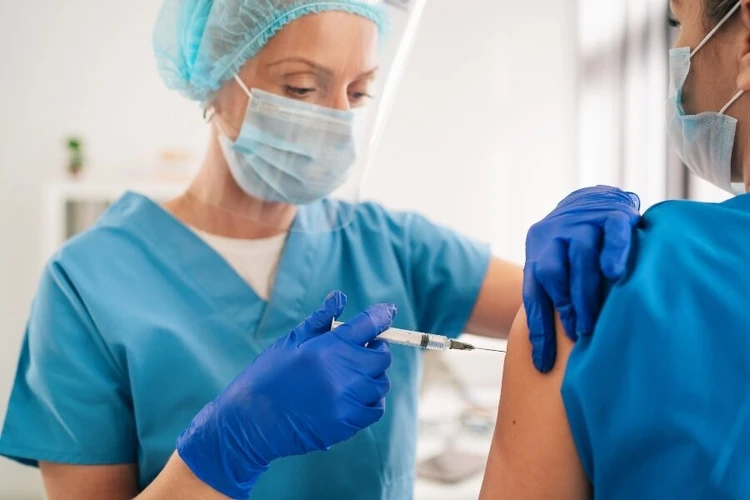
Perhaps one of the most important things to be mindful of post-vaccine is that other preventative measures are still just as necessary. The CDC urges consumers to continue practicing social distancing, wearing masks, and washing their hands; though the vaccine is beneficial in protecting against COVID-19, all of these efforts in conjunction with each other are the best defenses against the virus. 

Article Image

Grocery chains start immunizing select groups with COVID-19 vaccines

While some states are scrambling to find a solution to the rocky rollout of the coronavirus vaccines, the nation’s largest grocery chains have joined in to help speed things along. 

According to announcements from various reports, grocers are gearing up for a massive rollout of COVID-19 inoculations with a special emphasis on high-priority recipients. Following guidance from the Centers for Disease Control and Prevention (CDC), those included in Phase One are health care workers and residents of long-term care facilities. 

Next up in Phase Two are frontline essential workers (non–health care workers), persons 75 years old or older, and a grocery chain’s own workers who are considered “frontline essential workers.” 

Finding where to get the shot

The first thing to understand is that despite guidance from the CDC, there’s not a single nationwide list or pecking order of where to get vaccinated. Each state is doing its own thing, and the various retailers who are administering shots also have their own game plan. Here are how some of the major grocery chains are handling the situation:

Albertsons (including Albertsons, Safeway, Vons, Jewel-Osco, Shaw's, Acme, Tom Thumb, Randalls, United Supermarkets, Pavilions, Star Market, Haggen, and Carrs): Albertsons began its vaccine-distribution effort on December 18 in Alaska. The next step in the company’s action plan is to distribute vaccines at in-store pharmacies and, where necessary, non-store sites in certain communities.

Consumers can bookmark this Albertsons special COVID-19 website page to sign up for alerts and keep tabs on the company’s vaccination plans. 

Kroger (including Kroger, Fred Meyer, Fry’s, Harris Teeter, King Soopers, Jay C Food Store, Pay-Less Super Markets, QFC, Ralphs, and Smith’s Food and Drug): The Kroger Company hasn’t published an official gameplan. The company released a vague statement saying that “Kroger Health is engaged in vaccination efforts for prioritized populations in several other geographies.”

The best bet ConsumerAffairs could find for Kroger vaccination updates is its vaccination appointment scheduling web page. That is likely the best place to start.


Publix: The nation’s third-largest grocery retailer says that a limited number of COVID-19 vaccines are “on the way” to certain Publix pharmacies in Citrus, Hernando, and Marion counties in Florida. “We’re preparing to make appointments through our online scheduling system while supplies permit, and to administer the COVID-19 vaccine to eligible individuals,” the company said.

Consumers can bookmark this special Publix COVID-19 vaccination website page to sign up for alerts and keep tabs on the company’s vaccination plans. 

Walmart: The king of retail started out by taking care of its pharmacists first. First in line was a Walmart pharmacy clinical service manager in New Mexico. 

“We’re also preparing our 5,000+ pharmacies at Sam’s Clubs and Walmart stores to be ready when the time comes to administer to essential workers, first responders and older Americans in ‘Priority 1B’ and ‘Priority 1C,’ based on the recent recommendation by the CDC’s Advisory Committee on Immunization Practices,” the company wrote.

Consumers can bookmark this Walmart website page to keep tabs on the company’s vaccination plans. 

Others: Other grocery chains reportedly partnering with the U.S. Department of Health and Human Services on the vaccine access program, or serving as federal pharmacy partners for coronavirus vaccinations, include Ahold Delhaize, Costco Wholesale, H-E-B, Hy-Vee, Meijer, Southeastern Grocers, Big Y Foods, Brookshire Grocery, Coborn’s, Hartig Drug, King Kullen, Food City, Ingles Markets, Price Chopper, Raley’s, Save Mart, SpartanNash, Tops Friendly Markets, Wegmans Food Markets, and Weis Markets.

Lucking out at the last minute

The various COVID-19 vaccines have shelf lives that require them to be used within a certain time frame or tossed out, and some grocers are offering unused doses to people outside of a phase rather than letting them go to waste.

GroceryDive points out the example of H-E-B, which had fresh vaccines left over after it gave the first doses it received to community health care providers. It decided it would offer unused doses to people in Phase 1b rather than let them spoil. Fox News also reported a similar scenario at a Giant Food supermarket in Washington D.C. in which two people were approached by a pharmacy technician 10 minutes before the store was set to close.

“Per the government guidelines, providers can give any remaining doses to people who fall within the next priority group. Every attempt is being made to prevent this, but no doses should be wasted,” H-E-B said.

Article Image

FDA officials say Americans must receive two full doses of COVID-19 vaccine

In an effort to stretch the nation’s supply of COVID-19 vaccines, U.S. Food and Drug Administration (FDA) officials have recently been considering cutting Moderna’s first dose in half. But on Monday, a pair of FDA officials said that any American who gets the Moderna or Pfizer vaccines must get two full doses in order to receive full protection. 

"We have been following the discussions and news reports about reducing the number of doses, extending the length of time between doses, changing the dose [half-dose], or mixing and matching vaccines in order to immunize more people against COVID-19," FDA Commissioner Dr. Stephen Hahn and Dr. Peter Marks, who heads FDA's vaccine division, said in a statement.

"These are all reasonable questions to consider and evaluate in clinical trials. However, at this time, suggesting changes to the FDA-authorized dosing or schedules of these vaccines is premature and not rooted solidly in the available evidence," Hahn and Marks added.

Preliminary data

Over the weekend, Moncef Slaoui -- chief scientific adviser of Operation Warp Speed, the U.S. government's vaccine program -- told CNN that cutting the dose would allow twice as many people in the 18 to 55 age group to get the initial protection while Moderna ramps up production. 

Slaoui said there was some evidence showing that the vaccine spurred similar antibody responses among volunteers in this age group regardless of whether they received a full or half dose. However, Marks and Hahn said these findings came from data collected from just a few people. It’s not yet known whether the half dose delivered lasting immune responses. 

"The available data continue to support the use of two specified doses of each authorized vaccine at specified intervals," they wrote. They added that it's understandable that people may want to stretch the vaccine supply, but it's not necessarily safe to do so.

"If people do not truly know how protective a vaccine is, there is the potential for harm because they may assume that they are fully protected when they are not, and accordingly, alter their behavior to take unnecessary risks," Marks and Hahn explained.

Could confuse people

In addition to efficacy concerns, Dr. Anthony Fauci, the nation’s top infectious disease expert, cautioned that changing the dosage could be confusing to the public. 

"One of the dangers of making a change in midstream is that it could confuse the public," he told the New York Times. Fauci added that changing the dosage was "the right answer to the wrong question.” 

“At the present time, we are not dealing with a shortage of doses -- we are dealing with the need to increase our efficiency in getting people vaccinated," he said.

Article Image

Coronavirus update: FDA says 'no' to shortcut on doses, ‘human disaster’ in LA

Coronavirus (COVID-19) tally as compiled by Johns Hopkins University. (Previous numbers in parentheses.)

Total U.S. confirmed cases: 20,843,556 (20,649,941)

Total U.S. deaths: 354,263 (351,774)

Total global cases: 85,860,416 (85,327,849)

Total global deaths: 1,858,412 (1,846,764)

FDA not ready to change vaccine dosing instructions

The rollout of the coronavirus (COVID-19) vaccines is not meeting demand, so it’s been suggested that younger people get half the required dose to start. The U.S. Food and Drug Administration (FDA) is throwing cold water on that idea, calling it “premature.”

“Without appropriate data supporting such changes in vaccine administration, we run a significant risk of placing public health at risk,” the FDA said in a statement.

The clinical trials for both vaccines were conducted using the full dose. The FDA said it would need to see data supporting a reduced dose before approving such a move.

‘Human disaster’ in Los Angeles

With the surge in COVID-19 cases in recent weeks, hospitals in Los Angeles are nearing full capacity. According to CNN, ambulance crews in Los Angeles County have been told not to transport patients with little chance of survival, and the patients who are transported often have to wait hours before a bed is available.

"Hospitals are declaring internal disasters and having to open church gyms to serve as hospital units," Supervisor Hilda Solis told the network, calling it a "human disaster."

According to Los Angeles County Director of Public Health Barbara Ferrer, someone in LA County is drying of the virus every 15 minutes.

Mutant strain found in New York

The mutant strain of the virus causing COVID-19 is apparently widespread, and it has been since first identified last month in the U.K. New York Gov. Andrew Cuomo has announced that the variant strain has been detected for the first time in his state.

Cuomo said the strain infected a man in his 60s who worked in a jewelry store in Saratoga Springs. According to health officials, the patient had symptoms of the coronavirus and sought treatment. 

The strain has also been detected in a patient in California. According to the New York Times, the strain, which spreads more easily than the original virus, has been detected in 32 countries.

America’s deadliest week

Amid the rapidly rising number of cases of COVID-19, America suffered its deadliest week of the pandemic so far. A Reuters analysis of state and local data shows that the week ending on Jan. 3 saw a record death toll of 18,400 people.

Health officials worry that the record may not stand for long. They note that the large number of Americans traveling to visit family and friends at the end of the year will likely lead to even more cases of the virus. Deaths normally trail infections by about four weeks.

Some areas of the country suffered more than others. Arizona, Tennessee, and South Carolina saw the largest number of new cases per capita last week, according to the Reuters analysis. Kansas, Wyoming, and New Mexico led the nation in per capita deaths.

More stimulus? 

Do you have your $600 stimulus payment yet? The money has just begun to go out to Americans, but in Washington, there’s already talk of another round of payments. Congressional Democrats and even President Trump thought the payments should have been $2,000.

Today’s two runoff Senate elections in Georgia could well determine if there will be a third round of payments in the near future. Should Democrats win both seats, they will control Congress and the White House and have an easier time passing a third stimulus bill.

Democrats have backing from some economists who have said the recently passed second stimulus bill, spending $900 billion, won’t be enough to get the economy back on track as the pandemic finally comes to an end.

Around the nation

  • Maryland: State officials are scrambling to find a solution to a rocky rollout of the coronavirus vaccine in the state. “It’s a very complex issue, and it’s not about blame but figuring out where the barriers are so we know how to address them,” Dr. Leana Wen, a former Baltimore health commissioner and a professor of public health at George Washington University, told the Baltimore Sun. 

  • Louisiana: While not every frontline health care worker has received the vaccine, state officials are now offering it to residents of the state who are at least 70 years old. Gov. John Bel Edwards has announced that Louisiana seniors can receive the vaccine at local pharmacies.

  • Pennsylvania: The state has allowed restrictions on indoor dining and other activities to expire this week. However, Philadelphia is retaining the indoor dining ban while loosening some restrictions on gyms.

Article Image

One in four doctors experience social media harassment, study finds

There’s no question that consumers’ social media habits can have a direct correlation on their well-being, and during the COVID-19 pandemic, experts have found that too much time on social media can also affect consumers’ mental health. 

Now, a new study conducted by researchers from Northwestern University has found that social media could be particularly troublesome for medical professionals. According to their findings, around a quarter of doctors have experienced harassment on social media, and these attacks have only intensified since the start of the pandemic. 

“If anything, our data is probably an underestimate of the true extent of attacks and harassment post-pandemic since so many doctors started to advocate for public health measures during the pandemic and have been met with an increasingly polarized populace emboldened by leadership that devalues science and fact,” said researcher Dr. Vineet Arora. 

Doctors need better support online

For the study, the researchers analyzed nearly 500 responses to an online survey that asked physicians to answer yes or no to just two questions: (1) had they had experienced sexual harassment on social media and (2) had they had been generally attacked or harassed on social media. The survey also gave participants an opportunity to go into further detail about their experiences. 

The researchers learned that one out of every four doctors involved in the study had experienced harassment on social media in varying degrees of intensity. While the pandemic has provided the opportunity for health care providers to use social media as a way to encourage consumers to practice social distancing and wear masks, the backlash to these types of posts have been as severe as online death threats or verbal threats at work. 

The study also revealed that online sexual harassment was more common for female doctors, which the researchers think is worrisome. Many doctors, like consumers in any profession, utilize social media as a way to advance their careers, and with this kind of harassment, it wouldn’t be surprising to see many female doctors abandon their online profiles. 

“Women in medicine are already less likely to hold leadership positions or be the first or last authors of research, so disproportionately abstaining from a platform used for collaboration and networking due to sexual harassment and perosnal attacks should be a cause for concern,” said researcher Tricia Pendergrast. 

Protecting doctors online

As important as doctors are in the field, their presence on social media can also be just as important for reaching a wider audience and advocating for better health care practices. The researchers hope that more work is done to better protect doctors on social media so that their messages can spread without the threat of harassment. 

“Doctors and other health care workers are already facing unprecedented stress and mental health challenges from their work,” said Dr. Arora. “Any stress from being online will compound that and put them at risk, especially as doctors are being asked to be more vocal on social media to promote vaccination and more.” 

Article Image

Coronavirus update: Record hospitalizations in U.S., efforts to speed vaccine rollout

Coronavirus (COVID-19) tally as compiled by Johns Hopkins University. (Previous numbers in parentheses.)

Total U.S. confirmed cases: 20,649,941 (20,474,163 )

Total U.S. deaths: 351,774 (350,598)

Total global cases: 85,327,849 (84,838,747)

Total global deaths: 1,846,764 (1,839,622)

Hospitalizations begin the year at a record high

Americans were more than happy to say goodbye to 2020, but 2021 is starting off the way the old year ended, with increasing cases of the coronavirus (COVID-19) and a record number of people being treated in the nation’s hospitals.

On Sunday, health officials counted a record 125,544 people being treated in U.S. hospitals for the virus. There were more than 210,000 newly reported cases of the virus on Sunday.

Deaths attributed to the virus continue to rise at an ever-faster pace. There are a total of more than 351,000 fatalities so far, with nearly 80,000 occurring in December, making it the deadliest month since the pandemic began. 

Officials seek faster vaccine rollout

The U.S. Food and Drug Administration (FDA) is considering a number of measures to speed up the distribution of vaccines against COVID-19. The agency will meet later in the week to consider a proposal to cut Moderna’s initial dose in half when administered to people between the ages of 18 and 55.

Moncef Slaoui, chief scientific adviser of Operation Warp Speed, the U.S. government's vaccine program, told CNN that the move would allow twice as many people in that age group to get initial protection while the drugmaker ramps up production.

So far, about 4 million people in the U.S. have received either the Moderna vaccine or the one produced by Pfizer and BioNTech. Earlier estimates predicted 20 million Americans would be vaccinated by the end of December.

Air travel hits post-pandemic high

Despite health officials’ pleas not to travel over the end-of-year holidays, Americans apparently did anyway. The Transportation Security Administration (TSA) reports that more than 1.3 million people passed through its checkpoints on Sunday.

Dr. Anthony Fauci, head of the National Institute for Allergy and Infectious Disease (NIAID) has warned that cases of the coronavirus are likely to spike in the coming days because of the increase in travel. 

Still, air travel is nowhere what it was before the pandemic struck with full force in March. Airline executives predict passenger traffic will drop sharply again now that the holidays are over.

What to do while waiting for the vaccine

The coronavirus vaccines are going to high-priority groups, and the process is going more slowly than first predicted. That may leave you wondering when you’re going to get the vaccine and what you should be doing in the meantime.

Rehabilitation psychologist Abigail Hardin, PhD., at Rush University Medical Center, has offered a list of five things to do while waiting for the vaccine -- even after getting the first dose and before it takes effect. They include maintaining good health but planning for the eventuality of getting the virus.

“Continuing to take protective measures like social distancing and masking will help protect you, your loved ones, and the community while you wait for your first dose and for the vaccine to take full effect,” she said.

Larry King treated for COVID-19

Broadcast journalist Larry King is one of the latest celebrities to contract COVID-19. King was hospitalized last week in California after being diagnosed with the virus.

On an encouraging note, King’s family said the retired CNN interviewer has been moved out of the intensive care unit (ICU), suggesting his condition is improving. He reportedly got the virus from a health care worker who came to his home.

An increasing number of elderly celebrities have become infected. Country music legend Charlie Pride and actress Dawn Wells, who starred as Mary Ann in the 1960’s sitcom “Gilligan’s Island,” both died of COVID-19 issues in the last 30 days.

Around the nation

  • Texas: Three days into a new year, Texas has broken a record for COVID-19 hospitalizations. As of Sunday, there were 12,563 people in a hospital within the state. Health officials say new cases and positivity rates are also moving in the wrong direction.

  • Massachusetts: Officials at three large hospitals in Worcester say they have believed for several weeks that a mutant strain of the coronavirus was in the state and spreading. They say the virus spread in spite of strict mitigation protocols.

  • Illinois: Restaurants in the state say they’re suffering from the continued ban on indoor dining, a ban put in place in October. Eateries in cities near the border with Indiana say they’ve lost take-out service because many consumers are driving to Indiana where there are fewer restrictions on indoor dining.

Article Image

Allergists say allergic reactions to the COVID-19 vaccine are rare and unlikely

Distribution of several COVID-19 vaccines began over the last few weeks. While some consumers have expressed concern over the safety and efficacy of these treatments, the findings from a new study should give consumers some peace of mind. 

A group of allergists from Massachusetts General Hospital explored the risks of the COVID-19 vaccine for people with food or medication allergies, and they found that allergic reactions from the vaccine are unlikely. They explained that vaccine-related allergic reactions are typically rare, and the COVID-19 vaccine is no exception. 

“As allergists, we want to encourage vaccination by reassuring the public that both FDA-approved COVID-19 vaccines are safe,” said researcher Dr. Aleena Banerji. “Our guidelines are built upon the recommendations of U.S. regulatory agencies and provide clear steps to the medical community on how to safely administer both doses of the vaccine in individuals with allergic histories.” 

Minimal vaccine risks

Recently, experts found that consumers were most worried about a COVID-19 vaccine because of potential side effects -- including allergic reactions. Now, this team of allergists is working to be as transparent as possible to help ease consumers’ fears. 

For starters, the allergists want consumers to know how rare vaccine-related allergic reactions are; just 1.3 out of every one million people vaccinated typically develop an allergic reaction. This also includes those who are predisposed to food or medication allergies. Because all current evidence indicates that the COVID-19 vaccine operates under this same low allergic reaction rate, the allergists say that consumers with food or medication allergies are likely safe to be vaccinated. 

However, they identified two vaccine ingredients -- polysorbate and polyethylene glycol -- that could be a cause for concern. The allergists encourage consumers with a history of anaphylaxis to either of these ingredients to consult with their doctors before getting vaccinated. 

Protections in place

Though these vaccines are new, and consumers may be worried about how they’ll react, the allergists also explained that patients are monitored by health professionals for up to a half hour post-vaccination to monitor signs of an allergic reaction. 

As the vaccines become more widely available, the allergists hope that consumers utilize this information to help them make the best decisions for their health and wellness.