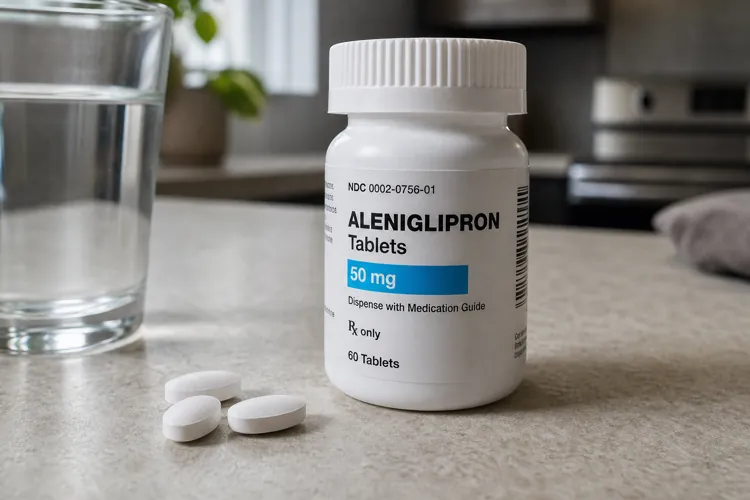

An experimental, once-daily GLP-1 pill was found to help participants lose up to 12% of their body weight over 36 weeks.
The phase 2b clinical trial enrolled adults with overweight or obesity and compared several doses of the medication with a placebo.
Researchers say the findings support continued testing, but larger phase three studies will be needed before the drug could become widely available.
GLP-1 medications have changed the way obesity is treated, but many of the best-known options require injections.
Now, researchers have reported encouraging results from a clinical trial evaluating an experimental oral GLP-1 medication that could one day offer another option for people with overweight or obesity.
The drug, called aleniglipron, is a once-daily pill designed to activate the GLP-1 receptor, which helps regulate appetite and food intake.
According to researchers at Northwestern Medicine, the medication produced meaningful weight loss during a mid-stage clinical trial, while showing a safety profile that was generally consistent with other drugs in the GLP-1 class. Because the medication is taken by mouth, researchers believe it could provide an alternative for people who prefer not to use injectable treatments.
“The difference with aleniglipron is it’s a small molecule, which means it’s chemically made and could be taken with or without food. Most medications we take, whether it’s aspirin or blood pressure medicine, are small molecules. They’re chemicals that you make structurally, and because of that you can potentially combine them with other medications,” researcher Robert Kushner, M.D., said in a news release.
How the study was conducted
The findings come from a randomized, double-blind, placebo-controlled phase 2b clinical trial involving adults with overweight or obesity.
Participants were assigned to receive one of several daily doses of aleniglipron or a placebo for 36 weeks. Neither the participants nor the researchers knew who received the active medication during the study.
Researchers primarily measured the percentage change in body weight from the start of the trial through week 36.
They also tracked safety, side effects, and how many participants discontinued treatment. Gastrointestinal symptoms — including nausea, diarrhea, and vomiting — were among the most commonly reported side effects, which researchers noted is similar to what has been observed with other GLP-1 medications.
What the results mean
At the highest dose studied, participants lost up to 12% of their body weight over the 36-week trial. Researchers also reported that the medication met its primary goal of producing greater weight loss than placebo.
While the results are encouraging, the researchers emphasize that this was a phase 2b study, meaning additional research is still needed. Larger phase three trials will help determine whether the medication's benefits and safety hold up in a broader group of patients over a longer period.
For consumers, the study highlights the continued development of new obesity treatments, including medications that may eventually be available in pill form rather than by injection.
Although aleniglipron is still under investigation and is not yet widely available, these findings suggest it could become another treatment option if future studies confirm its effectiveness and safety.
“We didn’t find any concerns; no new safety signals. We found a dose that seems to be effective, and the dose escalation will be slowed down further as we go into phase III trials to increase tolerability,” Dr. Kushner said.