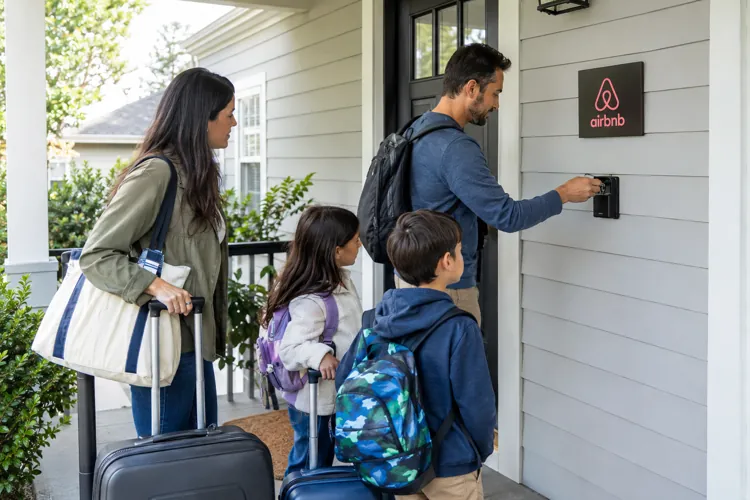

Airbnb will generally prohibit hosts from asking guests to strip beds, do laundry, or wash and put away dishes for reservations booked on or after November 20.
Some hosts say the restrictions undermine basic expectations of courtesy and could increase cleaning costs for travelers.
Guests can still be asked to gather towels, put dishes in the sink, and secure the property, and remain responsible for damage or excessive mess.
Airbnb is drawing a sharper line between being a considerate guest and serving as an unpaid cleaner — and some property owners are pushing back.
The company’s new house rules policy, applying to reservations booked on or after November 20, 2026, generally bars hosts from requesting cleaning tasks that take substantial time or would ordinarily be performed by a cleaner. Those include stripping beds, taking garbage off-site, and washing and putting away dishes.
The change addresses a familiar traveler complaint: paying a cleaning fee, then discovering a checkout checklist that turns the final morning of vacation into a housekeeping shift. Airbnb says the update is intended to make expectations clearer and eliminate surprises.
Where Airbnb draws the line
The policy allows some simple requests. Hosts can ask travelers to collect used towels, place dirty dishes in the sink, separate garbage, and recycling into designated indoor bins, and turn off air conditioning when leaving.
Airbnb will consider exceptions based on the property and local conditions, such as asking guests to use an animal-proof trash container in bear country. Hosts also retain standard rules governing smoking, pets, quiet hours, events, overnight guest limits, commercial photography, and locking up at checkout.
All rules and requests must appear in the designated listing section when the guest books. Hosts cannot introduce new obligations afterward through messages, signs inside the property, or instructions delivered in person.
Why hosts are objecting
On Airbnb’s community forum, some hosts argue that washing personal dishes is basic courtesy, particularly in homes with kitchens and shared spaces.
A German host identified as Sabine, who rents two vacation apartments with her husband, said the change creates additional work and potentially higher costs for small operators.
Another host questioned how the restrictions would work during longer stays, saying the listing editor had rejected a request to move full garbage bags to a disposal room on the same floor. Others threatened to stop hosting. These comments reflect individual hosts’ concerns, rather than a representative survey.
Some hosts have warned that higher cleaning costs could ultimately be passed to guests. That remains a prediction; the policy does not establish higher fees or eliminate hosts’ ability to charge for cleaning.
Guests still have responsibilities
The restrictions do not give travelers permission to leave a property excessively dirty.
Airbnb’s guest rules say cleaning fees cover routine work between reservations, including laundry and vacuuming. Guests remain responsible for damage and may face reasonable reimbursement requests for unexpected cleaning costs. Hosts can also leave cleanliness ratings and reviews, although they cannot charge penalties simply because guests failed to complete particular checkout chores.
For travelers, the practical step is to read the listing’s rules before booking and contact Airbnb if a host adds conflicting demands. Airbnb says persistent violations by hosts may lead to warnings, notices on listings, or reduced visibility in search results.