

Flooring lifespan by type and material
On average, carpet is the least durable flooring material. Stone, tile and solid hardwood have the longest lifespans. Vinyl, engineered wood and laminate fall somewhere in the middle.
Here’s a quick look at average lifespans for different types of flooring. Keep in mind these numbers don’t account for all lifestyle and home factors.
| Flooring material | Average lifespan (years) |
|---|---|
| Carpet | 8 to 10 |
| Engineered wood | 50 or more |
| Hardwood | 100 or more |
| Laminate | 15 to 25 |
| Stone | 100 or more |
| Tile | 75 to 100 or more |
| Vinyl (LVP/LVT) | 25 |
Flooring material value based on longevity
While flooring longevity matters, it’s best to consider each material's upfront cost and expected annual cost. This tells you more about the value you’ll get from the floor you choose rather than just how long you’ll go before needing a replacement.
| Flooring material | Average cost (per sq. ft.) | Average cost per year (per sq. ft.) |
|---|---|---|
| Carpet | $3 to $12 | $0.30 to $1.50 |
| Engineered wood | $6 to $15 | $0.12 to $0.30 |
| Hardwood | $8 to $20 | $0.08 to $0.20 |
| Laminate | $3 to $12 | $0.12 to $0.80 |
| Stone | $10 to $40 | $0.10 to $0.40 |
| Tile | $7 to $25 | $0.07 to $0.33 |
| Vinyl (LVP/LVT) | $4 to $14 | $0.16 to $0.56 |
» MORE: Flooring costs by type
Solid hardwood vs. engineered wood flooring lifespans
Solid hardwood and engineered wood floors are some of the most popular flooring options for primary living areas, including living rooms, hallways and bedrooms. Solid hardwood floors last for an average of 100 or more years, and engineered floors last for an average of 50 years or more.
However, both materials can have significantly shorter lifespans if you install them where they’ll see water or moisture, and longevity also depends on refinishing your floors over time.
Water and moisture exposure
The biggest potential limitation to wood floor lifespan is exposure to water or moisture. Wood is very reactive to moisture and can cup, swell or warp if it gets wet, leaving you with permanently damaged floors. This is why wood isn’t ideal in bathrooms, kitchens and laundry rooms.
Engineered wood has better dimensional stability than solid wood thanks to the plywood core, but it will still sustain permanent damage if it gets wet or absorbs moisture from the air.
Foot traffic
As with any floor, the amount of foot traffic your wood floors see affects how long you can go before refinishing. More foot traffic increases the risk of scratches and scuffs, which can shorten the lifespan.
Pet traffic
Pet traffic can reduce a wood floor’s lifespan even more than foot traffic.
Pet nails can leave scratches, and pet accidents can mean persistent odors, discoloration and even warping. Spilled pet bowls can also cause water damage, which can further shorten the useful life of your wood floors.
Pet traffic affects the lifespan and long-term value of both solid wood and engineered wood floors.
Finish
An oil-based finish helps your wood floors resist physical wear and can extend their lifespan under heavier foot traffic. Water-based polyurethane dries faster and has fewer odors, but it offers less wear protection and requires more frequent refinishing.
Check the wear layer thickness before buying engineered wood flooring to gauge its refinishing potential.
Sanding and refinishing
Wood floors have a 100-year lifespan in part because you can sand and refinish them. This restores their appearance, and a new protective polyurethane coat will add physical wear resistance for some time. This process is time-consuming and can interrupt your daily routine, but it’s worth doing every 10 years or so to get more life out of your floors.
Engineered wood floors have a shorter lifespan, in part because the layer you can sand down is thinner. Engineered wood has a solid wood veneer over plywood, so you can usually sand only a few times before you reach the plywood and need to replace the material entirely.
The actual lifespan depends on the thickness of the solid wood plank and the thickness of the veneer or wear layer on your engineered wood floors. On average, you can sand and refinish solid wood floors five to seven times, but you can only sand and refinish engineered wood floors one to three times.
Wood species
The wood species you choose affects both cost and durability. Check the Janka hardness rating for your species and choose a higher rating to maximize your floor’s durability against foot traffic, pet nails, scratches and denting.
Janka hardness rating
The Janka hardness rating measures wood's resistance to dents and wear by testing the force needed to embed a steel ball halfway into it.
Vinyl, laminate, tile and carpet lifespans
Vinyl flooring lasts an average of 25 years, while laminate typically lasts 15 to 25 years. Tile can last 75 to 100 years or more, while carpet has a shorter lifespan of just eight to 10 years. As with wood floors, several key factors determine whether your flooring will fall within these ranges or last longer or shorter than average.
Vinyl flooring lifespan and considerations
Vinyl flooring provides a good balance of upfront cost, ease of maintenance and lifespan, and many homeowners love this material because water and moisture won’t affect the floor’s lifespan. Wear layer thickness and room activity are really the only things you need to consider.
- Wear layer thickness: The wear layer is the topmost clear layer above the print layer. A thicker wear layer withstands more physical wear, including scratches and scuffs, extending the floor's useful life. A wear layer of eight to 12 mils suits low-traffic spaces, but choose up to 20 mils for maximum performance and longevity in a residential setting.
- Foot traffic: Foot traffic gradually grinds down the wear layer, which eventually requires a full flooring replacement. Vinyl floors may last fewer than 25 years in low-traffic rooms, but they can last twice as long or more in rooms with almost no activity.
- Pet traffic: Pet nails can also scratch and wear down that top protective layer, so you may not get the full 25 years from a vinyl floor if you have multiple pets.
Laminate flooring lifespan and considerations
Laminate flooring also relies on its wear layer for longevity, but because it has a core made of high-density fiberboard (HDF) or medium-density fiberboard (MDF), you also have to consider exposure to water and moisture.
Here are the factors that influence laminate flooring lifespans.
- AC rating: Laminate flooring has an abrasion class (AC) rating that indicates its resistance to physical wear. It ranges from AC1 to AC5. AC3 is ideal for maximum durability and lifespan in residential spaces, with higher ratings being better for very high-traffic commercial spaces.
- Foot traffic: Heavier foot traffic wears down the top protective layer and exposes the print layer or core faster, reducing how long your floor lasts.
- Pet activity: Pet nails can wear down the wear layer more quickly than foot traffic, and pet accidents and spilled water bowls can soak into the core, potentially destroying the water-reactive material from the inside.
- Water and moisture exposure: Appliance leaks, plumbing leaks, spills and even moisture wicking up through a concrete slab can all affect laminate flooring and shorten its lifespan.
Tile flooring lifespan and considerations
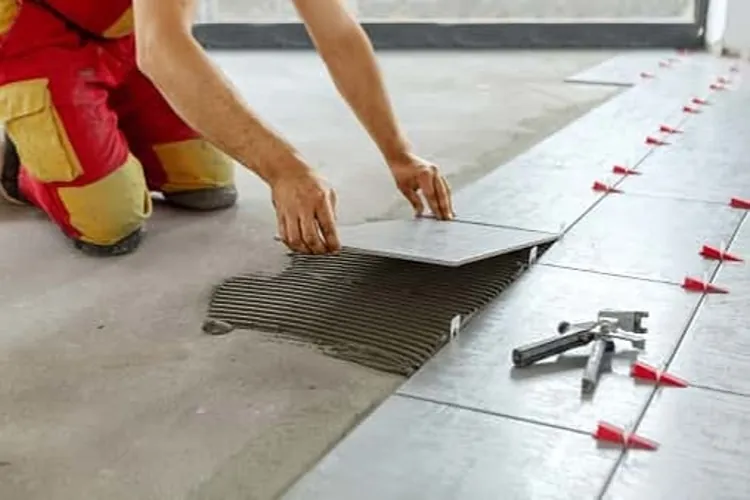
Tile is extremely resilient to wear and is fully waterproof, so the main thing to consider is how the grout holds up.
- Grout staining: While tile isn’t porous, grout is, and it can absorb liquids and stains. Kitchen spills like coffee, red wine and pasta sauce can quickly discolor grout and require replacement. Fortunately, this affects only the grout’s lifespan, not the tiles themselves. Sealing your grout can also help prevent stains.
- Grout wear: Grout can also wear down and discolor with heavy foot traffic or pet traffic, so expect some grout replacement over the life of your tile floor.
- Ceramic vs. porcelain tile: Both ceramic and porcelain tile are extremely durable, but porcelain resists physical wear from foot traffic and pet activity better and is less likely to crack from impact. Generally, porcelain tile floors last longer than ceramic tile floors.
Carpeting lifespan and considerations
Carpet is, by far, the least durable flooring material; it lasts an average of just eight to 10 years. Because it's the least resilient option, many factors affect how long it lasts.
- Fiber type: The type of carpet you install affects how well it withstands foot traffic. From most durable to least, your options are nylon, followed by polyester, olefin and triexta, with wool being the least durable of the popular options.
- Pile height: A lower pile height usually means a longer lifespan because it puts less lateral force on the backing under the fibers. However, higher piles are more comfortable, so you need to strike a balance.
- Pile type: The pile type you choose also affects longevity. Berber and loop carpets resist foot traffic and staining best, followed by frieze carpets. Plush, textured plush and Saxony carpets are less resilient to physical wear, and exposed fiber ends make them more prone to staining.
- Padding thickness: Thick padding under your carpet can improve comfort underfoot and resistance to physical wear, as it absorbs some lateral force as you walk over it.
- Foot traffic: Your carpet's lifespan depends almost entirely on how much foot traffic it sees. Carpeting in high-traffic rooms, like living rooms and playrooms, may last only a few years, while carpet in a low-traffic bedroom could last more than 10 years.
- Pet traffic: Pet nails are a big issue for carpeting, especially Berber carpets, because they can create pulls that lead to premature replacement. Pet accidents can cause permanent water damage and leave persistent odors, which also limit carpet longevity.
- Water and moisture exposure: Carpet isn’t ideal in rooms that may see water or moisture — it's highly absorbent and can quickly develop mold. Carpeting in basements, kitchens, bathrooms, laundry rooms and mudrooms may only last a few years, regardless of baseline durability.
» RELATED: Flooring installation costs
Factors that affect flooring lifespan most
Across all flooring types, a few factors matter if you’re concerned about lifespan.
Proper installation, furniture pads and moisture control can help floors last longer.
Water and moisture
Few things can limit your floor’s lifespan like exposure to water and moisture.
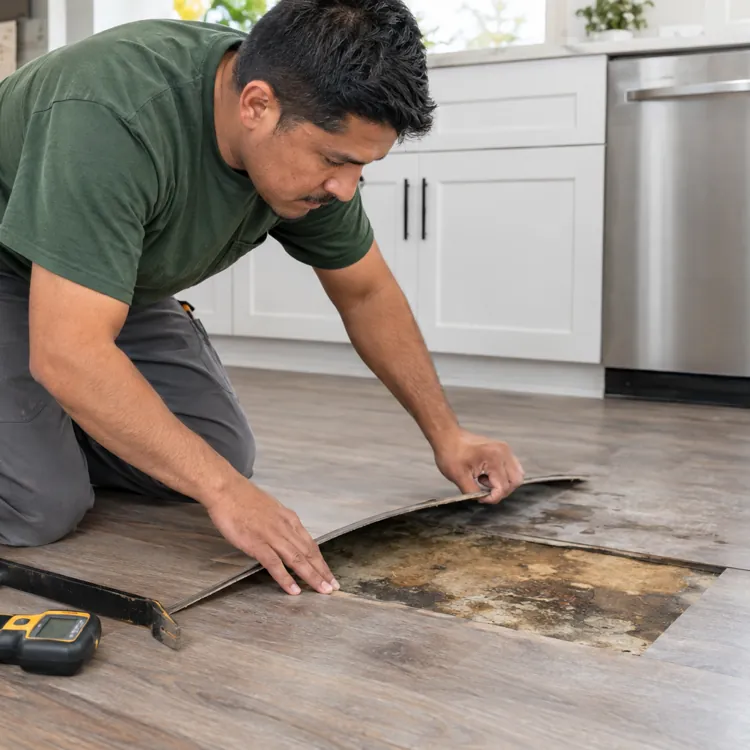
You may only get weeks of life out of carpet, solid wood, engineered wood or laminate if you experience a plumbing or appliance leak shortly after installation. Prolonged exposure to basement moisture can have a dramatic, if less severe, impact.
Foot traffic
Foot traffic is another key factor to consider when choosing flooring for your space.
In low-traffic rooms, you can prioritize comfort or appearance. For high-traffic areas, choose flooring built to last. Look for materials that resist physical wear, such as vinyl or laminate with a thick wear layer or engineered and solid wood made from a hardwood species.
Pet traffic
For rooms that will see heavy pet activity, optimize for both foot traffic and water/moisture to account for pet nails, accidents and spills.
Installation quality
The installation process matters almost as much as material quality, as improper subfloor preparation or the wrong underlayment can significantly reduce your floor’s lifespan.
Furniture
Dining chairs, tables and couch legs can all scratch your floors and reduce lifespan, even if you optimize for physical wear resistance. Add furniture pads under the legs to reduce that risk and get more life out of your floor.
UV exposure
Floors that sit just inside windows or glass doors will fade from UV exposure over time. You can’t do much to prevent minor discoloration for a given floor material, but tile and stone are the most resistant.
FAQ
How much does it cost to redo flooring in a 2,000-square-foot house?
You could pay anywhere from $3,000 to $80,000 to replace all the flooring in a 2,000-square-foot house, with the average around $20,000. The exact cost depends mostly on the flooring materials you choose and the complexity of your home’s layout, but local labor costs and the type of old flooring you’re removing can also factor in.
What is the rule of three for flooring?
The rule of three for flooring is a rule of thumb that states you shouldn’t have more than three unique flooring materials throughout your home. This rule is for aesthetics, not function, and it helps your home design feel more cohesive.
A common approach is to use tile in bathrooms and kitchens, wood or vinyl in living areas and carpet in bedrooms.
Is it worth refinishing hardwood floors instead of replacing them?
Yes, it is almost always worth refinishing hardwood floors instead of replacing them. Refinishing removes surface scratches and minor damage, and can leave your floors looking new without the higher price tag for a full replacement.
Refinishing also means adding a new polyurethane layer on top, which will continue to protect your floors.
Are home warranties useful for covering flooring repairs or replacement?
Home warranties usually don’t cover flooring, so they’re rarely helpful for paying for repairs or replacement. Home warranties usually focus on home systems and appliances, and even add-on coverage typically doesn’t include floor repairs or replacement.
Article sources
ConsumerAffairs writers primarily rely on government data, industry experts and original research from other reputable publications to inform their work. Specific sources for this guide include:
- D and G Flooring, "Types of Carpets: A Complete Guide to Fibers, Piles, and Room Selection." Accessed Oct. 29, 2026.
- International Association of Certified Home Inspectors, "InterNACHI's Standard Estimated Life Expectancy Chart for Homes." Accessed Oct. 29, 2026.