


Pros and cons home warranties
Before diving into details, here’s how home warranty pros and cons stack up for homeowners.
Pros
- Predictable repair costs
- Covers wear and tear breakdowns
- Connects you with licensed professionals
- Valuable for older homes and tight budgets
- Reduces stress during system failures
Cons
- Limited contractor choice
- Repair prioritized over replacement
- Claims can get denied
- Coverage caps may leave gaps
- Premiums and deductibles add up
» LEARN: What is a home warranty?
Home warranty benefits
For certain homeowners, a home warranty offers value in three key areas.
1. Wear and tear coverage
Homeowners insurance covers damage from natural disasters, including fires and storms. But it won’t pay for a water heater that wears out over time. That’s the gap a home warranty fills.
“At its core, a home warranty helps cover breakdowns caused by normal wear and tear,” said Santiago Vazquez, customer experience director at Oncourse Home Solutions, a home protection provider based in Naperville, Illinois.
Depending on the plan, coverage usually includes these items:
- Major systems: HVAC, plumbing, electrical and water heater
- Kitchen appliances: Refrigerator, dishwasher, oven and built-in microwave
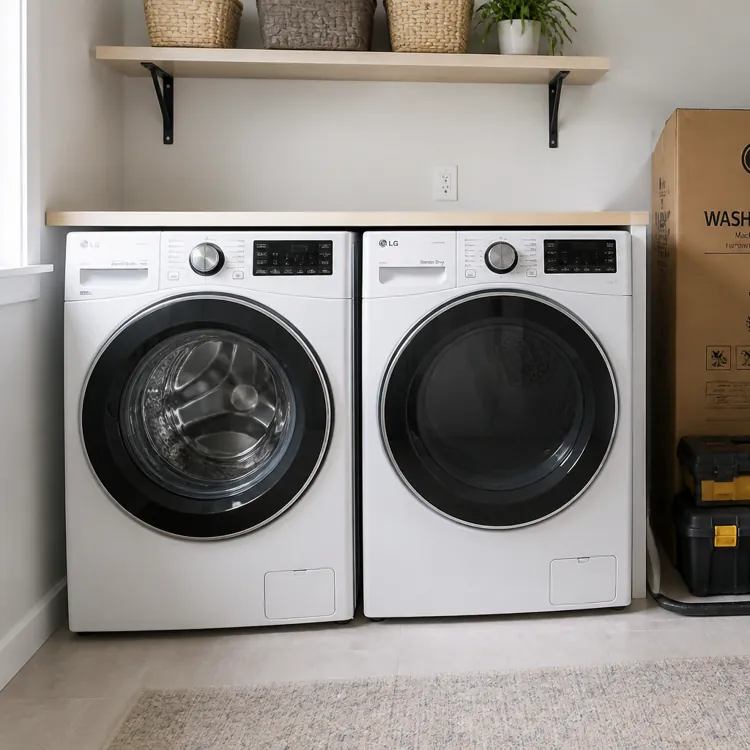
- Laundry appliances: Washer and dryer
- Optional add-ons: Pool equipment, septic systems, roof leaks and well pumps
Coverage varies by provider and plan tier, so read the fine print to learn what’s included and excluded before signing up.
2. Predictable repair costs
Water or sewer line repairs alone can average nearly $4,000 out of pocket, according to claims data from Oncourse Home Solutions. Instead of absorbing that cost alone, home warranty plan holders pay a predictable monthly fee and a defined service fee when something goes wrong.
Home warranty coverage costs around $350 to $900 per year.
At ConsumerAffairs, we’ve seen monthly premiums range from $30 to $90, and service fees running from $50 to $150 per visit. Both figures vary depending on your location, provider and coverage level. But this structure makes it easier to plan for home maintenance costs month to month, especially as systems age.
» MORE: Home warranty cost factors
3. Convenience and access to qualified contractors
“One of the biggest hassles for homeowners is shopping for the best price and reliable contractors — that takes hours,” Vazquez noted. A home warranty sidesteps that process, connecting homeowners with a licensed professional through the provider’s network with no research or price shopping required.
This is especially valuable during high-stress situations. A sewer line backup or a failed air conditioner in the middle of summer doesn’t leave much time for vetting contractors.
When something breaks, the process is straightforward. You file a claim through the provider and pay a flat service fee, and a technician comes to diagnose the issue. For homeowners who aren’t handy or well-connected in their local area, that streamlined process alone can justify the cost of home warranty coverage.
Home warranty drawbacks
Home warranties also come with limitations that aren’t always obvious until something goes wrong. Here are three worth knowing.
1. Provider-chosen contractors
Most home warranties require homeowners to use their network of contractors — you don’t get to call the technician you trust.
Michael M. Ouziel, founder of MMO Law, APC, a California law firm dedicated to litigating breach of warranty claims for consumer products, emphasized that network restrictions can affect responsiveness and quality of work.
You may face longer wait times for service appointments during peak seasons when demand for HVAC or plumbing contractors is high. And unlike hiring your own contractor, you have limited recourse if the work is subpar.
2. Repairs are often prioritized over replacements
“Home warranties pose a difficulty in terms of repair versus replacement,” Nick Heimlich, an attorney dealing with real estate and contract disputes in San Jose, California, explained. “They can only reimburse repair and leave homeowners with out-of-pocket expenses to replace equipment or give partial reimbursement to new equipment.”
That’s by design — repairs cost warranty companies less than full replacements, so they dispatch technicians to patch rather than replace. The same system can then quit a season later. At that point, you’re looking at another service fee and potentially a repair bill that stretches beyond what the warranty will pay.
3. Exclusions and claim denials
Even with coverage in place, there’s no guarantee a claim will pay out. Warranties often exclude preexisting conditions, improper installation and certain types of damage.
A furnace that showed signs of wear before the plan started, for example, may be denied because the problem predates coverage.
Coverage caps can further limit what the provider pays, leaving homeowners on the hook for the rest. A cap on a major repair — say, $1,500 toward a $3,500 plumbing job — can leave you with a steep out-of-pocket bill despite having a warranty plan.
Is a home warranty worth it?
“Whether a home warranty is worth it depends on your financial profile and expectations,” Ouziel said.
For homeowners on fixed budgets or without a strong emergency fund, the answer is often yes. For those with solid savings, though, a warranty can be hard to justify. Some homeowners prefer to save up and self-fund repairs as needed.
To decide if a warranty makes sense, consider the following factors:
- Your home’s age: The older your home, the more likely its systems are to fail (and the more likely you’ll get the most value from coverage).
- Your savings: If you can cover a $3,000 to $4,000 repair without financial strain, a warranty may not be necessary.
- Your tolerance for uncertainty: Some homeowners sleep better knowing a broken furnace won’t blindside them financially. If that sounds like you, the predictability of a warranty has value.
- Your flexibility needs: If having control over who repairs your home matters to you, a warranty’s contractor restrictions may be a dealbreaker.
Questions to ask yourself
It also helps to ask yourself a few practical questions before signing up:
- Do I have a trusted contractor I can call in a pinch? If not, a warranty’s built-in network removes much of the guesswork.
- How handy am I around the house? Homeowners who can handle minor repairs themselves may get less mileage out of coverage.
- Does my region experience extreme heat or cold? Harsh climates put greater strain on HVAC systems, increasing the likelihood of breakdowns.
- Do I have multiple aging systems? If your water heater, plumbing and HVAC are all older, the odds of needing coverage go up significantly.
» RELATED: Questions to ask a home warranty company
FAQ
Are home warranties worth it for older homes?
Yes, home warranties can be worth it for older homes because aging systems break more often and are expensive to fix. Homeowners with limited savings tend to benefit most. A single repair bill can reach four figures without coverage.
How do home warranties differ from homeowners insurance?
Home warranty and home insurance cover very different things. Warranties cover breakdowns caused by everyday wear and tear, like a failing water heater or a worn-out appliance. Insurance covers sudden damage from fires, storms or theft — not routine system failures.
What happens if a home warranty company denies my claim?
If a home warranty company denies your claim, request a written explanation, gather evidence like maintenance records and dispute the decision. You can also seek a second technician’s opinion or file a complaint with your state’s insurance commissioner.
Why do home warranty companies require using their contractors?
Home warranty companies require policyholders to use their own contractors to control repair costs and standardize the claims process. Pre-approved contractors agree to set rates and service standards. The tradeoff is less flexibility in who shows up at your door.
Article sources
ConsumerAffairs writers primarily rely on government data, industry experts and original research from other reputable publications to inform their work. Specific sources for this article include:
- TDECU, “The Pros and Cons of a Home Warranty.” Accessed Feb. 20, 2026.
- California Department of Insurance, “Home Protection Contracts.” Accessed Feb. 20, 2026.