

Home warranty refrigerator coverage
Since refrigerators are in almost every home, you would think they would be standard on all home warranty plans. That isn’t so, though. Some home warranty companies only include refrigerators in their higher-tier packages. You’ll find this is more common with smaller home warranty companies.
Most home warranty plans cover a range of standard refrigerator types, but the details can vary by provider. Commonly included are:
- Top-freezer refrigerators: Traditional models with a freezer above the fridge
- Bottom-freezer refrigerators: Freezer below the fridge, usually covered
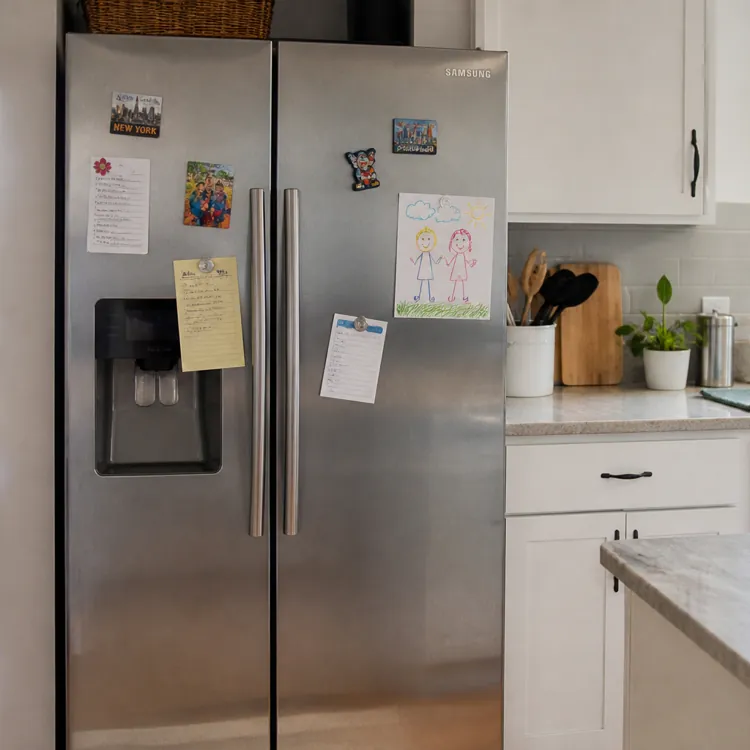
- Side-by-side refrigerators: Adjacent freezer and fridge compartments
- French-door refrigerators: Double doors with a bottom freezer
However, some types are often excluded:
- Built-in (integrated) refrigerators: Many plans exclude built-in or custom panel refrigerators
- Smart refrigerators and commercial-grade units: Advanced features or commercial models are often not covered
Home warranty coverage for refrigerators usually includes major mechanical parts needed for basic operation, like:
- Compressor
- Thermostat
- Condenser coils
- Evaporator
- Motor
- Fans
- Control boards
- Electrical parts
What does a home warranty typically cover?
Home warranties usually cover large appliances, built-in microwaves, water heaters and systems like HVACs, plumbing, ductwork, pool heaters and well pumps. Some plans also cover additional items like pest control, septic systems, central vacuums, sump pumps and more.
Refrigerator warranty coverage exclusions
Even if a home warranty company covers refrigerators in your chosen plan, that doesn’t mean it will pay for every problem that comes along. In most home warranty contracts, some limitations and exclusions could prevent repairs or replacements of your appliance.
Parts that are often excluded include:
- Cosmetic items (shelves, door handles, drawers, light bulbs)
- Ice makers, water dispensers and related plumbing or filters (sometimes available as optional add-ons)
Coverage usually applies to the primary kitchen refrigerator. Built-in, freestanding and side-by-side models are often included, but commercial-grade or specialty units (like wine coolers or drawer refrigerators) are usually excluded unless your plan specifically says otherwise. Some high-end brands may not be covered or may require extra coverage.
Some things that may get your claim denied include:
- Damage caused by natural disasters or acts of God
- Scratches or cosmetic damage
- Repairs made by unauthorized technicians
- Certain parts of the refrigerator are not included in the warranty
- Damage that is not caused by normal wear and tear
- Refrigerators still under the manufacturer warranty
- Professional-grade refrigerators
Coverage caps
The contract also may have refrigerator coverage caps. This means that the company will only pay for the cost of the refrigerator repair or replacement up to a certain amount. After the cap is reached, you’ll be responsible for any additional costs.
Home warranty claim process for refrigerator repairs
If your home warranty covers refrigerators and your fridge breaks down, follow these steps:
- Review your contract: Make sure your refrigerator is covered and note any exclusions or limits.
- Contact your provider: Use the company’s online portal or phone number to report the problem as soon as possible. Some companies have specific reporting time limits.
- Submit documentation: Be ready to provide your contract number, a description of the problem and possibly photos or maintenance records.
- Schedule a technician: The warranty company will send a qualified technician to inspect your fridge, usually within a few days.
If your claim is approved, the provider will arrange for repair or replacement. If denied, you should get an explanation. If denied for reasons like lack of maintenance, preexisting conditions or uncovered parts, review your contract and consider appealing if you think it was a mistake.
What to do if your home warranty doesn’t cover refrigerators
If your current home warranty plan doesn’t cover refrigerators, you may be able to add them as an à la carte option instead of upgrading to the next plan tier. You can also check to see if your refrigerator is still under its manufacturer warranty. If your home is new, it may be covered under the buyer’s insurance.
Choosing a home warranty for refrigerator coverage
When selecting a home warranty plan, it’s important to make sure your refrigerator is fully protected. Look for these key factors to get the best coverage:
- Plan inclusion: Verify that refrigerators are included in the plan and confirm whether they are part of the standard package or require an upgrade.
- Covered refrigerator types: Make sure the plan covers your specific refrigerator style, especially if you have a built-in, smart or commercial-grade model.
- Parts coverage: Check that essential mechanical and electrical parts are covered, such as compressors, thermostats and control boards.
- Optional add-ons: Look for add-on options if you want coverage for ice makers, water dispensers or specialty features.
- Coverage caps and limits: Review dollar limits for repairs or replacements to understand what you’ll pay out of pocket after the cap is reached.
- Exclusions: Carefully read the exclusions to avoid unexpected claim denials.
- Reputation and service: Research the company’s customer reviews and service response times to ensure reliability.
FAQ
What is typically included in a home warranty?
Most home warranties cover common household appliances and systems like HVAC, sump pumps and well pumps.
Do home warranties cover refrigerator ice makers?
Some home warranties cover refrigerator ice makers. Be sure to check your contract for details.
What does the claim process look like if my refrigerator breaks?
If your refrigerator stops working, file a claim with your warranty provider — usually by phone or online. The company will send a technician to diagnose and, if covered, repair or replace the appliance according to your policy.
What’s the difference between home warranty and homeowners insurance for refrigerator coverage?
A home warranty covers breakdowns of your refrigerator caused by normal wear and tear, such as mechanical or electrical failures. Homeowners insurance does not cover appliance breakdowns from age or use, but will cover loss if it’s due to a covered event like fire, theft or certain water damage. Many people choose to have both for full protection.
Bottom line
While your home warranty plan may cover refrigerators, your appliance’s particular problem may not be covered. The only way to avoid surprises is to go over your contract thoroughly to find limitations and exclusions that may get your claim denied.