
Key insights
Many home warranty plans cover HVAC systems.
Jump to insightMost home warranty contracts have exclusions.
Jump to insightHVAC systems typically have coverage caps.
Jump to insightHome warranty HVAC coverage
Home warranties usually cover various appliances and systems, including HVAC. In these plans, home warranty companies cover the most common causes of breakdowns, such as leaks or worn-out parts.
Home warranty coverage for HVAC repair changes depending on the type of system you have. Standard home warranty plans usually cover central heating and air conditioning systems, but other types may be included or excluded.
- Central HVAC systems (forced air, split systems): Most plans cover main mechanical parts, like compressors, motors, thermostats and fans.
- Ductless mini-split systems: Some plans cover these, but often only specific parts like blowers or compressors. Check your contract for details.
- Geothermal systems: Many home warranty providers exclude geothermal systems or may only cover certain parts, like thermostats or above-ground components.
- Packaged HVAC units: These are often covered in the same way as central systems.
- Window units and portable air conditioners: These are usually not covered by standard home warranty plans.
Always read your home warranty contract to know which HVAC systems and parts are covered or excluded.
What does a home warranty typically cover?
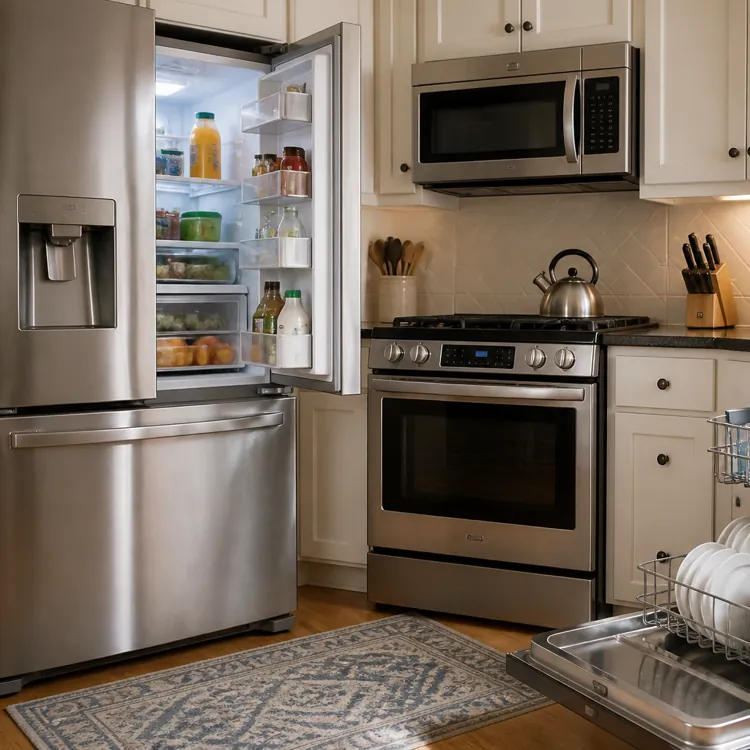
Home warranties usually cover large appliances, built-in microwaves, water heaters and systems like HVACs, plumbing, ductwork, pool heaters and well pumps. Some plans also cover additional items like pest control, septic systems, central vacuums, sump pumps and more.
HVAC warranty coverage exclusions
Many home warranty plans have limitations and exclusions in their contracts, meaning the company won’t cover certain things. Most companies only cover damage due to normal wear and tear and exclude things like acts of God and cosmetic damage.
Here are some other items not usually covered by a home warranty:
- Inaccessible ductwork
- Dampers
- Filters
- Acts of God
- Energy management systems
- Geothermal piping
- Preexisting conditions
- Commercial units
- Chillers and chiller components
- Well pumps
- Water lines
- Cosmetic damage
- Interconnecting refrigerant lines
- Flues
- Liners
- Gas feed lines
- Pressure regulators
- Solar heating devices
Coverage caps
Usually, home warranties have coverage caps on HVAC systems, meaning the company will only cover parts and repairs up to a certain amount. If the costs of repairs exceed the limit, then you are responsible for the rest.
HVAC systems typically have a limit of $5,000 per claim. For example, if your system's repair cost was $5,350, you would have to pay the remaining $350.
HVAC repair and replacement costs
If you don’t have home warranty coverage, you’ll be responsible for the full cost of HVAC repairs or replacement. Costs can vary widely based on the type of system, the extent of the damage and your location.
Minor repairs, such as fixing a thermostat or replacing a capacitor, can cost around $100 to $500. More complex repairs, like fixing a compressor or refrigerant leak, often range from $500 to $1,500 or more.
If your system needs to be replaced, costs increase significantly. A new HVAC system typically costs between $3,500 and $8,000 for standard units, but high-efficiency systems or larger homes can push costs well above $10,000.
Additional expenses may include labor, permits and upgrades required to meet current building codes. Regular maintenance can help reduce the risk of costly repairs, but unexpected breakdowns can still happen.
Home warranty claim process for HVAC repairs
If your HVAC system breaks down and you have a home warranty, you can usually file a claim to get it fixed. The process typically involves these steps:
- File a claim: Contact your home warranty provider by phone or online to report the HVAC problem. Be ready to give details about the issue and your contract.
- Assignment of a contractor: The company will assign a licensed technician from their network. You usually cannot pick your own unless the company allows it.
- Pay the service fee: You pay a service call fee (like a deductible) each time a technician visits, as outlined in your contract.
- Waiting period: After filing, you usually wait 24 to 48 hours for the technician to arrive, though emergencies may be faster.
- Repair vs. replacement: The technician diagnoses the problem. The warranty company then decides if the system should be repaired or replaced, based on your plan and the unit’s age or condition.
- Out-of-pocket costs: You may pay for anything not covered, such as certain parts, upgrades or code-required modifications.
Knowing these steps can help you understand what to expect and what costs may come up during the process.
What to do if your home warranty doesn’t cover HVAC repair
If your home warranty doesn’t cover your HVAC system, you can usually switch to a plan that does. Homeowners and builders insurance also usually cover HVAC systems. However, homeowners insurance will only cover your HVAC system if the damage is from a disaster.
Your system may even have a five or ten-year manufacturer warranty. Many HVAC systems come with a warranty on parts and equipment, so it might be worth double-checking your policy.
If your HVAC system is still under a valid manufacturer warranty, your home warranty provider may decline to cover the repair and direct you to the manufacturer instead. In these cases, you’ll typically need to file a claim with the manufacturer or authorized service provider to have the issue resolved.
Choosing a home warranty for HVAC coverage
Selecting the right home warranty plan for HVAC coverage can help you avoid unexpected expenses and ensure your system is well-protected. When comparing plans, focus on the following factors:
- Coverage details: Make sure the plan includes essential HVAC components like ductwork, thermostats and heat exchangers.
- Coverage caps: Look at the maximum payout limit per claim to ensure it’s high enough to cover major repairs or replacements.
- Exclusions: Carefully read the list of exclusions to understand what won’t be covered, such as preexisting conditions or cosmetic damage.
- Service fees: Consider the cost of service call fees, as these can add up over time.
- Reputation of the provider: Research customer reviews and ratings to gauge reliability and service quality.
- Response time: Choose a company known for fast and efficient service to reduce downtime if your system fails.
- Optional add-ons: Check for add-on options if you have special equipment like geothermal systems or advanced energy management systems.
FAQ
How long does an HVAC manufacturer warranty last?
Most HVAC systems have a five- to 10-year manufacturer warranty. Some brands even provide a 15-year warranty for parts and repairs.
How much does a new HVAC system cost?
Depending on the brand and capacity, replacing your HVAC system can cost between $3,500 to $8,000.
Does a home warranty pay for HVAC maintenance?
Most home warranty plans do not pay for routine HVAC maintenance like seasonal tune-ups, filter changes or cleaning. These tasks are the homeowner's responsibility.
However, many companies require proof of regular maintenance as a condition for approving repair claims. You may need to show service records or receipts for professional maintenance when you file a claim.
- Routine maintenance (like filter changes or annual inspections) is not covered.
- Failing to do regular maintenance might mean your repair claim is denied.
- Keep records of maintenance visits and follow your manufacturer’s recommendations.
- Always read your contract to understand maintenance requirements for your HVAC.
Are older HVAC units covered by home warranties?
Many home warranty plans do cover older HVAC units, but there are limits. Most providers do not deny coverage just because a system is old. However, there are important conditions:
- Preexisting conditions: Companies will not cover systems with known problems that existed before coverage started. You may need to show inspection reports or maintenance records.
- Documentation: Providers may ask for proof the unit was properly cared for.
- Age limits: While age alone rarely disqualifies coverage, some plans may have limits or lower benefits for very old systems.
Always read your policy to know how it applies to older HVAC units.
What are some signs that I need to replace my HVAC system?
There are several signs that it may be time to replace your HVAC system rather than repair it:
- Frequent repairs: If your system needs constant repairs, replacement may be more cost-effective.
- Rising energy bills: Older or inefficient systems often use more energy, leading to higher utility costs.
- Inconsistent temperatures: Uneven heating or cooling throughout your home can signal a failing system.
- Strange noises or odors: Grinding, banging or musty smells may indicate serious internal issues.
- System age: Most HVAC systems last 10 to 15 years. If yours is approaching or beyond this range, replacement may be the better option.
- Poor airflow: Weak or inconsistent airflow can point to major system problems.
If you notice several of these issues, it may be worth getting a professional assessment to determine whether repair or replacement is the best option.
Bottom line
Unexpected breakdowns in your HVAC system can leave you with an uncomfortable home and costly expenses. Replacing an HVAC system can cost anywhere from $5,000 to $34,000, and repairing it can cost anywhere from $100 to $1,200. However, having the best coverage with a home warranty plan can keep your system humming along for 15 to 25 years.
Article sources
ConsumerAffairs writers primarily rely on government data, industry experts and original research from other reputable publications to inform their work. Specific sources for this article include:
- Porch, “Does a Home Warranty Cover HVAC?” Accessed April 27, 2026.