


Key insights
Most home warranties offer coverage for roofs.
Jump to insightHome warranties don’t cover damage that’s typically covered by your homeowners insurance.
Jump to insightBasic warranty plans often don’t cover roofs, so you might have to upgrade to a more expensive plan.
Jump to insightProper maintenance is required to keep roof coverage active.
Jump to insightHome warranty roof coverage
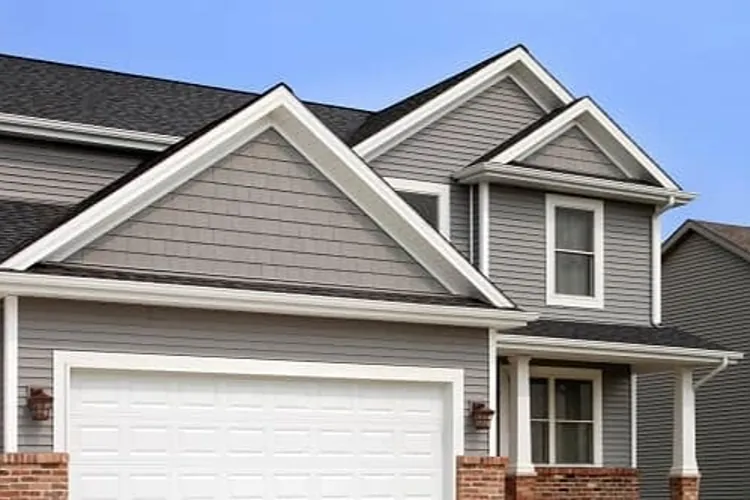
Home warranty companies often offer coverage for roof repair and leaks due to wear and tear, but you’ll probably need to upgrade from a basic plan or add separate roof coverage to get this protection.
A home warranty can help sort through some of the early problems that come with buying a home. A home warranty can also make sense for those who’ve had their home for a while, since it prevents the need to scramble to cover the cost of a repair.
Home warranties typically cover:
- Air conditioners
- Furnaces
- Plumbing
- Electrical systems
- Water heater
- Ductwork
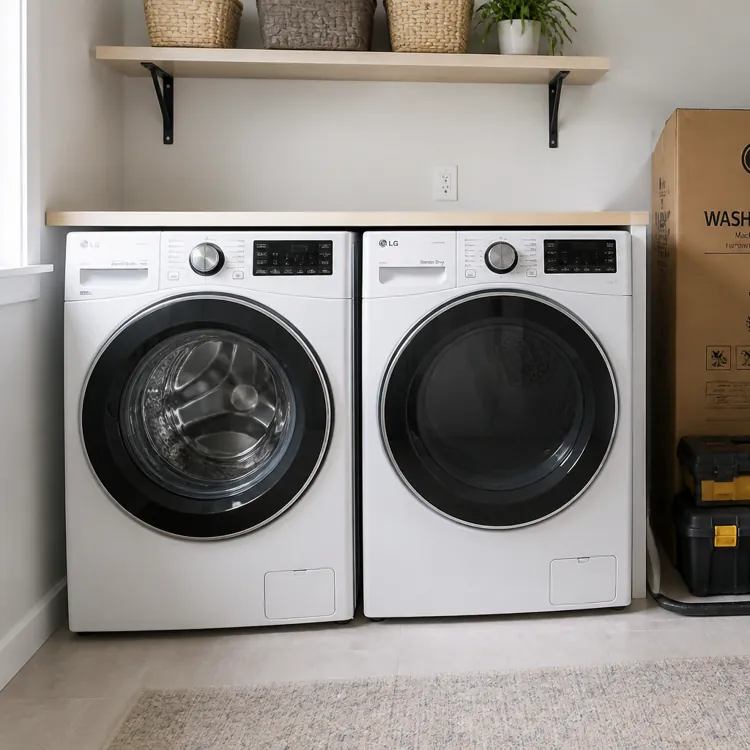
- Washers
- Dryers
- Garbage disposals
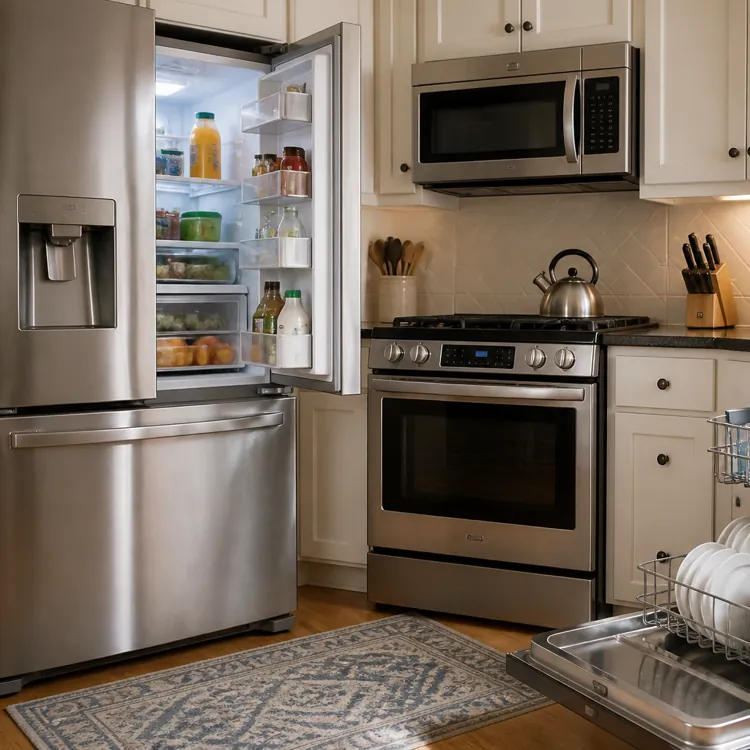
- Refrigerators
- Stove or ovens
- Built-in microwaves
Having home warranty roof coverage can protect you financially, but it can also simplify the process of finding a trusty roofer in the event something does go wrong, as it did for Robert in South Carolina: “For the cost of the service call … it alleviated my having to go find a roofer and hope that the guy knew what he was doing.”
The extent of roof coverage varies between providers and plans, but the following problems are typically covered:
- Damaged shingles
- Flashing or patch issues
- Small punctures
- Popped-up nails
- Shingles or shakes replacement
- Tile repair or replacement
- Seam repairs on a flat or rolled roof
- Underlayment repair
- Vinyl membrane repair
Roof-related systems like gutters and drainage, roof vents and exhaust fans may also be covered under some home warranty plans — these are important in maintaining the roof's integrity.
It’s important to remember that a home warranty isn’t a substitute for homeowners insurance or vice versa. Homeowners insurance covers the damage caused by sudden and accidental events, such as storms, fires or vandalism; a home warranty covers wear and tear.
It can be a good idea to get a home warranty and a comprehensive homeowners insurance policy to ensure your roof is covered in case of a wide range of scenarios that may lead to repairs or replacement.
» COMPARE: Home warranty vs. home insurance
What’s excluded from home warranty roof coverage?
To claim roof leak repairs, you’ll have to meet certain conditions, like timely reporting and adherence to warranty terms. While home warranties can cover a range of issues, the following are generally excluded from roof coverage:
- Any preexisting roof damage or leaks
- Roofs beyond a certain age
- Defective shingles
- Lack of regular maintenance
- Porches, sheds or decks
- Solar panels or chimneys
- Certain types of houses, like condos and townhouses, or metal or green roofs
- Extreme weather events or “acts of God”
- Full roof replacement
Roof repair costs
Without a home warranty, homeowners are responsible for paying the full cost of roof repairs out of pocket, which can quickly add up. The cost of roof repairs depends on the type of damage, materials used and the size of the roof.
Minor repairs like fixing popped-up nails or small leaks can cost between $150 and $400. Replacing damaged shingles or repairing flashing usually ranges from $100 to $2,000. More extensive repairs, such as repairing underlayment or fixing structural damage, can cost over $1,000. If a full roof replacement is needed, homeowners can expect to spend an average of $9,000, though this can increase depending on materials and roof complexity.
Finding the right home warranty for roof coverage
To find the right roof coverage, start by researching reputable home warranty companies. Look for providers with a good track record, positive customer reviews and transparent terms and conditions. Websites, customer testimonials and online reviews can be valuable resources for gathering information about a company’s reliability and reputation.
Once you have a list of potential home warranty companies, compare their roof coverage plans — but don’t forget to look beyond just roof coverage. Try to get as many items covered as possible at the best cost.
“When shopping for home warranties, look for a company that has a low monthly contract fee and low trade service fee that covers as many systems and appliances as possible, including plumbing, electrical and HVAC systems,” advised Angel Conlin, chief insurance officer at Kin Insurance.
Before finalizing your decision, carefully read the fine print of the home warranty contract. Pay close attention to the definitions of "roof," what types of roofs are covered and the specific components under warranty. Look for any clauses that might limit coverage or exclude certain types of damage.
Look for a company that has a low monthly contract fee and low trade service fee that covers as many systems and appliances as possible, including plumbing, electrical and HVAC systems. ”
Also, check for conditions that need to be met to make a claim for roof repairs, such as reporting deadlines and maintenance requirements. Be aware of any waiting periods before the coverage becomes effective.
Tips for maintaining your roof
Since poor maintenance can void your home warranty coverage, here are a few tips for keeping your roof maintained:
- Get regular roof inspections. These not only let you know when something needs to be repaired but can also serve as proof that you maintain your roof.
- Fix roof problems right away. Letting a problem linger can cause more damage and may void your home warranty.
- Avoid do-it-yourself roof repairs. Nonprofessional repairs may void your home warranty or may make the problem worse.
- Trim any trees that overhang your roof. This keeps them from damaging your shingles.
- Keep your gutters and downspouts cleaned out. Cleaning gutters can prevent water damage to your roof.
- Make sure your roof is clear. Clear off any snow or ice buildup during the winter, leaves in the fall and moss in the spring and summer.
- Prevent leaks. Caulk around screw holes, chimneys and vents in your roof to prevent water from seeping down into your roof.
» STEP BY STEP: Annual home maintenance checklist
FAQ
Are roof warranties worth it?
Home warranties are good for those who don’t have the savings to cover roof repair. If you can afford the monthly fee and the service fee, then coverage can be well worth it.
How long do roofs usually last?
How long a roof lasts depends on the type. Shingle roofs can last 15 to 25 years, while metal roofs last much longer, from 40 to 70 years.
Could walking on a roof void a roof warranty?
Yes, technically, walking on a roof can void your coverage — you could damage the shingles or other areas of the roof this way. The exception is when a professional is repairing or inspecting your roof.
How long do roofs stay under warranty?
Manufacturer’s warranties for roofs usually last 25 to 30 years. With home warranties, you’re usually covered as long as you have a policy, though there are some limitations.
Article sources
ConsumerAffairs writers primarily rely on government data, industry experts and original research from other reputable publications to inform their work. Specific sources for this article include:
- American Society of Home Inspectors, “The Homebuyers' Guide to Roofs.” Accessed Sept. 5, 2025.