
Home warranty washer and dryer coverage
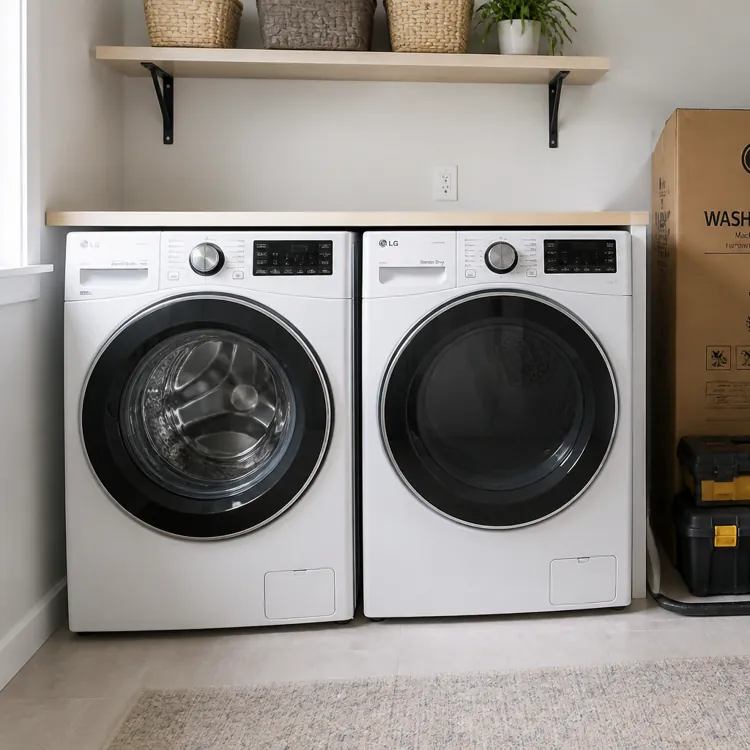
It can cost between $150 and $500 to repair a washing machine and $50 to $800 to repair a dryer. Luckily, most home warranty companies offer coverage for the mechanical parts, switches, doors, knobs and handles on washers and dryers. This includes parts and labor costs for the repair or replacement of the washer or dryer.
Home warranty coverage for washers and dryers varies depending on the plan tier you select. Most providers offer at least two main types of plans: base (or standard) plans and premium (or comprehensive) plans. Some also let you add washer and dryer coverage as optional add-ons.
- Base or standard plans typically focus on basic kitchen and laundry appliances. Some of these plans include washer and dryer coverage, but others do not. Always check the list of covered items before purchasing.
- Premium or comprehensive plans are more likely to include washers and dryers as part of the standard coverage, often with higher coverage limits or fewer exclusions than entry-level plans.
- Add-on options are available from some companies if washer and dryer coverage isn’t included in your chosen plan. You can pay an extra fee to include these appliances in your warranty protection.
It’s important to review each home warranty company’s plan details, as competitors may differ in whether washer and dryer coverage is standard or requires an add-on purchase.
Washer and dryer parts commonly covered:
- Drive motor
- Drum or tub
- Belt
- Water inlet valve
- Control board or electronic controls
- Heating element (for dryers)
- Lid switch or door latch
- Pump
- Thermostat (for dryers)
What does a home warranty typically cover?
Home warranties usually cover large appliances, built-in microwaves, water heaters and systems like HVACs, plumbing, ductwork, pool heaters and well pumps. Some plans also cover additional items like pest control, septic systems, central vacuums, sump pumps and more.
Washer and dryer warranty coverage exclusions
While your home warranty probably covers the repair or replacement of your washer and dryer, your contract has stipulations. Here are some things that may get your claim denied:
- Your contract doesn’t cover a particular part of your washer or dryer.
- The damage isn’t due to normal wear and tear.
- You tried to fix the washer or dryer yourself and damaged it.
- The damage is cosmetic.
- Installation was improper.
- Your washer or dryer is still under the manufacturer’s warranty.
- An “act of God” (like flooding or fire) caused the damage to your appliance.
- Your washer or dryer is professional-grade.
Coverage caps
Your policy may also have coverage caps. That means the company will pay up to a certain amount to repair or replace your washer or dryer, and then you have to pay for the rest. This number is particularly important to know if you have high-end appliances since the costs for these washers and dryers can be much higher than with lower-end appliances. Be sure to check your home warranty contract to determine the terms and conditions for your washer and dryer.
Home warranty claim process for washer and dryer repairs
When your washer or dryer breaks down, knowing the steps to file a home warranty claim can help you get the repair or replacement handled quickly and smoothly. Here is the typical process:
- Review your policy: Before filing a claim, check your contract to make sure the issue is covered and review any limits or exclusions.
- Contact your home warranty company: Call or go online to start a claim. You'll need to provide details about the appliance and the issue.
- Schedule a service appointment: The home warranty company will assign a licensed service technician to inspect the washer or dryer.
- Pay the service fee: Most home warranties require you to pay a service call fee when the technician visits your home.
- Diagnosis and approval: The technician will assess the problem and report findings to the warranty company, which then decides whether the repair or replacement is approved.
- Repair or replacement: If approved, the technician will either repair the appliance or arrange for a replacement if it cannot be fixed.
- Follow up and confirmation: Once the work is completed, confirm that everything is working properly and keep documentation for your records.
What to do if your home warranty doesn’t cover washers and dryers
If you find out that your home warranty won’t cover your particular problem, there may be a few solutions. First, check to see if your appliance is still covered by the manufacturer’s warranty. If an “act of God,” like a flood or a storm, caused the damage, your home insurance may pay to replace the washer or dryer. You may also be able to upgrade to a higher-tiered package with your home warranty company to get washer and dryer coverage.
Choosing a home warranty for washer and dryer coverage
Selecting the right home warranty is important to ensure your washer and dryer are properly protected. Here are a few things to consider when choosing a plan:
- Coverage options: Make sure washers and dryers are included in the base plan or see if you need to add them as optional coverage.
- Coverage limits: Look at the maximum payout for washer and dryer repairs or replacements to ensure it meets your needs, especially for high-end appliances.
- Service network: Check that the warranty company has a reliable network of qualified technicians in your area.
- Service fees: Compare service call fees across providers to see how much you’ll need to pay out of pocket each time you file a claim.
- Reputation and reviews: Read customer reviews and check ratings to find a trustworthy company with a good track record for handling claims.
- Contract terms: Carefully review the policy for exclusions and fine print so you know exactly what is and isn’t covered.
FAQ
Do washers and dryers come with a warranty?
Most come with a manufacturer’s warranty. The company’s website should have a tool for looking up your appliances’ warranty details using the serial and model numbers.
How long do washers and dryers last?
Washers and dryers tend to last around 12 years.
What is the difference between repair and replacement coverage for washers and dryers?
When a washer or dryer breaks down, a home warranty company will first send a technician to diagnose the problem. Based on the technician's report, the company decides whether the appliance can be repaired or if it needs to be replaced. The typical process includes:
- Repair: If the issue can be fixed and the cost of repair is less than the cost to replace the appliance, the warranty provider will usually opt for repair. Covered components may include motors, belts or control boards, depending on the plan.
- Replacement: If the appliance is beyond repair or the cost to fix it exceeds its value, the company may provide a replacement unit. In most cases, the replacement will be of similar features and value, although brands and models may differ.
The final decision depends on the specific terms of your home warranty contract, any coverage limits and the availability of replacement parts. Always review your policy details to understand how these decisions are made under your plan.
Bottom line
Home warranties often cover washers and dryers, which can be a lifesaver when unexpected issues arise. These warranties typically include repair or replacement of these appliances due to mechanical failures or breakdowns.
However, it's important to review the specifics of your warranty contract to understand the extent of your coverage and any limitations or exclusions that may apply.