
What is second chance banking?
A second chance checking account is an account offered by certain banks to help consumers rebuild their finances. These accounts serve people who have been rejected for traditional accounts due to past banking issues, like bounced checks and overdrawn bank accounts.
If you have a negative banking history, your name may be reported to ChexSystems. Similar to a credit bureau, ChexSystems is a central database for banks to verify personal information and check your banking history. Second chance bank accounts don’t require ChexSystems approval.
Second chance vs. traditional banking
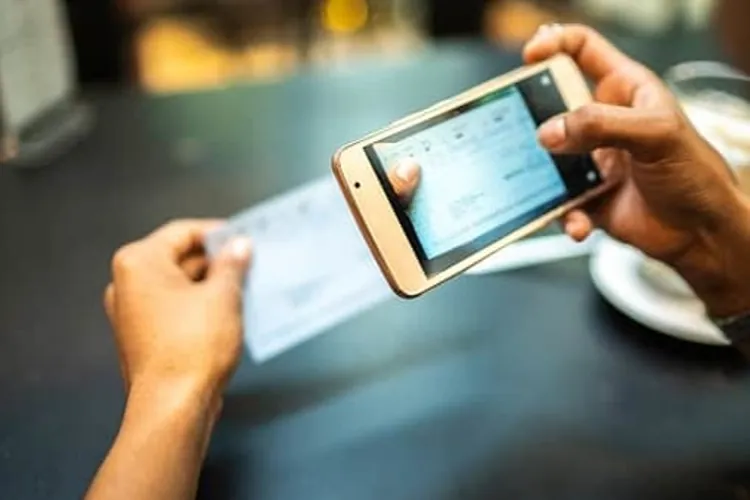
In general, second chance bank accounts offer many of the same features as a traditional bank account. Customers can write checks, make mobile deposits, access mobile banking and use an ATM or debit card.
However, some banks may offer slimmed-down features and impose more restrictions on these accounts. Additionally, it may be harder to waive the monthly service fees. The good news is many banks allow customers to upgrade to an account with better terms after six to 12 months of responsible behavior.
Second chance accounts provide customers with a valuable way to deposit money, pay bills and remain part of the banking system. With your account established, you can begin to rebuild your finances. For example, you can create an emergency fund, start investing or make payments on a loan.
Who needs a second chance checking account?
Banks and credit unions report negative items to ChexSystems, similar to how credit bureaus function. When you open an account, an estimated 80% of banks request data from ChexSystems to see if you have outstanding bank account debts or negative banking history. Marks on your ChexSystems report may prevent you from opening an account.
There are many reasons why someone may need a second chance checking account, but negative ChexSystems marks generally revolve around these situations:
- Unpaid overdrafts or fees
- Multiple nonsufficient funds (NSF) checks
- Involuntary account closure
- Numerous accounts opened in a short period of time
- Misuse of bank account or debit card
- ATM abuse
- Suspected fraud or identity theft
Second chance bank accounts are also a solid first step for immigrants and formerly incarcerated people. These people often lack sufficient credit or banking history to qualify for traditional bank accounts or credit.
Where to get a second chance checking account
Not all banks offer second chance checking accounts, so you may need to shop around.
Credit unions are an excellent source for second chance bank accounts because part of their mission is to serve the community. They also tend to have more lenient guidelines for banking and lending products.
Second chance accounts are also offered by megabanks like Chase and Wells Fargo, as well as community banks.
"Second chance checking accounts can be obtained at banks and credit unions that do not use ChexSystems in their checking account application,” said Ken Tumin, a senior industry analyst at DepositAccounts. “Several digital banks and financial technology companies, including Chime and Varo, offer these."
Alternatives to second chance checking accounts
If you’re unable to get a second chance checking account or are unsure if they’re right for your situation, alternative banking products might be more appealing.
However, “while these alternatives allow you to function without a checking account, they typically cost more than a second chance checking account,” warned Tumin.
Gift cards
While they are flexible and anyone can purchase them without requiring approval, you generally cannot add more money to them after purchase. Additionally, they often carry fees of around $10, which can add up quickly.
Prepaid cards
These cards come with different pricing schemes of charges per month, reload, transaction or other activity. The fees can add up and quickly deplete your balance.
Secured credit cards
However, some secured credit cards charge high interest rates and fees that can make it harder to improve your finances.
Digital payment apps
Some of these apps also offer investing, cryptocurrency, lending and other financial transactions.
How to choose a second chance bank account
When comparing second chance banking accounts, review each bank as if you were opening a traditional bank account.
Here are some of the major factors you should consider:
- Monthly fees: How much does the bank charge each month to keep your account open?
- Other fees: Ask the bank for a schedule of fees for activities like using an ATM, receiving a wire, bounced checks or returned deposits. Can you waive some or all of these fees?
- Opening balance requirements: How much do you need to deposit when opening your account?
- Access to deposits: Will the bank place a hold on deposits? If so, for how long?
- Online banking and bill pay: Can you access your account online or through a mobile app? Is bill pay included or is there a monthly fee for this service?
- ATM or debit card: Will you receive an ATM or debit card to access your money or make point-of-sale transactions?
- Check-writing privileges: Does your account give you the ability to write checks?
- Restrictions: Are there any other restrictions on the use of your account?
- Upgrade to a traditional account: What steps do you need to take to upgrade from a second chance checking account to a regular checking account?



FAQ
Can you be denied for a second chance checking account?
Yes, banks are not required to offer bank accounts and may determine that you are too high of a risk. If you are denied a second chance checking account, your banking history may need more time to heal. Take steps to address your negative ChexSystems items or consider using alternative banking options in the meantime.
Do second chance accounts help rebuild credit?
While second chance bank accounts help to rehabilitate your banking history, they do not report to the credit bureaus to rebuild your credit. Therefore, they do not directly impact your credit score. However, learning good money management skills with your checking account can lead to positive credit behaviors that will improve your score. To rebuild your credit, consider applying for a secured credit card, credit-builder loan or other accounts designed for consumers with bad credit.
How long does a ChexSystems report stay on your file?
When a negative item posts to your ChexSystems report, it stays there for five years from the date it was reported. However, it may be removed earlier if the company that reported it requests removal. If you want it removed ahead of schedule, consider contacting the company that reported it to negotiate a settlement in writing.
Can you upgrade a second chance checking account?
Yes, it is possible to upgrade your second chance checking account if you’ve used your account responsibly. Some banks upgrade your account automatically once you qualify, while others require opening other accounts, like an overdraft savings account or line of credit.
Bottom line
Bouncing checks, having an overdrawn account or abusing your ATM card can lead to a bad ChexSystems report, which can then prevent you from opening a bank account. If you’ve been denied, getting a second chance checking account is a smart move. You can rebuild your banking history and, with responsible behavior, eventually upgrade to a traditional bank account.
While second chance accounts offer tangible benefits, prepaid or reloadable cards, secured credit cards and fintech apps are a worthy alternative.
Article sources
- ChexSystems, " ChexSystems® Frequently Asked Questions ." Accessed April 4, 2023.
- Chase, " What is second chance banking? " Accessed April 5, 2023.
- Federal Deposit Insurance Corporation, " 2021 FDIC National Survey of Unbanked and Underbanked Households ." Accessed April 5, 2023.
- National Consumer Law Center, " Introduction to Account Screening Consumer Reporting Agencies ." Accessed April 5, 2023.