
How do ground-mounted solar panels work?
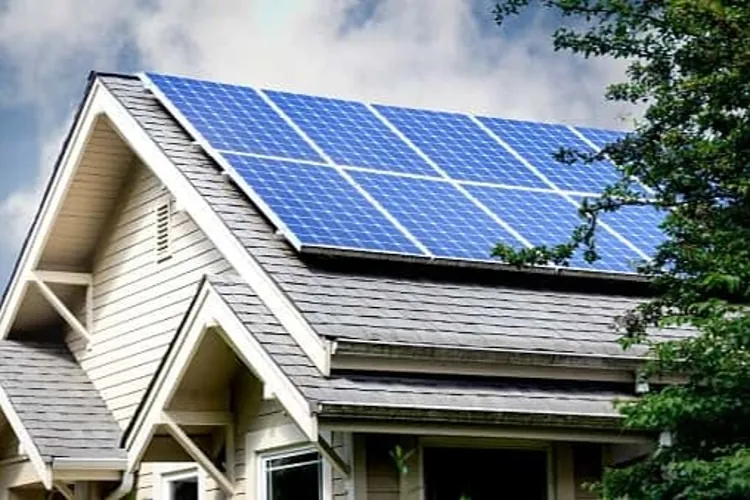
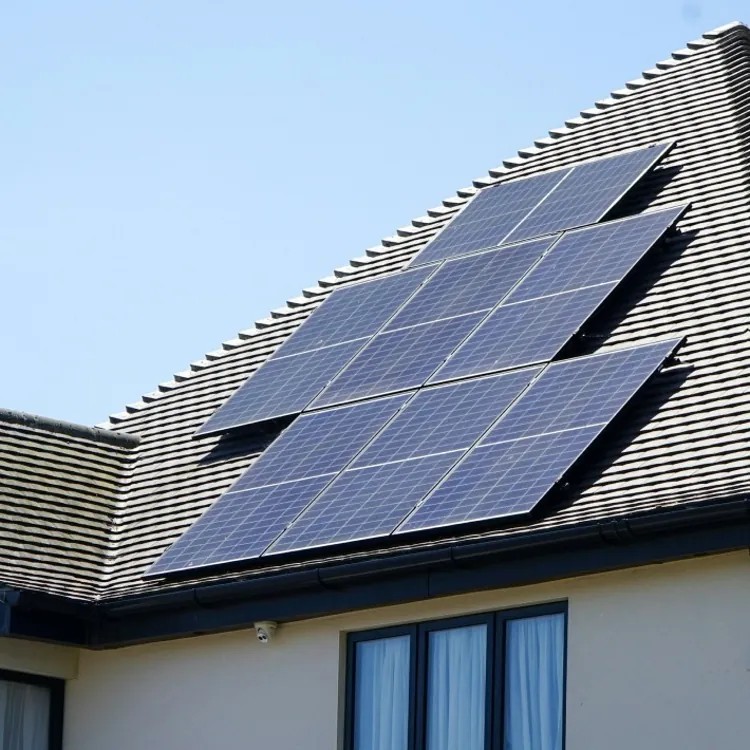
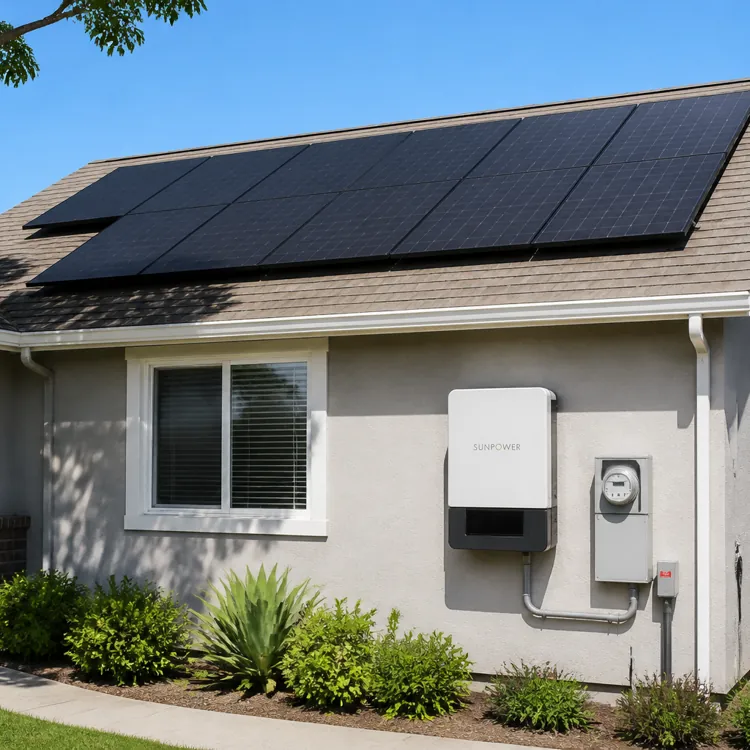
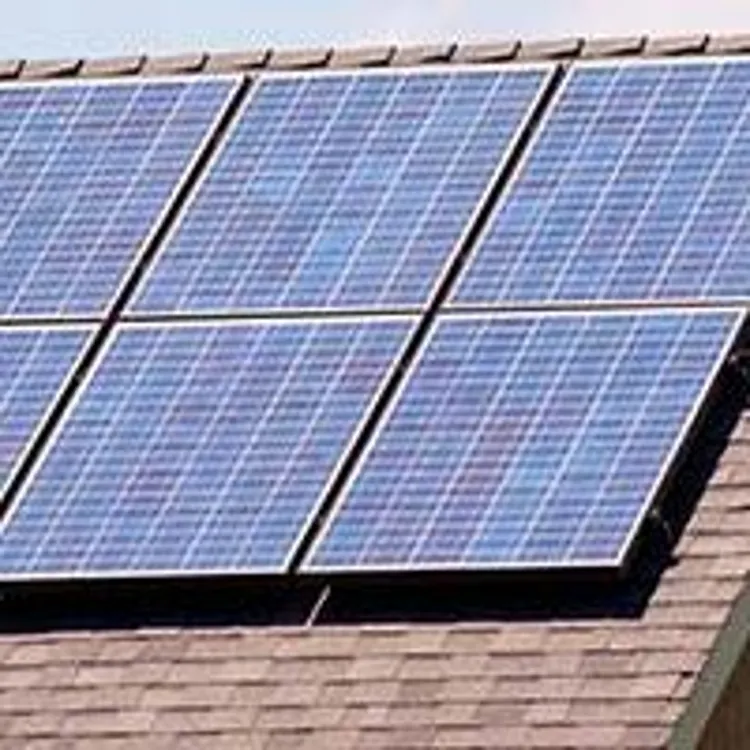
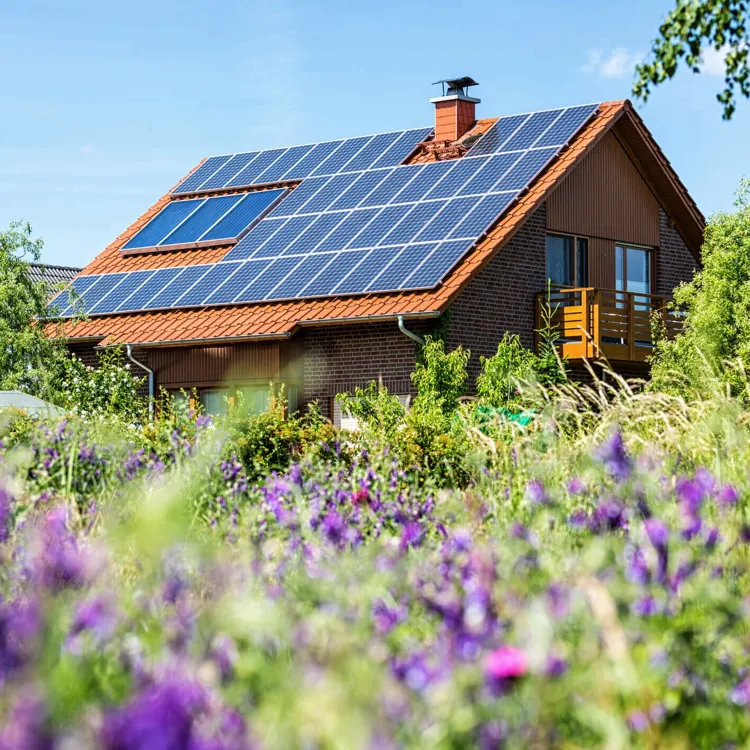
Ground-mounted solar panels work the same way as roof-mounted panels. The main difference is that roof-mounted panels are installed on an existing structure (your house), while ground-mounted solar panels require new structures to be installed at ground level.
Ground-mounted panels may take up more of your property space and can be more expensive to install, but they’re often more efficient and customizable.
» MORE: Solar panel installation guide
Types of ground-mounted solar panels
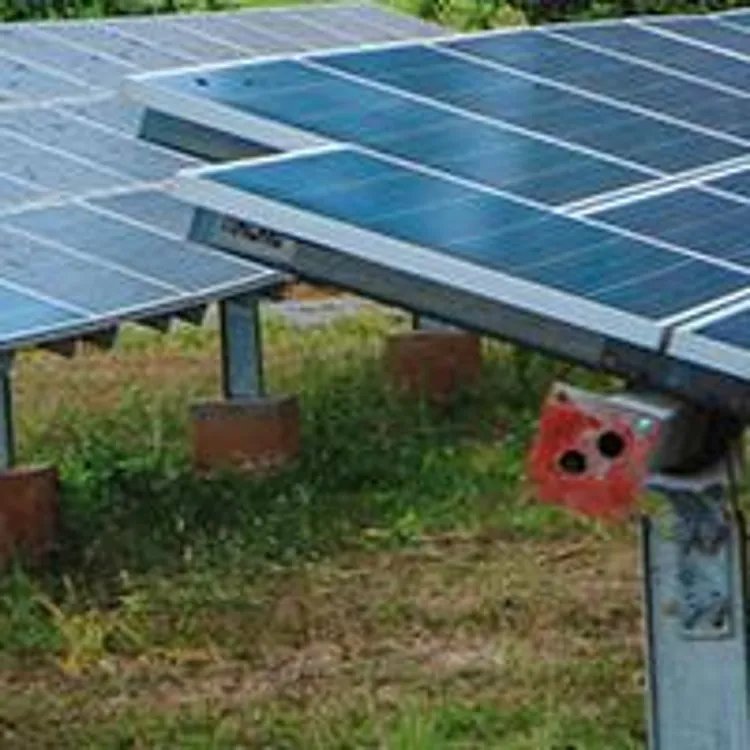
Ground-mounted solar panels may either be installed on a frame or a pole.
Frame-mounted solar panels
Frame-mounted solar panels are the most common type of ground-mounted solar panels. They’re secured to the ground and can't move, so they need to be positioned at an angle that catches the most sun possible during all seasons.
Pole-mounted solar panels
Ground-mounted solar panels can also be installed on a pole. This type of structure lets you install more panels in the same amount of space, and you can often install them at a higher elevation. Pole-mounted solar panels may also have single- or dual-axis tracking systems that let them follow the sun throughout the day.
- Single-axis tracking: Single-axis tracking solar panels follow the sun during the day. This allows them to capture more energy than fixed panels. However, they're more expensive and require more maintenance.
- Dual-axis tracking: Dual-axis tracking solar panels follow the sun on both its horizontal and vertical axes. This allows them to capture more energy than single-axis panels. Still, they’re typically the most expensive type and require the most maintenance.
How much do ground-mounted solar panels cost?
Typically, residential ground-mounted solar systems range from around $30,000 to $60,000. Because installing ground-mounted solar panels may require additional frames, these systems may generally fall at the higher end of this price range.
The cost for these systems varies based on the amount of power you need the system to produce, the type of panels used, where you live and the permitting costs. Most solar power system installers provide free site inspections to provide the most accurate quote.
It's possible to buy do-it-yourself (DIY) ground-mounted solar panel kits for less than $10,000, but most people lack the expertise to install these systems themselves.
Pros and cons of ground-mounted solar panels
There are several factors to consider when you’re deciding whether to install a ground-mounted solar array at home.
Pros
- Room for more panels can mean higher output
- Often more efficient than roof-mounted systems
- Easier to access and clean
Cons
- Typically requires a large property
- More expensive to install
- Not all companies install them
Considerations for ground-mounted solar panels
There are some aspects you should consider before installing ground-mounted solar panels.
Property size
Ground-mounted solar panels take up a lot of space, so you need a reasonably large property to install them.
Higher costs
A ground-mounted array also requires the installers to produce a structure to support them, which makes the overall investment more expensive.
Finding contractors
Solar installation companies typically evaluate your property to determine how suitable it is for solar. If you’re interested in using ground-mounted solar panels, be sure to ask the company’s representative during your site evaluation.
Still, some companies may not offer ground installation, as D, a reviewer from New York discovered when his order for a solar energy system was canceled.
“[...] I noted from the start I was doing a ground mount system and not a roof mount,” D said. “They agreed to do a ground mount and surveyed the site [...] I finally was told they do not do ground mount systems on Long Island[,] and they would not be convinced otherwise despite doing installations in Suffolk [C]ounty[,] which is on Long Island and 15 miles from my location. Now it is too late to get this year's rebate and doing the system next year will cost me $1,600 more.”
Are ground-mounted solar panels right for you?
Ground-mounted solar panels may be right for you if:
You’re looking for an alternative to roof-mounted panels
Ground-mounted solar panels can be installed in a wider range of locations and aren’t limited by the size or shape of your roof, which is helpful if you have a steeply angled or small roof. These often make sense for people with large properties because they can be positioned away from the house, which is a positive for those who find roof-mounted panels visually unappealing.
Michael, a reviewer from Connecticut commented that they “did not want panels on [their] roof” and that the ground-mounted panels “look great.”
» MORE: What is the best angle for solar panels?
You’re interested in a more efficient solar system
Ground-mounted solar arrays are often more efficient but can cost more to install.
Mounting solar panels at ground level can increase their efficiency even without tracking systems. They can also be positioned to optimize their exposure to the sun, which can help if your roof faces the wrong way (ideally, solar panels should face south).
This is particularly important in areas with long winter days and short summer days, because it ensures the panels are able to capture as much sunlight as possible. It’s also helpful if your roof is under a heavy shade canopy.
You want an easy-to-access system
Ground-mounted arrays are easier to access, which is helpful if you intend to clean your solar panels yourself.
FAQ
Are ground-mounted solar panels worth it?
Ground-mounted solar panels may be worth it if you’re interested in adding a solar system to your property and you aren’t able to (or don’t want to) install a roof-based solar system. While they’re generally more expensive to install, they’re easier to maintain and typically more efficient. However, it may be harder to find a contractor to install them, and you generally need to have a large property.
Can you get financing for ground-mounted solar panels?
Yes, you can typically get financing for ground-mounted solar panels. You may be able to get financing through your solar installer, a solar loan from a bank, credit union or online lender, or through a home equity loan.
Why is it so hard to sell a house with solar panels?
It can be harder to sell a house with solar panels if the panels are financed. In this case, the homebuyer would either need to take over the loan from the seller or else the seller would need to pay off the loan before selling the home.
Bottom line
If you don’t like the look of roof-mounted solar panels, or if your roof won’t accommodate them, ground-mounted solar panels can be a good alternative to consider. They’re often more efficient and customizable than roof-mounted systems, though they tend to be more expensive and take up more of your property.
Article sources
ConsumerAffairs writers primarily rely on government data, industry experts and original research from other reputable publications to inform their work. Specific sources for this article include:
- Consumer Financial Protection Bureau, “Solar Financing.” Accessed Nov. 24, 2025.