


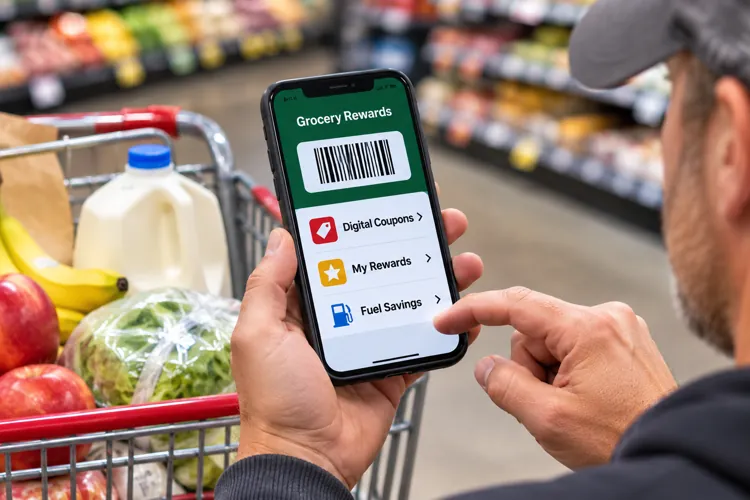

Some discounts aren't automatic: At stores like Kroger and Safeway, certain digital coupons must be activated before checkout.
Your rewards could expire: Some grocery loyalty points disappear in as little as 30–60 days, depending on when they're earned.
There are savings beyond groceries: Some programs let you turn everyday purchases into gas discounts, free products, or money off your next shopping trip.
Grocery store loyalty programs are supposed to save you money. But just having a membership isn't always enough.
In fact, you could be missing out on discounts every time you shop simply because you haven't activated a coupon, redeemed your points, or checked your rewards balance.
And these programs are everywhere. According to a 2025 Consumer Reports survey, 80% of grocery shoppers belong to at least one loyalty program.
The problem? Many shoppers aren't getting everything they could out of them.
Here are five grocery loyalty mistakes that could be costing you money.
1. Assuming every discount is automatic
At Kroger, for example, some of the best weekly deals require you to digitally clip a coupon before checkout. Simply entering your phone number or scanning your loyalty card won't necessarily activate those discounts.
Open your grocery store's app before shopping and clip coupons for items already on your list. Kroger's weekly digital deals typically refresh every Wednesday.
2. Letting your rewards expire
This is one of the easiest ways to lose savings you've already earned.
Here's how quickly points can disappear at several major chains:
Kroger: Points expire at the end of the month following the month they're earned.
Safeway and Albertsons: Points generally expire at the end of the following calendar month.
Meijer: mPerks points expire 90 days after they're earned. Once you claim a reward, you have 45 days to use it.
Pro tip: Consider setting a monthly phone reminder to check your rewards balances to make sure they don't expire before you use them.
3. Overlooking savings at the gas pump
Your grocery purchases could also help lower your gas bill.
For example, Kroger allows members to redeem 100 points for either $1 off groceries or 10 cents off per gallon of gas. That gas discount could save you $2 on a 20-gallon fill-up, compared with $1 off groceries.
Safeway and Albertsons also offer fuel rewards at participating stations. If you regularly fill up a larger vehicle, compare the value of fuel rewards against grocery discounts before redeeming your points.
4. Forgetting to activate rewards you've already earned
Some programs require an extra step even after you've accumulated enough points.
At Meijer, for example, you need to select and claim an mPerks reward before checkout.
Albertsons shoppers can also choose specific grocery rewards or opt into automatic cash discounts.
Before paying, be sure to check both the coupon section and rewards section of your store's app. They're not always the same thing.
5. Buying things you don't need just to earn points
Grocery stores frequently offer bonus points for buying certain products or spending a minimum amount. But spending an extra $15 to earn a couple of dollars in rewards isn't much of a bargain.
Build your shopping list first, then look for rewards that match what you were already planning to buy.
One more thing: Those savings come with a privacy trade-off
Grocery loyalty programs can also collect detailed information about what you buy, how often you shop, and which offers you use.
The Federal Trade Commission recommends reviewing what information shopping apps collect and how that information is shared. You can also adjust location permissions and marketing preferences to limit unnecessary tracking.