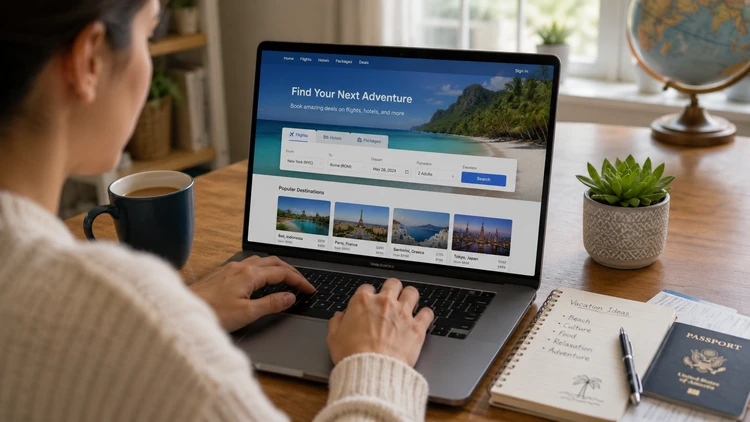

New McAfee research found that 33% of travelers admit they ignore warning signs to avoid missing out on travel deals, while 90% feel pressure to book quickly.
Scammers are increasingly impersonating airlines, hotels, and trusted travel brands with fake booking sites, texts, and emails designed to create urgency.
Experts say slowing down, verifying messages before clicking, and booking directly through trusted travel platforms can help consumers avoid costly scams.
Booking travel can already feel stressful, especially when prices keep changing and deals disappear within hours.
But according to new research from McAfee, that urgency may also be making travelers more vulnerable to scams. The company found that many consumers are ignoring warning signs, clicking suspicious travel links, or trusting messages that appear to come from airlines and hotels without verifying them first — all because they are afraid of missing out on a good deal.
ConsumerAffairs interviewed McAfee’s Head of Threat Research and Response, Abhishek Karnik, who warned that scammers are increasingly taking advantage of rushed booking habits and impersonating well-known travel brands to trick consumers into handing over personal information or money.
Travelers are making riskier decisions
One of the ways scammers are getting away with these schemes is by creating a sense of pressure and urgency among travelers – who are increasingly looking for deals on travel.
“Rising costs, limited availability, and fear of missing out are driving rushed decisions,” Karnik said. “Our research found that 90% of travelers feel pressure to lock in deals quickly. One-third admit they have ignored warning signs to avoid missing out, while a similar share say they would book a cheaper deal before fully verifying it.
“What feels different this year is just how believable these scams have become. Scammers are getting better at using timing, trusted brands, and personalization in ways that make fraudulent interactions feel routine and legitimate.”
Why this works
Nobody wants to miss out on a seemingly great travel deal. This works in scammers’ favor, as travelers are quick to pounce on “last chance” deals.
“When people are watching flight prices jump, seeing ‘only two rooms left,’ or getting hit with countdown timers, it creates pressure to make a quick decision,” Karnik said.
“Scammers know that and are getting really good at using urgency against people. They create fake travel deals, lookalike booking sites, and messages that seem to come from airlines or hotels to make something feel routine and time-sensitive.
“Our research found that 41% of travelers trust messages that appear to come from airlines or hotels without double-checking them first, and 20% click travel-related links without verifying the source.”
Know the red flags
Karnik shared the top red flags consumers should know when booking travel:
Urgency: If a deal is telling you to “book now,” warning that prices are about to disappear, or making it feel like you must decide immediately, that is worth paying attention to.
Unexpected texts or emails from unknown senders: Especially ones that include links or attachments and claim there is an issue with a flight, booking, refund, or payment.
Deals that seem dramatically cheaper than similar options: This could also be websites that appear to be from a trusted airline or hotel brand but feel slightly off. Scammers are getting very good at creating unbelievable deals and lookalike websites that seem legitimate at first glance.
Unofficial payment methods: If someone is asking you to move off the official booking platform or pay through wire transfer, cryptocurrency, gift cards, or another unusual payment method, that should immediately raise concerns.
The pause can protect you
Karnik says slowing down is one of the best ways for consumers to protect themselves against these scams.
He offered more tips for travelers:
Book directly through airlines, hotels, and trusted travel sites or apps. If a deal pops up in a text, email, or social post, go directly to the company instead of clicking the link.
Pause before reacting to travel-related messages. If you get a text or email about a flight change, refund, reservation issue, or unexpected charge, double-check it through the airline, hotel, or booking platform before acting.
Use a VPN when traveling, especially on public Wi-Fi. Whether you are checking reservations, logging into accounts, or making payments, secure connections matter.
Use a credit card for bookings when possible and keep an eye on transactions. Credit cards often offer stronger fraud protections and make it easier to dispute suspicious charges if something goes wrong.
Take a quick look at your social media privacy settings before posting while traveling. Small details about where you are, where you are staying, or what you are doing can sometimes make scam messages feel more convincing.
Use tools that help spot scams. McAfee’s Scam Detector can help flag suspicious links, messages, QR codes, and booking sites before you engage.