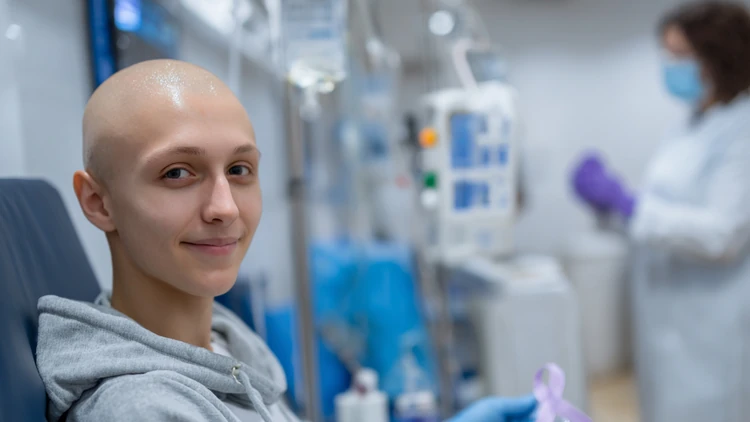

Cancer rates among people under 50 are climbing even as overall cases decline
Young women face especially high risks, with diagnoses far outpacing men of the same age
Scientists are probing modern life — diet, chemicals, disrupted sleep — for answers
Cancer striking earlier than before
Cancer rates among people ages 15 to 49 have risen 10 percent since 2000, a reversal of the overall trend among older adults, whose rates are falling. The sharpest increases are now seen among millennials, diagnosed in their 20s, 30s and early 40s — decades earlier than past generations.
Women are hit hardest. From ages 15 through 49, their cancer rate is 83 percent higher than men’s — 184 cases per 100,000 compared with 101. Above age 50, the pattern flips, with men facing higher risks.
The numbers are striking: the U.S. will surpass 2 million new cancer cases in 2024, driven by increased cancer incidence in younger people. Research shows that younger adults have a higher risk of 17 types of cancer — including breast, pancreatic and gastric — than older generations would have faced at the same age.
New exposures under scrutiny
Researchers are looking beyond inherited genes to the “exposome,” the full range of environmental influences people encounter across their lives. Suspected drivers include:
Medications taken during pregnancy that may alter fetal development
Chemicals, including microplastics, that disrupt hormones and accumulate in tissues
Diets dominated by ultra-processed foods that fuel inflammation and obesity
Disrupted circadian rhythms from late work, travel and constant screen use
Taken together, these exposures may accelerate biological aging, leaving younger people more vulnerable to disease.
Warning signs in the data
Recent studies suggest millennials may be aging faster biologically than previous generations. Biomarkers in their blood indicate accelerated wear on organs, linked to a significantly higher risk — up to 42 percent — for certain cancers, especially of the lung, gastrointestinal tract and uterus.
An urgent search for answers
The evidence is still emerging, much of it based on large population studies and animal models. But across disciplines, scientists are finding that shifts in daily life over the past half-century may be reshaping the body in ways that make early cancers more likely.
As cases rise among people in their prime working, parenting and caregiving years, the search for answers is taking on new urgency — and raising stark questions about how modern environments may be rewriting human health.
It's important to note that cancer is still overwhelmingly an older person's disease, with 88% of people diagnosed being 50 or older as of 2025. However, the demographic shift is significant enough that researchers are calling for more investigation into the underlying causes and better personalized care approaches for younger patients.
The medical community emphasizes that while these trends are concerning, early detection through appropriate screening remains crucial for improving outcomes across all age groups.