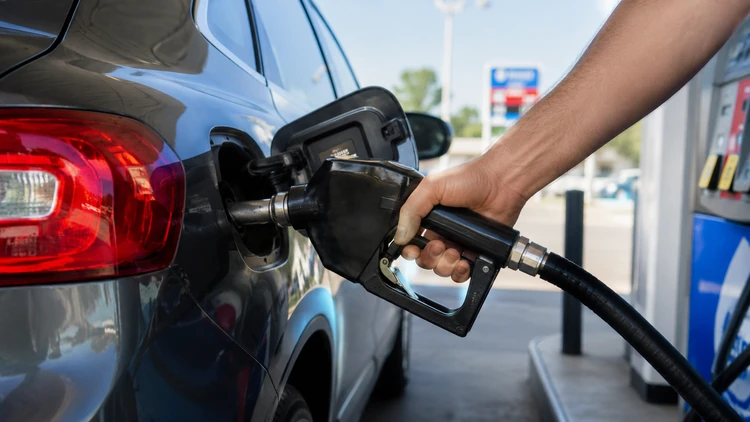

The national average price of regular gasoline fell 12 cents over the past week to $4.42 per gallon, according to AAA.
Declining crude oil prices tied to reports of possible peace talks with Iran have provided temporary relief at the pump.
AAA warns that gasoline prices remain vulnerable to renewed increases if geopolitical tensions escalate or ceasefire negotiations collapse.
Heading into the weekend, American drivers are seeing some relief at the gas pump after weeks of sharp increases. Prices have fallen sharply over the last seven days.
However, the Strait of Hormuz remains blocked, bottling up millions of barrels of oil, so it is far from certain that gas prices will continue their downward trend.
According to AAA, the national average price for a gallon of regular gasoline dropped 12 cents over the past week to $4.39, as crude oil prices retreated amid reports of potential peace talks involving Iran. The decline follows a period of elevated fuel costs that pushed average prices near four-year highs during the Memorial Day travel period.
The recent drop reflects easing concerns in global oil markets, where crude prices have fallen in hopes that diplomatic efforts could reduce tensions in the Middle East. Because crude oil is the largest component of gasoline prices, lower oil costs typically translate into cheaper fuel for consumers.
A fragile condition
However, industry analysts caution that the situation remains fragile. Any breakdown in negotiations or renewed conflict could quickly send oil prices higher again, reversing recent gains for motorists.
“Much of the decline came after renewed optimism surrounding a potential U.S.-Iran agreement pushed oil prices lower, easing geopolitical pressure on energy markets,” said Patrick De Haan, head of petroleum analysis at GasBuddy, writing in the company blog.
“In many states, that drop created breathing room after recent price cycles had allowed pump prices to fall again. While oil continued drifting lower over the weekend in hopes of a deal, new CENTCOM reports involving U.S. defensive strikes highlight how quickly the outlook could change. For now, motorists may continue to see some relief, but it remains too early to know how long the decline will last.”
Uncertain outlook
Industry analysts say motorists may continue to see modest declines in the near term if oil prices remain stable. But they caution that gasoline prices often lag movements in crude markets and that the summer driving season typically adds upward pressure on demand.
Recent reports indicate that while prices have eased from their May peak, market conditions remain unpredictable.
For now, drivers are benefiting from the first meaningful drop in weeks. Whether that relief continues will depend largely on events far beyond the nation’s gas stations.