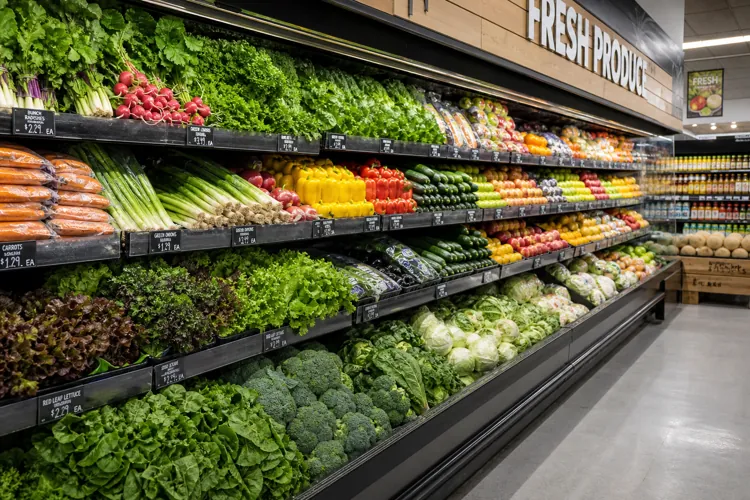

Health experts say consumers do not need to stop eating fresh fruits and vegetables despite the nationwide Cyclospora outbreak, but they recommend taking extra precautions until investigators identify the source.
Raw leafy greens, fresh herbs, berries, and other produce typically eaten uncooked carry the greatest concern, while cooked, canned, frozen, and peelable produce generally pose a lower risk.
The most effective steps consumers can take are washing produce under running water, practicing good kitchen hygiene, and following public health advisories, though experts caution that washing alone may not eliminate all traces of the parasite.
As federal and state health officials continue investigating a nationwide outbreak of Cyclospora infections that has sickened more than 1,600 confirmed patients and thousands of additional suspected cases, many consumers are wondering whether it's still safe to eat salads, fresh fruit, and other produce.
The answer from food safety experts is reassuring but nuanced: don't stop eating fresh produce, but be more careful about how you choose and prepare it.
The parasite, Cyclospora cayetanensis, causes cyclosporiasis, an intestinal illness marked by prolonged watery diarrhea, stomach cramps, nausea, fatigue, and loss of appetite. Symptoms can last for weeks or even months without treatment. Unlike bacteria such as Salmonella or E. coli, Cyclospora is most commonly linked to fresh produce that becomes contaminated before it reaches grocery stores or restaurants.
Foods that deserve extra caution
While investigators have not identified the specific food responsible for the current outbreak, Cyclospora has historically been associated with foods that are eaten raw and are difficult to clean thoroughly.
These include:
Leafy greens such as romaine, spinach, and mixed salad greens
Fresh herbs, including cilantro, basil, and parsley
Berries, especially raspberries and blackberries
Green onions
Snow peas and other fresh vegetables eaten without cooking
The current investigation has focused attention on lettuce after many ill people reported eating at Taco Bell, though neither health officials nor the restaurant chain have identified a specific ingredient or supplier as the source. As a precaution, some Taco Bell locations have temporarily removed several fresh produce items from their menus.
Foods considered lower risk
Experts say consumers who are especially concerned can reduce their risk by choosing foods that are less likely to harbor the parasite, including:
Cooked vegetables
Canned fruits and vegetables
Frozen produce that will be cooked before eating
Fruits with thick peels that can be removed, such as bananas, oranges, and avocados
Produce that can be peeled after washing, including melons and cucumbers
Cooking to at least 158 degrees Fahrenheit (70 degrees Celsius) destroys the parasite, making cooked vegetables a safer option while the outbreak continues.
What consumers should do
Health experts emphasize that consumers should not avoid fruits and vegetables altogether, since they remain an important part of a healthy diet.
Instead, they recommend:
Washing all fruits and vegetables thoroughly under running water before eating or preparing them.
Scrubbing firm produce, such as melons and cucumbers, with a clean produce brush.
Washing hands before and after handling fresh produce.
Cleaning cutting boards, knives, and countertops after preparing raw fruits and vegetables.
Refrigerating cut produce promptly.
However, experts also caution that washing alone cannot guarantee the parasite will be removed because contamination often occurs before produce reaches consumers. The CDC notes that no one fully understands how Cyclospora enters the food supply, making prevention challenging.
Should you stop eating salads? Most infectious disease specialists say no.
Because investigators have not identified the contaminated food, avoiding one specific fruit or vegetable is unlikely to eliminate the risk. Instead, experts recommend staying informed about updates from the CDC and FDA while continuing to follow good food safety practices.
Anyone who develops prolonged watery diarrhea, severe stomach cramps, or other symptoms lasting more than a few days should contact a healthcare provider. Cyclosporiasis can usually be treated successfully with prescription antibiotics, but prompt diagnosis also helps health officials track the outbreak and identify its source.