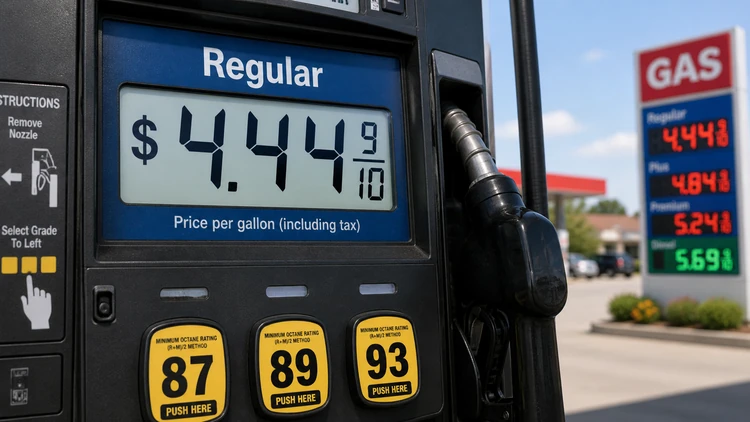

Lower gas prices could be the fastest consumer benefit if the deal keeps the Strait of Hormuz open and restores more oil to global markets.
Inflation pressures could ease as energy costs fall, potentially reducing transportation and manufacturing expenses across the economy.
Markets have reacted positively so far, but the agreement remains provisional and still faces significant political and diplomatic hurdles.
President Trump has announced that the United States and Iran have reached a framework agreement aimed at ending months of conflict and reopening the Strait of Hormuz, one of the world's most important oil-shipping routes. The agreement reportedly includes a ceasefire, the lifting of the U.S. naval blockade of Iran, and a 60-day period of negotiations over Iran's nuclear program and potential sanctions relief.
While many details remain unresolved and the deal has not yet been formally signed, financial markets immediately responded with optimism. Oil prices fell sharply and stock futures rose on expectations that disruptions to global energy supplies may be ending.
Why consumers should care
For most Americans, the most immediate impact could show up at the gas pump.
The Strait of Hormuz handles roughly one-fifth of the world's oil shipments. During the conflict, disruptions in the region helped push energy prices higher and contributed to rising inflation.
Reopening the waterway could increase oil supplies and reduce fears of shortages, putting downward pressure on crude oil prices.
Lower oil prices generally translate into:
Lower gasoline prices
Reduced airline fuel costs
Lower shipping and trucking expenses
Reduced costs for many manufactured goods
MarketWatch reported that oil prices fell more than 5% after Trump's announcement, while gasoline prices had already begun easing.
Potential impact on inflation
Energy prices affect nearly every part of the economy.
Higher fuel costs increase the expense of transporting food, consumer goods, and raw materials. If oil prices continue to decline, inflation could moderate in coming months, providing relief for consumers who have been coping with higher prices.
The conflict with Iran had been cited as a major factor behind recent inflation pressures. Trump recently argued that inflation should decline once the war ends and energy markets stabilize.
A sustained drop in inflation could also influence Federal Reserve policy, potentially making it easier for the central bank to consider future interest-rate reductions.
What investors are seeing
Wall Street's initial reaction suggests investors believe the deal could remove a major source of geopolitical uncertainty.
Following the announcement:
Dow futures rose more than 450 points.
Nasdaq futures climbed nearly 2%.
Oil prices dropped significantly.
Global stock markets moved higher.
Reasons for caution
Despite the positive market reaction, the agreement is still a framework rather than a final settlement.
Several major issues remain unresolved, including:
Iran's nuclear activities
Iran's missile program
Regional security concerns involving Hezbollah and other groups
The scope and timing of sanctions relief
Some reports also note that previous announcements of imminent agreements were followed by delays and disputes, underscoring the uncertainty surrounding the negotiations.