
Not all deli meat is created equal: Manufacturers are experimenting with new ways to reduce potentially harmful compounds in processed meats.
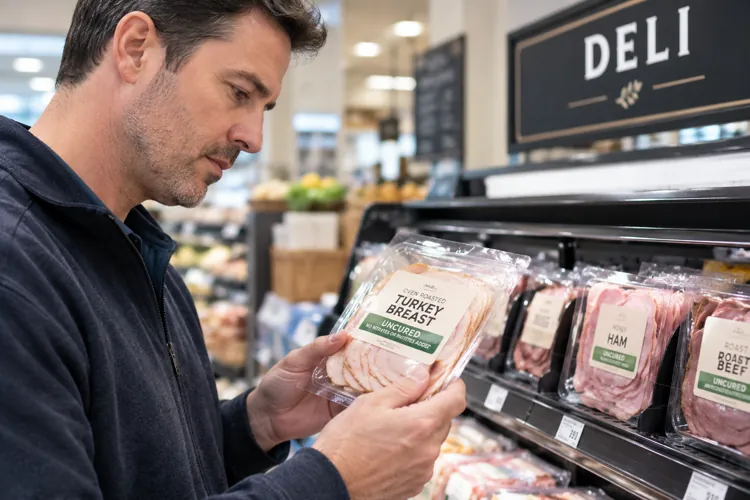
Watch out for misleading labels: Products advertised as "uncured" or "no nitrates added" aren't necessarily healthier than traditional cold cuts.
You don't have to give up sandwiches: Choosing less processed proteins, checking sodium levels, and adding fiber-rich foods can help improve your lunch.
If you regularly grab turkey, ham, or roast beef from the deli counter, you might want to take a closer look at what you're putting between those slices of bread.
Processed deli meats have long been linked to health concerns, including colorectal cancer. But food manufacturers are now experimenting with new ways to make lunch meat potentially safer.
A new investigation by Men's Health takes a behind-the-scenes look at those efforts, including how one major deli meat manufacturer is changing its production process.
The big question for shoppers: Are these supposedly healthier cold cuts actually better for you, or is it mostly clever marketing?
What's the problem with deli meat?
The World Health Organization (WHO) has classified processed meat as carcinogenic to humans since 2015, based on evidence linking it to colorectal cancer.
In fact, the WHO estimates that eating about 50 grams of processed meat daily, roughly the amount in a small sandwich, is associated with an 18% higher relative risk of colorectal cancer.
That doesn't mean eating one sandwich increases your cancer risk by 18%. The increased risk comes from regularly eating that amount over time, not from an occasional sandwich.
One concern involves nitrosamines, potentially cancer-causing compounds that can form during meat processing, cooking, and digestion. Also, certain ingredients used when curing meats, including nitrites, can contribute to the formation of nitrosamines.
Companies are trying to make deli meat healthier
Philadelphia-based Dietz & Watson is among the manufacturers experimenting with different curing methods.
According to Men's Health, the company is using carefully controlled amounts of ingredients such as celery and cherry powders, along with adjustments to cooking temperatures, to reduce residual nitrites and the potential formation of nitrosamines.
The company says it plans to have 99% of its deli meats meet its new production standards by 2027.
But here's the catch: Just because a package says "uncured" or "no nitrates or nitrites added" doesn't mean it's free of potentially harmful compounds.
Some manufacturers use celery powder or juice, which naturally contains nitrates that can be converted into nitrites during processing.
Previous testing by Consumer Reports found that some uncured deli meats contained levels of potentially carcinogenic compounds comparable to traditionally cured products.
And while Dietz & Watson says its new methods reduce those compounds, that doesn't establish that the products lower cancer risk in people.
How to make your sandwich healthier
The good news? You don't necessarily need to swear off deli meat forever. Nutrition experts recommend moderation and paying attention to your overall diet.
Here are five ways to make a smarter sandwich:
Don't trust the front of the package. Claims like "natural," "uncured," and "no artificial preservatives" don't automatically make a product healthier.
Compare sodium levels. Deli meats can contain substantial amounts of sodium. Check Nutrition Facts labels and compare the same serving sizes.
Consider freshly cooked meat. Sliced chicken or turkey you've roasted yourself can be a less processed alternative to cured lunch meat.
Add vegetables and fiber. When building your sammy, consider using things like whole-grain bread, spinach, tomatoes, and other produce which can improve the overall nutrition of your sandwich.
Mix up your lunches. Rotate deli meat with options like hummus, beans, eggs, or freshly cooked chicken rather than eating processed meat every day.