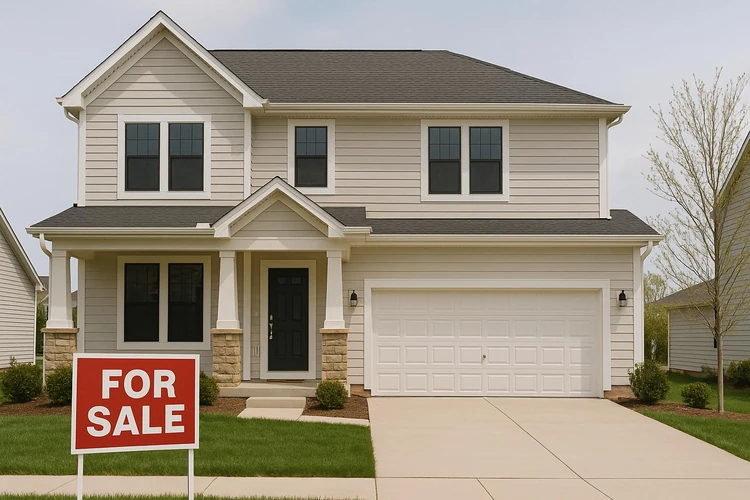

U.S. real estate investors bought fewer homes in the first quarter, with purchases falling to the lowest level since the early months of the pandemic.
High mortgage rates, elevated home prices, and weaker profit expectations are prompting investors to pull back from the housing market.
Florida remains one of the biggest areas of investor retreat, particularly in the condominium sector, where rising insurance and association costs are eroding returns.
There are many reasons it’s gotten harder to purchase a home. Prices are at record levels and mortgage rates have risen from 3% to 6% since the pandemic.
But some consumer advocates also point to investors who entered the market after the Great Recession, reducing inventory. However, the latest housing data suggest that the trend may be ending.
Real estate broker Redfin reports that U.S. real estate investors sharply reduced their homebuying activity in the first quarter, pushing purchases to the lowest level since 2020, as high borrowing costs and affordability challenges continued to weigh on the housing market.
According to the report, investor home purchases fell 6% year over year during the first quarter, marking the lowest level since the onset of the COVID-19 pandemic, when housing activity temporarily stalled. Investors purchased roughly 52,000 homes nationwide, reflecting a more significant slowdown in residential real estate demand.
But affordability is still an issue
The decline comes as mortgage rates remain above 6% and home prices stay near record highs, making it more difficult for investors to generate attractive returns from rental properties or home-flipping ventures. Housing economists say the same factors that have sidelined many traditional homebuyers are also affecting professional and small-scale investors.
With investors buying fewer homes, it increases the number of available homes for people who want to buy a house to live in. The question now becomes: is the decline enough to move the needle?
Despite the pullback, investors remain a significant force in the housing market. Redfin reported that investors still accounted for nearly one in five home purchases, indicating that the slowdown reflects weaker overall demand rather than a mass exodus from real estate investing.
Florida continues to be one of the regions seeing the largest retreat by investors. In previous Redfin analyses, investor purchases in markets such as Miami, Orlando, and Fort Lauderdale have posted double-digit declines as investors grapple with rising insurance premiums, higher homeowners association fees, and growing concerns about climate-related risks. Condominiums have been particularly hard hit, with investor purchases falling to some of the lowest levels seen in a decade.
Investors have become more selective
Industry analysts say investors have become more selective after the boom-and-bust cycle that characterized the pandemic housing market. Investor purchases surged in 2021 amid ultra-low mortgage rates and intense housing demand, then dropped sharply as rates climbed in 2022 and 2023. Today, investors appear more cautious, focusing on markets and properties that offer stronger long-term returns.
The investor slowdown mirrors broader weakness in the housing sector. Separate data from ATTOM found that home-purchase loan originations fell to a 12-year low in the first quarter as affordability pressures continued to deter buyers. Mortgage rates climbed from about 6.16% at the beginning of the year to roughly 6.46% by early April, adding further strain to an already constrained market.
While investors are still participating in the market, analysts say elevated financing costs, slower rent growth, and persistent economic uncertainty are likely to keep investment activity subdued through much of the year, which may benefit traditional buyers.