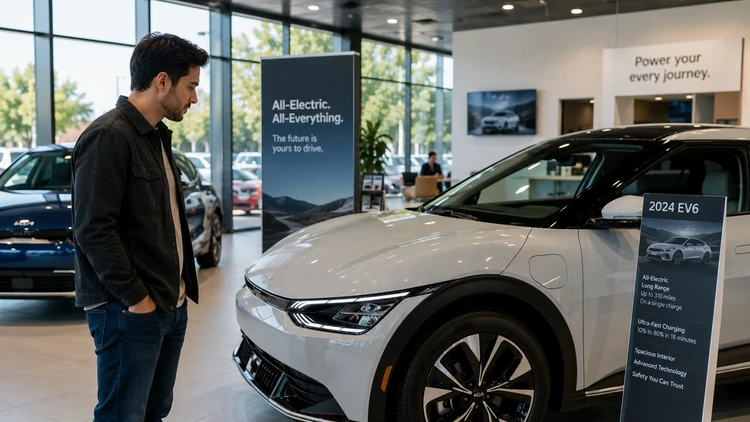

Electric vehicles cost more to insure: EV owners pay an average of $3,159 per year for coverage, about 42% more than drivers of comparable gas-powered vehicles.
The insurance gap is shrinking for newer models: Among 2024 model-year vehicles and newer, the difference drops to 18%, as advanced safety features help reduce insurance costs.
Consumers can lower costs by shopping carefully: Comparing quotes, choosing less expensive models to insure, and maintaining a strong driving record can help offset higher EV insurance premiums.
For many drivers, the decision to buy an electric vehicle comes down to saving money at the pump and reducing their environmental impact. But fuel costs are only one piece of the financial picture. Insurance can also have a major effect on the overall cost of ownership.
A new analysis from Insurify found that electric vehicles cost significantly more to insure than comparable gas-powered cars, adding hundreds of dollars a year to many drivers' budgets.
ConsumerAffairs spoke with Julia Taliesin, Insurify's economic analyst and licensed insurance agent, who explained that the gap is beginning to narrow for newer models as automakers continue to improve safety technology and make repairs more efficient.
What the numbers show
Insurify's analysis found that electric vehicles still come with a significant insurance premium compared with traditional gas-powered cars. On average, EV owners pay about $3,159 per year for coverage — roughly 42% more, or $941 annually, than drivers of gas-powered vehicles.
“Generally, repairing electric vehicles is more expensive than repairing gas-powered cars,” Taliesin said. “Long-range batteries are among the largest expenses, with a sticker price of $9,000 to $21,000.
“EV repair expenses have also risen due to tariffs. In particular, tariffs on graphite and lithium-ion batteries imported from China have driven up the costs associated with EV claims. Because these higher claim amounts pose a greater cost risk to insurers, they have to account for that in their premium pricing.”
The report also found that some of the most expensive vehicles to insure are luxury EVs, particularly models from Tesla, Mercedes-Benz, and BMW. In fact, Tesla models dominated the list of the costliest EVs to insure, highlighting how vehicle value and repair expenses can influence premiums.
Encouraging news
There is some encouraging news for shoppers considering a newer electric vehicle.
When Insurify compared 2024 model-year vehicles and newer, the insurance cost gap between EVs and gas-powered cars narrowed considerably, dropping to 18%, or about $501 per year. The report also found that insurance rates for newer EVs fell 11.1% over the past year, outpacing the decline for newer gas-powered vehicles.
According to Insurify, improvements in safety technology and broader adoption of advanced driver-assistance features are helping make newer EVs less expensive to insure than in the past.
“As safety tech becomes standard baseline equipment for all cars, this trajectory is expected to continue,” Taliesin said.
Dealing with higher insurance costs
Taliesin shared some of her best advice for consumers thinking about switching to an EV and also keeping insurance costs within budget.
Shop around early, ideally before you purchase the vehicle. This way, you go into the purchasing process knowing the total cost of ownership up front. Compare at least three quotes so you know where to get the best rate once you are an EV owner.
Be considerate of the make and model you buy. Just like gas-powered cars, your specific vehicle can significantly influence insurance rates. While GMC Sierra EV costs ($2,734) are much closer to the overall national average ($2,144), a Mercedes-Benz EQS Sedan ($4,703) costs nearly 120% more to insure.
Maintain a strong driving record and credit history. Personal factors like these also play a large part in rates, regardless of whether your vehicle is electric or gas-powered.