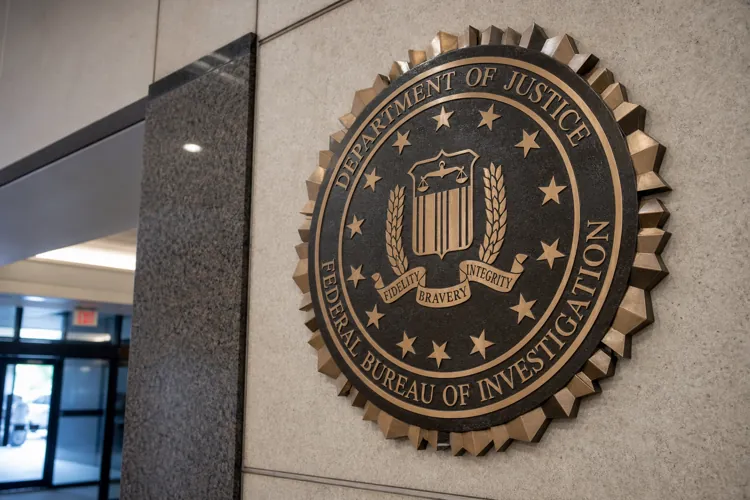

Scammers are impersonating FBI personnel and claiming they can recover money previously lost to fraud.
Some schemes use AI-generated videos, fake social media profiles, and websites designed to resemble the FBI’s IC3 site.
The FBI says the Internet Crime Complaint Center never charges victims to recover money and has no social media accounts.
Consumers who have already lost money to fraud are being targeted again — this time by criminals pretending to be FBI agents offering to help recover their funds. In the scammers’ world, the tactic is called “reloading,” victimizing someone a second time.
In a new public service announcement, the FBI said scammers are impersonating personnel from its Internet Crime Complaint Center, commonly known as IC3. The criminals contact victims by phone, email, social media. or online advertisements and claim that stolen money has been located.
In reality, the offer is part of a “recovery” or “double-dip” scam intended to extract more money or collect personal information from someone who has already been victimized.
The FBI said scammers are using increasingly sophisticated tools, including AI-generated videos of purported FBI officials and fake websites that closely resemble the real IC3 complaint site.
“The tactics give victims a false sense of safety and security,” the agency said in its July 20 warning.
How the scam works
In one version, a fraud victim tells the original scammers that the incident will be reported to the FBI. The victim is later contacted through Facebook Messenger by someone posing as an FBI agent.
The impersonator may move the conversation to Telegram and send the victim a link supposedly needed to update an IC3 report. The link may install malicious software or direct the victim to a fraudulent website that collects financial information.
Another version uses AI-generated “deepfake” videos depicting a senior FBI official encouraging victims to file complaints through a fake IC3 website.
The counterfeit website may copy the appearance of the government’s site but contain only a complaint form asking for a name, phone number, email address, type of scam, and estimated loss. After the form is submitted, the site issues a reference number and promises that someone will contact the victim.
That follow-up contact can be used to request a fee, gain access to financial accounts, or steal additional personal information.
What the real IC3 will — and won’t — do
The FBI emphasized that IC3 does not maintain social media accounts and does not investigate cases or recover money through Facebook, Telegram, or other online platforms.
IC3 also does not directly contact consumers by phone, email, social media, chat, or messaging apps. If additional information is needed after a complaint is filed, a local FBI employee or another law enforcement officer may contact the complainant.
Most importantly, IC3 will never require a payment to recover stolen money or refer a victim to a company that charges for recovery services.
Consumers should type www.ic3.gov directly into their browser instead of following links in messages or online ads. The FBI advises avoiding sponsored search results and confirming that the address ends in “.gov.”
Consumers should also remember that a realistic-looking video is no longer proof that the person appearing in it is genuine. Warning signs of a deepfake may include unnatural facial movements, distorted hands, mismatched lip and voice movements, unusual shadows, or delays during a video call.
The FBI said anyone who encounters an impersonation scam should stop communicating with the sender, avoid sending money or personal information, and report the incident through the official IC3 website. Victims should preserve emails, telephone numbers, social media profile names, transaction records, and cryptocurrency addresses that could assist investigators.