

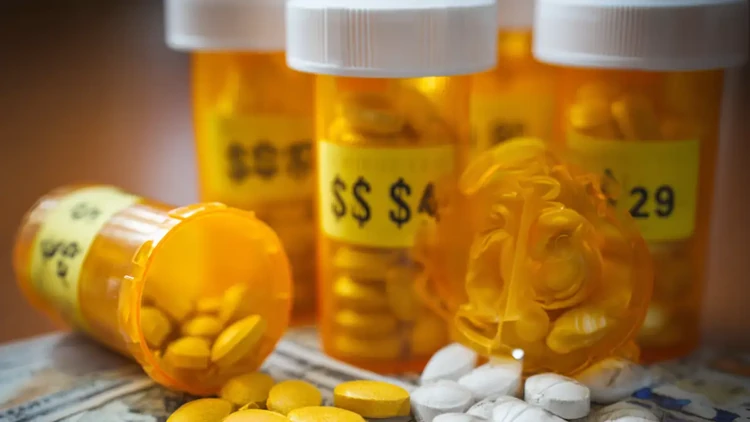
- President renews calls for pharmaceutical industry to “cut prices now”
- Consumer groups demand federal enforcement, not just rhetoric
- Health organizations warn against political grandstanding without action
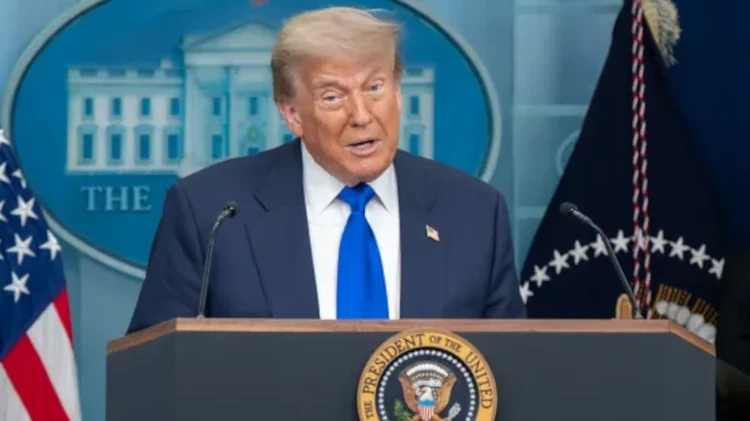
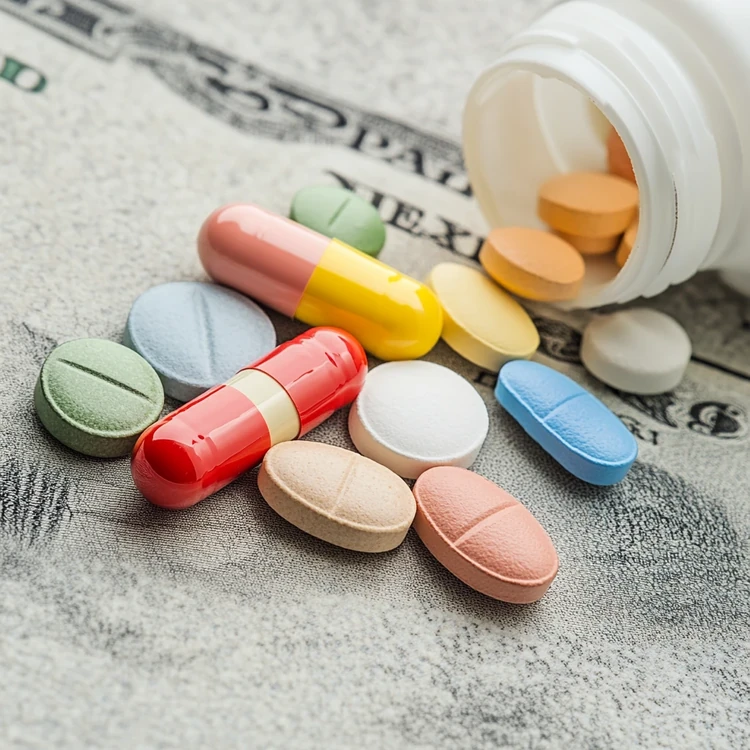
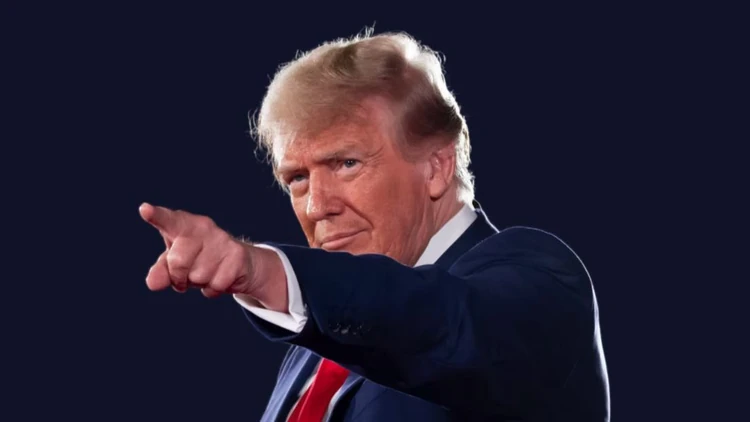
President Trump’s latest demands that drugmakers “cut prices now” have ignited a wave of reactions from consumer and health advocacy organizations, many of which say his words ring hollow without policy enforcement to match.
In a series of statements and social media posts, Trump urged pharmaceutical companies to slash prescription drug prices, calling the current cost burden “unacceptable” for American families. While the President claimed he would hold “Big Pharma accountable,” consumer watchdogs say they’ve heard similar pledges before—with few lasting results.
“It’s easy to call for lower prices on Twitter,” said Robert Weissman, president of Public Citizen. “What’s hard is actually standing up to drug corporations and passing policy that forces them to act.”
Groups say demands fall short without action
Organizations like the National Consumers League (NCL) and AARP welcomed the attention on high drug prices but questioned whether the White House is willing to back up its demands with meaningful regulation.
“Consumers are desperate for relief,” said Sally Greenberg, executive director of NCL. “But we need more than finger-pointing—we need enforcement, price negotiation power for Medicare, and an end to anti-competitive practices.”
AARP echoed those sentiments, pointing to its research showing that the average annual cost of widely used prescription drugs has nearly tripled over the past 15 years. “Older Americans should not have to choose between filling a prescription and buying groceries,” said Nancy LeaMond, AARP’s executive VP. “We urge the administration to support real reforms.”
Some public health organizations expressed concern that Trump’s latest push is more political posturing than policy development.
“The public deserves leadership, not slogans,” said Dr. Michael Sinha, a physician and drug policy researcher at Harvard. “Presidents from both parties have railed against high drug prices, but without legislation or regulatory muscle, not much changes.”
Dr. Sinha pointed to past proposals like international reference pricing and transparency rules for TV ads—many of which were proposed but never implemented or were blocked in court.
Pharma pushes back
In response to Trump’s remarks, the Pharmaceutical Research and Manufacturers of America (PhRMA) released a statement defending the industry’s pricing structure and highlighting the role of pharmacy benefit managers (PBMs) in determining what consumers pay.
“We agree patients should pay less at the pharmacy counter,” PhRMA said, “but we must fix the broken system of middlemen that drives up out-of-pocket costs.”
The industry group also cited the cost of innovation and global demand as reasons why drug prices remain high in the U.S.
PBMs quickly fired back. "America's pharmacy benefit managers support lower prices for every prescription drug for every patient and have called on drug companies to lower list prices to make medicines more affordable. PBMs stand ready to pull through lower drug prices to health plans and patients, as well as continue to administer pharmacy benefits and clinical programs that help patients safely access lower cost medications," the Pharmaceutical Care Manager Association said in a prepared statement.
“Drug companies alone set and raise drug prices and can lower the list prices at any time. In addition, some drug companies block lower cost generics and biosimilars from entering the market, leading to Americans paying the highest prescription drug prices in the world," it said.
Advocates want specific measures
Policy groups are urging the White House to move beyond rhetoric and take specific steps, including:
Allowing Medicare to negotiate prices directly
Capping out-of-pocket costs for seniors
Reining in patent abuses and exclusivity deals
Importing safe, lower-cost drugs from abroad
“There’s no mystery to solving this,” said David Mitchell, founder of Patients for Affordable Drugs. “We know what works—what we lack is the political will.”
While Trump’s remarks have once again spotlighted the issue of rising drug costs, observers say any real change will depend on whether the administration follows through with policy proposals or pushes for congressional action.
In the meantime, advocates are watching closely—and warning that time is running out for patients who need relief now.
“Talk is cheap,” said Greenberg. “Prescription drugs aren’t.”