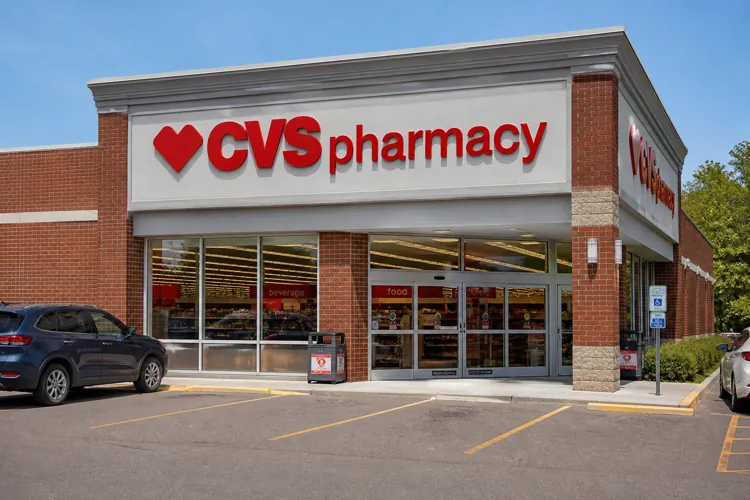

CVS has agreed to pay $315 million to resolve federal allegations involving unlawful opioid prescriptions and false claims for government reimbursement.
The Justice Department alleged that CVS filled prescriptions despite warning signs that the medications were not medically necessary or legally valid.
The settlement requires CVS to strengthen its prescription monitoring practices and create a hotline for reporting suspected illegal dispensing.
CVS has agreed to pay $315 million to settle federal allegations that it improperly filled prescriptions for opioids and other controlled substances over more than a decade.
The agreement, announced by the U.S. Department of Justice on October 13, also addresses allegations that CVS sought reimbursement from Medicare and other federal healthcare programs for many of those prescriptions.
The case highlights the responsibility pharmacies have when dispensing medications that can carry significant risks if they are prescribed or used improperly. Under federal law, pharmacists must follow requirements designed to ensure controlled substances are dispensed for legitimate medical purposes.
The settlement resolves the government's allegations, but it does not constitute a determination of liability.
“Not only does this settlement hold bad actors accountable for their fraudulent activities, but Americans are safer because of it,” Associate Attorney General Stanley E. Woodward Jr. said in a news release. “Today’s settlement is a significant milestone in the Justice Department’s efforts to combat the opioid epidemic by cracking down on pharmacies who unlawfully fulfill prescriptions for controlled substances.”
What the government alleged about CVS
The government's complaint, filed in December 2024, alleged that CVS knowingly filled prescriptions between October 2013 and December 2025 that were invalid, lacked a legitimate medical purpose or were not issued through appropriate professional practices.
According to the Justice Department, the prescriptions included opioids dispensed in excessive quantities, prescriptions filled too early, and combinations of medications known as "trinity" prescriptions. These combinations involve an opioid, a benzodiazepine, and a muscle relaxant, and can pose serious safety risks.
Federal officials also alleged that CVS filled prescriptions from providers they described as "pill mills," which issued large numbers of controlled-substance prescriptions without legitimate medical purposes. The complaint claimed that pharmacists sometimes proceeded despite warning signs that prescriptions might be unlawful.
The government further alleged that company staffing practices and performance incentives put pressure on pharmacists and interfered with their ability to identify potentially problematic prescriptions.
Beyond the financial settlement, CVS has entered into an agreement with the Drug Enforcement Administration (DEA) to improve its oversight of controlled substances. The company must establish a hotline for employees and members of the public to report suspected illegal dispensing, monitor prescription patterns for potential problems, and develop a process for evaluating prescribers suspected of illegal prescribing.
“This settlement agreement highlights DEA’s commitment to protecting the health and safety of Americans while holding CVS accountable for dispensing unlawful prescriptions and endangering the public,” said DEA Assistant Administrator Cheri Oz. “DEA is unwavering in its commitment to protect public health and ensuring pharmacies adhere to the highest standards of responsible dispensing. We will continue to work closely with law enforcement, regulatory agencies, and the healthcare community to prevent the misuse of controlled substances, and we will hold those who jeopardize the safety of our citizens accountable.”
What the settlement means for consumers
For consumers, the agreement puts a renewed focus on the safeguards intended to make prescription medications safer. Pharmacies play an important role in identifying prescriptions that may be inappropriate, even when those prescriptions come from a medical provider.
The additional monitoring requirements are intended to help CVS identify concerning prescribing and dispensing patterns and respond to potential problems. The public reporting hotline also creates a channel for people to raise concerns about suspected illegal dispensing.
The settlement also addresses the use of federal healthcare funds, since the government alleged that many of the prescriptions at issue were billed to and reimbursed by programs such as Medicare.
The agreement does not mean that opioid prescriptions filled at CVS were generally improper. Rather, it addresses specific allegations about prescriptions and company practices during the period covered by the case.
For patients who rely on prescription medications, the central takeaway is that appropriate dispensing practices and effective safeguards are essential parts of protecting public health.