
Sports injuries, long periods of sitting, and limited movement during recovery can increase the risk of deep vein thrombosis (DVT).
Blood clots can cause leg or arm pain, swelling, skin discoloration, and other symptoms, but some people have no warning signs.
Staying active during travel, following medical advice after an injury, and getting prompt care for possible symptoms can help protect your health.
Blood clots might seem like a concern primarily for older adults or people with certain medical conditions, but younger, otherwise healthy people can develop them, too. Athletes are no exception, particularly when injuries or other circumstances interfere with normal blood flow.
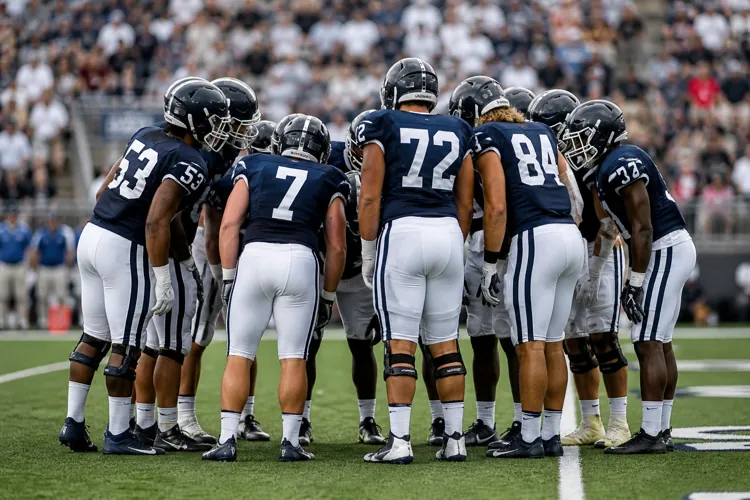
A recent example is Philadelphia Eagles quarterback Jalen Hurts, whose 2026 season ended after he developed DVT and blood clots in his lungs. According to UT Southwestern Medical Center vascular medicine specialist Rafael Cires-Drouet, M.D., recognizing the risks and symptoms is important even for people who appear to be in excellent health.
Deep vein thrombosis, or DVT, occurs when a clot forms in a deep vein, often in the leg. If the clot grows or blocks blood flow, it can cause serious complications. In some cases, part of the clot travels to the lungs, causing a potentially life-threatening pulmonary embolism.
What increases the risk, and what should you watch for?
Regular exercise generally helps reduce the risk of blood clots. However, sports-related circumstances can introduce additional risks, including direct blows to a limb, prolonged travel, and limited mobility while recovering from an injury or surgery.
Repetitive overhead movements in sports such as basketball, baseball, swimming, and rowing can also compress veins near the collarbone, potentially causing a type of clot known as effort thrombosis.
Other contributing factors include smoking, certain medical conditions, a personal or family history of blood clots, and estrogen exposure from some contraceptives. Dehydration may also play a role.
Symptoms can include limb swelling, warmth, tenderness, aching, tightness, discoloration, or a feeling of heaviness. However, about half of people with DVT experience no symptoms.
Doctors can use ultrasound to identify clots, with additional imaging sometimes needed. Treatment commonly involves blood-thinning medication, often for three to six months, although some patients require longer treatment.
What this means for consumers
You don't have to be a professional athlete to benefit from understanding blood clot risks. During long car rides or flights, get up and walk when possible, move your ankles and calf muscles while seated, and stay hydrated.
If an injury or surgery limits your movement, follow your doctor's recovery instructions and ask whether additional clot-prevention measures are appropriate. Be sure to mention any personal or family history of blood clots to your healthcare provider.
Most importantly, don't ignore symptoms that could indicate a clot. Seek medical attention promptly if you notice concerning changes in an arm or leg. Chest pain or shortness of breath can signal a pulmonary embolism and require emergency medical care.
Recognizing the warning signs early can make a meaningful difference. Whether you're training for a competition or simply going about your daily routine, knowing when to get help is an important part of protecting your health.