

Sorting stuffed animals
Moving is an excellent opportunity to sort through belongings you haven't seen or used in a while, such as stuffed animals your child may have outgrown. By reducing your inventory now, you'll save significant time and money on packing supplies later.
Involving your child in this sorting process is beneficial, as it helps them develop important decision-making skills and gives them a sense of ownership over their possessions. Depending on their age, guide them in categorizing the toys into "keep," "donate" or "discard" piles. A helpful strategy is to designate a specific "keep" box or container and explain that only the items that fit inside can stay, allowing the child to make concrete decisions based on a clear limit.
Finally, it's important to discuss where the donated stuffed animals will go and how their generosity will benefit other children. Options for donation include local charities, homeless shelters or childcare centers — though you should check each organization's specific donation policies. Alternatively, you can offer the stuffed animal lots to others through local Buy Nothing groups.
» LEARN MORE: What to pack first when moving
Cleaning stuffed animals
It’s a good idea to clean all stuffed animals before moving to eliminate dust, allergens, germs and odors so you don't bring them to your new home.
Most stuffed animals can be cleaned safely in a washing machine, but check the care instruction label first for any specific directions. To wash them in a machine, place the toy inside a mesh laundry bag or a secured pillowcase for protection. Select the gentle or handwash cycle using cold water and use a mild detergent (a baby laundry detergent is a great option).
After washing, air-dry the stuffed animal completely — this prevents mold or mildew from growing once packed. Plan to clean the toys at least a few days before packing to ensure they are thoroughly dry.
If the stuffed animal cannot go in the wash, here are some alternative cleaning methods:
- Vacuuming: Use a handheld vacuum or an upholstery attachment to remove surface dirt and dust. This is ideal for toys with electronic components, battery packs or delicate features that cannot get wet, but note that this method will not sanitize the toy.
- Hand washing: This method is best for toys with delicate embellishments like sequins, glued parts or fragile decorations that could detach in a machine. Fill a clean sink or basin with cold water and a mild detergent. Submerge the toy and gently wash it. Rinse thoroughly with cold water, gently squeezing out the soapy water until all detergent is released. Pat the toy dry with a clean towel, then place it near a vent or in a well-ventilated area to air-dry thoroughly.
- Steaming: Use a handheld steamer over the surface of the stuffed animal to kill germs and refresh the fabric without completely soaking the toy.
» RELATED: How to pack for a move
Removing batteries from toys
It is essential to remove all batteries from stuffed animals and electronic toys before packing for a move. Batteries left inside can lead to damaging leakage or corrosion, especially when exposed to the extreme temperature fluctuations common inside moving trucks during summer or winter months. Removing them can prevent damage to both the toys and other belongings.
Follow these steps to safely prepare alkaline batteries for moving:
- Locate the battery compartment: Identify the battery compartment on the toy, which is typically found on the back or side and often secured with a latch or a small screw.
- Access and remove: Open the compartment by either squeezing the latch or using a small screwdriver to loosen the screw. Carefully remove the batteries.
- Insulate the terminals: To prevent short-circuiting, cover the positive and negative terminals of each battery with non-conductive tape (such as electrical tape or clear packing tape).
- Package the batteries: Place the taped batteries upright in their original packaging, if available. If not, use small, individual plastic bags or a single container, ensuring they are not crowded.
- Pack separately: Place the packaged batteries in a separate, clearly marked box, keeping them away from metallic objects that could cause a short circuit.
For electronic toys that contain batteries that are not easily or safely removable, take extra precautions before packing:
- Ensure the toy is completely turned off.
- Use sturdy packing tape to securely tape the battery door shut.
- Wrap the entire toy thoroughly in anti-static bubble wrap to protect it from both physical impact and static discharge during transit.
Pack this item in a separate box and, if possible, transport this box with you in a personal vehicle rather than the moving truck. This helps safeguard the item from the potential damage caused by the extreme temperature fluctuations in a moving truck.
Packing materials and methods
Bag or wrap stuffed animals before boxing to protect them from dust and moisture damage during transit. Use clean pillowcases, drawstring bags or canvas bags to contain larger items. For more delicate stuffed animals, wrap them individually in acid-free tissue paper or soft wrapping paper to provide cushioning and prevent discoloration.
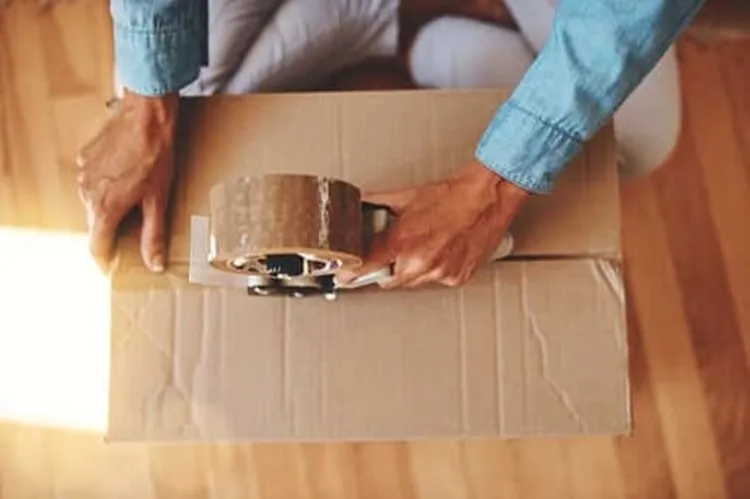
When packing the box, start with a layer of crumpled wrapping paper on the bottom for padding. Place the prepared stuffed animals inside, making sure not to overpack to prevent crushing or misshaping the toys. Finally, secure the box tightly with packing tape and label it clearly to ensure easy identification and unpacking at your new home.
» MORE: Tips for moving with kids
Using stuffed animals as fillers
Stuffed animals can serve a dual purpose during your move: they can be used as cushioning material within other boxes to protect fragile items. This not only safeguards delicate belongings but also ensures you are making efficient use of the space inside your moving boxes.
Tips for using stuffed animals as box fillers:
- Choose wisely: Only use small stuffed animals without electrical components or hard-plastic embellishments, as these rigid parts could scratch or damage the fragile items.
- Protect the toy: Even when used as padding, always place the stuffed animal inside a pillowcase or bag to keep it clean and protected.
- Optimal placement: Place the stuffed animals in boxes that contain fragile items, such as dishes, glassware or figurines. Ensure they fit without crushing or forcefully compressing the stuffed animals.
FAQ
Does vacuum packing damage plushies?
Vacuum packing can flatten and deform the plushies’ structure, though it can also protect stuffed animals from moisture and dirt. Use this technique for short trips only.
How to pack a lot of stuffed animals?
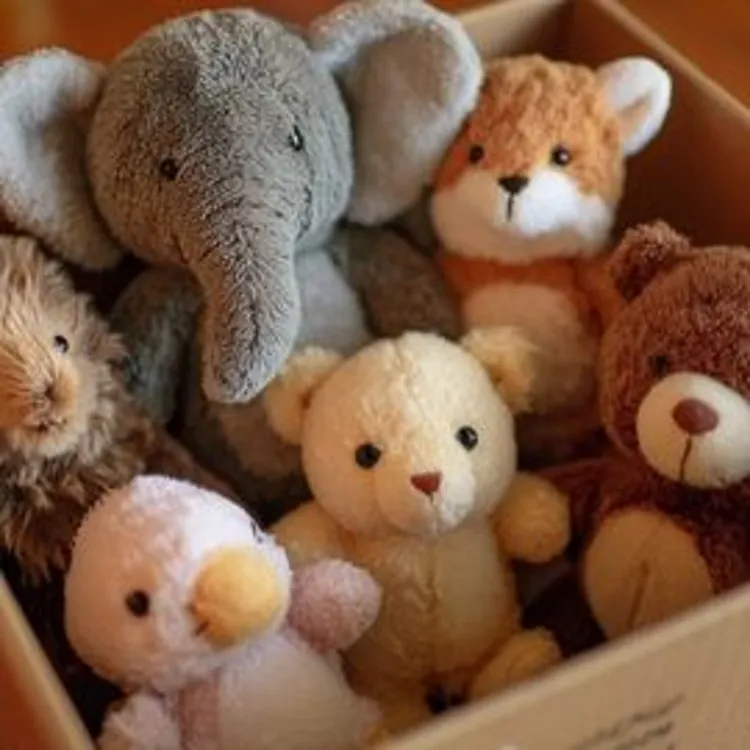
First, sort and keep only the animals you intend to move. Then, place them inside a large garbage bag within a medium to large box, but avoid overloading the container.
How long before a move should you start packing?
Start packing ideally six to eight weeks before your move, or at a minimum, two to four weeks. This timeline allows ample time for decluttering, cleaning and packing without stress.
Is it better to hang or box plush toys?
It’s a good idea to box plush toys to fully protect them from dirt, dust and potential damage during the move.
» OTHER KIDS' TOYS: How To Pack Legos For Moving