


Sorting and decluttering toys
The most effective way to begin packing for a move is to reduce the amount of inventory you have to pack and unpack later. Decluttering early makes it easier to break up this overwhelming task into smaller, manageable steps over the course of a few weeks.
To tackle toys, try decluttering expert Dana K. White’s container concept. Her method involves using specific containers to act as a limit for the items inside—once the container is full, the rest of the items are discarded or donated. Here’s how you can do this with toys:
- Grab a trash bag for discarding broken items, and at least two cardboard boxes.
- Label one box "Donate" and the other "Keep."
- Decide upfront on the total number of boxes your child is allowed to keep, limiting their final toy selection to whatever fits in those designated containers.
- Depending on your child's age, ask them to help sift through their toys, explaining that donated items will give another child a chance to play with and enjoy them.
Start small by pulling out individual toys and asking the child to decide whether to keep it or donate it, and move it to the appropriate box. When children participate in decluttering early on, it helps them learn how to make these sorting decisions independently in the future.
If your child has a hard time letting go of items they no longer play with, gently explain the box limit: once the "Keep" boxes are full, they must decide which toys are most worth bringing. You can also use positive reinforcement by making it a game, assigning points for each item they donate, which they can later cash in for a reward like their favorite ice cream or a fun family outing.
Gathering packing materials
With your toy inventory reduced to the final "Keep" pile, the next step is to pack them securely into boxes. To ensure a smooth process, you will need the following materials ready:
- Boxes in various sizes (small, medium, and large)
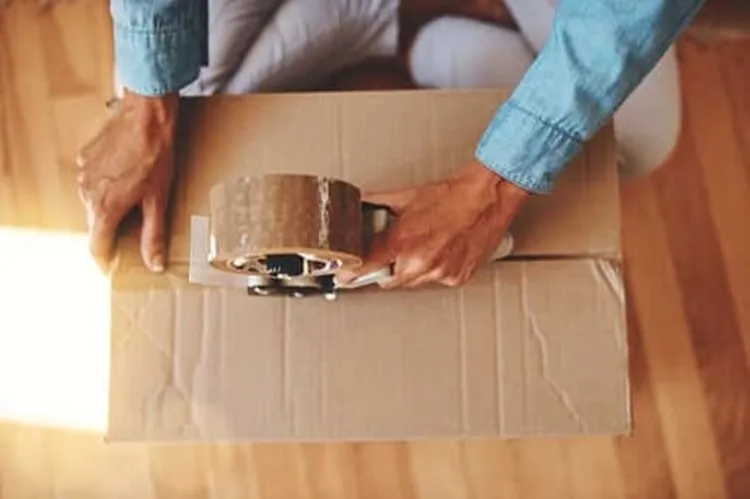
- Packing tape
- Bubble wrap
- Sealable bags for small parts or Legos
- Permanent marker
- Label stickers
When choosing moving containers, you have two main options: cardboard boxes or plastic bins/totes. Cardboard boxes are budget-friendly, but they are less durable and may be better suited for local moves. Plastic bins, while more expensive, offer superior durability and won't collapse when stacked, making them ideal for long-distance moves. Additionally, plastic bins can be reused for storage after the move.
You can also use a combination of cardboard boxes and plastic bins, depending on the items you are packing. Plastic bins are ideal for fragile items, such as delicate toys, but remember to wrap them thoroughly in bubble wrap beforehand. On the other hand, cardboard boxes are perfectly suitable for non-fragile items like stuffed animals or books.
In addition to your boxes or bins, keep sealable bags on hand for small components (like game pieces or toy parts). Be sure to pack these bags in the same boxes as the corresponding toys and label them with a permanent marker.
» COMPARE: Best moving companies
Packing small and large toys
Utilize various box sizes strategically for packing toys. Large boxes are great for items that are both light and non-fragile, such as stuffed animals or dress-up clothes—but be careful not to overstuff them, as this makes the boxes too heavy to load and unload easily. Reserve small or medium boxes for heavier or more fragile items, like remote control cars.
For large toys, disassemble them and pack the pieces in a clearly labeled box. Additionally, remember to remove the batteries from all electronic toys to prevent damage during transit, especially since batteries are susceptible to heat damage if you are moving during warmer months.
To make unpacking simpler later, organize toys by category (like puzzles, dolls, or art supplies) and pack similar items together. If you have multiple children, you may also want to label the box with the specific child's name or room to avoid confusion upon arrival.
Protecting fragile and valuable toys
For easily breakable toys, wrap them securely in bubble wrap, ensuring the bubbles face inward toward the object for maximum cushioning, and seal the wrapping with packing tape before placing them in a box. To prevent shifting, fill any empty spaces, or void space, inside the box with packing peanuts. Be sure to clearly label this moving box with “FRAGILE” and “THIS SIDE UP.”
Similarly, collectibles and valuable items should be handled with extreme care; whenever possible, use the original packaging, as it is specifically designed to fit and protect the item during transport, minimizing the risk of damage.
Finally, consider how you will move these valuable items, as you may prefer to transport them yourself in your personal vehicle instead of placing the boxes in the moving truck. If you must pack them on the truck, ensure no other boxes are stacked on top of them that could potentially crush or damage the contents.
Involving children in the packing process
Moving can be stressful for every family member, but it can be stressful for children because the situation can feel entirely out of their control and interrupt their routines. You can help ease this stress by actively involving your children in the moving process, which can restore their sense of control and give them something positive to focus on.
Make packing enjoyable for your children: turn on their favorite music, or give them colorful markers so they can decorate their moving boxes. You can also turn packing into a fun game or contest, offering small prizes for the most boxes packed or organized.
Also, let your child pack a designated "Essentials Box" or suitcase containing their most favorite toys, comfort items, and necessary clothes. This box should travel with you in the car so it is immediately accessible when you arrive at your new home, offering instant comfort and familiarity.
By allowing your children to participate in tasks like sorting and packing, you help them build foundational, lifelong decision-making and organizational skills.
FAQ
What is the 20 toy rule?
The “20 toy rule” is a common parenting strategy that limits a child to a maximum of 20 accessible toys at any given time, encouraging better focus and fostering greater creativity.
How long should you start packing before you move?
Ideally, you should begin packing for your move six to eight weeks before moving day; this provides plenty of time to pack all non-essential items before tackling everyday necessities.
Is it better to move with boxes or totes?
Cardboard moving boxes are typically sufficient for local moves, but sturdier, stackable plastic totes are often a better choice for long-distance relocations or for fragile items.
What are the best ways to label toy boxes?
To simplify unpacking, it's best to group toys by category and place them in similar boxes, then label the outside of the box clearly with the type of toy (e.g., puzzles, games, or dolls).