

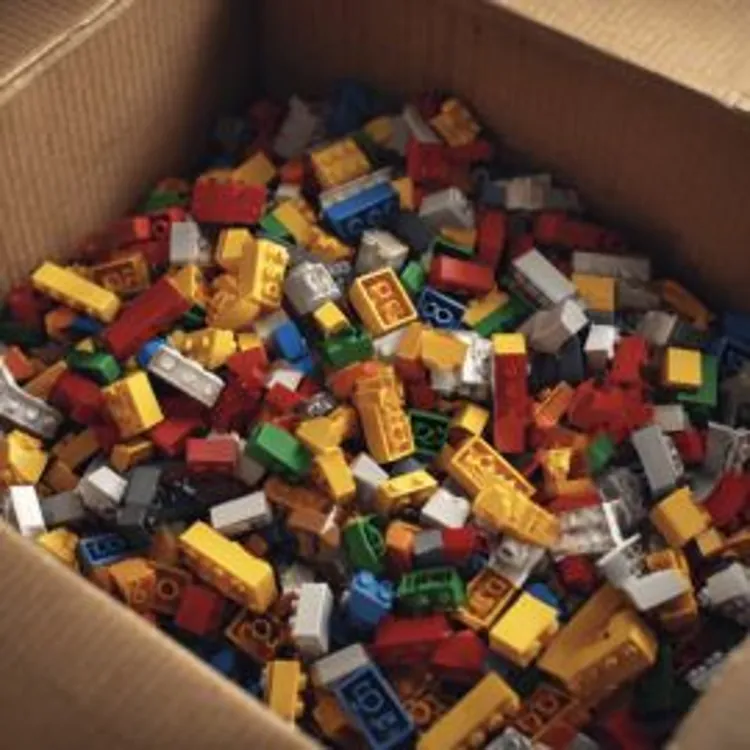
How to pack Legos for moving
Packing your Legos for moving involves inventorying your collection and deciding which sets to keep assembled and which ones to take apart. Follow this step-by-step guide to pack your Lego sets correctly.
1. Clean and inventory your collection
Lego sets can accumulate dust and dirt over time. Clean your Legos with a soft-bristled brush and warm, soapy water before packing. Gently clean each piece and set them out to dry. Avoid harsh chemicals or abrasive cleaning materials that can damage your Lego bricks.
Sort through your collection before packing to determine what's worth moving. Consider whether you or your children have lost interest in certain sets or if some have missing pieces. You can sell, gift or donate sets you no longer want to local schools or libraries.
Look through each Lego set in the house with your children if the sets belong to them. This can help avoid misunderstandings later.
2. Document and photograph your sets
Photograph complex builds from multiple angles for easier reassembly.
Take photos of your completed builds and instruction manuals before packing. These photos are helpful when you’re setting up your Legos in your new home and need to remember specific details. You can use these photos to create a digital catalog of your collection.
Capture multiple angles of complex builds to document all details. This step becomes invaluable when you need to reassemble sets or identify which pieces belong to specific models. Store these photos digitally for easy access during unpacking.
3. Decide between keeping sets assembled or disassembling
The decision to keep sets assembled or break them down depends on several factors. Disassembled sets take up less space and are generally easier to pack securely.
Consider your moving distance, available packing time and the complexity of your sets when making this decision. Valuable or sentimental sets you want to keep assembled need extra care and materials.
» DO IT RIGHT: How to pack for a move
4. Remove delicate and protruding parts
Most built Lego sets have delicate sections likely to come off the main build during the move. Due to their protruding nature, sections like plane wings, robot or vehicle antennas and ship sails are susceptible to damage during transport.
Remove these fragile parts and pack them separately. Place pieces in small, labeled zip-close bags. Keep them with their corresponding sets to make reassembly straightforward.
» LEARN: How to pack fragile items for moving
5. Pack disassembled sets properly
Divide Lego bricks by color or type and place them in zip-close bags. Put unique pieces or mini-figures in smaller bags. Label each bag with the set number or description using a permanent marker.
Place the sealed bags in transparent plastic storage containers to help you quickly identify each set. Use original Lego boxes for their corresponding sets if you still have them. Small to medium cardboard boxes also work well.
6. Wrap assembled sets securely
Wrap the main Lego build tightly in stretchable plastic film to seal it and prevent pieces from falling out during transit. Cover the plastic-wrapped build with bubble wrap for cushioning and shock absorption. Use small pieces of tape to secure the bubble wrap sheets.
This double-layer approach provides both stability and cushioning for your assembled sets.
Cover assembled sets with plastic film so the parts stay in place during the move.
7. Choose appropriate containers
Select sturdy plastic containers with secure lids to prevent spills. Place smaller sets or components in zip-lock bags for convenience. Use bubble wrap for cushioning partially assembled pieces.
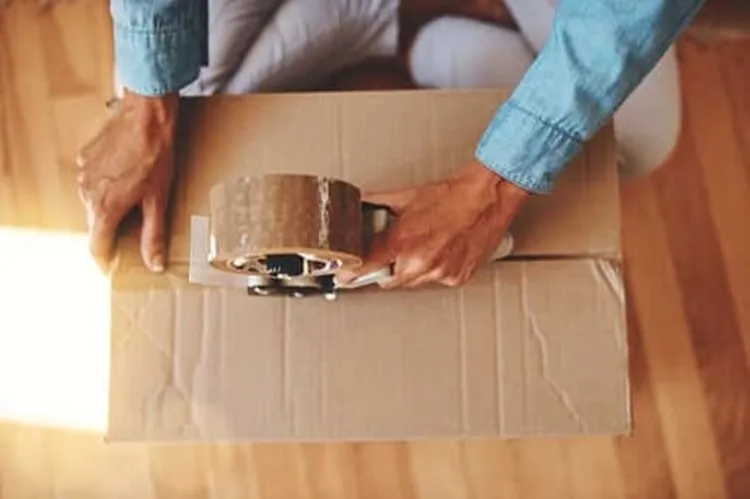
Avoid oversized boxes that can become too heavy or allow excessive movement. Plastic storage bins offer durability and transparency. Office paper boxes work well for medium-sized assembled sets. Secure all lids with packing tape and place plastic containers inside moving boxes for additional protection.
8. Add cushioning and fill gaps
Lay soft packing paper at the bottom of containers and between layers of bags for cushioning. Fill the empty space inside each box with soft packing paper, bubble wrap pieces or shipping peanuts to prevent movement during transit.
Secure assembled sets inside their containers to prevent movement, but avoid applying too much pressure that could damage the builds.
9. Label everything clearly
Label all containers with their contents and create an inventory list of packed sets. Keep instruction manuals with their corresponding pieces for easier reassembly. Photograph the packing arrangement to replicate it if needed.
Mark boxes containing assembled sets as "FRAGILE" and "HANDLE WITH CARE" in large, visible letters. Label containers by set name if you've kept sets organized, or by piece type if sorting by type. Document any mixed pieces or incomplete sets for reference.
10. Transport carefully
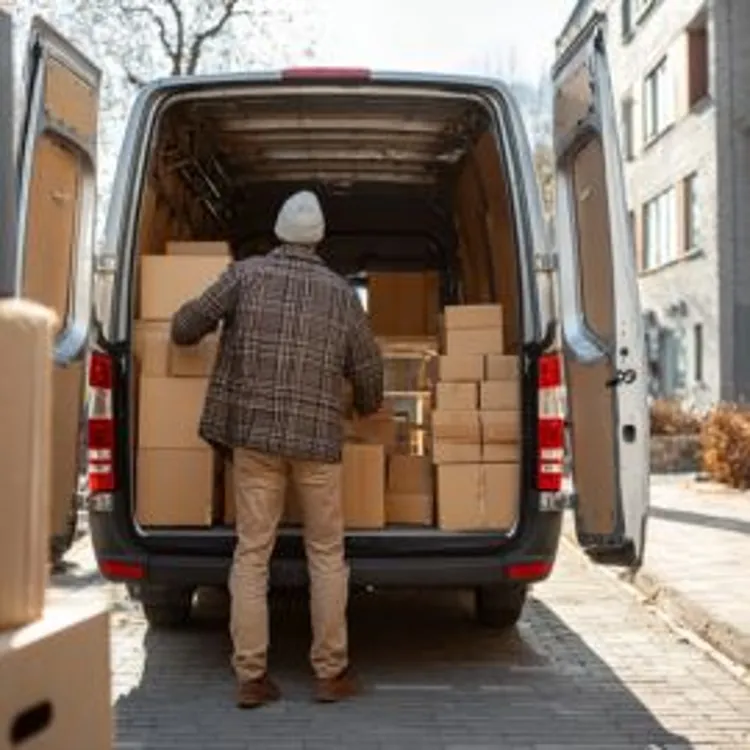
Place boxes securely on the ground when loading the moving vehicle. Avoid stacking boxes or leaning them against vehicle walls to prevent damage during transportation.
Keep valuable or sentimental pieces in your personal vehicle when possible. Monitor temperature conditions during transport, as extreme heat or cold can affect piece quality. Place heavier containers at the bottom of stacks and ensure all containers remain upright.
» OTHER KIDS' TOYS: How to Pack Stuffed Animals for Moving
Special considerations for international moves
Moving internationally with a Lego collection requires additional planning. Decide which sets are essential, as shipping costs can be substantial. Research customs regulations for your destination country. Some places have restrictions on plastic toys or require special documentation.
Consider marking boxes as "high value." Packers will seal these more securely with binding tape, making tampering evident. High-value designation also carries higher insurance reimbursement that can cover the cost of sets, including retired ones.
Ship your most valuable sets separately with tracking and insurance for international moves. Climate differences between countries may affect plastic. Ensure proper climate-controlled storage if your items will be in transit for extended periods.
FAQ
What should I do with my Legos before moving out?
Clean all pieces thoroughly, sort them by set or type and decide whether to keep sets assembled or disassemble them. Take photos of completed builds and create an inventory list to track everything during the move.
How do I pack Lego sets for shipping?
Wrap assembled sets tightly in plastic wrap and then place them in sturdy boxes with adequate cushioning material. For disassembled sets, use sealed plastic bags labeled with set information and pack them in rigid containers.
Are there specific boxes for moving Lego sets?
No, there are not moving boxes specifically designed for Lego sets. Office paper boxes, plastic storage bins with secure lids and medium-sized moving boxes work well. Choose containers that prevent movement and provide adequate protection.
Can I carry a box of Legos on a plane?
You can carry Lego sets in both carry-on and checked luggage. Keep valuable or rare sets in your carry-on to ensure they stay with you. Wrap sets securely and prepare for potential security inspections.