

Medicaid coverage for medical alert systems
Core Medicaid coverage does not include medical alert systems because they aren’t considered durable medical equipment (DME), which is usually covered. However, some plans provide full or partial coverage through optional benefits programs, like the Program of All-Inclusive Care for the Elderly (PACE). Coverage through optional benefits and related programs varies by location.
Medicaid is funded and run by both federal and state governments. So while there are federal regulations and laws that create universal coverage across the country, each state can provide unique services under Medicaid coverage.
If you qualify for coverage, Medicaid may pay for upfront equipment costs, monthly subscription costs or both.
Eligibility for medical alert system coverage through Medicaid depends not only on your location but also on whether or not your care team deems a system medically necessary.
You can find contact information for your state’s Medicaid office on the Medicaid website, or you can reach out to a member of your Medicaid care team for more information about coverage in your area.
PERS under Medicaid explained
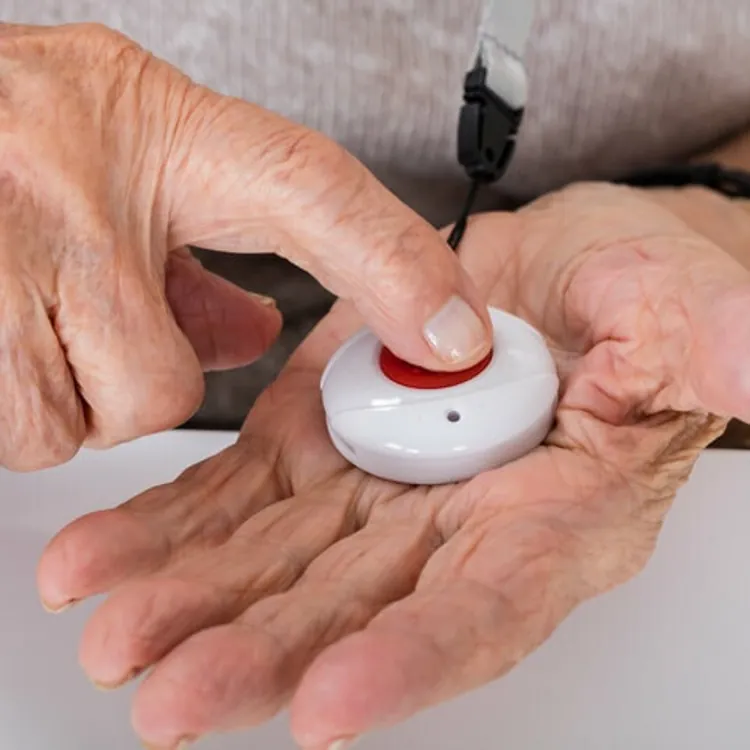
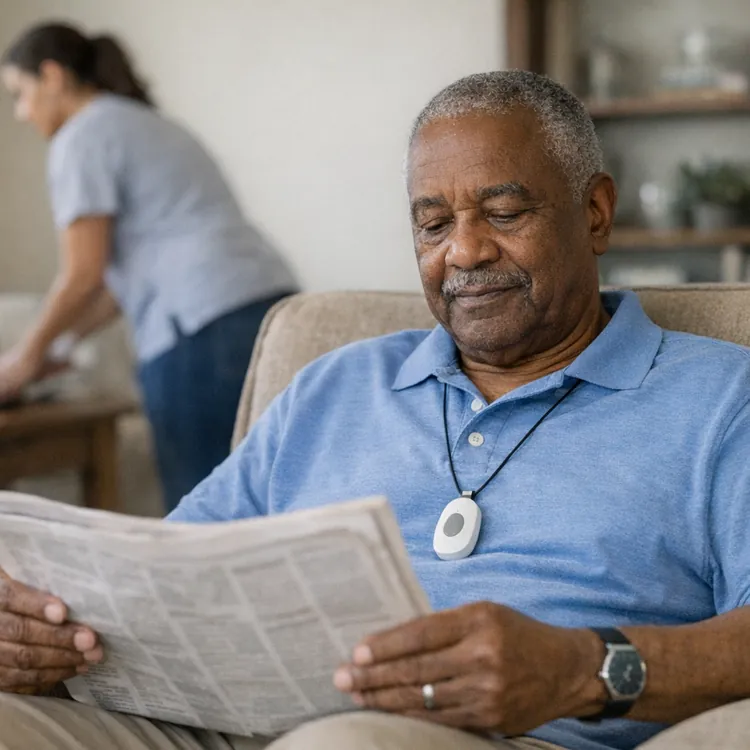
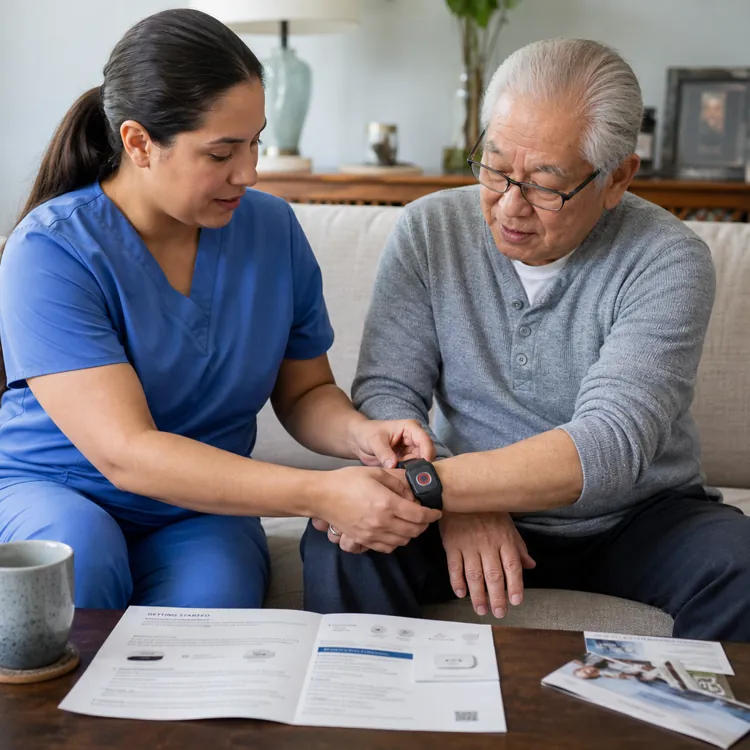
Medical alert systems that give elderly or disabled people a way to contact services quickly in the case of a fall or other health emergency are referred to as Personal Emergency Response Services (PERS).
There are three types of medical alert systems to choose from:
- Landline-connected systems: Wearable devices linked via radio frequency to a home base that’s connected to a landline. They’re dependable, but only work inside the home.
- Cellular network-connected systems: Devices and/or home bases with SIM cards that connect to wireless networks for making calls and reporting GPS coordinates. These are sometimes unreliable since cell service can be spotty, but you can travel with them and maintain your peace of mind.
- Internet-dependent devices: Add-ons for existing devices, like smart home systems and smart watches, that double as alert systems. Unfortunately, these are the least reliable option since they depend on internet access or a seamless connection to a nearby smartphone.
Medicaid won’t cover internet-dependent devices because they’re not true medical alert systems, but it may cover landline-connected or cellular network-connected systems.
If you are able to get coverage through Medicaid, the extent of that coverage can vary and include any or all of the following:
- Upfront equipment costs and activation fees
- Monthly fees for active monitoring
- Added features, like fall detection
In order for you to be eligible, you’ll need a letter of medical necessity from a doctor stating that they believe a system would be beneficial for your safety and well-being.
» MORE: Best medical alert systems
HCBS waivers and PERS coverage
The federal government partially funds Medicaid programs, but medical alert systems are excluded because they’re not considered DME.
However, there are a few ways to get coverage for an alert system through Medicaid:
- Your state includes them as optional benefits: All states are required to cover federally-mandated items and services, like DME, through state Medicaid programs. States can also provide optional benefits — including medical alert systems.
- Your state uses HCBS waivers to cover them: Per the 1915(c) waiver program, states can use Home and Community-Based Service (HCBS) waivers to cover medical alert systems for individuals who can live on their own, rather than in an institution. Contact your state’s Medicaid office for clarification.
- Your state has a Money Follows the Person (MFP) program: Some states have MFP programs designed to help elderly people and those with disabilities live on their own. Medical alert systems may be included in covered equipment and services.
In most cases, you’ll need a letter of medical necessity from your doctor that deems a medical alert system necessary before these programs will provide coverage. You’ll also need your personal care team to determine whether the equipment is a necessity.
Depending on your state, additional eligibility criteria may also have to be met. For example, New York’s Home Care Services requires the following:
- You must be 60 or older
- You must have functional limitations that demand assistance
- You must be able to live in the home alone if assistance is provided
- You must be ineligible for coverage under other programs
For more information on what’s available and required in your area, contact your state’s Unit on Aging.
PACE coverage for medical alert systems
Even if you don’t receive coverage for a medical alert system directly through Medicaid, you may be eligible through a Program for All-Inclusive Care for the Elderly (PACE). In certain states, these programs are available for Medicare and Medicaid patients, and they help elderly people get the support they need at home rather than in an institution.
PACE programs are only available in the following states, but note that the existence of a PACE program doesn’t guarantee you’ll get coverage for a medical alert system. Each state program operates individually with its own guidelines.
- Alabama
- Arkansas
- California
- Colorado
- Delaware
- Florida
- Illinois
- Indiana
- Iowa
- Kansas
- Kentucky
- Louisiana
- Maryland
- Massachusetts
- Michigan
- Missouri
- Nebraska
- New Jersey
- New Mexico
- New York
- North Carolina
- North Dakota
- Ohio
- Oklahoma
- Oregon
- Pennsylvania
- South Carolina
- Tennessee
- Texas
- Virginia
- Washington
- Washington, D.C.
- Wisconsin
Even if you have access to a PACE program where you live, you must also meet the following criteria:
- You are over the age of 55
- You require services of or similar to those provided by a nursing home
- Help from PACE could allow you to live on your own instead
When you’re covered by a PACE program, you will have a dedicated care team. Your care team decides what services and equipment will help you live on your own rather than in a nursing home. It’s up to your PACE care team whether or not you get approved for a medical alert system and what type(s) the program will cover.
FAQ
How do I get a free medical alert device?
You might be able to get a free medical alert device through Medicaid optional benefits, a PACE program, VA benefits or even through a Medicare Advantage (Part C) plan. Eligibility depends on your location, your situation and your insurance coverage. You may also be able to get discounts through private insurers.
Can a doctor prescribe a medical alert system?
No, doctors cannot prescribe a medical alert system. However, your doctor can write a letter of medical necessity for a medical alert system stating why they believe you need one. This can help you get coverage through Medicaid or other programs.
How do I apply for PERS coverage through Medicaid?
First, get a letter of medical necessity from your doctor explaining why you’d benefit from a medical alert system. Then, speak with your Medicaid care team to ask if they also believe it’s necessary. Coverage through Medicaid is never guaranteed, even if you’re in a state that sometimes covers PERS through Medicaid.
What if my state does not cover PERS?
If your state’s Medicaid doesn’t cover medical alert systems, check if PACE is available in your area. If that doesn’t work, look for discounts on the equipment or monthly service fees through private insurers or other benefits programs offered through state or county agencies.
Article sources
ConsumerAffairs writers primarily rely on government data, industry experts and original research from other reputable publications to inform their work. Specific sources for this article include:
- HealthInsurance.org, LLC, "How is Medicaid funded?" Accessed April 23, 2026.
- Centers for Medicare & Medicaid Services, "1915(c) Home & Community-Based Services Waivers." Accessed April 23, 2026.
- Centers for Medicare & Medicaid Services, "Money Follows the Person." Accessed April 23, 2026.
- New York City Department for the Aging, "Home Care Services Standards of Operation and Scope of Services." Accessed April 23, 2026.
- Administration for Community Living, "State Units on Aging." Accessed April 23, 2026.
- National PACE Association, "Find a PACE Program Near You." Accessed April 23, 2026.
- U.S. Centers for Medicare and Medicaid Services, "PACE." Accessed April 23, 2026.
- Centers for Medicare & Medicaid Services, "Where Can People Get Help With Medicaid and CHIP?" Accessed April 23, 2026.