


Compare our top picks for the best medical alerts with no monthly fee
To find the best medical alert systems with no monthly fee, we looked at factors like costs, call features and range. We considered systems that are water-resistant and have no hidden fees. Our picks also can contact 911, in-home caretakers, loved ones or a combination of them.
Our top picks for the best medical alert devices with no monthly fee are:
All product information and pricing is accurate as of April 21, 2026.
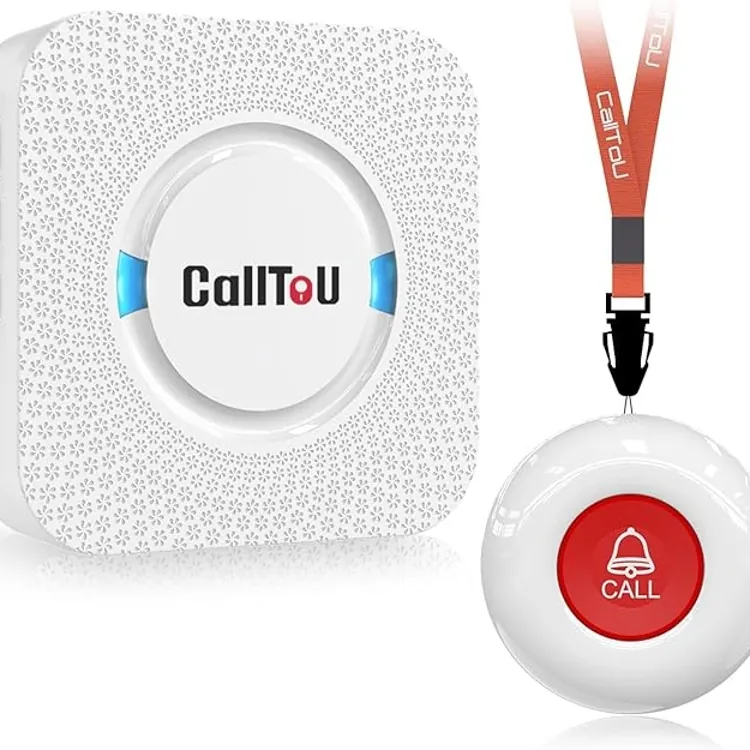
CallToU Caregiver Pager
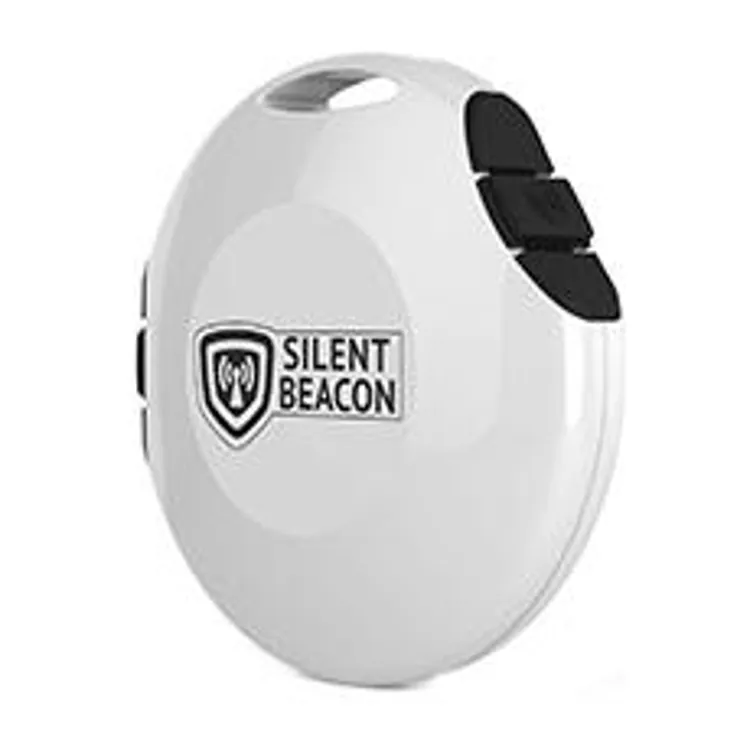
Silent Beacon Bluetooth Emergency Alert
What are no-fee medical alert systems?
Medical alert systems with no monthly fees operate similarly to medical alert systems with monthly fees. The main difference is who receives the call for help in an emergency. Whereas monitored medical alert systems connect to a call center where a representative determines the severity of the emergency, an unmonitored system directly dials loved ones or 911.
Who are no-fee medical alert systems best for?
Unmonitored medical alert systems are best for older adults who have caretakers nearby who can respond quickly in the event of a call.
Types of no-fee medical alert systems
There are two main types of no-fee medical alert systems on the market: those that sound an alarm on your property and those that call an external number. The former is typically used by older adults with in-home caretakers while the latter is for those living independently.
Some medical alert devices can be programmed to contact certain loved ones in a specific order, with a call to 911 as a last resort. Other devices are not customizable.
“When looking into purchasing an unmonitored medical alert system, it's important to assess how reliable the contacts are who will be notified in an emergency,” said Brittany Ferri, a certified occupational therapist. “Make sure that the designated contacts are generally available and can respond quickly.”
Ferri also said if your designated emergency contact is no longer able to be listed, don’t forget to update your system’s settings right away to avoid lapses in support. You can typically do this by manually resetting the device yourself or by calling an agent.
How much does a medical alert system without monthly fees cost?
Unmonitored medical alert systems typically cost between $20 and $300, depending on the technology of the device you choose. Some systems have the option to upgrade to a monitored system for a monthly fee, but most are fixed at a one-time cost.
Will Medicare or Medicaid cover a medical alert system?
Unfortunately, Medicare won’t cover a medical alert system of any kind.
“Navigating Medicare coverage can be difficult at times and currently, Medicare Part B does not typically cover the cost as they are generally categorized as ‘personal comfort items,’” Brittany Ferri said.
However, Ferri said some Medicare Advantage (Part C) plans might offer full or partial coverage for medical alert devices.
“If these do not apply to you, look into Medicaid waivers, talk to your local health department for potential programs or grants, and explore non-profit organizations that may provide financial assistance,” Ferri said. “You can also try contacting the medical alert companies directly to ask about any discounts or subsidized programs they may offer.”
You can also try contacting the medical alert companies directly to ask about any discounts or subsidized programs they may offer.”
Pros and cons of medical alert systems with no monthly fees
Medical alert systems with no monthly fees are not perfect, and consumers should understand the pros and cons before purchasing.
Pros
- No monthly fees
- You own the equipment
- Devices are simple
Cons
- No call center access
- Caregiver may miss a call
- Responders don’t have medical records
- No confirmation that 911 was contacted
What to look for in a no-fee medical alert systems
When shopping for a no-fee medical alert system, consider factors like:
Your living conditions
Think about your living conditions, such as your activity level, whether you live alone or with someone and what type of system range you need for your home’s size.
- Activity level: If you spend a lot of time out of the house, find a mobile medical alert with GPS.
- If you live alone or with someone: If you live independently, get a medical alert system that calls external numbers. If you live with a caretaker, get a medical alert that sounds an alarm within your home.
- Home size: Make sure the maximum range of the system is more than what you need in your own home.
Features you want
Look for a no-fee medical alert that is comfortable, water-resistant, easy to set up and simple to use. You probably won’t wear a pendant that doesn’t meet this criteria as often as you should, so check all the boxes.
Company reviews, terms and policies
Even if a medical alert device has no monthly fees, be sure to call the company and read reviews, looking for any hidden fees. The best medical alert systems for older adults with no monthly fees have a warranty, trial or return policy so users can return an unsatisfactory product.
» MORE: Find the best medical alert apps
Comparison: no-fee vs. monitored medical alert systems
Both no-fee and monitored medical alert systems are designed to keep older adults safe, but they work in different ways and cater to different needs.
No-fee medical alert systems
No-fee medical alert systems don’t connect to a monitoring center. Instead, they either sound a loud alarm to alert nearby caregivers or automatically call preset phone numbers, such as a neighbor, family member or 911. These systems typically require only a one-time payment of $20 to $300, depending on the features.
No-fee systems are ideal for those with consistent nearby support, such as live-in caregivers or family members.
Monitored medical alert systems
A monitored medical alert system connects the user to a 24/7 call center when the emergency button is pressed. A trained representative speaks with the user, assesses the situation and contacts the appropriate emergency services or loved ones. These systems generally cost between $20 and $60 per month, plus any equipment fees.
Monitored systems are best for individuals who live alone, have medical conditions or want peace of mind knowing a professional will always answer the call.
FAQ
What are some low-cost alternatives to medical alert systems?
Some low-cost alternatives to medical alert systems include medical alert bracelets engraved with health information, mobile apps that provide emergency alert functions and smart home devices with integrated alert features. These options may not offer the full functionality of a medical alert system, but they can serve as supplemental or temporary solutions.
Do unmonitored medical alert systems have fall detection?
Some unmonitored medical alert systems have fall detection, but the technology is imperfect. For automatic fall detection, it’s best to choose a monitored medical alert system.
Do unmonitored medical alert systems have GPS?
GPS-enabled devices are available with no monthly fees, though this feature is rare. Typically they need to be paired with a cellular device and network, so older adults without an existing cellular plan may not have access to this feature.
Can unmonitored medical alert systems be integrated with smart home devices?
Some unmonitored medical alert systems can integrate with smart home devices, depending on the brand and model. These integrations may allow for voice-activated commands and alerts. Check the product specifications or contact the manufacturer for compatibility details.
Bottom line: Are medical alerts with no monthly fees worth it?
Medical alert systems with no monthly fees can be a great option for older adults on a budget who live with a caretaker or who have some type of support available.
“An unmonitored system can still be a great choice if you have several consistent social supports in place,” Brittany Ferri said. “You should also consider using this alongside other safety measures, such as scheduled check-ins and maintaining a safe, clutter-free living environment to prevent falls."
Article sources
ConsumerAffairs writers primarily rely on government data, industry experts and original research from other reputable publications to inform their work. Specific sources for this article include:
- Medicare, “Durable Medical Equipment (DME) Coverage.” Accessed April 21, 2026.