


How to choose the right medical ID bracelet for you
Like any other piece of jewelry you’ll wear every day, it’s important to select a medical ID bracelet that fits your lifestyle and aesthetic, feels comfortable and offers the durability you need. To find the best medical ID bracelet for you, look for an option that balances all of these considerations with immediate visibility for first responders.
Material and durability
Bracelets are available in various materials, each of which has its benefits and drawbacks.
- Stainless steel and titanium are among the most durable materials you can choose. These metals are highly resistant to scratching, corrosion and tarnishing, but they sometimes have a utilitarian appearance that may not appeal to those looking for something more decorative.
- Sterling silver and gold-plated bracelets provide an elegant look but are prone to scratches and tarnishing. However, these materials may be a good option for you if you prefer a traditional jewelry style that costs less than 14-karat gold.
- Fourteen-karat gold is more resistant to tarnishing than gold-plated jewelry, but it can be expensive and is less robust than stainless steel or titanium.
- Silicone is a flexible, lightweight option that many athletes prefer. Silicone bracelets have a lifespan of several years, so they will not last as long as a well-maintained metal bracelet, but they are typically very affordable.
- Leather has a classic, polished appearance and can last for many years with good maintenance. However, it is vulnerable to damage from scratching, water exposure, personal care products and sweat.
Engraving and information layout
Consider what information you want to include on your medical ID bracelet and look for an option that has enough space for your needs. Bracelets with a larger display area can convey more information, but some wearers may prefer a smaller, more discreet appearance.
Regardless of the size and style of bracelet you choose, make sure it includes a recognizable symbol — such as the caduceus — that clearly identifies it as a medical alert bracelet.
Technology and connectivity
Rather than displaying the specifics of your medical condition, some medical ID bracelets include a QR code, URL or call center number that emergency responders can use to access your medical information. These bracelets can be more streamlined than others and allow you to update your information when details change, but the extra step may slow down emergency response.
Our favorite medical ID bracelets
With hundreds of medical alert jewelry options available, it's difficult to sift through the good and the bad. We looked at 69 medical ID bracelets on Amazon and evaluated each one based on ratings, cost, style and functionality. Remember to consider your lifestyle, medical needs and design preferences when choosing from these five medical ID bracelets.
- Our favorite medical alert bracelet for women: LinnaLove
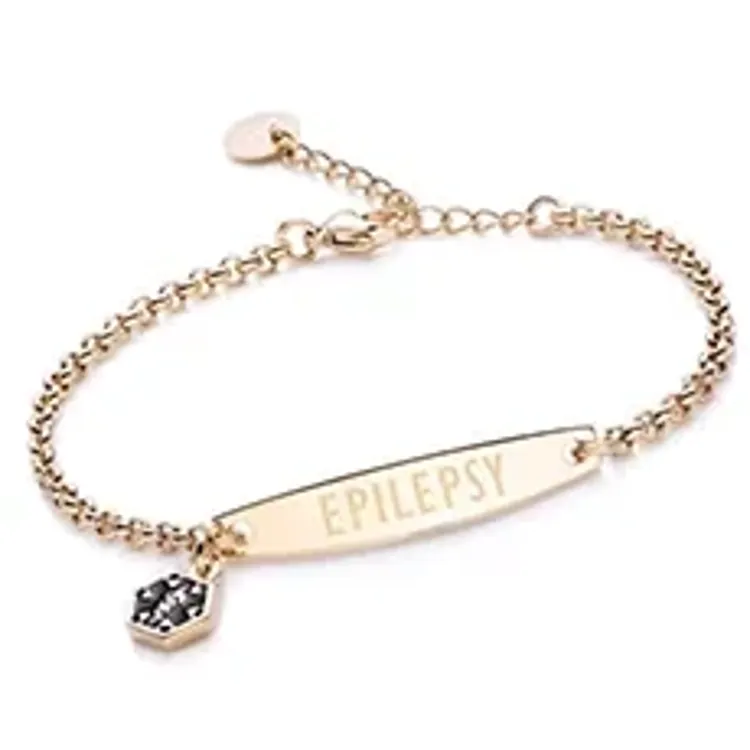
- Our favorite medical alert bracelet for men: Wendy Made
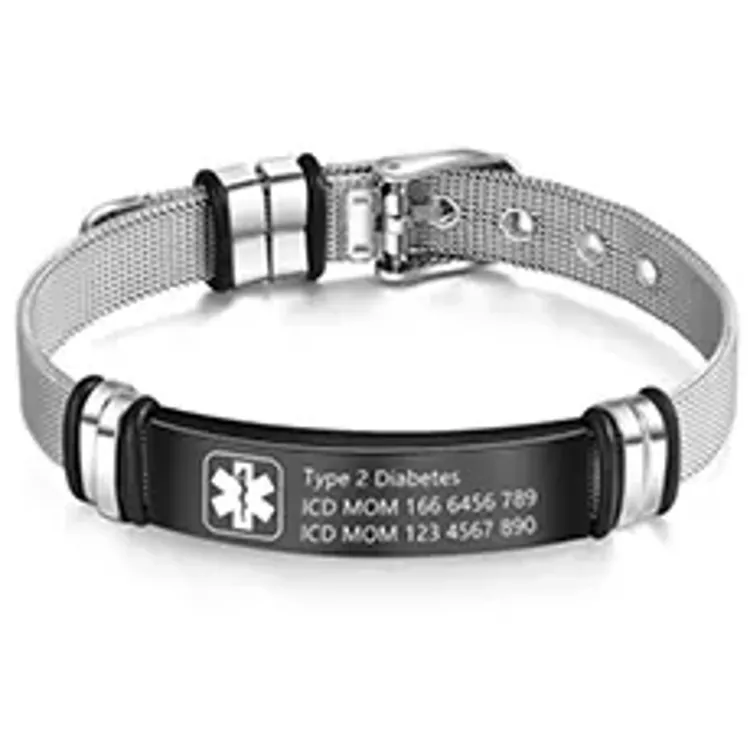
- Our favorite medical bracelets for kids: JF.Jewelry
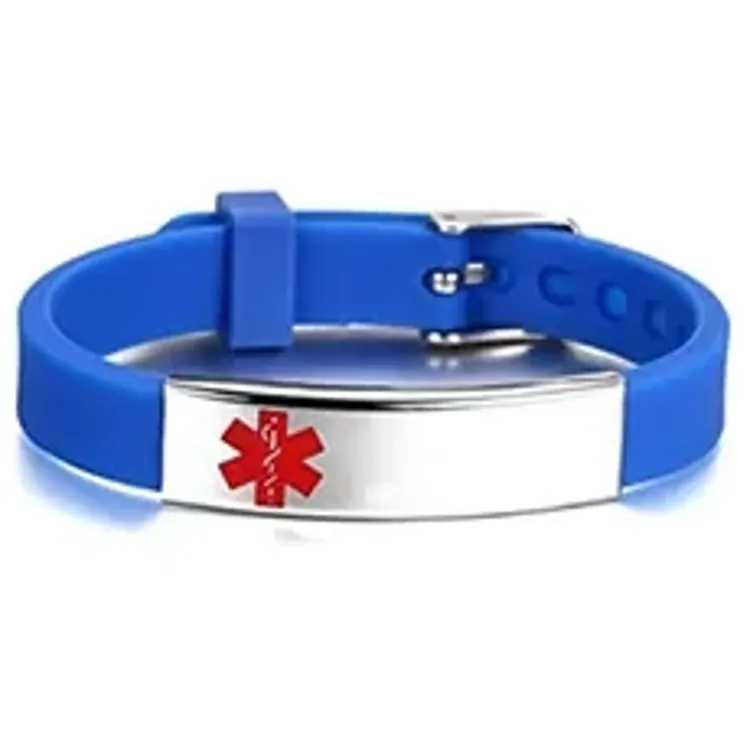
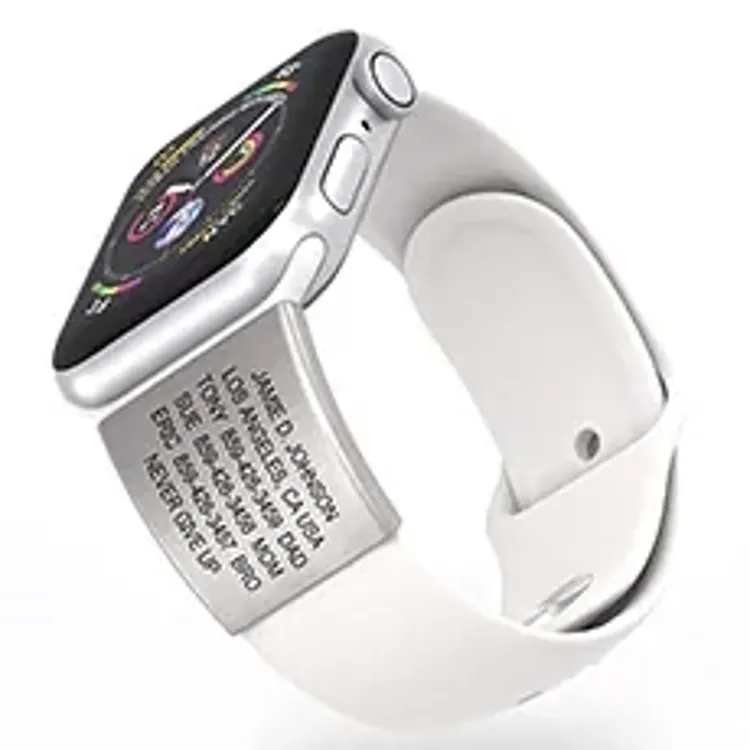
- Good for smartwatches: Road ID
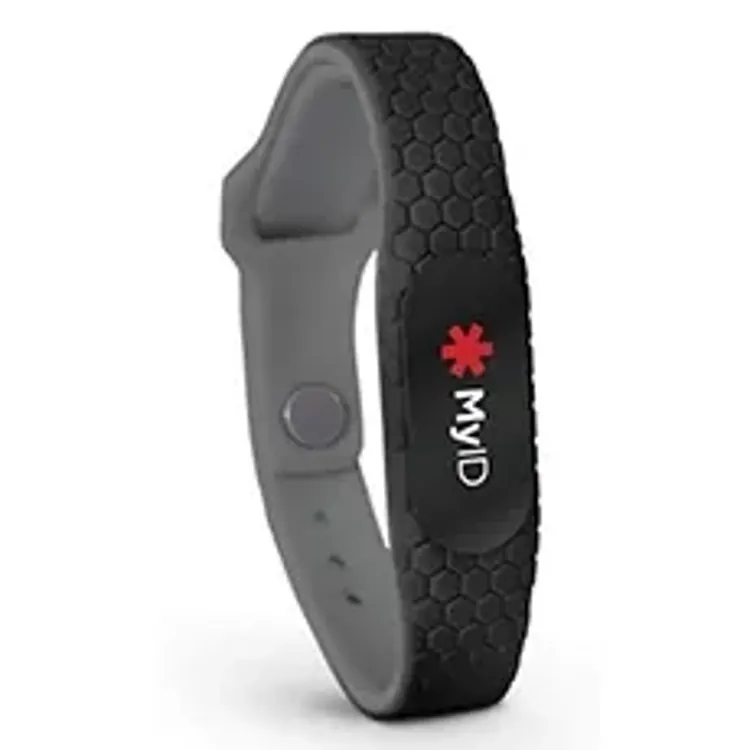
- Good for athletes: MyID Hive
LinnaLove
Wendy Made
JF.Jewelry
Road ID
MyID Hive
What is a medic alert bracelet?
Medical alert bracelets display information about your allergies, medications, chronic conditions and mental health, which lets EMTs provide an informed response during emergencies. A medical ID bracelet can help prevent a misdiagnosis or a fatal allergic reaction.
“Medical alert bracelets are best for anyone who is at risk of injury or illness, and may be unable to verbalize who they are,” explained Chaim Backman, a physical therapist who provides concierge home care rehab in Miami, Florida. Those who are at higher risk for falls or have a chronic condition, mental health diagnosis, allergy or medication regimen could benefit from medical alert jewelry.
Medical alert bracelets are a low-tech option compared to medical alert systems, but they function no matter where you are and don't depend on battery or a cell connection, says Backman.
The medical alert bracelet you choose needs a clear medical symbol that ensures emergency responders do not mistake it for an ordinary piece of jewelry.
“Medical personnel know to look for that and it won't break like a phone can during a fall or accident. Nor would it get separated from the body, like a wallet may, if the medics cut away the clothing to care for you after an accident,” said Backman.
Medical alert bracelets are best for anyone who is at risk of injury or illness, and may be unable to verbalize who they are.”
Pros and cons of medical alert jewelry
Medical alert bracelets are made to save someone’s life, but they have limitations. Unlike medical alert systems, they don’t need any sort of power connection. They work wherever you or your loved one are. But being low-technology also means a medical alert bracelet can’t update information as health status changes. It also can’t contact help or detect a fall or other emergency.
When deciding whether or not to get a medical alert bracelet, here are some factors to consider.
Pros
- Displays allergies and conditions at a glance
- Attractive designs in any style
- Fairly inexpensive
Cons
- Can't update information
- Limited amount of information fits on bracelets
- Doesn't contact emergency services for you
How much do medical alert bracelets cost?
According to Backman, medical bracelets don’t cost much and are lower in price than an electronic medical alert system. You can expect to pay around $10 to $35 for one, depending on the material and technology.
“Medicare does not pay for fall alert devices. In some states, Medicaid may cover some or all of the cost, but that’s state-dependent,” explained Backman. Unfortunately, most private insurances don’t cover medical alert bracelets, he added.
Medical ID bracelets vs. medical alert systems
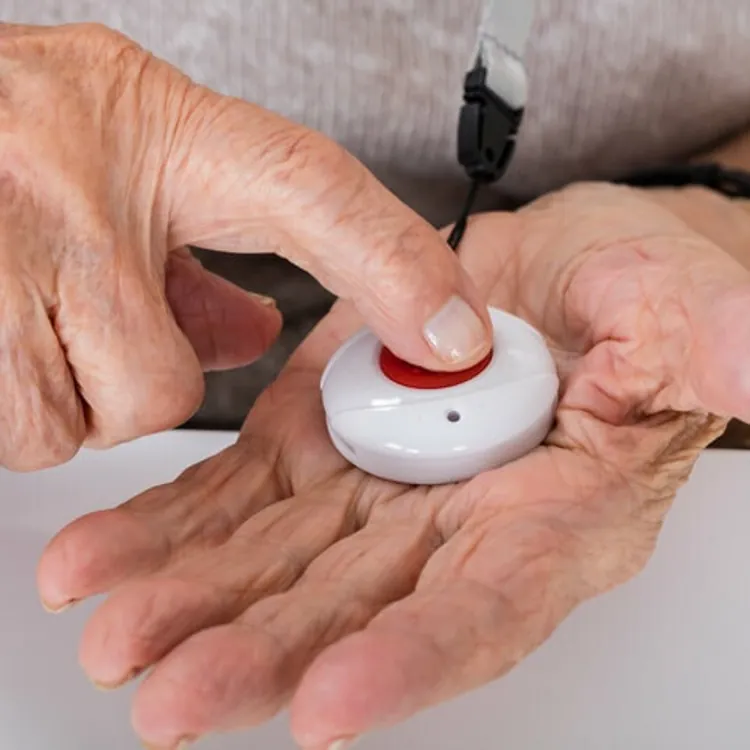
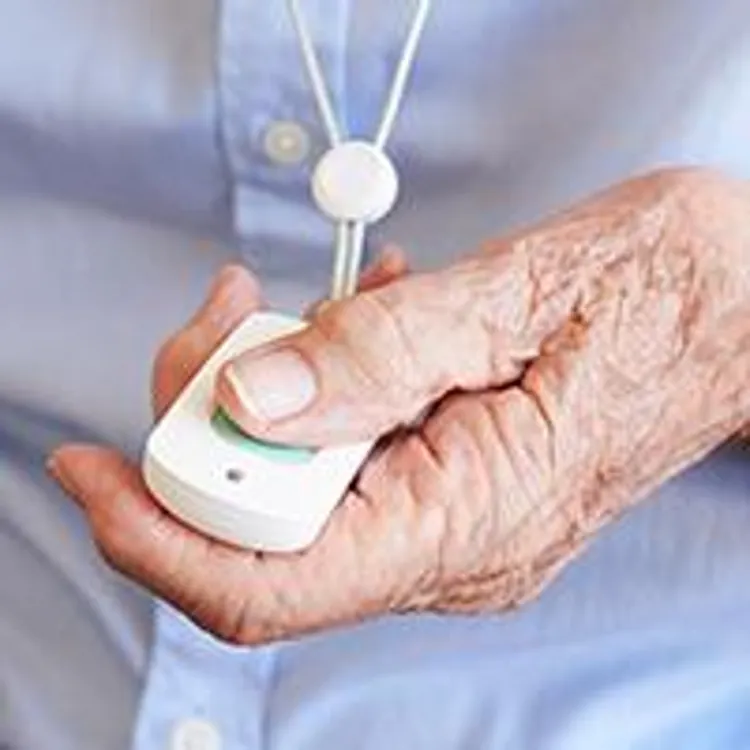
Medical alert systems provide additional protection beyond an ID bracelet by calling help with the press of a button — or even automatically, when certain emergencies, like a fall, are detected. Medical alert systems are available in many formats,including GPS systems, watches, pendants and in-home call buttons.
These systems may be monitored or unmonitored. Unmonitored systems send a call to 911 or a designated emergency contact when an emergency is detected.
Monitored systems contact a monitoring center, where a representative assesses your needs and calls emergency responders for help. Representatives have your personal medical history on file and give a complete list of your conditions, medications and allergies to emergency responders, which ensures you receive appropriate treatment.
Some medical ID bracelets, such as MyID Hive (our pick for athletes), include a call center service, but they differ from medical alert systems in that the bracelet lacks the technology to initiate contact with the service. Instead, emergency responders must use the bracelet’s URL, QR code or phone number to access medical information and speak to a representative.
FAQ
What information should be on a medical alert bracelet?
Medical alert bracelets typically have information about allergies, medications, chronic conditions and mental illnesses, but many are customized to also include personal information or emergency contacts.
Do I need a medical ID bracelet?
If you have a severe allergy, chronic condition or mental illness, or you depend on life-saving medication, we recommend you get a medical alert bracelet. Epilepsy, autism and diabetes are common conditions that require a medical ID bracelet.
How do I get a medical alert bracelet?
Order any of our picks for the best medical alert bracelets by clicking on the Amazon buttons above. When you’re checking out, you’ll be prompted to customize your bracelet by entering personal information or selecting from a set of pre-engraved options.
Bottom line: Should I get a medical alert bracelet?
If you’ve been diagnosed with a chronic condition, mental illness or allergy, or you require consistent medication, you should consider a medical alert bracelet. A medical alert bracelet is inexpensive and could save your life by preventing emergency responders from misdiagnosing your condition and miscalculating your needs. With hundreds of medical alert bracelets on the market, it’s easy to find one that fits your style and budget.