

Walk-in bathtub accessories overview
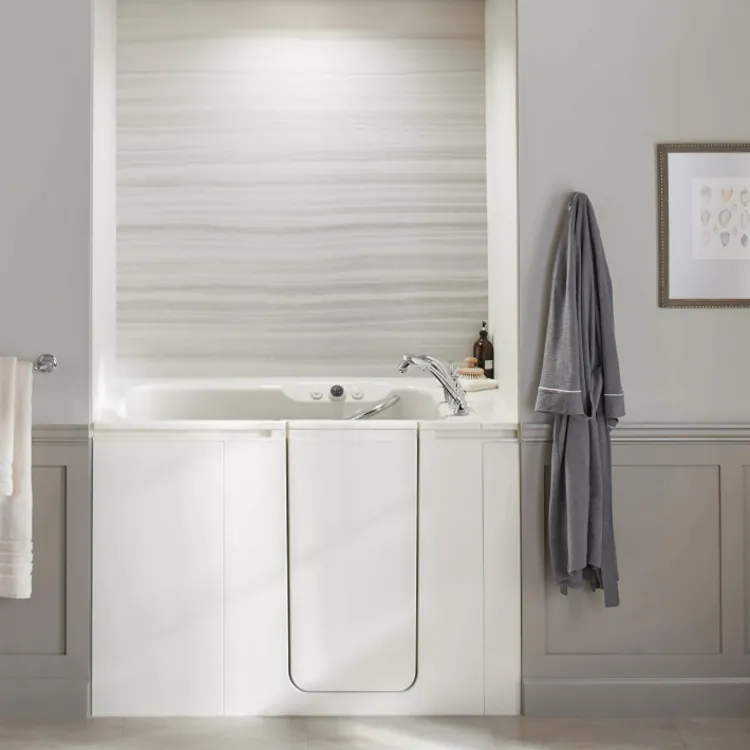
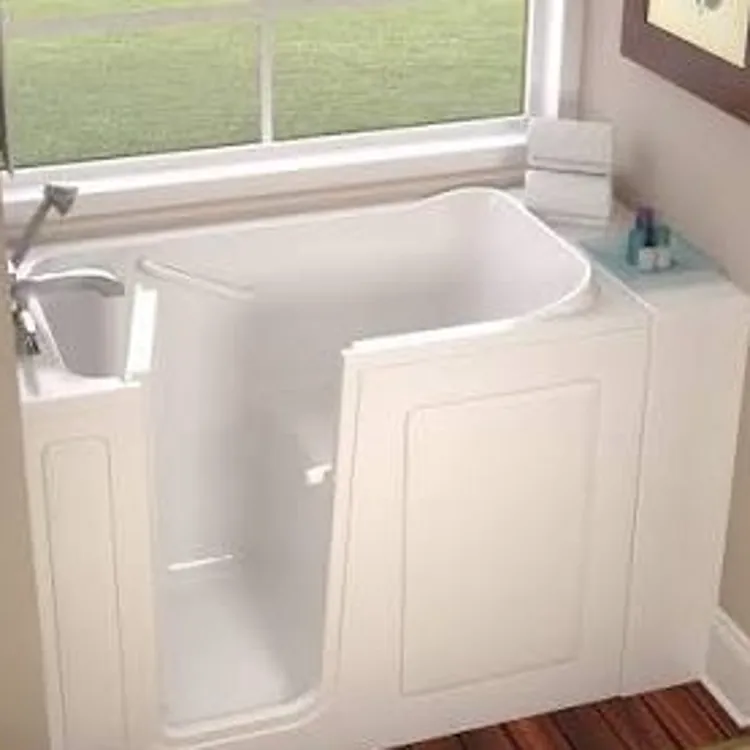
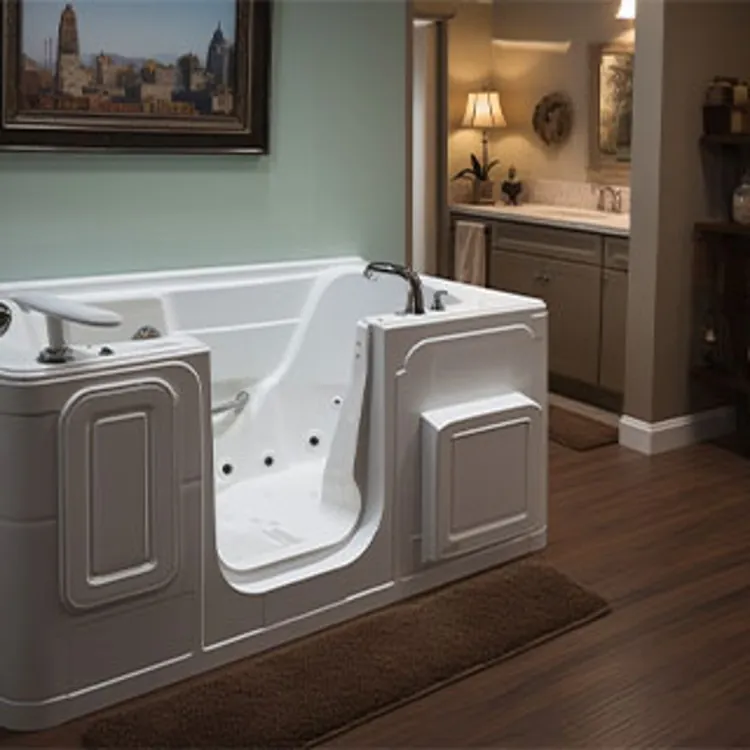
Accessories for walk-in bathtubs fall into a few different categories, depending on their purpose.
Before you buy, consider your type of walk-in tub, the existing features and your individual needs and preferences. Safety accessories are essential, and most tubs come with these features to meet the Americans with Disabilities Act (ADA) accessibility standards.
The main accessory categories for a walk-in tub include:
- Safety accessories that include grab bars, non-slip flooring and splash guards
- Comfort enhancements that include headrests, cushions and heated seats
- Shower conversion items such as a handheld showerhead or wall panels
- Therapeutic upgrades like hydrotherapy jets, aromatherapy and chromatherapy
- Storage solutions like caddies and shelves to keep soap, shampoo and bathing tools within reach
- Installation components such as anti-scald valves and water-pressure regulators
- Maintenance accessories that include drain covers, sealants and cleaners
- Aesthetic customizations such as panel covers, decorative hardware and faucet upgrades
Consult an expert before buying accessories for your walk-in tub. Upgrades can change a tub’s fit and installation needs.
» EXPLORE: The best walk-in bathtubs (2026 guide)
Safety accessories for walk-in bathtubs
Walk-in tubs are designed for safer bathing. But even tubs that come with standard safety features can be enhanced with add-ons, especially if you or your family members have additional mobility concerns.
The following table highlights the most common safety accessories for walk-in bathtubs, who they help most and what protection they offer:
| Accessory | Best for | Installation type | Key safety benefit |
|---|---|---|---|
| Grab bars | All users, especially users with limited grip | Wall-mounted | Supports safe entry, exit and standing |
| Non-slip mats | Users at risk for slipping on wet surfaces | Suction or adhesive mount | Prevents falling |
| Shower screen | Users who want to shower inside the tub | Hinged or magnetic on the tub door | Keeps the water in the tub and reduces wet floors |
| Seatbelt | Users with balance or muscle control concerns | Attaches to the tub seat | Prevents sliding or tipping while seated |
| Anti-slip spray | Users who need additional non-slip surfaces | Spray-on application, either DIY or professionally applied | Creates a textured feel for grip on tub floors or seats |
Grab bars and placement
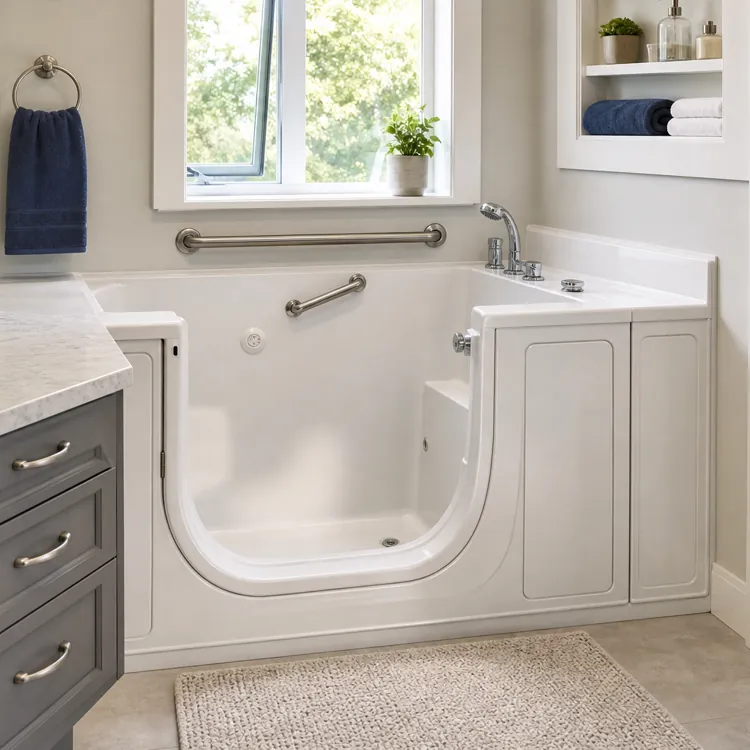
Grab bars provide a sturdy handhold for getting in and out of the tub and for lowering yourself onto and off the seat. They need to be securely mounted by studs for stability so they don’t break off or move with added weight.
Non-slip mats and sprays
One reason the bathroom is the most common place for falls in the home is that water creates slippery surfaces. During and after bathing, the tub floor and seat are wet. Non-slip mats can provide a grippy surface for sitting and standing.
Suction-cup mats can be removed and cleaned, while adhesive mats are more permanent. Anti-slip sprays adhere to the tub surface and provide a layer of textured coating that maintains its effectiveness even in water.
Make sure to replace suction-cup mats when the grip weakens, and inspect adhesive mats for peeling. Anti-slip spray can last 1 to 3 years with DIY sprays — longer for professional treatments — before you need a new application.
Shower screens and doors
Walk-in tubs have a leak-proof door, but water can escape if you use the tub as a shower. And water on the floor can quickly create a slip-and-fall hazard. A shower screen or splash guard contains the water to the tub.
Hinged models create a permanent enclosure, which is ideal if your shower has been fully replaced by a walk-in tub. Magnetic screens attach to the door frame, seal in water, and fold flat when not in use, offering a temporary solution if you shower infrequently.
Seat belts and transfer aids
You can have seat belts installed on the tub’s built-in seat to prevent slipping down or tipping while bathing. Seat belts can be especially helpful if you have balance or muscle weakness concerns.
If you use a wheelchair, transfer aids — such as benches that allow you to move from the wheelchair to the tub seat — can help you into the tub safely. Transfer aids also include strategically placed grab bars for entering and exiting the tub independently.
Comfort accessories for walk-in bathtubs
Walk-in tubs have important safety features, but you can make your bathing experience more pleasant with comfort accessories. These comfort features can also help manage arthritis or other types of pain, or even become a part of a daily wellness routine.
Comfort and therapeutic add-ons may include features like:
- Headrests made of waterproof foam or gel that attach to the back wall and support the neck while soaking
- Seat cushions that are placed on top of the seat to decrease pressure and increase support while sitting for longer periods
- Heated seats that keep the user warm during tub fills and drains or during bathing
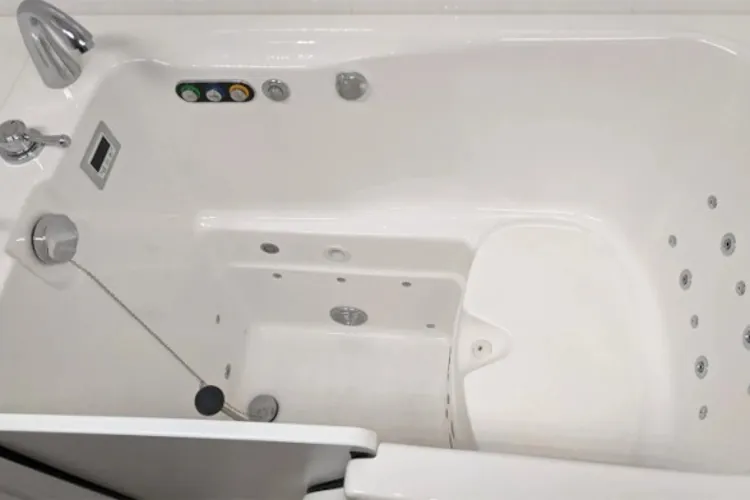
- Hydrotherapy jets for directing water pressure at sore muscles or joints for targeted pain relief
- Air massage systems that use smaller air bubbles for a full-body massage (and are more gentle than water jets)
- Chromatherapy lighting that uses color-changing LED lights built into the tub for enhancing relaxation and improving mood
- Aromatherapy systems that diffuse essential oils through water jets, using a designated canister, to improve relaxation and mood
- Bath tray tables that can span the width of the tub for reading, holding drinks or keeping bath products in easy reach
Headrests and seat cushions
Walk-in tub seats come standard with molded plastic. For longer baths, you might consider some extra cushioning.
Foam or gel headrests mount to the back of the tub wall with suction cups and can help support your neck. Make sure the materials are quick-drying or antimicrobial to prevent mold.
Seat cushions attach to the seat surface using straps or suction. Some are made of memory foam or gel to provide pressure relief on the tailbone during long baths.
Tray tables and storage
Tray tables can bring added function or entertainment during soaks. For example, you might use this space to hold a drink or a book within easy reach.
Most tray tables span the width of the tub and may have non-slip surfaces. Corner shelves and suction cup caddies can hold bath products like soap and shampoo.
Heated seats and jets
Heated seats use electric elements to warm the seat surface before, during and after bathing. Sitting on a warm surface brings some extra comfort while waiting for the tub to fill or drain. Heat can also help reduce pain for users with arthritis or other joint conditions.
Jet systems usually require plumbing connections. They can bring a more targeted pressure massage to sore joints and muscles. Air jet systems create a gentle bubbling sensation all over the body.
Lighting and aromatherapy options
Chromotherapy uses color-changing LED lights built into the tub for therapeutic benefits like relaxation and improved mood. However, the research on the benefits of color light therapy is limited.
Aromatherapy attachments diffuse essential oils into the water through jets and may offer health benefits, like reduced anxiety and better sleep.
Shower conversion accessories for walk-in tubs
Shower conversion kits can turn your walk-in tub into a functional shower. The following table gives an overview of the common conversion accessories and their features when choosing a walk-in tub:
| Accessory | Works with | Includes | Leak prevention features |
|---|---|---|---|
| Shower adapter kit | Most standard walk-in tubs | Diverter valve, hose, handheld wand | Watertight faucet connection |
| Slide bar | Adapter kits and existing plumbing | Wall-mounted adjustable rail | Positions the wand away from the door for splash prevention |
| Shower rod | Freestanding or wall-mounted setups | Curved or straight rod and rings | Positions curtain to block water sprays |
| Wall surround kit | Tub alcoves or drywall | Waterproof panels, adhesive backing | Seals walls from water getting in and causing damage |
Shower adapter kits
Shower adapter kits connect to the existing faucet with a handheld showerhead and flexible hose. A diverter valve can be added to redirect water between the tub faucet and the showerhead to switch water flow. This lets you use the showerhead without having to fill the tub.
Make sure the kit you choose is compatible with your tub model.
Hand shower slide bars
Slide bars mount on the wall and hold the shower wand at an adjustable height. You can use the handheld showerhead while sitting or standing by sliding the head up or down. These can be especially useful if family members of different heights use the tub.
To attach, you need to drill into the tile wall and secure the slide bar to studs. If you’re not sure about the structure behind your wall, you may want to contact a professional.
Rods and splash control
For the simplest and most affordable splash protection, install a shower rod and a waterproof curtain. Straight rods can fit in smaller bathrooms, but if you have extra room, a curved rod will give you more space inside the tub.
Wall surrounds and panels
Some tubs are installed in an alcove or against drywall, where water from a handheld shower can seep behind the surrounding surface. This can cause mold growth or damage to the wall. Wall surround kits provide waterproof panels that adhere to the wall. Panels can be cut to fit your space configurations.
Have a professional install these for you for the best seal.
» DISCOVER: Questions to ask a walk-in tub company
FAQ
Are walk-in tubs practical?
Yes, walk-in tubs can be a practical solution for older adults or disabled individuals to bathe safely, independently and more comfortably compared to a traditional bathtub.
How do you get in and out of a walk-in tub?
To get in and out of a walk-in tub, open the water-tight door, step through the low threshold lip and sit in the seat before closing the door and filling the tub. When you’re finished, drain the water completely before opening the door to exit.
What accessories make walk-in tubs safer for seniors?
Accessories that make walk-in tubs safer for seniors include grab bars, non-slip surfaces and shower screens to prevent splashes.
Are heated seats worth the extra cost?
Yes, heated seats can be worth the extra cost if you want to be comfortable during filling and draining of the tub. If you have arthritis or other joint issues that cause pain, you may benefit from the additional heat.
Article sources
ConsumerAffairs writers primarily rely on government data, industry experts and original research from other reputable publications to inform their work. Specific sources for this article include:
- United States Department of Justice, Civil Rights Division, "ADA Standards for Accessible Design." Accessed April 30, 2026.
- Stanford Medicine, "Reducing falls for older adults: What are the trouble spots in your home?" Accessed April 30, 2026.
- SAGE Publications, "Chromotherapy: Color and Light Therapies May Benefit Health." Accessed April 30, 2026.
- Johns Hopkins Medicine, "Aromatherapy: Do Essential Oils Really Work?" Accessed April 30, 2026.