

Key insights
Original Medicare doesn’t cover walk-in tubs because they don’t meet the definition of durable medical equipment.
Jump to insightSome Medicare Advantage plans may include walk-in tubs as part of home safety modification benefits, but coverage varies by insurer.
Jump to insightMedicare reimbursement for a walk-in tub is rare and requires a prescription, detailed documentation and an approved supplier.
Jump to insightAlternatives like Medicaid, VA benefits and USDA home improvement loans may provide limited financial support for bathroom safety modifications.
Jump to insightMedicare coverage for walk-in tubs
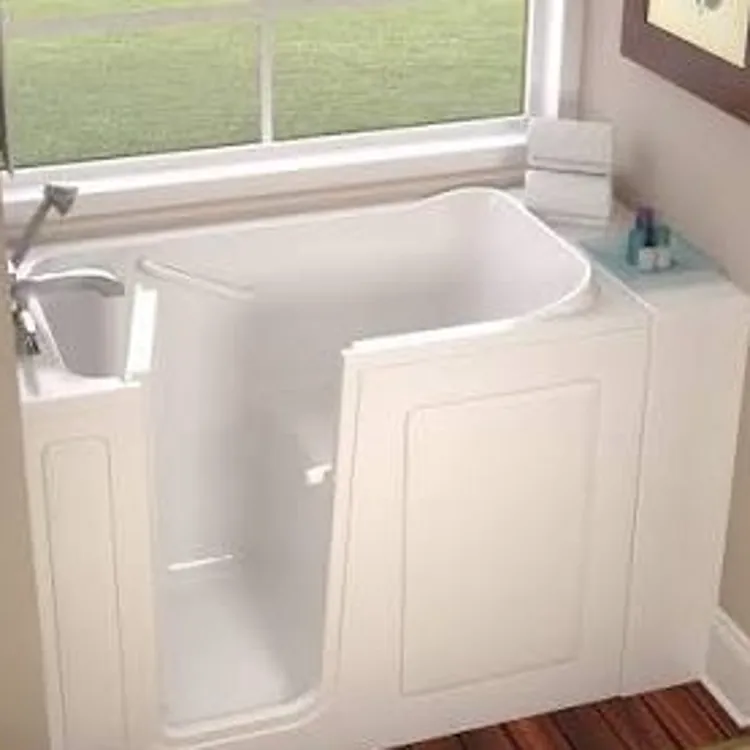
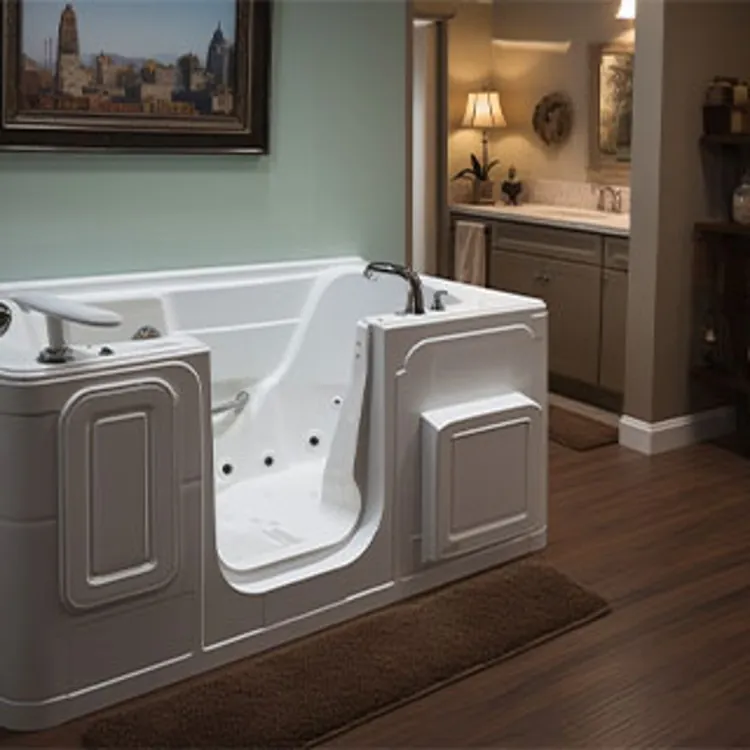
Walk-in tubs can improve bathroom safety, but getting Medicare to help cover one isn’t easy. Original Medicare typically doesn't pay for these tubs, even if they help prevent falls. That’s because Medicare only pays for equipment it considers medically necessary, and walk-in tubs are usually viewed as comfort or convenience items. Even if a doctor recommends one, that doesn’t automatically qualify it for coverage.
What makes a walk-in tub qualify as durable medical equipment?
To be covered, a product must meet Medicare’s definition of durable medical equipment (DME). DMEs must:
- Serve a primary medical purpose
- Be reusable and long-lasting
- Be appropriate for in-home use
Walk-in tubs generally don’t meet these standards. Their main function is bathing, not treating a medical condition. This makes them ineligible under standard DME rules.
Medicare typically covers durable medical equipment (DME) that serves a clear medical purpose and is prescribed by a doctor. Common examples include:
- Shower chairs
- Grab bars
- Raised toilet seats
- Transfer benches
Are there any exceptions to Medicare’s policy?
Rare exceptions exist, but they’re difficult to obtain. In rare cases, Medicare has approved partial reimbursement if:
- A doctor prescribes a walk-in tub for a specific medical condition
- You submit detailed documentation
- You purchase from a Medicare-enrolled supplier
Even then, coverage isn’t guaranteed. Claims are evaluated individually, and denials are common.
Medicare Advantage and walk-in tubs
Unlike Original Medicare, Medicare Advantage (Part C) plans are offered by private insurance companies. They provide the same core coverage as Original Medicare but can include additional benefits, such as dental, vision, hearing and, in some cases, home safety modifications.
Medicare Advantage plans bundle Part A and Part B benefits, often adding extras not covered by Original Medicare. These extras may include wellness programs, transportation to medical appointments or home modification services for fall prevention.
Because these plans are offered by different insurers, coverage details vary widely.
Can Medicare Advantage plans cover walk-in tubs?
Some Medicare Advantage plans may help cover the cost of a walk-in tub if it's considered a medically necessary home modification. However, this isn’t guaranteed and depends entirely on the insurer, the plan’s supplemental benefits and how the tub is classified.
The National Council on Aging notes that certain Medicare Advantage plans offer coverage for home modifications aimed at reducing fall risk, which may include walk-in tubs in some cases.
Tip: Medicare Advantage, or Medicare Part C, is the only Medicare option that may offer some coverage for walk-in tubs.
What should beneficiaries check in their Medicare Advantage plans?
To find out if your plan offers walk-in tub coverage, review the Summary of Benefits. You can also call your plan’s customer service department. It may help to check details such as:
- Does the plan cover home modifications for mobility or fall prevention?
- Is a doctor’s prescription required?
- Is prior authorization needed?
- Are there limits on the types of tubs or installers allowed?
- Is there a reimbursement process? How does it work?
Medigap and walk-in tub coverage
Medigap, also known as Medicare Supplement Insurance, is often confused with Medicare Advantage. It functions differently and won’t help pay for walk-in tubs.
Medigap plans help cover out-of-pocket costs from Original Medicare, such as co-payments, coinsurance and deductibles. These plans are sold by private insurers and can be used alongside Original Medicare but not with Medicare Advantage.
Medigap plans won’t help pay for walk-in tubs, since they only reduce out-of-pocket costs for services Original Medicare already covers.
Reimbursement process for walk-in tubs
Getting Medicare to reimburse the cost of a walk-in tub requires clear medical justification, proper documentation and buying from approved suppliers.
The first step is to obtain a doctor’s prescription stating that the walk-in tub is medically necessary for your specific health condition. After that, you submit a claim to Medicare for approval.
It’s important to buy the tub from a supplier enrolled with Medicare since Medicare won’t reimburse purchases from unauthorized sellers.
Medicare doesn’t guarantee reimbursement for walk-in tubs. Even with a prescription and proper documentation, claims are evaluated individually and often denied because walk-in tubs aren’t generally classified as durable medical equipment.
If reimbursement is denied, you may need to appeal or seek alternative financial assistance.
What documentation do I need for reimbursement claims?
To file a claim for reimbursement from Medicare for your walk-in tub, you’ll need:
- A doctor’s prescription or medical order
- Medical records supporting the need for the tub
- Proof of purchase from a Medicare-enrolled supplier
- A completed Medicare claim form
All documents should clearly show the medical necessity of the walk-in tub.
What financial assistance options are available for walk-in tubs?
If Medicare doesn't assist you with costs, other financial aid options may be able to help. Options such as Medicaid, VA benefits and U.S. Department of Agriculture (USDA) home improvement loans can provide financial support for home modifications that improve safety and accessibility.
Still, these programs can be hard to rely on. Bobby Sisk, operations manager at MAYO Walk-In Tubs, explained: “In the last 15 years, I have not seen any program give someone money for a walk-in tub. I have seen the VA give about $7,900 toward a walk-in shower several times, but not recently. Your best bet is to find a company that offers quality financing options and a strong, lifetime warranty.”
Medicaid
Medicaid coverage for walk-in tubs varies by state and program. Some states include walk-in tubs under home modification benefits through Medicaid’s Home and Community-Based Services waivers or other long-term care programs. These programs aim to help eligible individuals with disabilities or chronic conditions live safely at home and avoid institutional care.
To qualify, applicants usually must demonstrate medical necessity, typically supported by a doctor’s recommendation, and meet income and eligibility requirements specific to their state. Coverage may also depend on whether the modification is considered cost-effective compared to alternative care options.
Medicaid programs differ across states, so availability and the application process for walk-in tub coverage can vary. Your state Medicaid office or caseworker can explain the specific requirements.
In the last 15 years, I have not seen any program give someone money for a walk-in tub.”
Veterans benefits
U.S. veterans may be eligible to use VA benefits to help with walk-in tub costs if the tub is prescribed as part of a service-related disability accommodation.
The VA offers grants and reimbursement programs to improve home accessibility for veterans with disabilities. Contact your local VA office to learn about specific programs and application requirements.
» MORE: What benefits do walk-in tubs offer veterans?
Grants and loans
Apart from Medicaid and VA benefits, there are state and local grants, nonprofit programs and low-interest loans designed to assist seniors and people with disabilities in modifying their homes for safety.
One notable option is the USDA loan program, which offers low-interest loans and grants for eligible rural homeowners to make necessary repairs or accessibility modifications, including walk-in tubs.
Eligibility requirements vary by program, but most require proof of income, residency and a medical need for the modification.
How much does a walk-in tub cost?
Walk-in tubs can be expensive, and because Medicare rarely covers them, most people should expect to pay out of pocket.
In total, most homeowners spend roughly $5,000 to over $30,000 for a fully installed walk-in tub.
Because Original Medicare does not cover walk-in tubs, these costs are usually paid out of pocket unless you qualify for assistance. Even in those cases, coverage is often partial and not guaranteed.
Understanding the full cost can help you compare financing options and determine whether alternative safety upgrades, such as grab bars or walk-in showers, may be more affordable and more likely to receive coverage.
| Cost | |
|---|---|
| Walk-in tub | $2,000 to $20,000+ |
| Installation | $2,500 and $8,000 |
| Full remodel | $5,000 to $30,000+ |
What should I know before buying a walk-in tub?
Walk-in tubs can be a smart investment, but they aren’t right for everyone. Let’s compare what walk-in tub coverage looks like and the pros and cons to help you decide.
| Program | Covers walk-in tubs? | What to know |
|---|---|---|
| Original Medicare | No | Walk-in tubs are not considered durable medical equipment, so they aren’t covered even with a doctor’s recommendation. |
| Medicare Advantage | Sometimes | Some plans may cover home safety modifications, including walk-in tubs, but benefits vary by insurer and require approval. |
| Medicaid | Sometimes | Coverage depends on state programs and waivers. May be approved if medically necessary and cost-effective. |
| VA benefits | Sometimes | Veterans with service-related disabilities may qualify for grants or assistance for home modifications, including walk-in tubs in some cases. |
Pros and cons of walk-in tubs
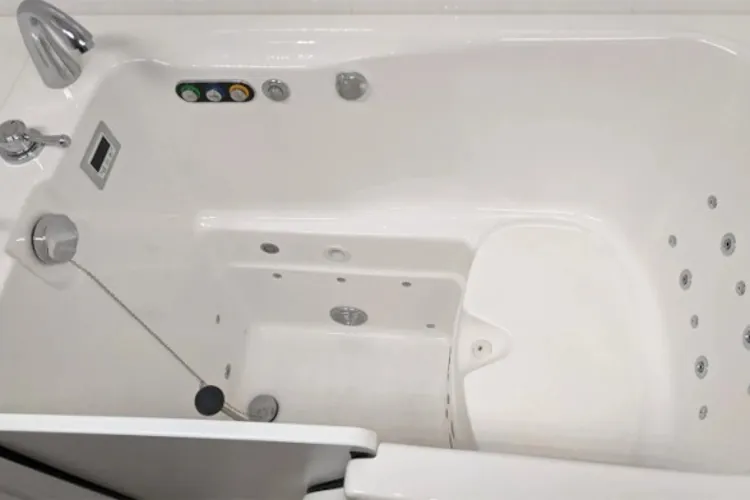
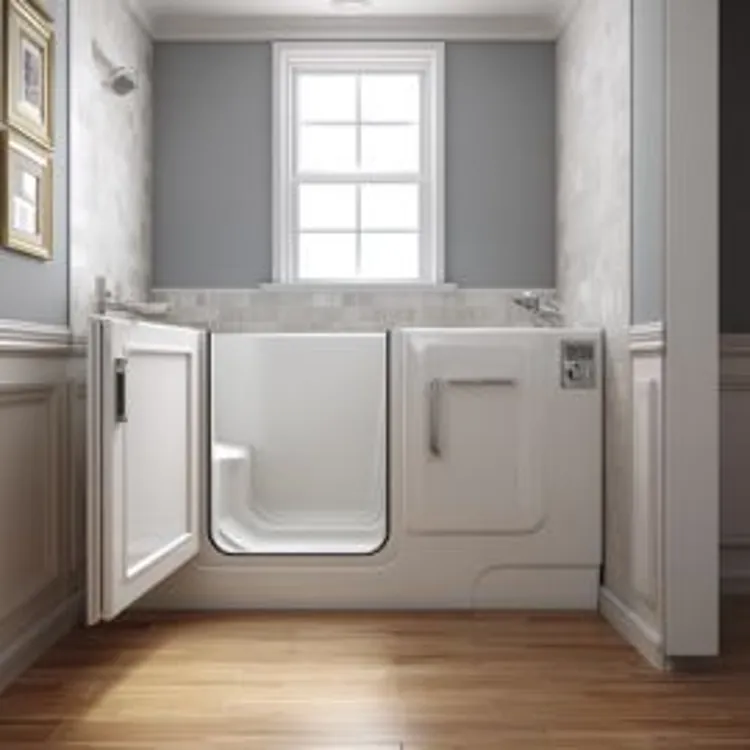
Walk-in tubs offer several beneficial safety and health features, especially for seniors and people with mobility challenges. They reduce the risk of slips and falls with low-entry thresholds and built-in grab bars. Many models include therapeutic features like hydrotherapy jets that can ease arthritis pain and improve circulation.
However, walk-in tubs can be expensive, with prices ranging from about $2,000 to over $20,000. Installation often requires plumbing upgrades and remodeling, which add significantly to the final cost.
Advanced or therapeutic features may need regular maintenance and repairs. Some users report that the seating in basic models can feel cramped for larger individuals, though bariatric tubs with more space are available at a higher price. Additionally, these tubs tend to fill and drain more slowly than traditional tubs.
» COMPARE: Top-rated walk-in tub brands
Installation and maintenance
Installation typically requires professional plumbing and electrical work to meet safety codes. Space limitations, door clearance and your current plumbing layout can affect installation complexity and overall cost. Regular upkeep includes cleaning jets and seals to prevent mold and leaks, along with occasional servicing of the door mechanism.
Asking the right questions when choosing a walk-in tub company can help you avoid surprise costs and find a trusted provider. Look for a licensed, insured installer with strong customer reviews and a reliable warranty. Before signing a contract, ask about installation timelines, maintenance requirements, service availability and what’s covered. It's also worth checking for post-installation support and service contracts to keep your tub running smoothly.
FAQ
How much will Medicare pay for a walk-in bathtub?
Medicare generally doesn’t pay for walk-in bathtubs because they are considered convenience items, not durable medical equipment. In rare cases with strong medical justification and documentation, partial reimbursement might be possible, but coverage isn’t guaranteed.
How can I get a free walk-in tub for seniors?
Free walk-in tubs are extremely rare and not typically provided through Medicare or most financial aid programs. Veterans may qualify for some VA grants toward home modifications, but the best option is usually to explore financing plans or local grants designed for home accessibility improvements.
Does Medicare pay for walk-in showers?
Medicare doesn’t typically cover walk-in showers since they are seen as home modifications rather than medically necessary durable medical equipment. Some Medicare Advantage plans may offer limited coverage for home safety modifications, including walk-in showers, but this varies by plan.
Will Social Security pay for a walk-in tub or shower?
Social Security benefits don’t cover the cost of walk-in tubs or showers. These benefits provide income support, not coverage for medical equipment or home modifications.
What are the benefits of a walk-in tub for seniors?
Walk-in tubs improve bathroom safety by reducing fall risk with low-entry thresholds and built-in grab bars. They also offer therapeutic features like hydrotherapy jets, which can help ease arthritis pain and improve circulation.
What are the negatives of a walk-in tub?
Walk-in tubs can be costly to purchase and install, often requiring plumbing upgrades and remodeling. Basic models may have seating that feels cramped for larger users, and these tubs typically fill and drain more slowly than traditional tubs.
How much does a walk-in tub cost with installation?
A walk-in tub with installation typically costs between about $5,000 and $30,000 or more, depending on the model, features and the complexity of installation. Plumbing updates, electrical work and bathroom modifications can significantly increase the total price.
What medical equipment does Medicare cover for bathing safety?
Medicare may cover certain durable medical equipment that supports bathing safety when it’s medically necessary and prescribed by a doctor. This can include items like shower chairs, bath seats and bedside commodes. Larger bathroom modifications, such as walk-in tubs or showers, are generally not covered.
Article sources
ConsumerAffairs writers primarily rely on government data, industry experts and original research from other reputable publications to inform their work. Specific sources for this article include:
- Centers for Medicare & Medicaid Services (CMS), “Medicare Benefit Policy Manual Chapter 15 – Covered Medical and Other Health Services.” Accessed March 17, 2026.
- Medicare.gov, “Medicare Coverage of Durable Medical Equipment & Other Devices.” Accessed March 17, 2026.
- Medicare Learning Network, “Original Medicare vs. Medicare Advantage.” Accessed March 17, 2026.
- Medicare.gov, “Understanding Medicare Advantage Plans.” Accessed March 17, 2026.
- National Council on Aging (NCOA), “Home Modification Tools and Tips to Help Prevent Falls.” Accessed March 17, 2026.