

Key differences explained
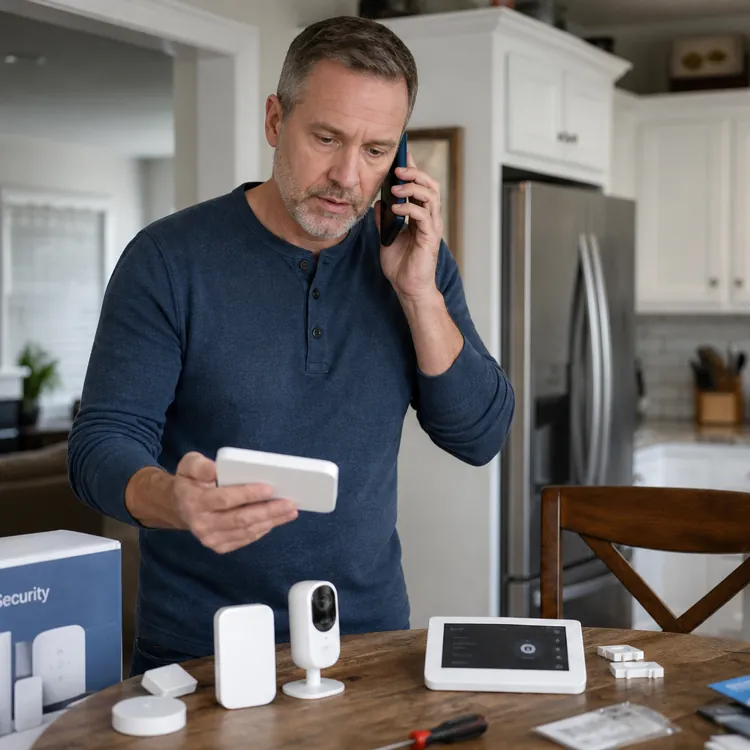
The difference between self-monitoring and professional monitoring regards who handles the response. Self-monitoring puts the responsibility on you to handle notifications and alarms, while professional monitoring shifts that responsibility to a dedicated team and call center.
Self-monitoring offers more flexibility in which devices and security systems you can choose, and it also tends to be cheaper. However, professional monitoring can offer better peace of mind and a quicker response to emergencies, including fire, carbon monoxide and medical issues.
» MORE: How alarm monitoring works
Compare self-monitoring vs. professional monitoring
When choosing a home security system, consider factors like price, the emergency dispatch process and response times.
| Factor | Self-monitoring | Professional monitoring |
|---|---|---|
| Monthly cost (after installation) | $0 | $20 to $60-plus |
| Emergency dispatch | Homeowner is responsible for calling the dispatch agency | Included |
| Response time | Depends on homeowner’s response | In a few seconds or minutes |
| 24/7 coverage | Homeowner is responsible | Included |
| False alarm handling | Homeowner is responsible | Included |
| Best for | Homeowners prioritizing low cost and self-sufficiency | Homeowners prioritizing safety, or who spend a lot of time away from home |
Self-monitoring pros and cons
Self-monitoring security systems are generally cheaper and give you more flexibility in choosing a home security system. However, the downside is that self-monitoring puts more responsibility on you and can leave your home more vulnerable to delayed emergency response.
Pros
- Lower cost
- Flexibility
- Privacy; no external service has access to your data and alarm behavior
Cons
- More responsibility
- Risk of delayed or no response
Professional monitoring pros and cons
The main downside of professional monitoring is the cost. The monthly fee covers 24/7 monitoring of your home’s alarm systems and video, emergency verification and dispatching when needed. However, this fee does not cover the upfront cost of purchasing and installing your home security devices, such as cameras, alarms and video doorbells.
However, a professional monitoring plan has several positives, including emergency verification, streamlined dispatching and the peace of mind that comes with knowing your home is protected at all times.
Pros
- Emergency verification
- Quick dispatching
- Potential discounts on home insurance
Cons
- More expensive, typically $20 to $60 per month
- Less flexibility in choice of home security systems
FAQ
Is professional monitoring worth it for Ring?
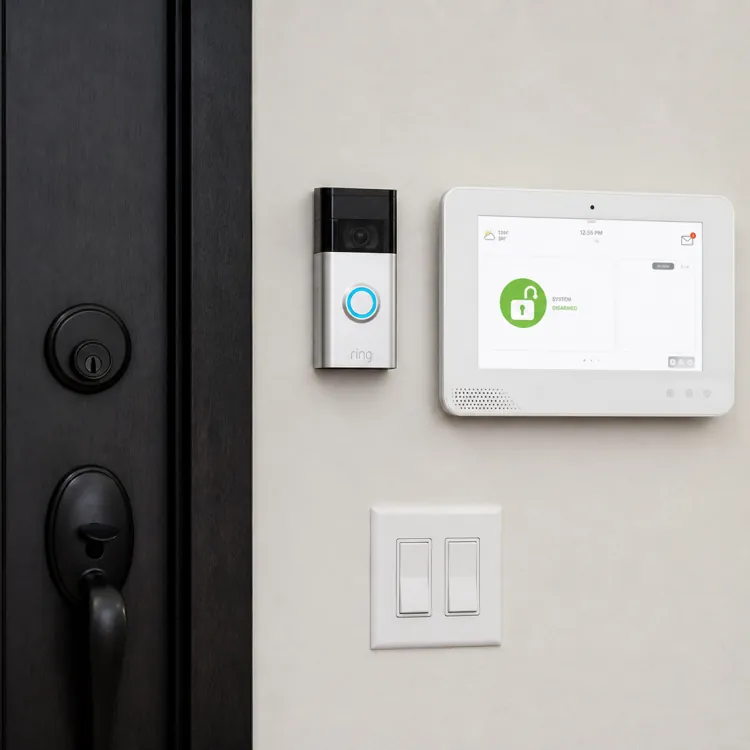
Yes, in many cases, professional monitoring is worth it, especially if your home already uses Ring’s security system. Ring’s professional monitoring is just $20 per month and includes video recording storage, making it a great value.
What is the difference between 24/7 monitoring and self-monitoring?
24/7 monitoring, which usually refers to professional monitoring, outsources your home monitoring to a monitoring center, staffed with agents who handle the emergency verification and dispatch for you. Self-monitoring requires you to handle your own emergency response.
What are the pros and cons of self-monitoring?
Self-monitoring is cheaper than professional monitoring and gives you more flexibility in the security technology you can use. However, it also requires you, as the homeowner, to respond to your home’s alerts and may lead to longer emergency response times.
Is self-monitoring cheaper than professional monitoring?
Yes, professional monitoring services usually charge a monthly fee ranging from $20 to $60, while self-monitoring does not include a monthly fee.
Article sources
ConsumerAffairs writers primarily rely on government data, industry experts and original research from other reputable publications to inform their work. Specific sources for this article include:
- CPI Security Systems, "Self-Monitoring vs Monitored Home Security Systems: Which Is Better?" Accessed July 22, 2026.
- Fluent Home, "Existing Equipment Monitoring." Accessed July 22, 2026.
- Pye-Barker Fire & Safety, "Is a Security System Worth the Investment?." Accessed July 22, 2026.
- Securitas Technology, "Alarm Monitoring: What Is It and How Does It Work?" Accessed July 22, 2026.
- Southern California Rental Housing Association, "State of California Carbon Monoxide Detector Requirements." Accessed July 22, 2026.
- True Home Protection, "How Do Professional Monitoring Centers Respond to Alarms?" Accessed July 22, 2026.
- Vanguard Security Corporation dba SafeHomeCentral, "Alarm Monitoring Cost Breakdown — What You Should Actually Be Paying in 2026." Accessed July 22, 2026.
- Vivint, "How Much Does Alarm Monitoring Cost?" Accessed July 22, 2026