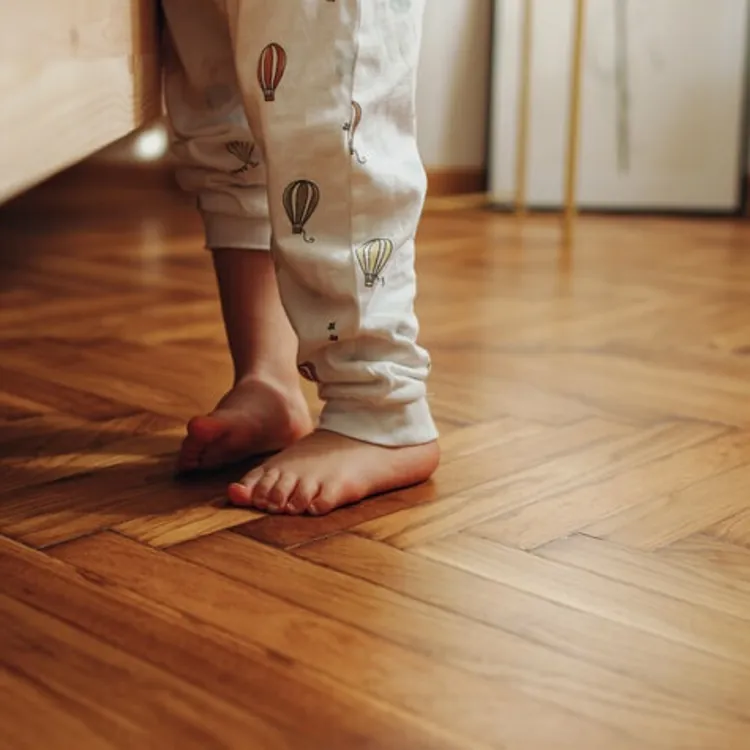


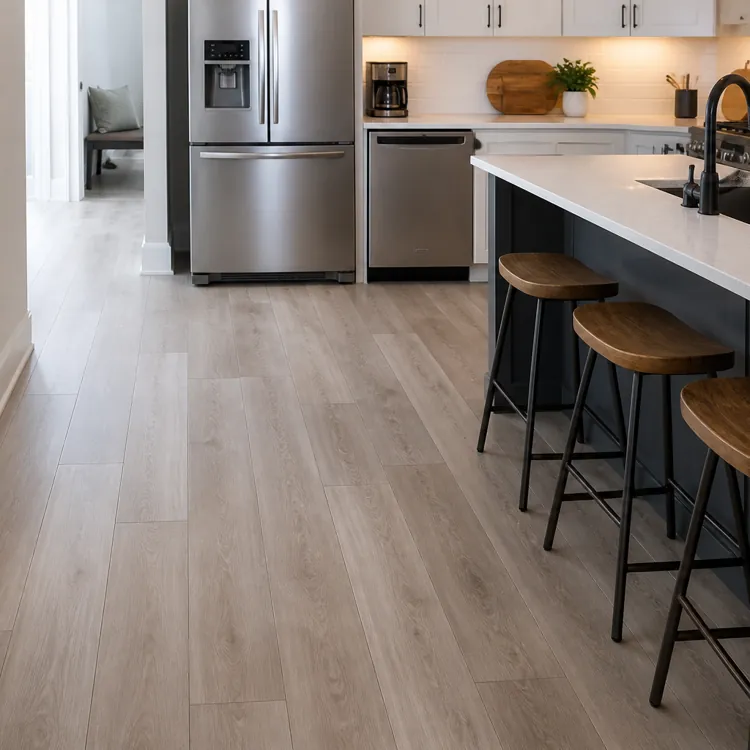
Laminate vs. hardwood flooring at a glance
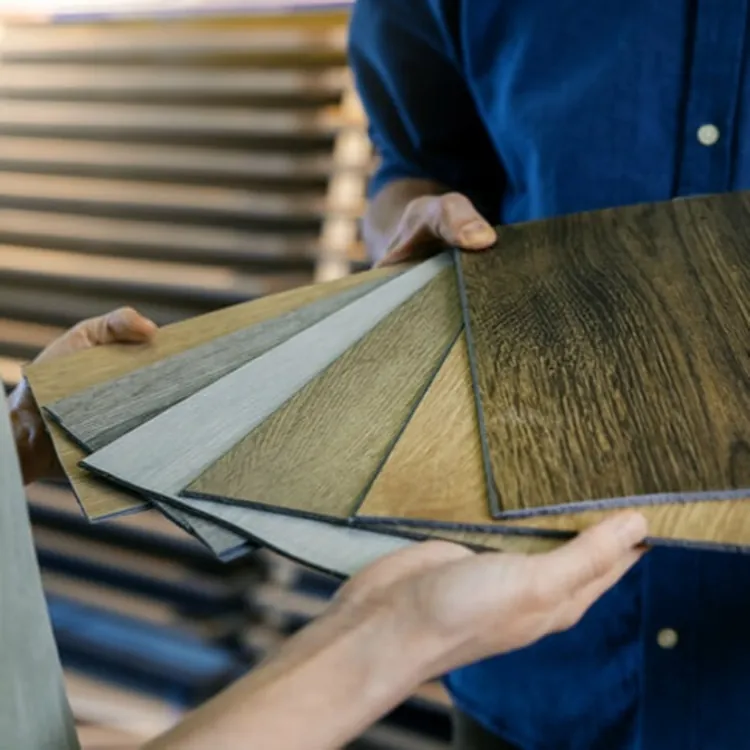
Laminate flooring consists of a high-density fiberboard core, which is made from compressed wood fibers. It has a design layer and a wear layer above that, and some products have a preattached underlayment for ease of installation, added comfort and sound dampening.
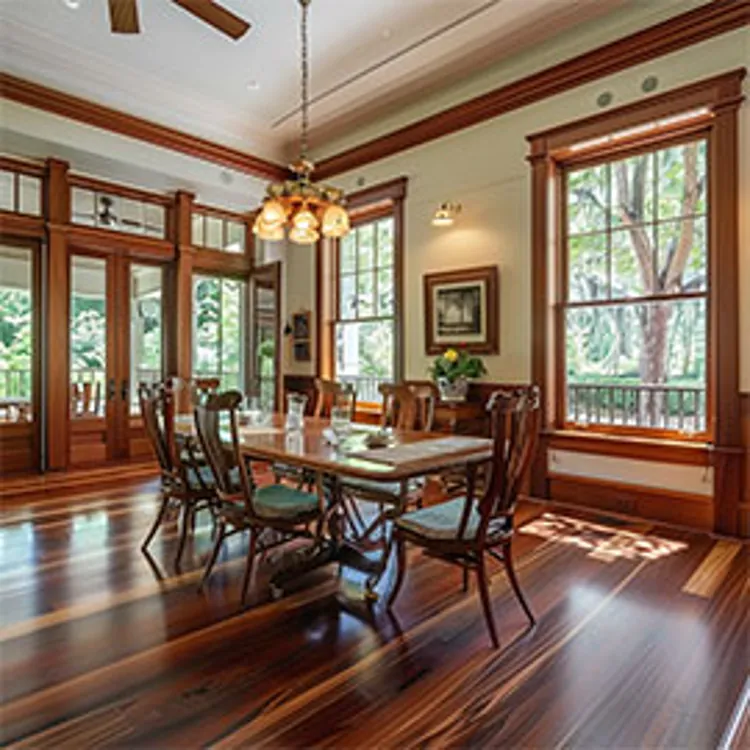
Hardwood flooring is made of solid wood. Many manufacturers cut the lumber into interlocking planks and add a protective finish like polyurethane to the top side. Some wood flooring comes with a preattached underlayment, but in most cases, it just consists of solid wood planks.
Laminate floor costs less and doesn’t last as long, while hardwood sells better and lasts longer.
Laminate is the more affordable flooring option, but it has a much shorter lifespan. Hardwood flooring has better resale value, is refinishable and lasts longer. Neither option is ideal in areas where ongoing leaks or standing water will be an issue, but laminate is more stable with minimal exposure to water or moisture.
Laminate vs. hardwood flooring: Side-by-side comparison
You can use the overview below to get a better idea of which flooring material is a better option for your living space.
| Laminate | Hardwood | |
|---|---|---|
| Cost (per sq. ft.) | $3 to $12 | $8 to $20 |
| Lifespan | 15 to 25 years | 100+ years |
| Wear resistance | Moderate | Moderate |
| Water resistance | Moderate | Low |
| Scratch resistance | Moderate | Moderate |
| Resale value | Low to moderate | High |
| Best rooms | Laundry rooms, entryways and hallways | Bedrooms and any dry living area |
Laminate vs. hardwood: Durability and lifespan
The flooring in your home will see a lot of action, so it’s important to consider how well the flooring material you choose will work with your lifestyle.
Scratch and dent resistance
Scratch resistance is especially important to consider if you have children or pets in your home, or in rooms where you have heavy furniture. Generally speaking, hardwood floors are better for rooms that will see heavy foot traffic and use because you can sand and refinish the material, which usually removes surface scratches.
Laminate is moderately resistant to scratches, but it depends on the quality of the wear layer. Laminate flooring specifications include a thickness, which affects structural stability, as well as a wear layer rating. An AC3 rating is the least resilient, followed by AC4 and then AC5. AC5 is intended for commercial settings, so AC4 is the best option for active rooms.
Hardwood is more resistant to scratches and denting, and the protective finish on your floor can help resist most physical damage. Most hardwood floors have a polyurethane finish. Water-based finishes are more eco-friendly and tend to cause less discoloration, but oil-based finishes offer better protection.
Water and humidity performance
Neither laminate nor hardwood is ideal in rooms that will see water and moisture, like kitchens and bathrooms. The best laminate flooring available today has good seam protection that can prevent spills and leaks from damaging the fiberboard core for 24 to 72 hours, but eventually, the water will soak through and ruin the flooring.
Hardwood doesn’t perform much better. The polyurethane coating will protect the flooring from quick spills, but ongoing exposure to moisture and water will lead to warping and cupping that can destroy your floors permanently. As such, hardwood floors are most common in bedrooms and dry living areas, where water and moisture aren’t much of a concern.
Some homeowners choose laminate flooring for entryways, laundry rooms and utility rooms, where the appearance isn’t the primary concern and the material will tolerate some moisture. However, it’s usually a consideration mostly because it’s one of the most affordable flooring options, so replacement won’t drive long-term costs up too much.
Refinishing and repair options
You can’t refinish or repair laminate flooring, so once it’s worn or damaged from moisture or water, you’ll have to rip it up and replace it. This is one reason why the lifespan is so much shorter than what you’ll get from hardwood.
You can sand and refinish solid wood floors multiple times before you need to start over from scratch. Sanding can remove surface damage, scratches, dents and even some stains, so you’ll end up with a floor that looks more or less like new. You can even choose to stain your floors a different color after sanding, which can dramatically change the look of your home’s interior.
Expected lifespan and replacement
Laminate flooring lasts for 15 to 25 years, while solid wood floors last for 100 years or more with proper care. The actual lifespan you see from your flooring will depend on foot traffic in the room, the presence of children and pets, whether or not you run into issues with water or moisture and the quality of the flooring and installation.
When it’s time to replace your floors, you can choose to rip up and replace laminate flooring yourself, as the material is relatively DIY-friendly. Removing and replacing hardwood flooring is much more complicated and requires help from an expert. This contributes to a higher cost of installing hardwood flooring compared to laminate.
Laminate vs. hardwood: Cost and value
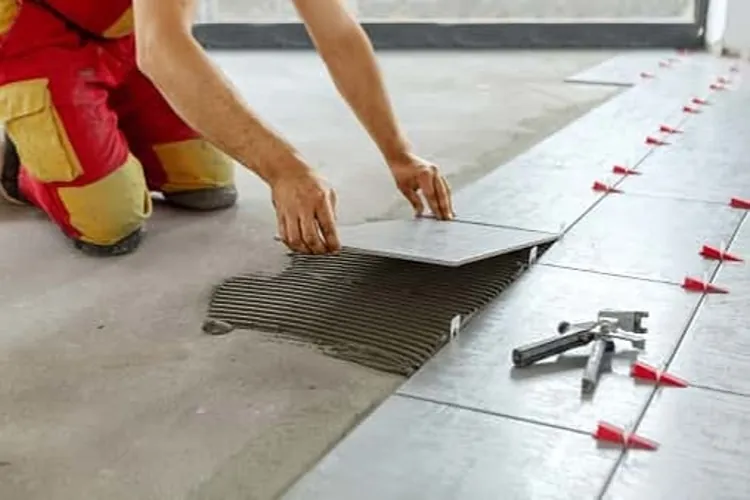
Laminate flooring installation costs $3 to $12 per square foot to install, making it one of the most affordable flooring materials. Solid wood flooring installation costs between $8 and $20 per square foot, putting it at the other end of the spectrum. Laminate is a more affordable material, and it’s also easier to install, especially if you choose a floating floor over glue-down installation.
You should also compare long-term costs of each flooring option to assess the value over time. Laminate floors are cheaper to repair, but require repairs more often. Over a 100-year period, solid wood will cost an average of $28 to $100 per square foot to install and maintain, while laminate will cost between $12 and $84 per square foot to install and replace.
One important thing to consider is the value that each material adds to your home. If you’re planning on selling your property in the near future, hardwood floors are likely the better option. While they’re more costly, most homeowners love the look of real wood and will pay a premium for it, while laminate looks less appealing and may turn some homeowners away entirely.
Cost and long-term value considerations
Make sure you consider all of the following factors to determine the upfront cost and long-term value of each flooring material before deciding. When in doubt, ask a professional, as the best flooring companies will gauge initial costs and value in your particular home to help you decide.
| Laminate | Hardwood | |
|---|---|---|
| Installation cost (per sq. ft.) | $3 to $12 | $8 to $20 |
| Cost considerations | Room complexity, glue-down vs. floating installation, DIY vs. professional installation | Room complexity, plank thickness, wood species, glue-down vs. nail-down installation |
| Years of use | 15 to 25 | 100+ |
| Replacement/repair costs | $3 to $12 per square foot every 15 to 25 years | $2 to $8 per square foot every 5 to 10 years |
Laminate vs. hardwood by room
One of the simplest ways you can choose which flooring is best for your project is to consider the room in which you’re installing the material. Laminate is usually best for less-trafficked rooms, where the appearance won’t detract much from the look of your home, while hardwood is best in dry living areas that you and your family will frequent.
- Living rooms: Hardwood floors are a better option in living rooms because they stand up much better to constant foot traffic. Most homeowners also prefer wood floors in main living areas because they look nicer and add more to home value.
- Dining rooms: Hardwood floors are likely a better option in dining rooms because they resist scratches from furniture better. However, if you have children or are worried about spills, laminate might be a better option.
- Kitchens: Neither hardwood nor laminate is ideal in kitchens because both will quickly sustain damage from sink or appliance leaks. But if you must choose, laminate is more resistant to water and humidity. Just note that you may have to replace your flooring, as it may not stand up for long to the constant foot traffic kitchens often see.
- Bedrooms: Both hardwood and laminate can be suitable in bedrooms, but most homeowners prefer hardwood for the natural, calming feel and the resale value.
- Basements: You should avoid hardwood flooring in below-grade areas that can see moisture and humidity, so laminate is the better choice in basements. However, neither is ideal, and more homeowners choose luxury vinyl plank (LVP) flooring, which is waterproof.
- Bathrooms: You should avoid hardwood and laminate in bathrooms, as the threat of water and the constant changes in humidity can quickly damage both materials. Laminate has better resistance to water and moisture, though, so it’s a slightly better option.
- Laundry rooms: Laminate is the better choice if you’re installing new flooring in your laundry room. While it can sustain damage from appliance leaks, it’s more affordable to replace and won’t detract much from the appearance of your home in less-trafficked areas.
- Hallways: Hardwood is the better floor for hallways that see a lot of foot traffic. Not only does solid wood stand up better to foot traffic, but you can also sand and refinish it for greater longevity.
» READ MORE: Flooring options for bedrooms
FAQ
What is the downside to laminate flooring?
The biggest downside to laminate flooring is its appearance. While it can resemble wood or other materials, it’s one of the less attractive flooring options, and it can detract from the overall appeal of your interior. It also adds less to home value than higher-end options, like solid wood.
How much does laminate flooring cost for a 2,000-square-foot house?
The average cost to install laminate flooring in a 2,000-square-foot house is between $6,000 and $24,000. Pricing will depend on room complexity, your old flooring material, your location and the quality of the laminate flooring you choose. However, putting down laminate flooring throughout an entire home isn’t common, so you may want to get estimates based on mixed materials across different rooms.
Do high-end homes use laminate flooring?
High-end homes rarely use laminate flooring because it’s less desirable than more luxurious materials, like hardwood, stone and tile. Some high-end homes may include laminate flooring in less-trafficked areas, like laundry rooms, but most will opt for vinyl in those areas instead.
Can you refinish laminate flooring?
You cannot refinish laminate flooring, so if you have the material in your home and it sustains damage, you’ll have to replace it. Most of the time, a pro can cut out a single plank and drop in a new one, which helps keep the costs down.
Bottom line
Choose laminate flooring to keep costs as low as possible, especially in areas that may see exposure to moisture or water, like bathrooms, basements and kitchens. Opt for hardwood flooring to maximize visual appeal, home value and overall durability and longevity.
Article sources
ConsumerAffairs writers primarily rely on government data, industry experts and original research from other reputable publications to inform their work. Specific sources for this article include:
- International Association of Certified Home Inspectors, "InterNACHI's Standard Estimated Life Expectancy Chart for Homes." Accessed Sept. 30, 2026.
- McMillan Floors, "Laminate Flooring Thickness Guide." Accessed Sept. 30, 2026.
- Hallmark Floors Inc., "Cost to Refinish Hardwood Floors." Accessed Sept. 30, 2026.