

How long do stair lifts last?
While the typical stair lift lifespan ranges from seven to 10 years, well-maintained stair lifts can sometimes last 15 years or more. Maintenance routines, operating conditions, the type of stair lift and how often it’s used all affect the lift's longevity.
Stair lift parts that commonly wear out
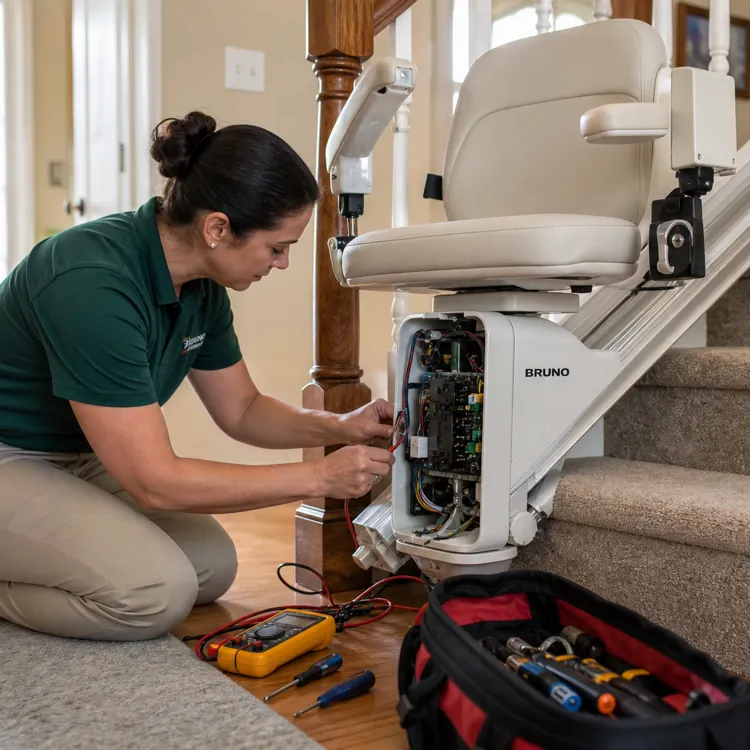
Just like your car, certain parts of a stair lift wear out faster than others. Although the basic mechanics of how stair lifts operate are relatively simple, their electrical systems can be complex.
When choosing a stair lift, consider whether a model’s added features could mean more components to maintain or repair. These stair lift components typically wear out sooner than others:
- Chargers and the power supply: Most stair lifts use a docking station to charge the lift’s battery. Power surges, power outages and uneven voltage shorten lifespans.
- Batteries: Most stair lift batteries only last two to three years before they lose the ability to hold a charge.
- Gears and chains: Gears and chains in your stair lift's drive can deteriorate faster than expected if you exceed the weight limit, operate the stair lift in extreme conditions (moisture, heat or cold) or don’t maintain the track.
- Bushings or rollers: The small wheels that your stair lift runs on take a lot of abuse with normal daily operation.
Although curved, straight, indoor and outdoor stair lifts generally have the same estimated lifespan of seven to 10 years, outdoor models face additional wear from exposure to the elements. Even weather-resistant seat materials and sealed electronics may deteriorate faster if the lift isn’t regularly covered when not in use.
What affects a stair lift’s lifespan?
A stair lift’s lifespan varies by model and use case. For example, an outdoor chair in a harsh environment will likely deteriorate faster than a lightly used indoor chair. However, how you use and care for your stair lift is the biggest factor affecting how long it lasts.
Common factors affecting stair lift lifespans include:
- Adherence to the manufacturer’s maintenance schedule
- Charging habits
- Adherence to operating guidelines, including staying within the weight limit
- Staircase and track angle
- Curved or straight track design
- Frequency of use
- Exposure to moisture, heat, cold and dust
- Stair lift model and construction quality
- Installation quality
Another factor that can shorten a stair lift’s lifespan and create safety risks is unauthorized modification — for example, a DIY modification to increase its speed. A used stair lift’s remaining lifespan also depends on its age, condition and maintenance history.
» COMPARE: Top-rated stair lift companies
How often should a stair lift be serviced?
Most stair lifts should be professionally serviced once a year. Stannah Stairlifts, for example, recommends annual service by a trained technician. However, some curved and outdoor models may require service every six months. Follow the service schedule provided by the manufacturer or installer for your specific model.
Regular maintenance can extend the lift’s lifespan and identify safety concerns before breakdowns occur. Annual inspections aren’t particularly expensive. HUD estimates costs between $100 and $250 per visit. In some cases, routine service visits may be included in your warranty or service plan.
Maintenance tasks you can do yourself
Homeowners can handle many basic stair lift maintenance tasks that extend the life of their stair lifts themselves. Most tasks require no specialized knowledge and will be outlined in your user manual.
Primary stair lift maintenance tasks for homeowners typically include:
Most stair lifts need annual servicing. Some outdoor and curved lifts need service every six months.
- Maintaining a regular charging schedule
- Ensuring all safety latches are clean and free of debris
- Keeping pathways free of obstructions
- Cleaning seats, tracks and carriages
- Changing batteries in remote controls
- Lubricating certain moving parts as outlined in your manual
When to call a professional
Almost all manufacturers strongly suggest leaving most tasks to qualified technicians for safety and to protect your stair lift's lifespan. Most agree you should call for professional help if basic troubleshooting doesn’t solve the problem.
Stop using the lift and call a qualified technician if your stair lift moves unevenly, makes unusual noises, has a loose seat or other loose components or has safety latches or sensors that aren’t working properly.
Stair lift repair vs. replacement
Deciding between repairing or replacing your stair lift often boils down to comparing costs, safety, features and comfort.
Costs and warranties
Whether repairing or replacing a stair lift costs less often depends on its age, warranty coverage and the availability of replacement parts. While stair lift repairs can get expensive fast, a strong warranty or extended service plan can help control costs over time.
Initial stair lift warranties typically cover manufacturing defects for two to five years. However, some manufacturers, such as Bruno Independent Living Aids, offer stronger limited lifetime warranties that cover more. Bruno’s limited lifetime warranty covers the motor, gearbox and rail, with additional coverage for other parts for two years and workmanship for 30 days.
Extended service plans typically extend coverage for several years and cover more situations than the manufacturer’s warranty. However, there’s generally an upfront fee to purchase this additional coverage.
As stair lifts age, replacement may become more feasible than repair because parts may be difficult to find or require special ordering.
Safety concerns
Over time, stair lift components may reach a point where repairs can’t reach an acceptable safety level. Also, newer models may have improved safety features that better match your current and future needs.
Comfort and features
Amenities for stair lifts are constantly improving. Newer models are likely to have better seats, more advanced remote controls, smoother rides and more powerful motors. Depending on your needs, these improvements may make replacement worth considering even if the lift can still be repaired.
FAQ
How often should a stair lift be replaced?
Stair lifts should typically be replaced when internal parts begin to break down, or you need to upgrade to a model with newer features that suit your needs. Stair lift lifespans typically range from seven to 10 years.
Does Medicare pay for stair lifts for seniors?
Because they’re considered home modifications instead of durable medical equipment, original Medicare doesn’t pay for stair lifts. However, some private Medicare Advantage plans cover stair lifts. Home and Community-Based Services (HCBS) waiver programs may also offer some assistance.
What can seniors do instead of stair lifts?
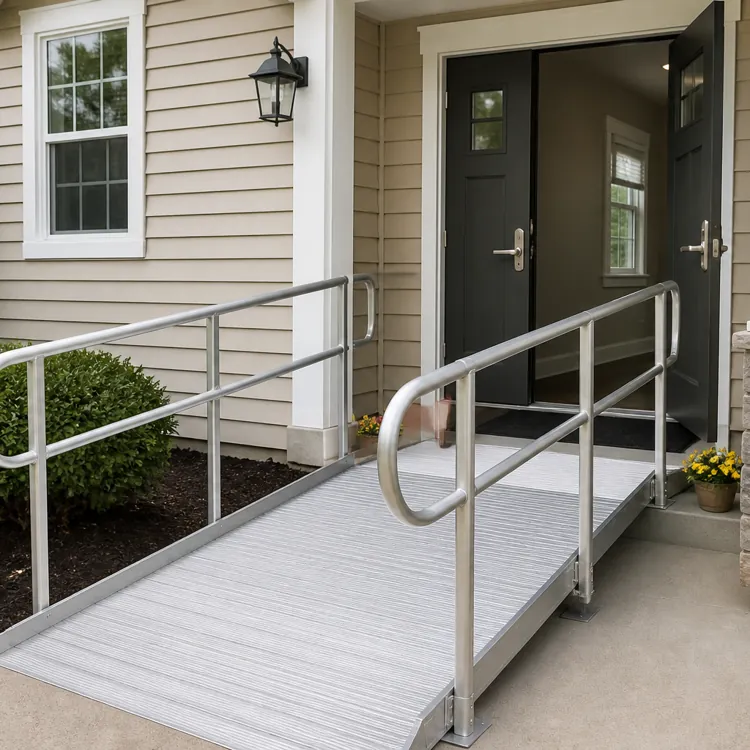
Seniors who want to avoid installing a stair lift can move to a single-level home, add a ramp for exterior steps or set up a bedroom downstairs to minimize the need to climb stairs.
Article sources
ConsumerAffairs writers primarily rely on government data, industry experts and original research from other reputable publications to inform their work. Specific sources for this article include:
- Stanford Medicine, "Reducing falls for older adults: What are the trouble spots in your home?" Accessed Aug. 12, 2026.
- U.S. Department of Housing and Urban Development, "ADAPTING THE HOME." Accessed Aug. 12, 2026.
- Medicare.org, "Will Medicare Cover a Stair Lift?" Accessed Aug. 12, 2026.