

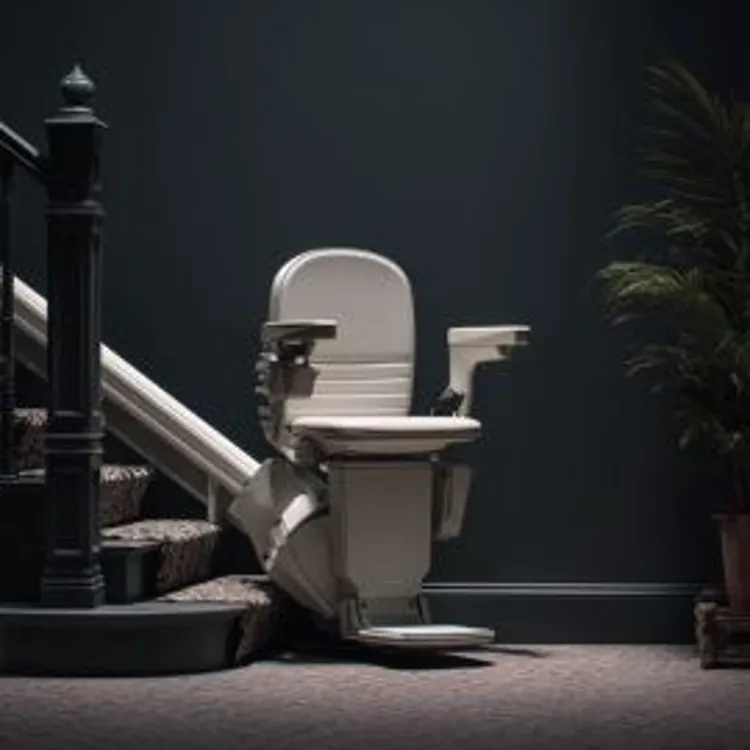
Regular cleaning and maintenance
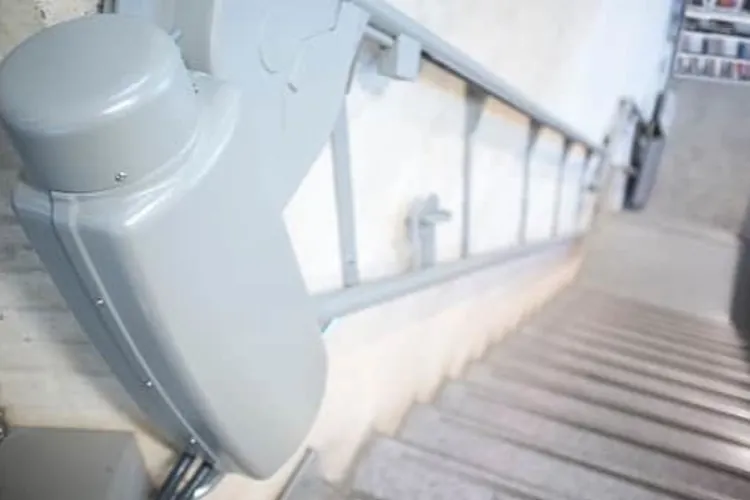
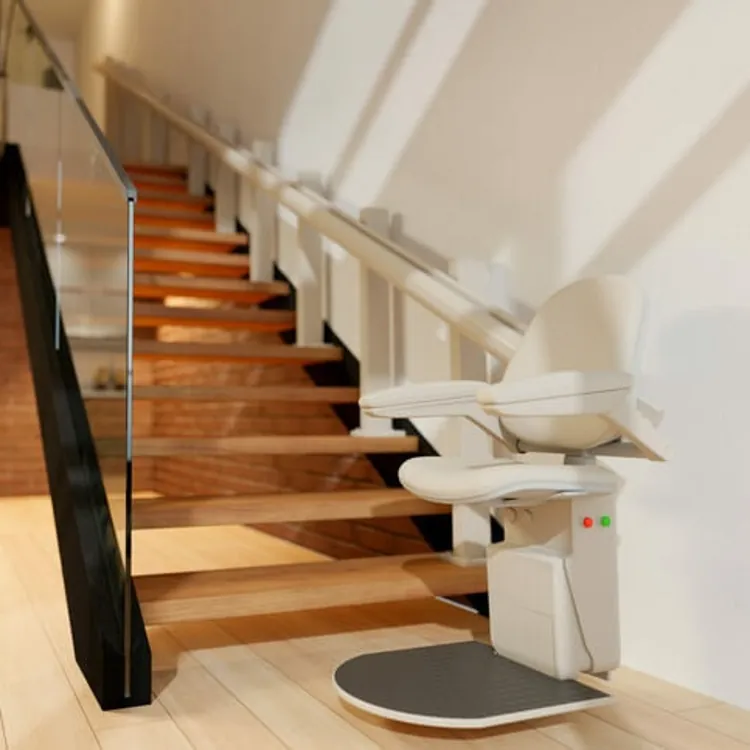
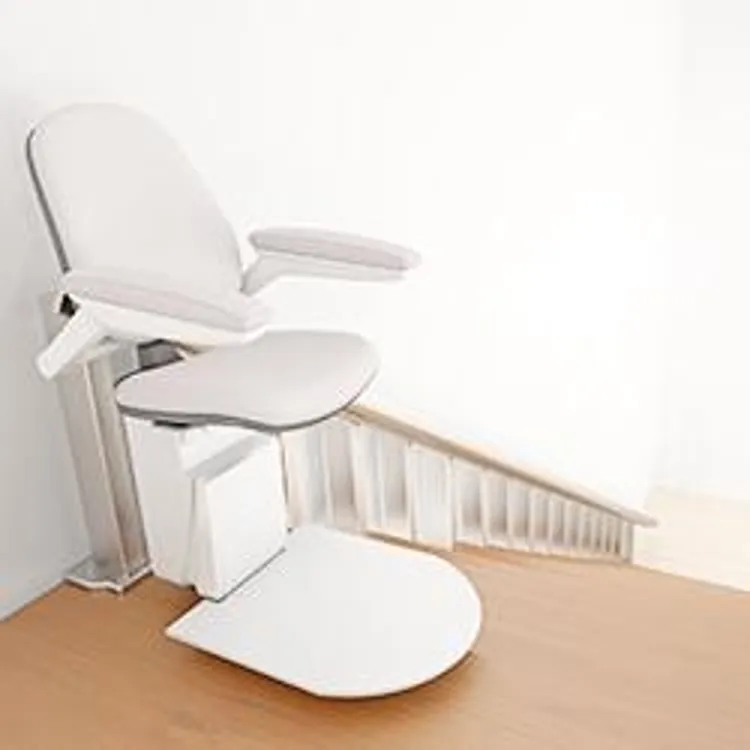
Stair lifts should be cleaned about once a week. Focus on the seat, armrests, controls and the track. You’ll need several cleaning tools and materials, including:
- A dry cloth or feather duster to remove dust, dirt, pet hair and other debris.
- Mild soap or an anti-static cleaner. Avoid harsh chemicals and solvents because these can be abrasive.
- A vacuum for removing dust from the gear rack that’s attached to the rail. Regularly vacuum the area surrounding the stair lift as well.
- Compressed air for blowing dust out of areas that are hard to reach with a cloth.
Keep the track and the surrounding area free of debris to avoid accidents or damage to the lift. Regularly inspect the battery life and keep the chair charged at all times. If you have a digital control panel, routinely check for updates to the software.
Take care of your stair lift by providing regular cleaning and maintenance, always following the manufacturer's guidelines. “The lifespan of a stair lift is closely tied to the care it receives over time,” said Rebecca Smith, a marketing assistant at Stannah Stairlifts.
» FIND OUT: Best stair lift companies
Lubrication for smooth operation
A trained technician should lubricate the track, said Smith. “They will have the proper tools, approved lubricants and product-specific expertise to service your stair lift efficiently and cleanly,” she said.
If you want to lubricate the stair lift track yourself, clean the track and lubricate it every few months. Keep the following steps in mind:
- Unplug the power to the stair lift track after bringing it down to the bottom of the stairs. Being at the bottom of the steps can provide a more stable space for you while cleaning and lubricating.
- Wipe down the track with a dry cloth to remove dust and debris that can get in the way of the lubricant.
- Use compressed air to blow out dust or other particles from hard-to-reach areas like the gear rack.
- Don’t use any abrasive solvents or detergents. You can use a dry silicone-based lubricant, but avoid grease or oil because it can cause debris build-up.
- Apply a thin layer of lubricant. Overlubricating can create stickiness that can attract dust and dirt and cause build-up. It might also cause the rollers to become too slick and slide on the track instead of roll. This can be a safety hazard.
- Turn the power back on and run the lift up and down the stairs a few times to spread out the lubricant.
Smith recommends annual lubrication of the stair lift as part of your scheduled service visit. Lubrication helps keep the track running smoothly and safely.
Lubricate the parts, such as the bearings and rollers, only as recommended by the manufacturer. Some stair lifts, such as ones from Bruno, only require occasional lubrication, and some don’t need any added lubrication.
Professional servicing and inspections
While you may regularly clean your stair lift, it’s inevitable that there’s going to be wear and tear. Keep your stair lift running efficiently and safely by scheduling professional servicing once a year. This helps to find any problems early and can prevent more expensive issues from happening in the future.
Regular maintenance is the most important factor in extending the life of your stair lift, according to Smith. Any maintenance or servicing carried out should be done by a certified technician only. Using an unlicensed or unqualified person can void your warranty and affect the stair lift’s performance, she added.
A professional inspection can include:
- Assessing the lift and its parts
- Making any adjustments or repairs to the components
- Lubricating the track
- Inspecting safety devices and alarms
- Checking for noises or vibrations
- Replacing faulty or worn-down parts
Some common issues that may come up during servicing can include cracks in the track or damage to the electrical components. With consistent scheduled care, your stair lift can remain dependable well into the future, said Smith.
» LEARN MORE: What are the different types of stair lifts?
Battery maintenance and care
Most stair lifts are designed to be plugged into a power source at all times, said Smith, so park the stair lift at the designated charging point when it’s not in use. Consistent charging helps preserve battery health and longevity, explained Smith. Don’t let the battery run down or leave the stair lift unplugged or off the charging point for long periods.
Most batteries are made to last three to five years. Replace them on an as-needed basis, rather than a fixed schedule. During annual servicing, the technician will test the battery voltage. Smith said if the measured voltage falls below the recommended threshold, the battery may need to be replaced.
According to Smith, you might be due for a new battery if the stair lift intermittently stops while traveling up the stairs, especially when someone is on it. The display may also show a troubleshooting code 1, which typically signals insufficient battery voltage.
“If you notice these [signs], contact your authorized service provider to arrange a service visit,” said Smith. They can accurately test the battery and confirm if it needs to be replaced.
» MORE: Why is my stair lift slow?
Safety tips and precautions
When using a stair lift, keep in mind the following measures to ensure your safety and the safety of others:
- Make sure you use the seatbelt or harness every time you use the stair lift.
- Regularly check for any obstructions before operating the stair lift. Keep the area around the stair lift clear.
- Only one person at a time should be on the lift, and keep children and pets away from the track when the stair lift is in operation. This helps prevent accidents or malfunctions.
- Don’t exceed the maximum weight limit of the stair lift.
- Park the stair lift at the top or bottom of the track when not in use, so the battery can recharge.
Most stair lifts are designed with safety features such as:
- A seatbelt or harness to secure a user while the stair lift is running.
- Built-in sensors to detect users as well as children or pets. The sensors can detect obstructions and stop the lift if something is blocking the path. Load sensors prevent the stair lift from moving if the seat is empty.
- Key locks that can prevent others from using the lift — especially if you live in a home with children.
- Overspeed safety systems to apply brakes if the device fails. This prevents the chair from falling down the rail if the stair lift slips off the track or the electrical components fail, so you won’t have a dangerous fall.
- Back-up batteries to hold enough power for a certain number of cycles in case of a power outage.
» READ MORE: Stair lift safety
FAQ
How do you maintain a stair lift?
Maintain your stair lift by wiping it down weekly with a dry cloth, using a non-abrasive cleaner, regularly lubricating the track — if applicable — and scheduling annual servicing to identify problems.
How often does a stair lift need servicing?
Most stair lift manufacturers recommend servicing every 12 months by a certified technician. If concerns arise in between, you may need servicing more often.
What is the lifespan of a stair lift?
Most manufacturers estimate a stairlift's lifespan to be about seven to 10 years. Some can last up to 20 years, depending on the brand and with proper maintenance. Regularly cleaning and maintaining the stair lift can keep it running smoothly.
How do you lubricate a stair lift?
First, wipe down the stair lift to remove debris. Use a thin layer of dry silicone-based lubricant, but avoid detergents or solvents that can be abrasive. Make sure you’re following the manufacturer's guidelines on how often to lubricate the stair lift and only use the type of lubricant recommended for your brand.