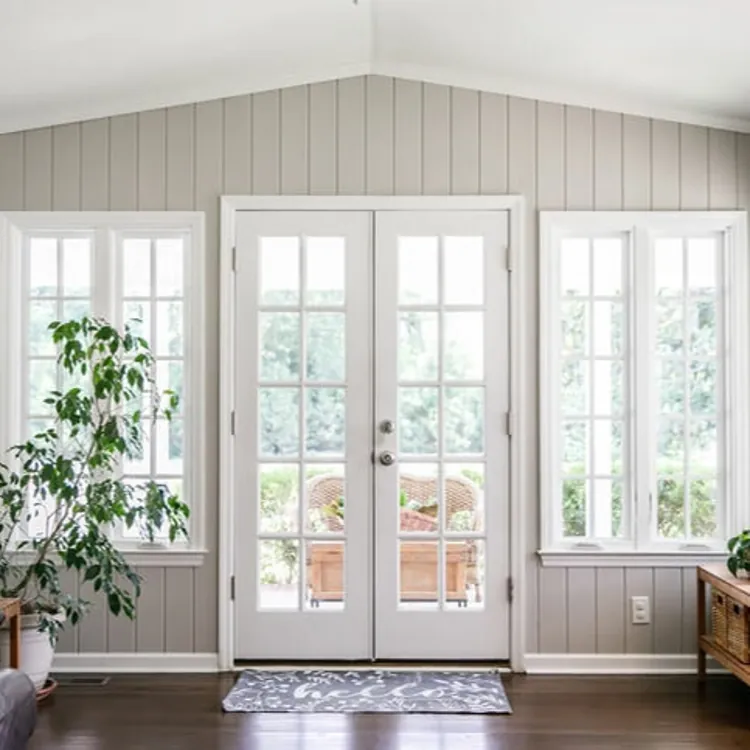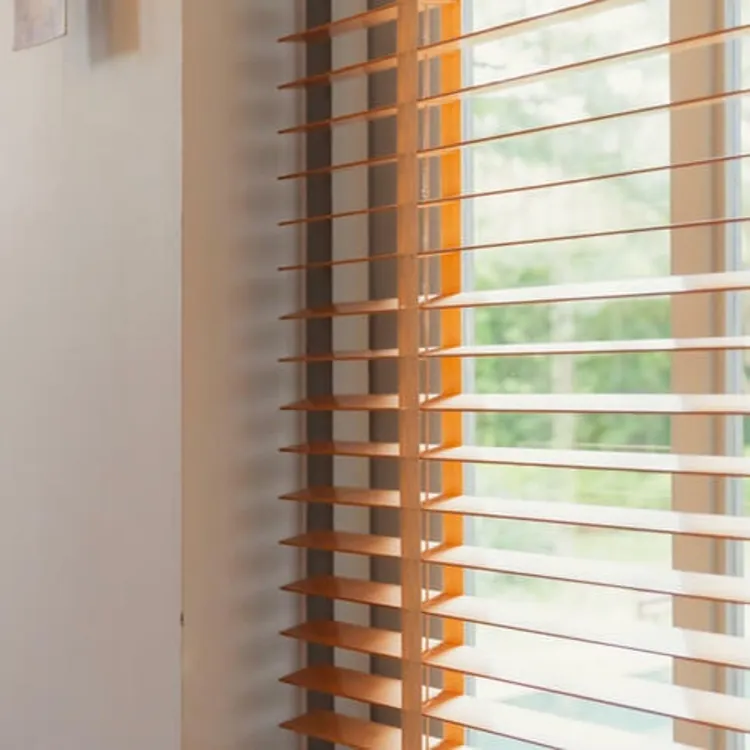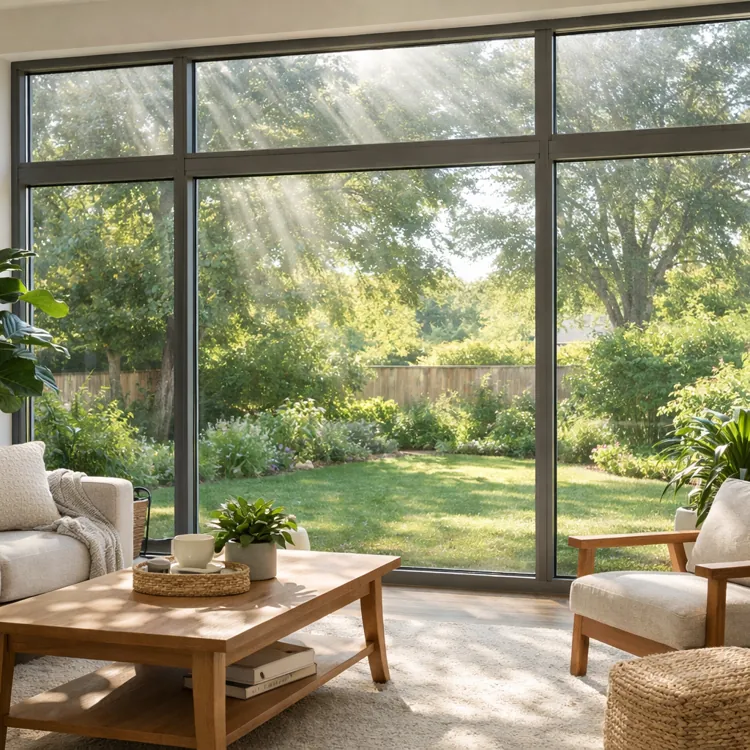


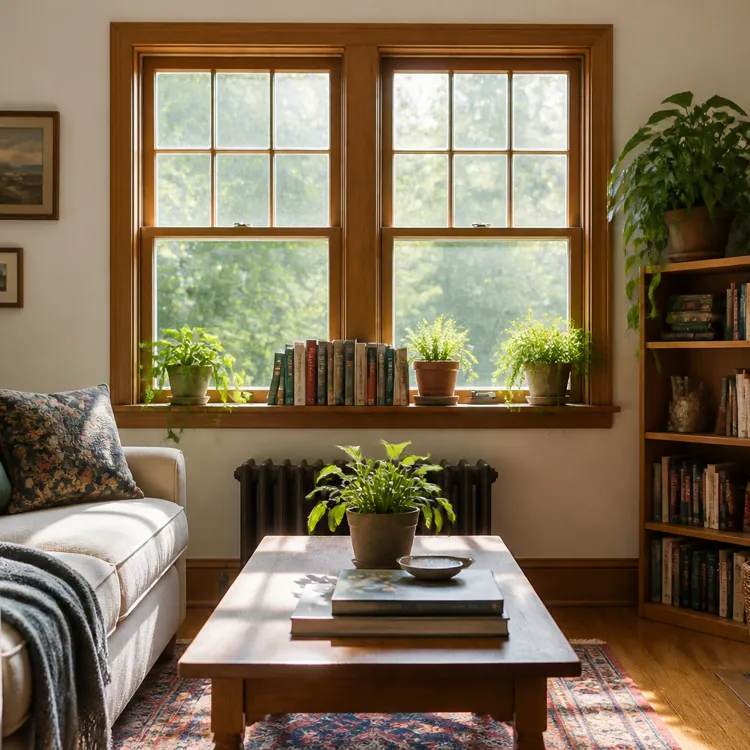
Aluminum vs. wood windows at a glance
Aluminum windows have frames made out of aluminum, sometimes with thermal breaks or insulation manufactured into the frame to improve energy efficiency. Wood windows have frames made of solid wood, which don’t include added insulation or thermal breaks but still offer good energy efficiency due to the material’s low heat conductivity.
Most homeowners choose their window material based on their climate — aluminum windows work best in mild and moderate climates, and wood windows are much better options in extreme climates. Both materials can have a shorter lifespan in high-moisture climates, so neither is ideal in areas that see a lot of rain or high humidity.
Side-by-side comparison
Overall, wood windows provide more value and last significantly longer, but you should compare aluminum and wood windows across a few key factors before making a decision.
| Aluminum windows | Wood windows | |
|---|---|---|
| Average cost per window | $400 to $900 | $800 to $1,500 |
| Average lifespan | 15 to 20 years | 30+ years |
| Energy efficiency | Low to moderate | High |
| Appearance | Modern and sleek | Traditional and warm |
| Ideal for | Saving money on upfront installation | Maximizing curb appeal and long-term value |
| Suitable climates | Mild and moderate, especially moderately cold areas | Mild, moderate and extreme, especially in relatively dry areas |
| Unsuitable climates | Extreme climates, hot climates, areas that see high humidity or excessive rainfall, coastal areas | Areas that see high humidity or excessive rainfall, coastal areas |
| Maintenance requirements | Regular cleaning, routine sanding and repainting to avoid corrosion | Regular cleaning, routine sanding and refinishing |
Aluminum window pros and cons
Aluminum is one of the most affordable window materials and is nearly half the cost of wood windows. Aluminum has high structural strength, so frames can be thinner while still supporting heavy glass panels. Overall, aluminum windows have a sleeker appearance that suits a more modern aesthetic.
However, it’s not ideal in all climates, so make sure you consider all of the following pros and cons before deciding if aluminum is right for your home.
Aluminum windows cost about half the price of wood, but their lifespan is much shorter — 15 to 20 years.
Pros of aluminum windows
- Affordable: Aluminum window installation costs an average of $400 to $900, making them about half the price of wood windows. They’re great on a budget, although vinyl is even more affordable.
- Modern appearance: Aluminum windows are strong and can have thinner frames while offering similar structural support no matter the type of window. This means a sleeker appearance that looks great on modern homes.
- Available upgrades for thermal performance: Aluminum windows have poor energy efficiency, but most manufacturers provide an option to include thermal breaks or insulation inside the frames. The best window companies will have both bare and insulated aluminum frames available.
- Excellent structural strength: Aluminum is a very strong material, so you can get larger windows with thinner frames compared to other window frame materials.
Cons of aluminum windows
- Low energy efficiency: Aluminum is a good conductor of heat, which means it acts as a bridge for heat between your home’s interior and exterior. As a result, they have poor energy efficiency — without upgrades — and are best in mild and moderate climates.
- Short lifespan: Aluminum windows last for 15 to 20 years on average, so you may only get about half the lifespan out of them compared to wood.
- Poor performance in moist climates: Aluminum is a metal, so it’s prone to corrosion. Aluminum windows may have a shorter lifespan or require more maintenance in coastal areas and those that see heavy rain or high humidity levels.
- Harder to repair: Aluminum is much more challenging to repair and may require specialized tools, whereas repairing wood windows is easier and often DIY-friendly.
- Prone to condensation issues: Since aluminum is a good conductor of heat, you may find condensation on the inside of your window frames during the summer. This can lead to minor water damage, mold growth and pest infestation in some cases.
When to choose aluminum windows
You should consider aluminum windows if you want a more modern aesthetic for your home, especially if you live in a mild climate. For more moderate climates, you should consider upgrading to windows with added insulation or thermal breaks, which will increase the cost.
Aluminum windows are not ideal in wet climates, but they’re often a better fit than wood because they won’t rot. You’ll just have to make sure to keep up with cleaning to remove dirt and dust that can trap moisture, and you should sand and repaint the frames every few years to prevent corrosion.
Wood window pros and cons
Wood windows last longer and provide significantly better energy efficiency, so they’re a better fit for extreme climates. Wood is a very poor heat conductor, so even in hot climates, you’re unlikely to see any issues with indoor condensation. Wood also provides better curb appeal, especially for homes with a more traditional appearance.
Wood windows are much more expensive, though, and they’re prone to rot. Make sure to consider all of the following benefits and drawbacks before deciding on wood windows.
Pros of wood windows
- Better energy efficiency: Wood windows have a much higher energy efficiency rating, so they’re better for more extreme climates. They cost more but may pay for themselves with savings on energy bills and HVAC maintenance costs.
- Longer lifespan: Wood windows last for up to twice as long as aluminum windows on average, so while you pay more upfront, you get about the equivalent value without the hassle of more frequent replacements.
- Easier to repair: Repairing wood windows is much easier than repairing aluminum windows. With some basic tools, you can even DIY certain repairs if you’re handy.
- No condensation issues: Wood doesn’t conduct heat well, so you’ll rarely have issues with condensation stemming from a high temperature inside or outside and a low temperature on the opposite side. In hot climates, this means a smaller risk of interior water damage, mold growth and pest issues.
- Added home value: Generally speaking, wood windows add more to your curb appeal and are preferable for many homebuyers, so you’ll likely see more value added to your home.
- Customization: Wood windows are available in a variety of different colors and stains. Along with a wide range of trim profiles, this gives you near-infinite options for customizing the appearance.
Cons of wood windows
- More expensive: Wood windows cost close to twice as much as aluminum windows, and the disparity can be even greater if you order oversized windows, like bay or bow windows.
- Prone to rot: Unlike aluminum, wood absorbs water and can rot over time from water and moisture exposure. Routine refinishing can help prevent this, but it’s a higher risk in areas that see heavy rain or high humidity.
- Prone to pest infestation: Moisture attracts insects, and wood can easily absorb water and moisture. You have a slightly higher risk of carpenter ants and other wood-destroying insects entering your home, but you can reduce the risk by keeping your windows sealed.
- Doesn’t suit a modern aesthetic: Wood windows tend to add more to your home’s curb appeal than aluminum, but they don’t always match a more modern home appearance, so they’re not for everyone.
Aluminum vs. wood windows by climate
The most important thing to consider when deciding between aluminum and wood windows is the climate. Each material’s performance depends largely on the elements they need to stand up to.
The guidelines below can help you decide which is the right fit for your home and when you should consider other materials, like vinyl or fiberglass. Just remember that you can always ask the window installer you hire for help deciding if you’re unsure.
Wood windows offer better insulation in both hot and cold climates, while aluminum performs better in humid climates.
Cold climates and thermal performance
Wood windows are a better option for cold climates than aluminum windows because they have higher energy efficiency. They’ll help keep warm air inside your home, especially if you upgrade to triple-pane glass with a low-emissivity (low-E) coating.
Aluminum can be a decent option if you choose a frame with built-in thermal breaks or added frame insulation, but this will significantly increase your costs.
Also consider: Vinyl for affordable performance and fiberglass for maximum energy efficiency
Hot climates and solar heat gain
Wood is also a better choice in hot climates for the same reason: It’s a better thermal insulator and will help keep hot air outside where it belongs. For the best performance, upgrade to triple-pane, low-E glass, and consider adding window tinting to reduce solar heat gain if you live in a sunny area.
Aluminum frames with built-in thermal breaks or insulation can also be reasonably efficient in hot climates, but you still have a risk of condensation forming on the inside of the frames, which could mean issues with water damage, mold growth or pest infestation.
Also consider: Vinyl for affordable performance and fiberglass for maximum energy efficiency
Humid climates and moisture damage
Aluminum windows are slightly better in humid climates because they’re not susceptible to moisture rot like wood windows. You’ll still need to keep up with maintenance to avoid corrosion from prolonged exposure, but you’ll still be better off with aluminum as opposed to wood.
Also consider: Vinyl, fiberglass or composite windows, which usually combine the interior aesthetics of wood windows with the exterior water resistance of aluminum windows
Coastal areas and corrosion risk
For coastal areas, wood windows are, once again, the better option. Aluminum is prone to corrosion in wet climates, but the risk increases significantly when there’s also salt in the air. Wood will need regular maintenance to keep it looking good, but you’ll get more value and lifespan out of wood than you will with aluminum in coastal areas.
Also consider: Vinyl or fiberglass for long-term value
» CALCULATE: Does a home warranty cover window repairs?
FAQ
Why is wood preferred over aluminum?
Most homeowners prefer wood windows over aluminum because they’re more energy-efficient, they last longer and they maximize curb appeal, especially on homes with a more traditional appearance. However, aluminum can be a better option for more modern homes, especially in mild and moderate climates.
Do aluminum windows require thermal breaks?
Aluminum windows don’t require thermal breaks, but those without them will have much lower energy efficiency ratings and won’t be suitable for extreme climates. If you live in an area that sees very hot or cold temperatures, you should consider upgrading to aluminum windows with thermal breaks or opting for a more energy-efficient material to begin with.
Can you paint aluminum windows?
It’s possible to paint aluminum windows, but it’s much more challenging than painting or refinishing wood windows. Aluminum is nonpermeable, so any paint application will just sit on top of the material. Adhesion depends on paint quality and surface prep, whereas painting or staining wood windows requires less care for good adhesion.
What is the average cost to replace 10 windows in a house?
The average cost to replace 10 windows in a house is between $4,560 and $19,000, but it depends on many factors, including frame material. Replacing 10 aluminum windows would cost between $4,000 and $9,000, while replacing 10 wood windows would cost between $8,000 and $15,000. Prices will also depend on glass options, window style, window size and more.
Bottom line
Aluminum windows are best for homeowners on a tight budget who live in mild climates, as they’re more affordable but offer the least insulation. Wood is a better fit for moderate and extreme climates and for homeowners who want a nicer curb appeal and more traditional aesthetic. Ask your window installer for guidance if you’re not sure which is best for you.
Article sources
ConsumerAffairs writers primarily rely on government data, industry experts and original research from other reputable publications to inform their work. Specific sources for this article include:
- International Association of Certified Home Inspectors, "InterNACHI's Standard Estimated Life Expectancy Chart for Homes." Accessed Sept. 30, 2026.