

Key insights
Triple-pane windows cost between $500 and $1,100 per unit, on average, but total costs depend on window type, style, location and size, as well as local labor rates and permit costs.
Jump to insightTriple-pane transom windows are the most affordable at just $300 to $800, while bay and bow windows are the most costly, ranging from $1,500 to $7,200.
Jump to insightMany factors can affect your triple-pane window costs, including frame material, glass options, necessary structural changes, add-ons and more.
Jump to insightCost overview of triple-pane windows
Triple-pane windows typically run $500 to $1,100 per window, including installation costs. Depending on the size, materials and other features, you could pay as little as $300 or as much as $7,200. Materials account for about 40% to 60% of the total, or roughly $230 to $660, with labor making up the remainder.
On average, upgrading to triple-pane glass from double-pane will add $100 to $200 to your window replacement cost, but you get the added benefit of a quieter living space and improved energy efficiency, especially if you upgrade multiple windows at the same time.
Whole-home triple-pane window replacement cost
Replacing all the windows in your home at once will cost significantly more than replacing a single window. For a typical home with 10 to 12 windows of varying styles and sizes, expect to pay about $5,000 to $13,200 for whole-home replacement.
Here’s a breakdown of what you can expect to pay based on how many windows you need to replace.
| Number of windows | Low end | Average | High end |
| 5 | $2,500 | $4,000 | $5,500 |
| 10 | $5,000 | $8,000 | $11,000 |
| 15 | $7,500 | $12,000 | $16,500 |
| 20 | $10,000 | $16,000 | $22,000 |
Triple-pane windows: Cost by type
One of the most important things to consider when pricing out triple-pane windows is the type of window you need. You’ll pay closer to $300 for a small, triple-pane transom window, while large, triple-pane bay or bow windows will cost closer to $7,200 or so each.
The type of window you need affects both material and labor costs.
Materials
Larger windows, like bay and bow windows, require more glass and frame materials, which pushes up labor costs. Some window styles, like casement windows, have complex opening mechanisms that can also increase material costs. Small, inoperable windows, like transom windows and small picture windows, are the most affordable options.
Labor
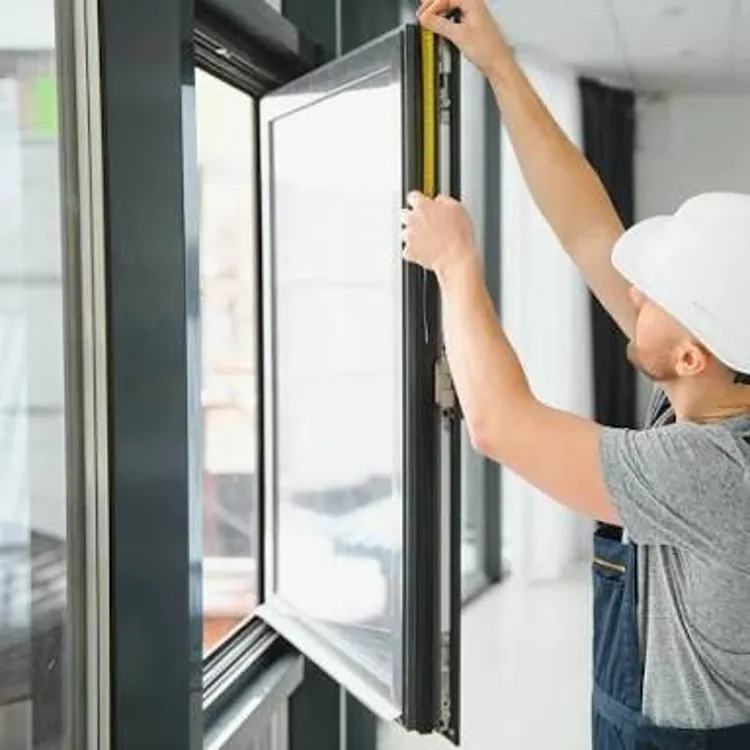
Larger windows are also bulkier and heavier, so they usually require multiple laborers and specialized equipment to deliver them and lift them into place. A single window installer can reasonably install a triple-pane hopper window by hand. In contrast, a bulkier bay window needs multiple techs — and you’d pay double or triple the rate for installation.
Average triple-pane window costs by type
Use the table below to estimate your total cost based on the type of window you need to replace.
| Type of window | Typical cost | Best for |
|---|---|---|
| Awning | $500 to $1,100 | Ventilation during rain, especially in basements |
| Bay | $1,600 to $7,200 | Natural light and views in main living areas |
| Bow | $1,600 to $7,200 | Natural light and views in main living areas |
| Casement | $550 to $1,200 | Ventilation and natural light in main living areas |
| Double-hung | $500 to $1,100 | Most windows throughout your home |
| Egress | $2,600 to $5,200 | Basement escape routes for safety |
| Hopper | $350 to $800 | Affordable basement windows without egress requirements |
| Picture | $350 to $1,000 | Natural light, views and energy efficiency without ventilation |
| Single-hung | $400 to $900 | Affordable alternatives to double-hung windows |
| Skylight | $1,000 to $2,500+ | Natural light without sacrificing privacy |
| Sliding | $500 to $1,000 | Wide wall openings |
| Transom | $300 to $800 | Decorative accents or natural light above doors and windows |
Factors affecting the cost of triple-pane windows
Many factors can affect your triple-pane window costs, including material options and anything that complicates installation and drives labor costs higher. Consider the following factors to get a more accurate estimate of where your installation costs will fall.
Frame material
Beyond the window type, the frame material you choose is one of the most important factors to consider. Use the table below to compare frame materials by cost, performance and long-term value.
| Frame material | Average cost per window | Pros | Cons | Best for |
| Aluminum | $400 to $1,100 | Affordable; won’t warp | Lower energy efficiency | Affordability where vinyl may warp |
| Composite | $600 to $1,400 | Energy efficient; customizable | More expensive | Energy efficiency at a moderate price |
| Fiberglass | $700 to $1,700 | Very energy efficient; long lifespan | Very expensive | Maximum energy efficiency and longevity |
| Vinyl | $300 to $1,000 | Affordable; long lifespan; good value | Prone to warping; difficult to paint | Value and longevity |
| Wood | $800 to $1,700 | Attractive; easy to repair | Expensive; prone to rot; high maintenance | Curb appeal and easy repairs |
Window size and dimensions
Window size affects both material and labor costs. Larger windows require more glass and frame material and can be harder to maneuver and install, increasing installation fees.
Manufacturers mass-produce windows in standard sizes and shapes, but older homes and custom-built or luxury homes may have openings that require different dimensions or shapes. Custom windows cost more because they don’t benefit from the savings of mass production.
Custom triple-pane windows can cost even more than custom double-pane windows because the additional layer of glass must also be custom-cut and sealed, adding to manufacturing time.
Glass options
Triple-pane windows are already highly energy efficient, but you can further upgrade the glass with coatings and treatments. These options can add to the cost of your windows, so consider whether the added comfort and energy efficiency are worth the extra expense.
| Upgrade option | Benefits | Average cost per window |
| Low-emissivity glass | Reduces heat transfer, keeping solar heat out in summer and indoor heat in during winter | $50 to $150 |
| Window tinting | Reduces sunlight and helps prevent UV-related fading of flooring and furniture | $75 to $150 |
| Frosting or etching | Improves privacy, especially in bathrooms | Varies |
| Krypton gas fill (as opposed to argon) | Improves insulation and energy efficiency | Varies |
Installation complications and labor rates
A few factors can affect your labor costs for window installation and potentially lead to higher fees. These usually don’t vary much from double-pane windows, but they’re still important to consider when pricing new triple-pane windows.
Hidden damage
There’s always a chance your pro will find hidden water damage or a pest infestation caused by leaks. If so, you may need to set aside extra money for drywall and insulation replacement, or for electrical issues if the leak affected wiring or outlets.
Structural issues
Your installer may find that your window opening isn’t perfectly square when they inspect your home, meaning the sides or corners aren’t properly aligned. This can indicate structural issues with the framing around your window. Fixing these problems could add $300 to $1,200 to your total.
Resizing your wall opening
The most affordable option is to replace your windows with units of the same size and dimensions. If you want to enlarge your wall openings to fit a bigger window or tighten them to downsize your window, expect higher labor costs for the added framing and finishing work.
New construction windows vs. replacement windows
You’ll usually see slightly lower labor costs if you’re installing triple-pane windows in a new construction home, since your installer will have easier access to the wall opening and won’t have to remove an existing window before starting.
Window location
A second-floor window will usually cost between $50 and $150 extra because your installers will need to work from ladders and use safety equipment, which can slow the process.
Triple-pane windows are also heavier than double-pane and single-pane windows, so your installer is more likely to need a lift to hoist your units up into place, adding equipment costs to your total. Triple-pane skylights come with similar complications and additional fees.
Removal and disposal
Most professionals include the cost of removing your old window and hauling it away in their estimates, but if yours charges separately, you should budget an additional $50 to $100 per window.
Permits
Most municipalities won’t require permits if you’re replacing a window with one of the same size. However, if you’re changing the size of the wall opening, adding a window where there wasn’t one previously or replacing all of your windows as part of a larger renovation project, you may need permits.
Permit costs for window replacement average between $100 and $400.
Brand and warranty coverage
Some of the best window companies, like Andersen, Champion and Pella, make higher-quality windows with warranty coverage that can give you peace of mind. However, they tend to cost more than some of the more budget-friendly brands.
Also consider the labor warranty offered by your installer, if there is one, which can help ensure a professional installation and lower the risk of water leaks and efficiency losses.
High-quality windows and long warranties cost more, but they can be worth the investment.
When to upgrade from double-pane to triple-pane
Choosing triple-pane glass over double-pane glass will add an average of $100 to $200 per window to your total, and potentially more for larger windows.
Double-pane windows are usually sufficient for most homes and save you money upfront, but in some cases the extra cost of triple-pane windows is worth it. For example:
You live in an extreme climate
Triple-pane windows can quickly pay for themselves in extreme climates, especially very hot ones. They can reduce energy loss from your home by up to 18% in the winter and up to 41% in the summer, meaning you’ll save on heating and cooling costs.
Those savings can eventually add up to pay for the upgrade to triple-pane glass, especially in hot climates, where you stand to see more significant savings on cooling costs.
You want to limit exterior noise
Triple-pane glass blocks more exterior noise than double- and single-pane glass, creating a quieter living space. The upgrade might be worth it if you work from home or value a peaceful interior.
You want to maximize home value
Triple-pane glass can reduce utility costs, limit wear and tear on HVAC equipment and create a more comfortable living space. These benefits may make your home more appealing to buyers and could help you list for a higher price.
You’re replacing all of your windows at once
Replacing a single window and upgrading to triple-pane likely won’t have a major impact on your home’s efficiency or your heating and cooling bills. You might see a much bigger bump in efficiency and energy savings if you replace all your windows and opt for triple-pane glass across the board.
» RELATED: The cost to repair a window
FAQ
What are the disadvantages of triple-pane windows?
The primary drawback of triple-pane windows is the cost. They’re almost always more expensive than double-pane windows, potentially adding thousands to your total if you’re doing a whole-home window replacement. They also may not add enough to your home’s energy efficiency to justify the higher cost, especially in mild and moderate climates.
What is the lifespan of triple-pane windows?
Triple-pane windows can last anywhere from 15 to 40 years, depending on the frame material.
Aluminum windows last 15 to 20 years on average; wood and most composite windows last 30 or more years; and vinyl and fiberglass windows last an average of 20 to 40 years. The glass material has less of an impact on your window’s lifespan than the frame and seals.
What’s the difference between double-pane and triple-pane windows?
Double-pane windows have two panes of glass with a void between them filled with argon or krypton gas for added insulation. Triple-pane windows have three panes and two voids filled with insulating gas. Both double-pane and triple-pane windows provide energy efficiency, but triple-pane windows can reduce heating and cooling costs by up to 18% and 41%, respectively.
How much does professional installation of triple-pane windows cost?
Professional installation for a triple-pane window costs between $230 and $660 for the labor alone. Labor fees usually sit closer to the lower end for smaller windows that a single tech can maneuver into place and install, but creep toward the higher end for larger, bulkier windows, especially if they require multiple techs.
Windows on the second floor, or those that need window lifts and safety equipment, can drive labor costs even higher.
Bottom line
Expect to pay $500 to $1,100 for a standard triple-pane, double-hung window, with prices ranging from about $300 for a small transom window to $7,200 or more for larger, more complex windows. Structural changes may add to your labor costs if the heavier windows require additional support.
Upgrading from double-pane to triple-pane glass typically adds $100 to $200 per window. The extra cost may be worth it if you want greater energy efficiency, noise reduction and comfort, particularly when replacing most or all of your windows. Whole-home replacements cost about $5,000 to $13,200, but can provide greater long-term energy savings and comfort.
Article sources
ConsumerAffairs writers primarily rely on government data, industry experts and original research from other reputable publications to inform their work. Specific sources for this article include:
- Pacific Northwest National Laboratory, “Evaluation of Thin Triple-Pane Windows in the PNNL Lab Homes.” Accessed Sept. 14, 2026.
- International Association of Certified Home Inspectors, "InterNACHI's Standard Estimated Life Expectancy Chart for Homes." Accessed Sept. 14, 2026.
- U.S. Department of Energy, "BTO Seeks to Increase Adoption of Energy-Saving Triple-Pane Windows." Accessed Sept. 14, 2026.
- U.S. Department of Energy, “The Latest on Zero Energy Windows, Thin Triples, and Advanced Window Technologies. Accessed Sept. 14, 2026.