

Types of windows by operation
A window’s style and operation impacts the unit’s ventilation, energy efficiency and maintenance needs.
Windows that hinge out, such as awning, hopper and casement windows, often provide high energy efficiency thanks to their tight seals. Alternatively, single- and double-hung windows are versatile and easy to fit into many home styles, despite not creating as tight of a barrier.
Additionally, some window types require more maintenance depending on their hardware and moving parts. See how common window styles operate and where they function best:
| Window type | How it opens | Best rooms | Ventilation | Energy efficiency | Maintenance |
|---|---|---|---|---|---|
| Single-hung | Vertical sliding sash | Bedrooms, bathrooms, ground-floor rooms | Moderate | Moderate | Low |
| Double-hung | Vertical sliding sash | Bedrooms, bathrooms | High | Low to moderate | Moderate |
| Casement | Crank | Bathrooms, kitchens | High | High | Moderate |
| Awning | Hinge | Bathrooms, kitchens | High | High | Low to moderate |
| Hopper | Hinge | Basements, bathrooms, small spaces | Moderate to high | High | Low to moderate |
| Picture | Fixed | Living rooms, kitchens | None | High | Low |
| Bay and bow | Varies | Living rooms, dining rooms | Varies | Varies | Moderate to high |
| Sliding | Horizontal sliding sash | Living rooms, kitchens, basements | Moderate | Low to moderate | Low to moderate |
Hung windows
Single- and double-hung windows open vertically with a sash mechanism. Double-hung windows have a top and bottom sash that both move up and down. This provides more airflow and lends to easier cleaning than single-sash windows, which have only one moving component. Many double-hung windows can also tilt inward, making them easier to clean from inside the home.
Casement windows
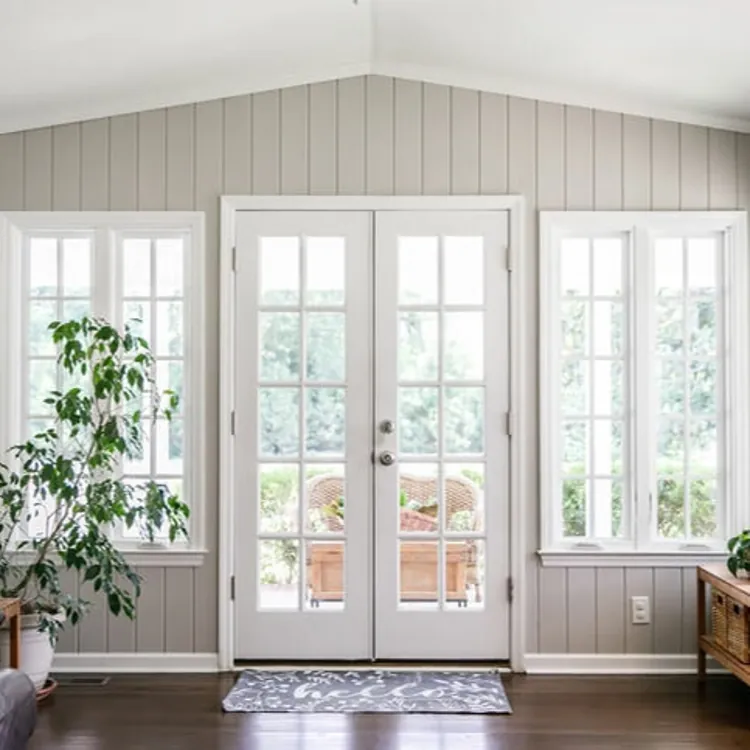
Casement windows are hinged on one side and open using a lever or crank mechanism. This type of window essentially opens like a door, offering a lot of airflow. When closed, this type of window is also more energy efficient and secure than hung windows, as the sash is fully locked into the frame with a compression seal.
Awning and hopper windows
Awning and hopper windows both have hinged opening mechanisms. Awnings are hinged on the top, opening outward, and hopper windows are hinged on the bottom, opening inward. Like casement windows, they can be very energy efficient thanks to compression sealing. These windows are good for improving airflow and light in constrained spaces.
Sliding windows
Sliding windows open side-to-side on a horizontal track. They operate similarly to hung windows but are oriented to the side. These windows are common in spaces with wide openings or hard-to-reach areas, such as above the kitchen sink.
Fixed and picture windows
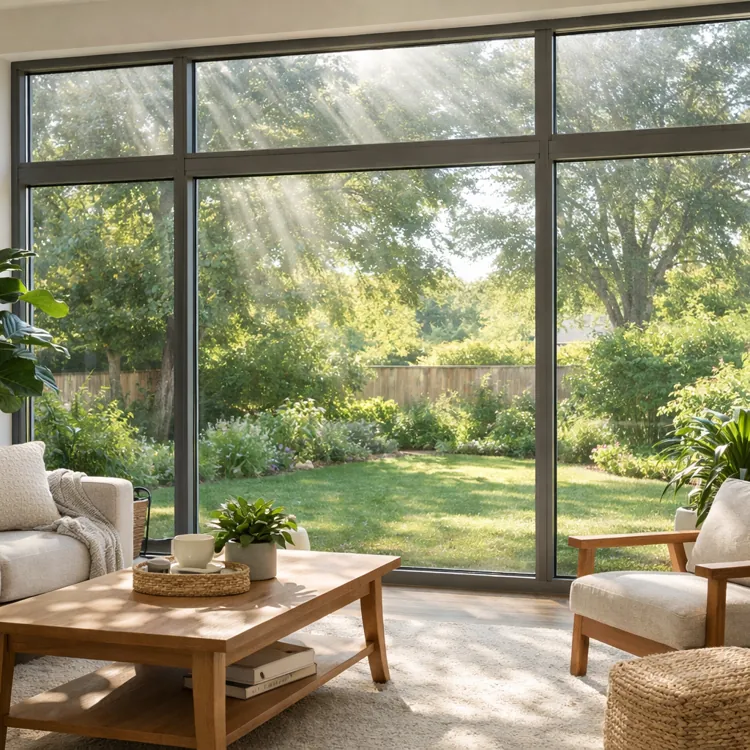
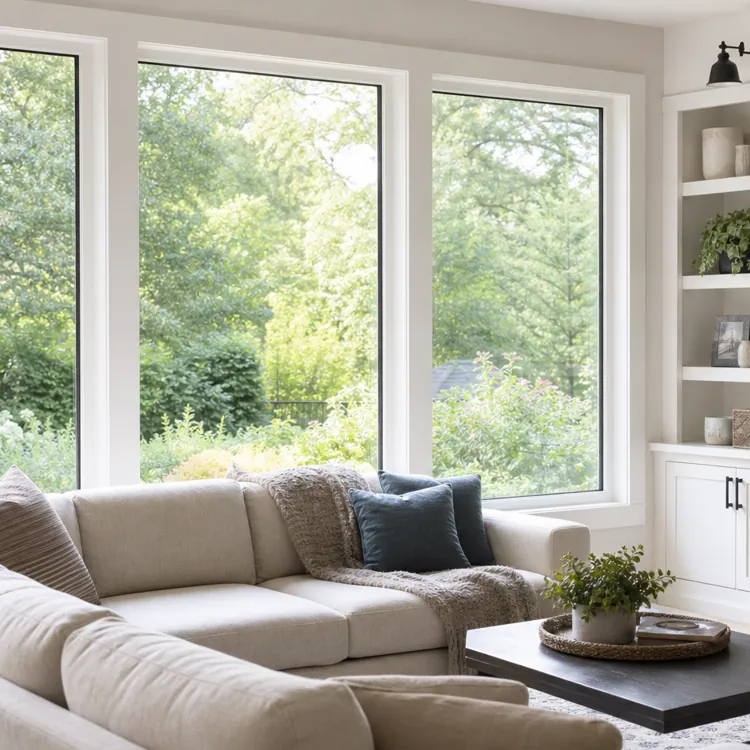
Fixed and picture windows are primarily used in living spaces to maximize light and showcase views. Because they don’t open, fixed and picture windows offer minimal ventilation. That said, they are also very energy efficient, low maintenance and secure.
Bay and bow windows
Bay and bow windows are made up of several windows installed together. These windows typically create a seating area that protrudes beyond the exterior wall.
Energy efficiency, ventilation and operation can vary depending on the configuration, as bay and bow windows are often custom-built and can have a mix of fixed and operable styles.
Window types for each room
There are several considerations when choosing the best type of window for each room in your home, such as the ventilation, lighting, aesthetic and security needs of each space.
Kitchen windows
Casement and awning windows are common choices for kitchens. Both of these window types open wide to provide maximum airflow, and the opening mechanisms are easy to reach, even when placed above kitchen sinks or countertops.
Picture windows are also common in kitchens, as they offer outdoor views and let in abundant natural light.
Bathroom windows
Awning and double-hung windows are common in bathrooms. Compared to other window styles, both of these designs provide better privacy when opened, while still allowing fresh air into the room. That’s because awning windows are hinged at the top and open outward, while double-hung windows can be opened from the top by lowering the upper sash.
Additionally, vinyl or composite frame materials tend to work best in bathrooms, as they hold up well in humid environments.
Bedroom windows
Double-hung windows are common for bedrooms. This versatile style offers classic aesthetics and low-maintenance cleaning. Because you can open the top sash for airflow, double-hung windows are more private and safer for pets and kids than single-hung styles.
Homeowners must also consider that most states require egress windows in bedrooms and finished basements. This means that all bedrooms must have a direct exit that’s large enough for a person to fit through in case of an emergency.
Living room windows
The main objective for living room windows is to increase natural lighting and showcase outdoor views to create a comfortable space. That’s why larger window setups that allow light to pour in, such as picture and bay windows, are popular in this part of the house.
Basement windows
Hopper and sliding windows are popular in basements because they maximize light and ventilation in small spaces. Keep in mind that many states require any rooms in a basement used as a sleeping area to have an egress window suitable for emergency exits.
Types of windows by material
Vinyl is a very common choice for window frames. It’s usually more affordable than other premium materials, offers strong energy efficiency and is low maintenance. That said, high-end materials like wood, fiberglass and composite can provide better performance and longevity at a higher cost.
| Material | Cost range | Lifespan | Insulation | Maintenance | Best for |
|---|---|---|---|---|---|
| Vinyl | $200 to $600 | 20 to 30 years | Moderate to high | Low | Everyday replacement projects |
| Wood | $300 to $1,000 | 30 to 60+ years | High | High | Historic or traditional aesthetics |
| Fiberglass | $500 to $1,500 | 40 to 60 years | High | Low to moderate | Energy efficiency and durability |
| Composite | $400 to $1,200 | 30 to 50 years | High | Low to moderate | Energy efficiency and durability |
| Aluminum | $400 to $1,200 | 20 to 30 years | Low | Low | Modern aesthetics, custom shapes |
Window frame customization options
Most frame materials come in a range of colors, sizes and styles, though some more than others. Wood is generally the most customizable, as it can be easily painted, stained or crafted to mimic historic designs. Fiberglass, composite and aluminum also come in several finishes and can usually be painted with the correct materials.
On the other hand, vinyl tends to have fewer size and color options, and they generally shouldn’t be painted. Still, it’s a popular choice for standard projects.
How to choose window types
When choosing your windows, you’ll need to strike a balance between performance, aesthetics and budget. Top considerations include:
- Energy efficiency: Energy-efficient windows can help lower your energy bills and block UV rays. Several factors, including the window style, frame materials and glass coatings, impact energy efficiency.
- Noise reduction: Laminated glass and triple-pane windows offer enhanced noise reduction. These features can be particularly useful if you live in a busy urban area or near a highway or airport.
- Ventilation: Certain parts of your home, like bathrooms and kitchens, benefit more from increased ventilation. Windows that open wide, like casement styles, help maximize airflow.
- Security: Windows without any moving parts, like picture windows, or with strong locking mechanisms, like casement windows, tend to be more secure. For households with kids and pets, double-hung windows add extra safety because the top sash can be opened while keeping the lower sash closed.
- Cleaning and maintenance: Double-hung windows are easy to clean, as they usually have a tilt-in feature. For frame materials, vinyl is typically the lowest maintenance, while wood needs regular upkeep to prevent moisture and rot.
- Budget: Vinyl-framed, double-hung windows are a very common window style because they’re budget-friendly and perform relatively well. Premium performance and aesthetics cost more.
- Style: Choosing windows that match your home’s aesthetic, whether it’s traditional, modern or historic, increases curb appeal and can positively impact your return-on-investment.
FAQ
What are the four main types of windows?
The four main window types include single-hung, double-hung, casement and picture windows.
What are the most energy-efficient window types?
Casement and awning windows are very energy efficient because they close with a compression seal. Picture and fixed windows, which do not open, are also very energy efficient.
Which window type is best for ventilation?
Casement, awning and double-hung windows tend to offer the best ventilation.
What is the difference between single-hung and double-hung windows?
Double-hung windows have two movable sashes, while single-hung windows only have one.
Are casement windows more expensive than sliding windows?
Not necessarily. The price difference between casement and sliding windows often depends on features like size and frame material.
Article sources
ConsumerAffairs writers primarily rely on government data, industry experts and original research from other reputable publications to inform their work. Specific sources for this article include:
- National Fenestration Rating Council, "Window Frames." Accessed May 10, 2026.
- National Fenestration Rating Council, "Window Frames: Not just a place holder!" Accessed May 10, 2026.