

7 steps to hiring a window installation company
First, identify and understand your specific project needs. Then compare your best options, ask the right questions and make a decision.
1. Identify and define your needs
Why do you want new windows? One common reason is energy efficiency. It’s estimated that 25% to 30% of a home’s heating and cooling energy is lost through its windows.
Other motivations include aesthetic purposes, noise reduction or safety reasons. “Damaged glass or frames can invite burglars or unwanted pests; you will have a tough time getting out during a fire. Even worse, these issues can make it harder for the fire department to get in to save you,” said Leo Alabovitz of JMI Windows & Doors in Largo, Florida.
Standard window replacements cost $400 to $800 per window installed.
Alabovitz also recommends having an idea of the brand, frame color, window style, glass color and energy options you want. There are numerous window types, ranging from single- and double-hung to fixed picture or skylight. Identify the types of windows that need to be replaced or installed, including the number and sizes of each.
“For older homes with non-standard window openings, it is essential to have accurate measurements that impact material costs and installation complexity,” said Cliff Gielow, president and owner of Lemon Bay Glass & Mirror in Englewood, Florida.
Timeline expectations
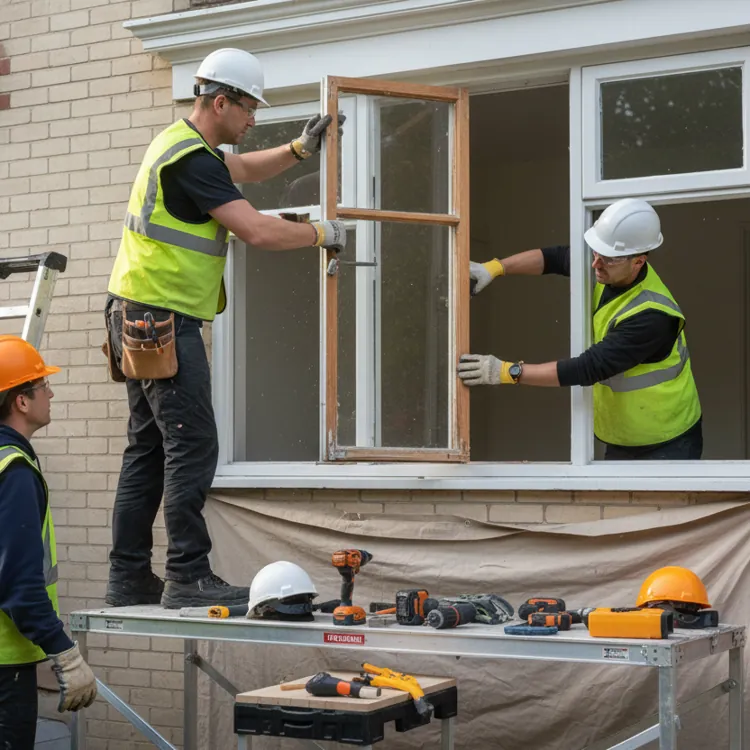
It may only take one or two days for the actual install, depending on your project, but many contractors book out weeks or months in advance. If you need installation quickly, for example, due to storm damage, be upfront about your situation from the start.
Gielow added that if you live in a region with inclement weather, such as areas impacted by monsoon season, be prepared for potential weather delays.
» MORE: Cost to install replacement windows: Is it worth it?
2. Research potential candidates
You might prefer working with a locally owned and operated company or a national brand that services your area. Either way, look for window companies suited to your specific project.
Referrals from trusted contacts, such as friends, family or neighbors, can be a great way to find reliable contractors. Additional methods of sourcing installers include:
- Online review platforms: Search the company online and read recent customer feedback from review platforms like ConsumerAffairs.
- Industry trade associations: Check organizations such as the American Architectural Manufacturers Association (AAMA) or Fenestration and Glazing Industry Alliance (FGIA). These organizations offer resources and certification programs for qualified professionals.
3. Compare quotes
Quotes from window installers should be detailed and transparent, reflecting the requirements of your unique project. Cost varies based on installation methods, size and window type, structural modifications and your location.
To accurately compare installers, quotes should be transparent and itemized.
“Professional quotes should itemize materials, labor, permits, disposal of old windows and any necessary structural modifications. Quality contractors include flashing, insulation, trim work and cleanup in their pricing. Beware of quotes that seem incomplete — missing items often become surprise charges later,” Gielow said. “Ask for an itemized quote to know what everything is going to cost you, from materials and dumpster rental through site permits.”
Contractors may ask to schedule a walk-through of your space to get the full picture before finalizing a quote. “To get the most accurate quote, an in-person meeting is best,” Alabovitz explained. “At the appointment, they will make many assessments of the structure and the possibilities for your installation.”
4. Verify licenses and warranties
Gielow emphasized the importance of verifying installers’ credentials against state and county requirements. “Understand what licensing and insurance your county requires, since building codes differ (across states). Ask contractors for referrals and information about warranties on both materials and installation.”
What to know about warranties
Manufacturer warranties will not cover issues such as leaks or operational defects caused by improper installation. Additionally, using a contractor not properly authorized or licensed can void the warranty.
“Going with the lowest bid could cost you more in the long run through shoddy work or problems such as leaks or failed inspections,” added Gielow.
How to verify licensing
Locate the installation company’s license number (often on their website, business card or company truck) and search for it on your state’s online licensing database.
Make sure the license is active, includes a certificate of insurance and that the classification covers window installation. Look for complaints or citations. If the company is unable to provide a license number or isn’t listed online, this can be a red flag.
“Always use a licensed professional for all your construction projects and make sure the proper permits are pulled for your area. The biggest red flag is to avoid anyone who won't pull the permits you need,” said Alabovitz.
5. Ask the right questions
When vetting companies, it helps to know what questions to ask. A reputable installer should be able to clearly explain their experience, warranty coverage and payment terms. These include:
Installation and crew experience
- Who will be my main point of contact?
- Will there be an on-site supervisor during installation?
- How long will the installation take?
- Does your crew handle the removal and disposal of old windows?
Warranties and protection
- What type of manufacturer’s warranty comes with the windows?
- Do you offer an installation or workmanship warranty? How long does it last?
Pricing and payment schedule
- Do you require a deposit?
- When is the final payment due?
- Can I see an itemized breakdown of all costs?
6. Review the contract carefully
There are key components that should be in writing, not only communicated verbally. Never sign a blank or incomplete contract, and be sure to get a copy for your records. The contract should include details regarding:
- Scope of work: A detailed list of what the project entails, including the number, type and brand of windows that are being replaced (with the model and energy ratings). It should also include details on removing the old windows and debris.
- Installation method: Is it a full-frame replacement or insert-only? “Full-frame replacement removes the entire window unit, including the frame, allowing for structural repairs and better energy efficiency,” Gielow explained. “Insert replacements fit new windows into existing frames, which is faster and less expensive, but reduces the glass area slightly.”
- Timelines: Project start and completion dates, and, ideally, a “no later than” clause. It should also include a schedule for deposits and final payment, as well as a clear breakdown of labor, materials, permits and fees.
Pro tip
Verbal agreements lack documentation, which makes them difficult to prove and can lead to disputes over pricing, materials and timelines. A written contract is best for protecting everyone involved.
» RELATED: How to finance a home renovation
7. Trust your gut and make a decision
Once you have thoroughly researched and received quotes from a handful of window installers, you can feel confident choosing the best contractor for your project. Keep in mind that professionalism and clear communication matter as much as the price tag. Ask yourself:
- Who was responsive and clear when communicating?
- Who had an experienced crew and positive reviews?
- Who showed proof of licensure and insurance?
- Who provided a transparent and itemized quote?
- Who respected my budget without pressure?
- Who offered clear steps regarding the entire process?
Remember, it’s okay to walk away, even after investing time, if the installer doesn’t feel like a good fit.
FAQ
How much does it cost to install new windows?
According to Gielow, standard window replacements range from $400 to $800 per window for basic units, while hurricane-impact windows may run between $600 and $1,200 per window.
How long does window installation usually take?
“On the day of install, most installers can remove and replace one window per hour for a two- or three-person team,” Alabovitz said. “The average time for install, from autographing the agreement to the permit being inspected, is eight to 12 weeks.” He added that window manufacturer delivery times may vary significantly with the seasons and product demand.
Do I need permits to replace windows?
Yes, a permit is usually required to replace windows, especially if the project involves changing window sizes or installing multiple units. It’s best to verify compliance with local building codes and regional requirements first. Keep in mind that insurance and warranties may not cover issues with windows that were installed without proper permits.
What’s the difference between a window warranty and an installation warranty?
Window (or manufacturer) warranties typically cover defects in the product itself from the production process, including frames, glass or seals. Manufacturer warranties range from 10+ years to lifetime, and do not cover labor costs. Installation warranties cover the contractor’s labor and potential workmanship issues, typically lasting one to 10 years.
How often should windows be replaced?
“Replace windows when you notice drafts, condensation between glass panes or difficulty opening and closing,” Gielow said. “Most quality windows last 20 to 25 years with proper maintenance,” he added.
Article sources
ConsumerAffairs writers primarily rely on government data, industry experts and original research from other reputable publications to inform their work. Specific sources for this article include:
- U.S. Department of Energy, “Window Types and Technologies.” Accessed Jan. 21, 2026.
- U.S. Department of Energy, “Update or Replace Windows.” Accessed Jan. 21, 2026.
- Fenestration & Glazing Industry Alliance, “InstallationMasters Certification.” Accessed Jan. 21, 2026.
- County Office, “Public Records.” Accessed Jan. 23, 2026.
- State of California Department of Consumer Affairs, “What Should I Look for in a Contract and Binding Agreements?” Accessed Jan. 23, 2026.
- The Law Dictionary, “The Law of Verbal Agreements.” Accessed Jan. 21, 2026.
- Office of Energy Efficiency & Renewable Energy, “Window and Frame Replacement - Code Compliance Brief.” Accessed Jan. 21, 2026.
- Federal Trade Commission, “Consumer Advice: Coverage.” Accessed Jan. 21, 2026.